

.svg)
Today, there is interesting news from the Russian Federation.
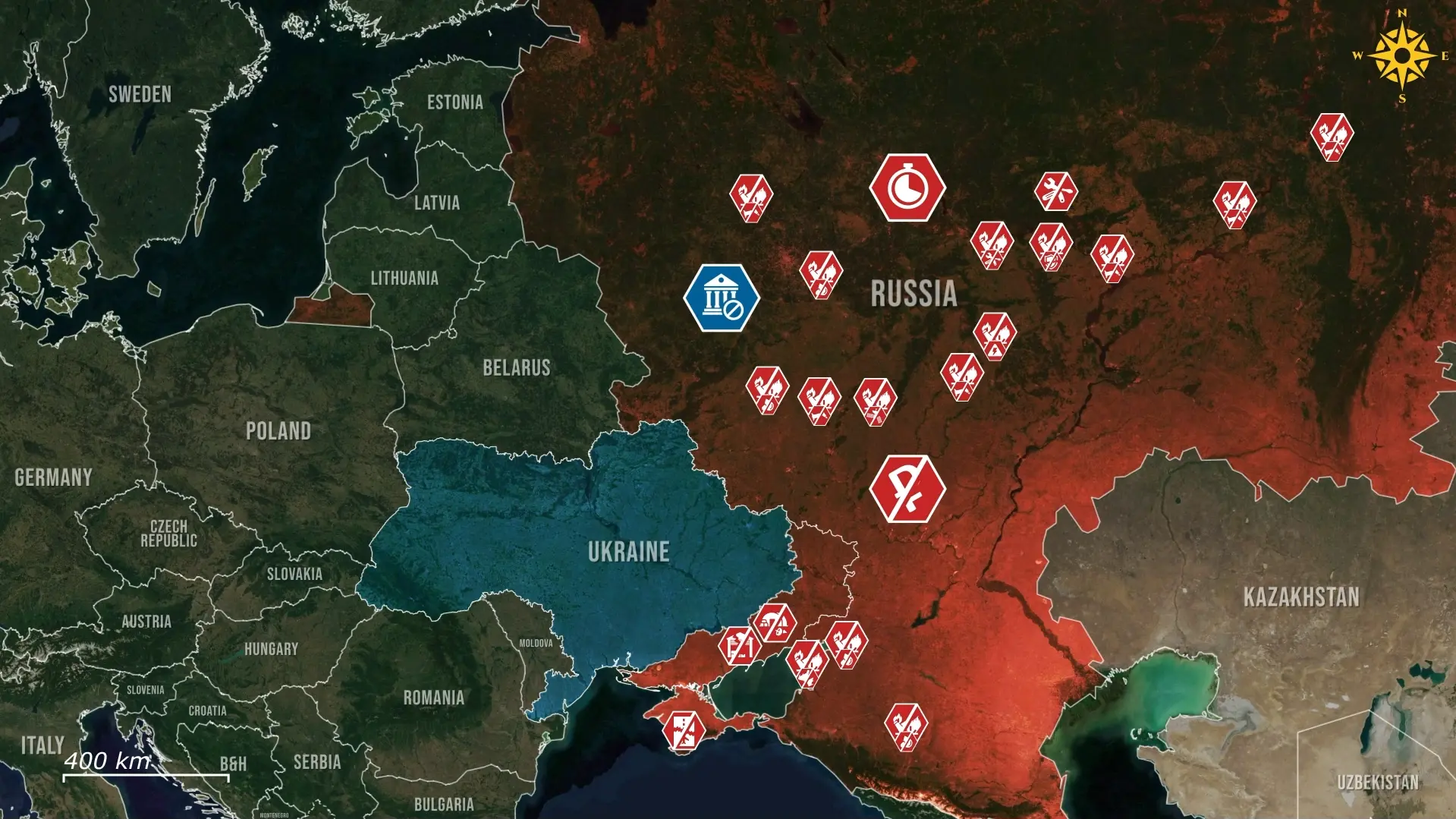
Here, Ukraine unleashed a combination of Atacms and Flamingo missiles across Russian command posts, airfields, and drone hubs, ripping into the nerve centers of Moscow’s war machine. At the same time, Ukrainian precision strikes hammer missile plants, chemical complexes, and drone factories deep inside Russia, which combined threaten a total collapse of Russian offensive operations.
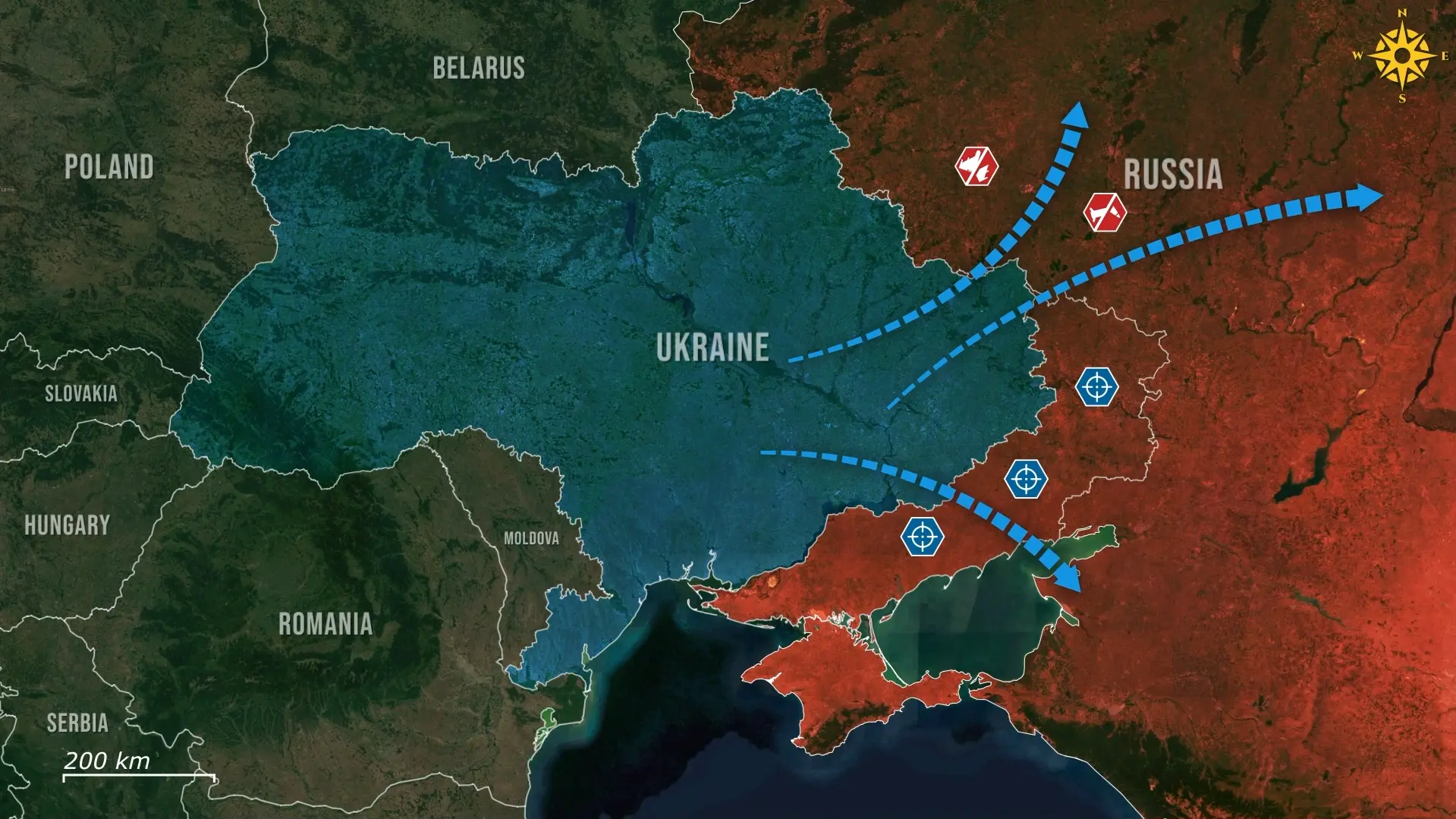
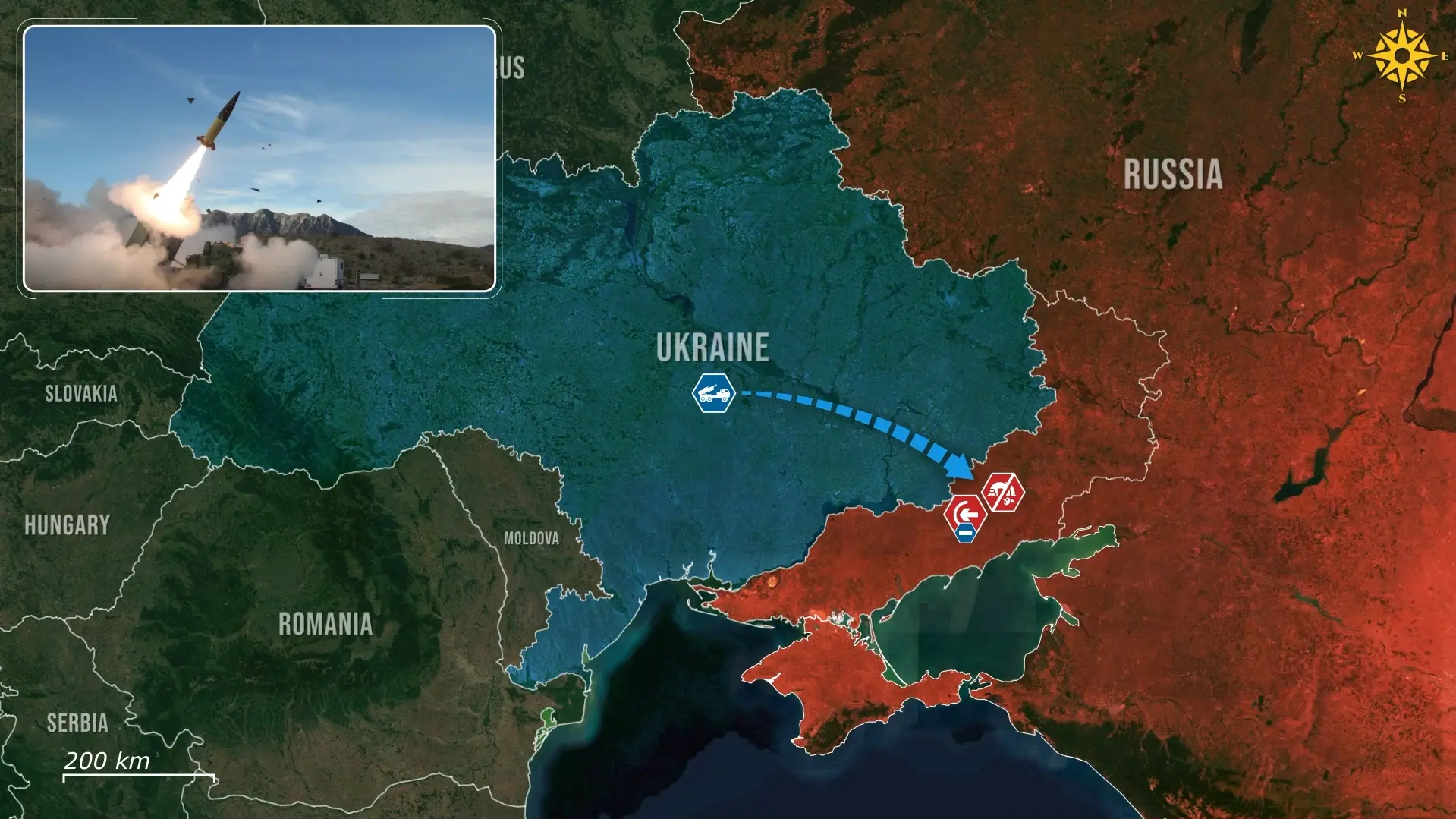
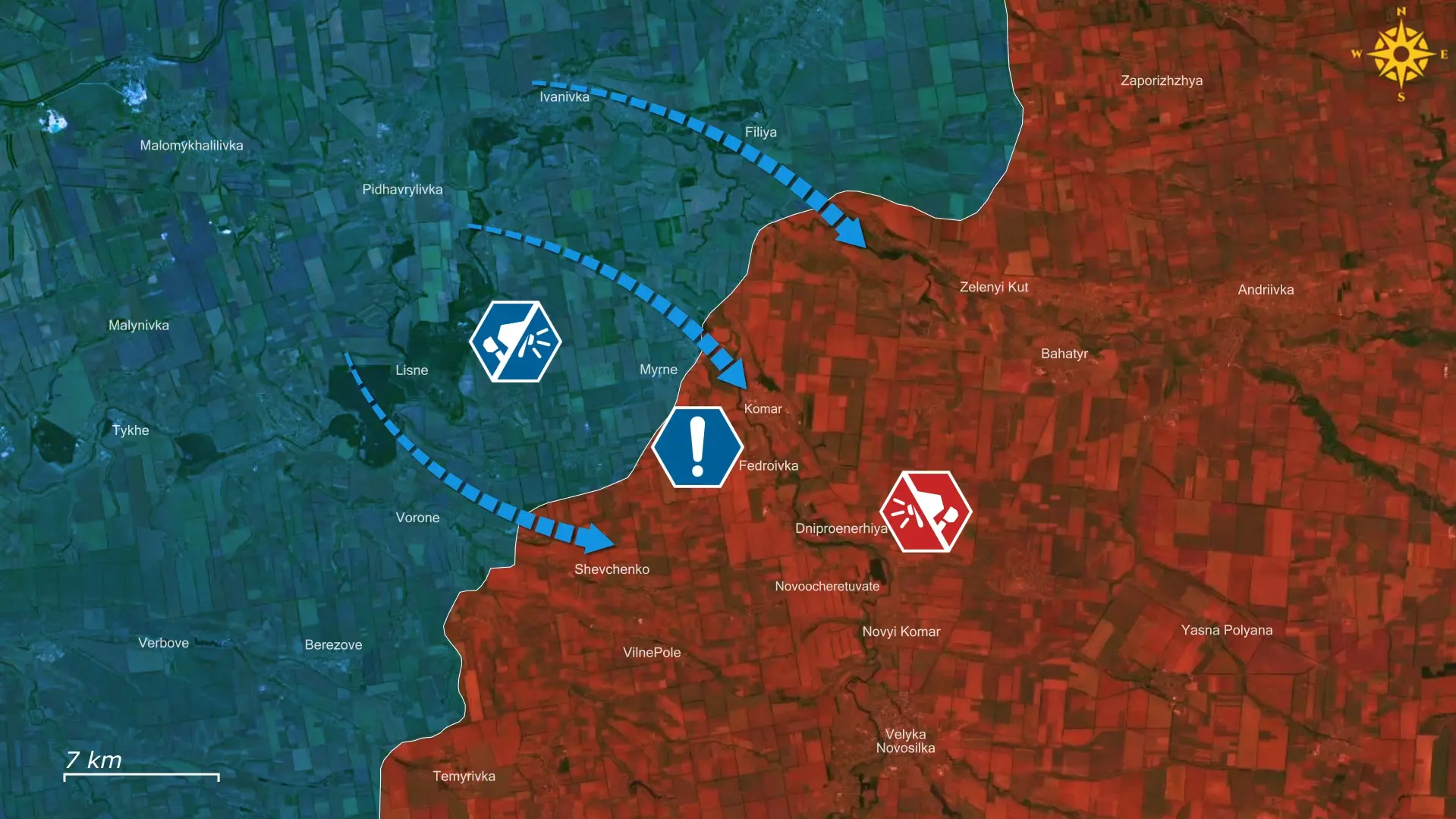
First, the Ukrainian Forces used Atacms missiles to strike an auxiliary command post of Russia’s 5th Combined Arms Army near Novopetrykivka in the Donetsk region. It controls units operating primarily in southern Ukraine, with a current area of responsibility focused on the Zaporizhia direction, particularly around Huliaipole. Russian advances in the area have been disrupted by Ukrainian counterattacks, and this strike aims to inflict even more damage to the Russian command and control, easing further Ukrainian raids. The Ukrainian General Staff confirmed the use of Atacms, a choice that reflects the protected and important status of the target, as headquarters facilities are typically well protected. The Atacms variant with a unitary high-explosive warhead of around 230 kilograms is particularly effective in penetrating structures and detonating within operational spaces for maximum damage.
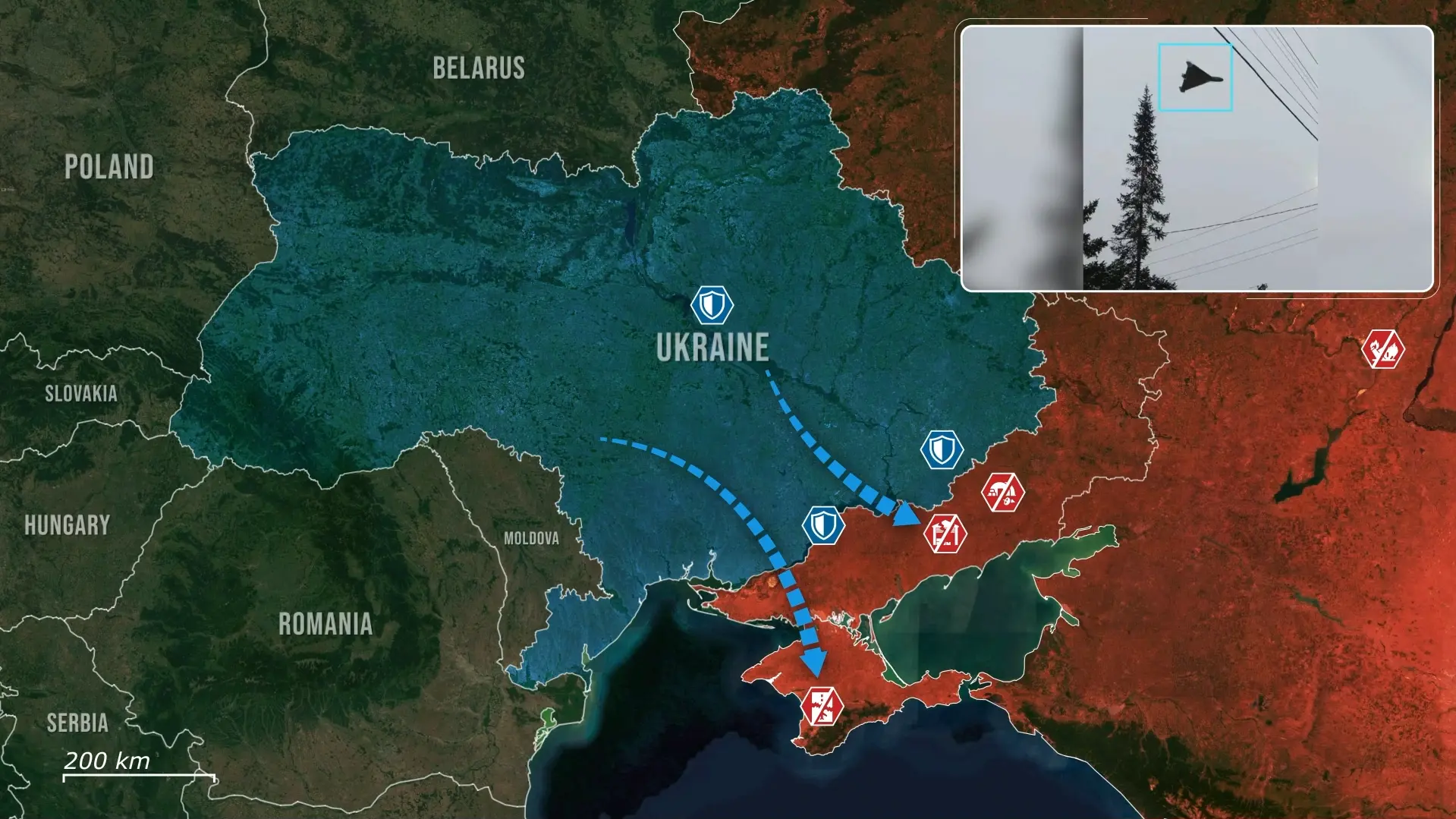
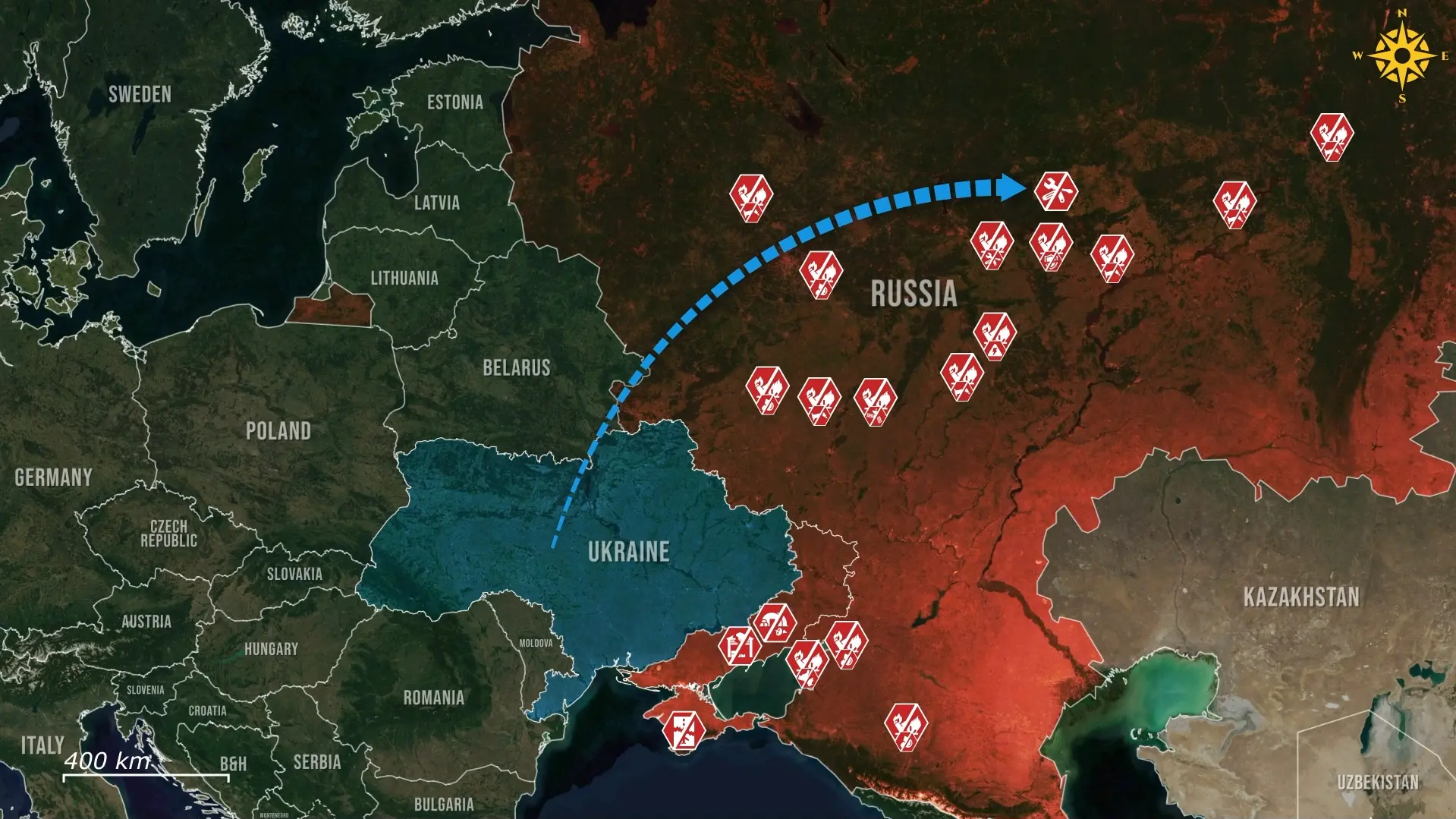
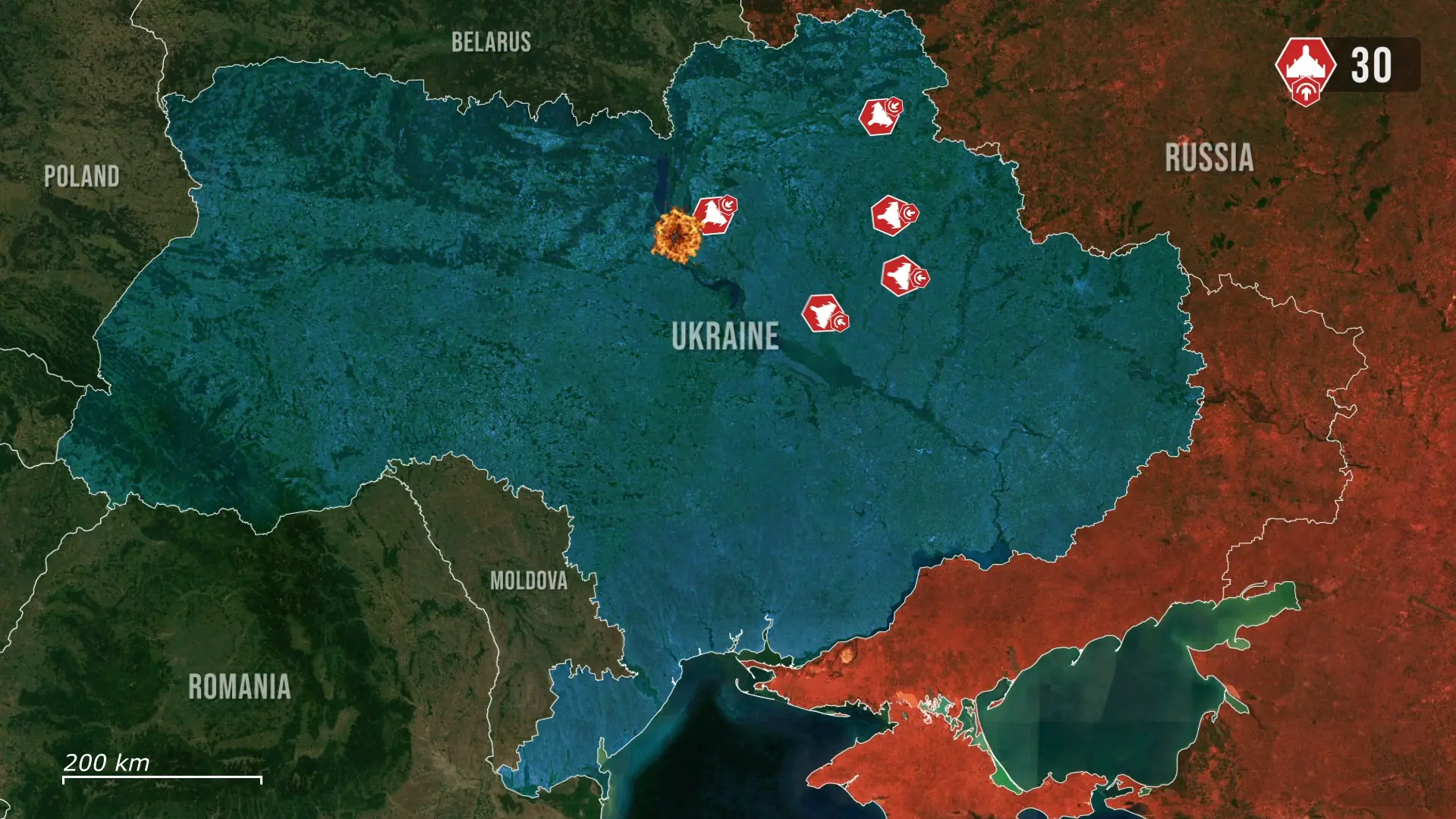
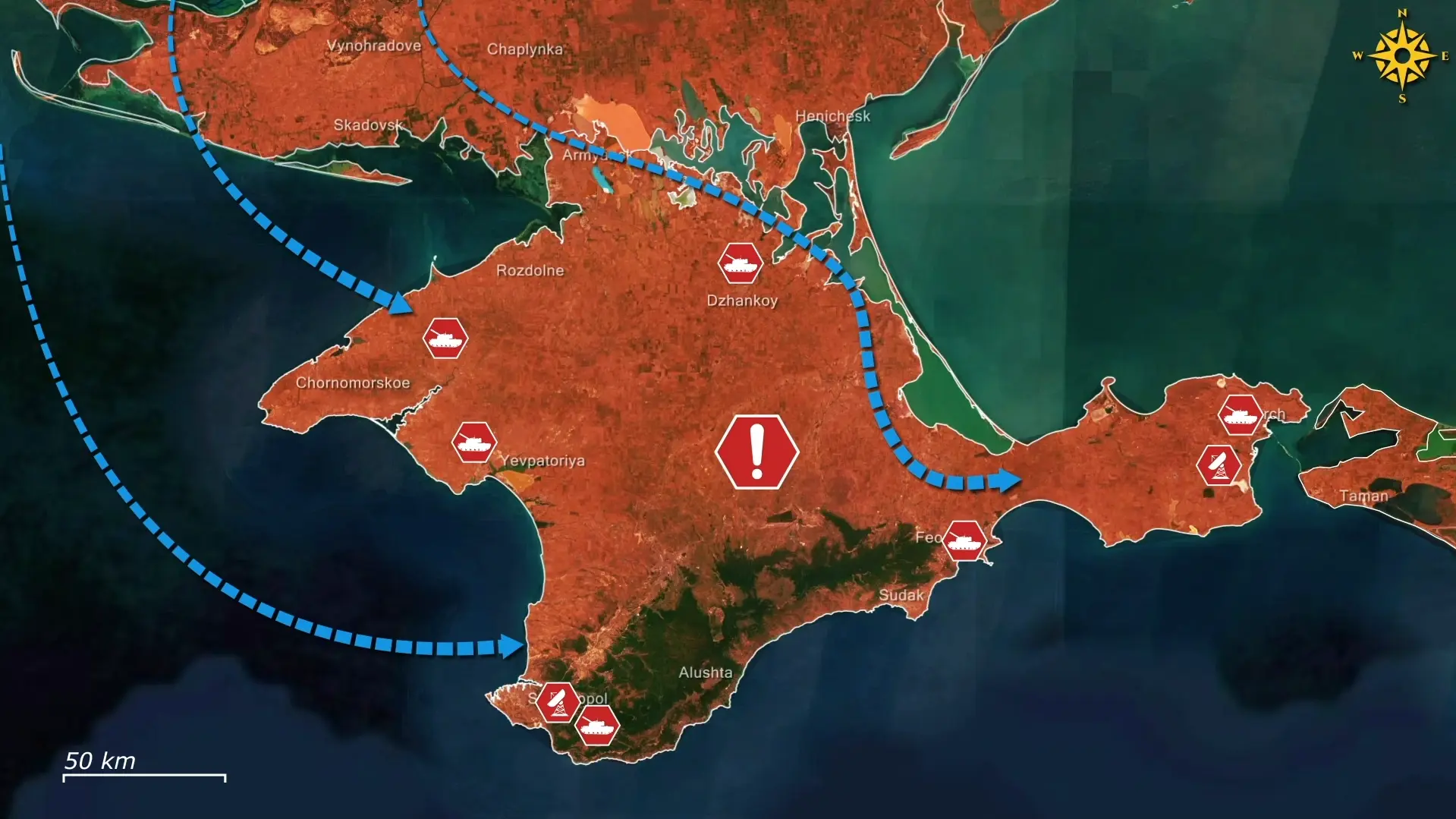
Simultaneously, Ukraine intensified efforts to dismantle Russia’s strike-drone ecosystem, attacking the Kacha airfield in occupied Crimea, a known launch site for Shahed drones. Ukraine also struck the factory in Tatarstan responsible for assembling them, using drones visually resembling the Shahed platform itself, adding an element of operational irony and psychological pressure. Additional strikes targeted warehouses linked to the elite Russian drone unit Rubicon in the Zaporizhia region. By hitting both launch points and assembly lines, Ukraine aims to suppress fire rates and shield both its urban centers and frontline formations from persistent Russian drone pressure.
These actions form one part of a layered Ukrainian attrition strategy, while Ukraine also unleashes deeper strikes focused on the defense-industrial base replenishing those assets. This sequencing magnifies impact over time: reduced strike density in the short term evolves into systemic production constraints in the medium to long term. Through this, Russia is forced to disperse, relocate, and try to defend more nodes while lacking air-defense resources.
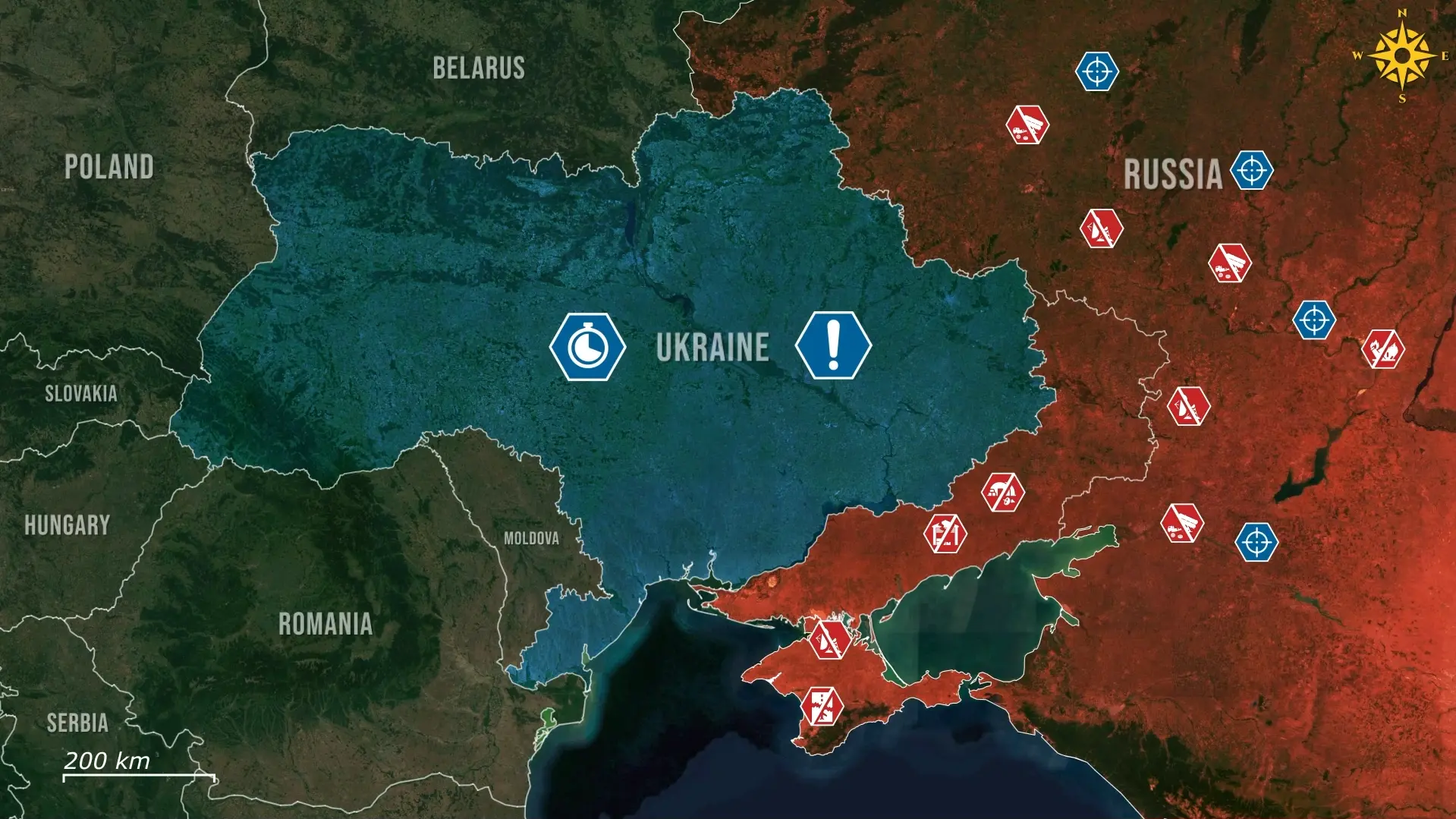
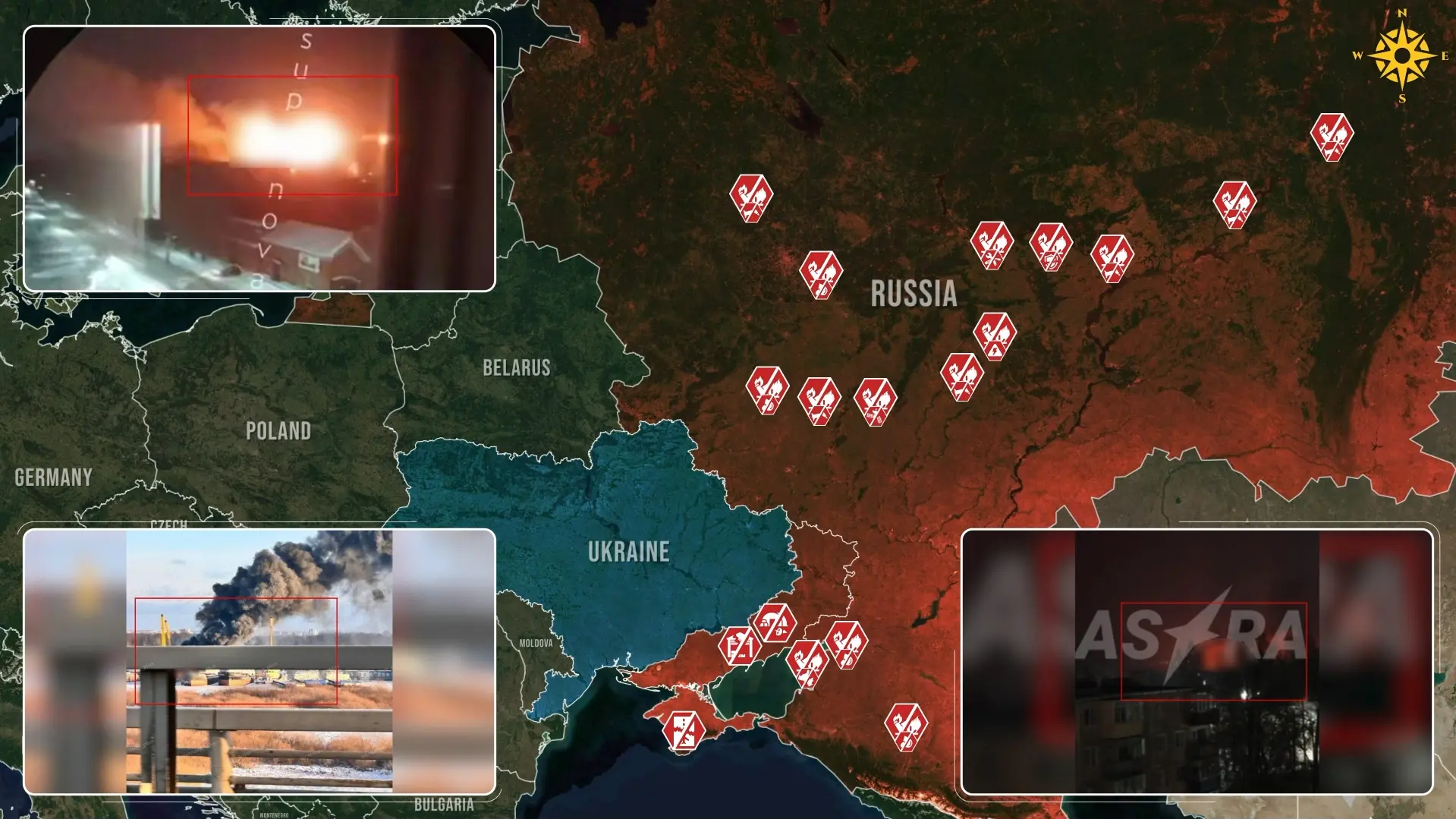
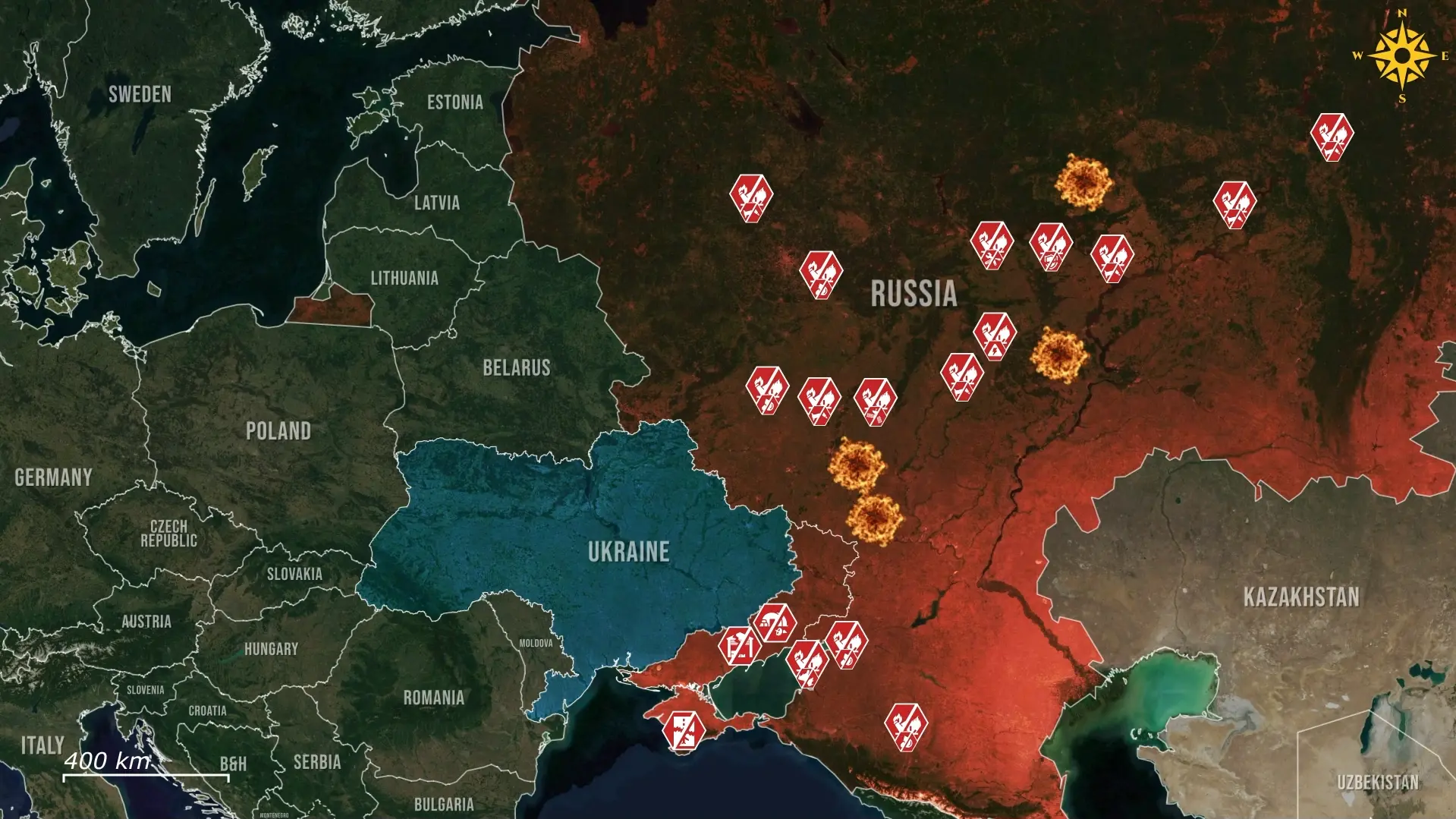
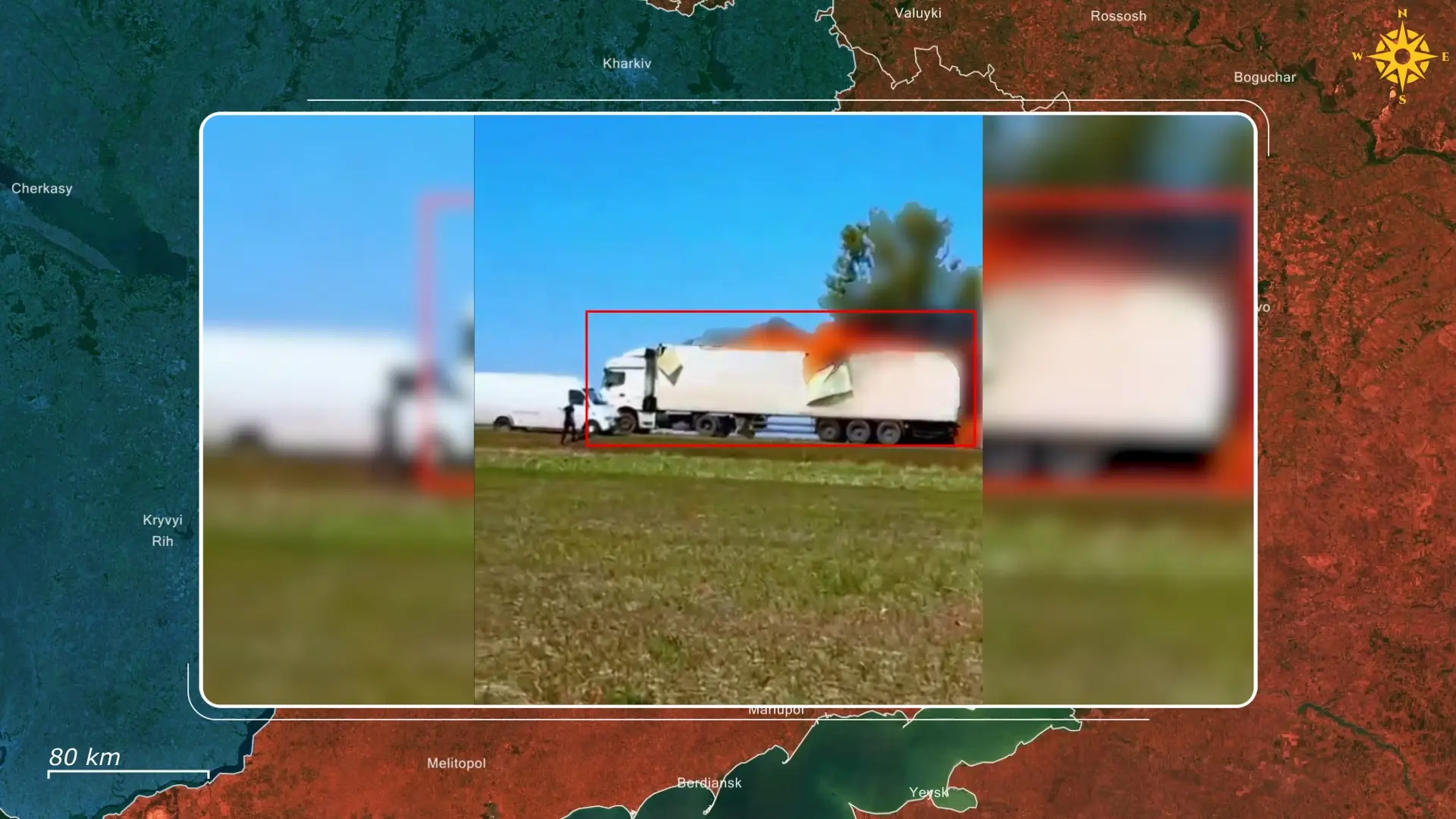
The scale of Ukraine’s strike campaign against the Russian defense industry illustrates this compounding logic. Flamingo cruise missiles struck the Votkinsk plant, a critical producer of Yars, Bulava, Iskander-M, and Kinzhal missiles used in Russian long-range strikes. Published footage showcases the massive damage to the workshop responsible for the metal processing of these missile parts.
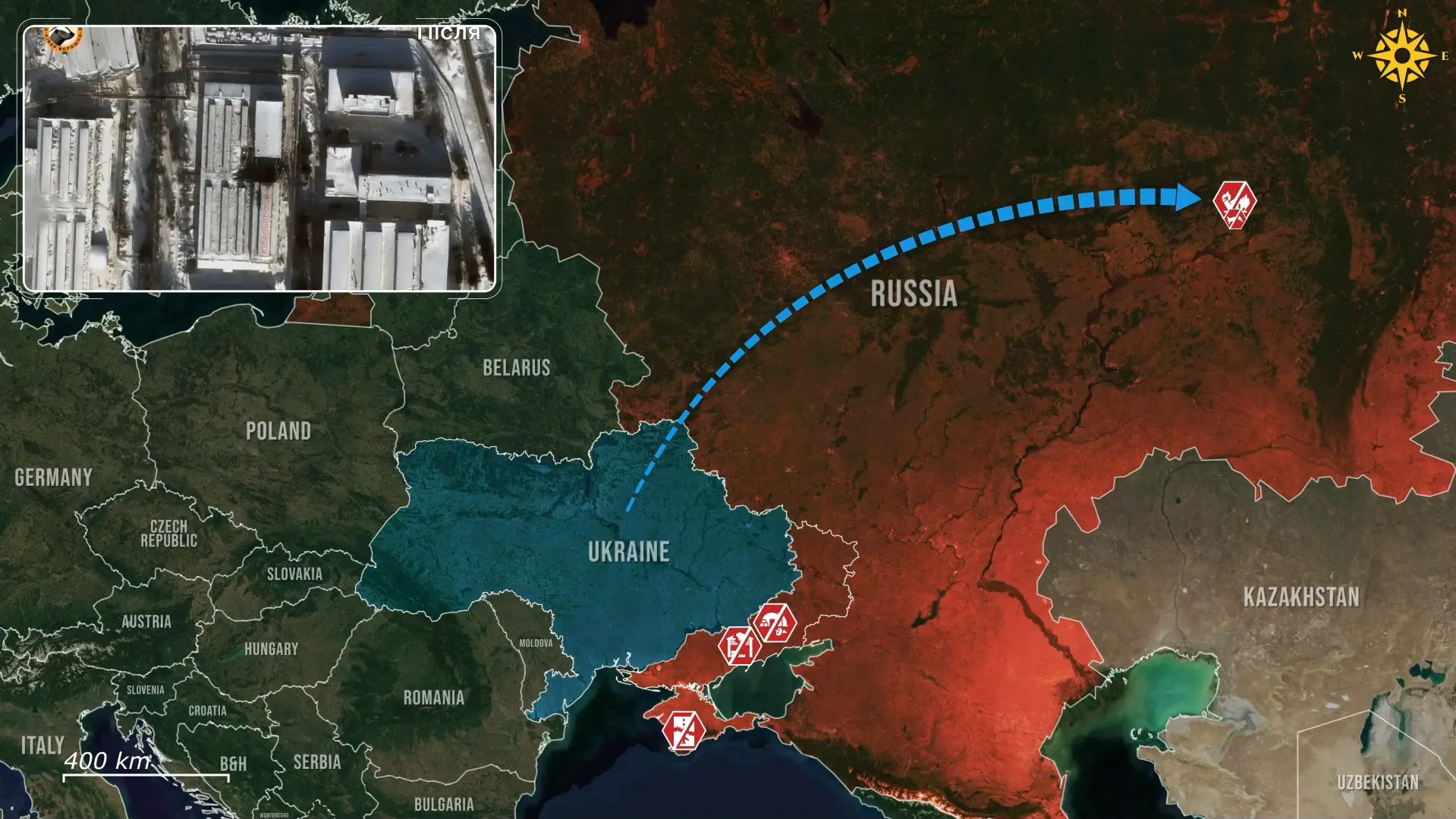
In Saransk, a plant supplying power electronics for military systems, burned after drone strikes. Cheboksary’s Progress facility, already previously targeted, again suffered damage, confirmed by images published by locals.
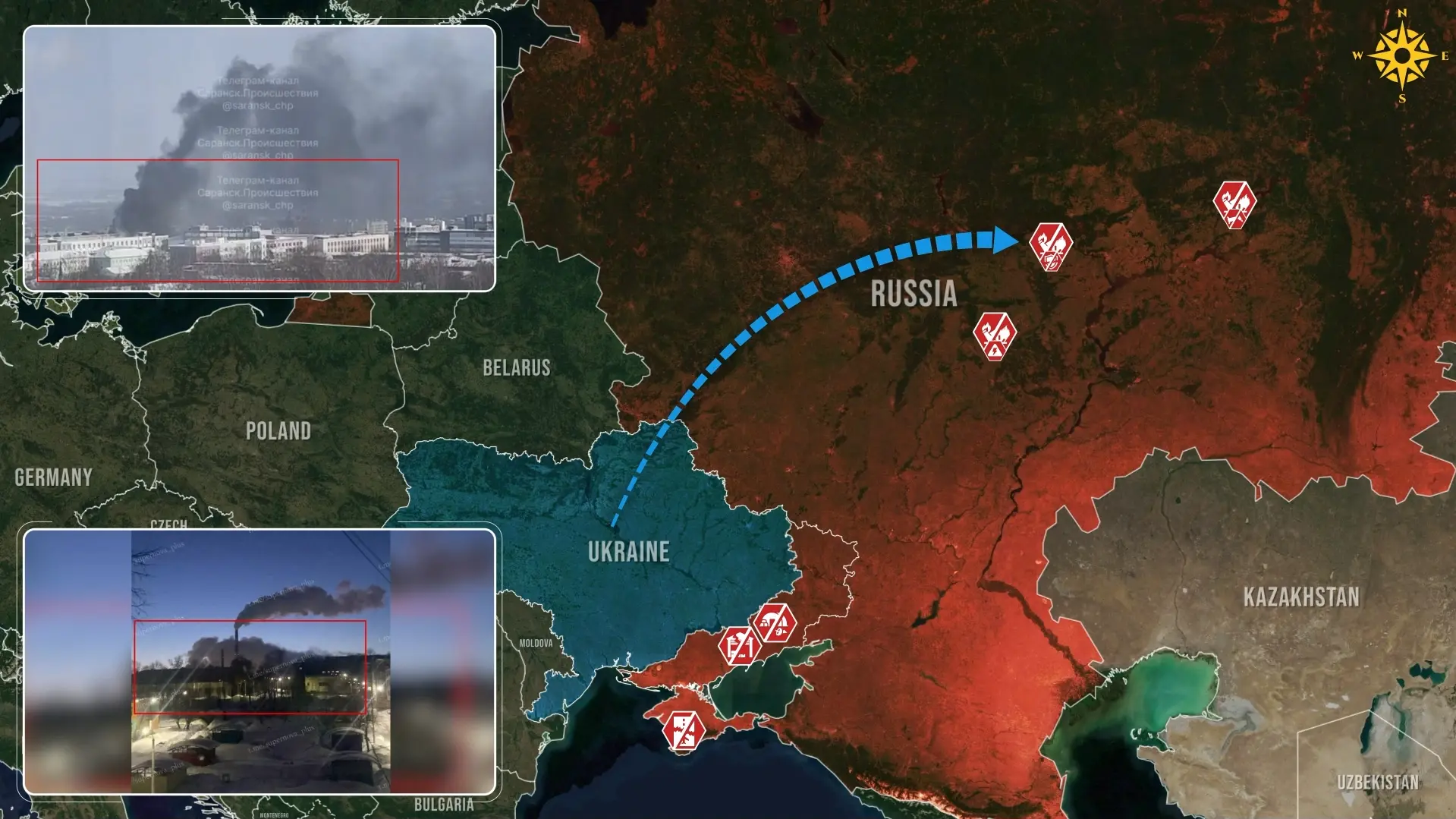
The Metafrax chemical plant in Perm erupted after multiple explosions, disrupting production of explosives for missiles, while in Michurinsk, the Progress plant producing gyroscopes and navigation systems was struck again.
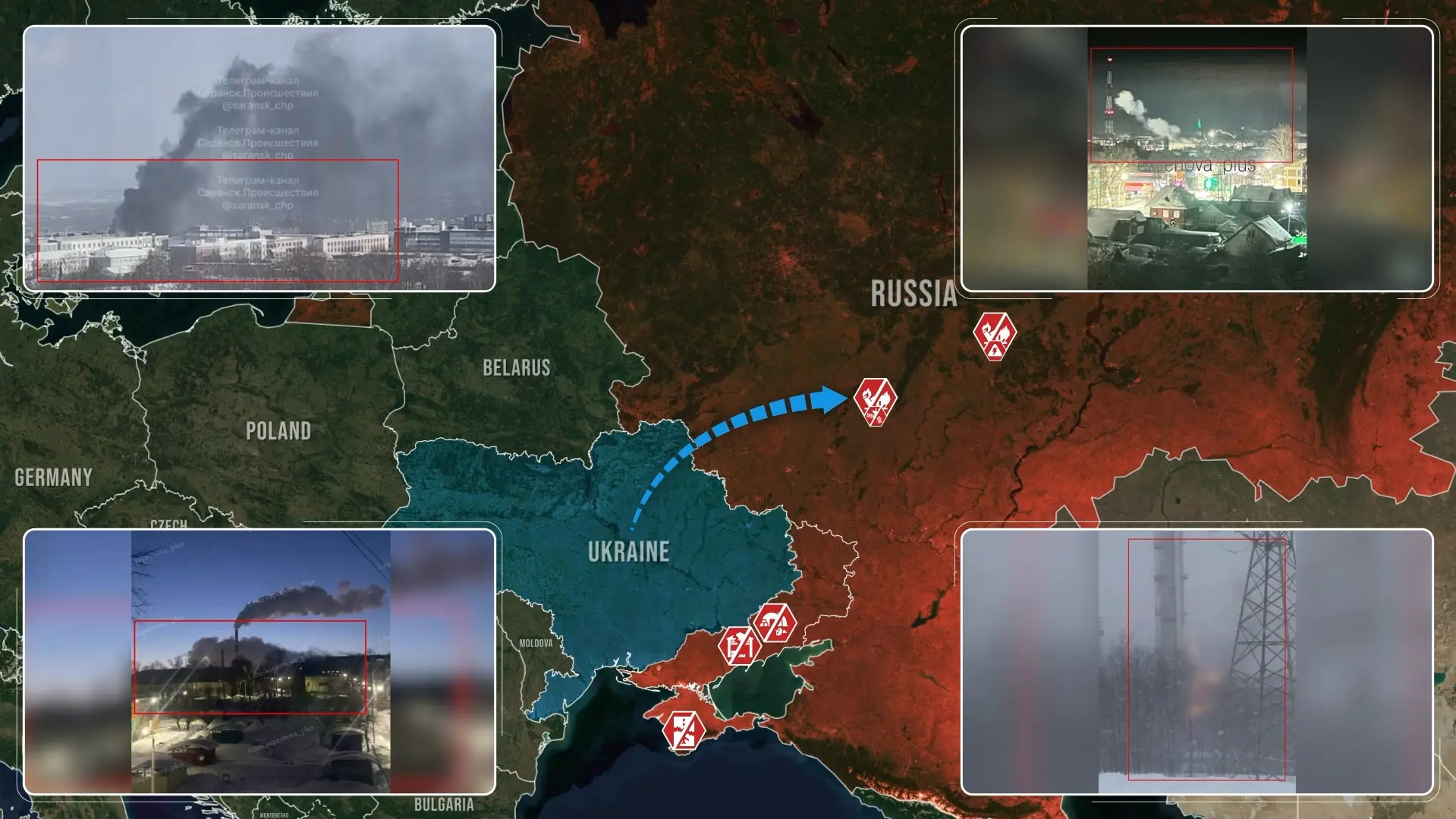
Further west, a facility in Redkino producing fuel components for Kh-55 and Kh-101 cruise missiles ignited after a Ukrainian drone strike. Chemical plants in Voskresensk and Nevinnomyssk burned, affecting explosive precursor production. In Rostov-on-Don, the Empils industrial complex suffered fires that spread to oil tanks and rail infrastructure.
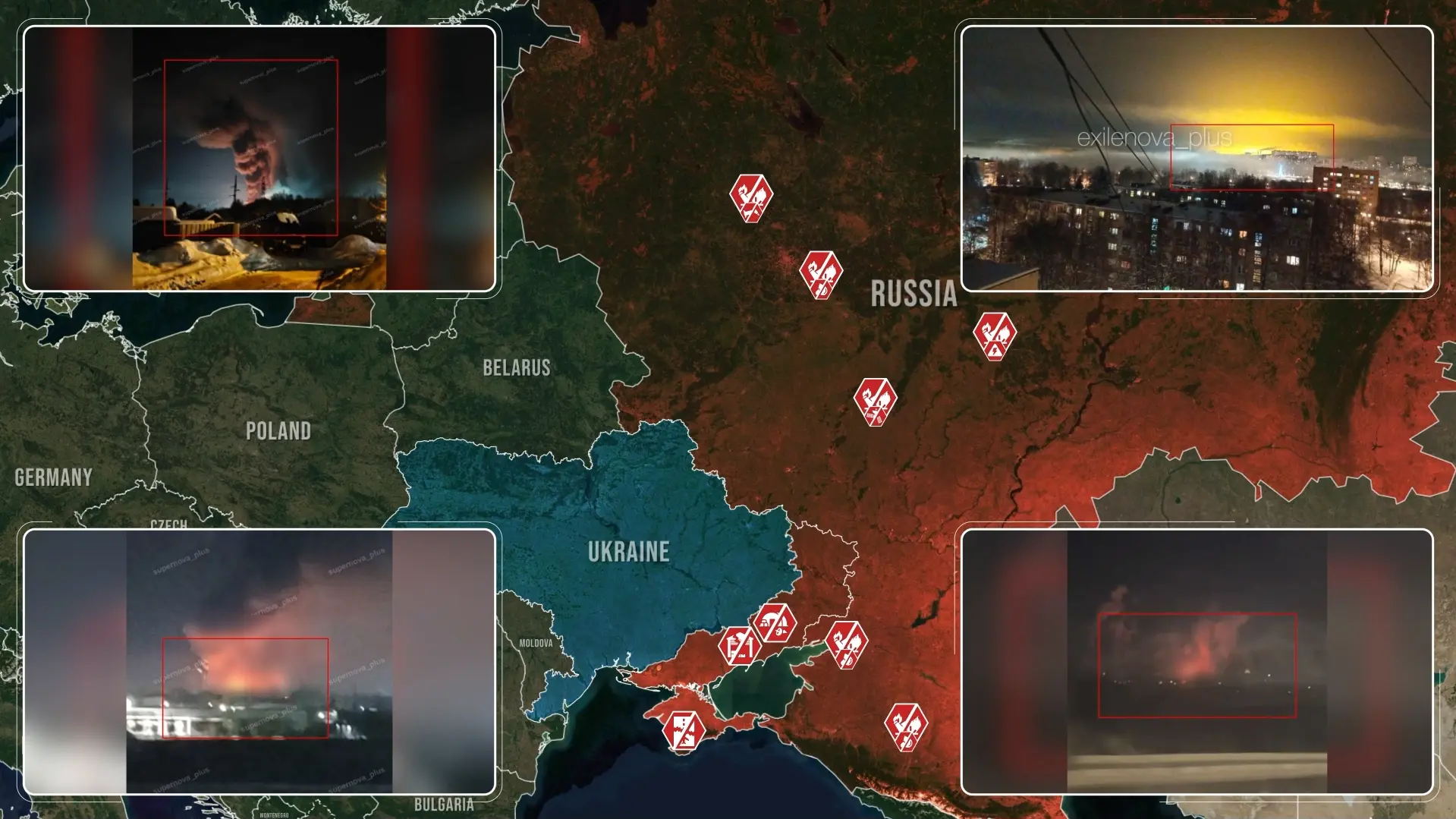
The Atlant-Aero plant in Taganrog, central to Orion drones and electronic warfare systems, was damaged, with satellite imagery confirming the destruction of newly built structures. Penza’s bearing factory, Yelets’ Enerhiya power systems plant, and Kazanorgsintez in Kazan, all integral to military electronics or materials, were also hit across several drone strikes.
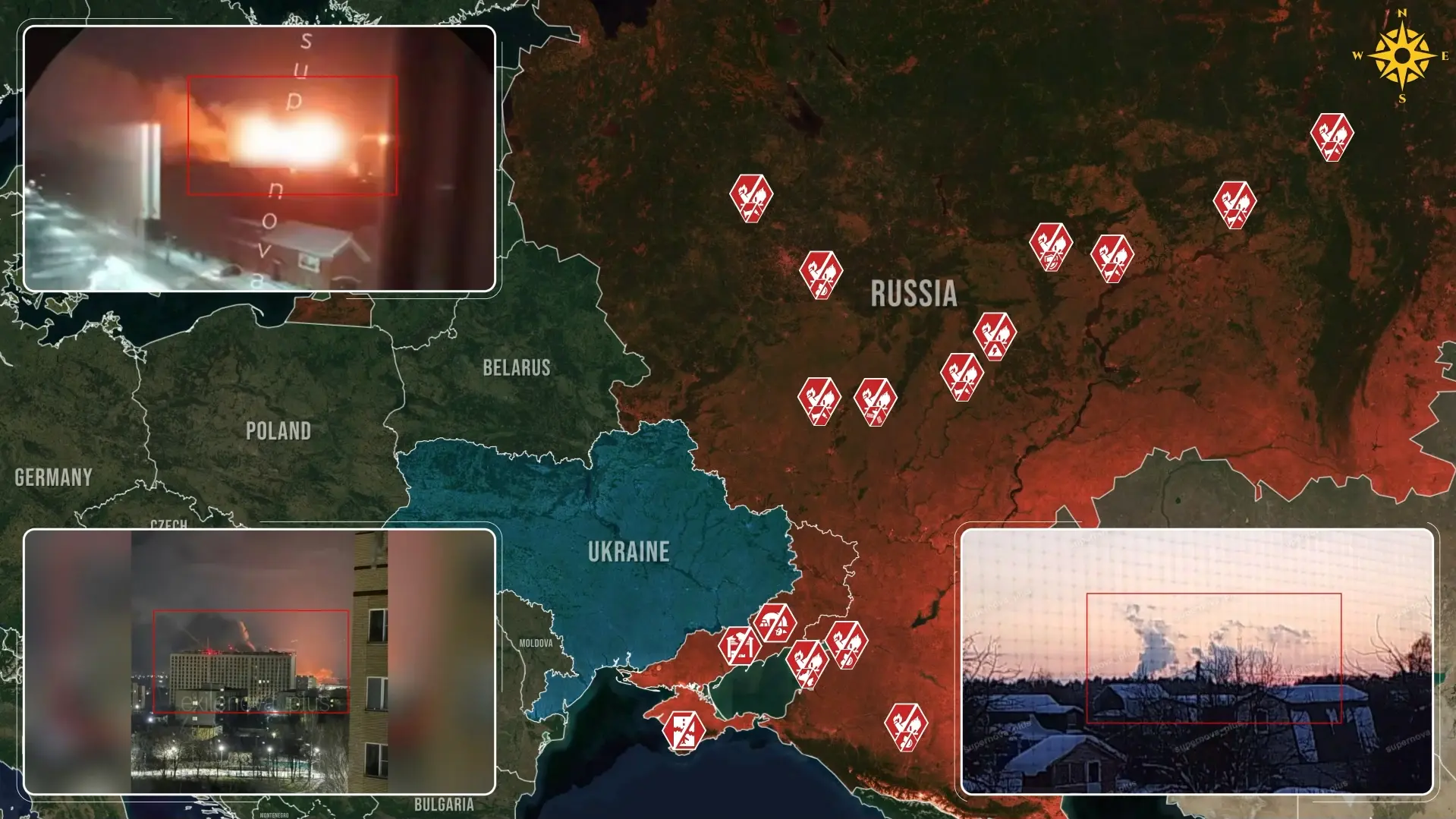
A ship repair facility in Nizhny Novgorod caught fire, and the Yefremov Synthetic Rubber Plant, producing polymers essential for solid rocket fuel and explosives, was struck.
Each attack individually disrupts a niche supply chain, crucial for Russian missile and drone strikes, but collectively they target the whole Russian defense industry ecosystem.
These production sites are not easily replaced, and even when repaired, they are quickly targeted by the Ukrainians again, as is the case at the Progress facility in Cheboksary.
In addition, Western sanctions restrict access to specialized components, advanced machine tools, and electronics, while relocation requires time, capital, and skilled labor. Even partial outages sabotage production cycles and inflate production costs, and by targeting factories producing propulsion, navigation, power systems, and explosive materials, Ukraine attacks the base of Russian strike capacity.
Overall, Ukraine’s synchronized use of Atacms against operational headquarters and long-range drones for deep strikes on industrial infrastructure demonstrates a deliberate strategy to erode Russia’s offensive potential at both ends of the pipeline.
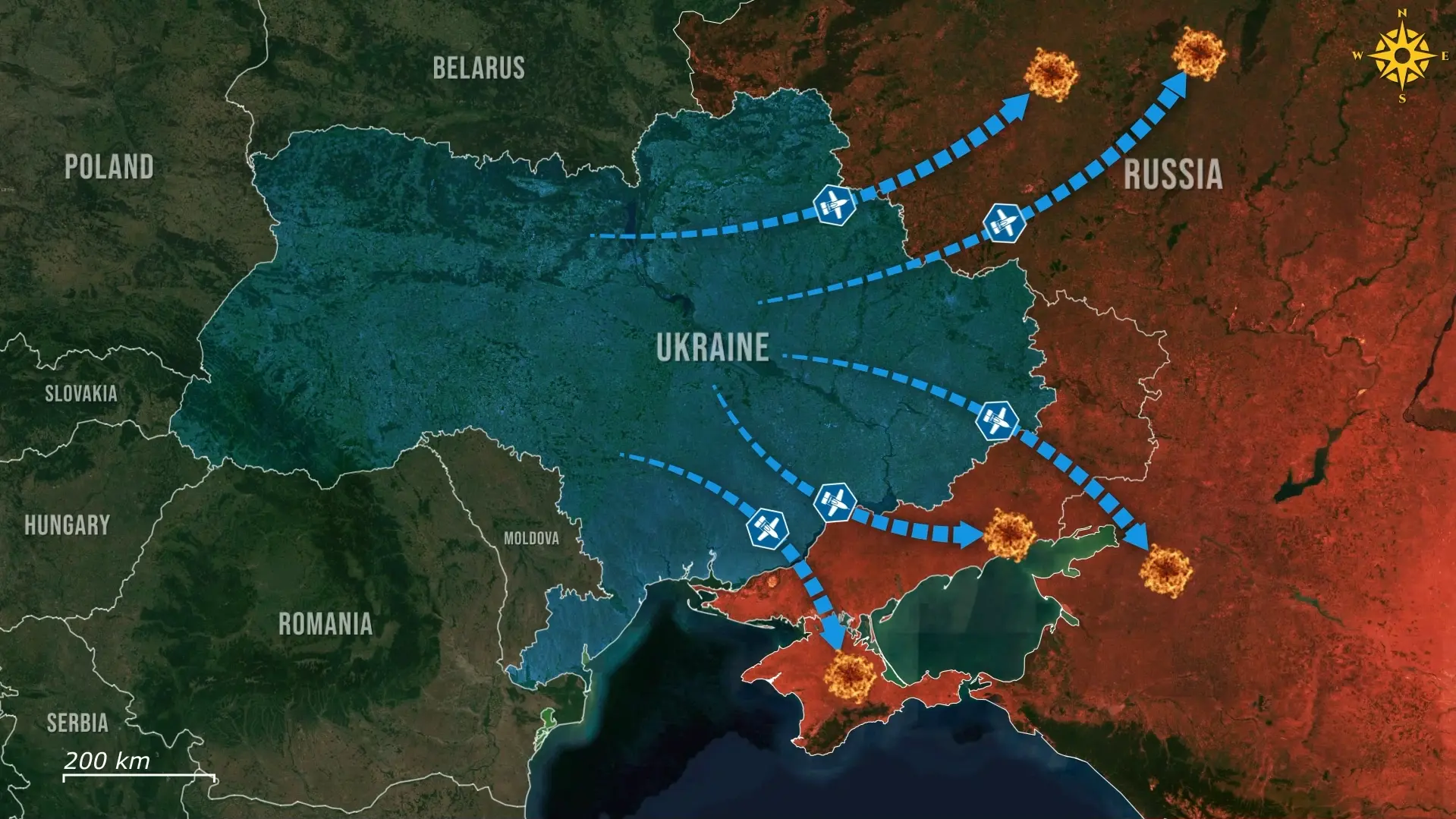
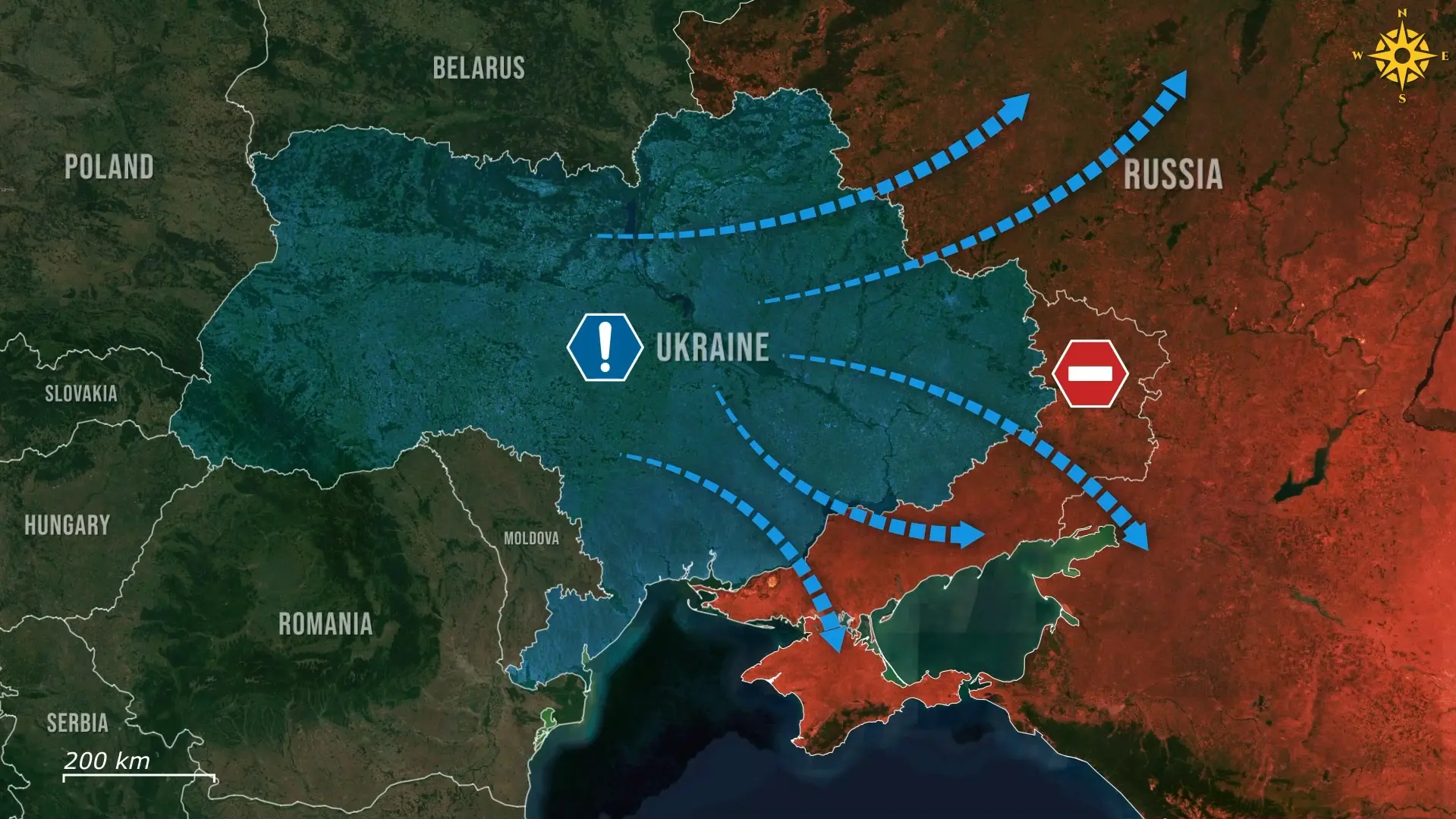
This compresses Russia’s ability to regenerate combat power, increasing economic strain and slowing operational tempo. In a resource-constrained war, such asymmetric leverage transforms precision strikes into systemic degradation, steadily narrowing Russia’s options for sustaining prolonged high-intensity operations.

.jpg)


Comments