

.svg)
Today, the biggest news comes from Ukraine.
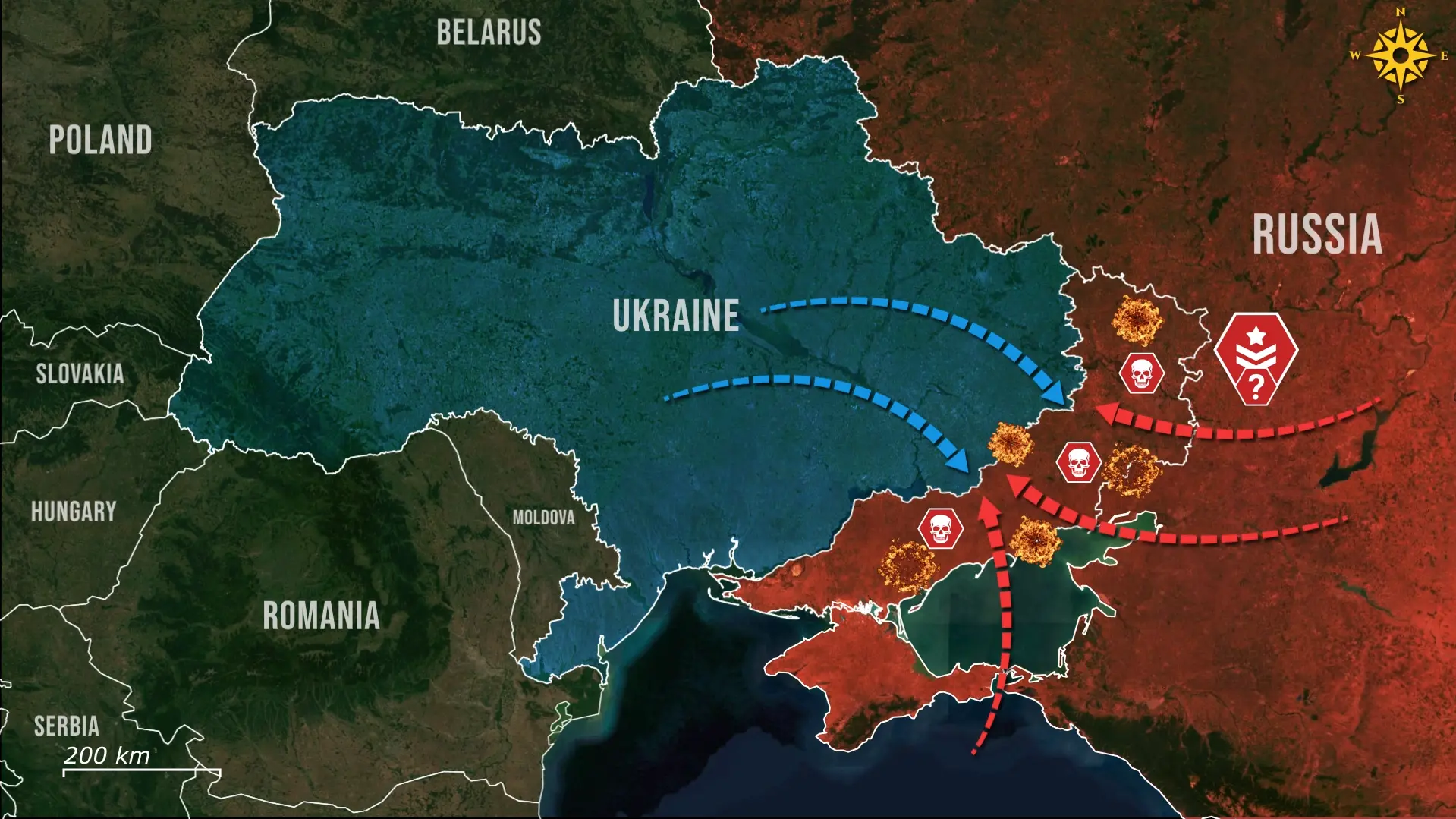
Here, Russia attempted to regain the initiative after facing a persistent deadlock for months and launched a large-scale spring offensive. However, their assaults didn’t start as planned, and the ensuing chaos even led to some Russians units mistakenly attacking each other.
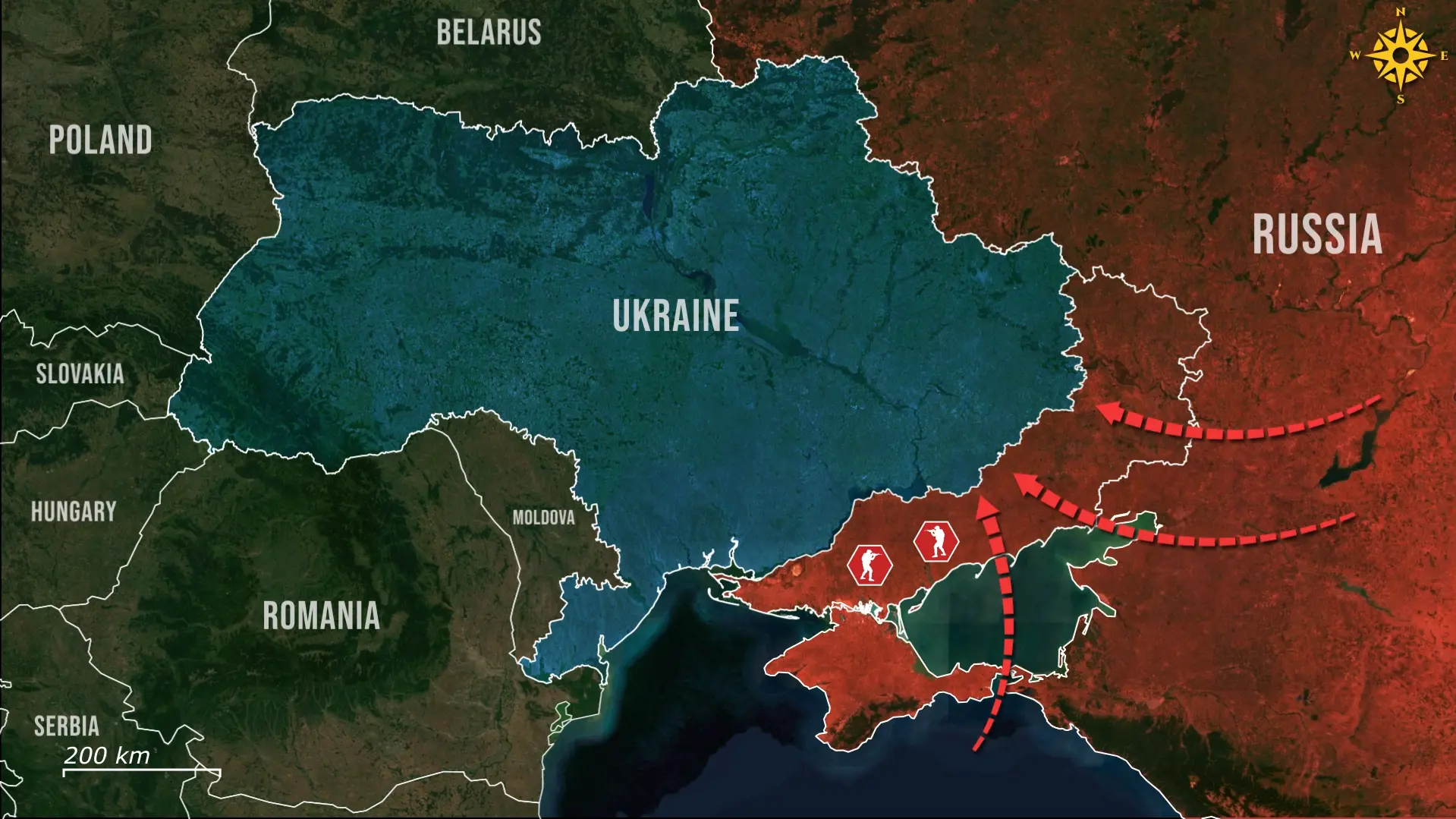
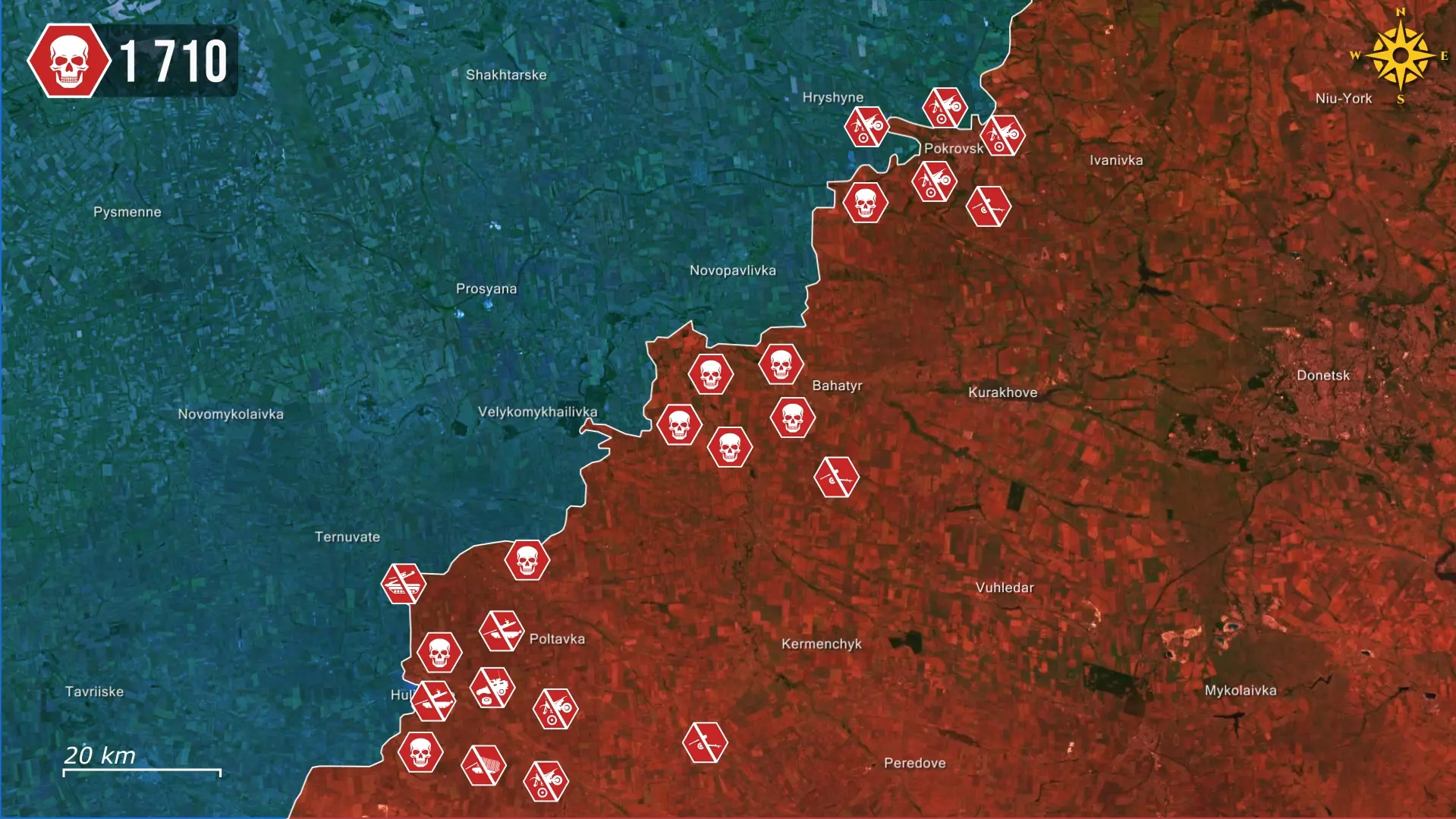
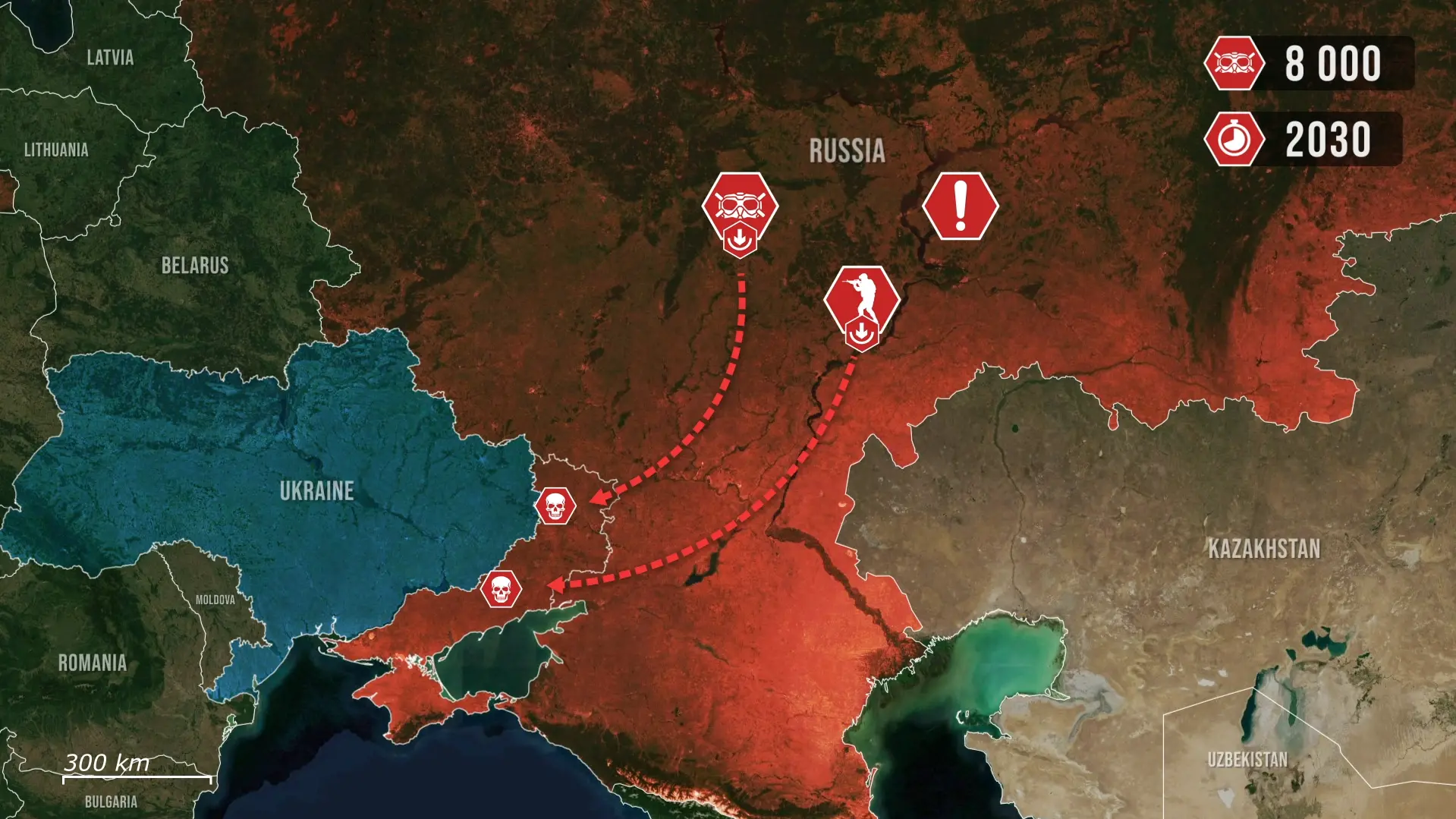
The spring offensive was launched along an approximately 100-kilometer frontline stretching from Huliaipole to Pokrovsk. The goal was to regain lost ground and break the operational stalemate that had persisted through the winter months. According to Ukrainian unmanned systems forces commander Robert Brovdi, Russian troops carried out coordinated attacks under heavy fog across the Donetsk and Zaporizhzhia regions.
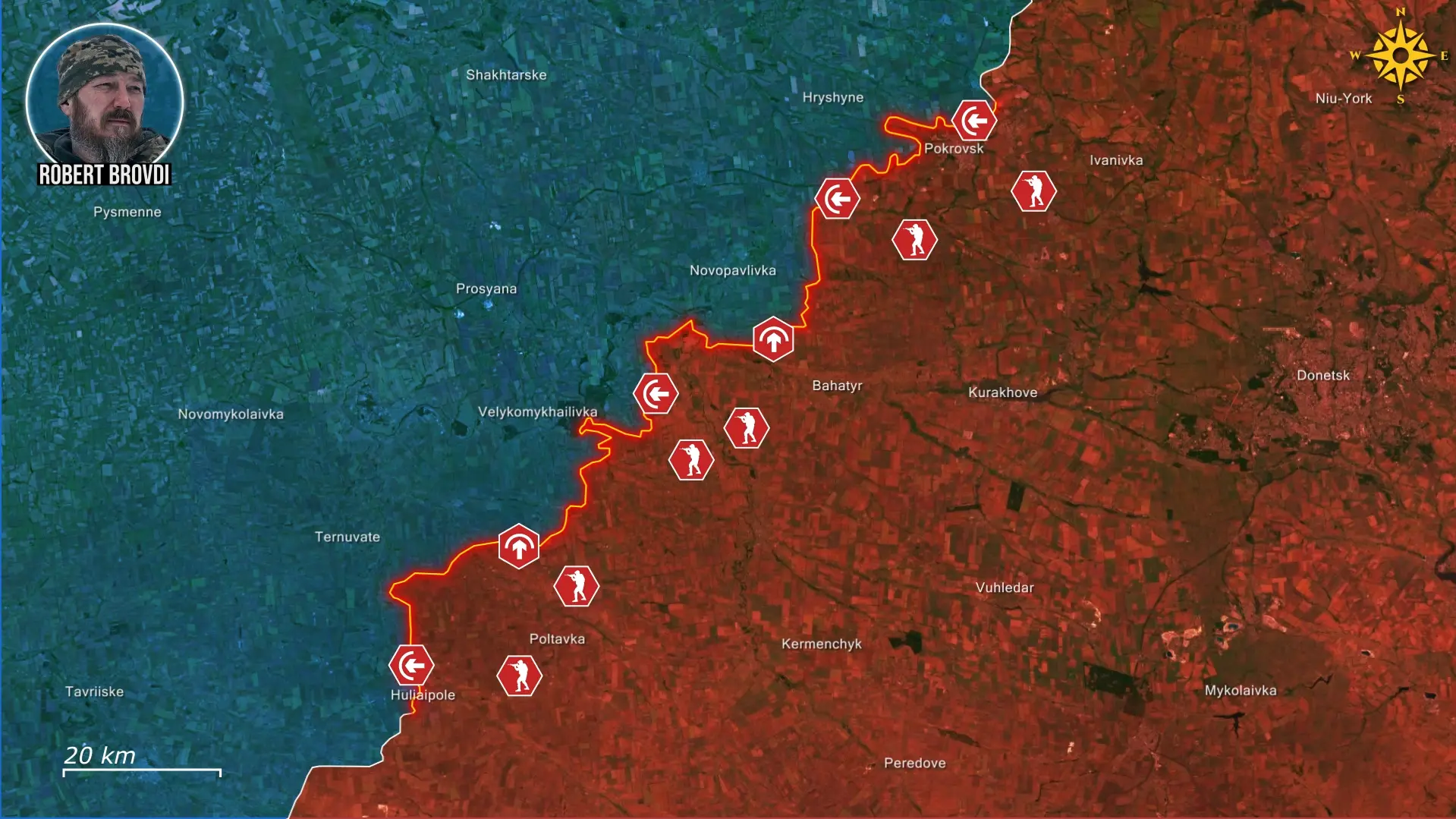
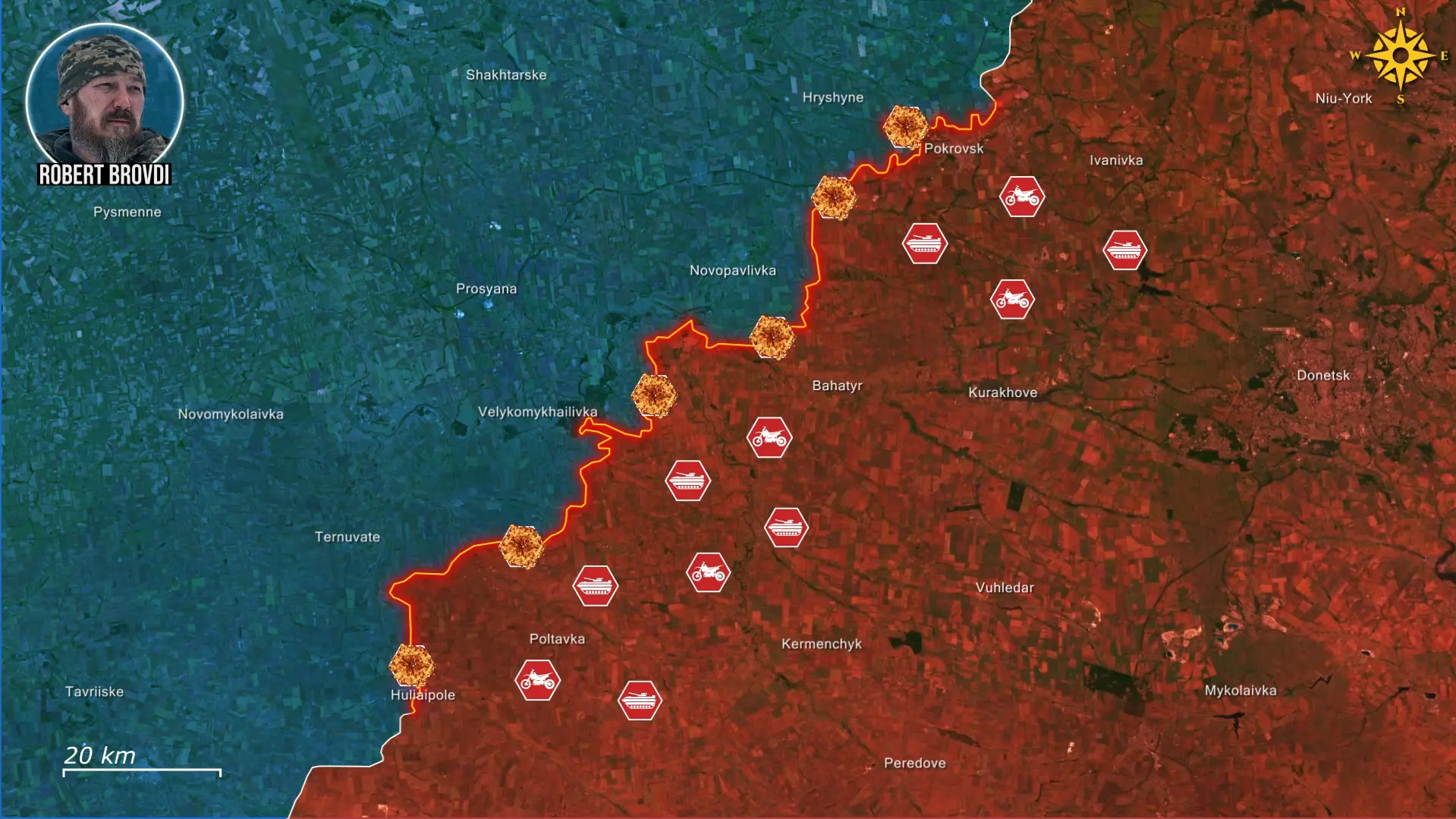
The assaults involved a mix of infantry, armored vehicles, and motorcycles advancing along several axes simultaneously, trying to exploit the poor weather conditions and stretch the Ukrainian defense thin.
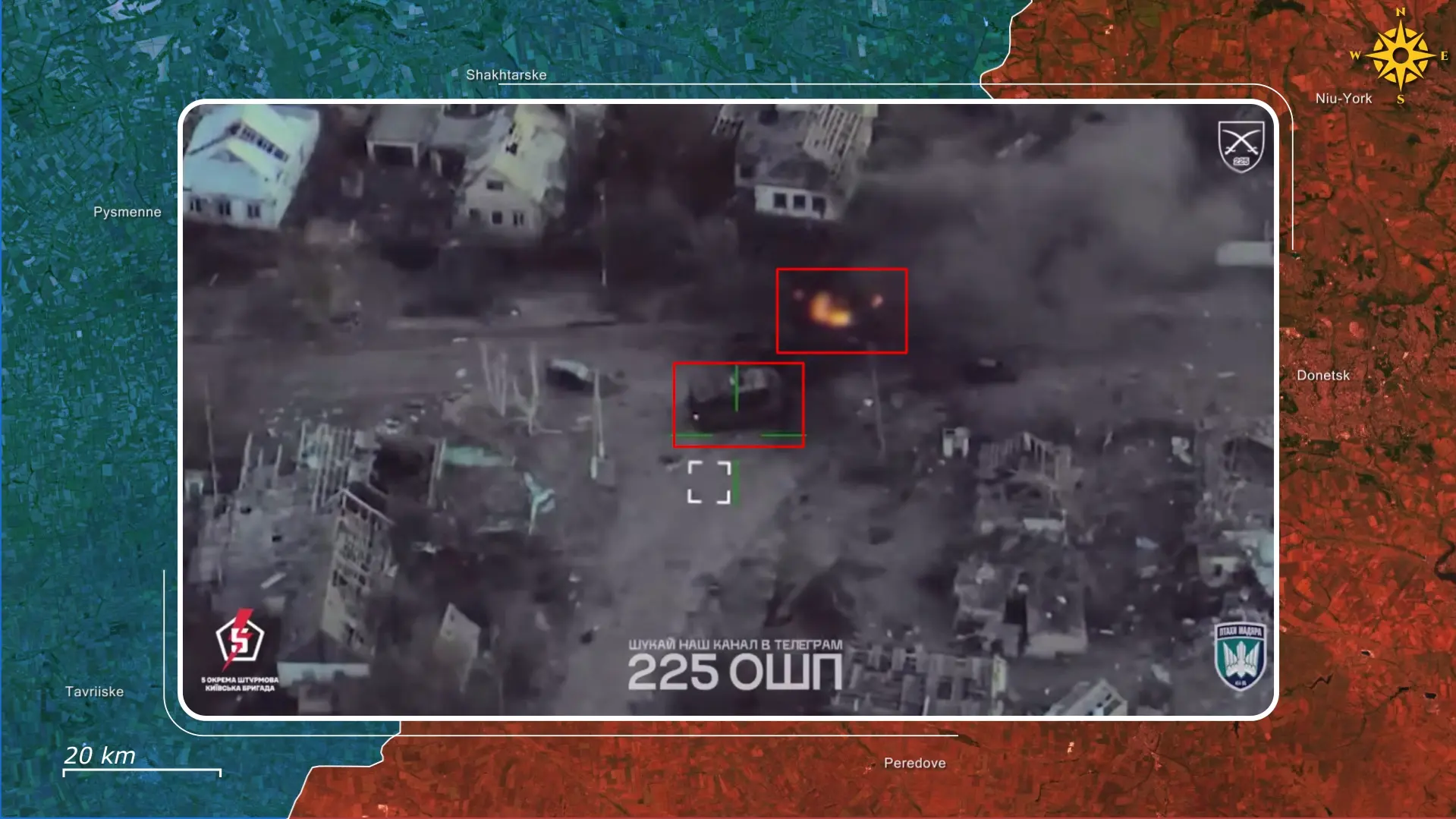
The first attack vector in this sector involved Russia’s 40th Marine Brigade, which attempted to break through towards Huliaipole. After a failed effort to infiltrate the area with a small infantry group, they escalated the attack by committing armored vehicles. A column consisting of a turtle tank, an armored personnel carrier, and two all-terrain vehicles carrying troops advanced along the route from Malynivka toward Huliaipole.
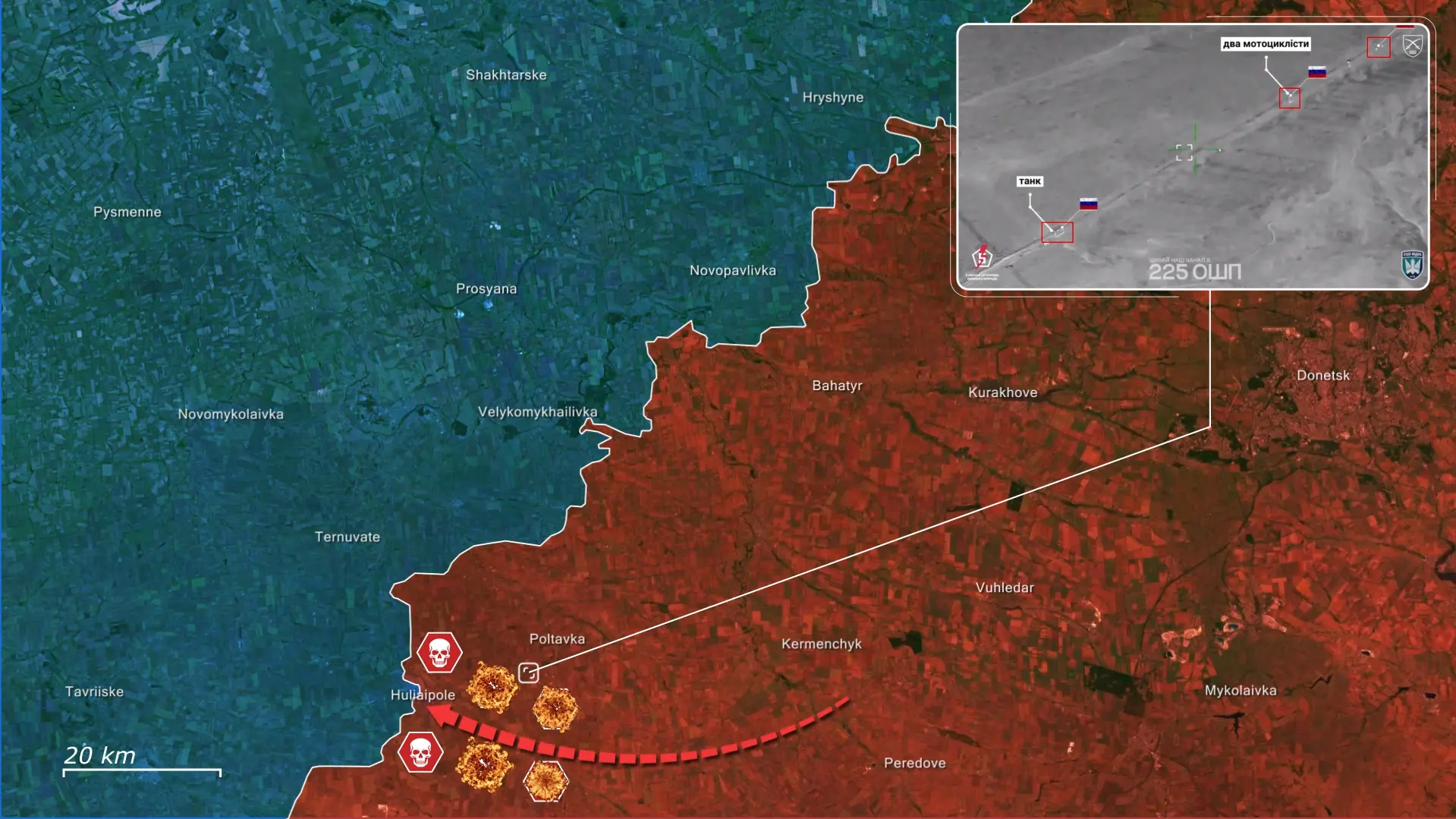
The movement was detected, and despite the heavy armor and quick-moving elements, coordinated drone strikes halted the assault and destroyed the vehicles one by one. The surviving troops, who attempted to take cover in nearby buildings, were tracked after they disembarked, while artillery and drones were called in to eliminate them.
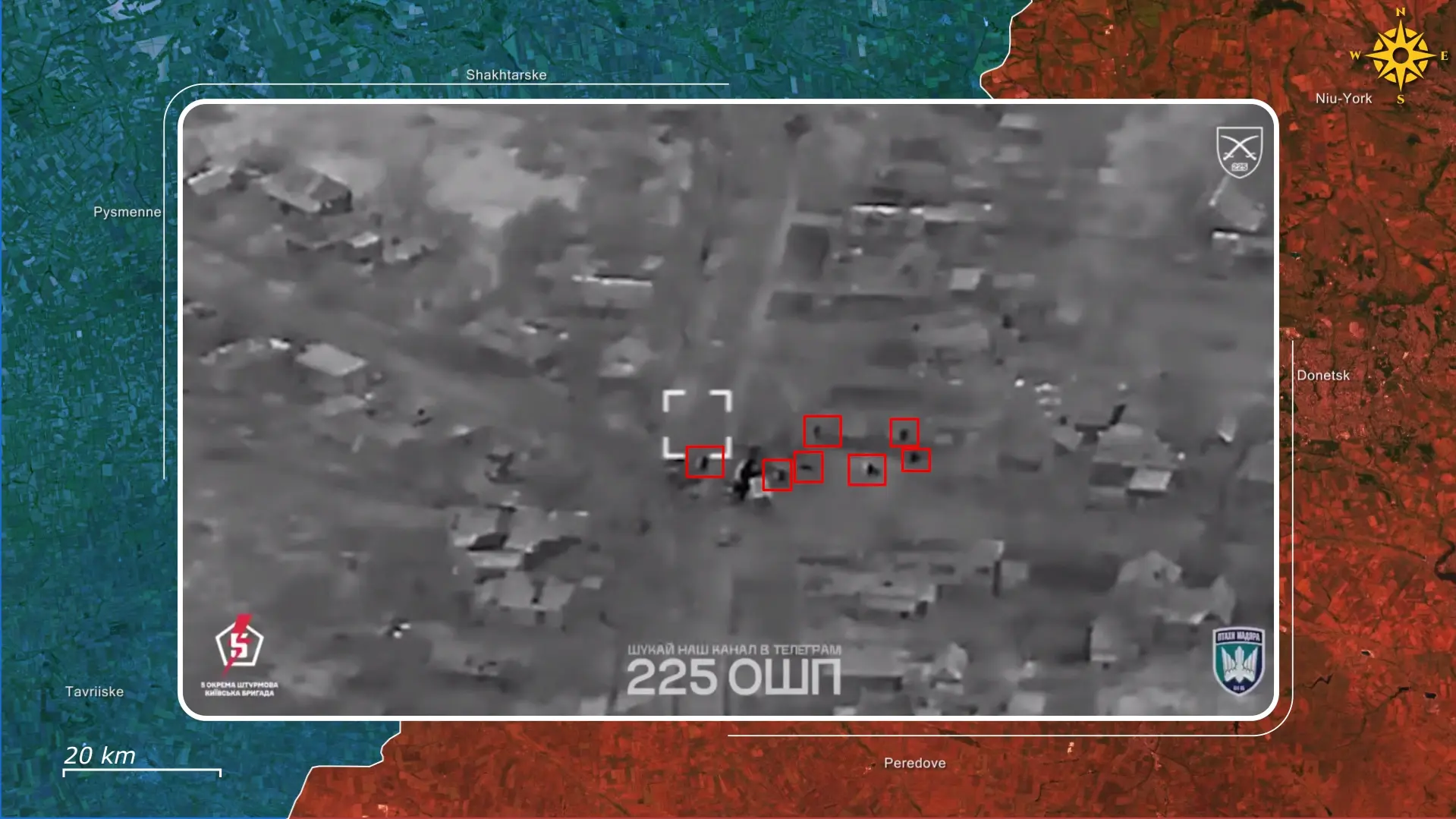
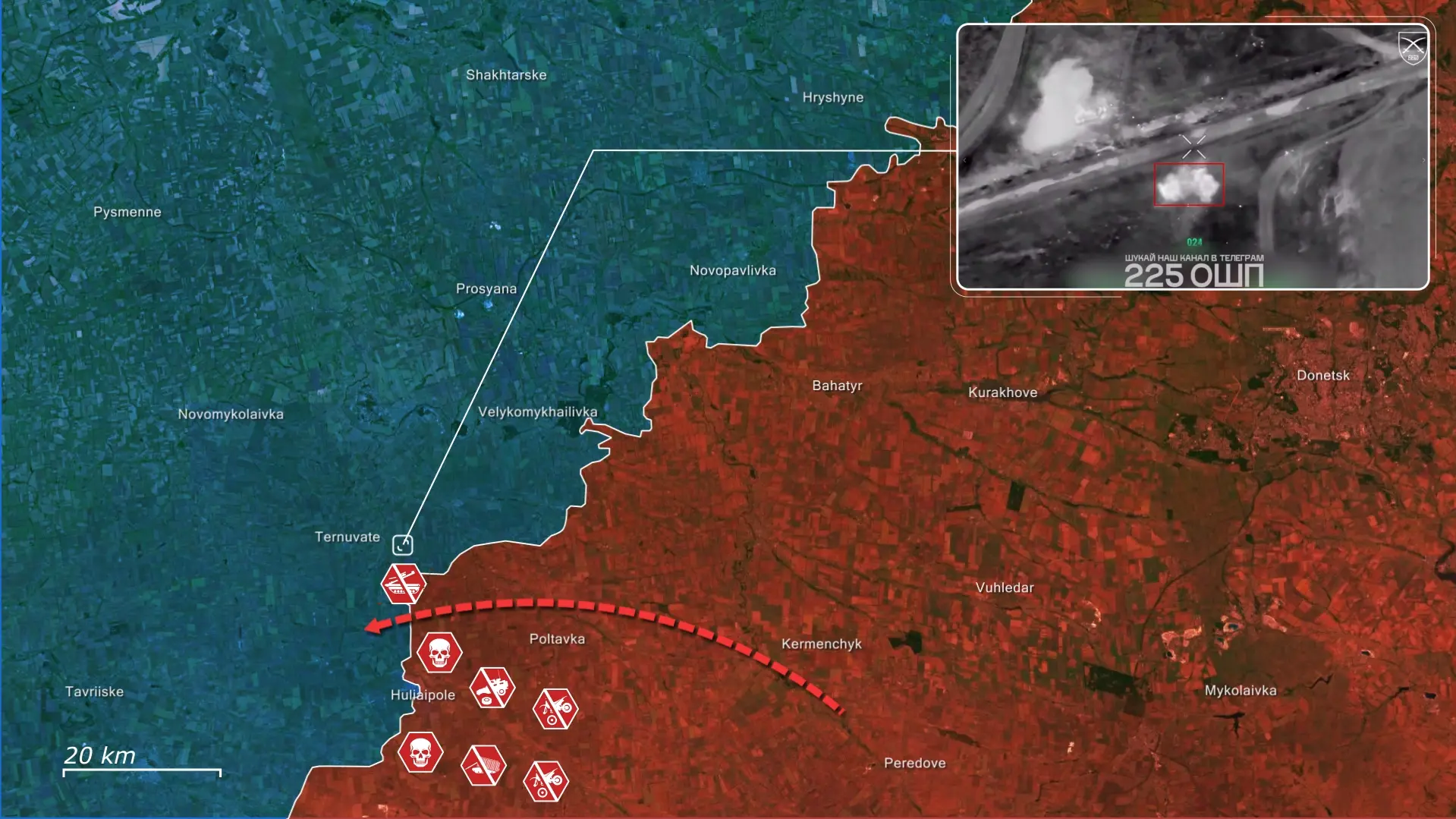
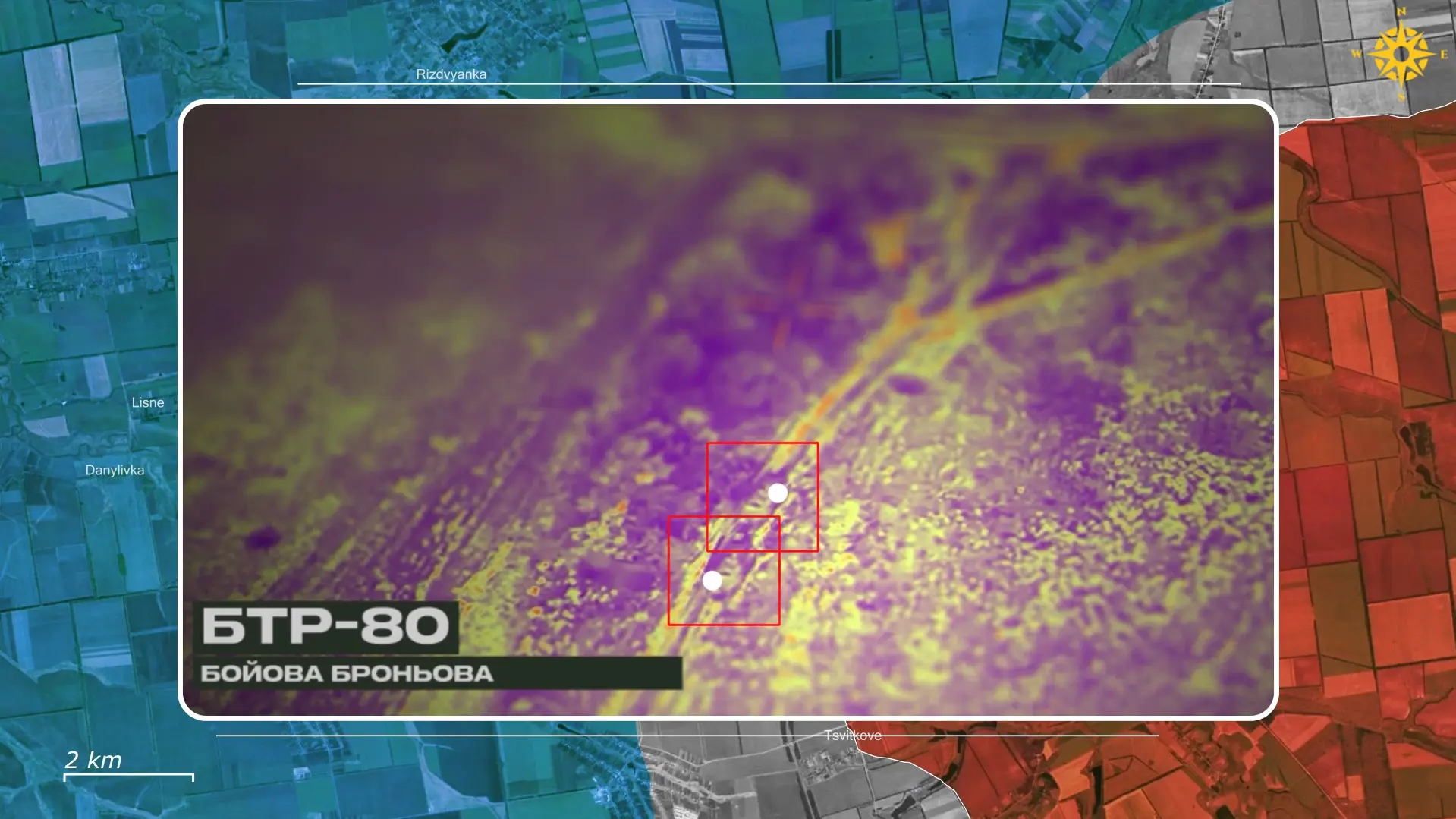
The other Russian assault group attempted to advance on an armored fighting vehicle and push north of Huliaipole to deploy infantry. Geolocated footage shows how the vehicle was destroyed before it could complete its objective.
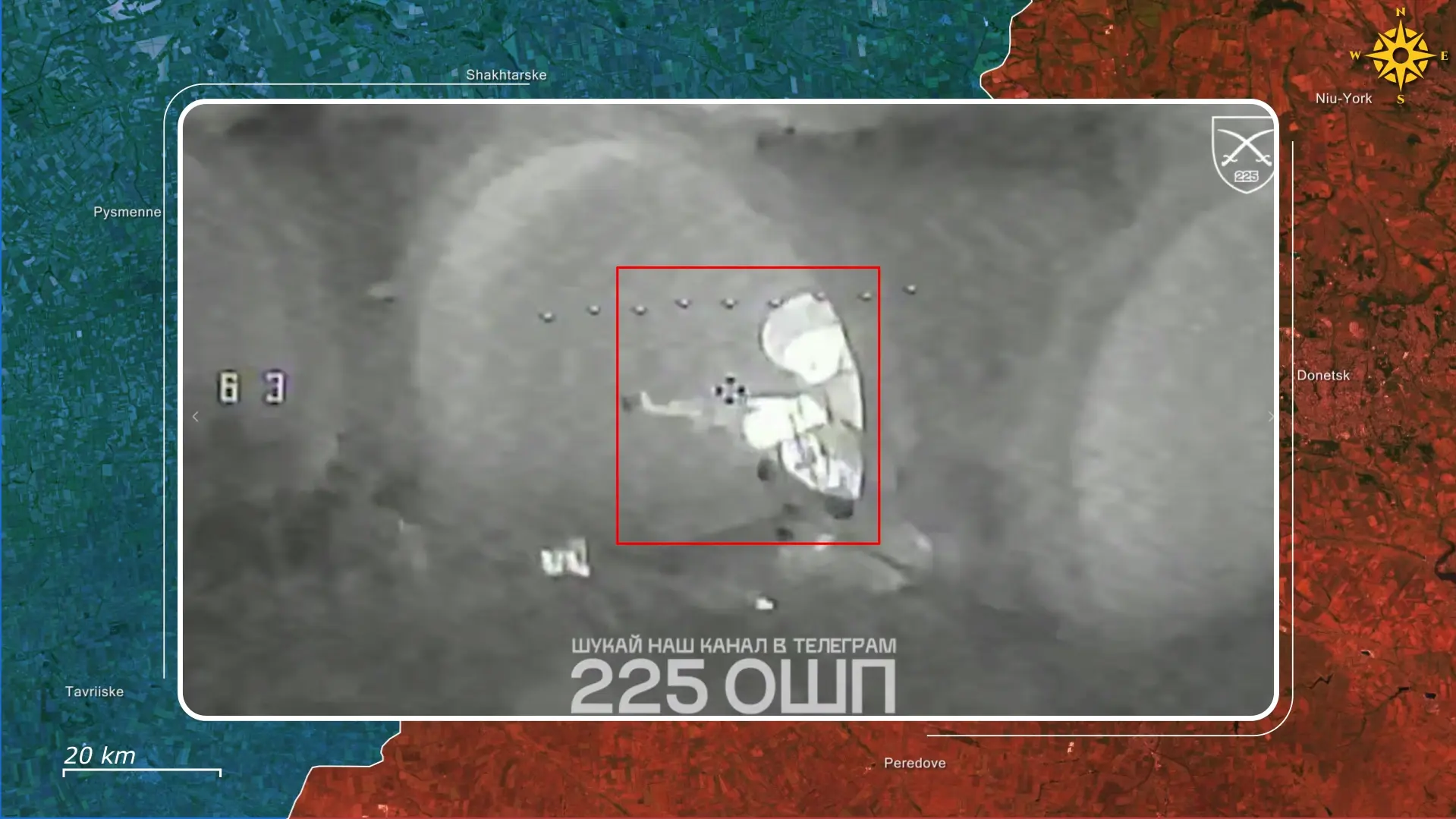
The dismounted troops, who attempted to take cover among nearby pipes, were subsequently targeted and eliminated by Ukrainian FPV drones. What began as an attempted mechanized assault quickly unraveled, ultimately resulting in the complete loss of an entire Russian mechanized company.
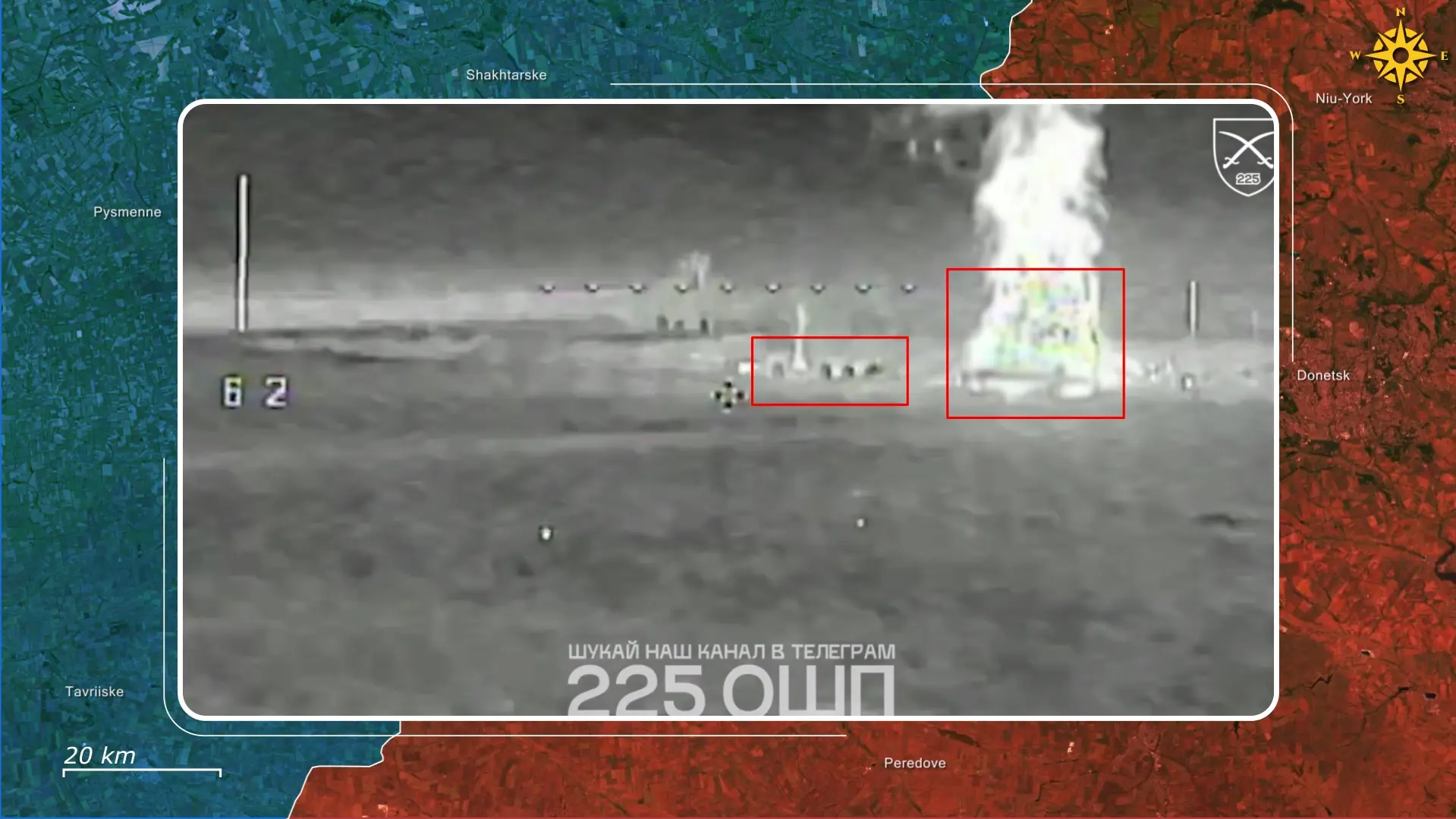
Further north, geolocated footage confirms another unsuccessful Russian assault toward Novopavlivka, carried out by five-man infantry groups in broad daylight, which is not the usual Russian tactic that favors groups of up to 3 soldiers crawling through the night.
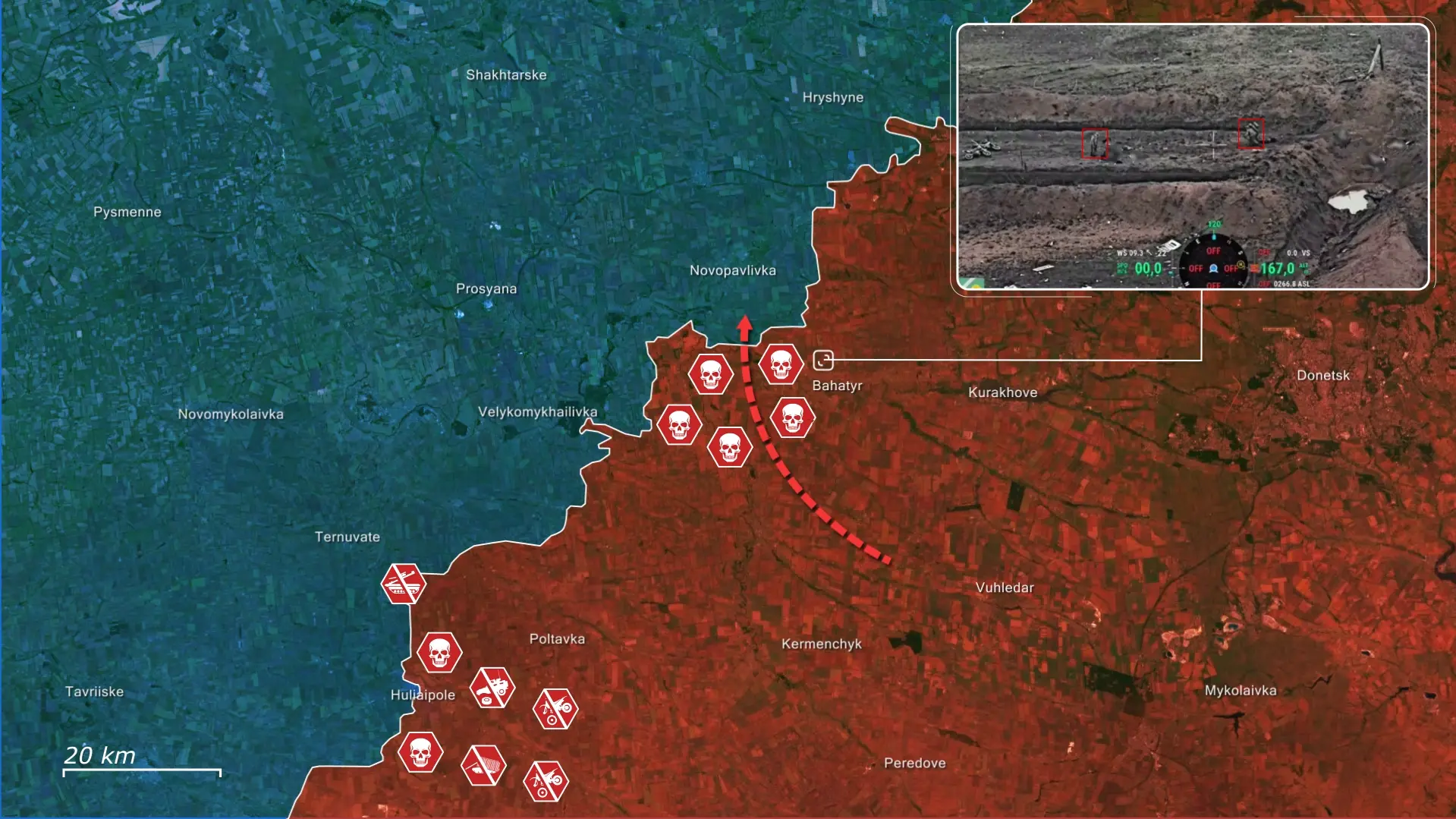
With vehicles already lost in earlier attacks, Russian forces attempted to advance using only infantry, but a local anti-tank ditch significantly slowed their movement, leaving them exposed. Unfortunately for the Russians, this made them an easy target for the Ukrainian FPV drone fire, which subsequently left them with wounded and dead, stopping their assault.
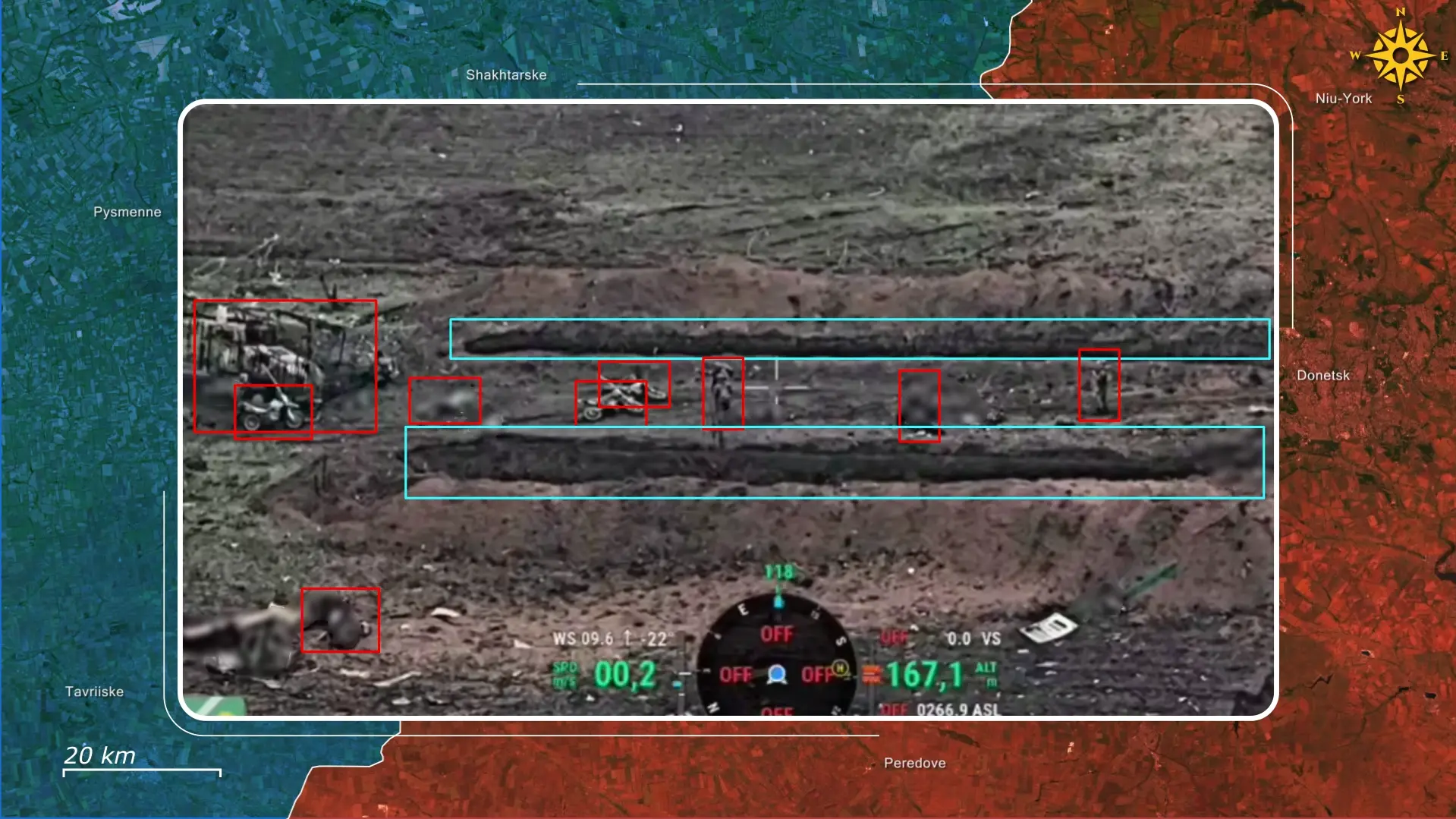
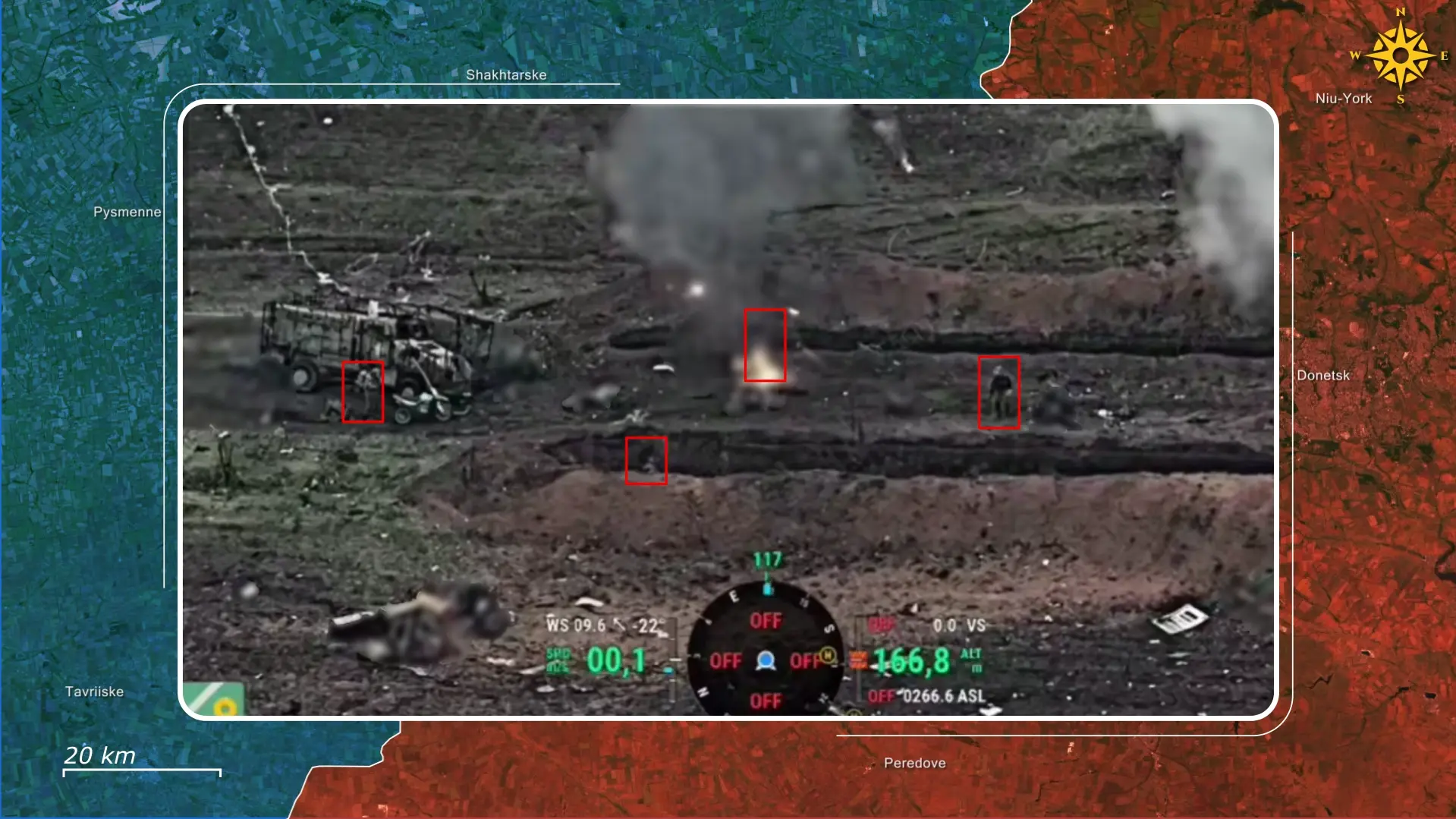
Near Pokrovsk, Russian troops attempted to advance toward Hryshyne, with combat footage from the area showing how Ukrainian forces repelled a motorcycle assault with 13 Russian bikes.
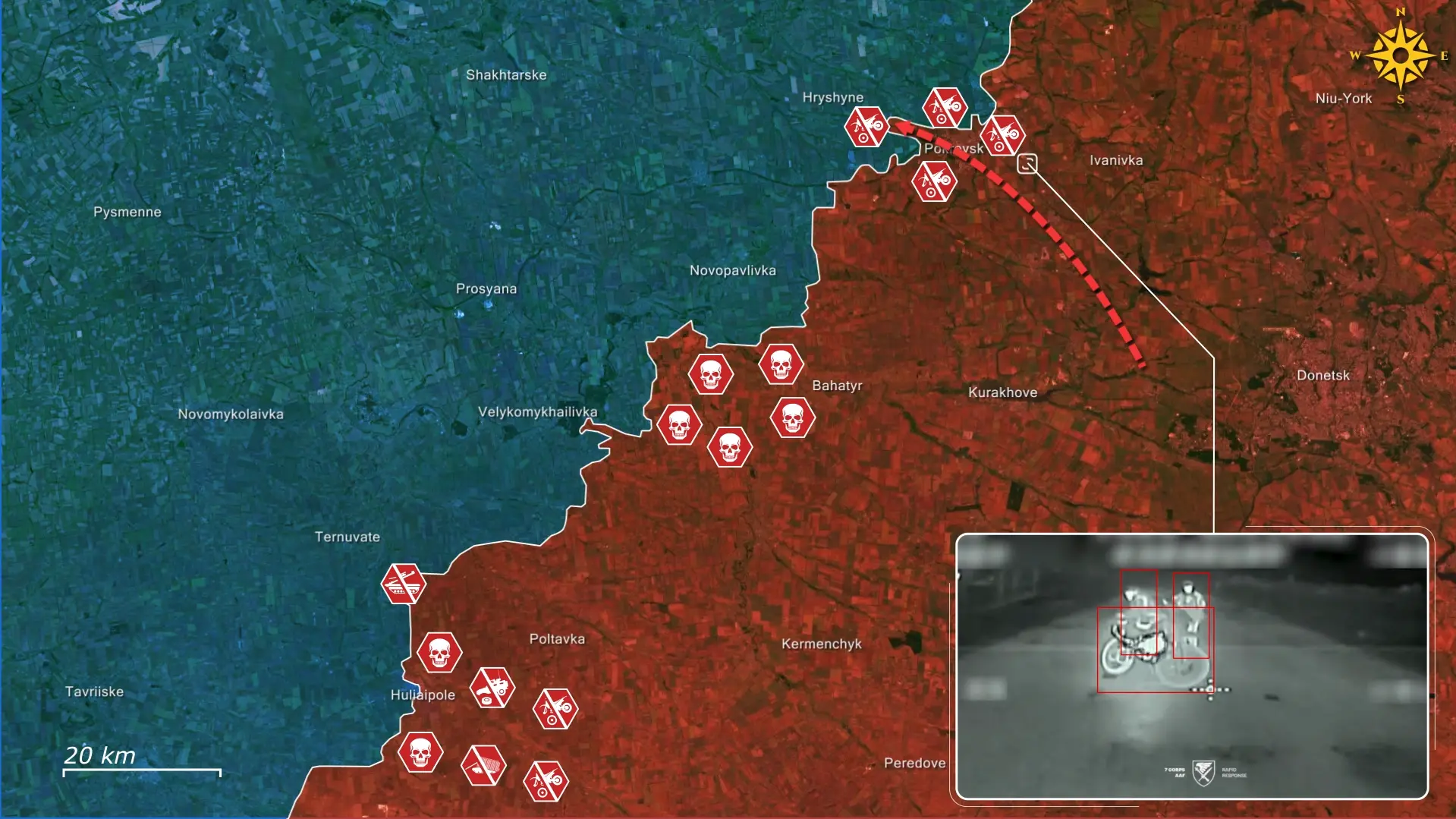
They were used because of their speed to quickly approach the village and reduce exposure to drones, but the Ukrainian defenders successfully destroyed nine motorcycles already during the approach and then finished off the remaining four within the village. The surviving soldiers were then targeted by FPV drones, resulting in the death of the whole assault group.
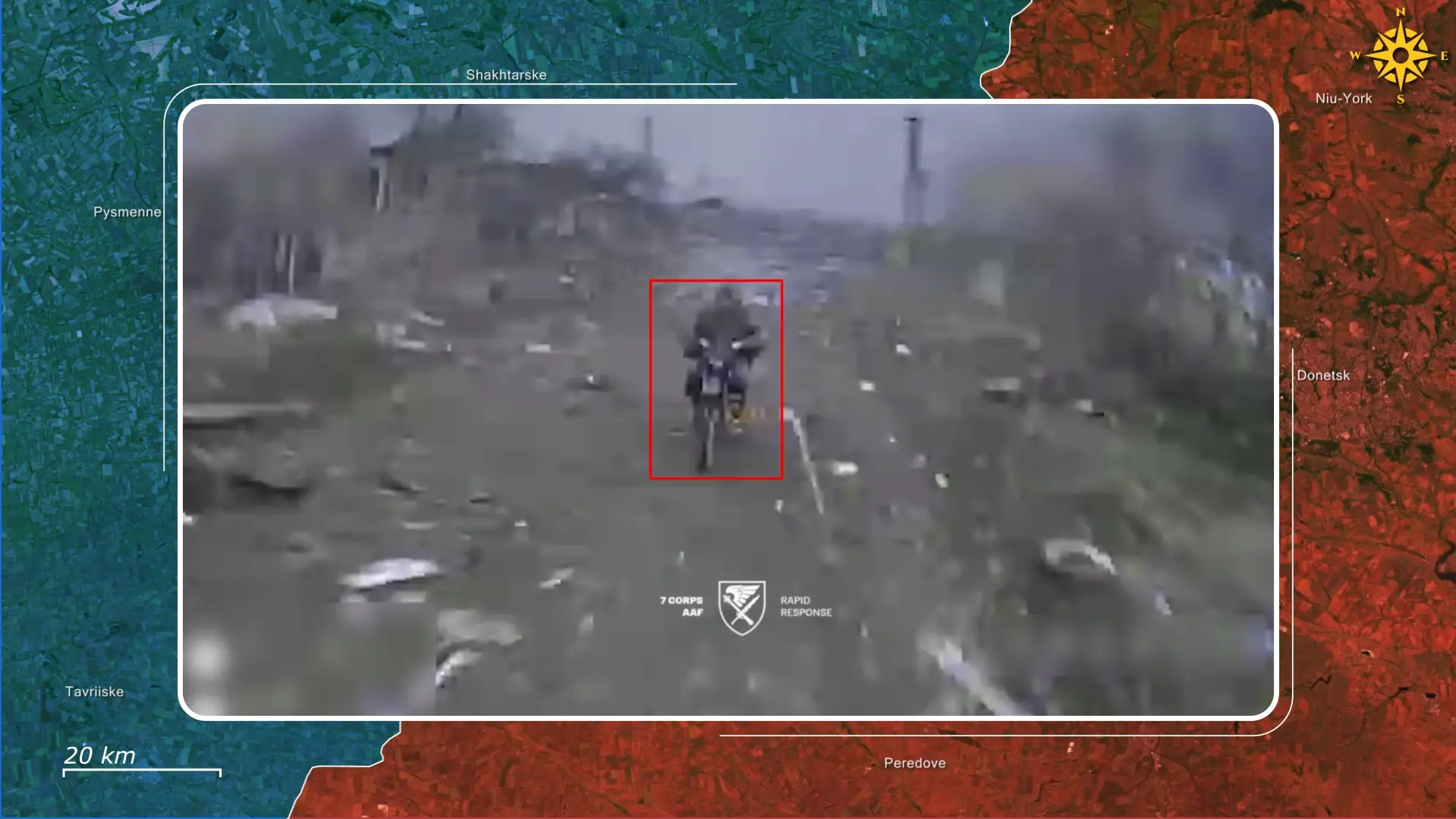
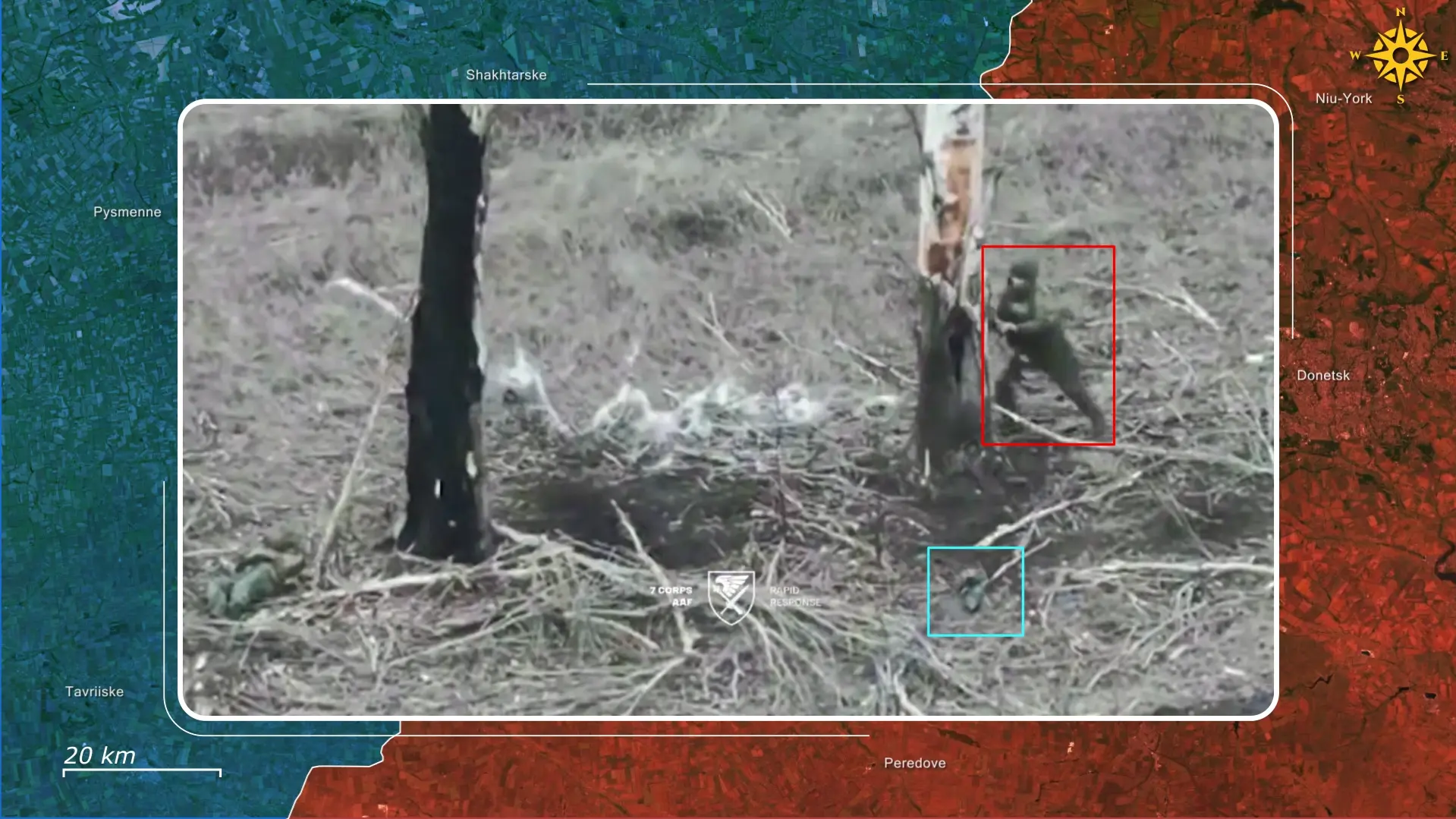
Amid the intensity of these engagements and the chaos of the failed Russian counteroffensive, the intelligence unit of the Ukrainian Skelya Regiment intercepted enemy radio communications indicating that drunk Russian assault troops mistook their comrades for Ukrainian soldiers and opened fire on them, killing their own. This incident highlights the lack of discipline as well as communication between units within Russian ranks, where continuous Ukrainian strikes, inadequate preparation, and pressure from the high command to always push forward contribute to confusion, disorganization, and mounting losses without meaningful gains.
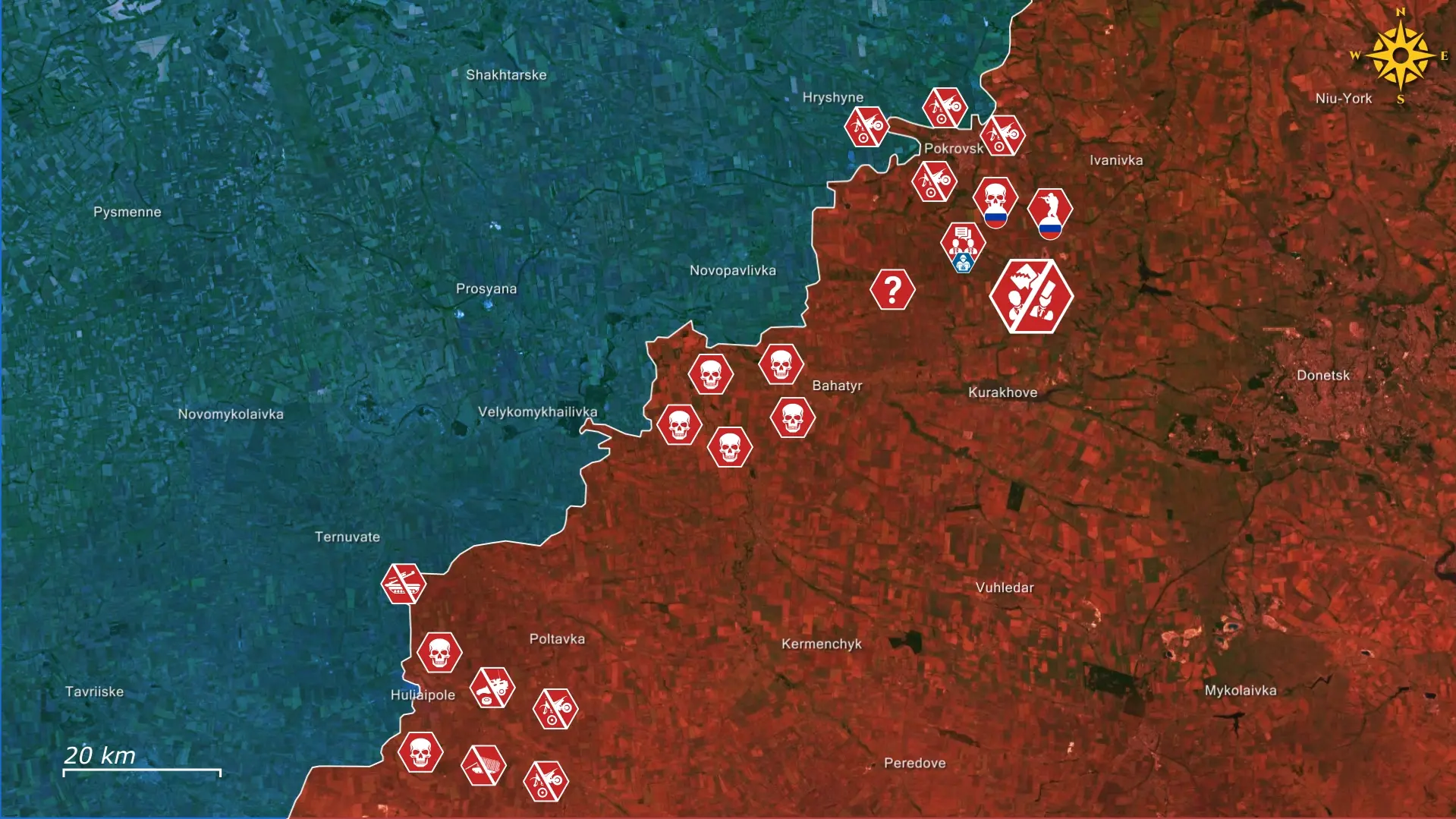
Despite Russian efforts, the offensive resulted in heavy losses, sustained by the Ukrainian drone strikes, which played a decisive role, continuously detecting and targeting advancing units, which slowed momentum and left Russian forces exposed to repeated precision attacks. Russian forces suffered record losses during their attempt, achieving a record 1,710 personnel losses in a single day, along with 3 tanks, 11 armoured vehicles, and 29 artillery systems, underscoring the scale of their failure.
Overall, Russia’s failed start of the spring offensive was another product of the Russian command’s will to always attack, disregarding casualties and the lack of progress. Throwing manpower across a long and well-protected frontline proved fatal, leading to chaos and Russian soldiers intoxicating themselves to cope with the harsh reality of war. As substance abuse is increasingly rampant among Russian troops, while units lack coordination, friendly fire incidents and disorganization will only increase, as the Russian command continues to pursue any result at any cost.

.jpg)

Comments