

.svg)
Today, there are important updates from the Russian Federation.
Here, Ukrainian forces achieved another groundbreaking success by employing an underwater naval drone to strike and disable a Russian submarine that was sheltering in what had been considered a relatively safe harbor. By bypassing layered defenses with apparent ease, this new Ukrainian capability signals a decisive shift that is set to reshape the balance of power in the sea, leaving no safe space for the Russian Black Sea fleet.
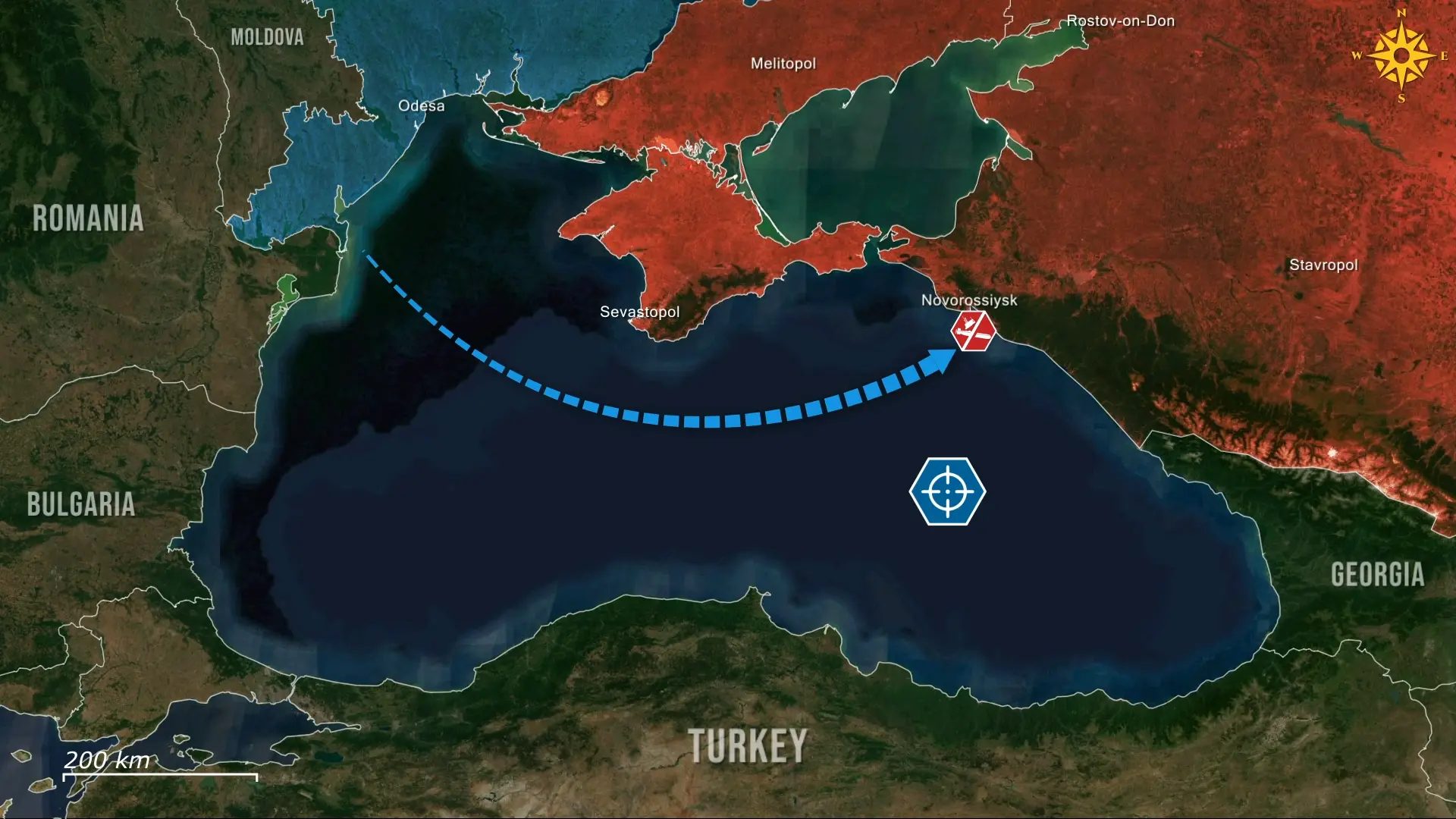
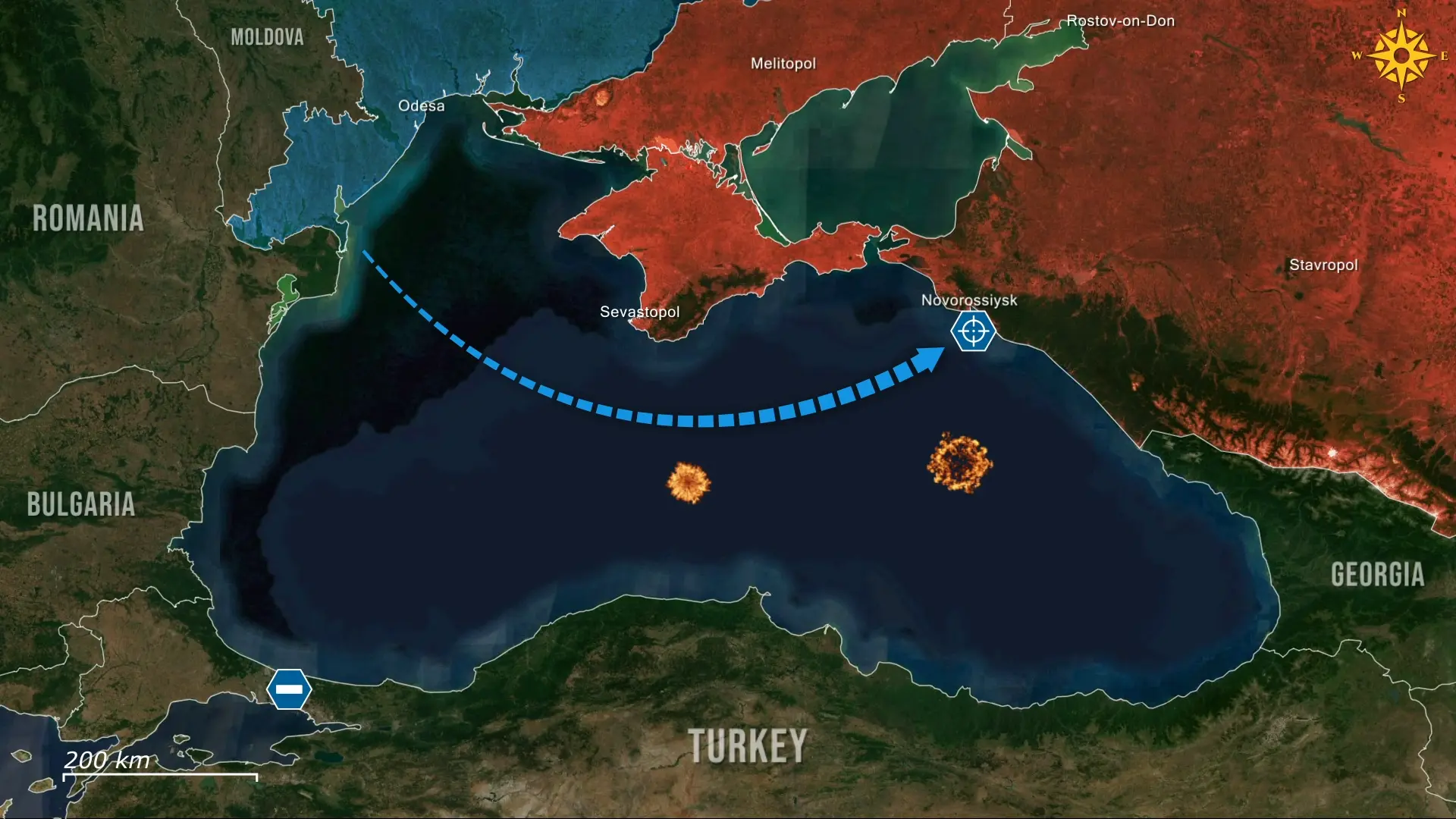
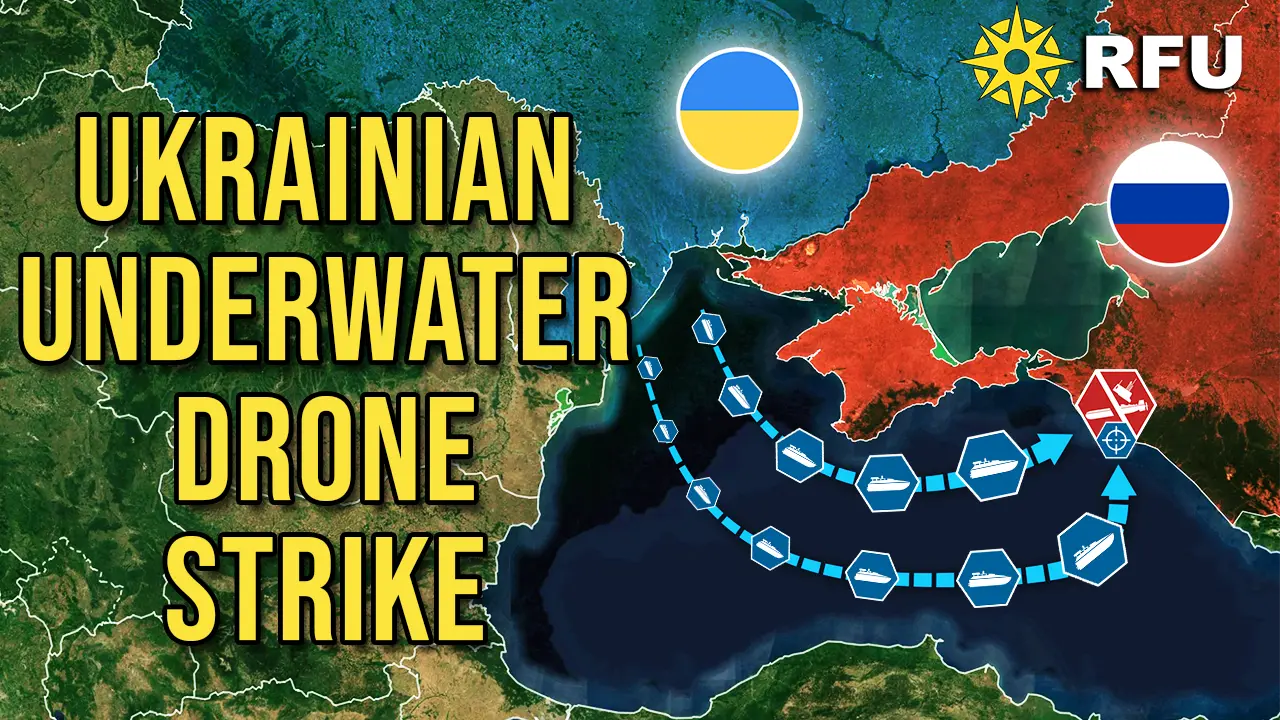
In this video we will break down how exactly Ukraine carried out an operation redefining modern naval warfare, as for the first time, an underwater drone strike successfully disabled a docked submarine inside a heavily defended base. In a joint operation between the Security Service of Ukraine and the Navy, a submerged variant of the Sea Baby drone, known as the Sub Sea Baby, struck a Russian submarine at the port of Novorossiysk.
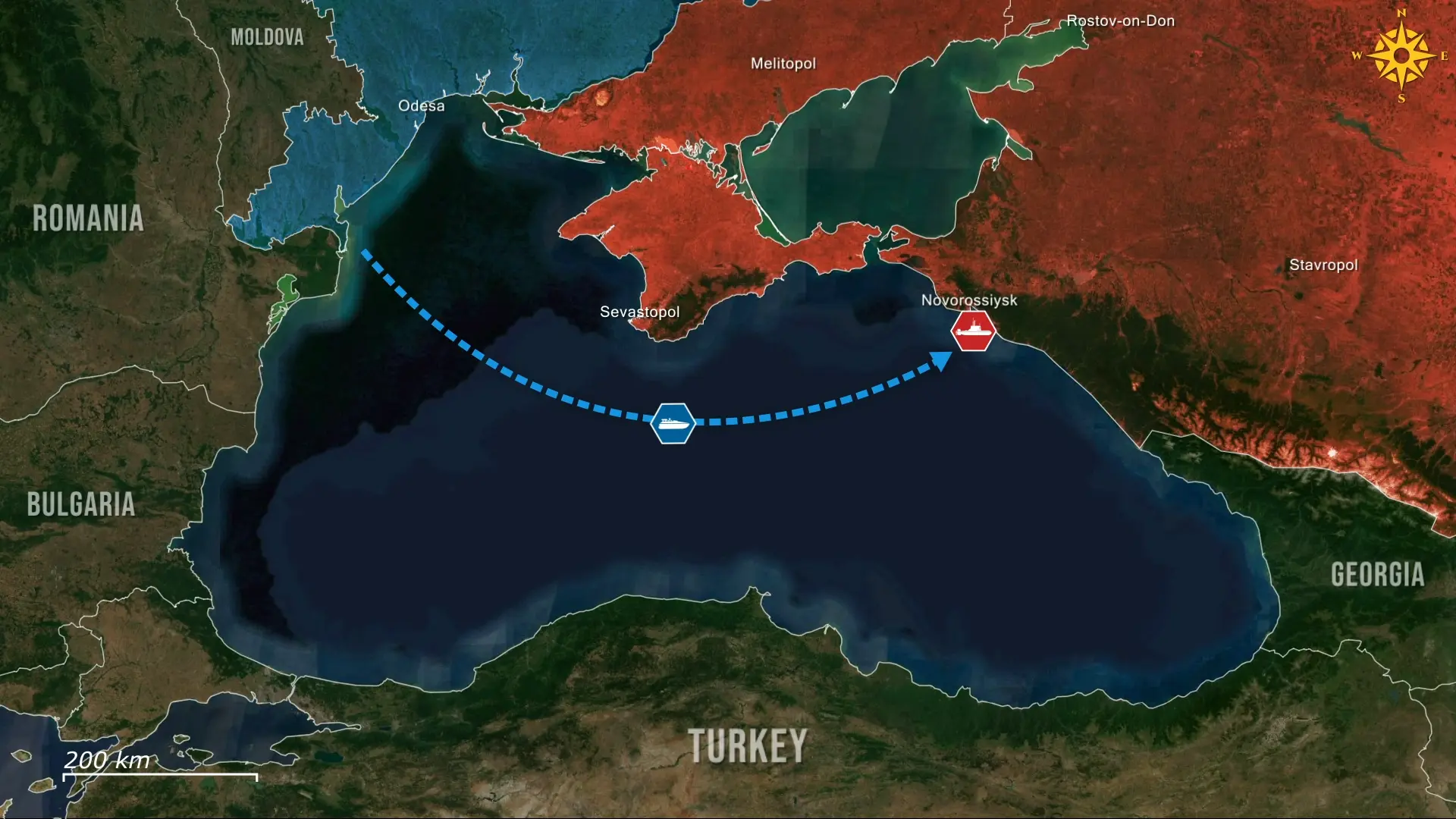
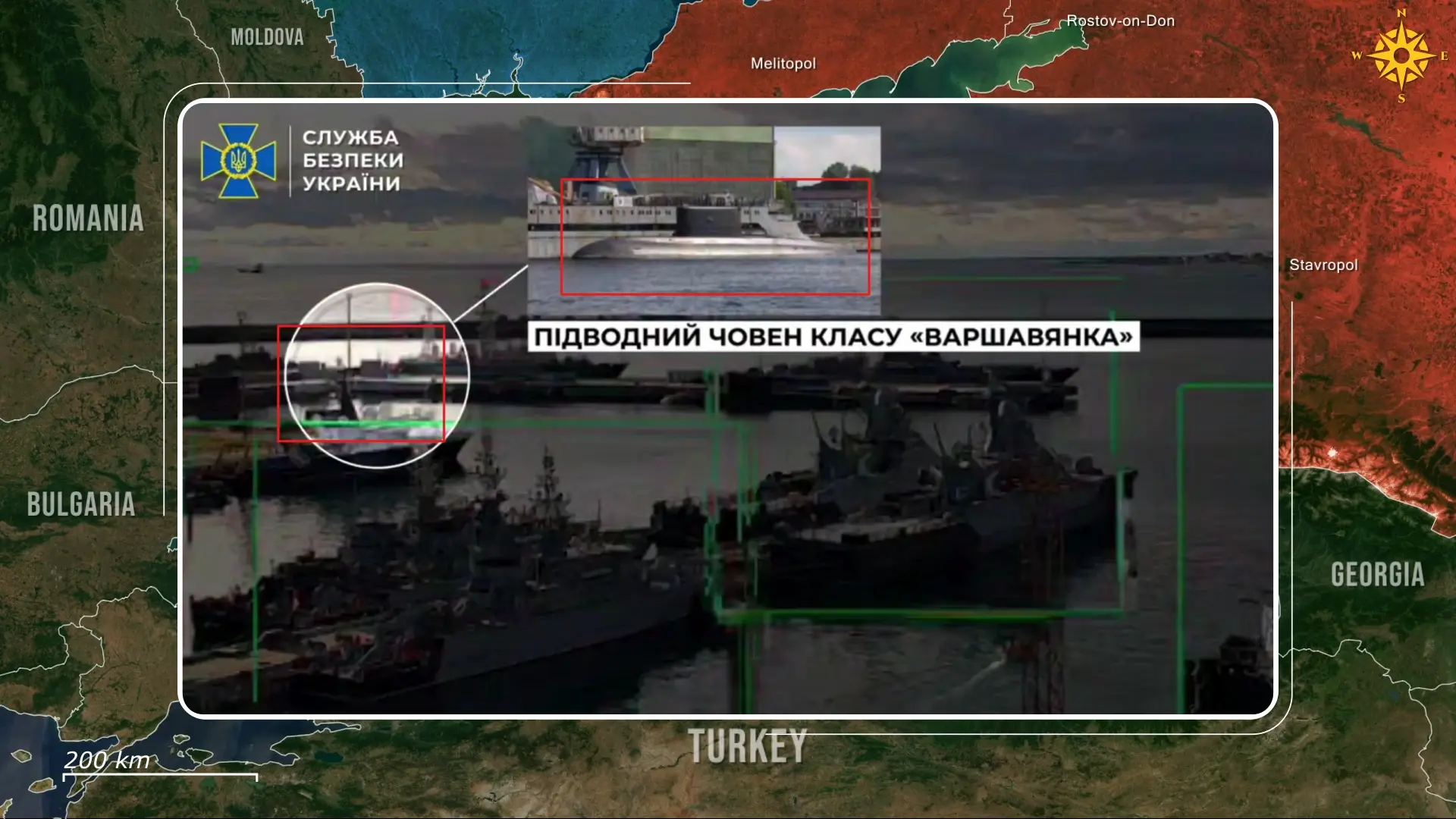
Footage released afterward showed a powerful underwater explosion at the pier, direct to the target, a Varshavyanka-class submarine valued at roughly 500 million US dollars, one of Russia’s most important remaining Black Sea assets and a carrier of Kalibr cruise missiles used against Ukrainian cities.

The operation itself was the result of years of development and meticulous planning, as the Ukrainians had to account for Novorossiysk’s dense, layered defenses: coastal radar and patrol aircraft, surface patrol boats, anti-saboteur units, diver-detection sonar, physical barriers such as booms and nets, and constant port surveillance. Rather than confronting these defenses directly, with the Russians focused on surface naval drone threats, the Sub Sea Baby exploited their blind spots. The underwater drone likely approached at low speed along the seabed, using its minimal acoustic signature to evade sonar detection. Moving underwater allowed it to bypass surface barriers entirely and avoid air defenses designed to counter drones and missiles. Reaching the port took almost one week, and the final shallow water approach took hours, requiring precise navigation through confined harbor waters and carefully timed entry during reduced patrol activity.
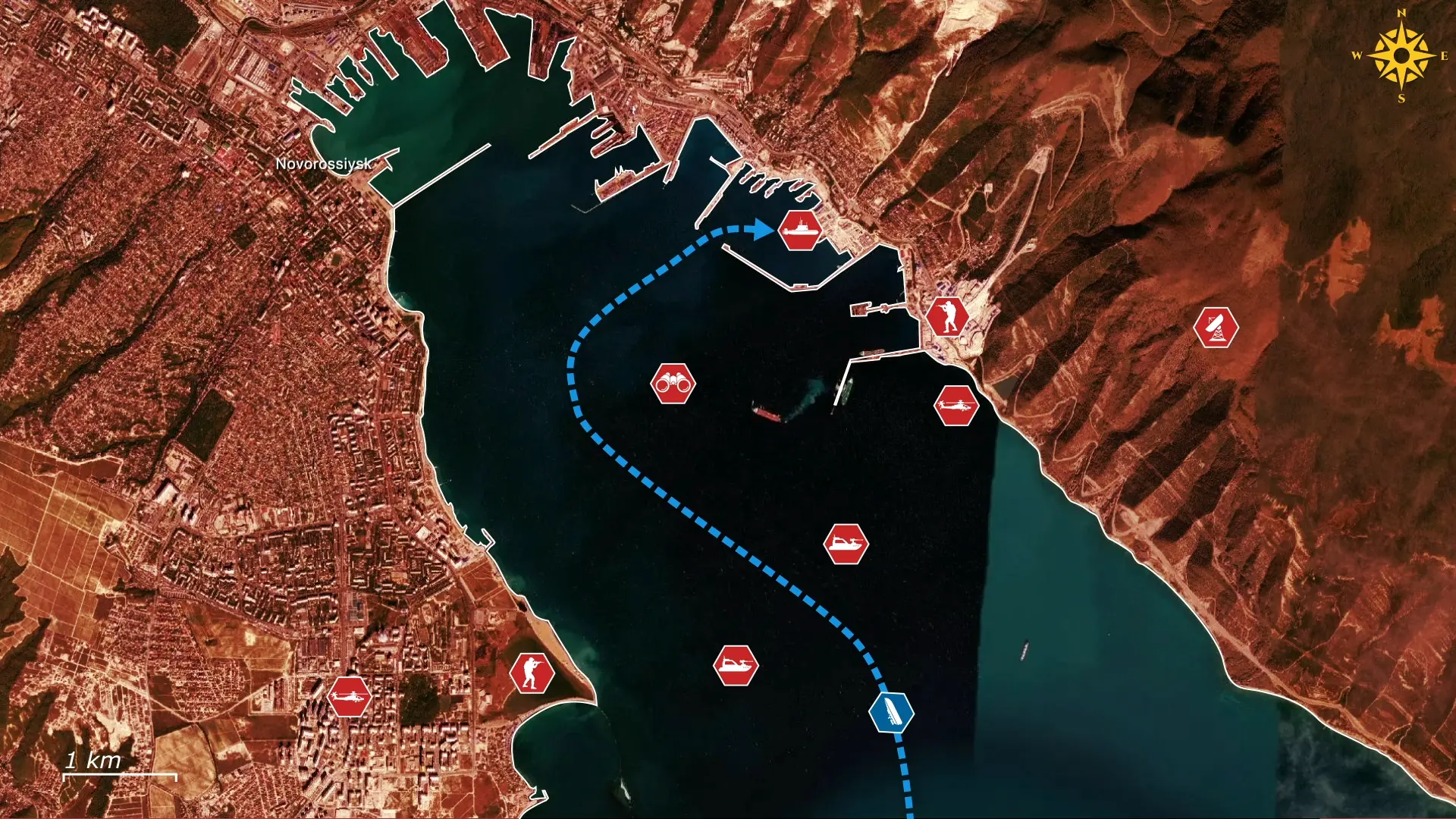
The drone relied on pre-programmed waypoints and autonomous guidance to maneuver through the port’s complex geometry, while Ukrainian intelligence appears to have played a critical role, hacking harbor cameras to monitor ship positions in real time. Whether real-time guidance was possible remains unclear, but the level of precision achieved indicates a fusion of autonomy, intelligence preparation, and operational patience that Russian defenses were not prepared to counter. Ukrainian Navy spokesperson Dmytro Pletenchuk emphasized that Novorossiysk was considered exceptionally secure, and that Russia had moved its remaining ships there precisely to avoid attacks.
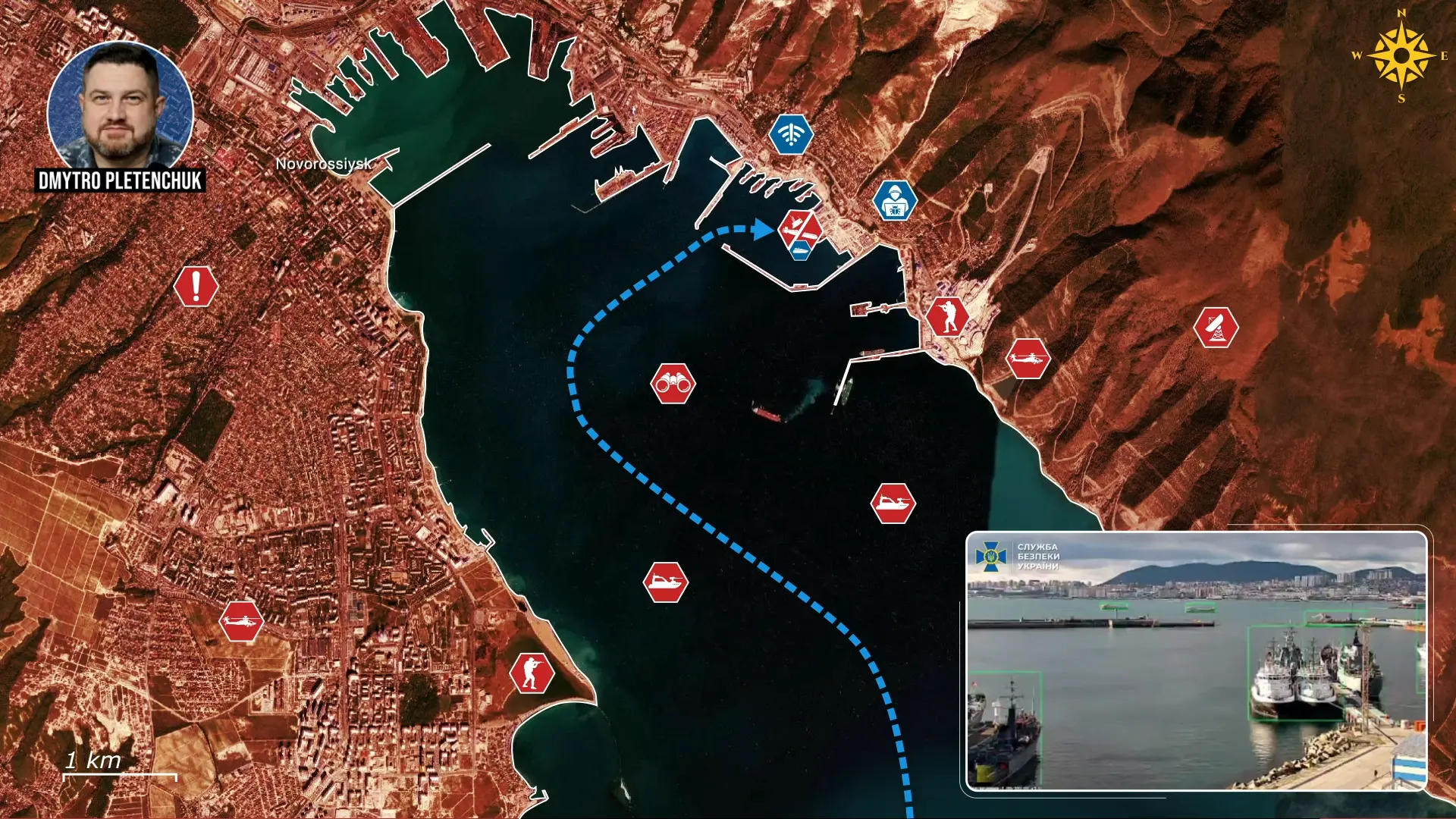
The fact that a submarine was struck while pier-side highlights a fundamental vulnerability: even the quietest submarines are exposed when stationary, and underwater stealth works both ways. Underwater drones are uniquely suited to Ukraine’s broader strategy, as they combine quiet electric propulsion, low-profile hulls, and inertial navigation systems that do not require constant communication.
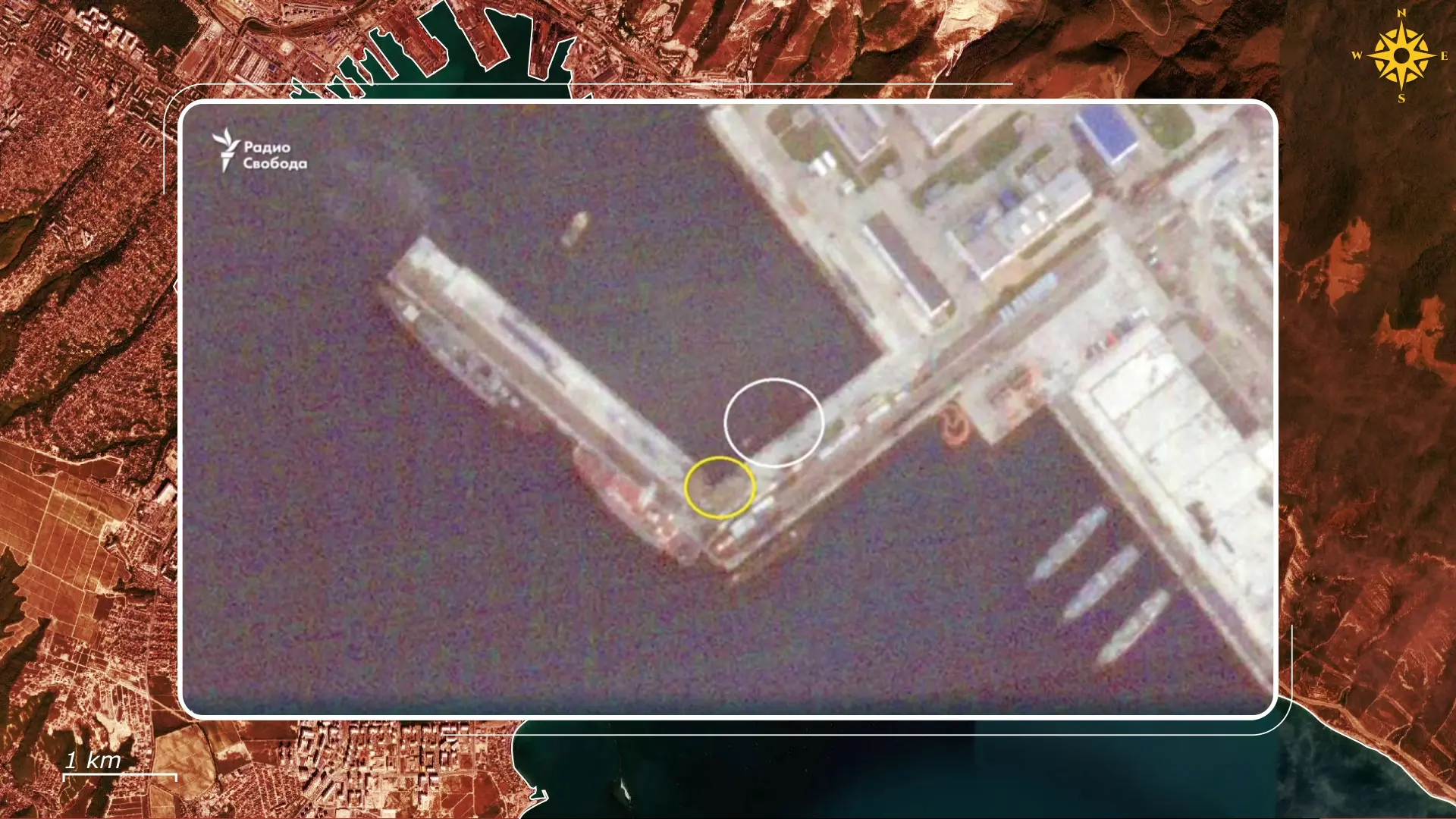
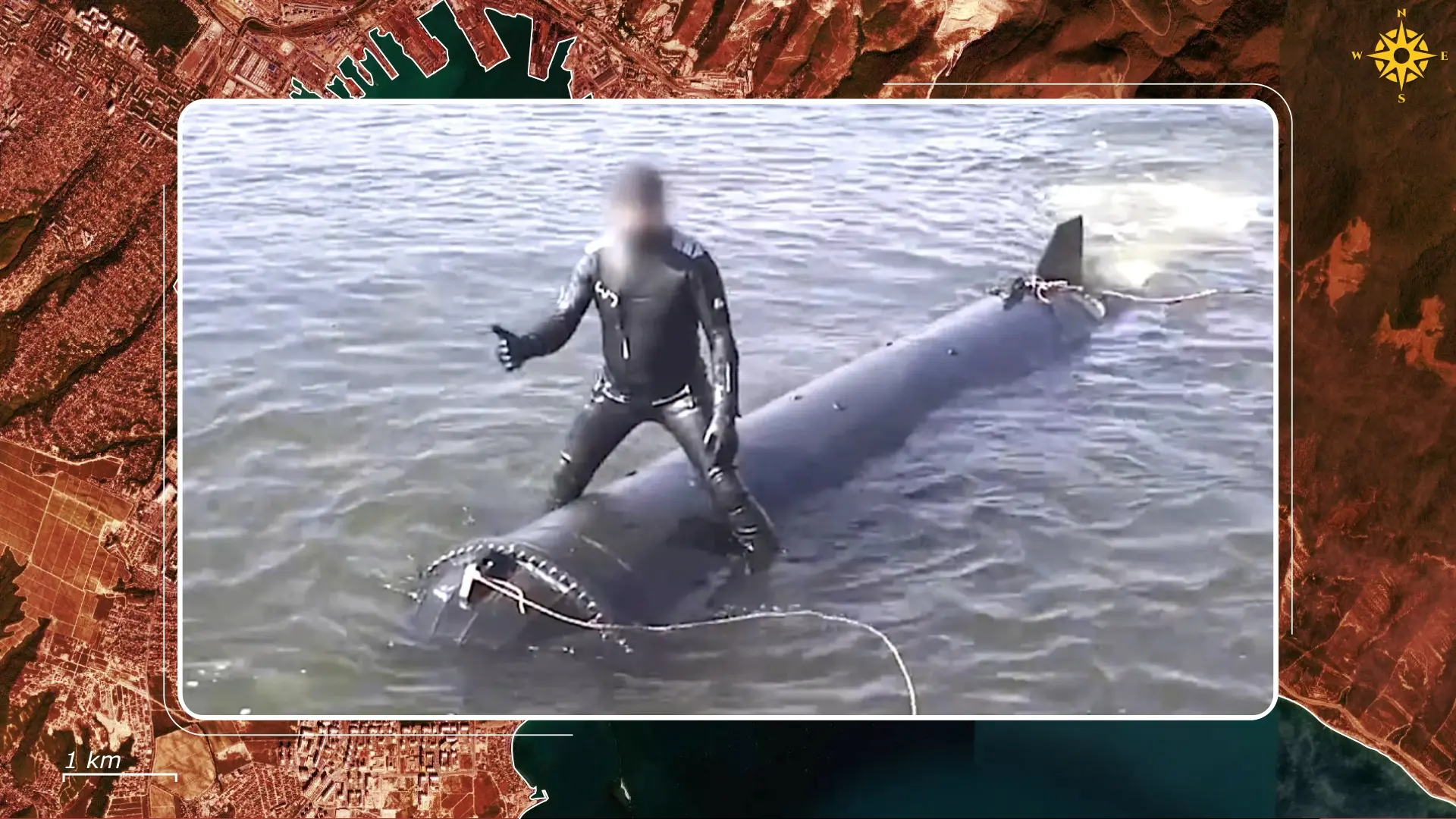
This makes them extremely difficult to detect and jam. Their strengths align perfectly with Ukraine’s approach to asymmetric warfare: striking high-value targets deep inside enemy defenses without risking crews or expensive platforms. At a cost measured in thousands rather than hundreds of millions, these drones force Russia to defend an entirely new domain, stretching already strained resources.
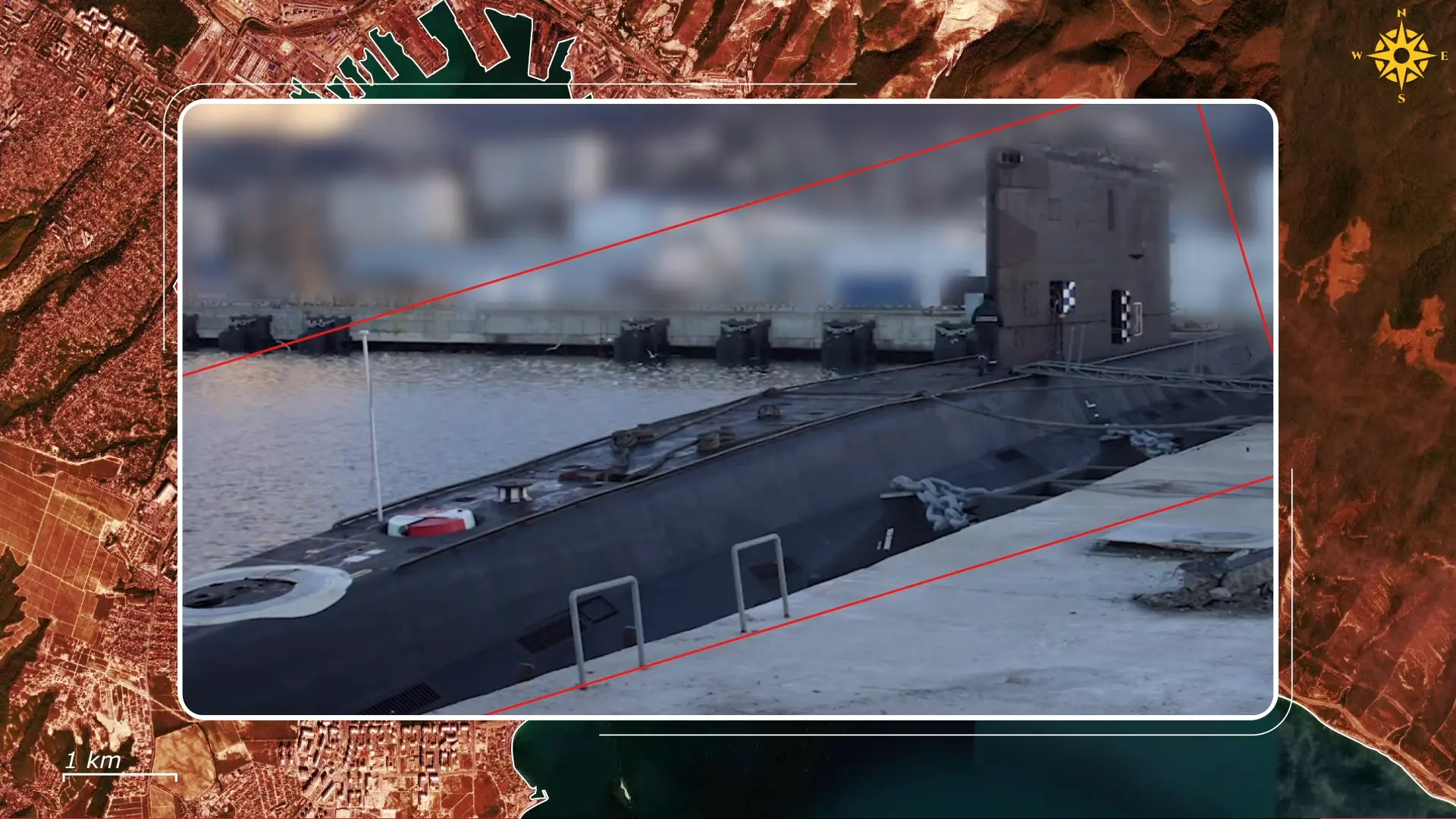
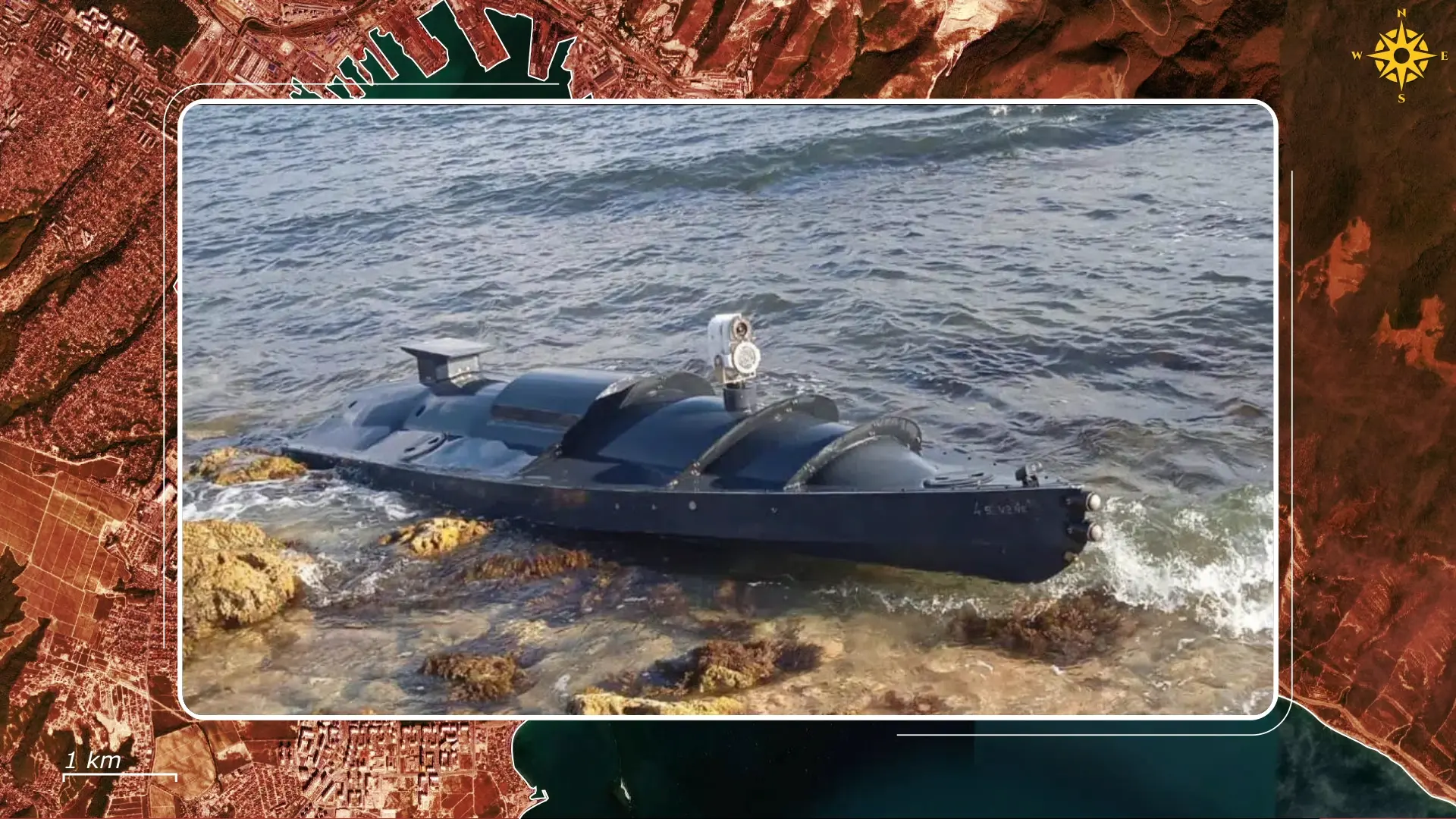
The implications extend far beyond a single strike, as Ukraine has now opened the door to systematic underwater operations across the Black Sea. Submarines, frigates, corvettes, landing ships, tankers from the shadow fleet, underwater pipelines, fuel piers, and sensor networks are now exposed in ways Russia cannot easily mitigate. Each successful strike increases pressure on the Russian fleet to disperse further, eroding its ability to project power in the Black Sea, significantly reducing Russia’s ability to conduct missile strikes from submarines and ships. Despite the capability to launch around 40 to 50 missiles, Russia deploys far fewer carriers in practice to avoid losses, often rotating one to four carriers. In attacks throughout 2025, Black sea-based missile launches per major strike typically range from 4 to 10, as part of larger combined barrages with air-launched missiles and drones, with the number expected to drop further now amidst the rising threat from Ukraine’s new underwater drones.
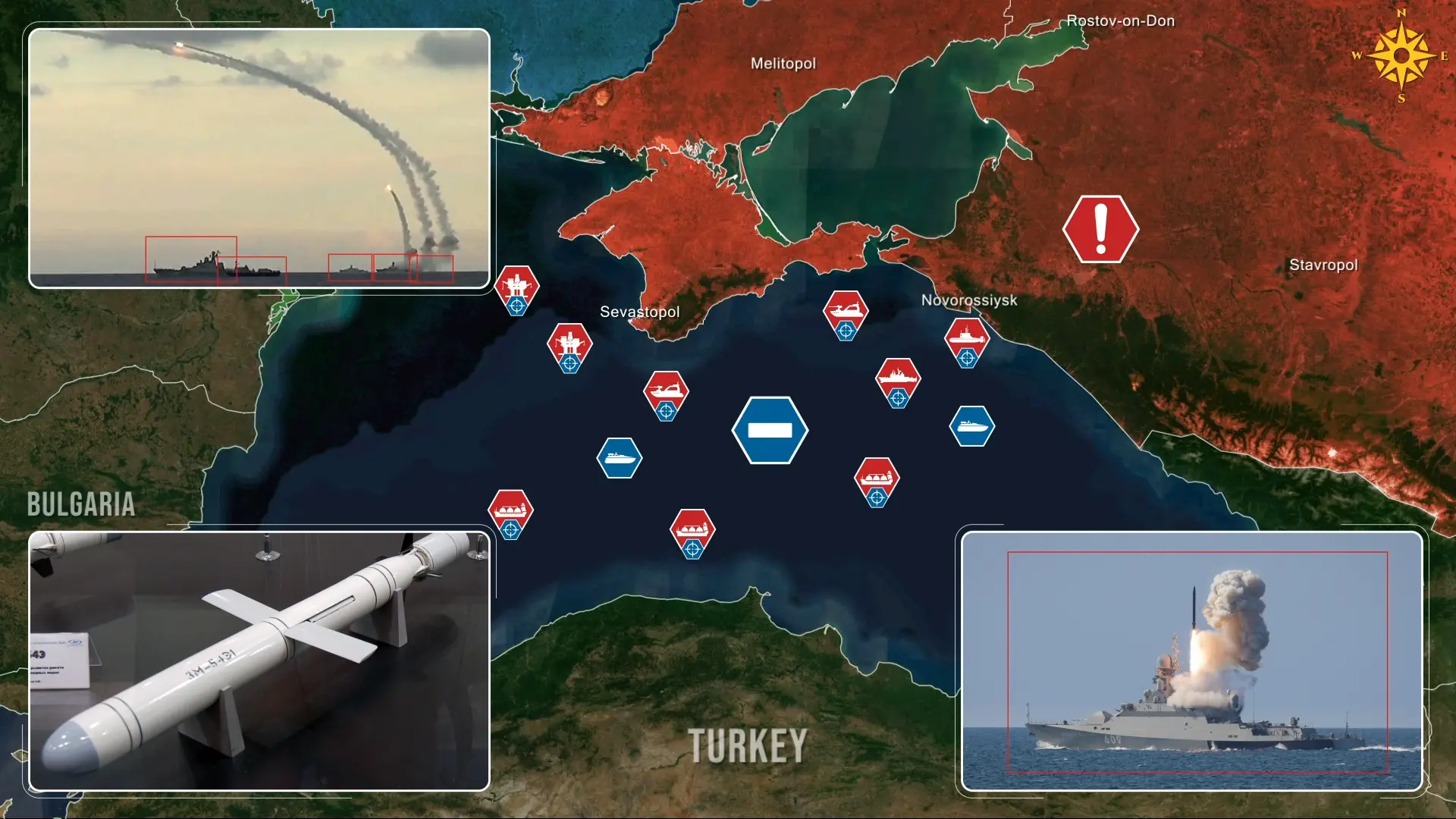
Overall, Ukraine’s underwater drone strike marks a decisive shift, as Russia once saved the remnants of its Black Sea Fleet by relocating them east, but the latest development eliminated that refuge. By bypassing layered defenses, exploiting intelligence access, and striking from below, Ukraine has shown that there is nowhere left to hide. With the Bosporus closed under the Montreux Convention and ports no longer secure, the balance in the Black Sea is continuing to tilt, quietly, relentlessly, and now from beneath the surface.
.jpg)



Comments