

.svg)
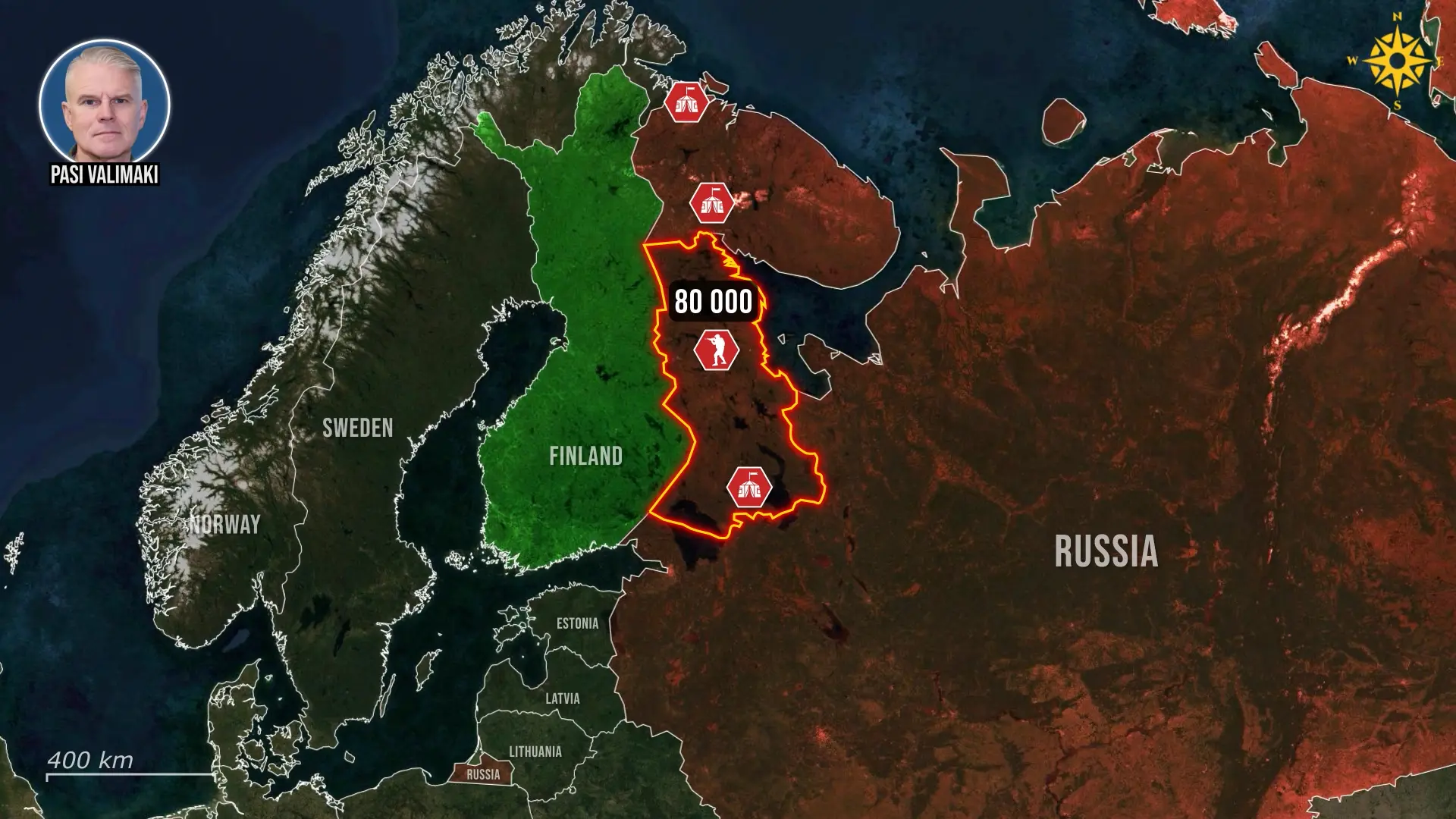
Finland is in danger as Russia rebuilds old garrisons and expands nineteen military locations across its northwestern region, creating facilities capable of receiving tens of thousands of soldiers once the war in Ukraine ends. The most significant developments near Finland include Pechenga on the Kola Peninsula, Kandalaksha in the Murmansk region, and Petrozavodsk in Karelia, giving Russia more space to house and support forces close to Finland. Finnish Army Commander Pasi Valimaki estimates that facilities in the immediate area facing Finland could eventually accommodate around eighty thousand troops, up from approximately twenty thousand previously. Across Russia’s wider northwestern military region facing Nato’s Nordic and Baltic frontier, that potential force could rise to as many as one hundred fifteen thousand soldiers. Pechenga is expected to gain capacity for as many as seventeen thousand troops, while the reactivated Petrozavodsk garrison is being developed to support units of the Forty Fourth Army Corps operating near Finland. The country therefore faces the emergence of a large and permanent Russian military force along its eastern frontier.
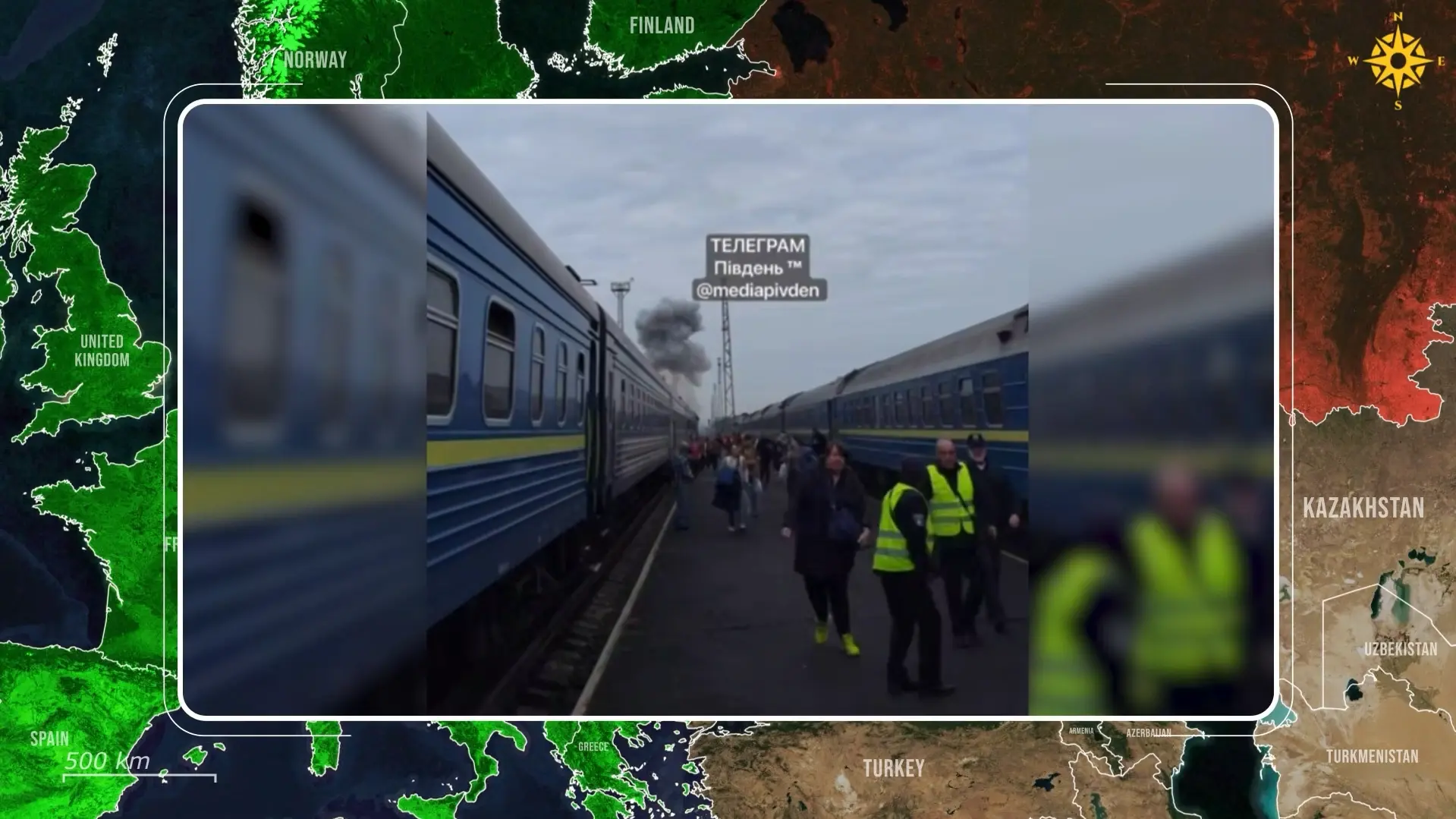
Alongside this expanding military belt, Moscow is increasingly portraying Finland as an active participant in Ukrainian attacks on Russian territory. In April, Russian Security Council Secretary Sergei Shoigu claimed that Ukrainian drones were approaching Russia through Finland and the Baltic states, warning that Moscow could invoke self defense if those countries deliberately allowed their airspace to be used. Russian military commentators have also alleged that drones attacking the Leningrad region used less protected coastal routes through the Baltic area, although these flight paths have not been independently established and regional governments reject claims of deliberate assistance. These accusations intensified after Finland temporarily restricted aviation and maritime traffic over the eastern Gulf of Finland to protect its territory from stray drones, although Finnish authorities reported that no drones entered its airspace. Moscow nevertheless portrays these precautions as evidence of a Ukrainian air corridor, framing its military expansion as a response to supposed Finnish aggression.

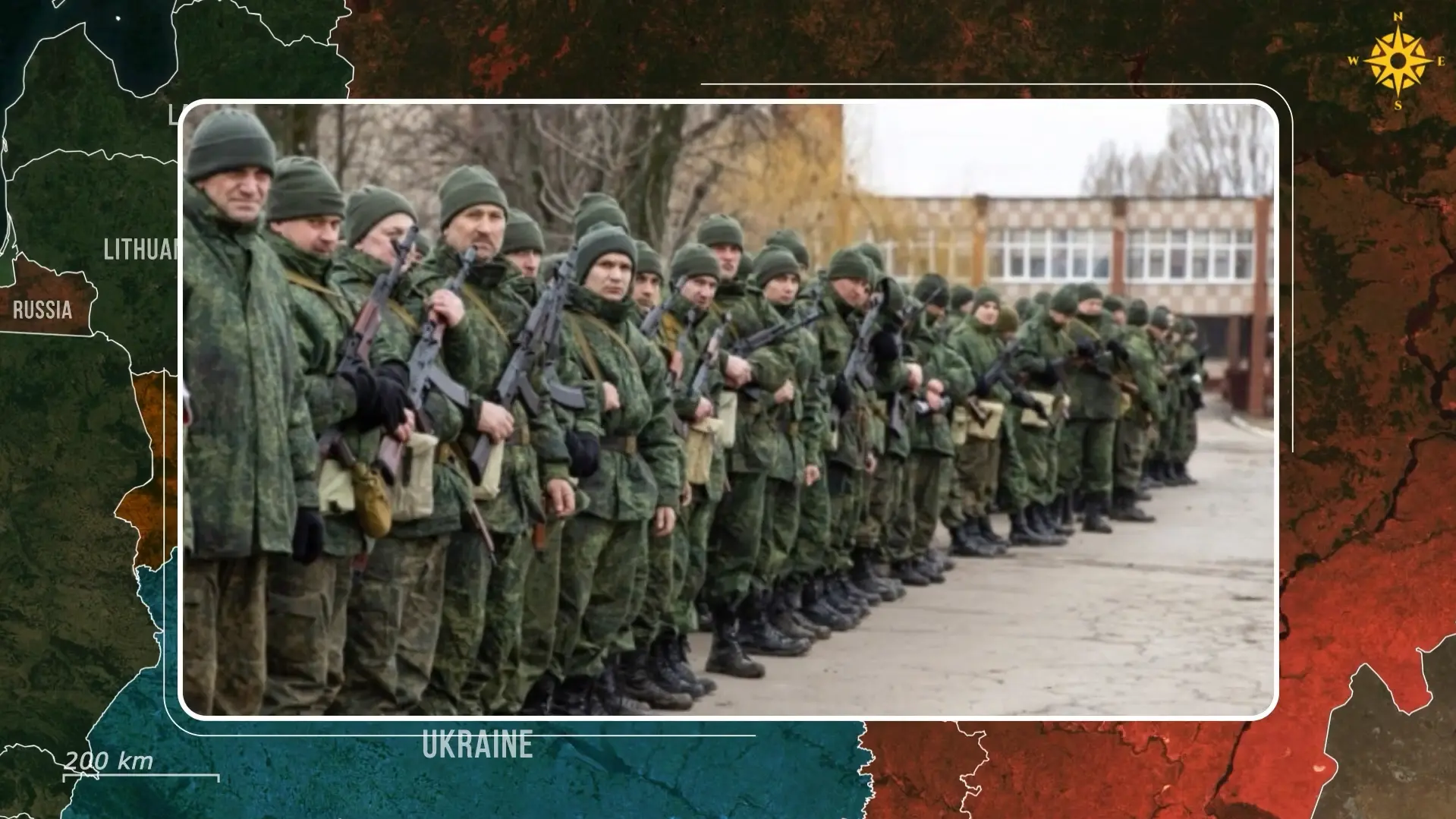
These accusations could give Moscow a justification for redirecting its forces from Ukraine toward Finland once the current war ends. Russian units returning from Ukraine would already have years of recent battlefield experience, allowing Moscow to shift a combat tested force toward Finland without having to build and train a new army from scratch. By transferring these formations northwest, the Kremlin could preserve their combat readiness and accumulated battlefield experience for another confrontation.

The danger grows if Moscow believes this experienced force could exploit a weakness exposed during the Iran war, where sustained drone and missile attacks placed severe pressure on Western air defenses. Cheap drones forced defenders to expend scarce and expensive interceptors, exposing how quickly Europe could struggle to replace its missile stocks during a prolonged conflict. A Baltic Defense Initiative assessment examines a hypothetical Nato conflict in which Russian drone saturation and long range strikes rapidly weaken regional air defenses before larger allied forces arrive. This is a stress test rather than evidence of an approved Russian invasion plan, yet it shows why Moscow may view Nato’s northern defenses as vulnerable to an intense opening attack. Moscow may also believe Nato’s ground forces could be exploited during the same period, because the alliance is still assembling some of the permanent forces intended to defend its eastern members. One supporting example is Germany’s permanent Forty Fifth Armoured Brigade in Lithuania, which is intended to strengthen the country’s defense against a potential Russian attack but will not reach full operational capability until the end of twenty twenty seven. Combined with limited interceptor stocks, that delay could encourage Russian commanders to gamble on overwhelming local defenses before Nato can reinforce the region and respond effectively.

Overall, Russia’s preparations could turn the Finnish border into a permanently militarized frontier even without an immediate invasion. Finland shares Nato’s longest direct border with Russia, so defending it would require permanently deploying air defenses, surveillance systems, ground forces, and logistics across the northern frontier. Over time, this could lock Nato into an expensive buildup and allow Moscow to drain alliance resources simply by keeping the threat alive. Meanwhile, Russia is preparing the forces needed to raise the pressure while developing the argument it could later use to justify escalation.

.jpg)

Comments