

.svg)
Today, the biggest news comes from Ukraine.
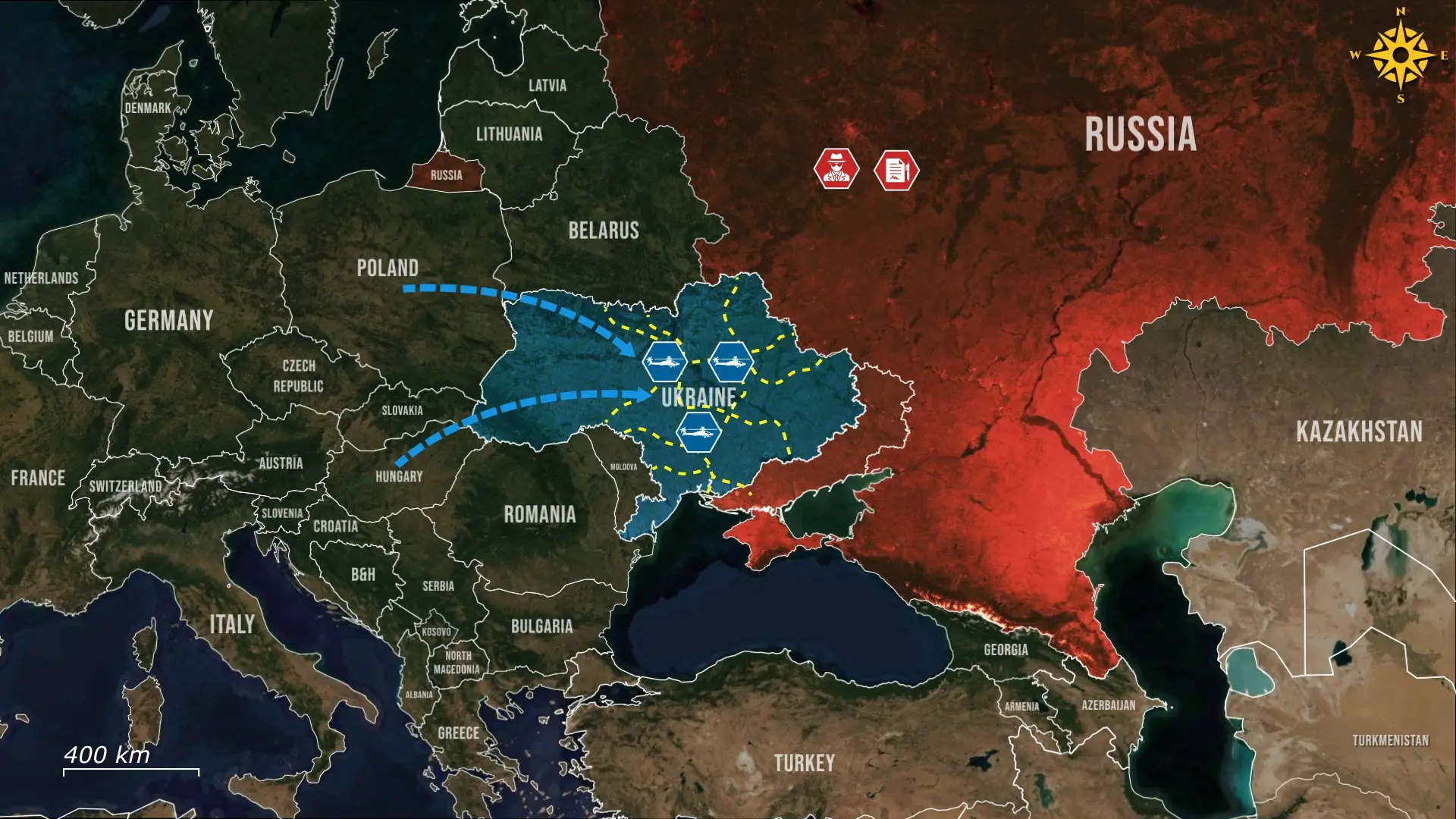
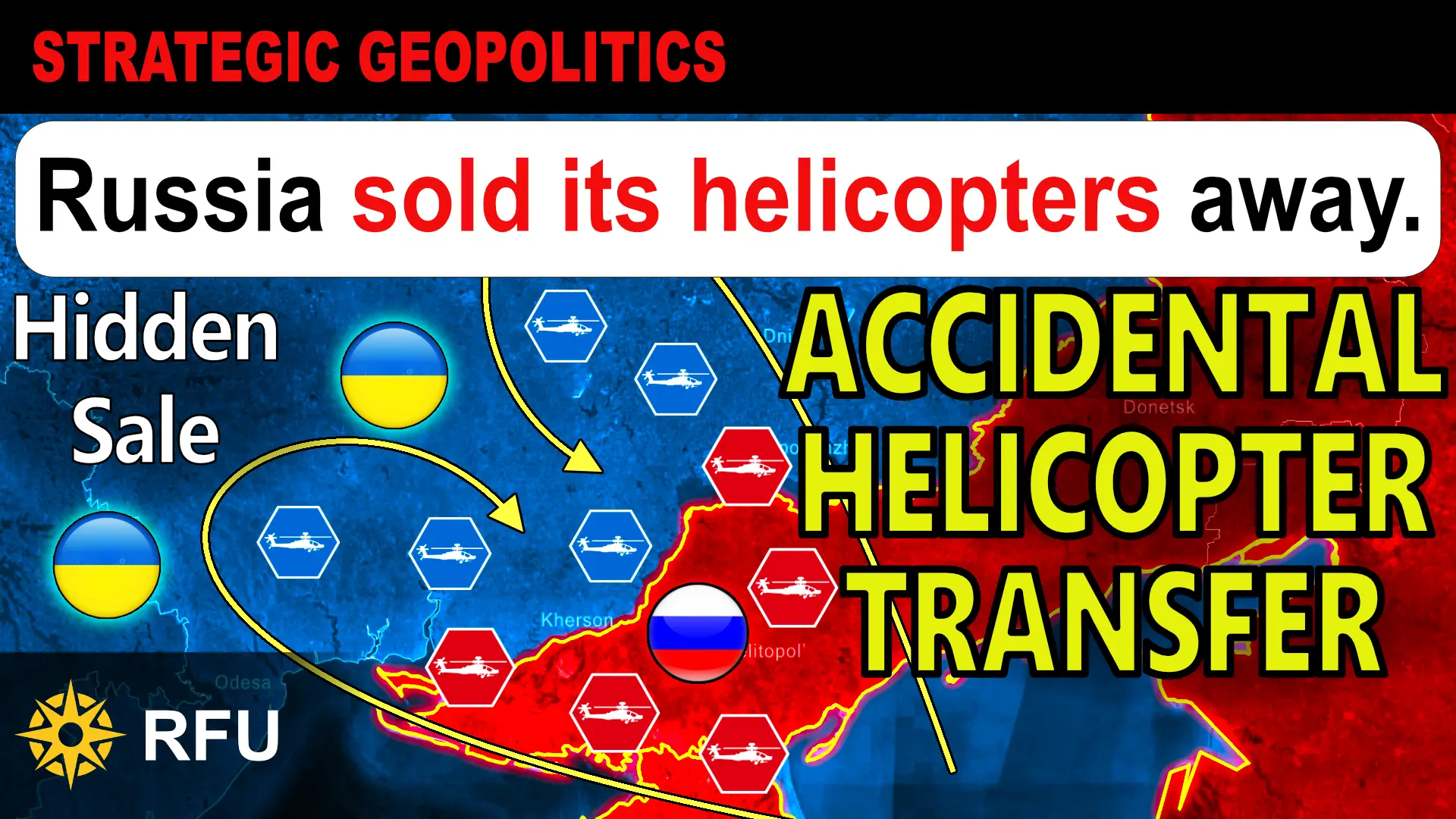
Here, a remarkable discovery reveals how Russian-built helicopters ended up flying for the Ukrainian Armed Forces. The history of several Mi-17’s exposes how international transfers, collapsed foreign inventories and a covert broker network allowed Ukraine to acquire aircrafts their enemy never intended them to possess.
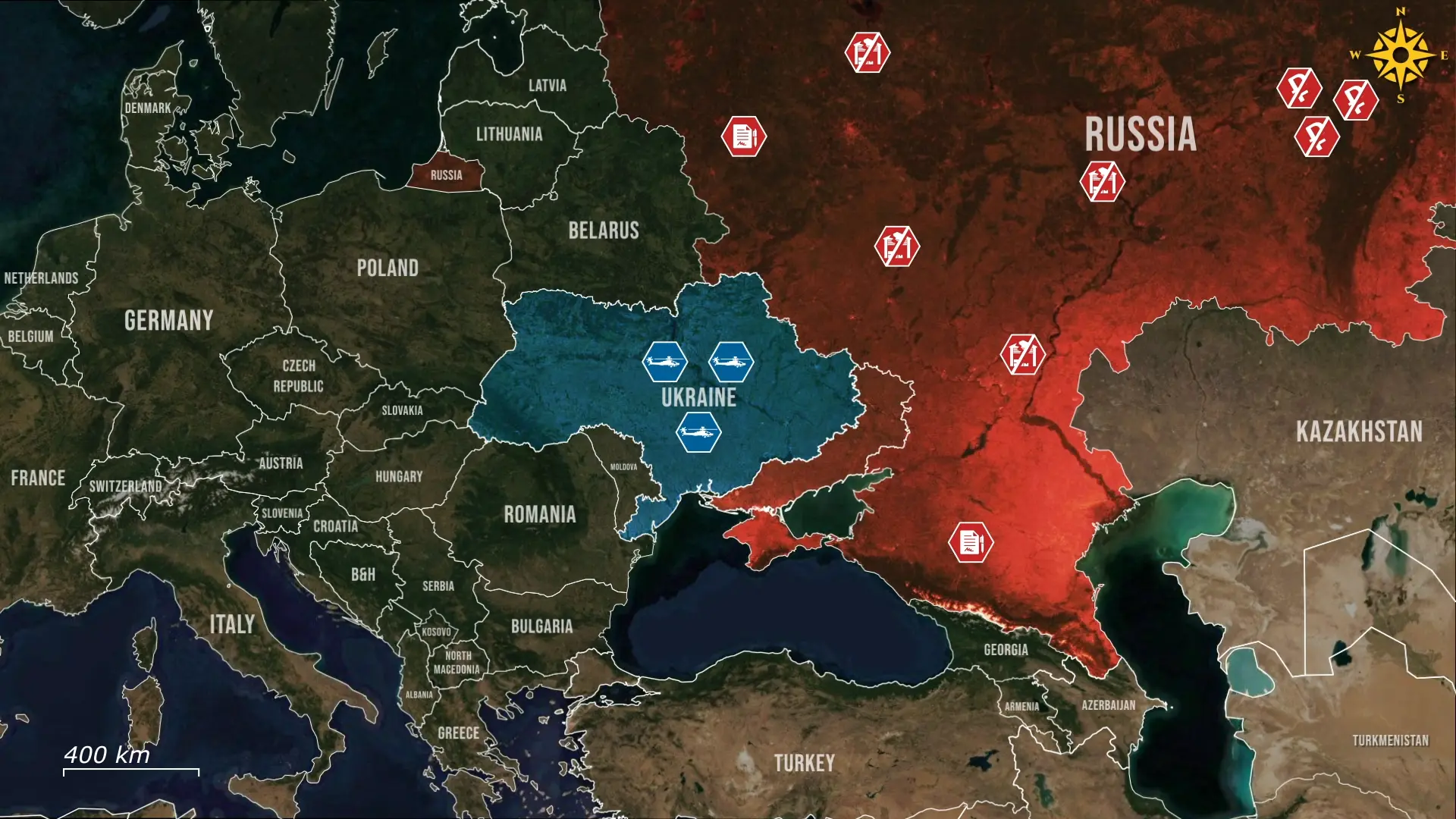
The news focuses on emerging evidence that Russian-built Mi-17 helicopters were quietly sold through private intermediaries during the first months of the war. These transactions began as routine commercial offers inside Russia, where Russian companies believed they were dealing with legitimate foreign buyers.
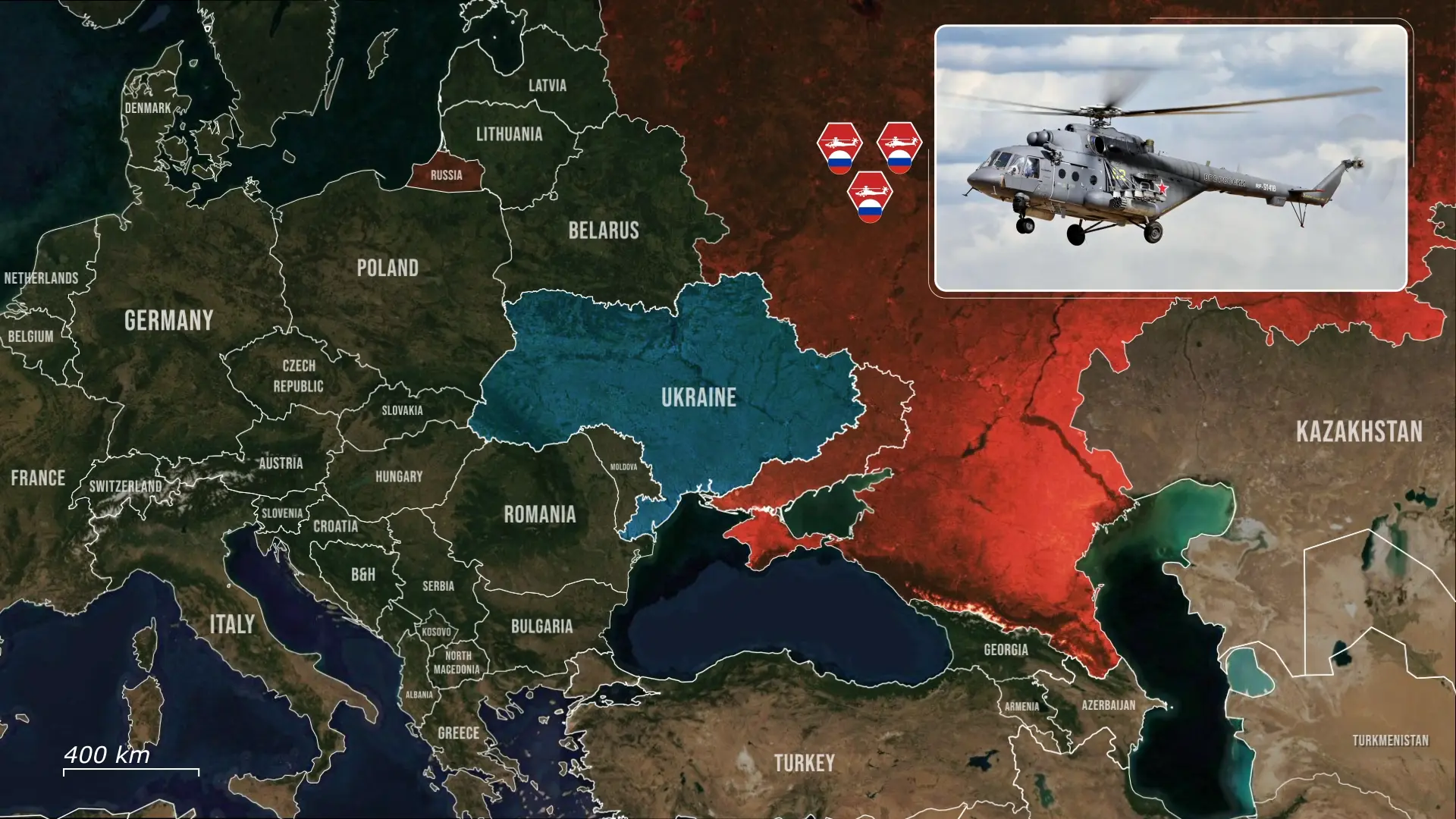
The helicopters they placed on the market were then redirected by Western brokers who moved them along channels that ultimately led to Ukraine. The result is that Russia unknowingly helped supply several of its own aircraft to the country it was trying to defeat. This development reveals that a portion of Ukraine’s Mi-17 fleet did not come from official allies alone but also from these covert and unintentional sales. Ukraine continues to operate Mi-17 helicopters received from the United States and European partners, and these legally supplied aircraft expand the fleet created by the earlier transfers.
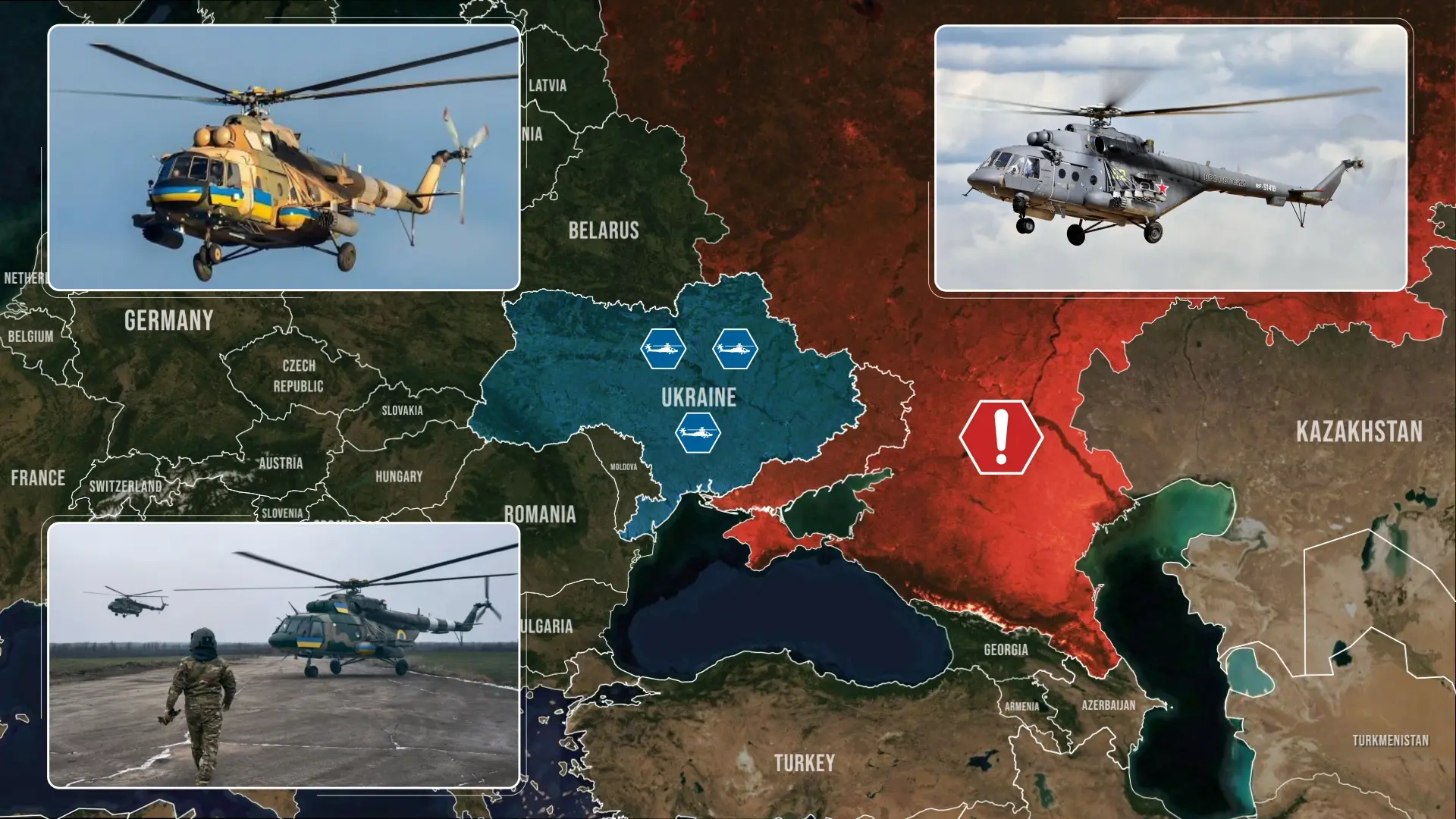
Ukraine secured these helicopters through legal re-export pathways, yet according to Russian investigative outlets and reports, another access point emerged from the confusion and profit seeking that marked the war’s early phase. These sources describe the actions of a Peruvian citizen named Vladimir Bankovich, who had previously worked with his country’s Ministry of Defense on the modernization of Russian-made aircraft. They claim he sought to broker Mi-17 sales for Ukraine, including aircraft said to be located inside Russia.
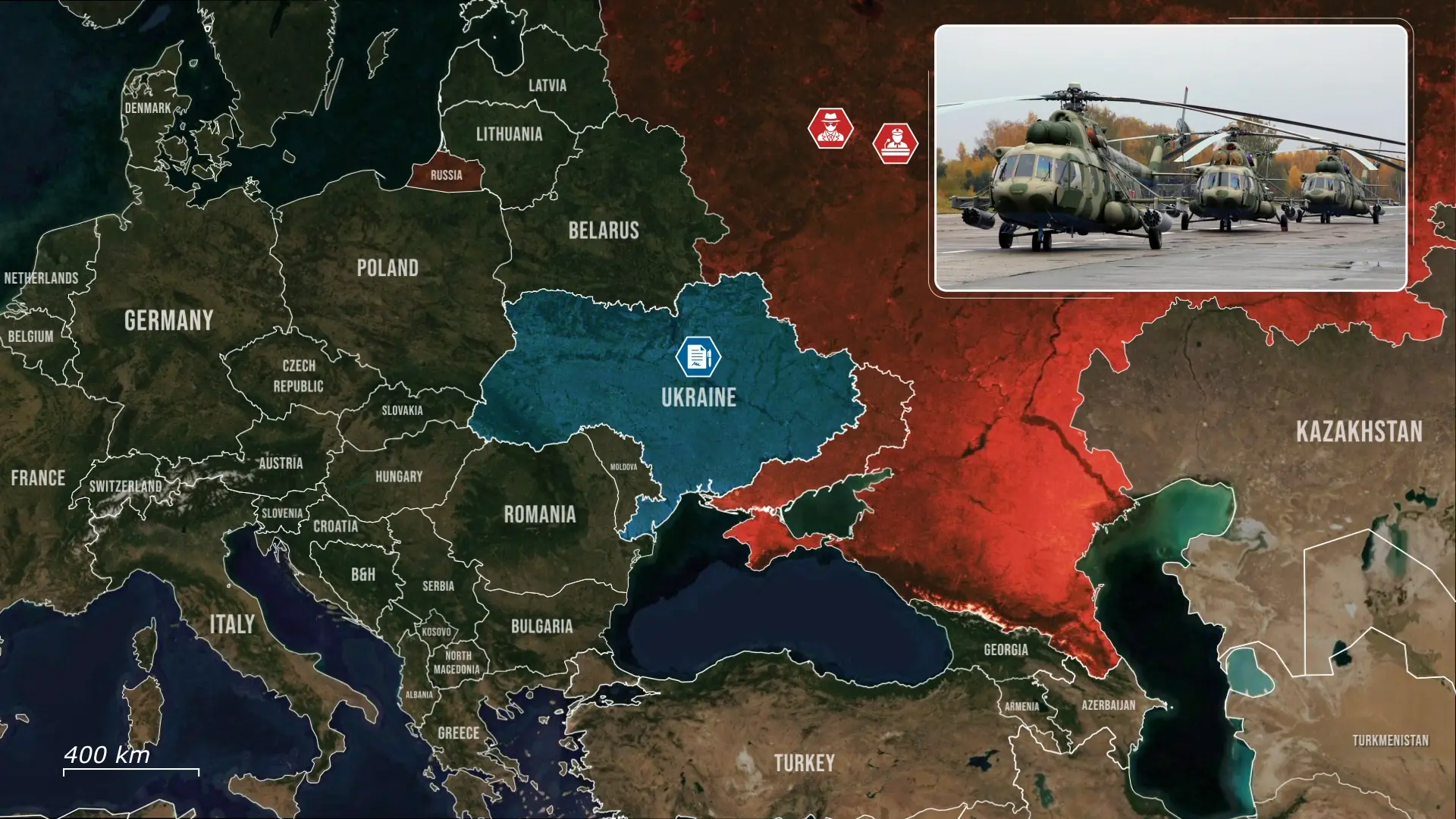
They also state that he contacted Richard McCourt of the American company Go-2 Weapons in April 2022 and offered to facilitate purchases by using his long history with Russian aviation firms such as Russian Helicopters and Spark. This background allegedly gave him access to industries affected by sanctions and wartime disruption. The narrative continues with claims that the Hungarian company De Fango and its affiliated Russian partner AR Center offered three Mi-17’s to American intermediaries.
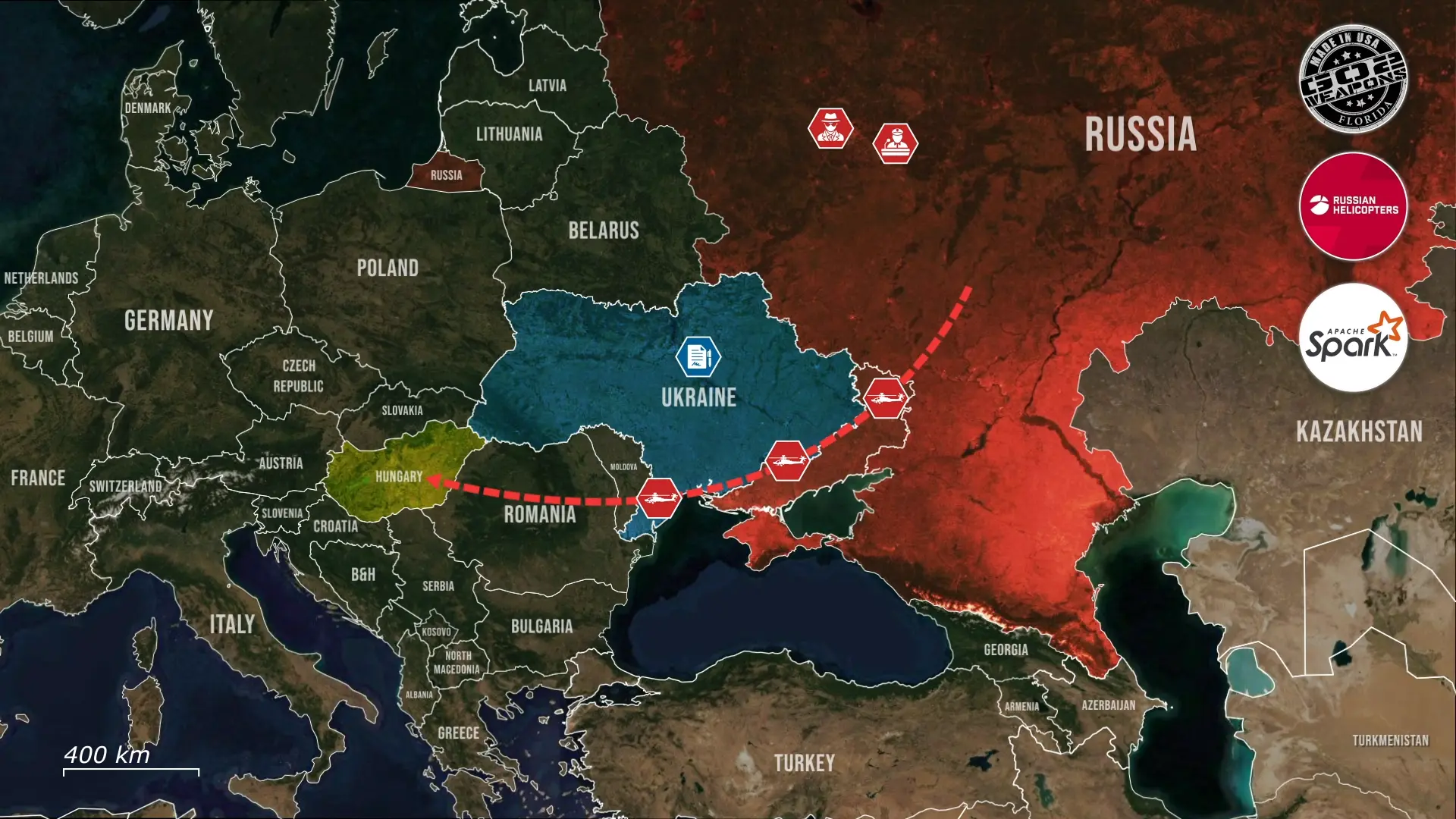
According to the same accounts, the Polish company Umo would receive these helicopters, refurbish them and forward them to Ukrainian forces.
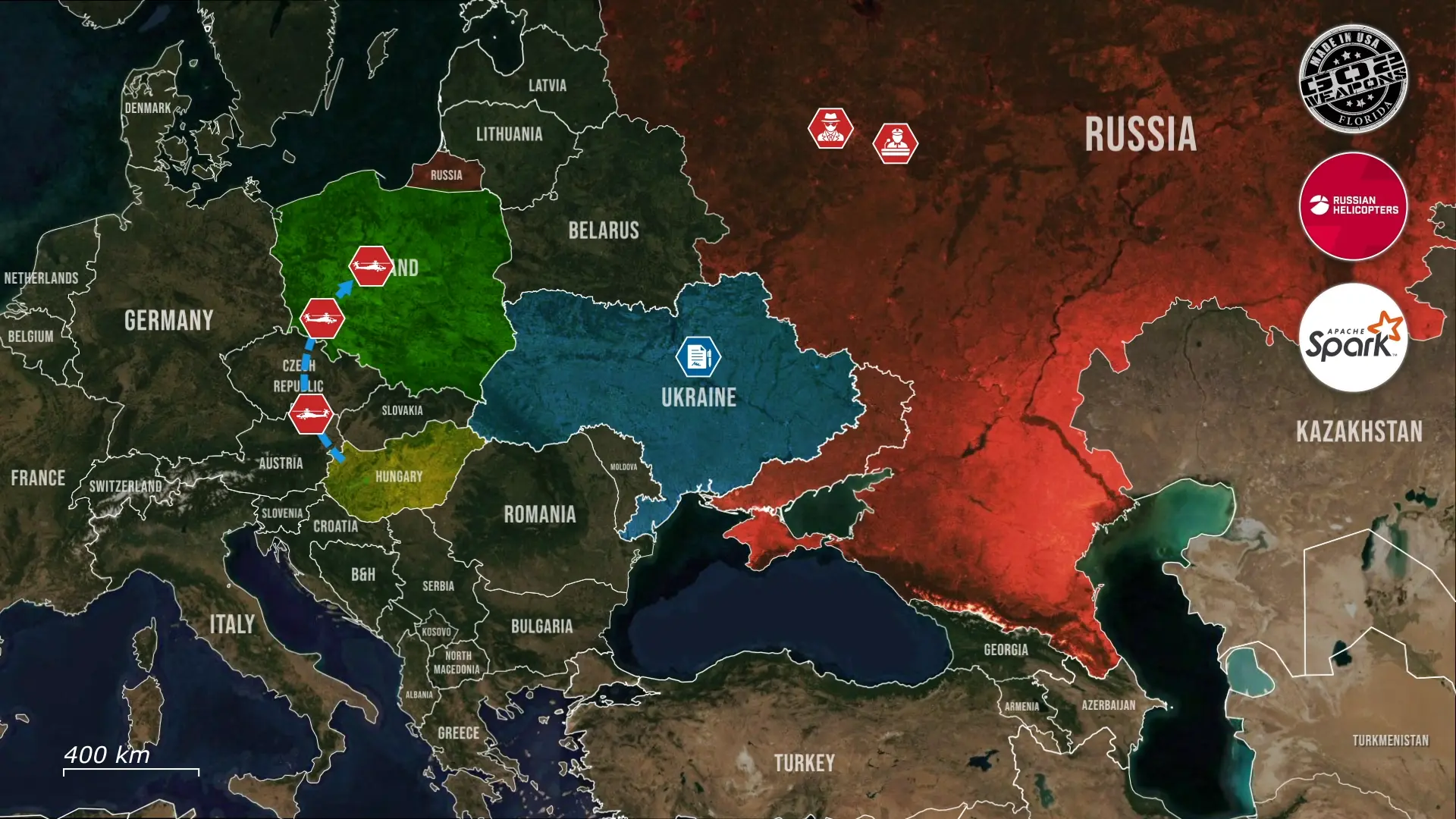
These sources conclude that Western partners may have used corruption and weak oversight inside Russia to obtain additional aircraft for Ukraine.
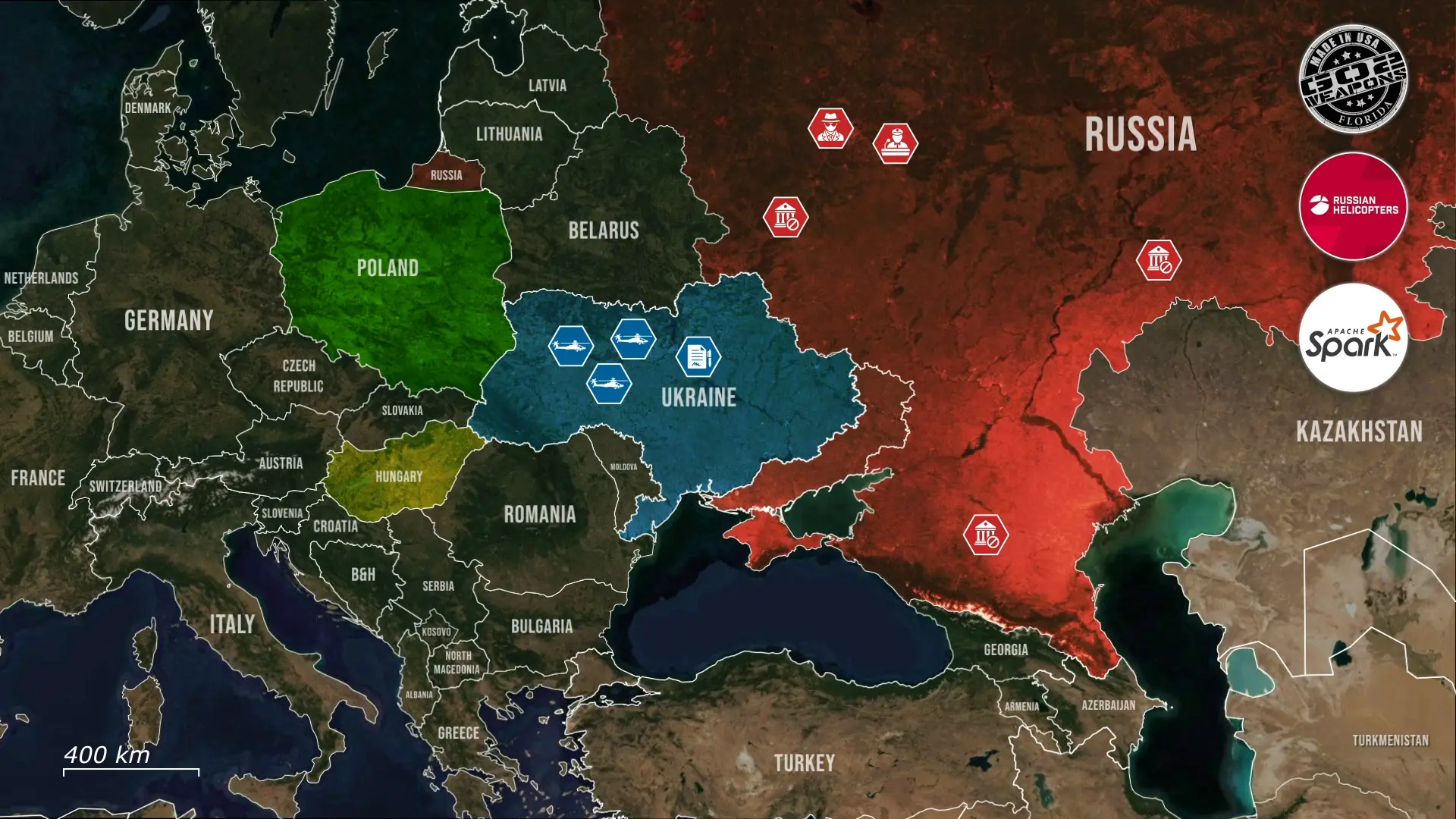
Once the helicopters reached Ukraine, they were adapted to frontline missions shaped by persistent drone activity, shifting lines of contact and the constant need for mobility under fire, which made the Mi-17 a natural fit for several critical roles. Ukrainian forces use the aircraft to strengthen their defense against Shahed drones by transporting anti-drone teams and radar personnel to positions where early warning must remain uninterrupted.
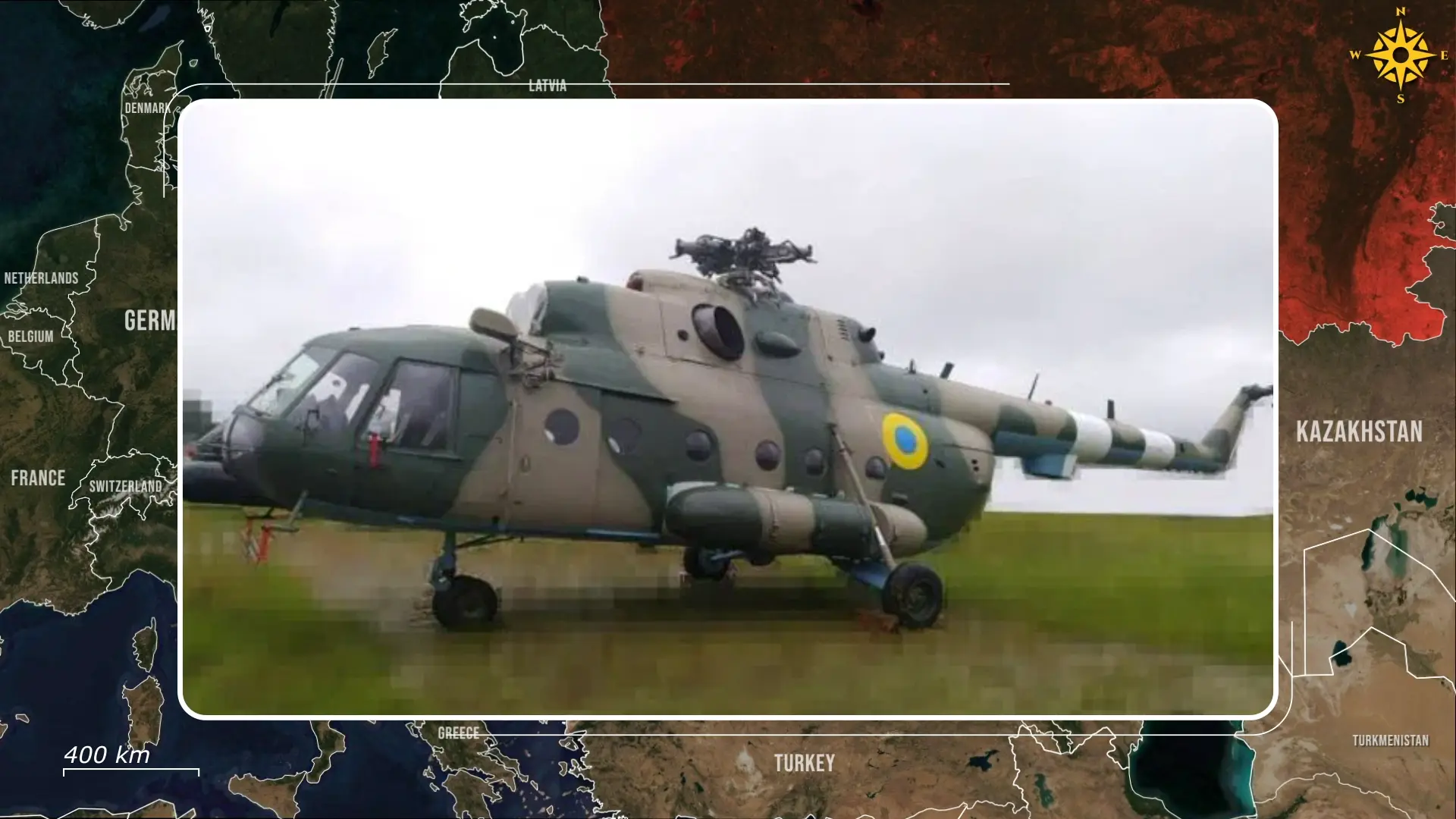
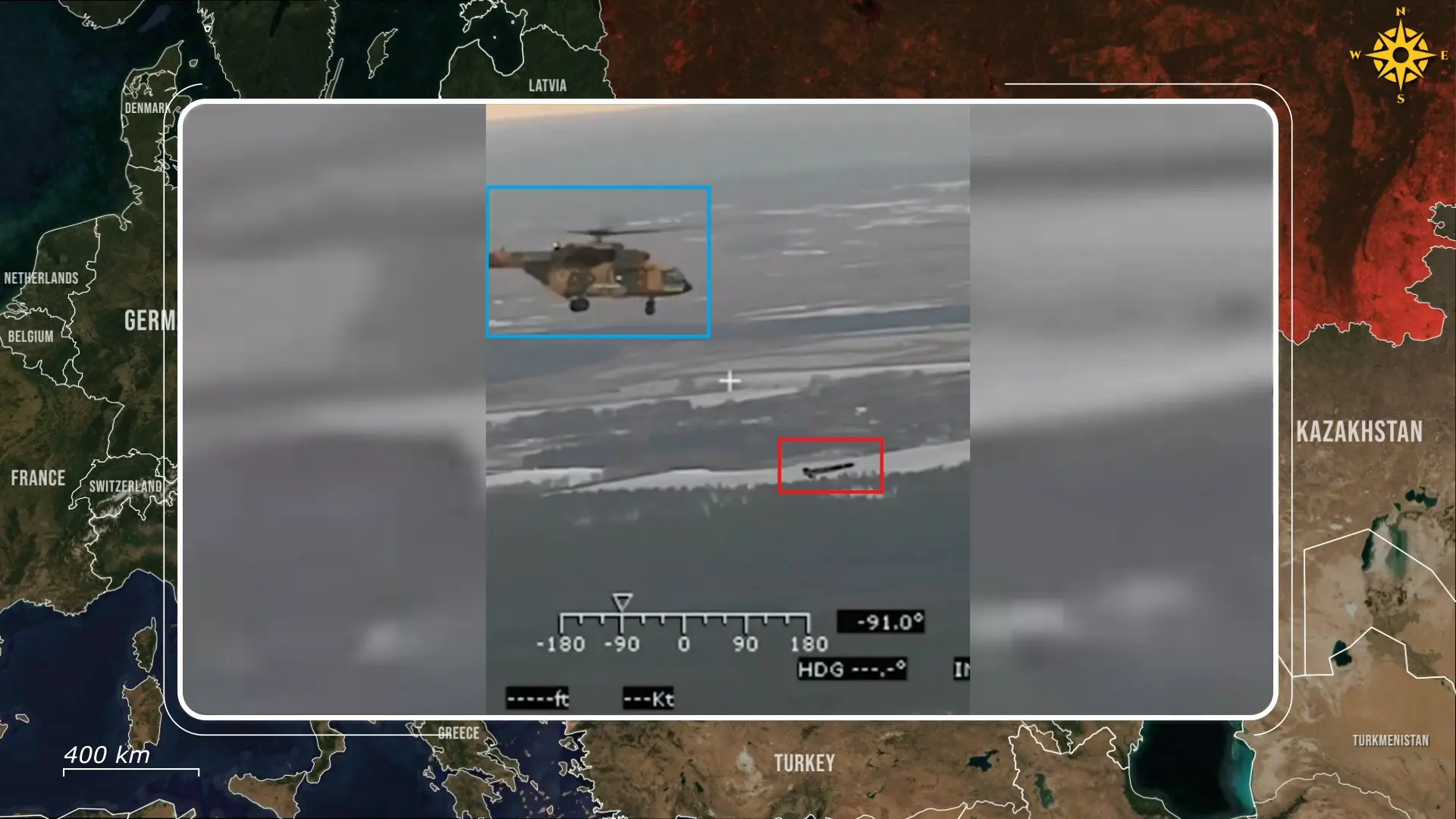
They also arm the Mi-17 with machine guns and unguided rockets that allow crews to engage Shaheds directly during low-altitude interception flights. These helicopters sustain isolated frontline positions by delivering ammunition, water, maintenance tools and other essential supplies when ground convoys cannot travel safely because of artillery strikes and damaged routes block access, and this ability often determines whether defenders can continue holding their lines.

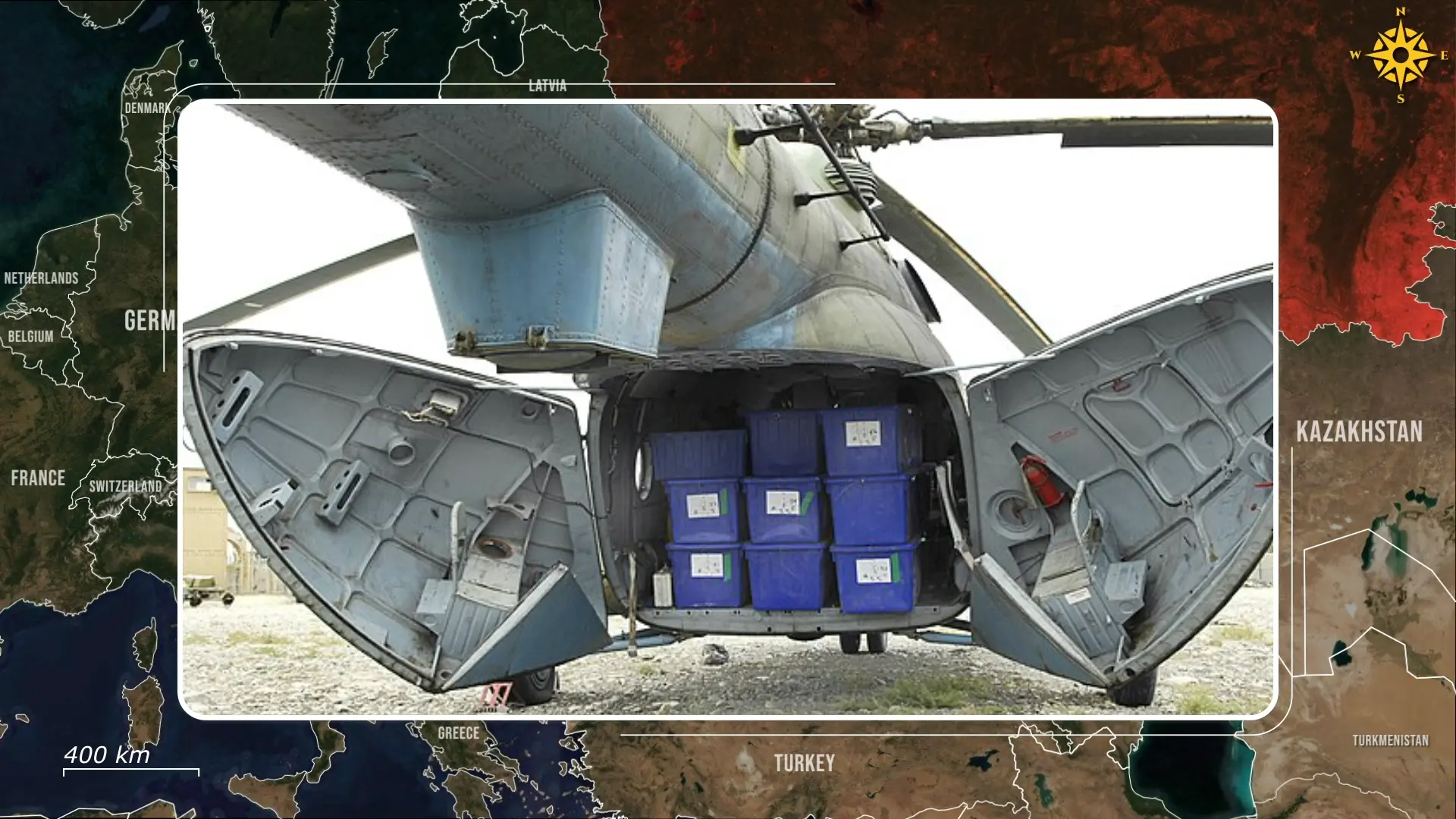
Their spacious cabin has made them indispensable for medical evacuation because medics can stabilize multiple wounded soldiers during flight, and this capability significantly reduces mortality in intense battles where survival depends on rapid extraction. The Mi-17 further supports rapid reaction operations by allowing commanders to reposition small infantry groups to threatened sectors with speed that ground transport cannot match, which enables Ukrainian forces to reinforce weak points before Russian assaults gain momentum. In practice, this means that helicopters Russia accidentally sold through intermediaries are now flying active combat and combat support missions that directly contribute to Ukraine’s ability to resist Russian operations.
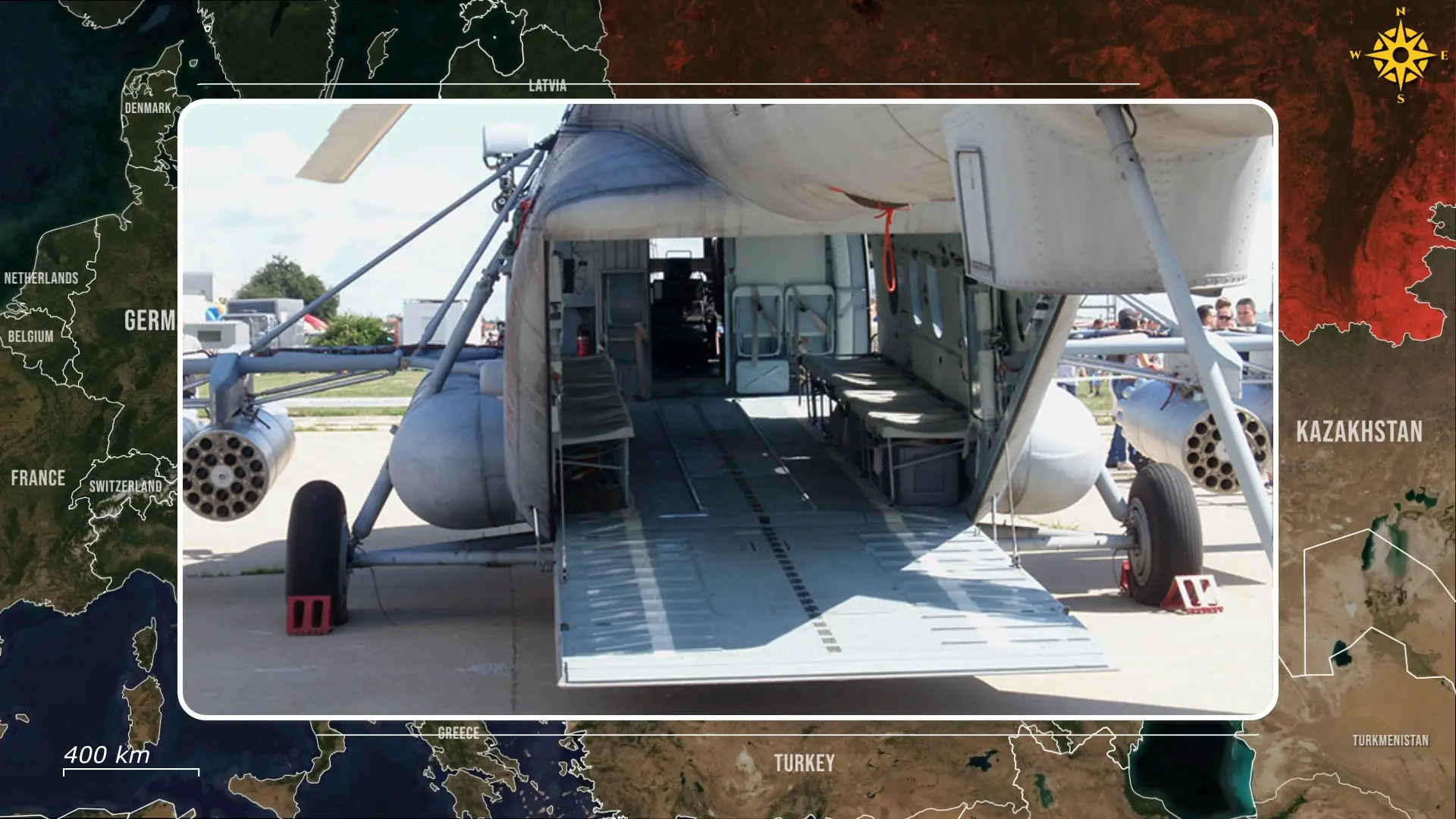
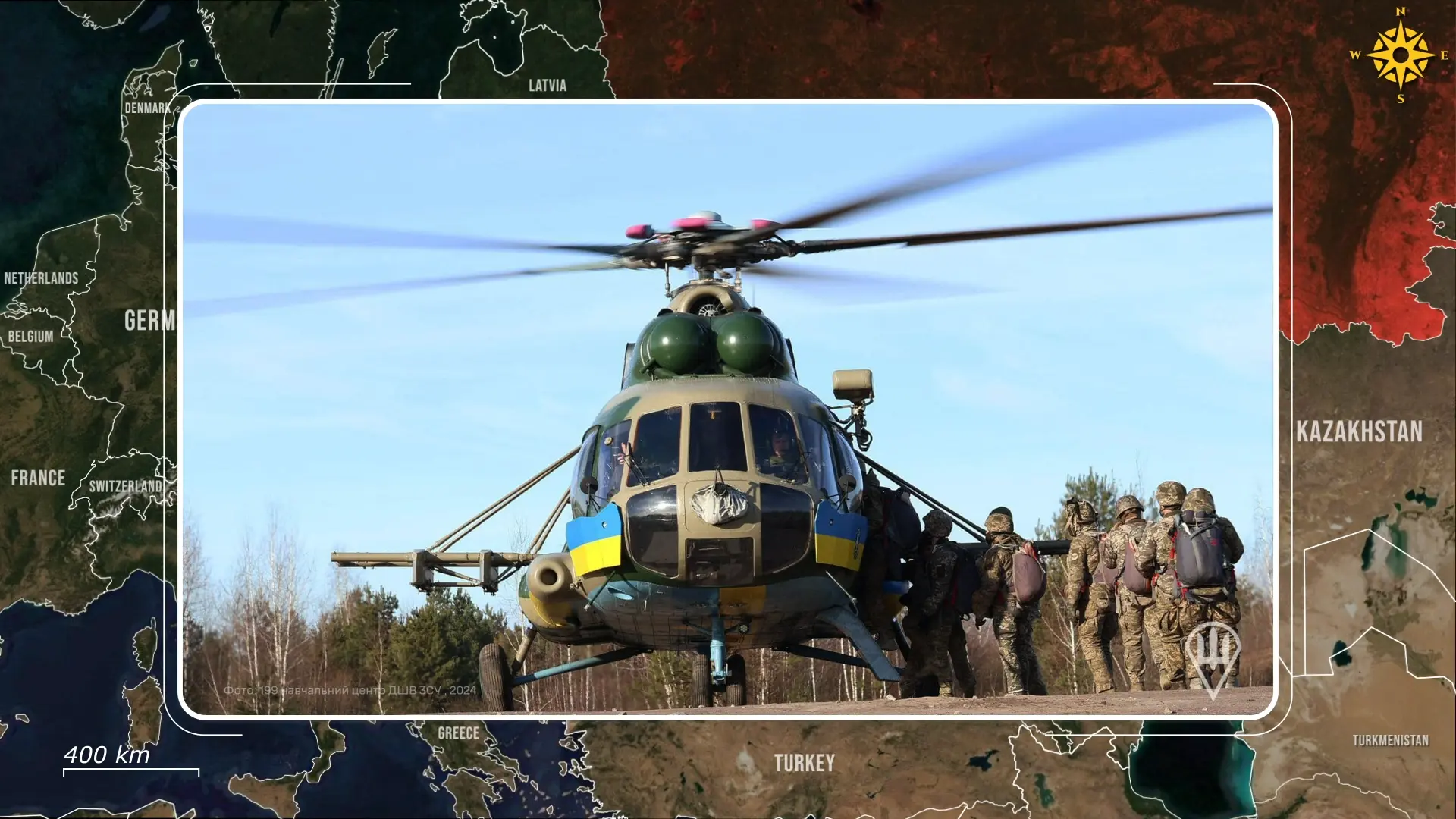
Overall, the movement of these helicopters into Ukrainian service shows how war can open pathways that reshape military capability in unexpected and often contradictory ways. The mixture of officially sanctioned transfers and the alleged involvement of brokers described in Russian reporting demonstrates how equipment can cross borders through both transparent and opaque channels. These helicopters now support missions that help Ukraine sustain its defensive lines and protect its personnel under conditions of persistent threat. Their continued use reveals how aircraft designed for one strategic environment can become essential instruments in an entirely different struggle for national survival.
.jpg)

Comments