

.svg)
Today, we look at new developments from space.
Since the early days of the war, the Ukrainian army’s superior battlefield communications have almost exclusively relied on Starlink satellite internet provided by the American company Space-X. In an attempt to close this strategic gap, Russia’s space agency Roscosmos has recently announced the launch of its own Starlink equivalent by late 2025 or early 2026.
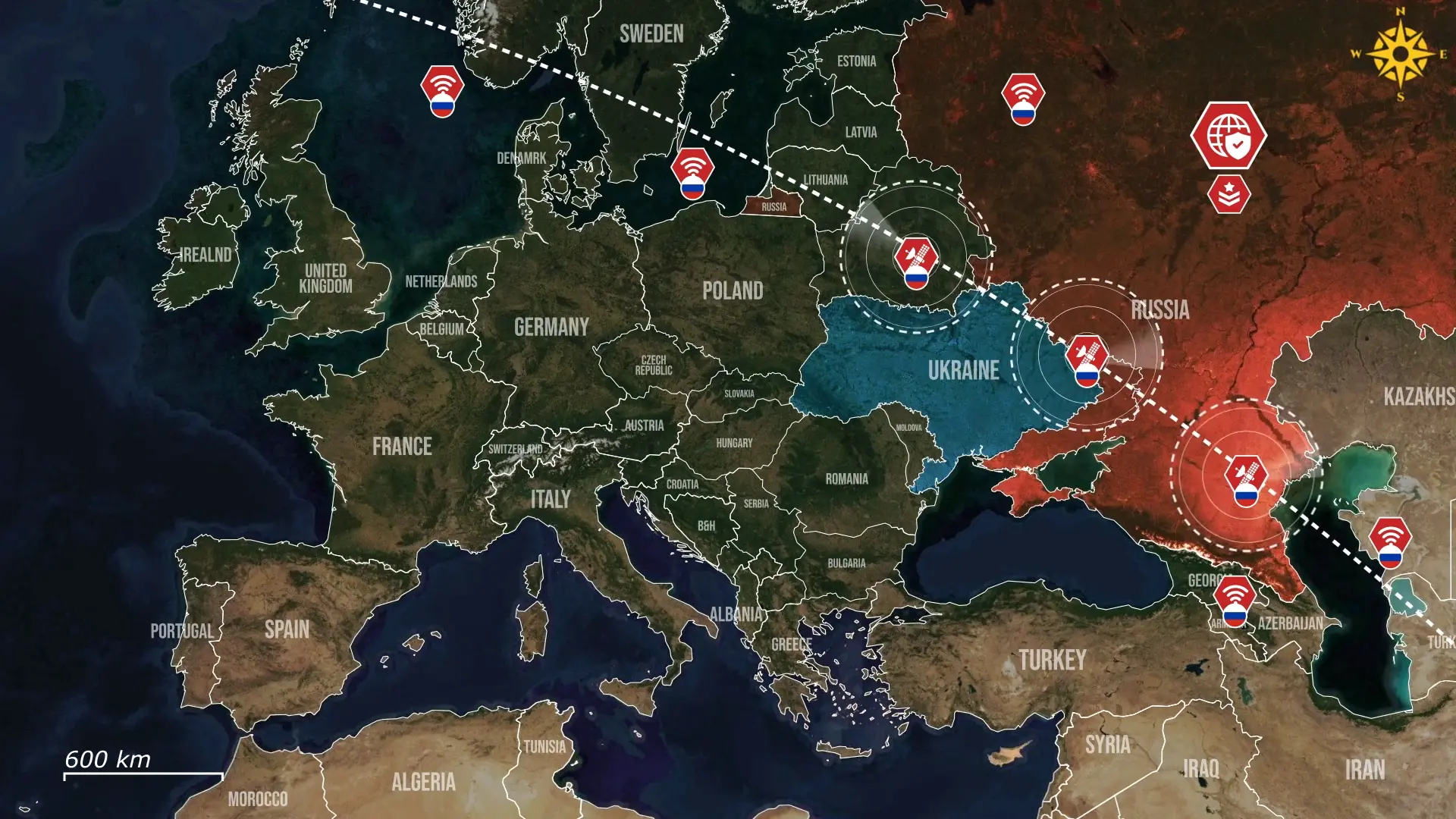
In September, the Russian space agency Roscosmos announced its cooperation with the company Bureau-1440 to launch low-orbit satellites for providing internet to remote areas in Russia and beyond. The project, named Rassvet, already operates some prototypes and plans to start regular satellite launches by December 2025 or January 2026, with the intention to operate 300 satellites before 2030. Russian satellite Internet is expected to launch in 2027 and to cover 97% of Russia by 2035, which, following common Russian rhetoric, will likely also include large parts of Ukraine. In general, the system could provide internet globally if supported by sufficient satellites. It is therefore assumed that military use, similar to Ukraine’s use of Starlink, is the main motivation behind this new satellite network.
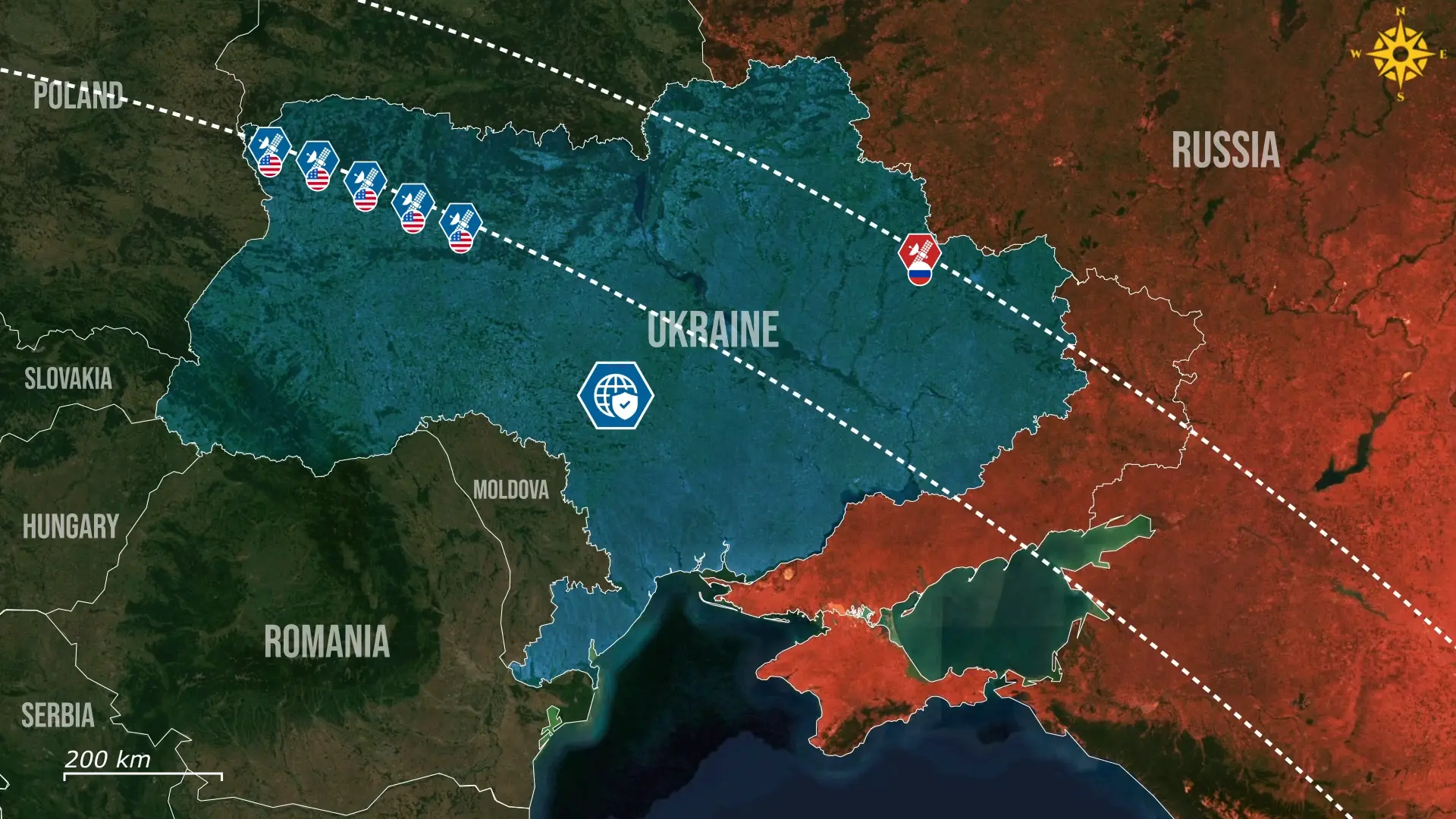
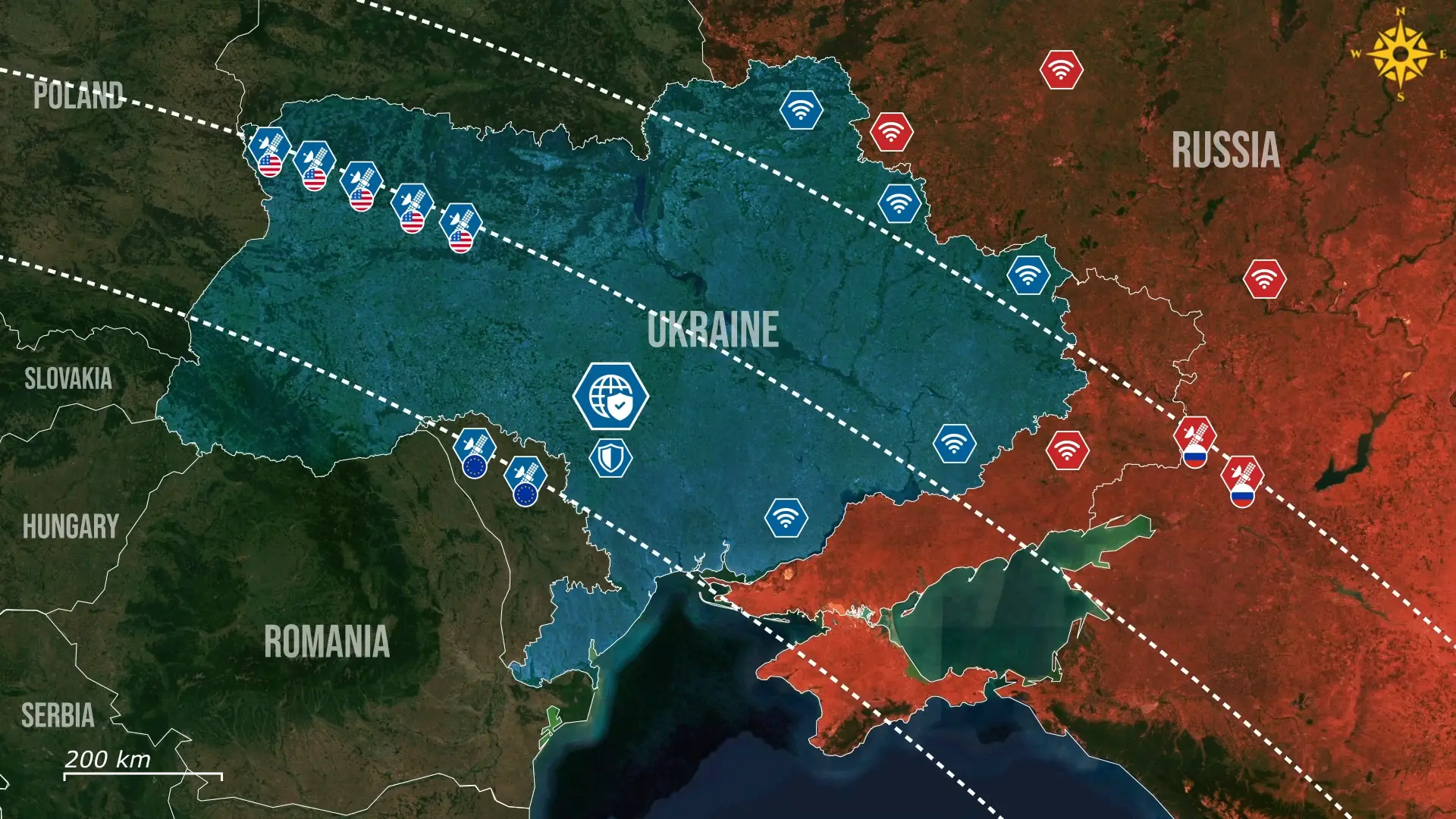
Within months after the full-scale invasion in February 2022, Starlinks encrypted internet became the backbone of battlefield communication for the Armed Forces of Ukraine. Due to the small size of its dishes, it is difficult to locate and attack, and Russian cyberattacks have also largely failed to interrupt the service. This allows Ukrainian soldiers to communicate safely with their commanders, upload real-time target coordinates for artillery units, and carefully coordinate defensive action. Furthermore, Ukraine has adopted Starlink for use in air- and seaborne drones to allow them to navigate without interruption through electronic warfare measures. Currently, more than forty thousand terminals are used by the Ukrainian forces, and the system has been highlighted as a crucial tool that prevented the collapse of the Ukrainian army and continues to ensure its tactical flexibility.
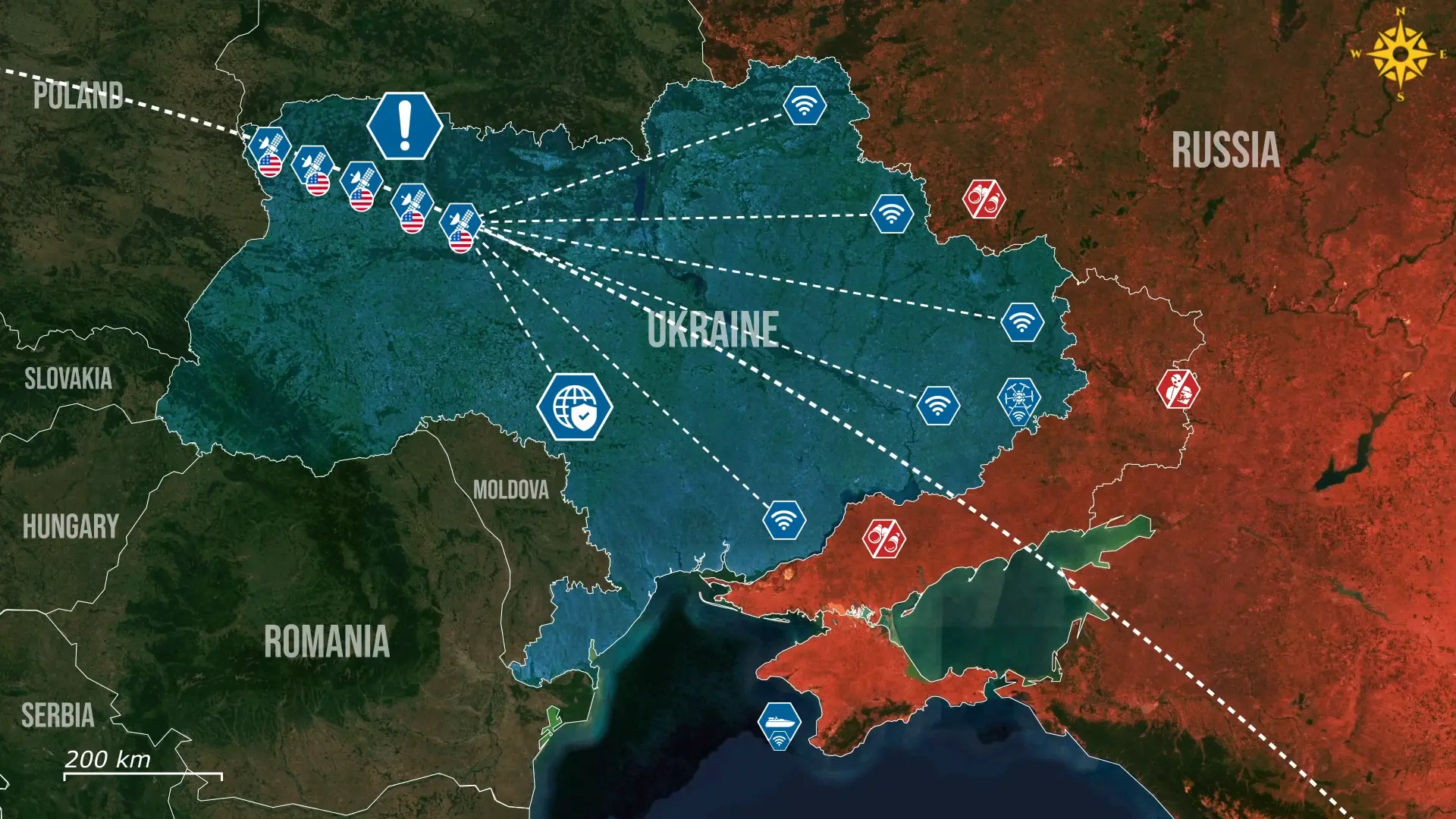
Ukraine’s dependency on Starlink has, however, also become a liability. Because Space-X uses geo-blocking to limit its use in Russia and Ukrainian territories under Russian control, soldiers faced dangerous service interruptions during counteroffensives, which resulted in the loss of initiative and lives. Furthermore, naval drones navigated through Starlink have failed to operate near Crimea when attempting to attack the Russian black sea fleet and partially fell into Russian hands. Although later assaults succeeded, the unreliability of Starlink for offensive use and recurring outages undermined operational success and illustrated Ukraine’s overreliance on a single service provider.

While alternative systems, like One Web, developed by the European company Eutelsat, operate just a few thousand systems in Ukraine, they are currently expanding as the demand for secure satellite communication increases.

For some time now, Russia has also distributed Starlink systems along the frontline where the service is available and, in the process, diminished the Ukrainian advantage. Until now, Russia has relied on expensive, illegally imported, and pre-set up Starlink devices, which only function reliably close to the frontline.
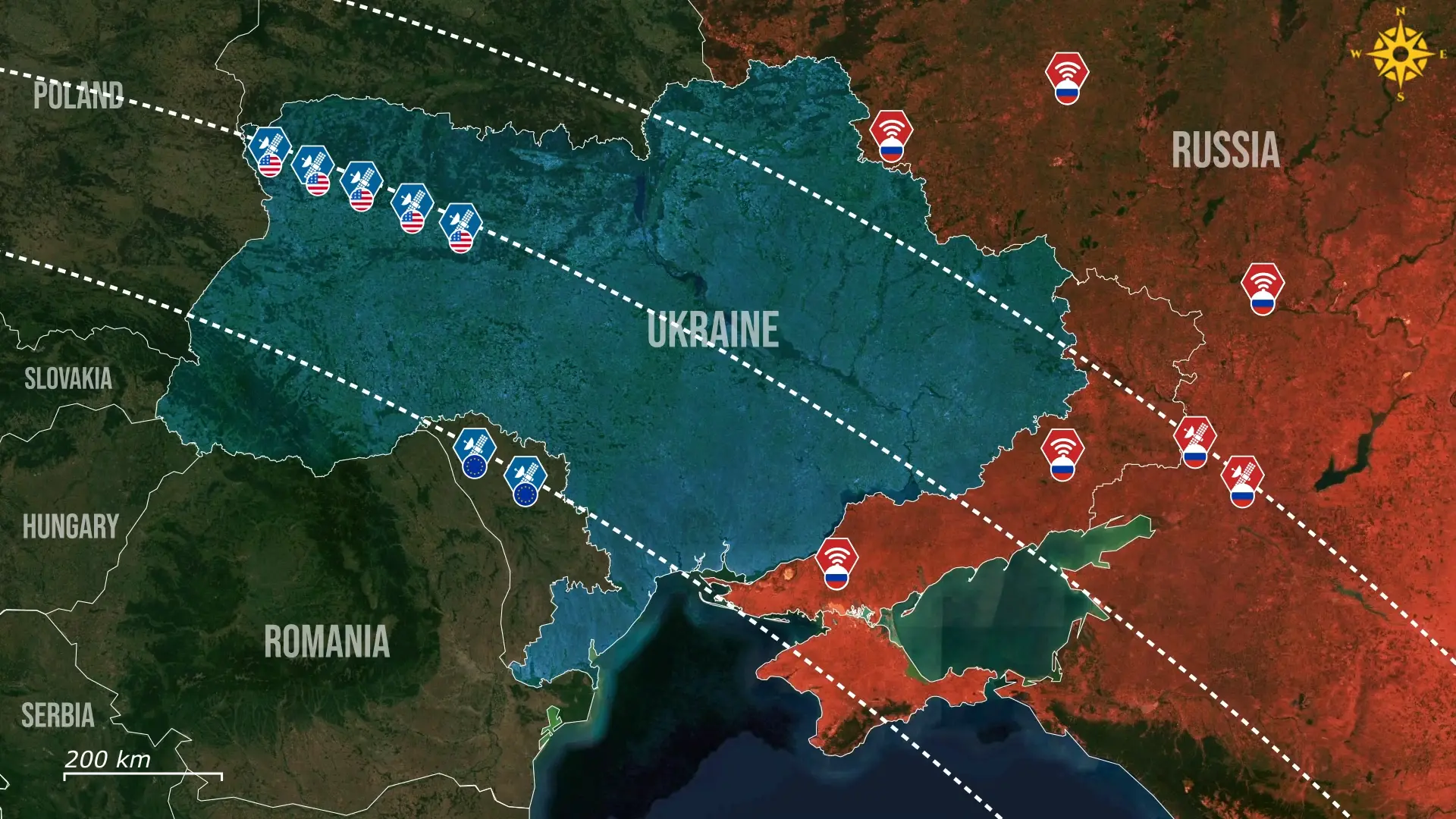
By establishing Rassvet as a domestic alternative, it now aims to embrace satellite communication for general use. Against the backdrop of recent operational failures of Roscosmos, like the Luna 25 unmanned moon lander mission, the success of this endeavour remains doubtful, however. The 292 low-orbit satellites it plans to launch until 2030 are still fewer than the 600 already operated by Eutelsat and far from the more than 7,000 Space-X has in use.
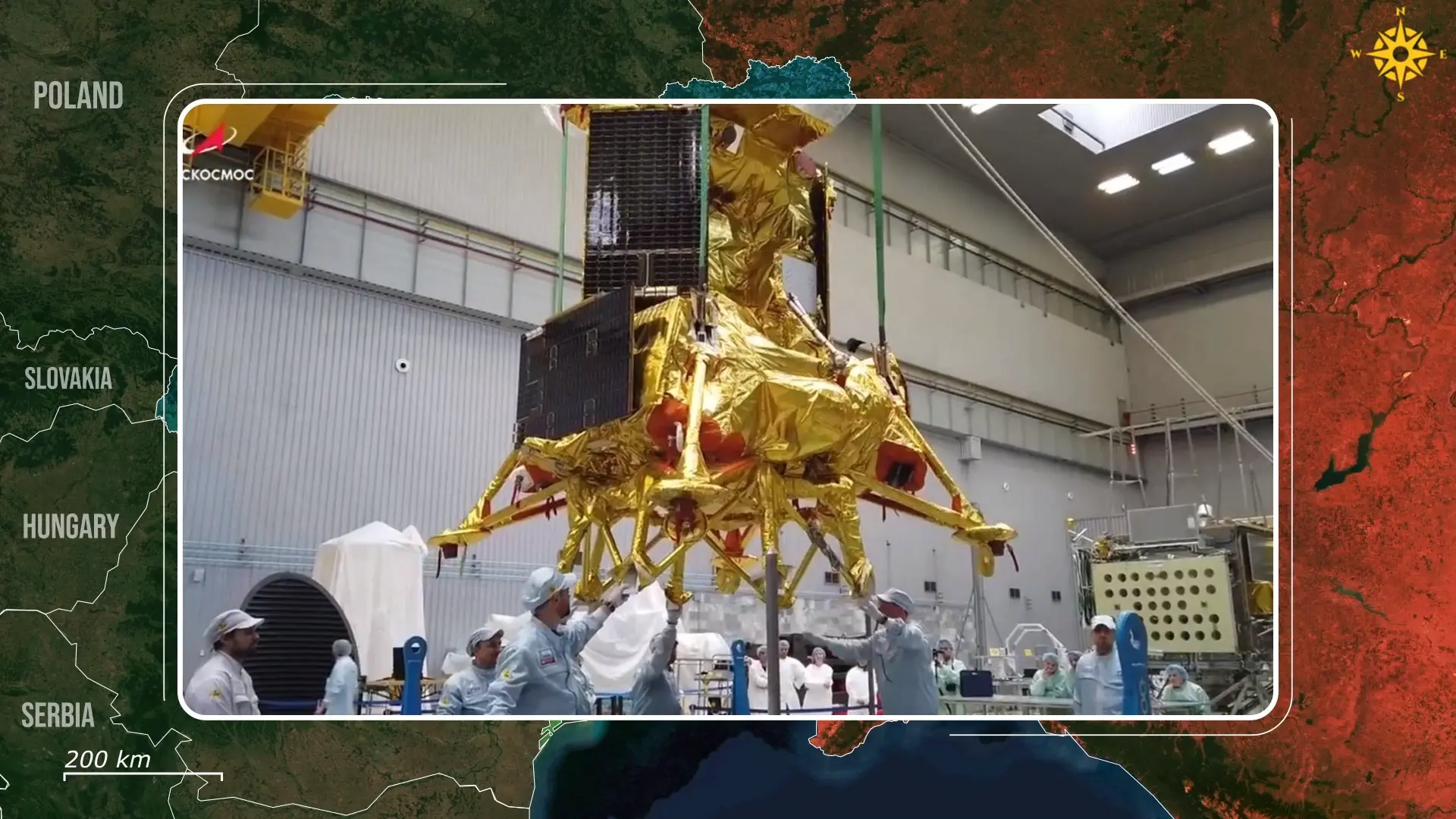
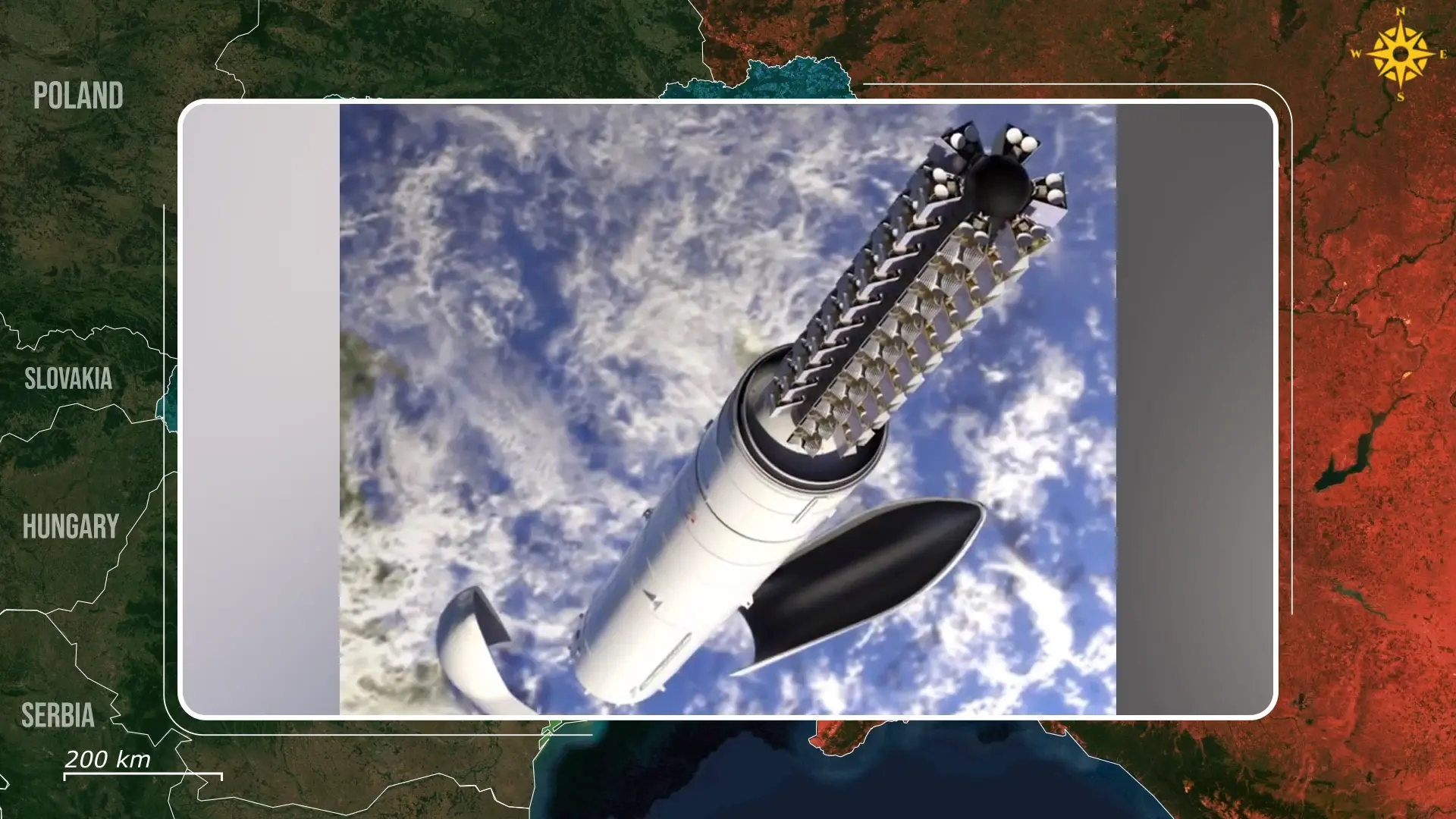
Rassvet will therefore most likely have limited capacities, and units equipped with Starlink might be hesitant to shift towards the new system. As similar Russian projects were stalled in 2018 and 2023, the future of Russia's Starlink clone remains.

Overall, Starlink remains a crucial communication system for Ukraine, and to a lesser extent, for the Russian army. Ukraine’s forty-two thousand systems enable safe battlefield communication and help to repel Russian attacks, although geo-blocking over occupied territories limits their offensive use. While Russia recently announced its own competitor to Starlink for 2026, the projects future remains uncertain, and it will likely take years for it to become a real alternative to Starlink. Likewise, Ukraine seeks to reduce its dependency on Starlink by assessing to use of comparable systems like One Web for future use.
.jpg)

Comments