

.svg)
In this video, we will analyze the evolving tensions between Russia and the United Kingdom.
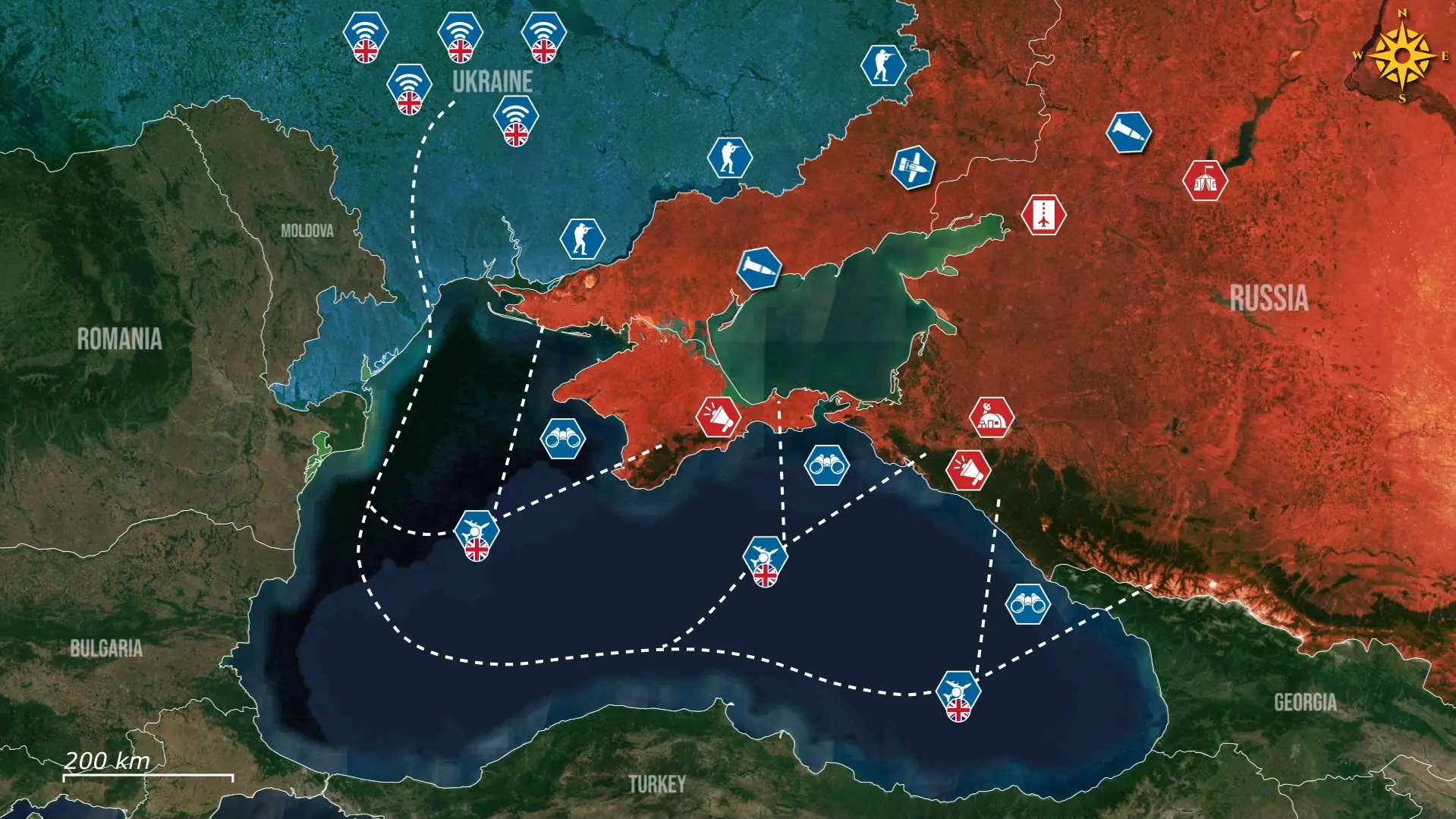
Here, Russian fighter jets are repeatedly flying dangerously close to British surveillance aircraft patrolling the skies over the Black Sea, further highlighting the growing strategic tensions between Moscow and London. This dangerous interception by Russian fighter jets is triggering emergency alerts in the cockpits of British surveillance aircraft, disabling their autopilot systems, gradually revealing the aggressive tactics of Russian pilots.
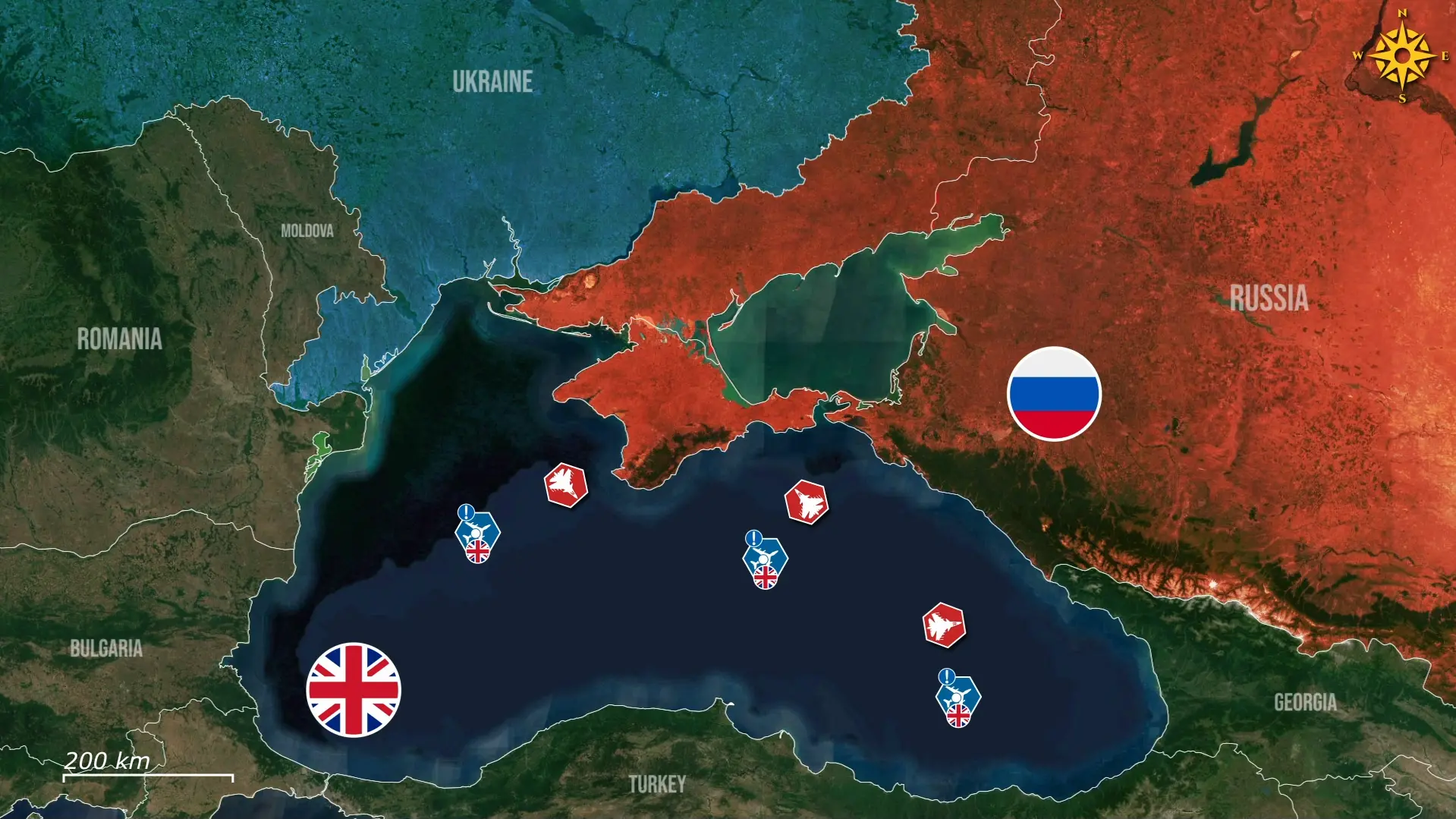
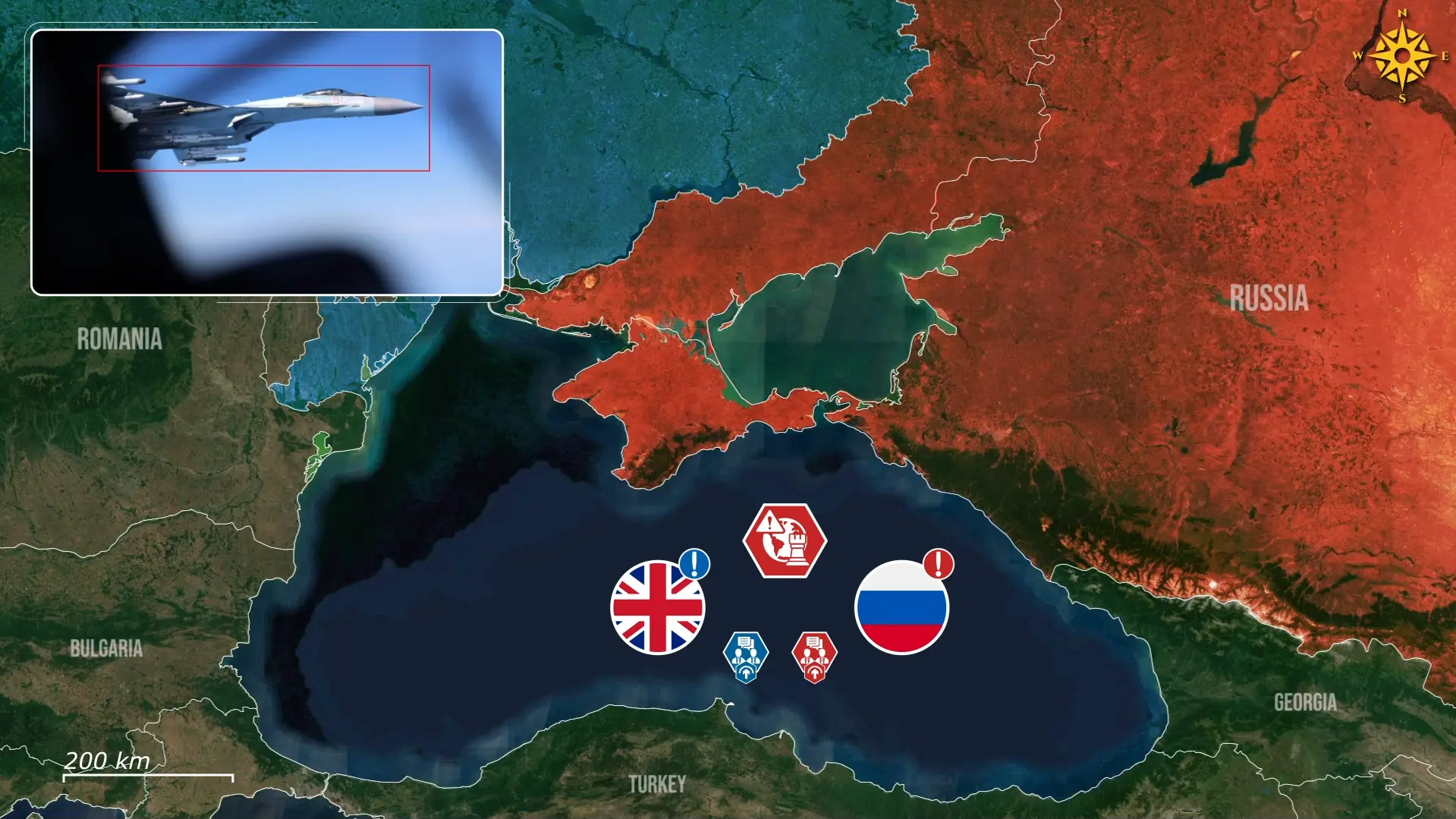
In April, a United Kingdom Rivet Joint aircraft conducting a routine signals intelligence mission over the Black Sea was repeatedly intercepted by a Russian Sukhoi fighter jet during its patrol. The Russian aircraft flew in front of the Rivet Joint at least six times. At one point, it closed to an extremely close range, with the separation between the two aircraft reduced to approximately six meters. Despite this high-risk interception attempt by Russia, the Royal Air Force crew handled the situation with professionalism and successfully completed their planned intelligence mission.
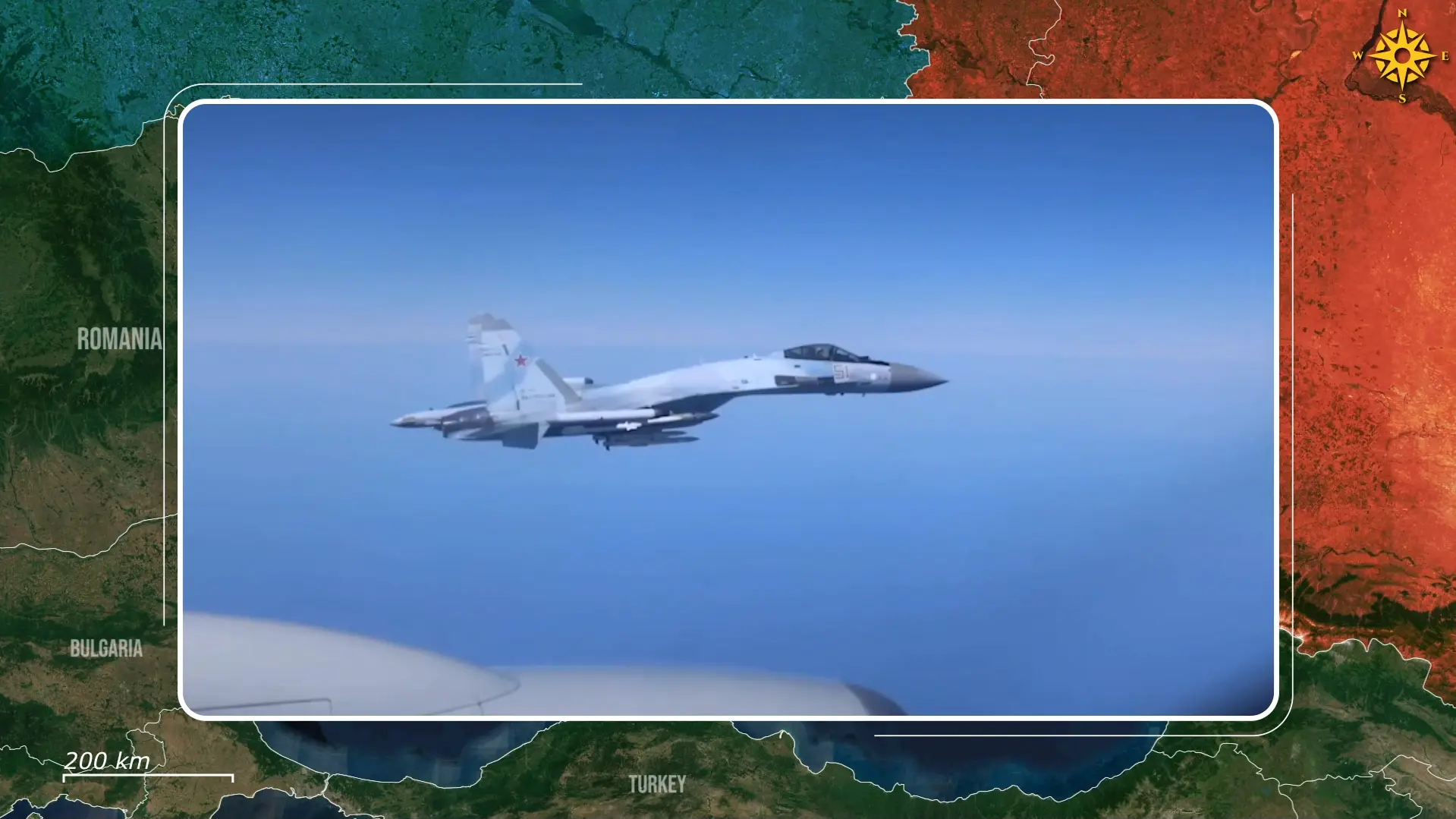
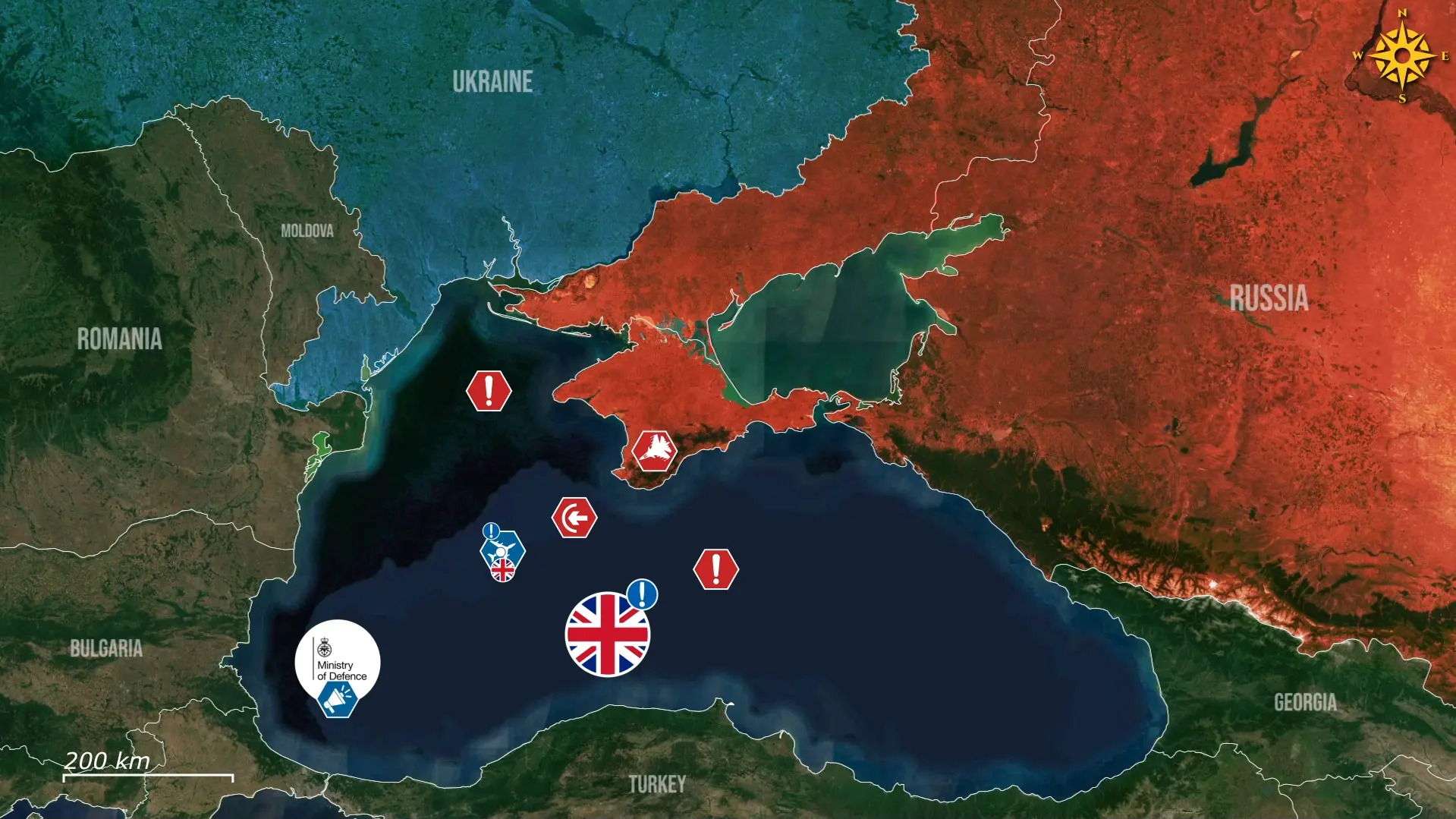
Around that time, Russia was involved in another separate interception incident, one that is being regarded as even more serious and alarming than the previous case. The United Kingdom Ministry of Defense has claimed that a Russian Sukhoi fighter jet flew so close to an unarmed Rivet Joint aircraft patrolling in international airspace over the Black Sea that the Rivet Joint’s onboard emergency warning system was automatically activated. At the same time, its autopilot system was disabled, forcing the British pilot to manually control the aircraft. These activities by Russia in the Black Sea region have raised serious concerns for the United Kingdom.
The presence of British reconnaissance aircraft in the skies over the Black Sea reflects the long-term strategic security posture of Nato and the United Kingdom. Following Russia’s seizure of Crimea in two thousand fourteen, the region’s geopolitical importance increased significantly, as Russian naval and air operations based in Crimea began to directly influence the security environment of Nato’s eastern flank states. In response, the United Kingdom initiated regular deployments of Rivet Joint intelligence aircraft to monitor Russian military activity in the Black Sea area. After the outbreak of the Russia and Ukraine war in two thousand twenty-two, the Black Sea effectively evolved into an active conflict zone, prompting the UK to further intensify its surveillance operations in this region. The intelligence gathered through these reconnaissance missions is shared by the United Kingdom with Nato member states.
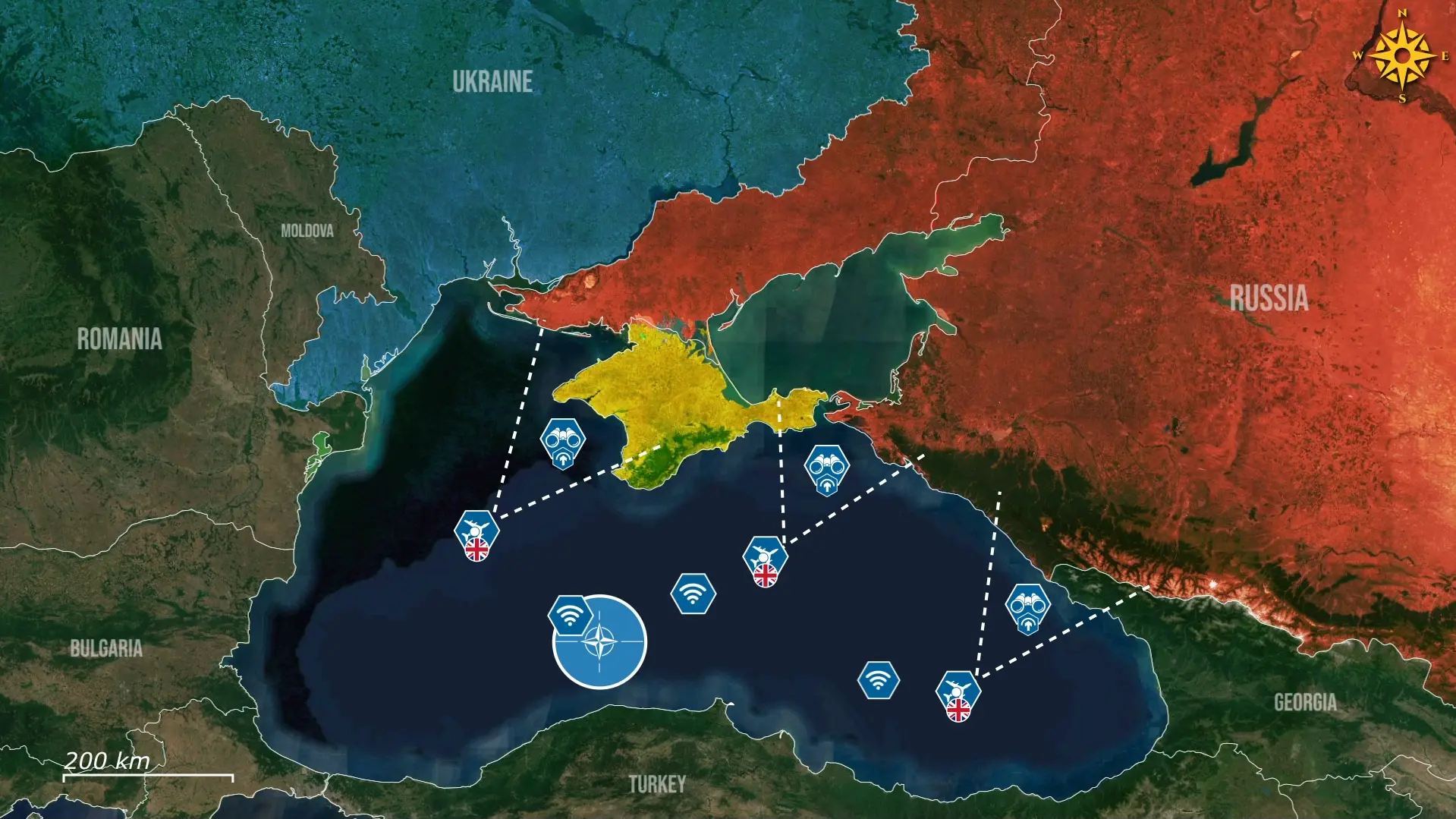
On the other hand, Russia claims that the United Kingdom’s Rivet Joint electronic intelligence aircraft operate in the airspace over the Black Sea and conduct surveillance over Russia’s internal regions, with the collected information being directly transmitted to Ukrainian forces. It further claims that this intelligence is then used by Ukraine to identify important military targets inside Russia and carry out drone and missile strikes against them.
Over time, the situation in the Black Sea region has become increasingly complex and tense, as reflected in the continuous rise in incidents of Russian fighter jets intercepting British surveillance aircraft. Each new interception by Russia is becoming more provocative and riskier than the previous one. In recent times, by carrying out two dangerous interceptions of British surveillance aircraft within the same month, Russia has clearly indicated that such activities may occur more frequently in the future.
Overall, the incidents of dangerous close encounters between United Kingdom and Russian aircraft in the skies over the Black Sea are not merely tactical provocations; rather, they represent a clear manifestation of a deeper geopolitical rivalry between two great powers. Although such dangerous interceptions by Russia are increasing tensions in the airspace over the Black Sea, neither Russia nor the UK wants to initiate a direct war as its consequences could be extremely severe for both parties. As a result, both countries are still maintaining limited caution and control in order to manage the situation. However, the real risk is that within this kind of dangerous and close-range military encounters in the air, any small human error or misunderstanding could very easily escalate the situation out of control, leading to a serious accident or an unintended clash.

.jpg)

Comments