

.svg)
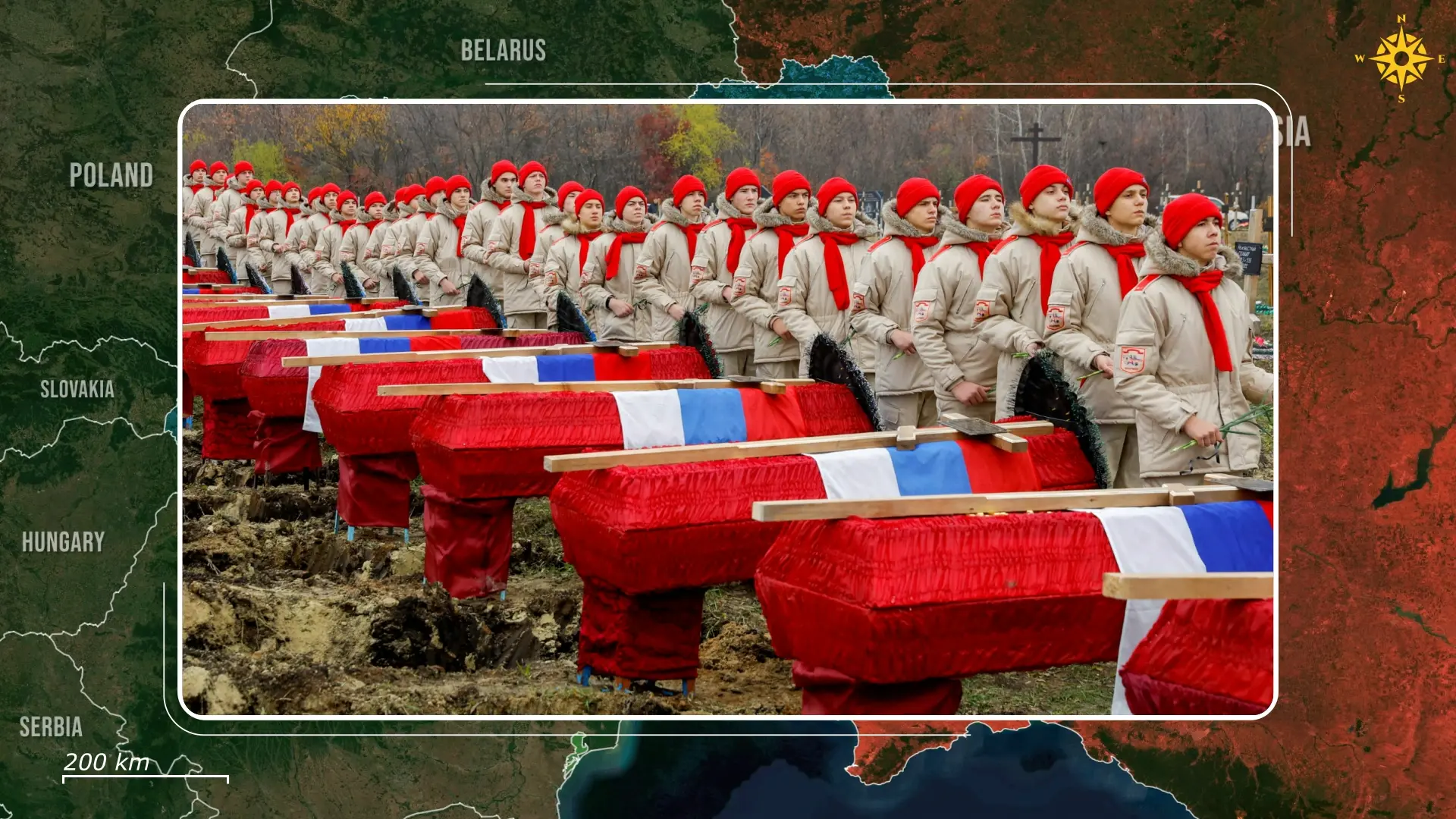
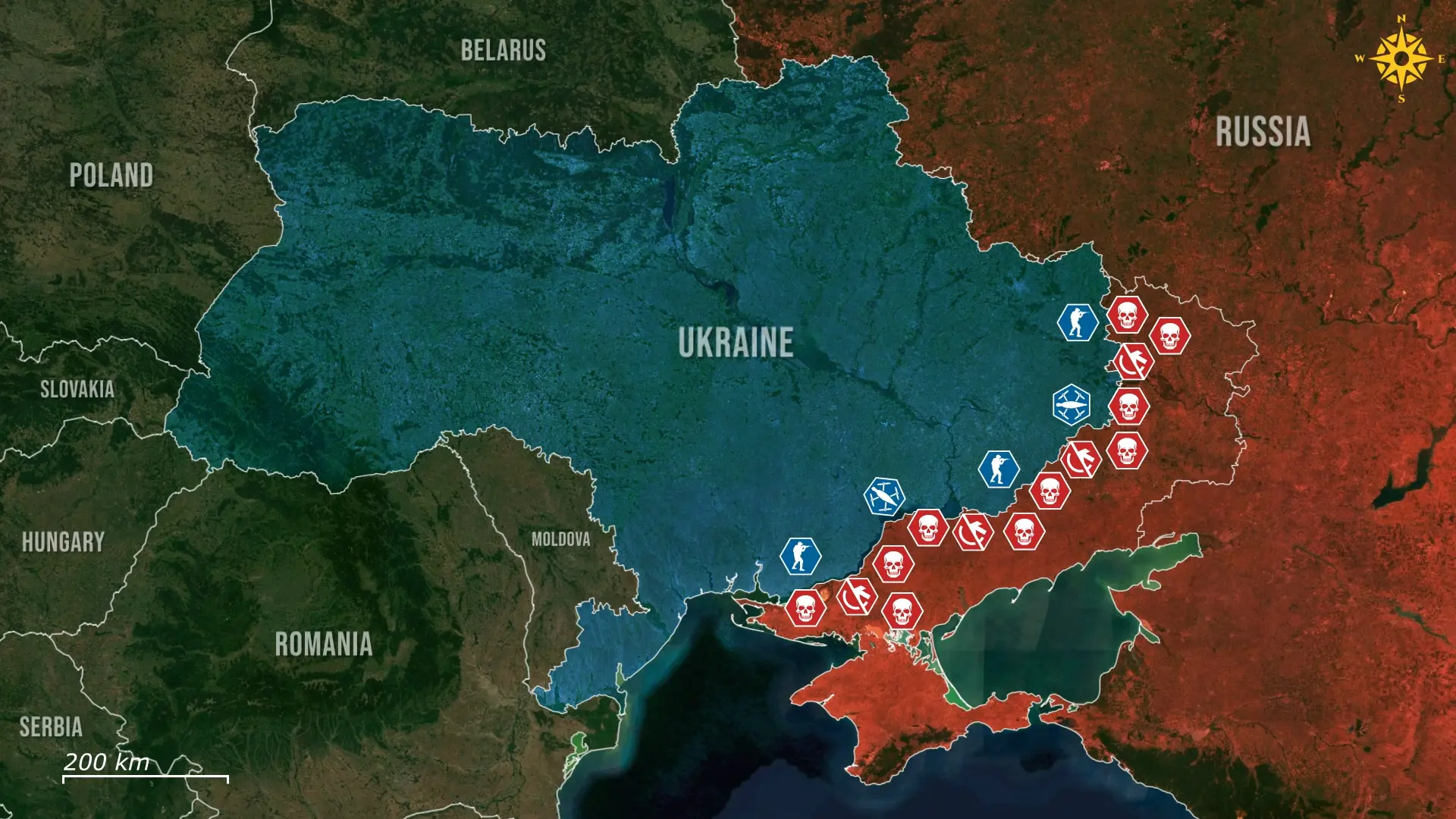
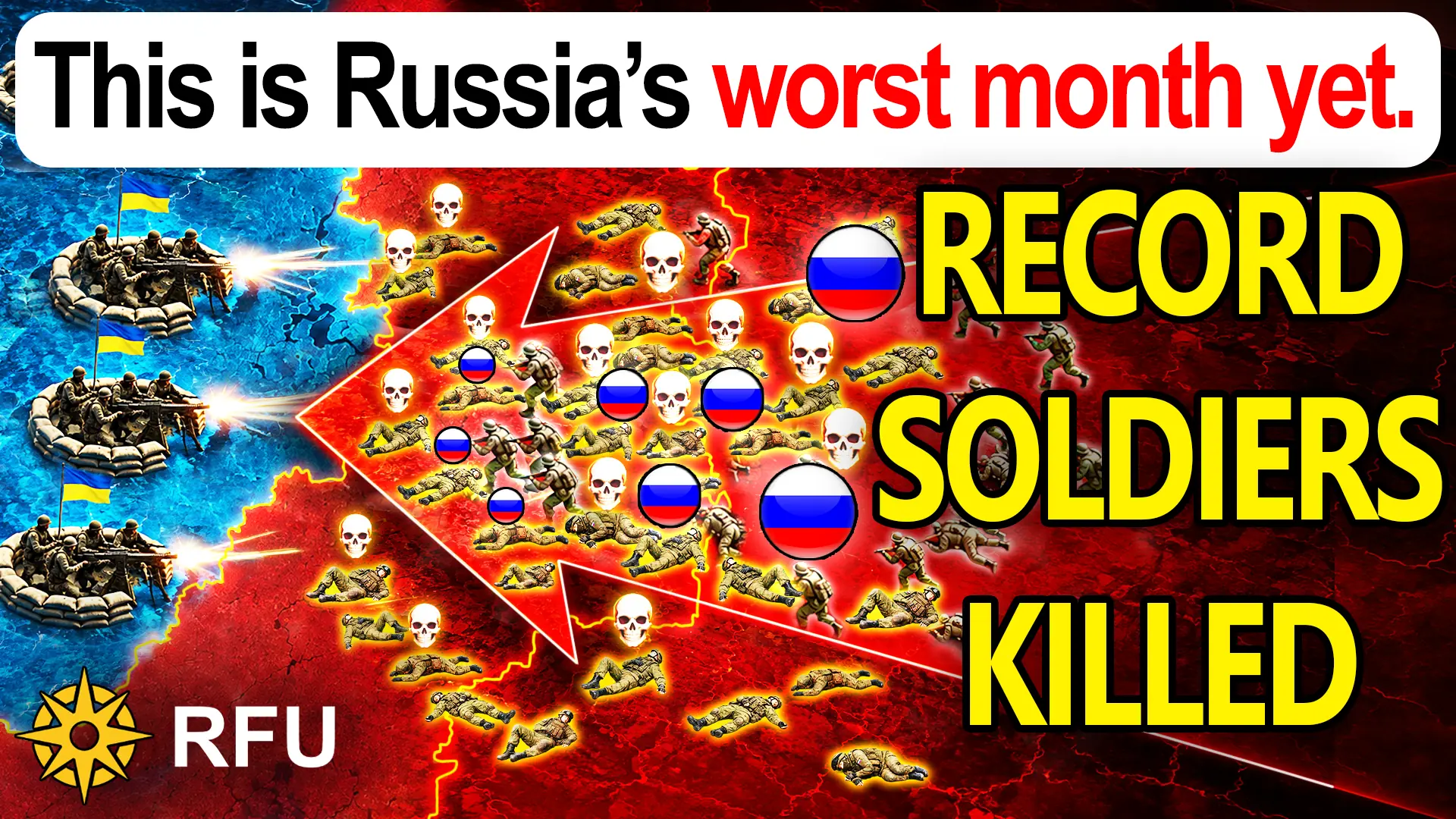
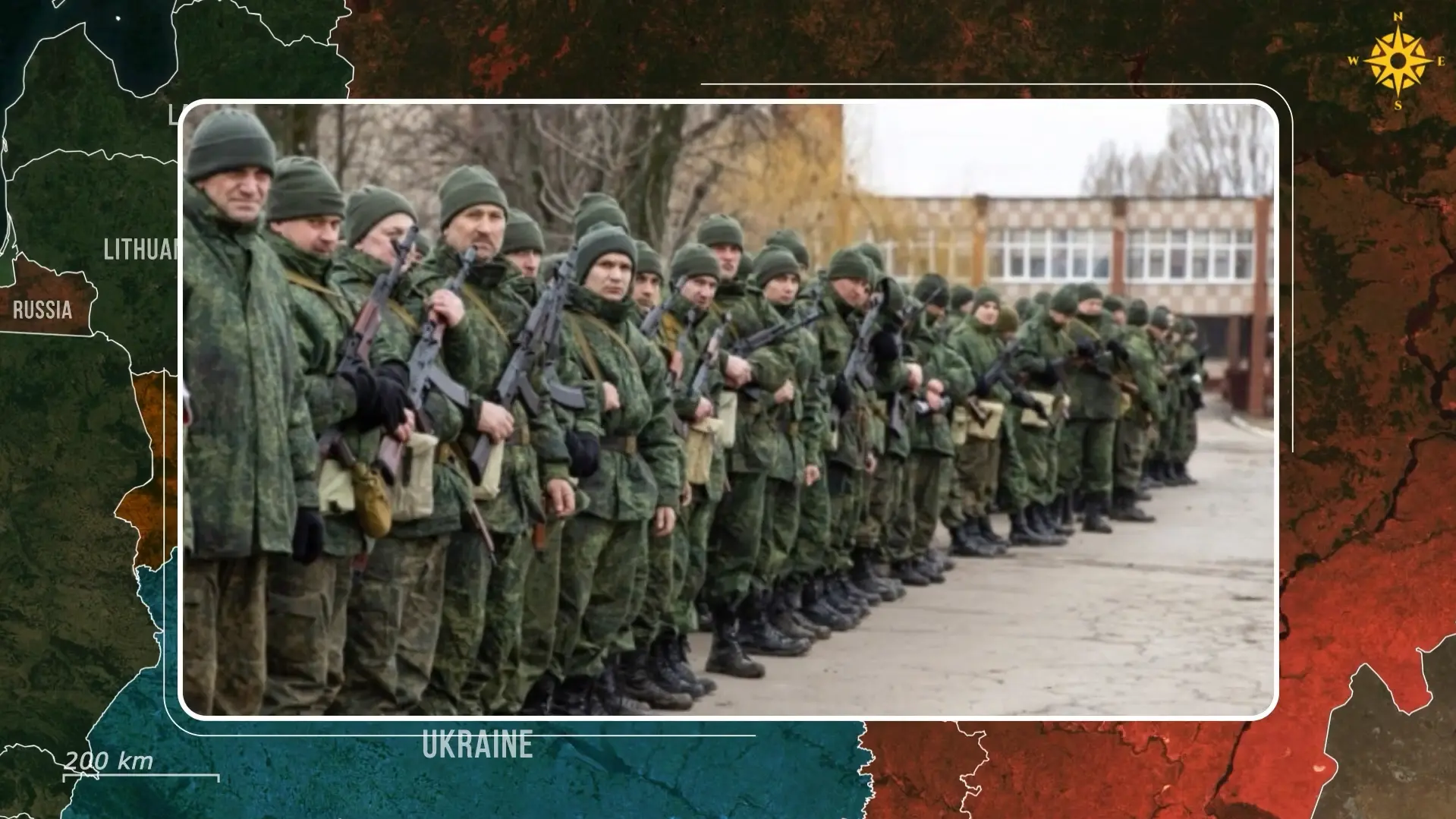
Russia now suffered its highest number of casualties in a single month, with losses numbering forty-two-thousand-eight-hundred-and-six casualties in July as reported by Ukraine’s General Staff. This marks a sharp increase from thirty-nine-thousand in June and thirty-one-thousand at the start of the year. This year, Ukraine has eliminated more Russian soldiers than they were able to recruit from month to month, decreasing the overall size of the Russian army by thousands of soldiers. Ukraine aims to kill fifty thousand enemy soldiers per month, and if this trend continues, they are well on track to achieve this by the end of the year.
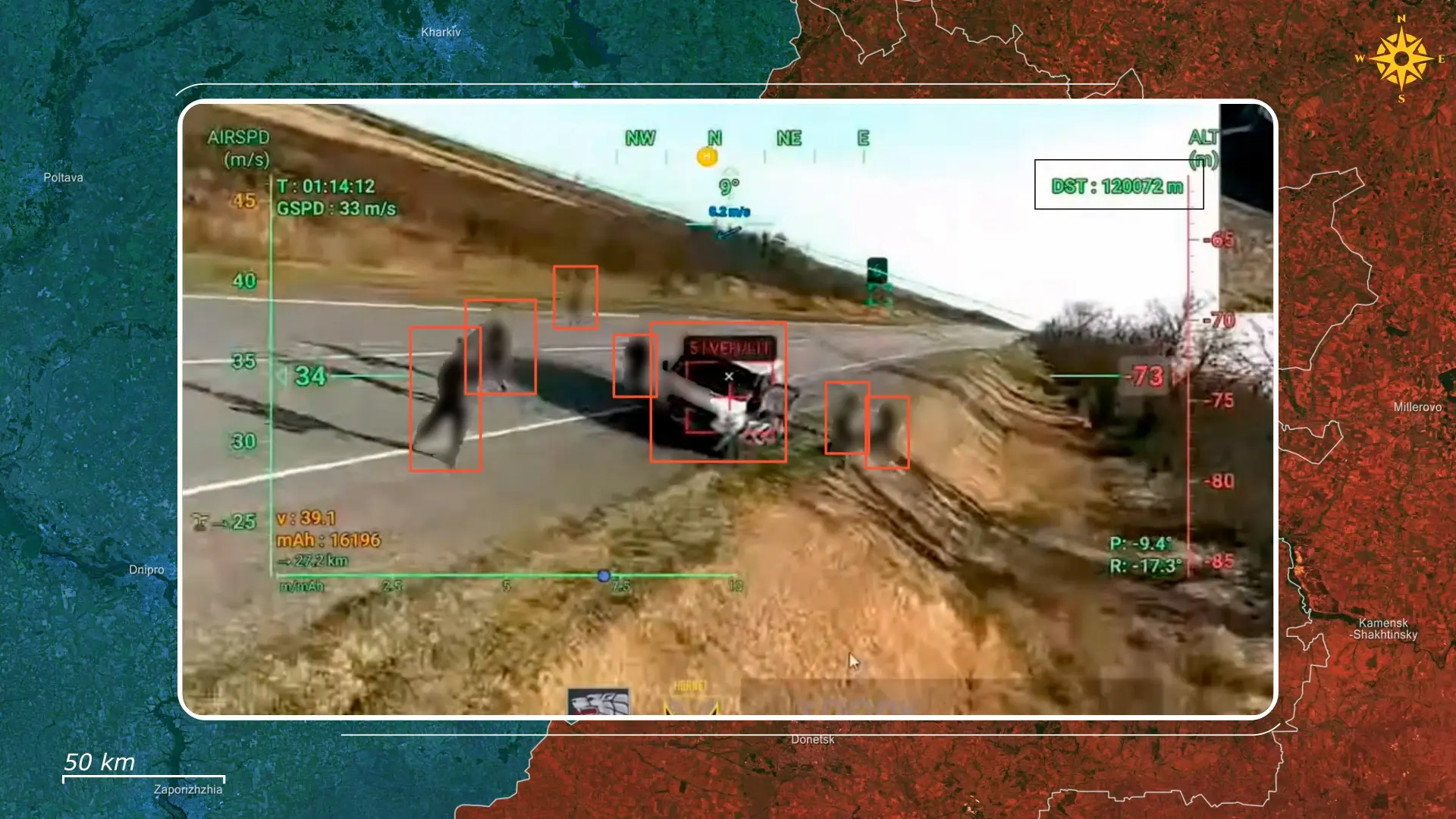
These losses can be explained by the average life span of a Russian soldier, CIA Director John Ratcliffe stated that Russian assault troops sent to attack Ukrainian positions now have an average survival time of only twenty to thirty minutes before being wounded or killed. He attributed this to Ukraine's growing effectiveness and ability to counter the Russian tactic of infiltrations. One of the major components of this is Ukraine’s AI-powered drones, which are increasingly autonomous and electronic warfare resistant. This increases the success of a drone strike because the drone can identify, lock onto its target, and strike without the interference of the drone operator. Footage shows how these drones search for targets like military vehicles and personnel, starting to dive down on them to strike them immediately and rapidly from above.
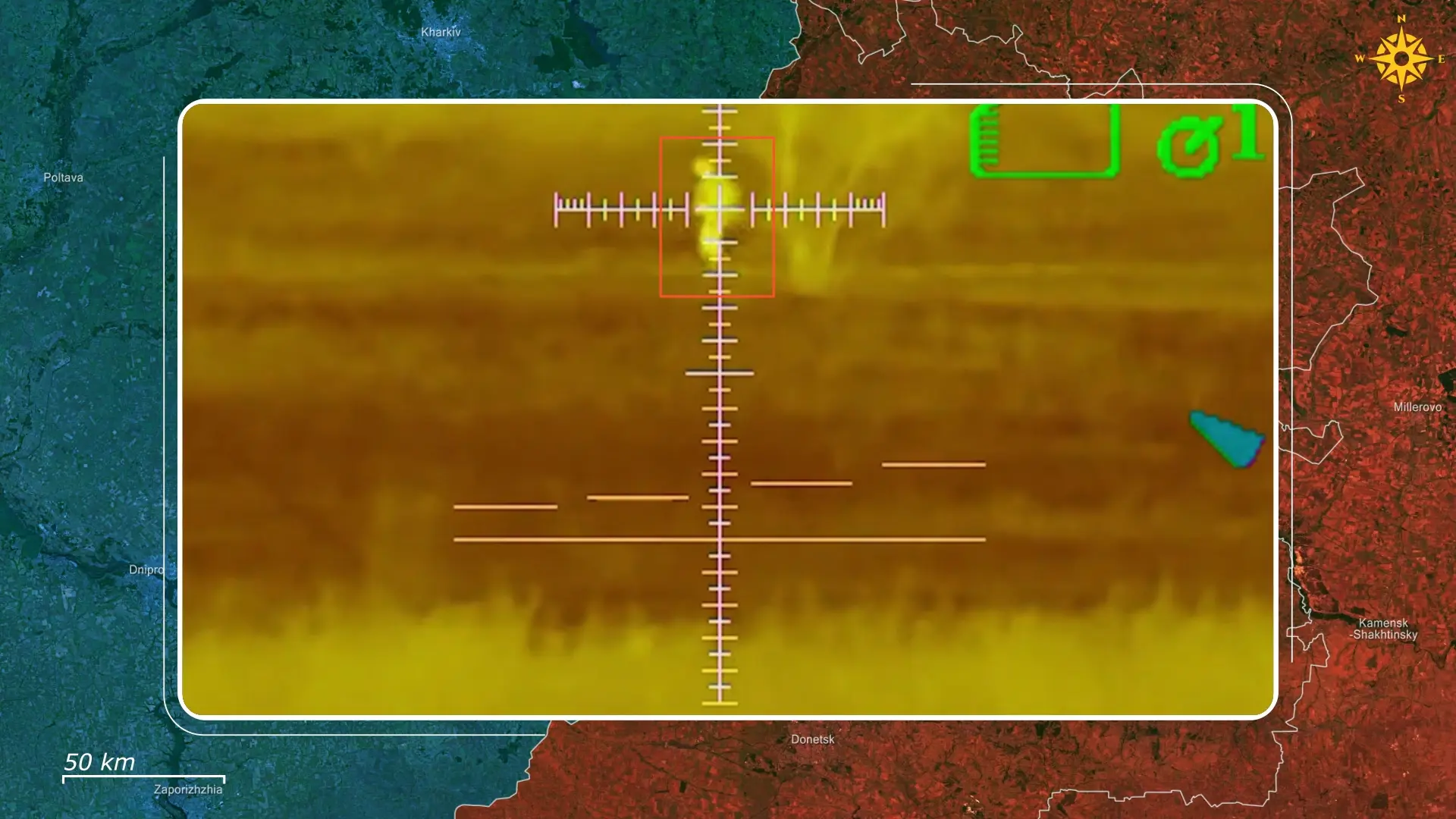
Ukraine has also adapted its use of snipers to eliminate Russian infiltrators and lock down entire sectors. Small sniper teams conceal themselves from drones with thermal-resistant ghillie suits and overhead cover, and monitor known infiltration routes to eliminate passing Russian soldiers, often setting up behind Ukrainian lines to decrease the chance of detection by Russian reconnaissance drones. The advantage is that they remain hidden while they kill Russian soldiers with precision fire. Footage shows a sniper team setting up such an ambush at one of the Russian infiltrators’ gathering points in the Ukrainian rear. Using a bolt action rifle equipped with a thermal scope, the sniper scans the terrain for enemy heat signatures and engages them if they enter his or her kill zone.
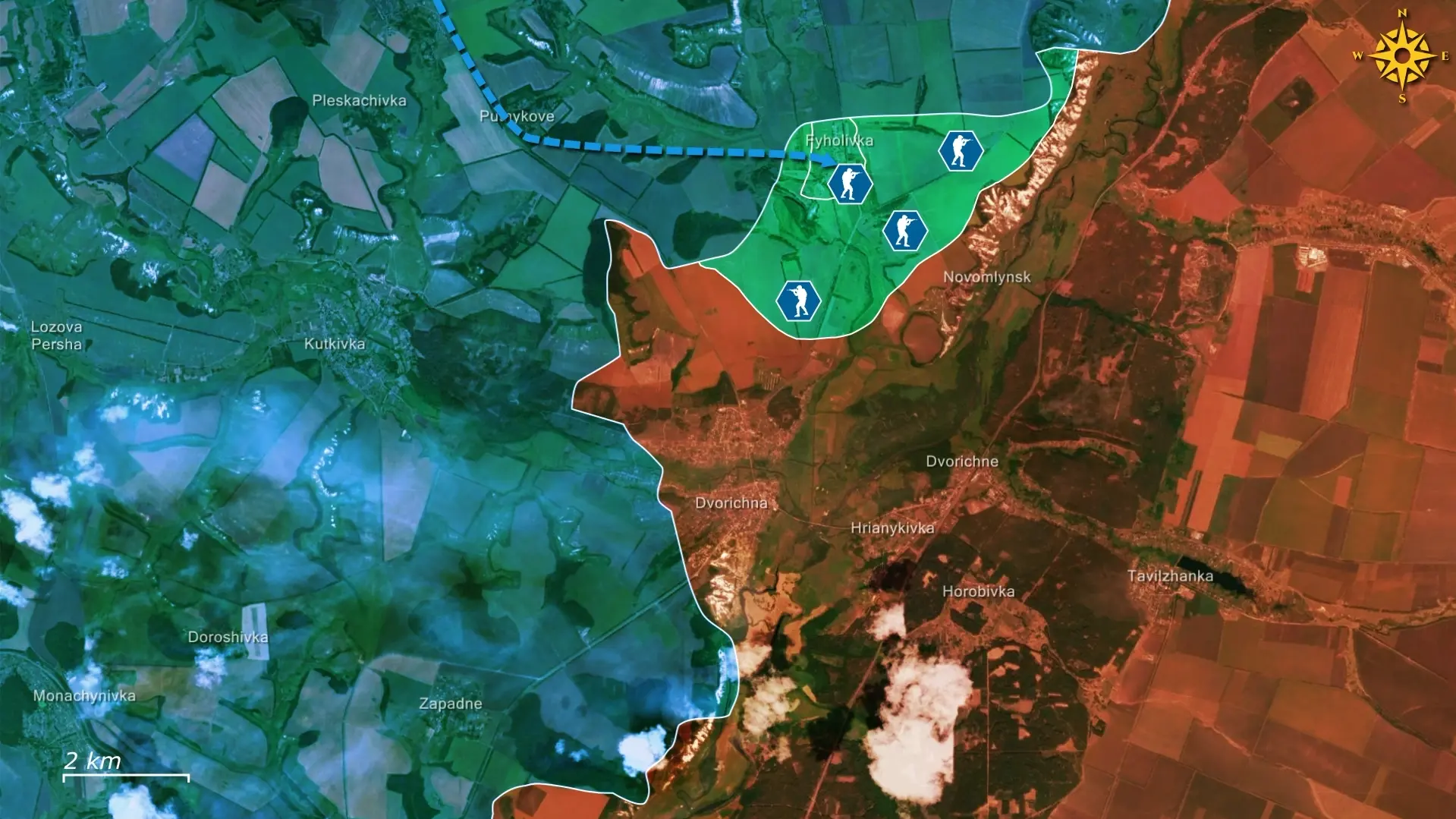
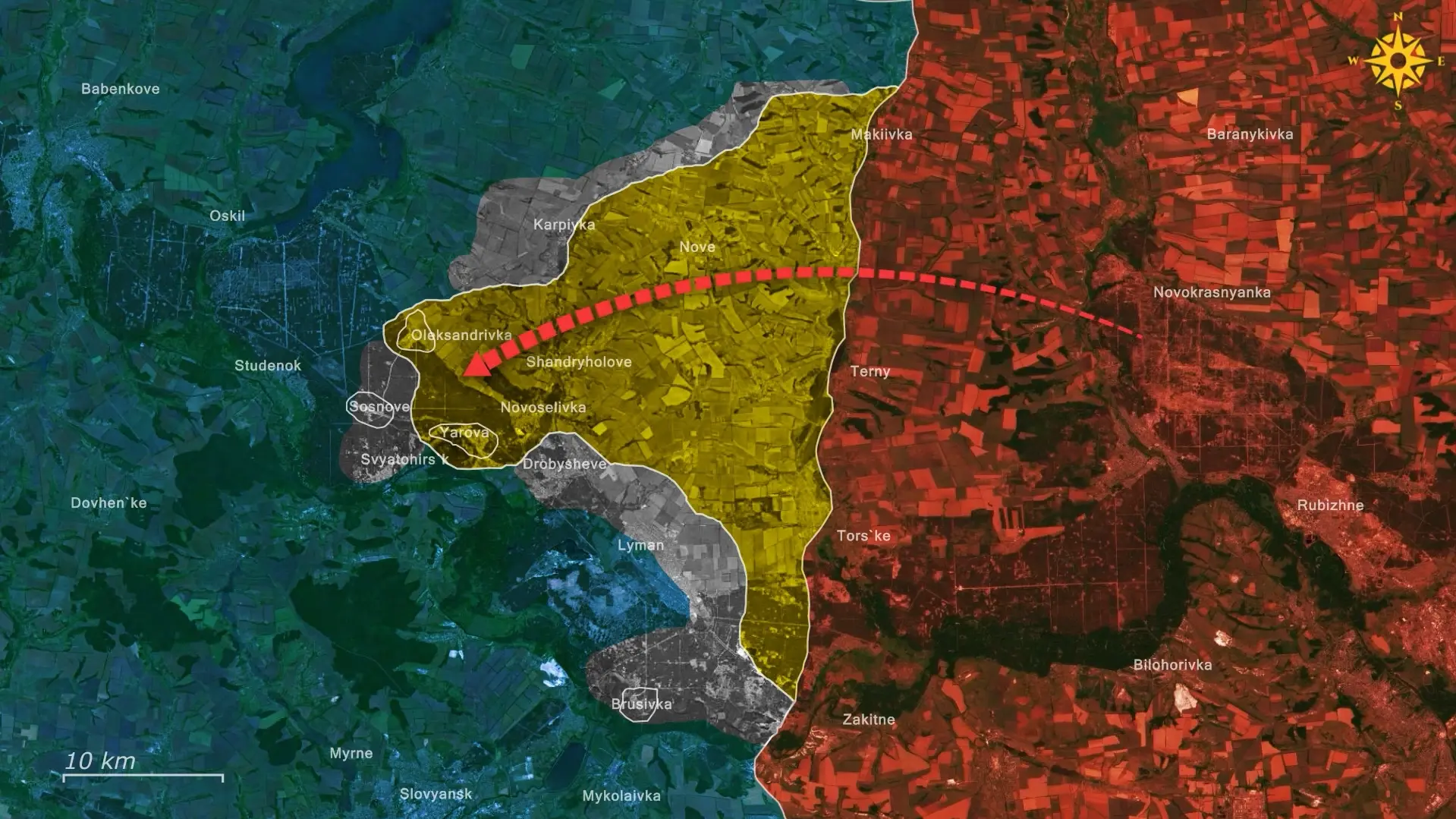
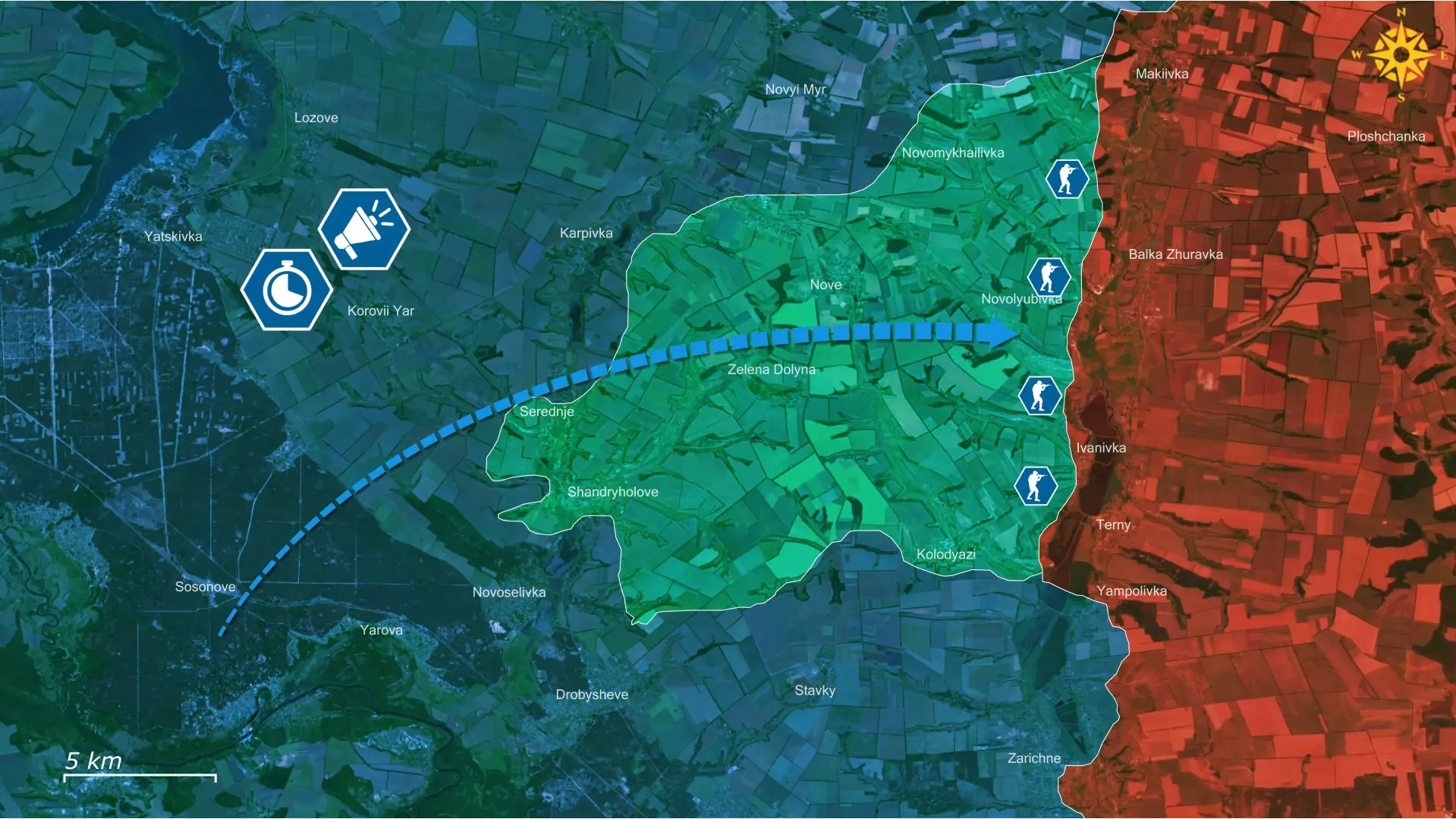
Additionally, Ukrainian forces rely on aerial drones and reconnaissance for spotting movement, mapping, and surveillance of possible routes through tree lines, settlements, and elongated ditches. Once the enemy is spotted, Ukrainians mostly engage them with FPV or bomber drones, rather than troops on the ground, so as not to risk Ukrainian lives. Ukraine also increasingly deploys ground robots to clear out infiltrators, which further helps to reduce Ukrainian casualties, as the drone operators can navigate these drones from tens of kilometers behind the frontline. Footage shows how Ukrainian ground drones can lay suppressive fire onto Russian positions to pin them down, or even deploy FPV drones themselves, increasing their lethal range significantly. If Russian infiltrator missions cannot be stopped by these methods and Russian soldiers manage to slip through the Ukrainian lines regardless, Ukraine sends in highly-trained assault units or special forces to kill or capture the entrenched Russians.
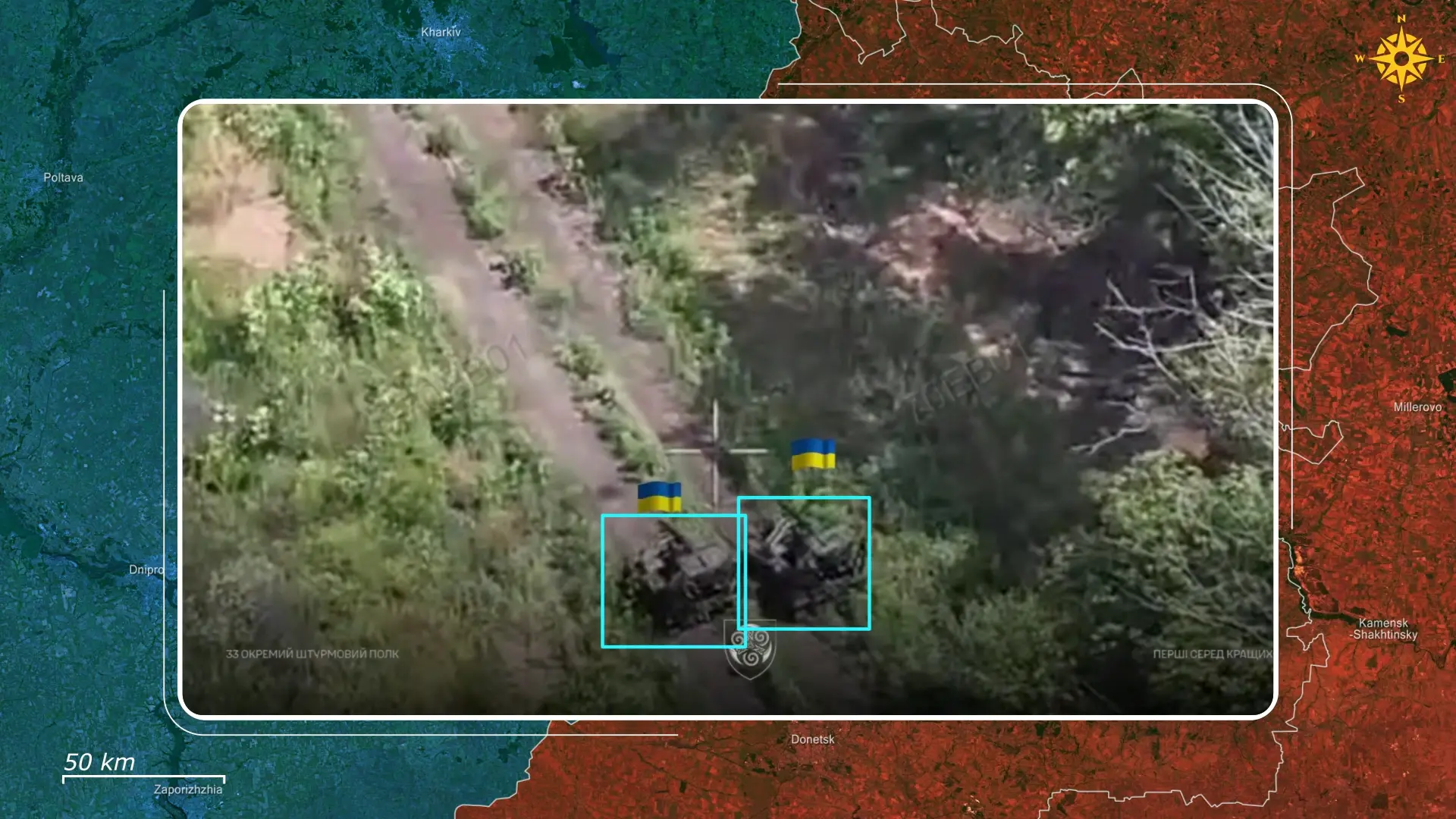
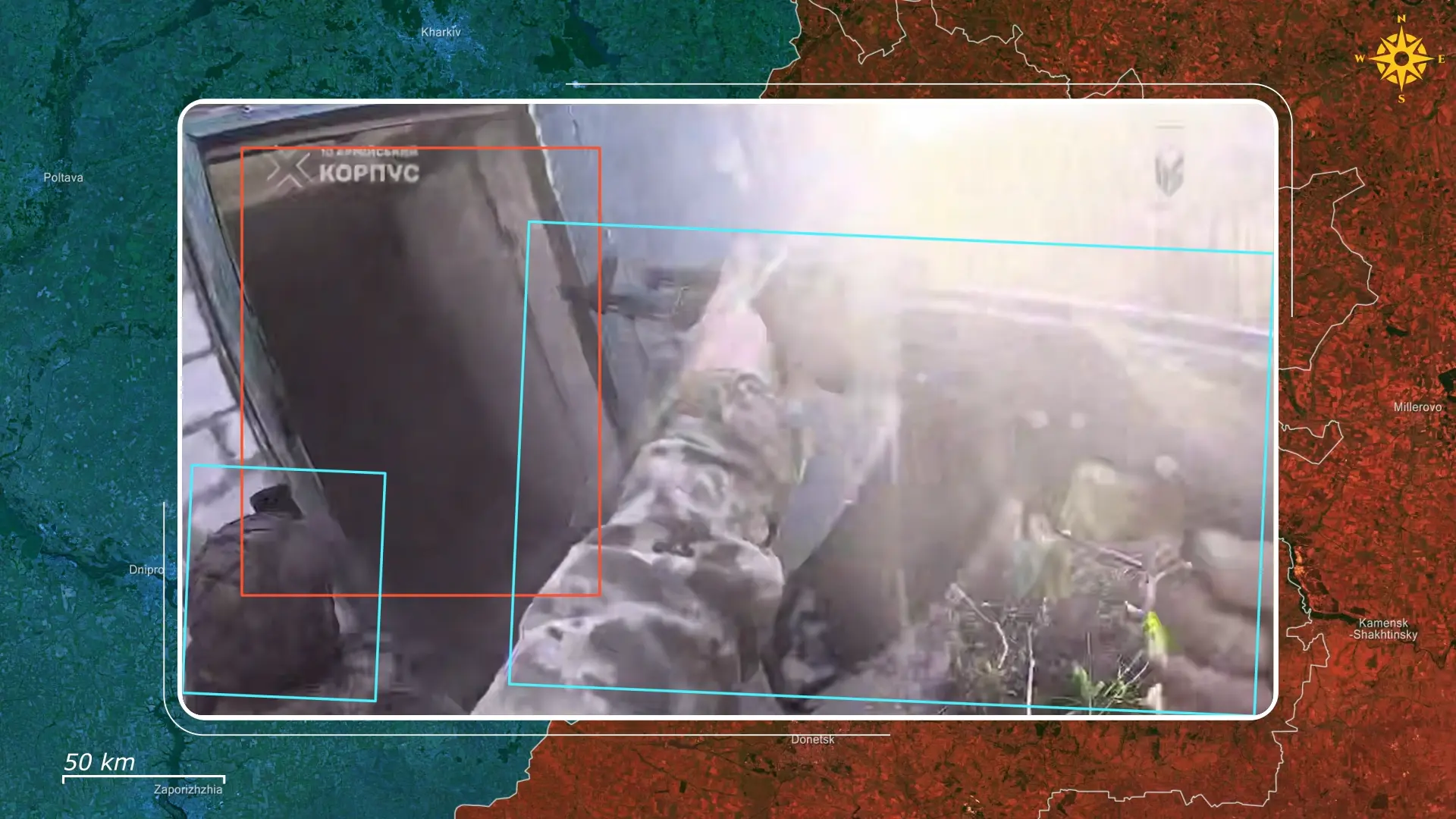
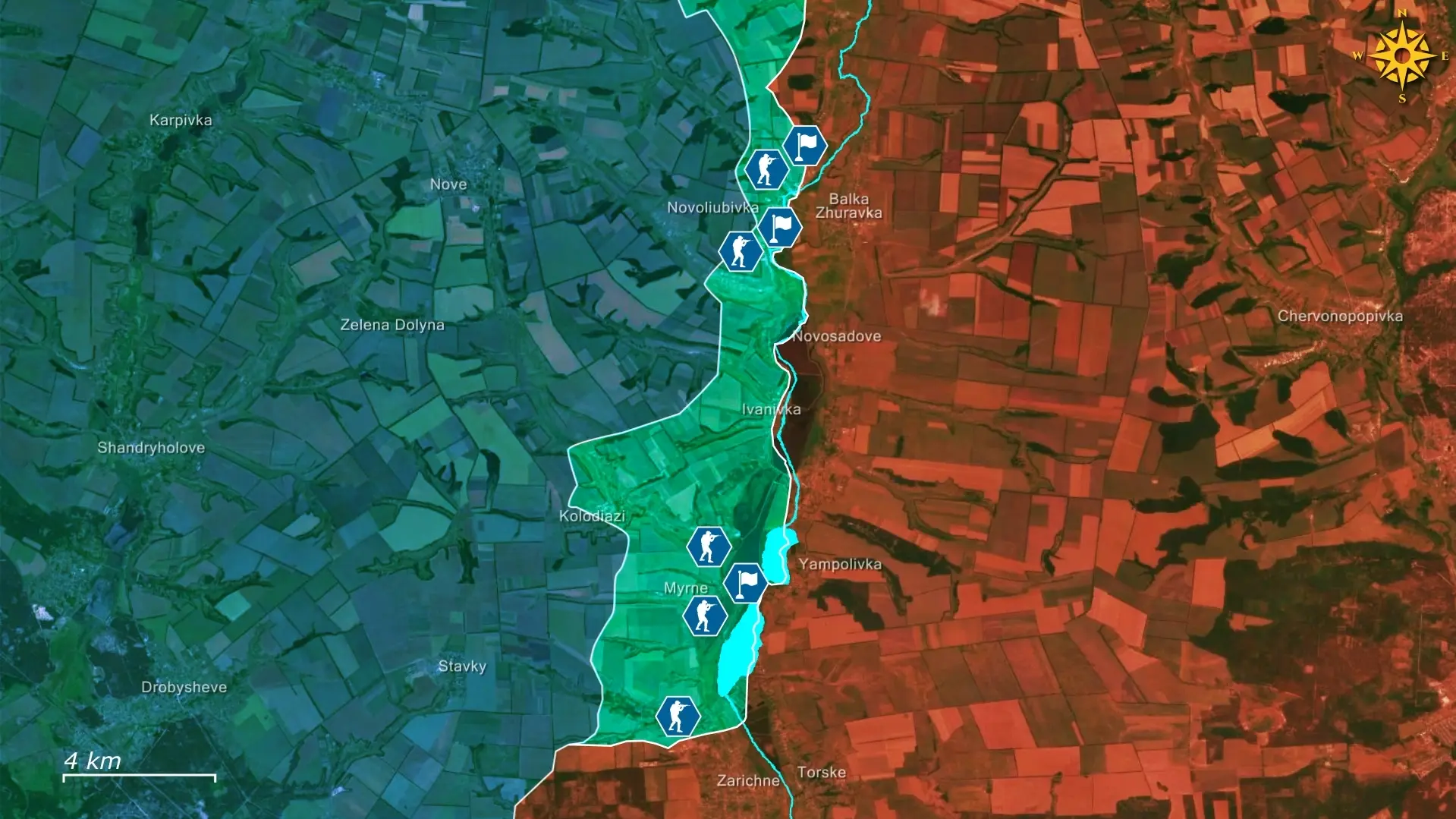
This method is often referred to as active defense, which is offensive clearing operations in order to hold the defense, aimed at stopping and liquidating Russian presence in the grey zone. During these operations, Ukrainians detect Russian soldiers and track their movement to identify their hiding spots. After that, Ukrainian assault troops are dispatched under constant drone surveillance and support, to guide them in real time and make them aware of every possible threat or a potential ambush. After closing in on the target, Ukrainians first offer the Russian infiltrators the chance to surrender, to avoid a close-quarters firefight and replenish the prisoner-of-war exchange fund. If the Russian soldiers refuse to give up, Ukrainian soldiers engage them with small arms fire, grenades, or high-explosive bombs to collapse entire structures. Frequently-used thermobaric grenades are the deadliest in these close quarter environments, because the concussion effect is enhanced in confined spaces, and it is almost impossible to counter them as they penetrate through walls and bends. With these tactics, Ukraine virtually managed to blunt Russian infiltrations in almost all sectors and kill forty-two thousand enemy soldiers in just thirty days.
Overall, Russia’s record losses in July demonstrate that its current offensive approach is becoming increasingly unsustainable. Ukrainian active defense, combining AI enabled drones and snipers, is destroying assault groups faster than Russia can achieve meaningful gains. Even if Moscow intensifies attacks or conducts a new wave of mobilization, it is likely to incur even greater losses while capturing progressively less territory, making their goals unachievable, as the hard statistics clearly show.
.jpg)

Comments