

.svg)
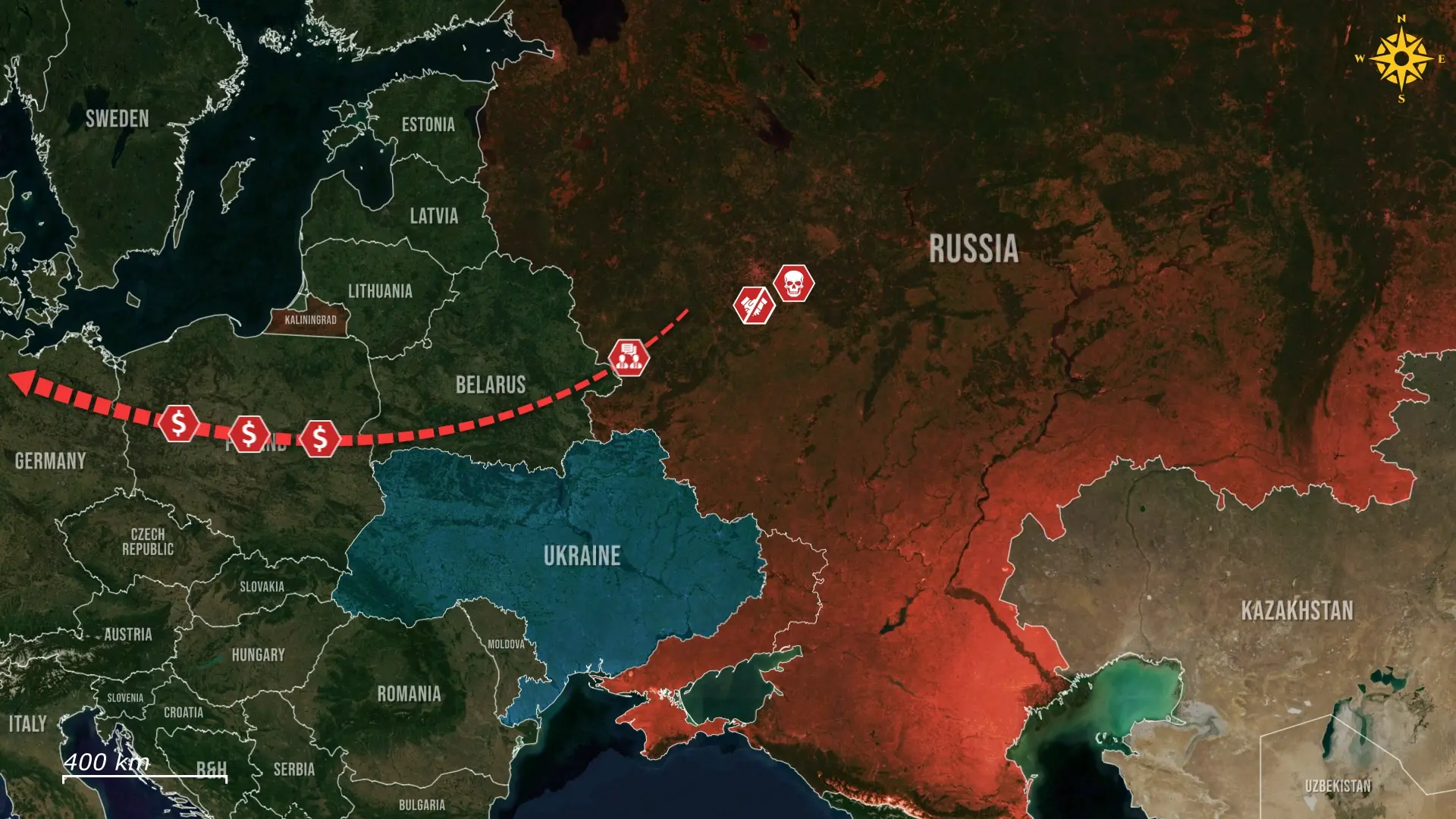
Russia’s oligarchs are beginning to move their fortunes out of Vladimir Putin’s reach, signaling that the elite surrounding the Kremlin no longer trusts the current regime. Several of Russia’s richest businessmen have shifted billions of dollars abroad during the past year, increasingly favoring cryptocurrency, gold, foreign property, and private investment funds in the Gulf. Capital outflows outside official statistics are conservatively estimated already in the tens of billions of dollars this year, while one broad central-bank measure showed an astonishing two hundred fifty billion US dollars leaving Russia during the first year of the war alone. The latest wave is driven not merely by sanctions but by fear that the Kremlin itself may seize private wealth under threat of defenestration. Since two-thousand-twenty-four, prosecutors have intensified confiscations, targeting rich Russian businessmen with foreign ties and dual citizenship due to their easier ability to leave the country and seek refuge elsewhere.
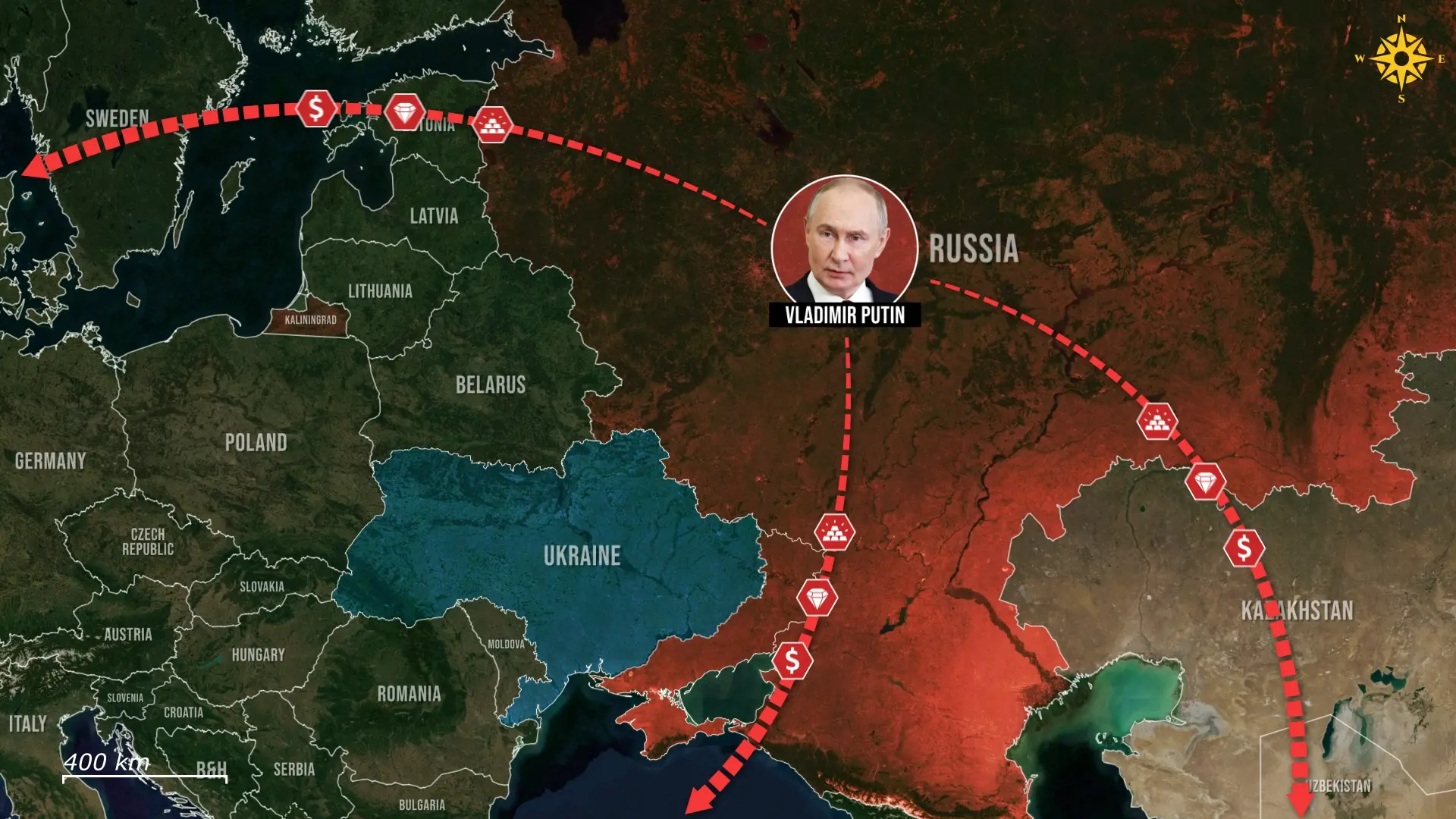
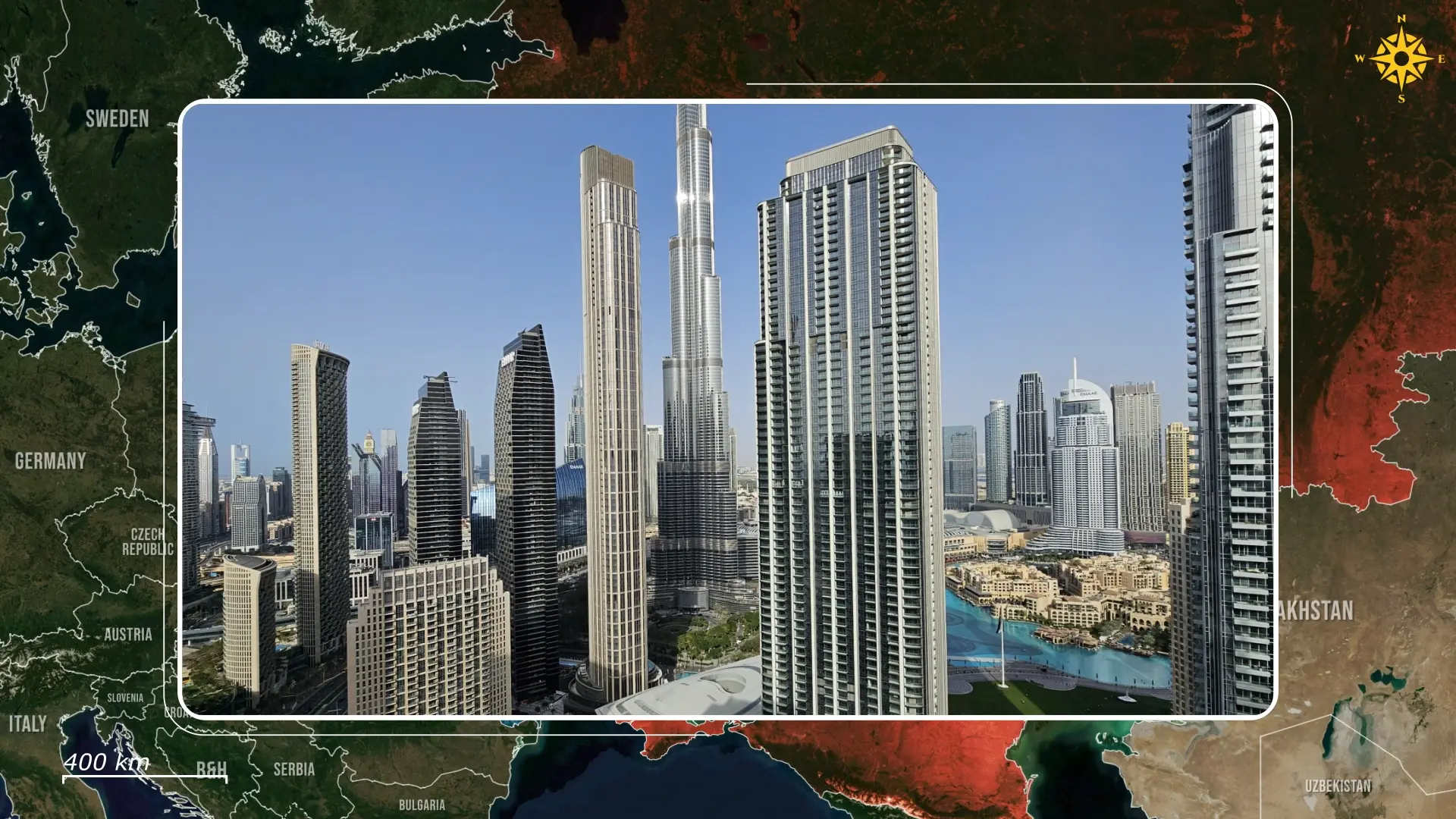
That fear deepened after Putin began searching for not-so-voluntary contributions to finance his war in Ukraine. At a closed meeting in March, billionaire Suleiman Kerimov proposed that businessmen make substantial payments to the state to support the war effort and skyrocketing state expenditures, an initiative Putin welcomed, as he was naturally the real man behind the idea. The message was clear that fortunes accumulated under the regime could now be reclaimed whenever the state requires money. Prosecutors have already returned assets they valued at more than forty-four billion euros to the state, including major agricultural holdings, gold-mining interests, and Moscow’s Domodedovo airport. However, many wealthy Russians are instead responding by transferring money to Cyprus, the United Arab Emirates, Turkey, Saudi Arabia, African states, Monaco, Armenia, Kazakhstan, and Kyrgyzstan. Notably Dubai’s property and cryptocurrency markets have become especially useful for moving assets across jurisdictions beyond both Western sanctions and Kremlin control.
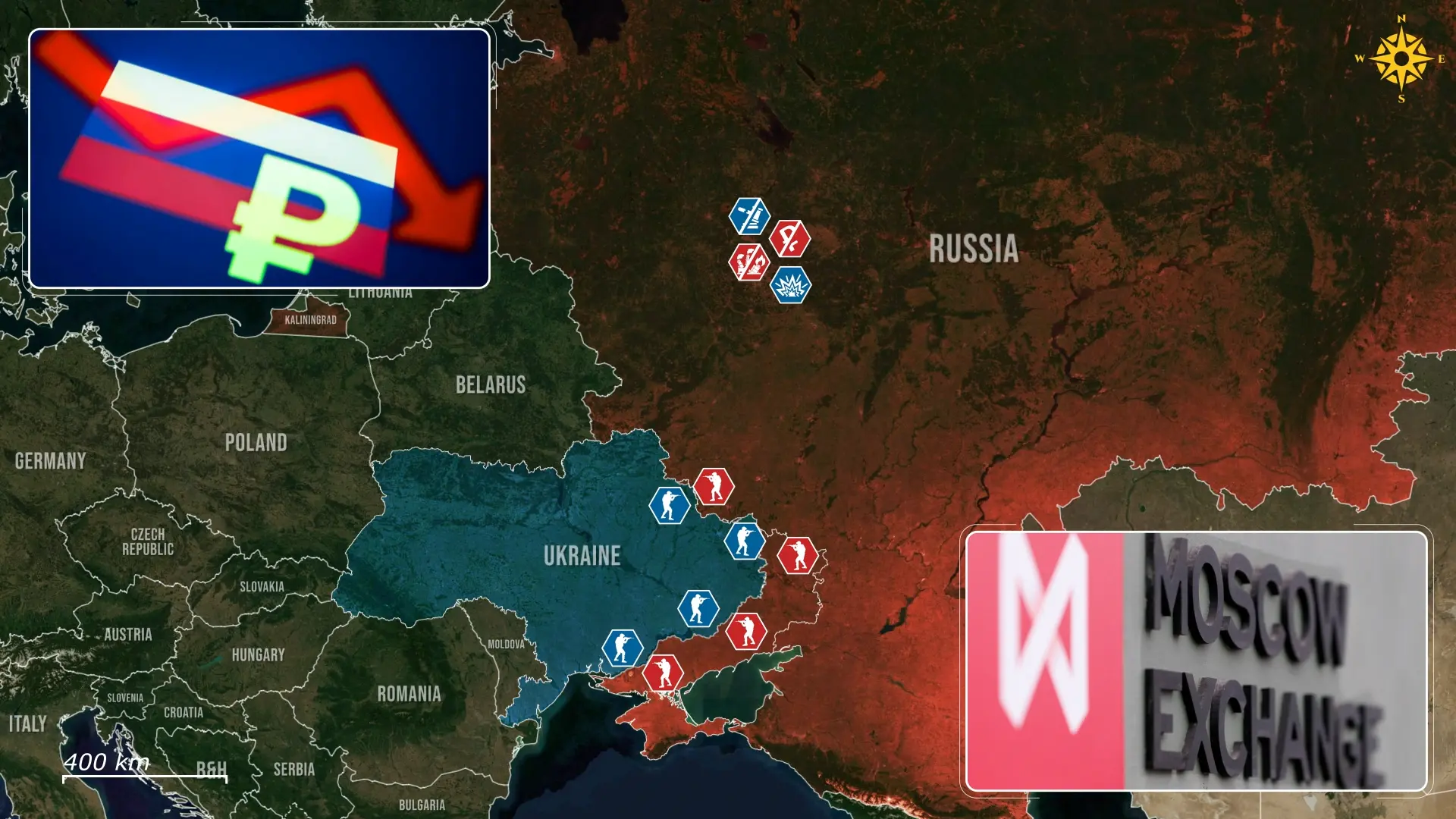
The reason for Putin's hunt for finances is simple: Russia’s war chest is shrinking while costs continue exploding. Military expenditure reached approximately one hundred seventy-five billion euros last year, equivalent to roughly eight percent of the country's gross domestic product. In the first quarter of this year alone, spending reportedly reached sixty-four billion euros, consuming nearly half of federal expenditure during that period. Total war-related costs since the start of the war in two-thousand-twenty-two have exceeded an estimated five hundred eighty-one billion euros. Meanwhile, oil and gas revenues are weakened by sanctions, export discounts, higher transport costs, lower prices, and Ukrainian strikes against refineries and fuel infrastructure. Budget deficits are constantly exceeding plans, reserves in the National Wealth Fund have fallen sharply, despite being there to offload crisis situations and being used now to save the budget. The Russian stock market has suffered its longest decline since nineteen-ninety-seven, and the major Russian companies have lost between twenty and fifty percent of their value.
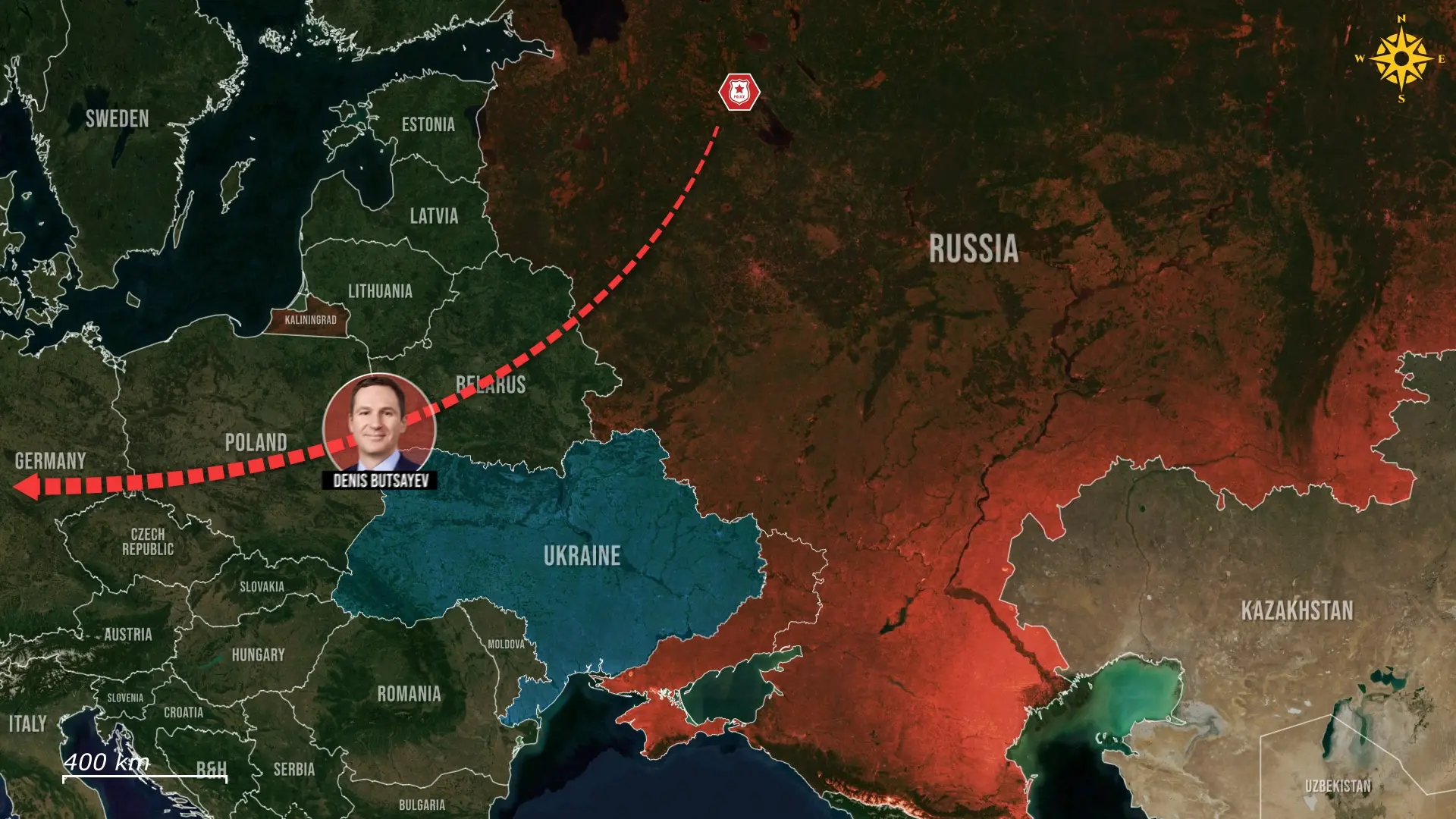
Even senior Russian government officials understand the danger, and Denis Butsayev, recently dismissed as deputy natural resources minister, has now fled to the United States on the same day he was removed, fearing prosecution for failures to reduce natural resource shortages under his authority. His departure demonstrates that flight is no longer limited to businessmen. State ministers who once also enriched themselves on the system that Putin created are seeking exits before they become convenient scapegoats or end up disappearing.
Despite Putin demanding all these concessions, he cannot offer adequate protection to the businesses that he expects to finance the war, adding another reason for the recent wave of rich people wanting to leave Russia. Online retail giant Wildberries, after repeated Ukrainian drone attacks on its Russian logistics centers, is now searching for warehouses in Kazakhstan. This comes after its officials were also seeking replacement sites inside Russia, but property owners were reluctant to sign leases because they fear inviting Ukrainian strikes to their facilities. Russian capital is therefore fleeing not only taxation and confiscation, but physical destruction, all due to Putin insisting on continuing his war in Ukraine.
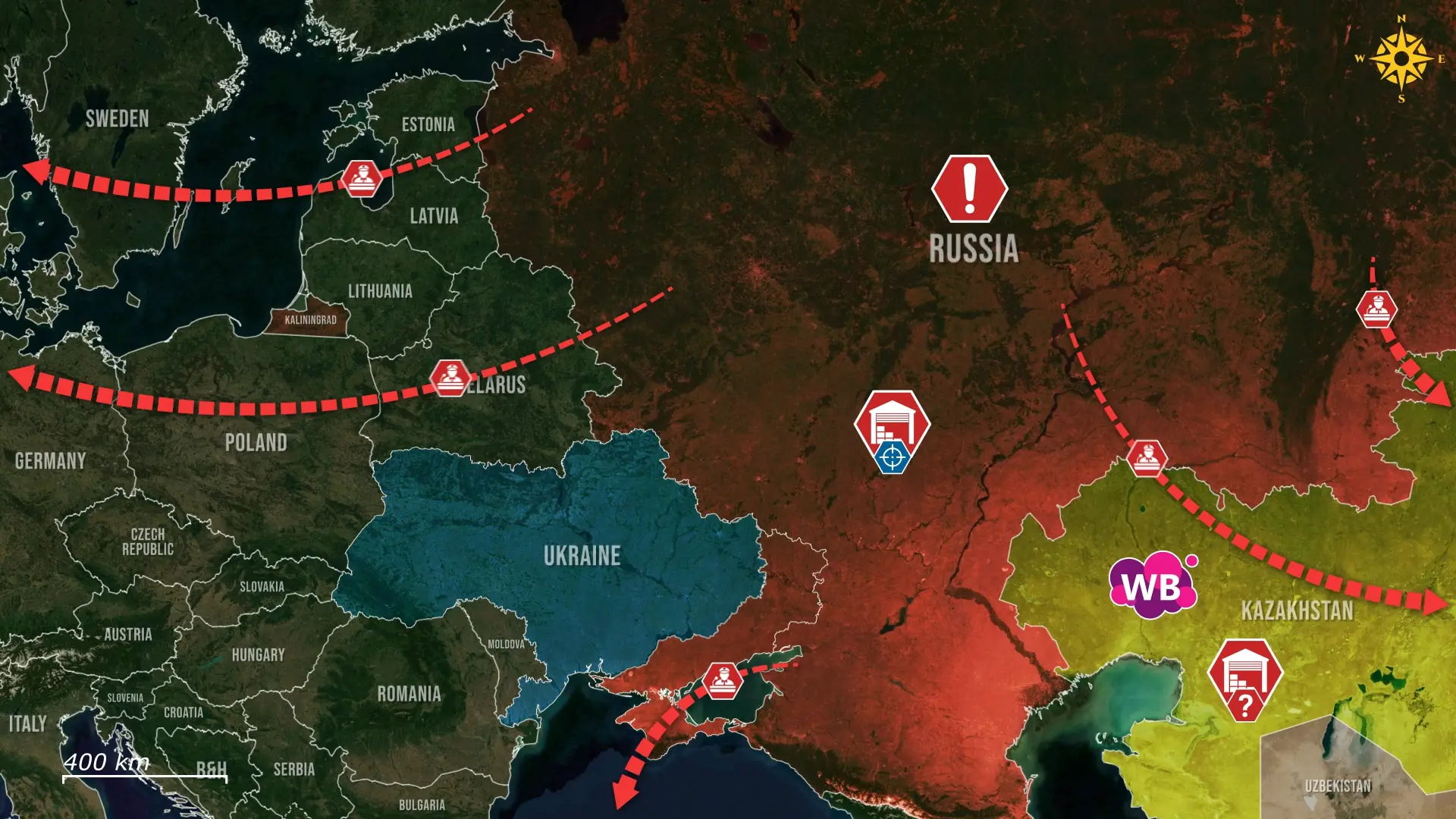
Overall, Russia’s oligarchs increasingly believe that remaining loyal could cost them everything. Putin demands their money, cannot protect their businesses, and presides over an economy moving toward deeper crisis. Their answer is to move assets and themselves, as every transfer abroad is a vote of no confidence in Putin’s survival and Russia’s economic future. The Kremlin will view this as betrayal, but the elite sees no alternative and leaves because the ship is sinking, and everyone wants to escape before Putin closes every remaining exit.
.jpg)

Comments