

.svg)
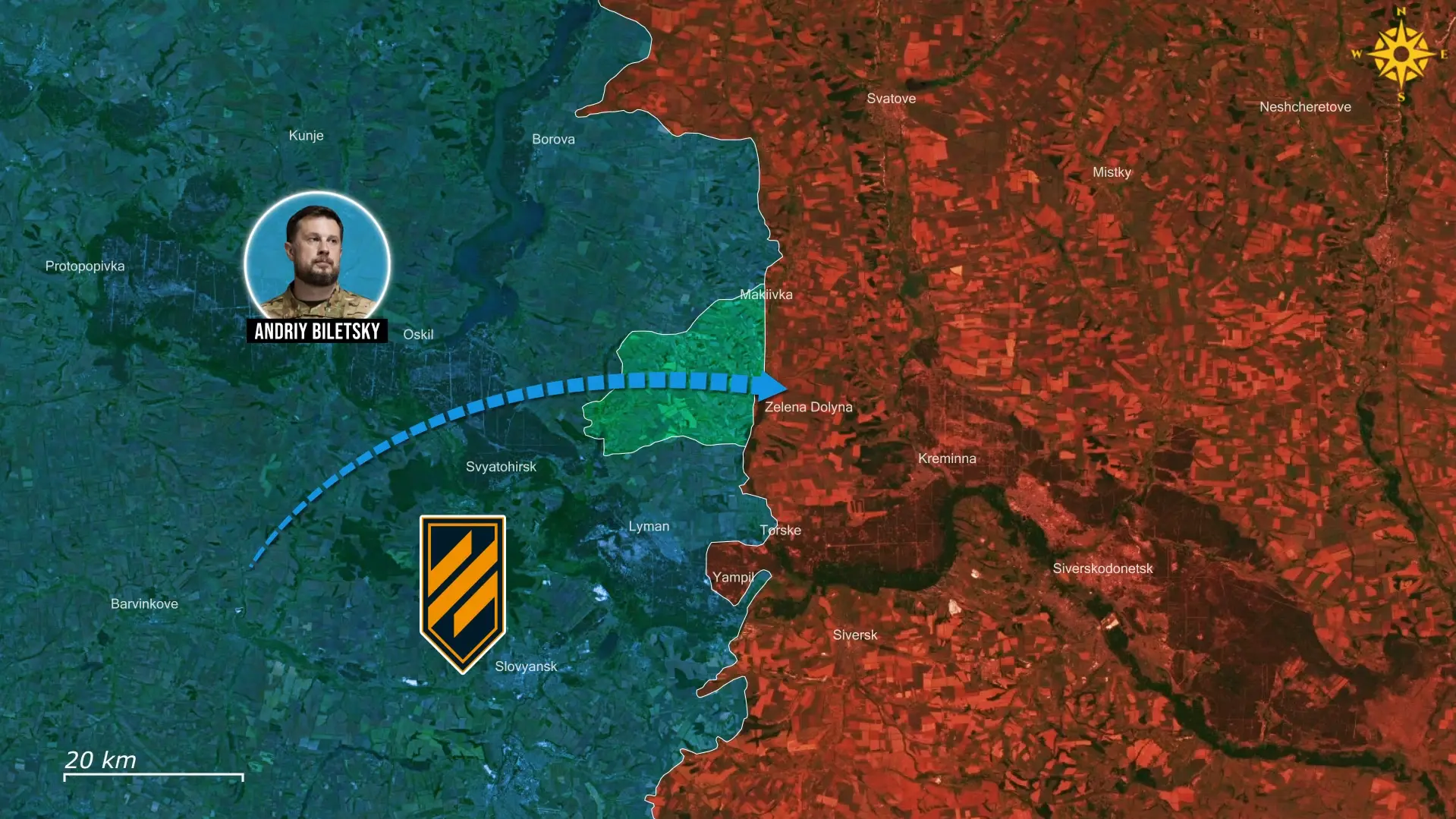
Today, there are important updates from the Liman direction.
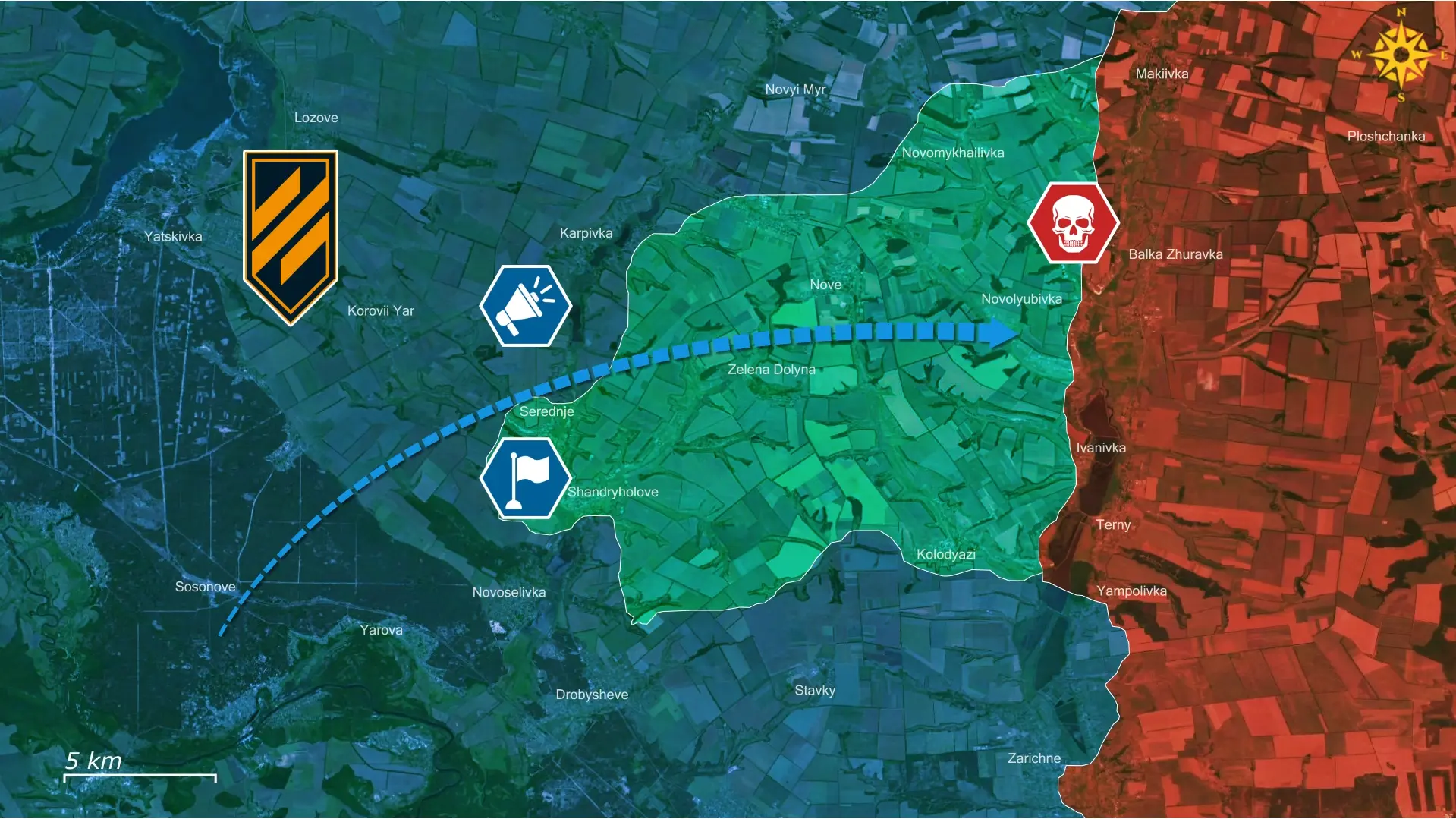
Here, Ukraine has released the first ground-combat footage from Operation Vivaldi, finally showing how the opening assaults north of Liman unfolded. The delay itself reveals an important element of the operation, as Ukrainian commanders maintained an information blackout throughout the summer, avoiding footage that could expose assault routes, units, or objectives before the offensive developed sufficient momentum. Only after the Russian salient collapsed did Ukraine begin showing how it happened.
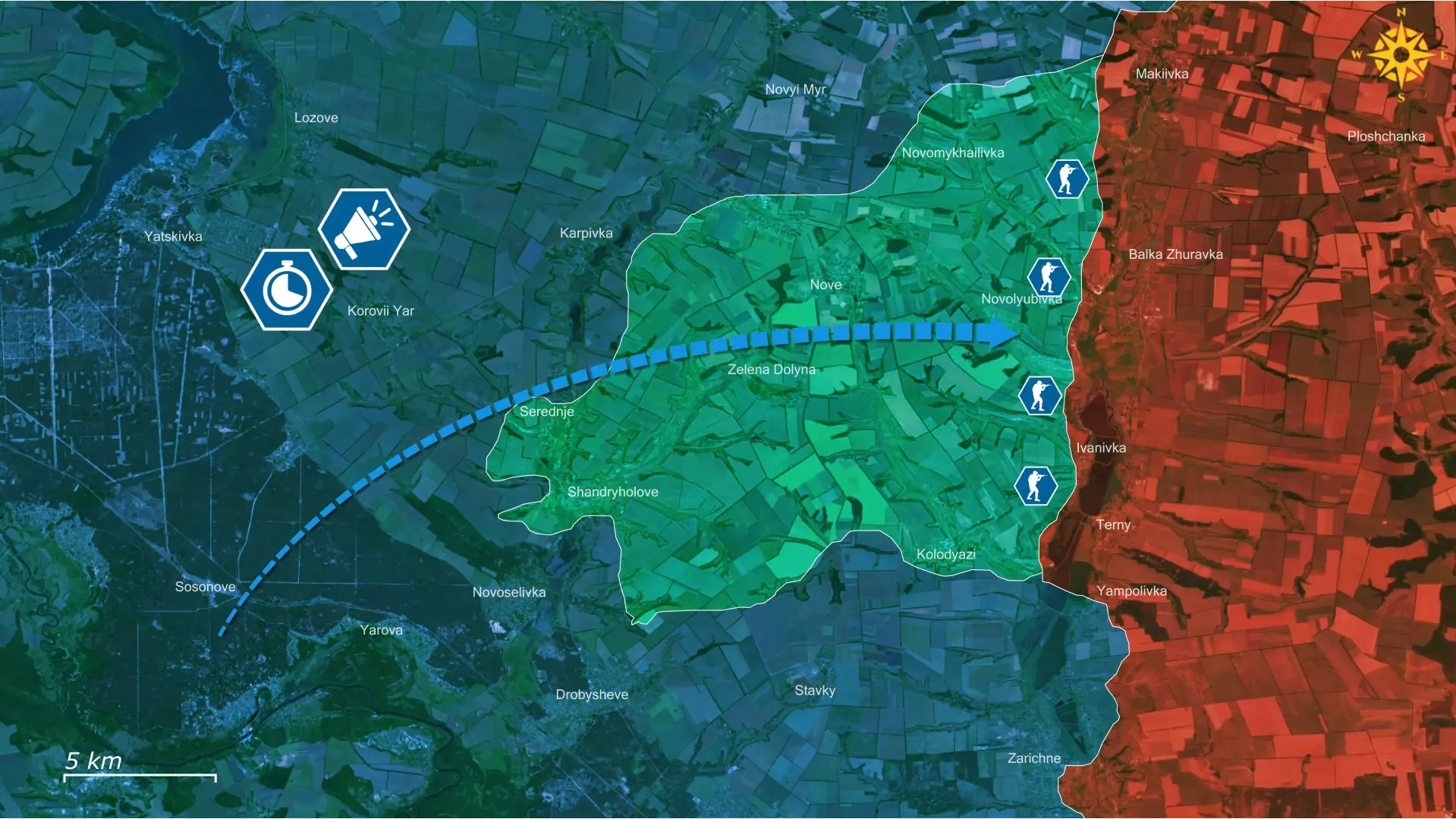
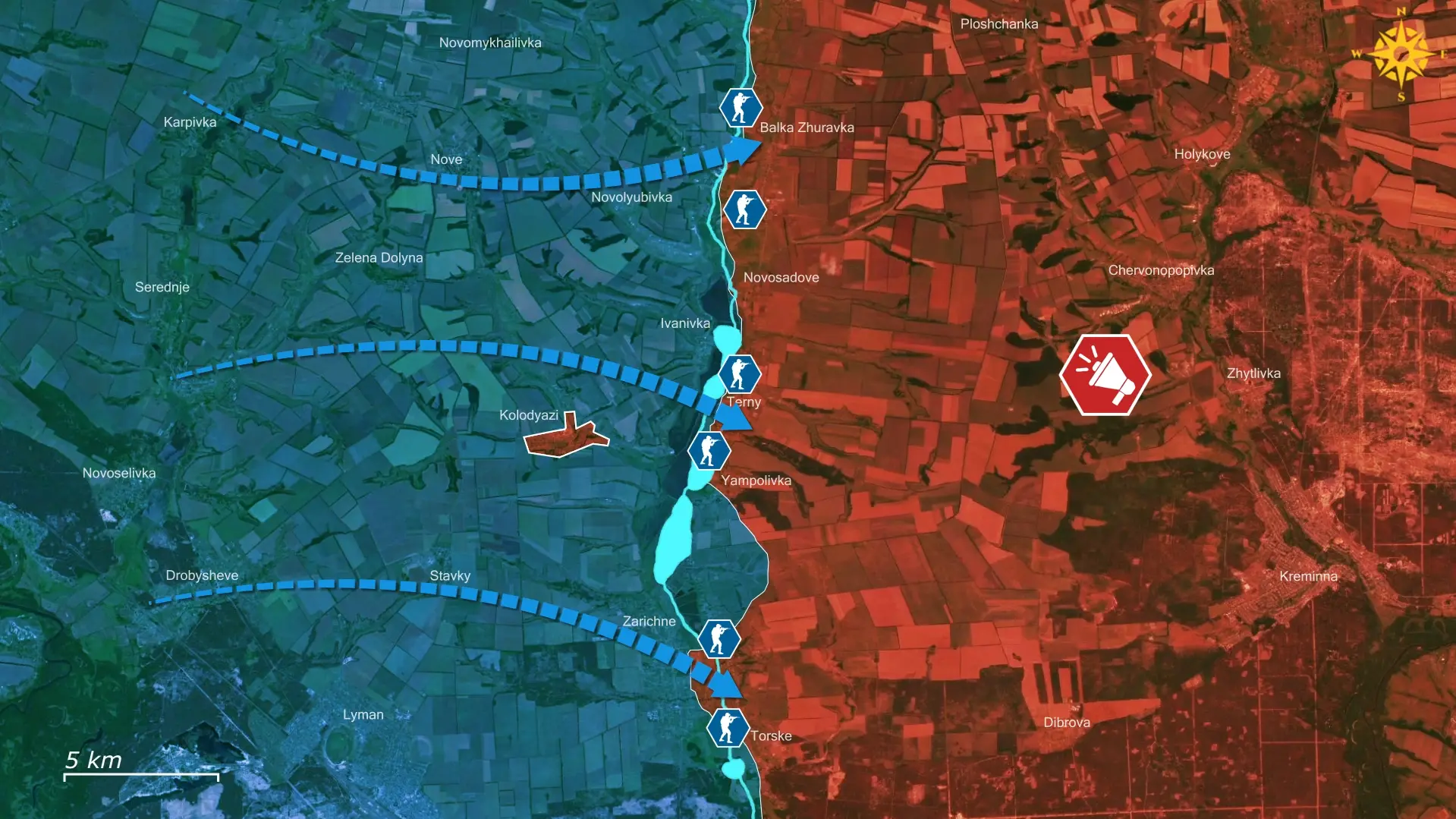
The footage begins with armored vehicles carrying small Ukrainian assault groups toward Novoselivka during the early morning. The timing provided surprise, while fog around nearby rivers reduced Russian drone visibility. However, Russian drones still attacked the Ukrainian vehicles, but explosions failed to stop them and they moved forward. Then the Ukrainian infantry dismounted near Novoselivka while the vehicle-mounted machine guns suppressed Russian positions in the first houses.
The assault troops immediately entered the buildings, firing into rooms and clearing them and the basements with grenades. Once positions were secured, additional Ukrainian groups started moving through the surrounding forests toward the Nitrius River, where they encountered concealed Russian positions. Ukrainian infantry eliminated some of the Russians while others surrendered. Inside Novoselivka, more Russian soldiers were given the choice to surrender as Ukrainian reconnaissance drones watched overhead and provided live directions.

The Russian prisoners themselves became another intelligence source, as after one engagement, they revealed additional positions deeper inside the forest. Ukrainian troops requested drone fire support and continued clearing hideouts sequentially. One captured group carried a Russian flag, reportedly intended for an infiltration mission in which soldiers would photograph themselves displaying it as evidence that another location had supposedly been captured.
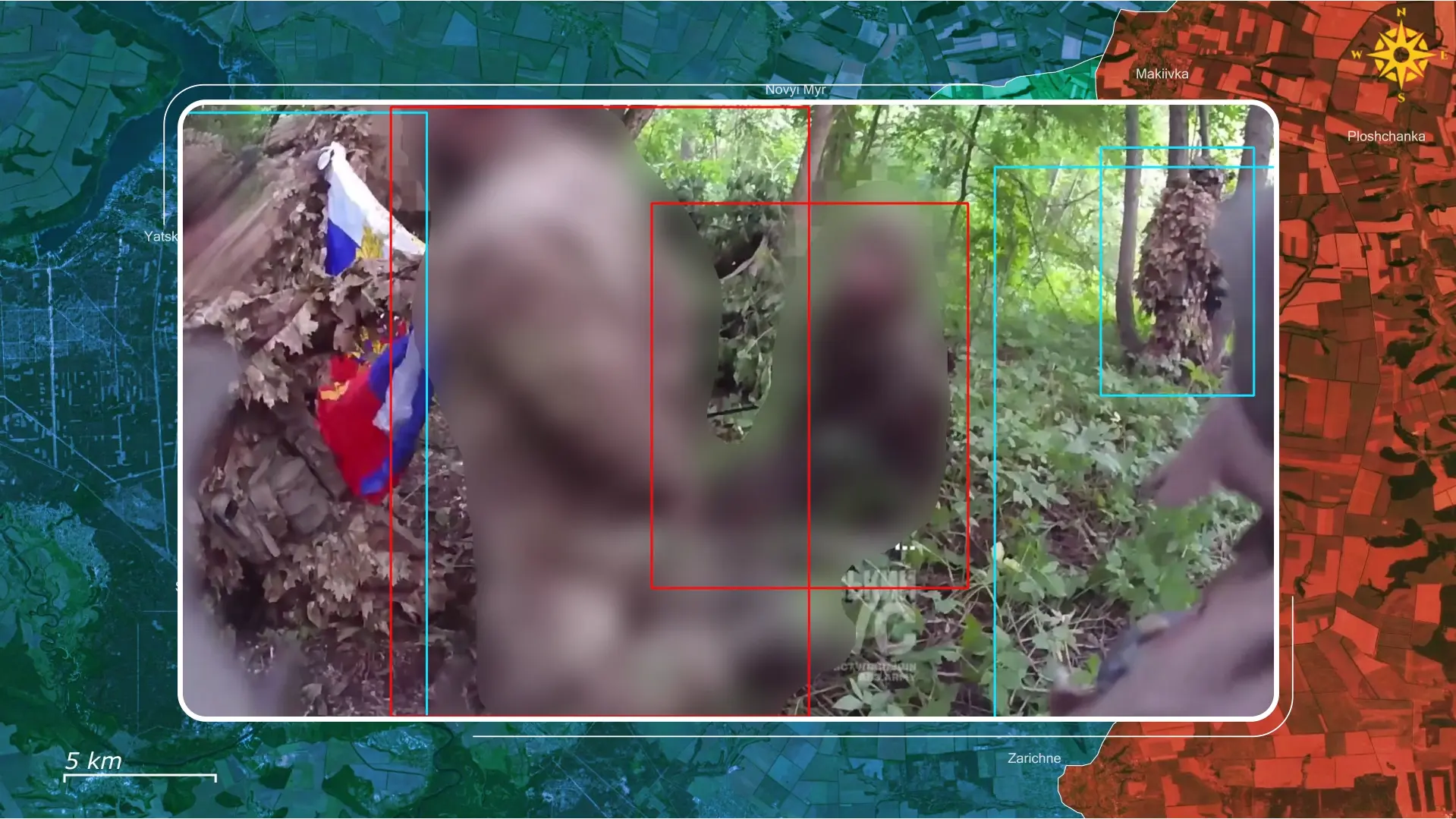
Elsewhere in the forest, abandoned Russian positions contained weapons and equipment, which prompted a Ukrainian soldier to launch a reconnaissance drone directly from the assault group and discover an enemy trench ahead. This enabled the Ukrainian troops to surprise two Russian soldiers there and additional forest positions were subsequently cleared, while wounded Ukrainian personnel were evacuated by a medical team using an ATV. Together, the assault teams cleared Novoselivka and secured the flank before they crossed the river and cleared Shandryholove, expanding the breakthrough beyond Russia’s previous defensive barrier.
Tactically, Vivaldi demonstrates how offensive warfare has changed, as large armored formations concentrated inside the drone kill zone become easily detectable targets. Ukraine instead used armor selectively, as vehicles transported infantry rapidly and provided suppressive fire before small assault groups continued predominantly on foot.
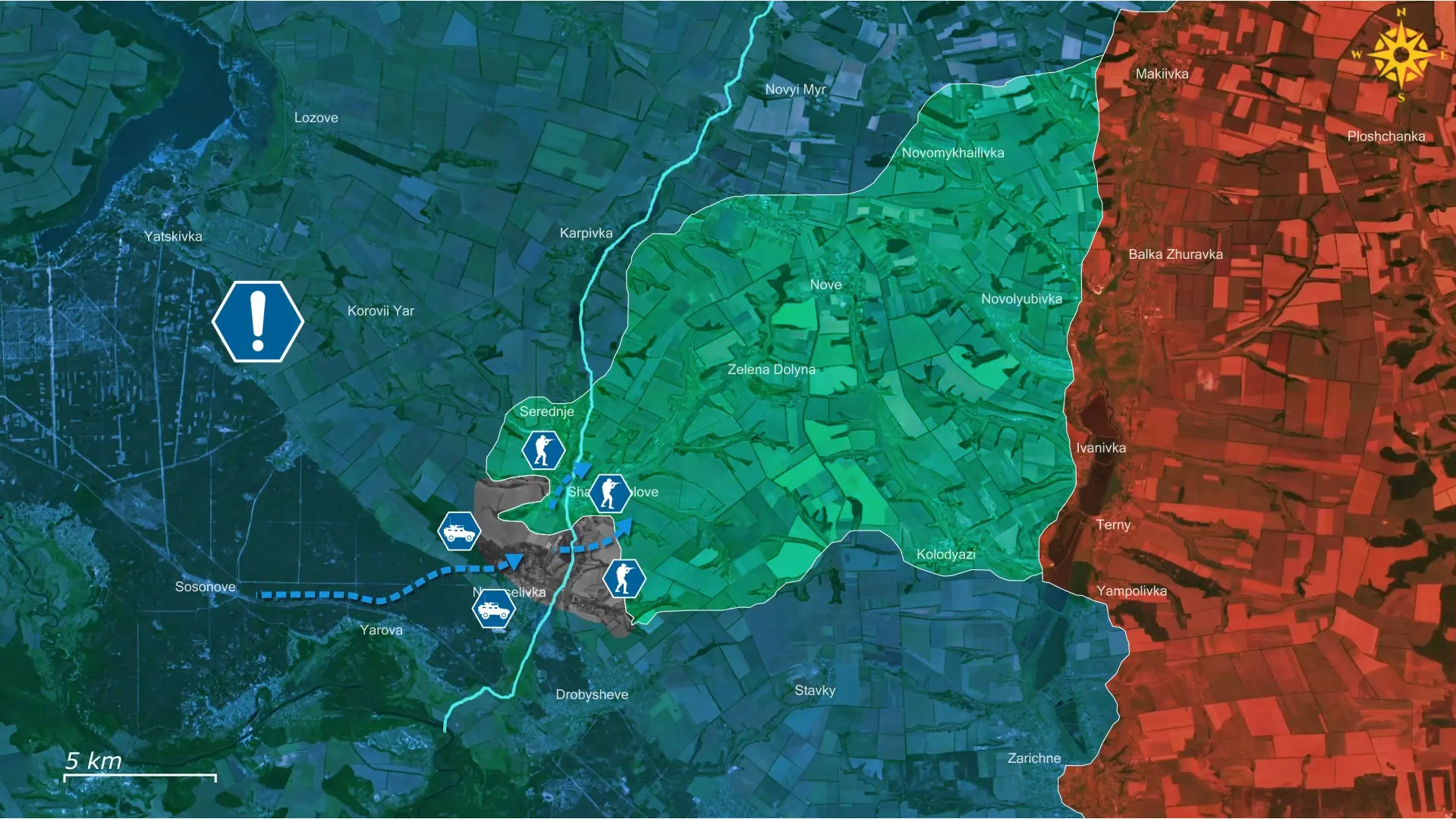
The decisive system was the reconnaissance-strike chain surrounding those soldiers, as Ukrainian drones searched ahead, identified Russian positions, directed infantry, and delivered strikes when resistance was discovered. Infantry then consolidated and cleared what remained, which led to Vivaldi mirroring and upgrading Russia’s infiltration tactics while integrating them into a coordinated counteroffensive.
At the same time, the assault north of Liman also became an information-war lesson reminiscent of Kupiansk. By late last year and two-thousand-twenty-six, Russian military analysts themselves increasingly complained about territory being captured on credit, as Russian infiltrators photographed flags, settlements were reported secured prematurely, and headquarters subsequently planned operations around those claims, often shooting their own attacking forces in the leg by doing so. At Liman, Ukraine exploited the opposite philosophy, so while Russian reports traveled upward presenting an increasingly optimistic battlefield picture, Ukraine remained deliberately silent, while Russian false reports had operational consequences as Russian artillery or drones reduced strikes against territory headquarters incorrectly considered Russian-controlled, while reinforcements received orders based on inaccurate maps.
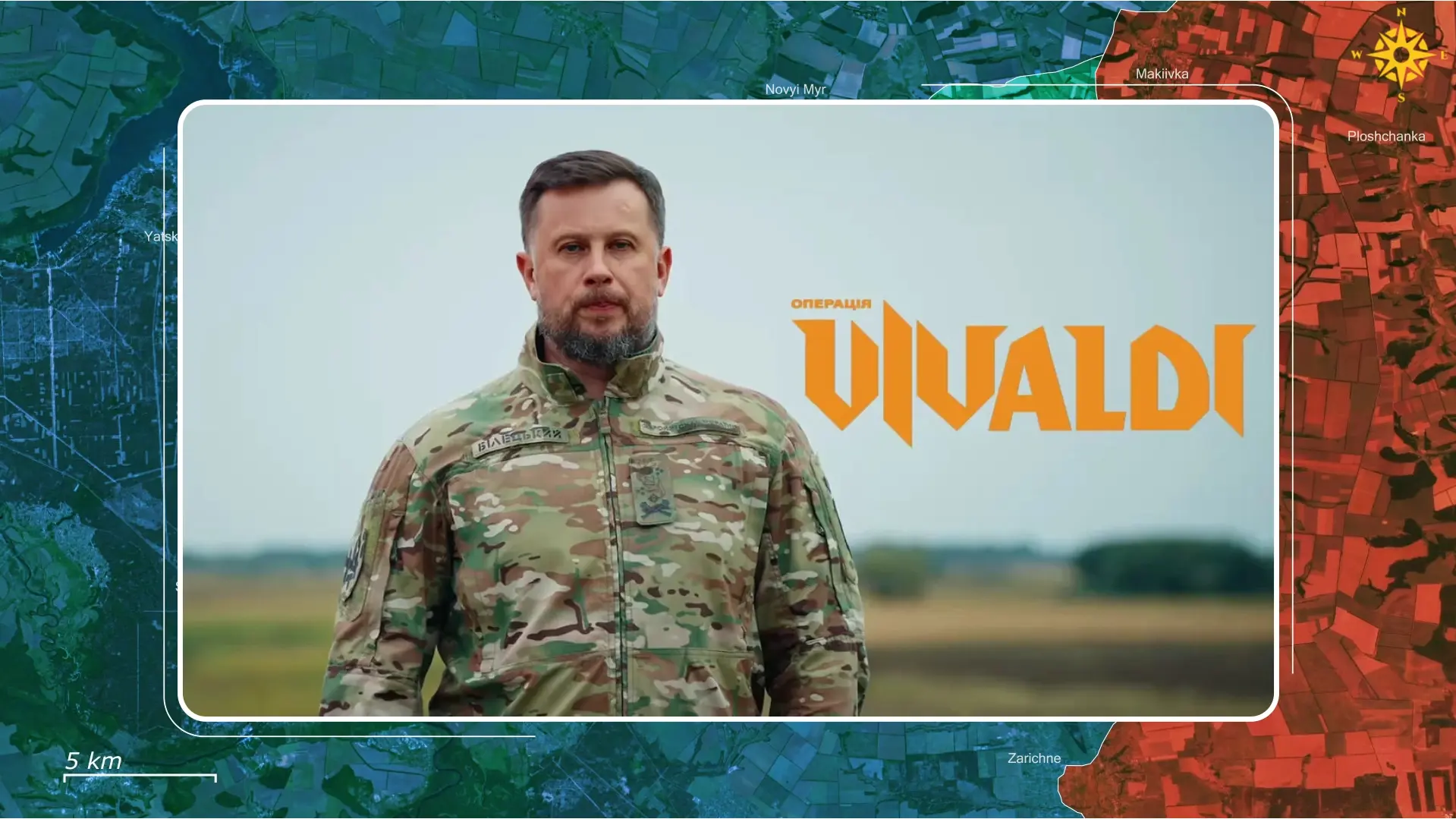
Overall, operation Vivaldi consequently succeeded on two interconnected levels, as Ukrainian forces systematically cleared the Russian salient while the Ukrainian command refused to reveal the operation prematurely. Only after the wider salient had been cleared did the footage of the clearance of the first settlements emerge. Russia was announcing progress while Ukraine was conducting its counterattack, and the eventual battlefield reality exposed just how dangerous the growing separation between Russian reporting and actual territorial control had become.

.jpg)



Comments