

.svg)
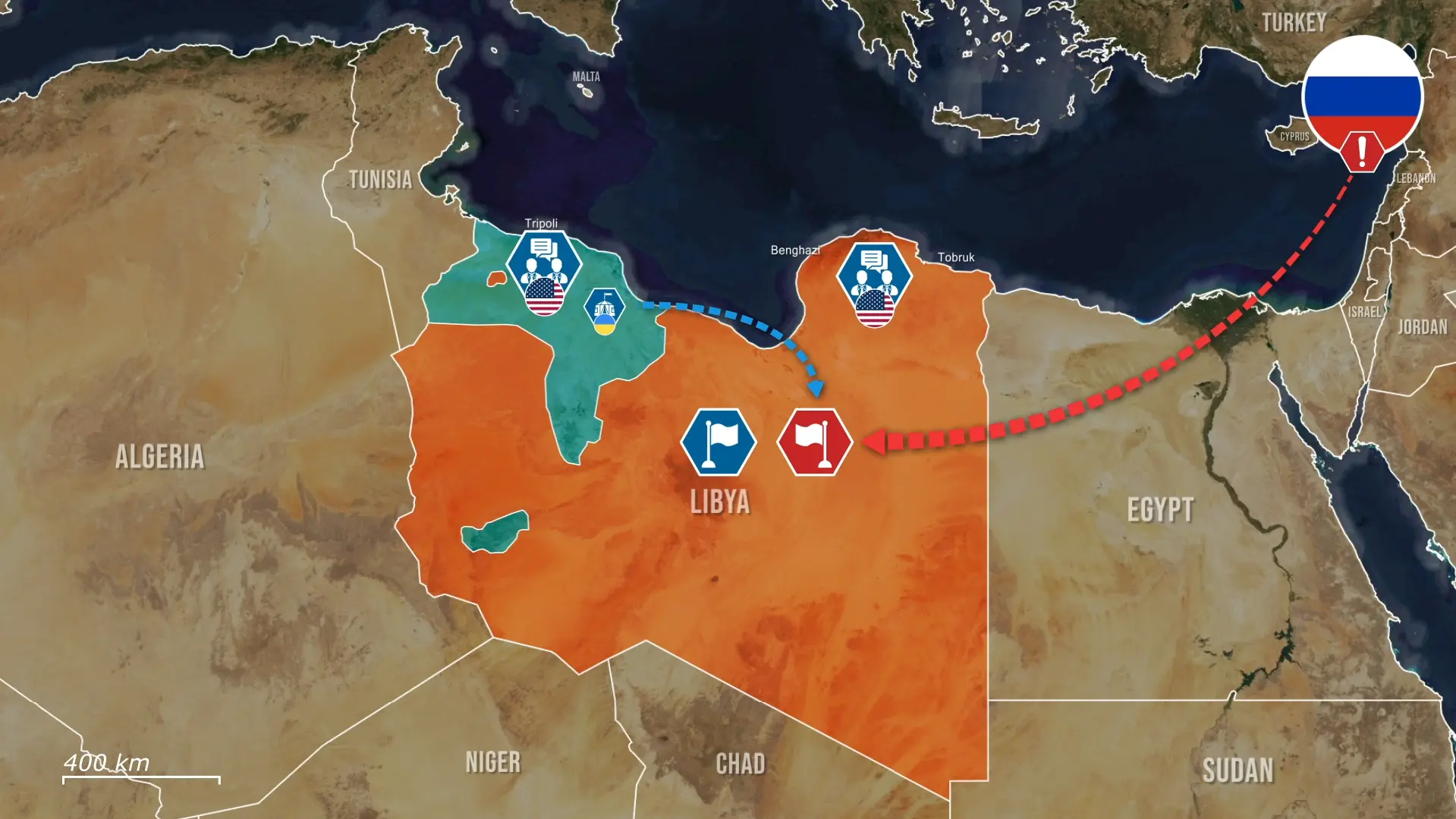
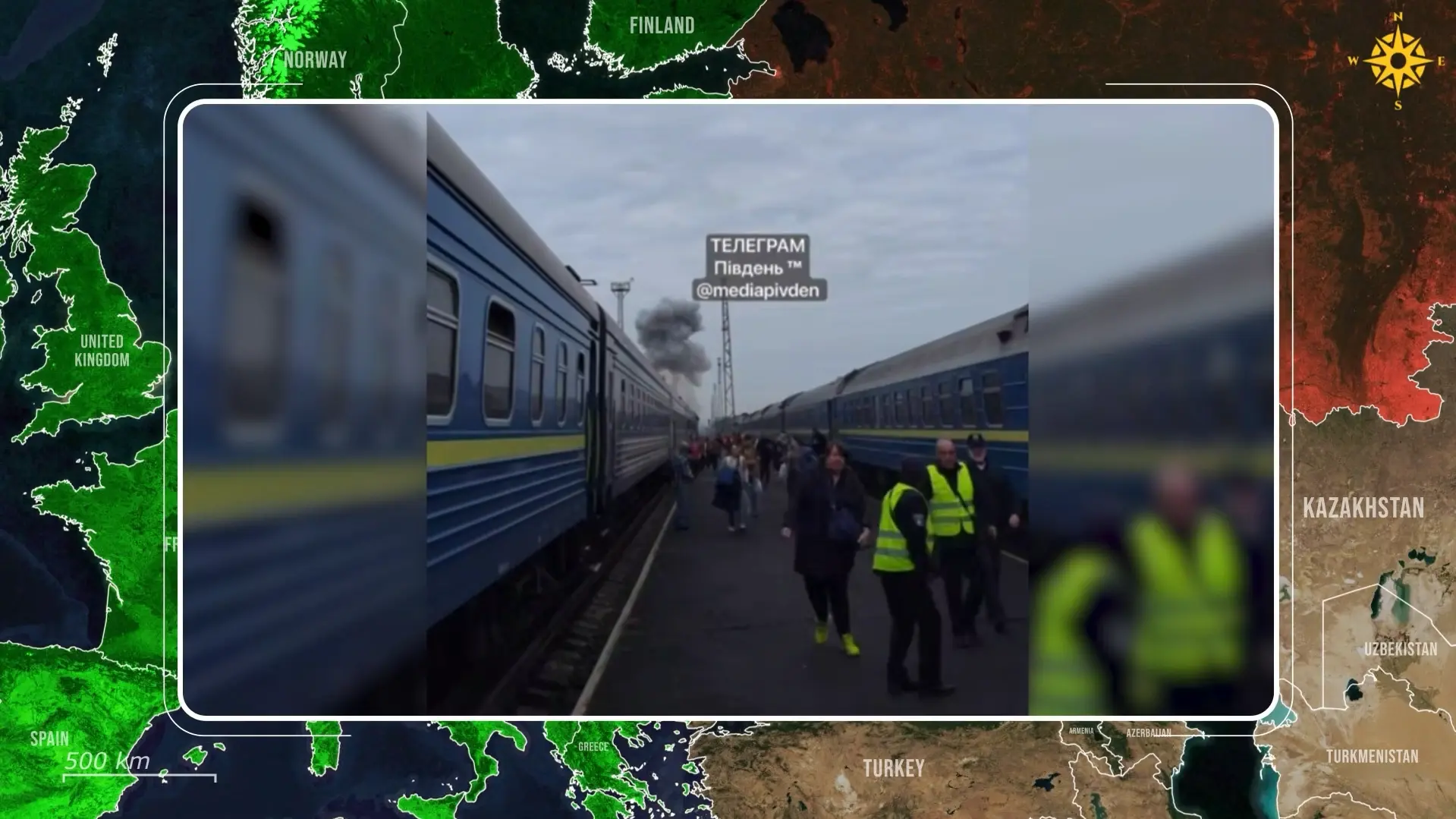
A prominent Russian military commentator is urging Russia to strike what he described as Ukrainian drone facilities in Libya, arguing that Western navies would have already deployed ships and destroyed them with cruise missiles. His call is a direct reaction to the steady campaign of Ukrainian attacks on Russian vessels in the Mediterranean, including strikes on the sanctioned cargo ship Lady Mariia, the tanker Qendil and the gas carrier Arctic Metagaz.
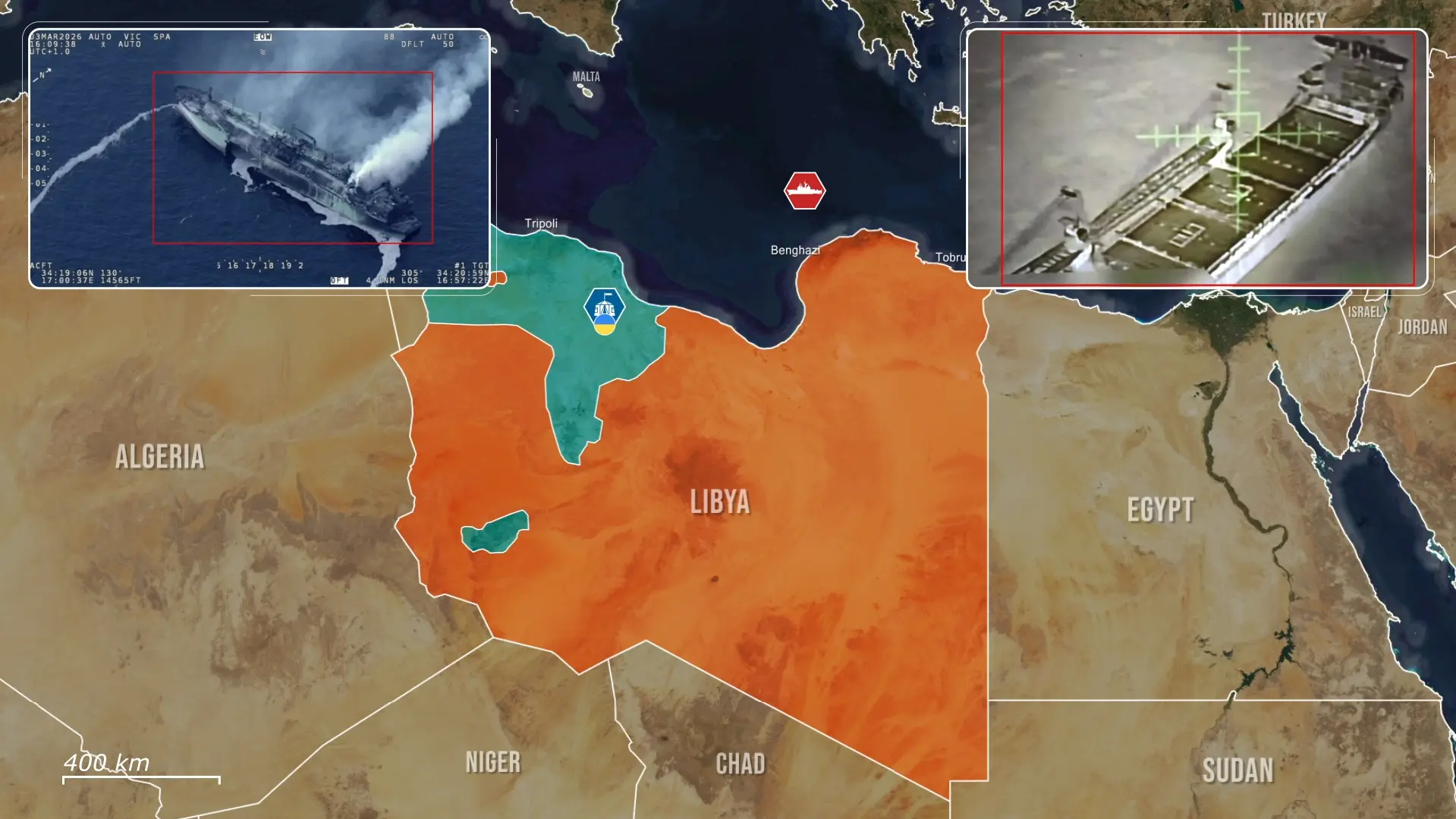
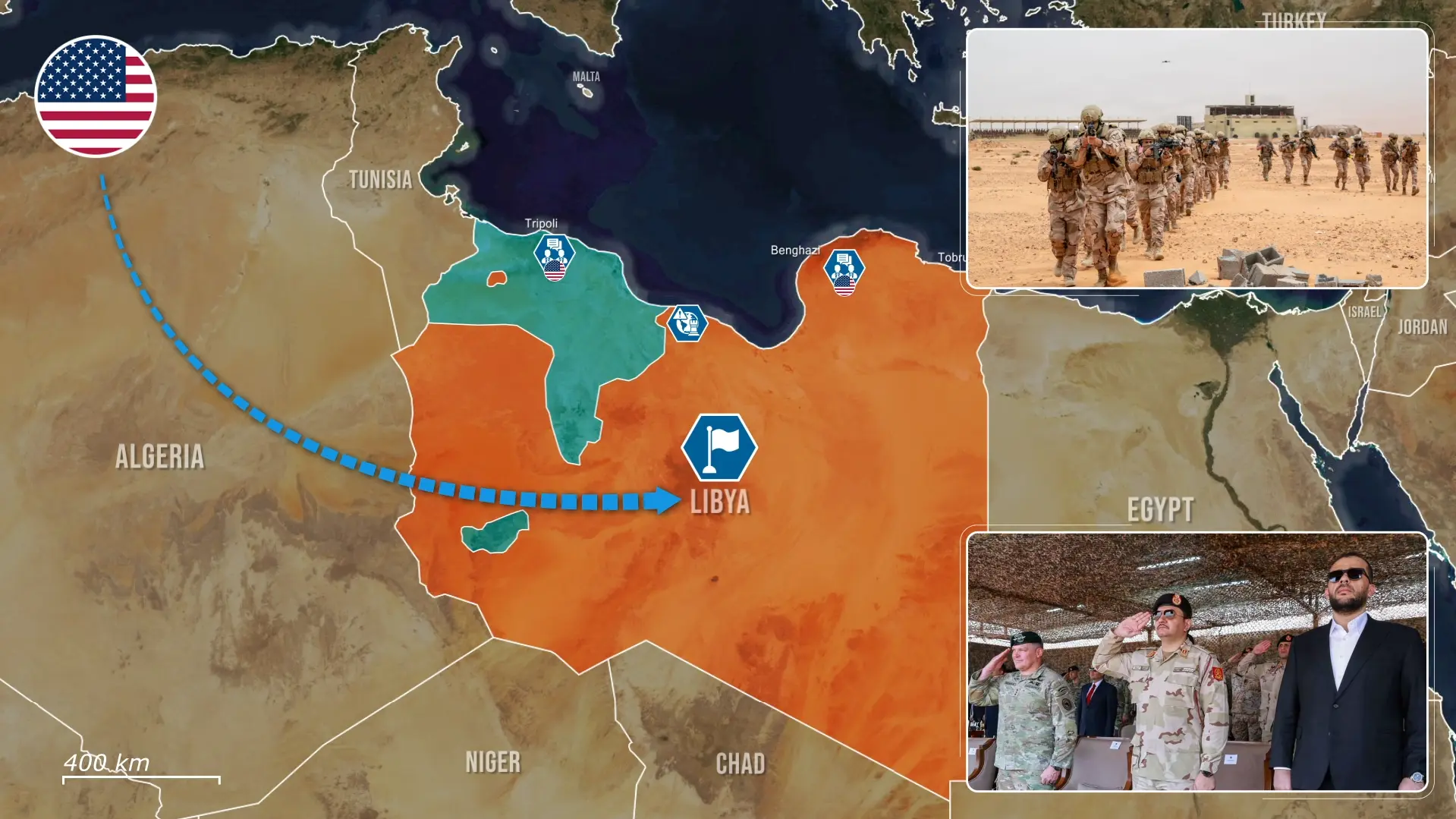
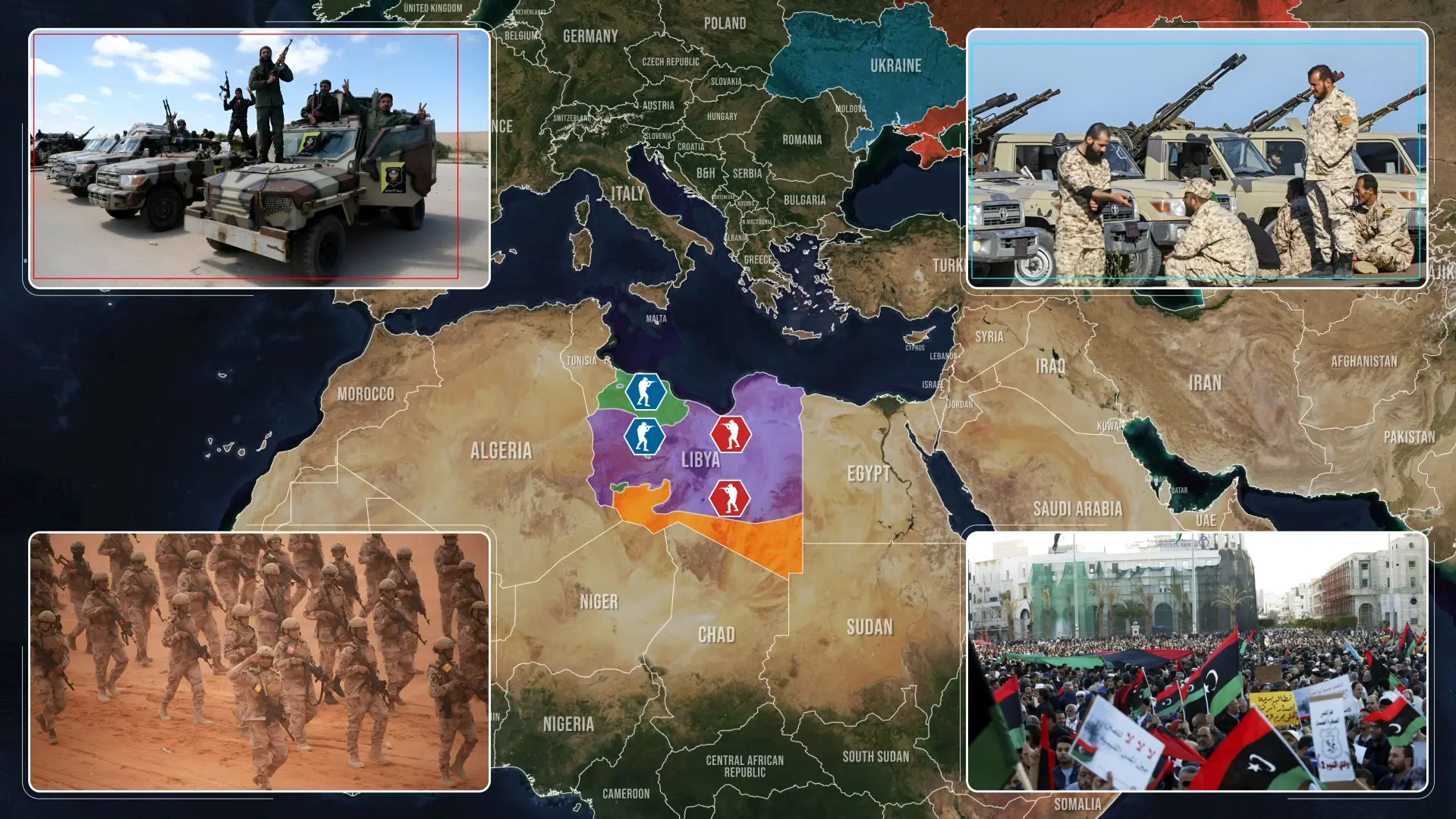
These strikes have shown that Ukraine can repeatedly hit Russian assets far from the main front, including across the Mediterranean and along the North African coast. The proposal shows that some Russian voices are beginning to call for direct military retaliation as Ukrainian attacks threaten Moscow’s shipping and position in Libya. In fact, the United States has been increasing its efforts to reunify Libya, putting Russia under pressure from another direction. Not only has the US held several meetings with representatives of eastern and western Libya, but it has also conducted the first joint exercises in Sirte with rival Libyan forces from both the west and the east. These exercises show that the United States is building military ties with actors on both sides of Libya’s political divide, potentially giving Washington greater political influence if the country reunifies. If reunification reduces Haftar’s dependence on Russian support, Moscow risks losing part of the military presence and political influence it has built in eastern Libya.
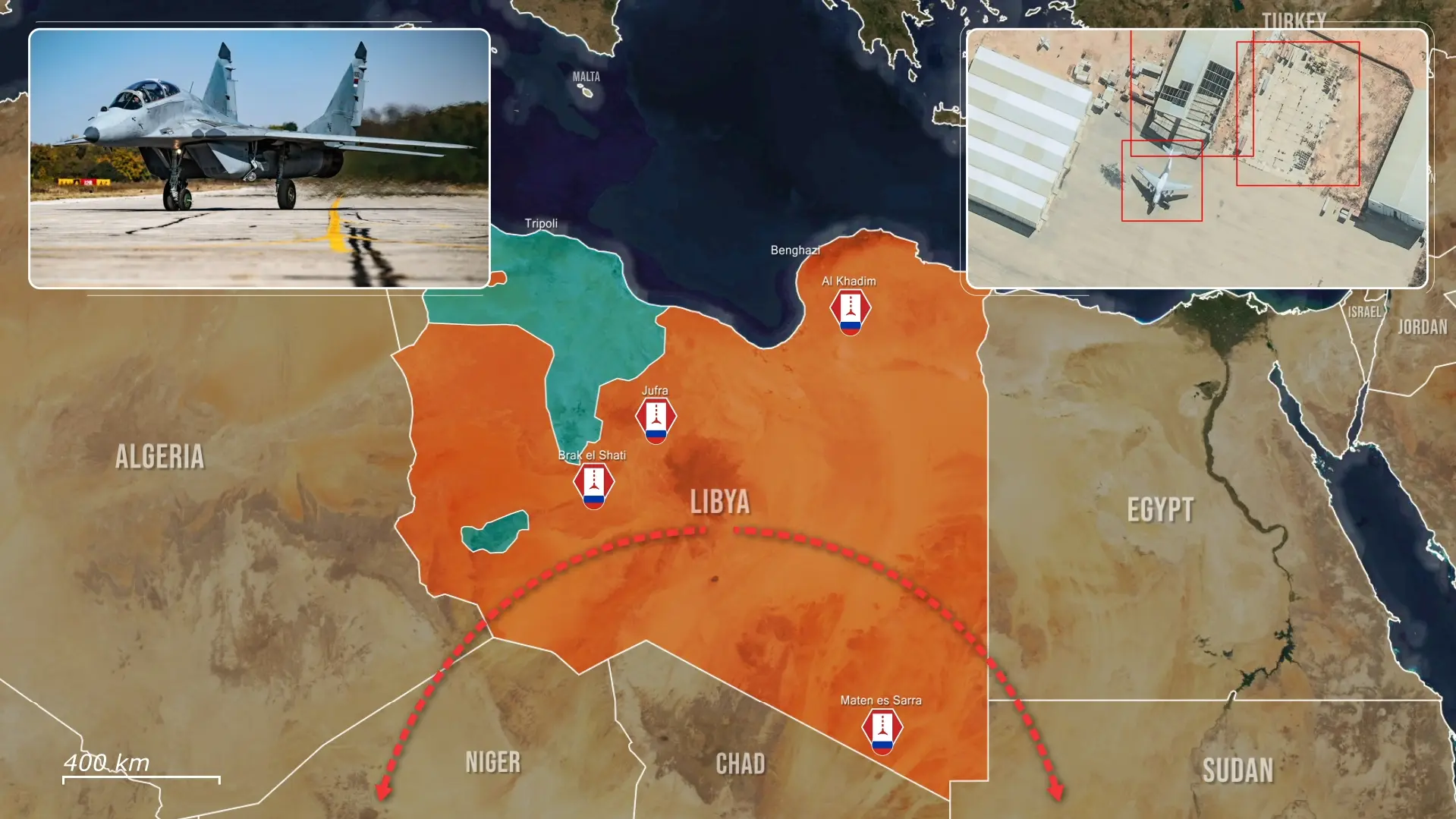
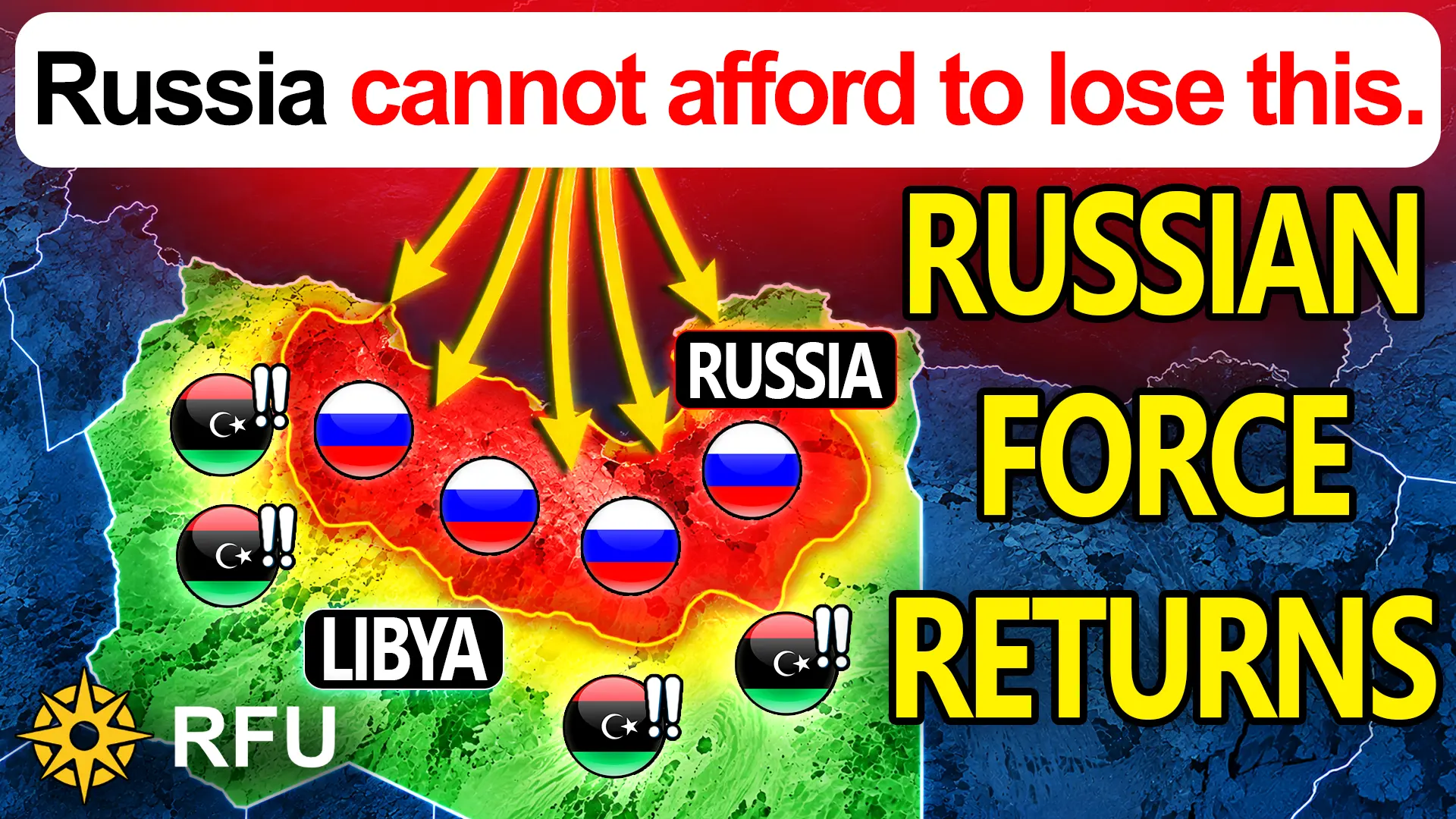
Russia’s response to this building pressure has been to increase its military presence across Libya, especially by expanding several airbases, such as Jufra, Al Khadim, Brak el Shati and Maten es Sarra. Satellite imagery shows new hangars, accommodation blocks, and communication facilities, indicating a long term plan. More personnel and equipment are also being deployed, such as MiG twenty nine fighter jets, drones, and air defense systems. These upgrades and reinforcements show Libya’s importance to Russia, especially since certain facilities in the south can also serve as staging points for operations toward the Sahel.
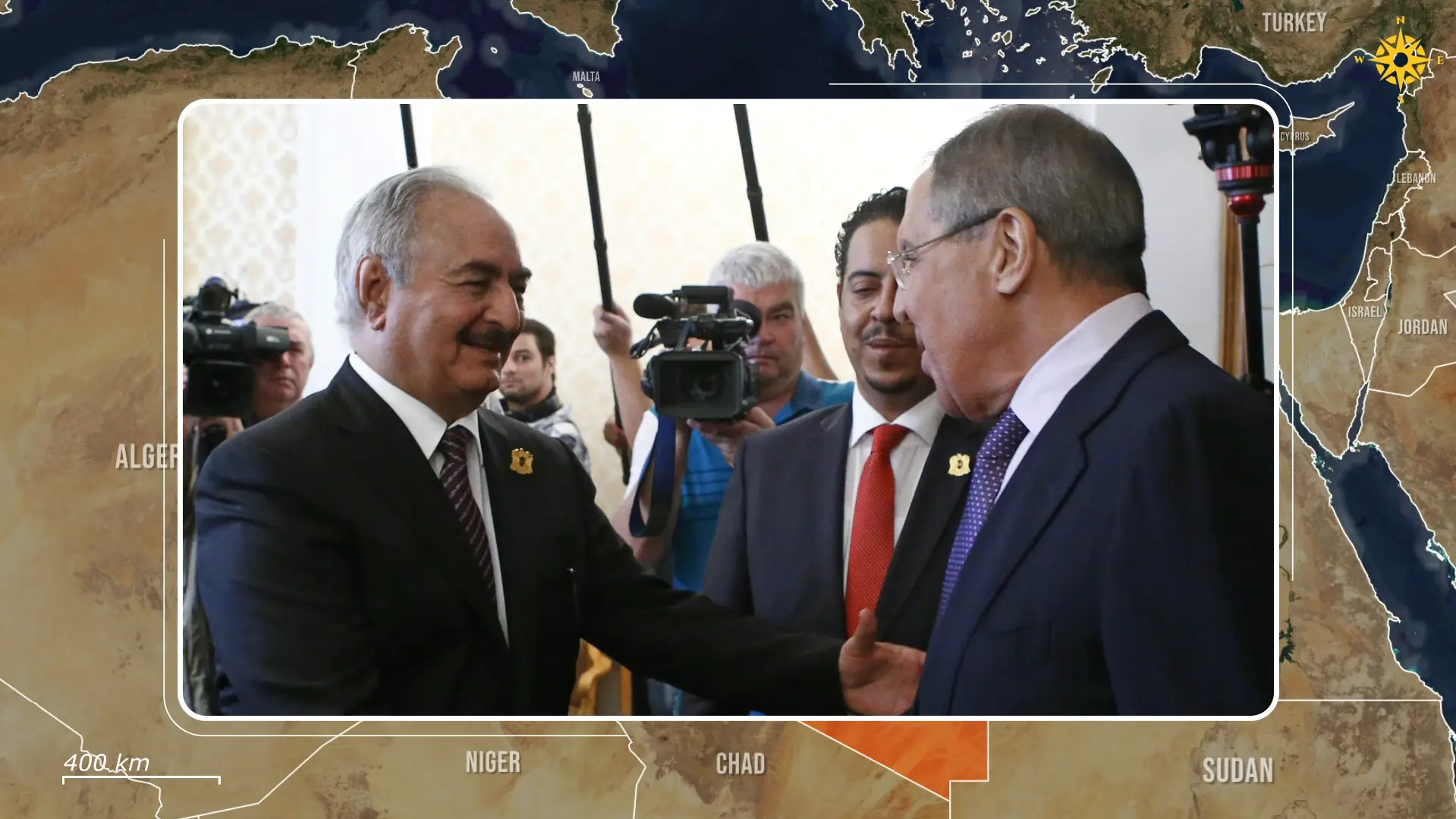
However, Russia’s position in Libya depends heavily on its relationship with Khalifa Haftar and the eastern authorities. Haftar’s camp has long relied on Russian support, and recent meetings between senior Libyan commanders and Vladimir Putin show that the partnership remains active, especially as Haftar has expressed interest in deeper military cooperation. At the same time, Haftar’s camp is participating in Western backed reunification talks, allowing it to maintain relationships and leverage with both sides. Russia understands this dynamic and is using its relationship with Haftar to protect its interests regardless of Libya’s political trajectory. Hence, if the country stays divided, Moscow retains a partner in the east. If reunification advances, Moscow may try to turn its support for Haftar into influence within a future unified government
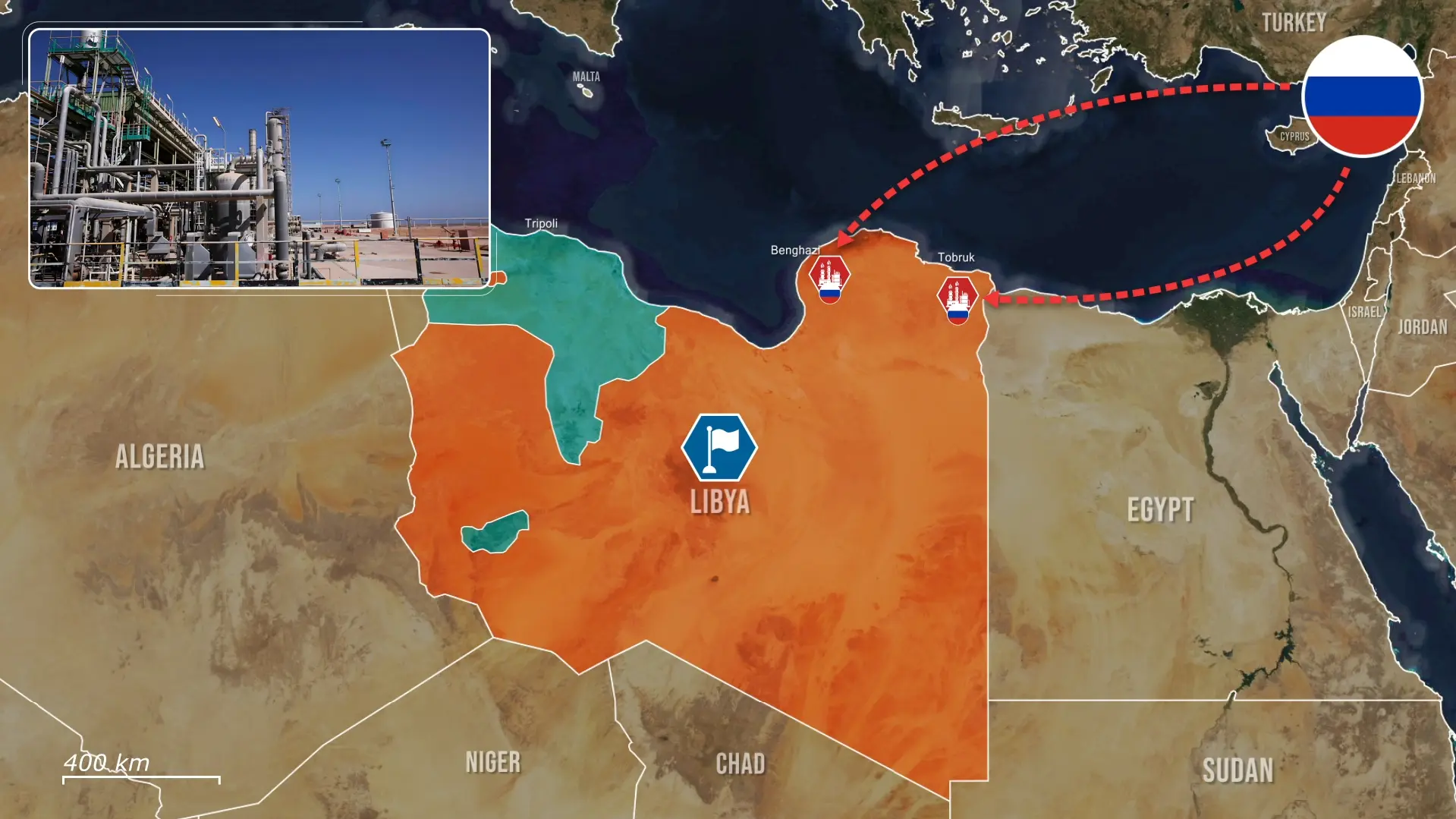
Russia is also moving beyond military presence and cooperation by seeking economic entrenchment in the country. Notably, eastern Libyan authorities have invited Russian companies to build oil refineries in Benghazi and Tobruk, driven more by political alignment than by commercial logic. In fact, any refinery built without approval from the National Oil Corporation in Tripoli would face legal uncertainty, making it a risky investment. Despite these obstacles, physical infrastructure such as refineries could create a lasting Russian presence that a future government would find harder to remove than military equipment or personnel. If Russia can establish a role in Libya’s energy sector, it gains influence that survives political transitions. The refineries would also tie eastern authorities more closely to Moscow, reinforcing the relationship at a moment when reunification efforts could weaken Russia’s position.
Overall, Russia is trying to secure long-term influence in Libya as the reported Ukrainian presence in the west and US-backed reunification efforts place its position under pressure. This dual pressure is pushing Russia to pair military expansion with economic projects that create lasting leverage on the ground. If these investments take place, Russia could shape Libya’s future political landscape even if the reunification efforts succeed. Meanwhile, Ukraine’s reported operations from western Libya show how the consequences of Russia’s invasion are following Moscow far beyond the Black Sea and threatening the African foothold it is now trying to preserve.
.jpg)

Comments