

.svg)
Today, there are important updates from the Liman direction.
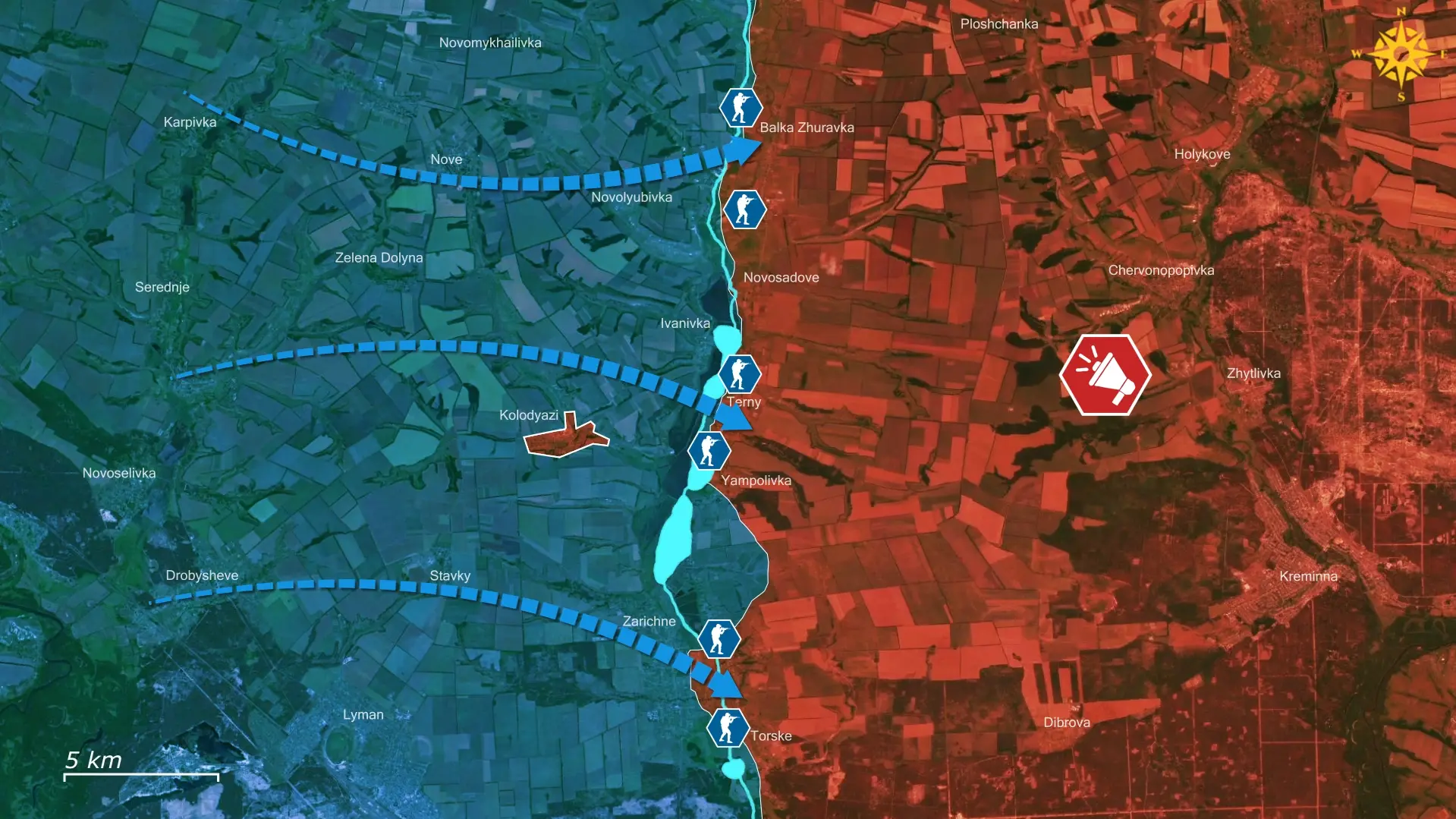
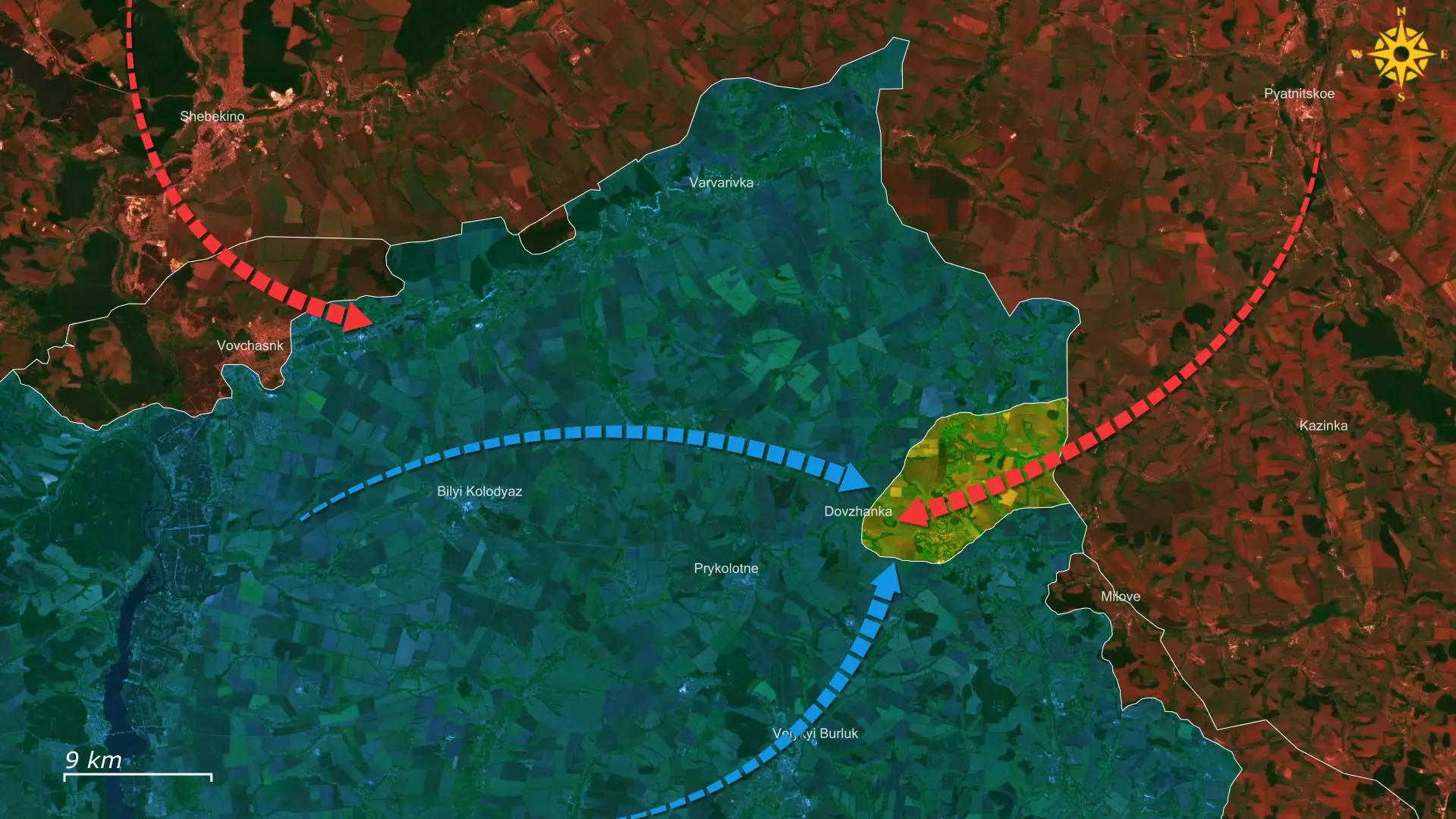
Ukraine has finally revealed the name behind its counteroffensive north of Liman. Third Army Corps commander Andrei Biletski confirmed Operation Vivaldi, ending months of official silence surrounding an offensive that has dismantled Russia’s bridgehead west of the Zherebets River.
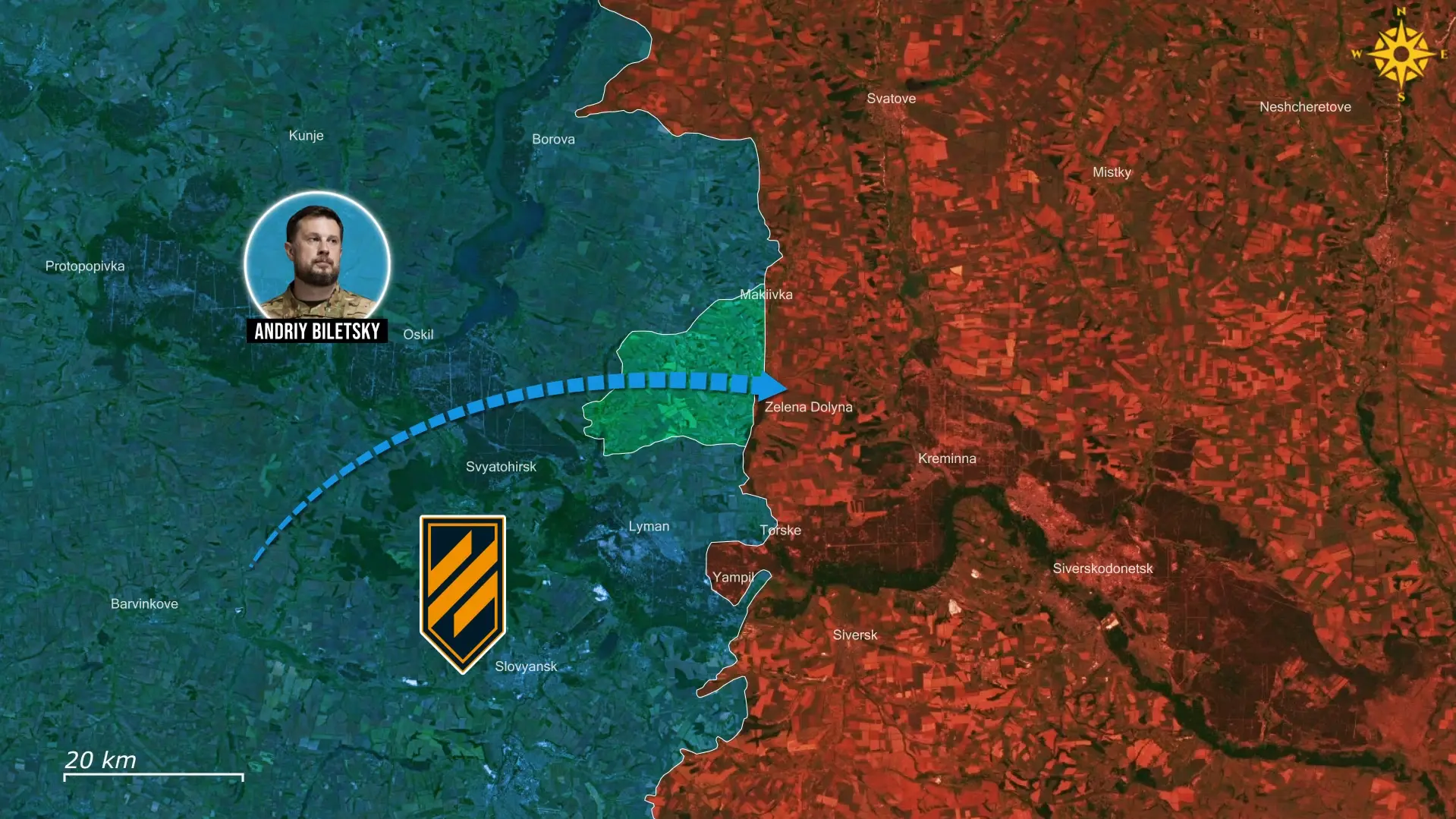
The Russian losses reveal Vivaldi’s scale, as approximately one-thousand-five-hundred Russian soldiers and more than twelve thousand drones have been destroyed, alongside hundreds of armored vehicles, artillery systems and transport vehicles. As a result, Russia’s Twentieth and Twenty-Fifth Armies have suffered major damage to their combat capability.
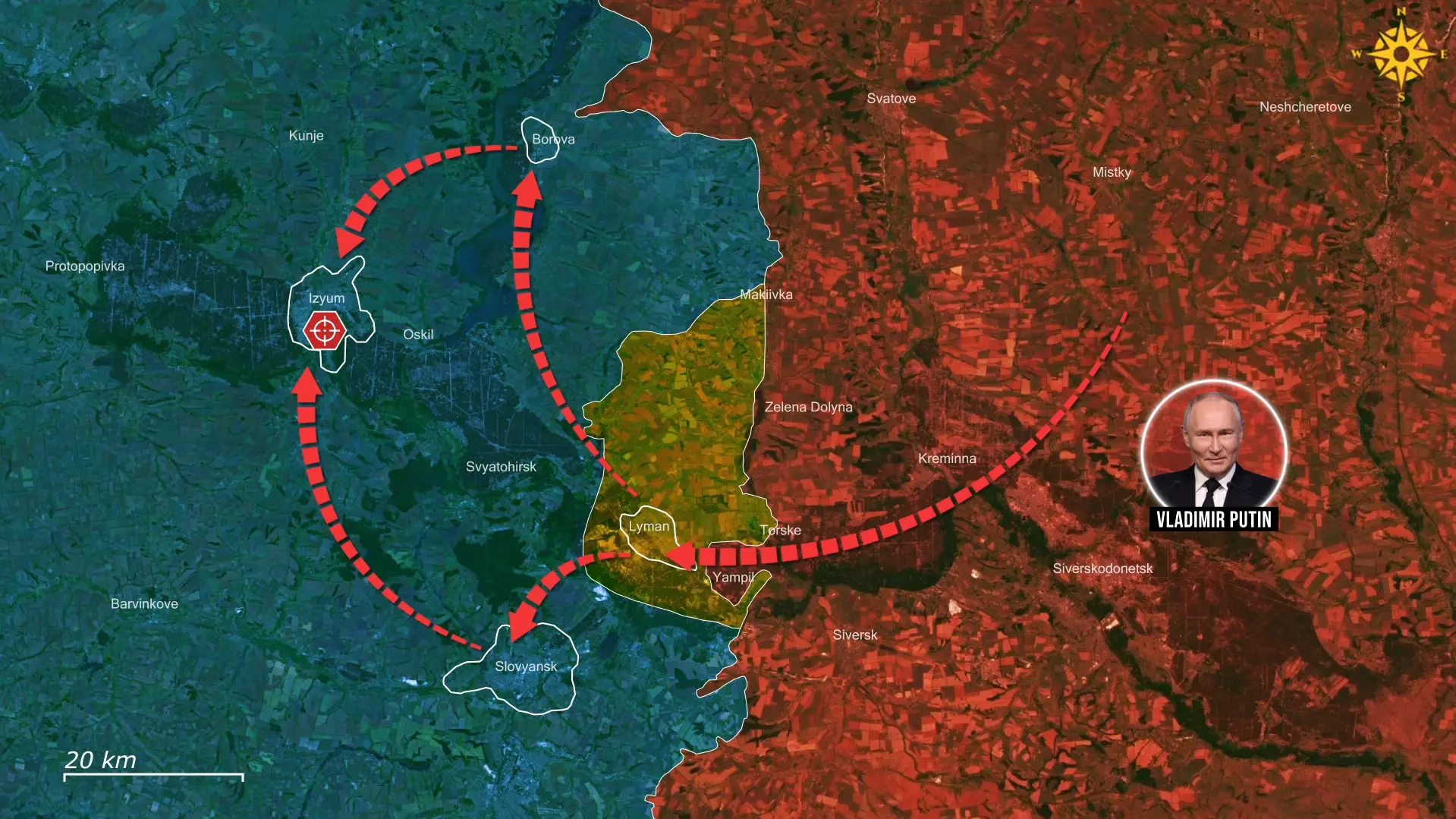
This is Ukraine’s most strategically important battlefield victory of the year. Despite the fact that Ukraine’s counteroffensive farther south around Dnipropetrovsk has recovered more territory, eliminating the Russian salient north of Liman removes a potentially greater operational danger. Had Russia captured Liman, it would have gained an important logistics hub supporting operations toward Sloviansk while threatening Borova farther north. Continued Russian progress could eventually have reopened pressure toward Izium, potentially creating serious problems across a much wider section of Ukraine’s Donbas defenses and giving Putin the real breakthrough he is desperately looking for.
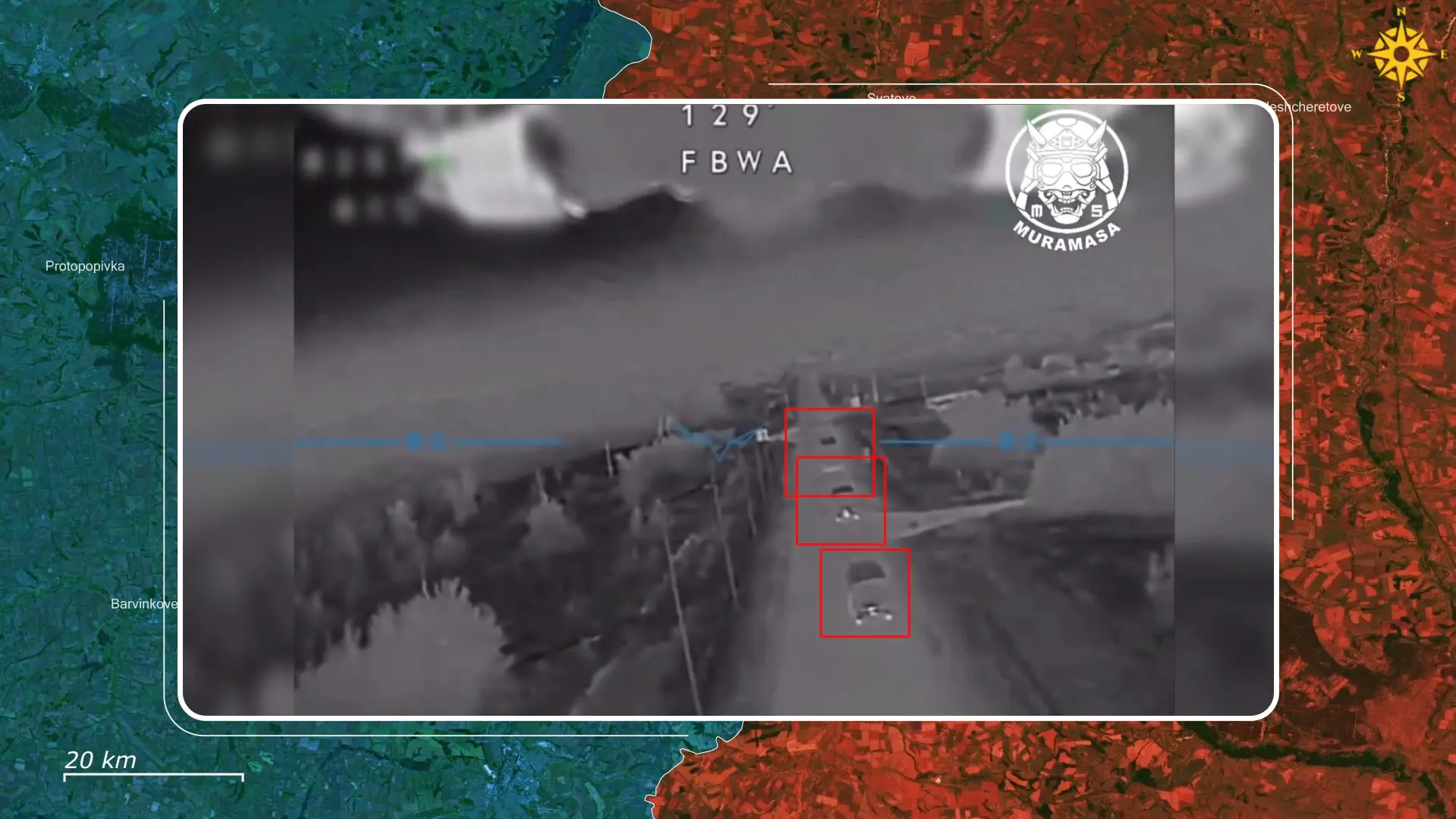
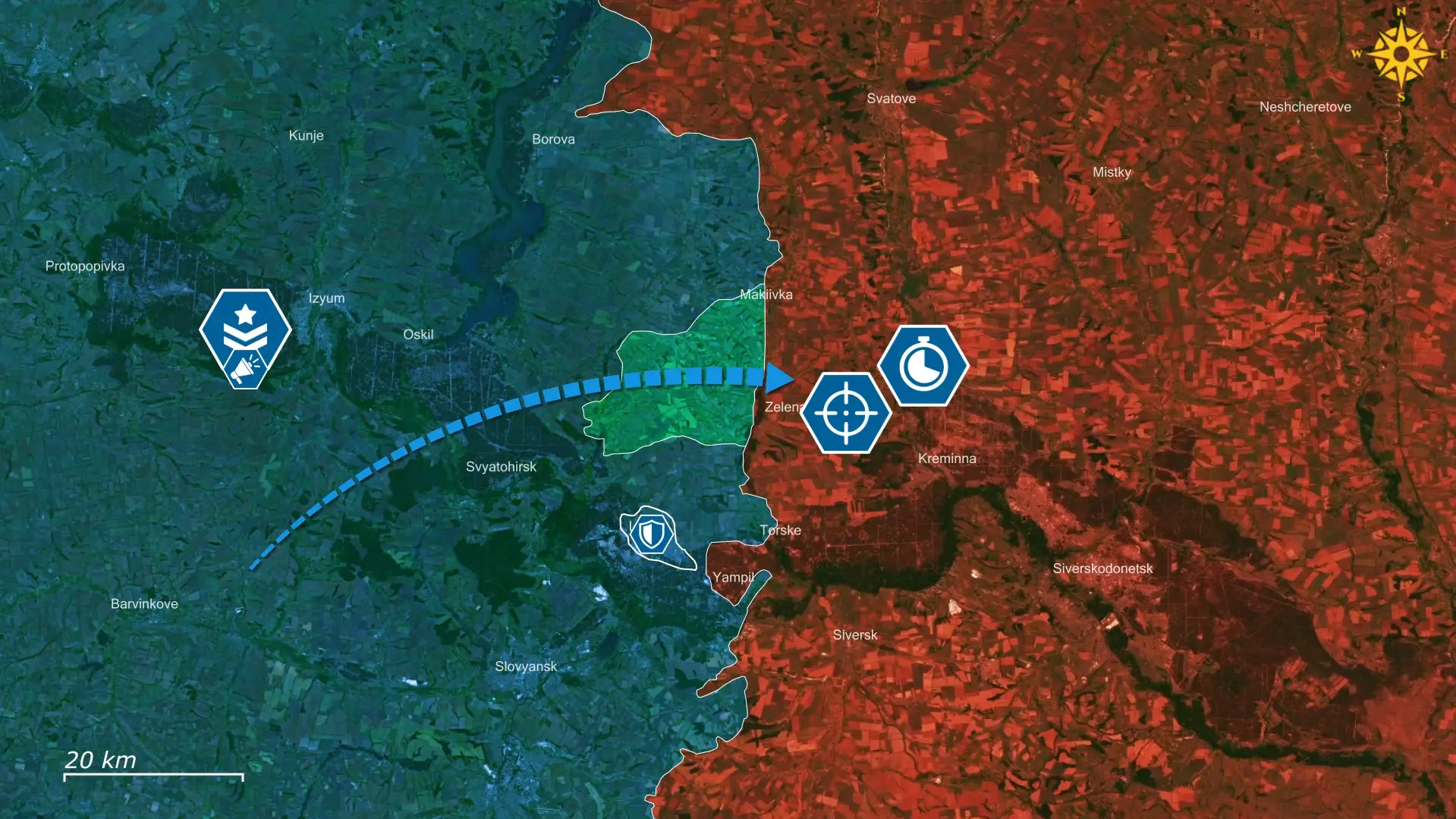
However, operation Vivaldi’s success was prepared before Ukrainian assault troops began making their most visible advances. Тhe Ukrainian Third Corps's drone formations systematically attacked Russian logistics ten to fifty kilometers behind the frontline. Cars, armored vehicles, and supply trucks were hunted along highways and dirt roads, as even nighttime movement became dangerous, with footage showing entire Russian logistics columns destroyed throughout the day and night.
Ukraine extended these operations into Russian logistical centers hidden in cities, including Siverskodonetsk, while another strike destroyed a vehicle park in Luhansk packed with supply trucks. Then Ukraine attacked the infrastructure connecting these hubs with the frontline, as the railway bridge at Sabivka was damaged, disrupting an important connection between Russian-controlled territory in the Luhansk and Donetsk regions.
Russian command structures were attacked simultaneously, and near Lisichansk, a Shark reconnaissance drone located a Russian command post before precision bombs struck it. Reports indicated at least eighteen officers were killed, including a regimental commander and his deputy responsible for logistics, dealing a serious blow to the Russian command in this sector.
Ukrainian drones started operating approximately one hundred kilometers deep in the Russian rear, with Ukraine’s Eighth Regiment reporting the destruction of more than fifteen heavy vehicles and additional light vehicles during one such operation alone, as seen in the released footage.
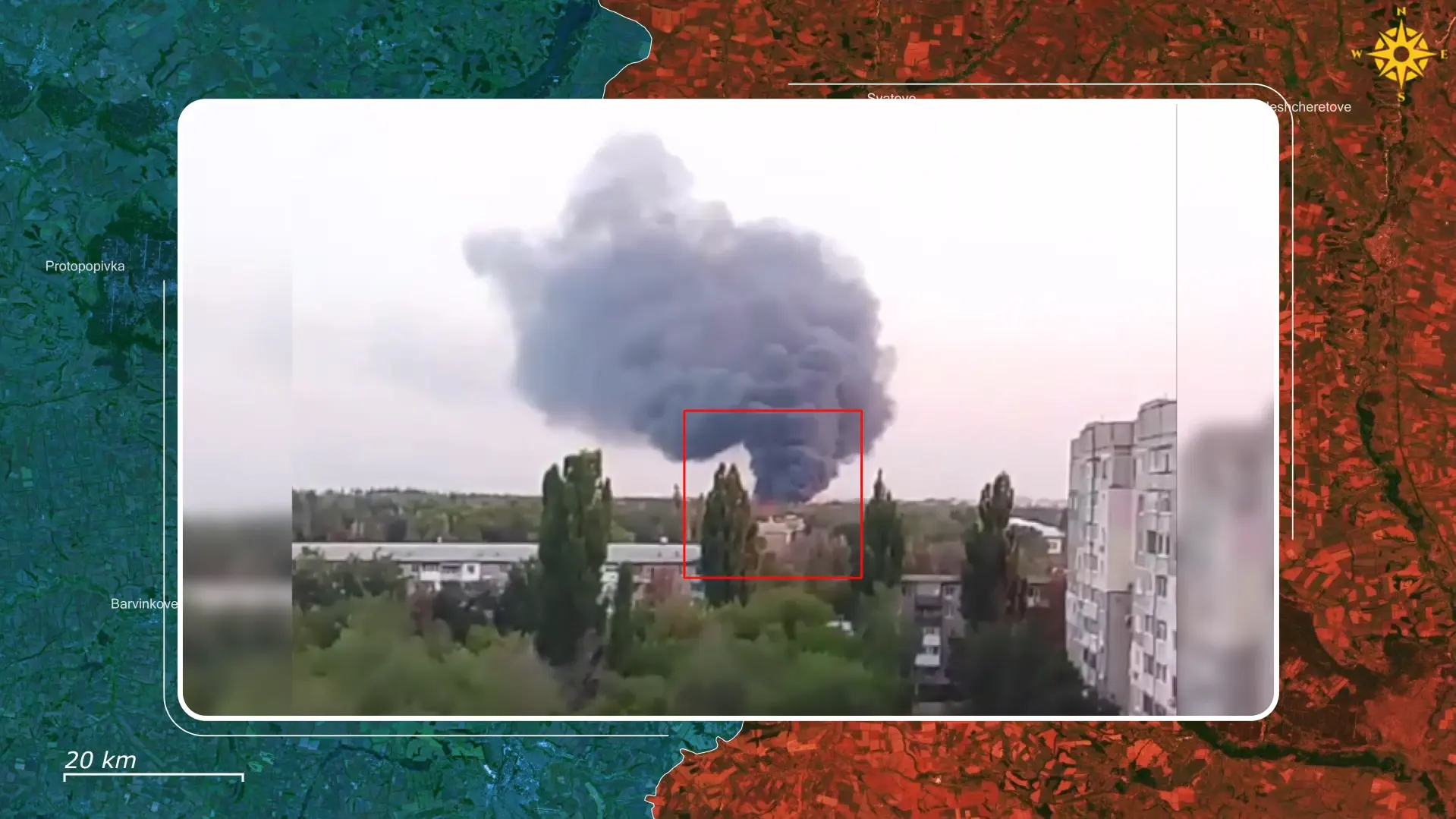
Weapons storage became another priority, as repeated strikes triggered a major explosion at a depot in Luhansk. Then, during Vivaldi’s decisive phase, Ukraine destroyed a field artillery ammunition depot located at a former poultry farm that supplied Russian formations.
The logic was systematic: destroy transportation, bridges, ammunition, commanders, and supply hubs before attacking the infantry they supported at the front line, so Russian formations west of the Zherebets River consequently became increasingly difficult to reinforce, rotate, or supply. When fresh Ukrainian assault groups finally increased the pressure, they faced Russian units already exhausted by months of logistical strangulation.
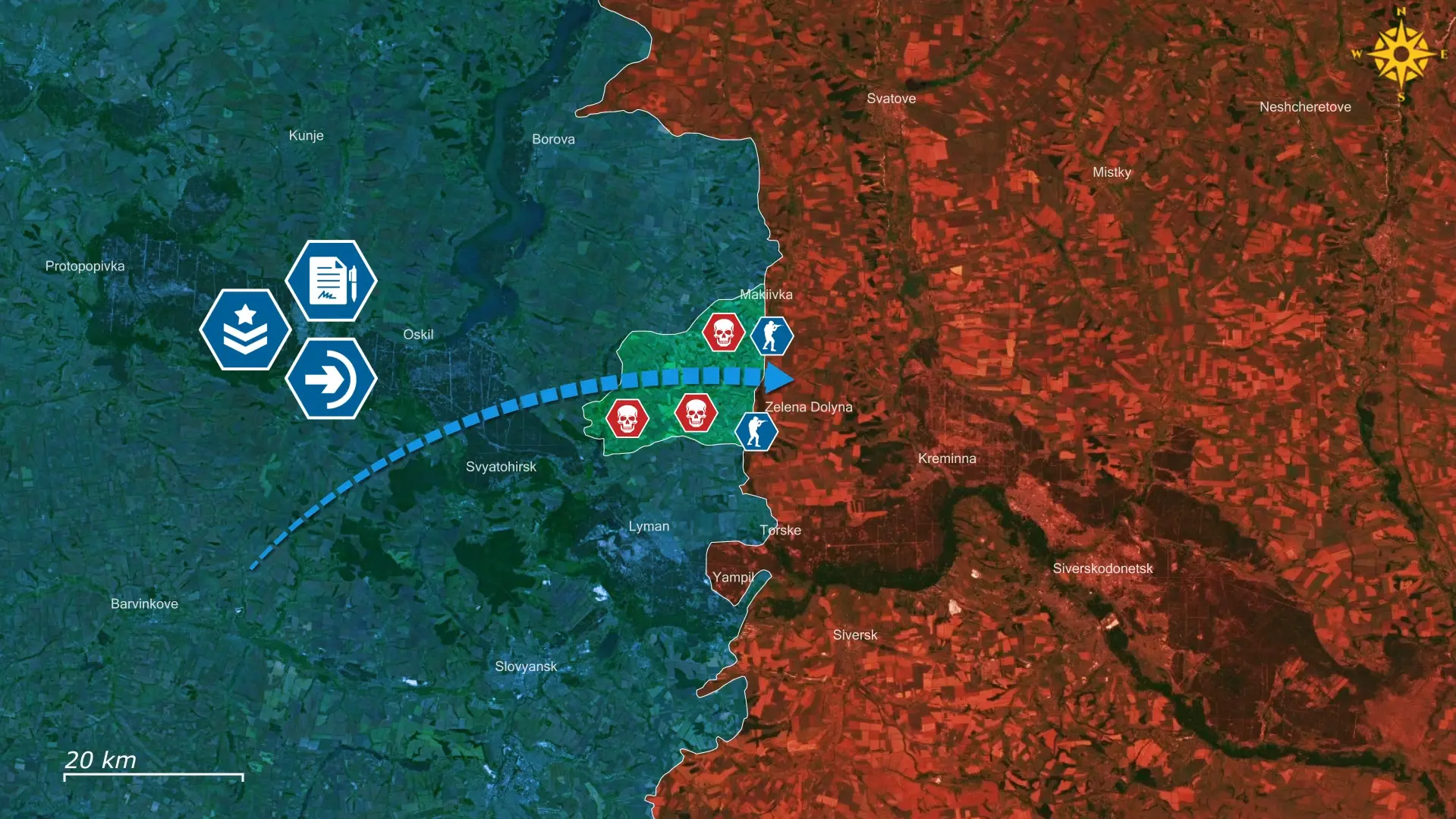
Overall, while open-source military analysts increasingly identified Ukrainian advances, the Ukrainian command remained silent throughout the summer. Behind that silence, Ukraine methodically dismantled the logistical system sustaining Russia’s Liman offensive before eliminating the salient itself. Liman was protected from encirclement, months of Russian progress were reversed, and Biletski has now confirmed only part of what happened. Most significantly, his message suggests Operation Vivaldi is not finished, as Ukraine has revealed merely its first season, referring to Italian composer Antonio Vivaldi's classic Four Seasons and hinting that this is only the beginning.

.jpg)

Comments