

.svg)
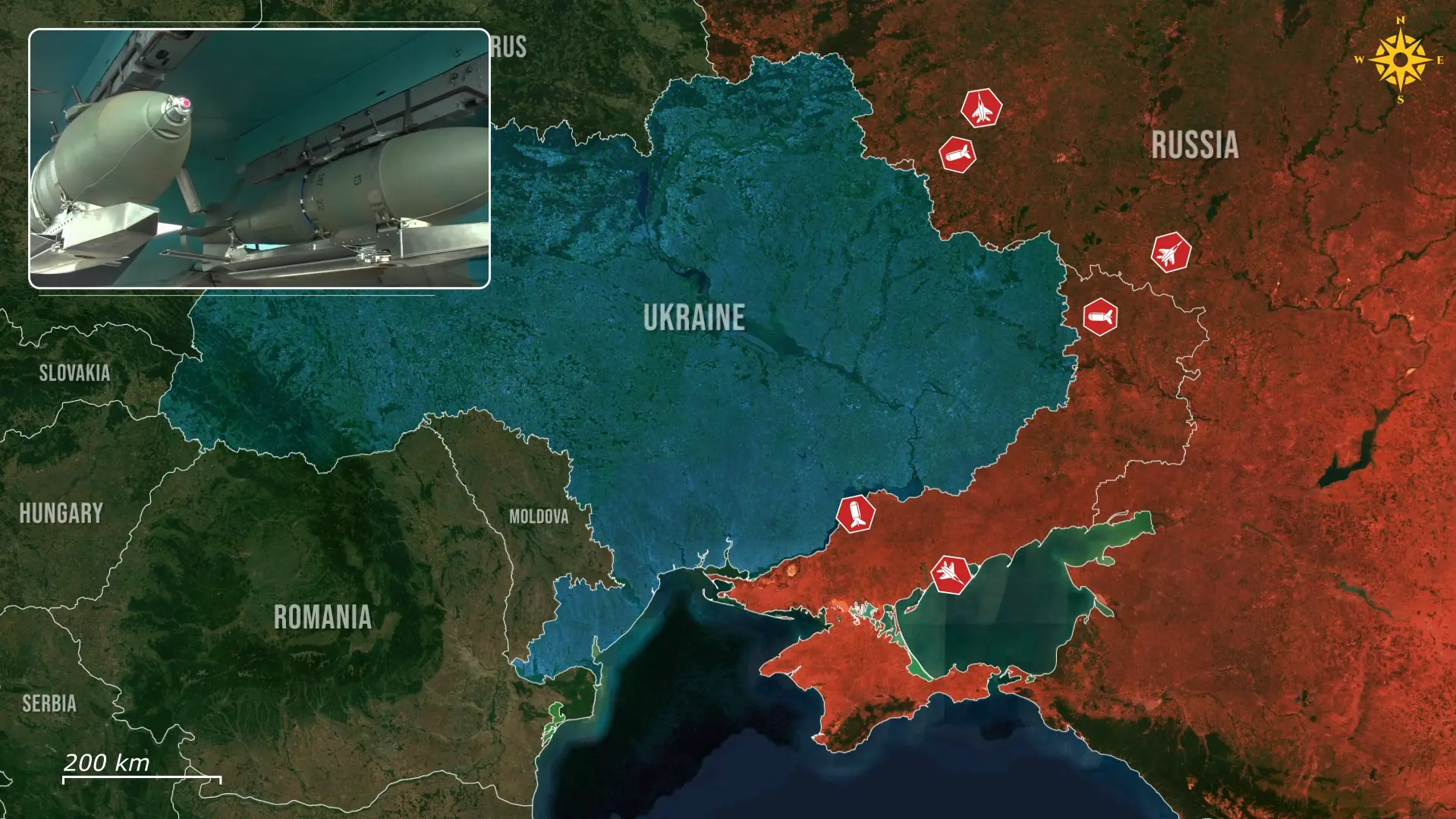
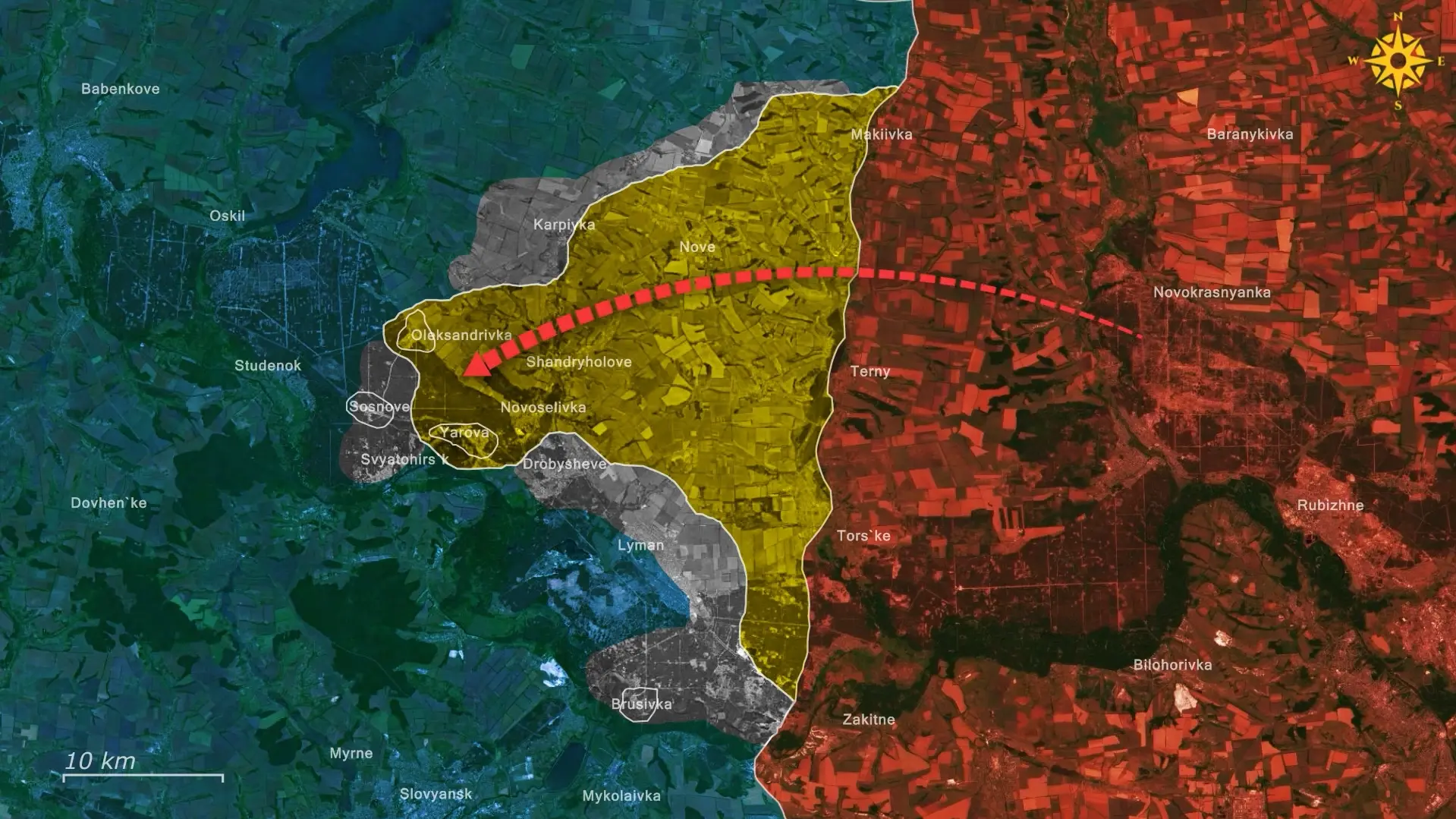
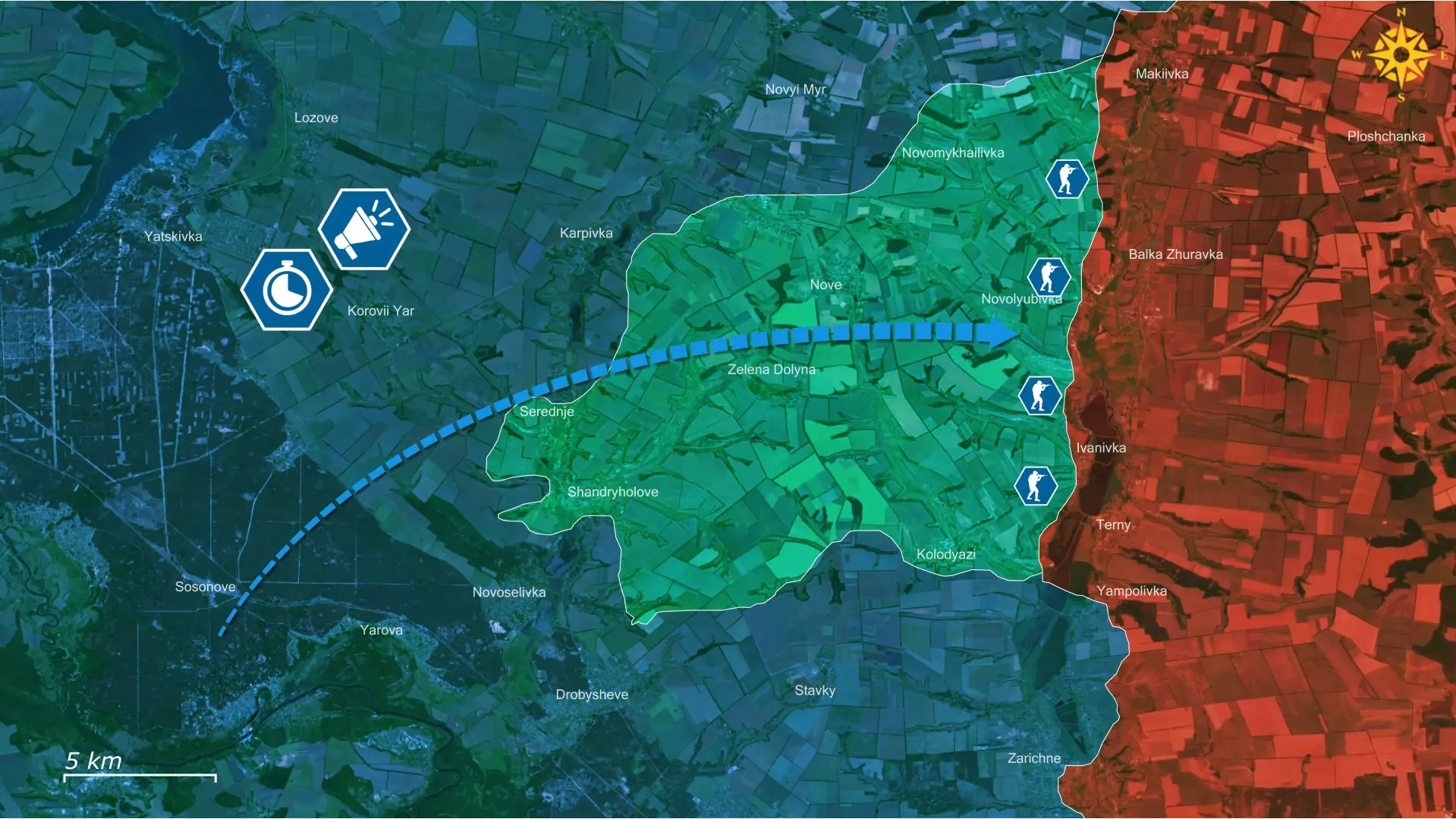
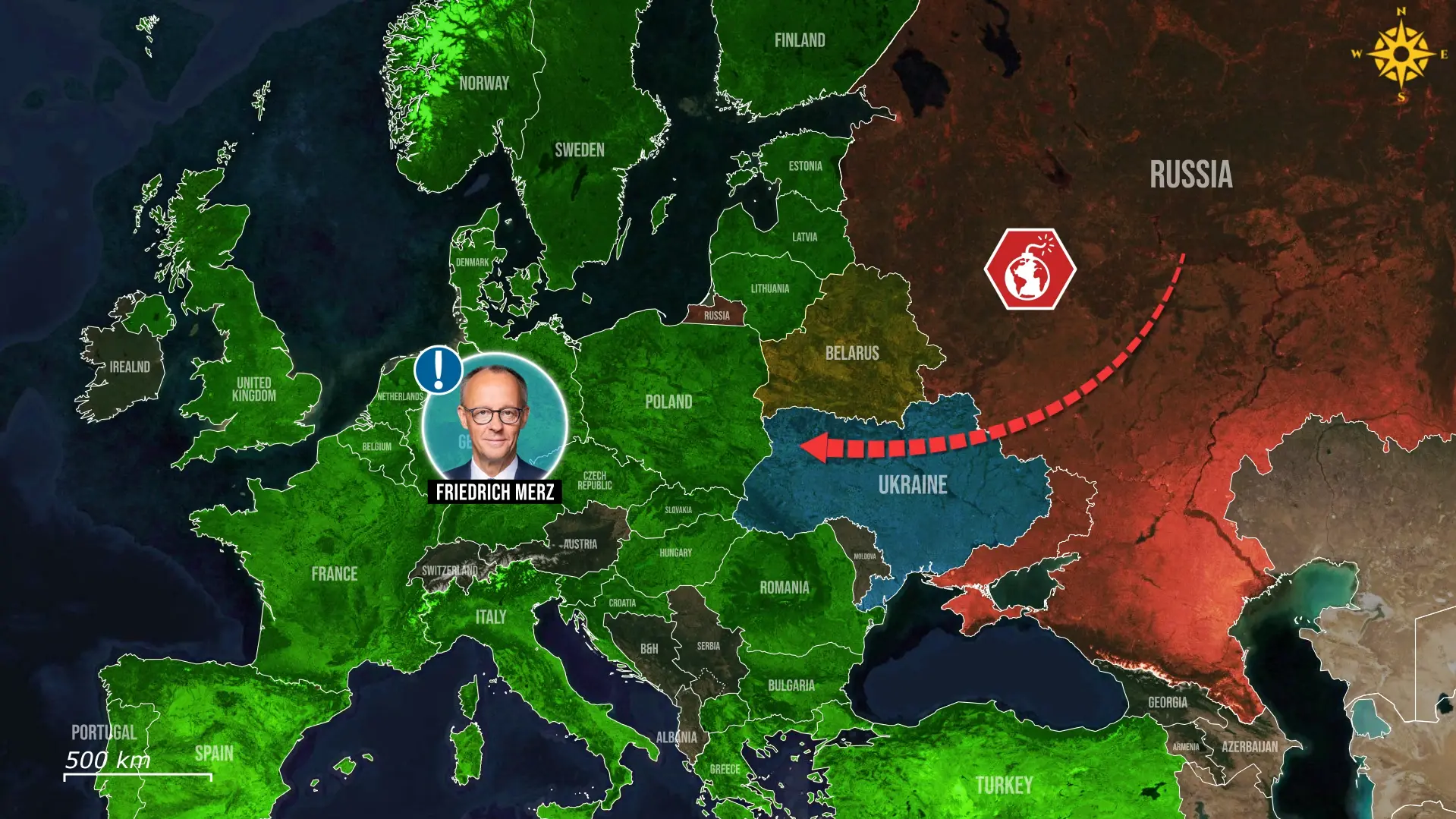
Iran has threatened to strike Ukraine, following the recent Ukrainian strike on an Iranian vessel. Iran’s threat may initially appear difficult to carry out, but Russia’s recent actions make the possibility more serious. In fact, in the latest attack on Ukraine, Russia has suddenly changed the route of its jet powered UAV, sending them toward Kyiv from occupied Donetsk. The change may have been intended to test Ukrainian air defences by forcing them to react to an unfamiliar approach. More importantly, the approach from Donetsk broadly matches the direction from which a missile launched from Iran could enter southern or eastern Ukraine along one of the shortest available routes. The timing does not prove coordination, but it raises the possibility that Russia is testing how Ukraine would respond to an attack arriving from that direction.
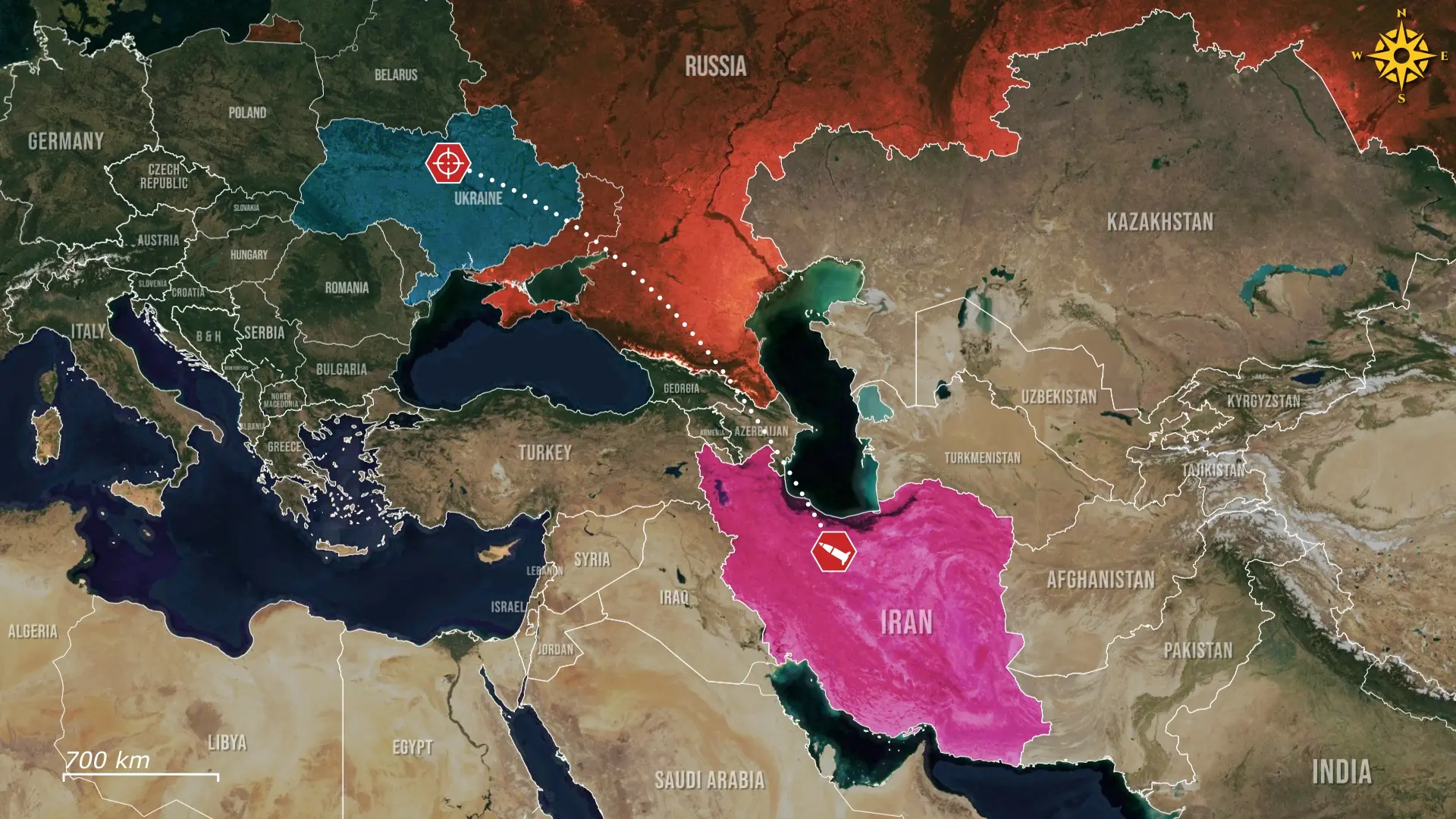
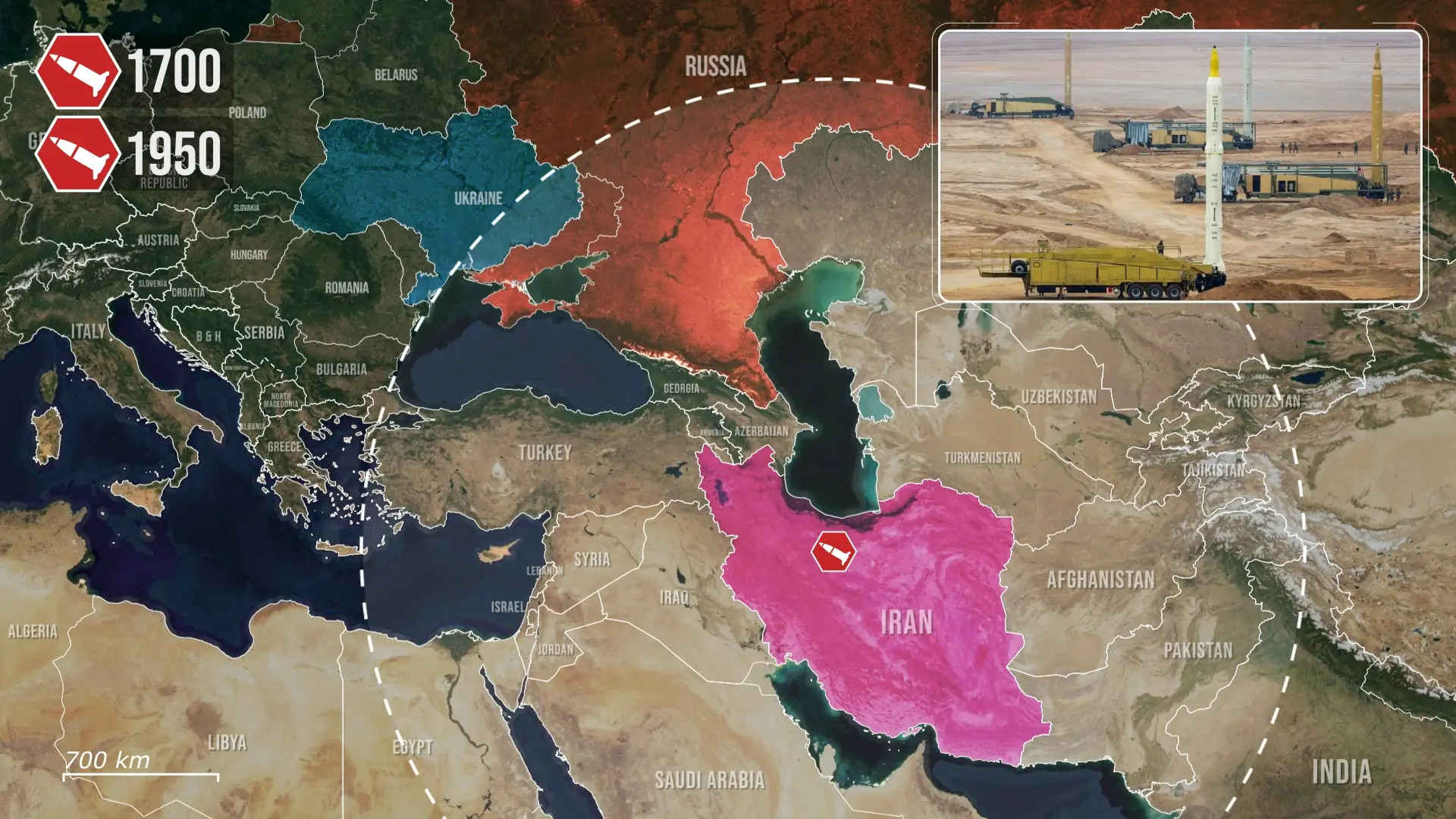
In terms of capabilities, Iran has several types of ballistic missiles capable of reaching Ukraine from its own territory, such as the Emad and Ghadr, with an estimated maximum range of respectively one thousand seven hundred kilometers and one thousand nine hundred fifty. Within a similar range, Iran also has the Sejjil missile, which stands apart because it uses solid fuel instead of liquid fuel, making it faster to launch. Iran also claims that some Khorramshahr variants can reach up to four thousand kilometres, although public estimates vary considerably. Even the lower estimates would place large parts of Ukraine within range from western Iran. If Iran decided to strike, Russia could improve its chances by sharing known Ukrainian air defence locations, previous interception patterns, and information gathered during earlier attacks. Russia could also time its own drone and missile launches with an Iranian attack, forcing Ukraine to track threats from several directions and divide its limited interceptors between different weapon types.
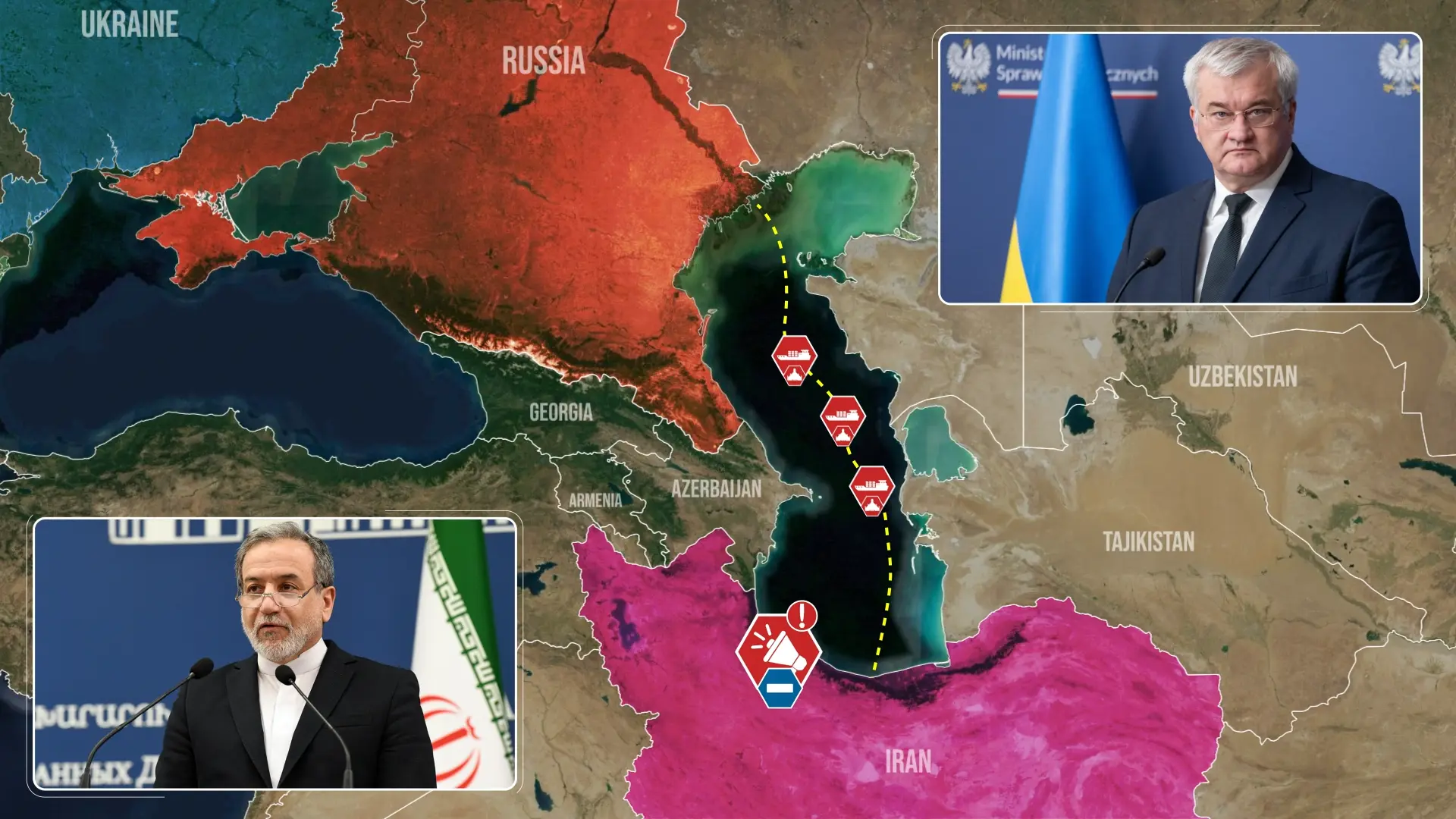
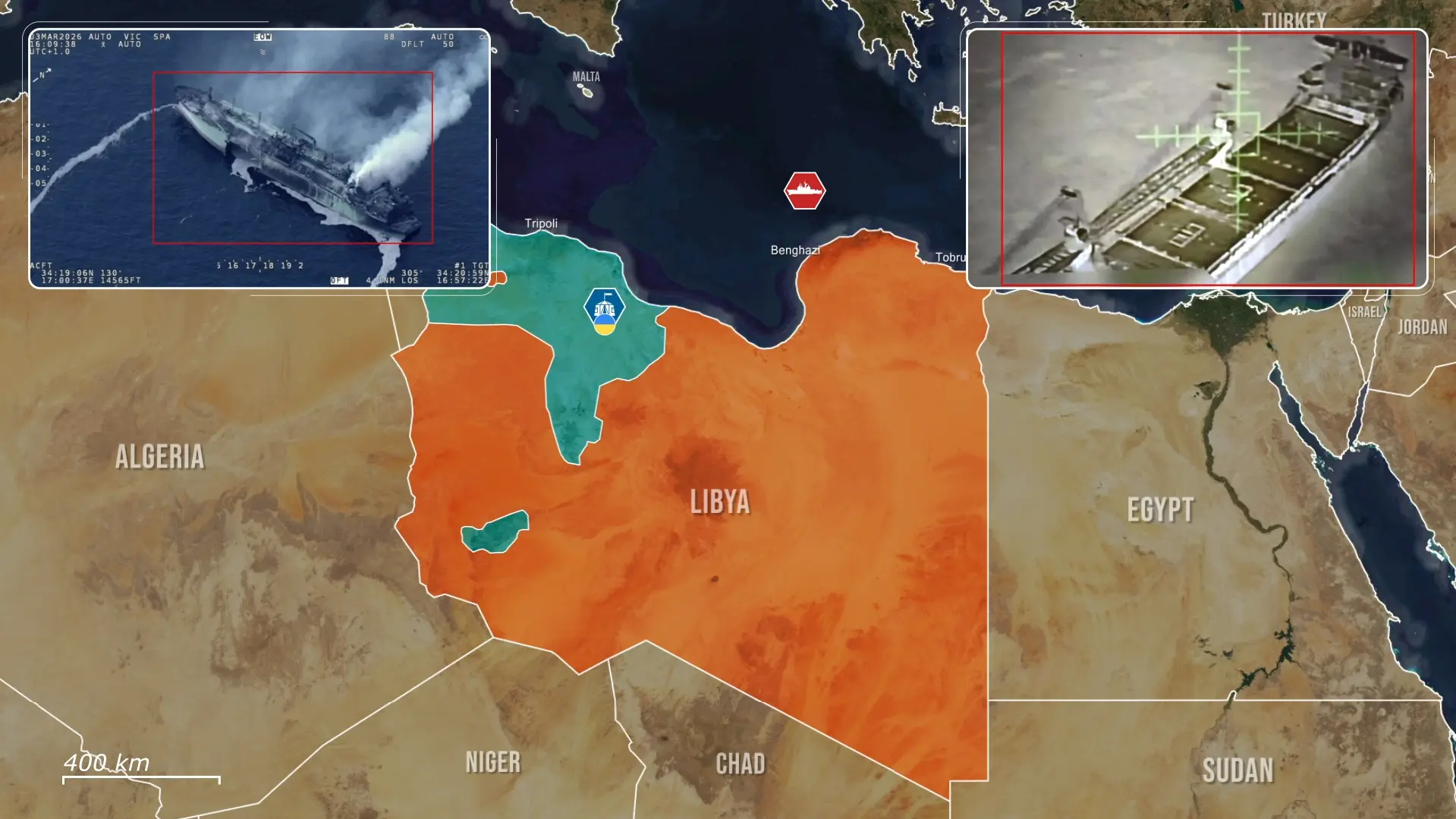
The current escalation of tensions between Ukraine and Iran began after the latest broad Ukrainian strikes in the Caspian Sea, which also included vessels and infrastructure of Russian Iranian logistics. The strikes hit the Filanovsky oil production offshore platform, a Russian Molniya class missile boat, and two cargo ships under international sanctions used to transport military cargo between Iran and Russia. Crucially, an Iranian merchant vessel was also hit, with Tehran claiming that the attack killed one sailor. The threats followed this episode, with the Iranian Foreign Minister Abbas Araghchi accusing Ukraine of violating the UN Charter and promising retaliation. However, Ukraine rejected the accusations, with Ukrainian Foreign Minister Andrii Sybiha calling Iran’s threats groundless and reminding that Iran has supplied Russia with weapons since two thousand twenty two. Additionally, Zelensky stated that the Caspian strike was part of Ukraine’s expanding broader effort to disrupt Russian supply routes and maritime military logistics. Ukraine’s position is that the Iranian vessel was involved in transporting military cargo to Russia and was therefore part of the logistics network supporting the war. Iran disputes that justification.
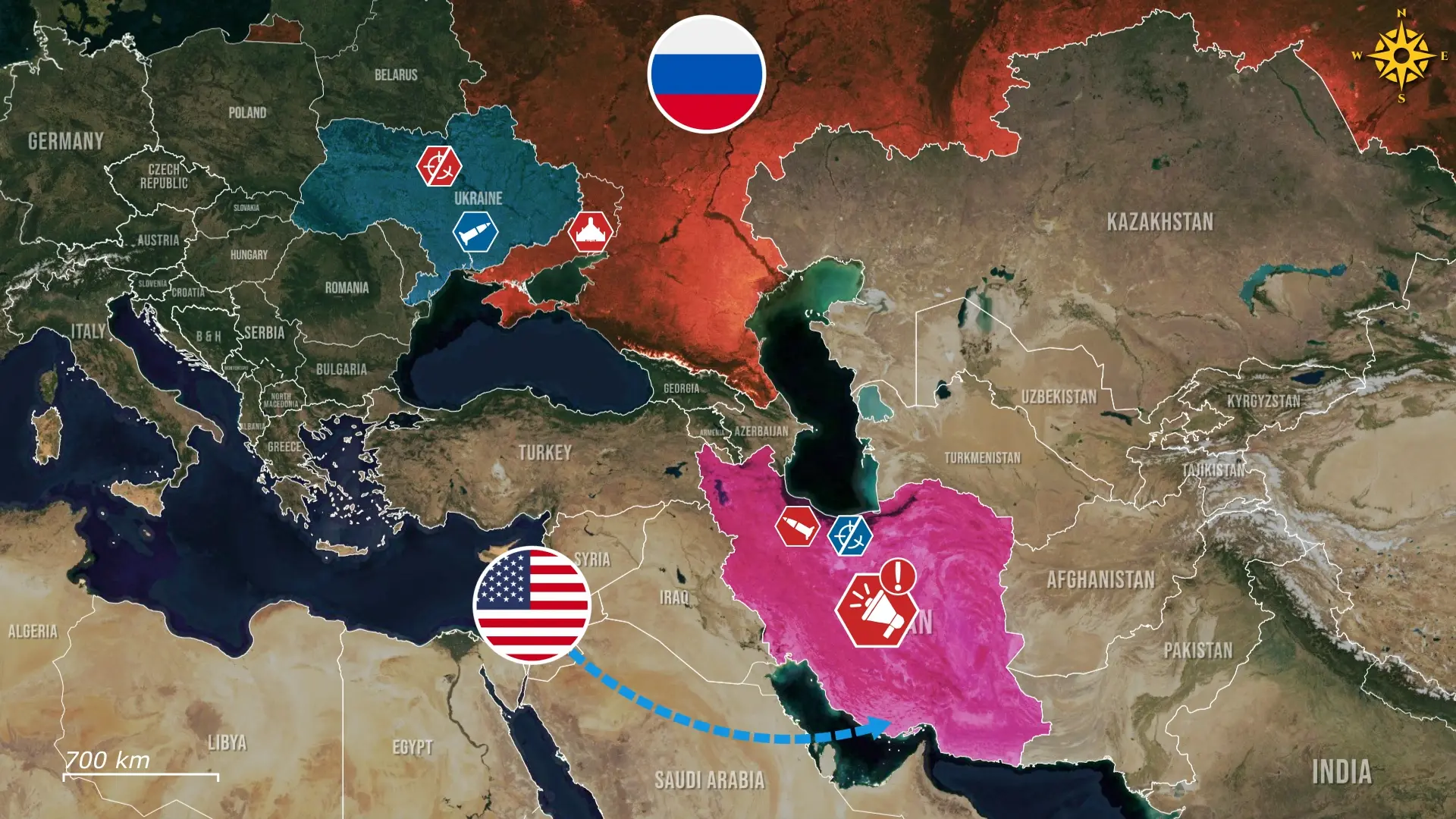
An Iranian strike would place additional pressure on Ukraine by opening another launch direction and adding more ballistic threats to an already overstretched air defence network. In particular, an Iranian attack would mean another launch direction, and more ballistic targets that put pressure at a moment when Ukraine is on low supply of Patriot interceptors. However, that decision is difficult for Tehran, as Ukraine has widely demonstrated long range strike capabilities with strikes deep inside Russia, with Ukrainian drones even reaching the refinery in Omsk. response would face serious route and airspace restrictions, but Kyiv is also developing longer range missiles that would reduce its dependence on slow drone routes through neighboring airspace. This means that Ukraine has options, and that a strike on Ukrainian territory is unlikely to be a one way action.

Overall, the rhetoric of Iranian officials and the Russian testing of new attack vectors make the threat of an Iranian strike not easily dismissible. An Iranian attack would create a serious new challenge for Ukraine, but it would also expose Tehran to retaliation from a country that has already demonstrated significant long-range strike capabilities. The episode also demonstrates how the two wars are becoming increasingly intertwined, with only a few steps away from a global war involving Russia and the US. What could ultimately restrain Iran is the unpredictability of what a Ukrainian reaction could look like, especially as it would also have to face the simultaneous pressure from the US, renewed by the most recent escalations.
.jpg)

Comments