

.svg)
In this video, we will analyze the struggling missile production in Russia.
Since the full-scale invasion of Ukraine, Russia has had to rethink its missile production line to reduce its dependence on Western-sanctioned parts. However, the attempted shift to full domestic components backfired immensely, making Russia even more reliant on foreign parts than before.
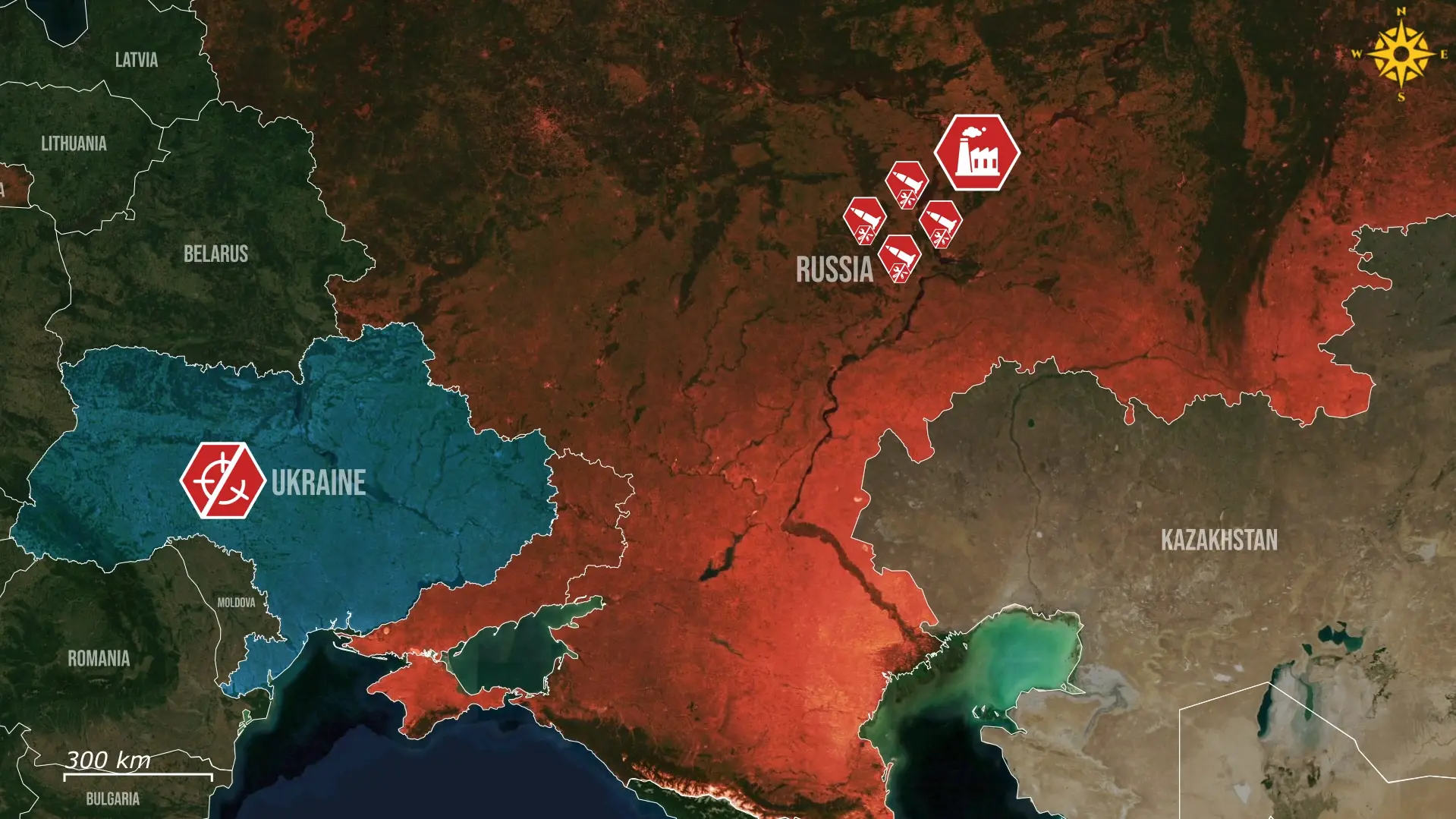
Russian missile industrial base has been reliant on foreign components since before the collapse of the Soviet Union, a dependence that only increased with the race for high precision weapons in the two thousands. During peacetime, that dependence was manageable as Western components flowed through normal supply chains and Russian firms could quietly integrate them. The situation gradually changed in wartime, as the discovery of Western components of the remains of Russian missiles used against Ukraine pushed Western governments to disrupt that flow.
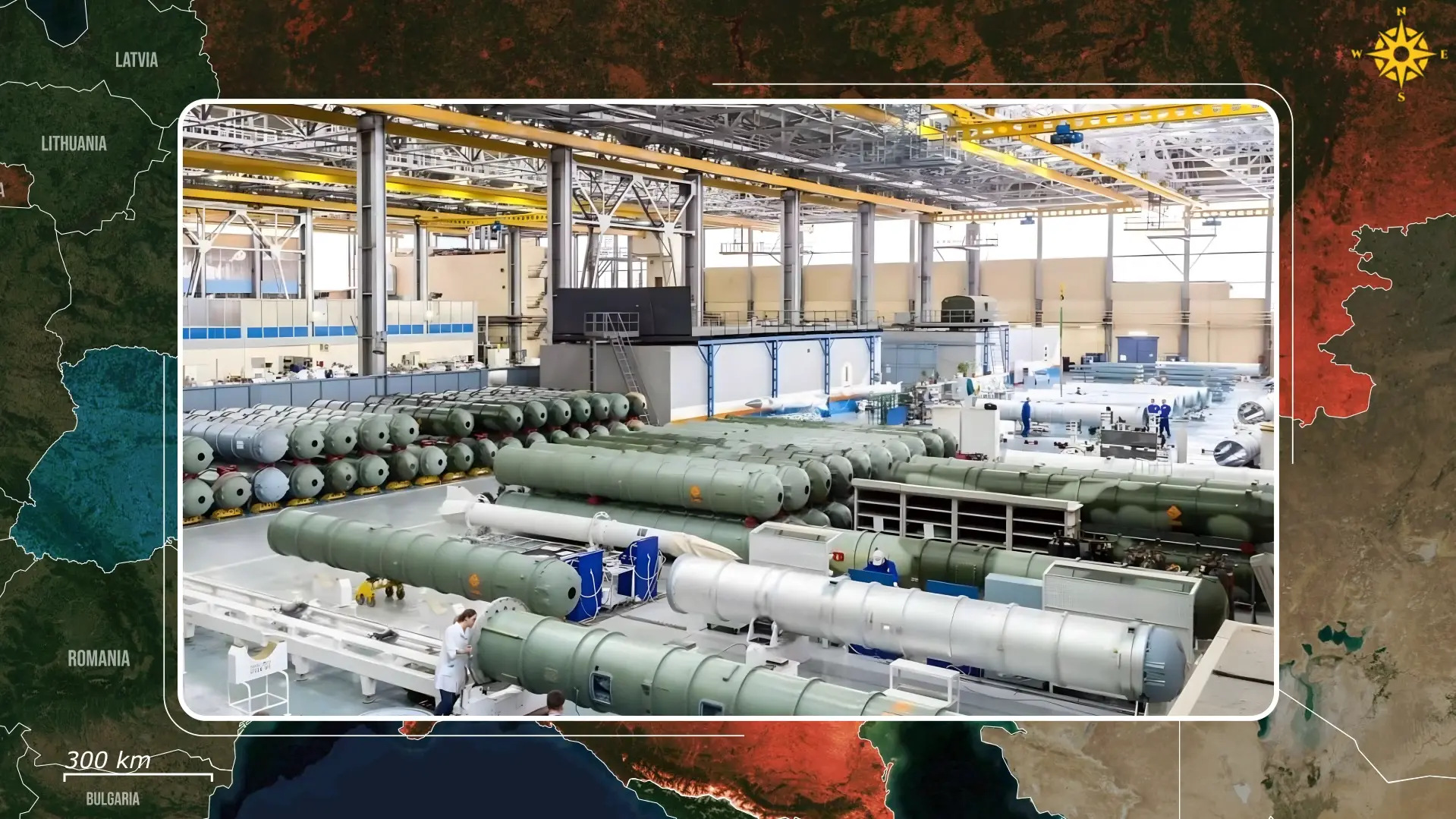
For years, Russia presented its missile arsenal as a symbol of national strength. Yet, although Russia could still assemble airframes and engines, the brains of the missiles depended on imported chips. In fact, investigations into downed Kalibr and Kha-101 missiles repeatedly showed Western microchips inside their guidance units and seeker heads. These were not minor additions, as they handled navigation, target recognition, and flight corrections, fundamental to making the missile effective. Even during earlier rounds of sanctions, Russian firms continued to source these parts through intermediaries because no domestic alternative matched their performance.
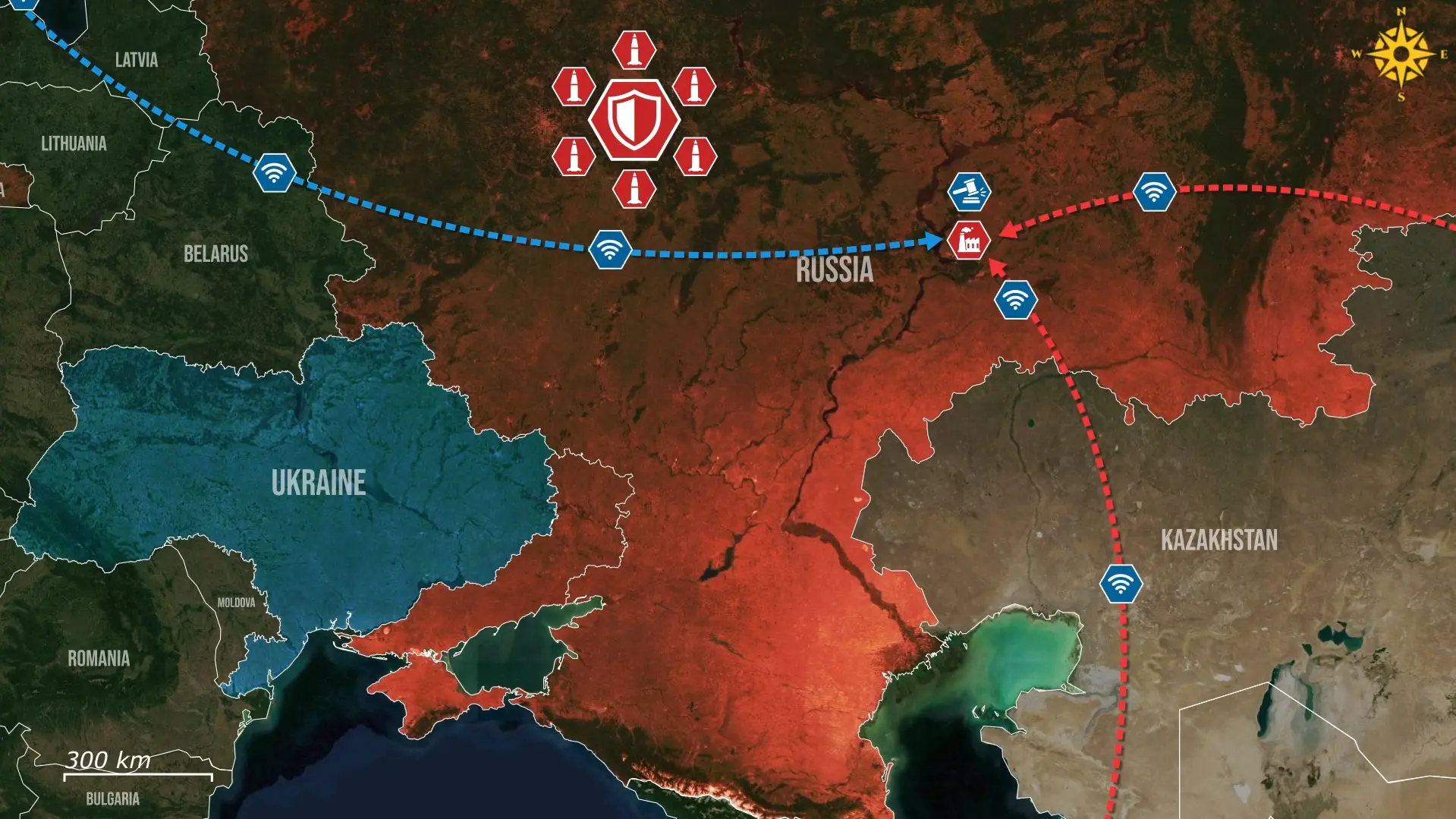
As the war continued and sanctions tightened, Russia increased its efforts to shift towards domestic missile components, presented as a patriotic push to rebuild Russia’s technological independence. To this end, research institutes were told to accelerate development, and military designers were pushed to reconfigure missile systems around Russian‑made components. The focus on reverse engineering became especially prominent, as Russian analysts argued that understanding Western systems and replicating them was no longer optional but a strategic necessity. The idea was that if Russia could copy the foreign components it once bought, it could restart production, avoid future disruptions, and rebuild its missile industry on its own terms.
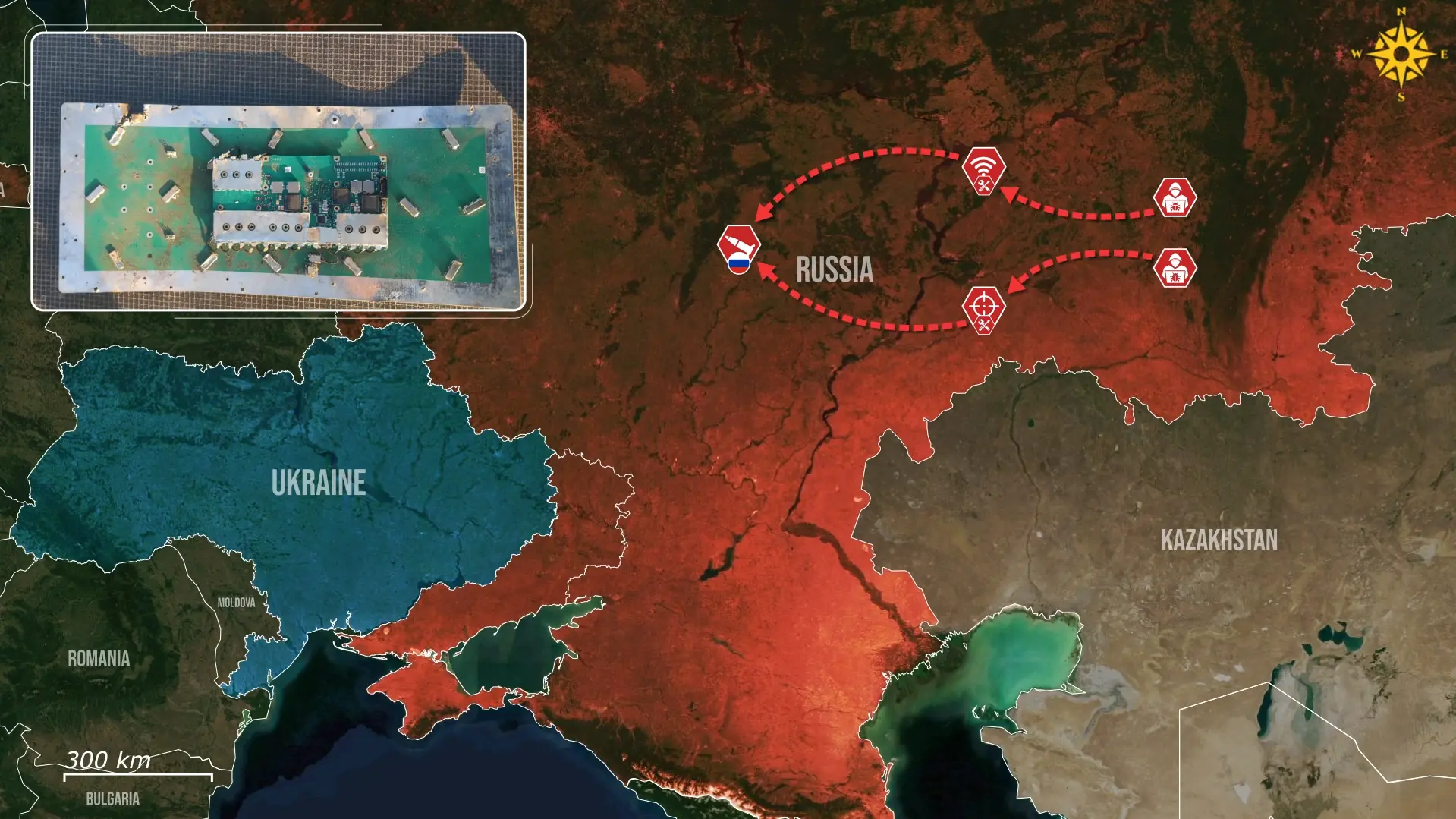
However, the effort failed because Russia’s industrial base could not match the quality of the components it once imported. In fact, Russia lacks advanced semiconductor plants, and its electronics sector struggles with outdated equipment, on top of a shortage of skilled workers who fled the country. Reports from engineers testing Kalibr and Kha-101 missiles with Russian-made seeker boards noted drops in accuracy. As missiles began missing their targets more often, Russia tried to compensate by making flight paths more elusive for Ukrainian air defense and changing warheads to increase the likelihood of hitting the target. For instance, the introduction of cluster warheads suggested that engineers were compensating for the reduced accuracy of their domestically produced models by spreading the area of damage. Nonetheless, these fixes did not solve the underlying issue that the domestic electronics simply did not work as well as the foreign originals.
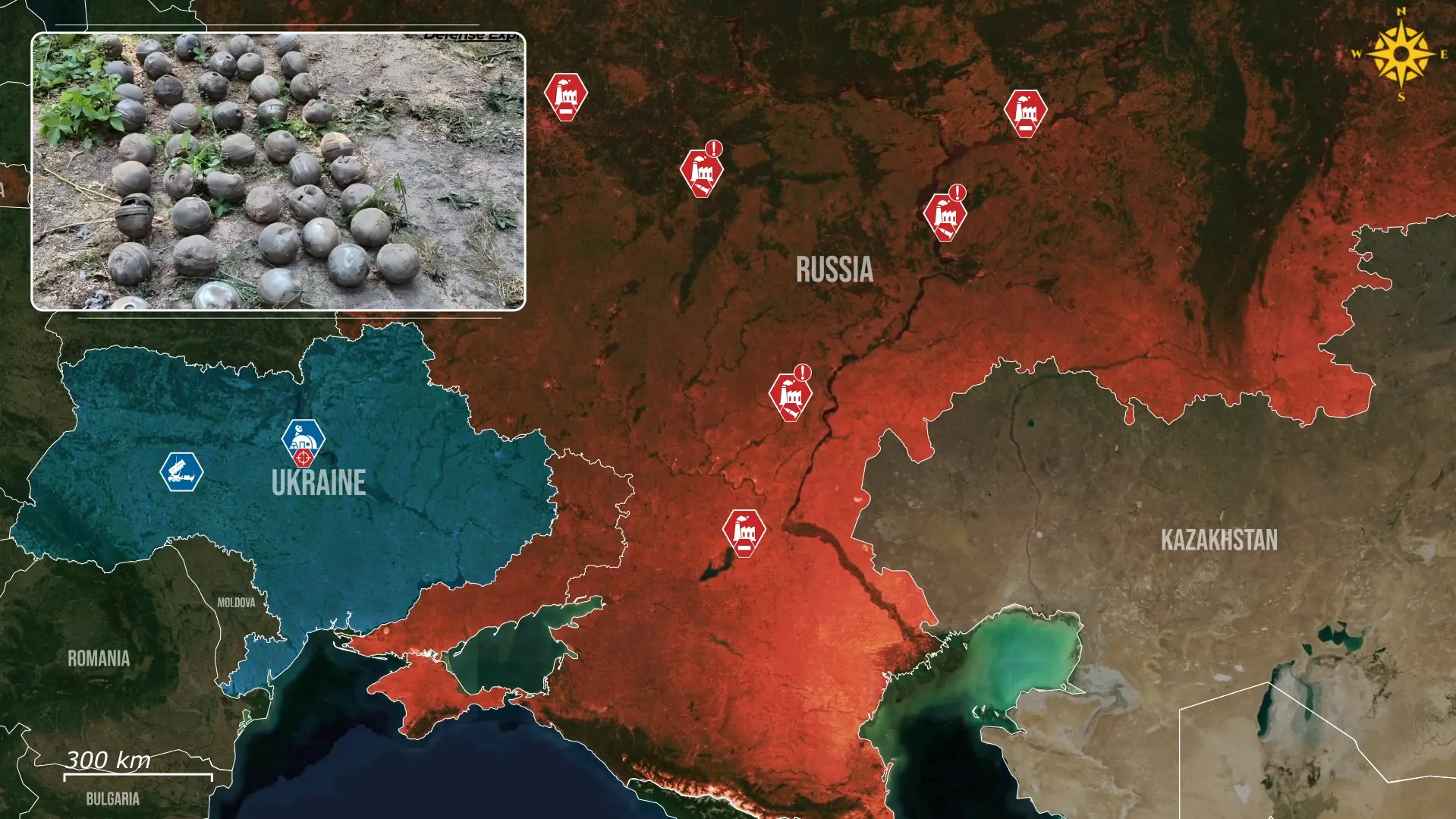
By early two thousand twenty six, the Kremlin had effectively abandoned the idea of full self‑reliance. Ukrainian analysis of downed Kalibr missiles showed seeker boards once again dominated by foreign electronics, with estimates reaching eighty to ninety percent imported content. These findings confirmed Russia had returned to the same dependence it had tried to escape, relying on sanction‑evading supply chains to keep its missile program alive. However, this fix is not only expensive and unreliable but also does not allow access to the same quality of foreign components available before the war.
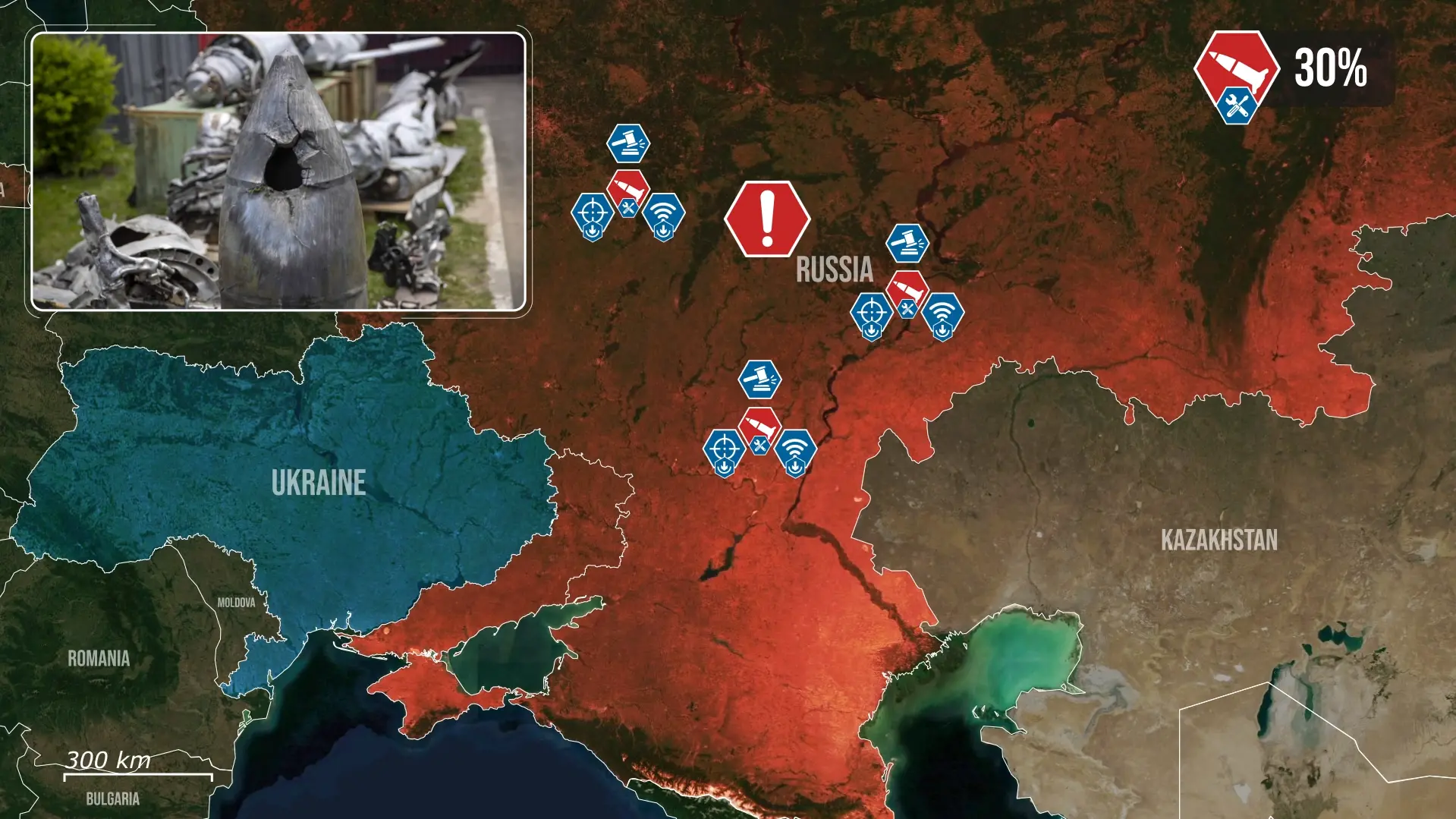
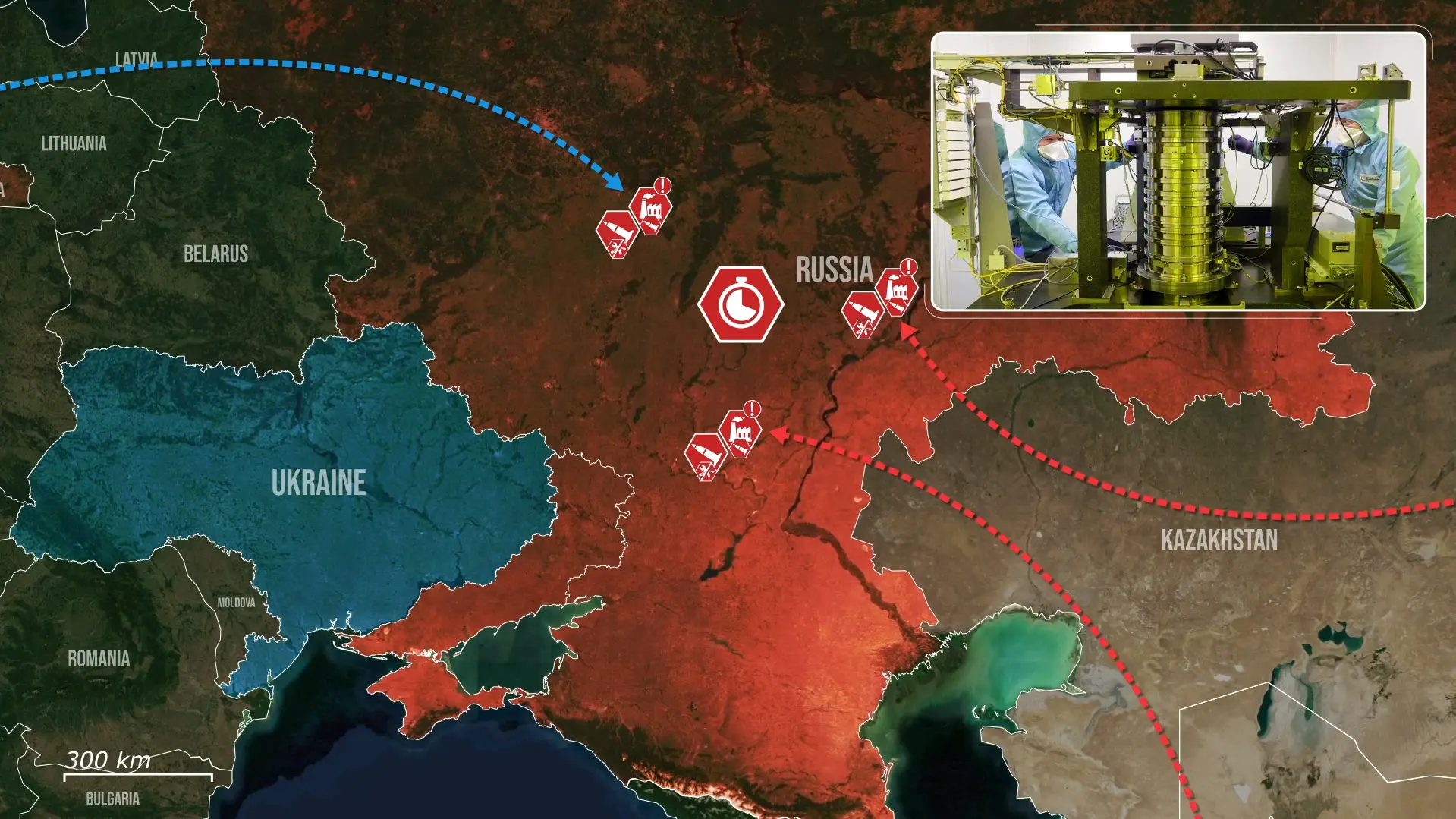
Overall, Russia’s struggle to rebuild its missile industry on its own terms reveals the limits of its technological base. Although Russia can assemble missiles, it cannot produce the high-quality electronics that make them effective in modern warfare, forcing Moscow back into shadow foreign supply chains that are harder to access with increasing isolation. This dependence creates long‑term vulnerabilities that Russia cannot fully resolve through quick wartime adaptation, as it requires a specialized technological base that takes time to build. With continuous isolation and without a Russian domestic alternative, the missile production for Russia is set to only become more challenging.

.jpg)


Comments