

.svg)
Today, the biggest news comes from Africa.
Somalia is no longer just dealing with its familiar cycle of insecurity, but is being pushed into a deeper destabilization process driven by foreign interference. At the center of this shift is Russia, which is exploiting Somalia’s weakness to stir chaos, undermine stability, and turn a fragile state into another pressure point in its global strategy.
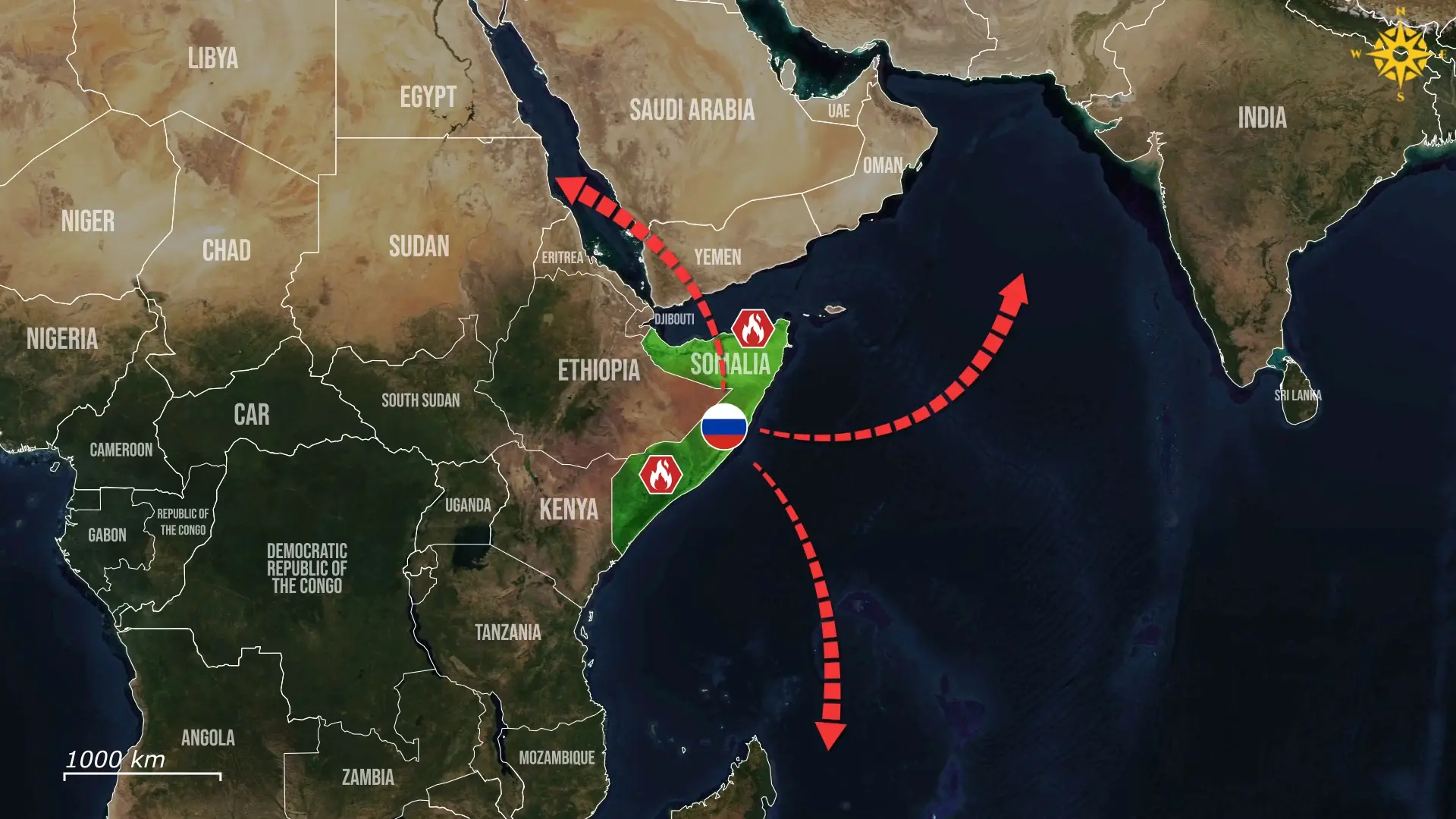
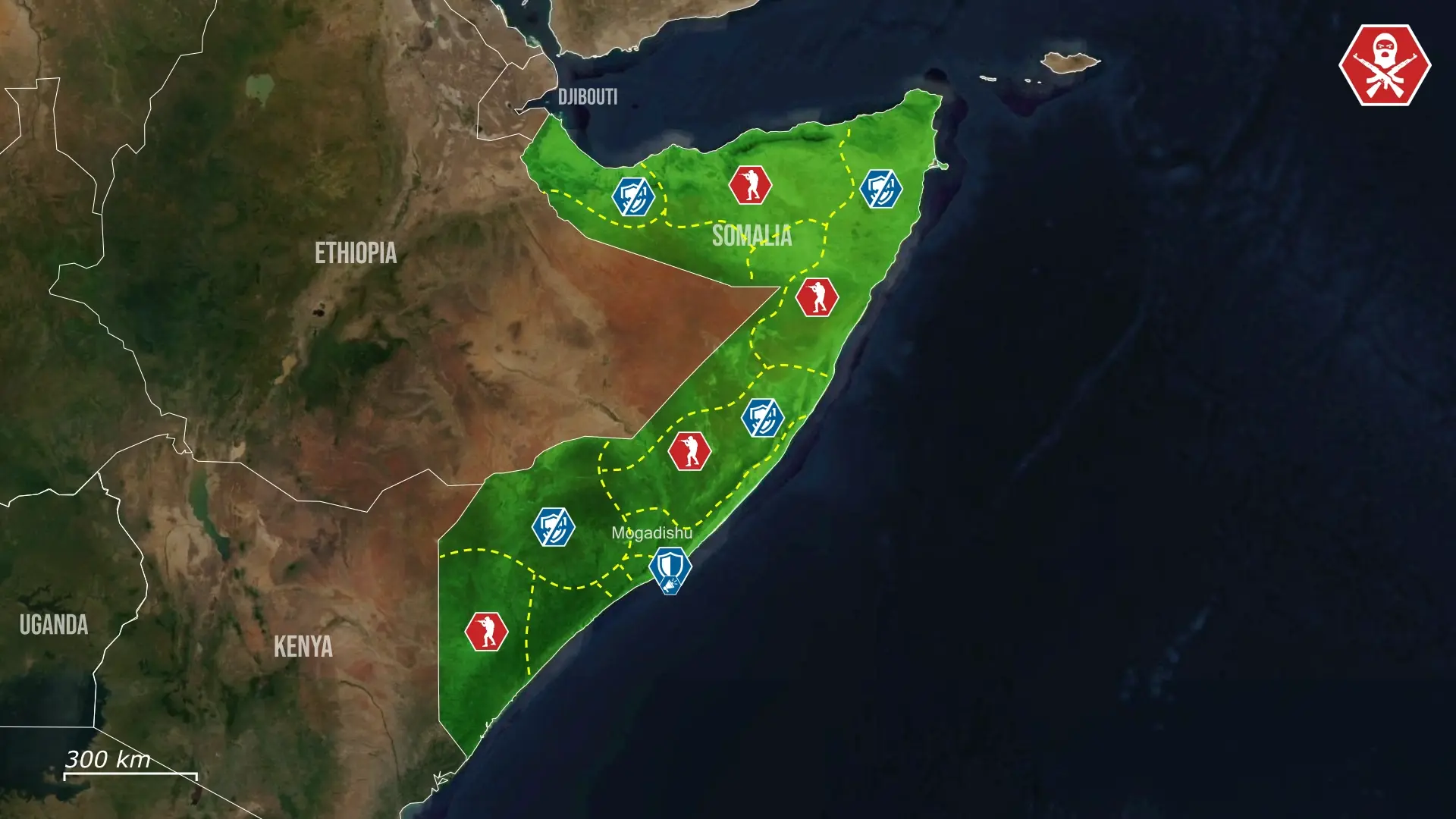
Somalia has remained locked in a long civil war against the Islamist group al-Shabaab, a conflict that was partially contained rather than resolved, with the government holding the capital while violence persisted elsewhere. That containment is now breaking down; For years, security efforts focused on defending Mogadishu, creating the impression of gradual stabilization. Outside the capital, however, state presence remained weak, allowing al-Shabaab to adapt instead of being defeated. The group has shifted toward a strategy of sustained pressure in rural areas, targeting roads, supply lines, and local administrations, steadily reducing government control without relying on high-profile attacks.
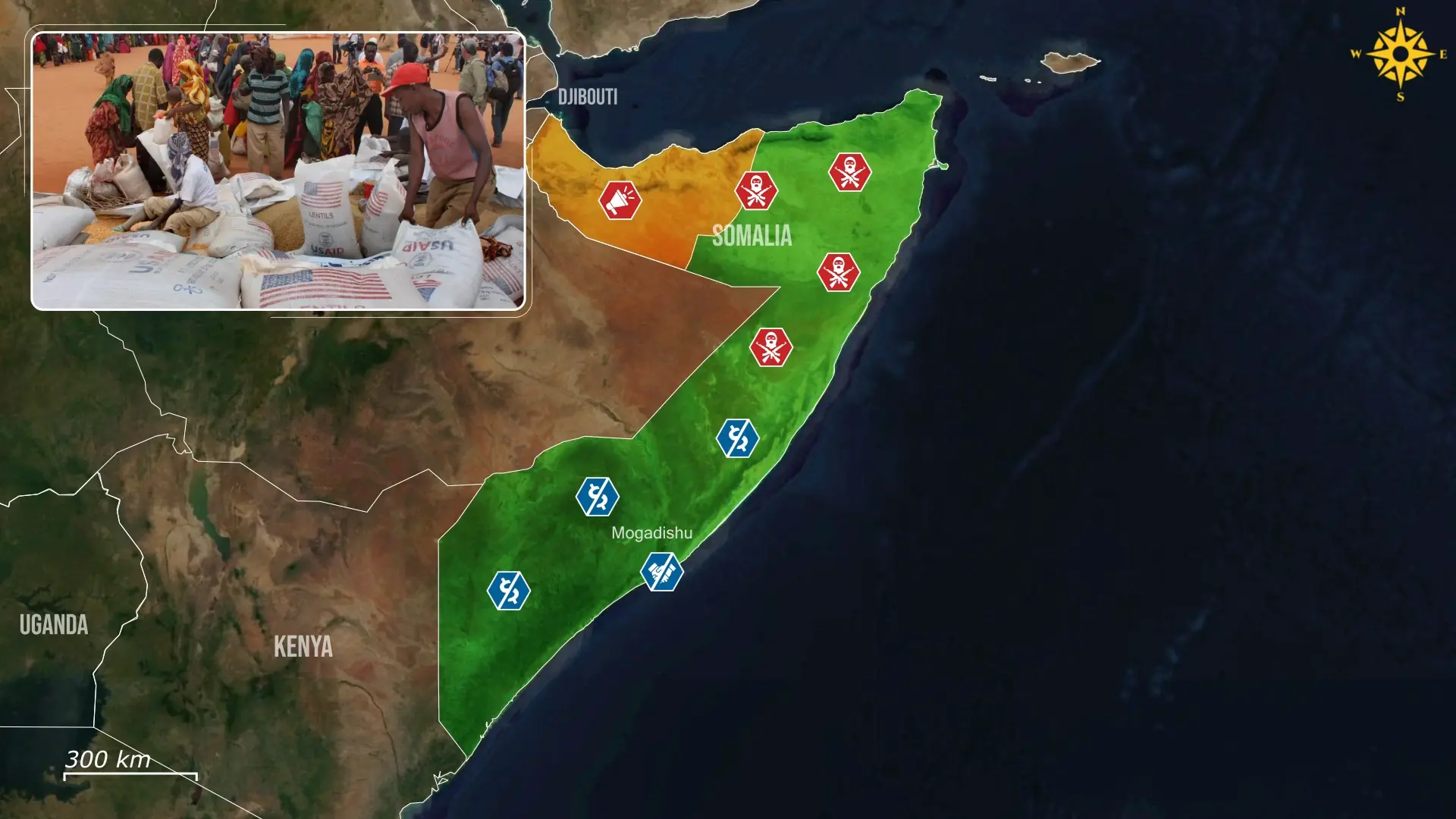
At the same time, the federal government’s position has weakened due to a loss of international trust. Allegations that officials mishandled foreign food aid led to the suspension of key assistance, undermining the state’s ability to fund security forces and basic administration. This loss of credibility has intensified political tension between the central government and regional authorities, further limiting coordinated responses to militant activities. Foreign involvement has added another destabilizing factor. Recent recognition moves regarding Somaliland have pushed an internal dispute onto the international stage, signaling that Somalia’s territorial integrity is being openly challenged.
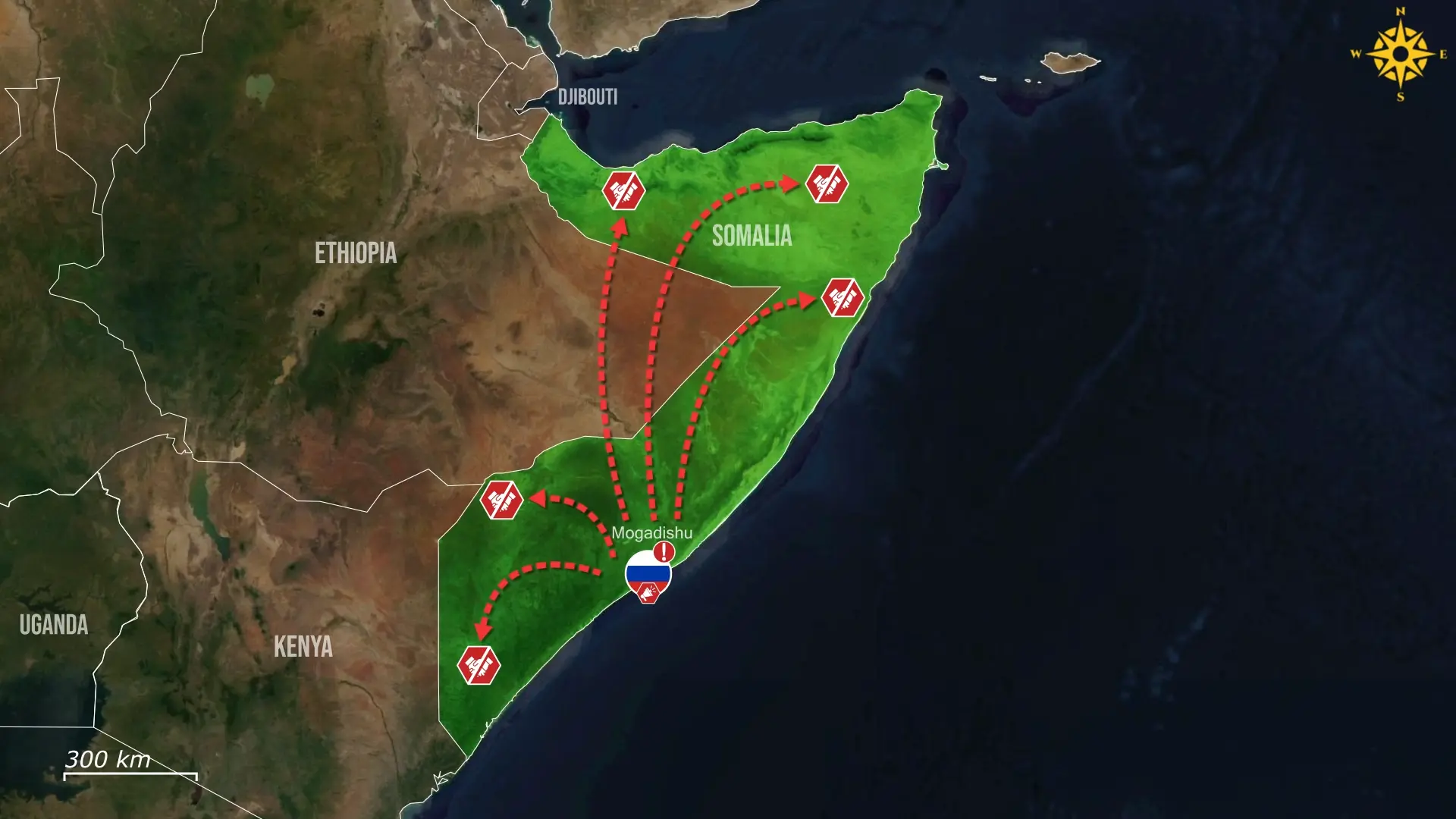
Russia is paying attention to Somalia because it offers influence without high costs or major risks. The country sits near important sea routes and already struggles with weak state control, which means even small outside actions can have a big impact. Russia is not there to defeat militants or restore order, Instead, it benefits from disorder.
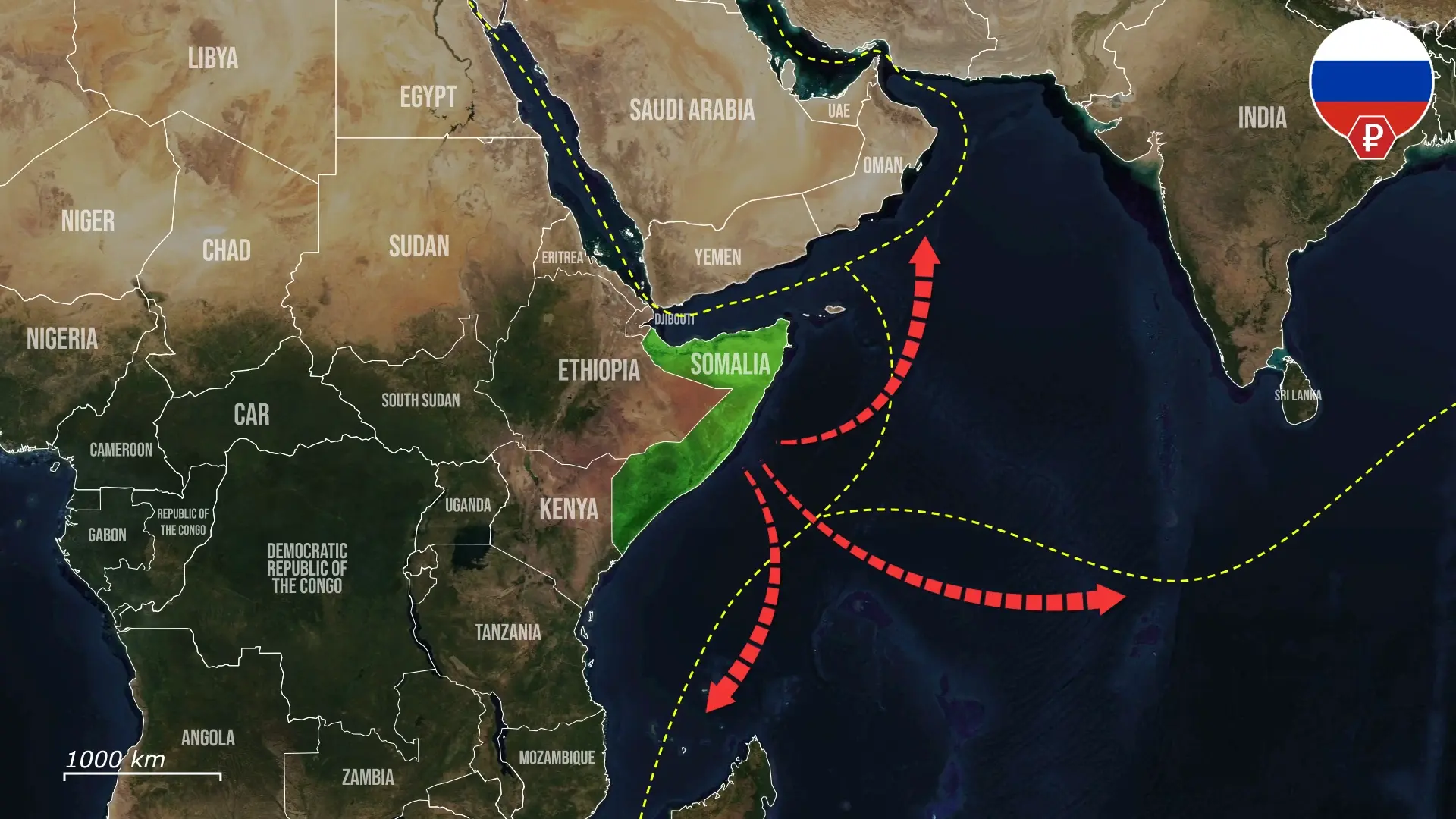
Rather than sending troops or committing to long-term security, Moscow works indirectly, using political messaging and selective partnerships that increase uncertainty while avoiding responsibility for what happens next. In Somalia, this shows up through efforts to cast doubt on Western-backed security programs, engage figures within the federal government, and present Russia as an alternative partner that promises support without rules or conditions. Security cooperation is handled through short-term deals that create dependence but leave deeper problems untouched.
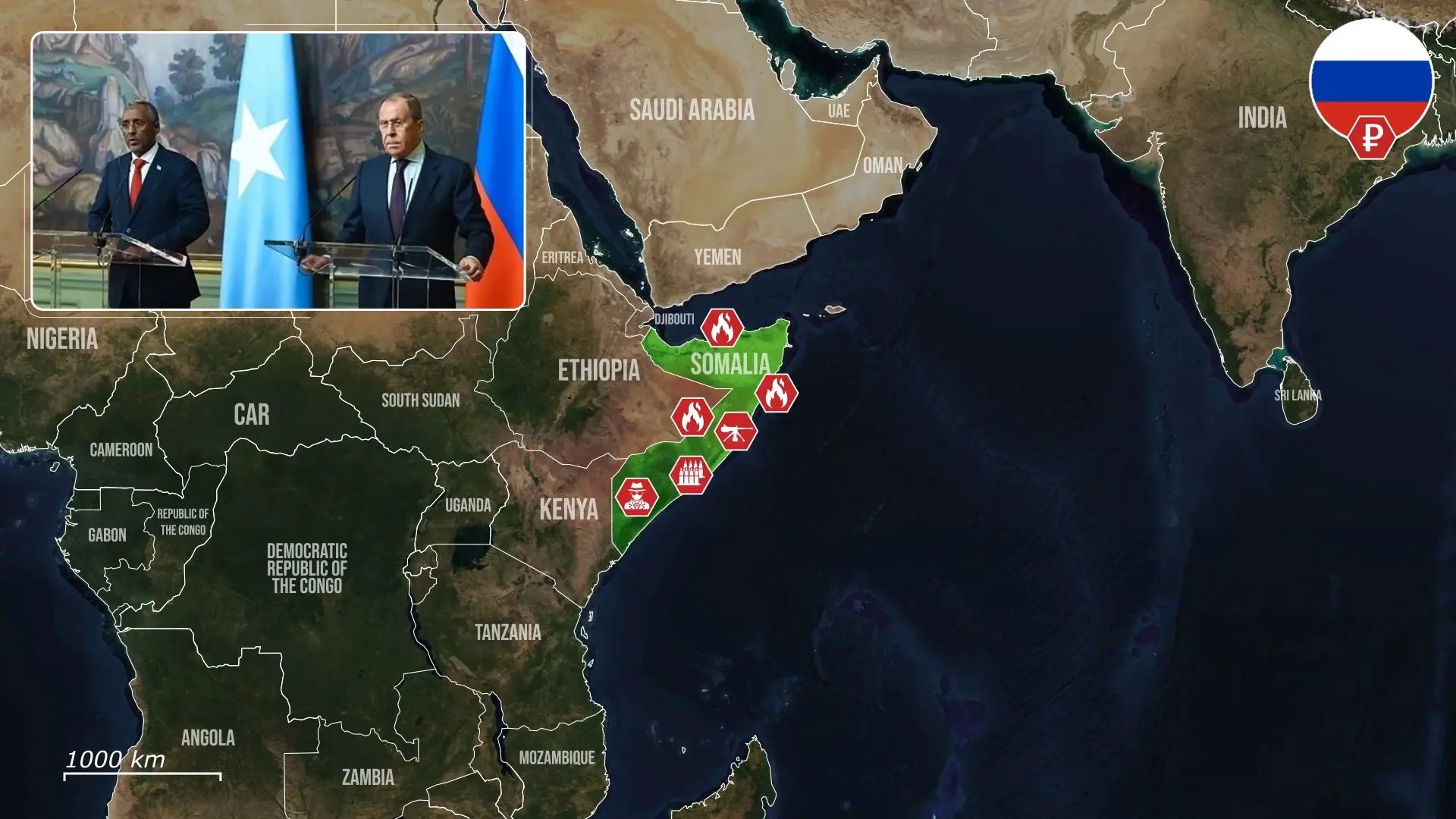
Because Somalia’s institutions are fragile, even limited Russian involvement can disrupt coordination against militants, deepen mistrust between Mogadishu and regional leaders, and make international missions harder to run.
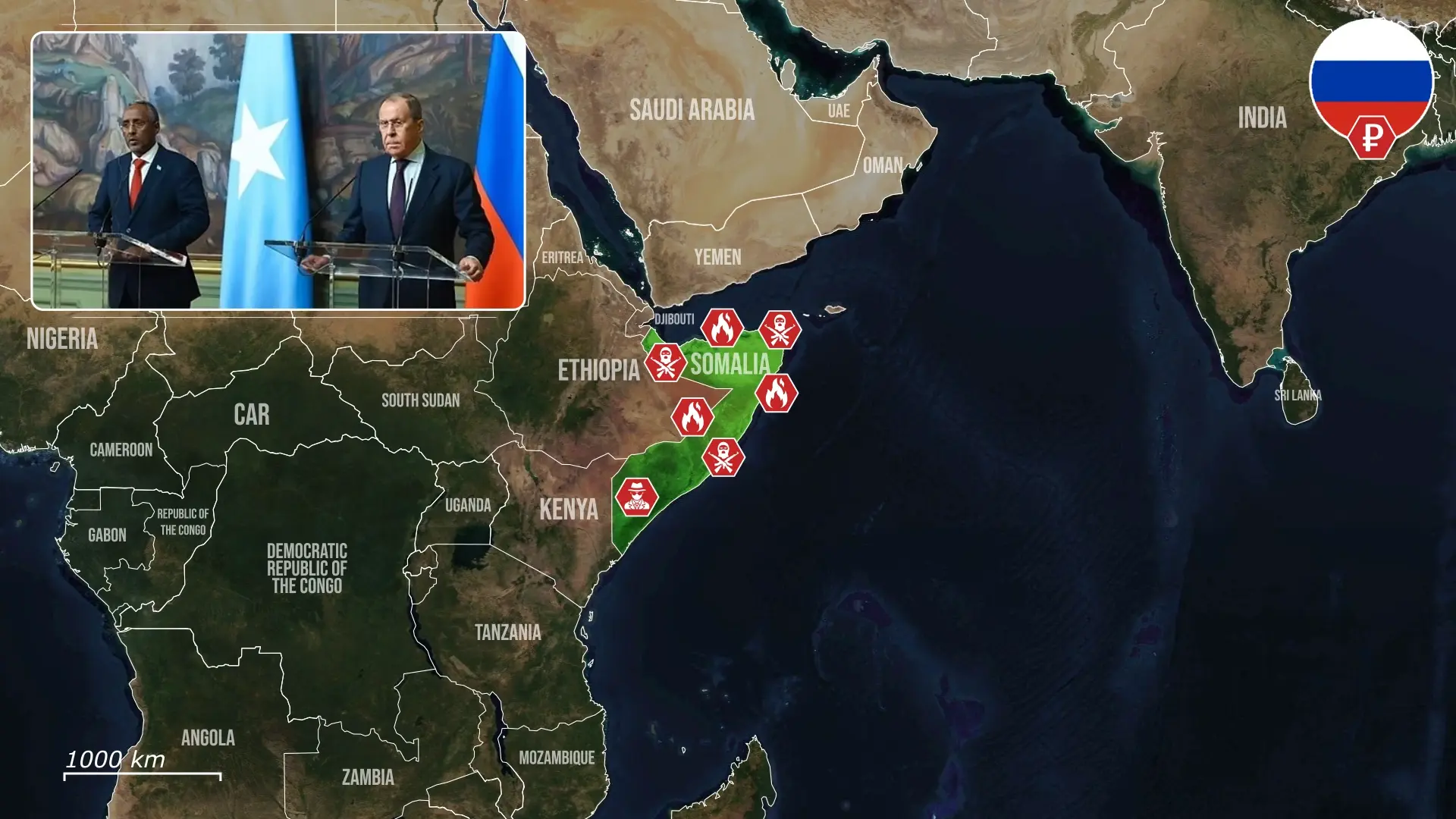
The aim is not to fix the system but to weaken it, following the same playbook Russia is using elsewhere. As its influence shrinks in Europe, proves unreliable in the Middle East, and fades in parts of Latin America, Moscow increasingly turns to fragile states where instability itself becomes a source of leverage. Somalia fits that pattern, with disruption taking the place of lasting influence.
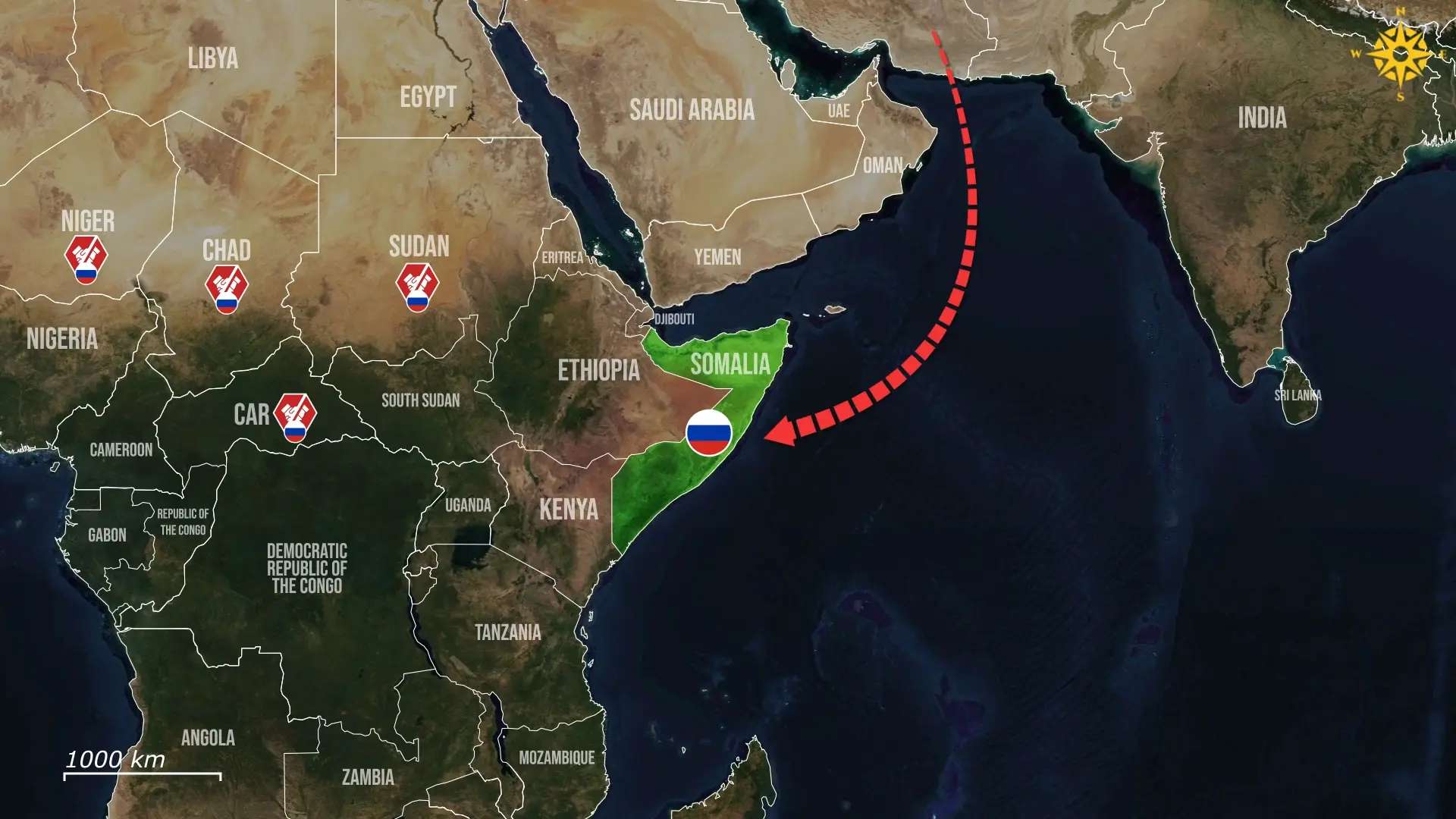
However, Somalia also shows the limits of this strategy. Russia can contribute to instability as Somalia’s political system is already weak, making it vulnerable to outside pressure that amplifies rivalry. However, Russia cannot control what follows once instability accelerates. Once pressure increases, Somalia’s internal forces, such as clan rivalries, regional competition, economic strain, and entrenched insurgent networks, move beyond any outside influence Russia might hope to exert.
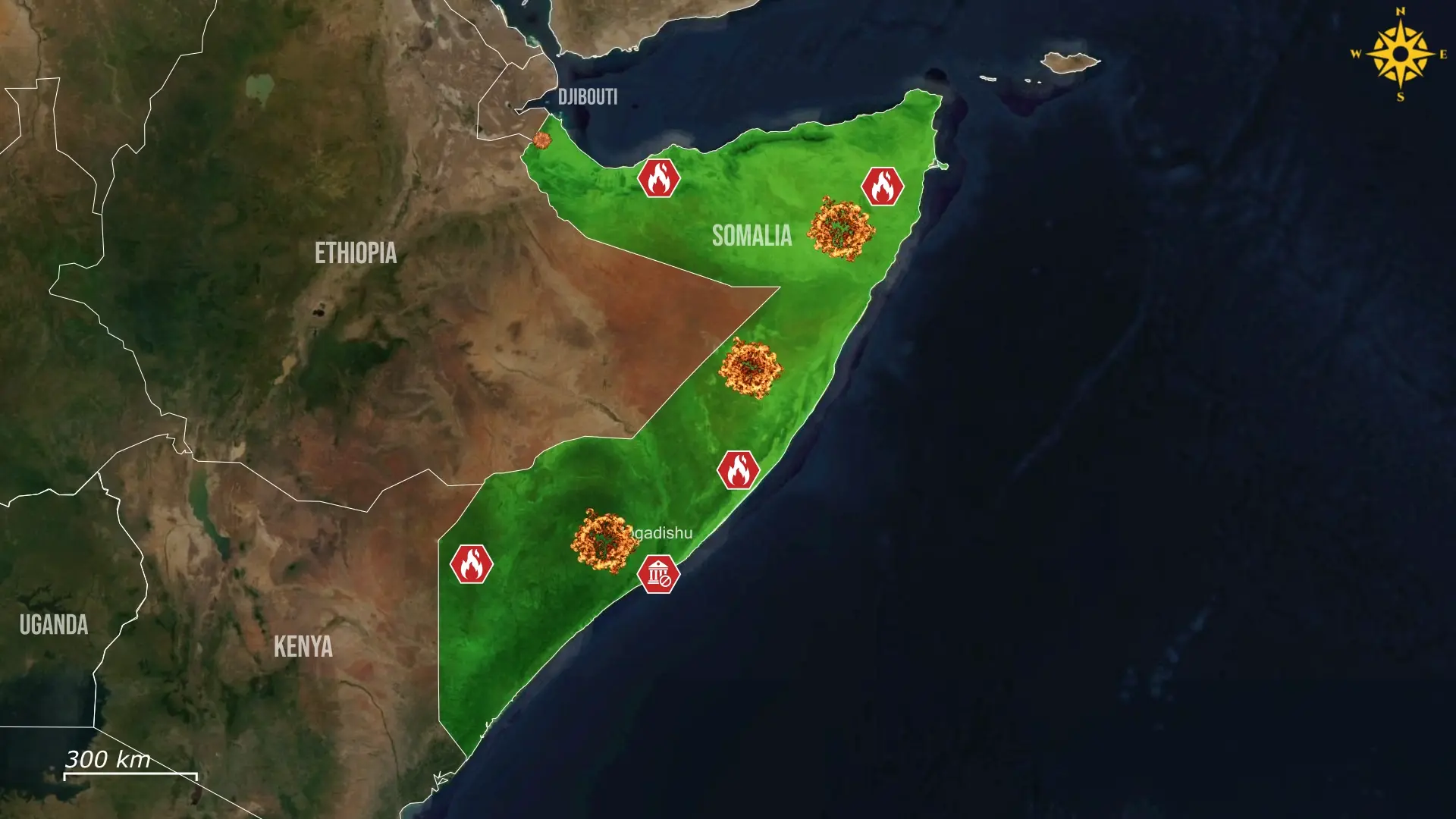
This failure is visible in Somalia’s security imbalance, where Mogadishu is heavily protected while vast areas outside the capital remain contested. Russia’s approach contributes to this gap by weakening coordination without offering alternatives, allowing instability to shift outward and armed groups to expand. As disorder spreads, humanitarian access declines, violence becomes harder to contain, and the situation evolves in ways Moscow cannot steer or reverse.
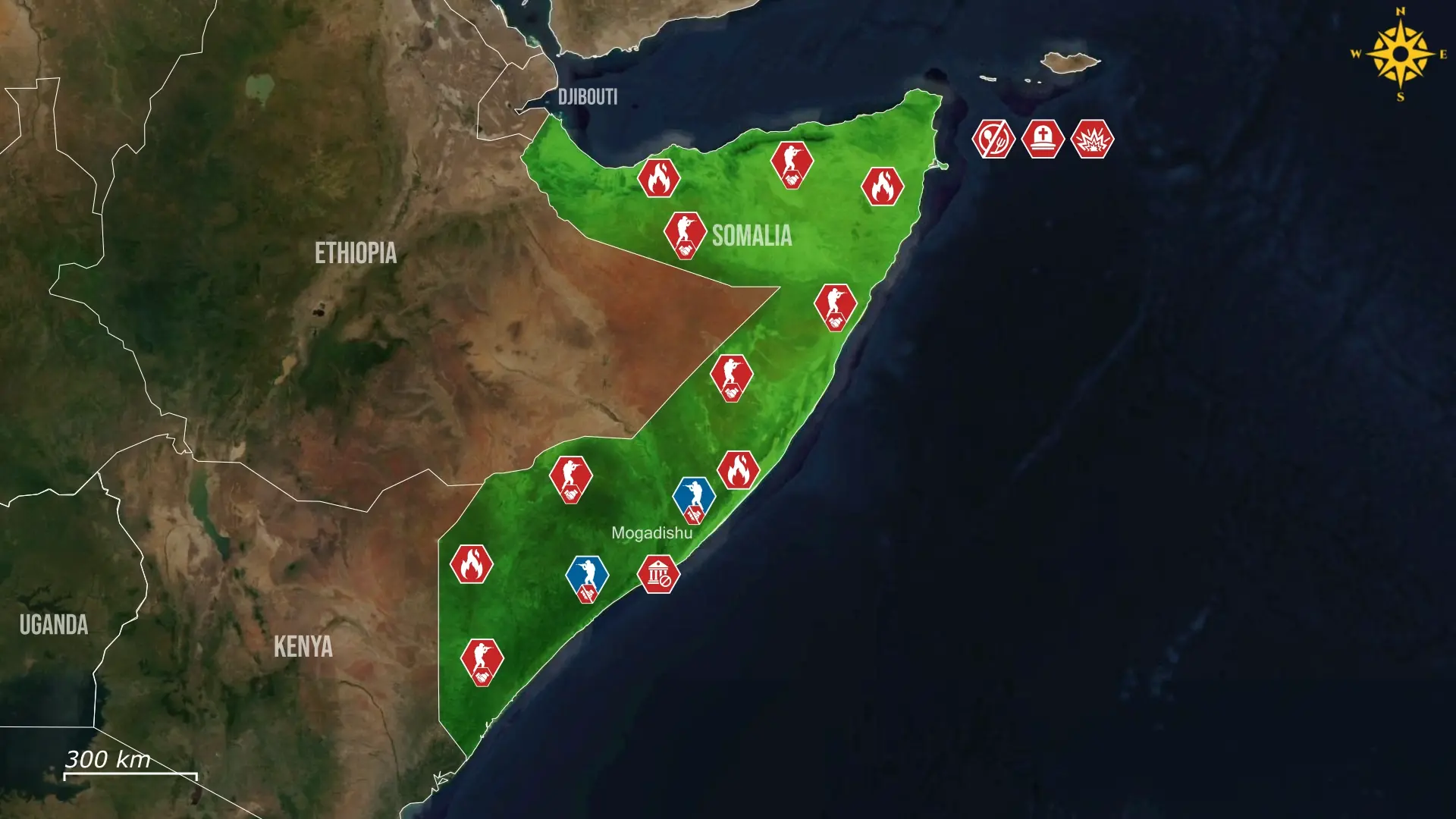
Overall, Somalia demonstrates that Russia is no longer capable of sustained power projection beyond its immediate neighborhood. Instead, Moscow has adapted by shifting toward a strategy that exploits instability, using chaos itself as a source of influence rather than an obstacle to it. Somalia’s renewed instability is not an isolated case, but part of a wider pattern where disruption replaces long-term strategy. In Somalia, this shows how Russia compensates for lost influence elsewhere by exploiting instability in a region it cannot control.

.jpg)

Comments