

.svg)
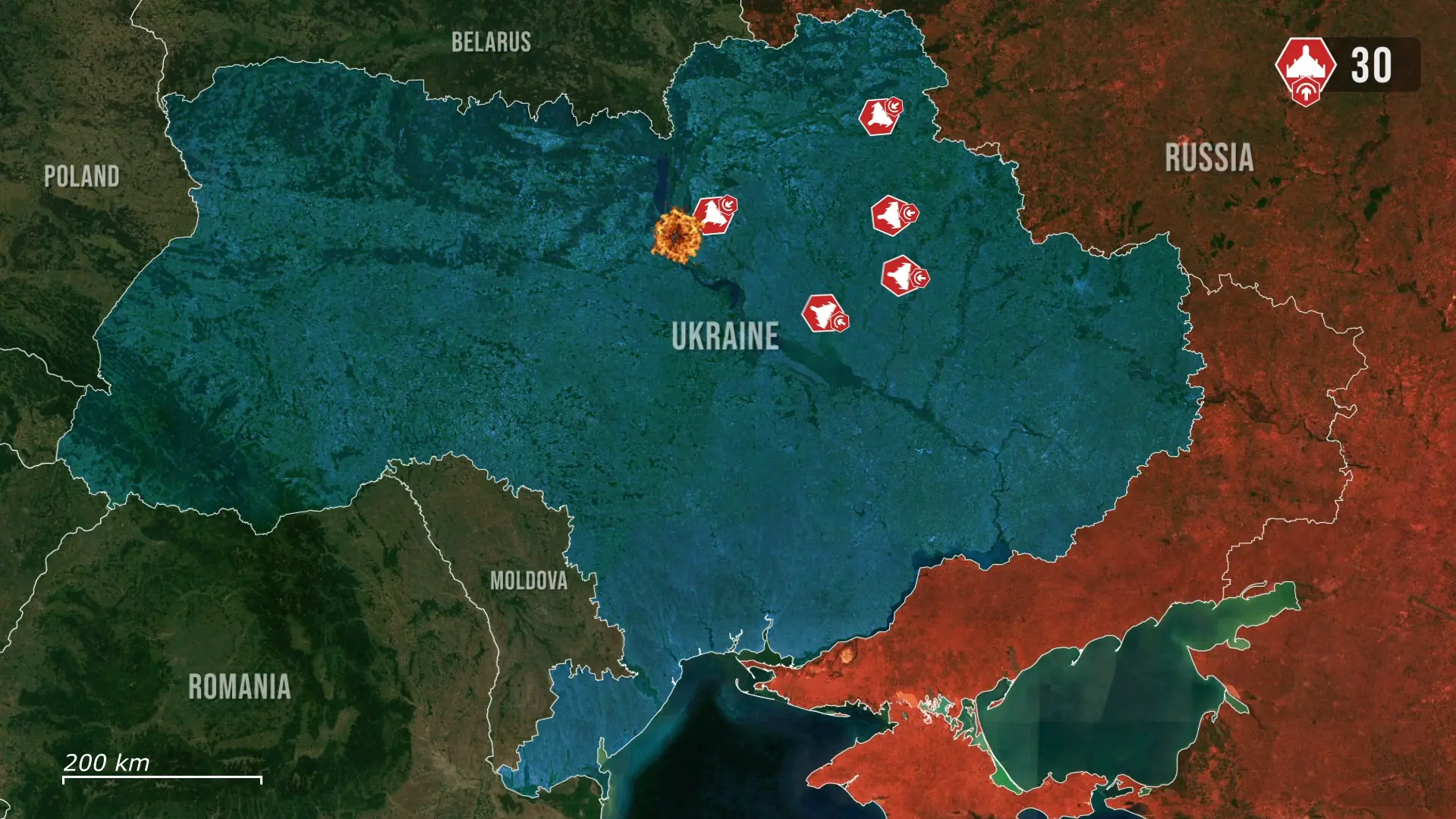
Today, the biggest updates come from Ukraine.
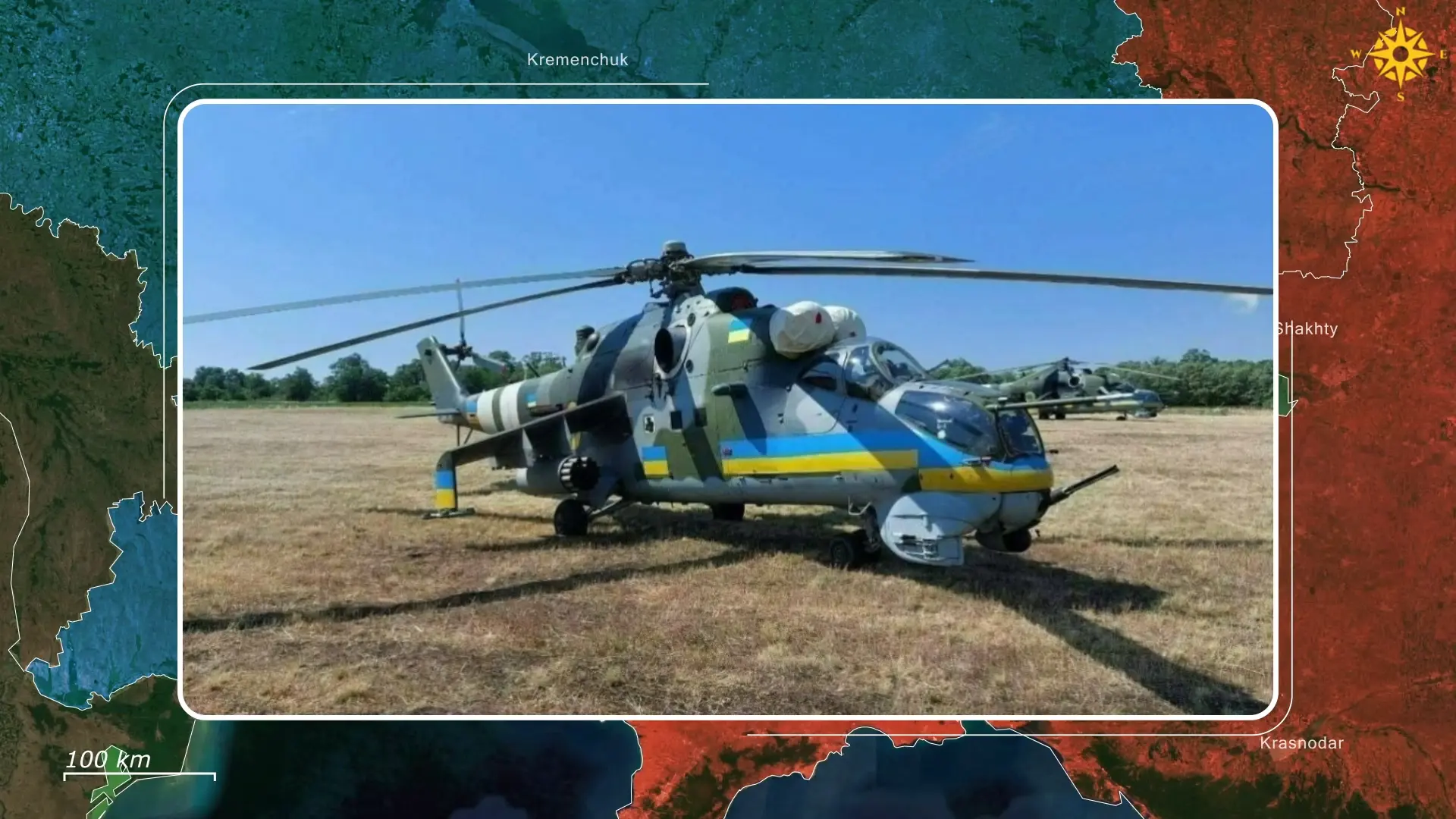
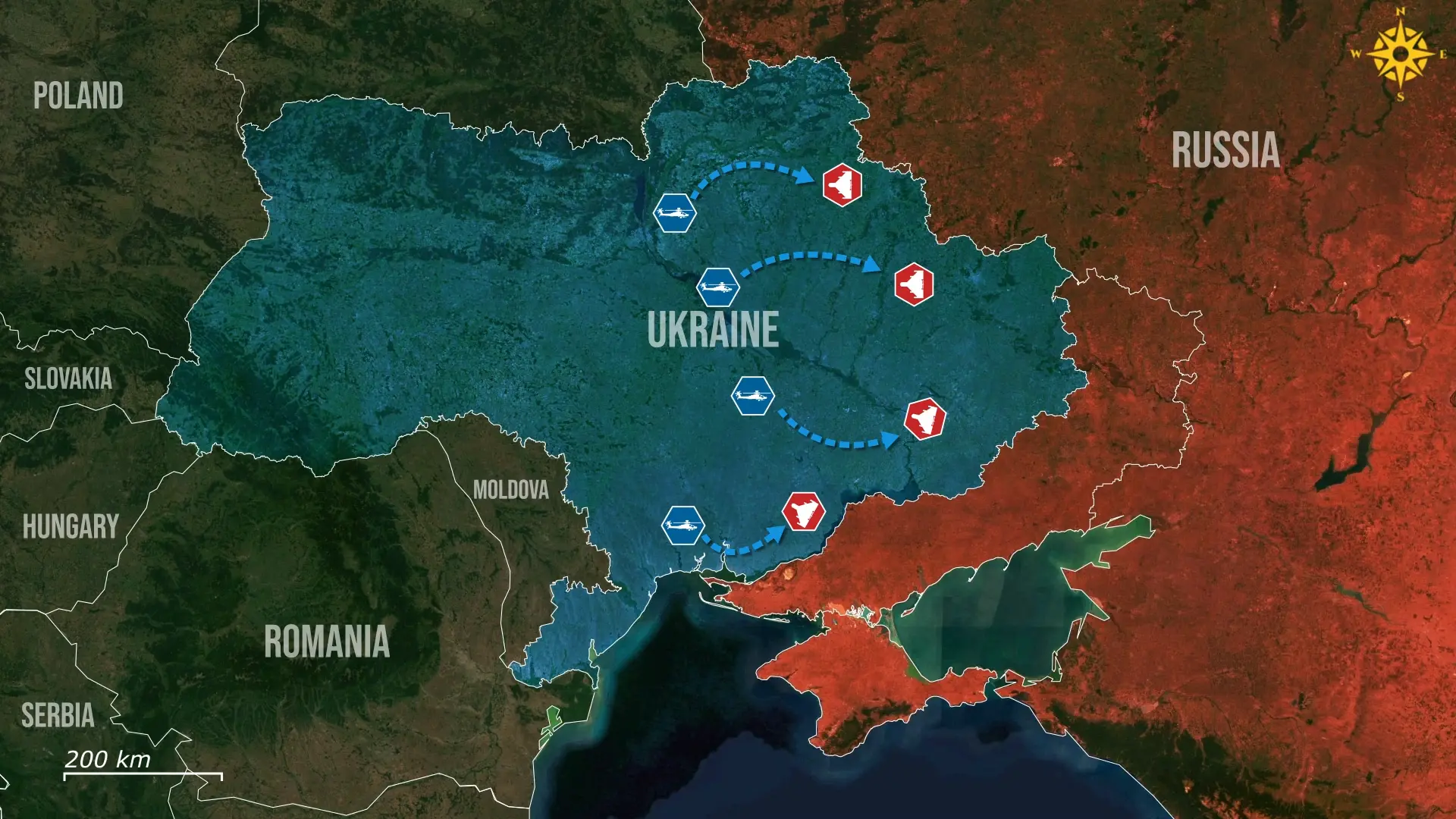
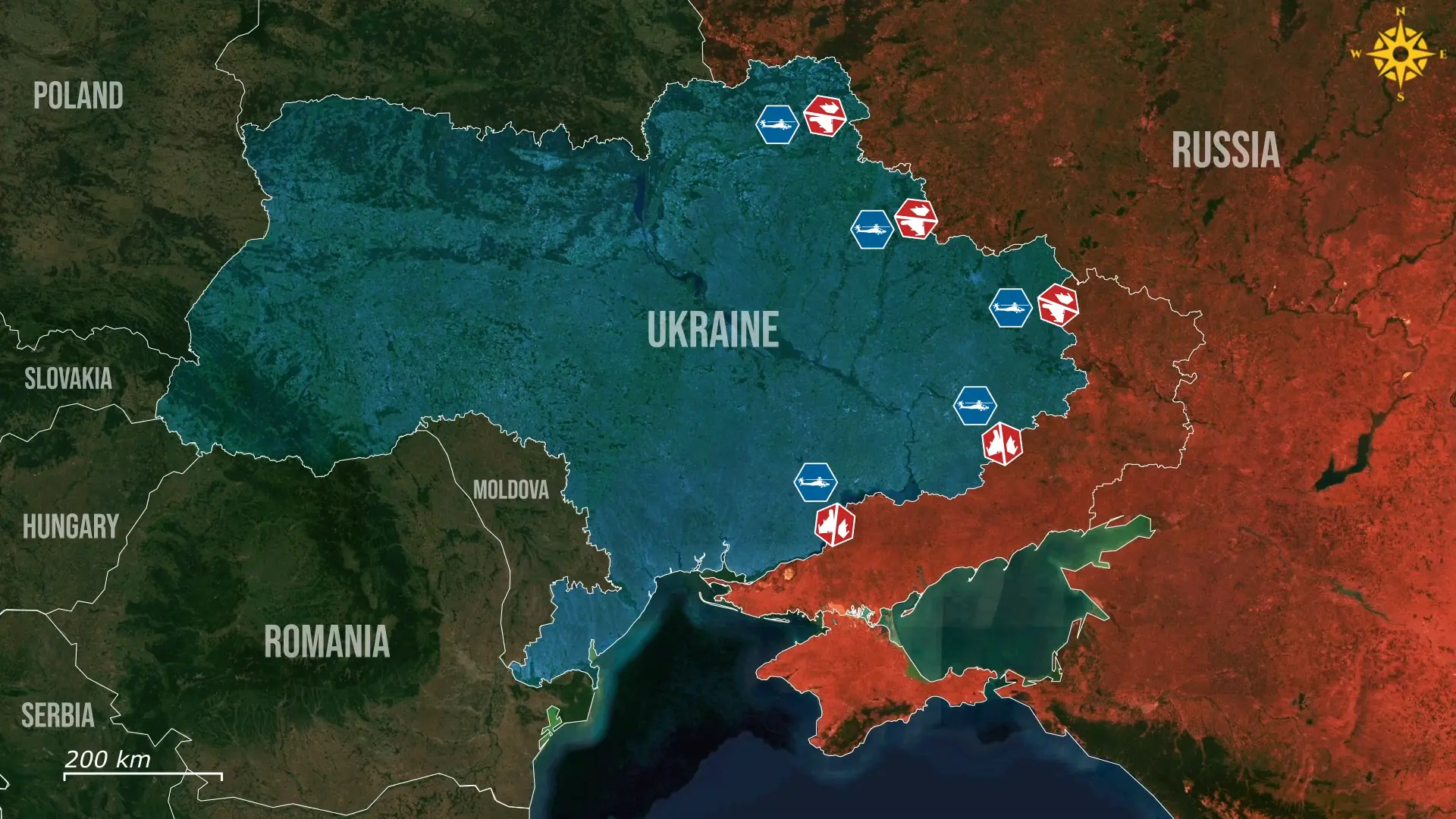
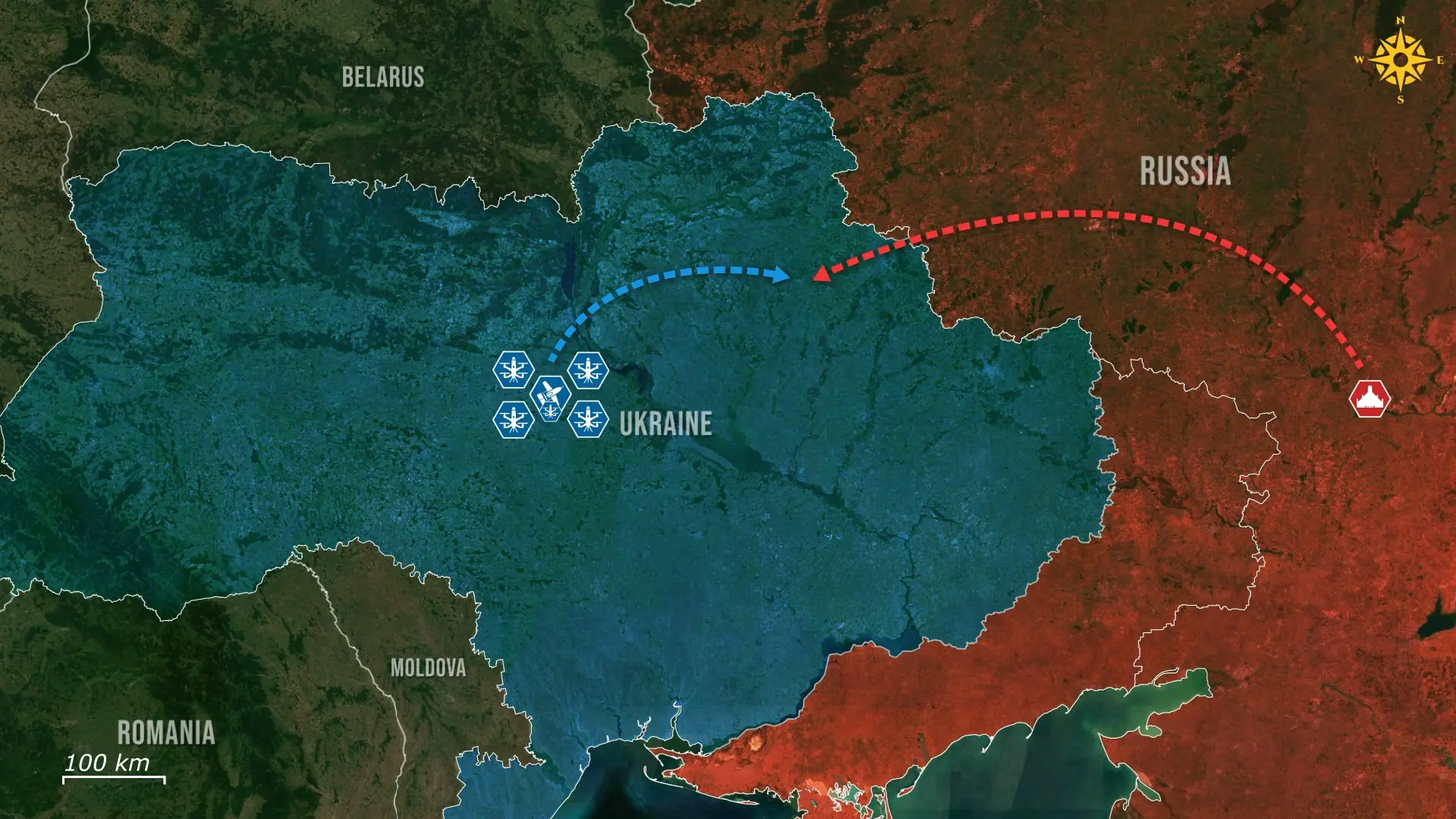
Ukrainian helicopter crews have been hunting Russian Shahed kamikaze drones at night with machine guns, miniguns, and air-burst rockets, turning ageing Soviet rotorcraft into lethal machines of the sky. In a war where every drone that slips through can obliterate an apartment block, these pilots are now the thin, roaring line between terror and sleep for millions of civilians.
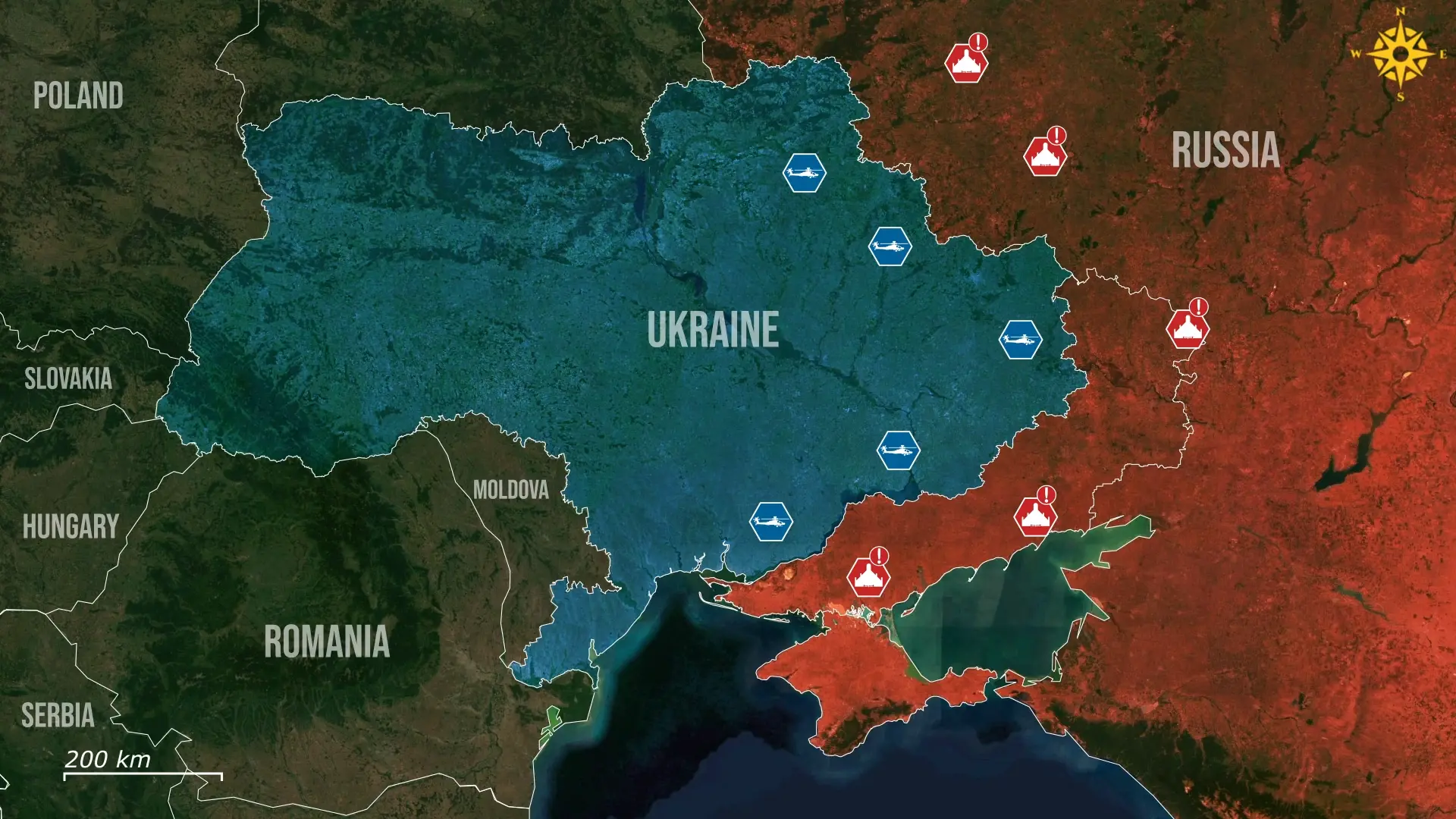
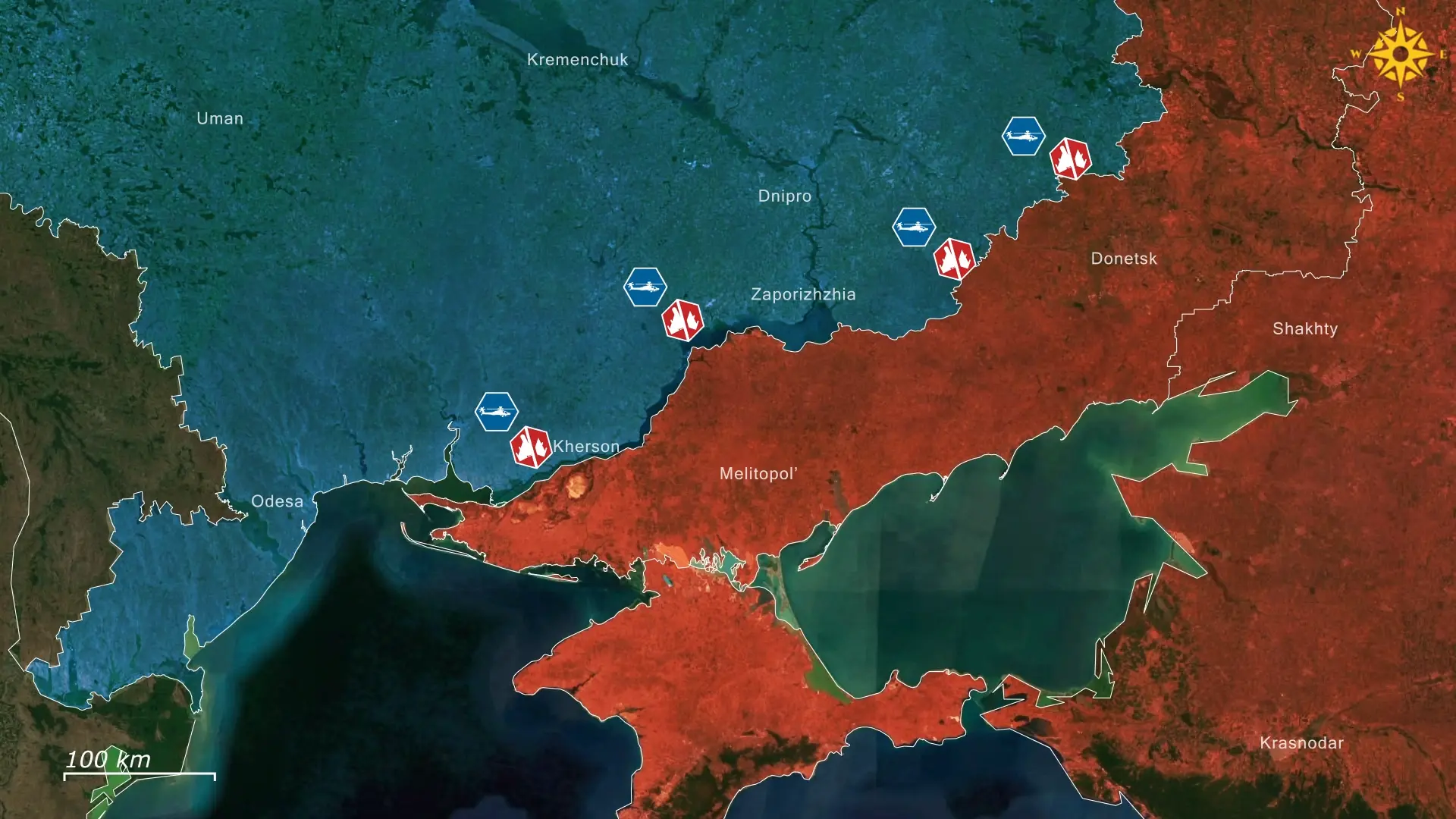
The Ukrainian Air Force and Army Aviation fully integrated Mi-8 and Mi-24 helicopters into frontline air-defense missions against nightly Russian Shahed kamikaze drones and reconnaissance UAV’s by late 2024. Pioneered through improvised patrols by volunteer crews in Odesa and Kherson oblasts, the tactic gained official General Staff approval within months and proliferated across the front. By December 2025, dedicated units from the 18th Sikorsky Brigade, 11th and 16th Army Aviation Brigades, and State Border Guard Service launch routinely from forward airfields, highway strips, and concealed forest pads.
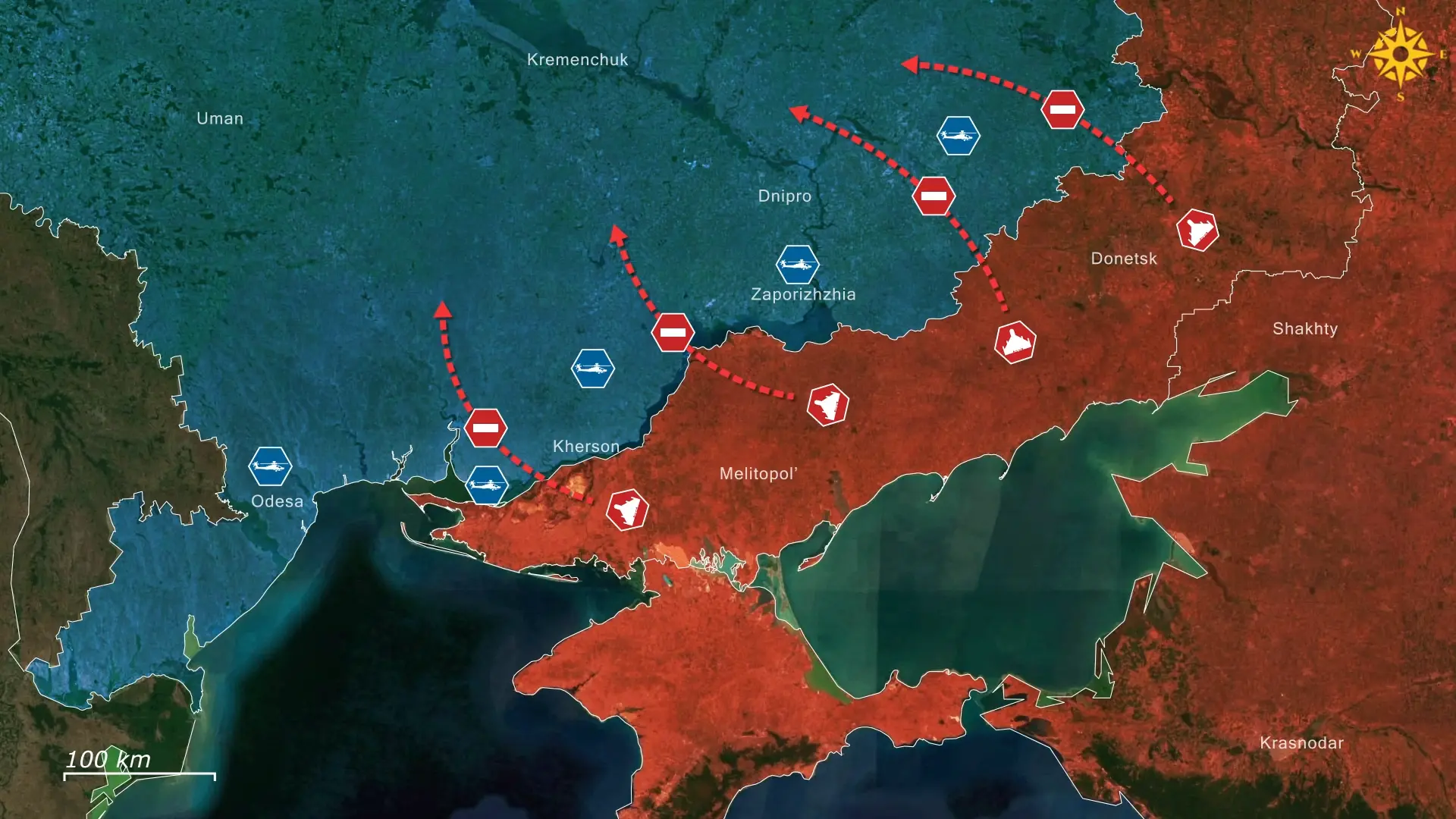
Fuselages bear etched Shahed silhouette kill tallies, while declassified footage captures door gunners unleashing fiery barrages in moonlit skies. Augmented with Western night-vision, thermal optics, and Thales 70 millimeter air-burst munitions, these rotorcraft form a nimble, persistent bulwark against low-altitude threats that strain costlier sam’s and fighters.
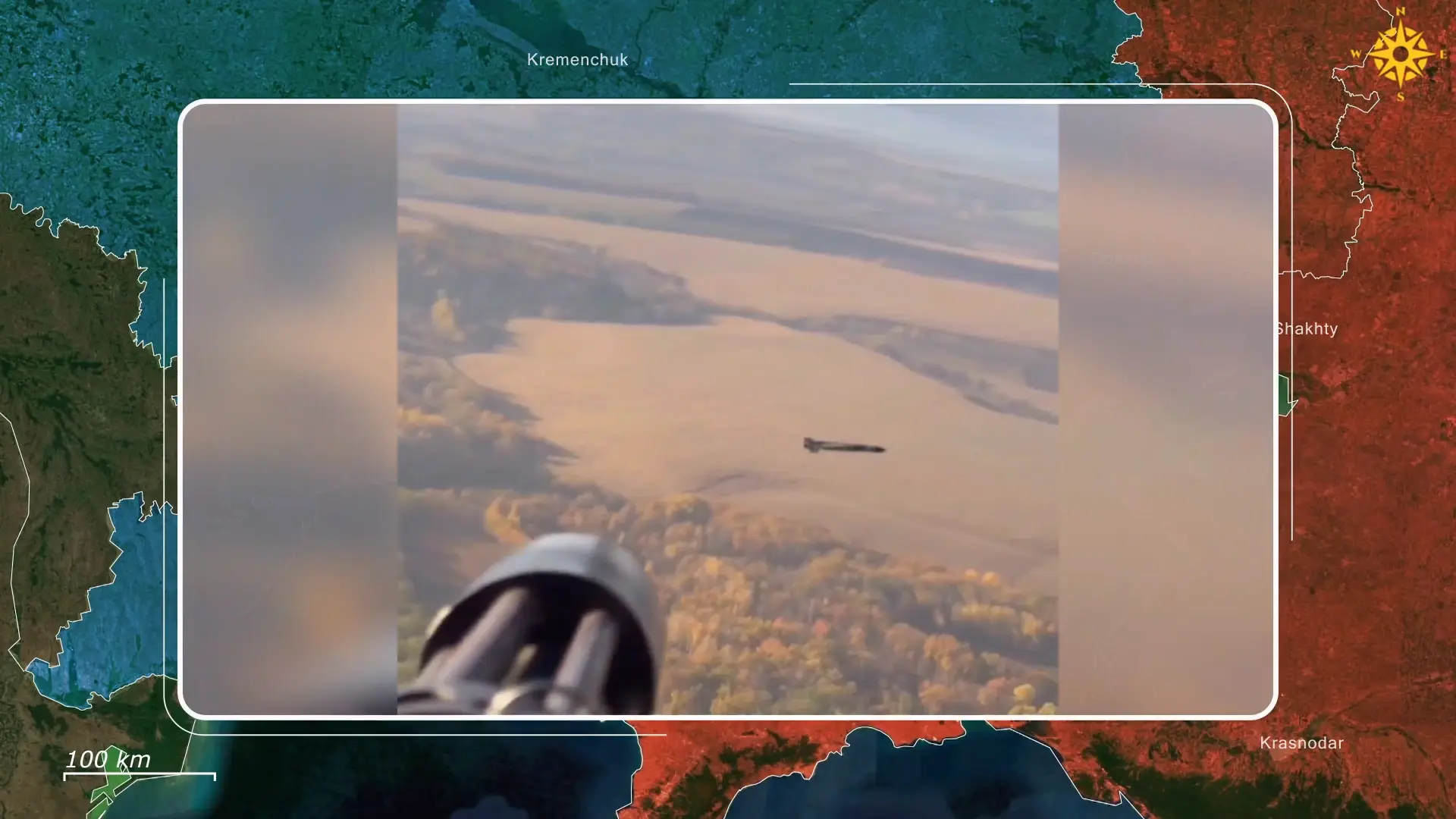
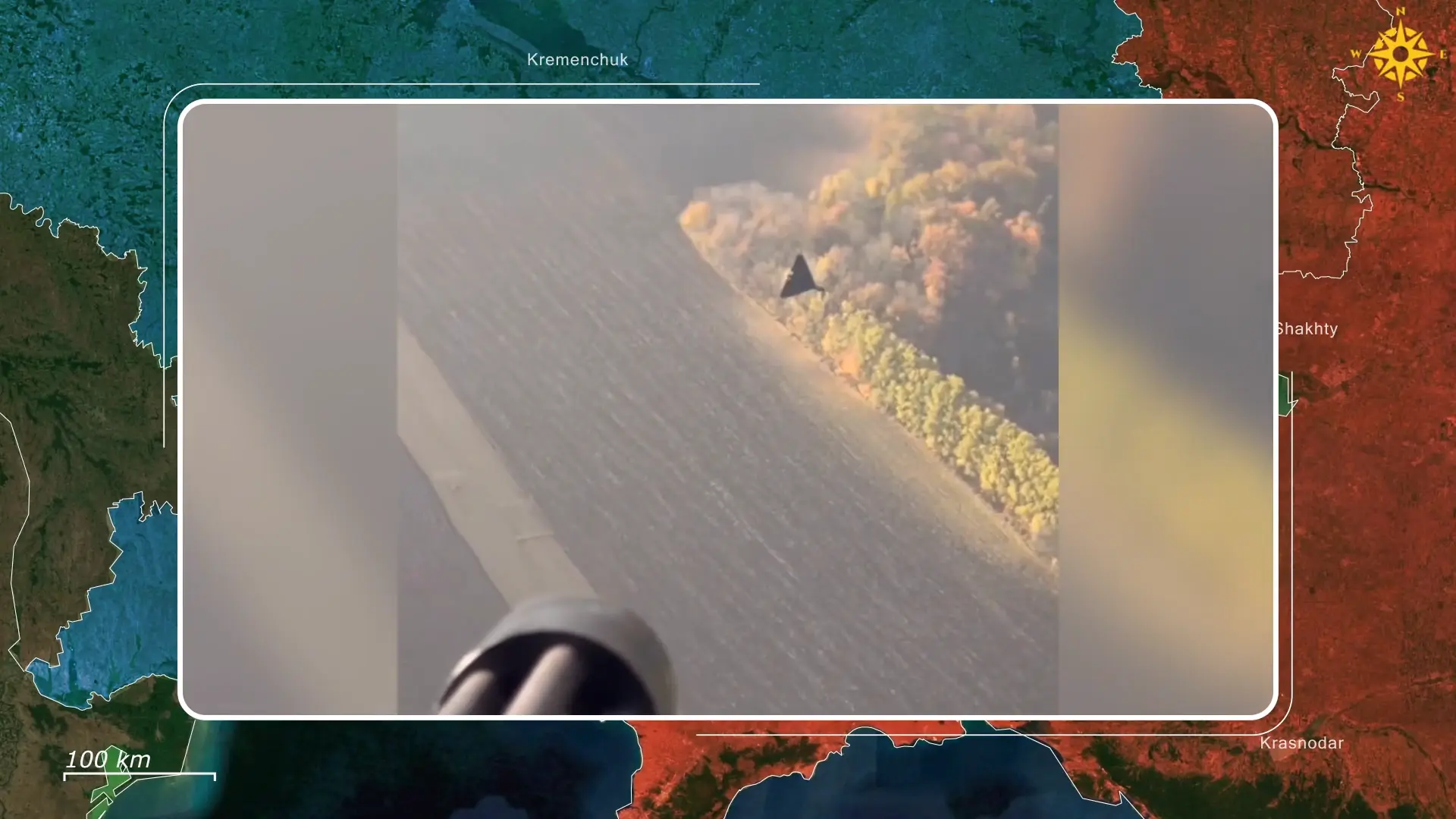
Mi-8 and Mi-24 crews stand ready at frontline airfields, scrambling on 5 to 15 minutes alerts triggered by acoustic arrays, networked radars on tablets, or spotter reports when Shaheds ingress below 2,000 meters. They lift off swiftly, ascending to 800 to 1,500 meters and settling into racetrack orbits along forecast drone corridors. Pilots throttle to 100 to 150 kilometers per hour for prolonged loiter, as Russians have since extended the duration of their strikes to try and exhaust Ukrainian defenses.
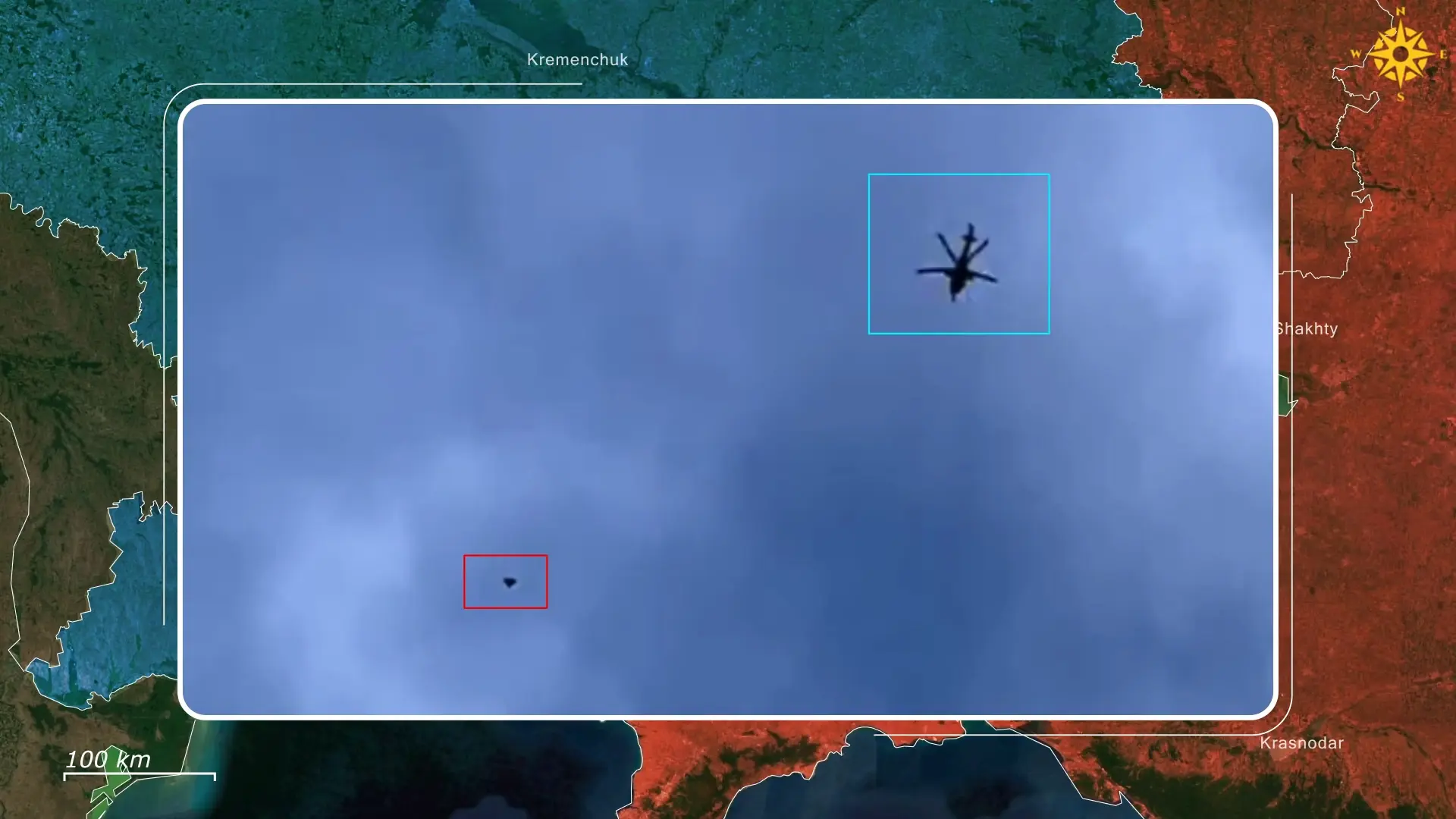
Acquisition typically occurs at 1 to 2 kilometers, using ground and on-board radar to transition seamlessly to engagement as the helicopter closes to an optimal firing window, while gunners scan with helmet-mounted night vision goggles or podded thermals to finalize the engagement. Post-kill, crews execute immediate pedal turns and dives to evade the ensuing warhead blast, circling back to move on to the next target if swarms persist.
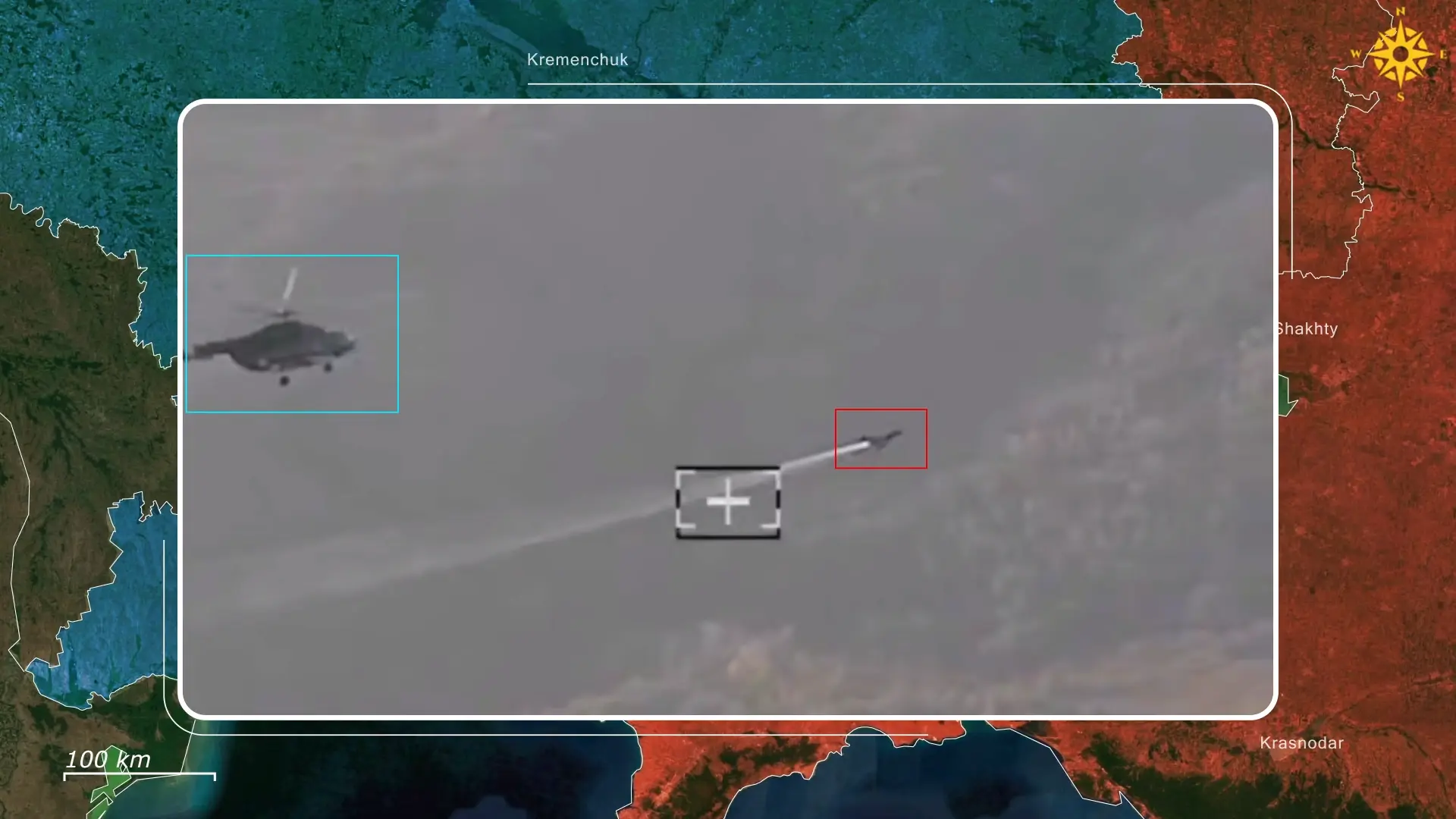
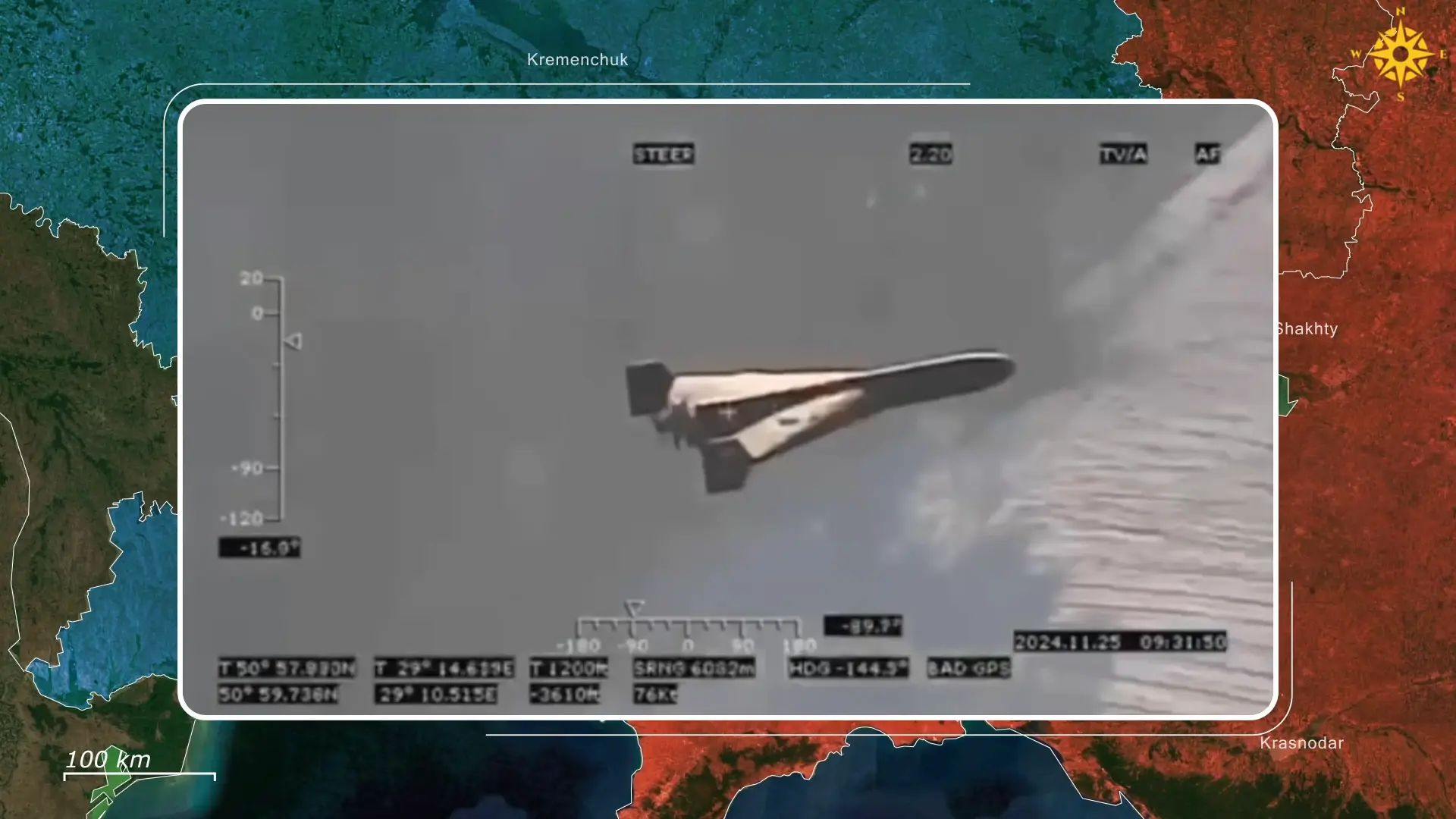
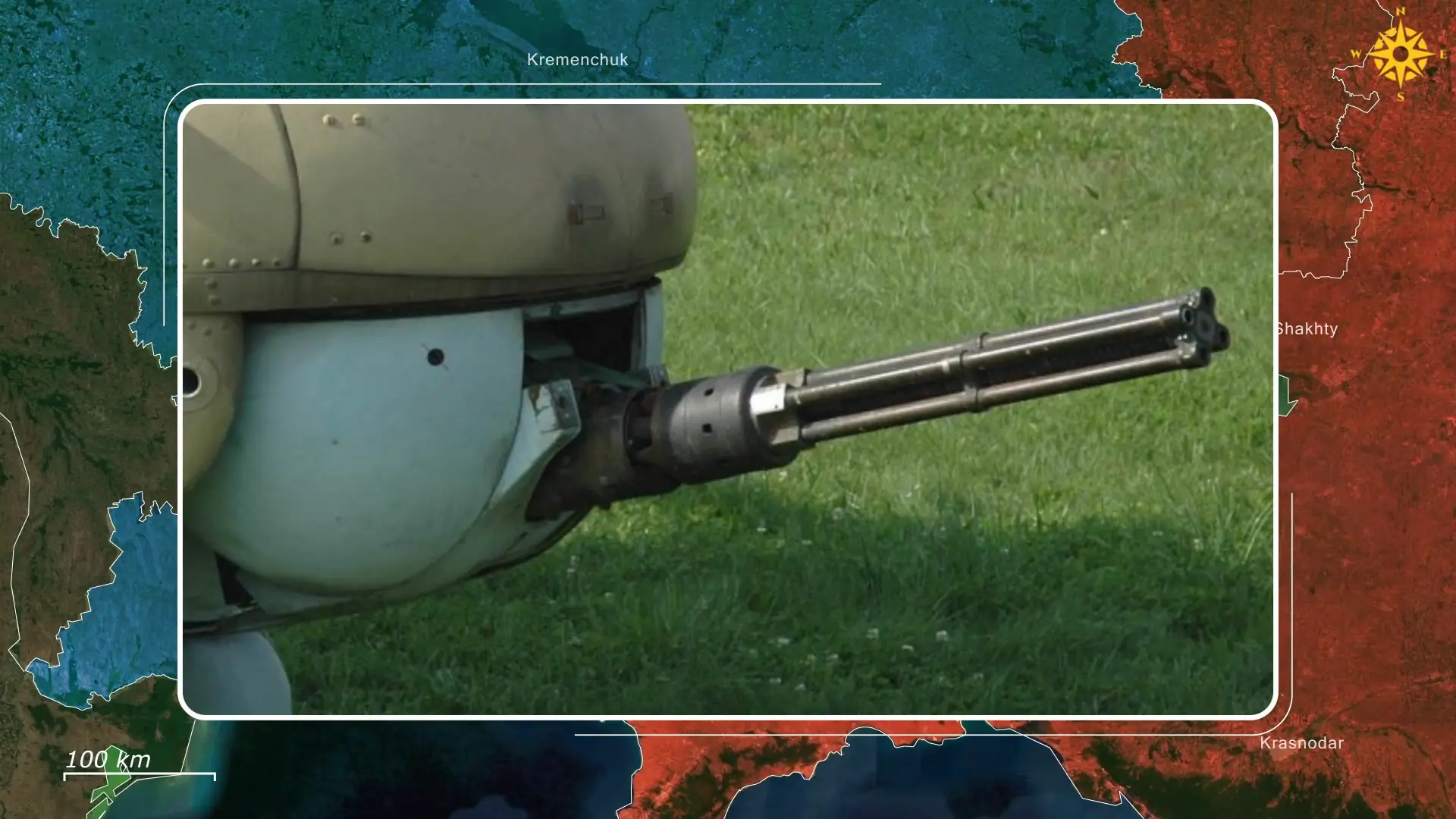
The Mi-8 and Mi-24 excel as drone interceptors through unmatched low-speed agility, keeping up with the conventional Shaheds' 140 to 180 kilometers per hour airspeed, allowing gunners ample time to target and kill the Russian UAV. Expansive crew bays and clamshell doors yield unobstructed 360-degree firing arcs for gunners, equipped with various forms of heavy machine guns and even miniguns that fire at 6,000 rounds a minute to shred the Russian Shaheds.
Additionally, attack helicopter variants are equipped with chin-mounted 12.7 millimeter Gatling guns or fixed 30 millimeter cannons operated by pilots, delivering precision punches at 500 to 1,000 meters. Lastly, hardpoints can mount additional unguided rockets, allowing a single helicopter to handle large swarms on its own.

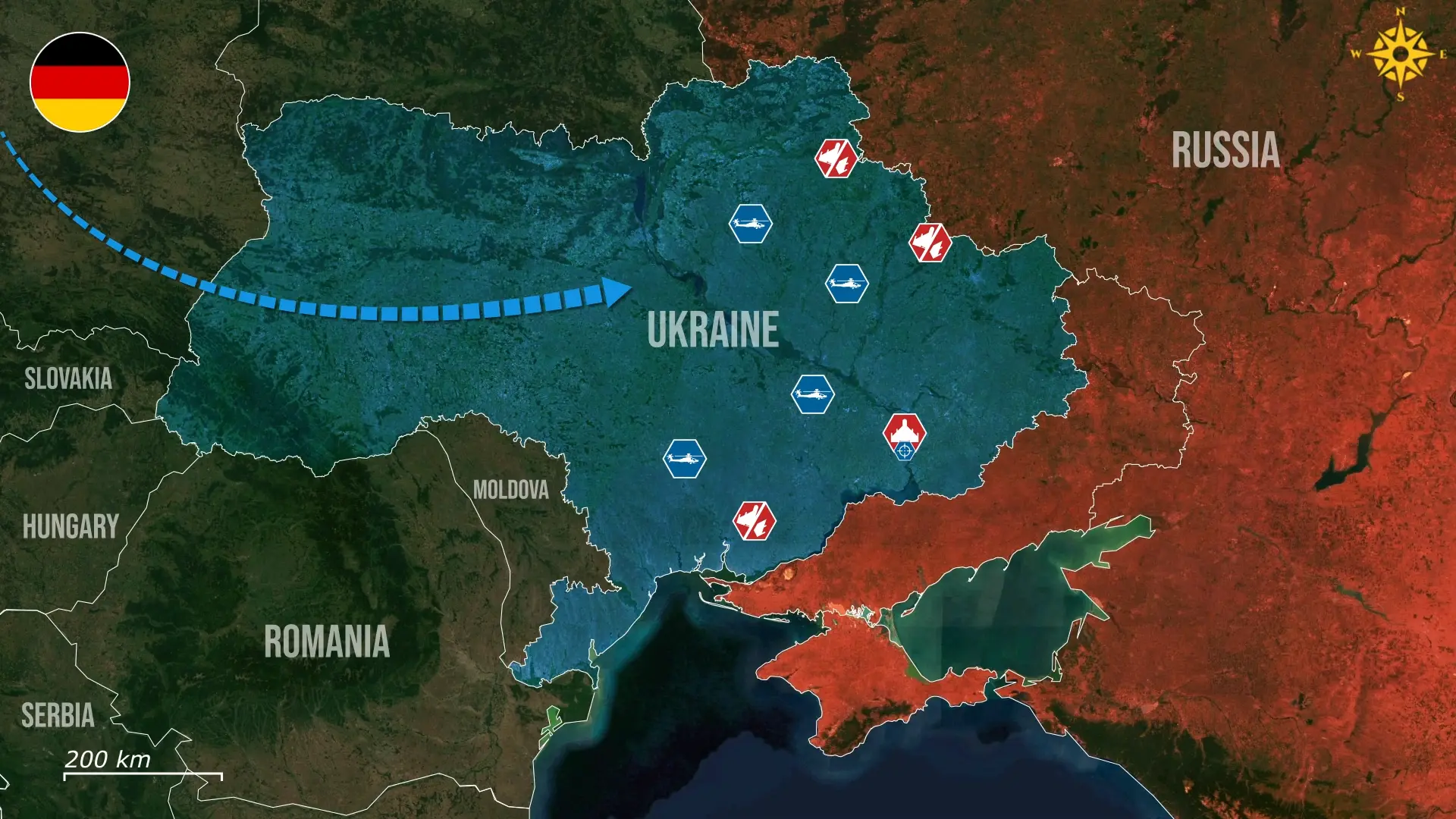
Germany has recently signed a deal with the defense giant Thales to deliver 3,000 guided and 30,000 unguided 70 millimeter airburst rockets for helicopter rocket pods to Ukraine for air defense. Already in limited service, these rockets have boosted Ukrainian helicopters’ lethality against Shahed swarms to 3 kilometers, sustaining 70 to 90 percent hit rates in recent sorties. By December 2025, Ukrainian helicopter crews tallied over 3,200 confirmed Shahed intercepts in the past year.
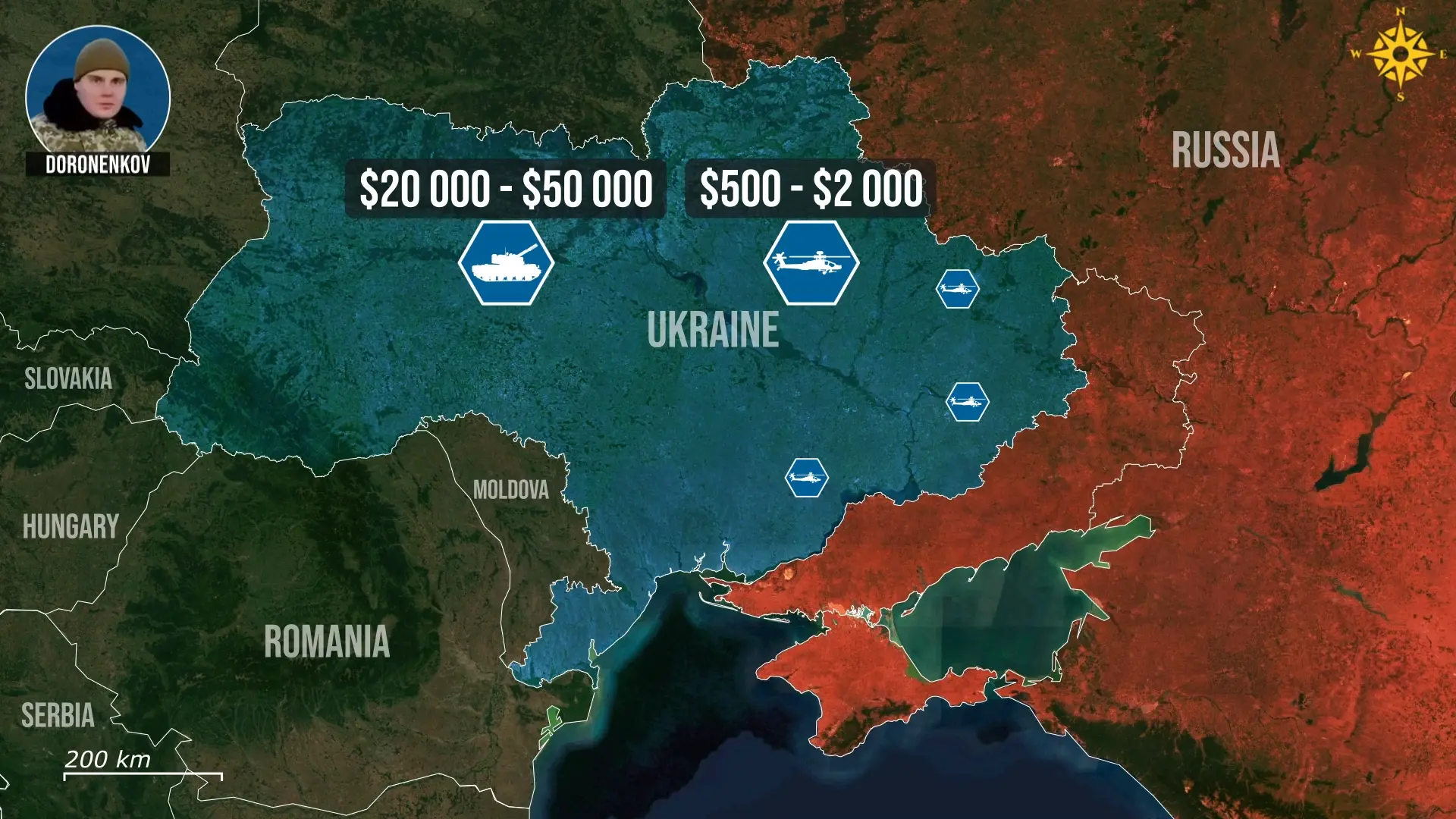
The tactic has been shown to be incredibly cost-effective compared to Sam intercepts, which average an interception cost 20,000 to 50,000 dollars, while helicopters require only 500 to 2,000 dollars in fuel and ammo. Additionally, Ukraine has repurposed over 200 airframes nationwide and is working to accelerate training cycles, which have proven effective at getting large numbers of pilots into the air quickly. In one example, the Ukrainian pilot Doronenkov has been credited with over 300 Shahed kills, already within two years of applying to become a pilot.
Overall, Ukraine’s helicopter-based drone hunting has shattered Russia’s core cost-exchange calculus by destroying 30,000-dollar Shaheds with platforms and munitions that cost pennies on the dollar. It proves that in a war of attrition, tactical mobility, rapid training, and Western precision munitions grafted onto Soviet airframes can neutralize Russian mass tactics faster than any new sam battery alone.
By forcing Russia to fly higher, waste decoys, and conduct costlier strikes overall, the rotorcraft have already saved hundreds of millions in anti-air missiles and, far more importantly, thousands of civilian lives. In a conflict increasingly decided by who best weaponizes what already exists, these night-stalking Mi-8 and Mi-24 demonstrate that sheer audacity and adaptability remain Ukraine’s most potent asymmetric advantage.
.jpg)

Comments