

.svg)
Today, the biggest news comes from Europe.
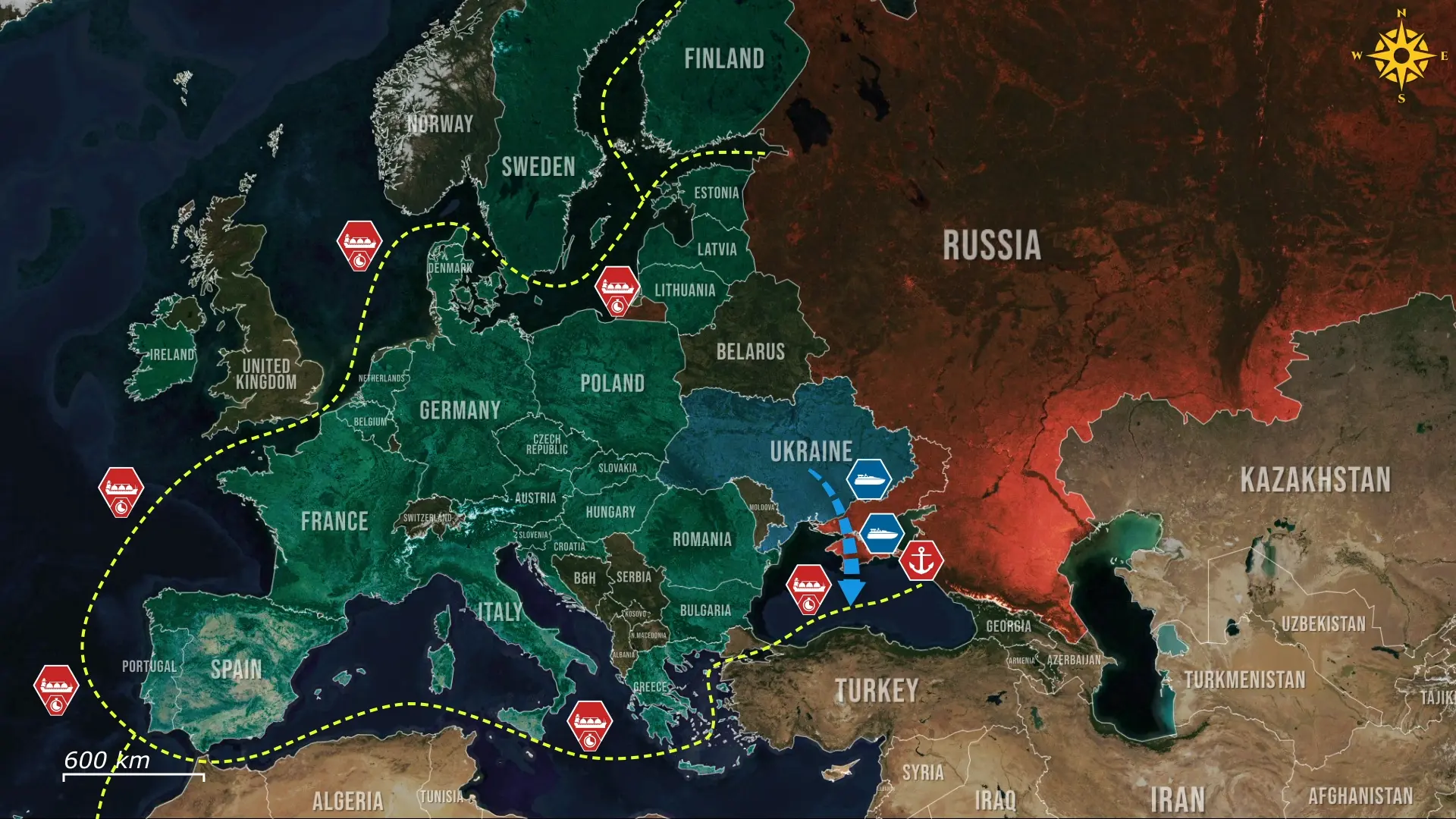
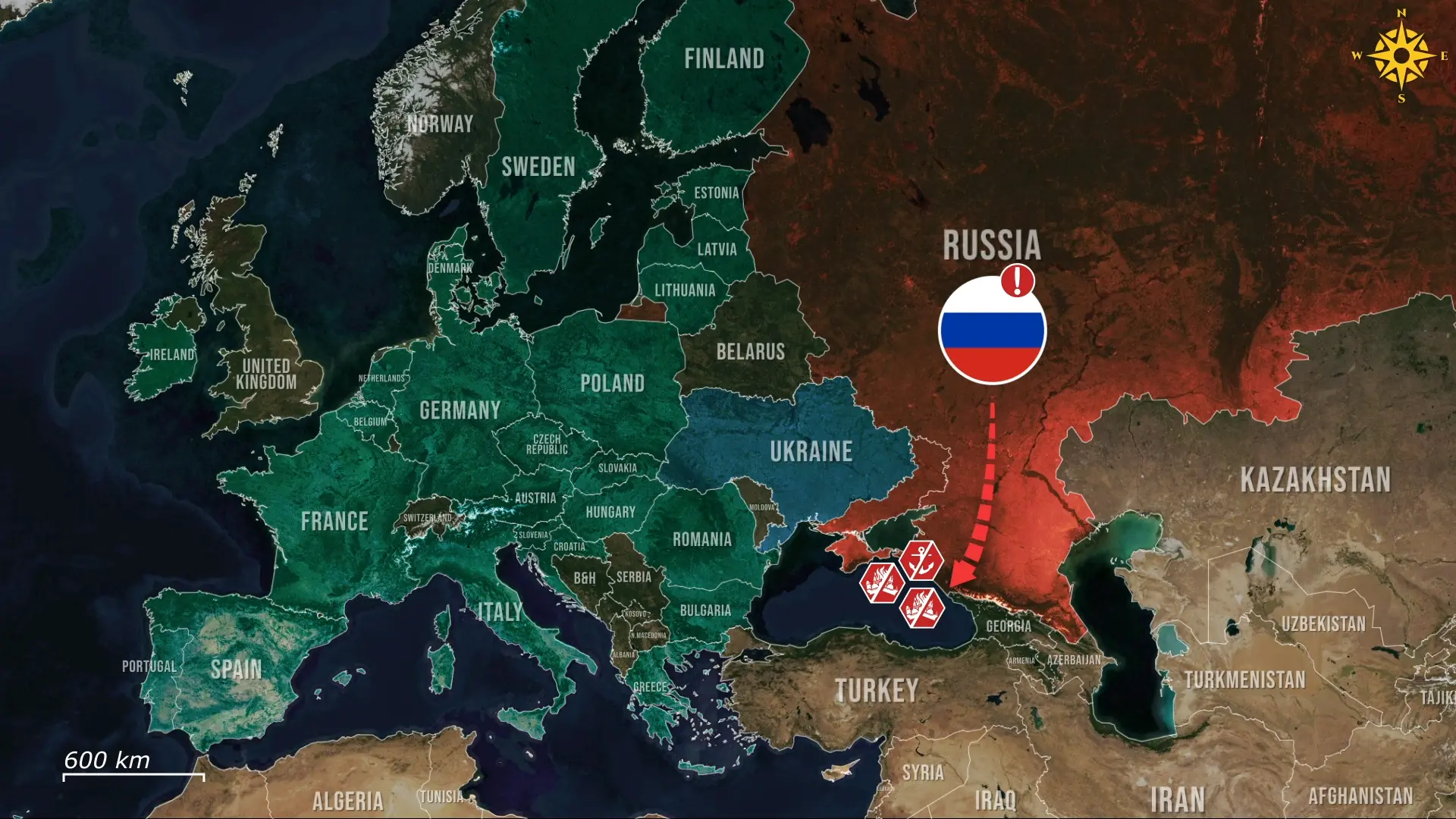
Here, Ukraine is escalating its campaign in the Black Sea into a de facto blockade, targeting Russia’s shadow fleet and crippling key oil export infrastructure. In response, Moscow has begun accusing European nations of direct involvement—threatening retaliation as it scrambles to break a tightening noose it can no longer evade through deniability.
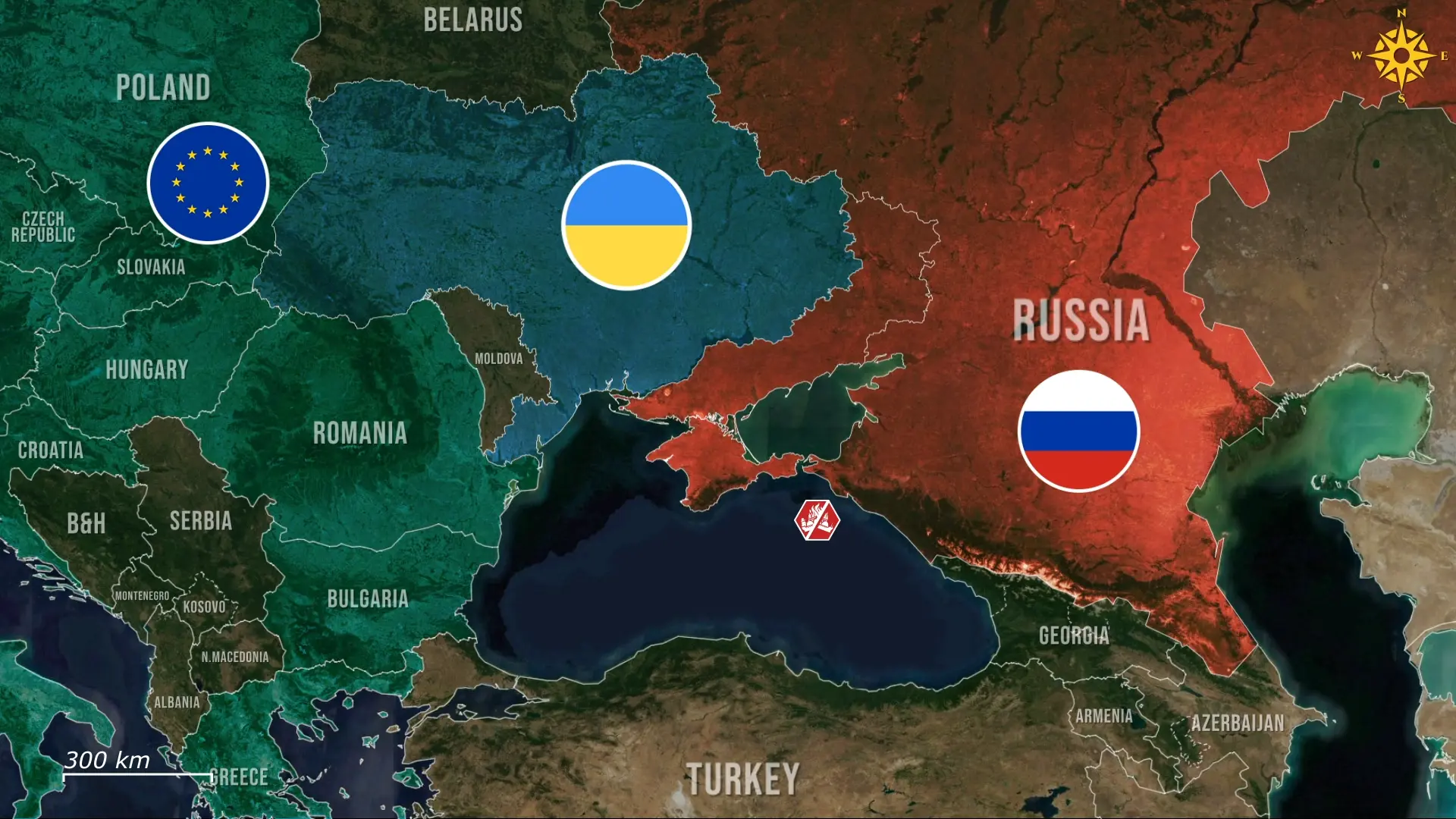
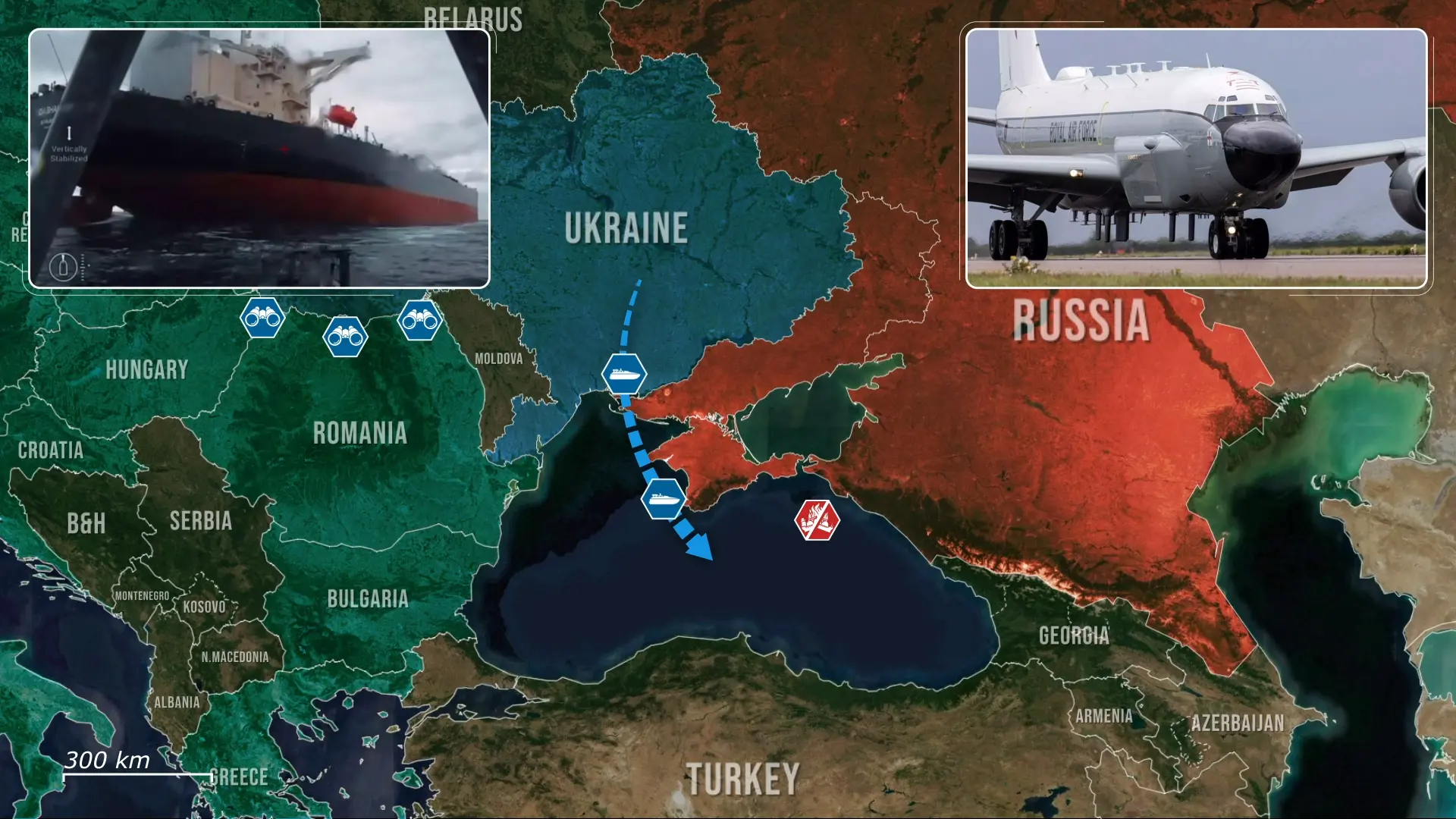
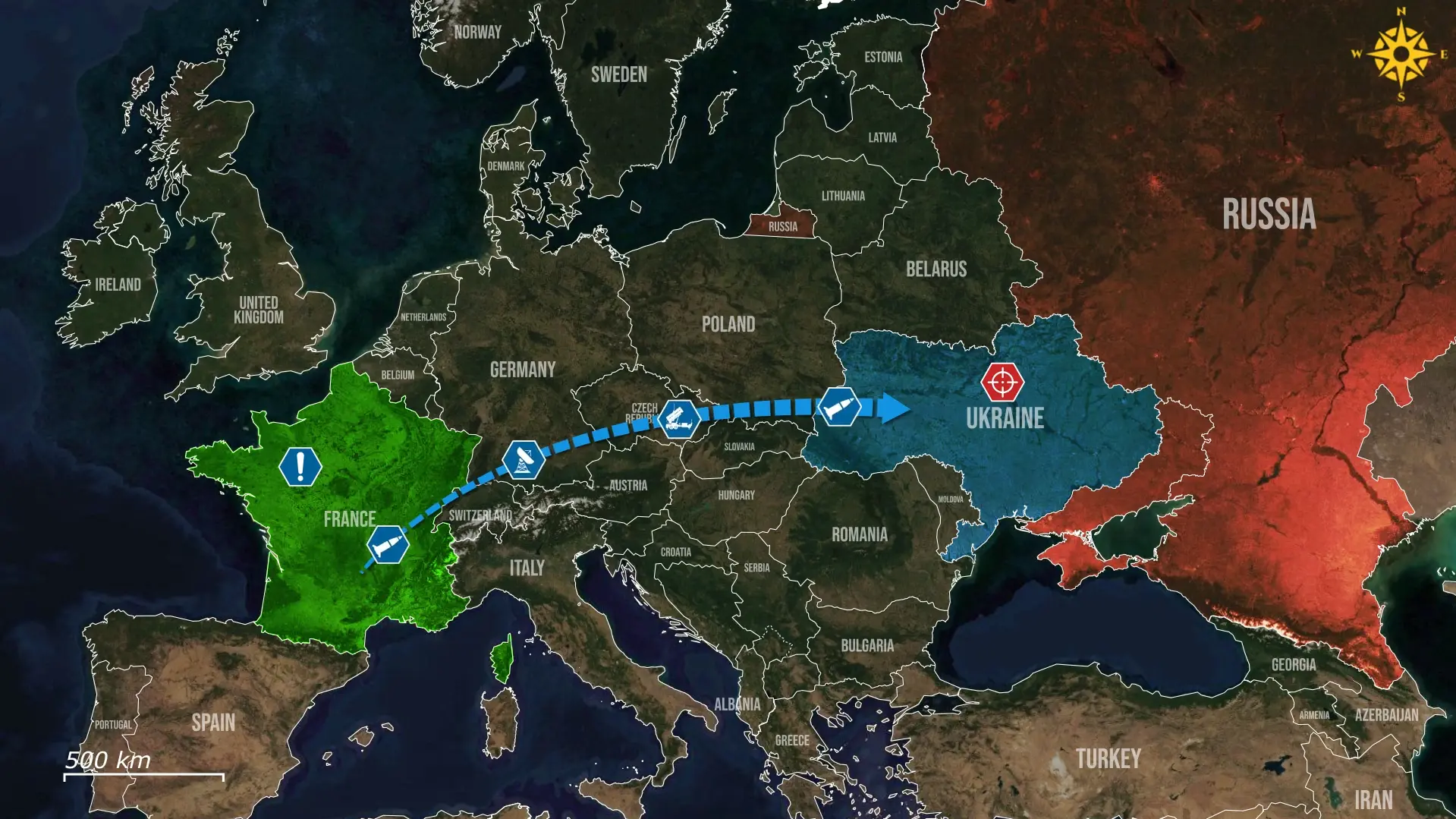
Here, the central development is the attack on the Dashan, a sanctioned tanker that approached Novorossiysk with its transponder switched off. Ukrainian Sea Baby drones reached the vessel in daylight and, according to Ukrainian sources, caused enough damage to force it out of rotation. However, Russian commentators immediately focused on the British RC-135 flying over the western Black Sea, claiming it provided real-time intelligence for and directed the strike through Ukraine. Whether Russia’s accusations are true or not, Ukraine’s allies supply surveillance and situational awareness, allowing Ukraine to execute the countless successful strike campaigns they have over the course of the war, greatly undermining Russia’s military and economic capabilities while staying clear of international red lines.
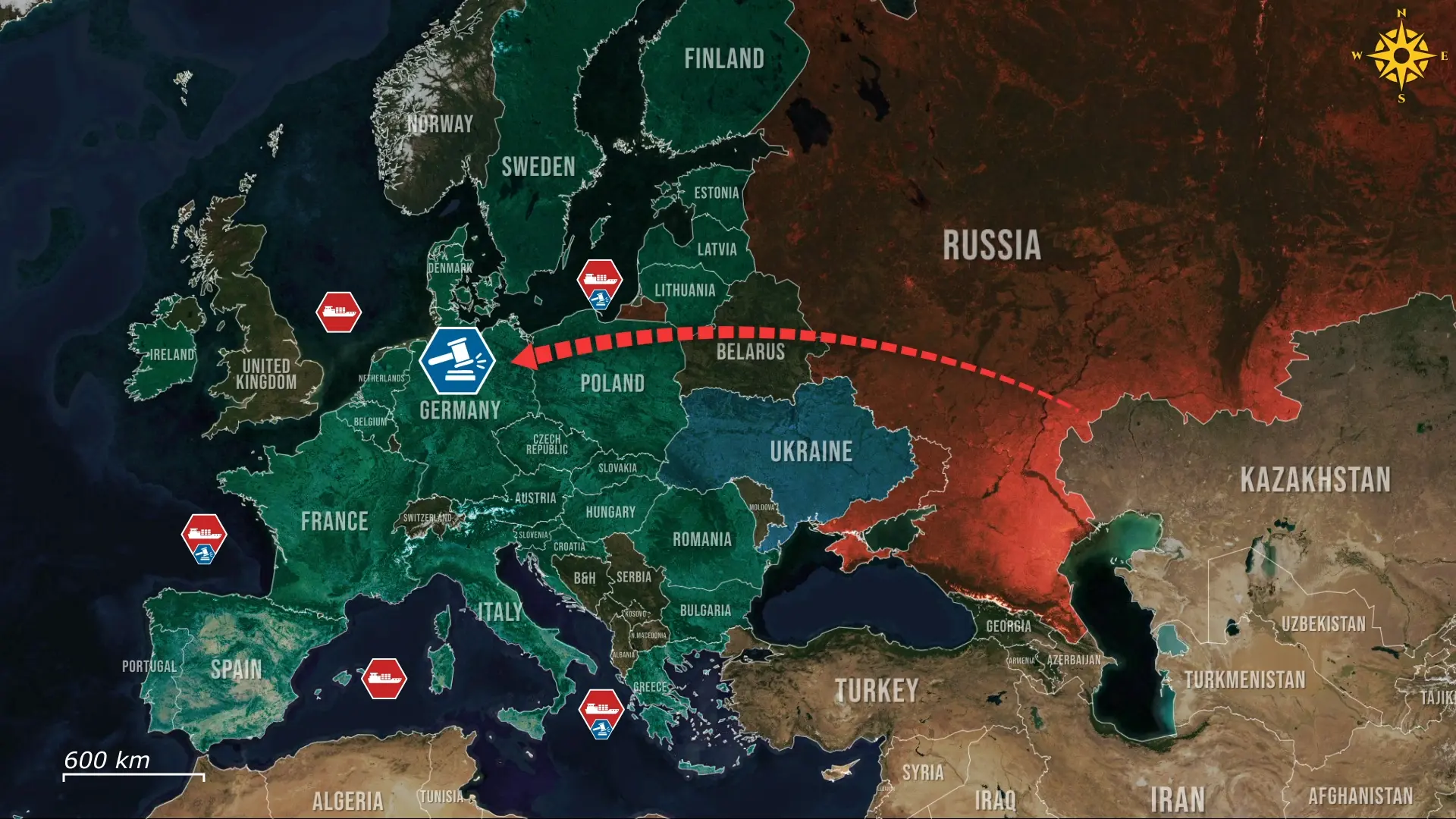
This context is essential because whether Russia exaggerates Western involvement or not, Ukraine is doing Europe a major favor. Russia continues to evade sanctions by renaming vessels, switching flags, sailing dark, and operating a shadow fleet that makes enforcement of sanctions packages extremely difficult. Europe needs legal processes, investigations, and regulatory decisions to respond, which means Russia almost always acts faster. One current case shows a German court refusing to allow the seizure of a damaged Shadow Fleet vessel due to concerns of legal retaliation from Russia or others.
Ukraine does not face those constraints; it can strike tankers directly, as with Dashan, and it can seize vessels that drift into its ports, such as the ghost ship recently detained after it had ironically sailed into the harbor of Odesa after repeatedly changing identity while carrying grain from Russian-controlled Crimea. Aside from aiding in the prevention of sanctions evasion, several shadow-fleet vessels have been linked to aggressive GPS jamming affecting aviation and shipping all around Europe. By taking these ships out of circulation, Ukraine reduces hybrid threats as well as illegal exports, effectively enforcing sanctions in a way Europe cannot match, without pulling Europe into open confrontation with Russia. At the same time, Ukraine is targeting the ports that sustain this fleet, as recent naval and aerial drone strikes did major damage to moorings and offshore terminals near Novorossiysk, causing the port to completely suspend operations till repairs were made.
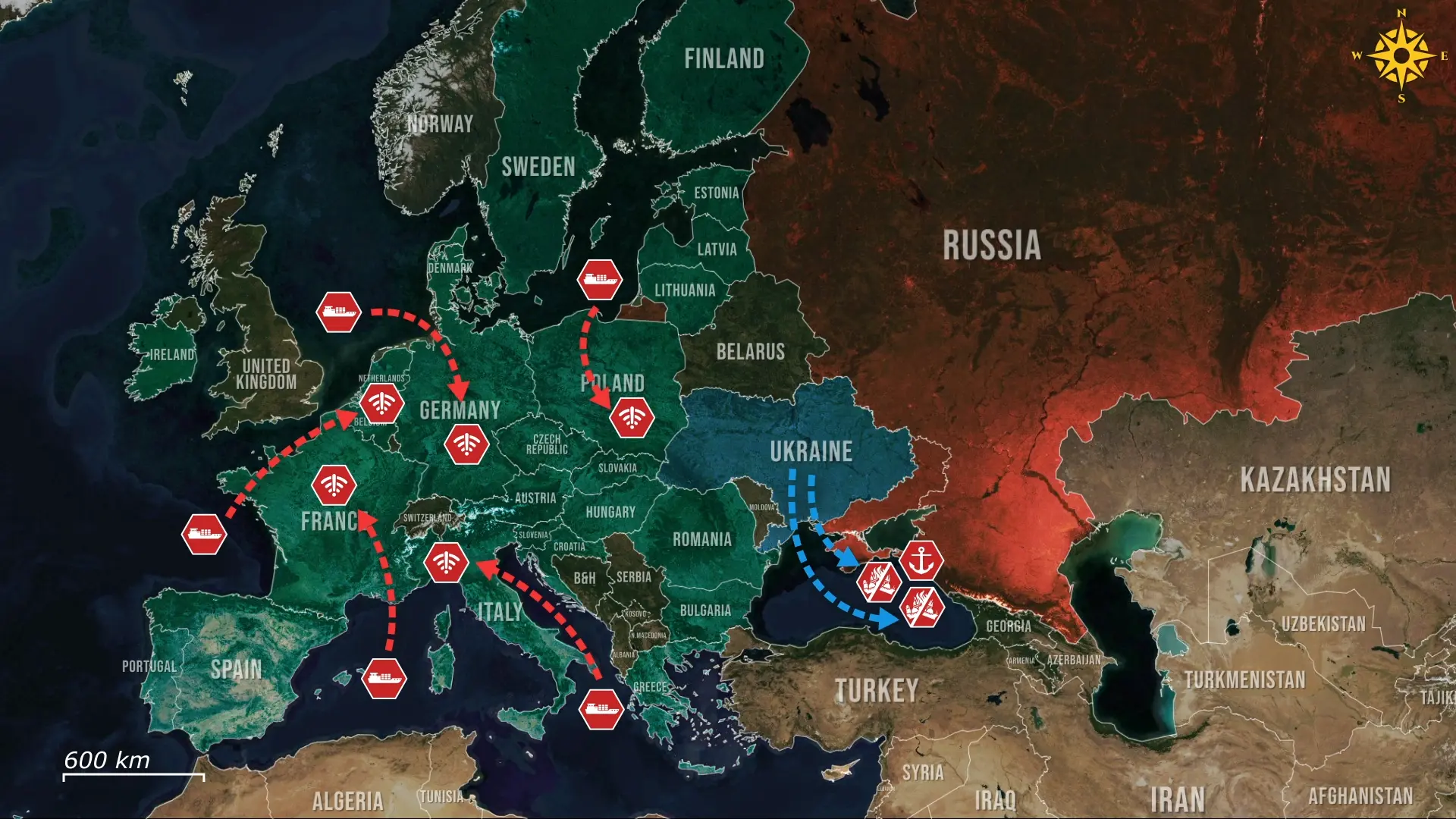
Shadow-fleet tankers are already old and poorly maintained, and rely on limited friendly port access points to repair, load, and unload. When these hubs become contested, Shadow fleet captains face rising risks of fire, leaks, mechanical failure, and long delays. A system that was already operating on thin margins becomes even more fragile, and each additional disruption increases the chance of cascading accidents and problems that Russia cannot easily hide or fix.
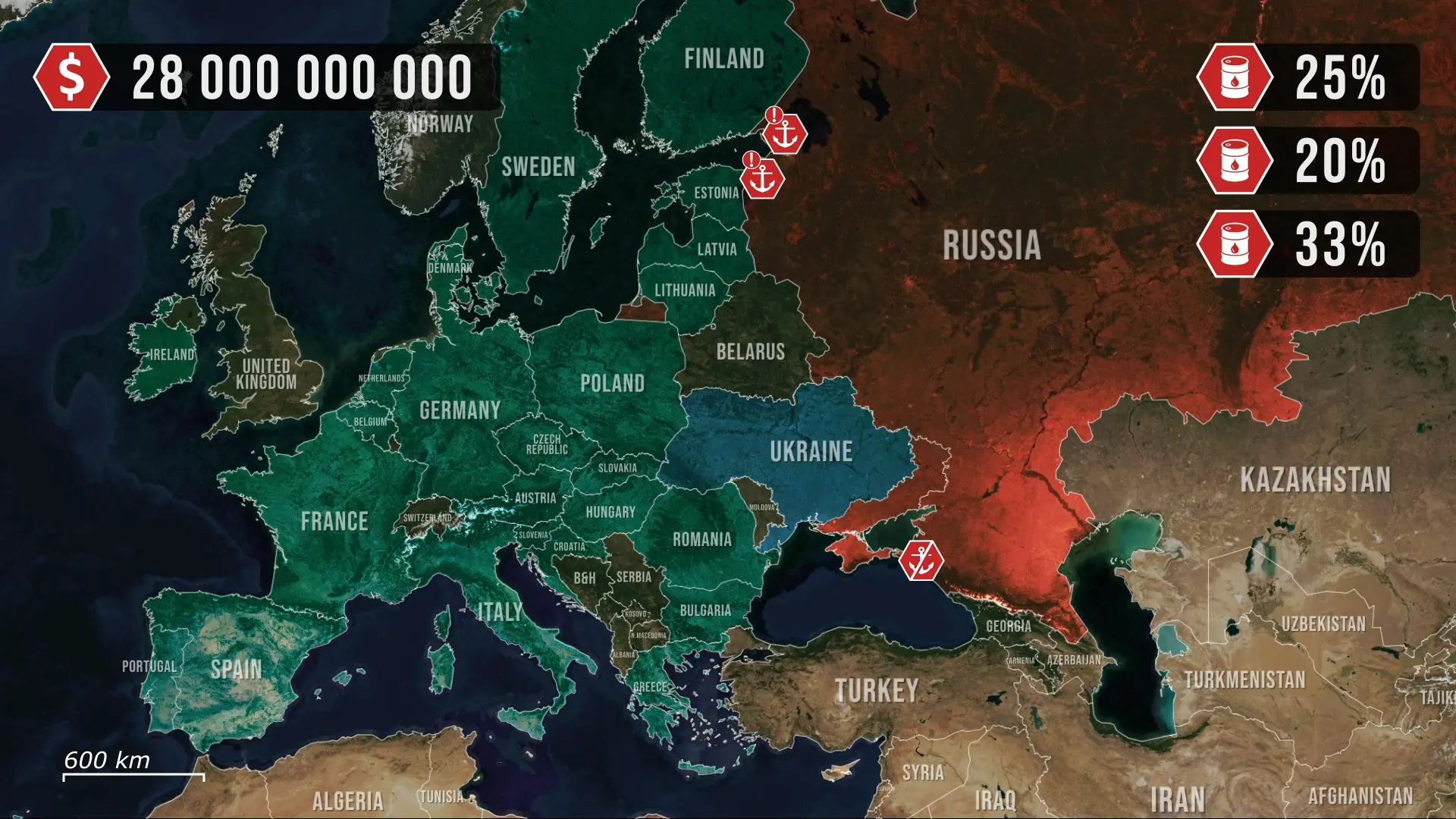
Economically, terminals at Novorossiysk handle a major share of Russia’s seaborne oil trade, as terminals at Novorossiysk account for roughly a quarter of all Russian seaborne crude refined-product shipments. By comparison, St Petersburg handles far less crude at only a fifth, and is geared mainly toward products and general cargo. Ust-Luga manages a large but already heavily utilized one third portion of Russia’s exports through the Baltic, and is equally unable to take over Novorossiysk’s load. When Novorossiysk slows down, there is no equivalent southern port that can absorb the same volume, and neither of the northern ports has the spare capacity to compensate. The result is a structural bottleneck: any sustained disruption in the Black Sea immediately threatens a disproportionate share of Russia’s export earnings, over 28 billion US dollar of the Russian national budget, tightening the system with every new strike.
Overall, Ukraine’s campaign against the shadow fleet and the infrastructure supporting it is becoming a fast-moving form of sanctions enforcement. By disabling tankers, detaining illegal vessels, and forcing major terminals into shutdowns or slower rotations, Ukraine achieves results that European institutions cannot produce with legal tools alone. For Russia, this means fewer ships it can trust, fewer ports it can rely on, and fewer stable routes to move the oil that finances its war. If the current pattern continues, the Black Sea is on track to become an increasingly hazardous and unreliable export corridor long before Moscow can find a way to adapt.
.jpg)


Comments