

.svg)
Today, there are interesting updates from Ukraine.
Here, a startling new interceptor drone has just brought down a Russian attack drone through a new method, marking an important breakthrough. Ukraine has shown that stopping low-cost Russian attacks no longer has to cost more than 20 minutes worth of drone battery electricity, directly challenging the economic logic of drone warfare.
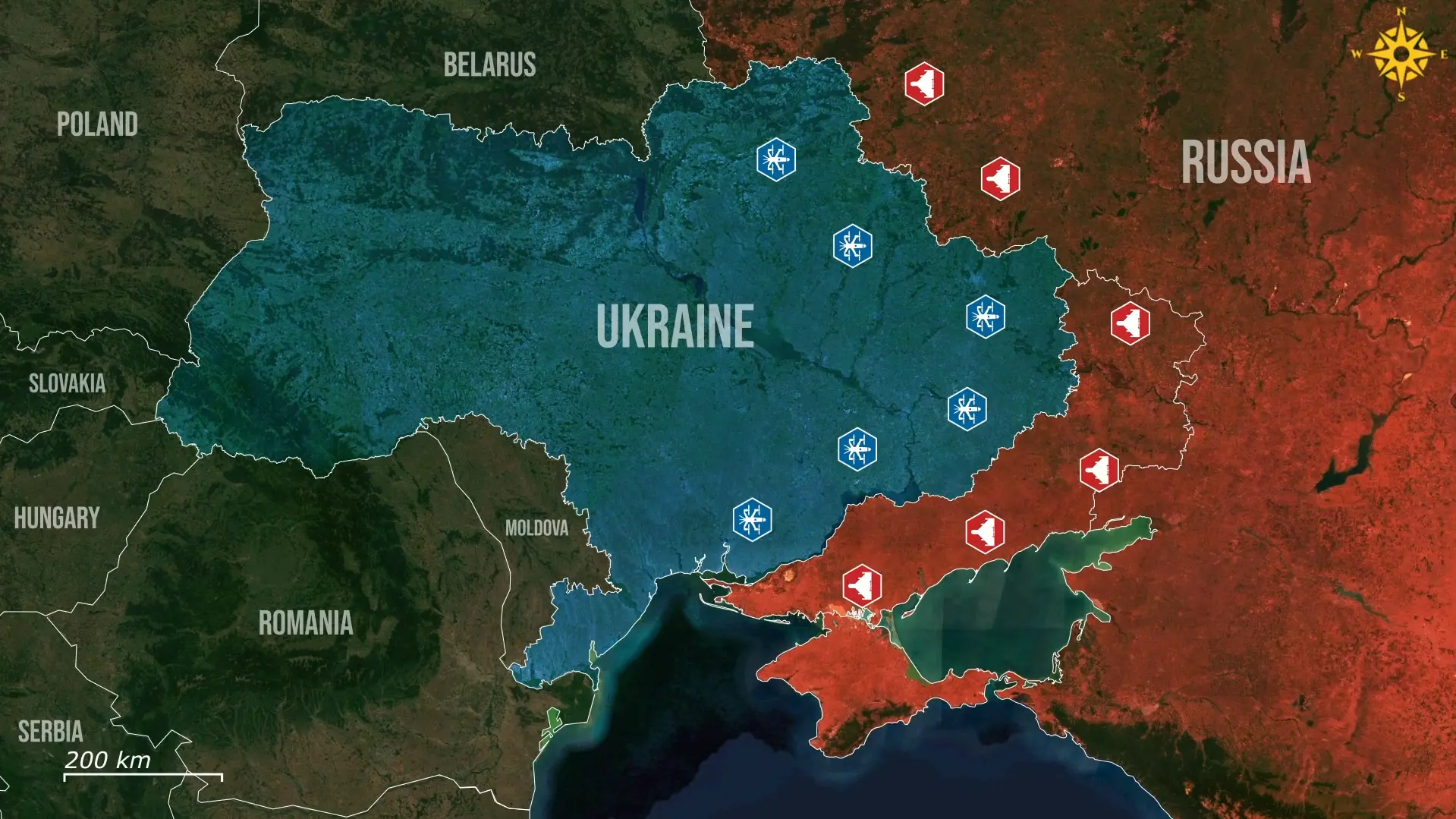
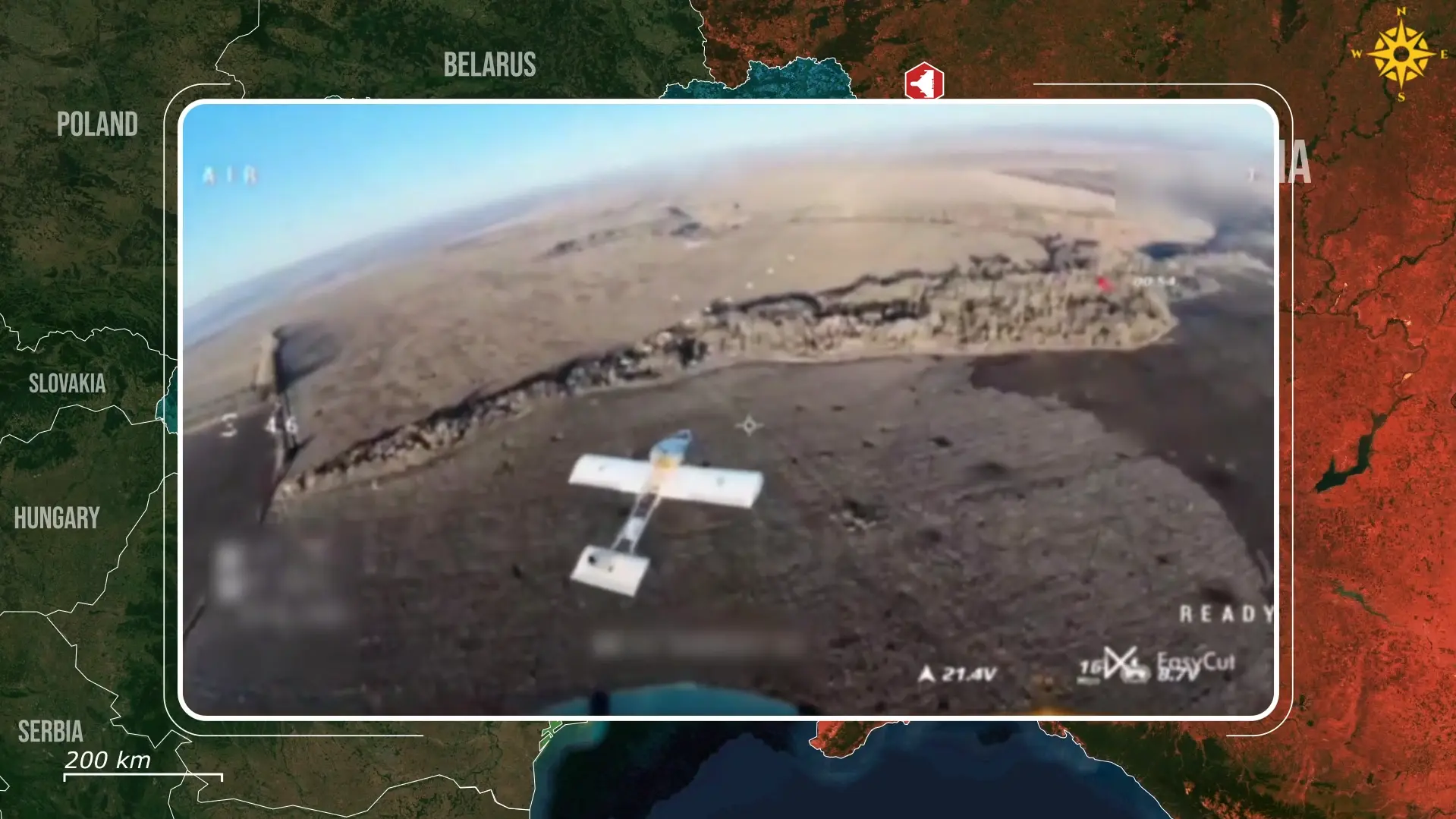
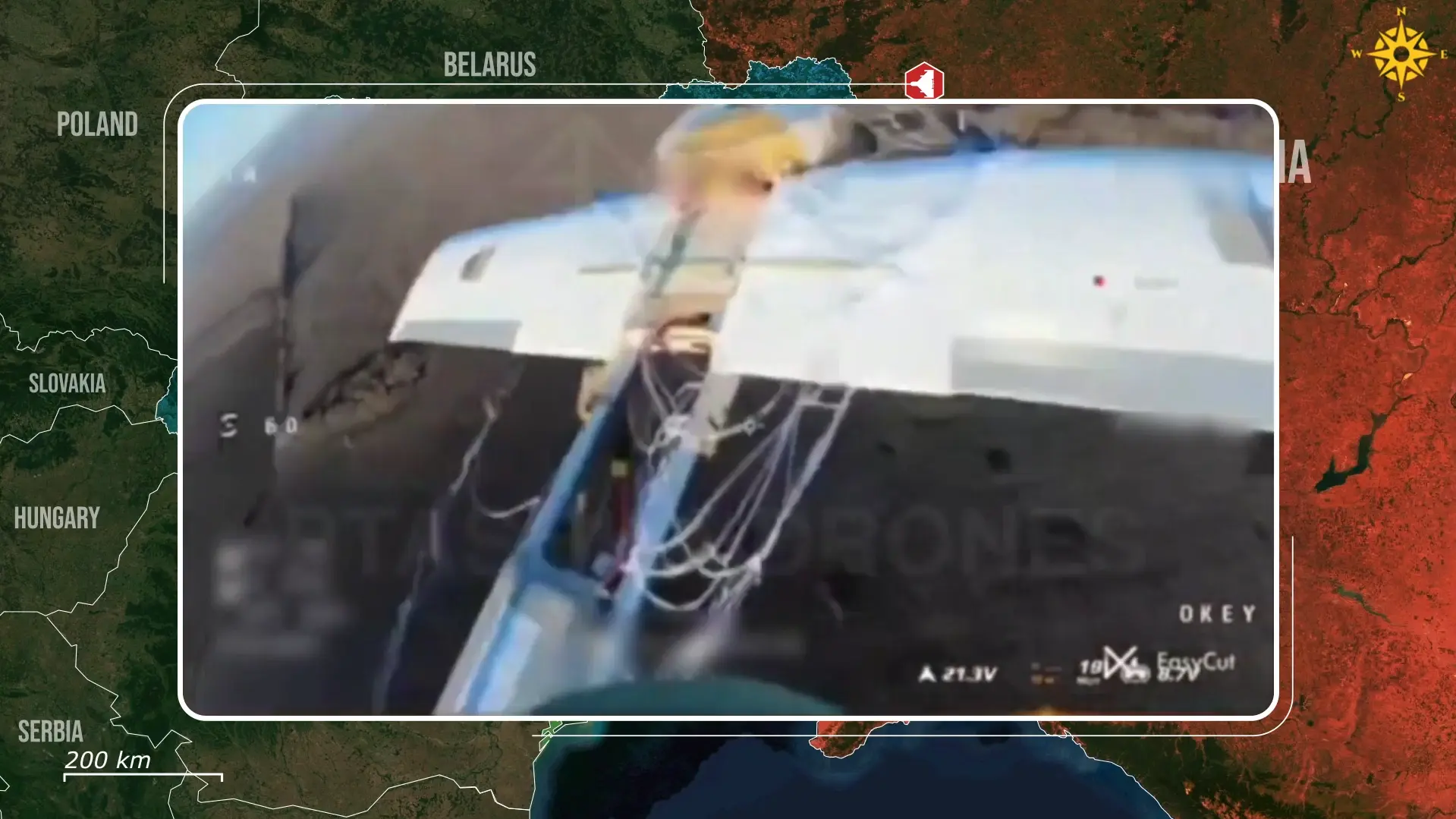
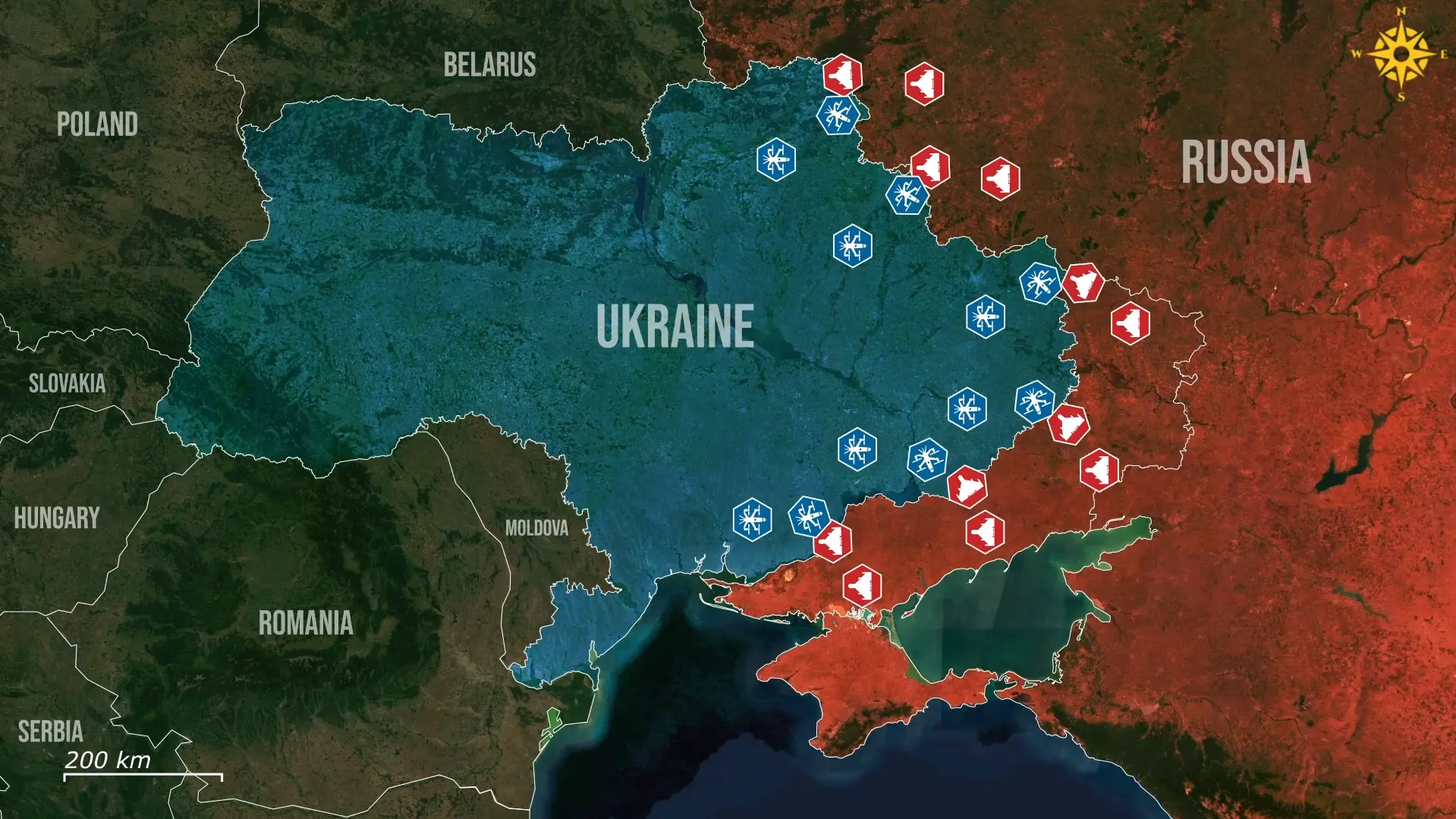
Recently released footage confirms that a Ukrainian interceptor drone can close in on a Russian Molniya strike drone and neutralize it with a net gun, showing how to disable a target without sacrificing the tool used to do it in the process. This matters a lot in a war of attrition because most short-range drone interceptions still depend on methods that consume the interceptor in the process and raise the cost.
In a ramming attack, the defending drone destroys the target by colliding with it and is therefore lost together with it. In an explosive interception, the defender still relies on a one-time kill method because the drone and the explosive are spent in that single engagement.
In the new method, the interceptor fires a net into the target’s propellers and disables it mid-air. Once tangled, the propellers can no longer work properly, so the drone loses steering and falls out of the sky. What makes this more effective is that the interceptor only needs to disable the propellers that keep the aircraft airborne, sacrificing only the cheap net element, while the drone returns safely for the next mission.
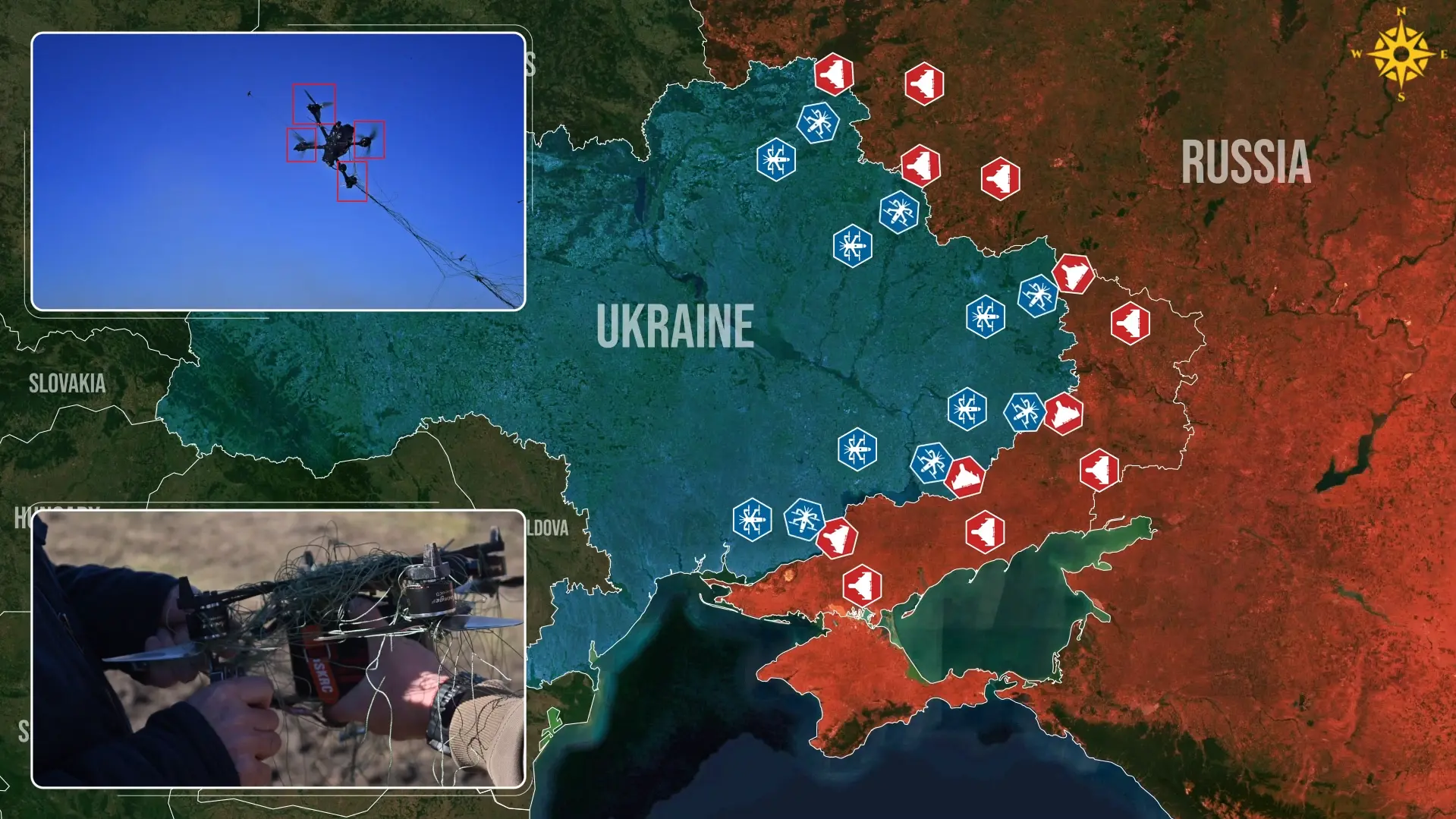
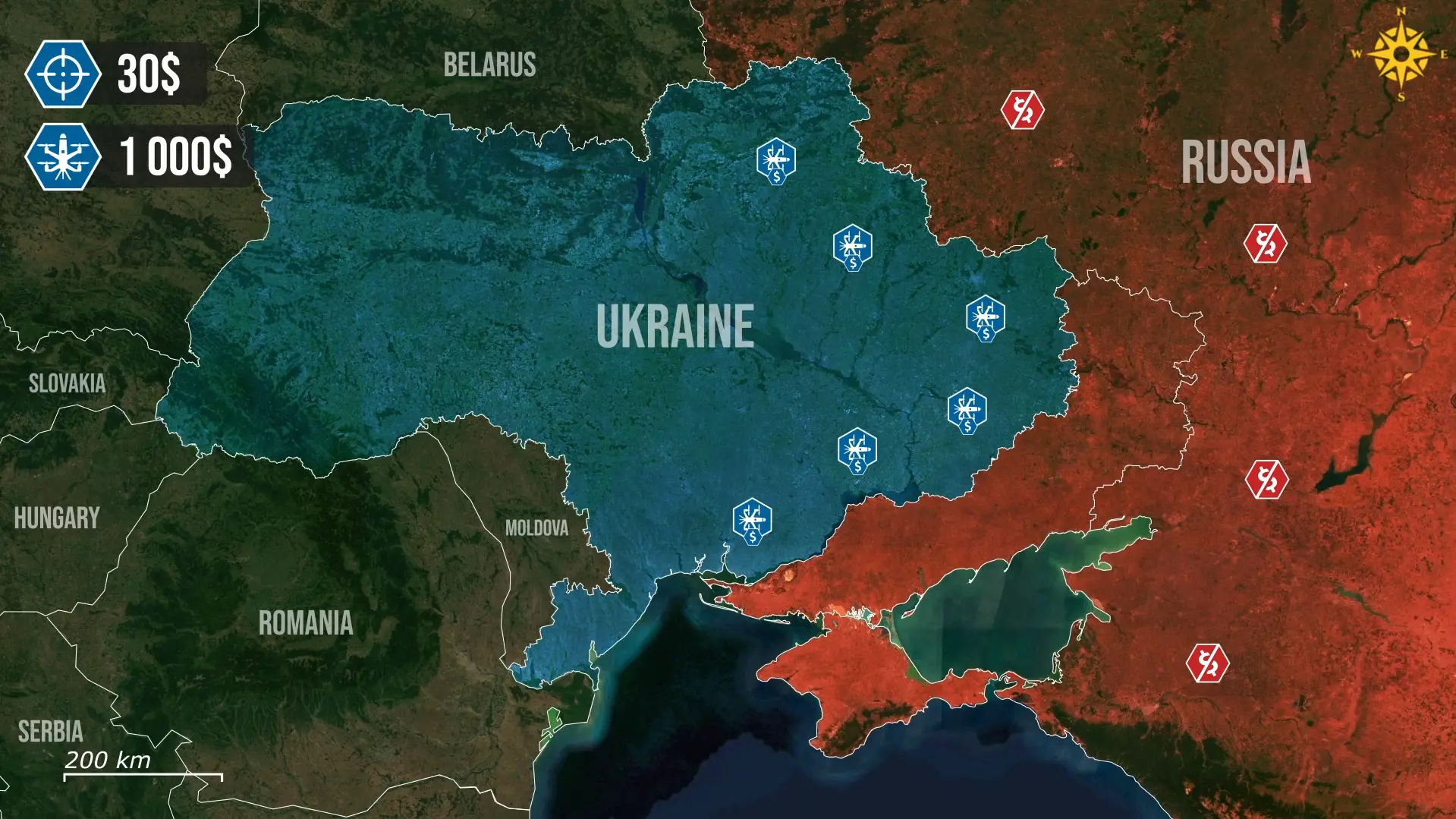
Achieving reusability is the biggest advantage of the new system, as it changes the economics and makes interception much more affordable. The Russian tactic aims to apply additional pressure by trying to make defense more expensive than attack, and the reusable Ukrainian interceptor helps reverse that balance. The expendable element is reduced to the net cartridge, which costs about 30 dollars per unit, while many Ukrainian single-use interceptor drones cost roughly one thousand dollars, depending on the model.
The new technology builds on a previous concept, as net-launching systems had appeared earlier in the war, but mostly on small Mavic-type drones. They had a limited range, the carrier drone became less stable once modified, and were too inconsistent to standardize across units, even though they achieved some initial results.
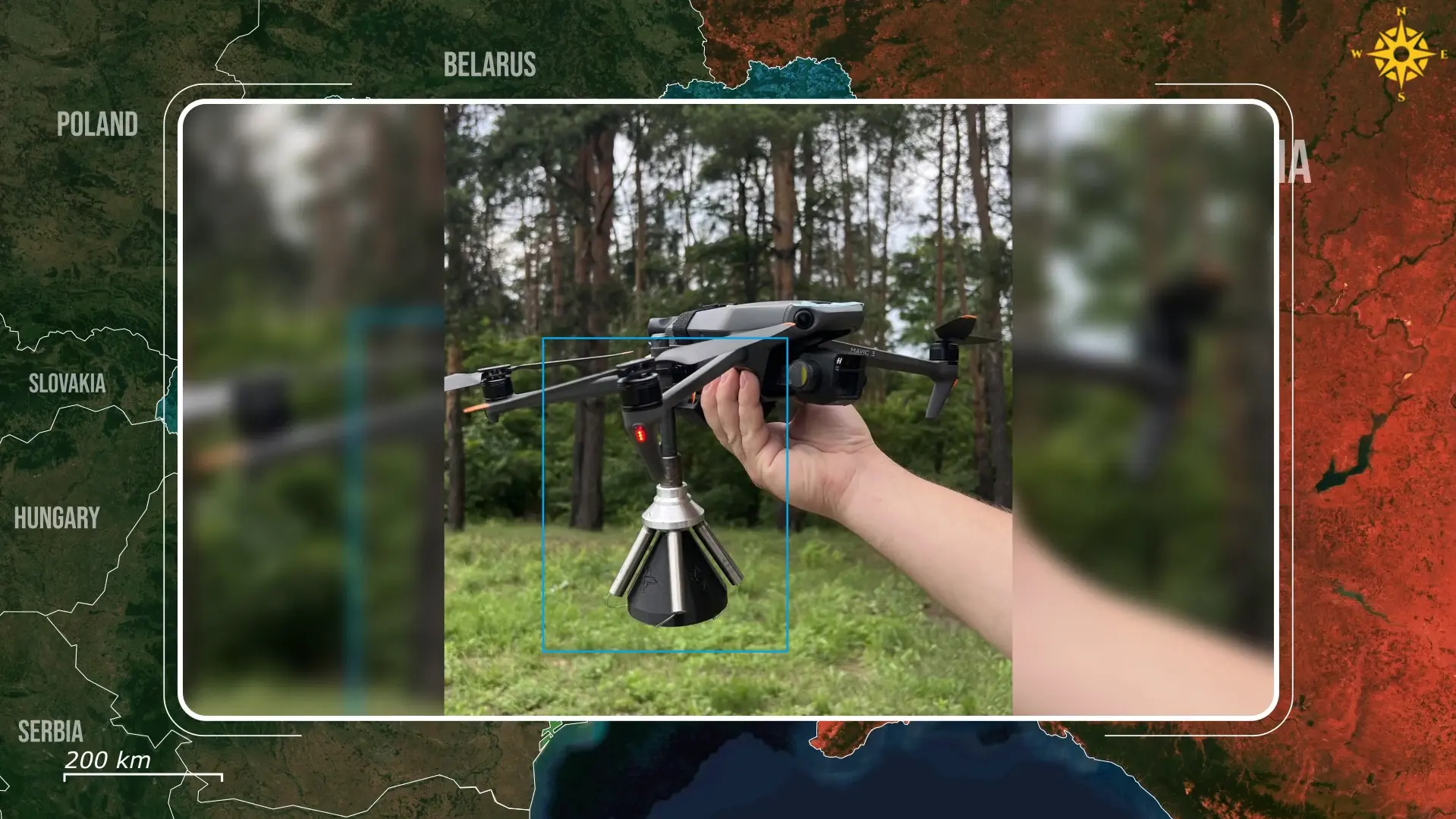
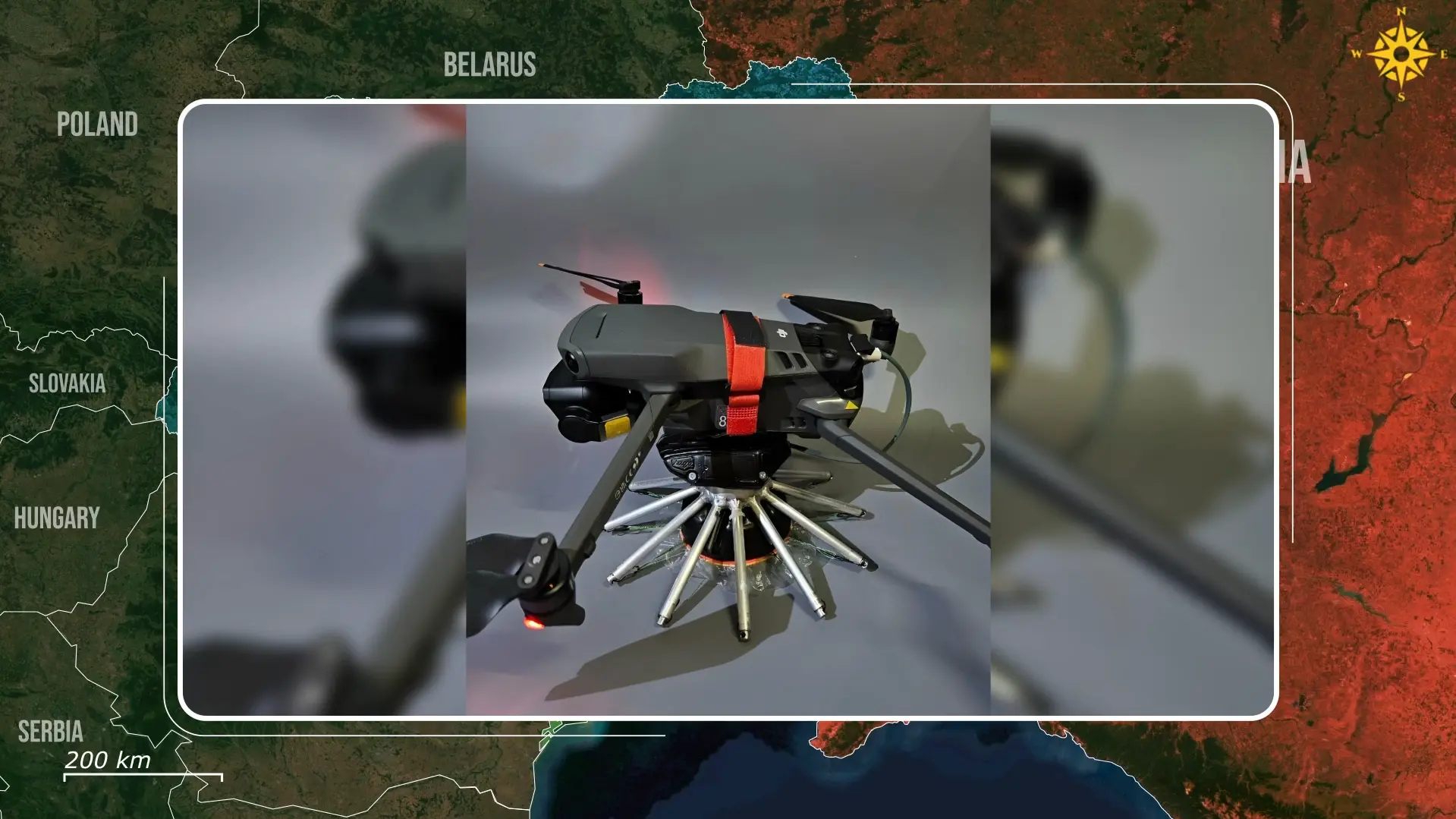
The main obstacle was the platform itself, as small commercial drones could not carry much extra equipment and left operators with little margin for error during an interception. Ukraine is now aiming to change both the platform and its role by applying the same concept to a dedicated interceptor drone tailored for the specific purpose.
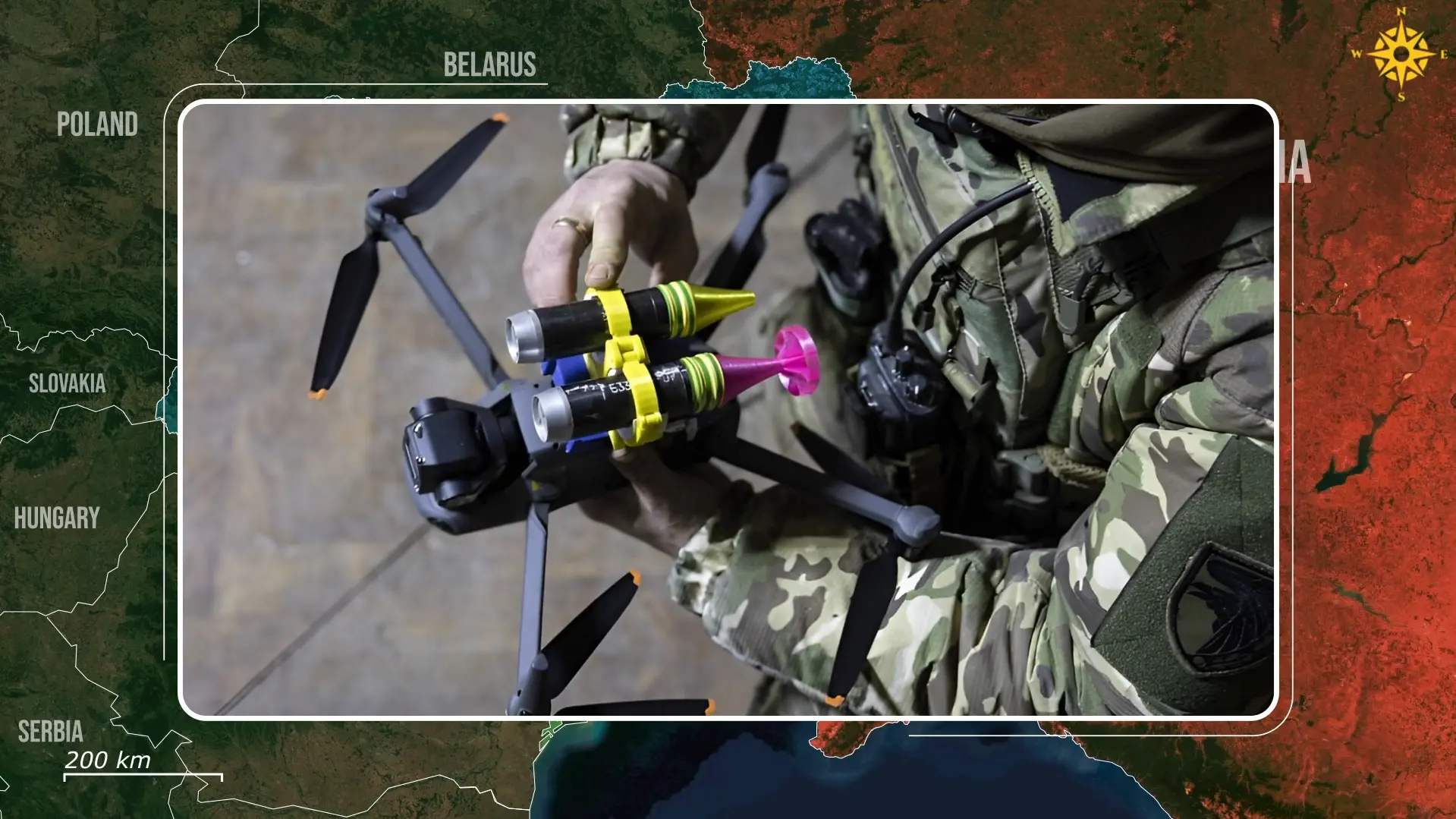
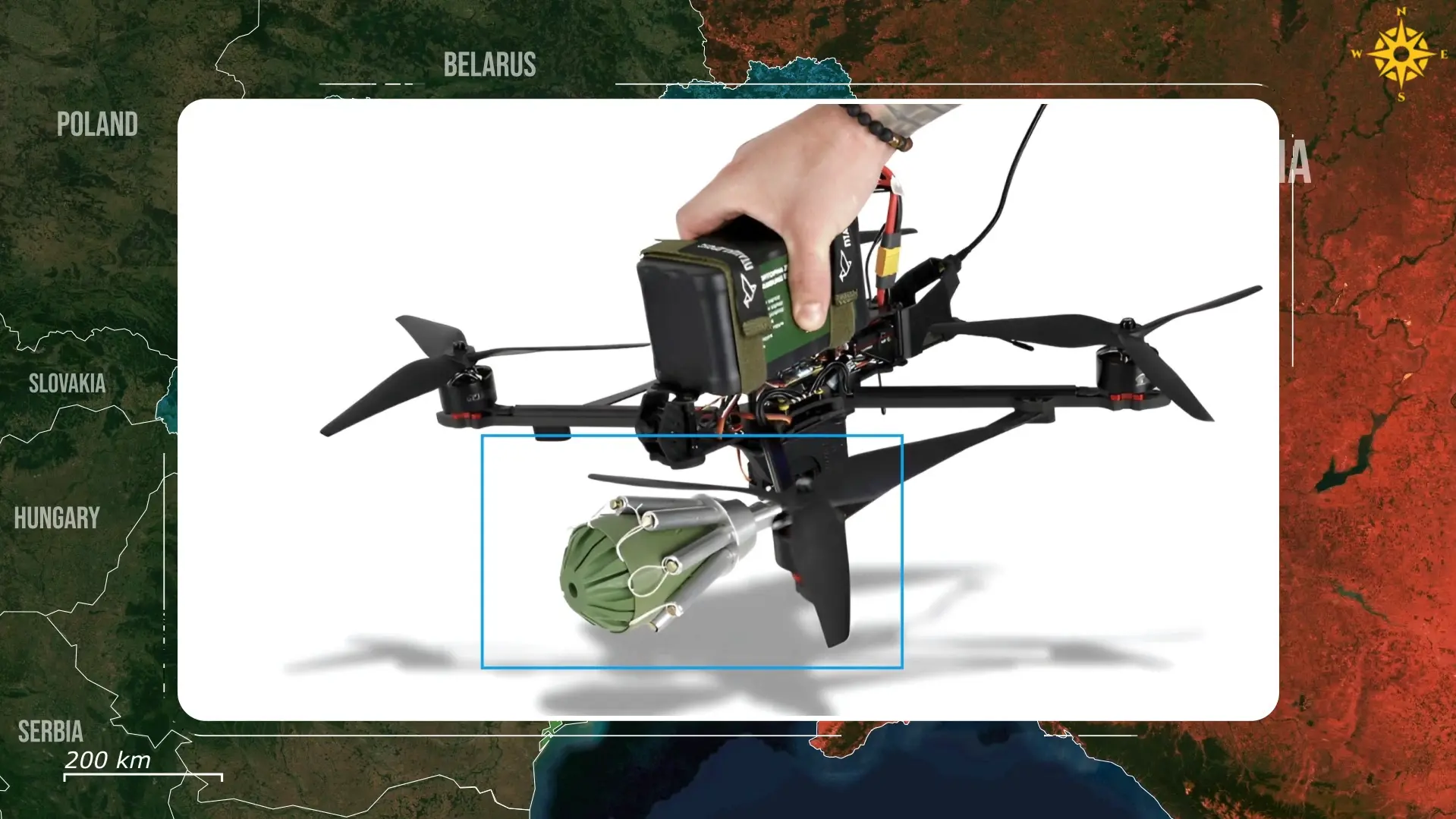
In practical terms, this means shifting interceptor drones where they can carry out repeatable interception missions as part of a broader counter-drone effort. More importantly, this adds a non-explosive interception as a new layer between jamming systems and single-use interceptors, which means a cheap Molniya can be dealt with the cheaper net interceptor, while more expensive counter-measures can be reserved for more resilient targets. This is especially important, as Russian forces are increasingly using Molniya drones precisely because they are much cheaper than other platforms like the Orlan and Zala, which allows them to sustain mass use at a lower price, while also depleting Ukrainian air defense resources faster. With current drone warfare driven by repeated engagements, scale is what matters the most. The side that can keep intercepting cheap drones with low-cost solutions, while preserving high-value assets can defend more positions for longer across a wider front.
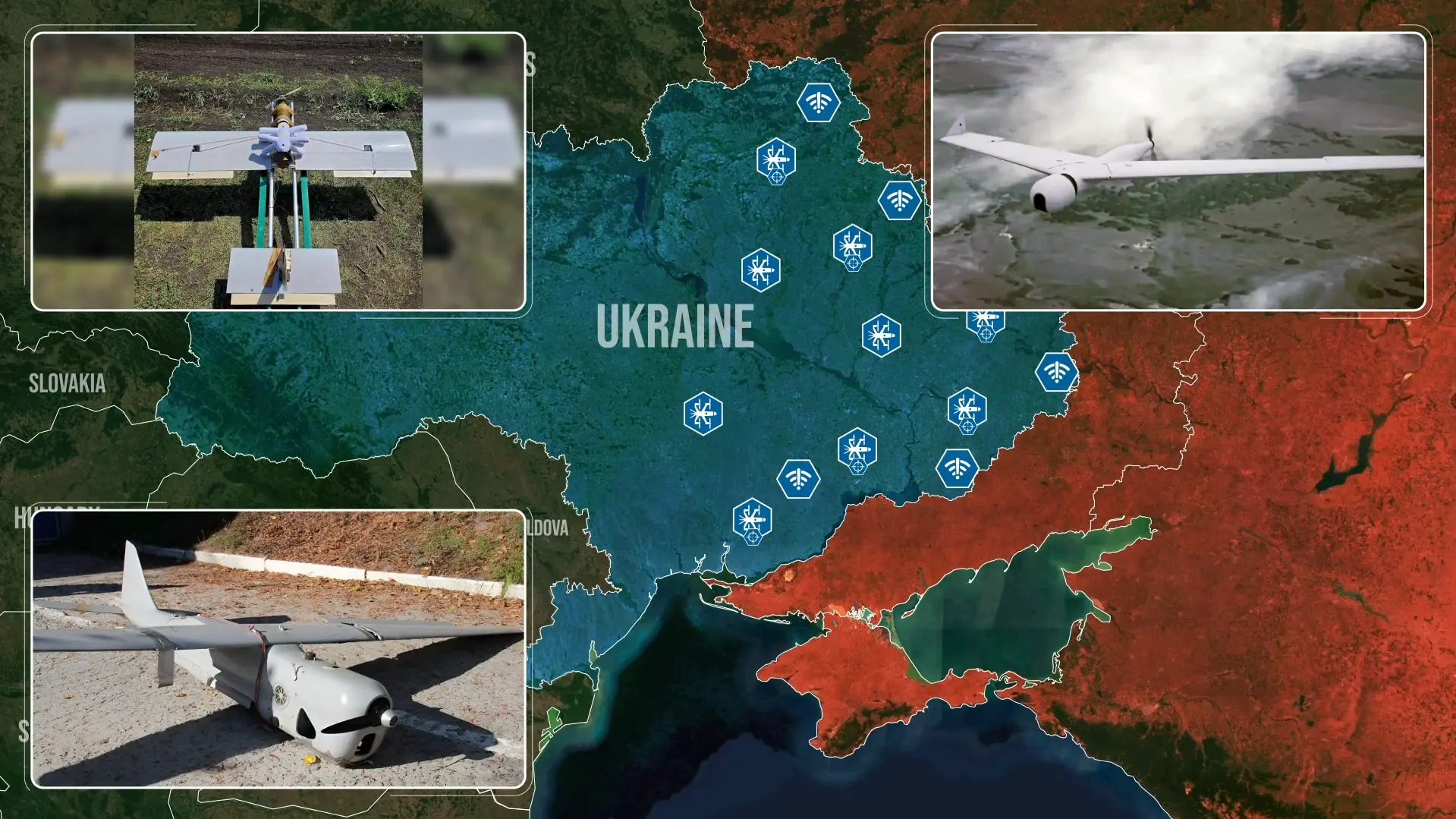
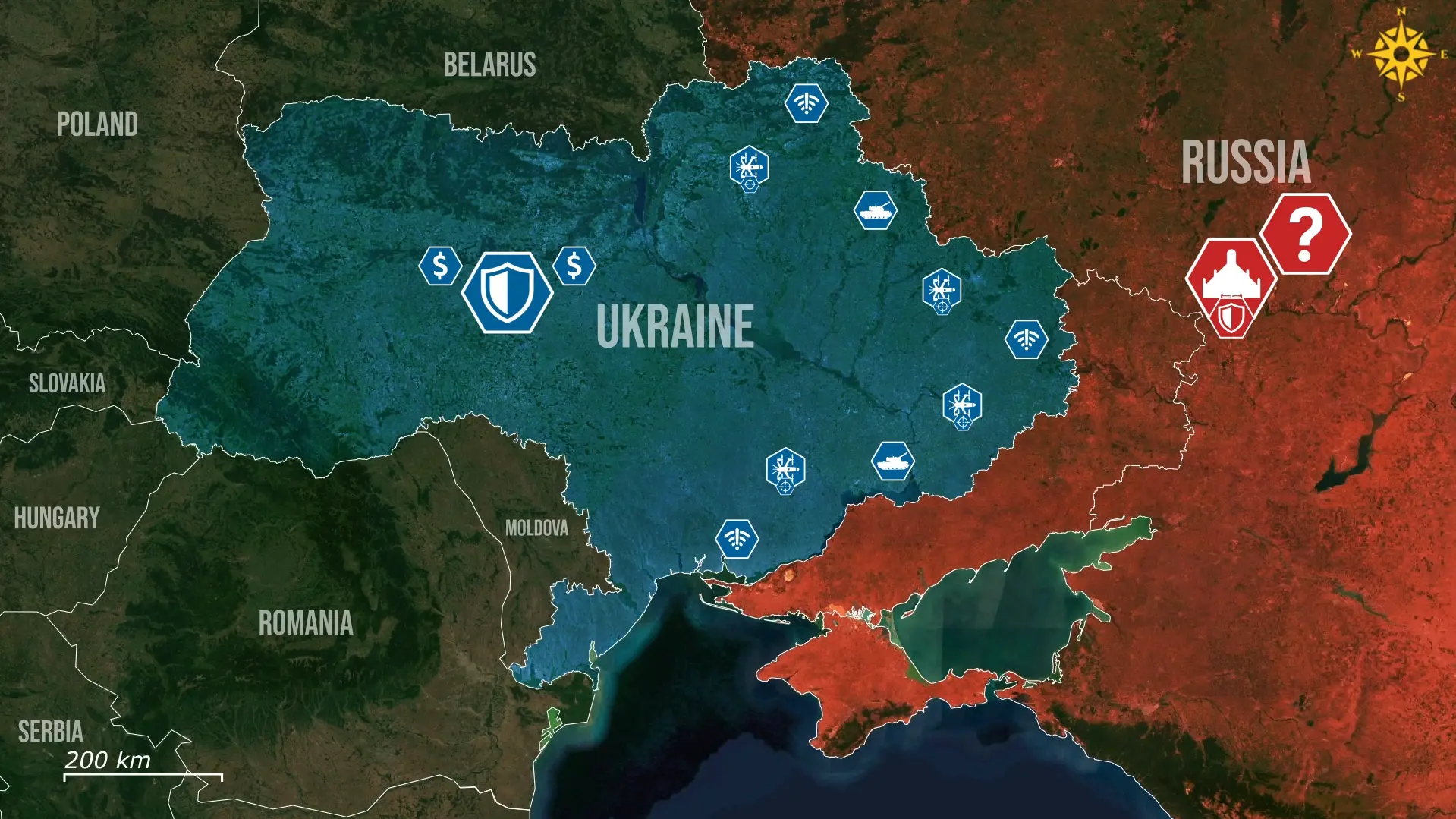
Overall, Ukraine is moving toward a more economical form of countering the latest Russian drone trend. The standardization of reusable interceptors with net launchers can take over a significant share of short-range engagements, allowing Ukrainian forces to reduce the material cost of each interception, while preserving the scarce, more expensive systems for more valuable targets. This will force Russia to also adapt now, looking for a way to protect its drone against net interceptions, which confirms that in drone warfare, the side that innovates faster gains the advantage, but as the practice tells it, it is only temporary.

.jpg)


Comments