

.svg)
Today, the biggest news comes from Ukrainian frontline defenses.
As Russian forces press their attacks and combat shifts toward smaller, localized engagements, Ukrainian units are increasingly forced to fight from compact, dispersed positions. However, these positions must survive drones, infantry assaults, and heavy artillery and aviation strikes all at the same time, pushing defensive requirements to a new level.
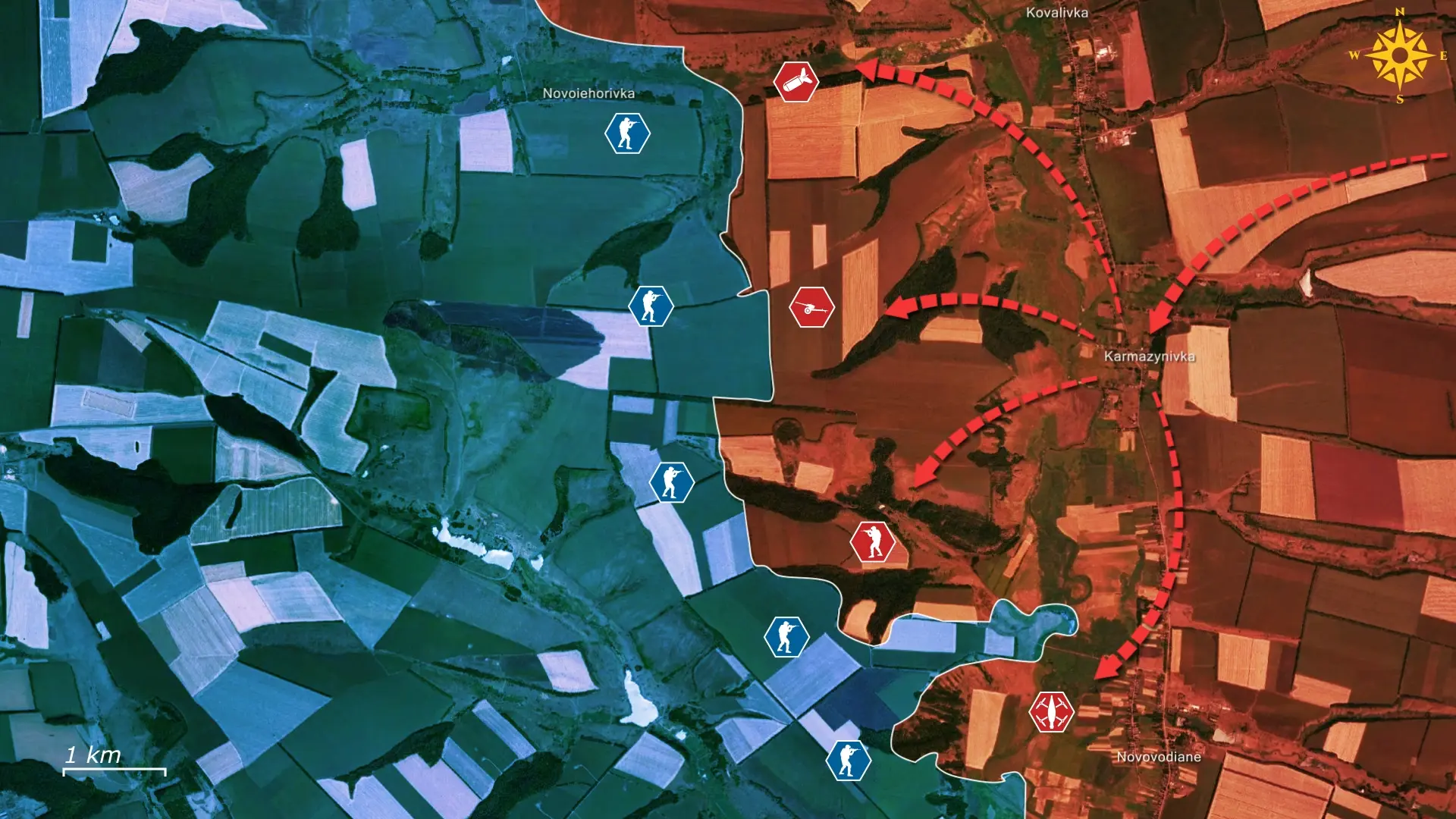
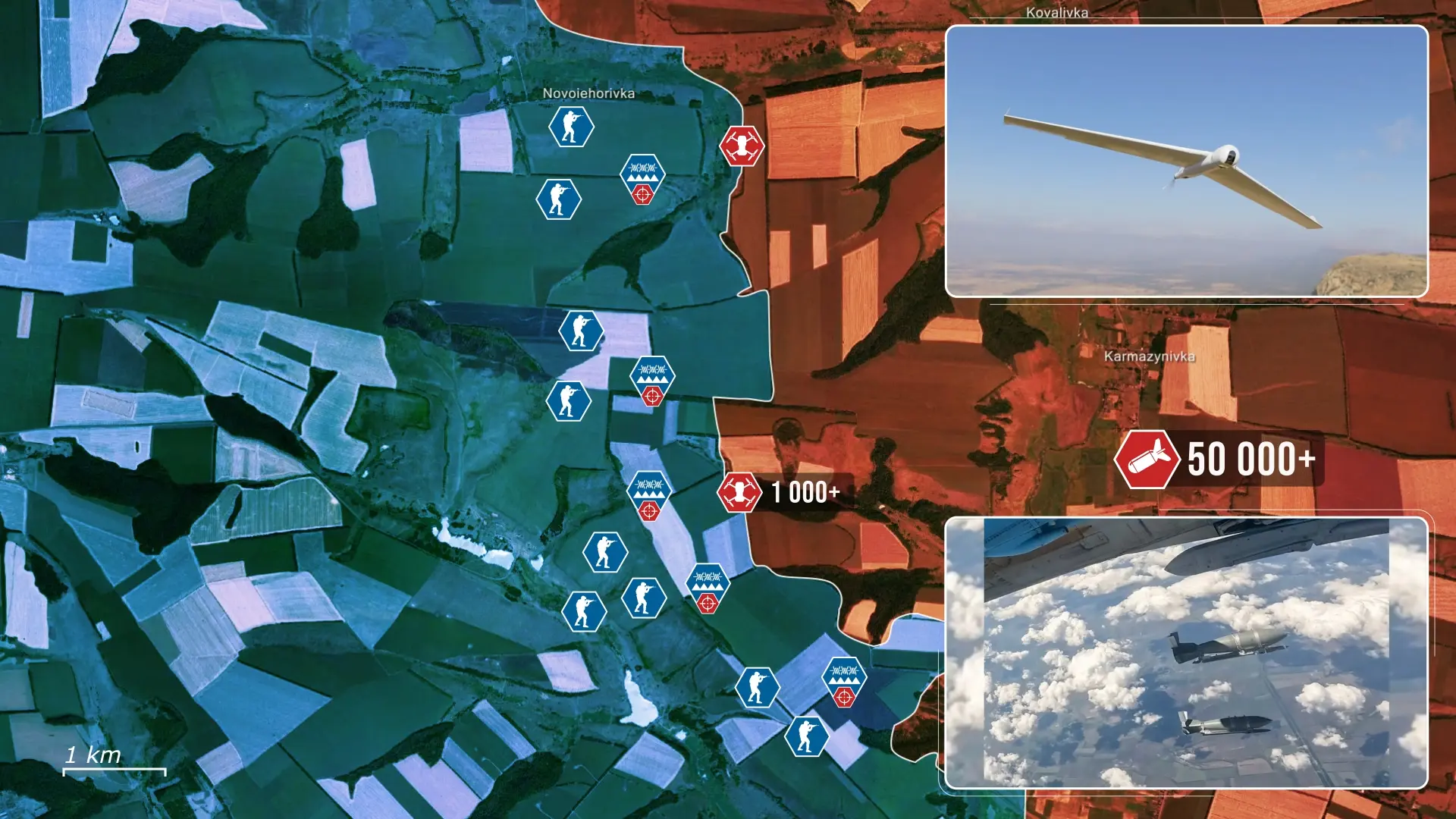
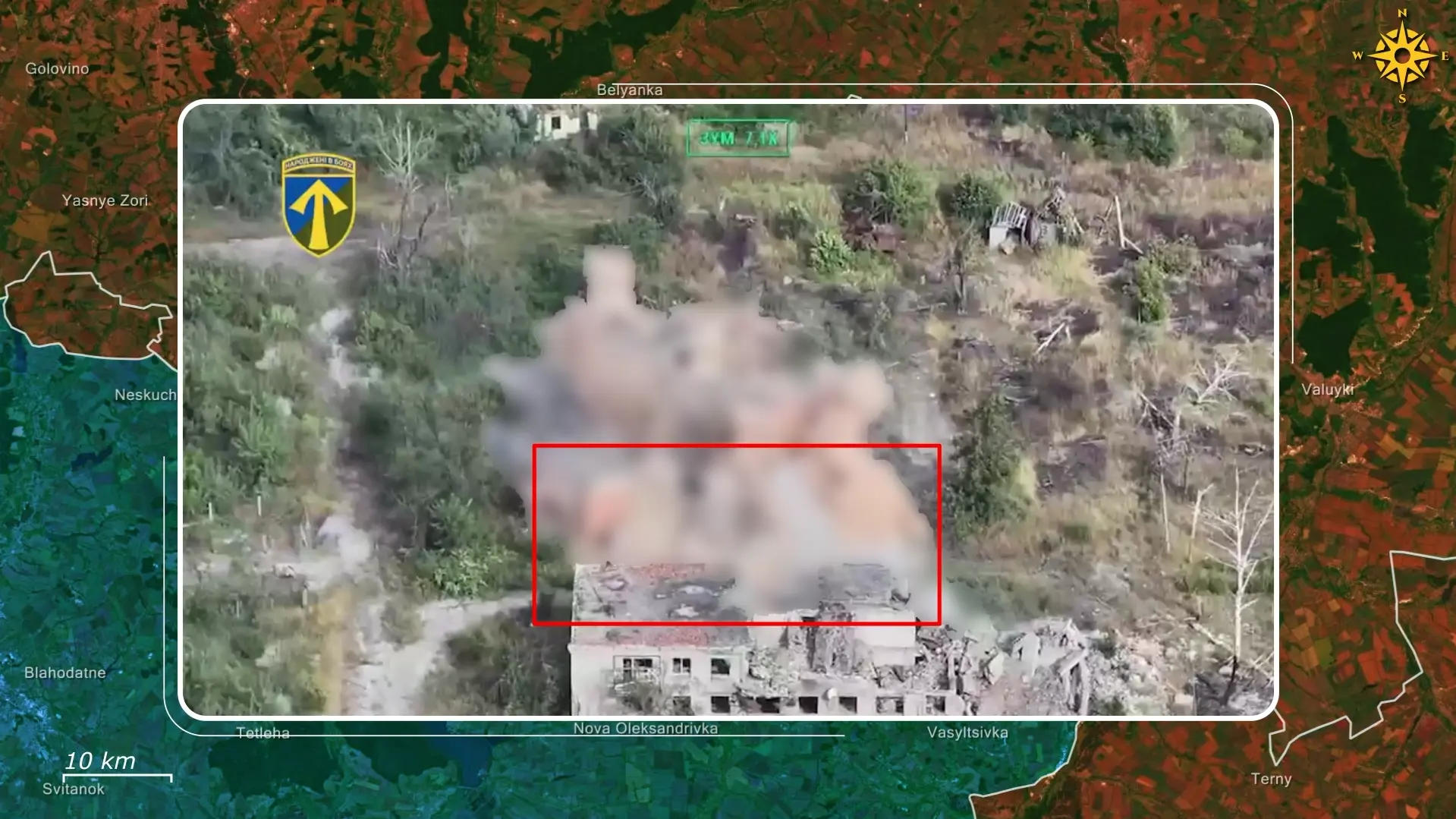
Defensive positions remain essential because constant aerial surveillance makes exposed movement rapidly detectable and targetable, forcing Ukrainian units to live and fight below ground for extended periods. Russian reconnaissance drones such as Orlan-10 and Zala maintain persistent overwatch, and Rusi reporting shows Ukrainian forces observing well over one thousand UAV reconnaissance flights per day along parts of the front. Aviation-delivered guided bombs have become another dominant killer, with the Ukrainian Air Force estimating that Russia has dropped more than fifty thousand guided bombs since the start of the full-scale invasion. These weapons are often used to collapse trench systems and force defenders to abandon positions.
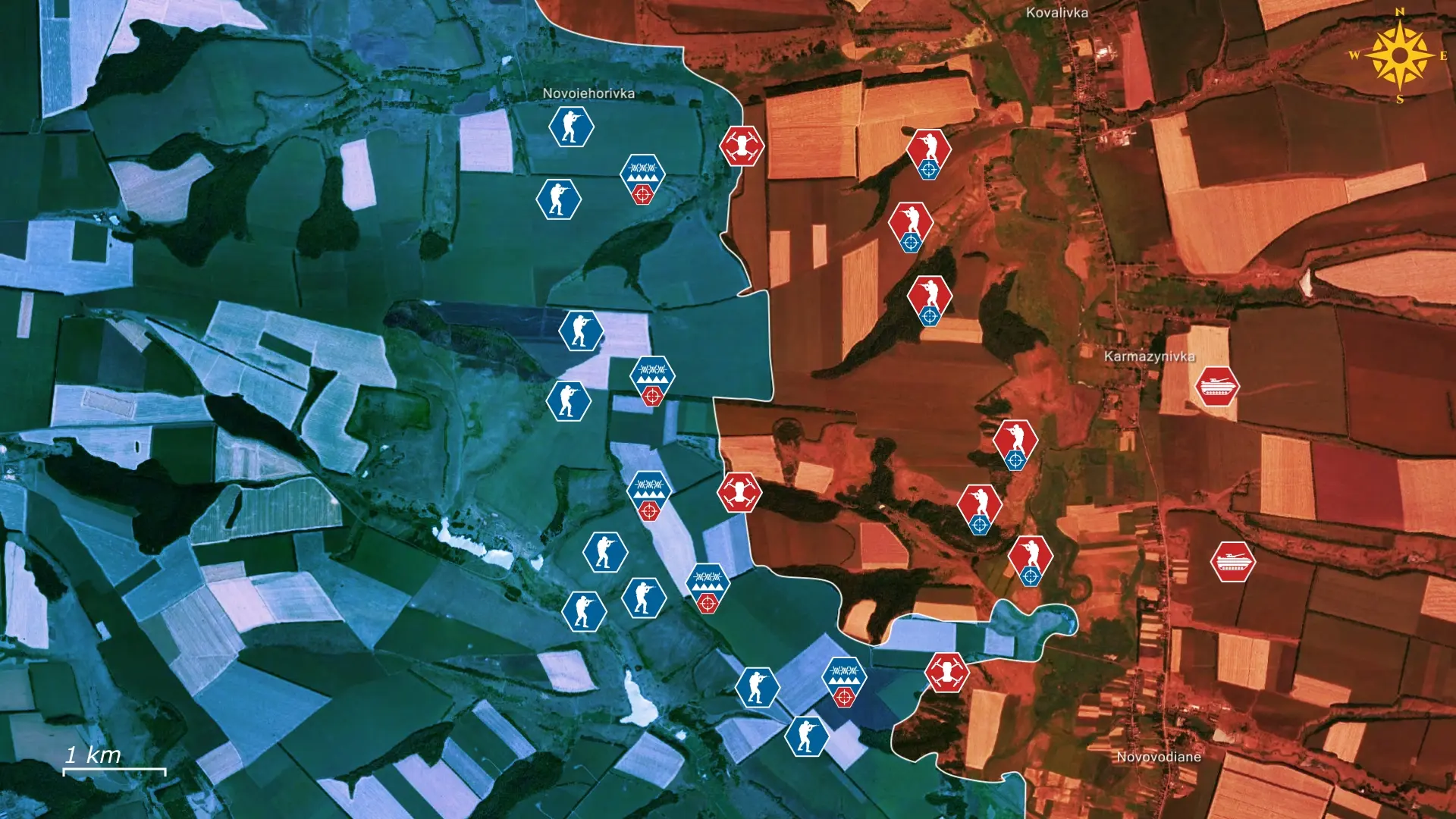
The third major threat remains the infantry assault, because after drones locate positions and bombs damage them, Russian forces attempt to seize ground through dismounted attacks, requiring the defenders to remain combat ready at all times.
Defense against drones focuses on limiting the damage after detection rather than relying on concealment alone.
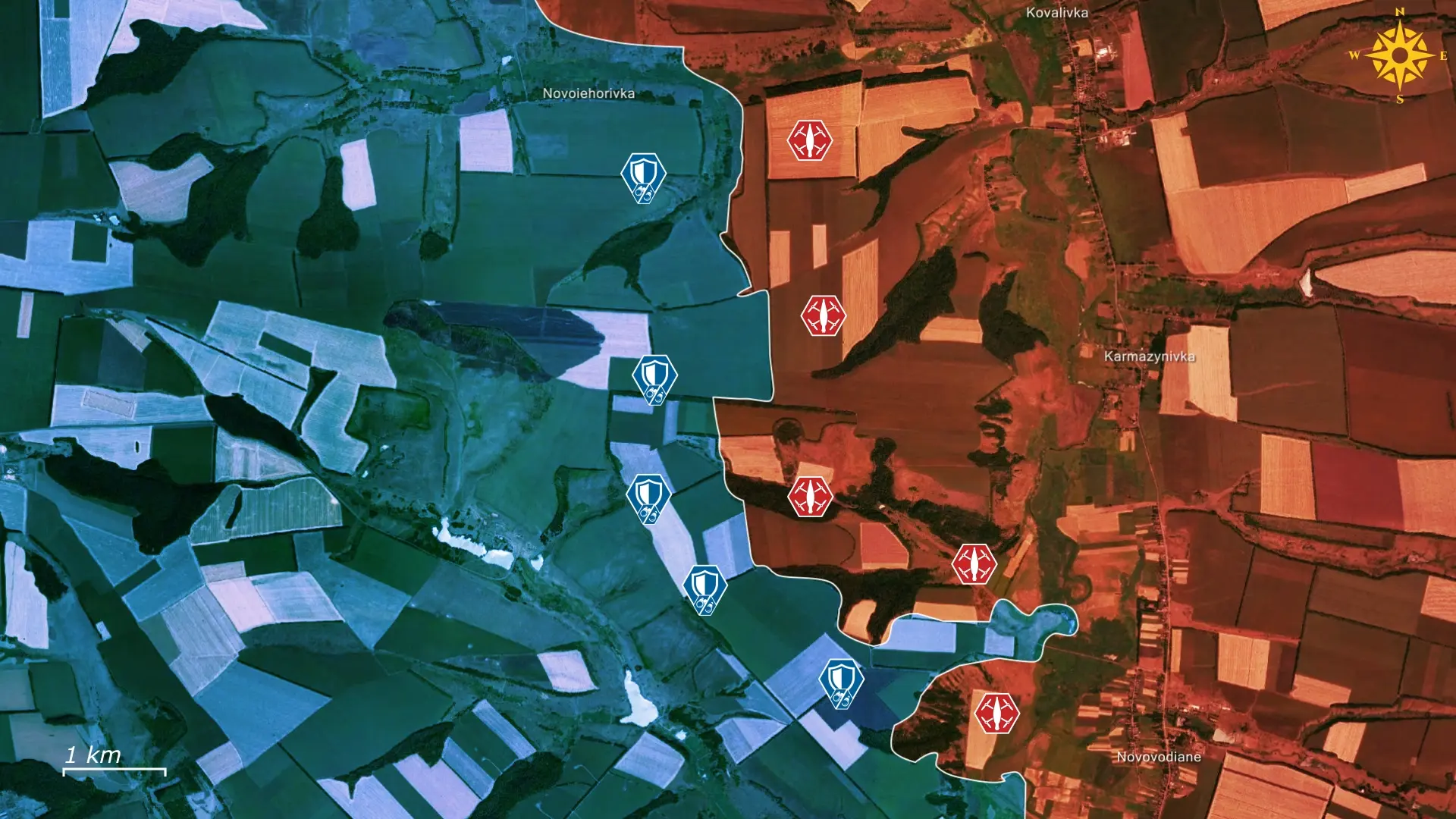
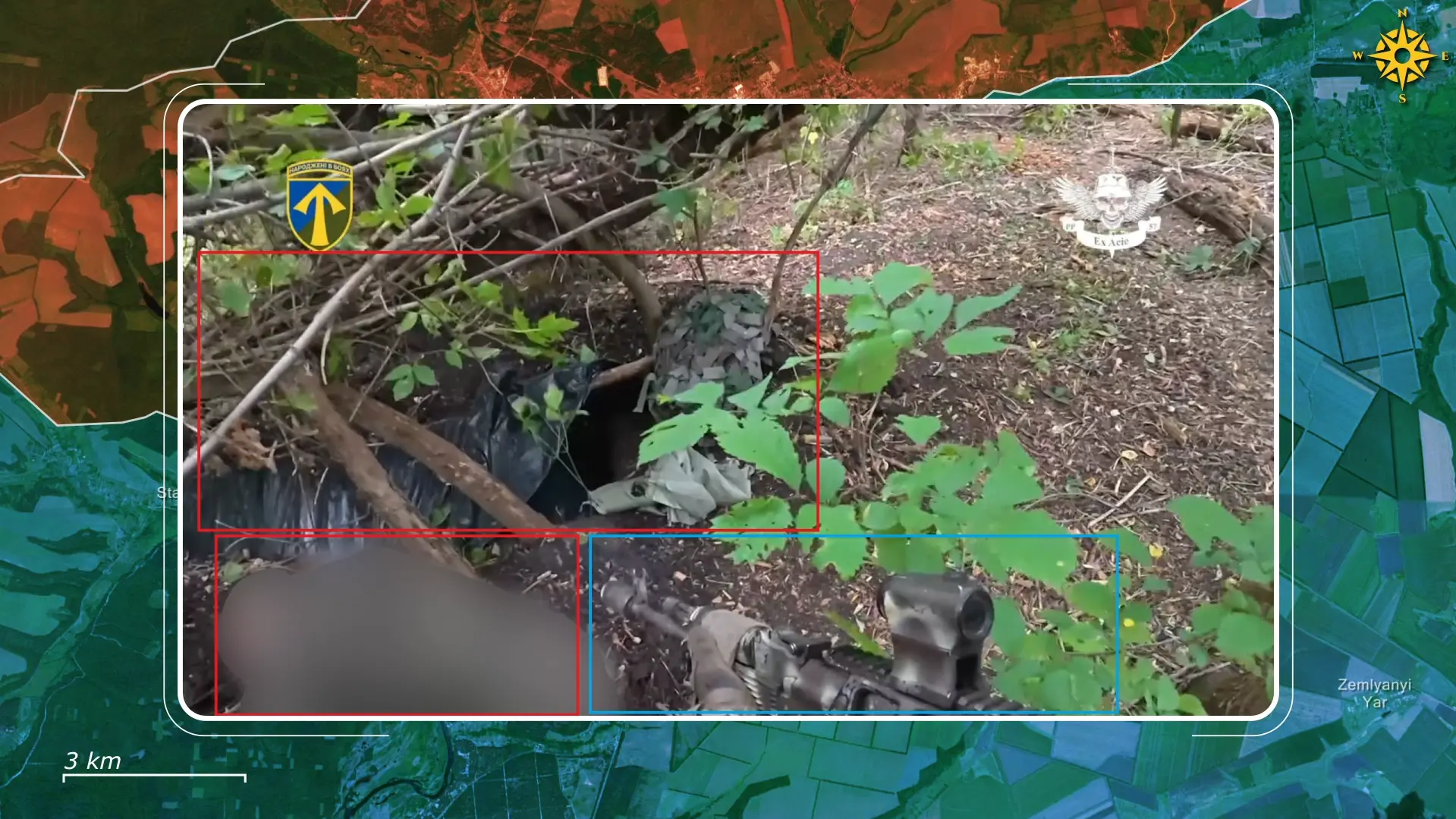
Actively used trench sections are covered with layered timber, logs, and packed earth to defeat drone-dropped munitions and reduce FPV effectiveness. Roofs are reinforced with sandbags or scrap material to increase mass while remaining repairable. Camouflage is adapted to terrain and season, using green and brown netting in forested areas, lighter coverings during snowfall, and irregular patterns to defeat contrast-based detection systems and human eyes.
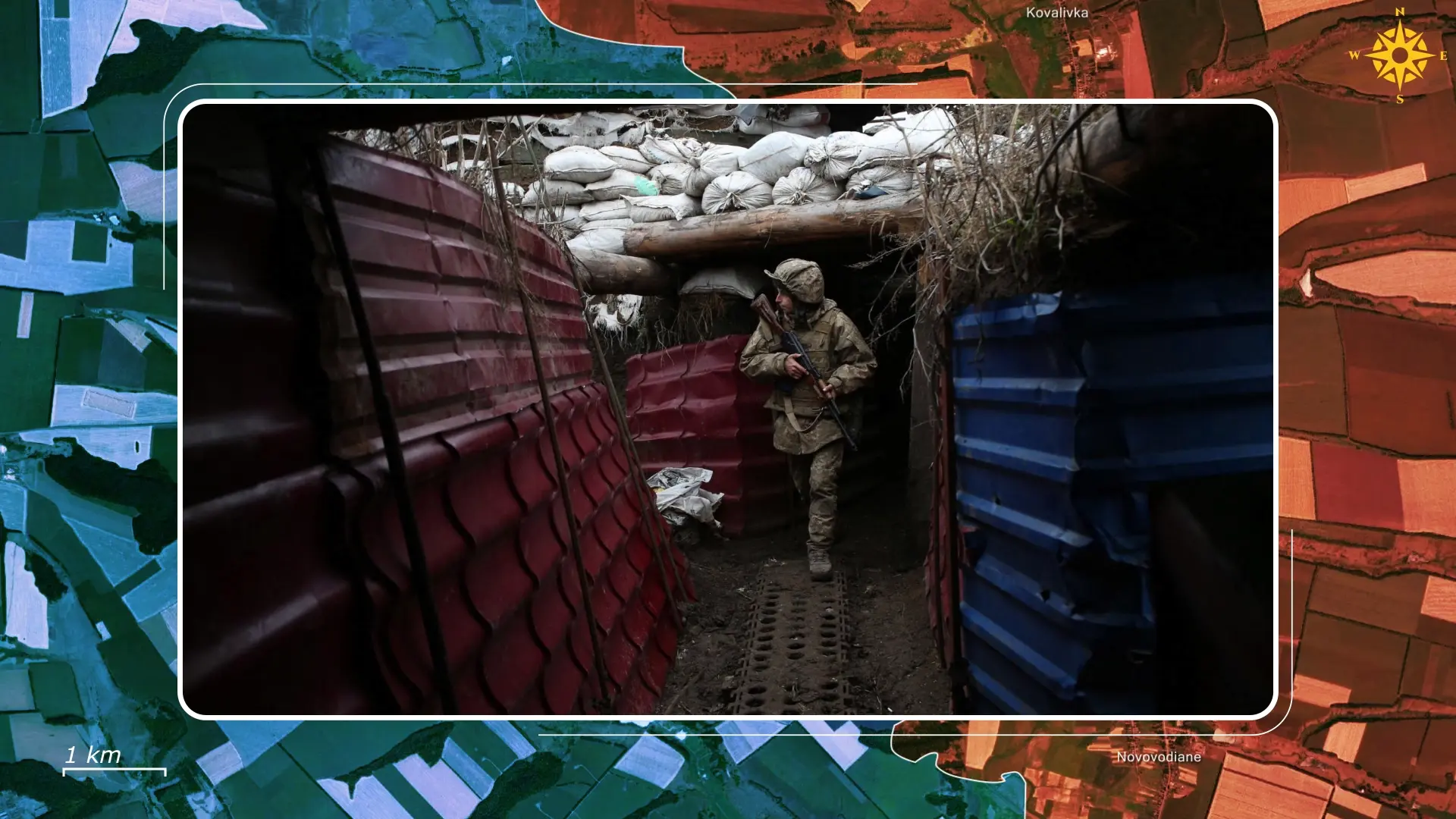
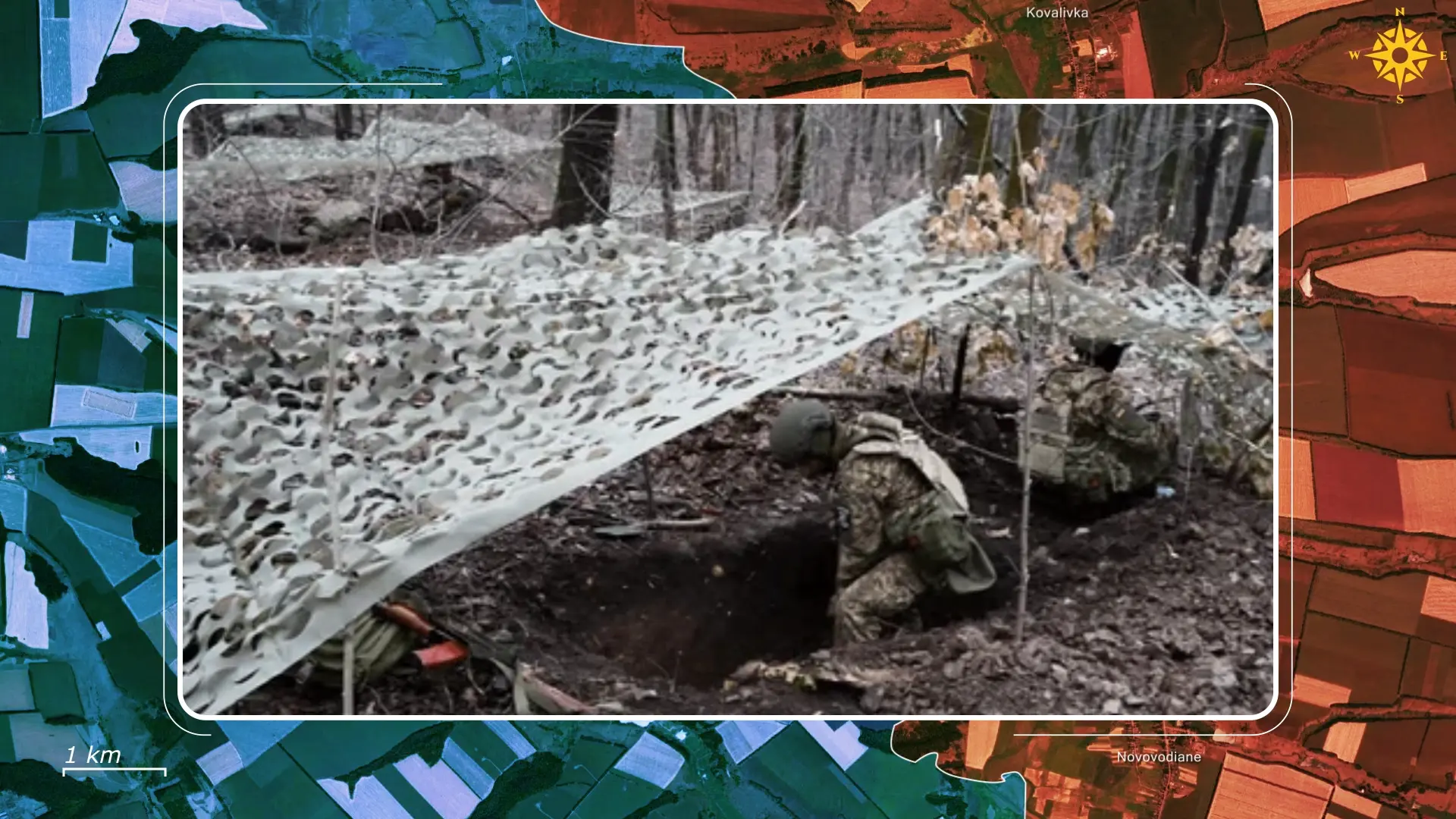
Entrances are shielded and offset to reduce thermal signatures detectable by infrared sensors and to physically block FPV drones from flying directly inside or dropping or rolling munitions through the opening.

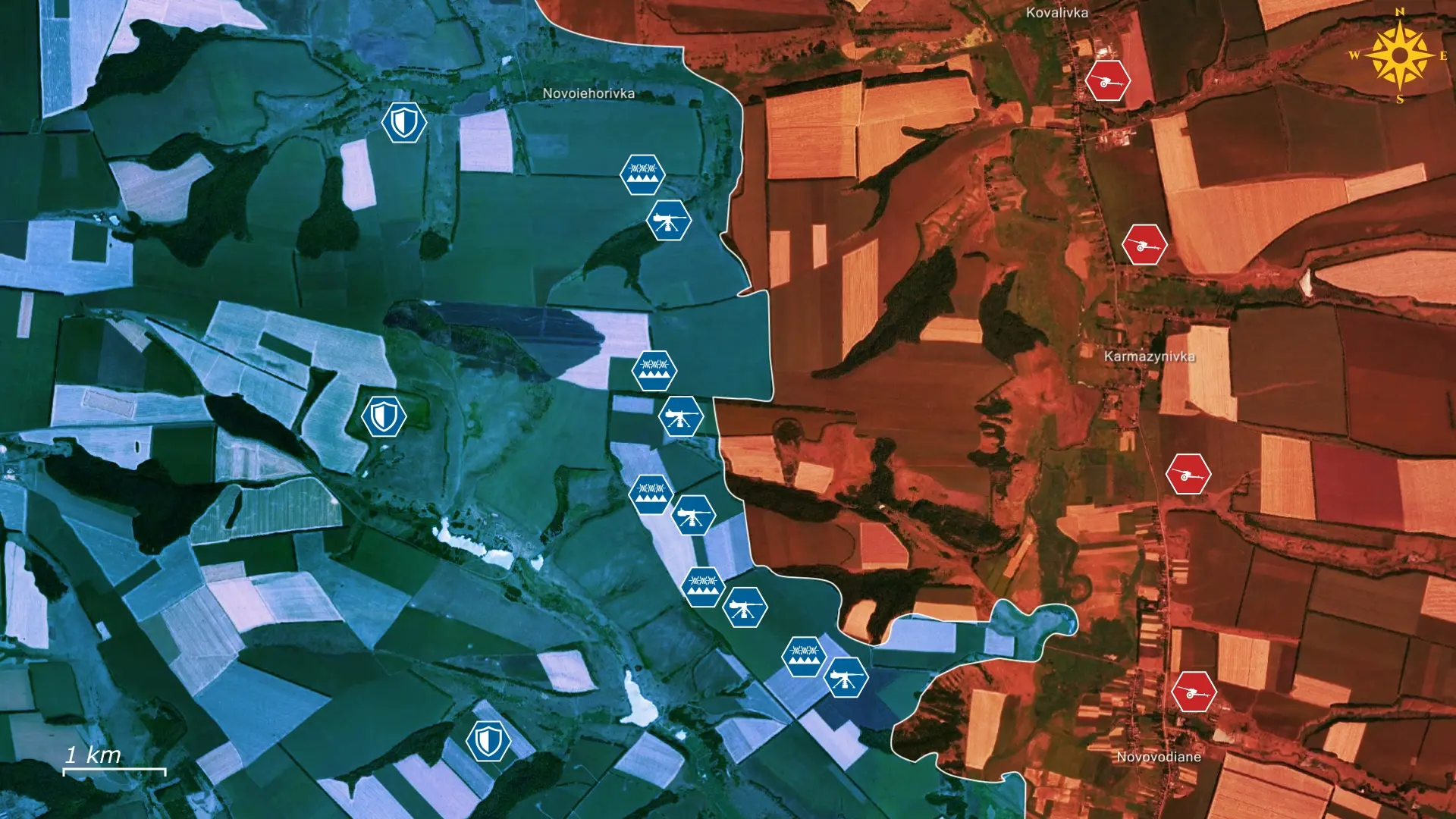
Artillery and guided bombs force Ukrainian defenses to prioritize depth, mass, and compartmentalization rather than surface cover. Dugouts are excavated deeper than fighting trenches and often exceed three meters underground, greatly improving survivability against blast waves and fragmentation from nearby strikes. Even when Russia employs heavy guided bombs, properly designed shelters can preserve personnel during near-misses and allow units to continue operating. Entrances are angled or zigzagged, with blast traps extending the trench past the entrance to prevent shockwaves from traveling directly into shelter chambers. Internal layouts separate personnel, command functions, and ammunition storage so a single strike cannot disable the entire position. Defensive layouts include fallback positions spaced apart so units can quickly shift and continue operating after a direct hit.
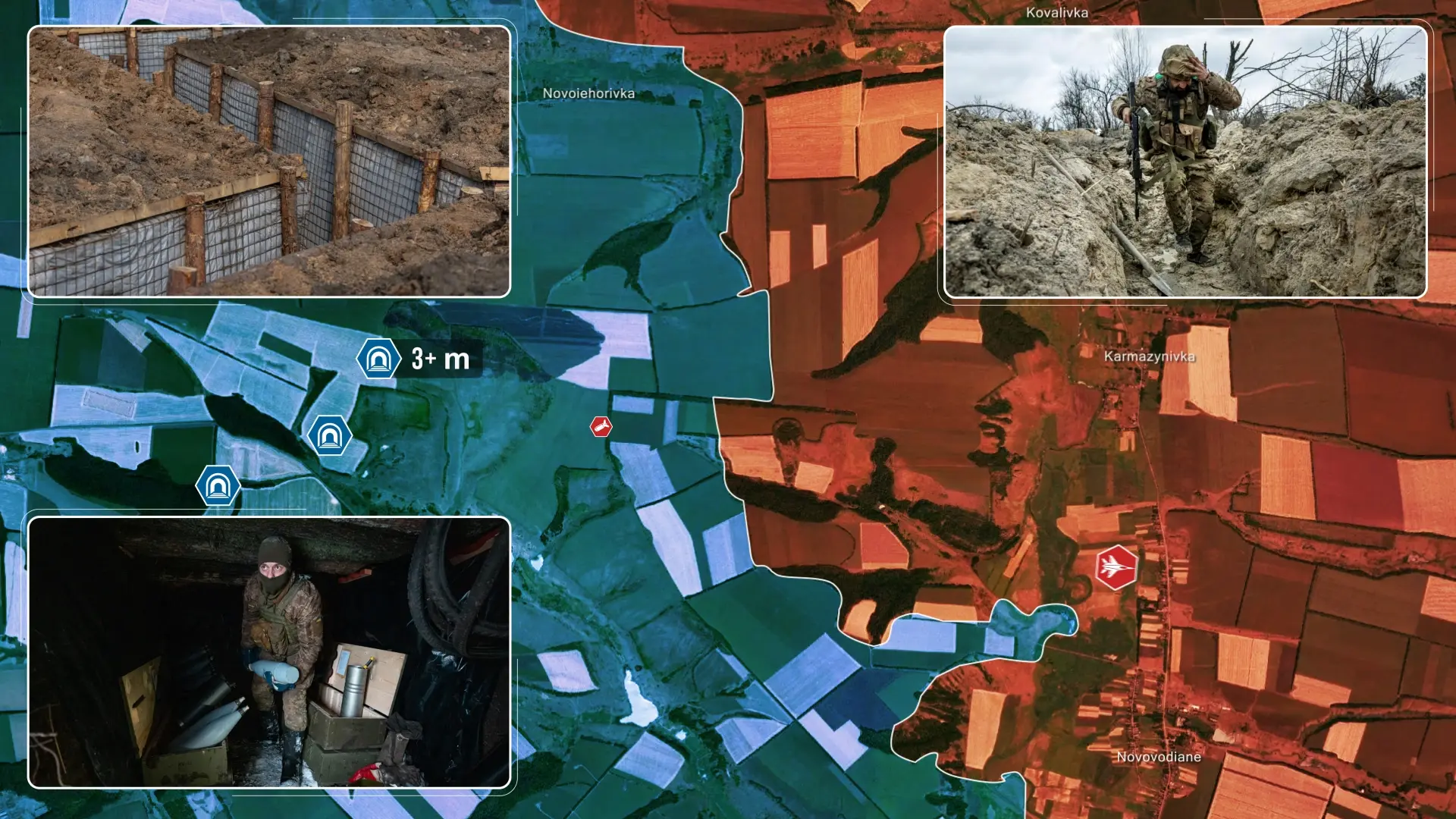
To defend against infantry assaults, Ukrainian positions are built in depth and scattered into small independent strongpoints rather than continuous trench lines. Frontline fighting trenches are typically dug to approximately 1.6 to 2 meters deep, allowing soldiers to move upright while remaining protected from direct fire and fragmentation. Positions are organized into compact nodes holding small teams, so the loss of one section does not cascade along the defense. Machine-gun positions are offset from the main trench line and intended to cover the natural approach routes, such as forest strips, drainage lines, and embankments, creating intersecting fire zones before attackers reach grenade distance. Covered communication trenches link fighting positions to rear shelters, enabling resupply and casualty evacuation under fire.
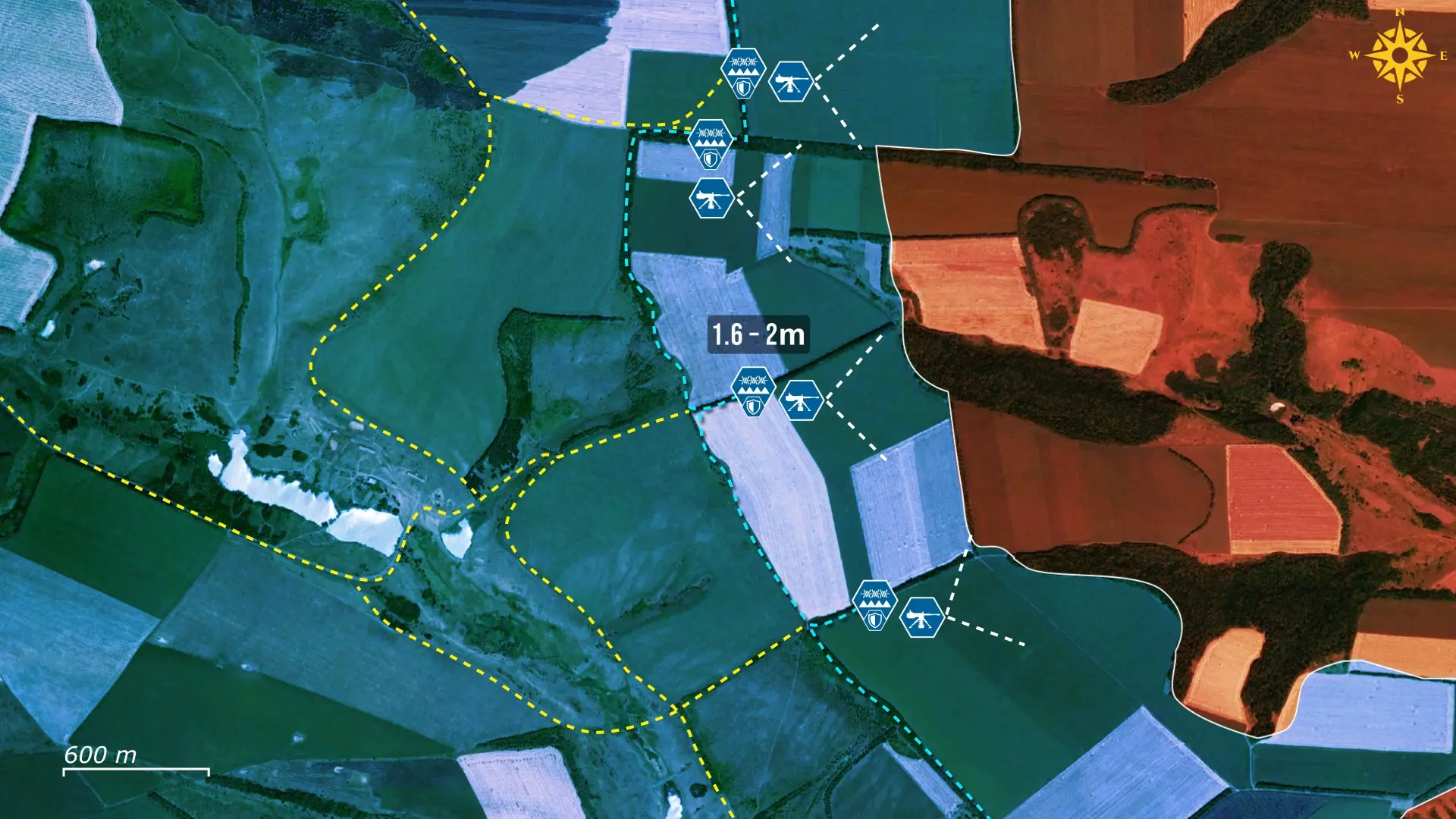
When a position works, drones detect activity without producing decisive effects because overhead cover, dispersion, and deception limit damage. Bombardment damages surface features while personnel remain protected underground and are capable of fighting once the fire lifts. Infantry assaults are defeated when attackers are forced into preplanned engagement zones where defenders retain protected firing positions and controlled withdrawal routes.
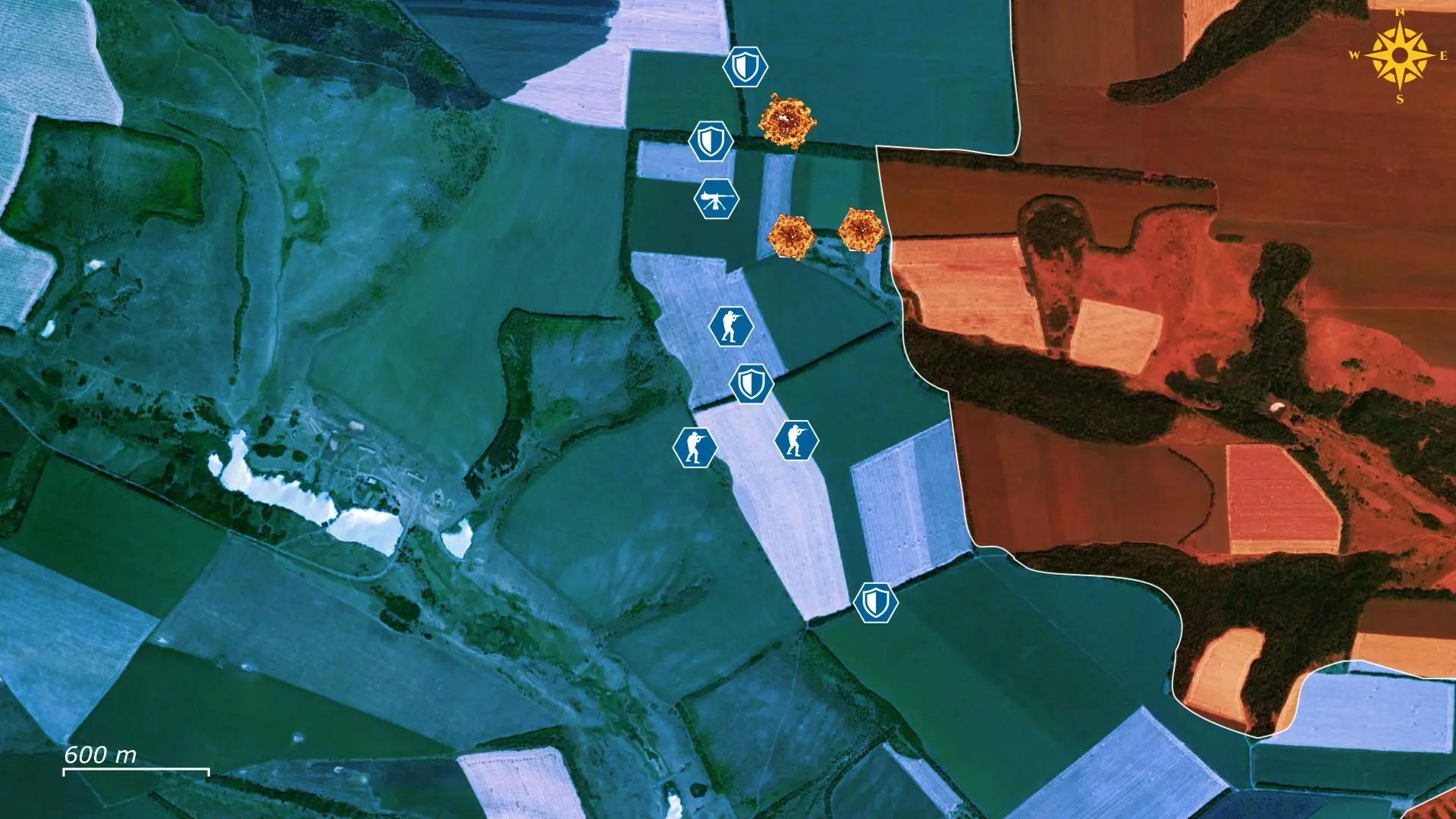
Overall, Ukrainian defensive positions are no longer static trenches but integrated combat systems built to function under constant observation and repeated attack. Infantry assaults are defeated through depth, segmentation, and interlocking fire that breaks attacks before close contact. Drone threats are blunted by overhead cover, dispersion, deception, and physical barriers that protect both fighting positions and supply routes.
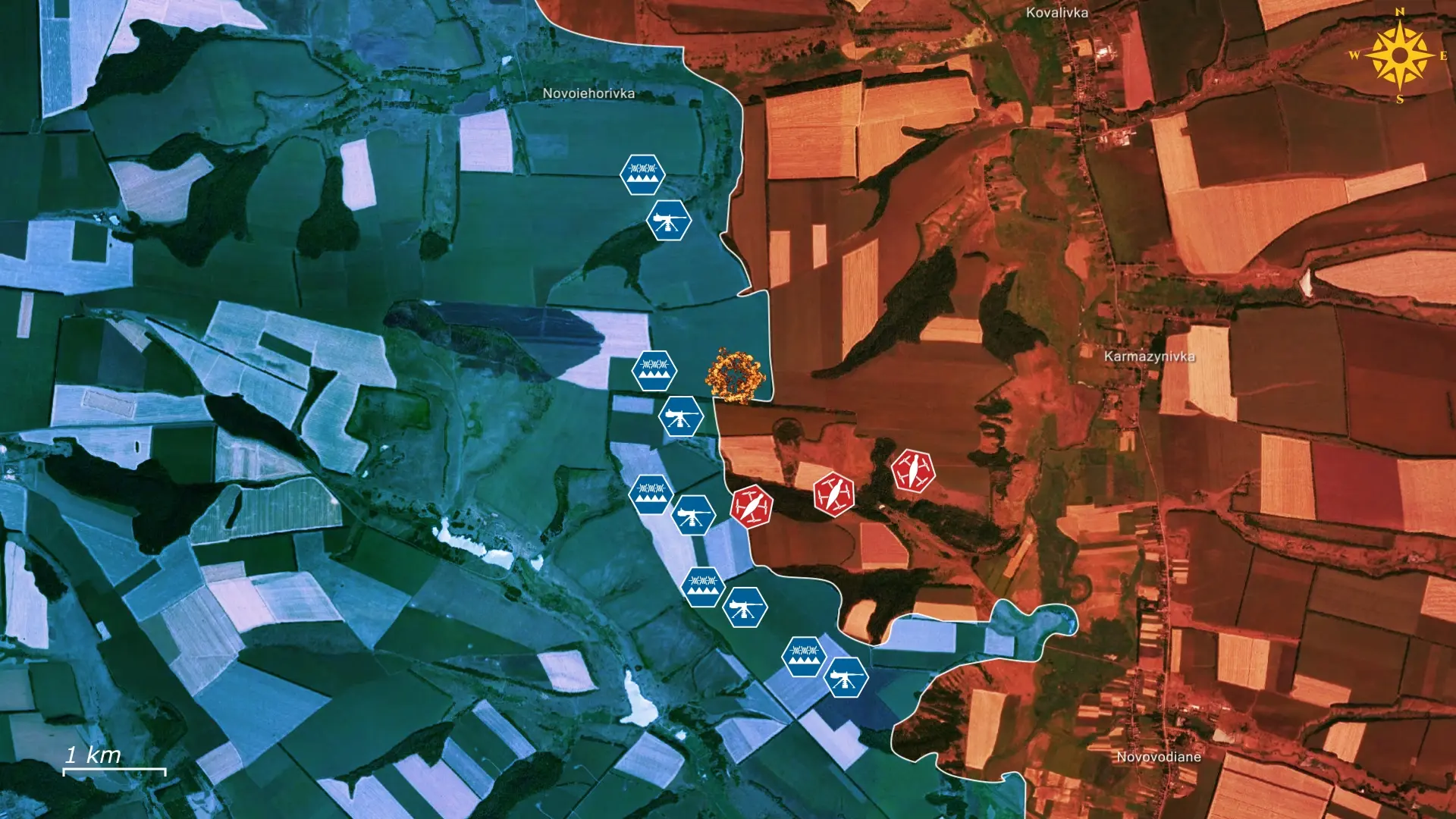
Artillery and aviation bombs are survived by digging deeper, compartmentalizing shelters, and relying on fallback positions in a war where guided munitions are used at unprecedented scale.
.jpg)



Comments