

.svg)
Today, there are important updates from the Kupiansk direction.
Here, the battle for Kupiansk has reached its decisive conclusion, as Ukrainian forces aimed to break the last pockets of Russian resistance. The Russians were put under attack from all sides, and after months of brutal urban combat, the collapse of their last defensive positions was needed for Kupiansk to be finally free.
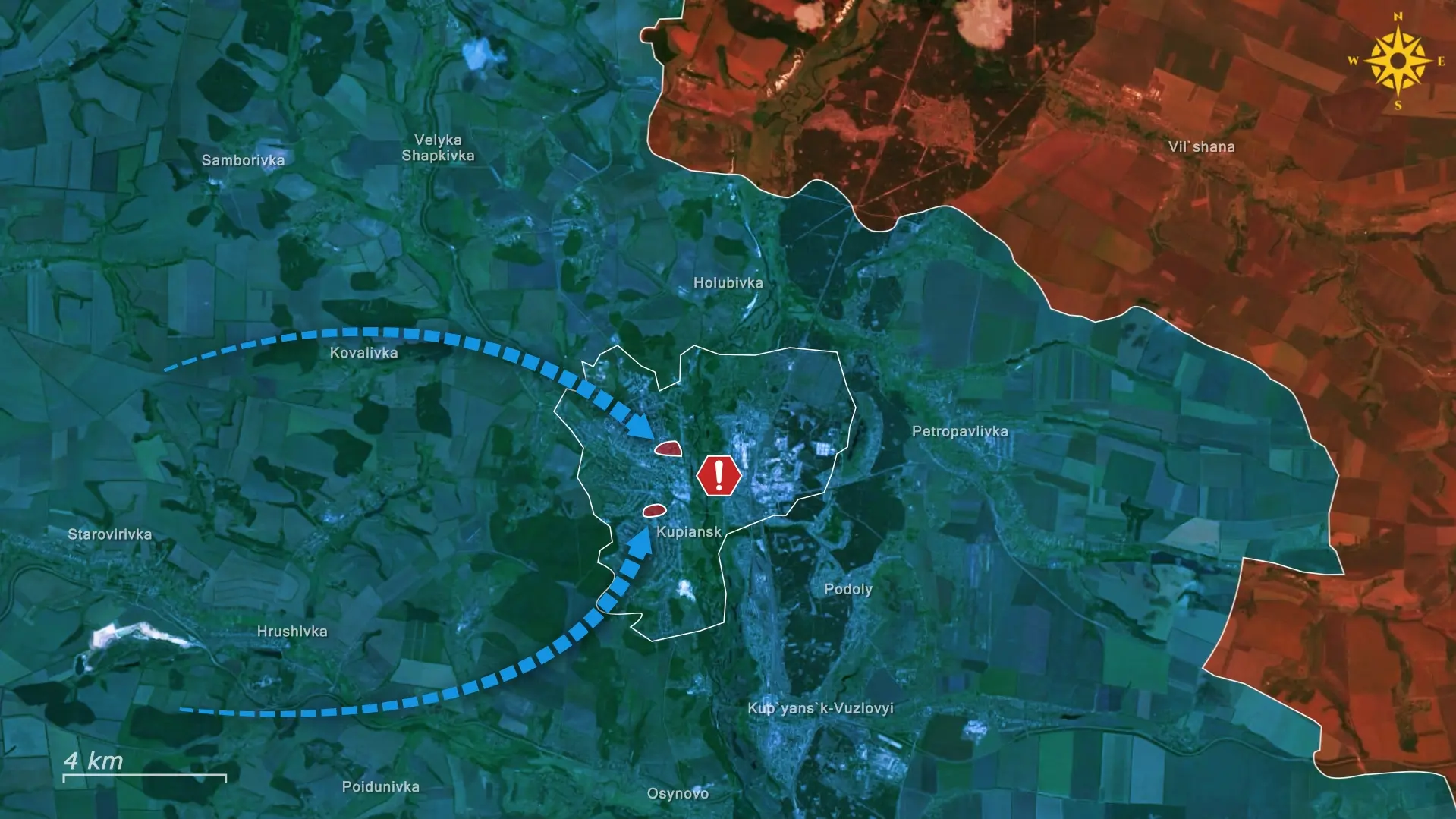
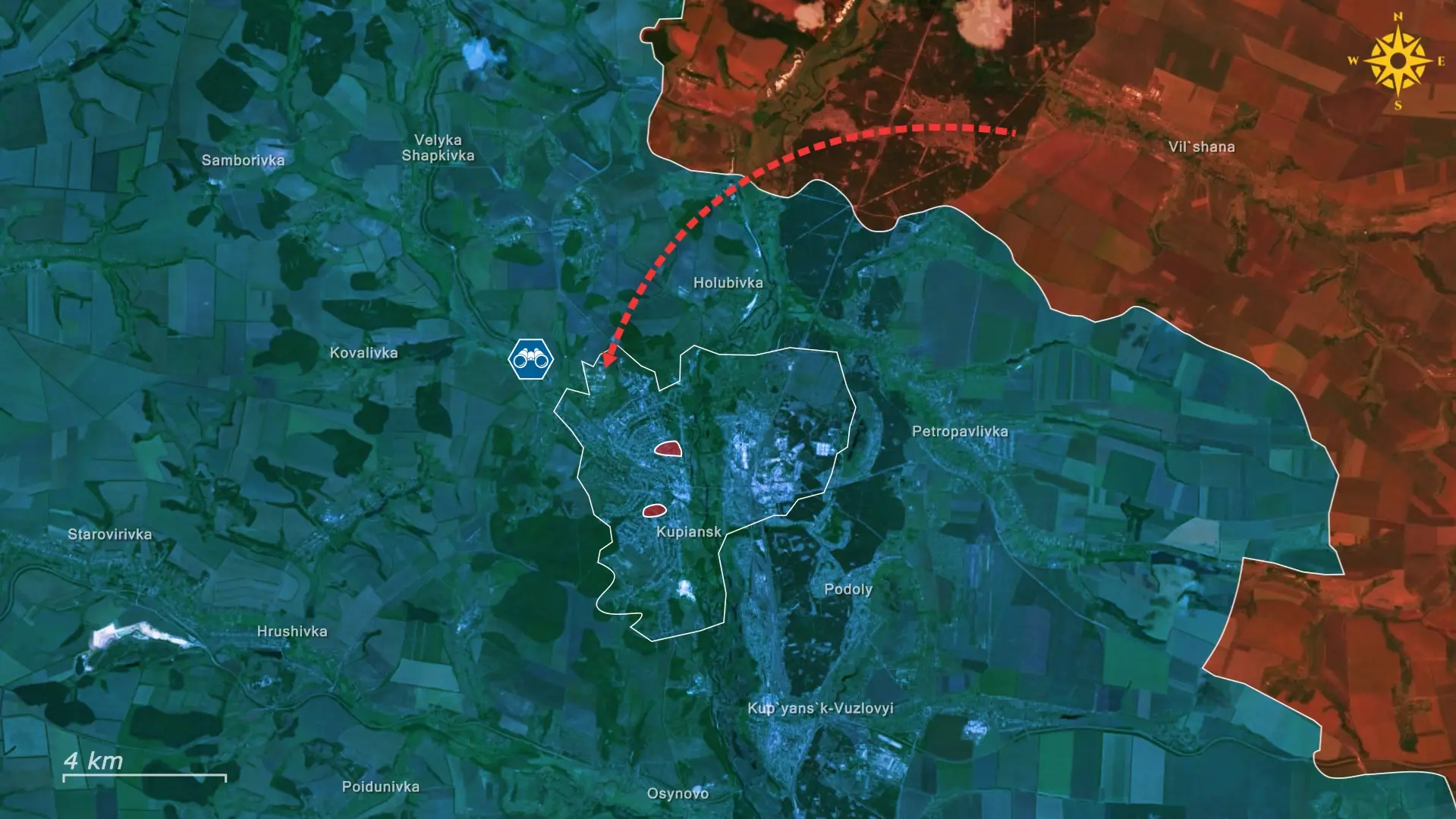
With Ukrainians having already been very successful in their offensive, Russian forces attempted to reestablish a foothold through infiltra1tion tactics. However, Ukrainian units had already locked down the main supply and access routes into the city, turning Kupiansk into a closed battlefield where any movement could be detected and targeted. Russian soldiers were forced to use improvised infiltration methods, including moving through empty underground pipelines. But as Russians had tried this several times before in this direction, the Ukrainians fully anticipated the action. Ambushes were prepared, and many of the infiltrating troops were eliminated before even reaching Kupiansk.
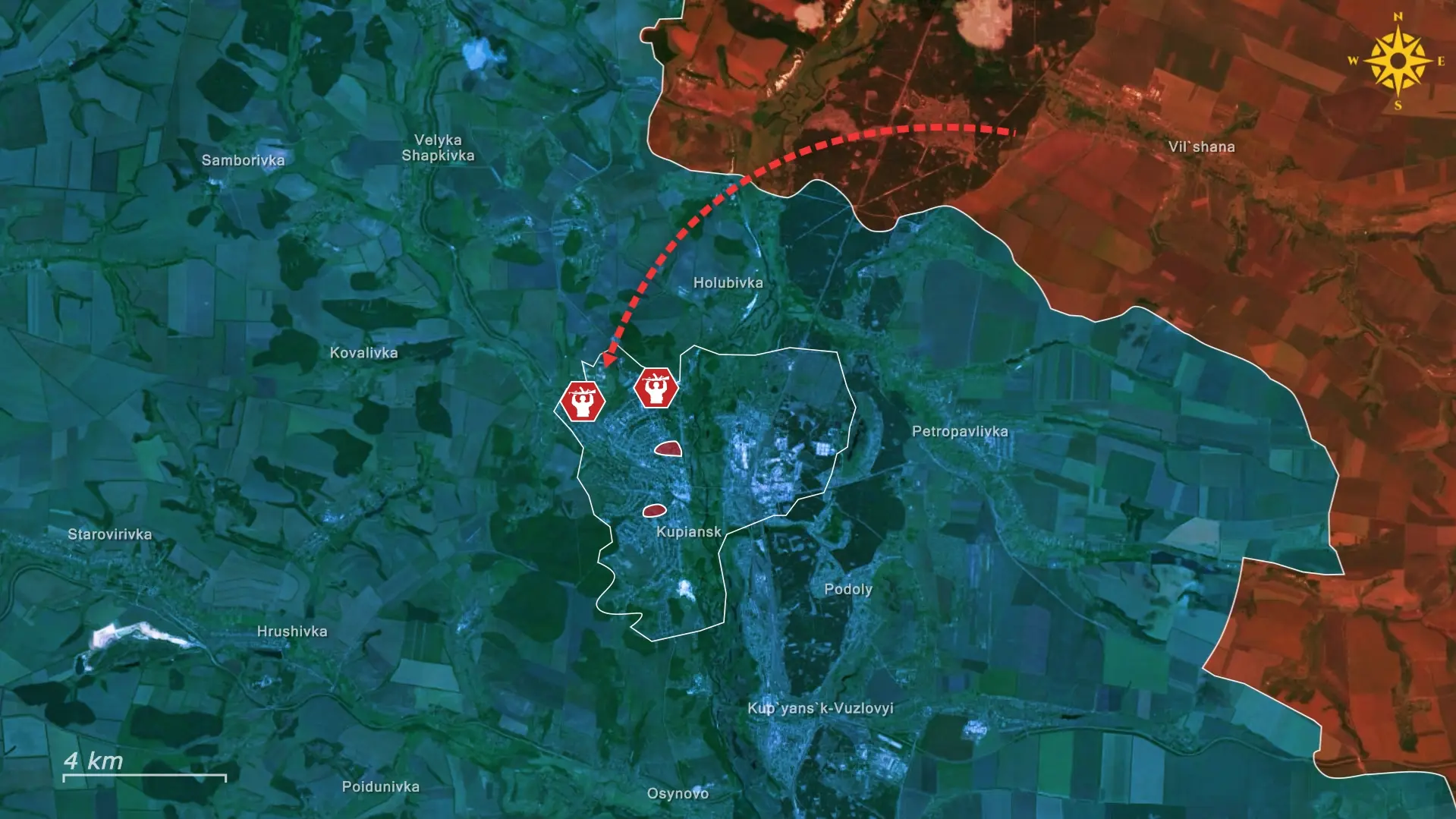
Others, realizing the futility of their situation, chose to surrender rather than face certain death, as it became clear that no relief force was coming for the Russian soldiers that remained in Kupiansk.
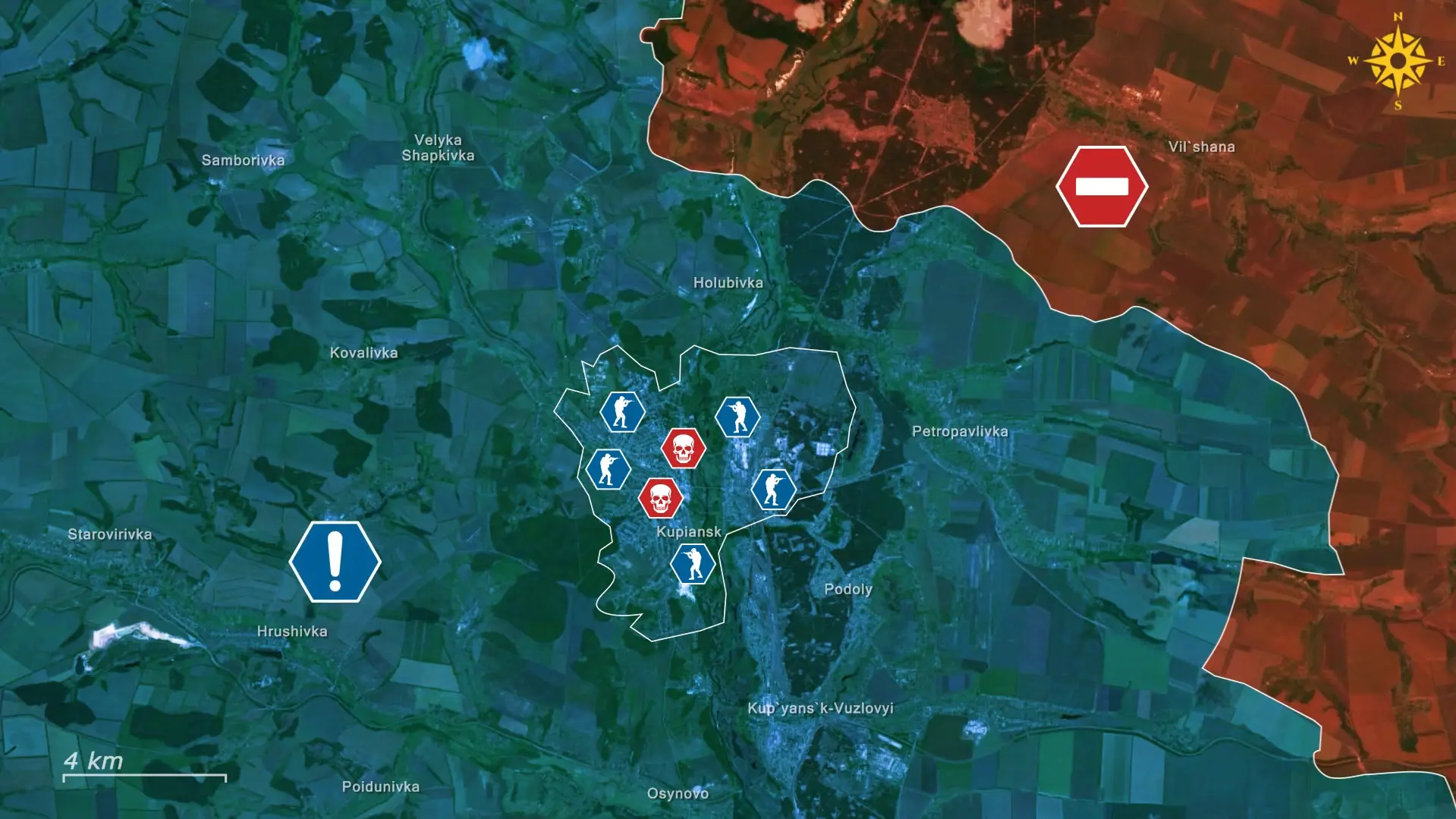
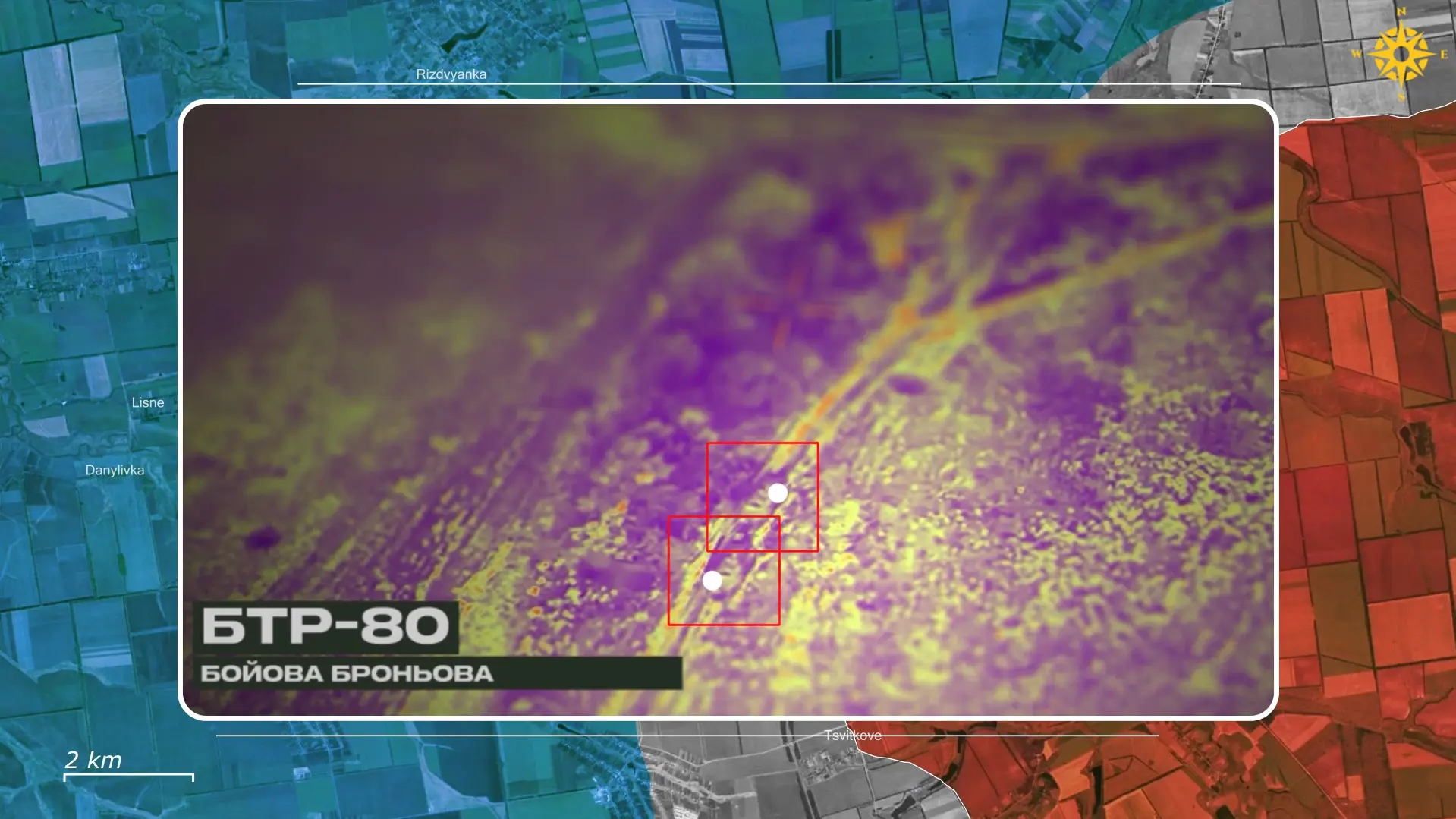
The final strongholds of Russian resistance were concentrated in the local hospital, the mechanical plant, and one of the schools in the city. Drone operators equipped with thermal imaging mapped enemy positions first, identifying concentrations of Russian troops and tracking their movements between buildings.
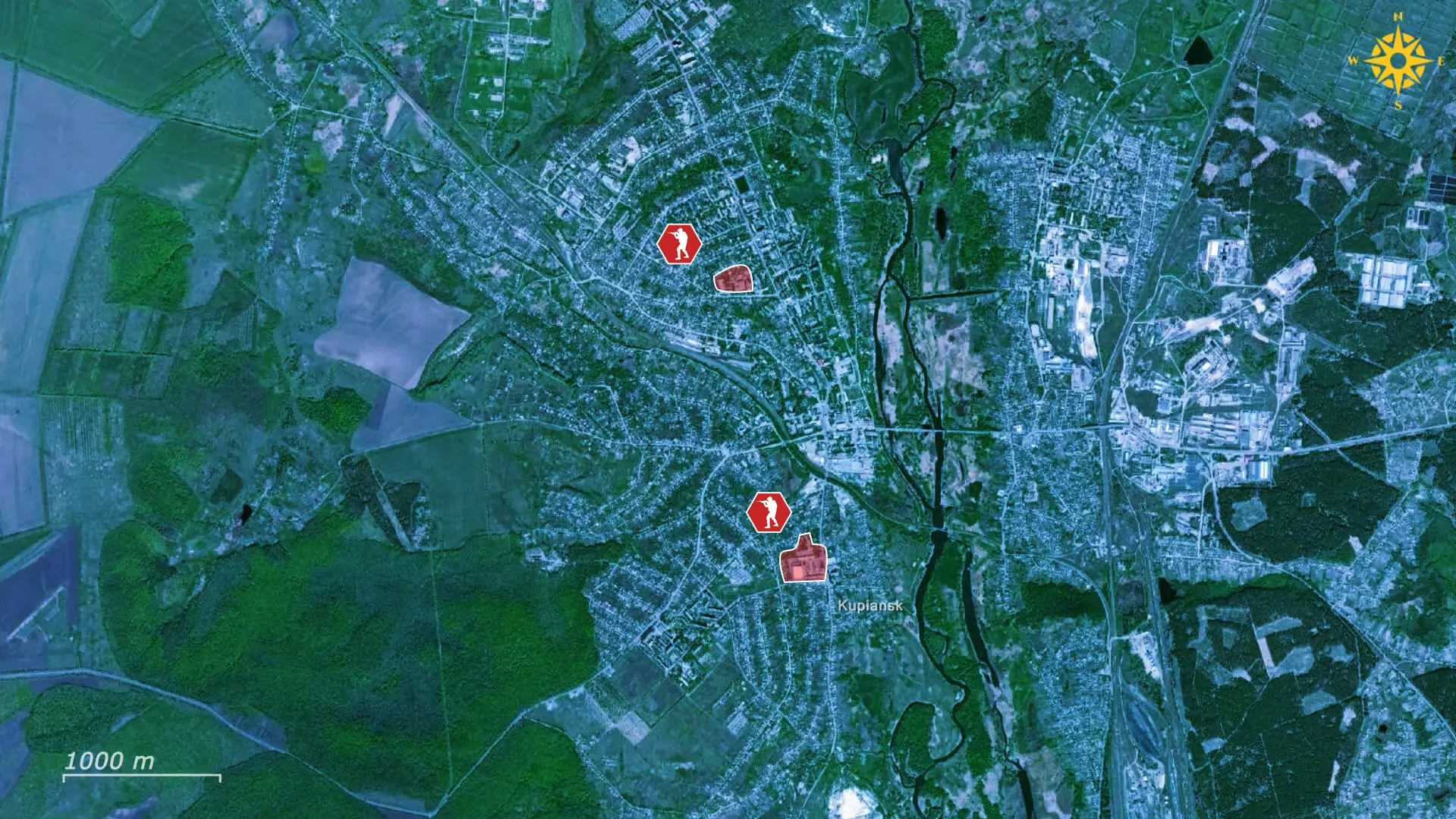
Then, when Russian soldiers attempted to reposition into nearby high-rise buildings to engage Ukrainian ground lines of communication, Ukrainian assault groups were able to respond immediately and shut it down. FPV drones targeted basement positions, forcing defenders into exposed areas, while ground troops advanced with heavier explosives to neutralize resistance. This combination of aerial precision and ground assault trapped many Russian fighters inside, where they were either killed or captured.
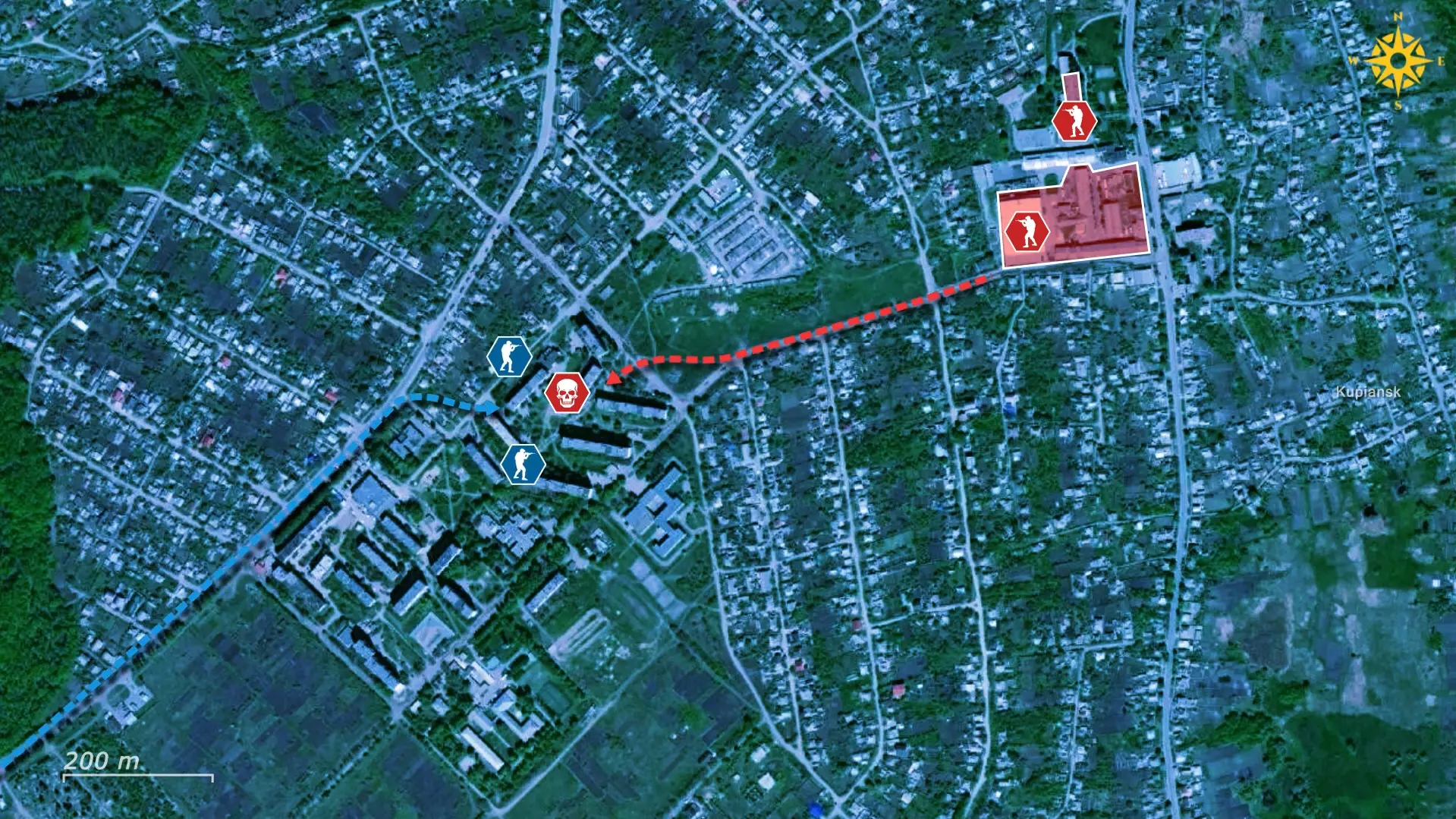
After securing the high-rise structures, Russians became fully isolated in their strongholds in the industrial and educational complexes, as Ukrainians continued to advance. Fires were deliberately set to flush out entrenched defenders, creating chaos and forcing Russian troops into the open.
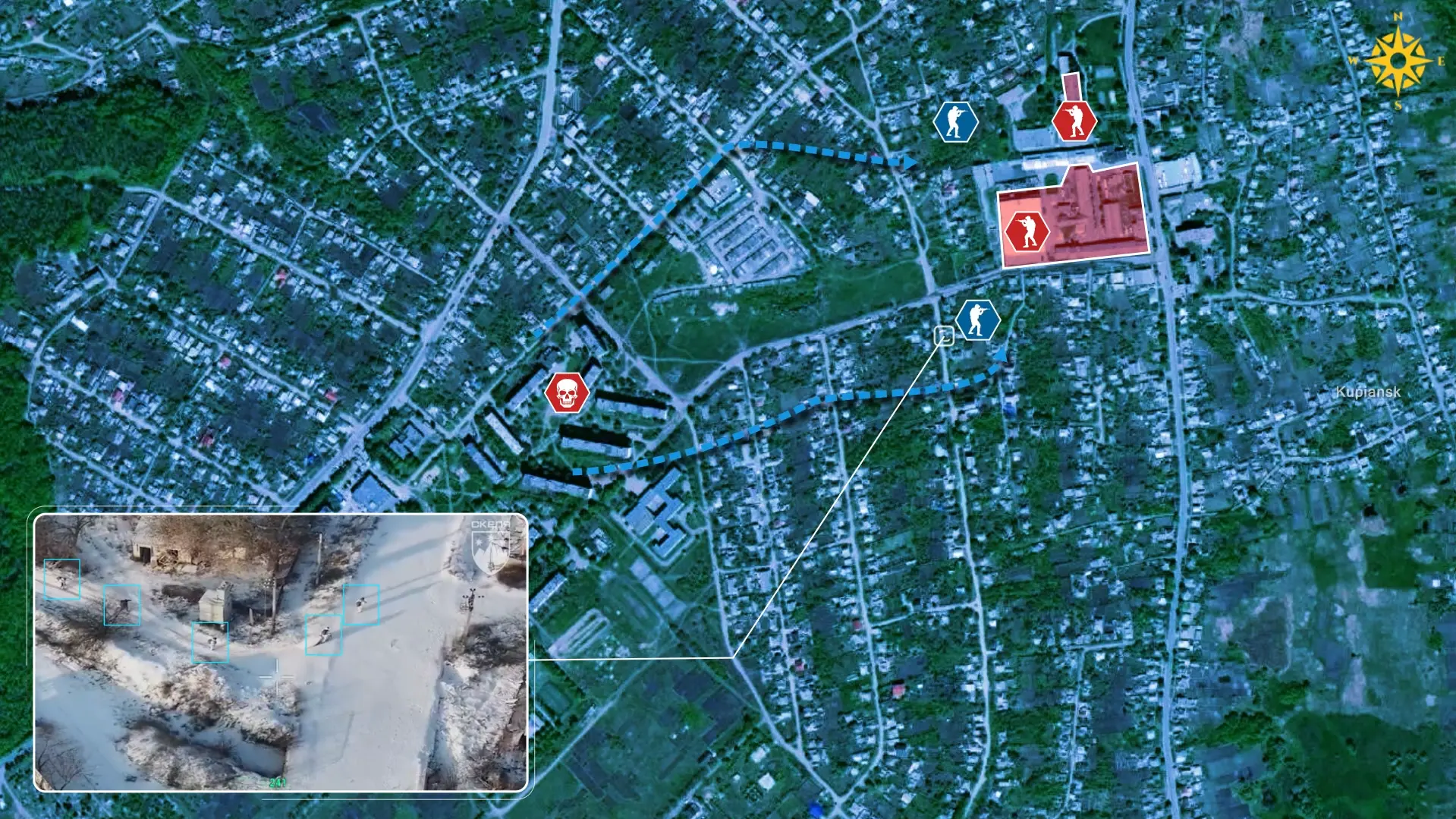
Most were killed, but several surrendered under pressure, with Ukrainian soldiers documenting captured weapons and personnel.
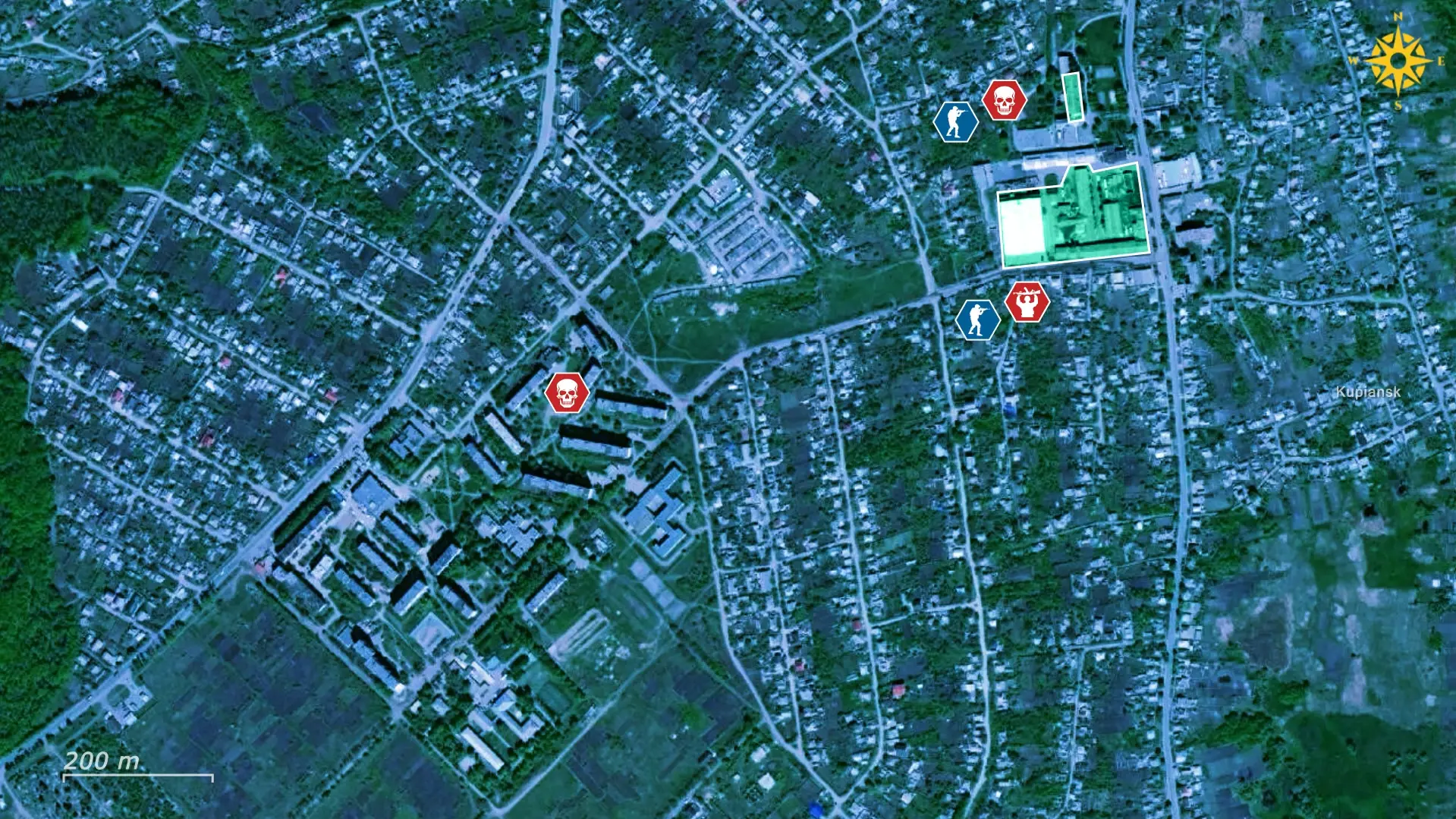
The final and most heavily defended position remained the district hospital and two apartment buildings, which had been turned into a last bastion. Drone surveillance revealed Russian troops scavenging for medical supplies while attempting to hold supporting defensive positions from the highrises. Ukrainian forces responded by deploying snipers with thermal optics in adjacent structures, systematically eliminating any movement detected on the upper floors of the outer defensive apartment buildings. Additionally, FPV drones were used to strike key positions to force exposure, with those attempting to relocate being immediately neutralized by sniper fire.
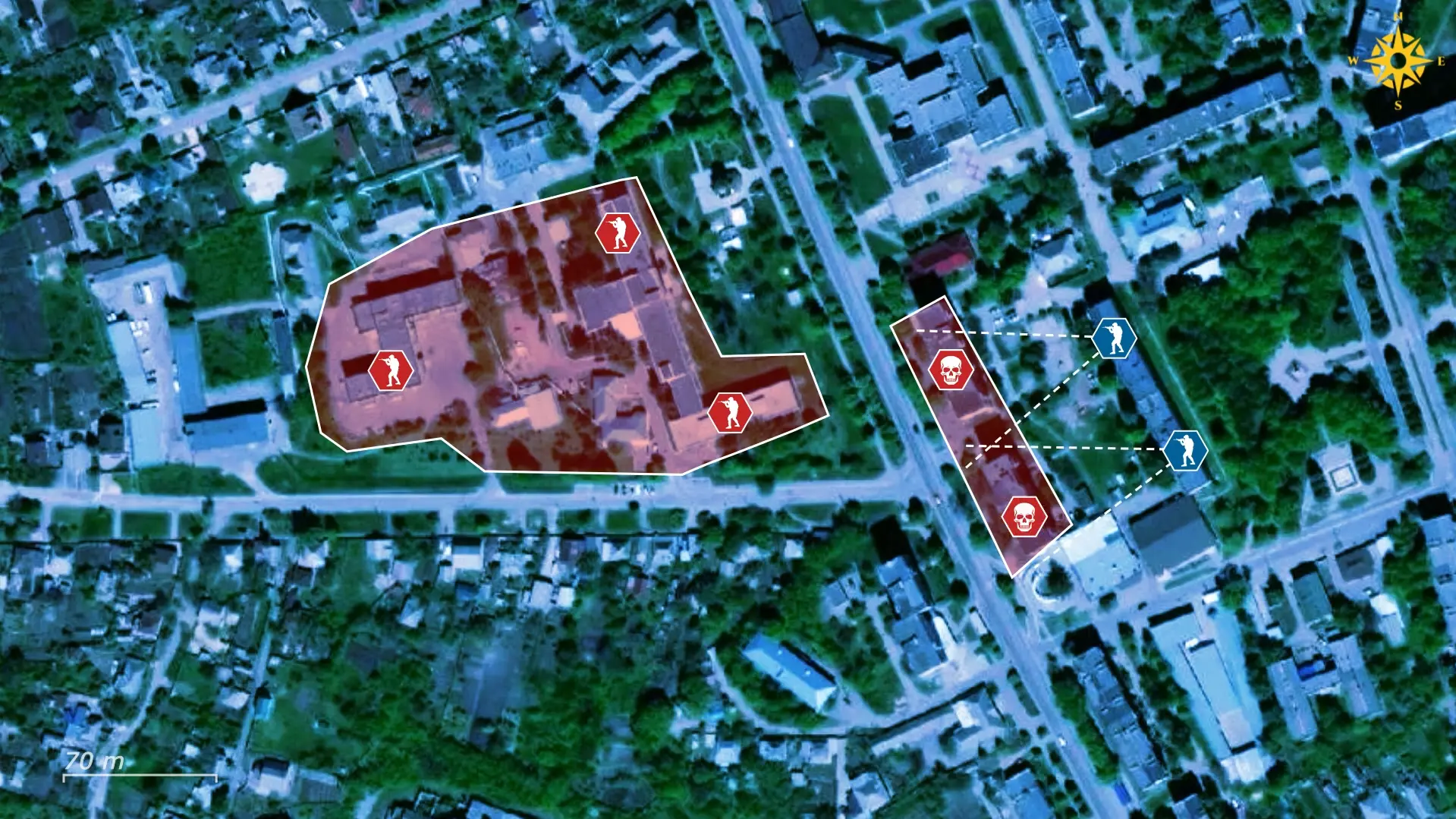
After the strikes, Ukrainian troops attempted to enter the buildings, but discovered that entrances had been mined. Rather than risk unnecessary casualties, commanders ordered more than 100 kilograms of explosives to be used to breach and destroy key sections of the structure.
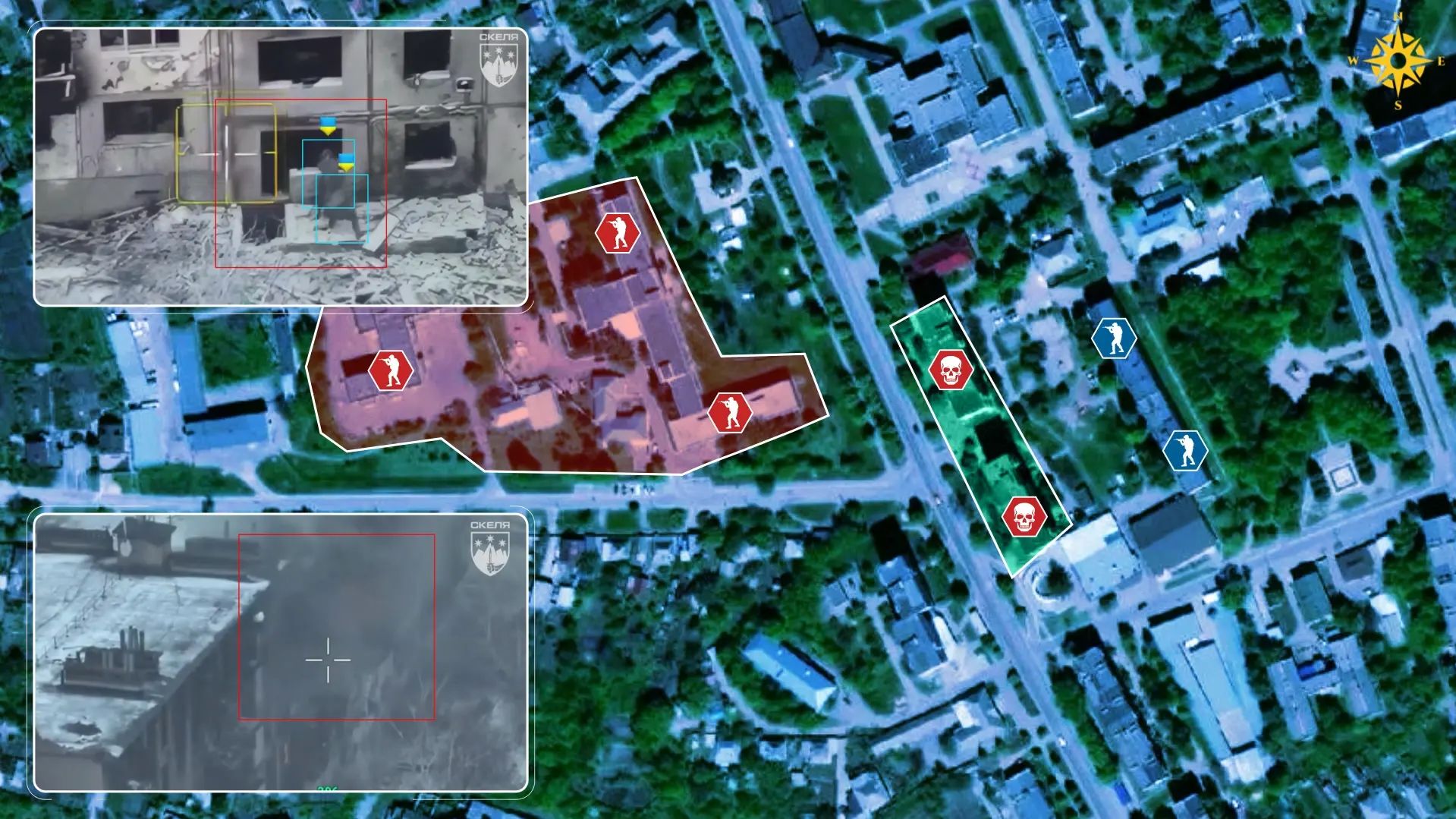
This was followed by coordinated artillery and air strikes that fragmented the hospital complex into isolated ruins. Even then, drone footage revealed surviving Russian soldiers attempting to gather snow for water, highlighting the desperation of their situation.
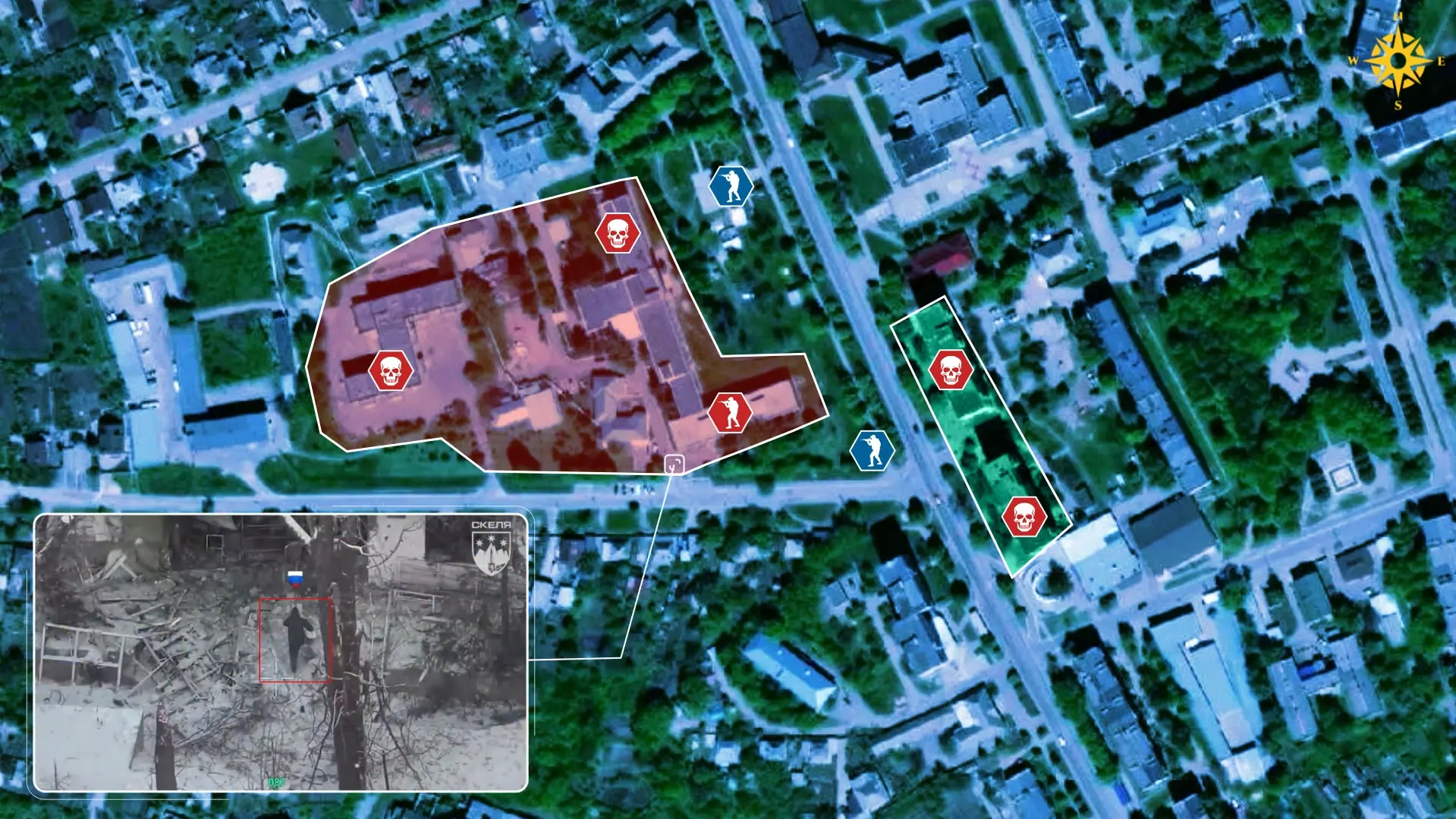
Ukrainian assault teams were ordered to move in sector by sector, clearing the remaining ruins in close combat until all resistance was eliminated.
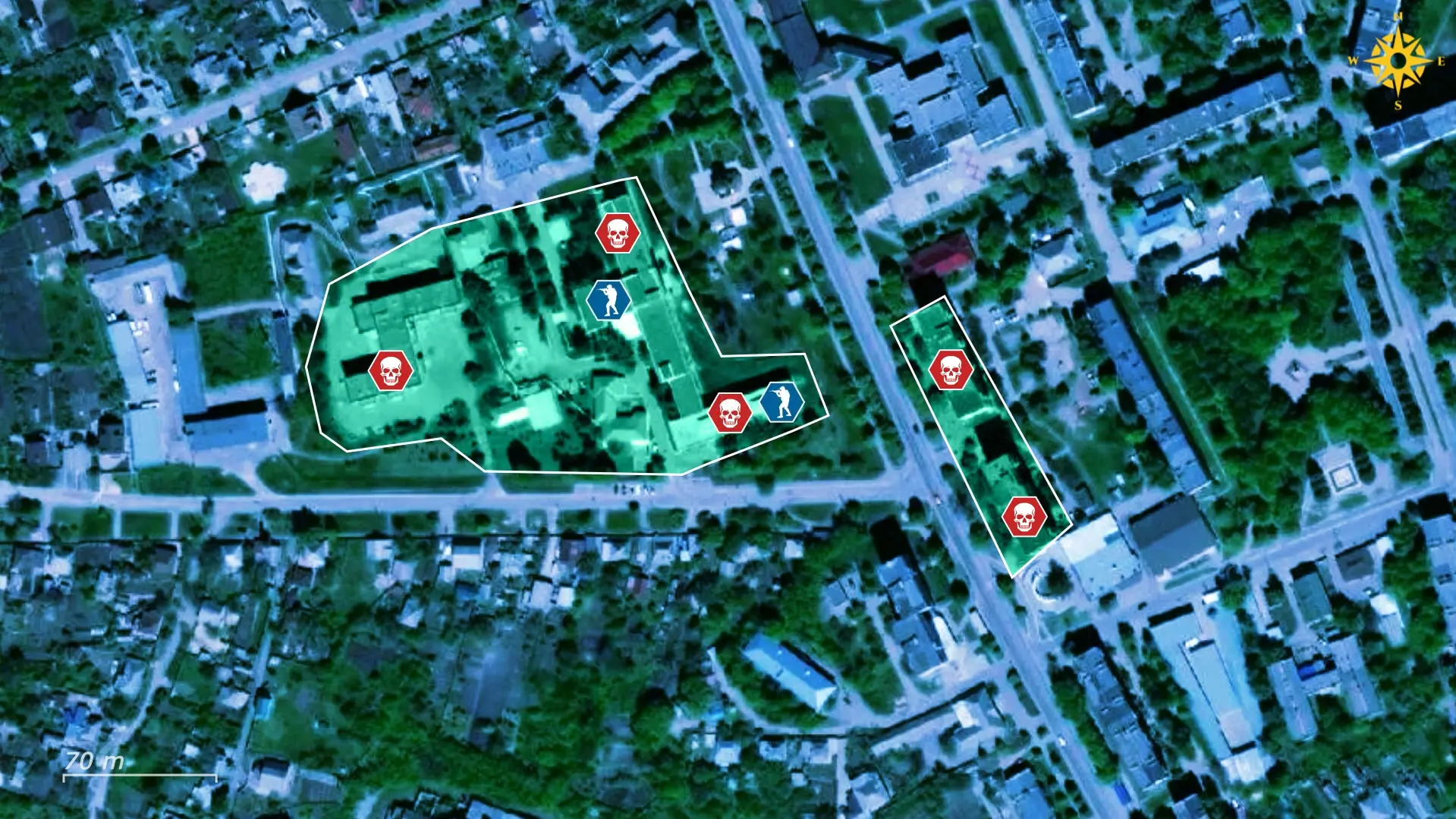
Following the destruction of these final strongholds, search-and-destroy teams systematically swept across the city. Using drones with thermal imaging, they identified hidden basements and shelters where isolated Russian soldiers remained, cut off and unable to pose any offensive threat; they still had to be dealt with. Resistance quickly became increasingly limited, with one Russian soldier contacting Ukrainian forces through the “I Want to Live” initiative, stating that he was abandoned without resupply for months, after which he was safely extracted as a prisoner of war.
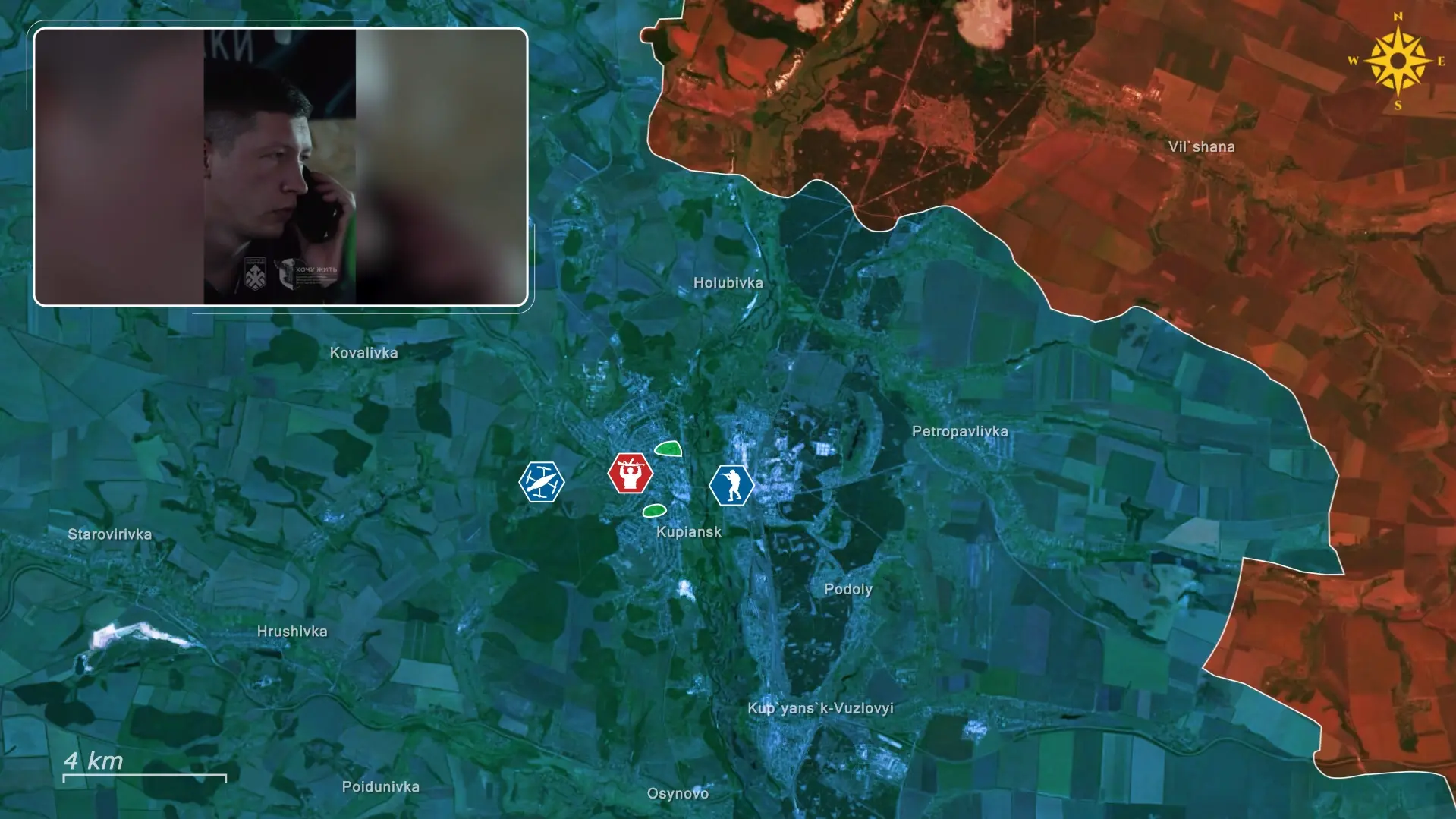
As Kupiansk was finally liberated and all Russians had been eliminated or taken as POW, Russian military analysts openly admitted the failure, describing how the last defenders were ultimately wiped out after holding out for over 100 days in complete encirclement. Their anger has mostly been directed at the Russian command, which continues to portray Kupiansk as contested and partially under Russian control, despite the evidence against it. Some critics have even called for senior generals to be dismissed, accusing them of abandoning troops and purposefully misrepresenting the situation on the ground.
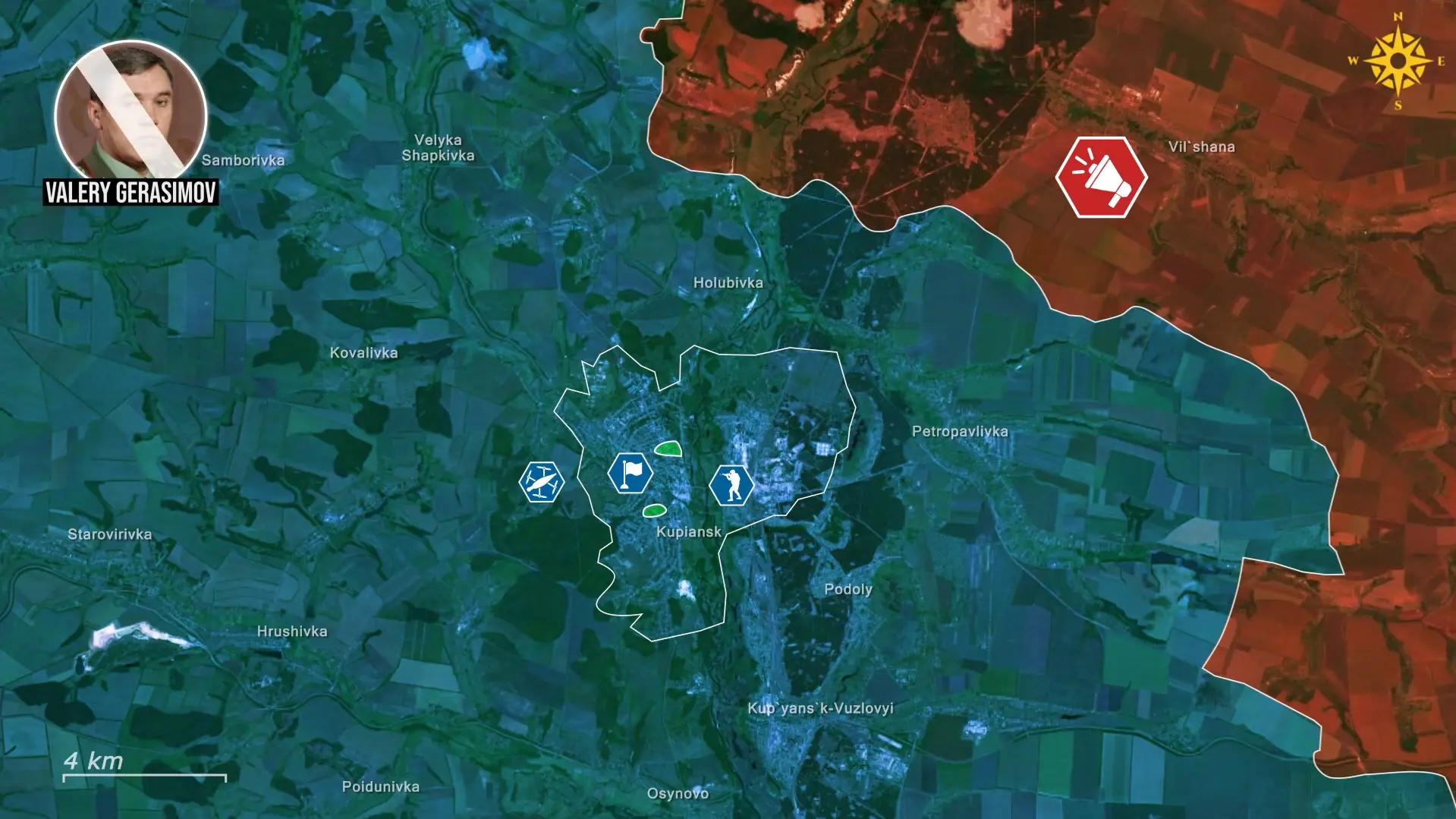
Overall, with the final resistance eliminated and all remaining pockets cleared, Kupiansk is now fully liberated and under Ukrainian control. The battle stands as both a tactical and symbolic victory, exposing the collapse of Russian operational coherence in the area and forcing even pro-Russian voices to acknowledge the scale of the defeat.

.jpg)

Comments