

.svg)
Today, there are major developments in the Strait of Hormuz.
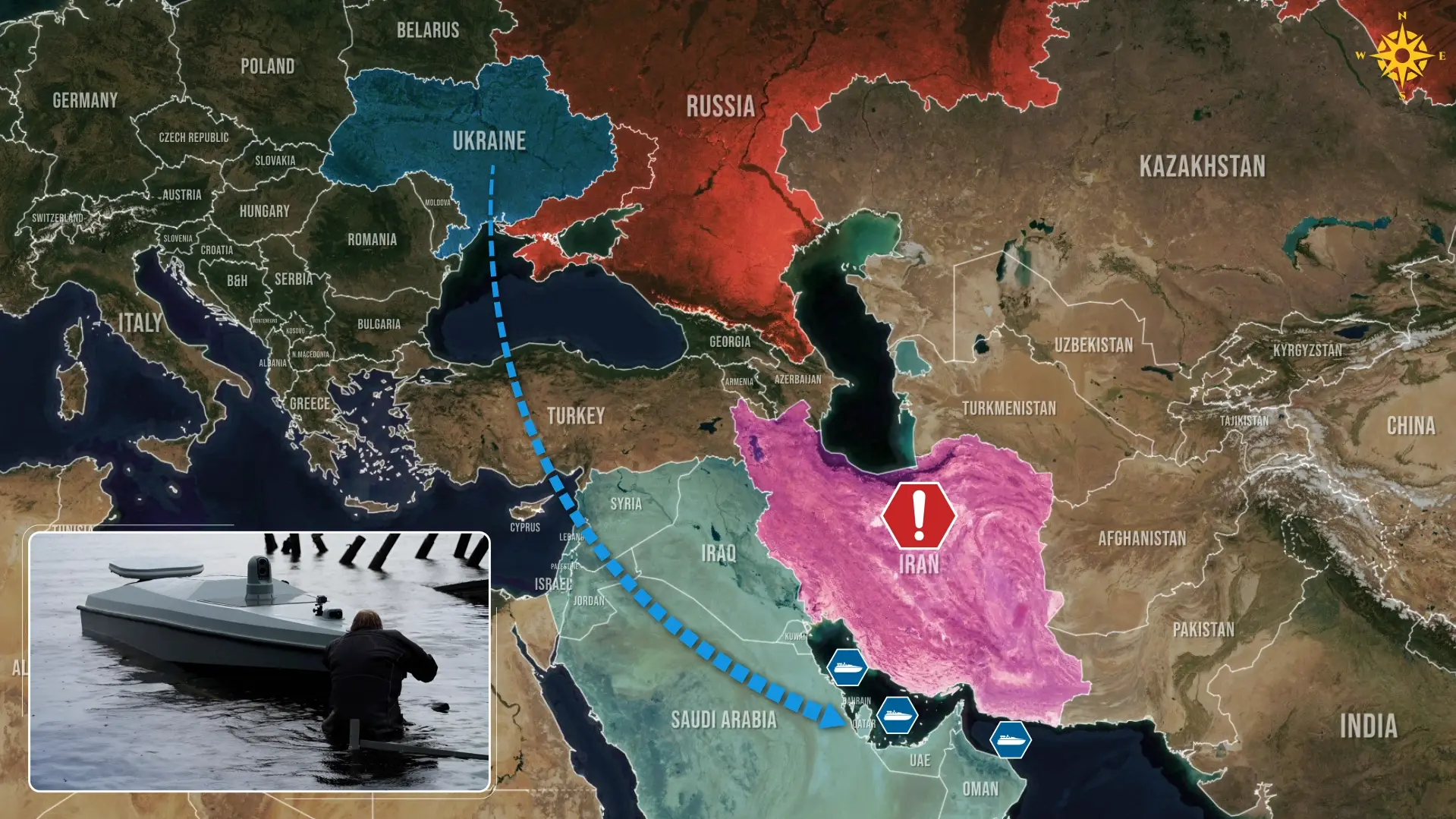
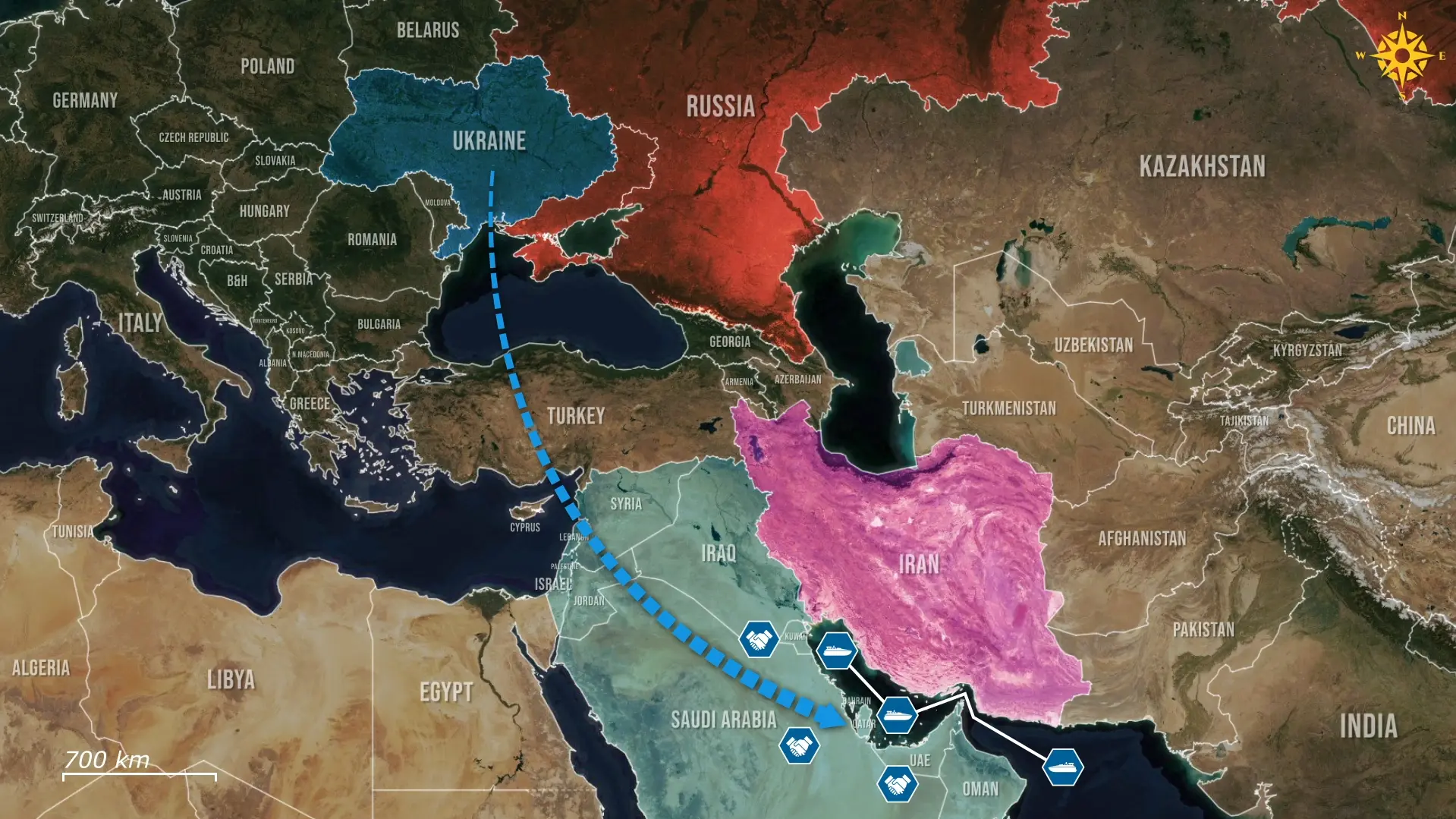
Here, Ukraine has recently deployed its latest naval drones to secure the Strait of Hormuz, with patrols starting now across one of the most critical maritime corridors in the world. At the same time, Ukraine is extending its Black Sea drone experience into a permanent security role not just in Europe but the entire Middle East more than ever before.
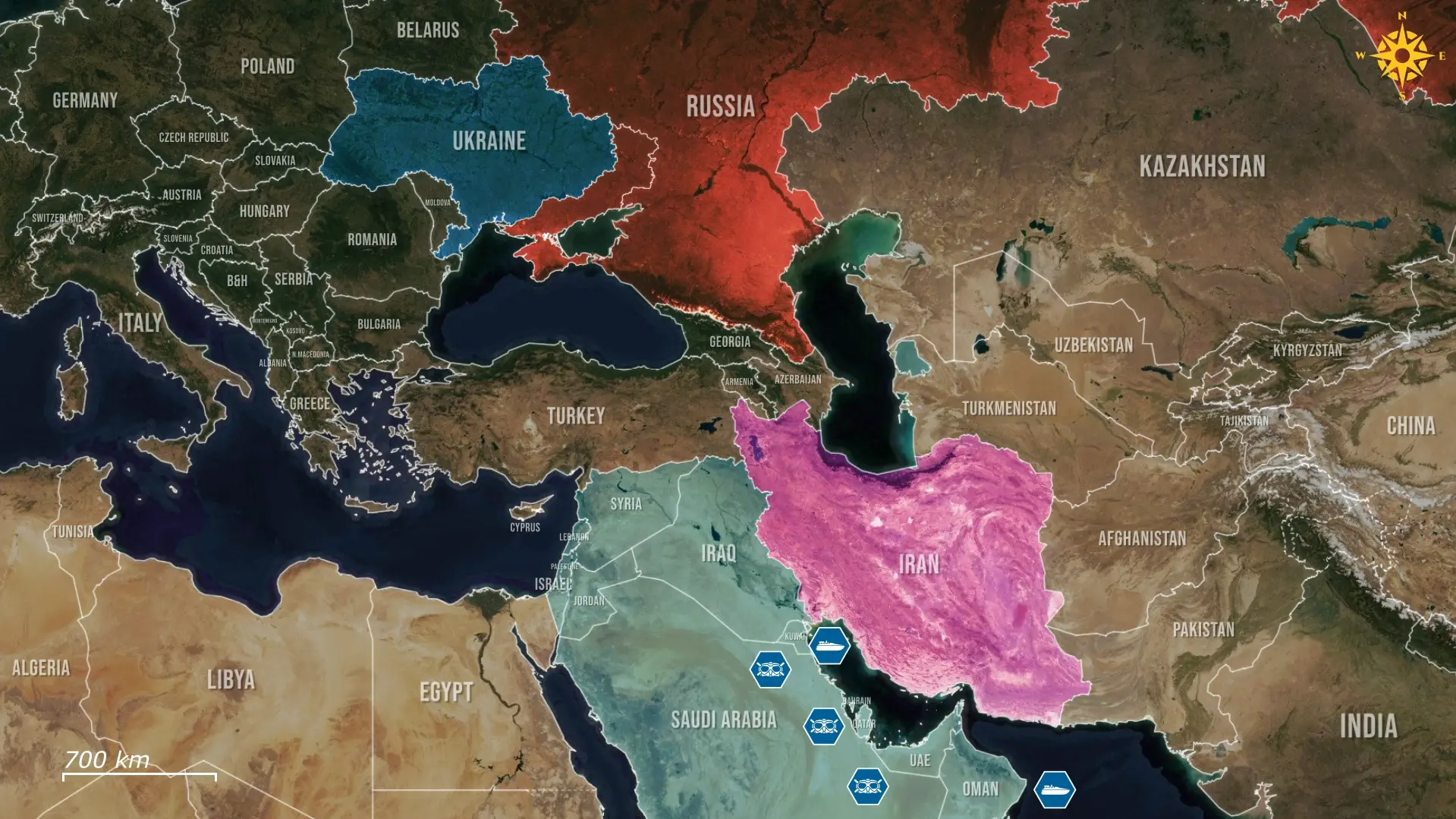
Ukraine is now moving its naval drone expertise toward the Gulf as part of a broader defense relationship with regional states. This comes as tensions around the Strait of Hormuz increase and regional actors look for more flexible ways to secure shipping without escalating to large scale naval deployments. Instead of sending warships, Ukraine is transferring the same small, remotely controlled surface vessels it uses in the Black Sea, along with the tactics that allowed them to operate. In this environment, those drones are used to continuously monitor shipping routes and detect threats early in a region where even short disruptions can affect global energy supply.
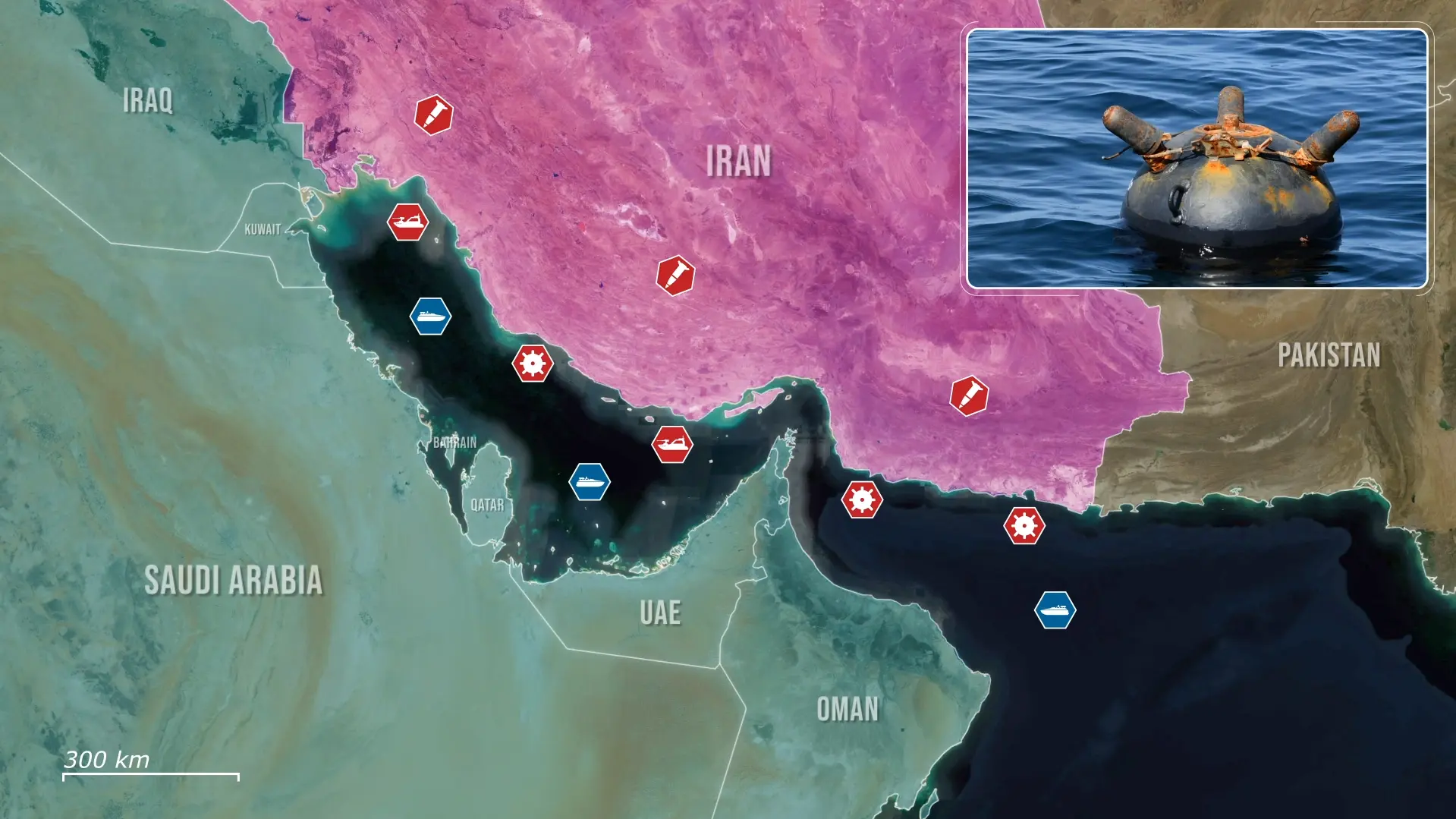
Hormuz is a narrow and heavily trafficked chokepoint where Iran can threaten shipping through mines, fast attack craft, and short range strikes launched from nearby coastlines. In their most recent statement, Iran has explicitly warned about the presence of naval mines in the strait, confirming that this threat is already shaping how ships operate in the area.
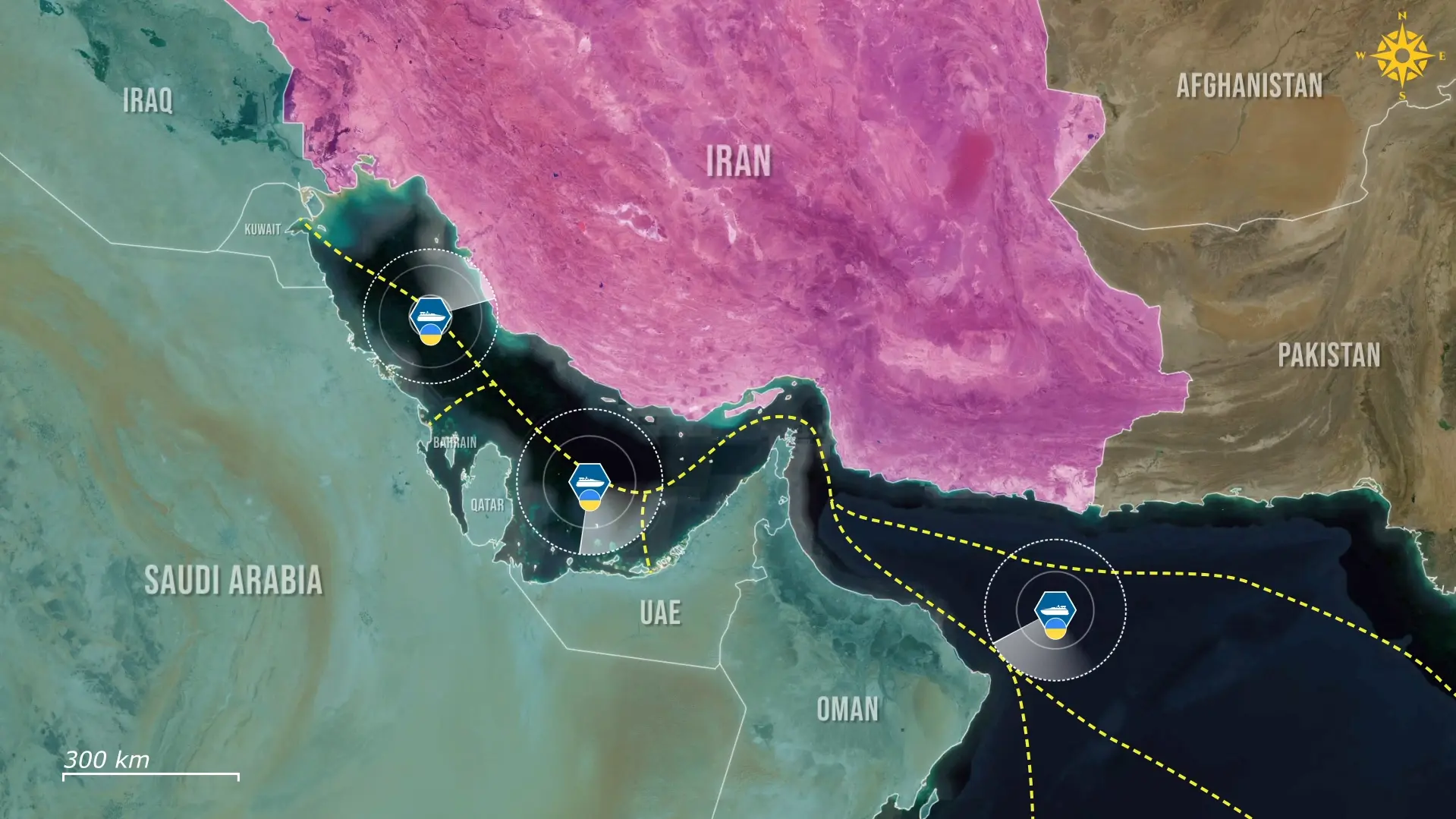
This creates a need for constant monitoring along fixed routes, where a threat of Iranian strikes is disrupting global energy flow. Naval drones address this by providing continuous real time data, allowing threats to be identified early without exposing crewed vessels to risk. Ukraine is using this model to turn its wartime experience into a deployable system, offering both the drones and the operational knowledge needed to integrate them into existing maritime security structures.
Ukraine’s allies are moving in the same direction, which makes this effort part of a broader military trend rather than a one off idea. Britain is preparing to deploy underwater naval drones for seabed scanning and for mine destruction, using vessels as a mothership to launch and support these systems from.
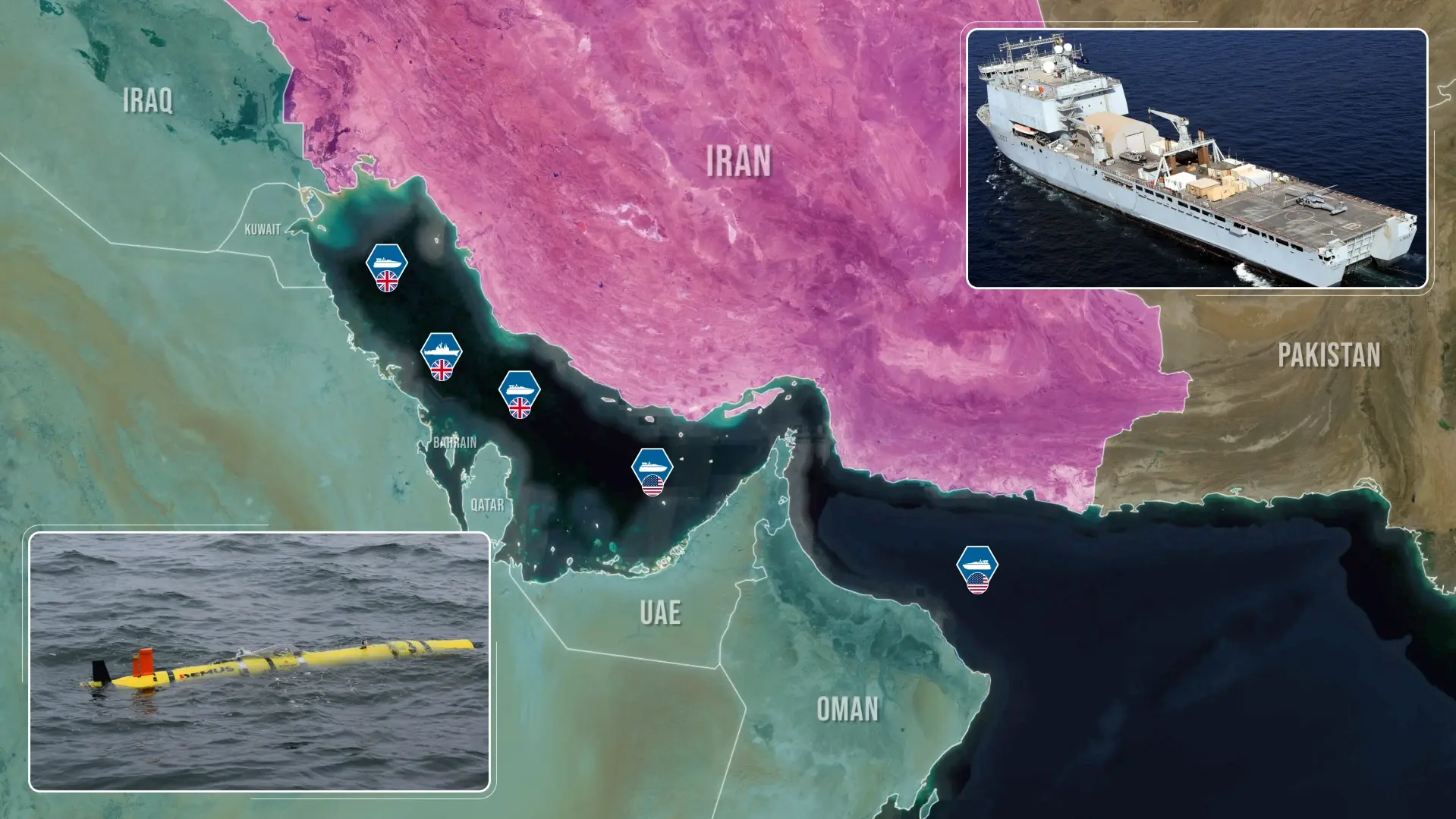
At the same time, the United States has already deployed maritime drones in the region for patrol missions, using them to monitor activity without relying on traditional vessels. They learned from Ukraine that unmanned systems can reshape how fleets operate, opening the door for deeper cooperation as drones take on constant monitoring and operate in high risk areas while crewed ships move into a supporting role.
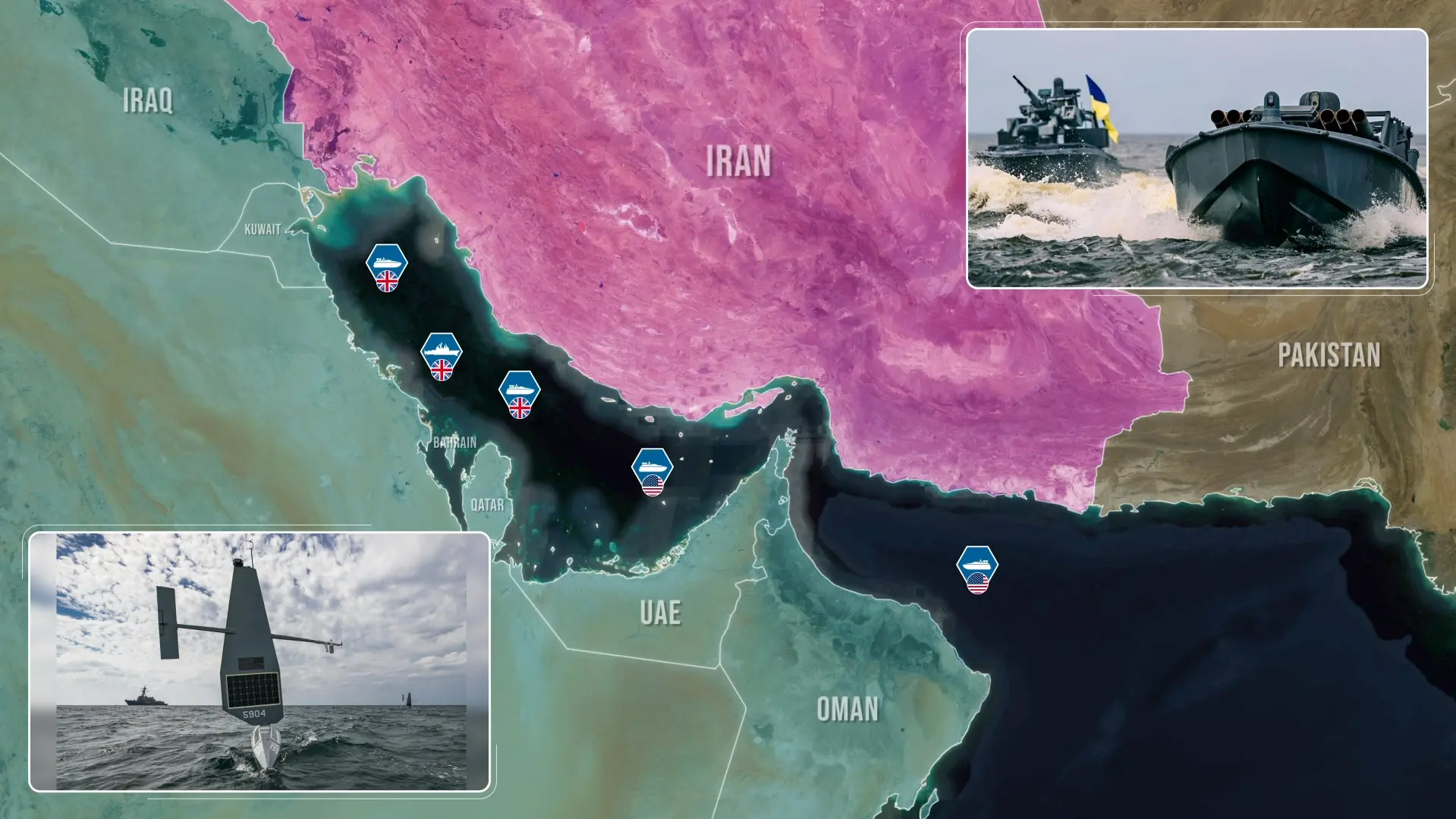
The Gulf states see clear value in this model because they need continuous control over busy shipping lanes without overextending their naval forces. They have already shown interest in Ukrainian interceptor drones, and Ukraine has stated it is ready to supply naval drones if requested. At sea, this translates into maintaining constant presence along fixed routes, tracking movement in real time, and responding quickly to small scale threats without deploying large warships. That is why acquiring naval drone fleets is attractive for Gulf states such as Saudi Arabia, the United Arab Emirates, and Qatar, which want to manage day to day maritime security with their own systems rather than depend entirely on foreign naval deployments.
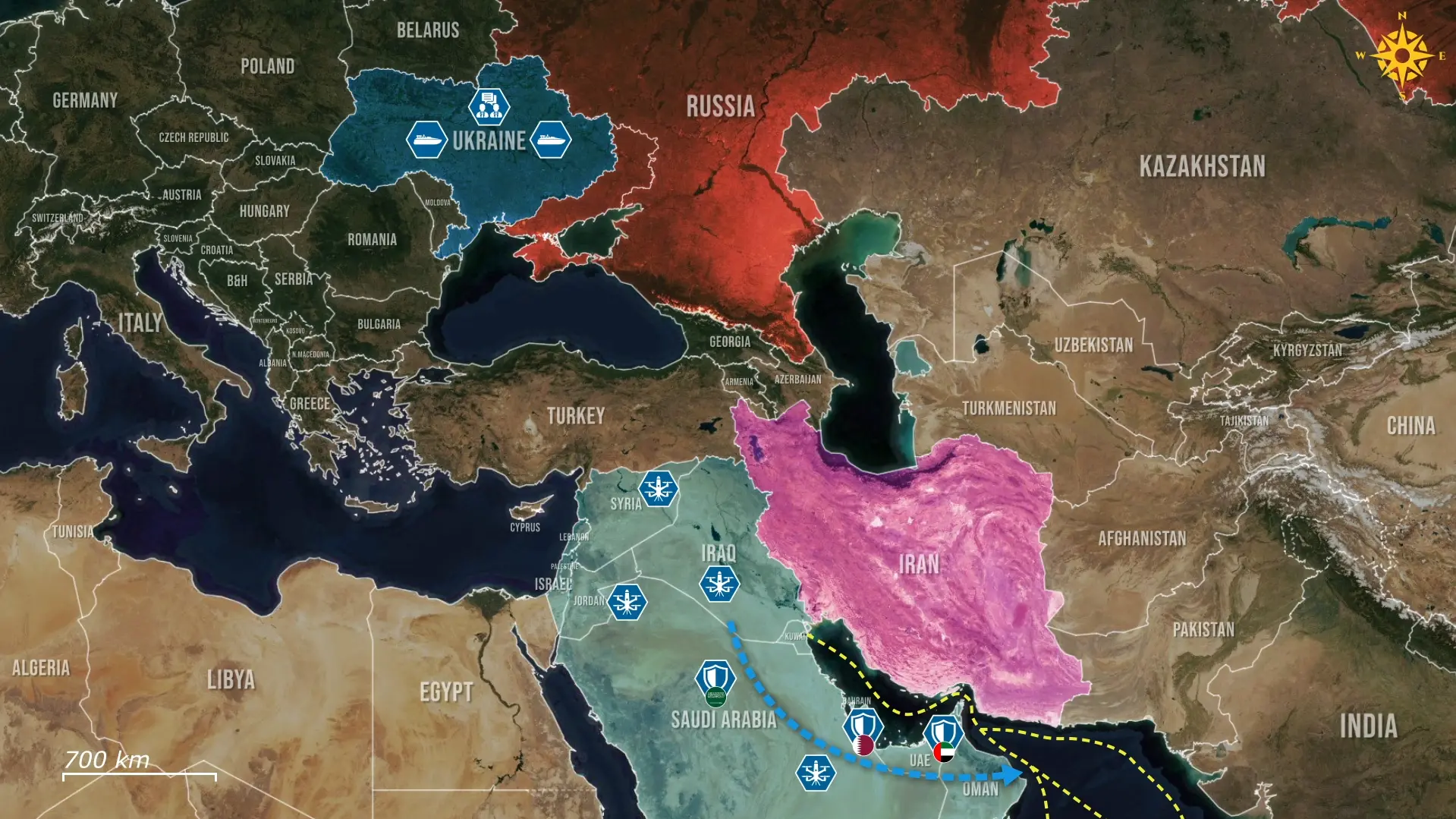
Ukraine’s first advantage is monetary, because selling naval drones brings in direct income and increases production of these systems, which allows Ukraine to produce more units at scale.
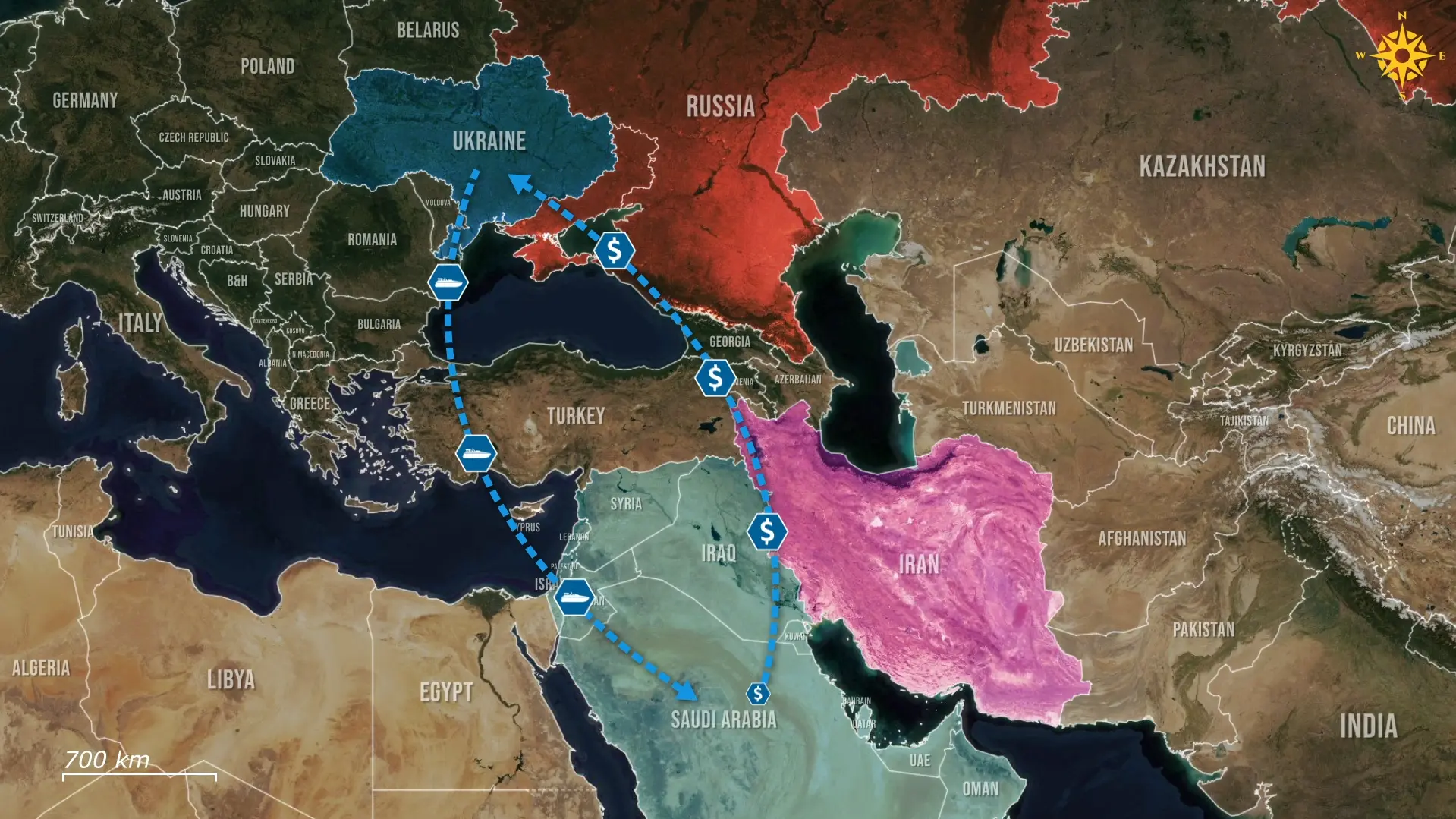
Continued investment, support and upgrades keep that income flowing over time, turning wartime innovation into a stable and repeatable source of funding for the country. This continued investment also turns Ukraine’s advantage geopolitical, because integrating into Gulf defense cooperation gives it a place inside regional security planning. As Ukrainian systems and expertise are proliferated, Kyiv builds direct ties with Gulf states and becomes part of how maritime security decisions are made, increasing its political weight beyond Europe. This position also creates a strategic effect, because this position allows it to shape security outcomes around the Strait of Hormuz. By supporting maritime monitoring and patrol systems, Ukraine contributes to limiting Iran’s ability to pressure shipping in the region, which weakens a key Russian partner without direct confrontation.
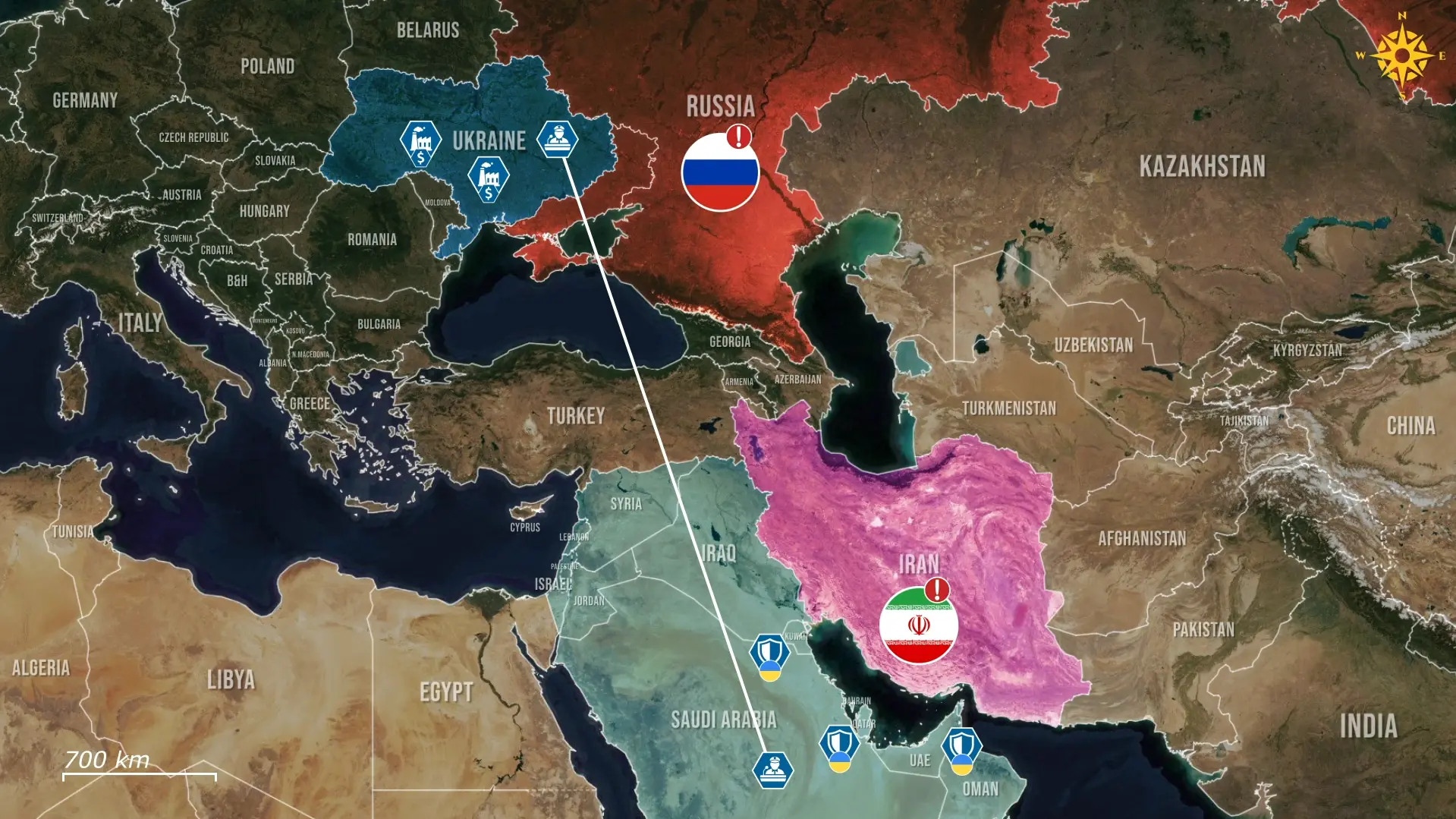
Overall, Ukraine is using naval drones not only to address an immediate maritime security problem, but also to build a long term role in Gulf defense. The most likely outcome is a gradual shift from patrol support to deeper technical cooperation and long term unmanned partnerships with regional states.
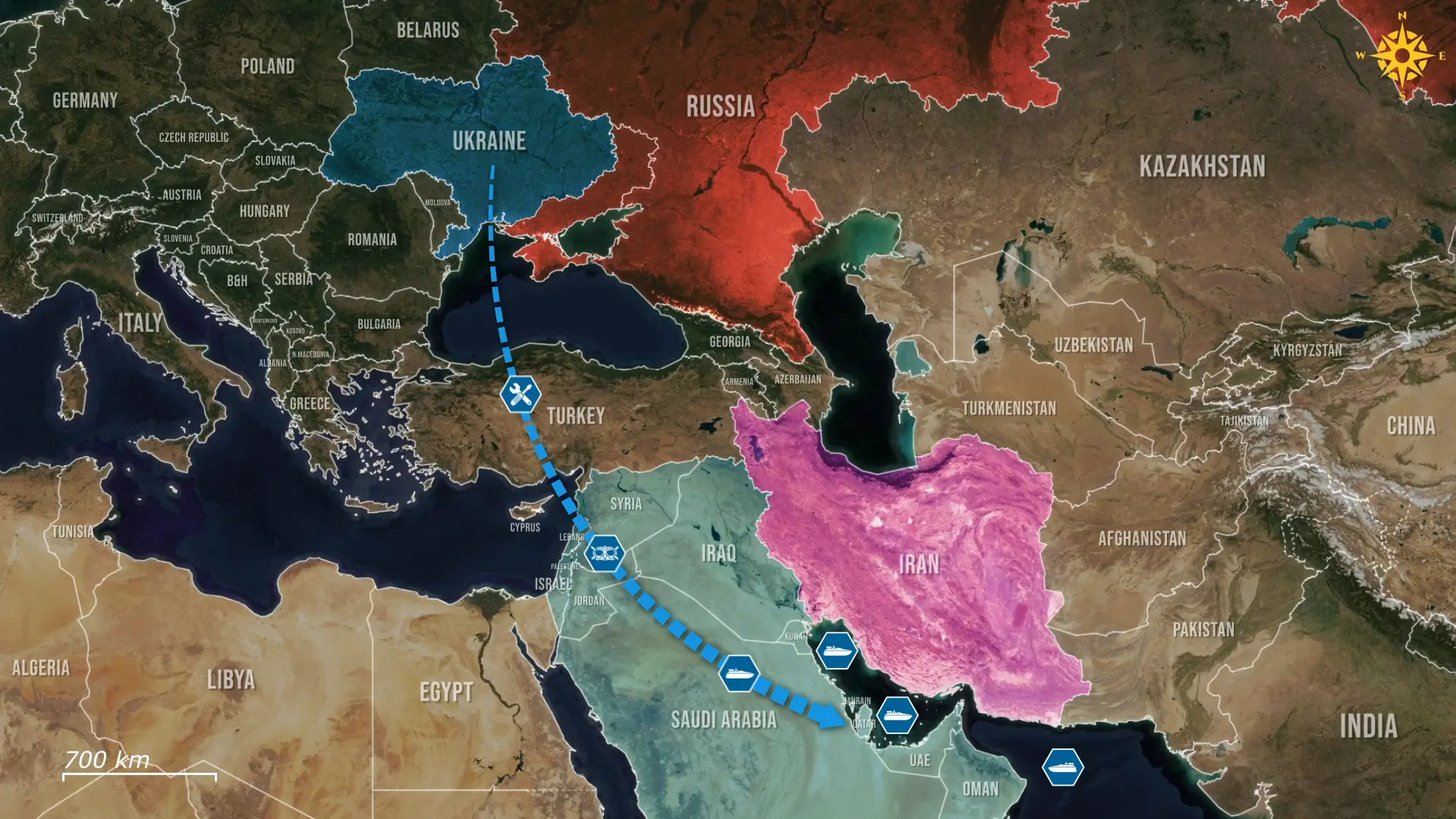
Regardless of whether the war with Iran ends now or not, Ukraine is strengthening its position by building new security ties outside Europe. If this continues, Ukraine will not just export drones, but shape how maritime security is actually carried out in one of the world’s most critical chokepoints.

.jpg)

Comments