

.svg)
In this video, we will analyze the Ukrainian strikes on Russia’s defense industrial base.
Here, Ukraine has achieved a new record in destroying Russia’s military industry in a month. Ukraine’s campaign has expanded massively as a new strike tactic emerged, which has shattered Russia’s defense industry.
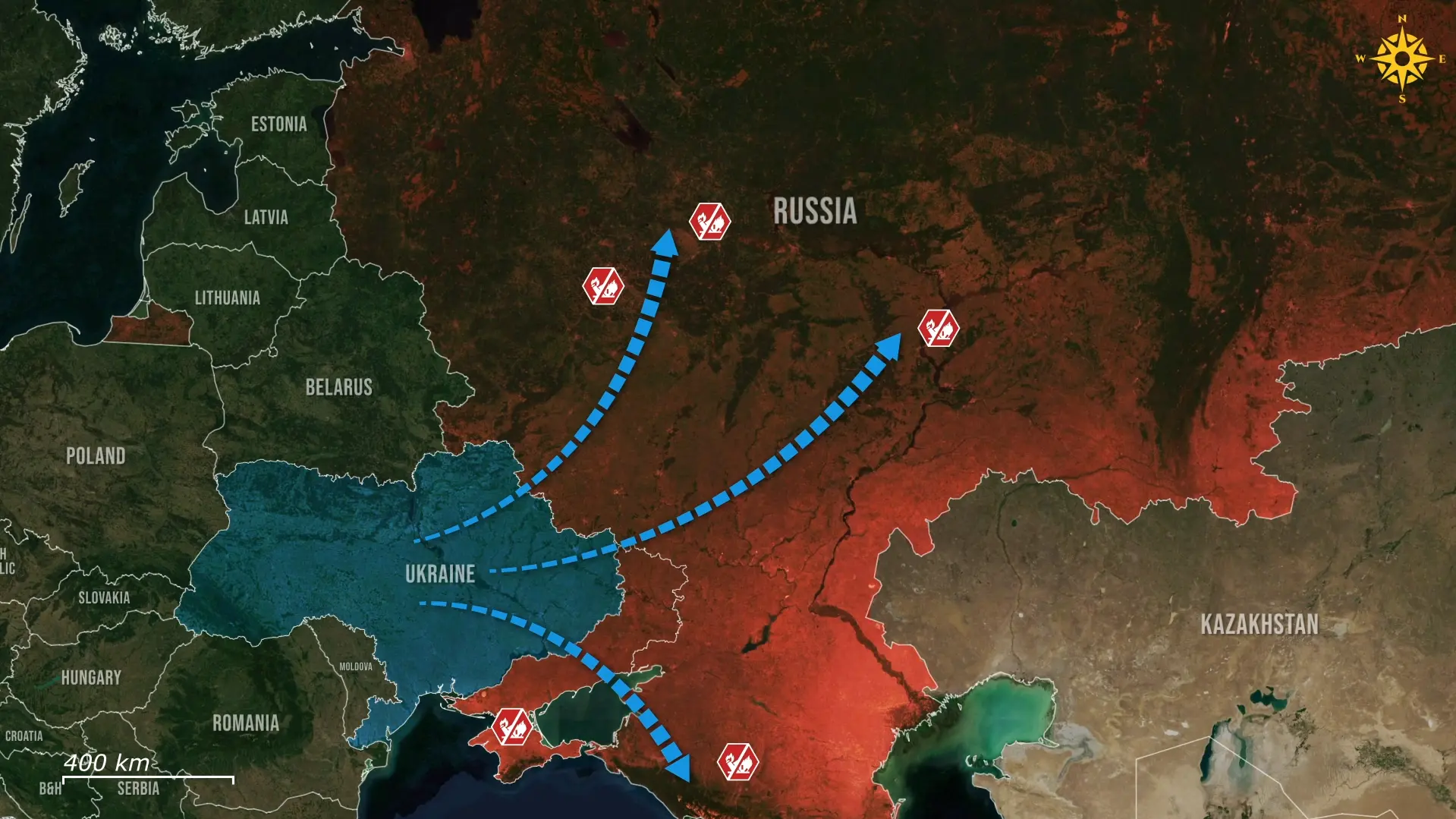
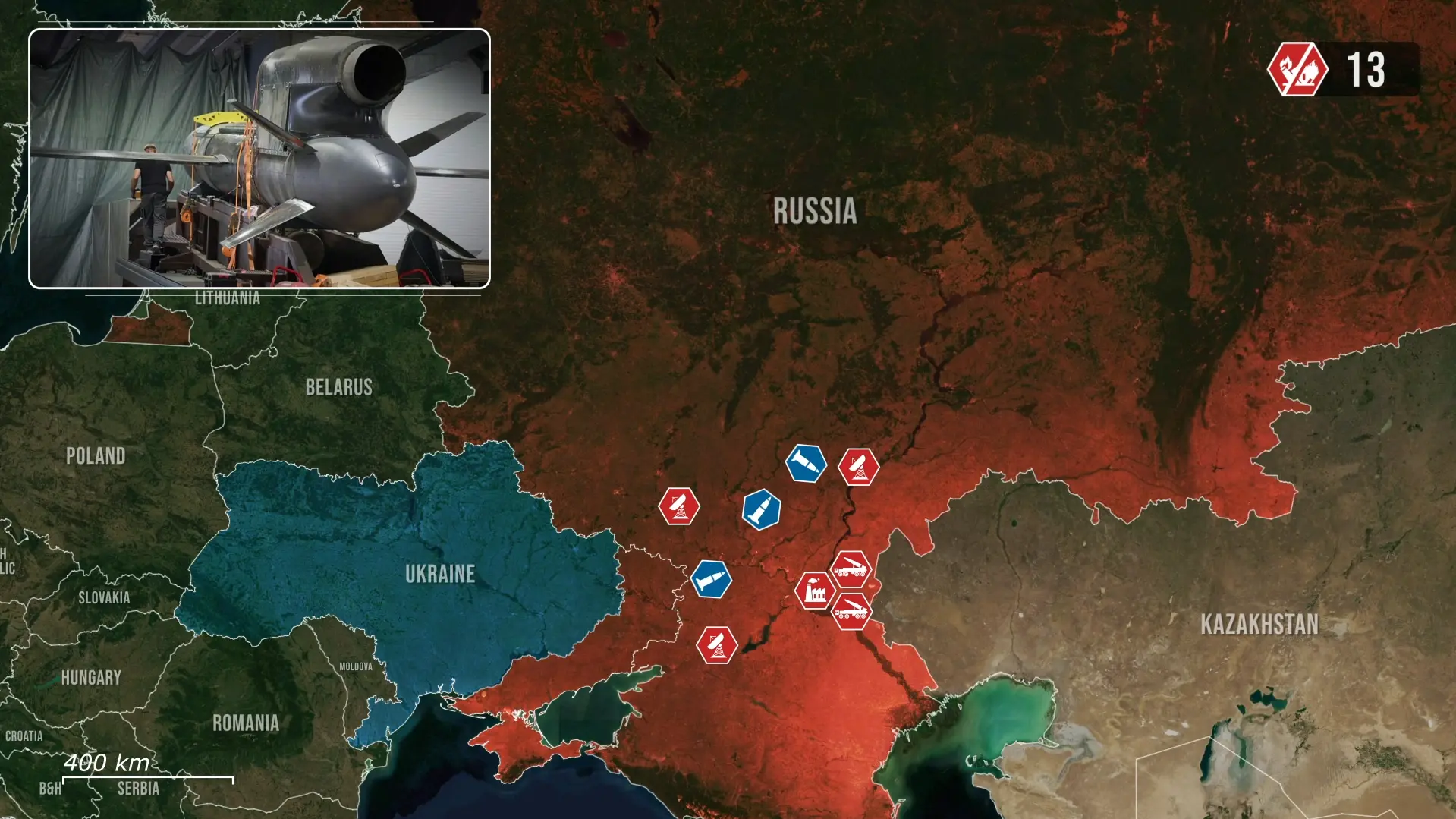
Ukraine struck at least thirteen Russian defense industry facilities in June, the highest inflicted monthly damage this year. The most significant attack targeted a military-industrial plant in Volgograd using five Flamingo missiles. The facility manufactures self-propelled launchers for the Iskander missile system, as well as launchers for the Topol-M and Yars strategic missile systems. The strike also proved how Ukraine's new flight tactics with Flamingo missiles increased the success rate of its strikes. Rather than taking a direct approach, the missiles flew through Rostov Oblast towards Saratov Oblast and then maneuvered south into Volgograd to exploit terrain features and avoid big cities and Russian radar coverage, while flying below Russia's radar horizon to further reduce the chances of detection. Of the five Flamingo missiles launched, at least three hit the facility, causing significant damage to workshop number two, the production building of workshop number thirty eight, and another workshop, underscoring that this new tactic brings new results.
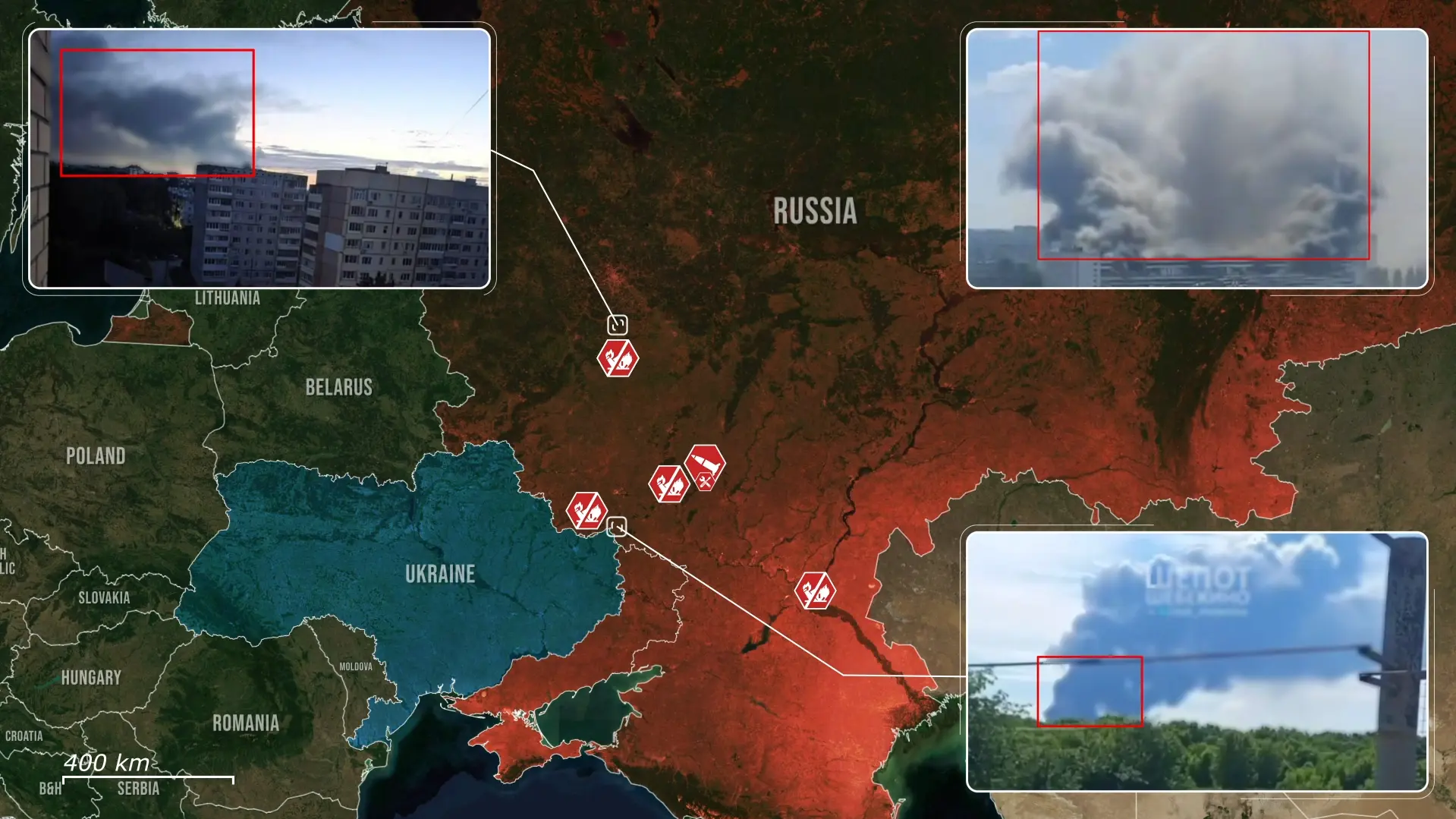
While the Flamingo missile strikes are becoming increasingly effective against Russian military infrastructure, Ukraine is also employing the full range of its long range strike arsenal. Another major missile strike targeted the semiconductor plant in Voronezh, one of Russia's leading microelectronics enterprises. At least two Storm Shadow cruise missiles reached the facility, leaving three large breach holes in the main production building and causing additional damage to two sections of an adjacent workshop. The plant manufactures semiconductor devices and integrated circuit modules used in numerous Russian missile systems. In Shebekino, a large fire broke out in the chemical plant, while in Novomoskovsk, the Azot chemical plant was hit twice by drones, in which one workshop was heavily damaged, and a storage tank was destroyed. The plant produces chemical components essential for explosives and ammunition manufacturing.
Another drone strike sparked a fire in Reutov, approximately six hundred meters from the NPO Mashinostroyeniya design bureau, which develops advanced missile systems, including the Zircon hypersonic missile. Ukrainian FP two kamikaze drones also struck the Crimean Titan plant, which produces titanium dioxide, a material used in military smoke screens and defensive countermeasures designed to reduce radar and infrared detection. In Tolyatti, a drone attack ignited a fire at the chemical plant, one of Russia's largest producers of synthetic rubber used in military vehicle tires. Newly released satellite imagery revealed extensive damage at the Elastik powder plant, where one production hall was destroyed internally before being rapidly covered with a new roof, while two cranes were observed conducting repair work at the impact site. The facility manufactures aerial bombs, artillery ammunition, and components for guided bombs.
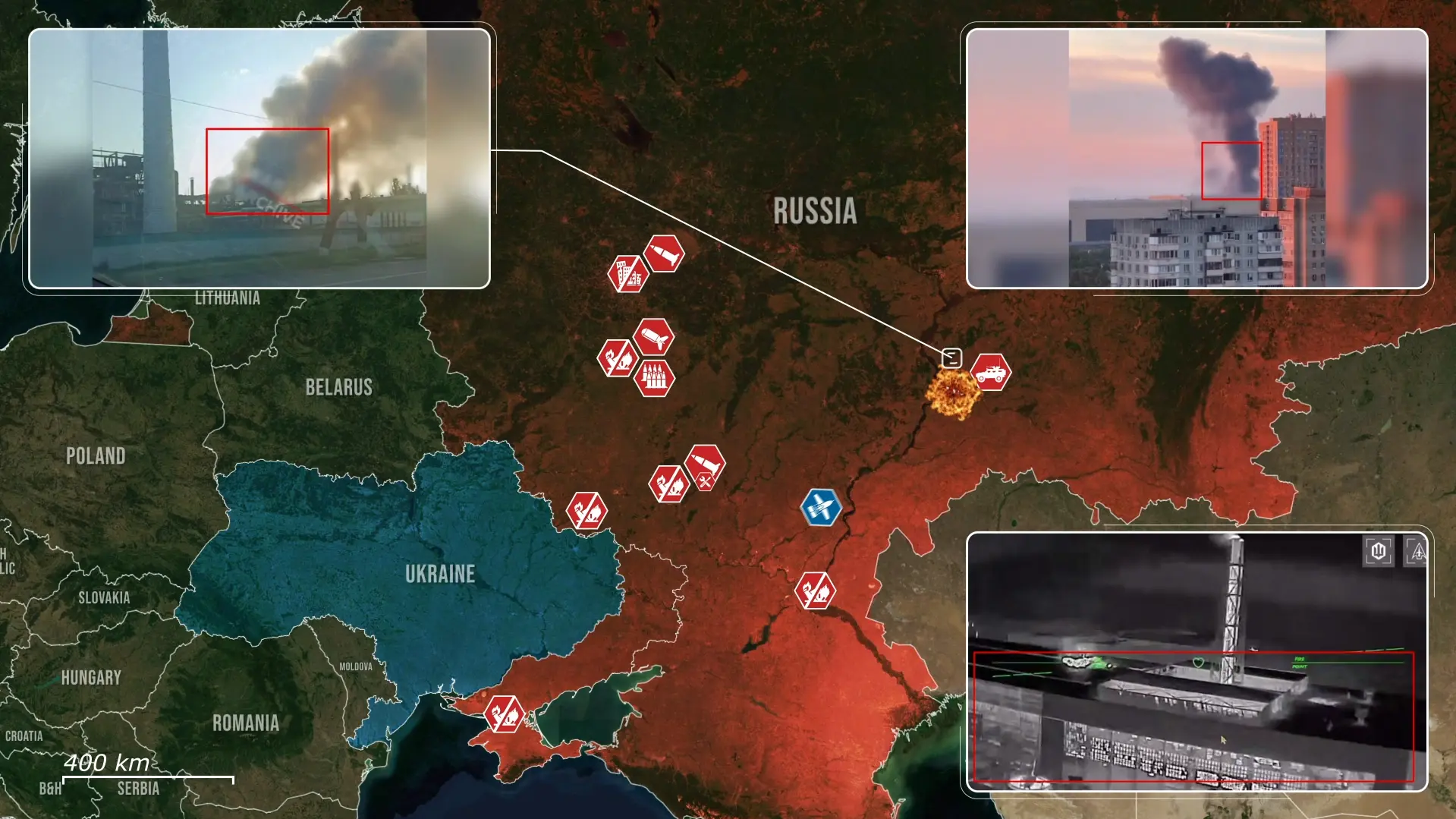
In Saint Petersburg, an explosion was reported at the Arsenal machine-building plant, where a hangar containing chemical agents caught fire, with the blast powerful enough to breach a brick wall. The enterprise manufactures missile components, warship launch systems, and space related equipment. Ukrainian drones also struck the Progress plant in Michurinsk, which produces sensors and other high-precision control systems for aircraft and cruise missiles. Finally, an explosion occurred at a weapons manufacturing facility in Tula, where at least two people were killed, although the full extent of the damage has yet to be determined.
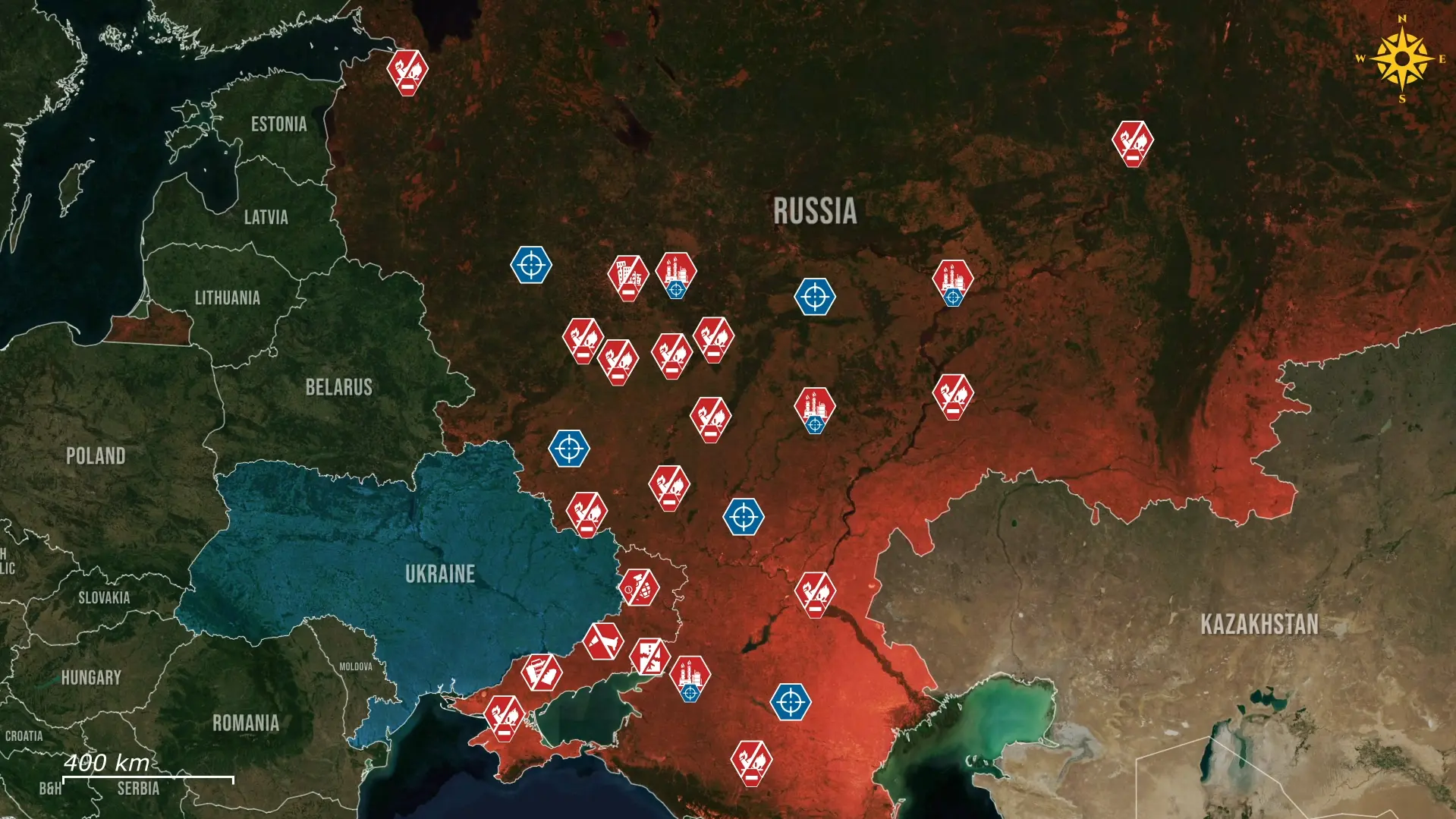
Last month, Ukraine only struck eight Russian military industry facilities, which increased to thirteen in June. Notably, Ukrainian Storm Shadow missiles struck the Aircraft Repair Plant in Taganrog, destroying the communications and radio-technical support equipment. A strike was also conducted in Ryazan against a Russian defense-sector facility tied to air defense equipment, including S-three-hundred systems and radio electronics. Ukrainian drones also attacked a chemical plant in Perm Krai and the Azot chemical plant in Nevinnomyssk, triggering a series of explosions at the facility and further reducing Russia’s ability to produce key chemical components for weapons.
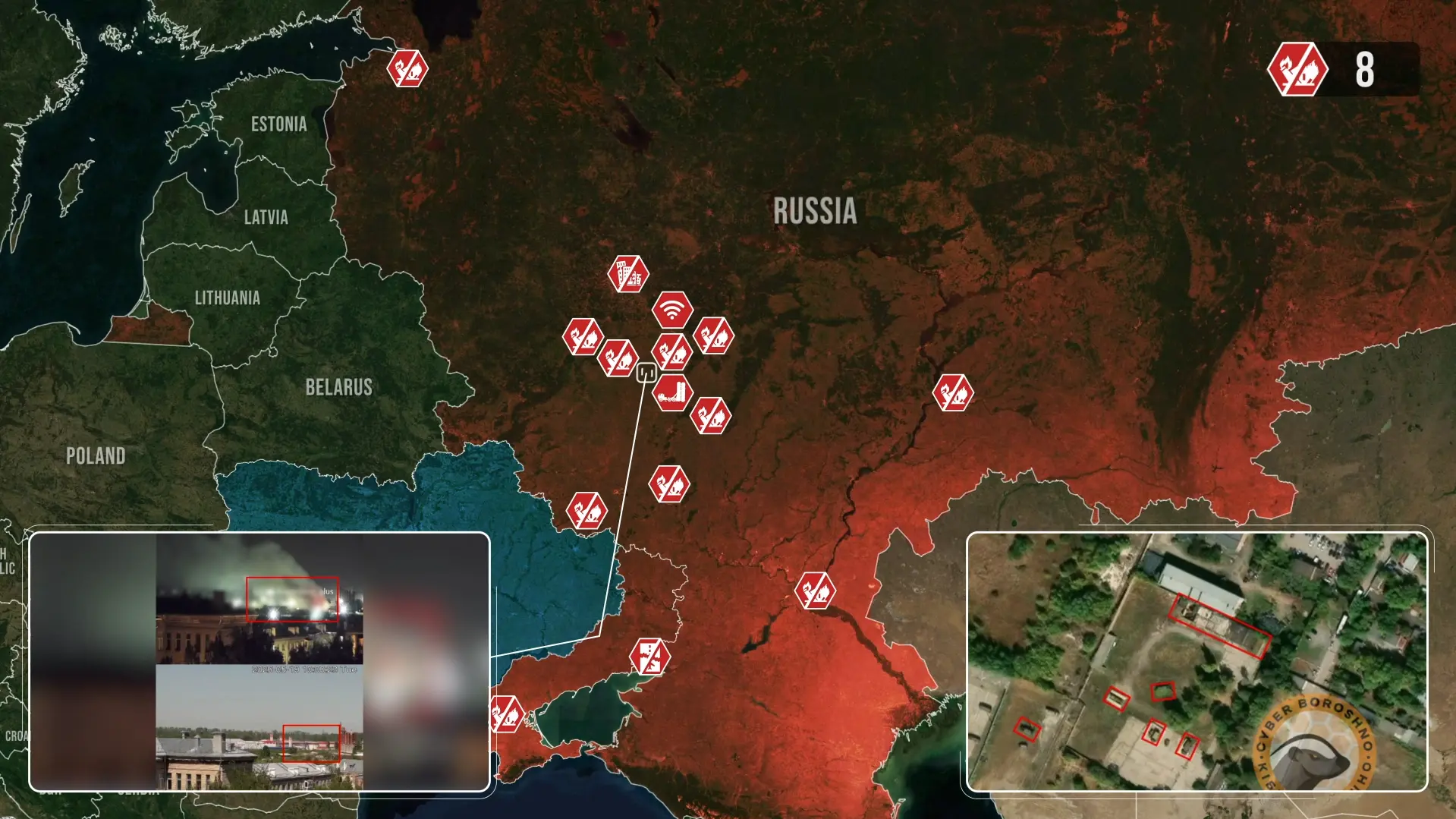
Overall, with the new tactics, Ukraine managed to expand its missile strikes against Russia’s defense industry. Now, Ukraine is capable of striking and keeping these facilities offline while maintaining its strikes against Russia’s oil industry as well. With the increasing success of these strikes, Ukraine will be able to hit even more targets, depriving Russia of critical military supplies and components. This reduces Russia’s ability to produce ammunition, missiles and other equipment, leaving its frontline units undersupplied.

.jpg)



Comments