

.svg)
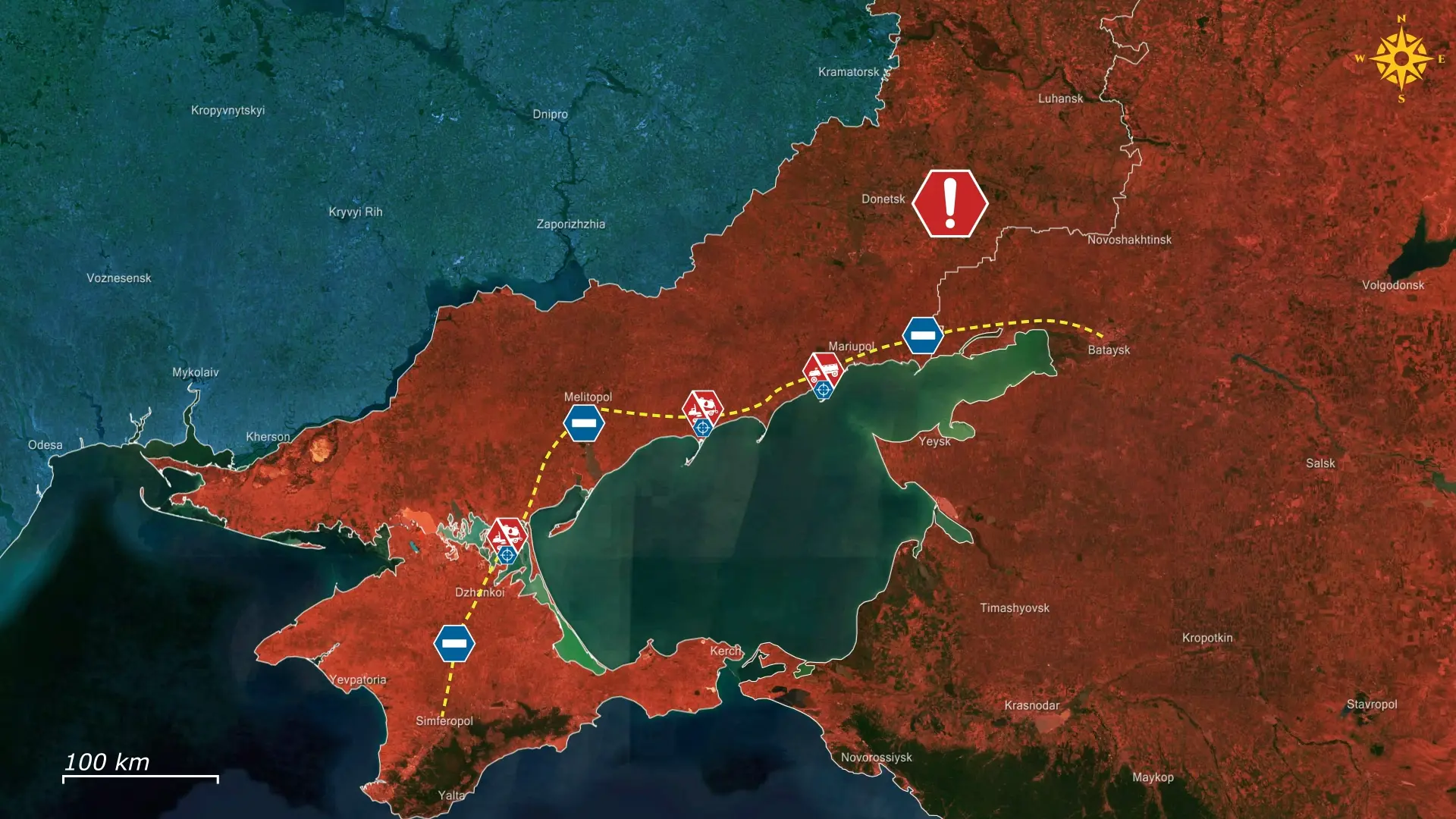
Russian sources have just admitted defeat and that they’ve lost control over the southern highway, as regular transport has become extremely difficult. Notably, repeated Ukrainian drone attacks have made the R two hundred and eighty highway too dangerous for regular Russian supply traffic. Despite these admissions, Russian officials continued to claim that the situation remained under control and that Ukrainian drones had lost their effectiveness. In reality, the number of Ukrainian drone strikes declined because Russian traffic on these roads had largely collapsed. Far fewer fuel tankers and supply trucks were moving because of the high risk of being destroyed, not because Russian countermeasures had become more effective.
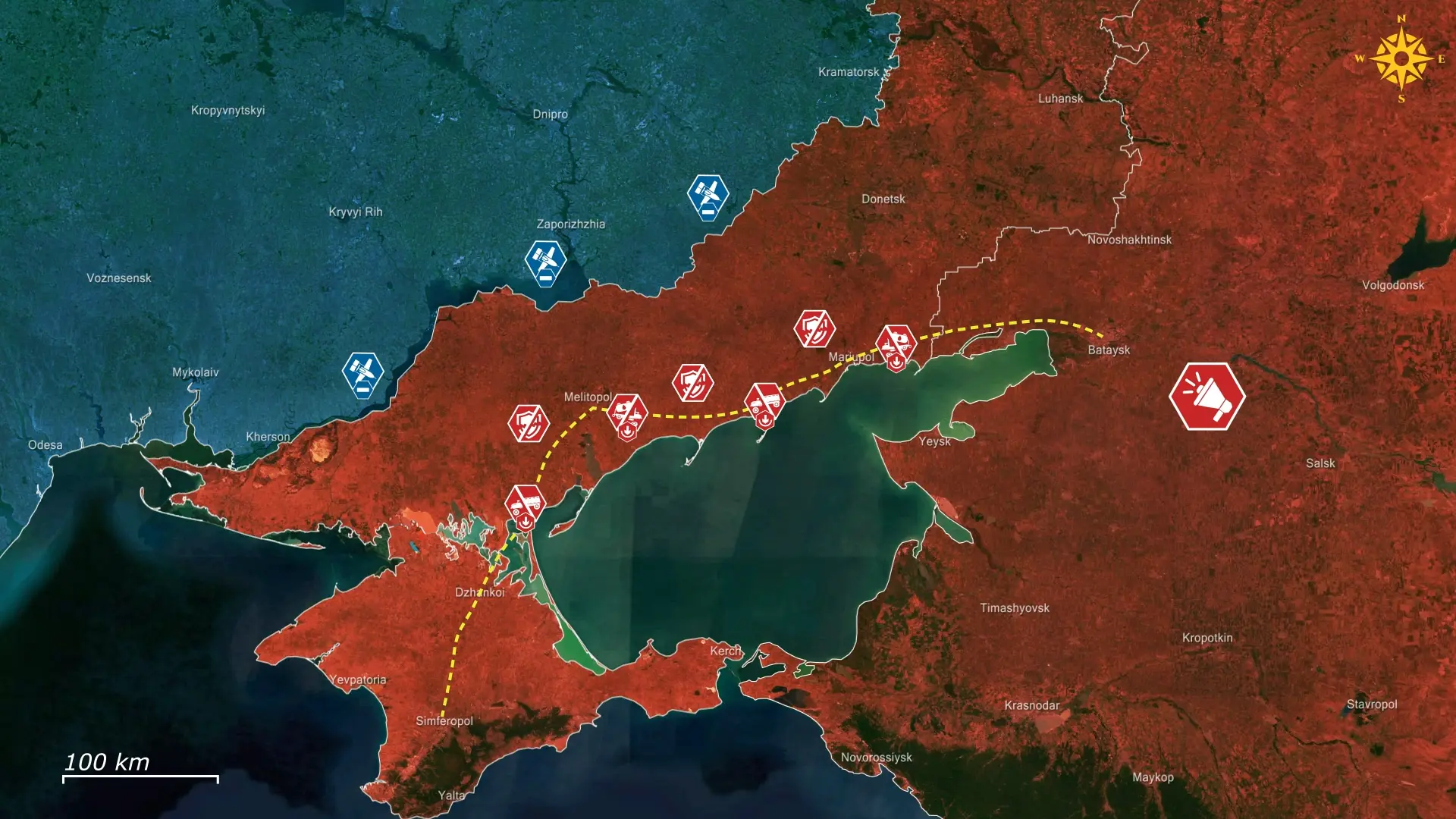
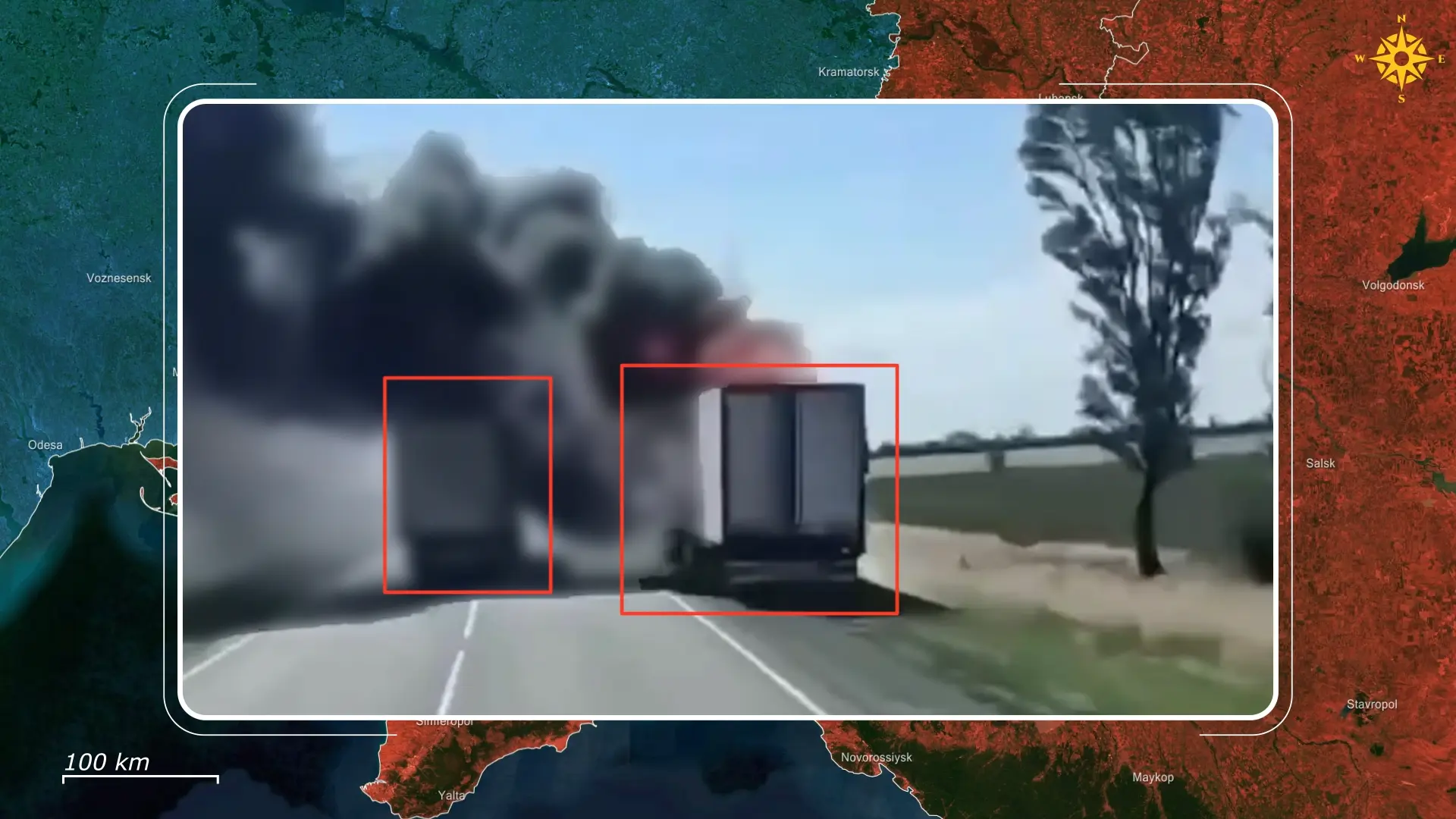
The scale of this campaign is illustrated by a small selection of Ukrainian drone footage from hundreds of recorded strikes, demonstrating the devastating impact of Ukraine's attacks on Russian logistics. One piece of footage shows a Russian convoy of trucks traveling along the Mariupol Dzhankoy highway in Russian controlled territory when a Ukrainian drone suddenly appears and successfully strikes one of the vehicles, proving that even organized convoys are no longer safe on this highway. In order to increase the survival chances of trucks, Russia tried to send them in a convoy rather than one by one when they can be picked off individually, but grouping the trucks failed to protect them and may even have created a larger target. Another video highlights how Ukraine found dozens of Russian trucks at parking lots and quickly destroyed them before the Russians could move them out. Additional footage from the Berdyansk Melitopol highway reveals the extent of the damage, with the road littered with destroyed Russian supply vehicles, proving that the problem extends across several southern routes.
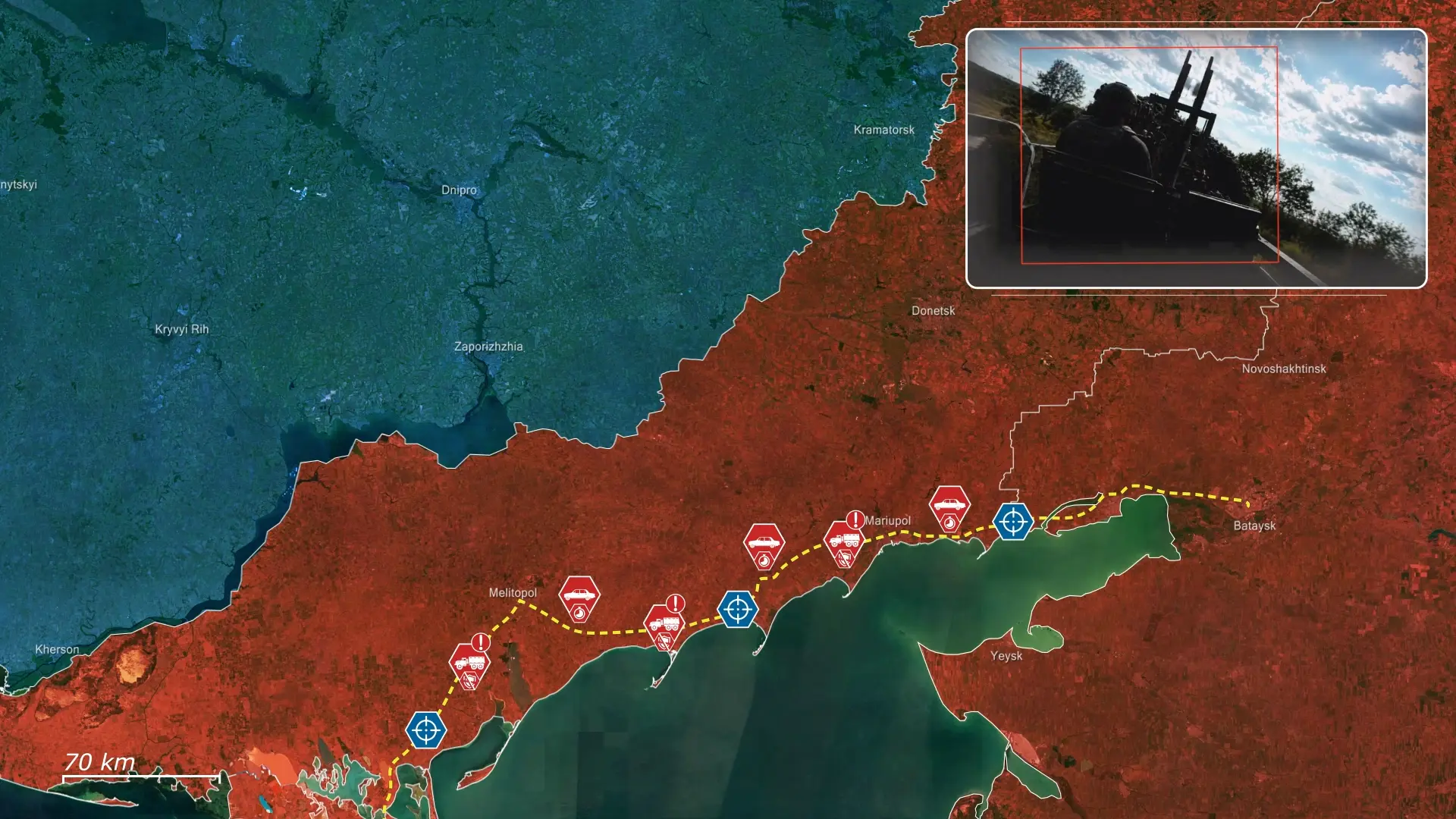
To counter these devastating Ukrainian strikes and secure the southern routes, Russia started to deploy mobile air defense groups, which are pickup trucks equipped with machine guns. They planned to escort Russian trucks and defend them while on the move by shooting down the incoming Ukrainian drones. This is difficult because they need to monitor hundreds of kilometers of roads, while Russia lacks the capacity and resources to escort every Russian supply truck. This makes the Russian effort fruitless because the roads are too long for them to protect everywhere at once. Russia’s defense was also made even worse since Ukraine started destroying these mobile firing groups as well, further reducing the area that they can cover. Additionally, even if a mobile firing group is present, they have very little time to detect and shoot down small, fast moving Ukrainian drones. As mobile firing groups failed to protect the Russian supply lines, Russia introduced interceptor drones.
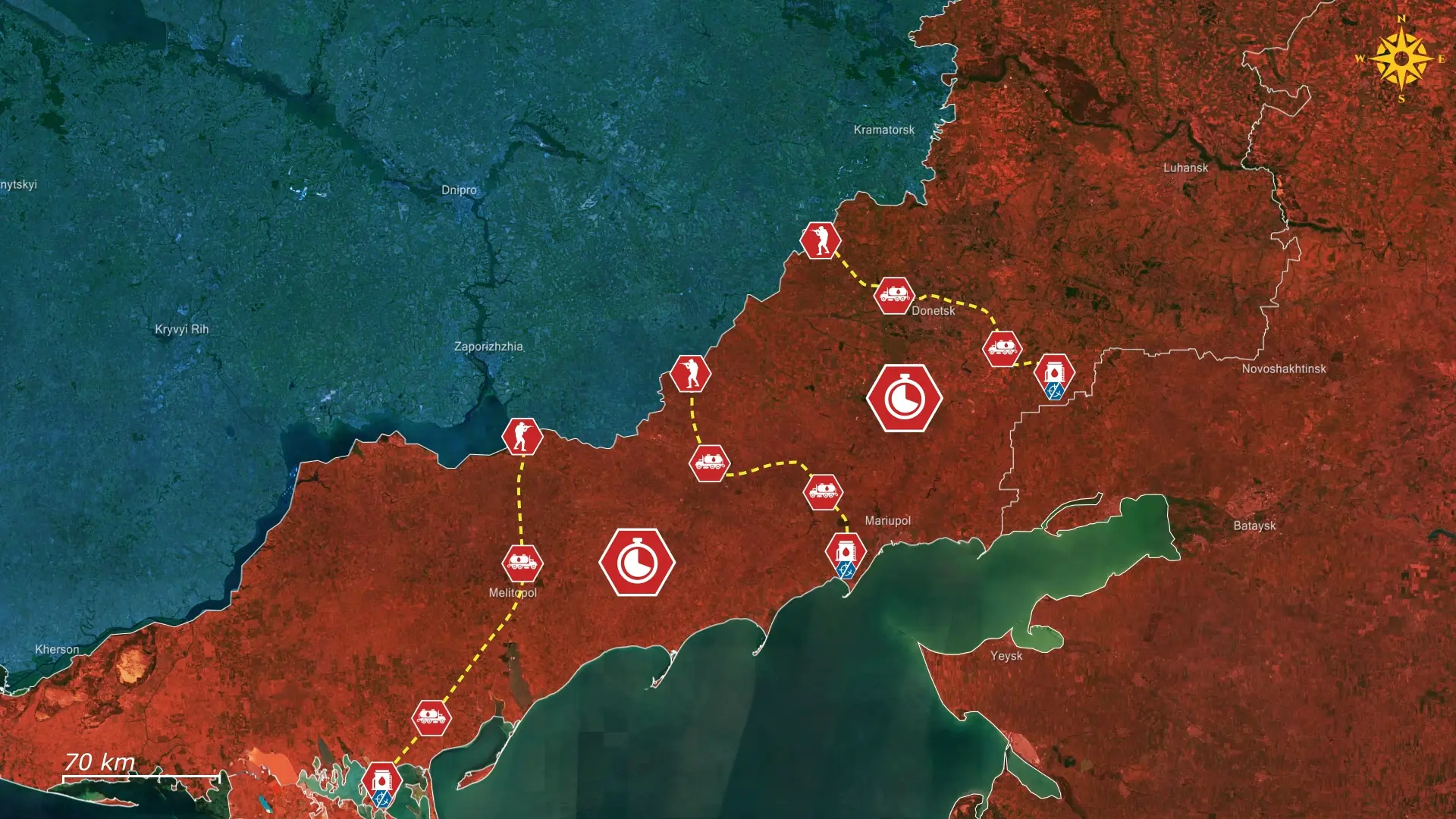
Ironically, the Russian units tasked with protecting their logistics network could no longer be supplied by that same logistics network. As logistics along the southern routes broke down, interceptor drone units began running out of fuel because their forward launch positions could no longer be resupplied reliably. The vehicles responsible for transporting interceptor drones, replacement batteries, fuel, and other supplies to frontline launch teams also required fuel to operate. Once fuel deliveries stopped and Russian interceptor units didn’t receive spare parts for their drones, they were forced to stop defending the supply roads. To reduce the risk of Ukrainian drone strikes, Russian division commanders have ordered field refueling points to be relocated approximately one hundred kilometers behind the front line. While this makes the fuel depots harder to strike, it also dramatically lengthens supply routes, increases delivery times, and forces fuel trucks to travel farther before reaching frontline units, effectively making Russia’s logistics even worse. This leaves Russian soldiers on the southern frontline exposed, because without stable supplies, they are forced to reduce offensive operations and ration their reserves.
Overall, Ukraine's sustained drone campaign has transformed southern Ukraine into an increasingly hostile environment for Russian logistics, making Russia unable to keep this highway open. By systematically targeting trucks, fuel supplies, and critical transport routes, Ukraine has forced Russia into reactive measures that have failed to restore secure supply lines. Now, Russia’s defence of the highway ultimately failed because it depended on the same supply network it was supposed to protect.
.jpg)



Comments