

.svg)
Today, there are important updates from the Pokrovsk direction.
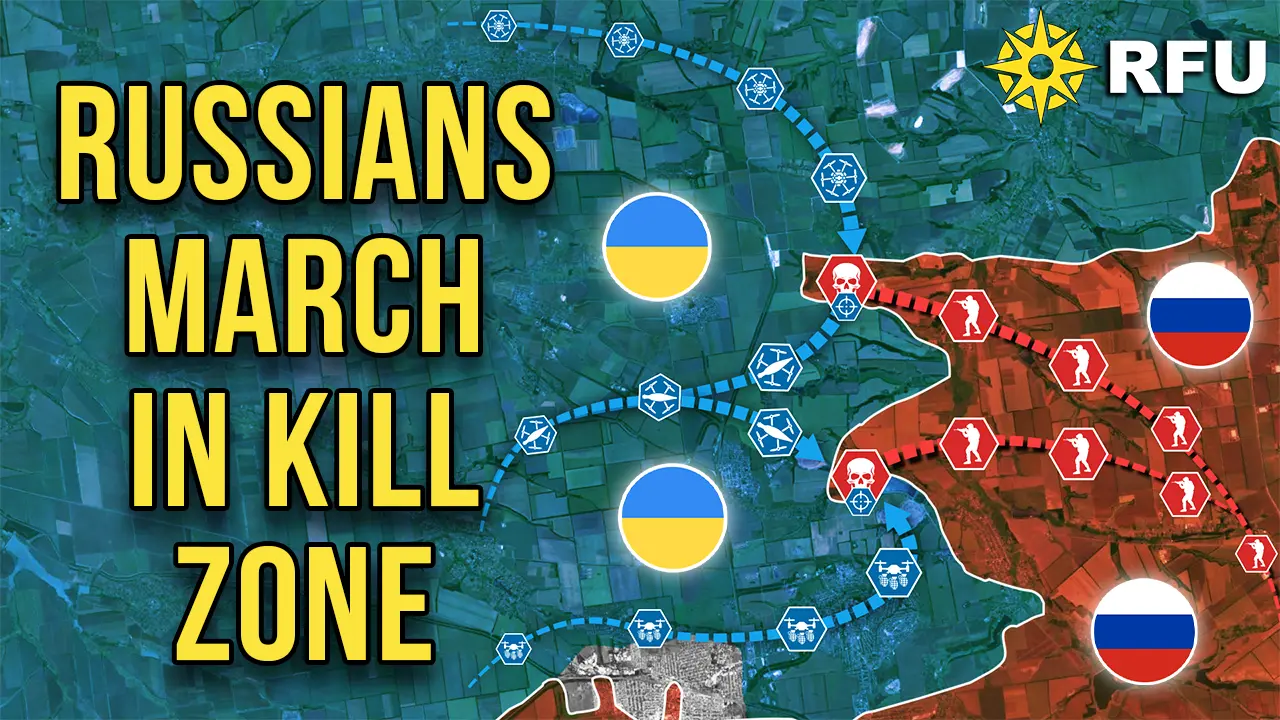
Here, to the north-east, the battlefield has settled into a gruesome stalemate, with the Russian command throwing thousands of soldiers to prevent the Ukrainians from taking back more ground. Wave after wave has turned the battlefield into a death zone, with Russians walking over their own corpses to advance one meter.

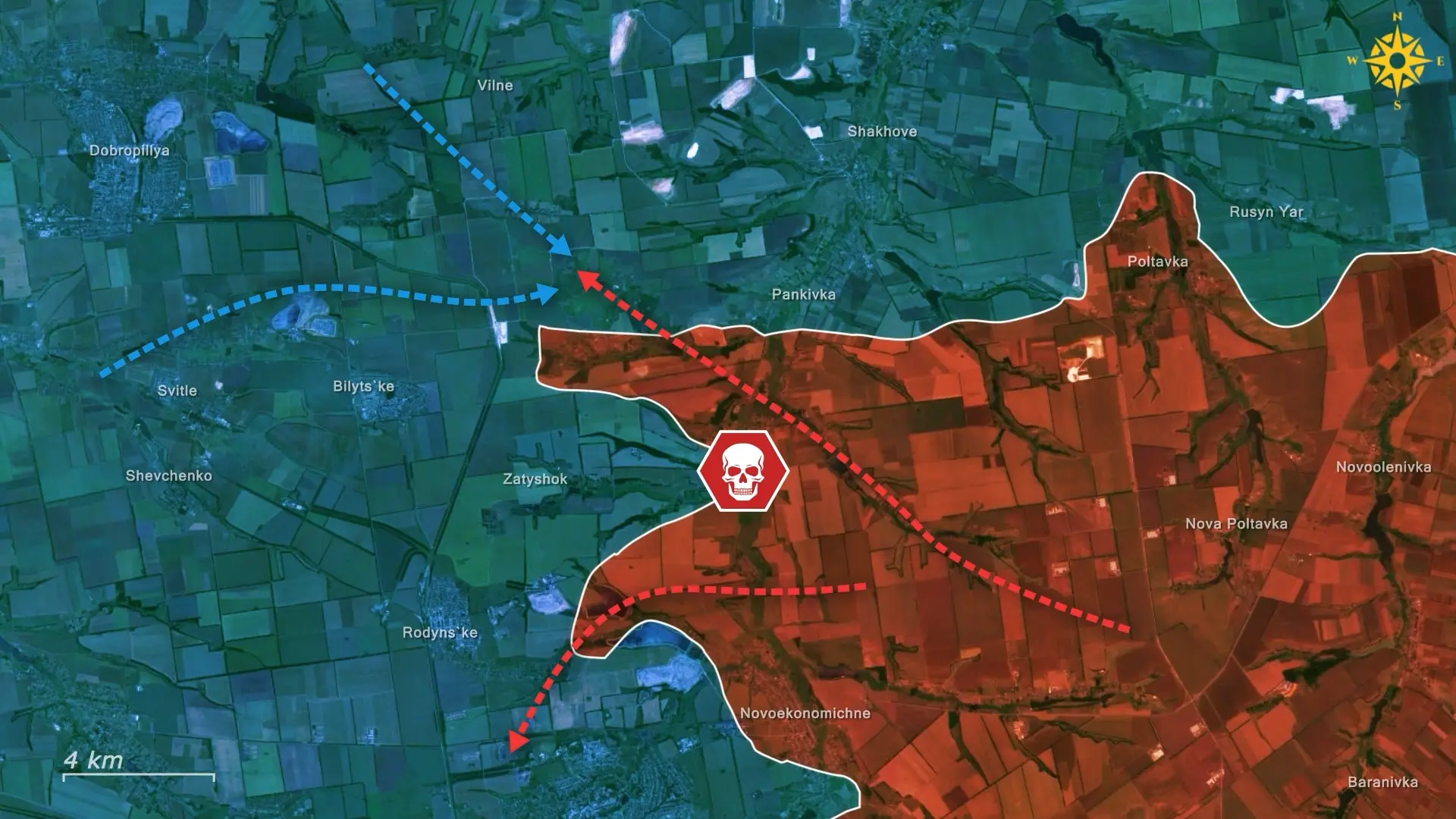
After Ukraine pushed enemy forces back from their attempted breakthrough toward Dobropillia, the Russians have shifted from offensive maneuvering to a fixation on simply holding the northern line at any cost, pushing bodies into the fields, as long as they maintain the idea of a potential encirclement.
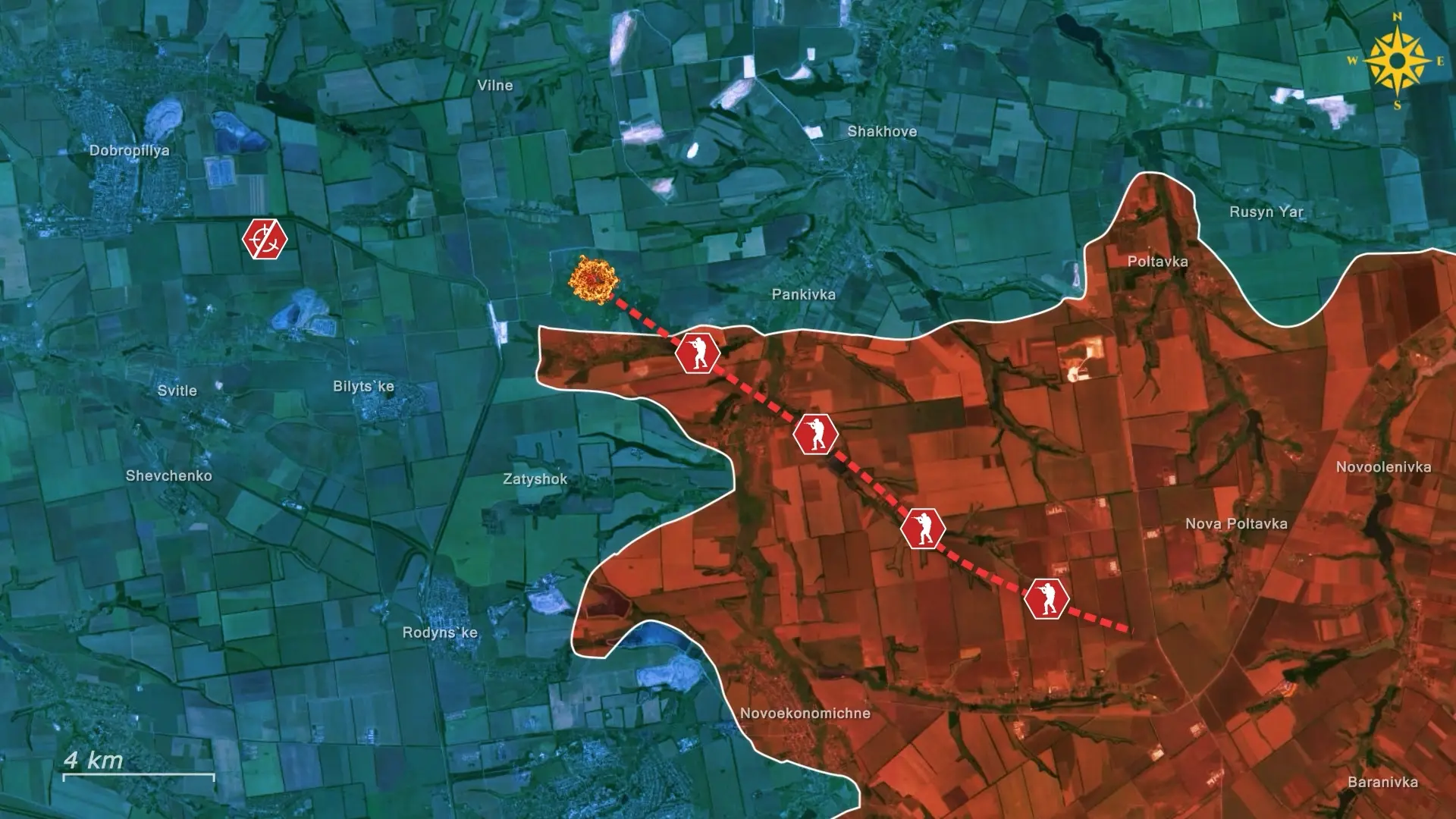
The Russian command keeps feeding the battlefield with hundreds of men every day to prevent Ukraine from reclaiming terrain, while the Ukrainians must continue suppressing these waves. Otherwise, Russian forces could overflow the defenses, reestablish their salient, and again threaten to close the ring around Pokrovsk from the north. This is why the fighting has become almost static yet unbelievably lethal. Both sides are fixed in place, but Russia is choosing to pay for this fixation with catastrophic human losses.
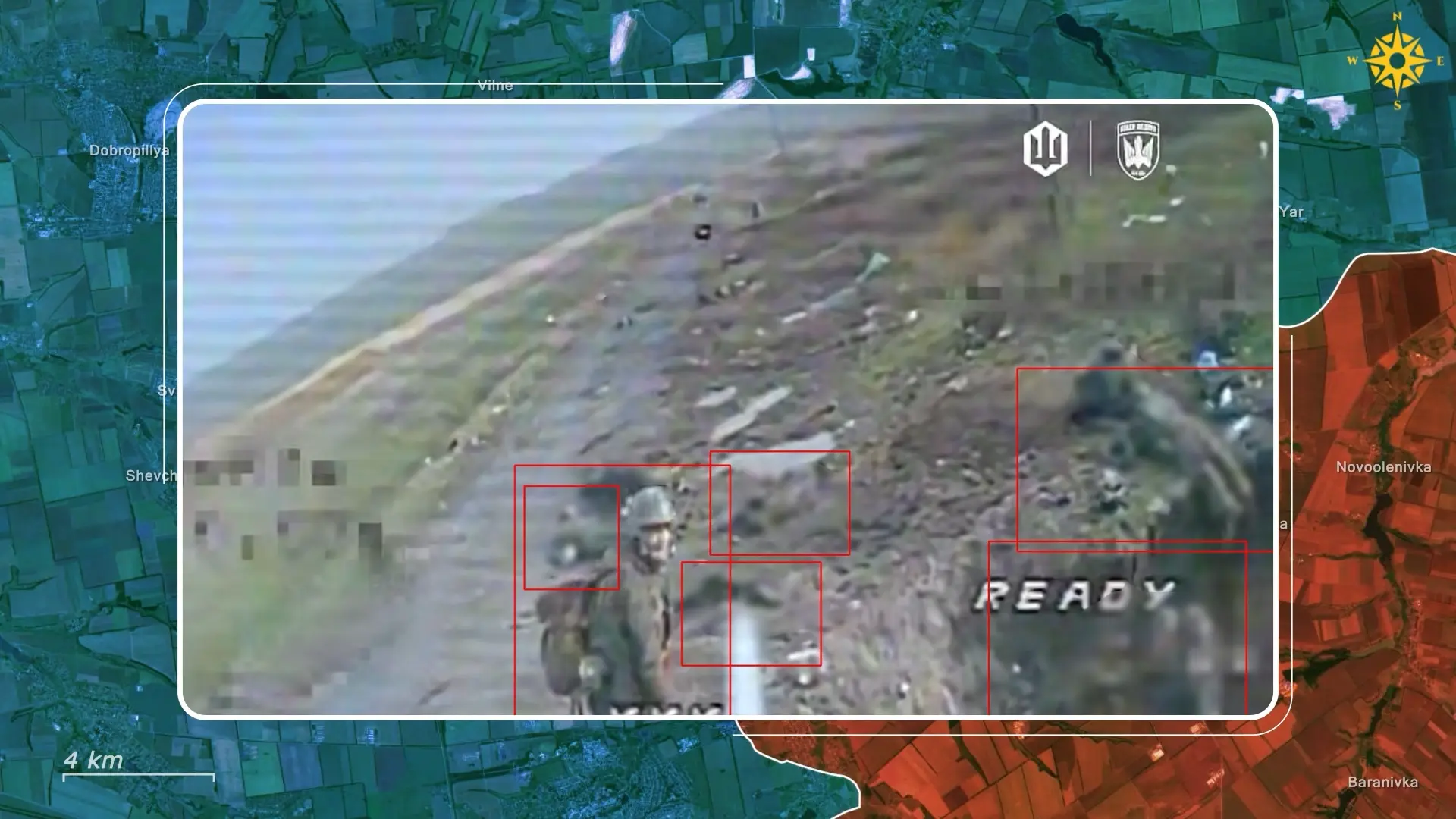
Ukrainian drone footage from the ruins of Volodymyrivka illustrates the battles that now define the sector. In one clip, two Russian soldiers attempt to advance through collapsed buildings while being tracked from a Ukrainian drone above. A lone Ukrainian paratrooper suddenly appears from behind rubble, engaging them at close range with small arms fire.
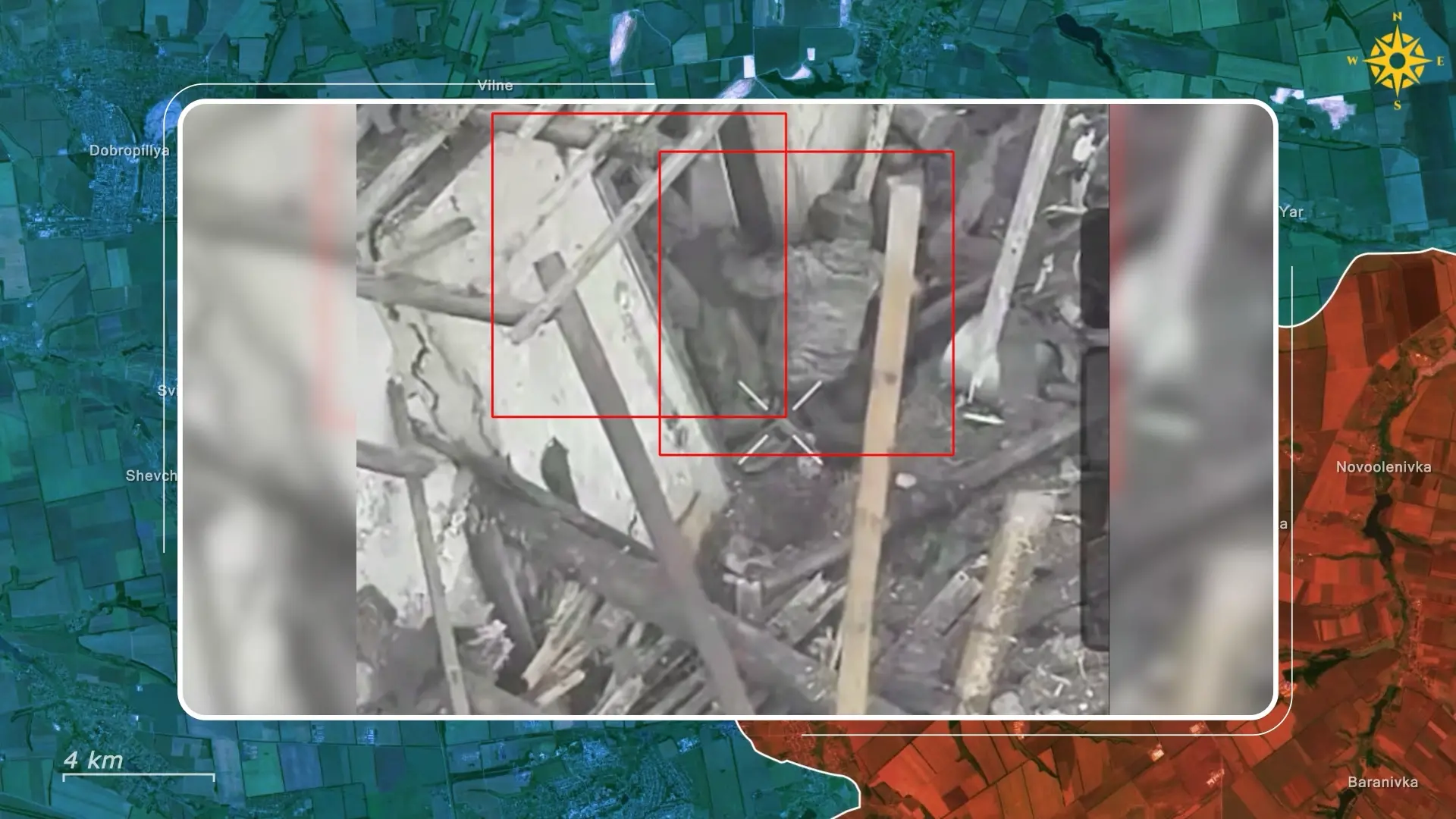
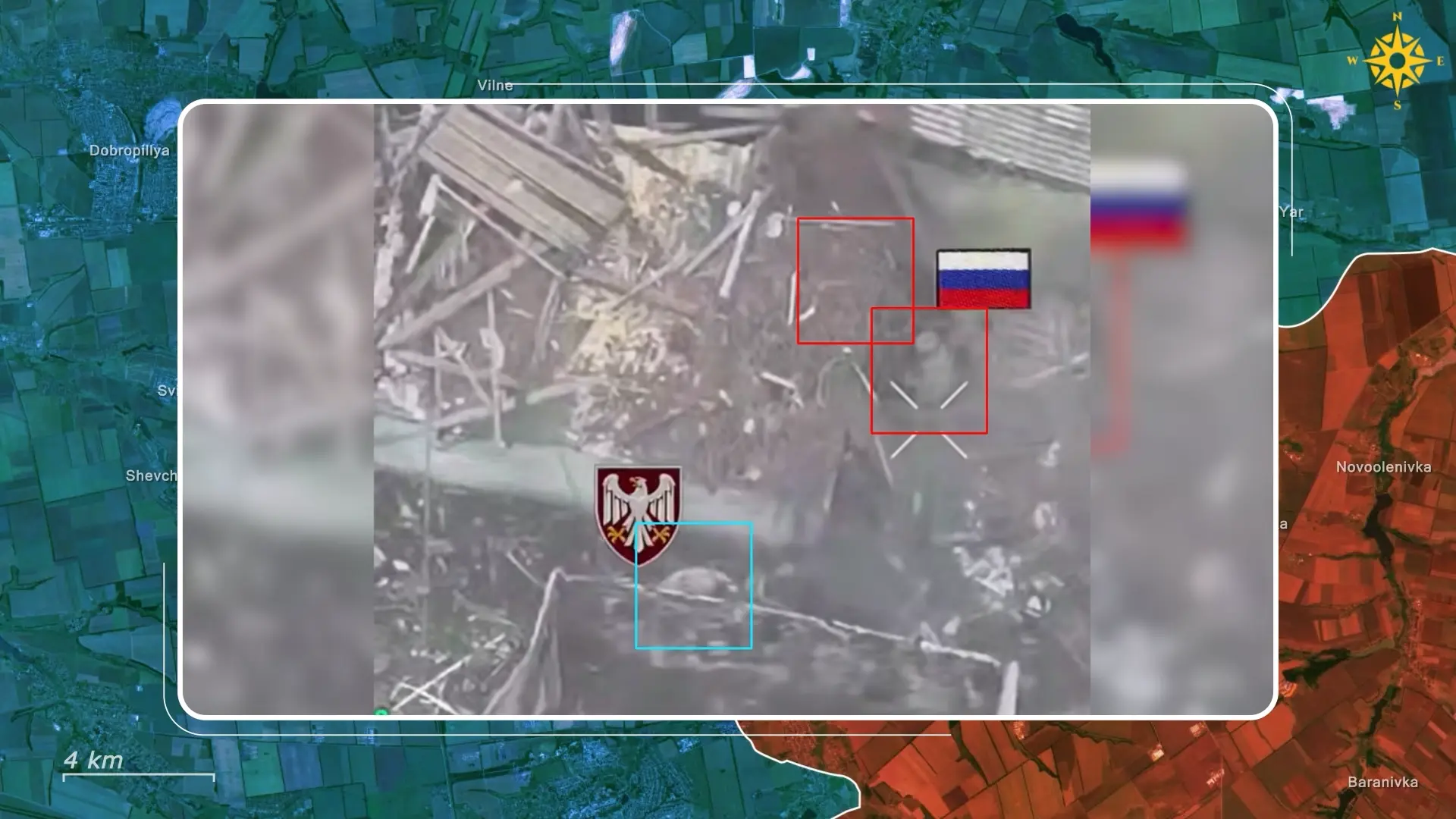
The Russians scramble behind a broken wall, but the Ukrainian pursues aggressively, maneuvering through debris, as the drone recon is able to tell him he will not walk into an ambush. Within seconds of the attack, he eliminates the first Russian, while moments later, the assault group’s commander also falls.
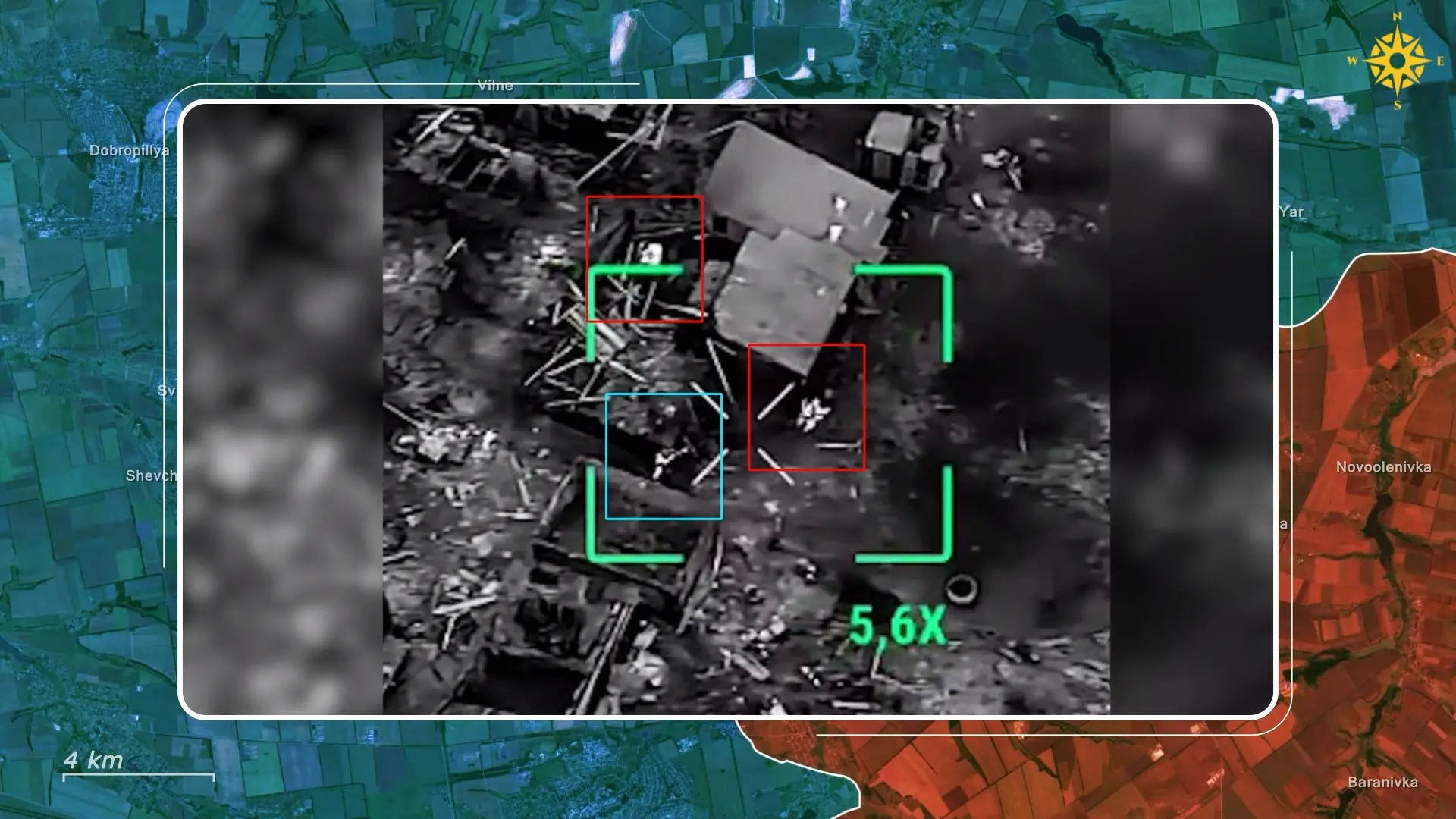
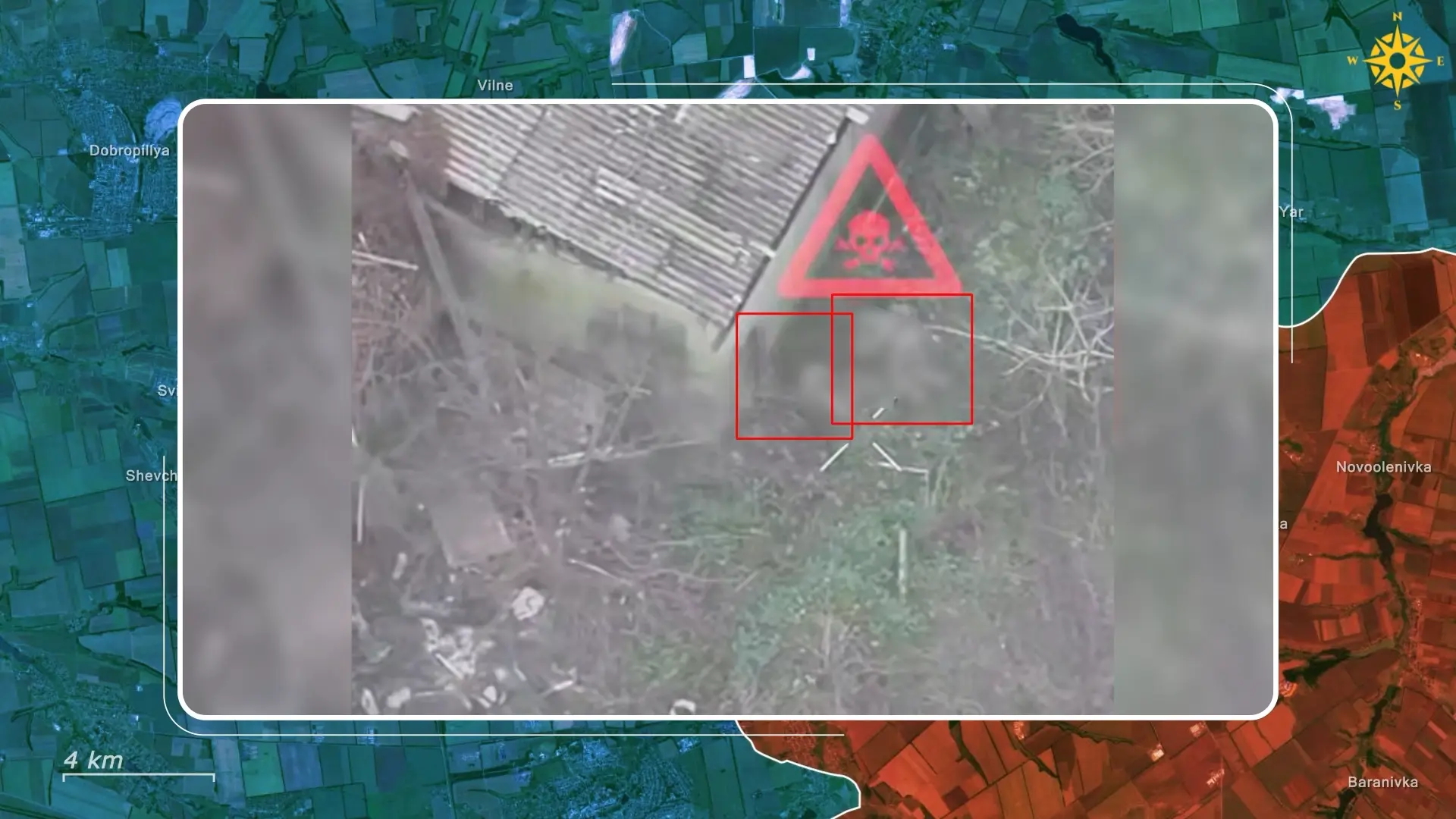
Scenes like this play out dozens of times per day: rapid, deadly, local engagements where small Ukrainian teams, outnumbered but coordinated with drones, neutralize Russian infiltrators before they can mass into a threat. The Ukrainians hold because their defenders combine precision drone overwatch with ruthless tactical efficiency and controlled aggression on the ground.

For the Russian attackers, the advance toward Pokrovsk has turned into a march through what soldiers now call the ditches of death. Drone footage from Magyar’s Birds, one of Ukraine’s elite drone units, shows the scale of the slaughter. In a 200-square-meter segment near an anti-tank trench, more than 30 Russian bodies are visible.
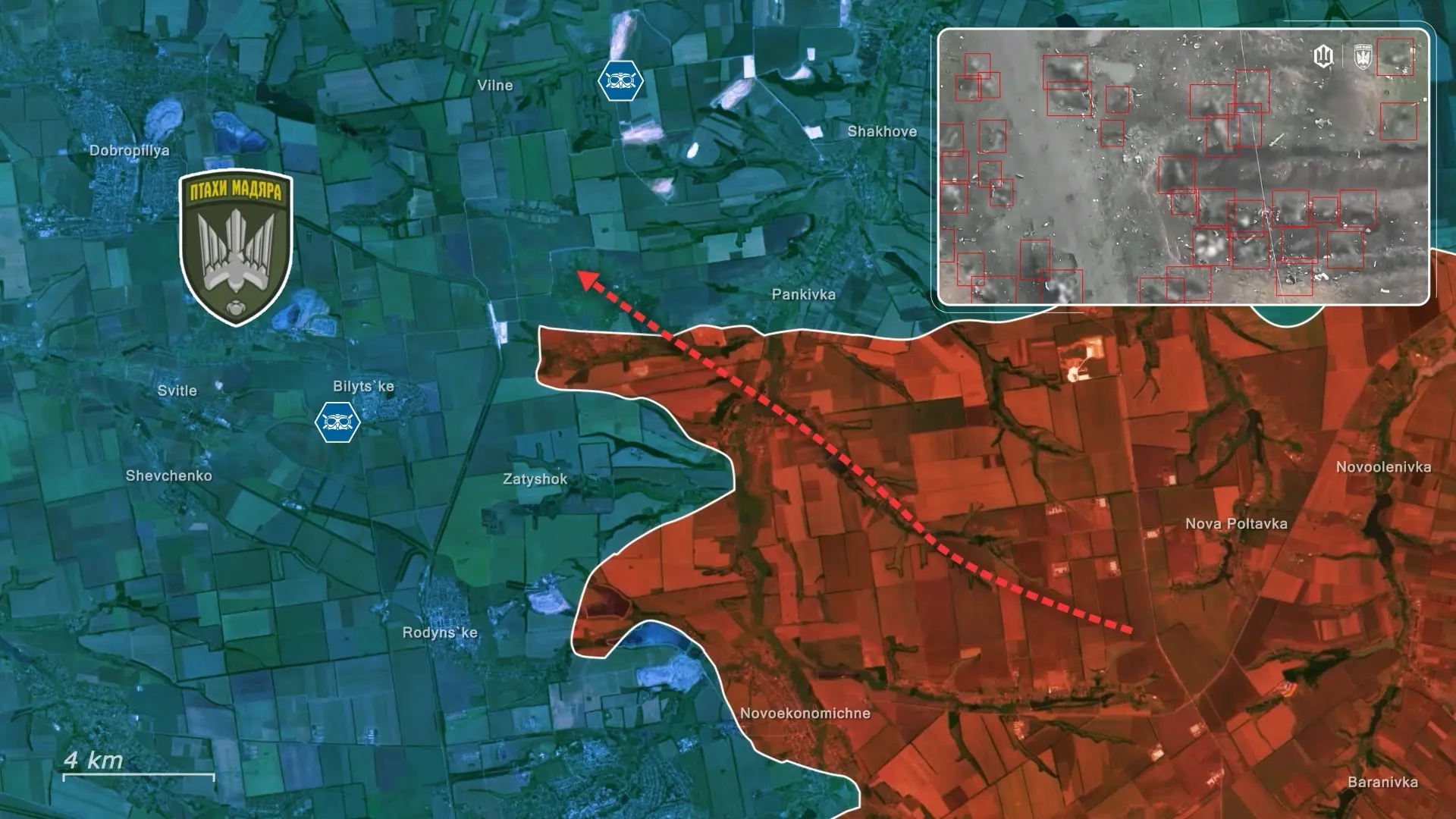
More Russian soldiers are seen approaching the kill zone and are hit by an FPV. Ukrainians keep observing, and more Russians come just to be destroyed in a constant cycle of drone attacks. At the end, the ditch is clogged with corpses, smashed motorcycles, and burning debris, but Russians continue their efforts. A wounded Russian tries to crawl over the dead to escape, while the perspective switches to a Ukrainian FPV drone closing in as the wounded Russian scavenges gear and speaks to another injured soldier deeper in the trench, the drone strikes, throwing him back into the mass of bodies.
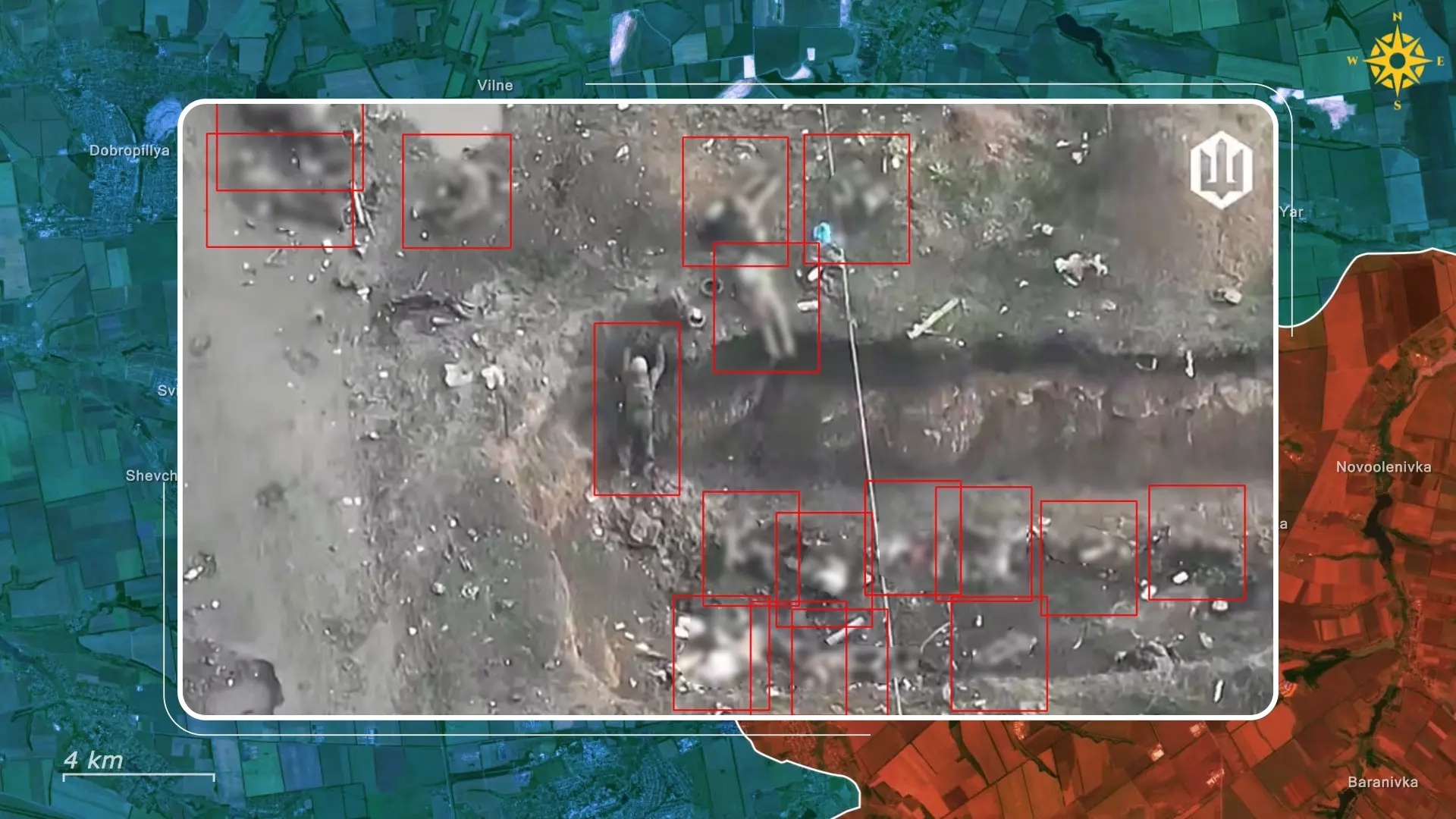
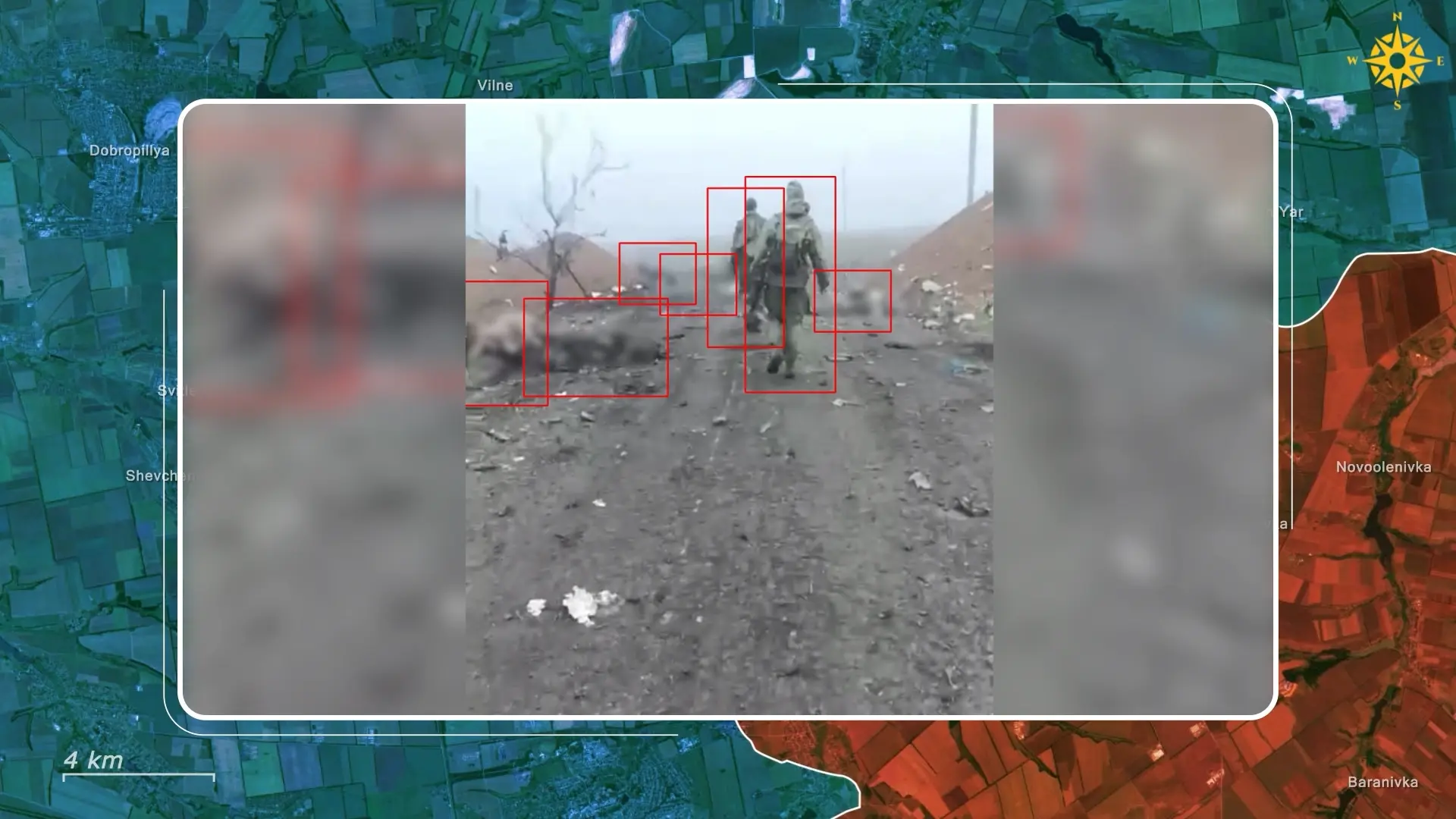
Another clip, filmed from the Russian side, is even more disturbing: three Russian soldiers advance slowly through dense fog, while every few meters, new corpses appear. By the time they reach the ditch line, the ground is completely covered with piled-up bodies, displaying a concentrated carnage comparable to scenes at Stalingrad.
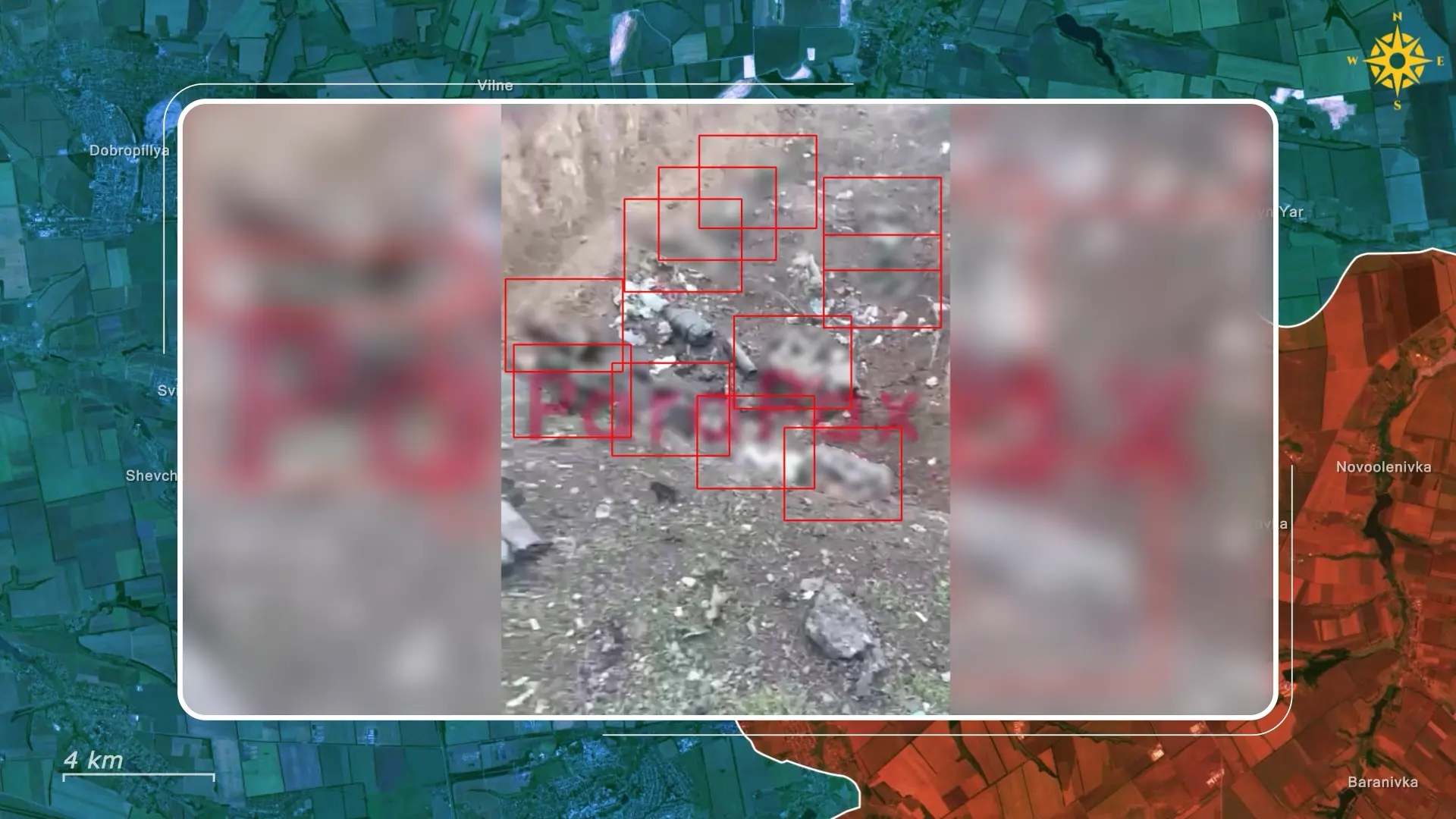
The Russians are occasionally able to push a few hundred meters into the gray zone, dig in, and consolidate. However, with the sheer size of Ukraine’s drone contingent, staying undetected is an impossible task. FPV and bomber drones quicky fly in to level the Russian position to the ground, whatever foothold they gained is erased, and the landscape resets back, now with new bodies added to the layers beneath. Every day, the Russian command sends more troops, and they die without altering the frontline. Their only reward is a fleeting appearance on a map, a presumed gain to brag to the high command, that collapses as soon as Ukrainian drones resume full visibility.
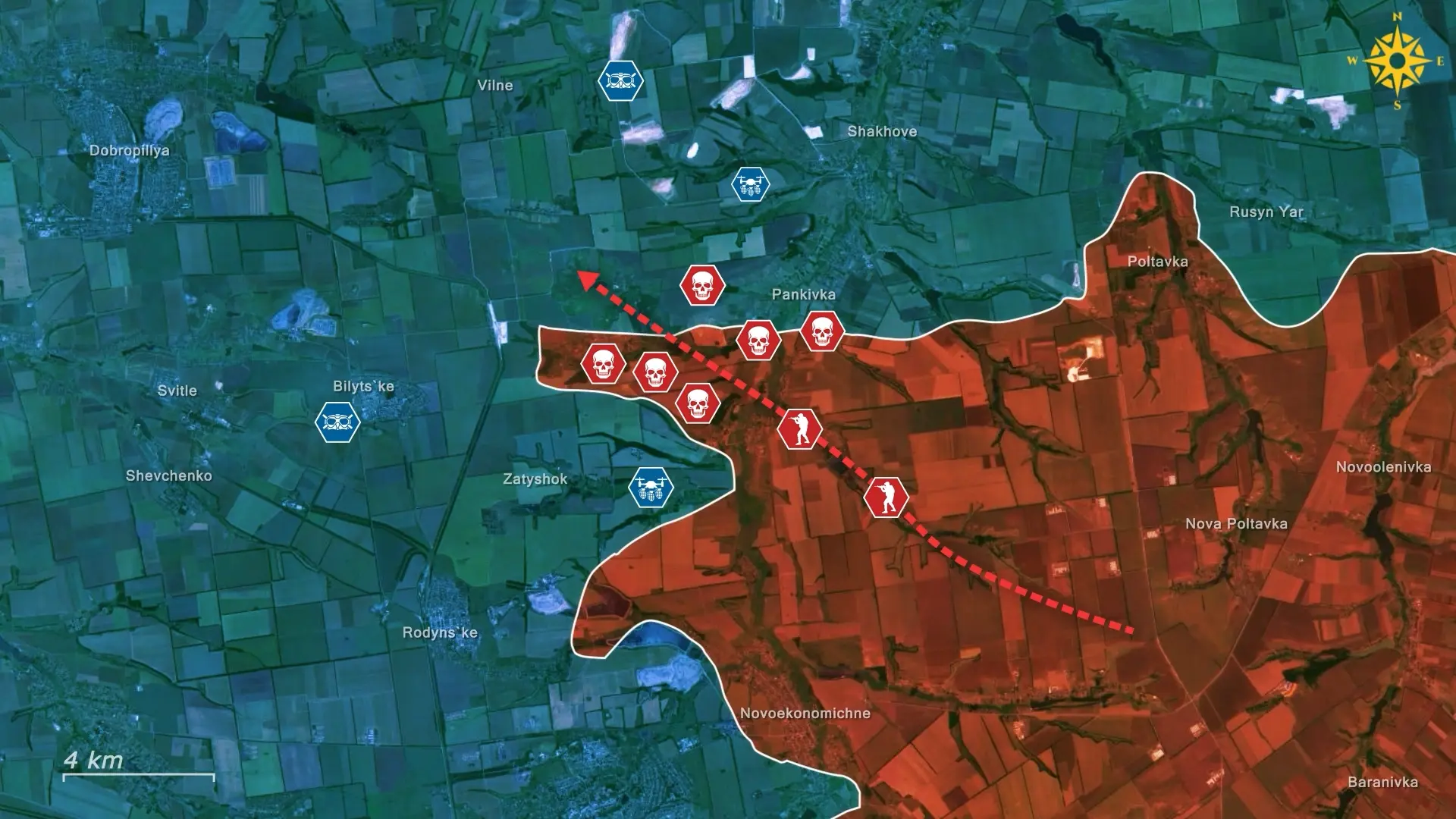
Overall, the only Russian strategy here is volume by keeping the human conveyor belt moving forward. As long as the flow continues, Ukraine must commit scarce manpower to stop it, preventing Ukrainian brigades from redirecting their efforts to more offensive actions. For now, this grim arithmetic keeps the line static, but with casualty rates in this sector reaching levels unseen elsewhere on the front, the question is whether Russia will be able to sustain this for long.

.jpg)



Comments