

.svg)
Today, there is important news from the Russian Federation.
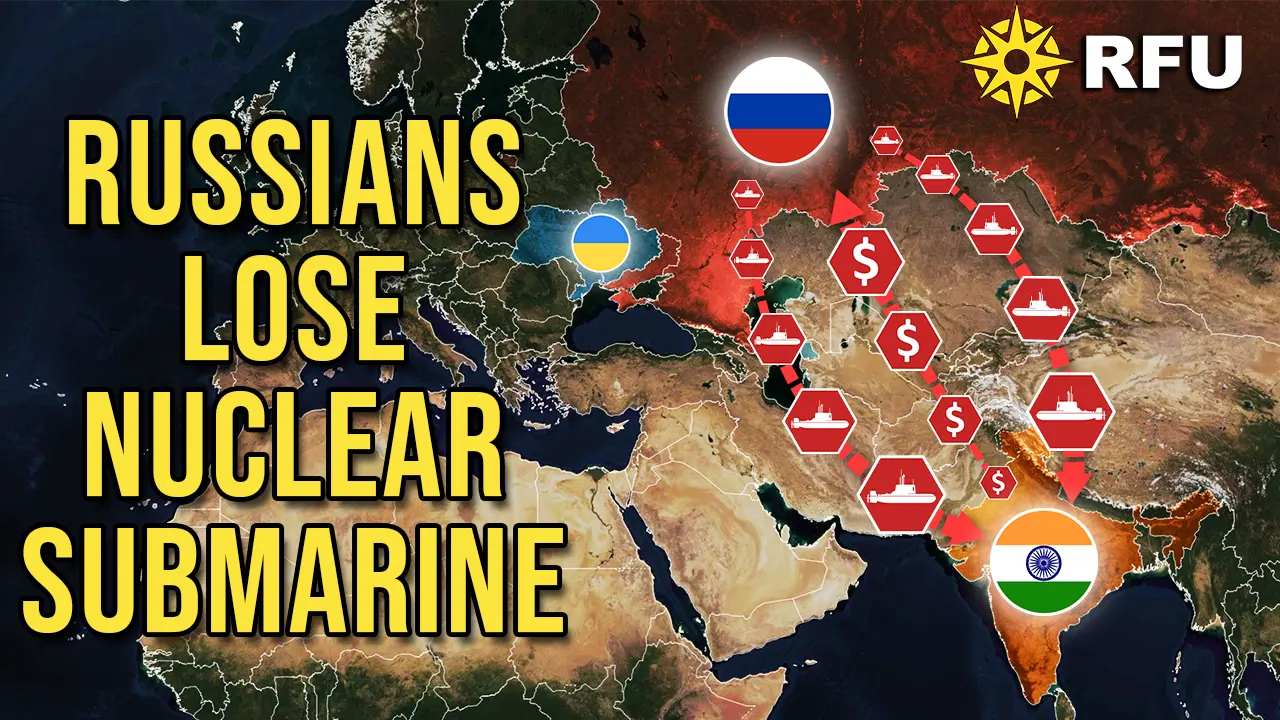
Here, а long-anticipated deal between India and Russia has finally been confirmed, with Russia choosing to lease one of its most lethal weapons despite struggling on sea as much as on the ground. This move marks the most desperate action since the start of the full-scale war with Russia, giving up the pinnacle of high-tech weaponry to finance the low-tech combat operations in Ukraine.

News that India will lease the 36-year-old Russian K-391 nuclear submarine for 2 billion US dollars has sparked absolute confusion and criticism, not because of the deal itself, but because of what it reveals about Russia’s collapsing high-tech military base. Formally, Moscow presents the submarine lease as part of long-term defense cooperation. After nearly a decade of stalled negotiations, New Delhi accepted delivery for 2028, following a November inspection of the Russian shipyard, while Putin travelled to India to underscore deepening defense ties. But behind this diplomatic facade lies an uncomfortable truth: Russia is exporting a strategic nuclear-powered attack submarine it can no longer repair, modernize, or return to service. Russia is effectively offloading a nuclear submarine because it has lost the capacity to restore it.
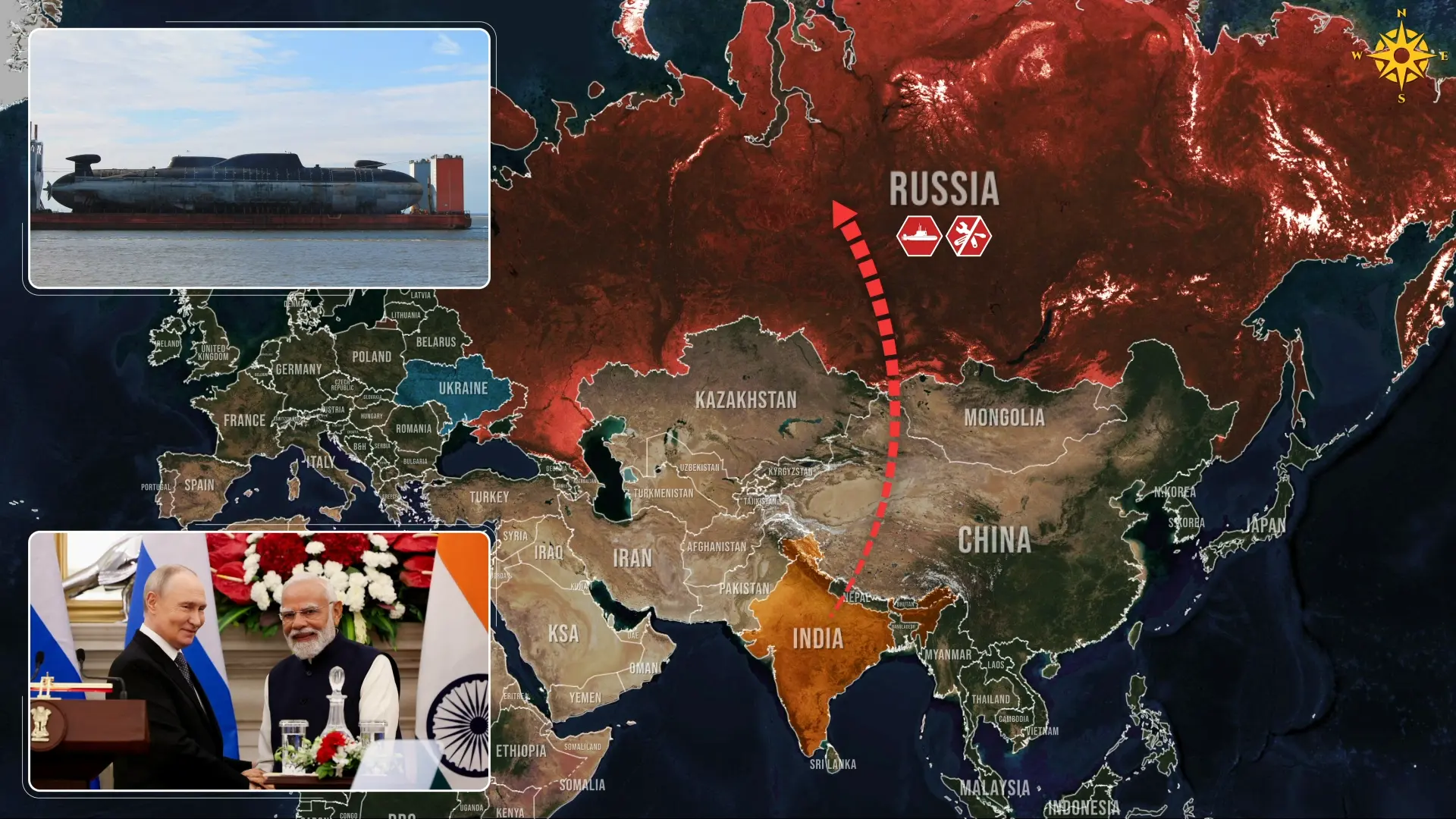
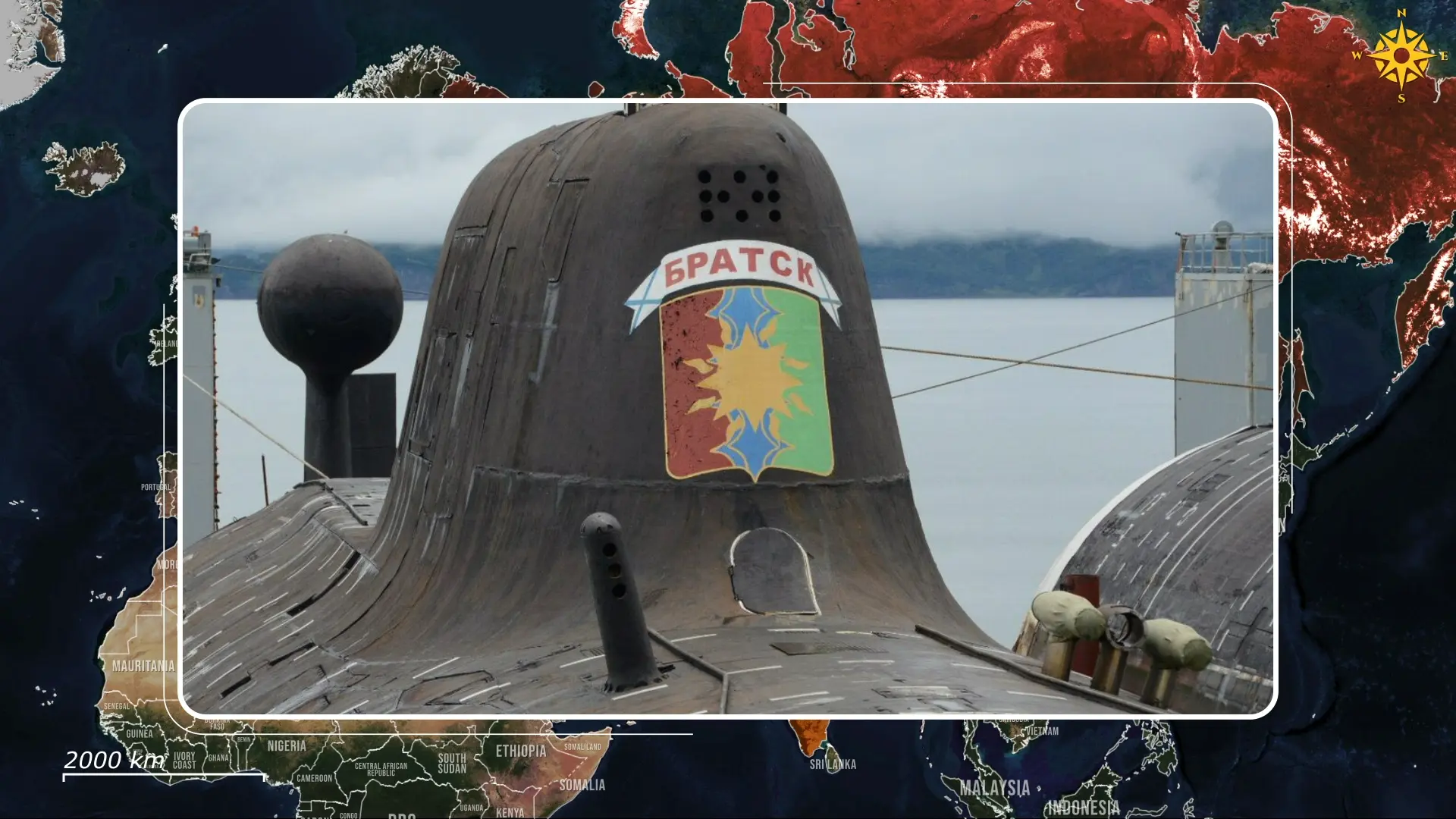
The story of this submarine illustrates the depth of Russia’s tech capability degradation, as it was commissioned in 1989, withdrawn from service by 1998, and sent for repairs in 2003. The submarine spent two decades trapped in a cycle of failed overhauls. In 2013, both Bratsk and its sister submarine, Samara, had to be relocated in a “unique operation” because the original facility could simply no longer accommodate them.
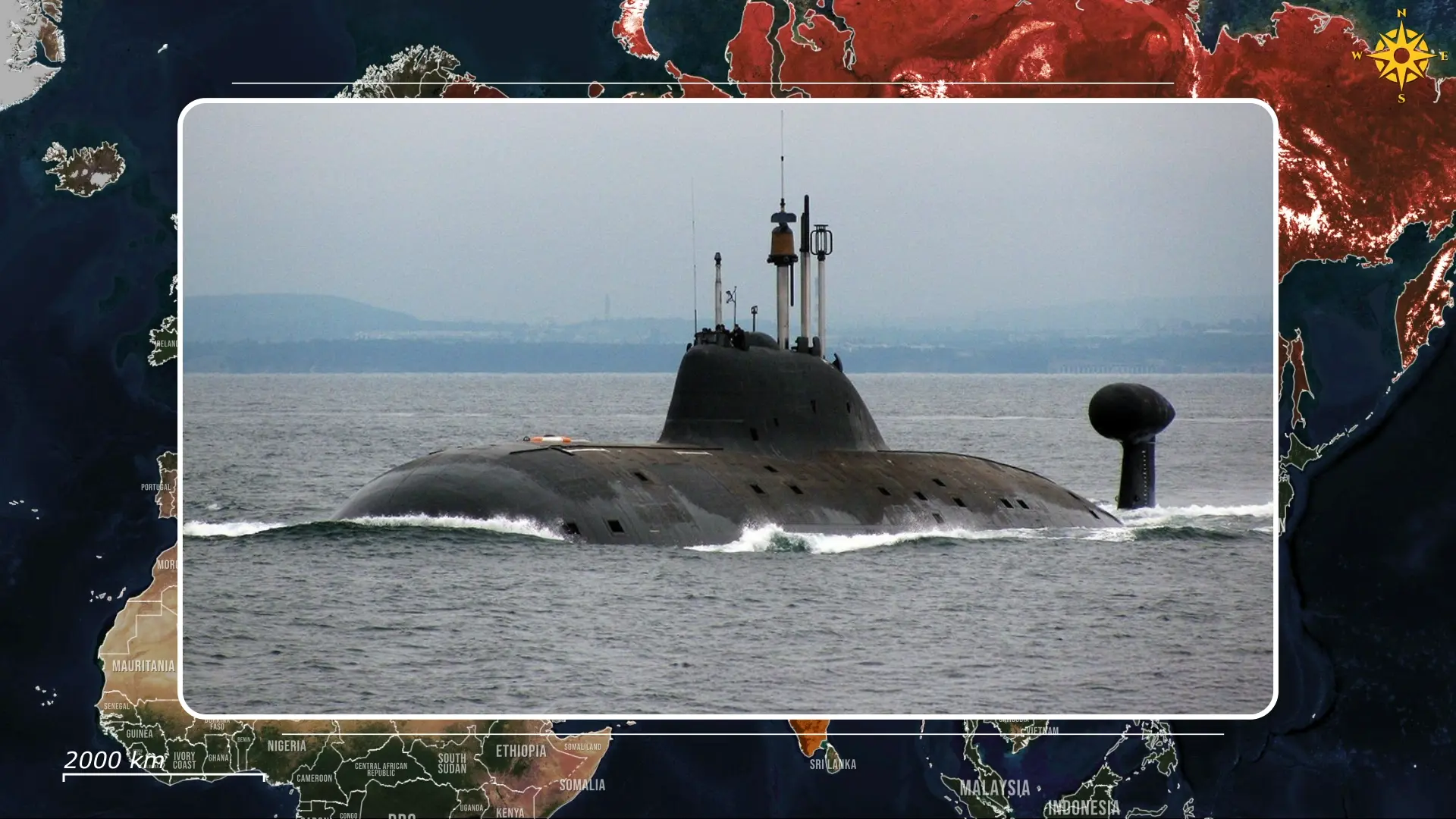

By 2022, Russian engineers declared the repair of Bratsk impractical, effectively meaning the vessel was destined for scrapping. Instead, Russia has now chosen to modernize and lease it abroad, as severe sanctions, shrinking oil revenues, and the collapse of specialized labor have left Moscow incapable of sustaining its nuclear fleet, forcing it to monetize whatever remnants can be exported.
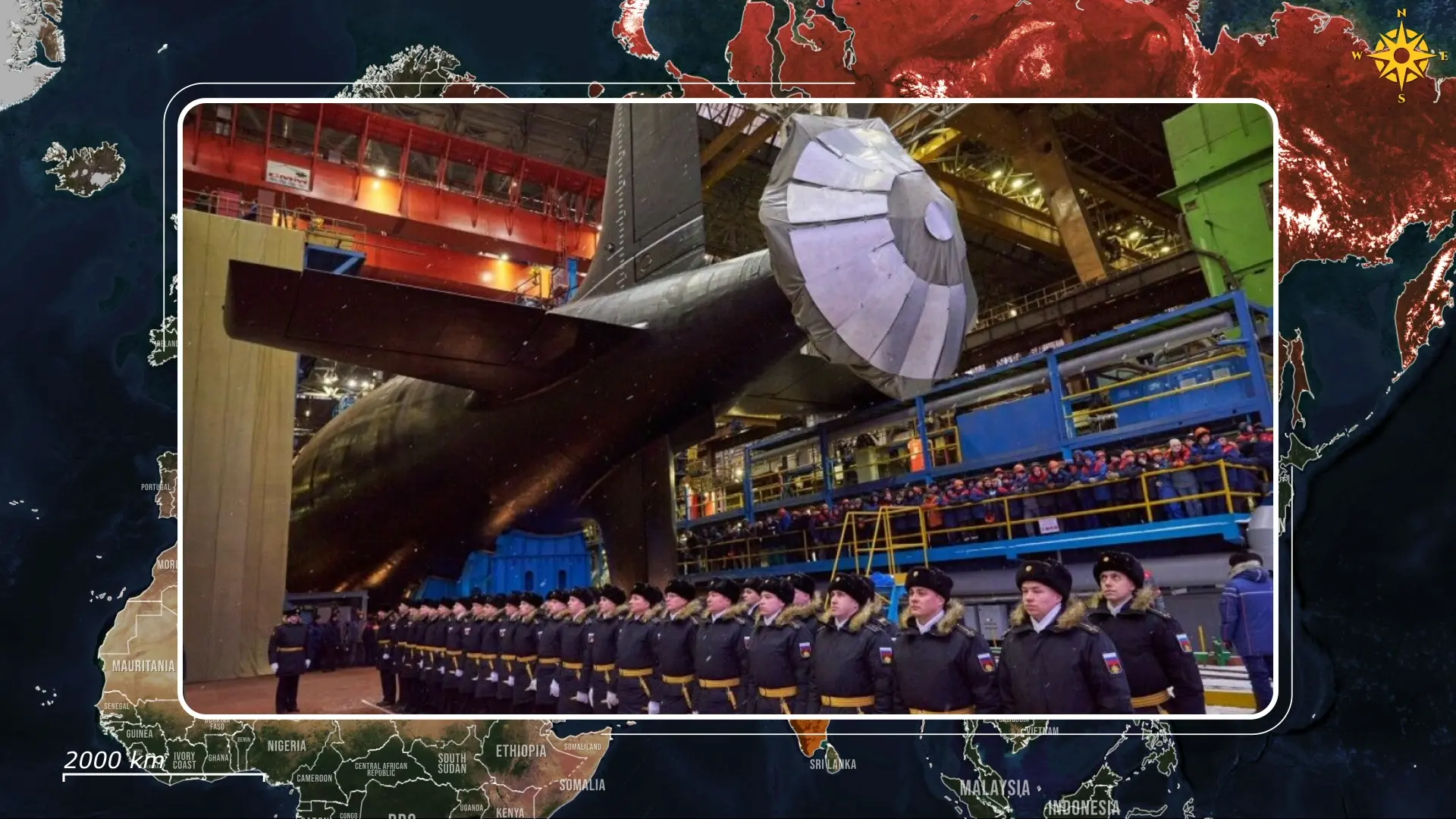
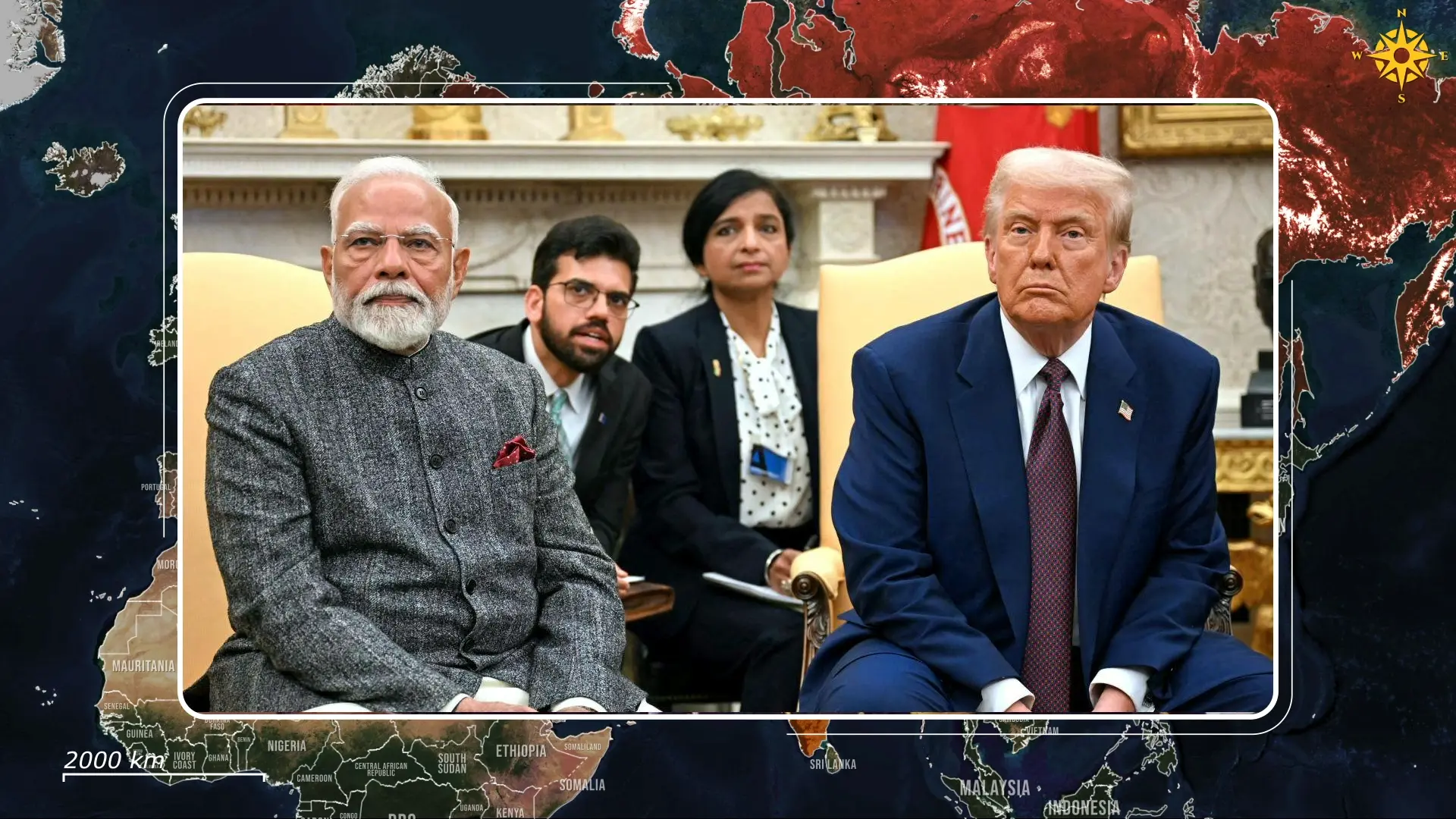
Even sanction risks are being ignored by India because the United States historically has not penalized the country for such purchases, though how the current administration reacts remains to be seen.
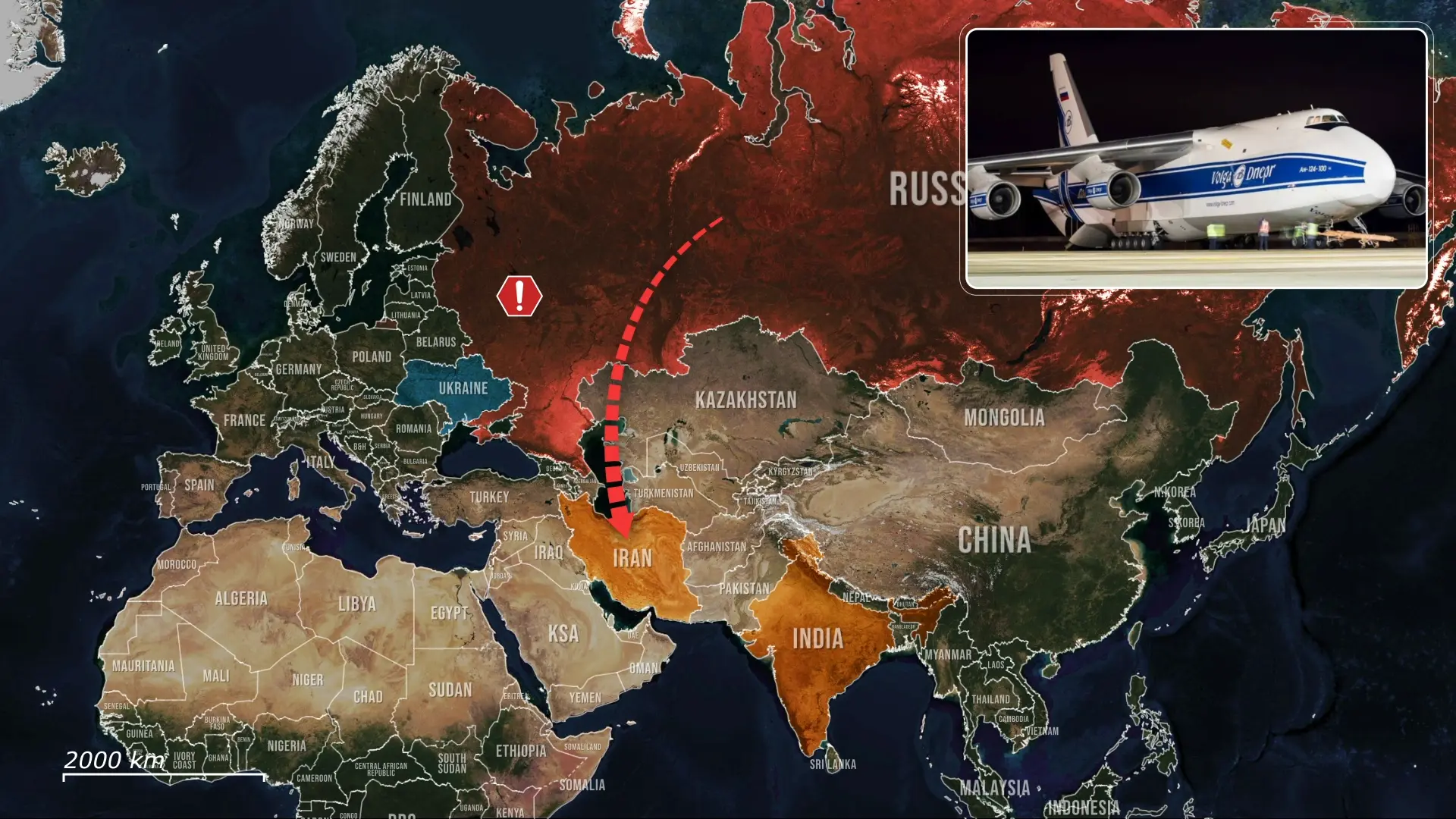
This is part of a broader pattern in which Russia, unable to maintain a modern army, increasingly sells high-end systems it desperately needs itself. Fighter jets are a prime example, with Russia supposedly producing up to 50 Su-35’s for Iran by 2027, diverting assembly lines away from domestic orders at a moment when the Russian Air Force faces severe pilot shortages and catastrophic attrition in Ukraine. A recent AN-124 transport flight to Tehran suggests that early batches are already being transferred.
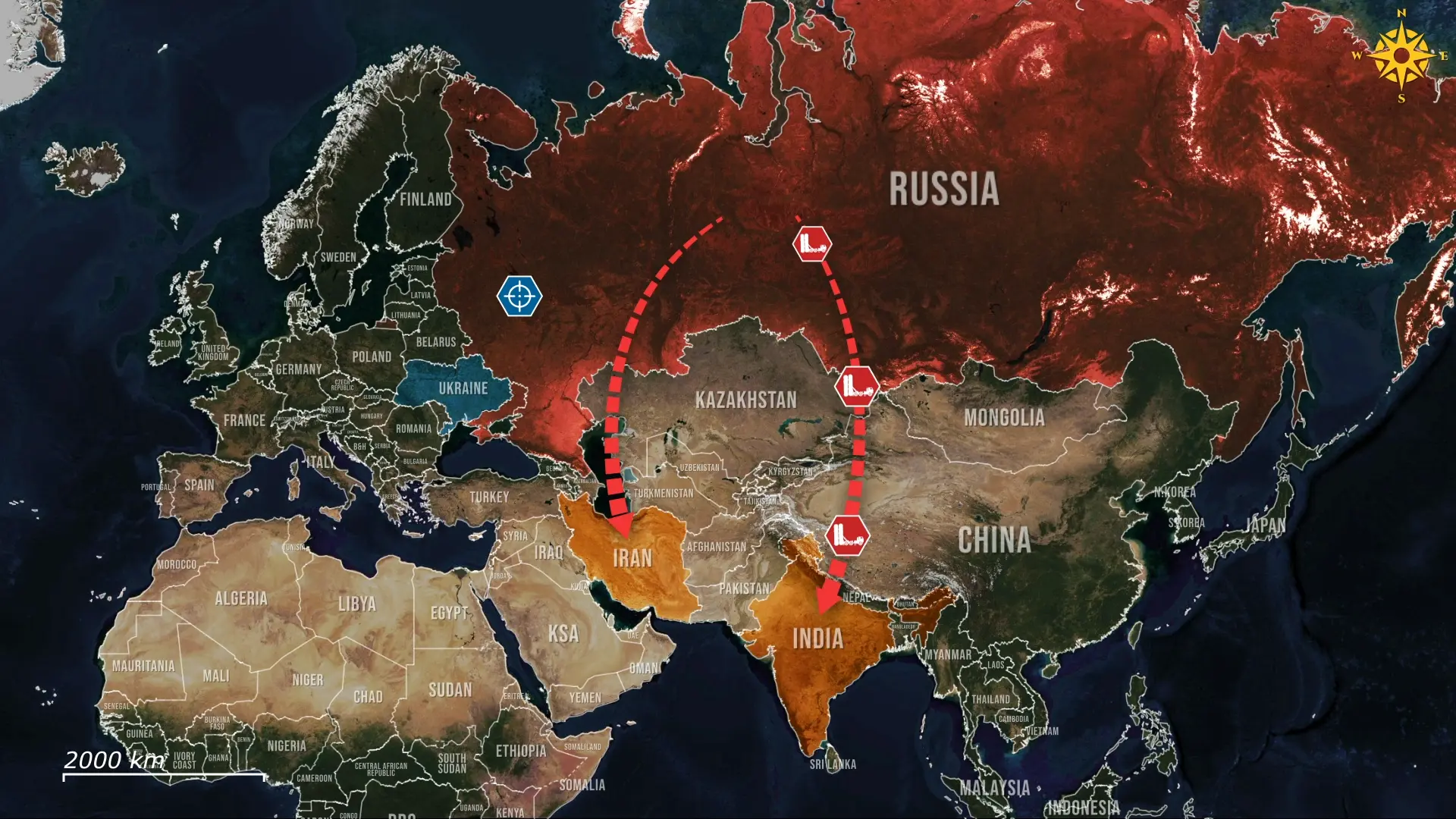
Likewise, Russia has begun exporting full S-400 air defense systems to Iran, despite suffering its own shortages so severe that it attempted in 2025 to repurchase S-400 systems back from Turkey. The same trend appears with India’s negotiations for additional S-400 batteries. Russia continues to sell advanced air-defense systems abroad even though these very systems are failing to protect Russian skies from Ukrainian drones and missile strikes.
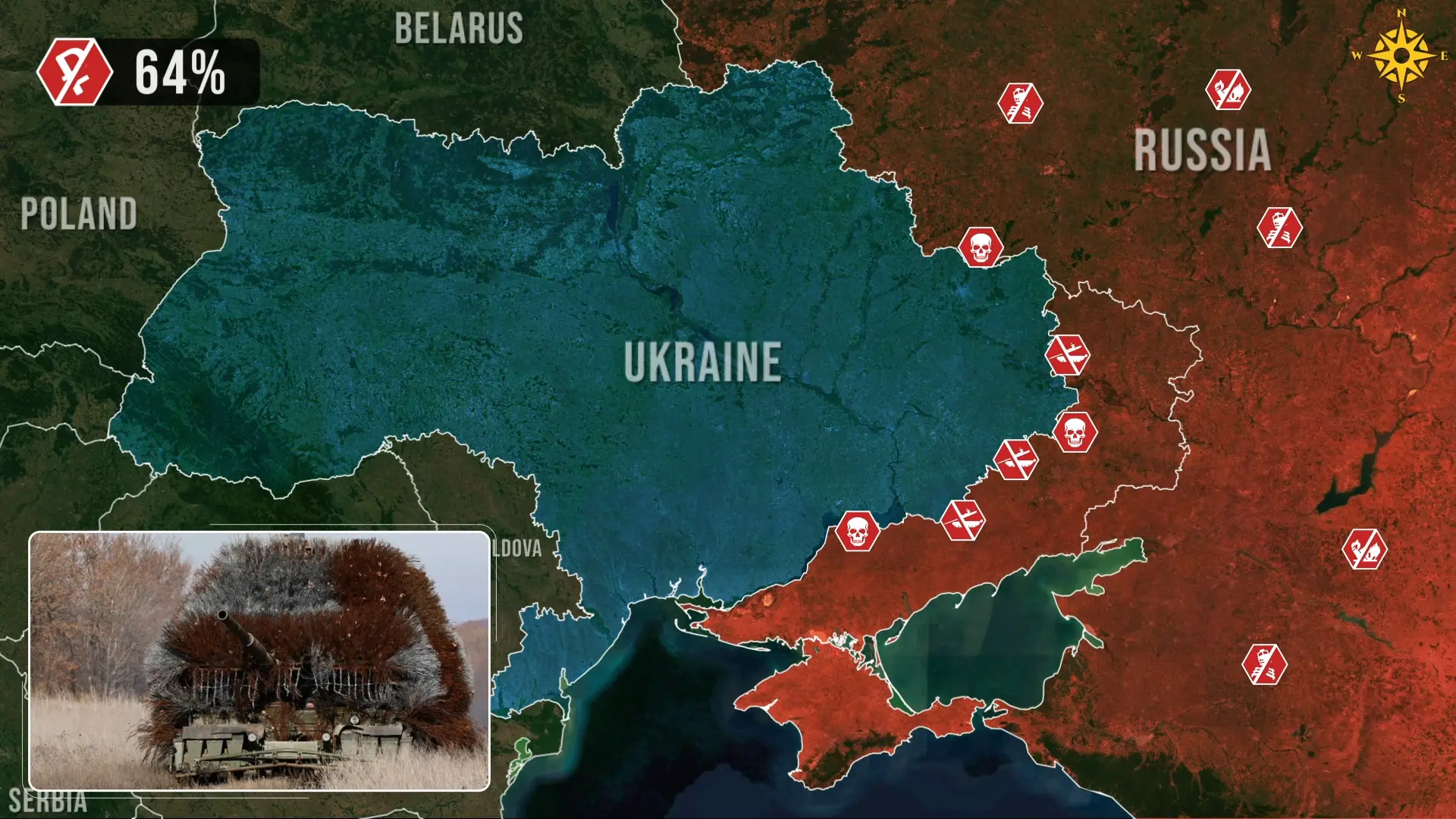
All of this reflects a military-industrial complex in collapse, as sanctions have shattered supply chains, labor shortages have hollowed out factories, and Russia’s war losses of all types of equipment far exceed current production capacity. Russia is forced to replace modern systems with improvised Mad Max-style vehicles, refurbished Soviet relics, and imported North Korean ammunition. Arms exports have plummeted by 64% since 2020, yet Russia continues selective high-tech sales worth billions simply to generate the foreign currency needed to sustain a grinding war in Ukraine.
Its most sophisticated assets — submarines, fighter jets, air-defense systems are now financial lifelines rather than strategic capabilities.
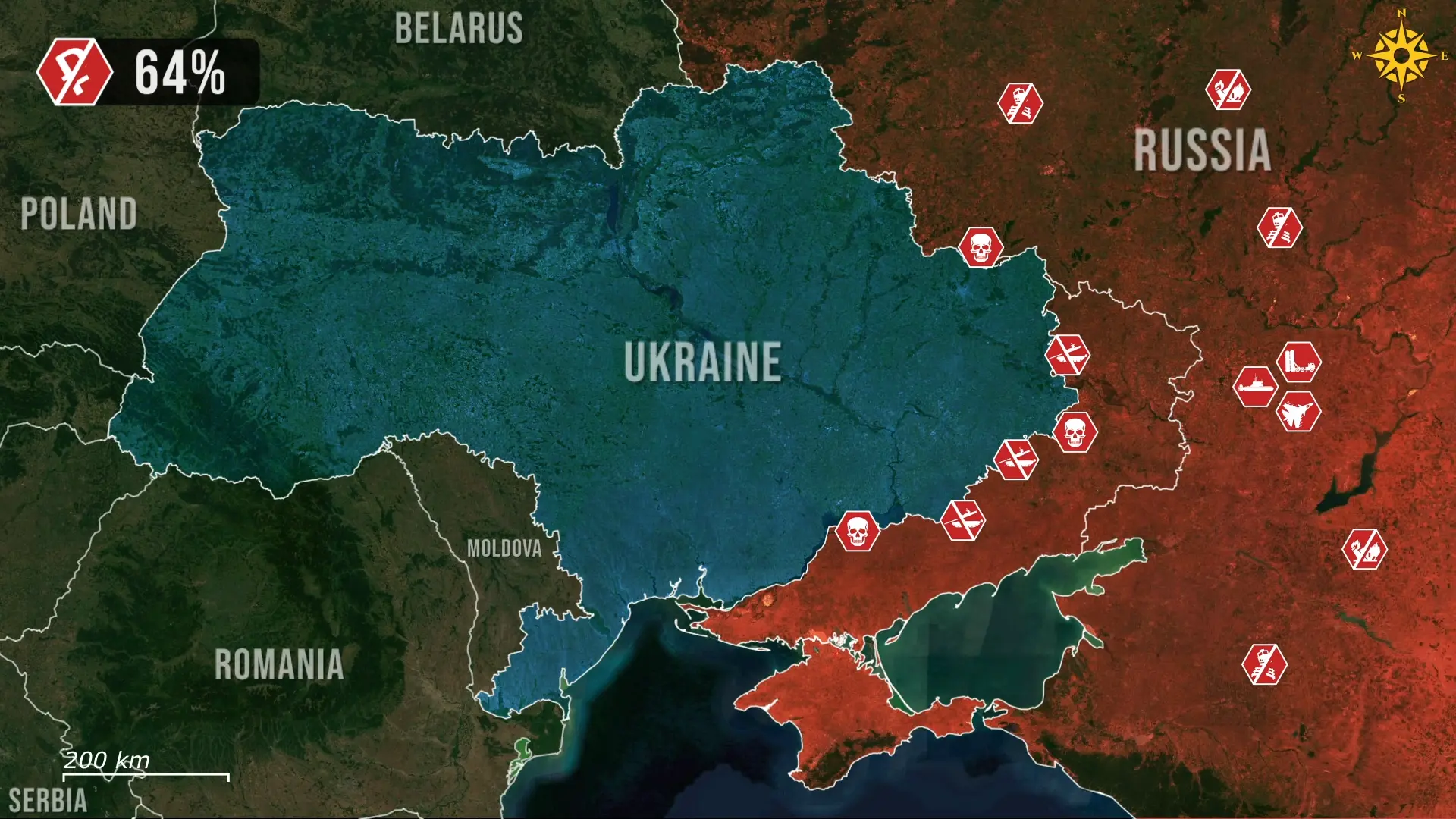
Overall, the leasing of a nuclear submarine reveals the paradox at the heart of Russia’s war effort: to continue fighting as a low-tech, manpower-driven army reminiscent of the Soviet era, Moscow must liquidate its high-tech inventory. Its struggle to achieve gains in Ukraine has cost billions of dollars and gutted its arsenal. As revenues collapse and losses mount, Russia finds itself in the unprecedented position of selling its most advanced weapons just to fund human-wave assaults on the Ukrainian front, a stark portrait of a supposed military giant reduced to fighting with tactics and equipment more suited to the 20th century than the 21st.
.jpg)



Comments