

.svg)
After recent offensive action in the Dnipropetrovsk sector, Ukraine's Skala special assault Regiment achieved a massive breakthrough and cleared seventy-five square kilometers of the grey zone, while pushing Russia's area of control back significantly further. The regiment reports that this is one of the most significant offensive operations by Ukrainian forces this summer. They report that Russian defenders in the sector have suffered a critical number of casualties, as well as losing several key deployment points and access routes necessary for their continued operations in the area.
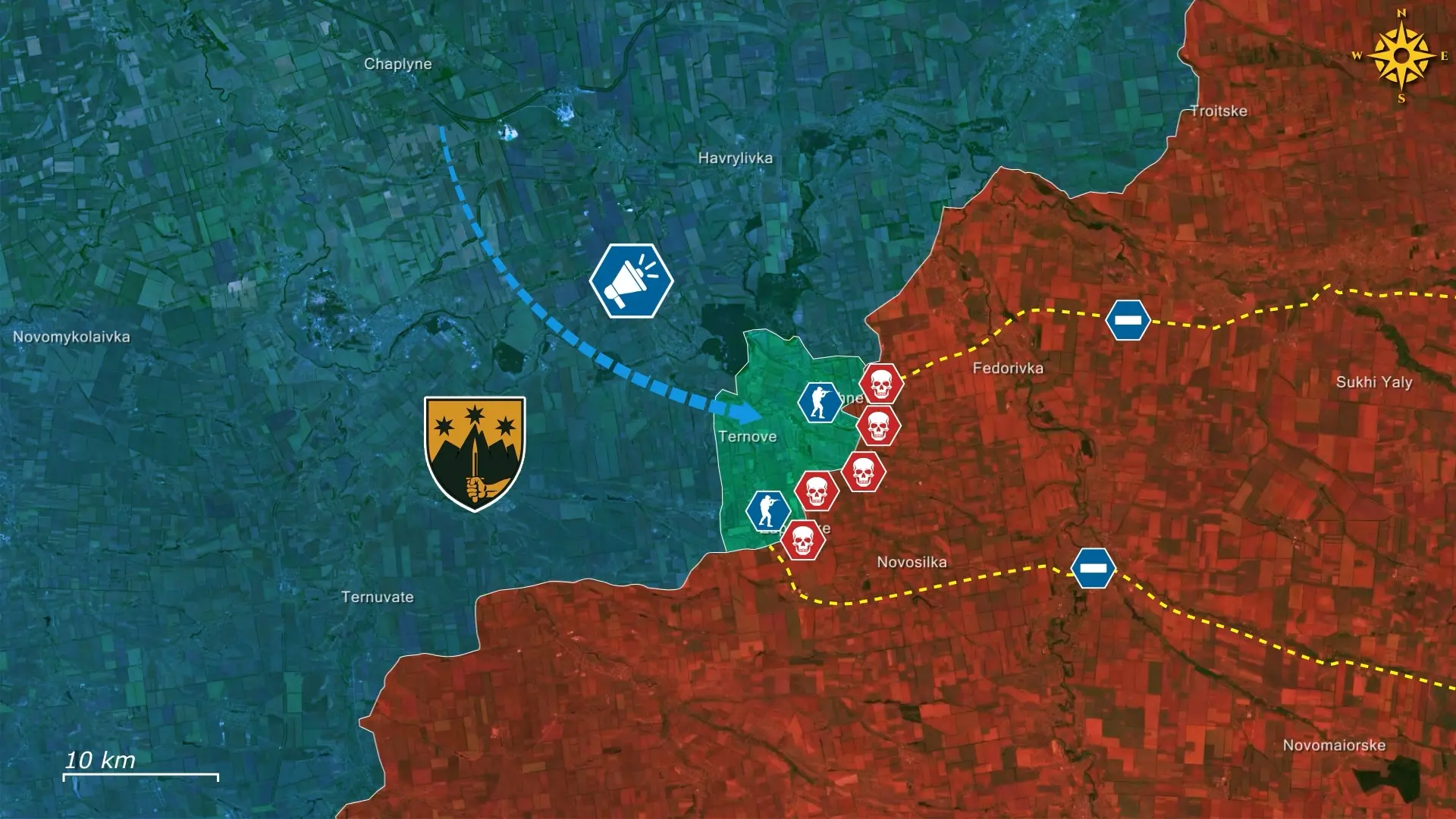
This massive operation began shortly after Ukrainians already advanced over four-hundred square kilometers in the area earlier this year. After Russian lines broke, their high command urgently redeployed a significant number of forces to halt the Ukrainian advances; one of which was the one-hundred-twentieth Marine Infantry Brigade, along with even the full ninetieth Russian tank division, numbering an estimated total of over thirty-thousand enemy soldiers. Because of these reinforcements, Ukraine's advance was forced to halt, as any attack against such an overwhelming force would have been disastrous; So, the Skala special assault regiment had to find a way to remove the Russian equipment and marines from the equation, and allow Ukrainians to continue retaking the initiative.
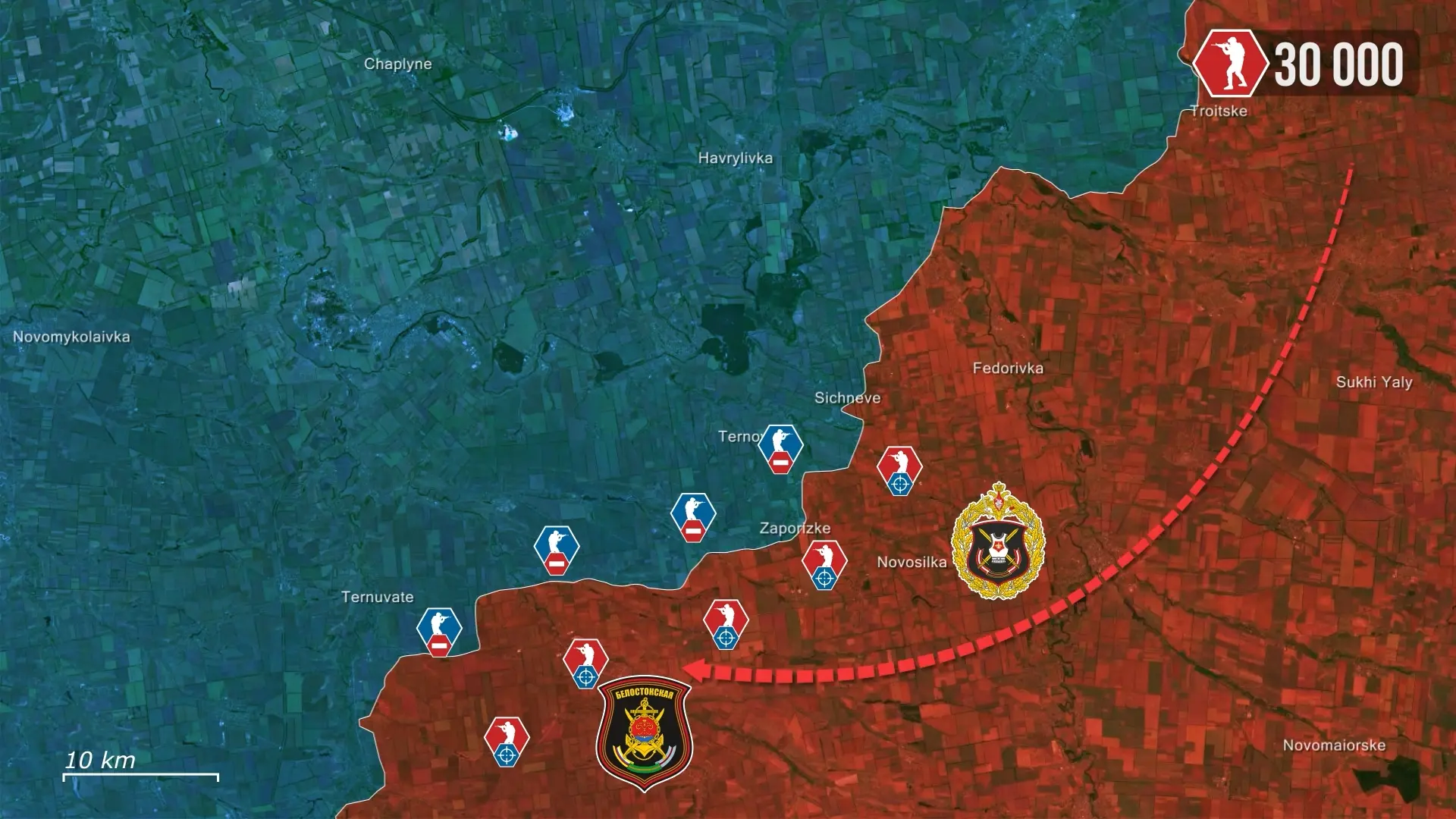
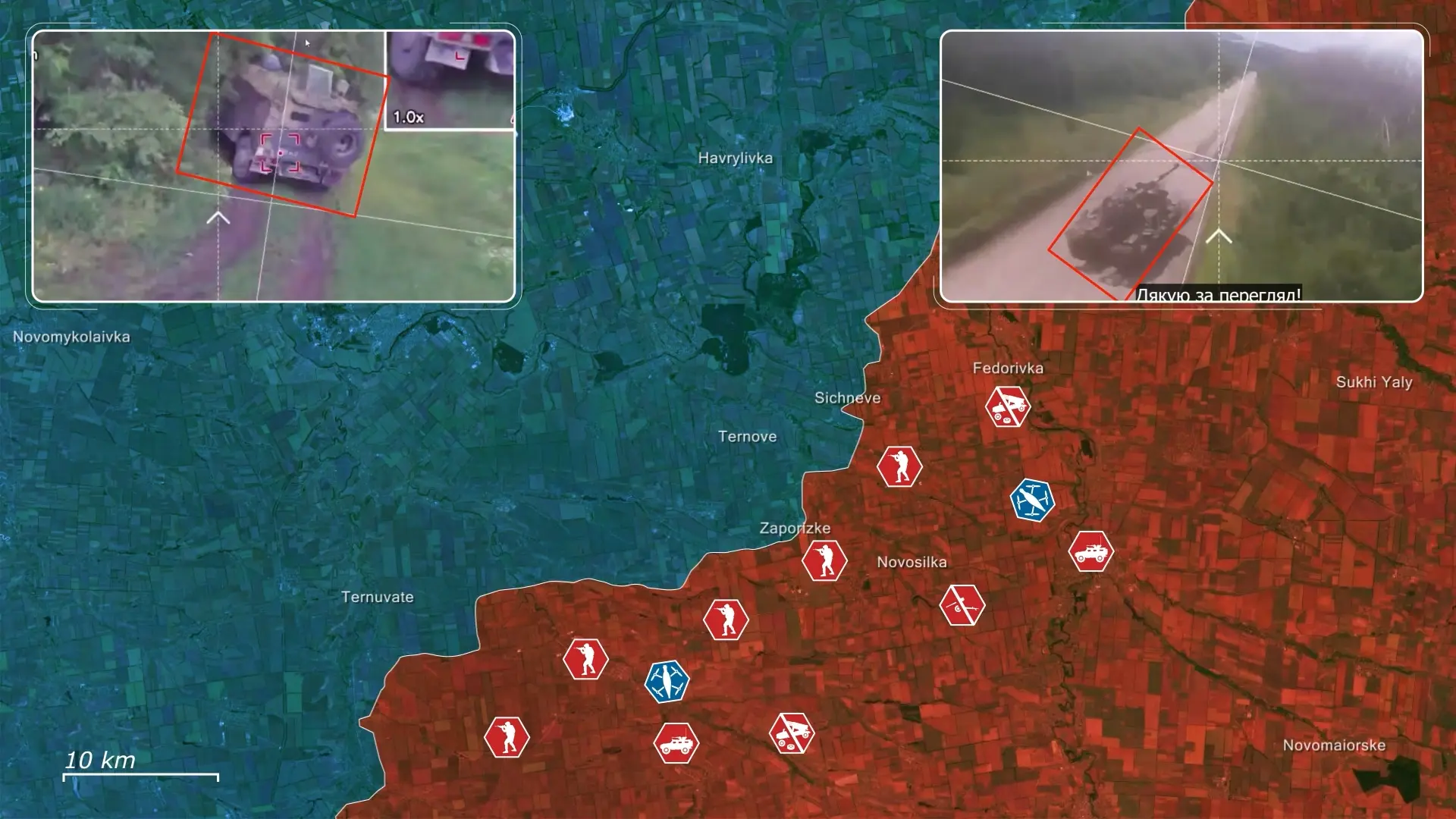
This is why Ukrainian drone operators started the three-day-long Ashan operation, which was a larger concentrated drone campaign aiming to destroy Russian heavy equipment, as you may remember from a previous report. Among the targets were artillery pieces, such as the North Korean Koksan self-propelled artillery system, which deprived the arriving Russian soldiers of fire support that could have been used against advancing Ukrainian soldiers. After that, Ukrainian drones started targeting armored personnel carriers, which reduced their mobility. Then, Ukraine struck Russian soldiers to reduce the Russians’ manpower before they could be sent to the frontline to stop the Ukrainian advance. To disrupt the logistics of the already present enemy soldiers along the front, Ukrainian operators struck multiple Russian military trucks as well, simultaneously denying supplies and reinforcements for the Russians. As a result of the Ashan operation in this sector, Ukrainian drones destroyed one hundred and seven pieces of equipment in just three days and removed a substantial part of Russia’s firepower, transport, and logistics supporting the marine reinforcements.
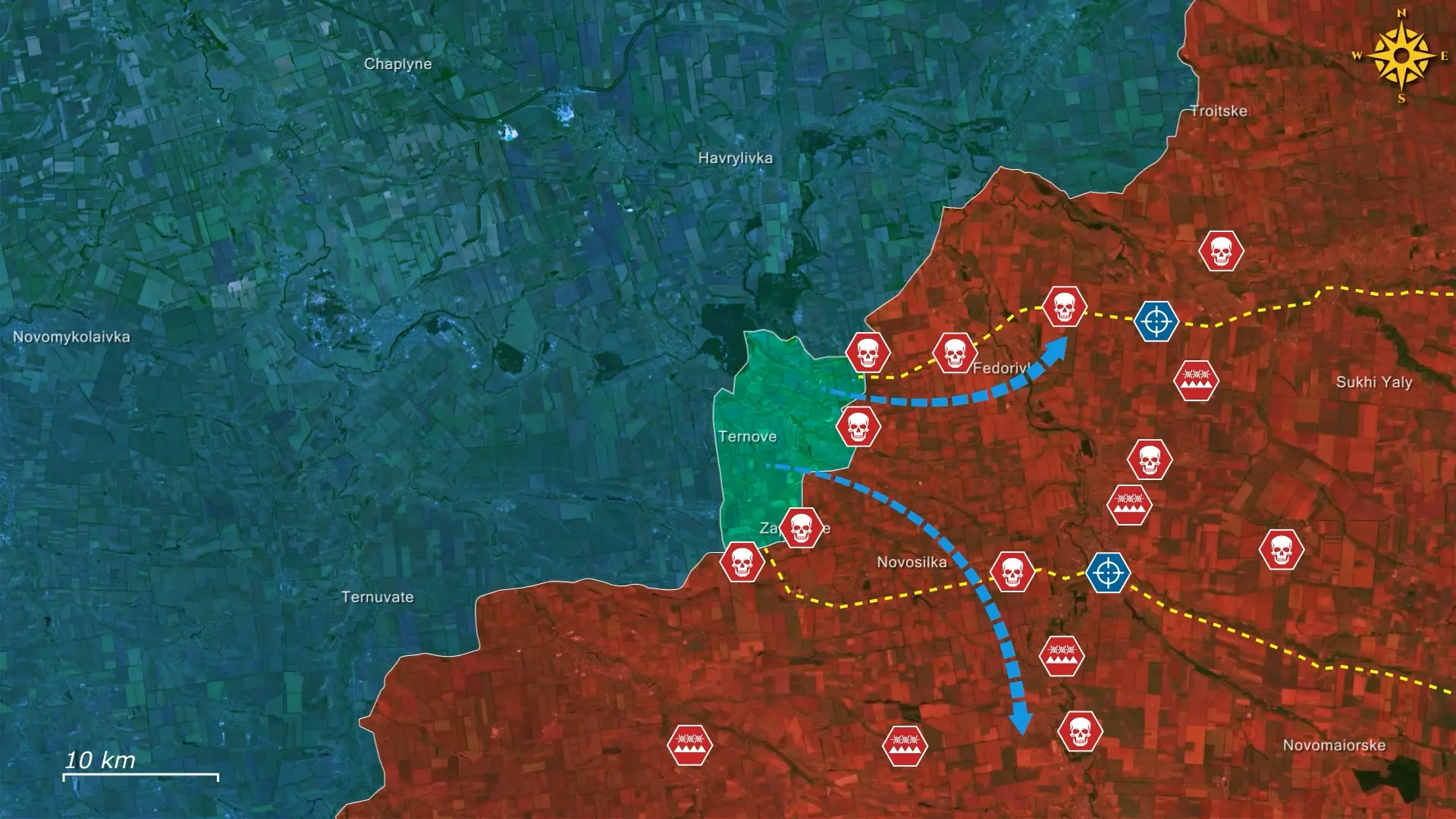
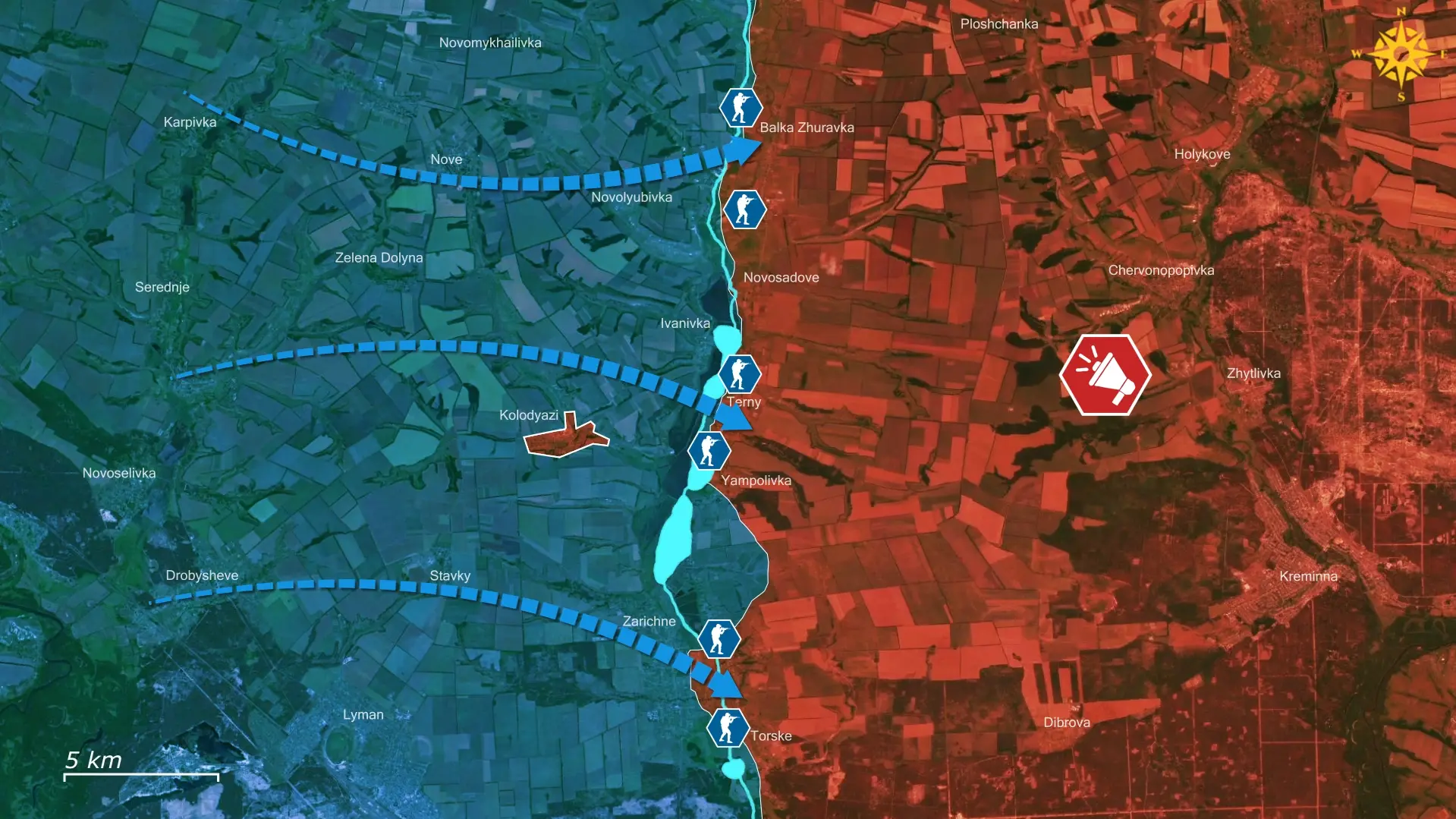
To defend their land-based logistical routes before advancing, Ukraine has installed forty-two kilometers of anti-drone protection along roads in the Dnipropetrovsk region. These anti-drone nets allowed ammunition, reinforcements, and assault groups to move through the rear without every convoy being exposed to Russian FPV drones, while Russian equipment and supply traffic had been devastated. After these preparations, dozens of assault groups launched a simultaneous offensive from the Velykomykhailivka area with round-the-clock drone support. The Skala regiment first pushed through Ternovate and, after clearing it, moved towards the south, supporting the southern vector. Along this route, Ukrainian assault troops pushed towards Zaporizke and secured the right flank of the attack towards Ternove. At the same time, Ukraine expanded the breach north of these villages and captured Sichneve. This allowed the Ukrainians to use it as a springboard and advance even further eastward and attack Maliivka.
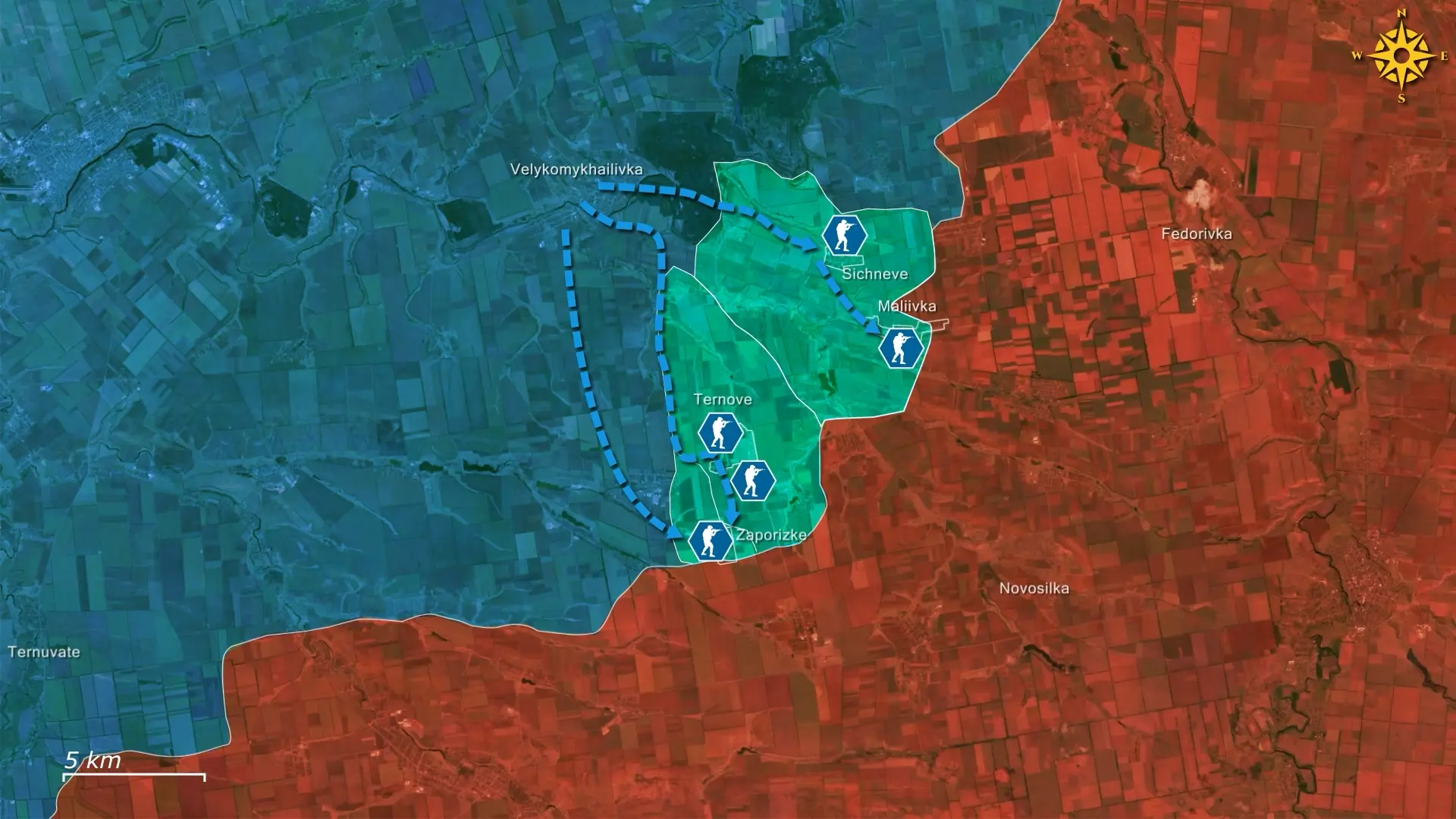
During the operation, Ukrainian reconnaissance drones identified Russian positions and targeted them with artillery, suppressing known firing positions before Ukrainian assault groups entered the settlements. This attack was further supported by FPV drones, which struck Russian soldiers who tried to hide after the artillery barrage. Additionally, heavy bomber drones attacked the scattered Russian soldiers by dropping ordnance on them. Russia tried to send reinforcements, but their armored vehicles were destroyed on the move by drones, eliminating them before they could help the defending Russians.
As a result of the attacks, Ukraine erased the Russian line as they advanced up to ten kilometers into Russian-held territory, liberating seventy-five square kilometers. This enabled Ukrainian forces to extend the reach of their drone operations and establish fire control over key Russian logistics routes in this sector.
This is what happened to Russia’s one hundred and twentieth Marine Infantry Brigade, which served as a reinforcement and suffered critical losses, rendering it combat ineffective. This forced the surviving elements to withdraw from the Dnipropetrovsk region, which is exactly what Ukraine needs to continue offensive operations
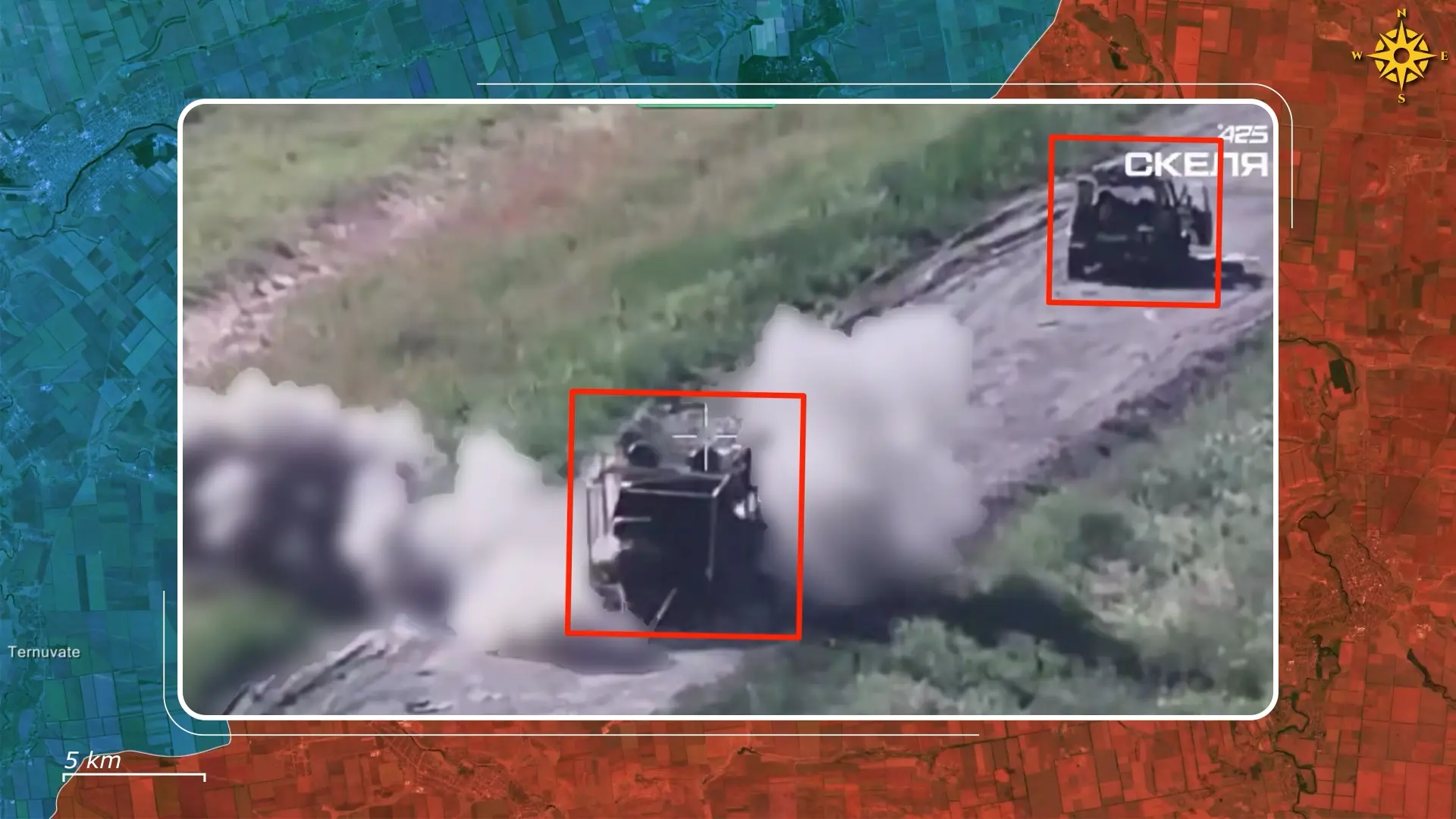
Overall, the Russian logistics are now cut, their frontline soldiers are suffering heavy casualties, and the reinforcements meant to stop the advance of the Skala regiment were forced to withdraw. Skala’s breakthrough can continue as they are already in a position to destroy the next supply lines of the Russians. It will enable them to keep eliminating Russians on the frontline and in the rear simultaneously, as it happened to the one hundred and twentieth Brigade. Russia must now construct a new defensive position with depleted forces, while Skala retains both the initiative and a proven operational model for continuing its advance.

.jpg)


Comments