

.svg)
Today, the biggest news comes from the Russian Federation.
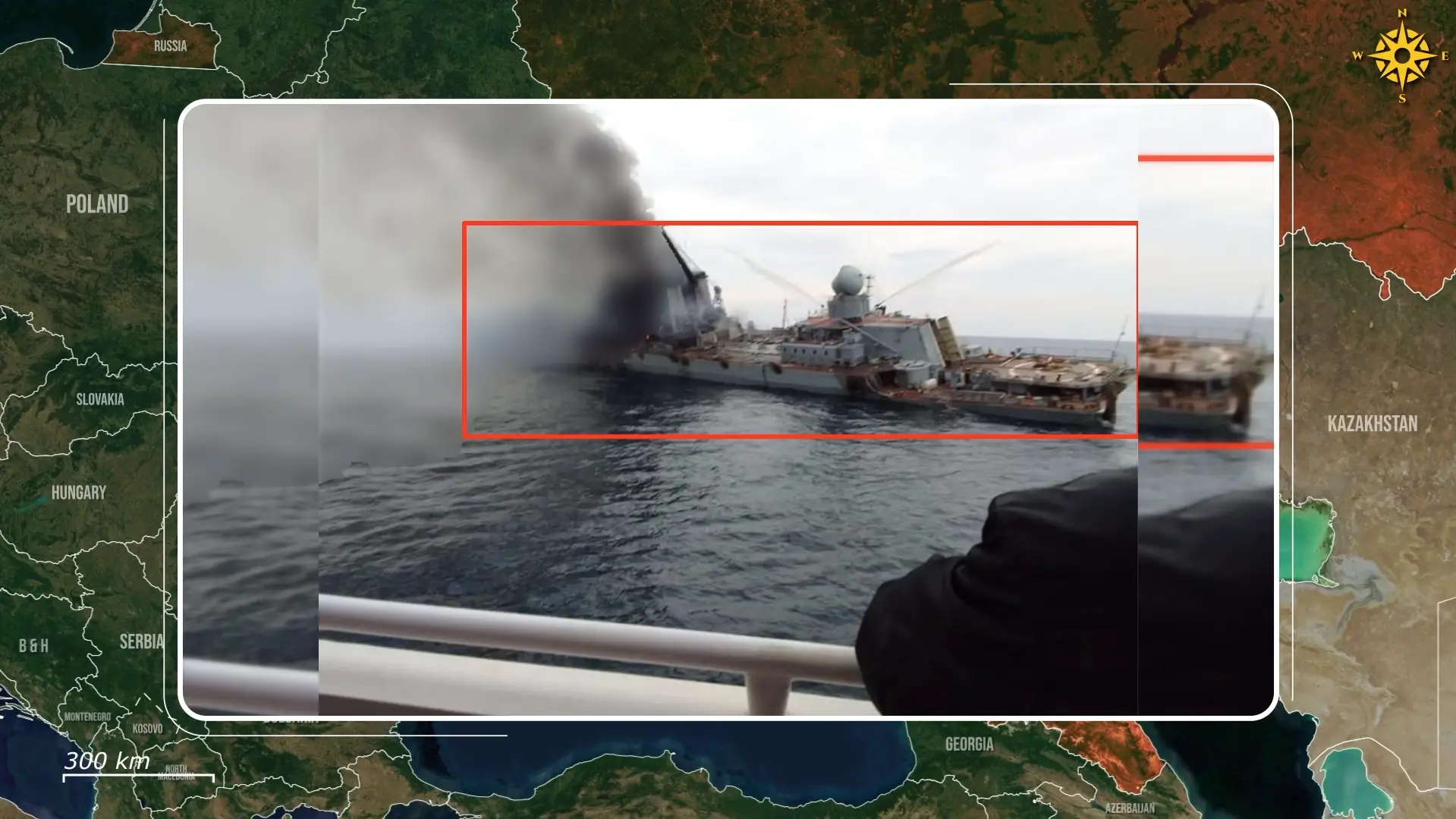
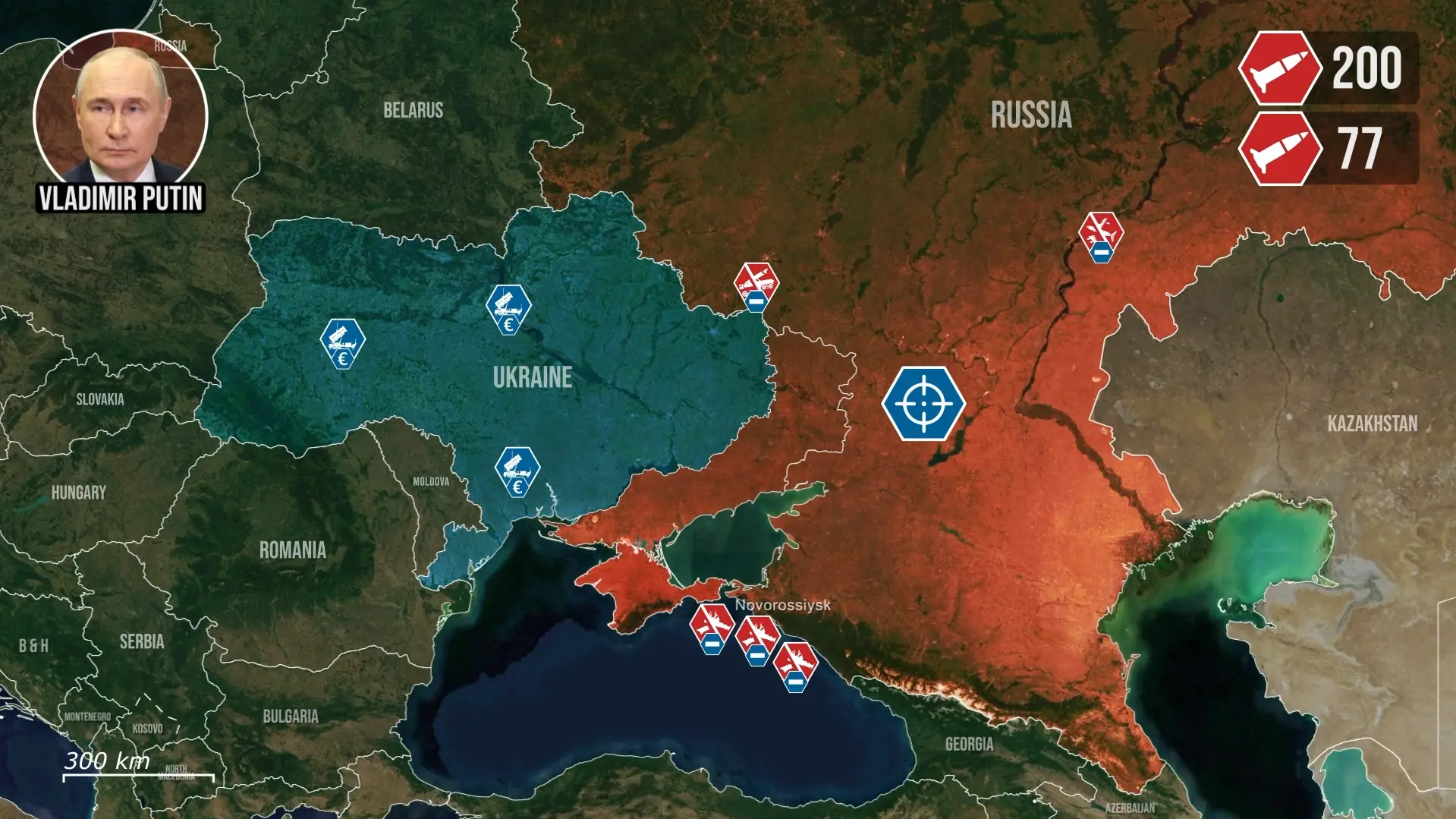
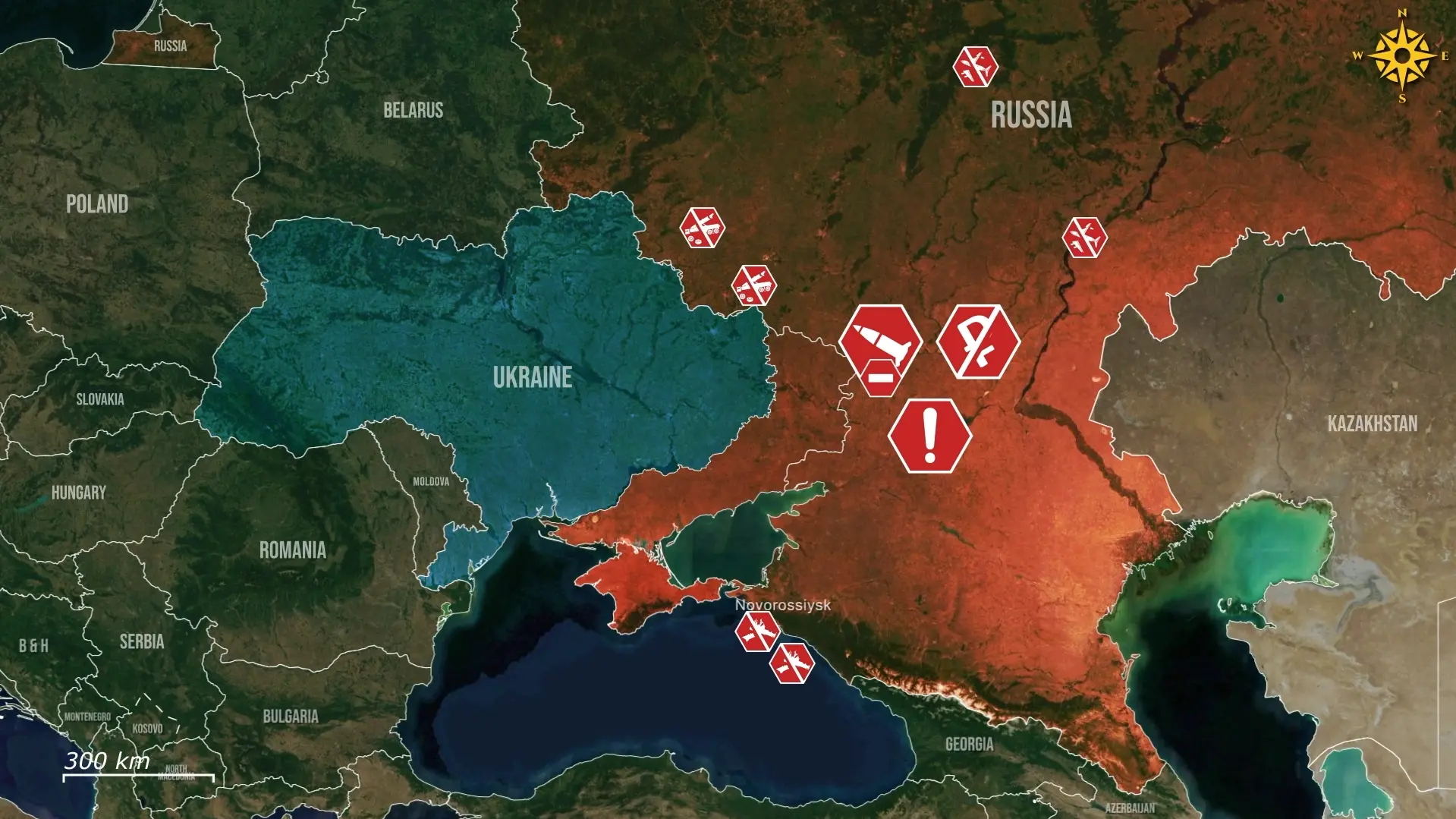
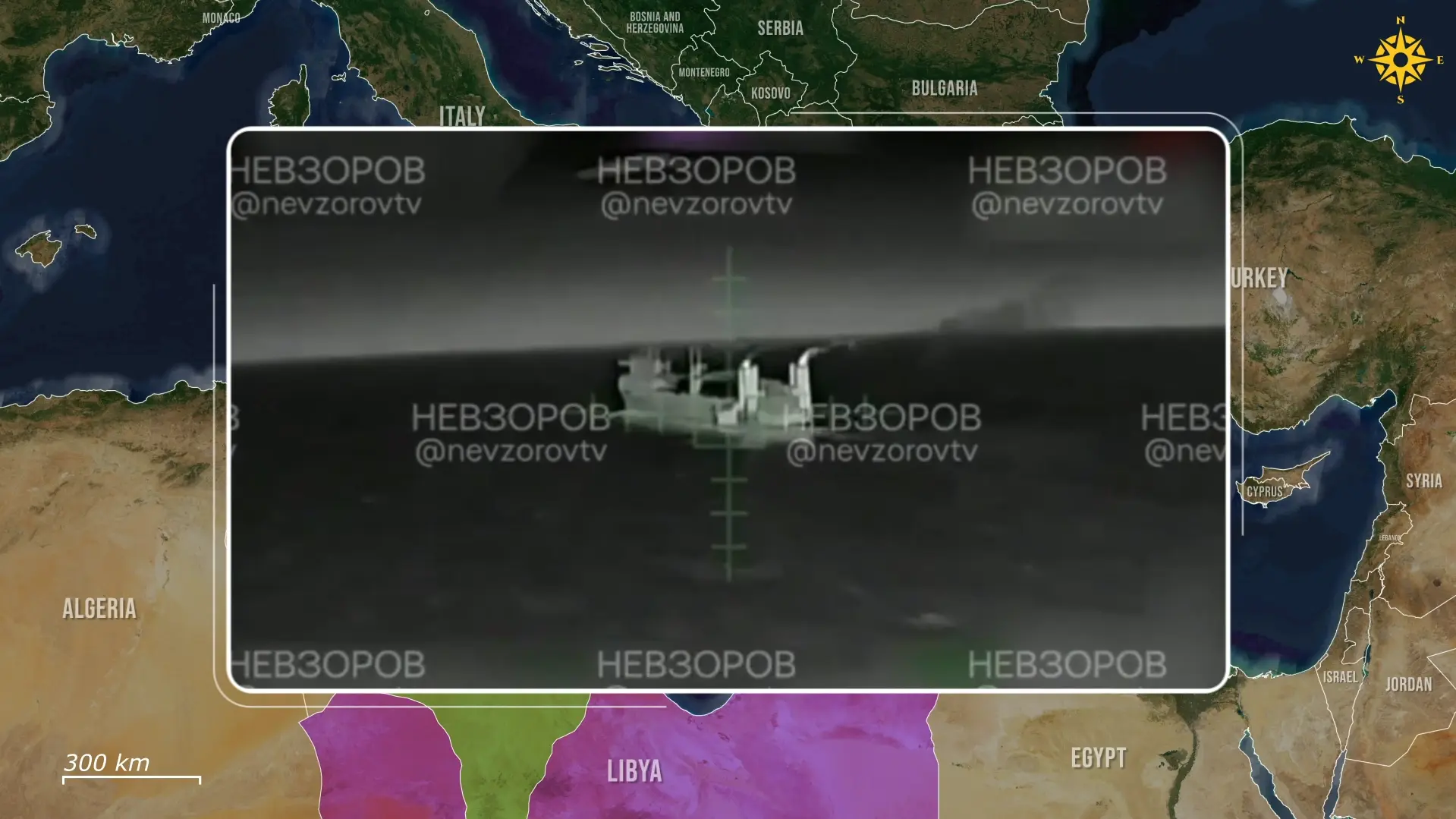
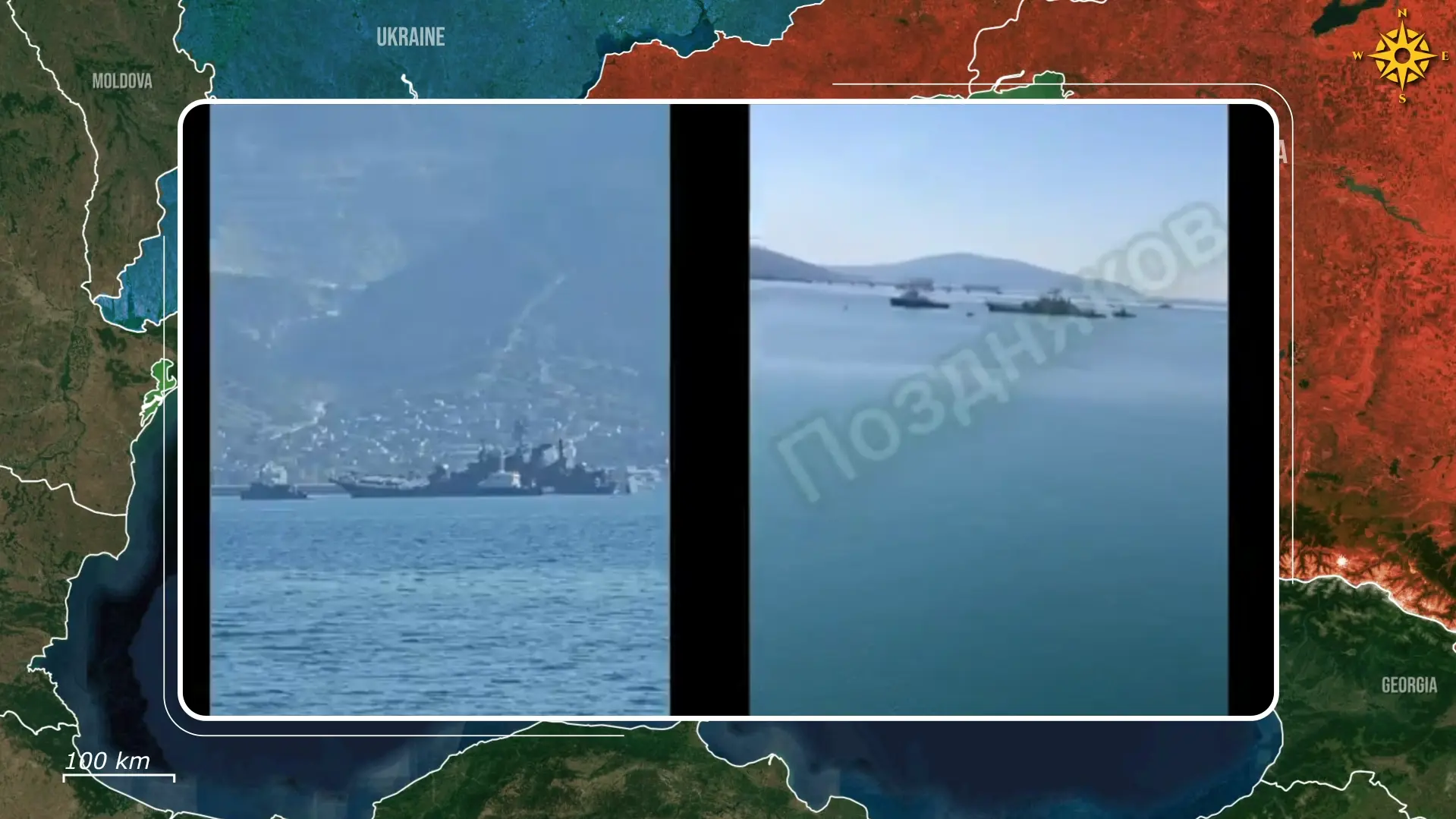
Here, Ukraine’s Navy reported that it struck the Russian frigate Admiral Essen in the port of Novorossiysk with a Neptune missile. The Admiral Essen is a carrier of Kalibr cruise missiles, which Russia uses to launch long range strikes against targets in Ukraine. The same operation also hit two other Kalibr missile carriers, a Buyan M class corvette and the frigate Admiral Makarov, with the Makarov suffering damage to its port side. These attacks come after Ukraine had already targeted both frigates in August, demonstrating that the Russian Black Sea Fleet is facing repeated attacks. According to the Ukrainian Navy, the purpose of these operations is to systematically degrade the Russian fleet’s ability to conduct combat operations, particularly its capacity to launch missiles against Ukraine.
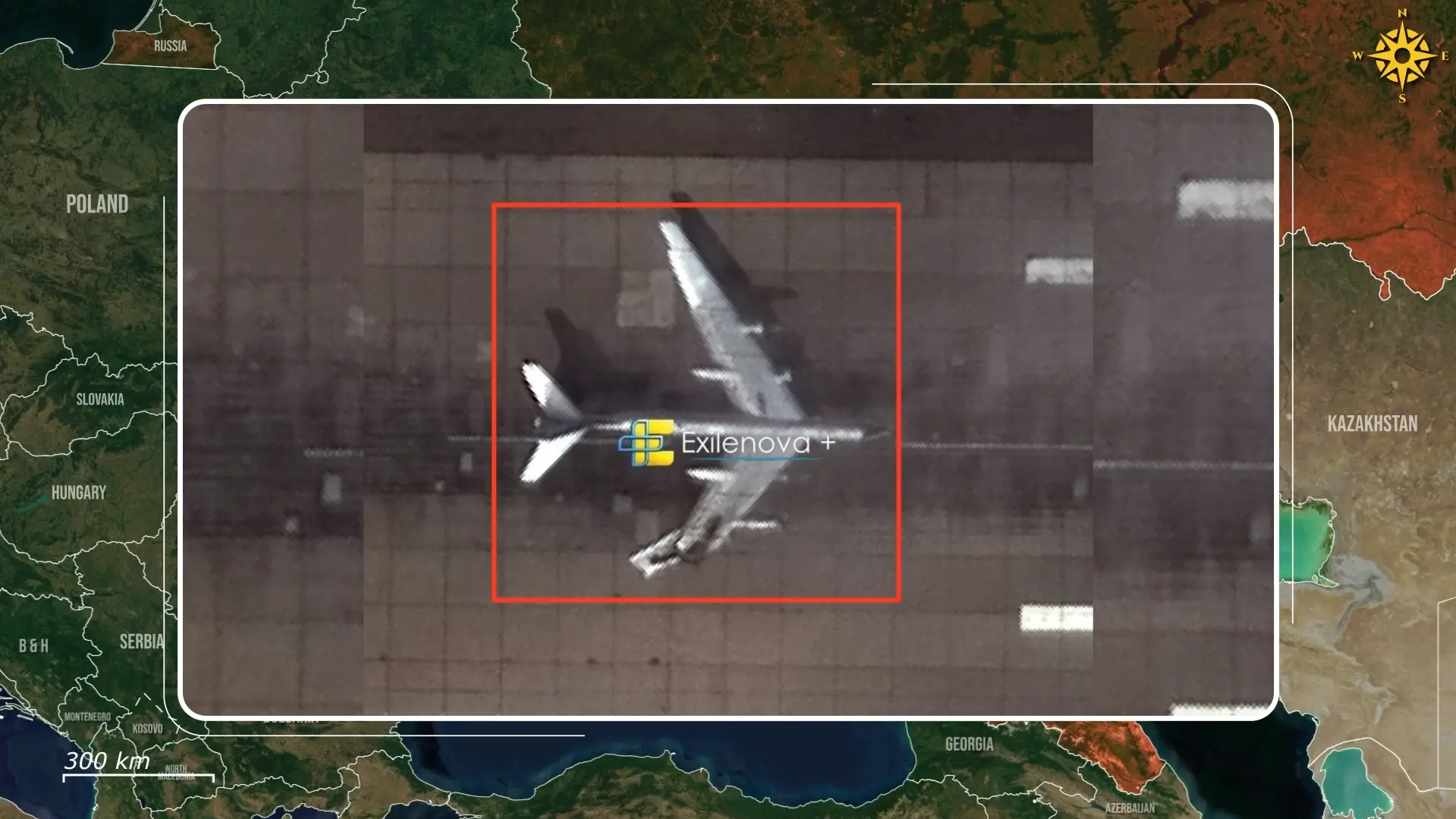
The naval strikes are also part of a much broader Ukrainian campaign aimed at destroying the platforms Russia relies on to attack Ukrainian cities. This strategy was demonstrated again in an earlier operation during which Ukrainian drones travelled eight hundred kilometers to reach Engels airbase, where they struck a Russian Tu ninety five strategic bomber. Satellite imagery captured the aftermath of the kamikaze drone attack, indicating that the aircraft was destroyed in the strike. Another Tu ninety five that had been damaged in an earlier Ukrainian strike was also visible at the airbase, proving the growing success of these strikes.
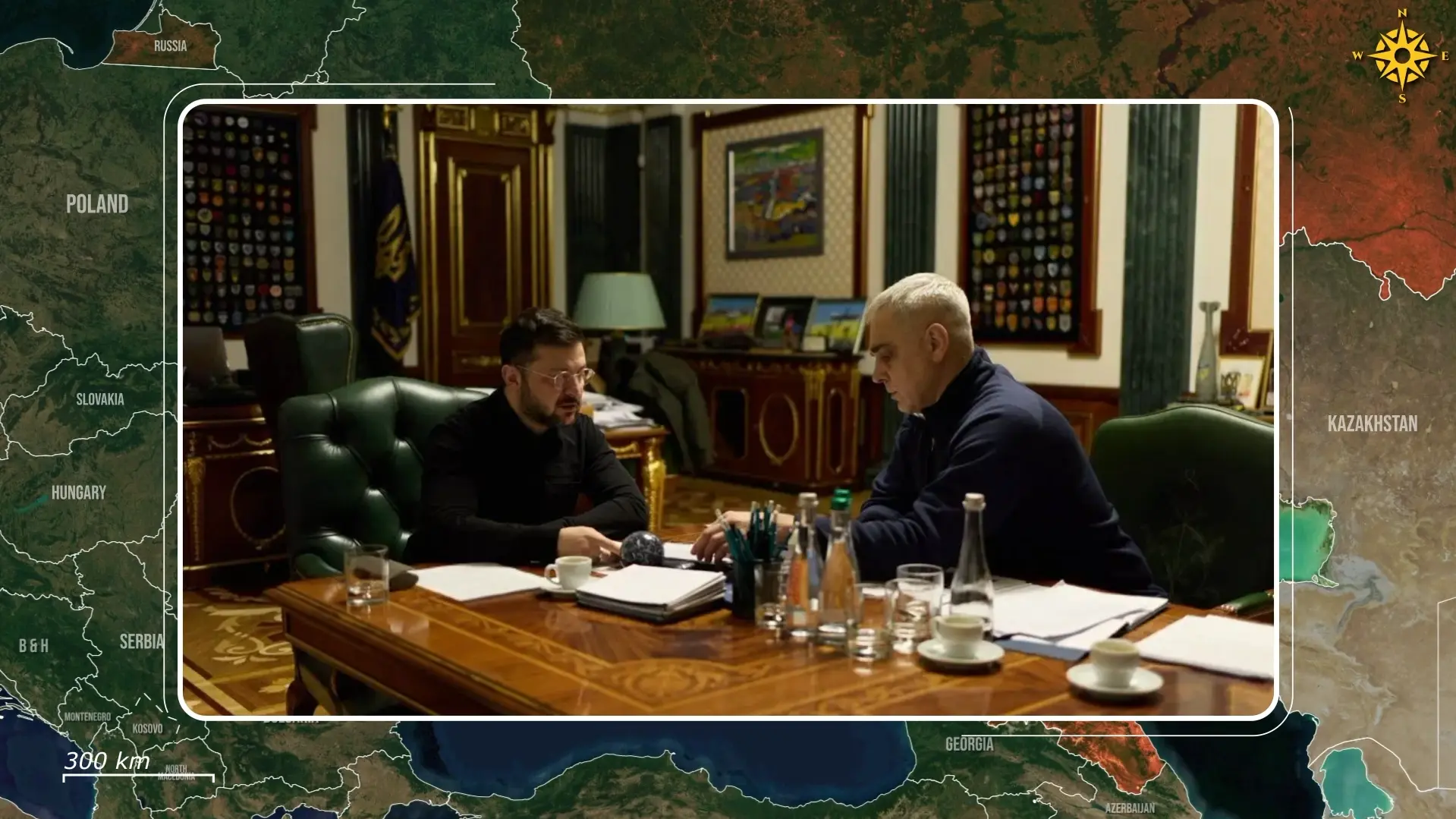
Ukrainian President Volodymyr Zelensky confirmed that SBU Alpha special forces carried out the operation against the bomber, which also serves as a carrier for Russia’s long range cruise missiles. These bombers are particularly important targets because they can launch cruise missiles from hundreds of kilometers away, allowing them to attack Ukrainian cities while remaining far outside the range of Ukrainian air defense systems. By reaching the aircraft while they are still on the ground, Ukraine can therefore bypass that distance advantage and directly attack one of the platforms Russia depends on for its long range missile campaign.
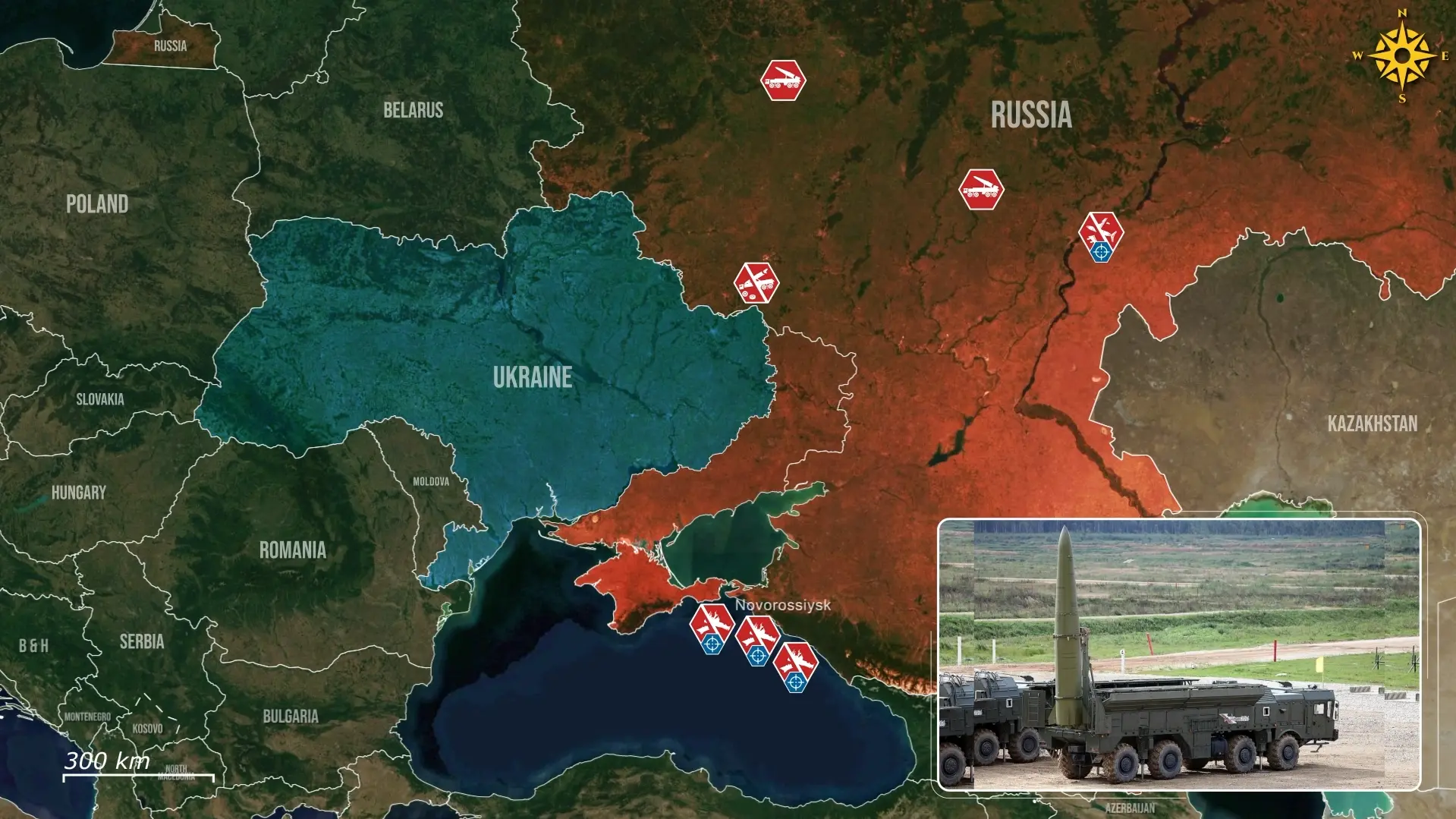
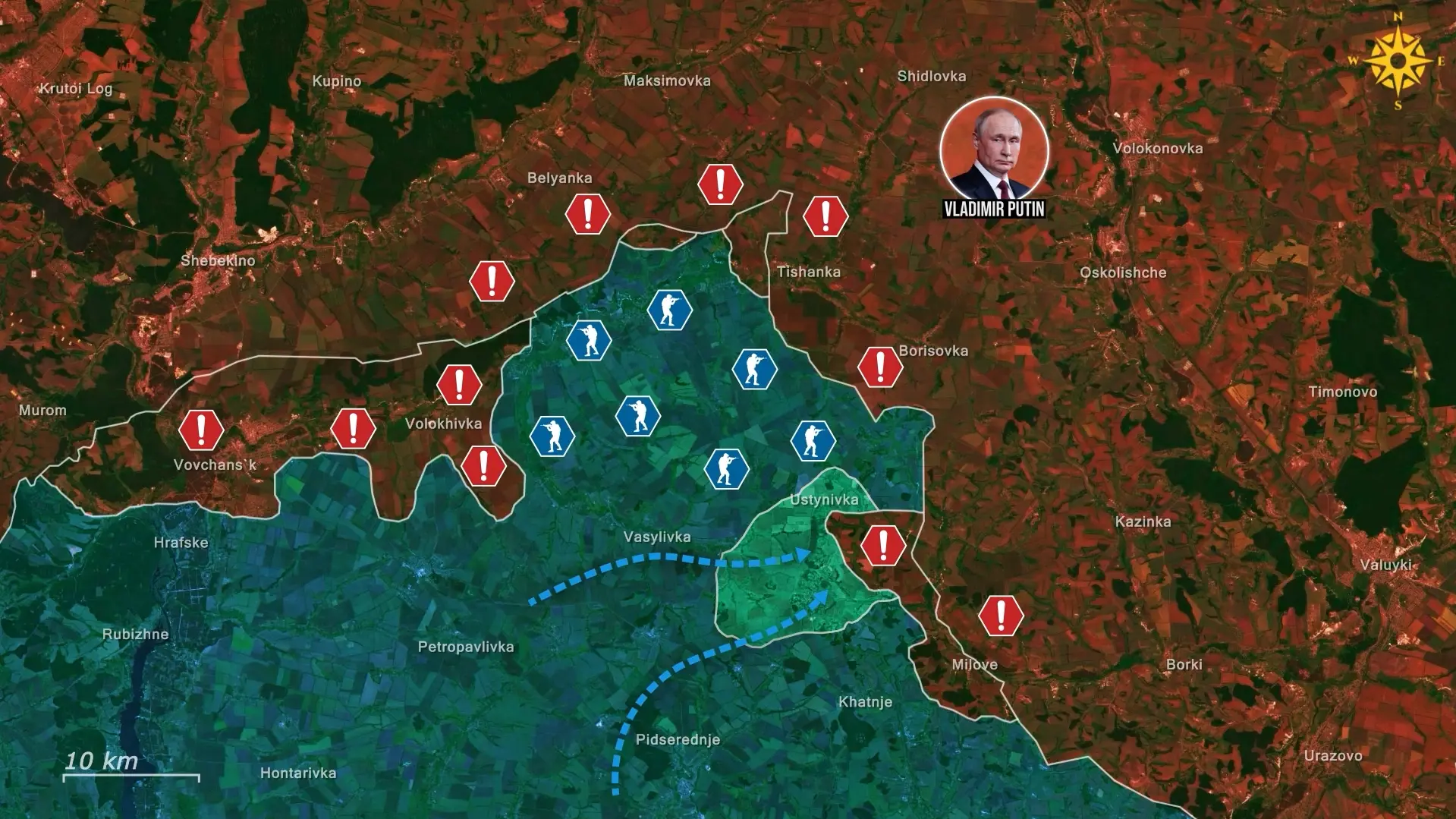
To further complement these strikes, Ukrainian forces also targeted an Iskander M ballistic missile launcher on Russian territory near the Ukrainian border. The targeted position was used to launch Iskander and Zircon missiles towards Ukraine, making it a particularly important target for Ukraine. Unlike fixed missile installations, these launchers can rapidly relocate along Russia’s road network and change firing positions, making them much harder to detect and destroy. Successfully locating and striking one therefore demonstrates that Ukraine can reach Russia’s mobile missile forces despite their ability to relocate and change firing positions.
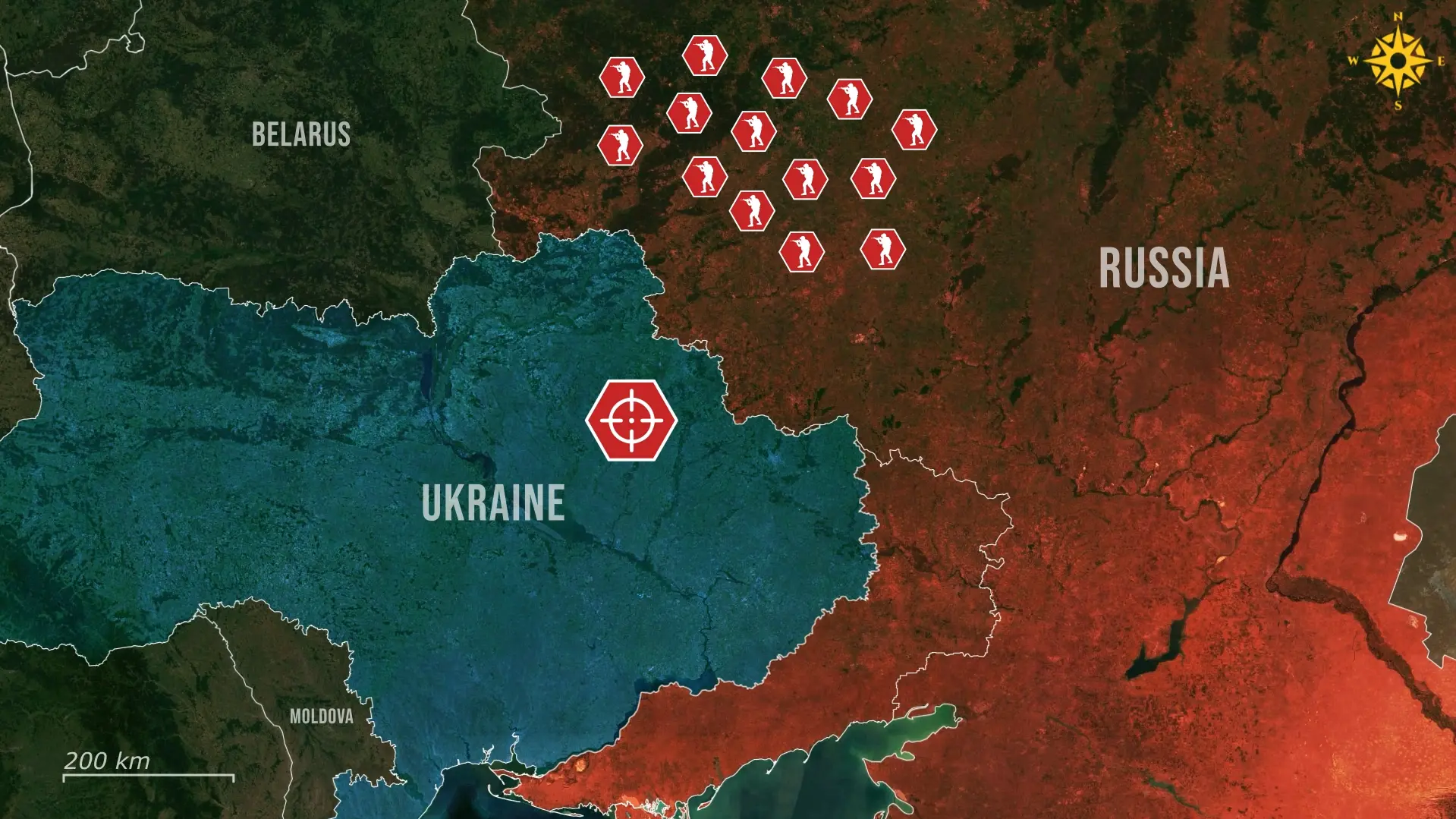
This strategy is becoming increasingly important because Ukraine cannot afford to rely solely on intercepting incoming missiles, which requires expensive interceptors available only in limited quantities. By attacking the platforms that launch missiles instead, Ukraine can prevent attacks before they begin. Destroying a bomber, damaging a warship, or eliminating a mobile missile launcher not only removes an immediate threat, but can also reduce Russia’s ability to carry out repeated strikes and ease the enormous pressure placed on Ukraine’s air defense network. According to Bloomberg, Putin is considering heavier ballistic missile strikes against Kyiv, aiming to eventually launch as many as two hundred missiles in a single attack. Russia is currently capable of launching around seventy seven missiles simultaneously, meaning that Moscow is seeking to dramatically increase the number of missiles it can fire. This is why Ukraine’s strategy of hunting down the launch platforms themselves is becoming increasingly significant.
Overall, Ukraine is trying to change the economics of the missile war, which Russia uses to destroy Ukrainian cities. Russia can manufacture and launch more weapons, but losses reduce available launch capacity and complicate preparations. If Ukraine can repeatedly force Russia to hide or relocate its strike systems, Moscow’s missile arsenal becomes less useful. The real objective is therefore not simply interception, but making Russia’s long range strikes difficult to sustain.
.jpg)



Comments