

.svg)
In this video, we will analyze the Ukrainian strikes in Tuapse.
Ukrainian strikes on Russian territories have long become the new normality. However, one Russian strategic city has been the recipient of an extraordinary strike rate from the Ukrainian forces.
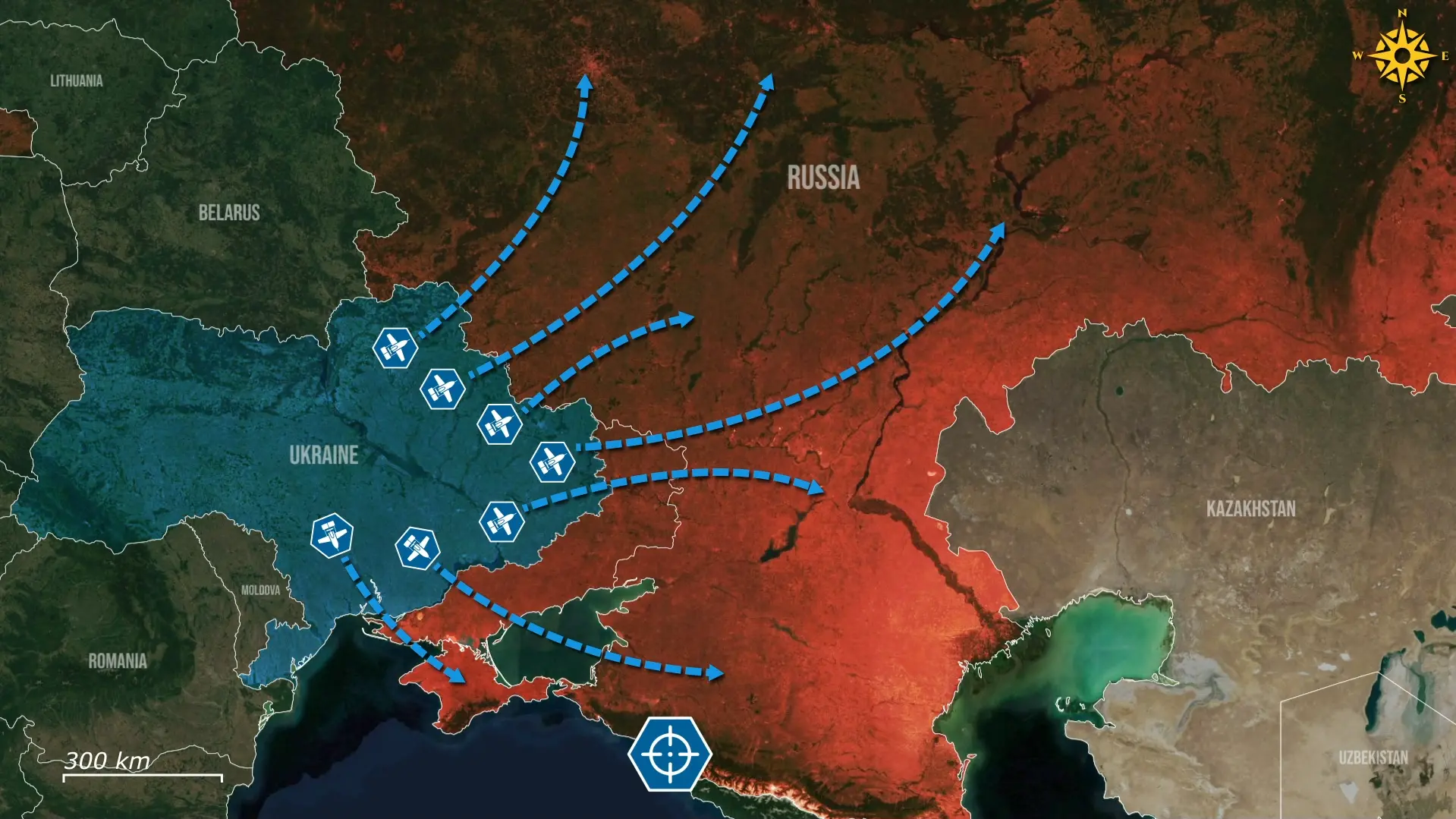
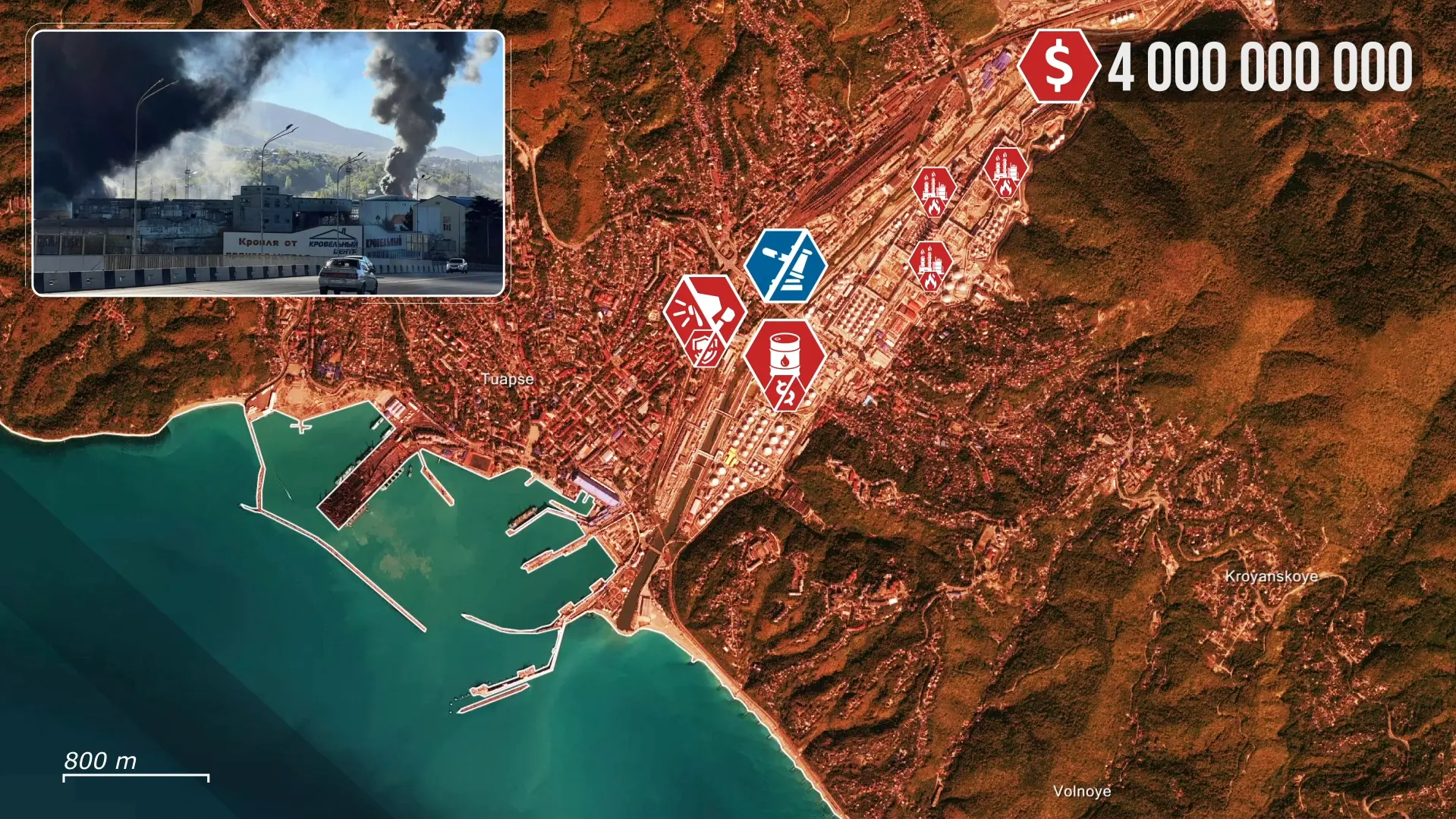
Tuapse has become one of the most repeatedly struck Russian cities of the war, and the pace of attacks shows how determined Ukraine is to keep pressure on this location and its oil infrastructure. Ukrainian forces have hit the city five times in a short period, with the latest strike on the twenty seventh of May two thousand twenty six once again setting the local refinery on fire. Ukraine’s General Staff estimated that strikes in April and on the first of May alone caused more than three hundred million dollars in damage to the port infrastructure and refinery. That figure does not include the fires that burned for days, the destruction of storage capacity, or the repeated shutdowns of export operations. In fact, when the halted refinery output, emergency response costs, and logistical disruptions are added, the total losses rise far beyond the initial estimate.
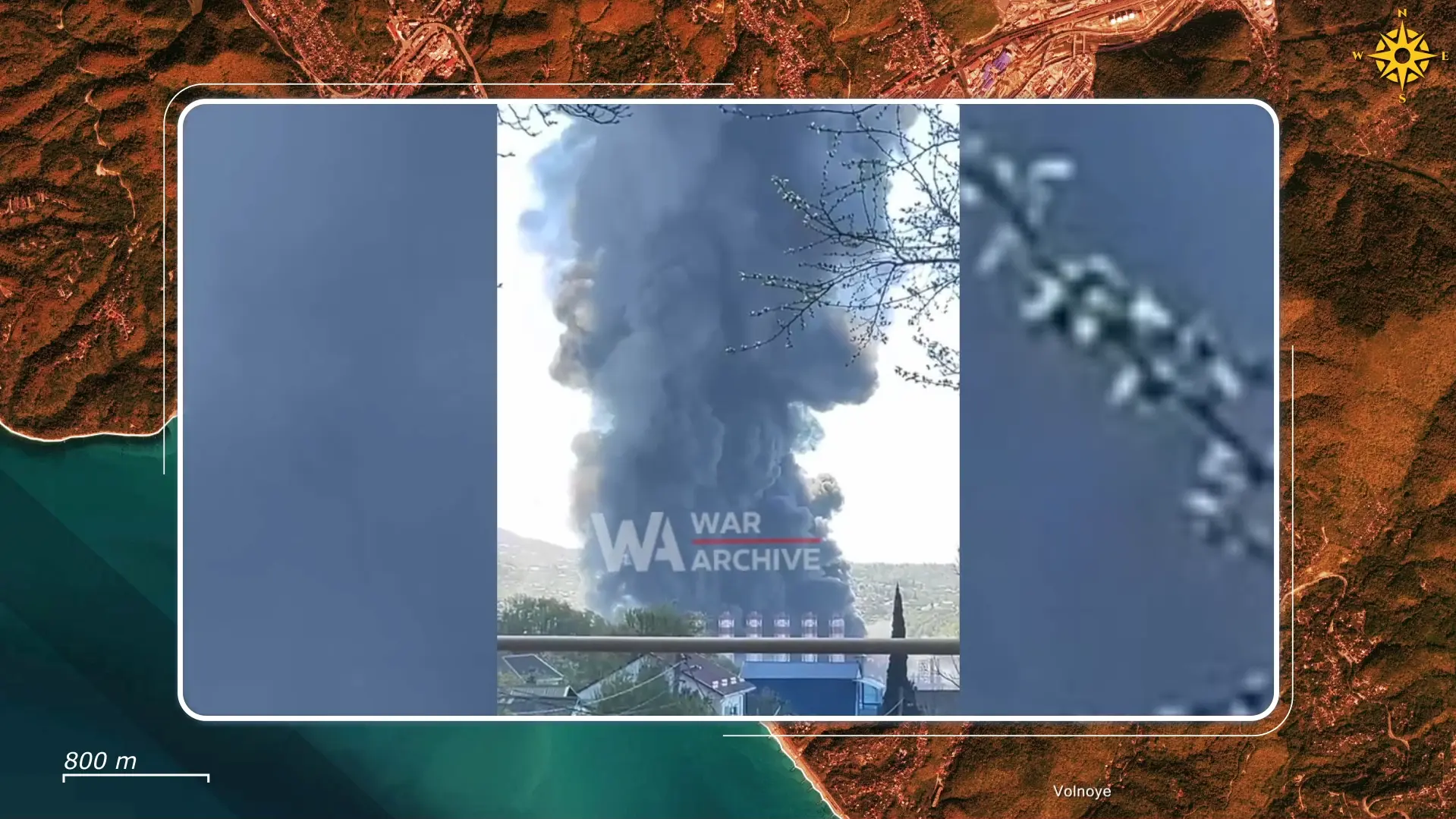
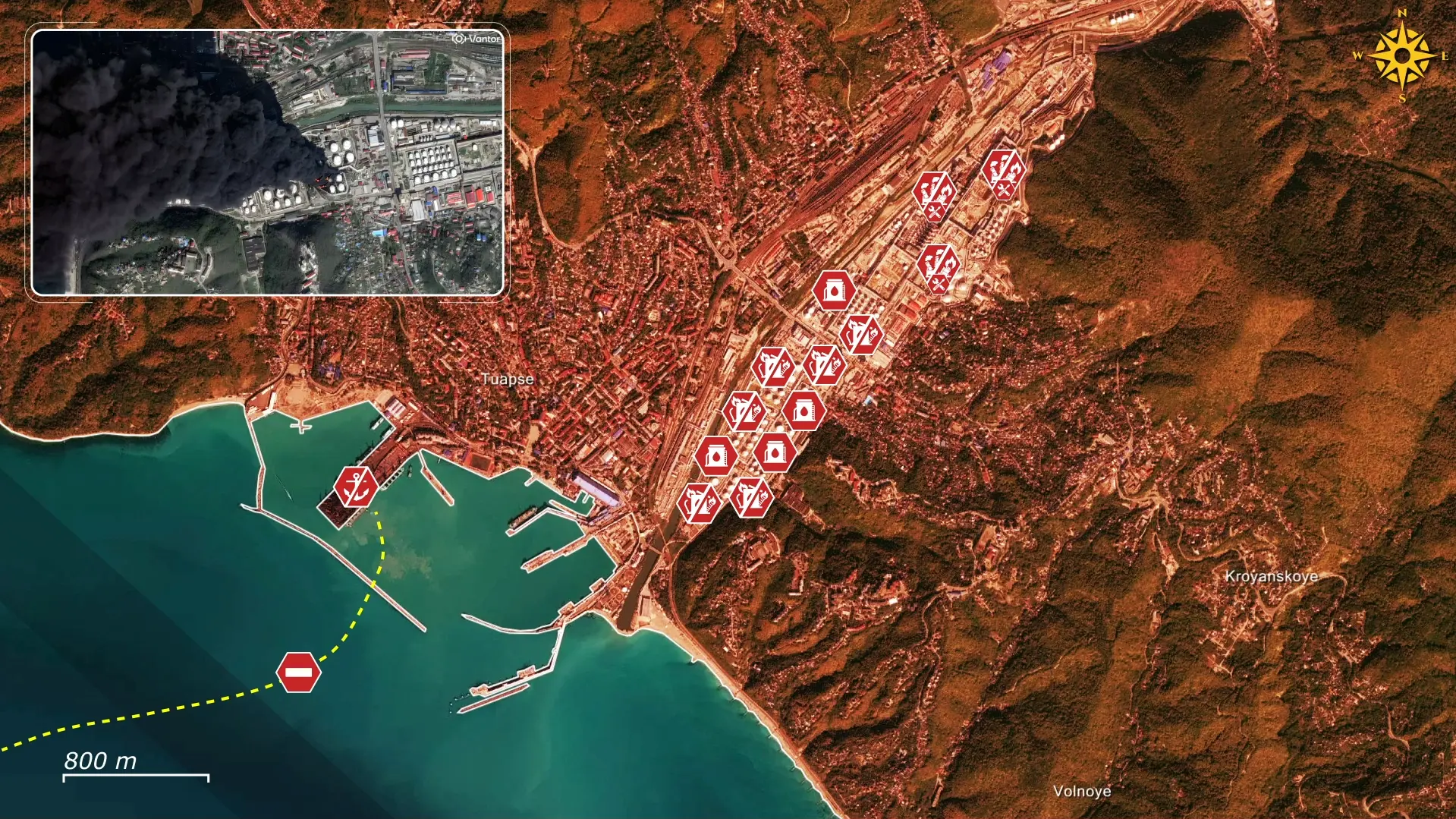
The Tuapse refinery is one of the largest in southern Russia and plays a major role in supplying fuel to both civilian markets and the Russian military. The oil tanks surrounding the facility were hit the hardest by the Ukrainian drones and suffered the most visible destruction. By the end of April, fifty two percent of the tanks were destroyed and nine percent damaged, immediately limiting the ability to store crude oil and manage supply flow. However, Ukrainian strikes have also targeted the parts of the facility that are hardest to replace and most essential for keeping the refinery running, such as the processing units. These units handle the core refining steps, and even minor damage forces shutdowns that take weeks or months to fix. This type of equipment is not only expensive but also very difficult to replace quickly, especially as Russia used to import advanced processing units and components from the West. The export terminal has been struck multiple times as well, as it is essential for moving refined products to the Black Sea. When it shuts down, Russia must either temporarily halt shipments or, if possible, reroute them, thereby increasing freight costs and logistical strain. The strikes also caused wider damage across the city, as the oil from the ruptured tanks flowed into the streets while the burning oil depots sent oil falling from the sky.
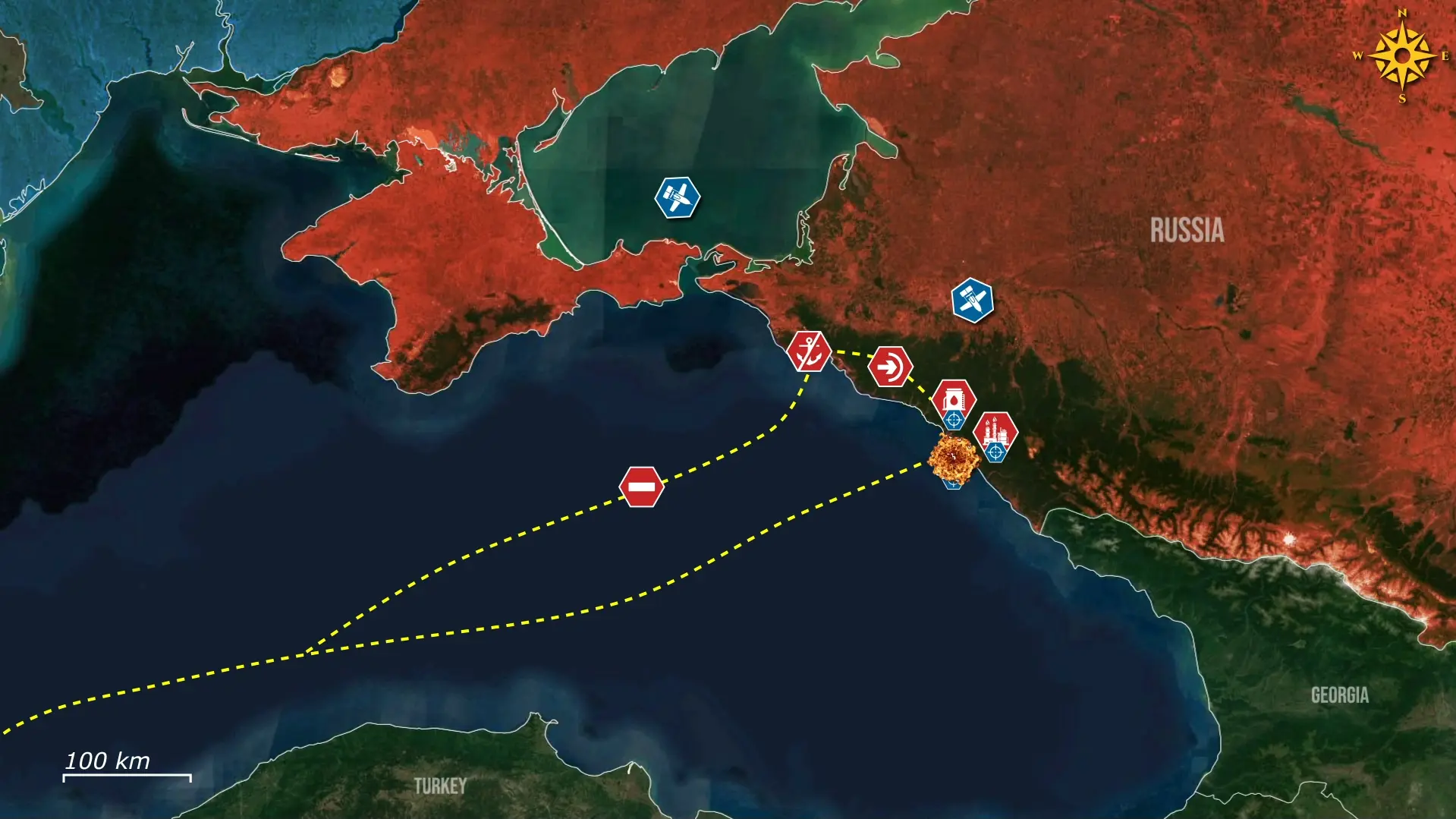
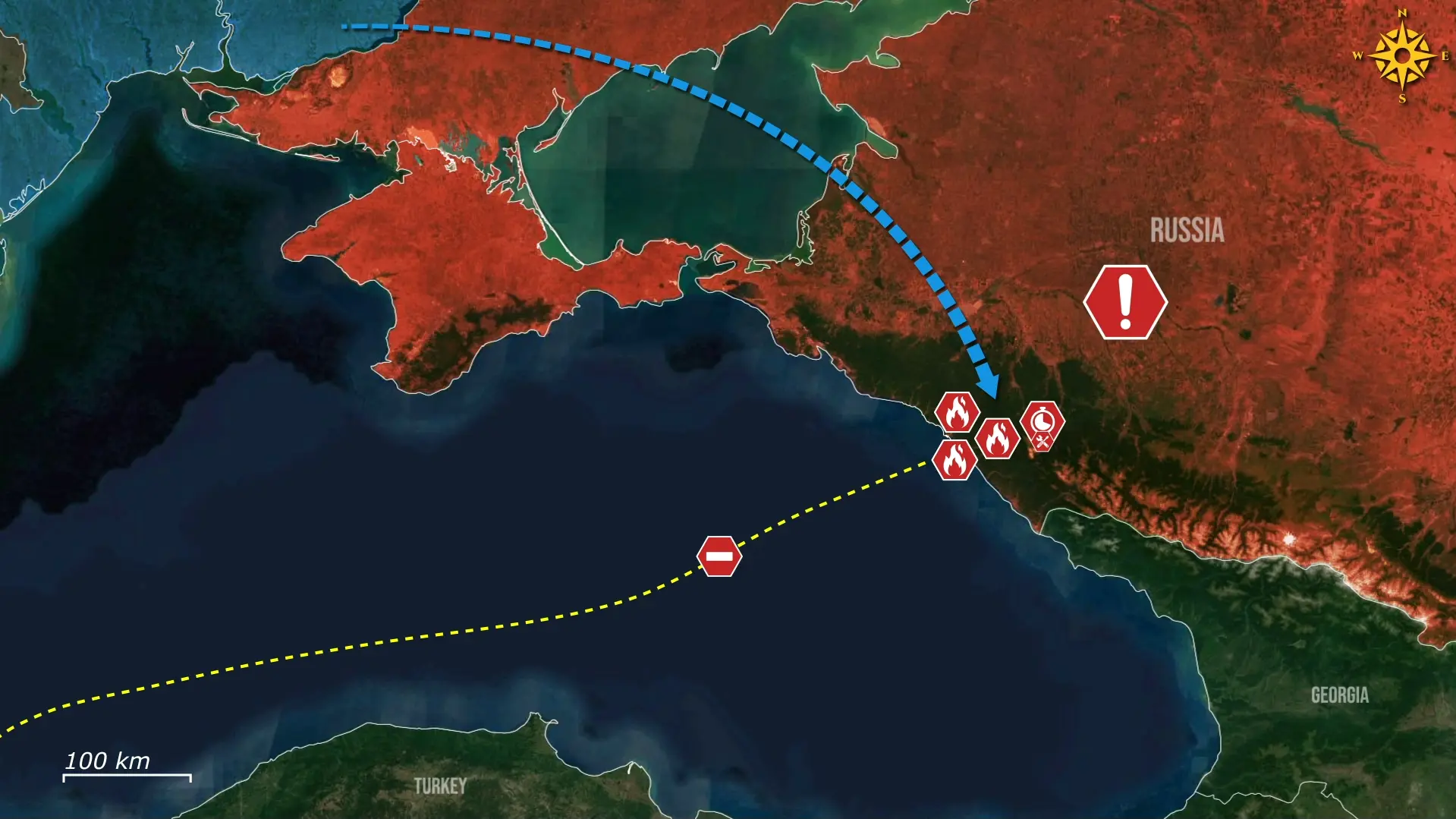
Ukraine is focusing its strikes on Tuapse because it is a strategic point that Russia cannot easily replace, providing fuel to military units and serving as an important oil export hub in the Black Sea. Tuapse became even more important after Russia shifted flows from Novorossiysk. In fact, a logistical issue had already emerged earlier for Russia when Ukraine struck the port city of Novorossiysk, forcing Russia to find an alternative export route. However, that decision concentrated oil logistics in the Black Sea at a single location, making Tuapse a priority target for Ukrainian strikes. With the Tuapse terminal repeatedly attacked, Russian oil export options are decreasing dramatically.
The strikes have already reduced Russia’s oil earnings, which Russia had hoped to increase after the oil crisis emerged from the closure of the Strait of Hormuz, prompting the Trump administration to temporarily lift the sanctions. However, Russia only earned an estimated four billion dollars from oil deals during the temporary lifting of sanctions by mid April, which could have instead been much higher without Ukrainian attacks on oil infrastructure. Tuapse’s repeated shutdowns also undermine Russia’s claims that the situation is under control. Ironically, Putin insisted in April that there were no serious threats to the refinery, yet the facility burned again days later.
Overall, the destruction in Tuapse shows how Ukraine has learned to apply steady and targeted pressure on Russia’s most valuable energy infrastructure. The damage already inflicted will take a long time to repair, and even a restored refinery would remain exposed as Ukrainian strike range and payload continue to grow. Russia now faces a shrinking map of usable Black Sea ports, and Tuapse was the fallback that kept its export system functioning after earlier losses. If this city continues to burn, Russia will struggle to keep its oil flowing outward, and the economic strain will deepen in ways it can no longer easily absorb.

.jpg)



Comments