

.svg)
Today, there is important news from the Kharkiv direction.
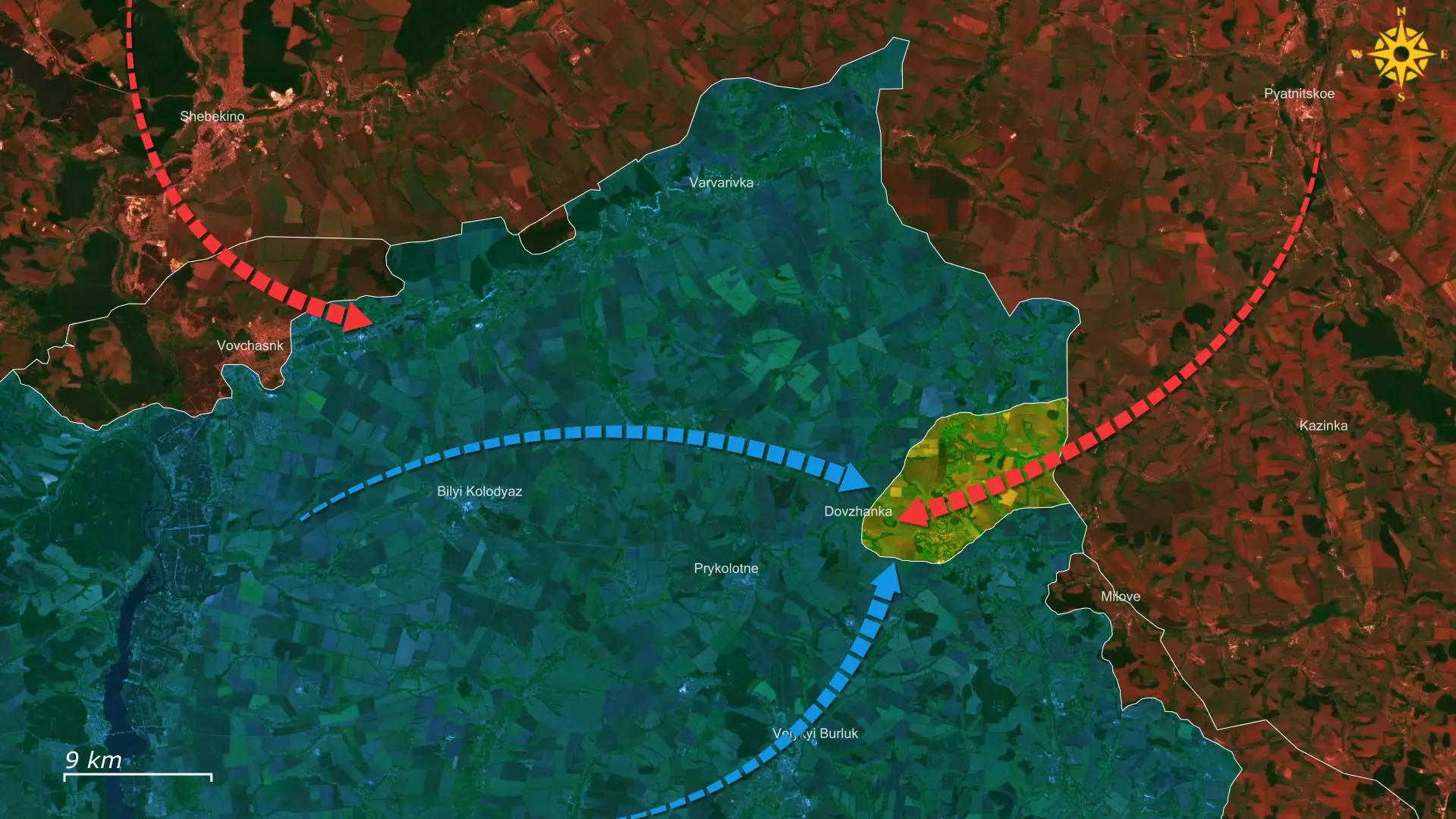
Here, Russia’s attempt to create a massive encirclement in the northeastern Kharkiv Region began falling apart after Ukrainian forces launched a series of counterattacks along its eastern flank.
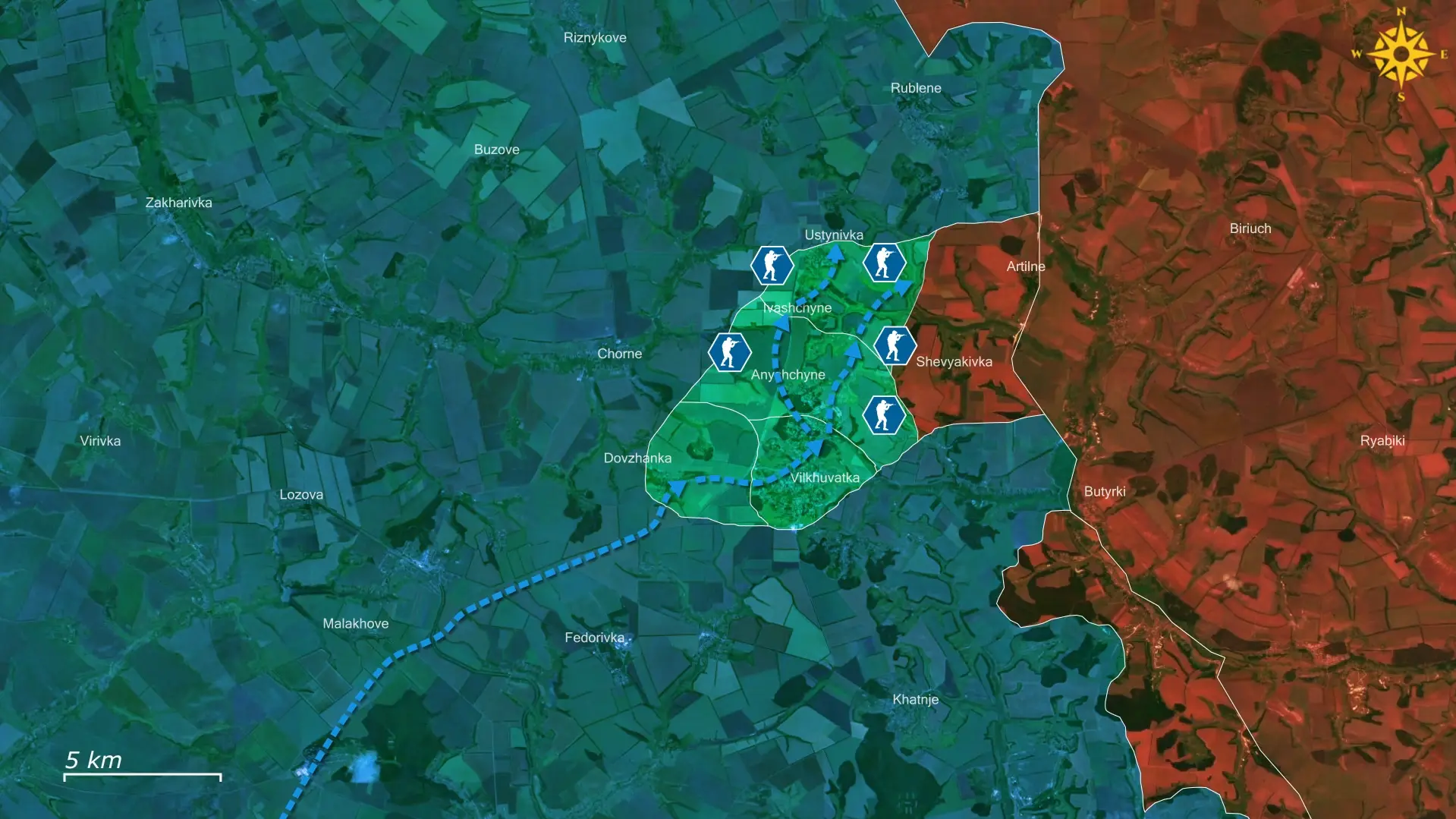
The main Ukrainian counterattack followed two weeks of stabilization operations designed to eliminate the danger created by Russian infiltrations across the border. The Russian army initially captured several small settlements, but Ukrainian reinforcements slowed the penetration before assault groups began systematically clearing enemy positions.
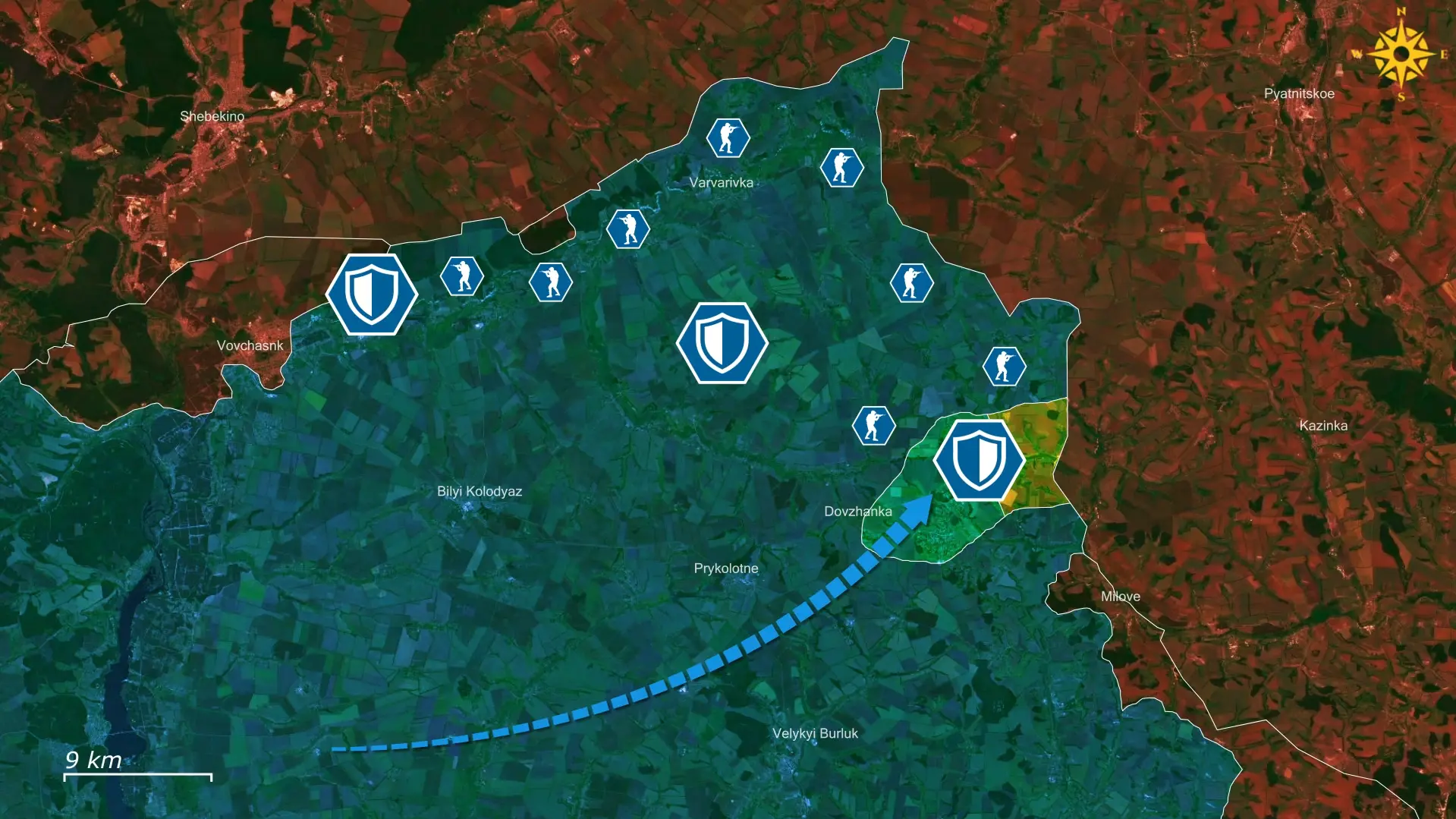
Ukrainian troops started by fully clearing of Russian infiltrators the village of Dovzhanka, with the success subsequently confirmed by satellite imagery. After Dovzhanka, Ukrainian forces recaptured Vilkhuvatka before counterattacking around Anishchine. From there, the Ukrainian units started building up, and Ukrainian advances have been reported around the next settlement in the area Ivashkine. Ukrainian troops cleared fields to the east and subsequently moved against the settlement, which they recaptured, with fighting then shifting toward Ustinivka, while Ukrainian groups secured additional positions east of the settlement.
Russia responded aggressively, and while unable to maintain its earlier momentum on the ground, the local Russian command requested extensive air support. Dozens of glide bombs were dropped against recently recaptured villages and suspected Ukrainian deployment areas farther west. Nevertheless, Ukrainian assault groups continued operating and expanding their positions.
The significance becomes clearer when considering what Russia originally intended, as in late July, Russian forces launched a two-pronged operation from the east and west designed to envelop approximately four-hundred-and-thirty square kilometers of Ukrainian-held territory along the border. Russian infiltrators penetrated several villages and attempted to push toward Prikolotne, the crucial logistical hub supporting Ukrainian troops inside the threatened area.
Capturing Prikolotne could have transformed those infiltrations into an operational encirclement, as Russian forces approaching from both directions could potentially have severed Ukrainian supply routes, trapping defenders farther north while simultaneously turning Prikolotne into a staging point for deeper attacks into Kharkiv Region.
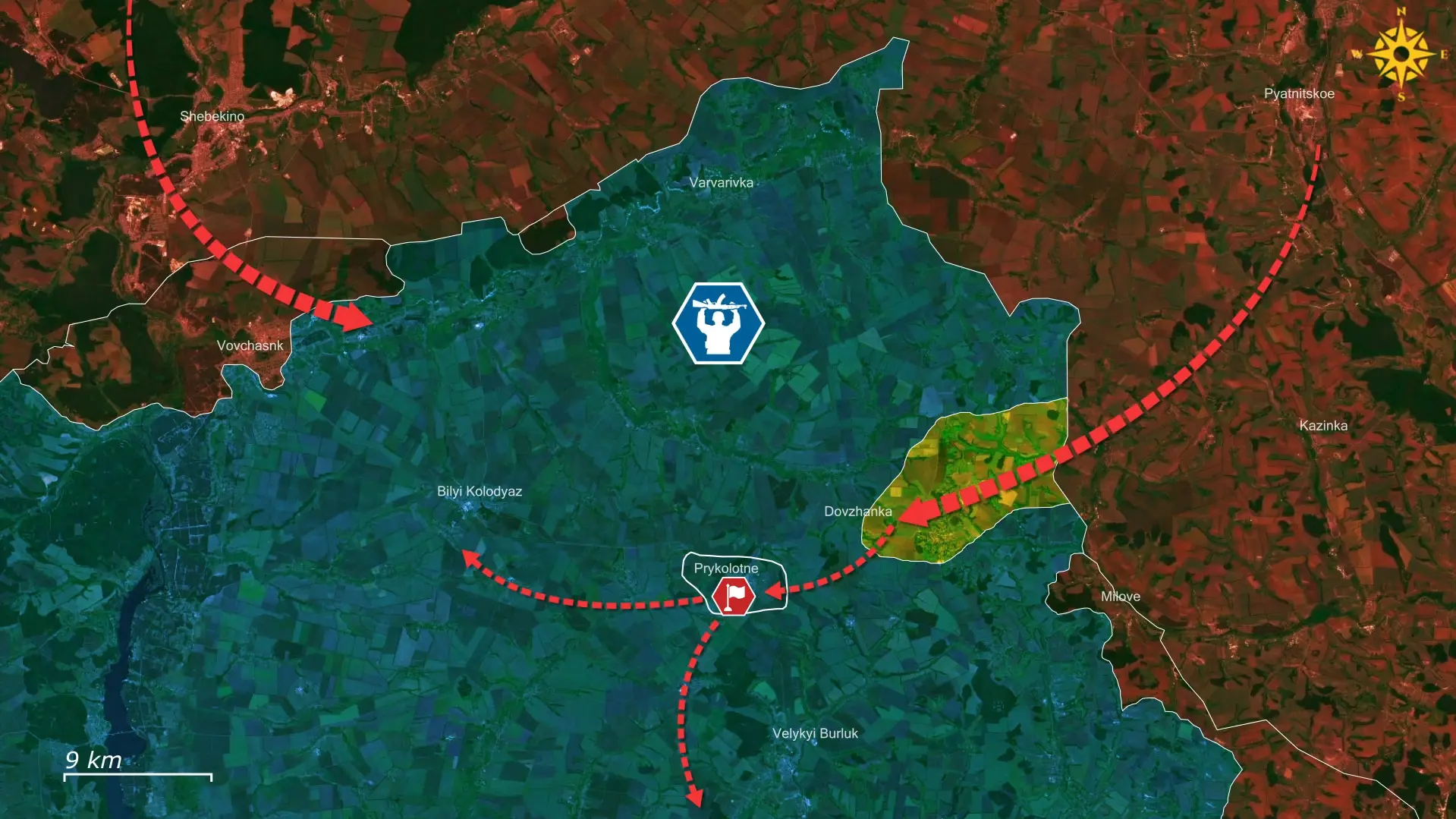
However, Ukraine reinforced the threatened flank before Russia could consolidate its breakthroughs and it has consequently been pushed backward toward the border. Dovzhanka is confirmed back under Ukrainian control, additional settlements have reportedly been cleared, and fighting continues farther east.
Russian glide bombs have complicated Ukrainian counterattacks without stopping them. Infantry operating inside villages can reduce their exposure by sheltering in basements and hardened positions during bombardments before emerging afterward. More importantly, heavy bombing does not automatically translate into accurate battlefield effects.
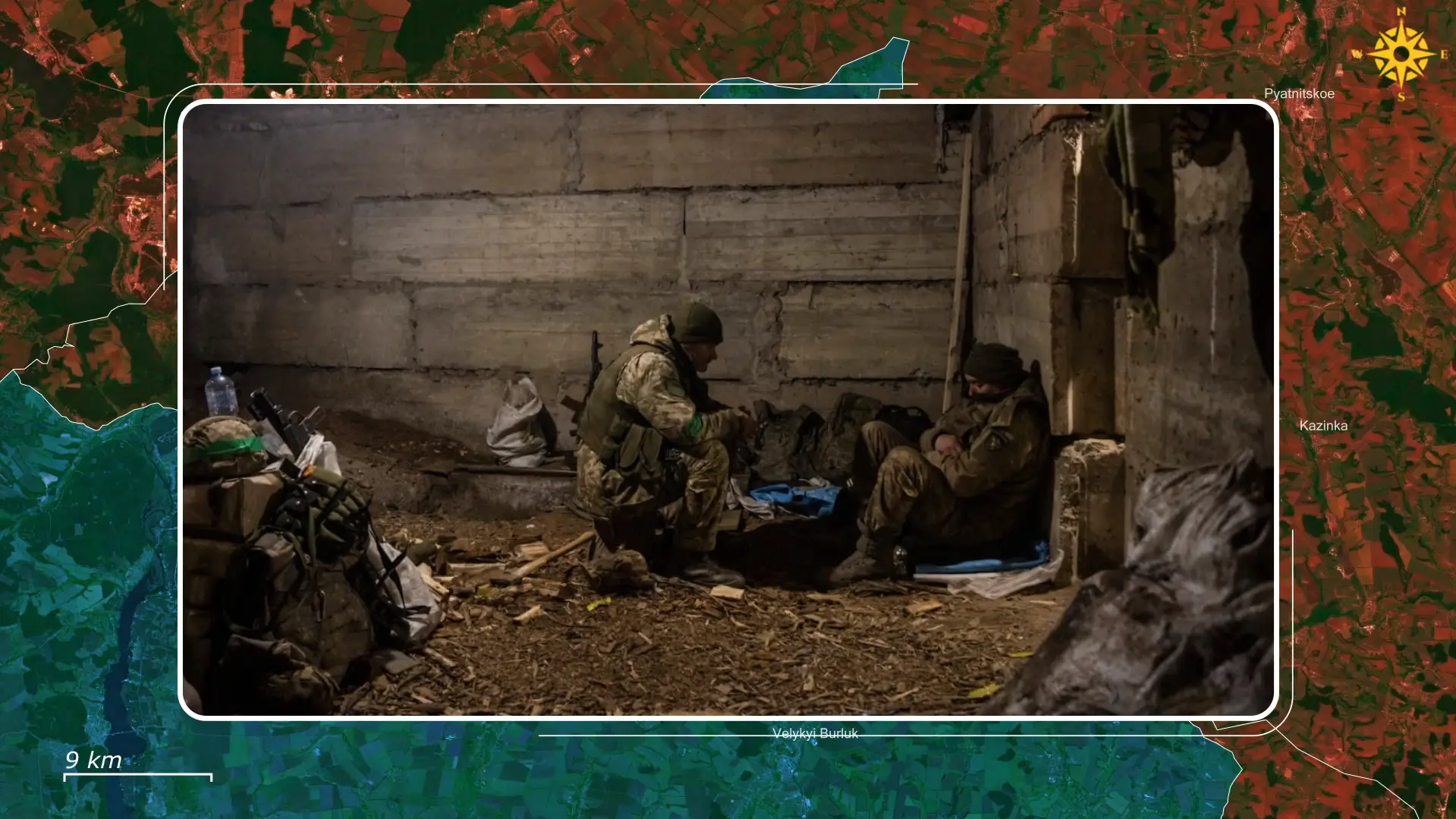
Russian forces themselves have repeatedly complained about inaccurate strikes, and bombs dropped against rough deployment areas cannot replace reconnaissance capable of establishing precisely where Ukrainian assault groups are located.
This creates another problem for the Russians, as they can bombard settlements after losing them, but doing so does not restore control. Ukrainian infantry can disperse, shelter and then continue clearing operations once the strikes finish, while Russian troops must physically return if their command wants to recapture the ground.
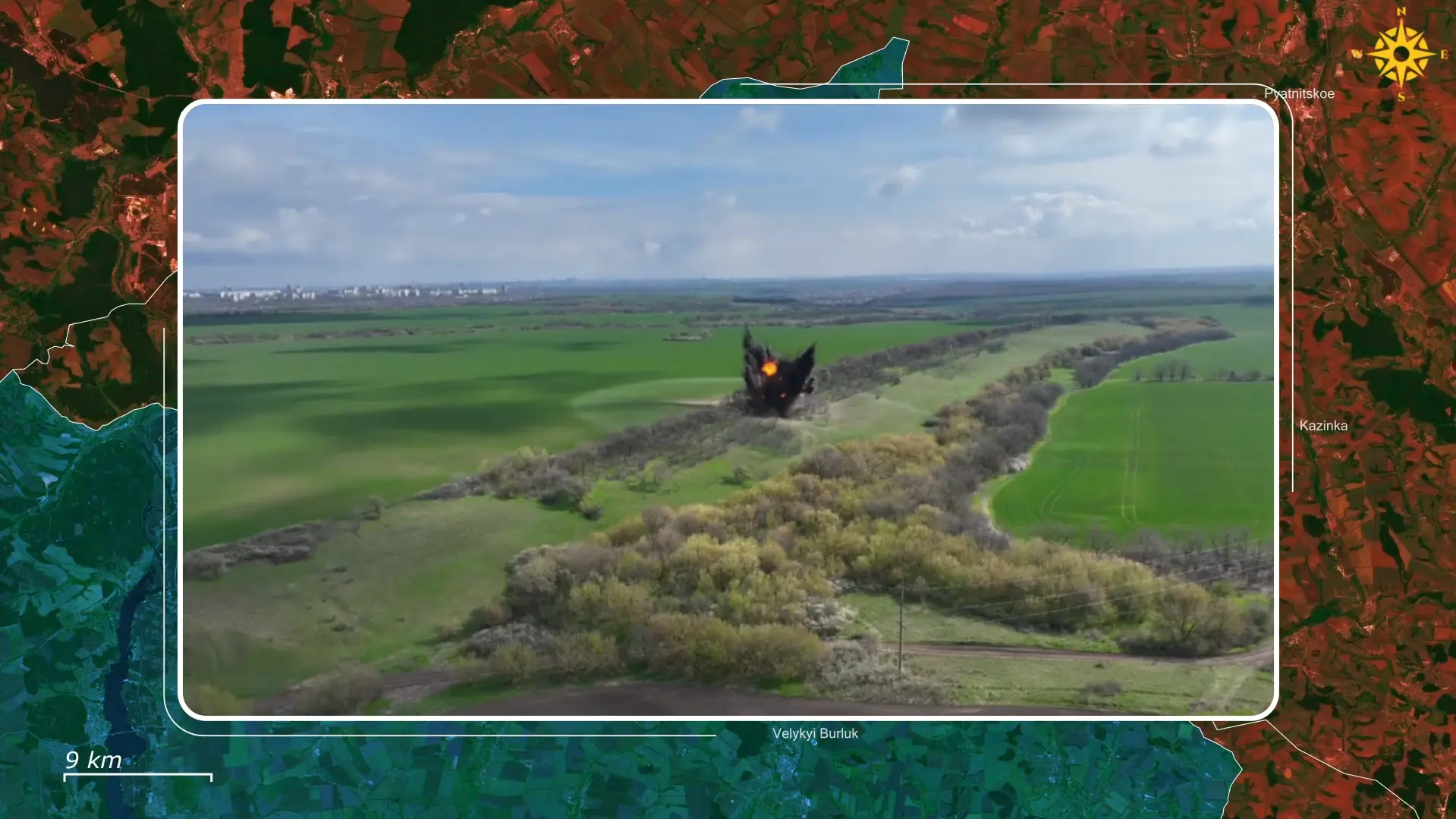
Overall, Russia attempted to exploit infiltration tactics to stretch Ukrainian defenses, seize Prikolotne, and close a large pocket around Ukrainian forces near the border. Instead, Ukrainian commanders rapidly introduced reinforcements, stabilized the penetration, and transitioned into localized counterattacks before the two Russian pincers could connect. What was intended to become a major Russian breakthrough therefore ended as another failed infiltration operation, as Ukraine did not wait for the pocket to close, but attacked the vulnerable flank and restored a more coherent frontline.
.jpg)

Comments