

.svg)
Today, the biggest news comes from the Russian Federation.
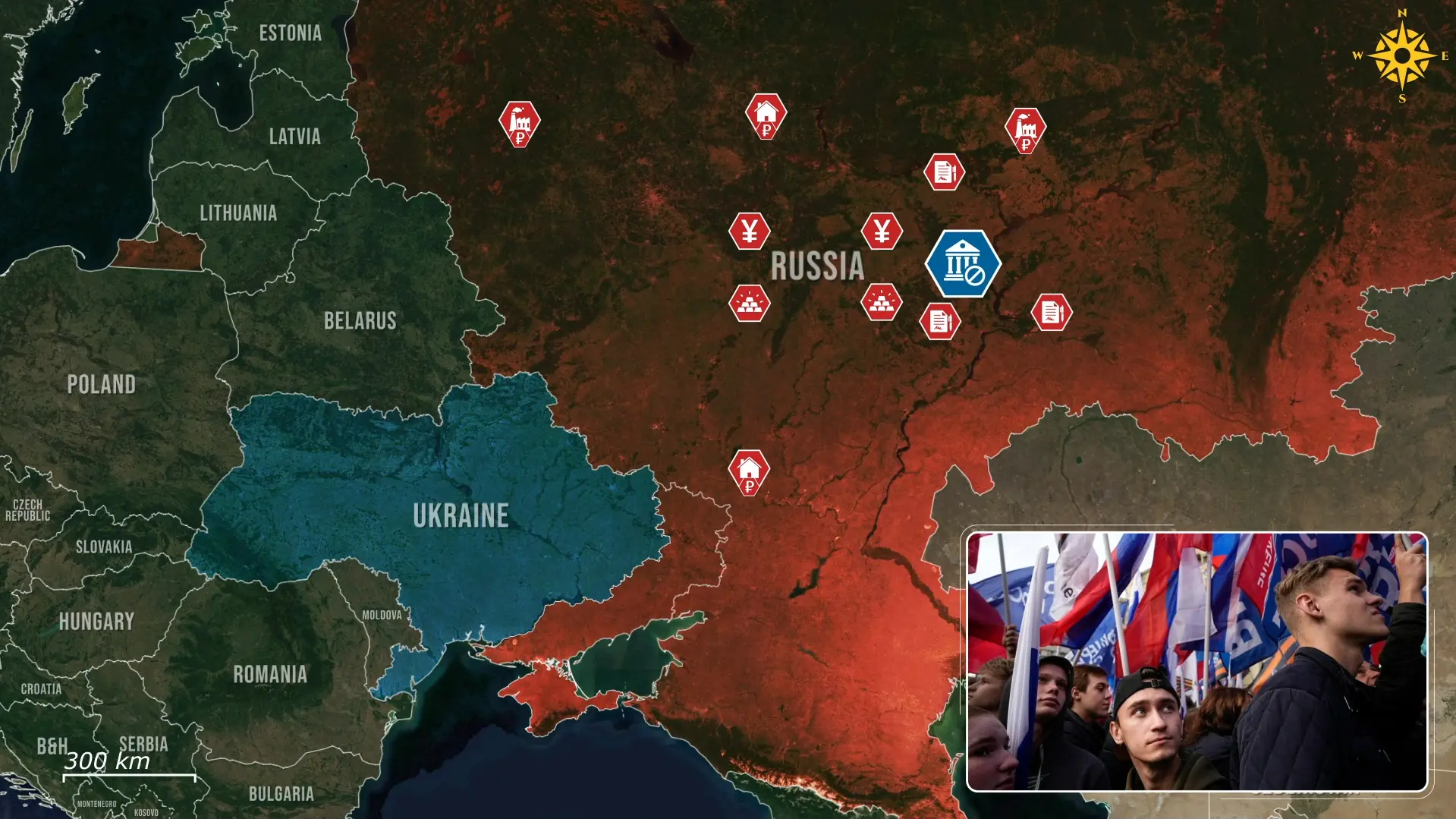
Here, Russia’s financial losses have finally crossed the critical level, which forced the government to shake their fragile economy with the unthinkable measures and raise taxes to be able to fund the war. However, the Russian population was clearly not ready for such drastic changes, resulting in a start reversal in the support of the war in Ukraine.
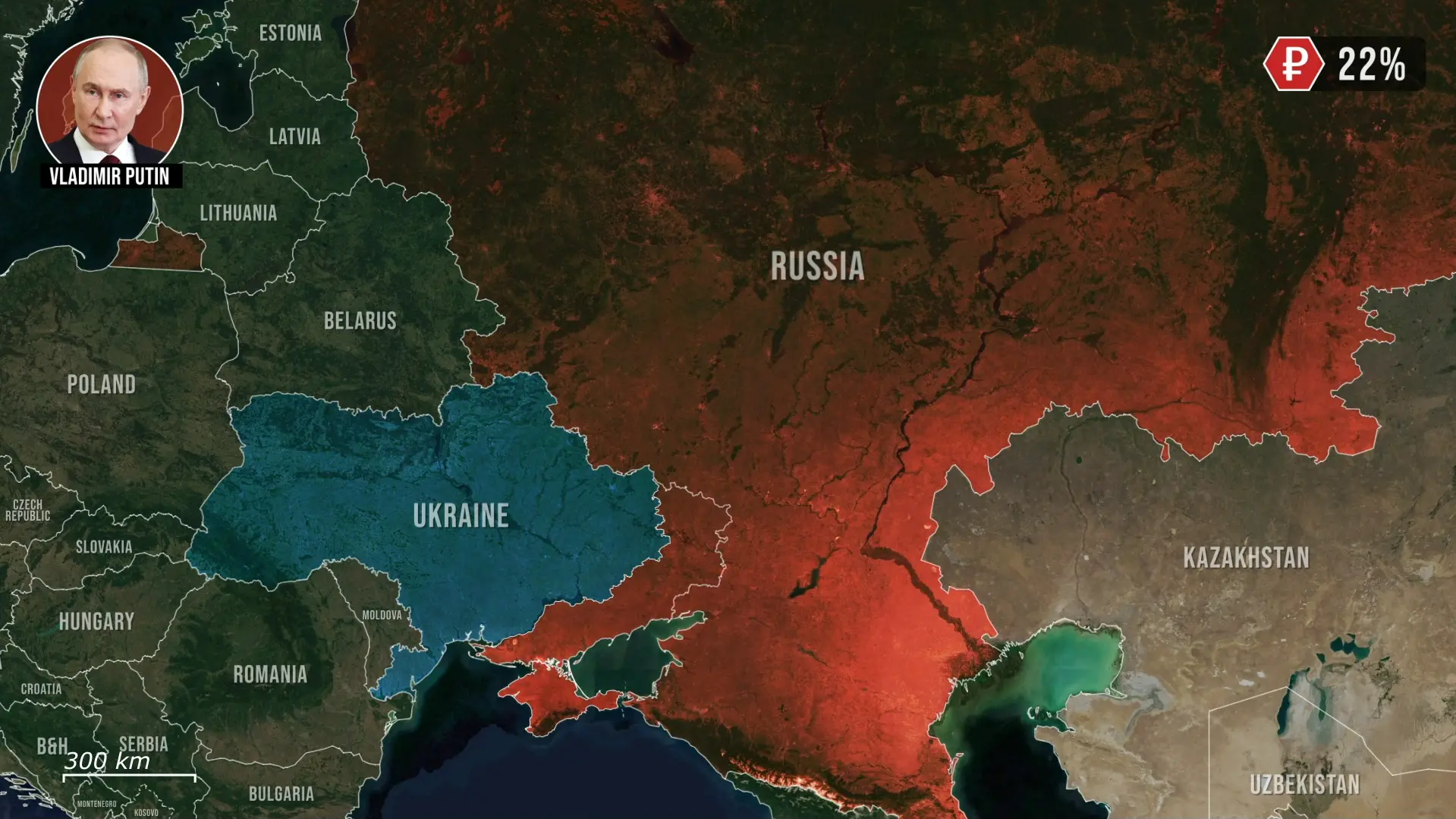
Recently, President Vladimir Putin signed a shocking tax reform that increased Russia’s value-added tax from to 22 percent. The goal is to help offset a growing budget deficit, which reached the full year target of 1.6 percent of gross domestic product already in February, driven by rising military spending and declining oil and gas revenues under Western sanctions.
The reform also expands VAT coverage to smaller businesses as the annual revenue threshold for mandatory registration will be reduced from 740,000 dollars to 120,000 dollars, bringing more companies into the tax system.
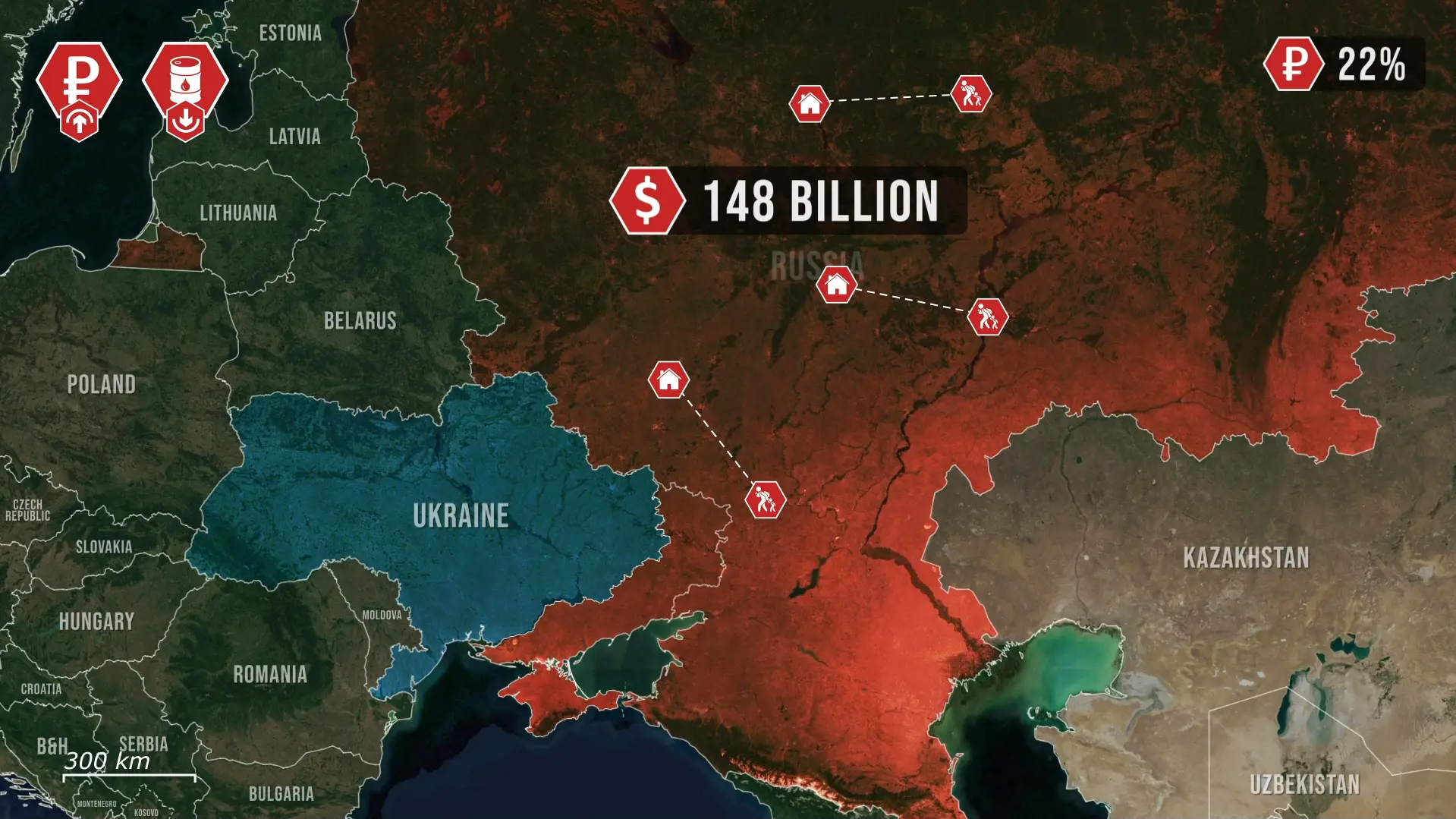
As a result, many businesses plan to pass the higher tax burden on to consumers, already facing pressure from inflation linked to wartime economic conditions. Economists expect the VAT increase to contribute to a moderate inflation uptick once implemented, as it remains a key pillar of government revenue, generating 148 billion dollars, accounting for over 38 percent of total federal income.
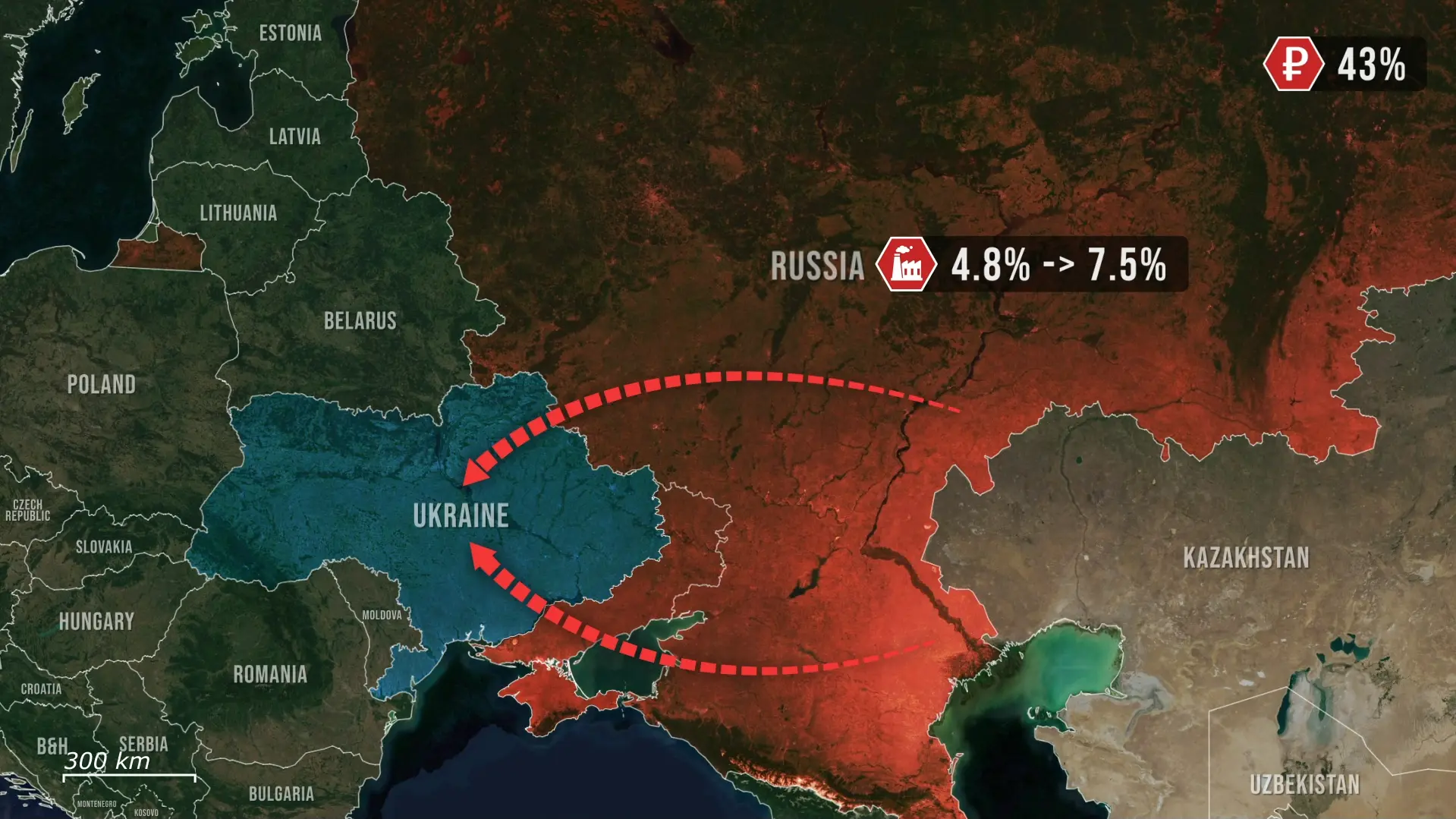
The tax increase comes in response to a sharp surge in military spending over the past four years, as it accounted for about 4.8 percent of GDP in 2022, rising to roughly 7.5 percent by 2025, which is around 180 billion dollars. By 2025, defense-related expenses made up 43 percent of total federal budget spending, indicating that Russia is spending increasingly more on the war, while its revenues are declining.
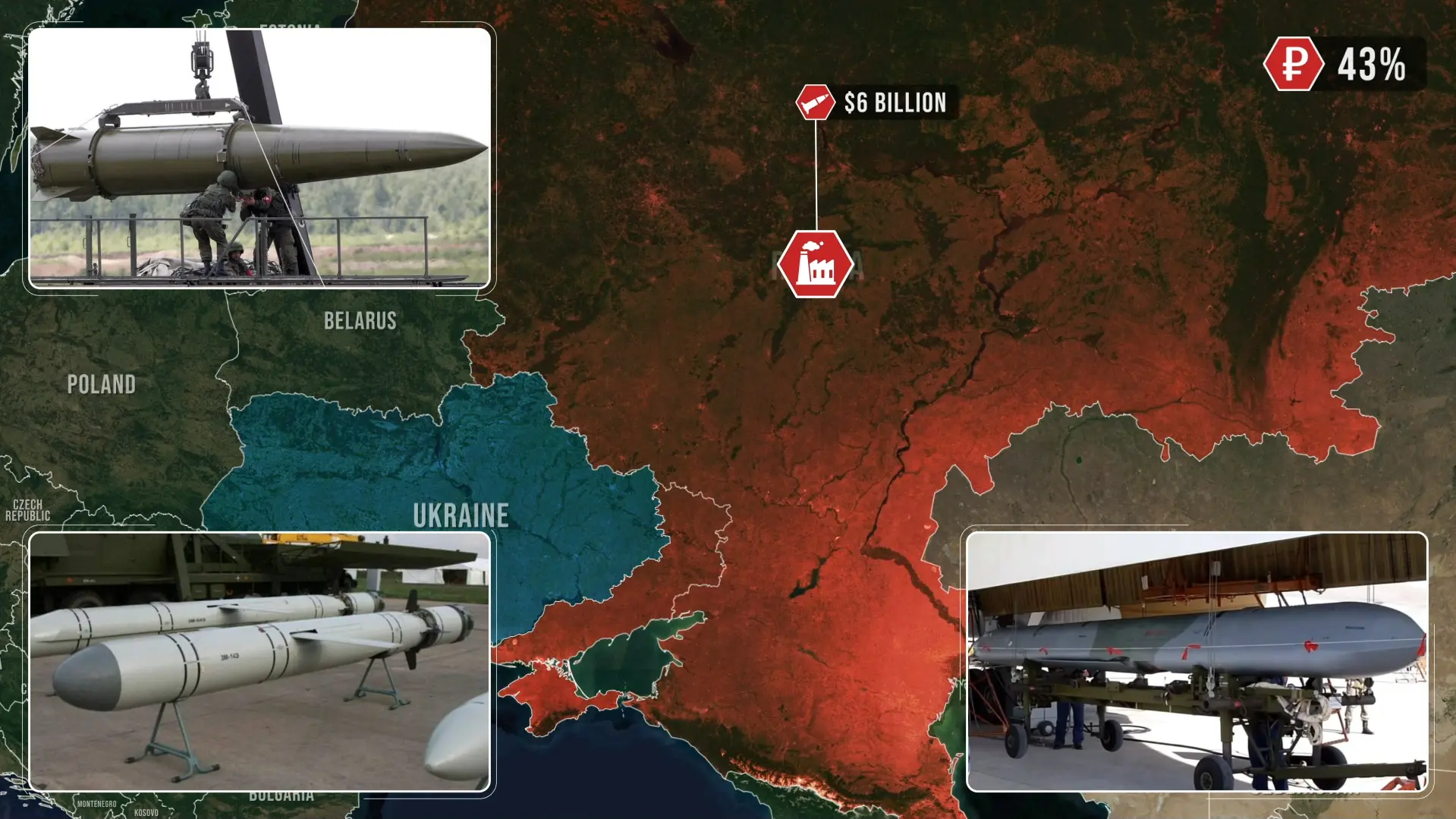
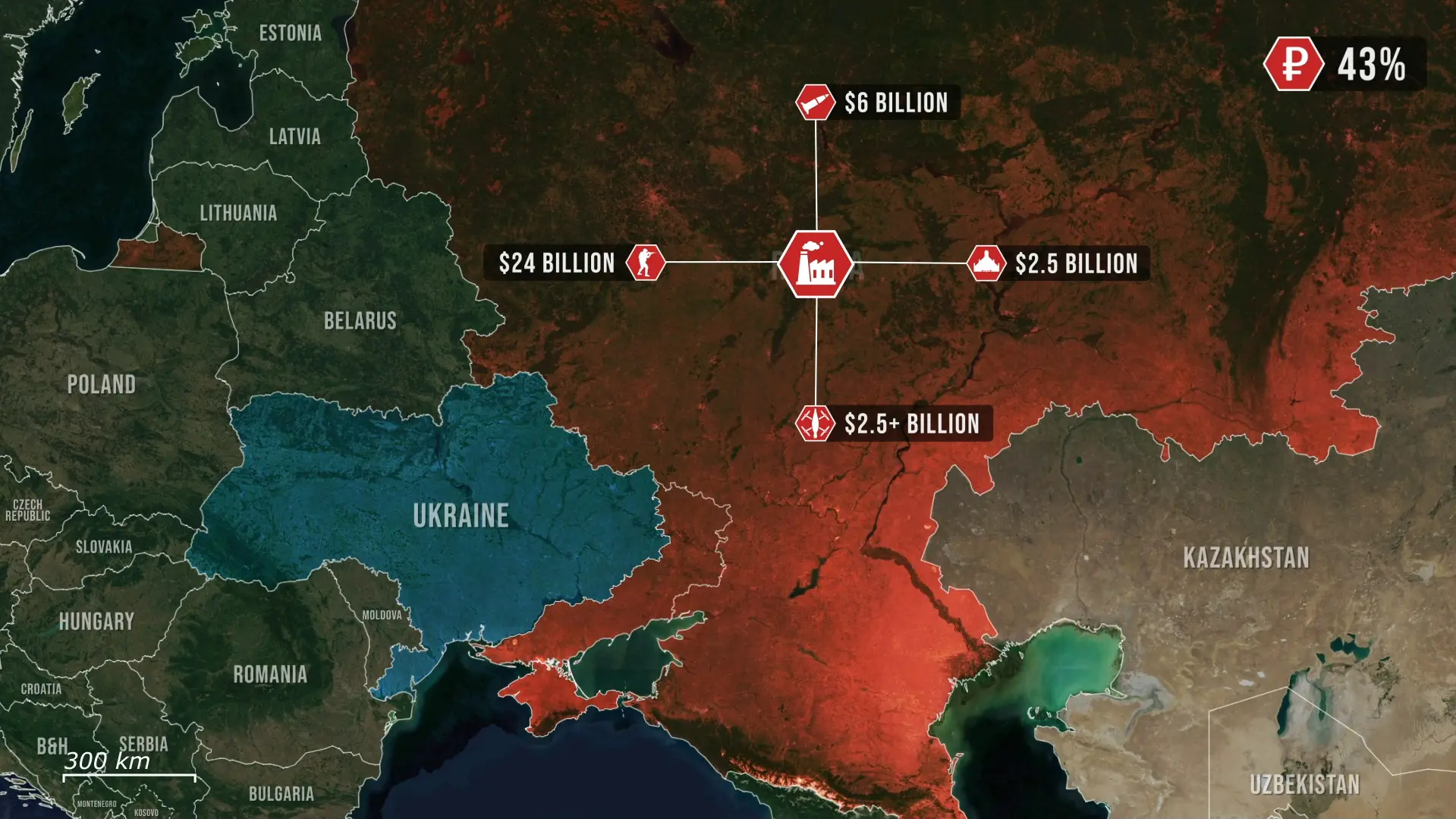
From 2024 to 2027, the Russian Ministry of Defense plans to order 700 Kha-101 missiles and 450 Kalibr missiles, hundreds of Iskander and Kinzhal missiles, with the overall cost reaching up to 6 billion dollars.
Russia also produces approximately 60,000 to 80,000 Shahed drones per year, costing up to 2.5 billion dollars. Spending on other drones is not publicly disclosed, though estimates place it in the range of several billion. War-related personnel costs for the Russian army reached about 24 billion dollars in the first half of 2025, underlining how much Russia must spend just to maintain the intensity of the war, despite the lack of any results.
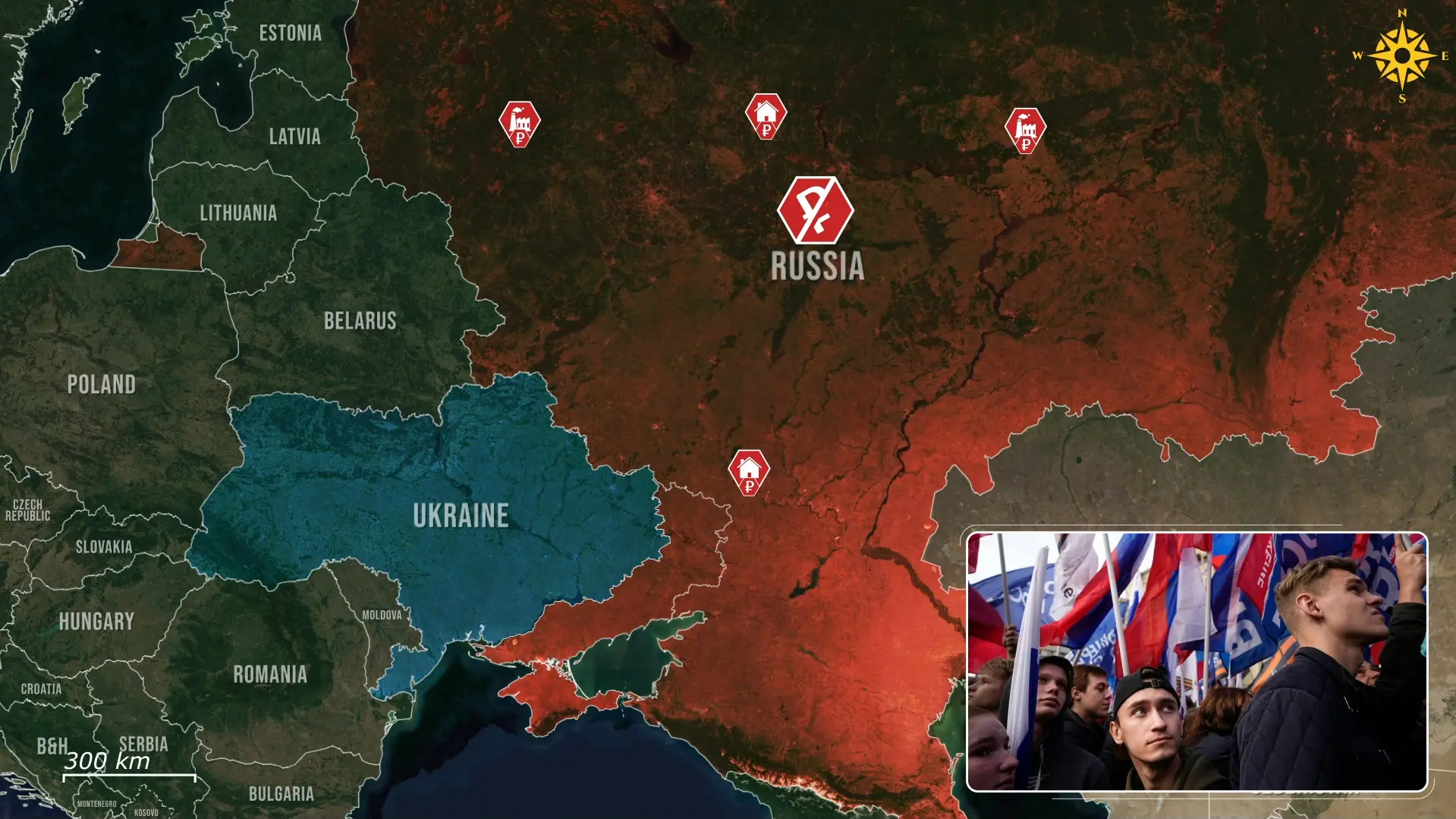
All these costs have now exceeded sustainable revenues, pushing the Kremlin to extract money directly from citizens and businesses. To bridge widening deficits, the government raised VAT and estimates this will bring in over 12 billion dollars in additional revenue for the 2026 budget, but this increases the cost of goods and services. With planned increases in corporate taxes, which put pressure on businesses, and personal income taxes, which reduce household disposable income, this effectively shifts the burden onto ordinary Russians.
The country's liquid reserves in the National Wealth Fund have been nearly depleted, shrinking from over 180 billion dollars pre-war to around 35 billion by late 2025, with much of the remainder in gold or yuan, and analysts warning it could run dry by mid-2026 without higher oil prices. International sanctions have closed off foreign borrowing, leaving the state reliant on domestic debt issuance at high interest rates because foreign countries are reluctant to lend to Russia.
As ordinary citizens are now paying even a bigger price for Putin’s war, support for ending it rises significantly. According to a shocking poll by Bild, up to 70 percent of Russians now favor ending the war in Ukraine, the highest level recorded since 2022, and a 6 percent increase from last month. This trend suggests that the economic consequences of the war are increasingly being felt across society, with rising military expenditures and their spillover effects on inflation, taxation, and living standards translating into growing public dissatisfaction, which raises pressure on the Kremlin.
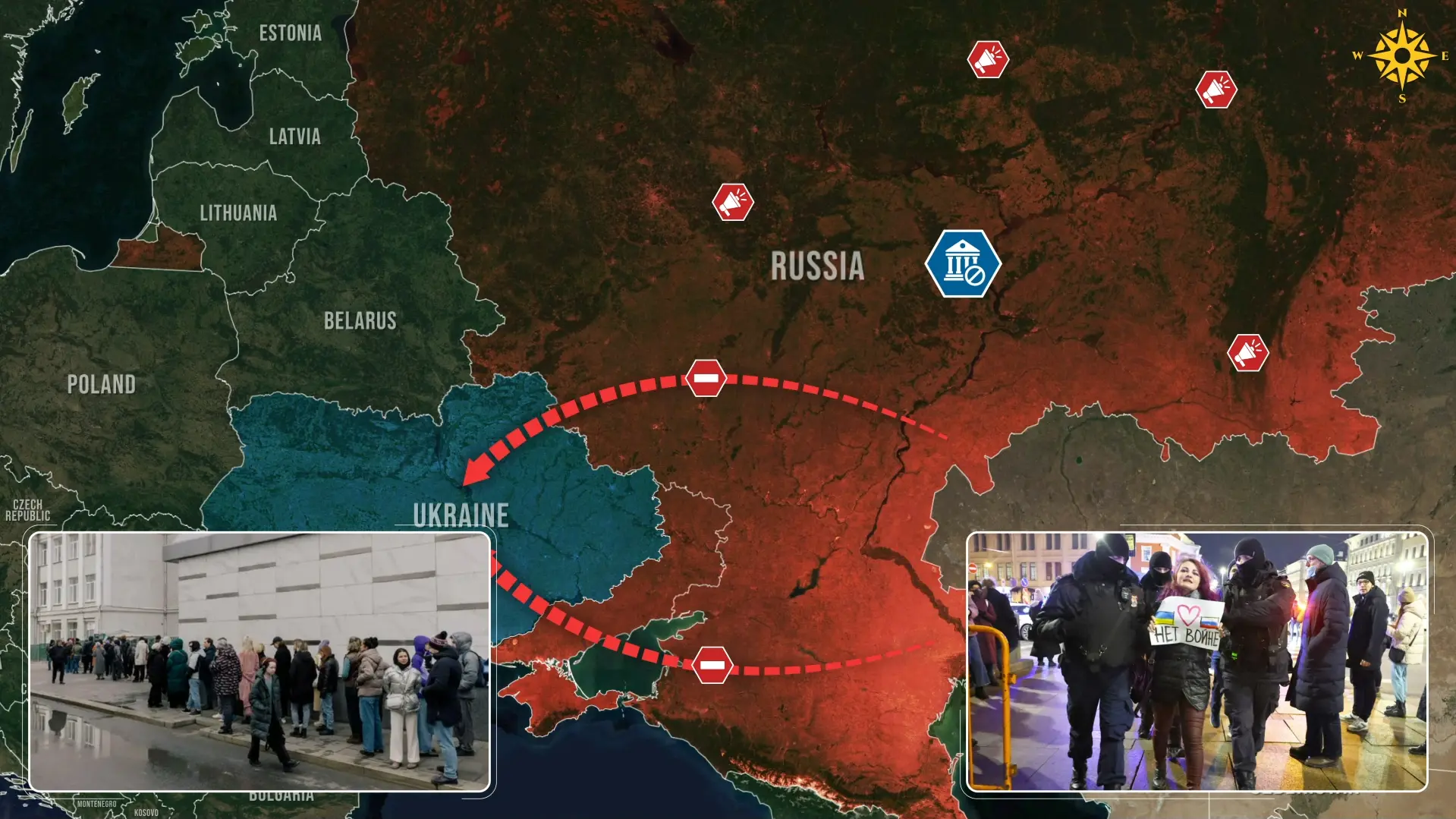
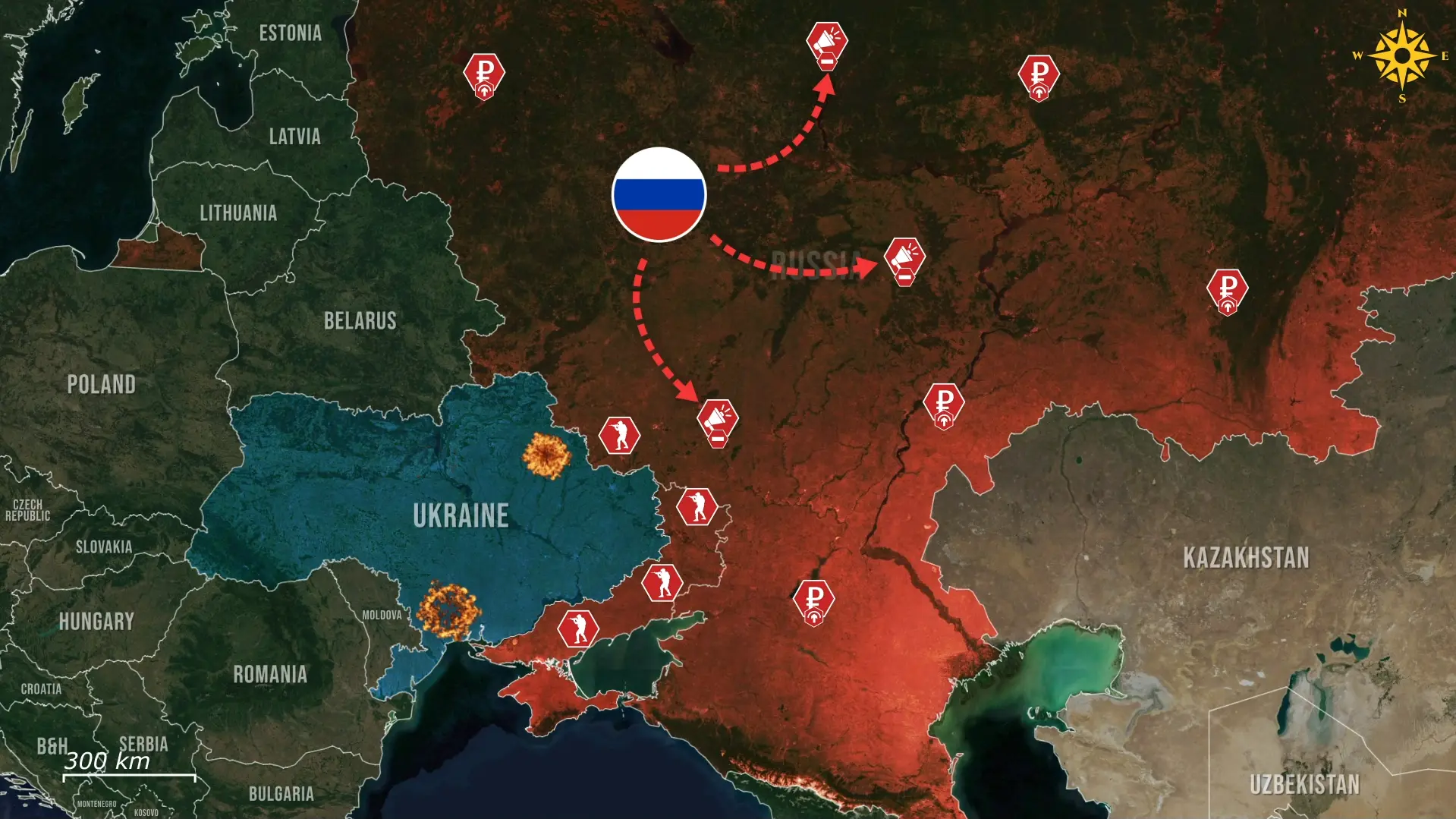
Overall, Russia's expenses for the war are rising, which means additional tax raises are expected as other revenue streams run low. However, the tax burden cannot be raised indefinitely, which will force Russia to change course over time or look for a way to suppress the anger of its population. Despite growing tensions, the Kremlin has decided to continue fighting in Ukraine at any cost, so revenues will have to be increased, and ordinary Russians will most likely be those who will have to pay the price.

.jpg)

Comments