

.svg)
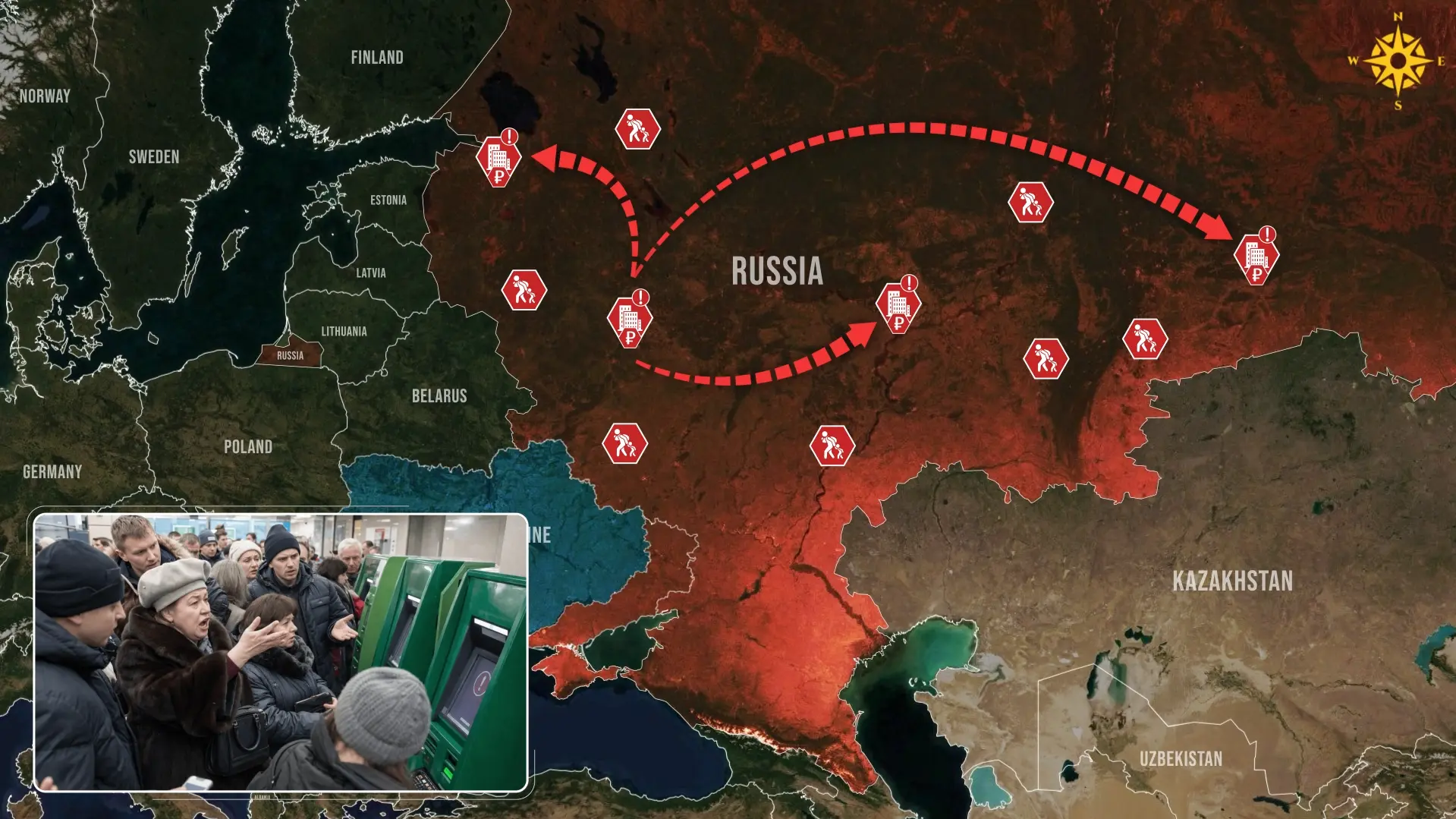
By now, Russians have withdrawn more than fifteen billion dollars from banks as more households moved to protect their savings against the possibility that Russia could lose the war and face a deeper economic crisis. Russian households entered two-thousand-twenty-six with tens of trillions of rubles still stored inside the banking system after years of strong deposit growth. According to the Bank of Russia, household deposits grew by more than nine trillion rubles during two-thousand-twenty-five, while by the first quarter of two-thousand-twenty-six net deposit transactions had already turned slightly negative. Now, Russians are pulling more money out as cash, adding pressure on bank liquidity at the same time that weak demand has made it harder for the Finance Ministry to raise funds through government bond sales.
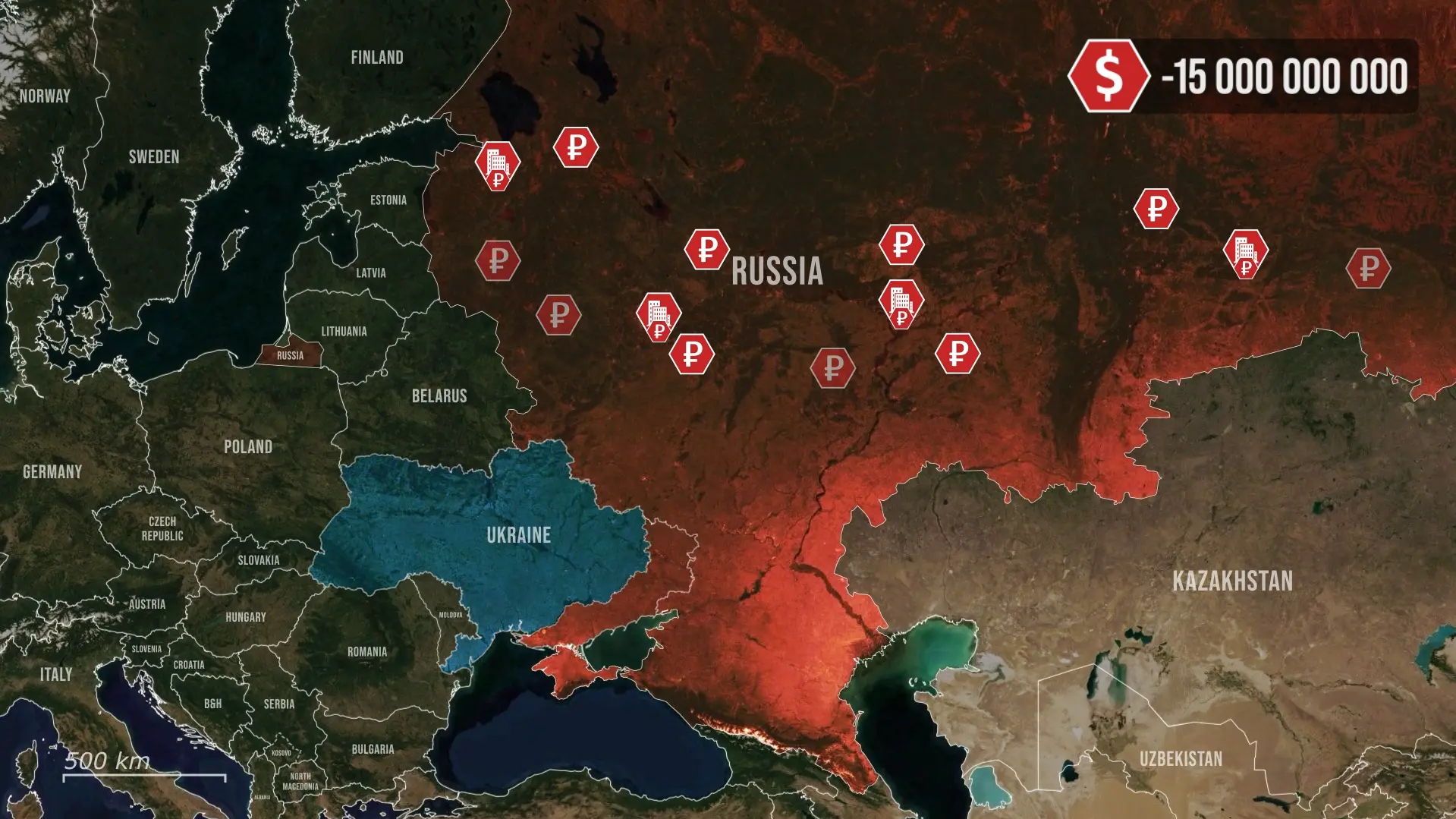
For years, Russians had been putting more of their savings into banks, with ruble deposits rising by more than twenty six percent in two thousand twenty three and another thirty one percent in two thousand-twenty-four. Keeping wealth inside the banking system had become the normal choice, so the move back toward cash and hard currency marks a clear change in how households protect their savings. That behavior goes back to the economic trauma of the nineteen nineties, when inflation, currency collapse, and banking crises destroyed savings and taught many Russians that money inside the bank could become inaccessible or lose value quickly. Physical cash keeps savings immediately available, while dollars provide protection if the ruble weakens sharply. Some Russians are falling back on crisis era habits, preparing their savings for a time when banks or the ruble may no longer be able to protect what they have.
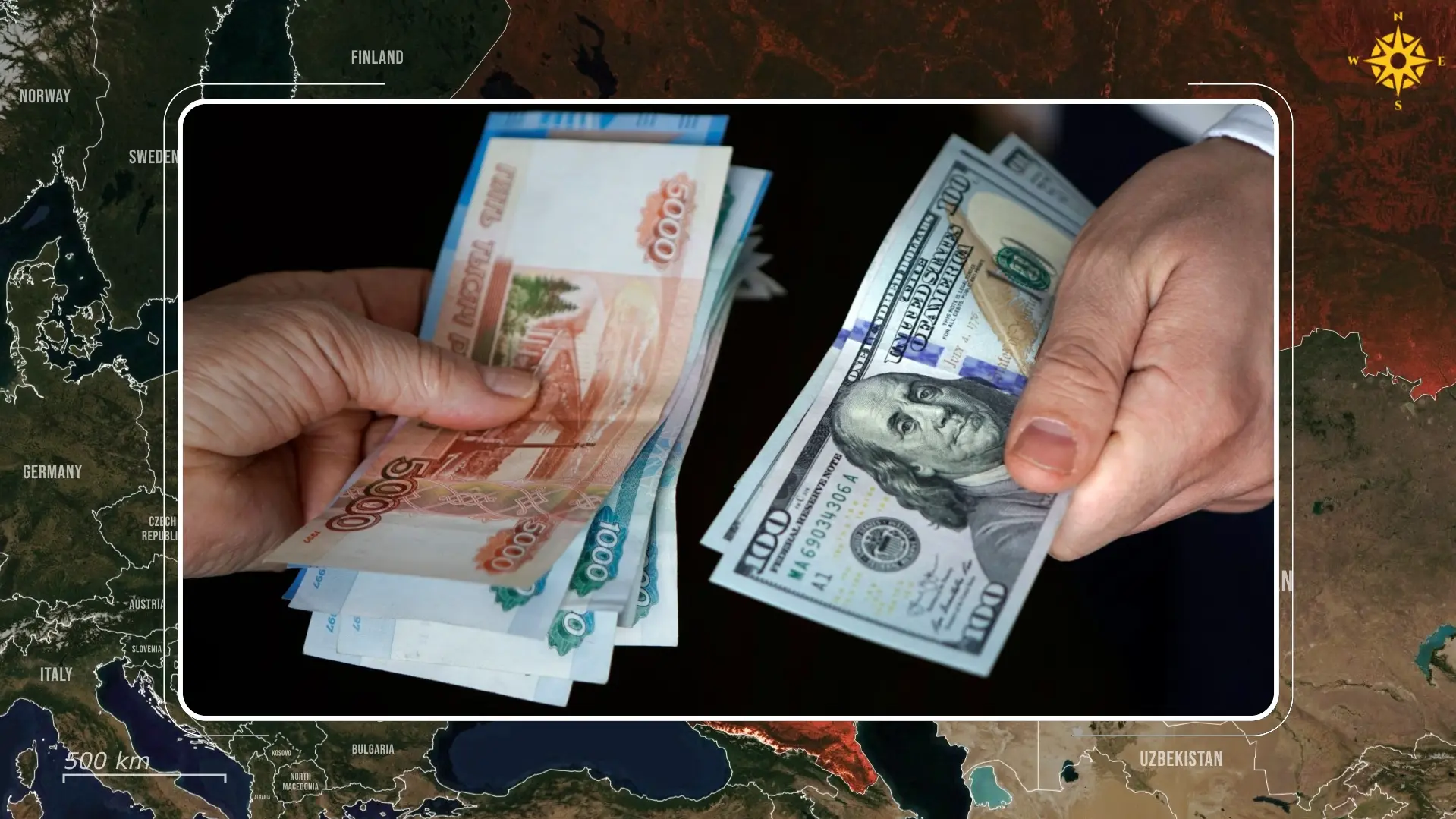
The shift in how Russians are protecting their savings suggests that some households doubt that Russia will prevail in the war. Instead of keeping their savings inside the banking system, they are moving more money into physical cash and foreign currency as protection against a worse future. In July, the Bank of Russia found that households expected prices to rise by fourteen point seven percent over the following year, up from twelve point four percent in June, while households said the inflation they personally experienced in June was fourteen point two percent. Together with the growing withdrawals from banks, those expectations point to households preparing for prolonged economic instability. For some Russians, that preparation extends to the worst-case scenario of Russia losing the war and the economy deteriorating sharply.
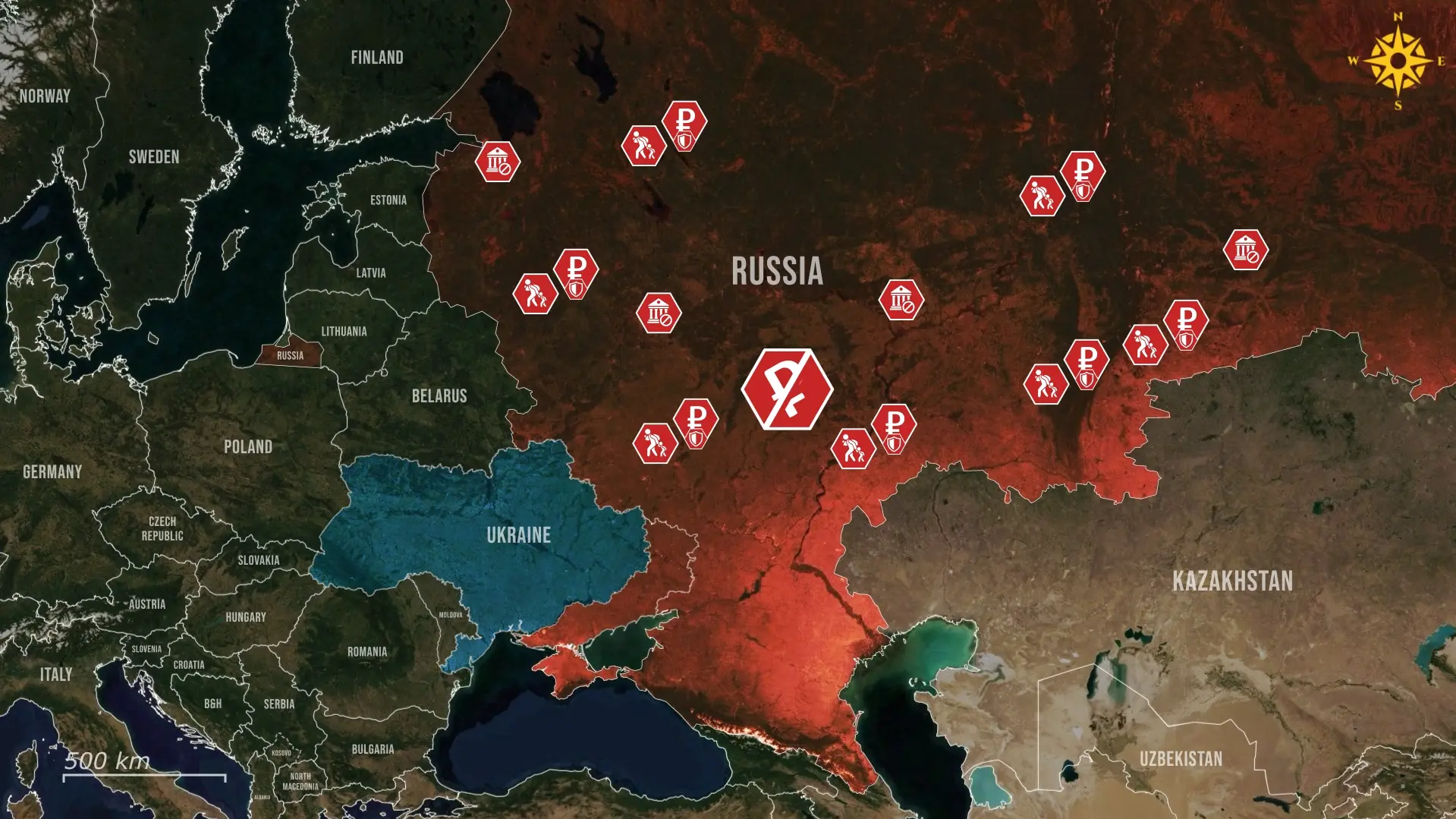
Against that growing unease, Putin is telling Russians that the country remains under control. On August nineteenth, he publicly acknowledged that Ukrainian strikes were causing damage to infrastructure, yet insisted there had been no critical consequences and described Russia’s broader economic dynamics as modest but positive. Russian pro Kremlin outlets and channels push the same line, describing the damage as manageable and focusing on reconstruction, state support, and continued development. Yet while the Kremlin projects stability, the withdrawals and rising inflation expectations show that confidence is weakening, making Putin’s reassurances harder to believe.
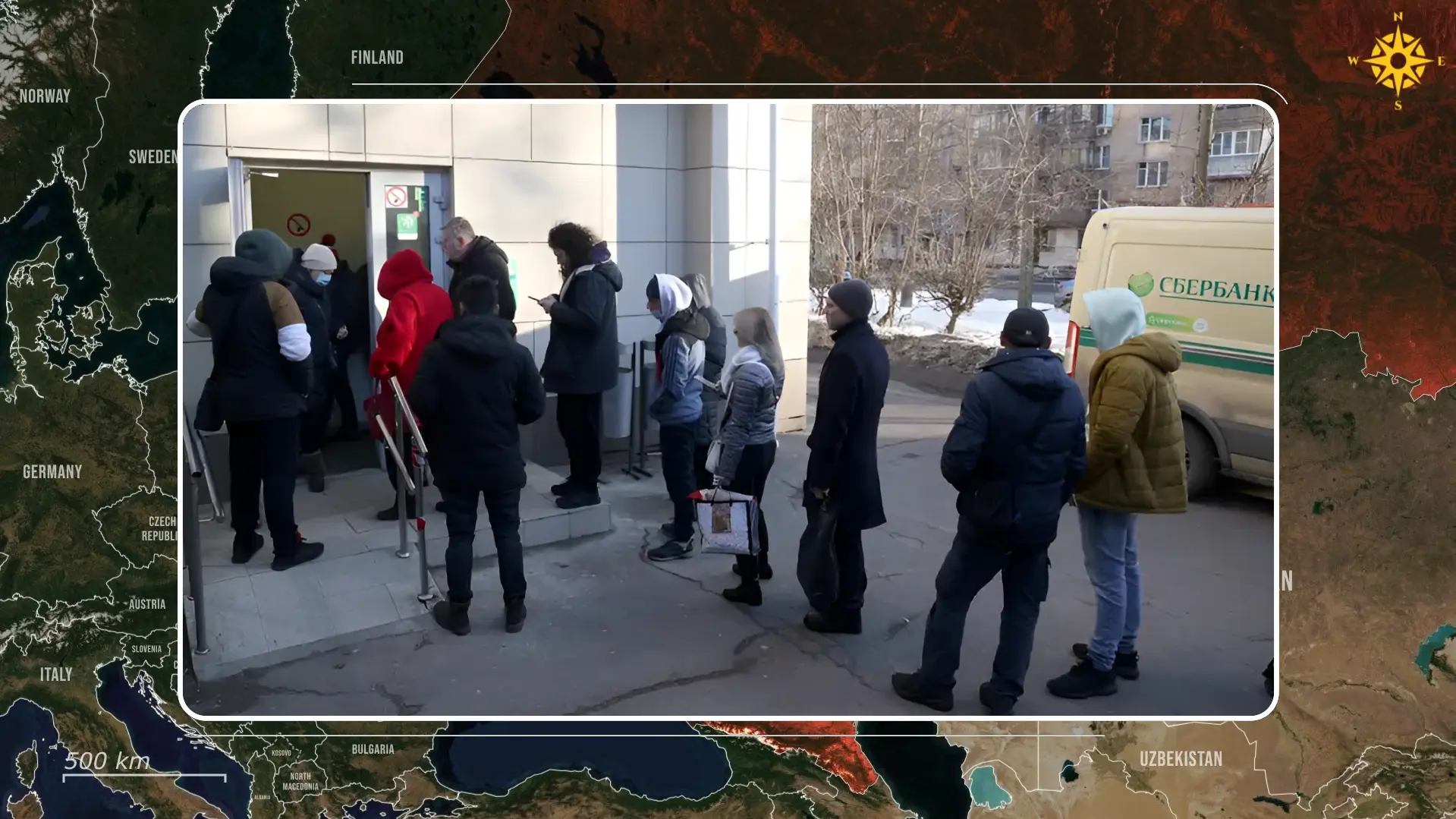
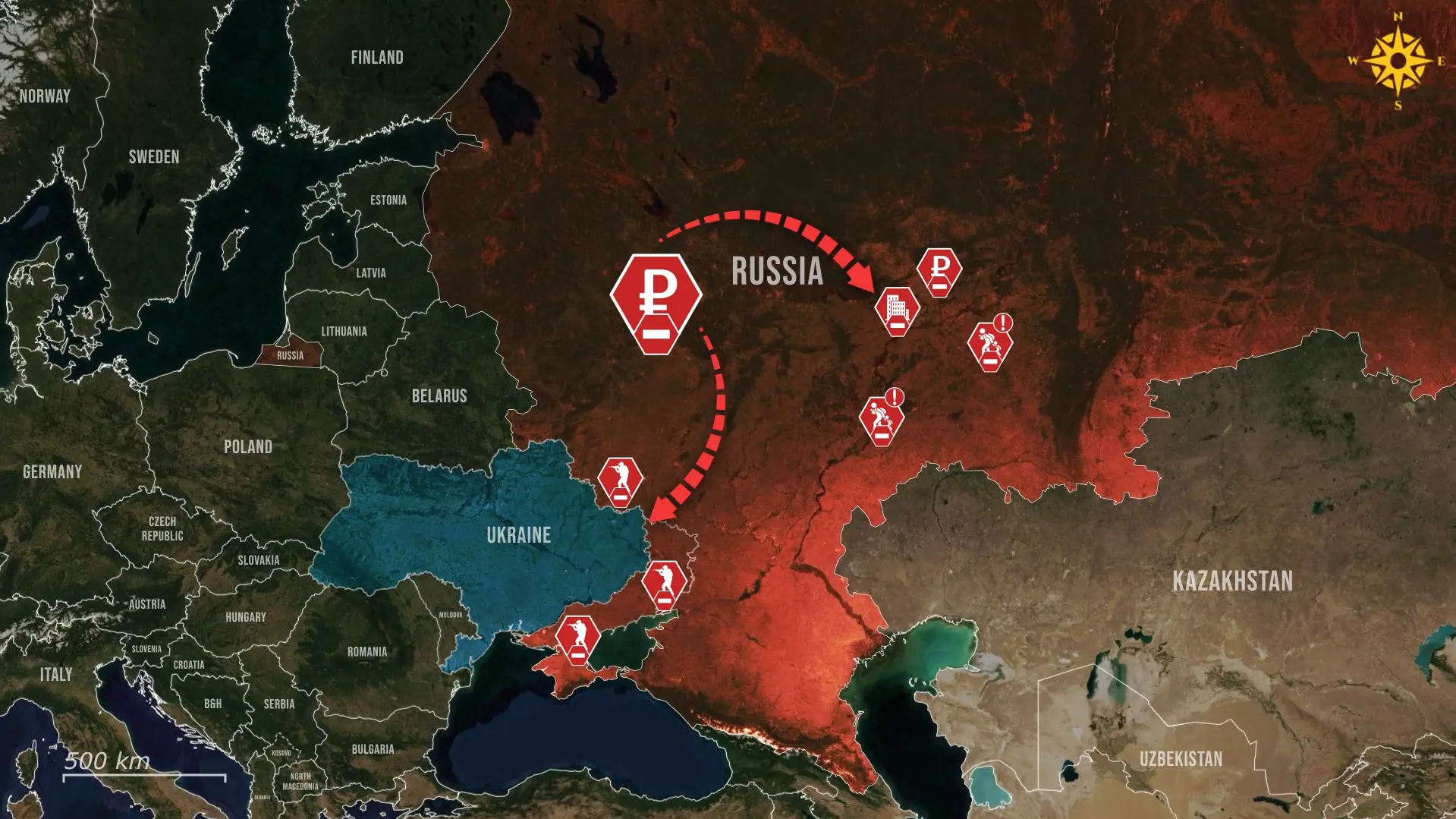
If withdrawals accelerate far beyond their current level, the danger changes completely. Banks only keep a fraction of deposits available as cash, so if too many customers demand their money at once, individual banks can run out of liquid funds and fail. One failure can then frighten customers at other banks into withdrawing their savings as well, creating a domino effect that spreads through the financial system. The Bank of Russia can step in with emergency money and guarantees, but during a costly war and an already strained economy, rescuing bank after bank would become much harder if the panic spread across the system. This is where fear of defeat can become self fulfilling, as Russians who pull their money out because they believe the war may be lost can help trigger the banking and economic crisis that leaves the Kremlin unable to finance the war on the same scale, making the defeat they feared more possible. In that sense, Russia can begin losing the war because enough people first lost confidence, which also explains why Putin has such a strong interest in convincing the public that the economy, the banks, and the war remain under control.
Overall, a sustained loss of confidence would force the Kremlin to deal with a financial crisis at the same time that the war continues to consume enormous resources. More state money would have to be directed toward stabilizing banks and supporting the economy instead of other priorities, narrowing Moscow’s room to absorb the costs of the war. Ordinary Russians could then feel those costs more directly through higher taxes, weaker public spending, tighter access to credit, and greater pressure on household incomes. The deeper danger for the Kremlin is that Russians trying to protect themselves from defeat could help cause the economic collapse that brings defeat closer.
.jpg)

Comments