

.svg)
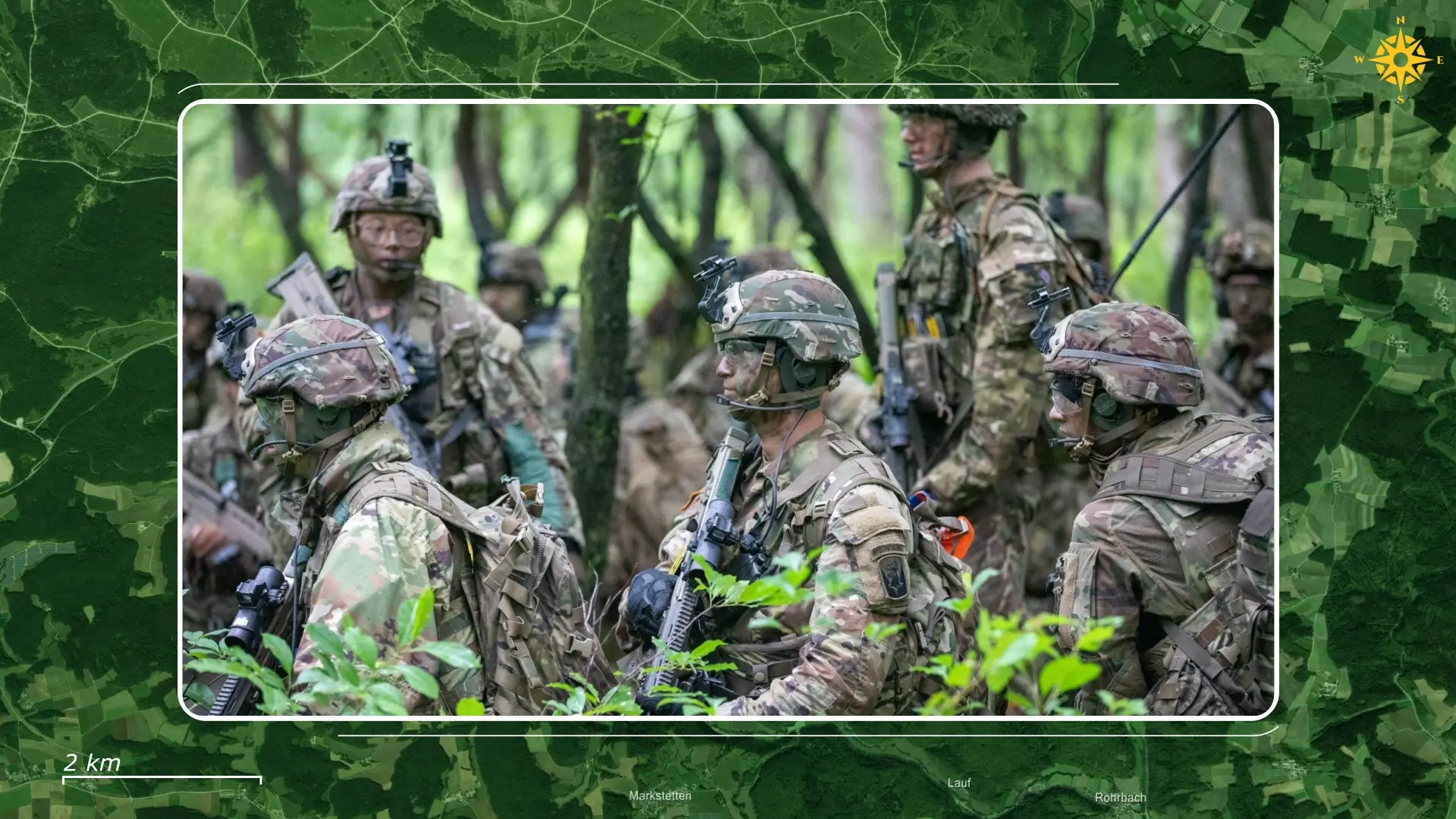
In a recent major Nato exercise in Germany, opposing forces supported by Ukrainian drone units not only held their ground against a US armored brigade, but they beat the brigade decisively. These wargames are designed to expose weaknesses and force units to adapt under simulated but realistic circumstances.
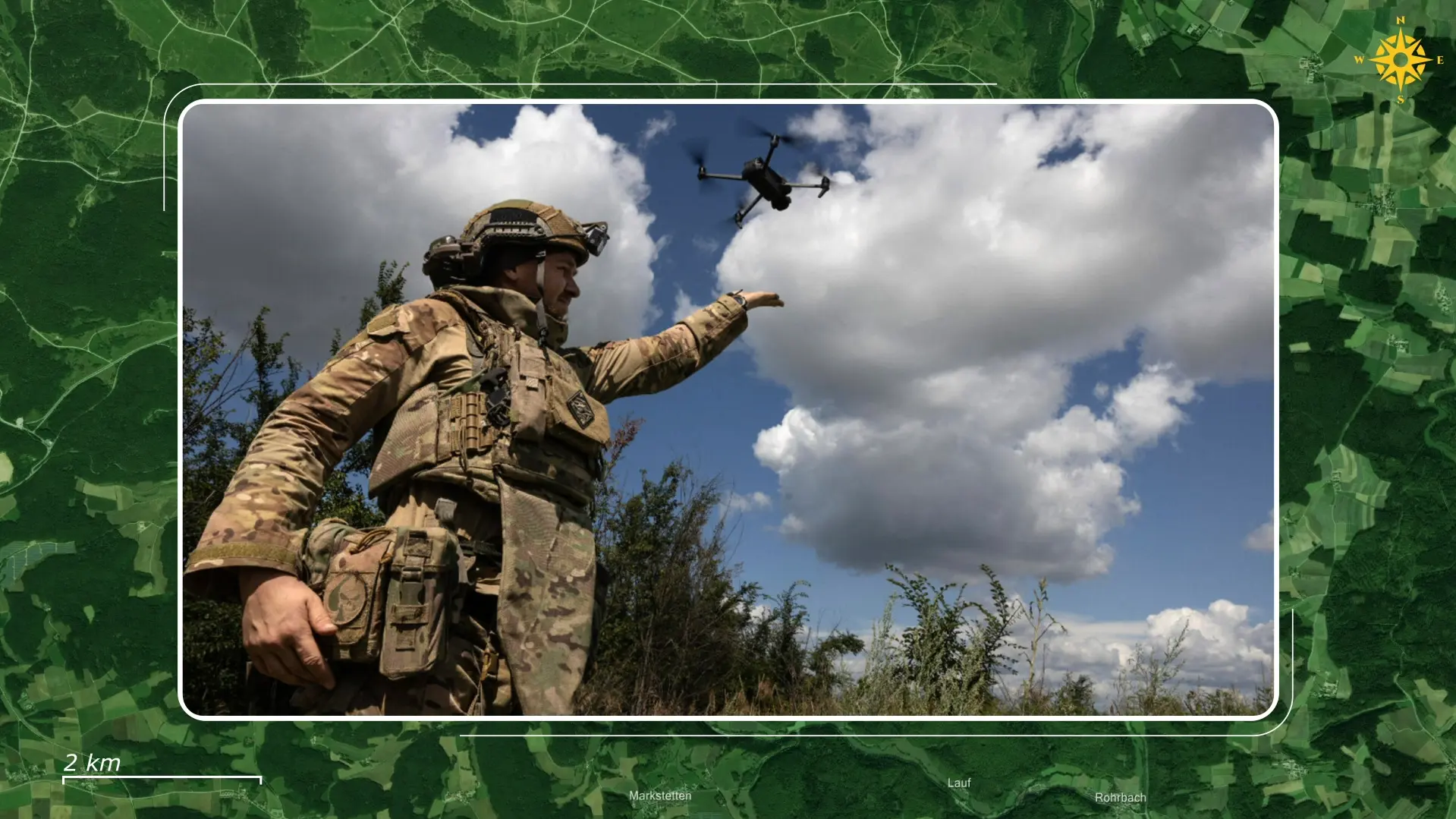
The US Army’s third Armored Brigade Combat Team participated in the exercise, which is a heavily armored formation traditionally equipped with Abrams tanks, Bradley Fighting Vehicles, and Paladin howitzers. Its vehicles were also supported by electronic warfare and counter-drone teams designed to protect them against emerging battlefield threats. Opposing them was a dedicated US Army opposing force supported by Ukraine’s four hundred and twelfth Unmanned Systems Brigade, known as Nemesis. The elite Ukrainian formation specializes in drone operations and participated in two separate scenarios during the exercise. In the first scenario, the opposing forces and the Ukrainians defended against an American attack, where the US force had a major advantage in armor, firepower, and conventional battlefield capabilities. However, these advantages were difficult to exploit once the vehicles were detected by Ukrainian reconnaissance drones. As the American armored vehicles maneuvered across the training area, they generated large clouds of dust that made their movements easy to track from the air.
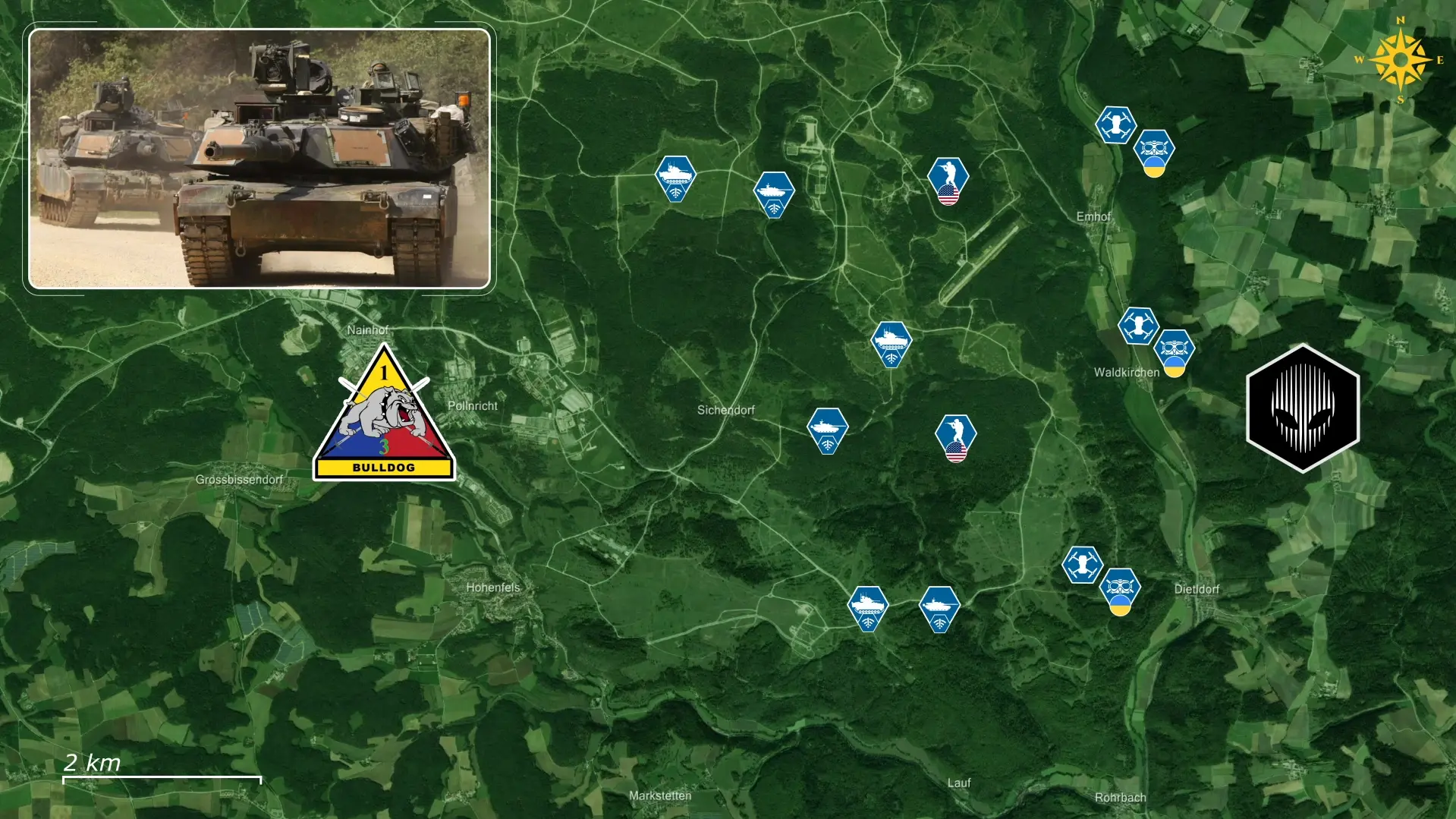
Once a vehicle was located, Ukrainian drone operators could rapidly simulate destroying it with bomber and FPV drones. In the exercise, a vehicle was considered destroyed once an observer confirmed a successful simulated attack, after which the vehicle was supposed to withdraw to the rear and respawn before returning to the fight. However, the Ukrainian drones were eliminating vehicles so quickly that the normal respawn cycle could not keep pace, and the organizers eventually had to return vehicles that had already been destroyed in the simulation to the battlefield so the exercise could continue rather than ending prematurely. The US force assigned to the attack had many of its tanks and other armored vehicles eliminated during the engagements. The scenario demonstrated how quickly conventional armored formations can become exposed once reconnaissance drones spot them and connect that information directly to attack drones.
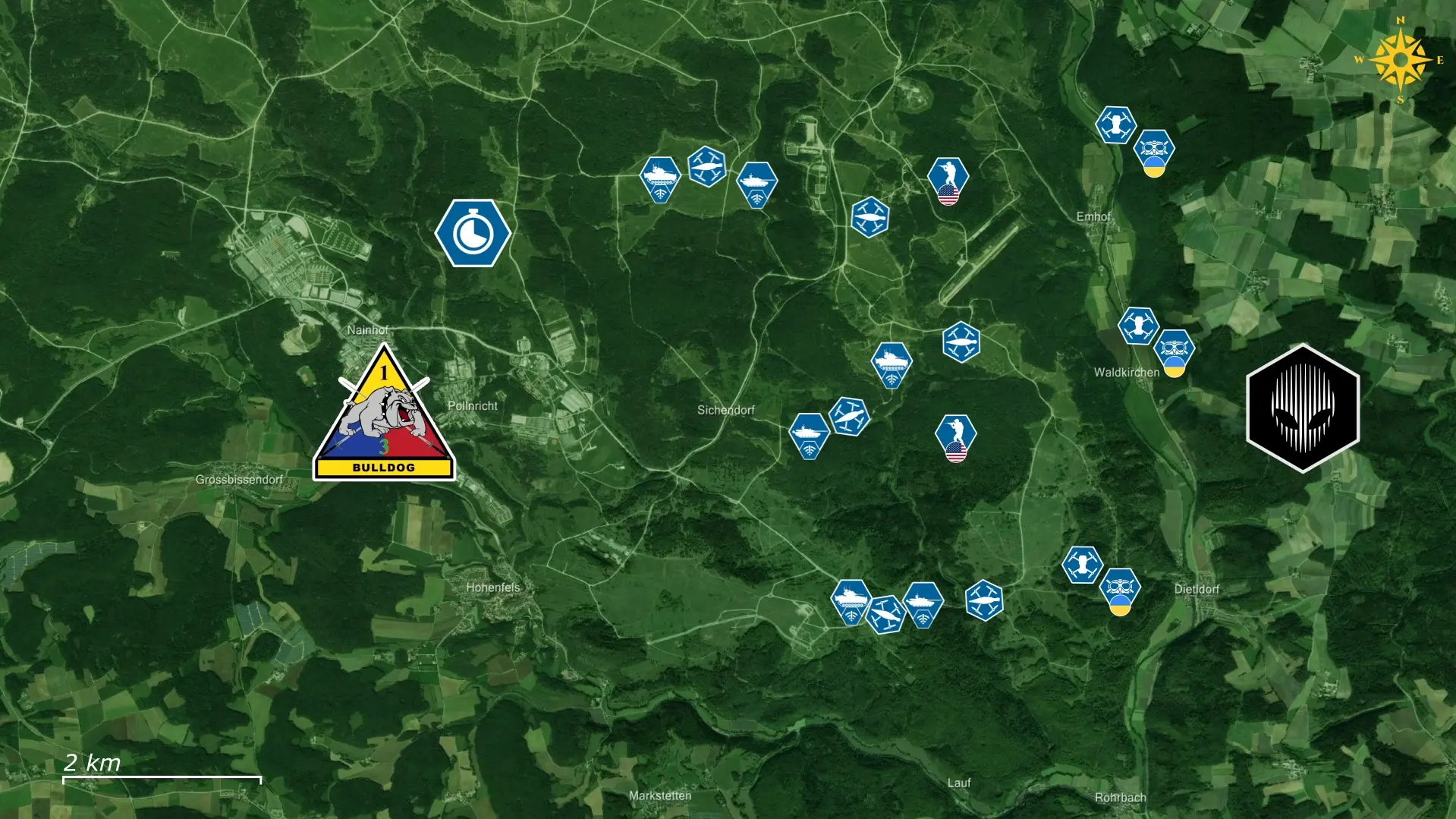
The second scenario reversed the roles, and the Ukrainian unit participated on the attacking side and used its drones to support offensive operations. The American side praised the effectiveness of the Ukrainian drone teams, demonstrating that the same capabilities that had proven devastating in defense could also support an assault. Then, attacks were also simulated when the Ukrainians switched sides and directly helped the Americans to use drones during offensives.
This exercise was a theoretical drill, but the tactics used by Ukraine were from real combat experience, now tested directly against the US Army’s own equipment and tactics. The central lesson of the exercise is that modern armored formations can no longer rely on only armor and firepower; they need to adapt their electronic warfare capabilities and other counter-drone measures. Once drone operators detect and continuously track vehicles, they could rapidly strike them, repeatedly neutralizing much larger and more heavily armed formations.
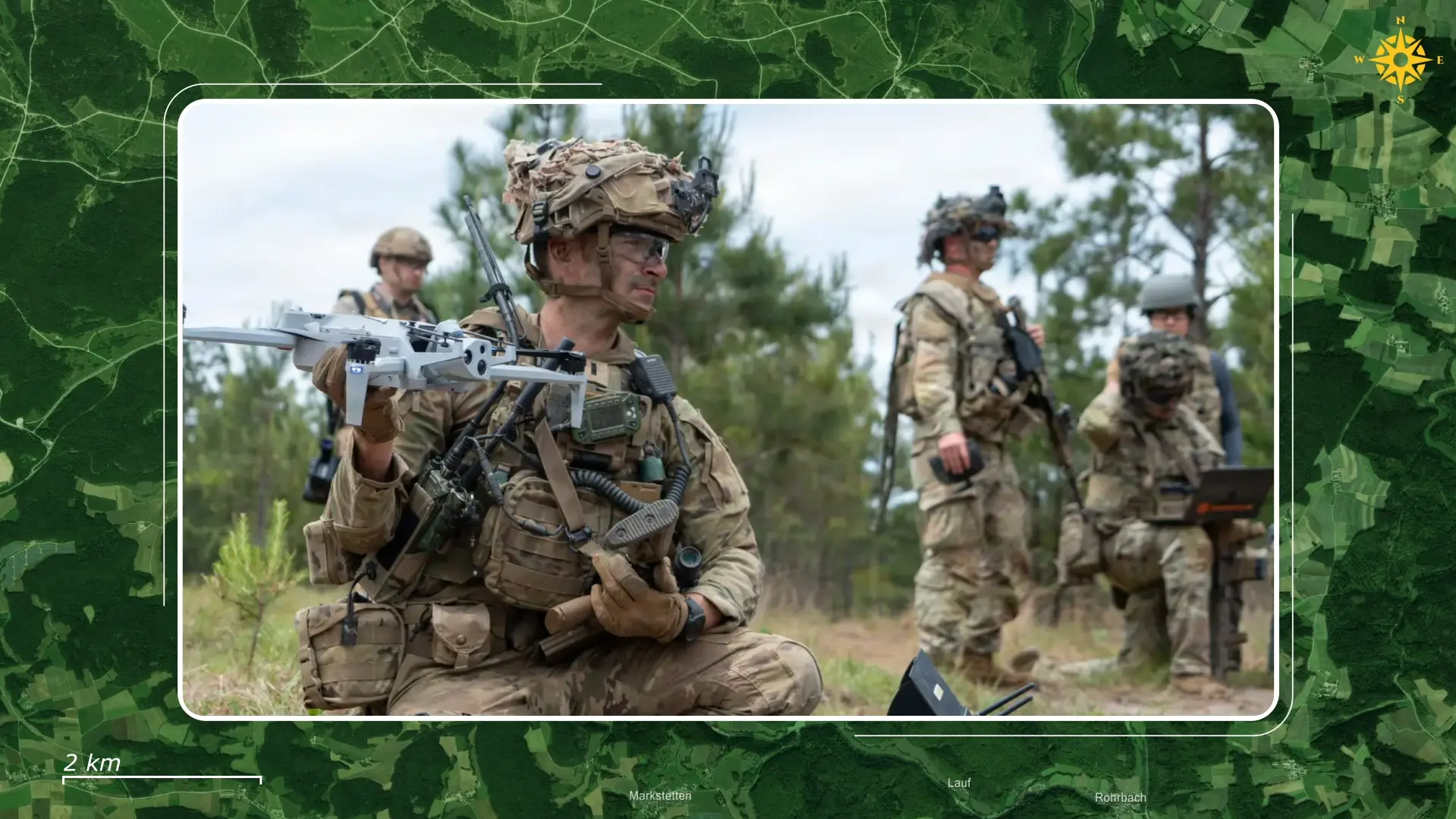
Although the results of the exercise are decisive, this wasn’t a full independent trial. Waging a war is significantly more complex than standalone armored assaults, which means that this exercise is only one part of fighting a modern conflict. During the exercise, the US troops gradually improved by dispersing their vehicles, using cover and concealment more effectively and adapting their electronic warfare to make themselves harder to detect and target. Cheap drones have changed what conventional armored units can survive if they don’t adapt, showing Nato countries that their doctrines need to be changed in order to deter Russia. Russia has similar reconnaissance and FPV capabilities that Ukraine used during the exercise, which means that Nato countries would face a similar threat against Russia as they did during this exercise.
Overall, the lesson is not that Ukrainian drones can simply defeat any Western army, but that battlefield survivability now depends on how quickly formations learn to deny detection. The exercise also exposed the weaknesses of armored attacks based on old maneuver warfare tactics and showed that Nato doctrines need to be adjusted to meet the requirements of today's battlefield. Nato’s advantage will depend on combining heavy platforms with new tactics, while integrating dispersion, concealment, electronic warfare, and unmanned systems into armored warfare.

.jpg)

Comments