

.svg)
Recently, Ukraine’s Thirty-third Mechanized Brigade developed a new plan to regain control of the situation in Kupiansk. Instead of sending infantry into another costly clearing operation, the brigade planned to cut off and eliminate these infiltrators using a coordinated assault conducted entirely by drones, including unmanned ground vehicles and FPV drones.
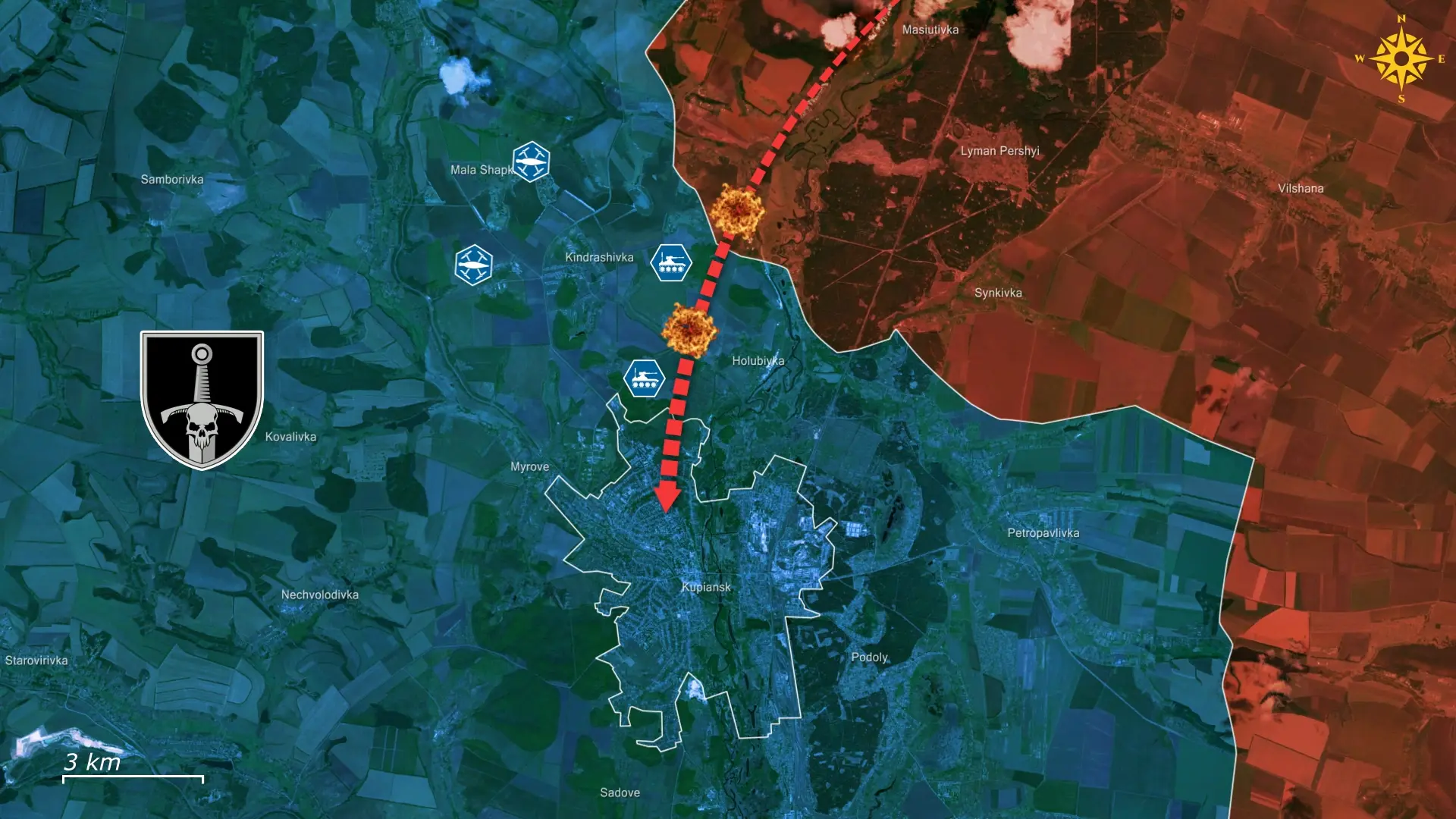
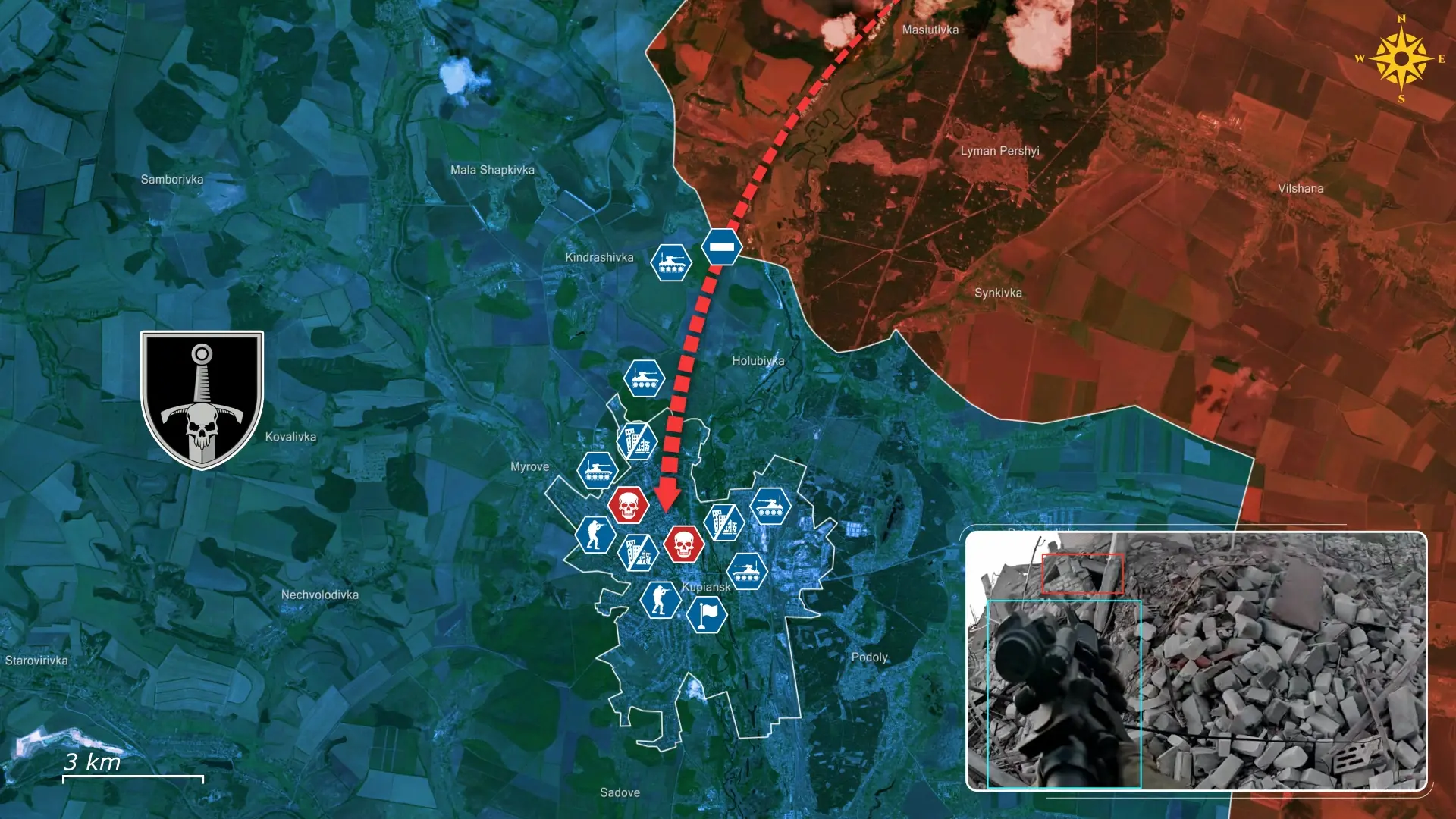
This approach was necessary because months of back-and-forth fighting have reduced Kupiansk to ruins, creating countless hiding places for small Russian assault groups. Although Ukrainian forces cleared and recaptured the town in December last year, Russian troops have continued infiltrating in small groups, suffering heavy losses but maintaining a limited presence through constant attacks. While these efforts have repeatedly failed to restore meaningful Russian control, they have forced Ukrainian troops to conduct dangerous house-to-house clearing operations to remove surviving infiltrators. The Thirty-third Brigade sought to break this deadlock by using ground drones to seal infiltration routes, pin Russian troops in place, and destroy their positions without exposing Ukrainian soldiers to close-quarters combat.
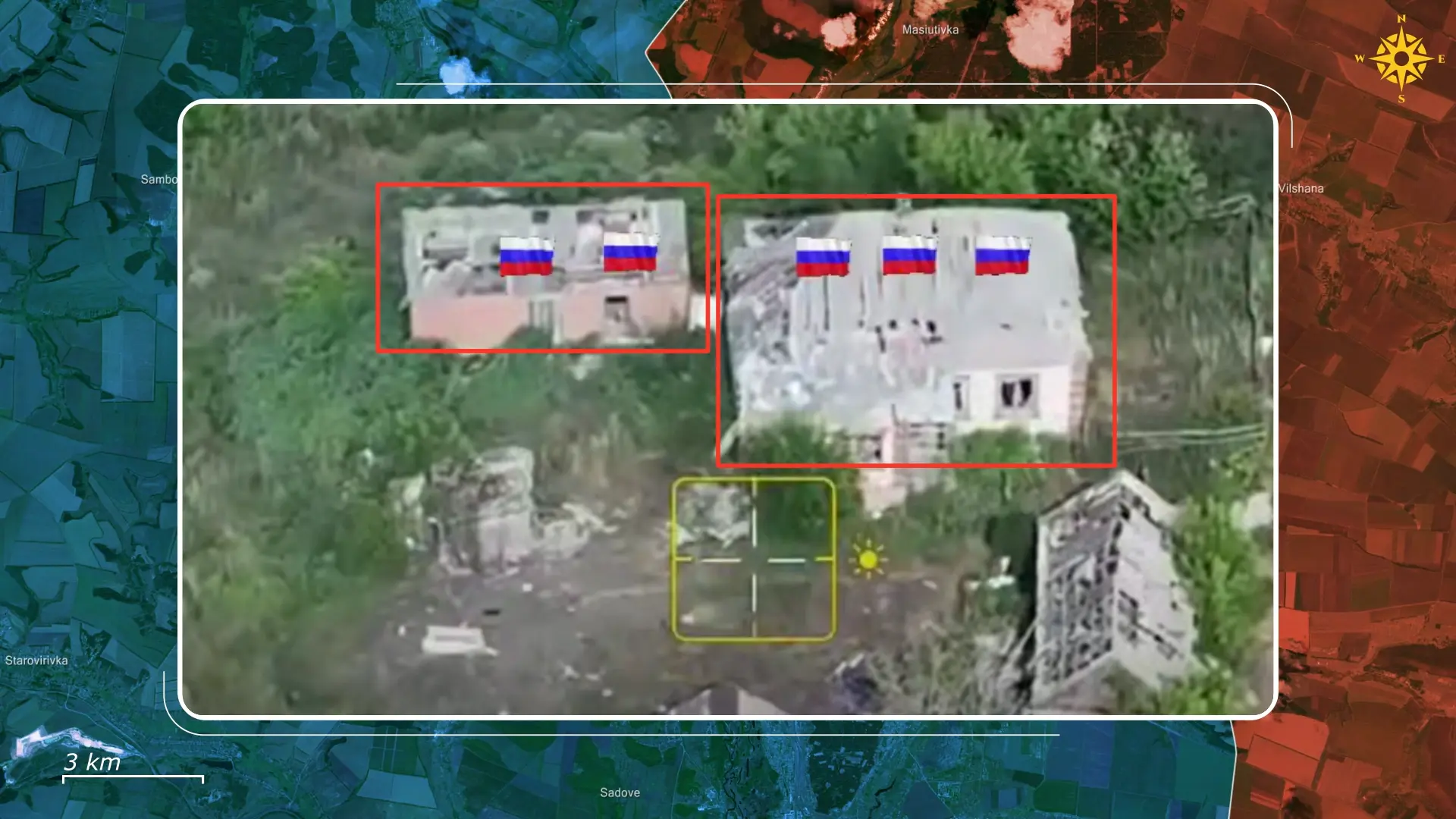
Using this new tactic, the thirty-third brigade just launched the first part of the operation to eliminate the Russians who were spread across a compound containing at least two structures and a courtyard. The footage first shows how Ukrainian reconnaissance drones detected five Russian soldiers, who were seen inside the buildings. Ukrainian forces quickly dispatched two ground robots equipped with large-caliber Browning machine guns to keep them there until FPV and bomber drone support arrives. After one of the Russian soldiers changed his position and tried to run from one house to another, A Ukrainian Mavic drone immediately tracked him down. This is when Ukrainian ground drones started shooting at the windows of the house from two opposing sides to block different exits and force the Russians to take cover, as the fifty-caliber rounds of the machine gun started punching through the walls of the building. By engaging the building from the front and rear simultaneously, the Ukrainian drones trapped the Russians and prevented anyone from leaving through the front door or the back windows. This prevented the Russians from dispersing and gained valuable time for the slower Ukrainian FPV drones to close in on the target and strike the house. After the first strike on the smaller building, the ground robot kept firing at the house to prevent survivors from escaping or repositioning.
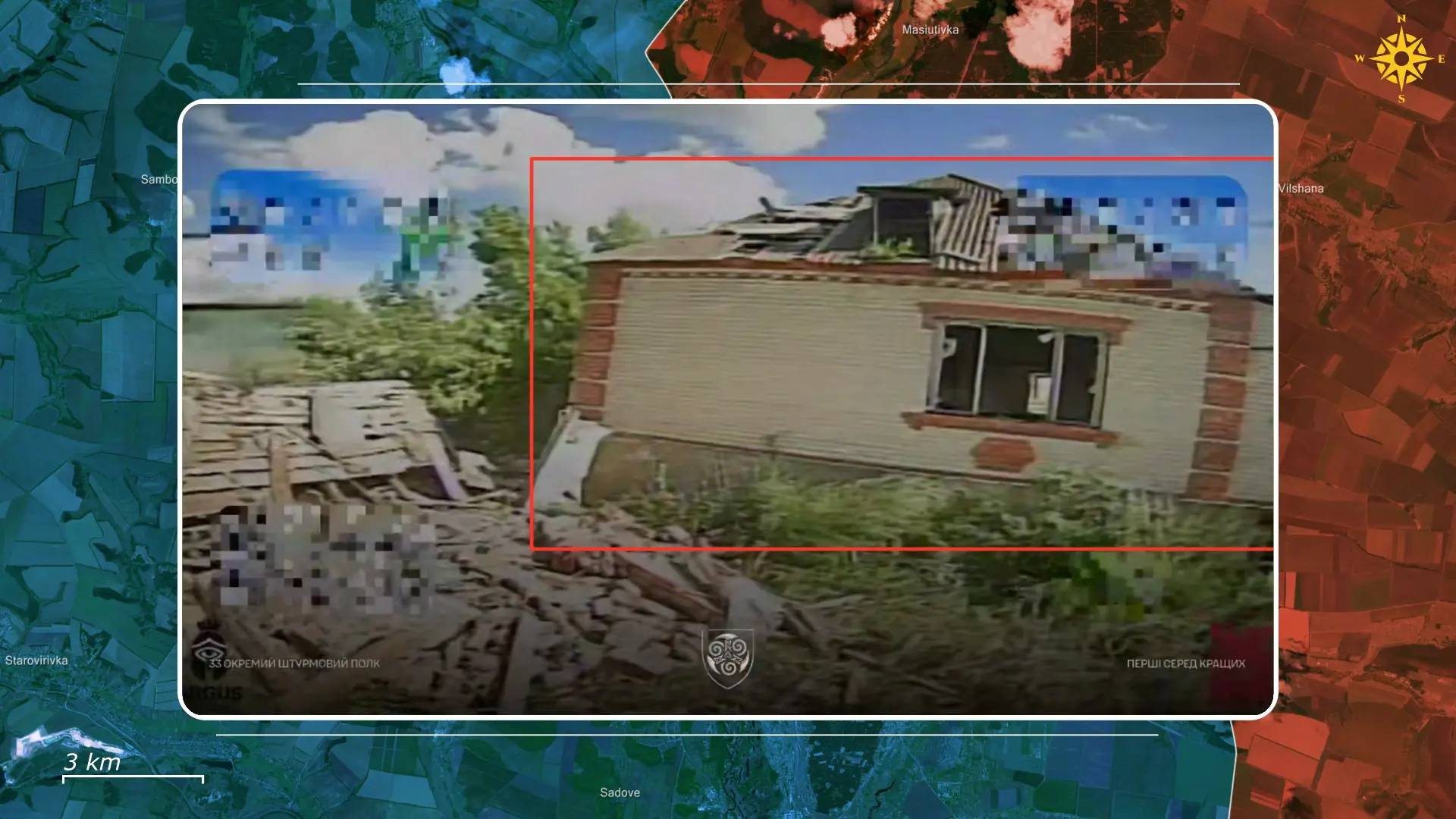
The second house was then struck by the second FPV drone, which breached a hole in the wall. This allowed the third FPV drone to exploit the breach and detonate beyond the exterior wall, causing even more damage. To destroy the house, Ukraine deployed a heavy bomber drone, which dropped a bomb on the house, collapsing its roof which denied the surviving Russians the protection provided by the building after the exits had already been covered. These strikes destroyed the compound and killed five Russian soldiers who were hiding inside the buildings. The significance of this operation is that only drones were involved, with no direct human involvement on the battlefield. This reduces the risk to Ukrainian soldiers, who can now sit in bunkers kilometres from the frontline and engage the Russians from relative safety, without high-risk to their lives in close-quarters combat. As a result, the Russians were not merely struck from several directions but systematically denied movement before the destructive drones arrived.
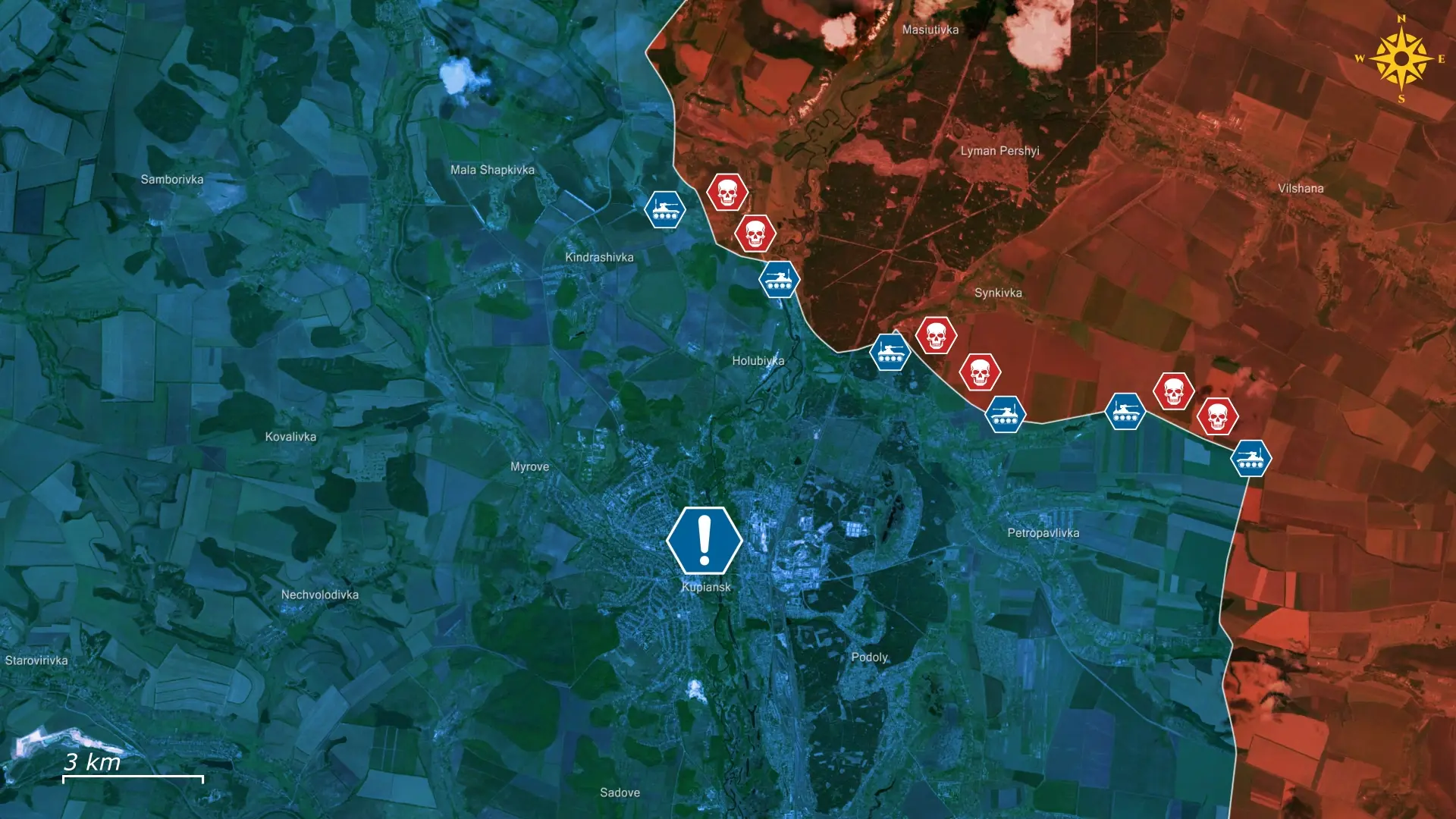
By establishing this clearing method, Ukraine can repeat the same layered tactic against every infiltration group and cut off the narrow Russian route from the north to Kupiansk. Now, Ukraine keeps disabling their well-known land route with drones, killing Russian infiltrators and increasingly interdicting their only land-based logistical route, making it unusable. Continuous reconnaissance, enough armed ground robots and FPV teams before infiltrators can deny Russia access to Kupiansk, as the same system used to close exits from the compound could be scaled up.
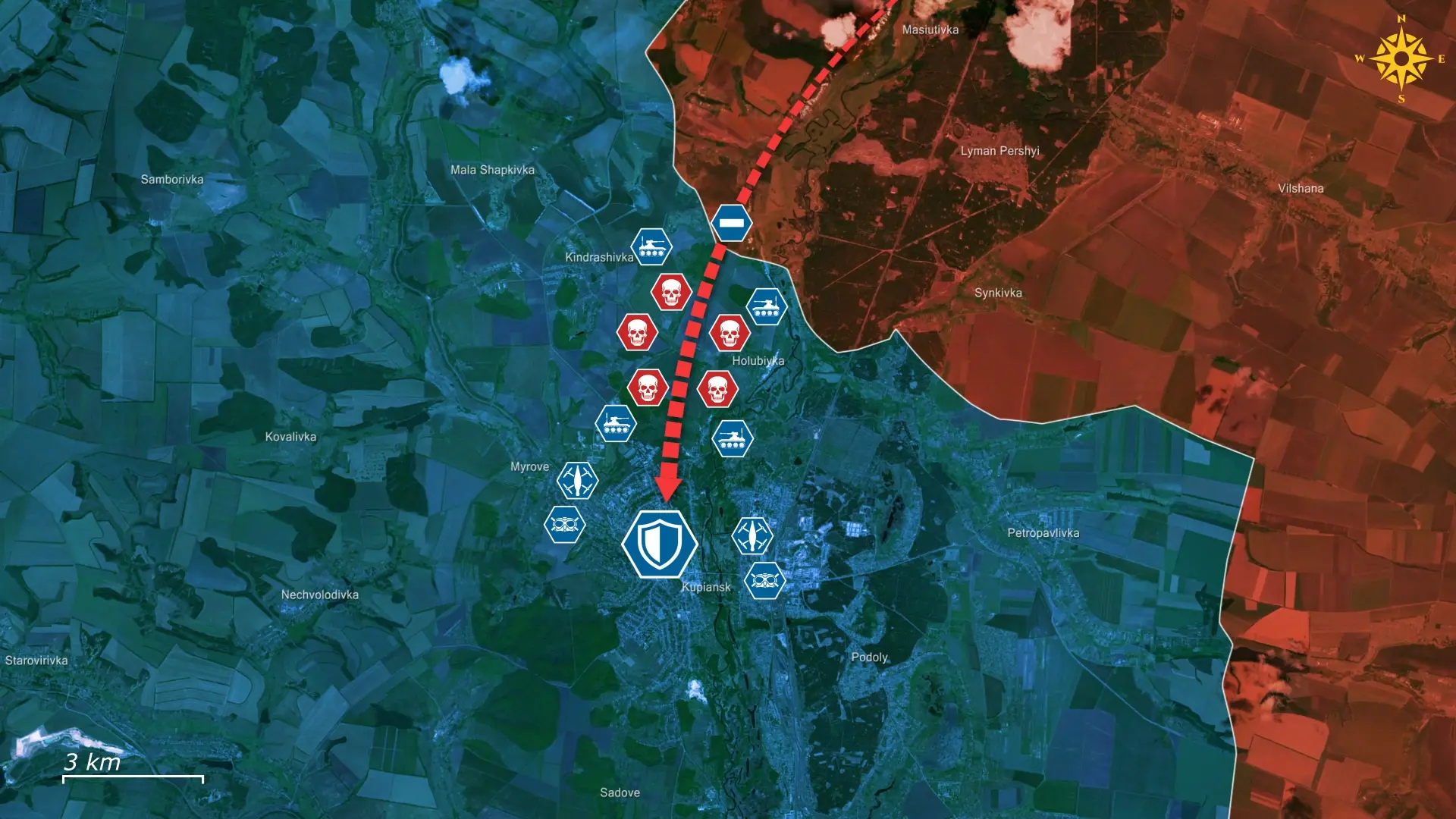
Overall, this operation demonstrates how Ukraine can surround and eliminate Russians, with a potential to expand it into a wider operation. By combining reconnaissance, suppression, route denial, breaching, and final destruction with drones into a single operation, Ukrainian forces eliminated Russian infiltrators without Ukrainian assault troops entering the Russian-held buildings. If Ukraine reproduces these drone-controlled kill zones along the northern corridor, Russia’s infiltration method loses its main advantage because small groups can no longer move, hide, or escape after discovery.

.jpg)


Comments