

.svg)
In this video, we will examine how Ukraine is draining Russians in Crimea.
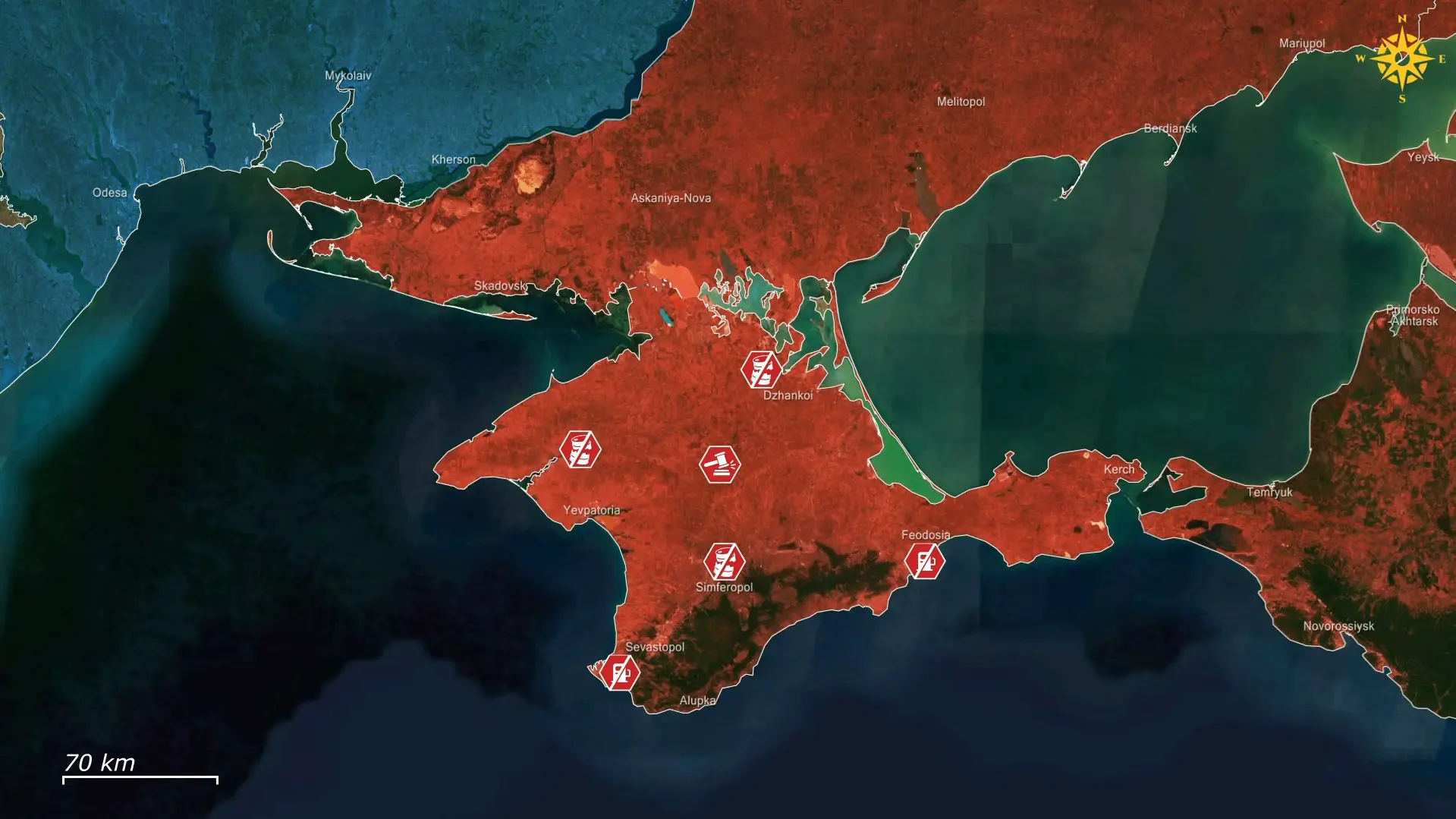
Here, the fuel crisis is spiraling out of control as Ukraine has cut almost all supplies to the peninsula, forcing the gas stations to run dry. The situation is so dire that Russians are already getting arrested and sent to prison for posting photos of arriving fuel trucks and are forced to switch to horses as their cars cannot be used.
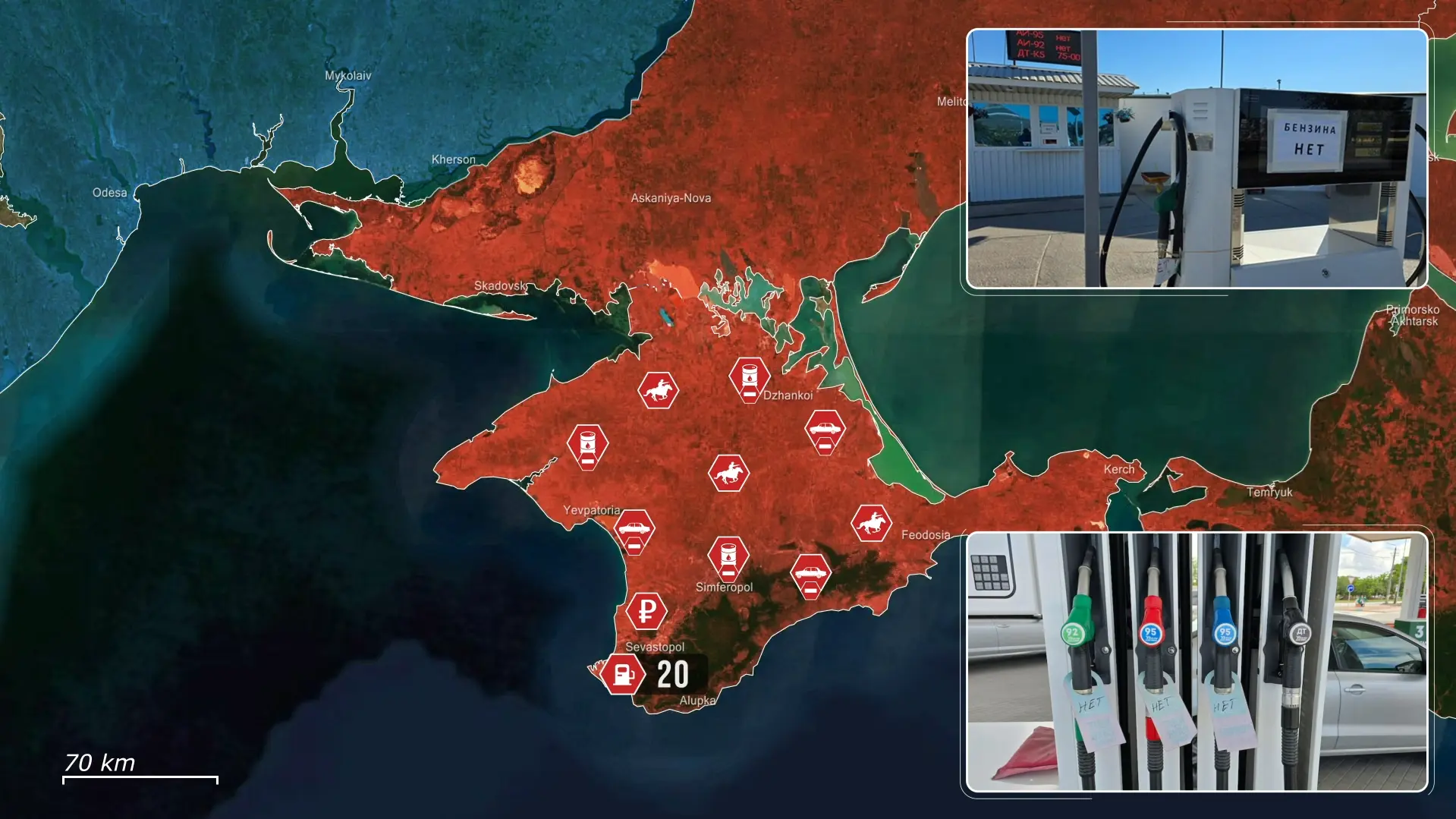
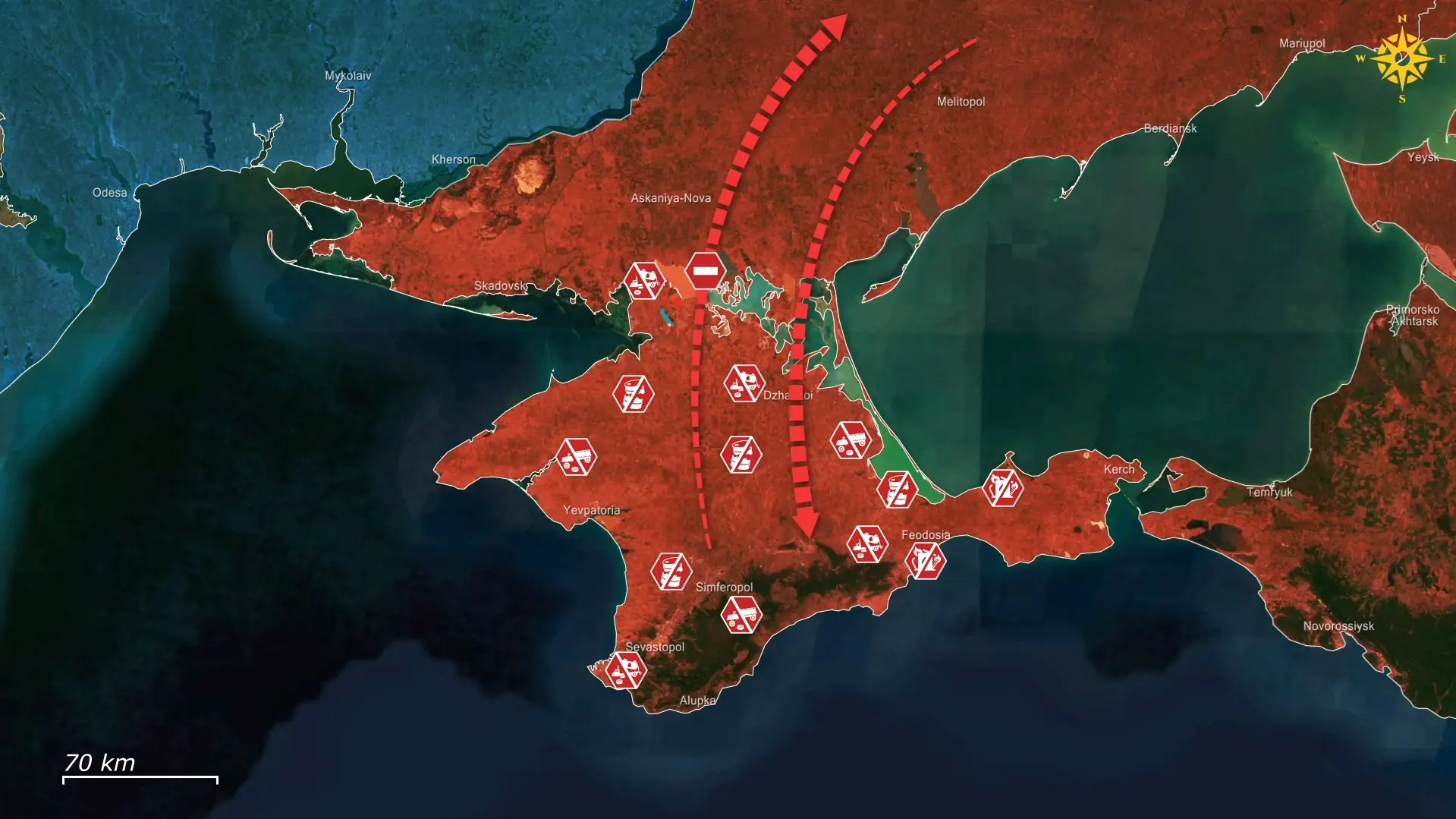
Crimea has faced severe shortages due to successful Ukrainian medium range strike operations and sustained attacks on the peninsula’s logistical connections. The effects have become increasingly visible, with queues of up to three hundred vehicles at a single station in Alupka. In some areas, as shortages worsen, some residents have turned to alternative means of transportation, including horses and walking, with footage from Crimea showing a noticeable increase in horse-drawn travel.
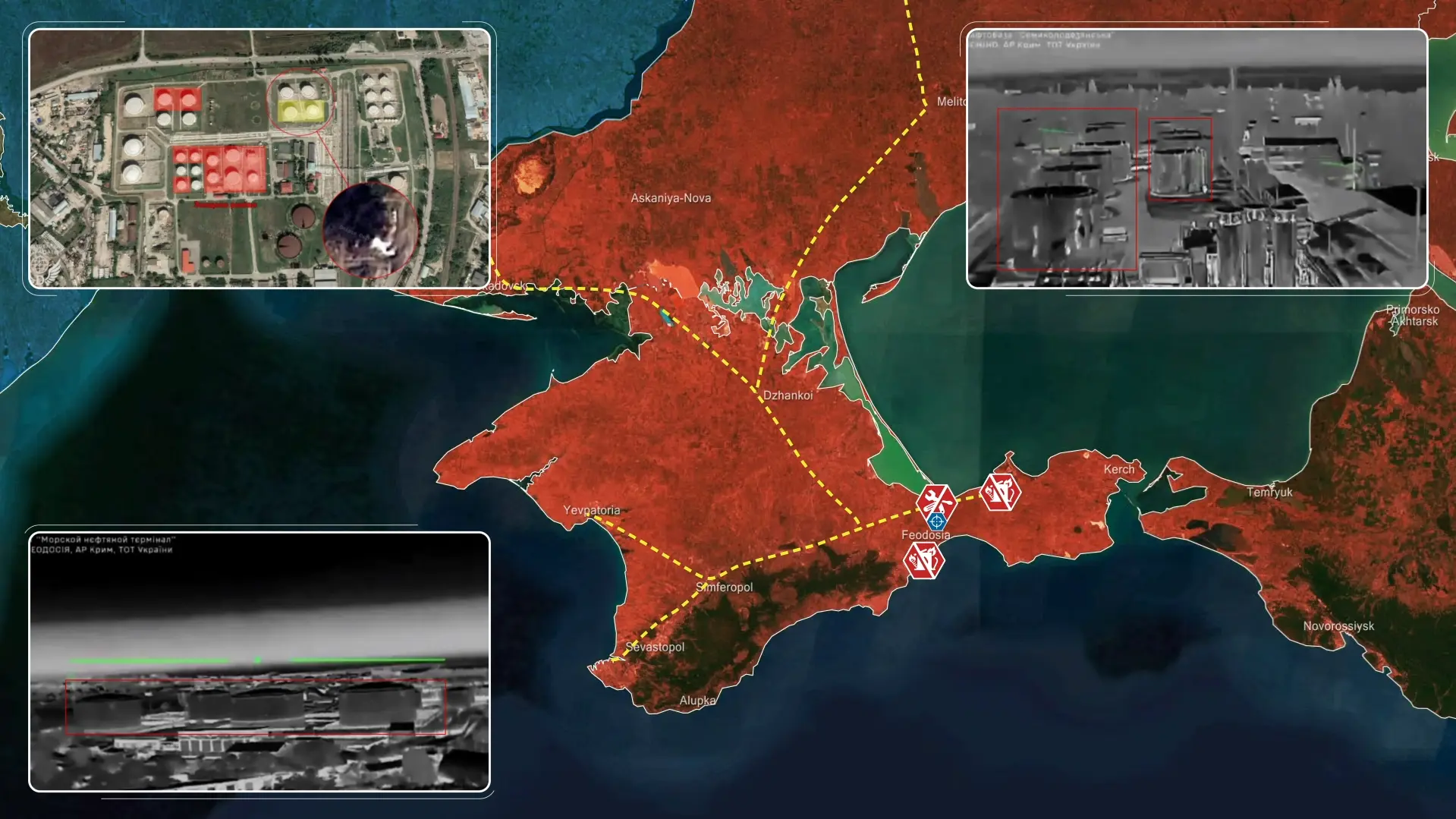
In parallel with efforts to disrupt incoming fuel supplies, Ukraine has intensified strikes against oil storage facilities across Crimea to deplete Russian fuel reserves and prevent the accumulation of new stocks. As part of this campaign, Ukraine struck the Semykolodezyanska oil depot, damaging at least two fuel tanks. The facility serves as an important transshipment hub for the storage and distribution of fuel across Crimea and other Russian-controlled areas. Ukrainian drones also targeted the marine oil terminal in Feodosia, which contains seven fuel-storage tanks and is used to transfer oil. Repeated Ukrainian strikes have already caused extensive damage to the terminal’s storage infrastructure, and even if Russia tries to repair it, Ukraine is waiting for them to refill the tanks to strike them again.
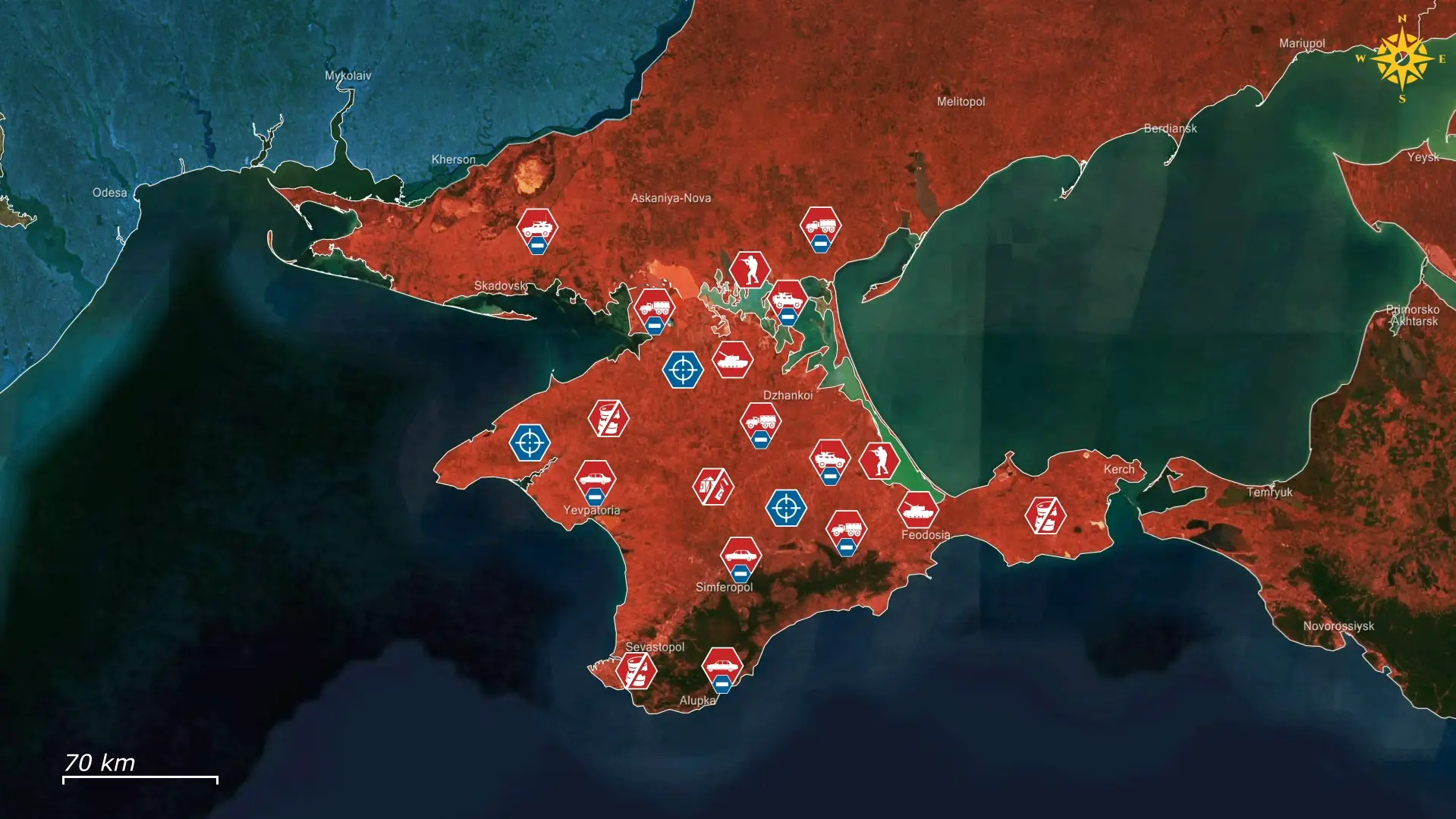
With the strikes on oil depots and logistical routes, Ukraine aims to reduce Russian military mobility. Ukraine's broader objective is not to create a humanitarian fuel shortage for civilians in Crimea, but rather to make the peninsula less useful as a Russian military base. If fuel deliveries to Crimea are disrupted, Russian units have to ration fuel, and patrols are forced to be scaled back. Rapid troop redeployments also become more difficult as they won’t have the means to transport them, reducing Russia’s ability to reinforce weaker sectors when the Ukrainians are conducting counterattacks. With this tactic, Ukraine is also forcing Russia to divert resources and allocate more air-defense systems to logistics protection and deploy more troops to guard supply routes. Ukraine seeks to increase the operational burden on Russian forces, reduce their combat effectiveness, and complicate Russia's ability to use Crimea as a hub for military operations in southern Ukraine.
The cumulative impact of Ukrainian strikes has also forced authorities to introduce strict fuel-rationing measures across Crimea. In Sevastopol, gasoline purchases have been restricted to twenty liters of fuel per week through a QR-code system. Drivers receive a personal QR code that can only be used between nine AM and nine PM, while gas stations remain closed outside those hours, and gasoline sales have also been concentrated at just three stations. Cash purchases of fuel have been suspended for several days, and no new fuel vouchers will be issued in the near future. Officials state that these measures are intended to ensure fairness, but the real reason is to prevent abuse because cash cannot be traced, in contrast to the QR code system. These restrictions forced Russians to use their vehicles less and even switch to horses.
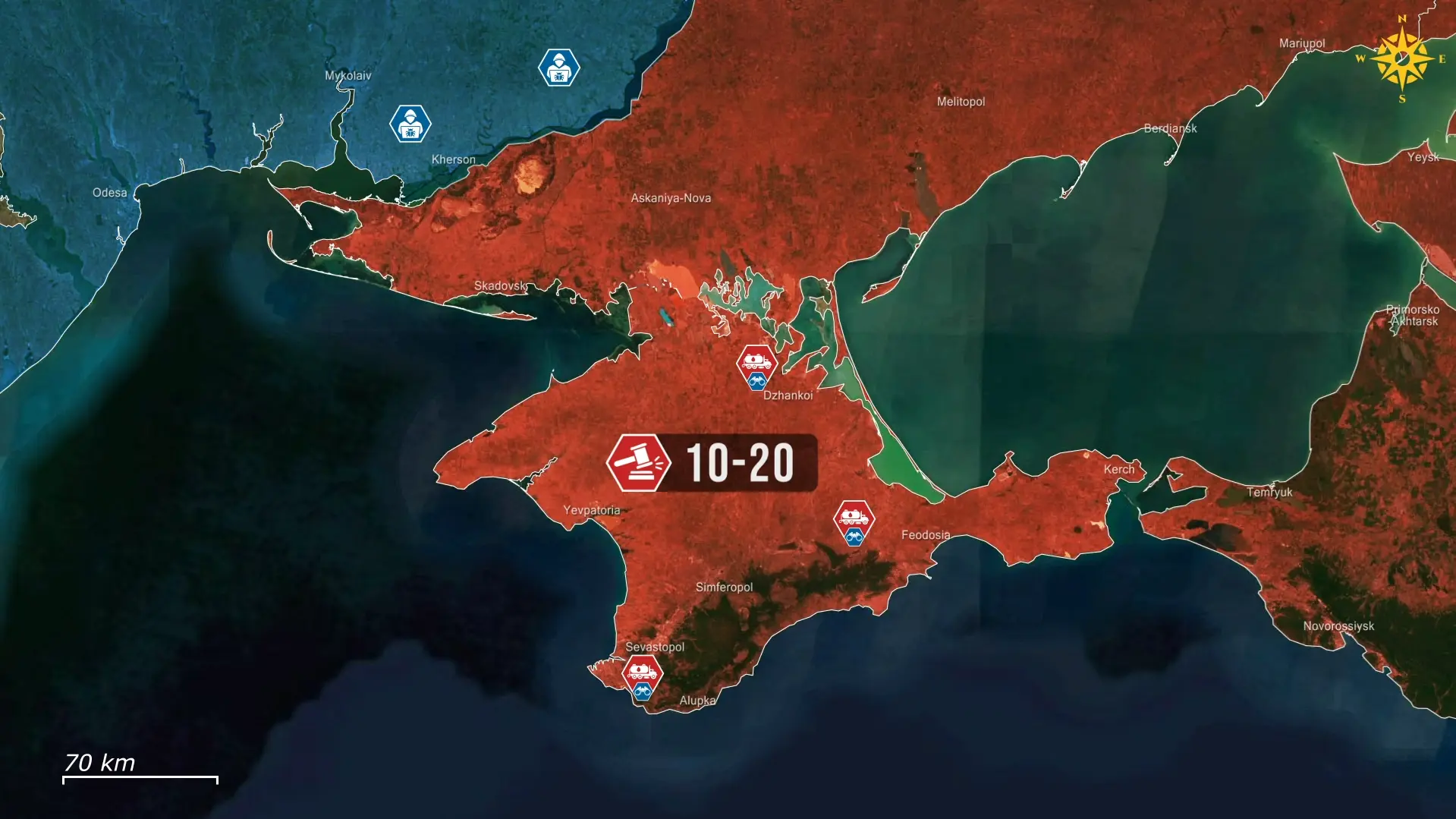
As fuel shortages worsen, Russians started to film fuel trucks because they have become so rare. As a response, authorities have prohibited the recording of fuel trucks and the publication of their routes on social media because it exposes them to Ukrainian intelligence. Under Russian law, those accused of providing such information can face prosecution under provisions related to aiding and abetting sabotage, offenses that carry prison sentences of between ten and twenty years. The rationale behind these measures is that Ukraine does not maintain continuous surveillance coverage over all of Crimea, so they rely on information gathered from social media posts. As a result, videos revealing the location, timing, or direction of fuel convoys provide valuable intelligence.
Overall, the situation in Crimea reflects a sustained effort to disrupt oil supplies and degrade the ability of Russian forces to move. As both supply disruption and information control intensify, the peninsula’s fuel network is being forced into a heavily constrained state. This is especially problematic for Russia, as they planned to use Crimea as a launchpad for military operations in the Zaporizhzhia oblast, and now they are forced to divert supplies to it to keep it afloat.

.jpg)

Comments