

.svg)
Following a series of setbacks across Africa, Russia is now shifting its focus toward Madagascar in an effort to establish a new strategic foothold on the continent. Moscow is rapidly expanding its influence over the country and the vital maritime trade routes that pass through the surrounding region. Russia’s new expansion began when in October of two-thousand twenty-five, Madagascar’s then President, Andry Rajoelina, was ousted amid massive youth-led protests coined gen-Z protests after similar occurrences worldwide. Shortly afterward, Michel Randrianirina, commander of an elite military unit assumed the presidency. Upon taking office, Randrianirina signaled a new direction for Madagascar’s foreign policy, setting the country on a gradual path toward closer ties with Russia. This marked a sharp departure from the previous government’s approach, as Madagascar had maintained close cooperation with France under the previous administration. Notably, Russia is actively capitalizing on this political shift by encouraging the new government to reduce French and wider Western influence in Madagascar while simultaneously expanding Moscow’s strategic presence across the country.
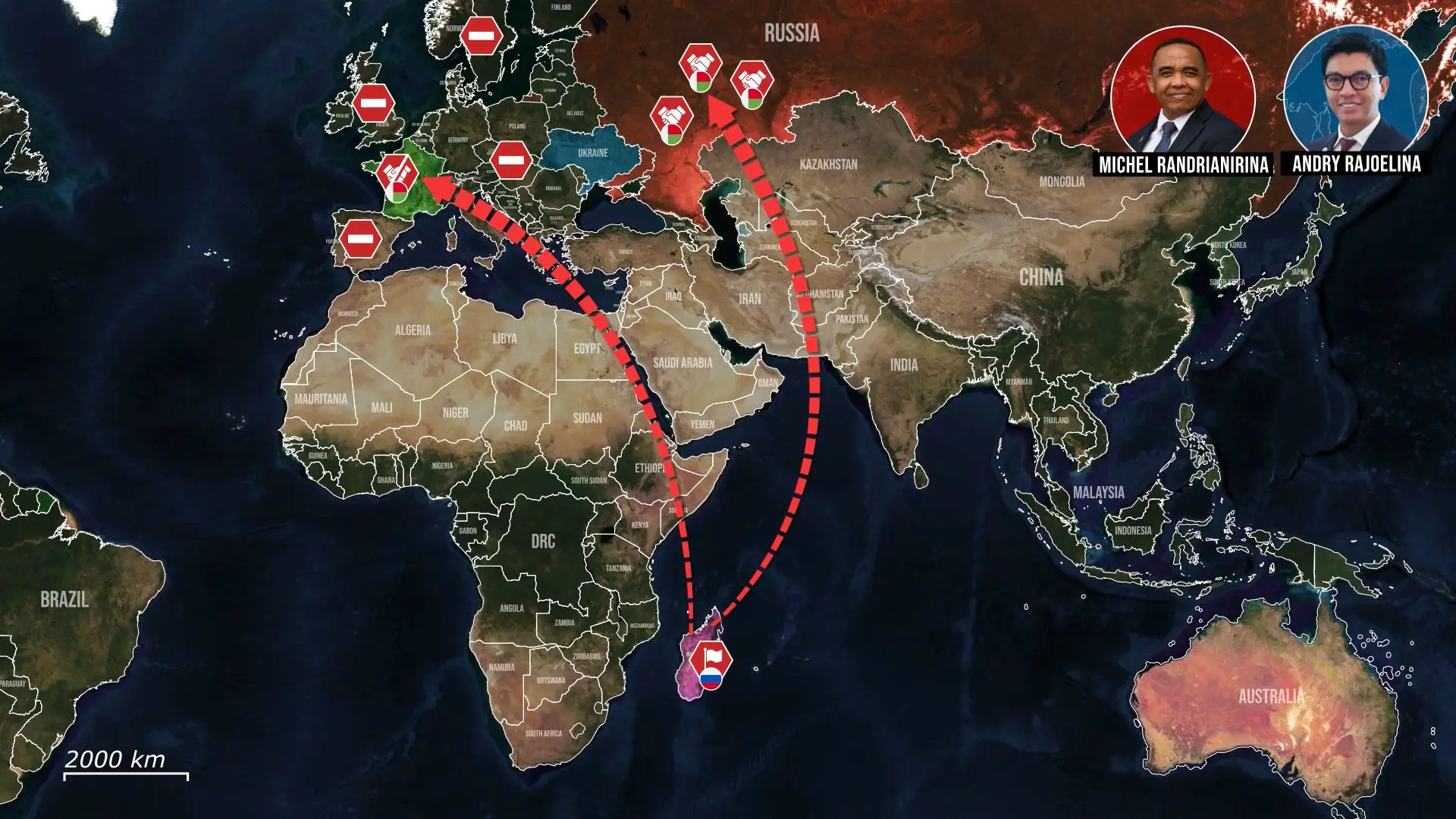
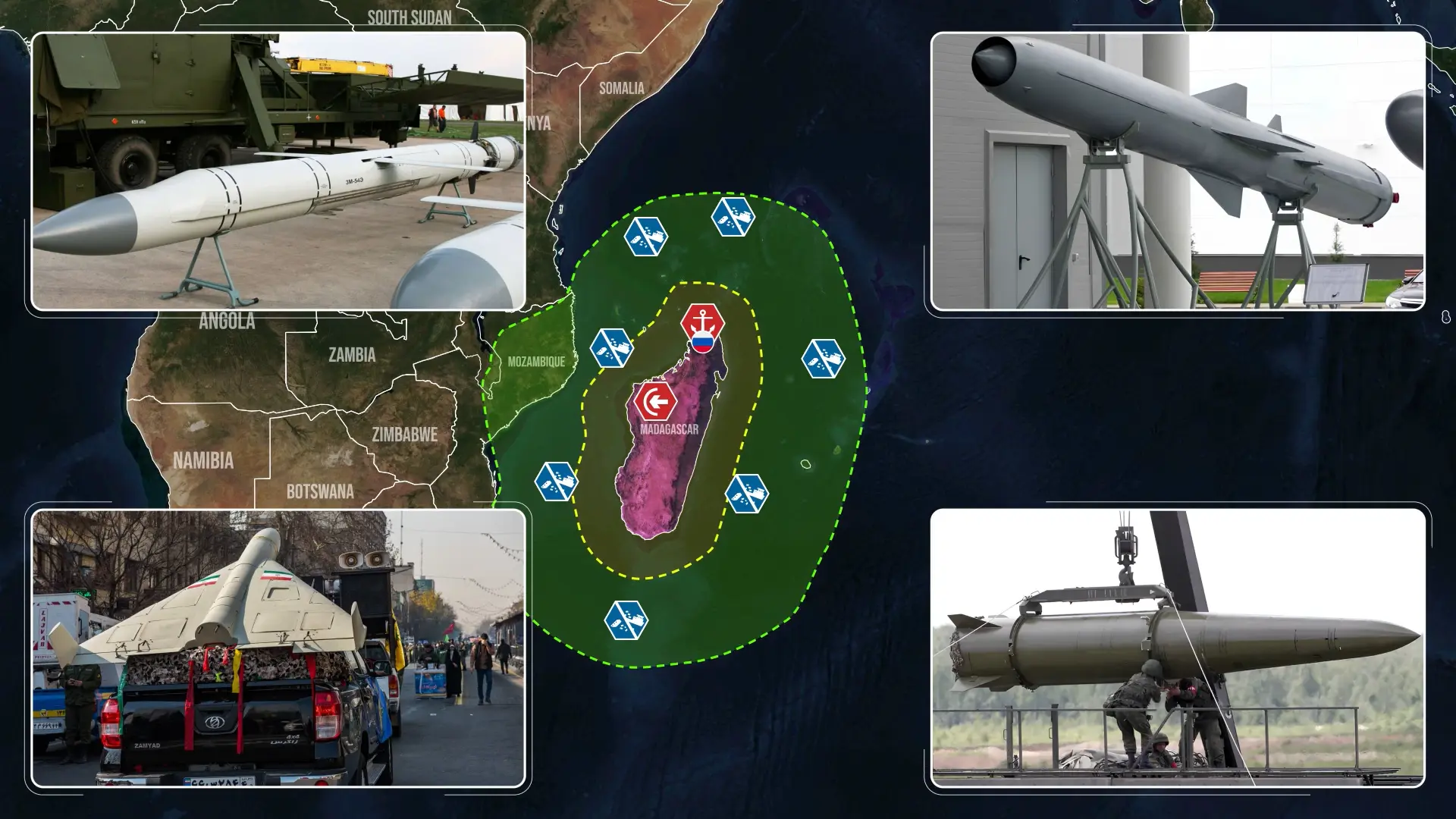
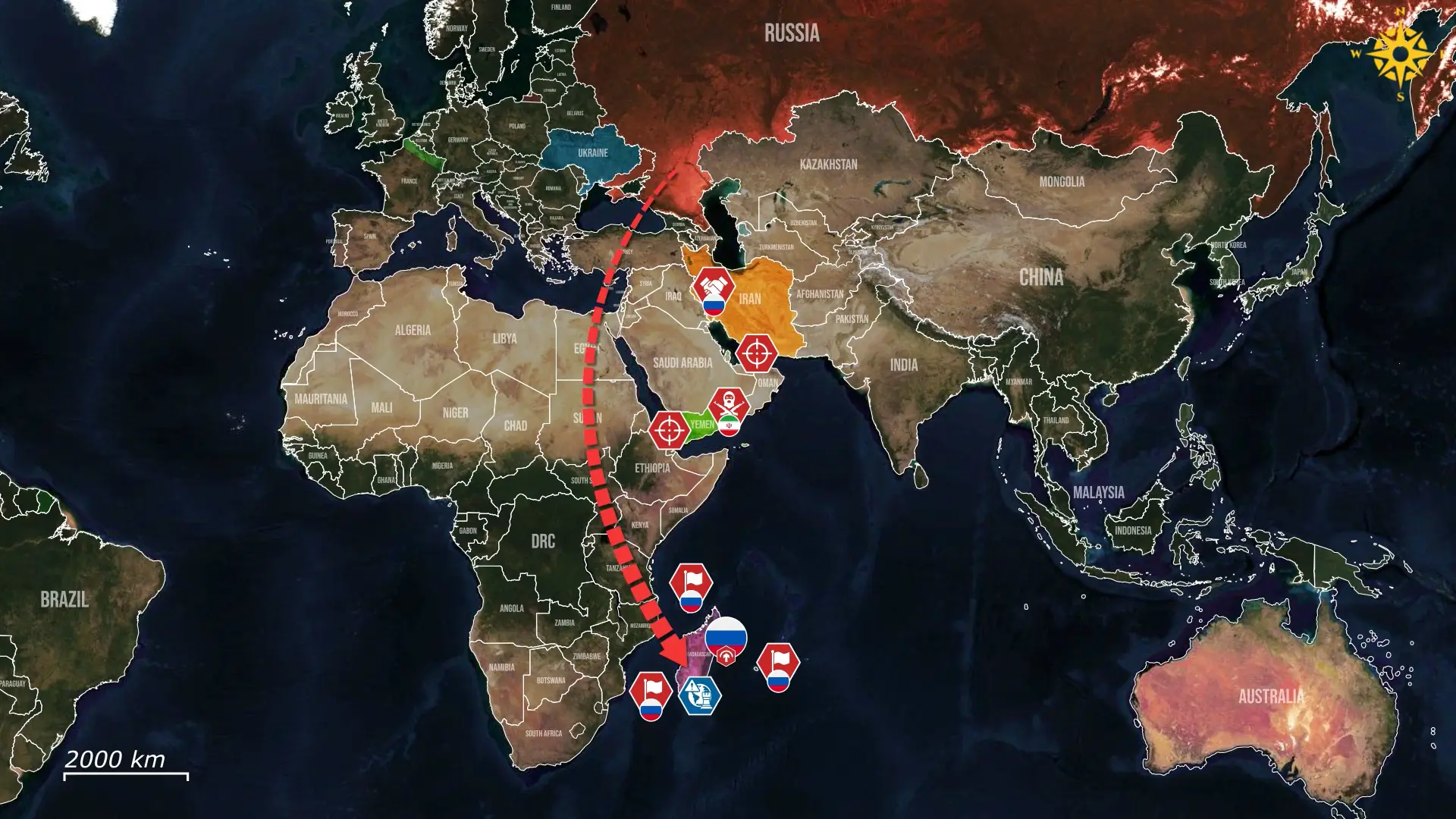
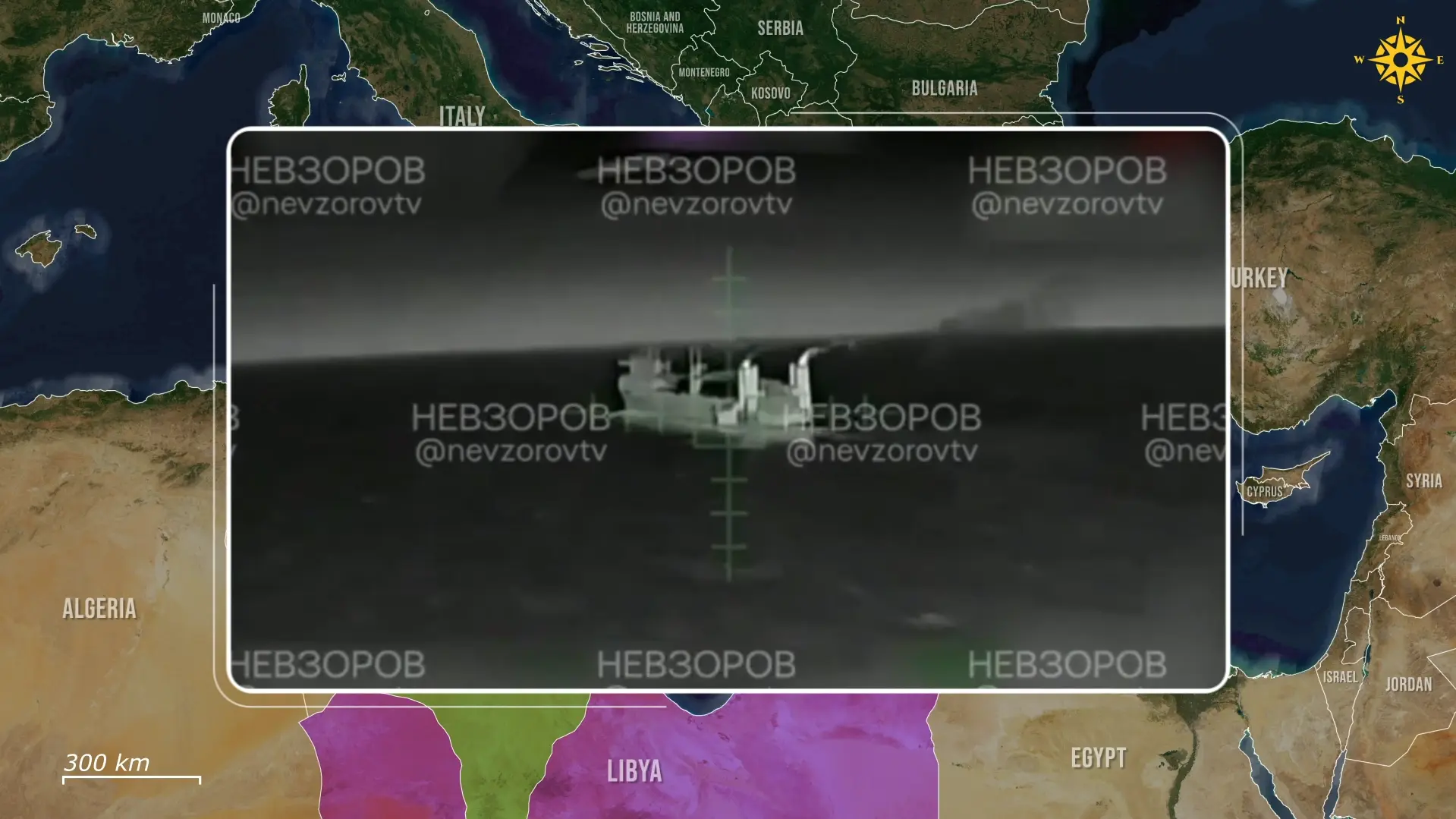
Madagascar’s geographic location has made it far more strategically important than merely an island nation. Hundreds of ships pass through the Mozambique Channel, located to the west of the island, every day. These vessels transport significant quantities of oil and gas from the Middle East and Southern Africa to Europe and the United States. Following the Iran war and the security crisis in the Bab el-Mandeb Strait and the Red Sea, maritime trade along the sea route around the southern tip of Africa has increased by one hundred twelve percent. As a result, Madagascar’s Diego Suarez Port, located at the junction of the Mozambique Channel and the Indian Ocean, has emerged as a strategically important location, becoming a focal point of Russia’s interest. In this context, a Russian delegation visited the port in April to assess the possibility of establishing a permanent naval base there. If Russia gains access to this port, it will be able to achieve a significant strategic advantage in the Mozambique Channel region. Russia possesses a vast arsenal of powerful anti-ship missiles, including the Kalibr, Oniks, and Zircon cruise missiles. These missiles have ranges extending from approximately three hundred kilometers to as far as one thousand kilometers. Using these missiles, Russia will be able to operate from Diego Suarez Port and easily turn commercial vessels belonging to Western countries and other nations entering the Mozambique Channel from the Indian Ocean into potential targets; similar to how Iran pressures shipping through the strait of Hormuz through its Shahed drone strikes. This will further strengthen Russia’s military influence and strategic position over this critical commercial maritime route.
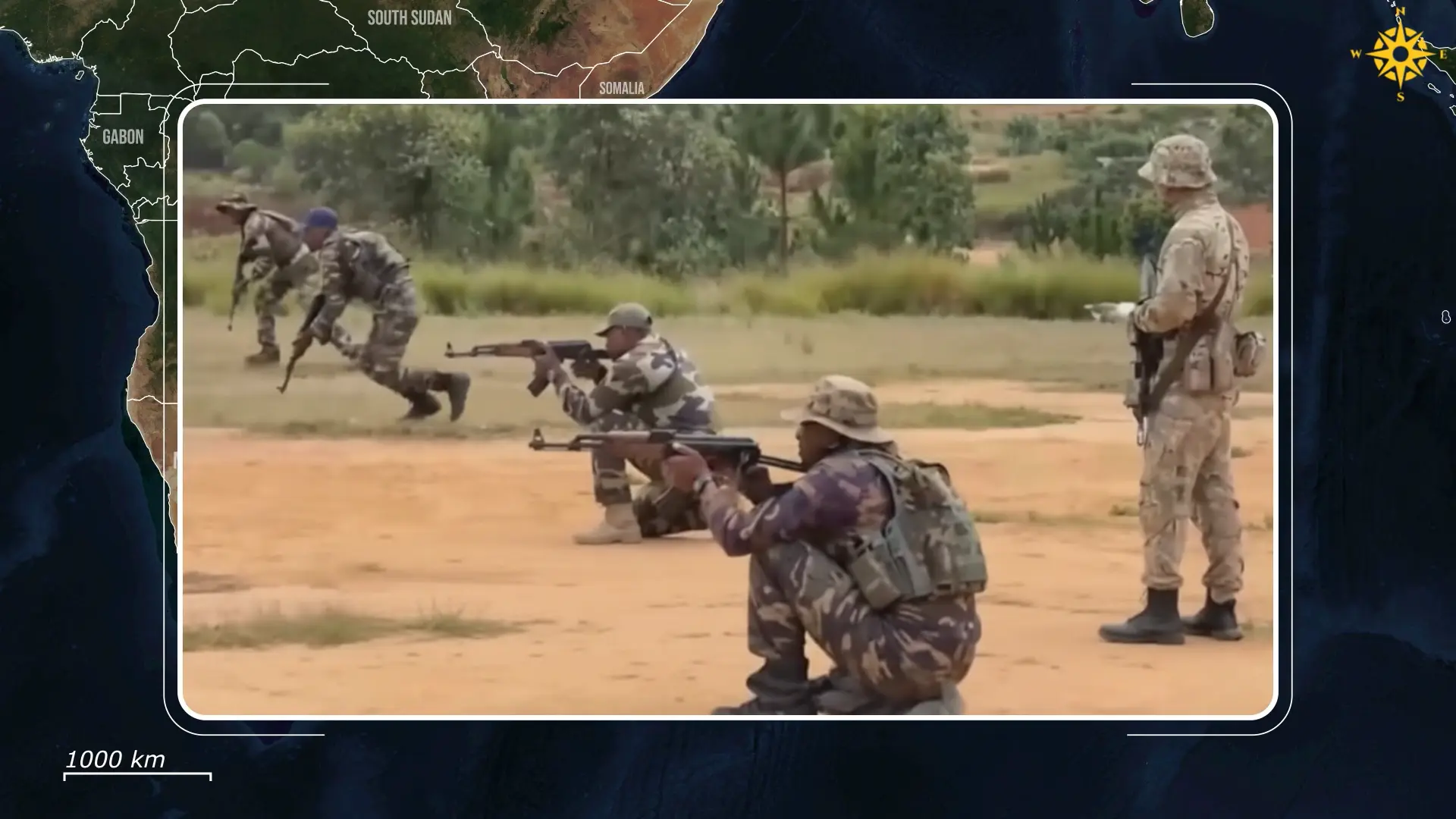
To ensure it gains control of this global leverage, Russia has deployed members of the Africa Corps, who have already begun working with the government to maintain stability and security in the country. In addition, to strengthen its relationship with the Madagascan government, Russia has supplied BMP-3 infantry fighting vehicles, man portable air defense systems, and large quantities of ammunition to the Madagascar armed forces. At the same time, instructors from the Russian Africa Corps have launched training programs for soldiers, including drone combat training. This training simultaneously builds reliance and long-term dependence on Russian weapons within Madagascar’s defense, all but ensuring Russia will continue to maintain a strong grip on its politics.
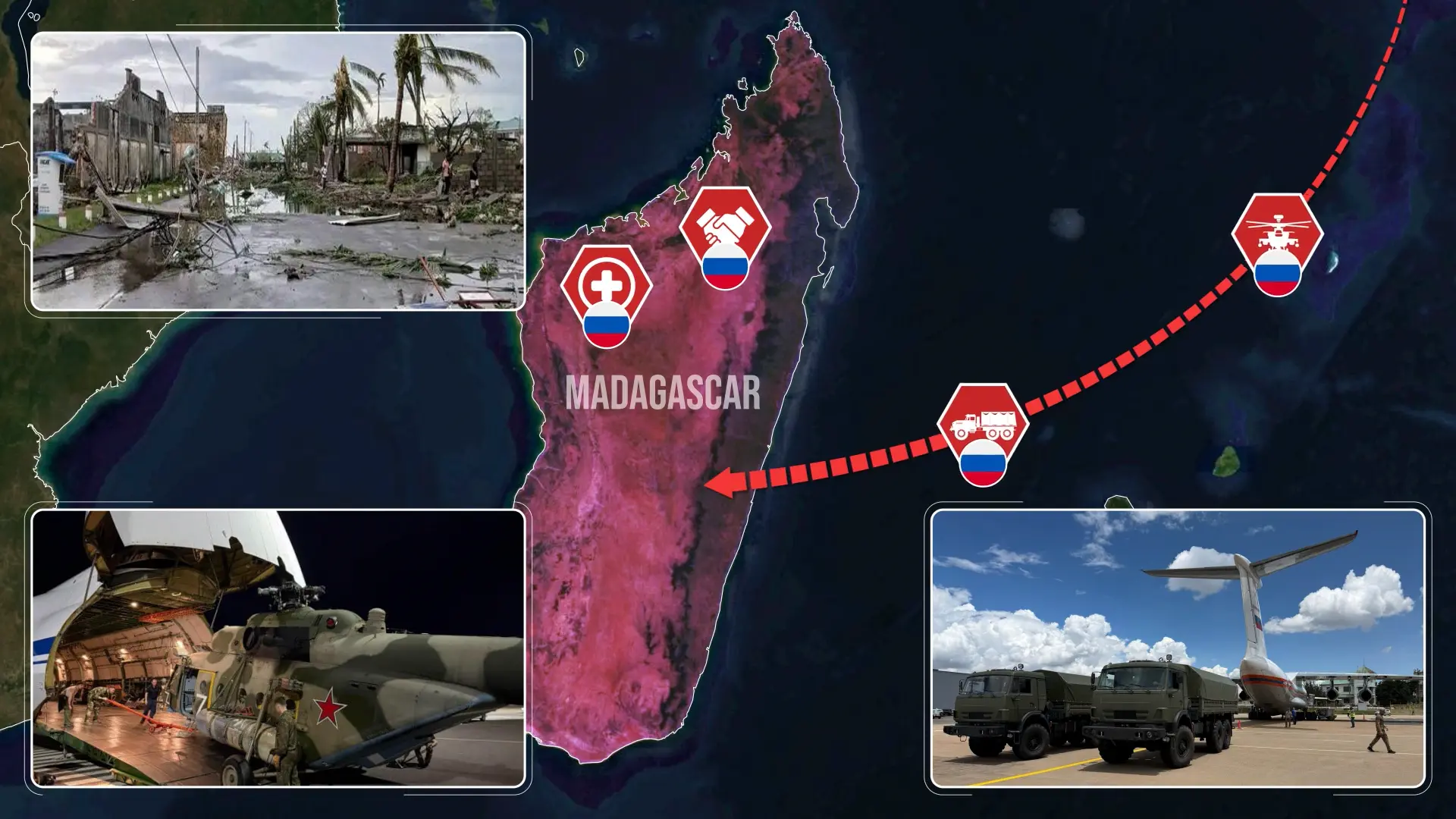
Alongside these efforts, Russia is also attempting to further strengthen its relationship with the Madagascar government by providing humanitarian assistance. Recently, two powerful cyclones struck Madagascar, causing flooding in several cities, destroying thousands of homes, and resulting in numerous casualties. While the Madagascar government was struggling to deal with this crisis, Russia extended a helping hand by transferring two unarmed Mi-eight helicopters, military trucks, and specialized equipment to the Malagasy government free of charge. Although Russia has presented this assistance solely as a humanitarian initiative, analysts and observers believe that Russia is severely creating opportunities to expand its military presence and influence in Madagascar, under the guise of humanitarian aid and improving its standing with the people of Madagascar.
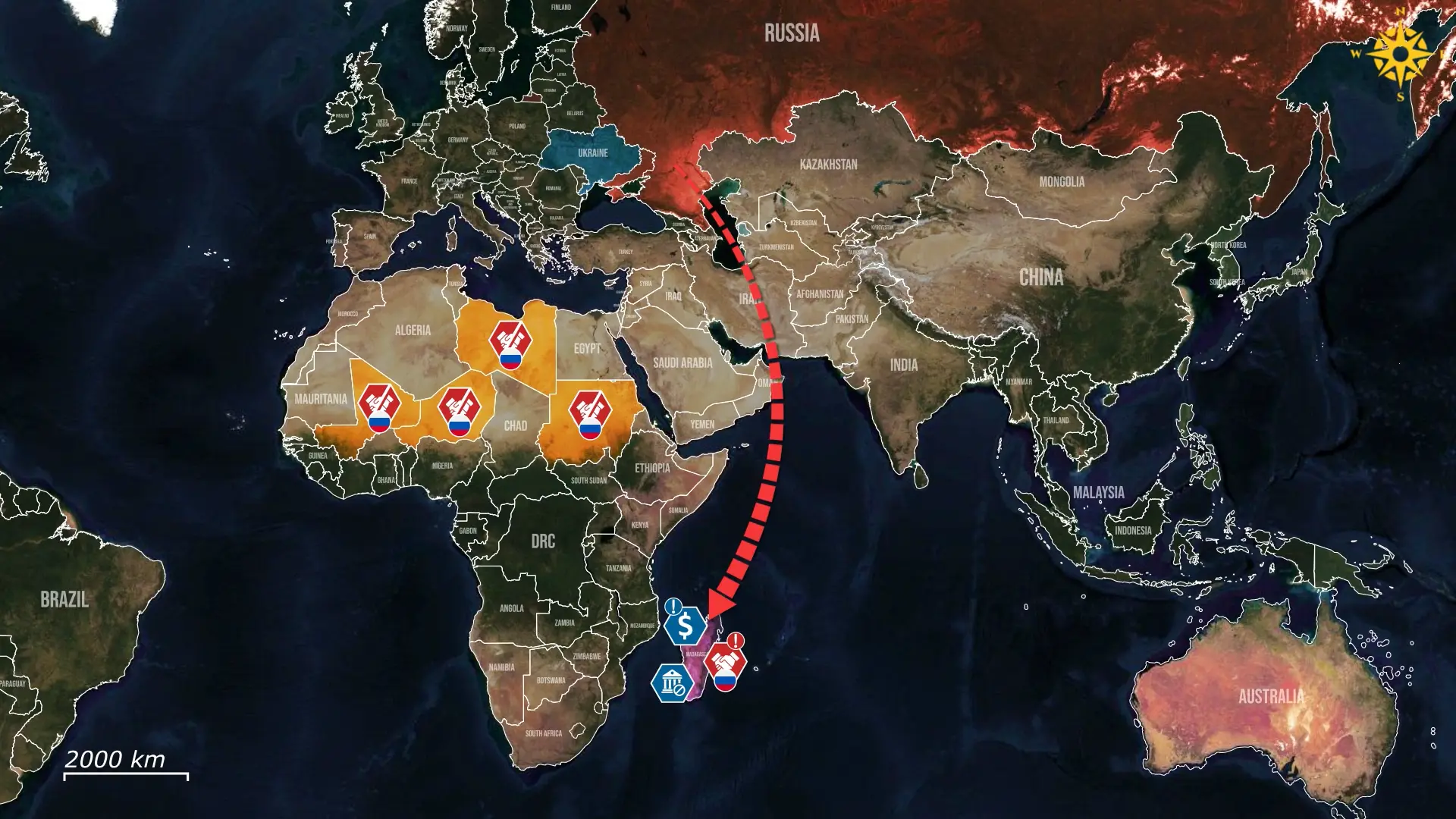
Expansion into Madagascar is also motivated by Moscow’s deep interest in the country’s rich natural resources; particularly its vast reserves of nickel, cobalt, other rare earth metals, and gold. Recently, the new government resumed the process of issuing licenses for the extraction of all types of natural resources except for gold. Russia aims to capitalize on this opportunity by establishing itself as Madagascar’s primary foreign partner in exchange for investments in the mining sector, creating a pathway to expand its political influence within the country while gaining control of globally important resources in return. As such, Russia has already begun exerting pressure on Madagascar’s new government to terminate all existing mining sector cooperation with Western companies.
When these actions by Russia are analyzed together, a major global concern emerges. Russia’s ally Iran has long maintained the ability to exert influence over the Strait of Hormuz and create pressure on the global energy supply system. Meanwhile, the Houthis being Iranian proxies, have continued launching attacks on commercial vessels in the Red Sea, creating significant instability along a critical maritime trade route. In this context, if Russia succeeds in establishing a long-term military presence and strategic influence in Madagascar, it will be able to apply similar pressure along the western edge of the Indian Ocean. As a result, key maritime trade routes connecting the East and West could come under the influence of Russia and its allies, creating new risks for global commercial activity and energy security, particularly for Western countries.
Overall, the situation in Madagascar is following a similar pattern to Mali, Niger, Libya and Sudan, where weak military governments are developing closer ties with Russia in order to maintain power and security. However, despite years of efforts, Russia has still failed to establish a strong and permanent foothold in these countries. Whether Russia succeeds in Madagascar will largely depend on the decisions of the new government, as the country remains heavily dependent on Western nations economically. If the Malagasy government transforms its cooperation with Russia into long-term military agreements, the country could face the risk of Western sanctions, potentially triggering a severe economic crisis. This clearly indicates that Russia could also fail to establish its influence in Madagascar.
.jpg)



Comments