

.svg)
Today, there are important updates from Ukraine.
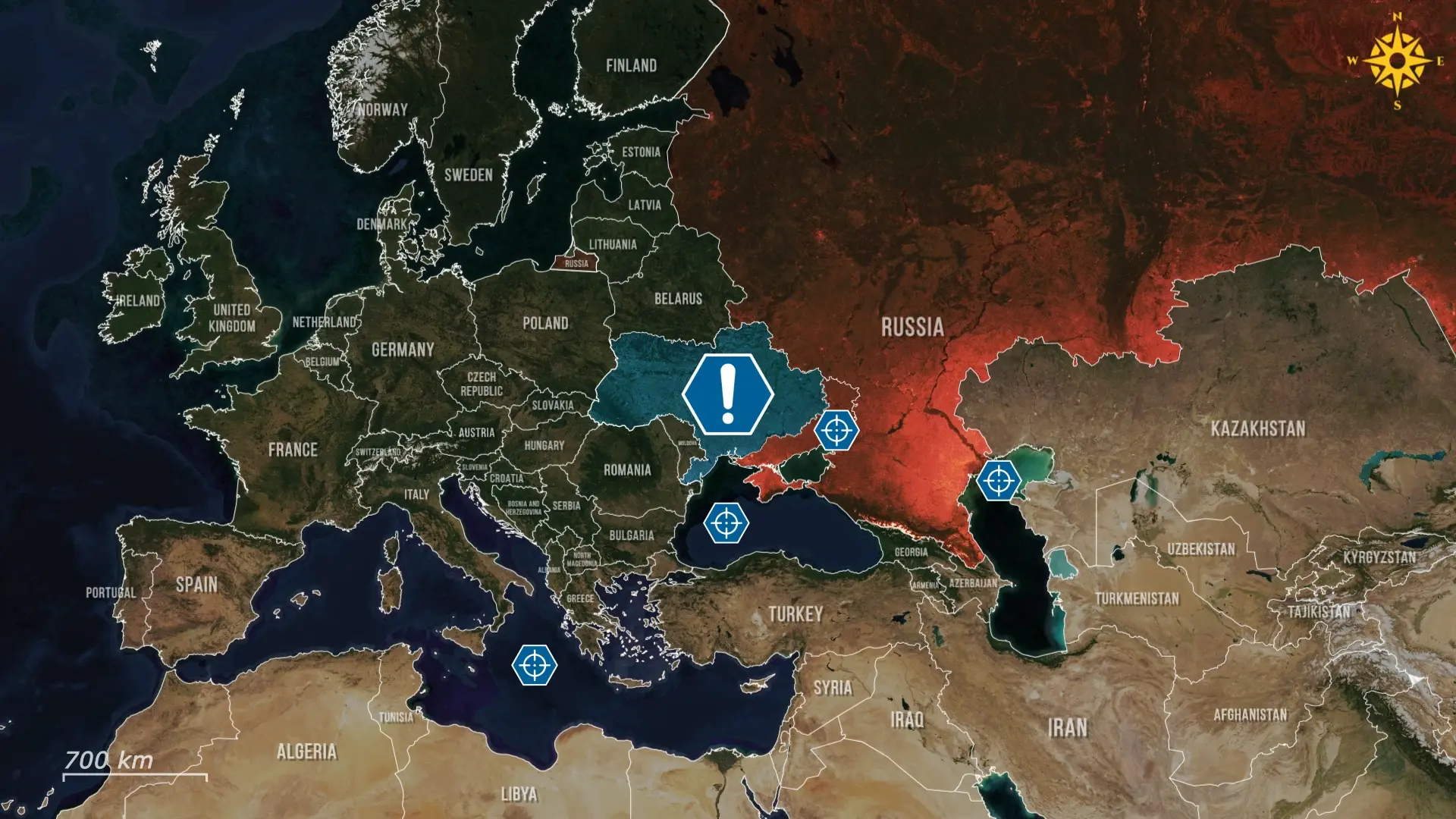
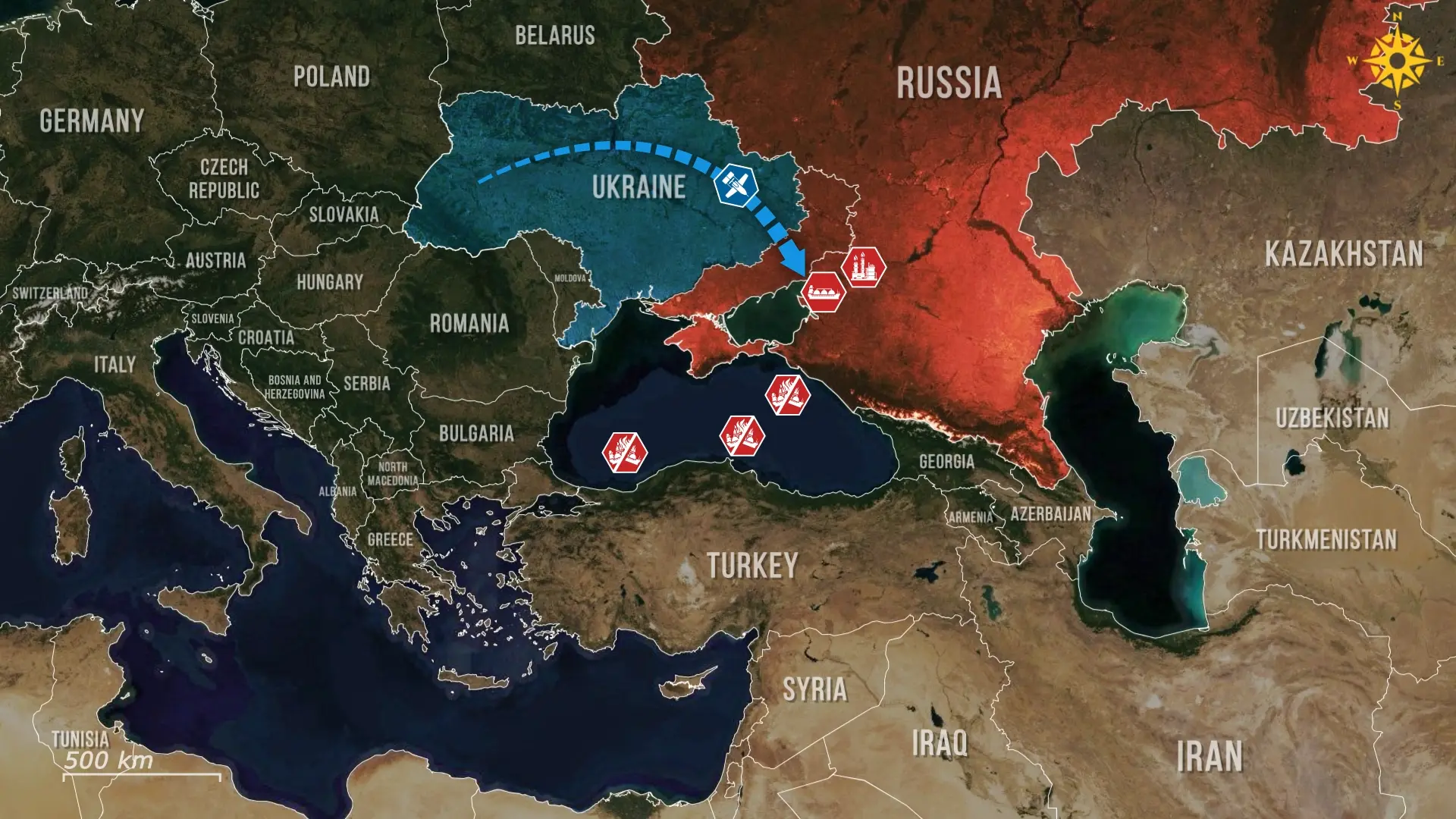
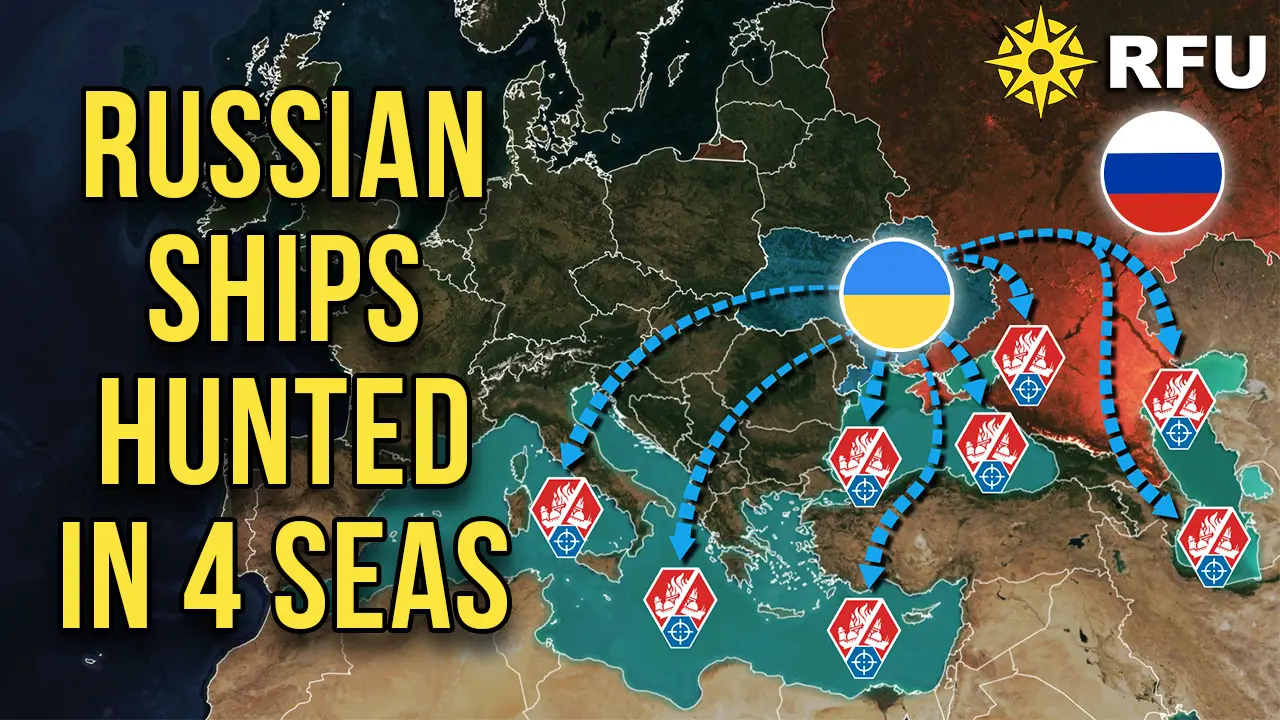
Here, Ukraine has moved from sanctioning Russia’s war economy on paper to enforcing those sanctions across thousands of kilometers and over four entire seas by themself. By conducting air and naval drone strikes against Russian tankers and oil-drilling platforms, Ukraine stepped up its efforts across 3 continents to harm Russia’s ability to wage war.
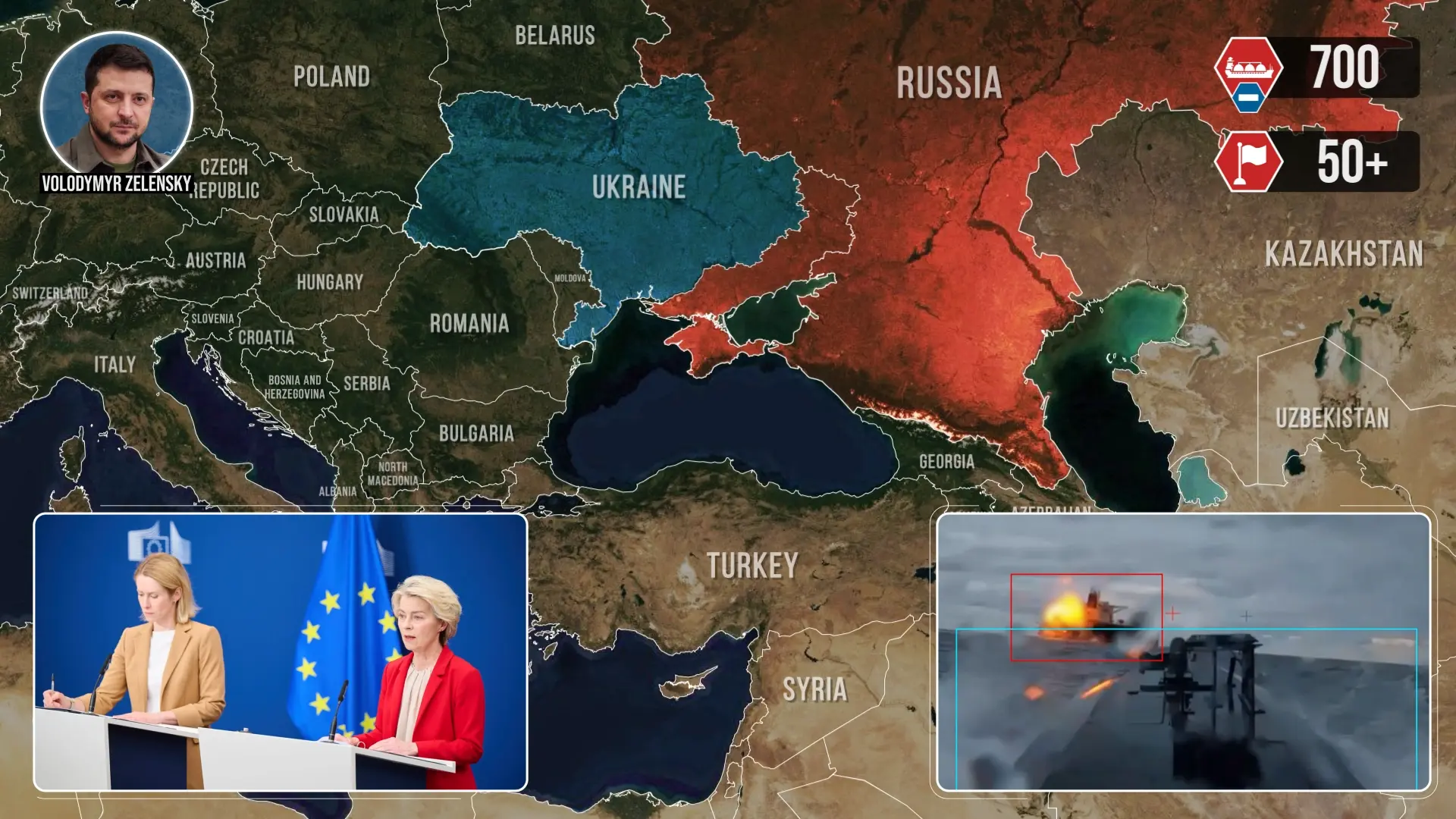
President Volodymyr Zelensky announced that Ukrainian sanctions against nearly 700 vessels linked to Russia’s shadow fleet have officially entered into force. These ships account for a large share of Russia’s oil and energy exports, but also aid in importing sanctioned goods, which give it the ability to finance the war. According to Zelensky, the vessels operate under the flags of more than 50 jurisdictions, highlighting how deeply Russia has embedded sanctions evasion into global shipping networks. Ukrainian intelligence estimates that Western partners have already sanctioned 555 vessels, and Ukraine is now synchronizing its own measures with physical action, as the message is clear that Russian illicit shipping will no longer be safe simply because they sail far from Ukrainian shores.
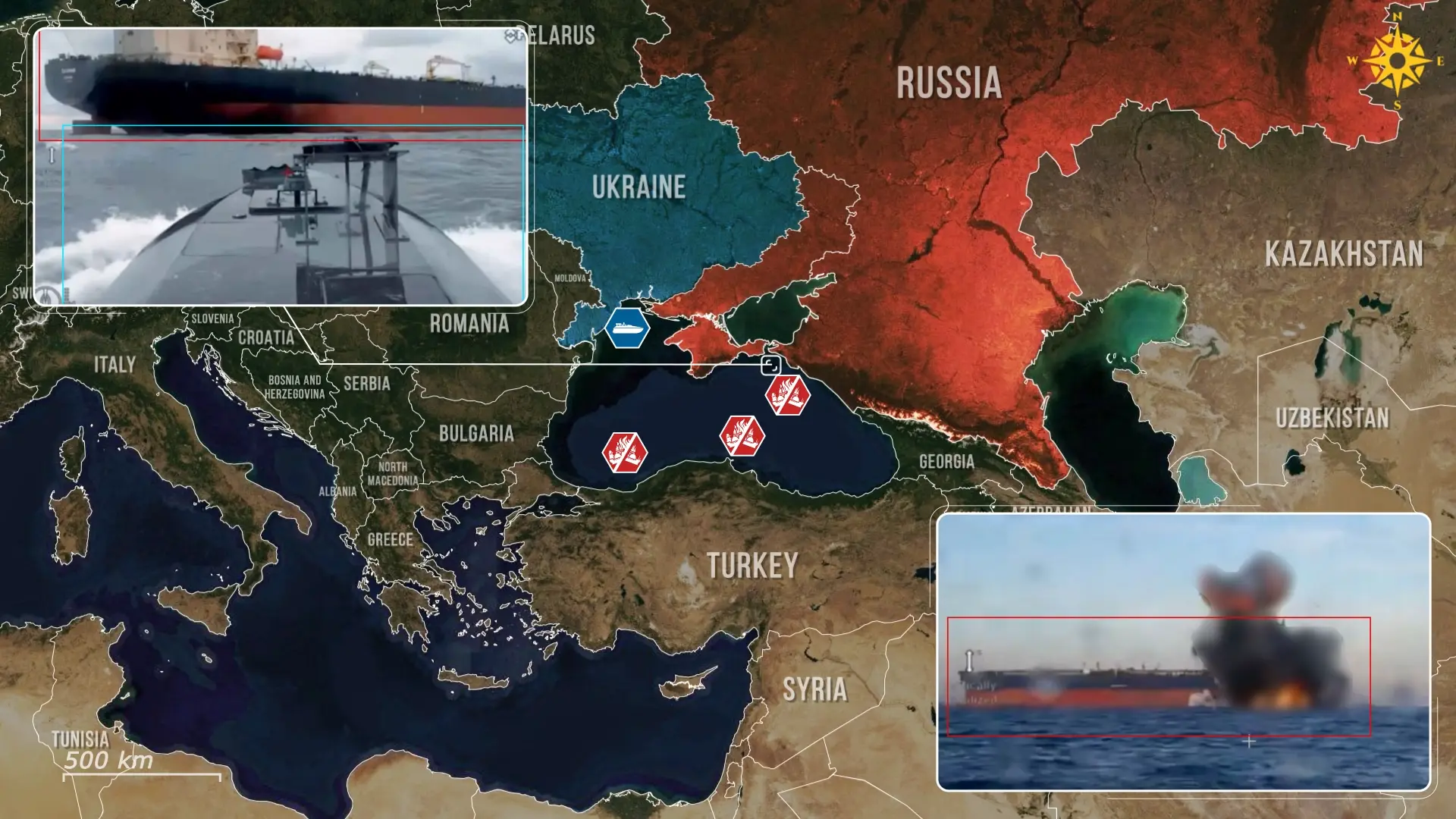
Firstly, Ukraine demonstrated in the Black Sea that these sanctions are not symbolic, escalating their maritime campaign by striking shadow fleet oil tankers with Sea Baby naval drones. The first confirmed targets were the sanctioned tankers near the Turkish coast as they were heading empty toward Novorossiysk for loading.
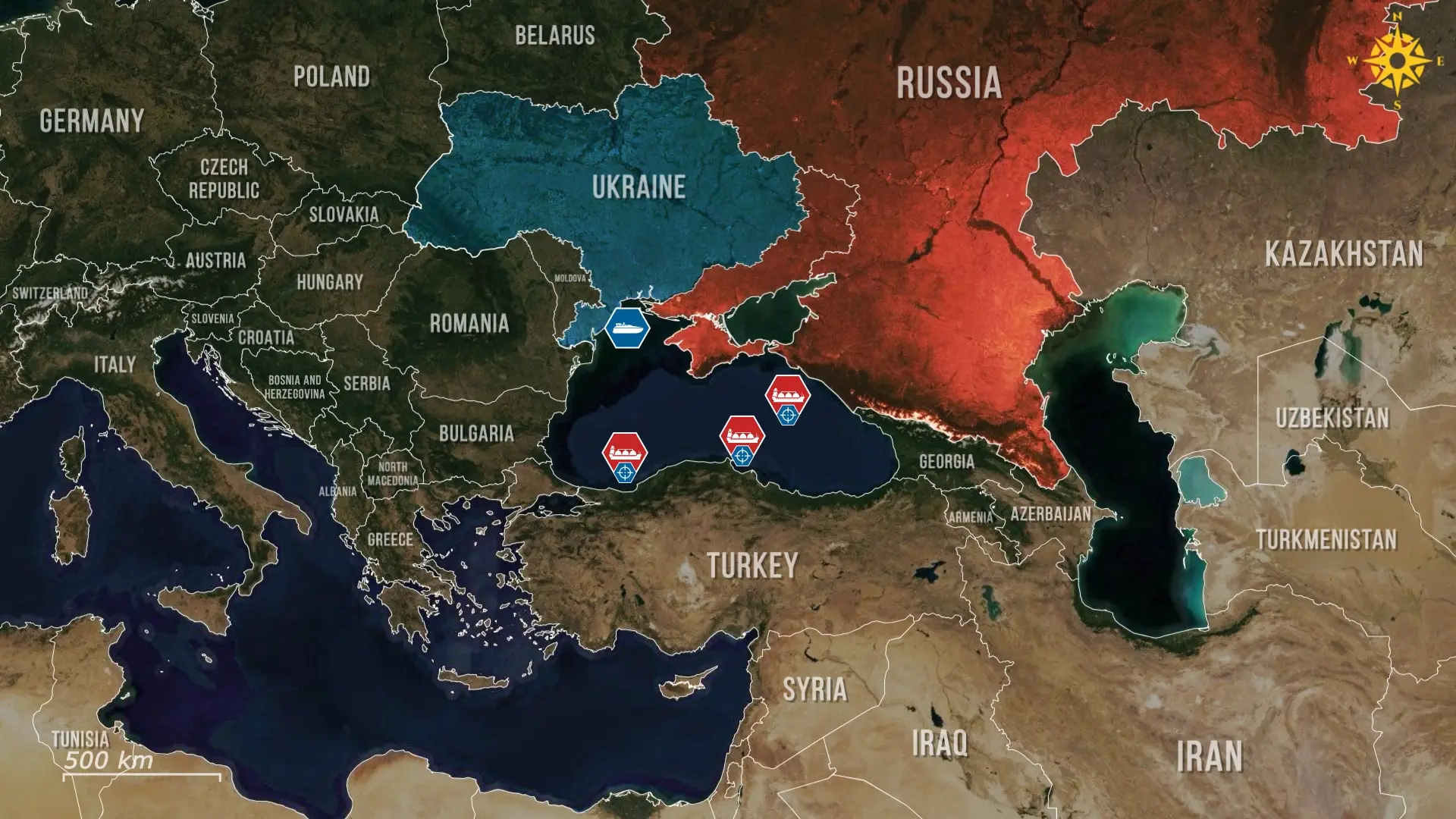
The campaign continued with a high-profile strike on the tanker Dashan. Despite sailing at high speed with its transponder switched off, the ship was tracked and hit multiple times, with geolocated Ukrainian drone footage showing severe damage to the stern. These attacks significantly raise insurance costs, deter crews, and undermine Russia’s ability to quietly move oil through sanctioned routes through the now dangerous Black Sea.
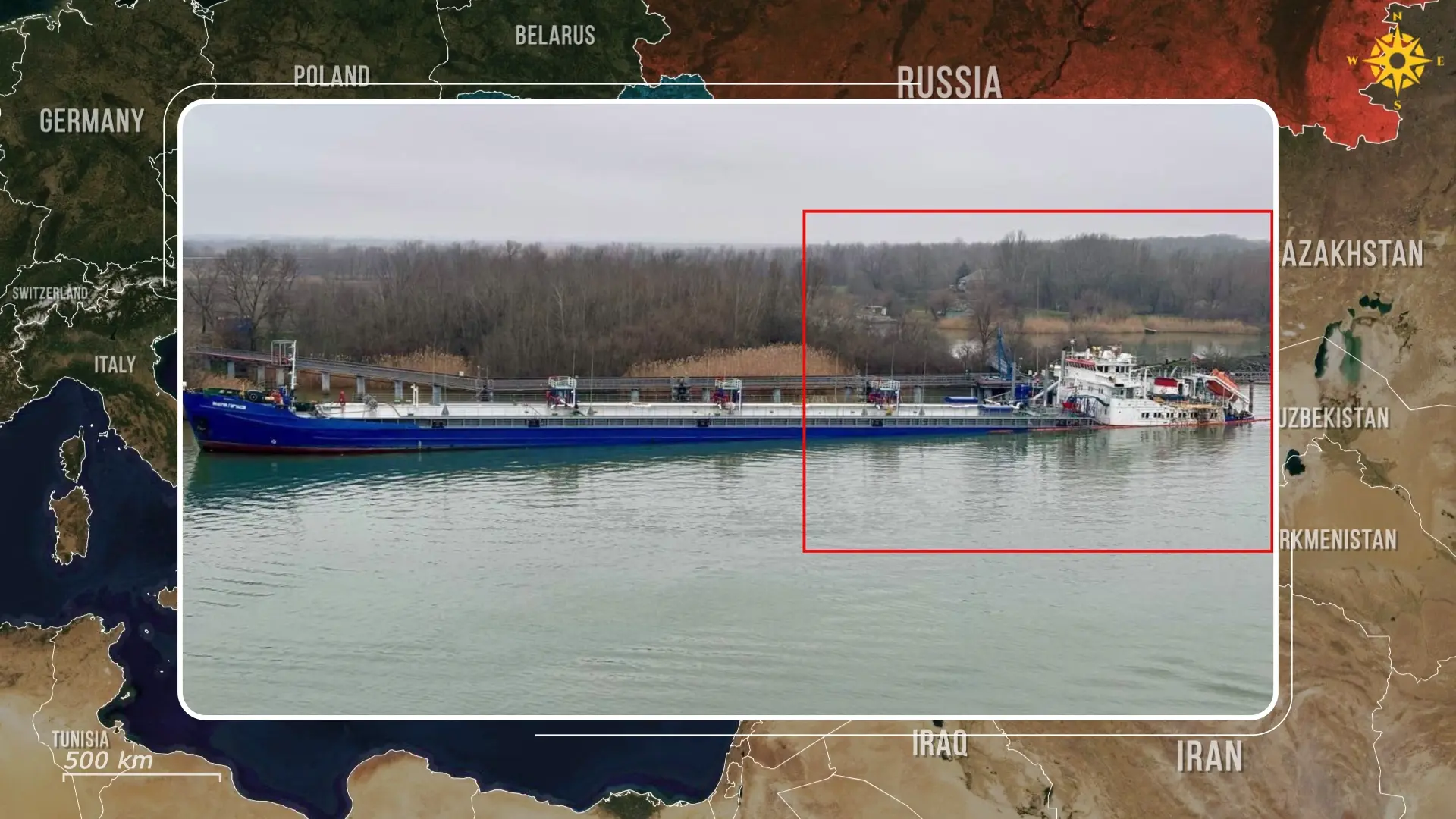
The pressure extended into the Sea of Azov, where Ukraine struck directly inside Russia’s logistical rear. At the port of Rostov-on-Don, the sanctioned tanker Valery Gorchakov was hit while positioned next to the Novoshakhtinsk oil products transshipment terminal.
The strike caused extensive flooding of the stern, fires on board, and serious damage to the engine and steering compartments. The tanker began to sink and had to be surrounded by booms as authorities rushed to cordon off the site, demonstrating that even ports deep inside Russia’s rear are no longer insulated from retaliation.
Ukraine then expanded the battlefield into the Mediterranean Sea, crossing a psychological and operational threshold. For the first time, the Security Service of Ukraine’s Alpha unit struck a Russian shadow fleet tanker in neutral Mediterranean waters more than 2,000 kilometers from Ukrainian territory.
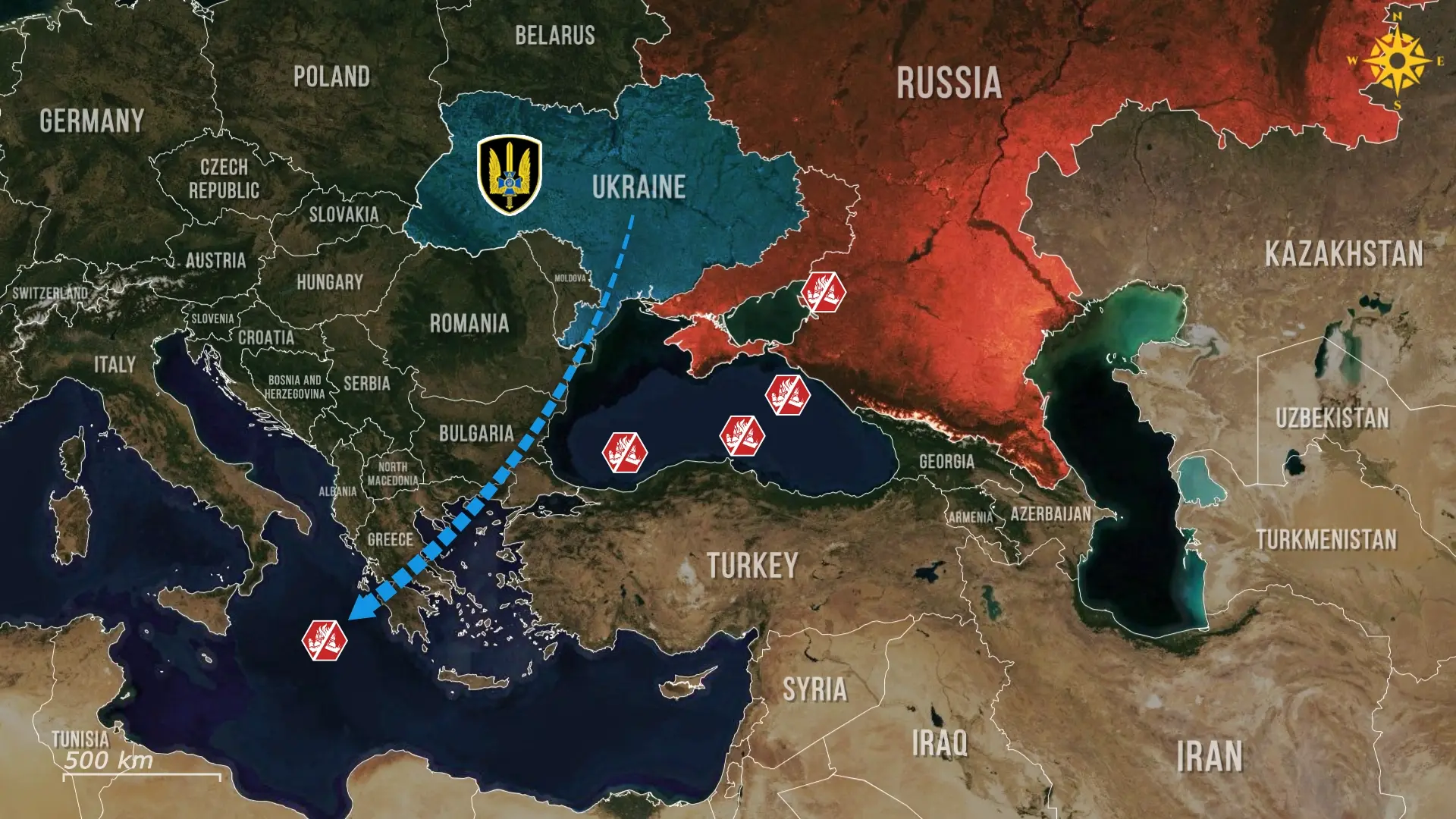
In a multi-stage operation, aerial drones hit the tanker Quendil with drone-dropped munitions while it was empty, ensuring no environmental damage from oil spills would occur. The vessel suffered critical structural damage and can no longer be used for oil transport. Ukrainian officials stressed that the ship had been used to evade sanctions and generate revenue for the war, making it a legitimate target under the laws and customs of war.
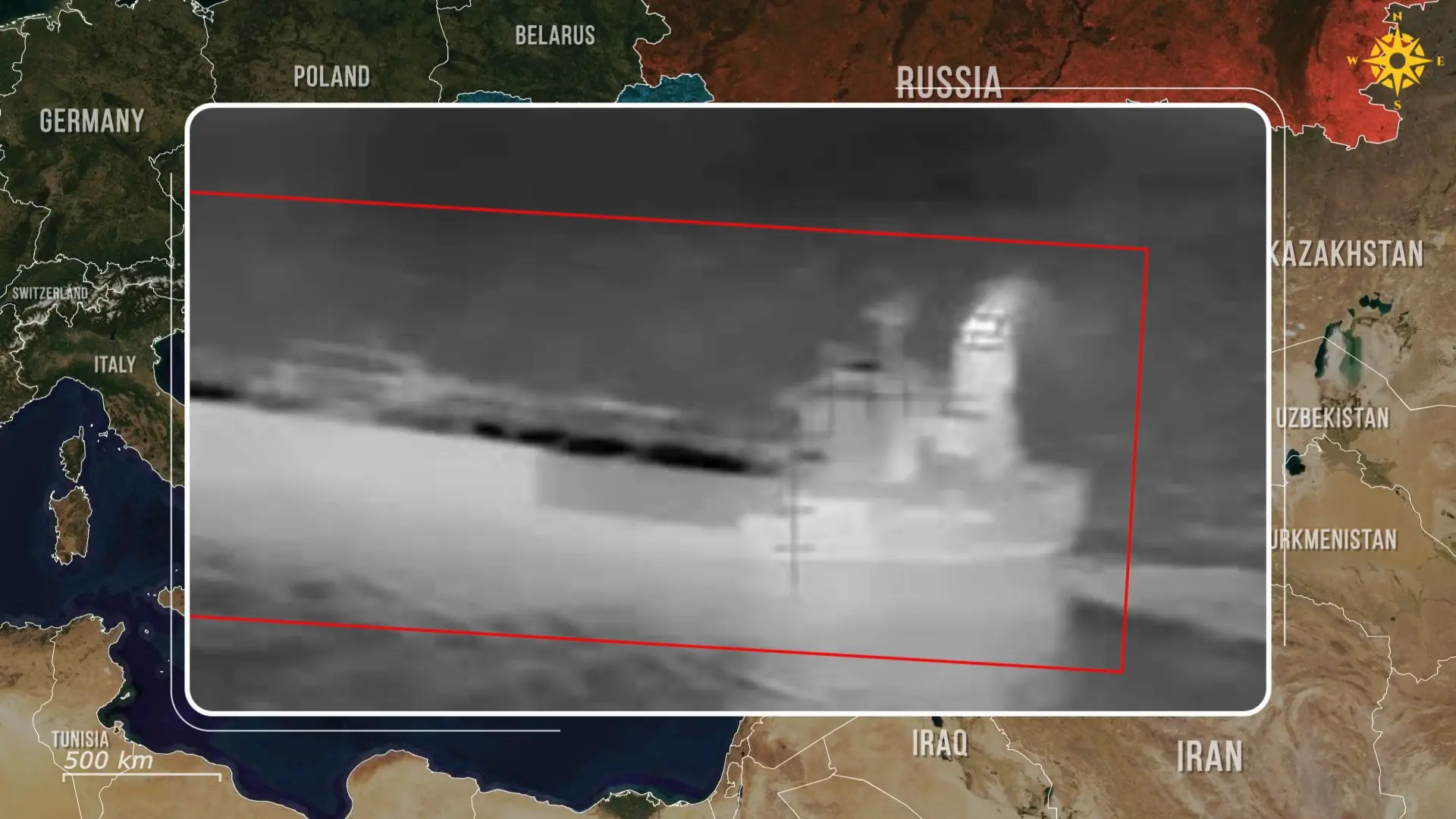
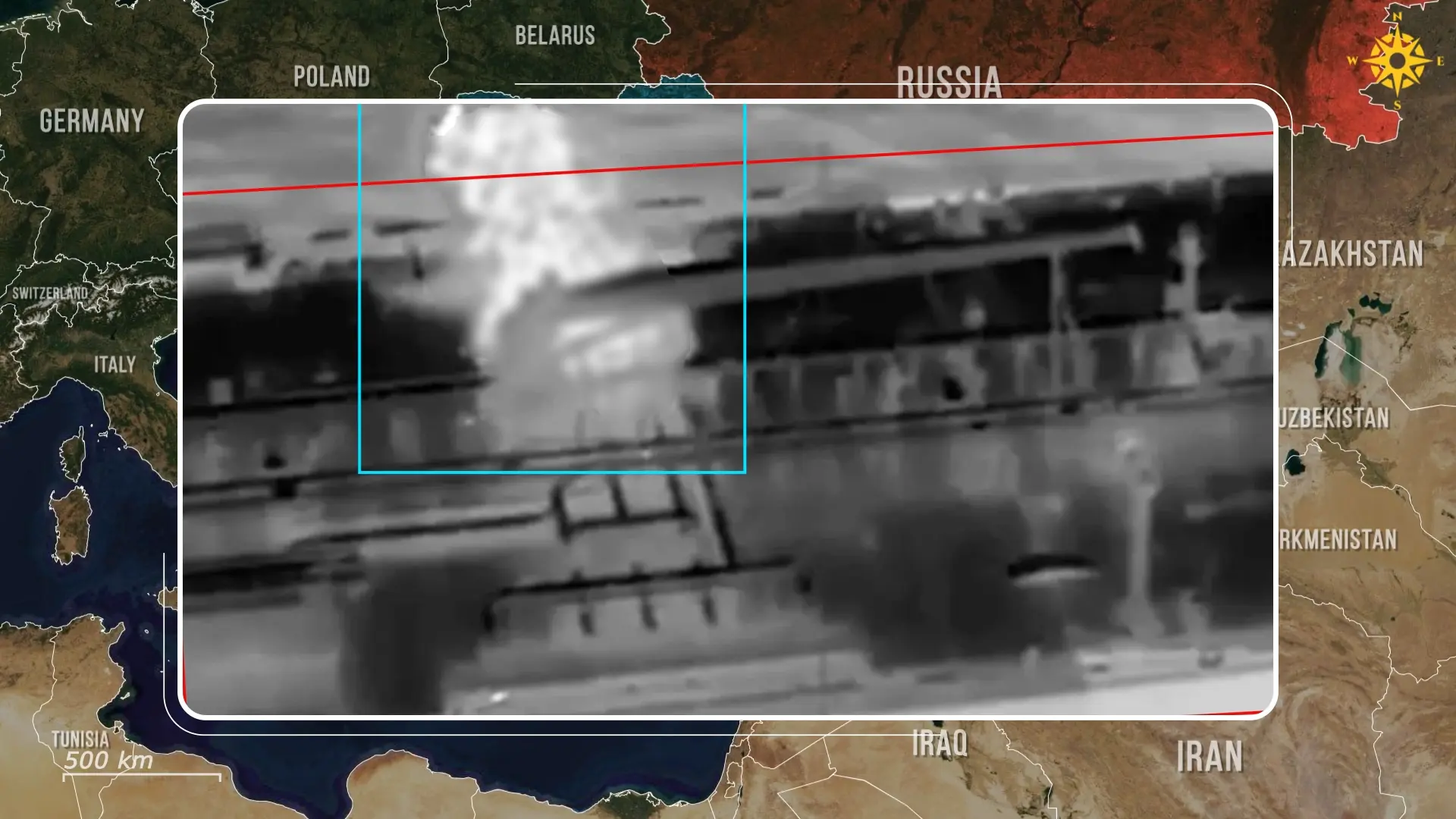
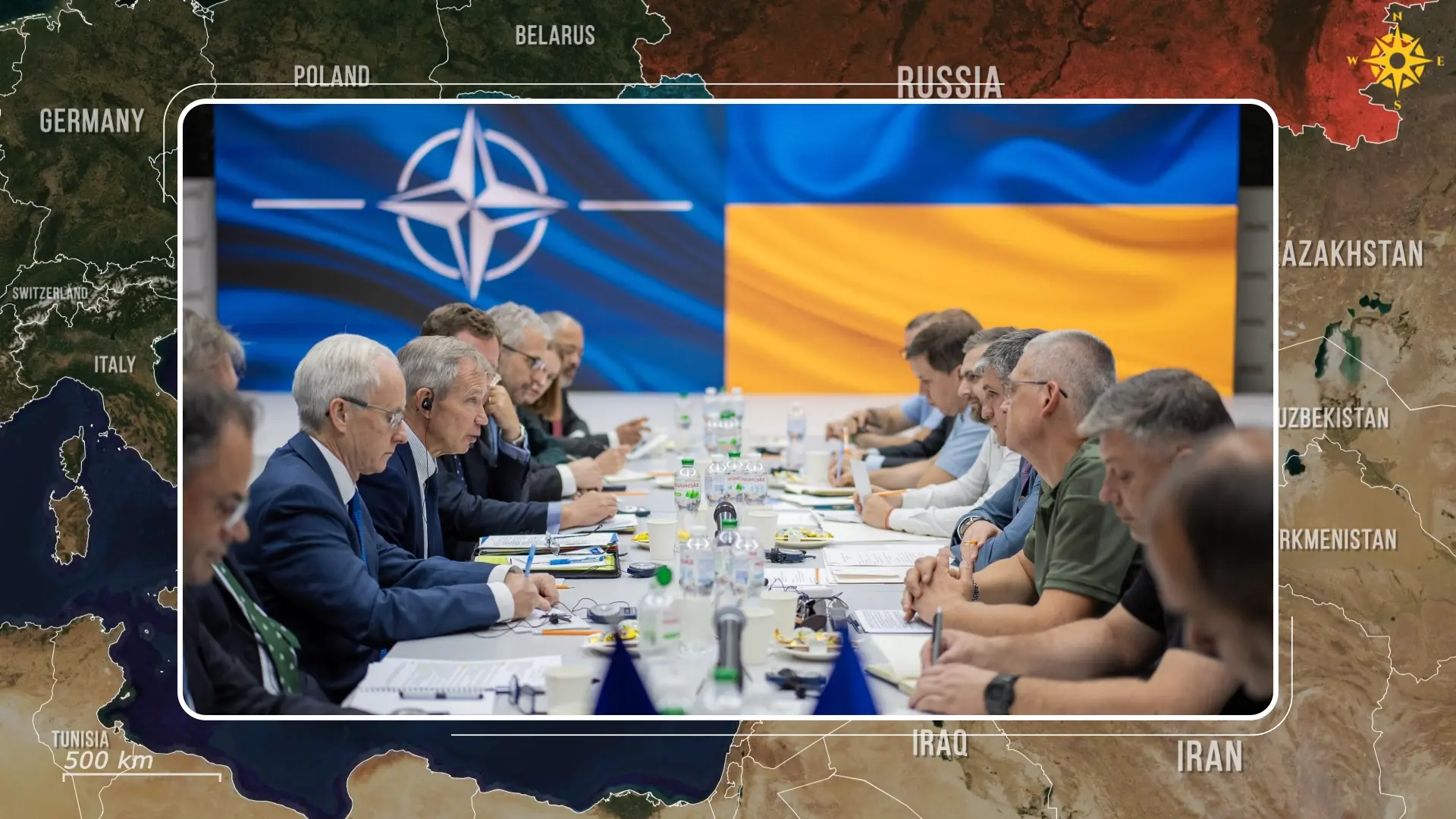
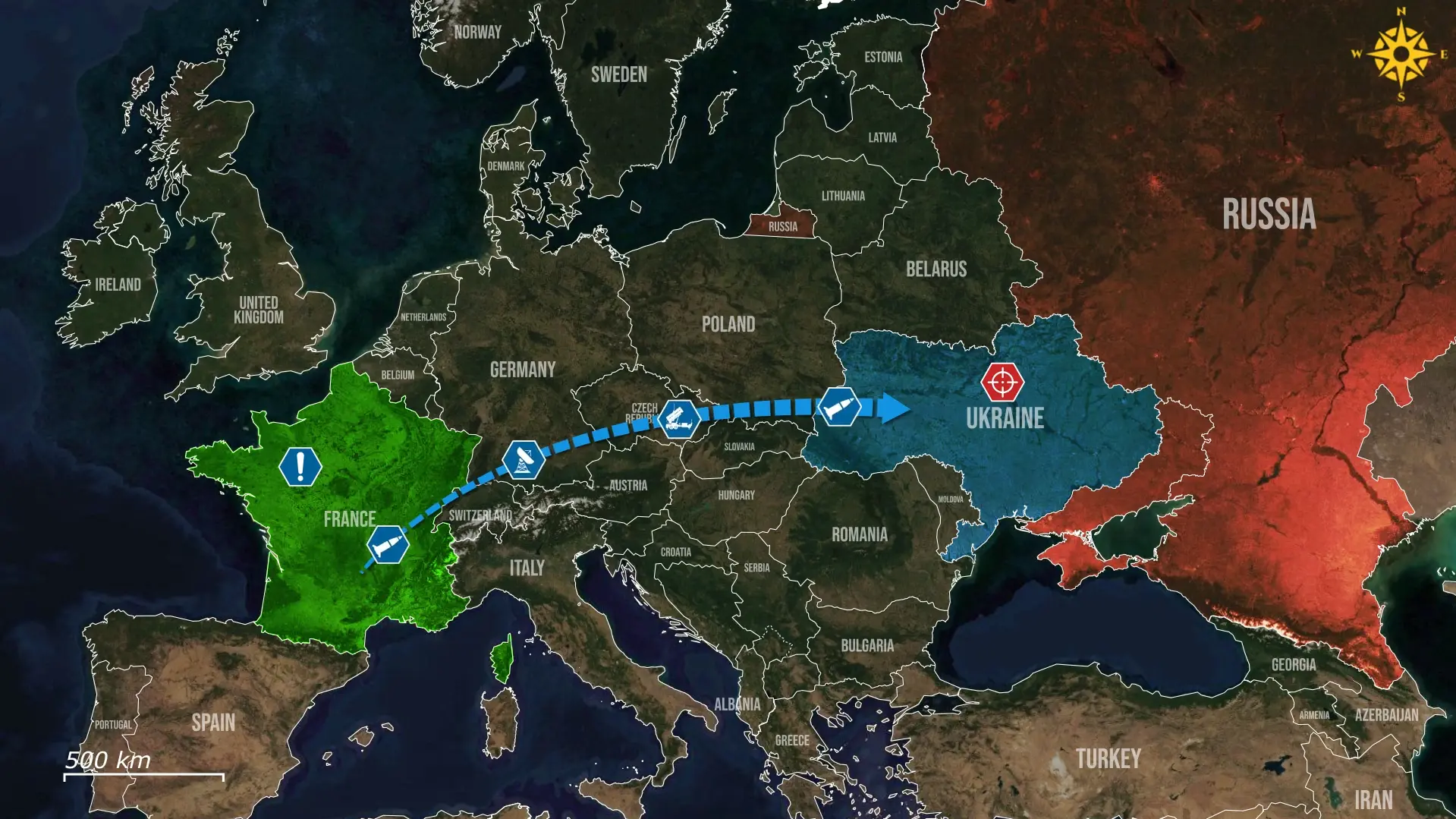
Interestingly, the ability to conduct such an operation so far from Ukraine raised suspicion about possible Western support of the plan, or otherwise Ukrainian launching points in Nato territory, increasing the possibility of Ukrainian drone strikes on Russian targets in the Baltic or North Seas as well.
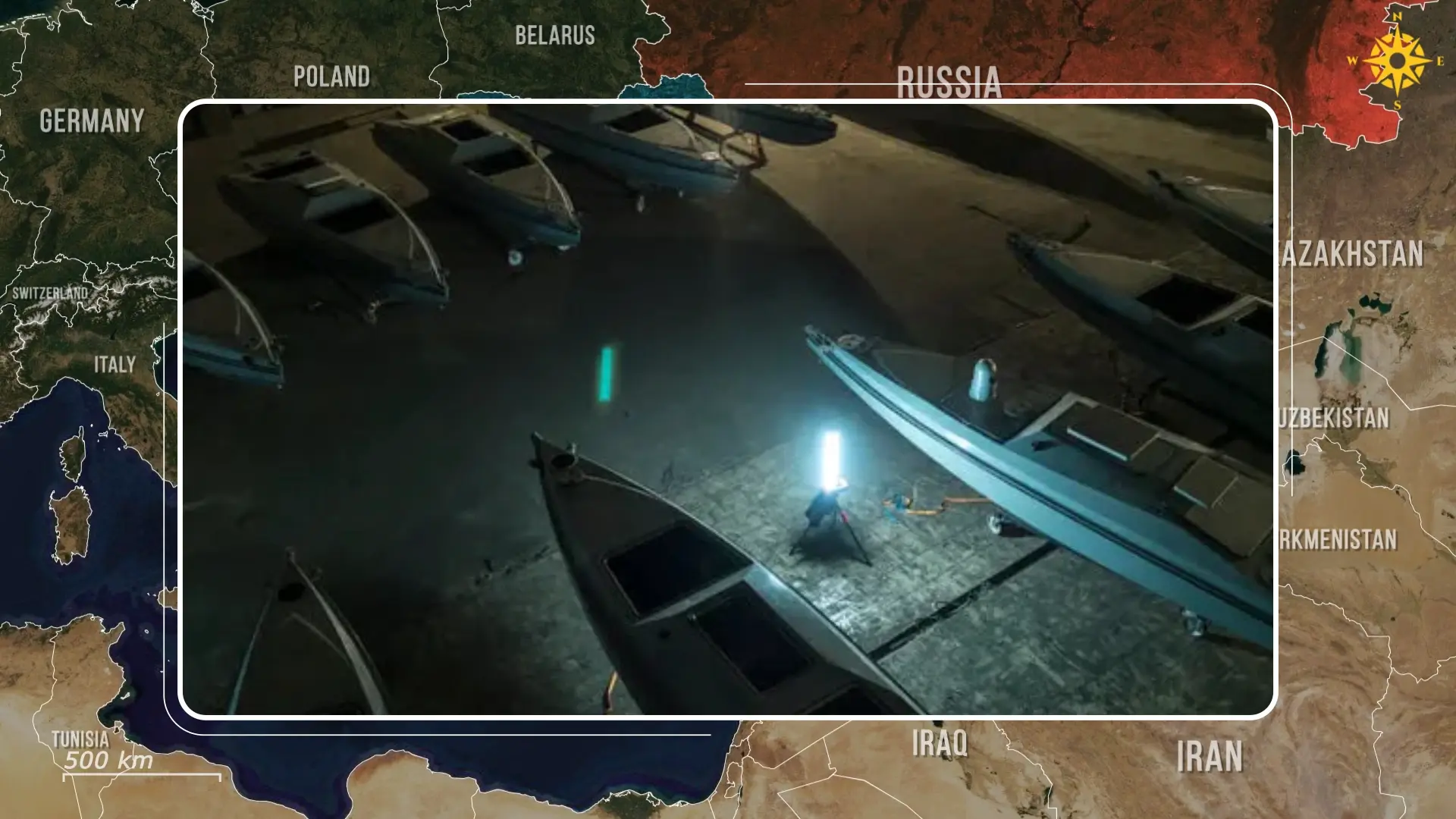
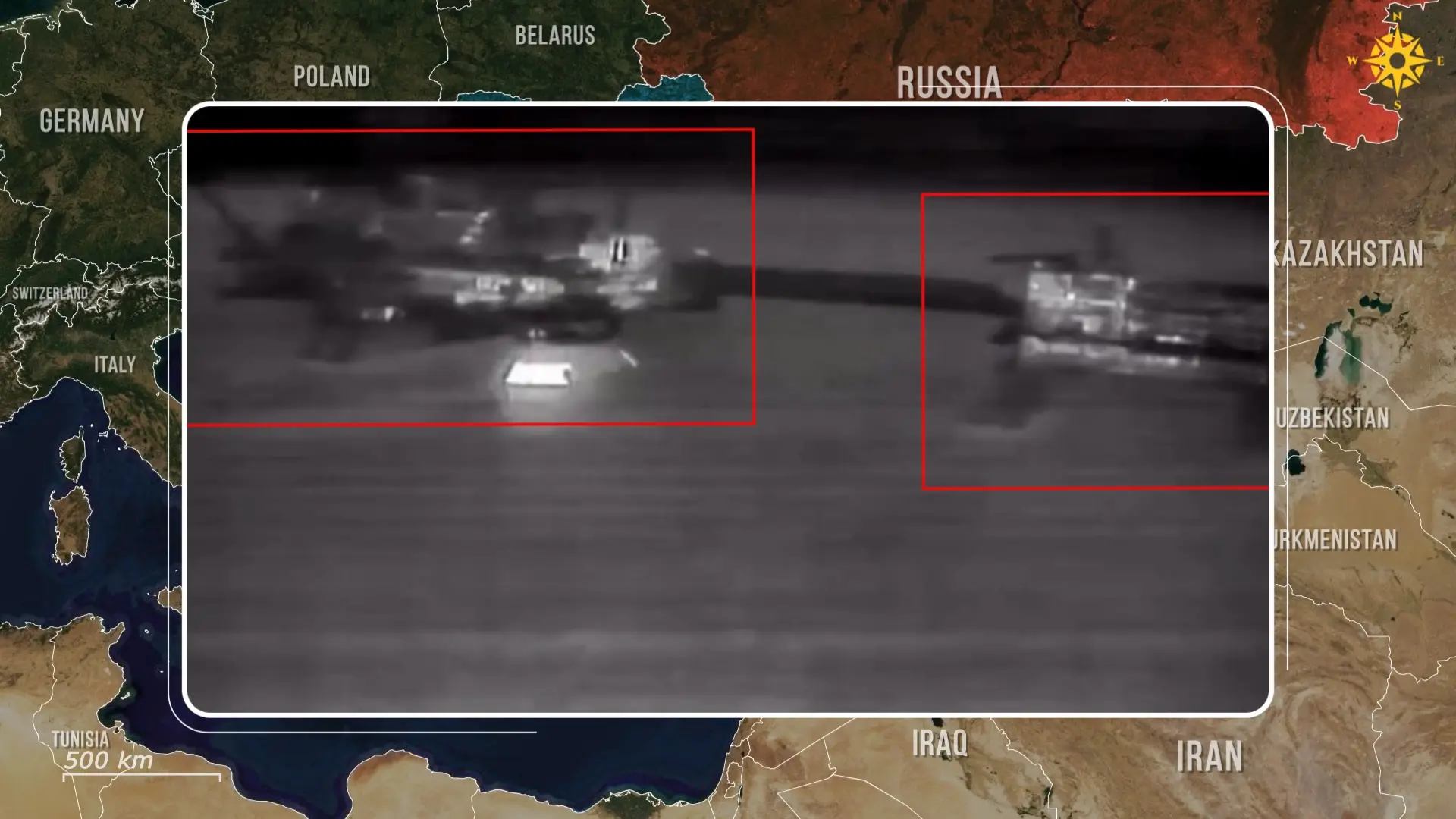
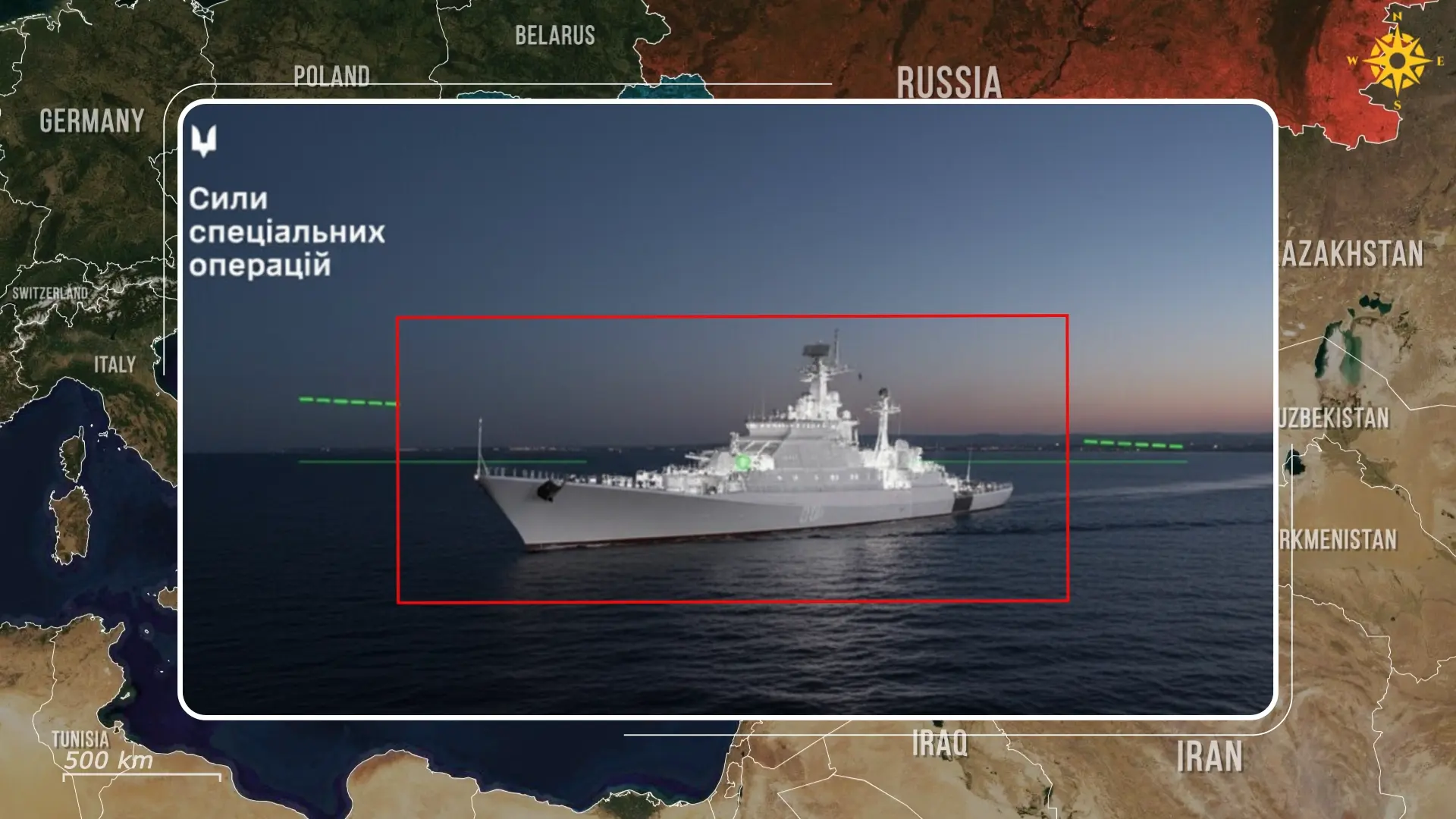
The fourth sea in this expanding campaign is the Caspian, where Ukraine has targeted not just transport but production itself. Long-range drones struck Russia’s largest Caspian oil platform, Filanovsky, halting extraction from multiple wells. Follow-up attacks hit the Korchagin platform twice and later the Rakushechnoye platform, forcing repeated shutdowns. In the same operational cycle, Ukrainian special forces struck the Russian navy patrol ship Okhotnik operating nearby, which was deployed to urgently protect the platforms, but was unable to protect even itself.
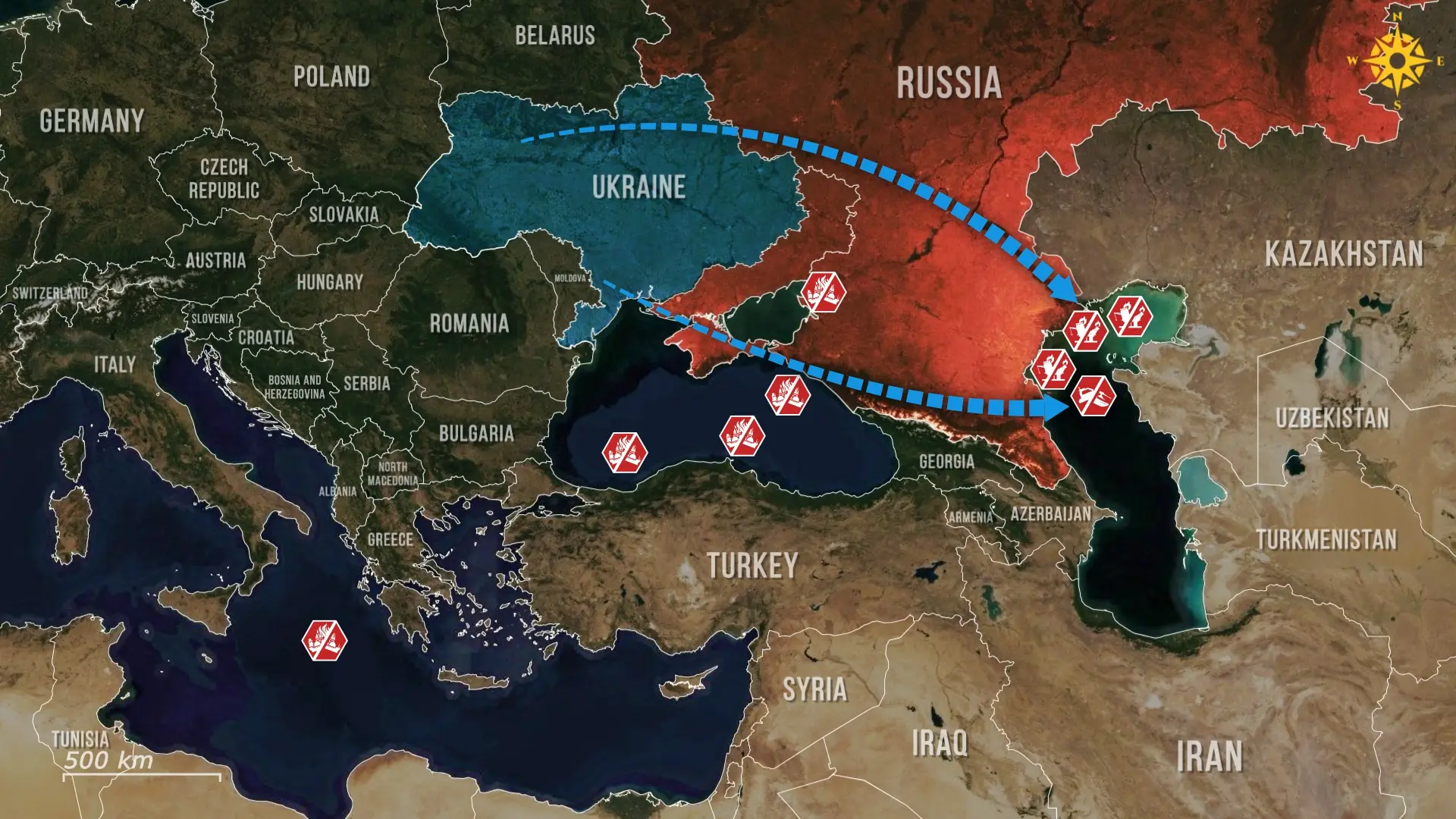
These attacks, conducted up to 900 kilometers from Ukrainian territory, have disrupted offshore production and forced Russia to divert air defenses and resources to protect assets it once considered untouchable.
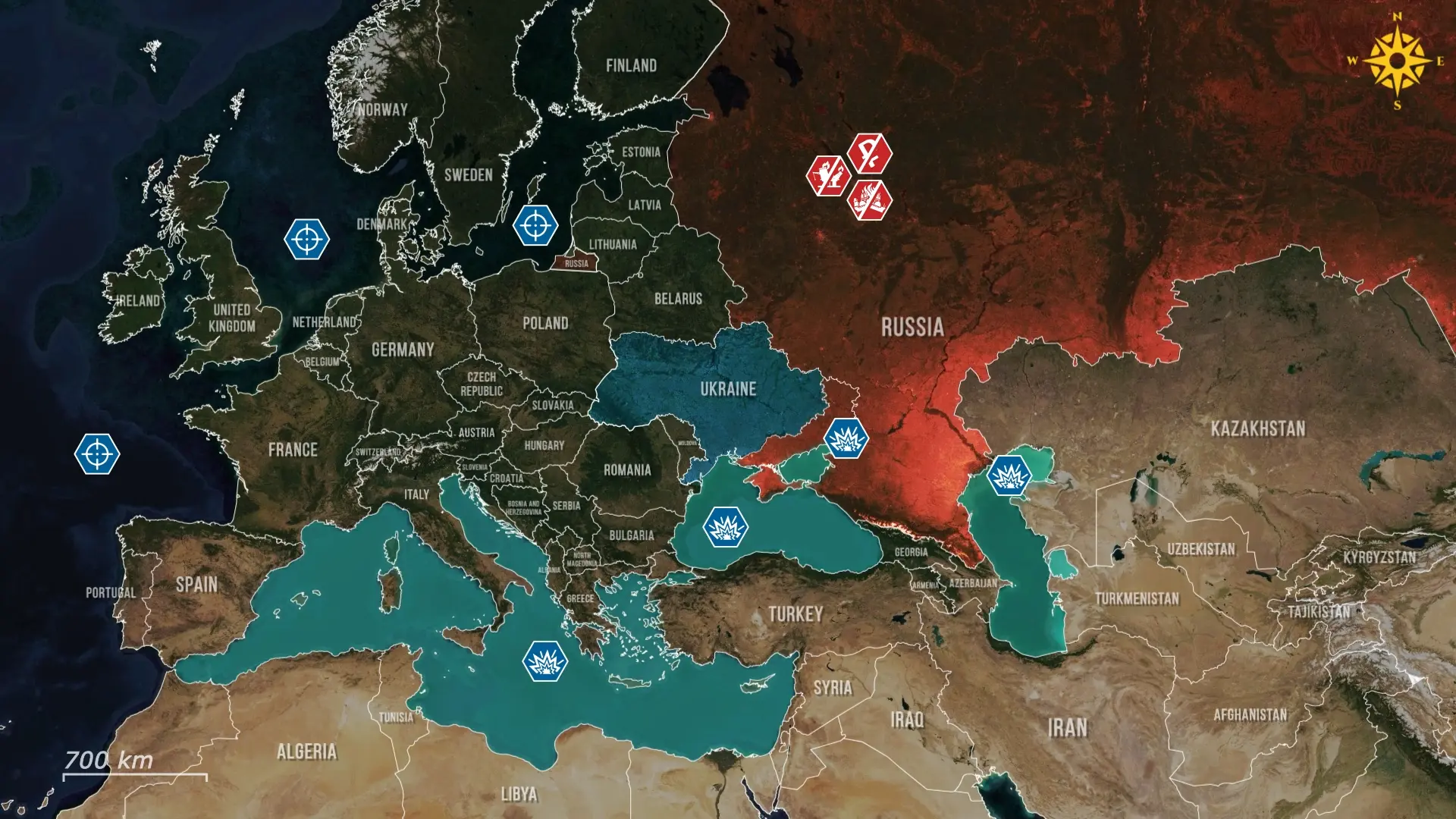
Overall, Ukraine’s actions across the Black Sea, Sea of Azov, Mediterranean, and Caspian Seas demonstrate a deliberate strategy to combine sanctions with force. By striking both the ships that transport Russian oil and the platforms that extract it, Ukraine is directly targeting the financial lifeline of Russia’s war effort. With new seas added by the day, the Ukrainian campaign deepens the strain, as Russia loses access to its buyers and important revenue. Now it only remains to be seen who will block the next sea, most likely to be the Baltic; be it Nato forces by conducting strict control or Ukraine’s kinetic drone sanctions.
.jpg)

Comments