

.svg)
Today, the biggest news comes from the Russian Federation.
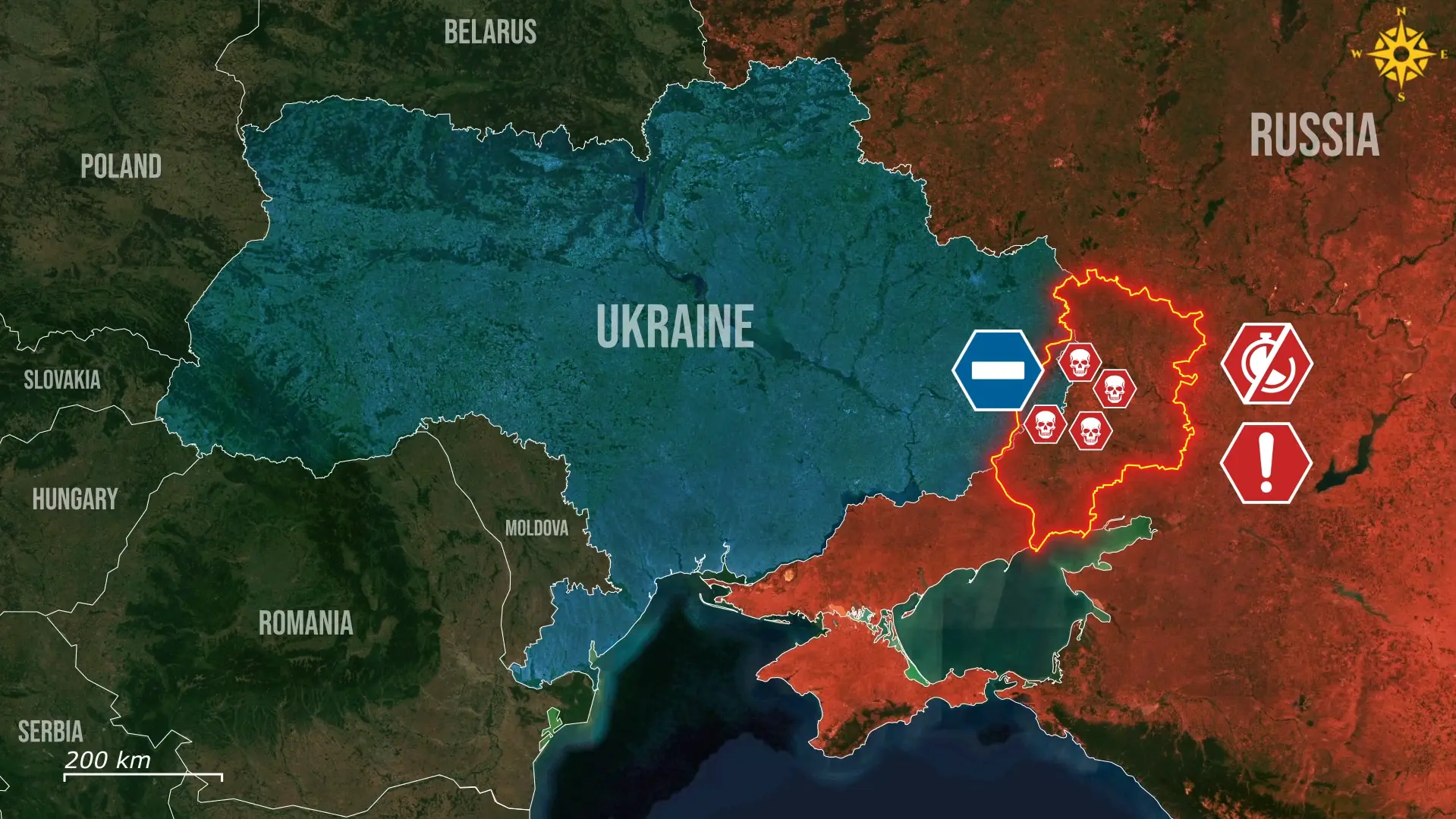
Putin is in a panic over how the war could end, proven by the fact that he has told close aides that if the conflict stops under the current circumstances, he could be hunted down and hanged because it would represent one of Russia’s worst military defeats in centuries. Rather than seeking a way to end the war, the Kremlin appears determined to secure at least one major objective, which is capturing the entire Donetsk region. For Putin, ending the war without achieving even this minimal goal could carry serious political and personal consequences. There is also a historical precedent behind these concerns because both the Russian Empire and the Soviet Union collapsed after disastrous foreign military campaigns, most notably World War one and the war in Afghanistan.
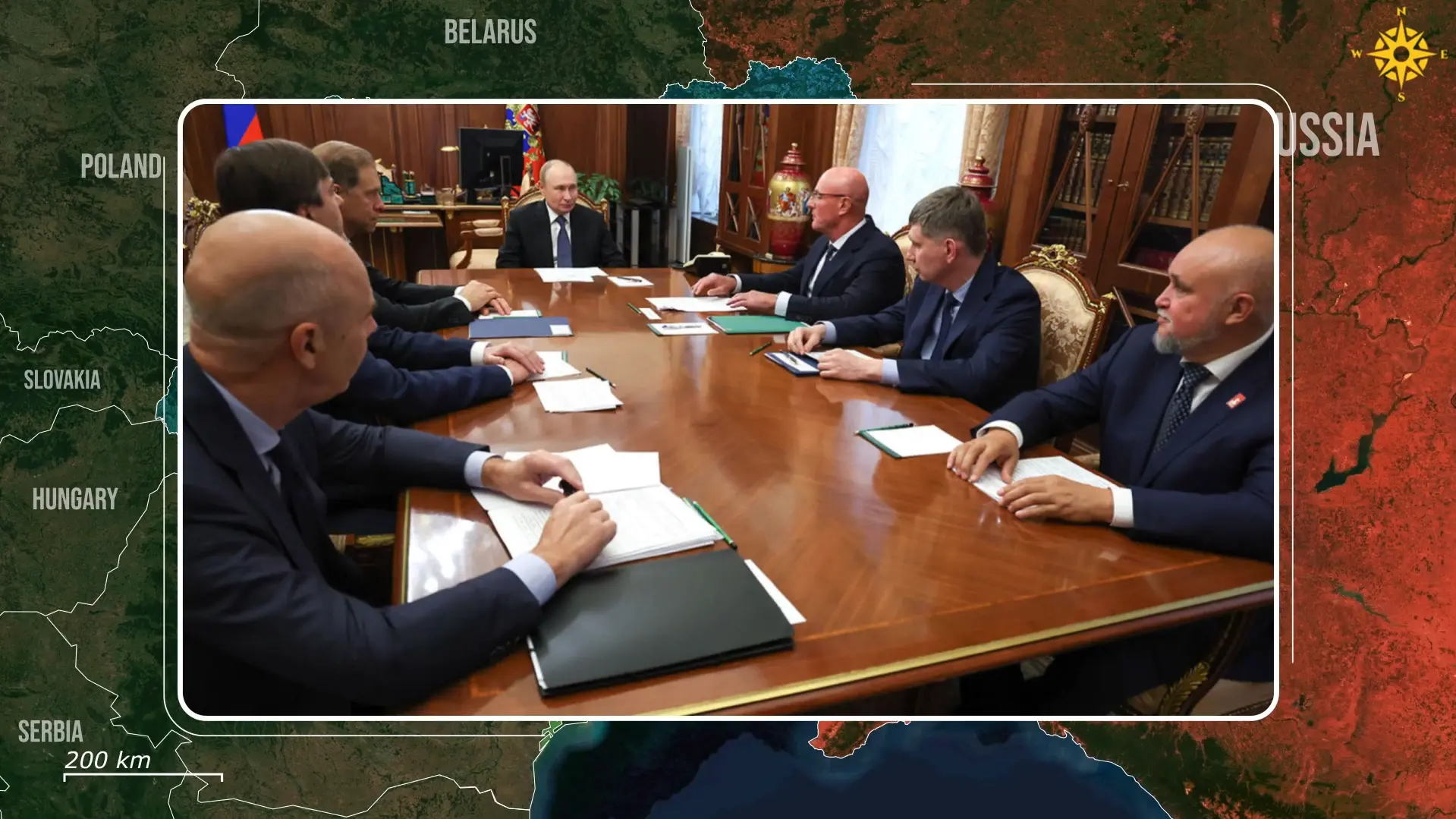
That is why Russia’s leadership has ordered its forces to reach the administrative borders of the Donetsk and Luhansk regions by December thirty-first. The problem is that even Russian military commanders believe this deadline is unrealistic, which is why they are instead asking to extend it until March thirty-first. This already marks the fifteenth deadline Russia has set for achieving its territorial objectives in Donbas, a sign of how far the military remains from delivering the results demanded by the Kremlin.
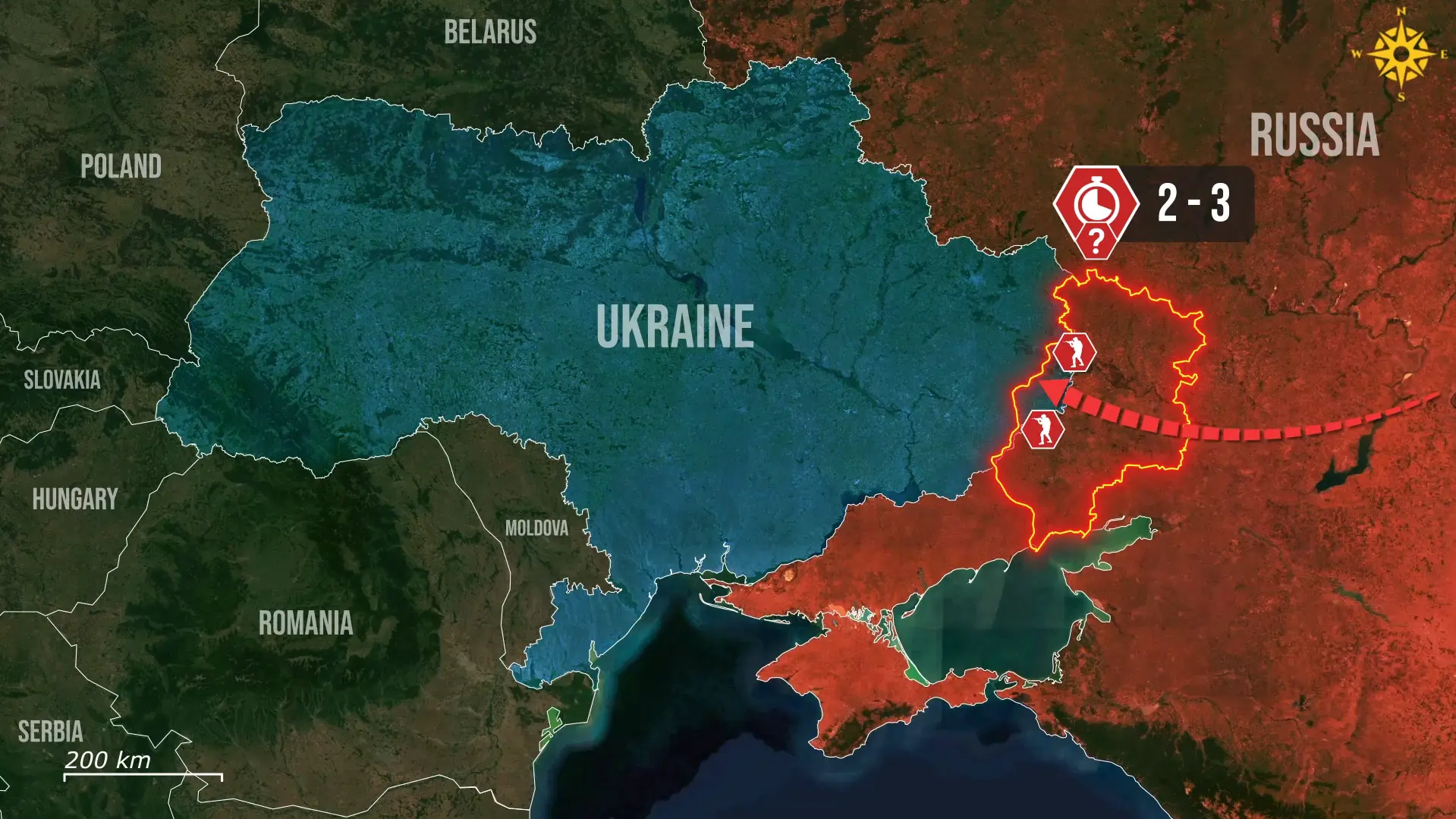
Based on the pace of advance over the last three years, it will take Putin at least another two to three years to take the remaining part of Donbas. Even if Russia manages to capture the most fortified cities of Donbas, namely Sloviansk and Kramatorsk, Russian forces would face multiple layered and modern defense lines built specifically to attrit and slow advancing forces down.
Moreover, Ukraine has already adapted its defensive strategy to Putin’s decision to concentrate Russia’s resources on Donbas. Russian sources are reacting with concern to major changes in the Ukrainian military leadership, including the replacement of Commander-in-Chief Oleksandr Syrsky by Mykhailo Drapatyi, who rose through the ranks from soldier to general, while Evgeniy Khamara has also taken over as defense minister.
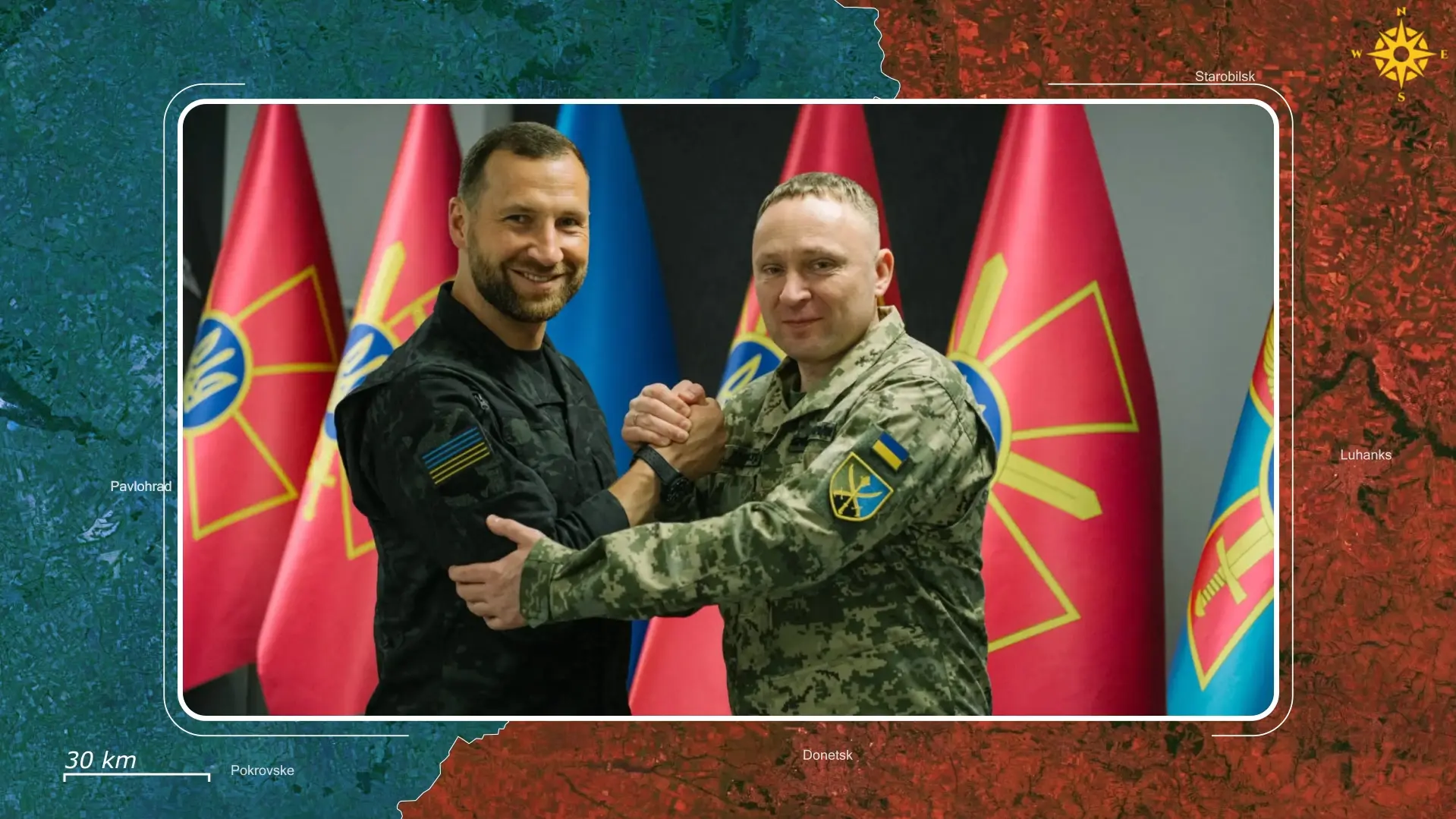
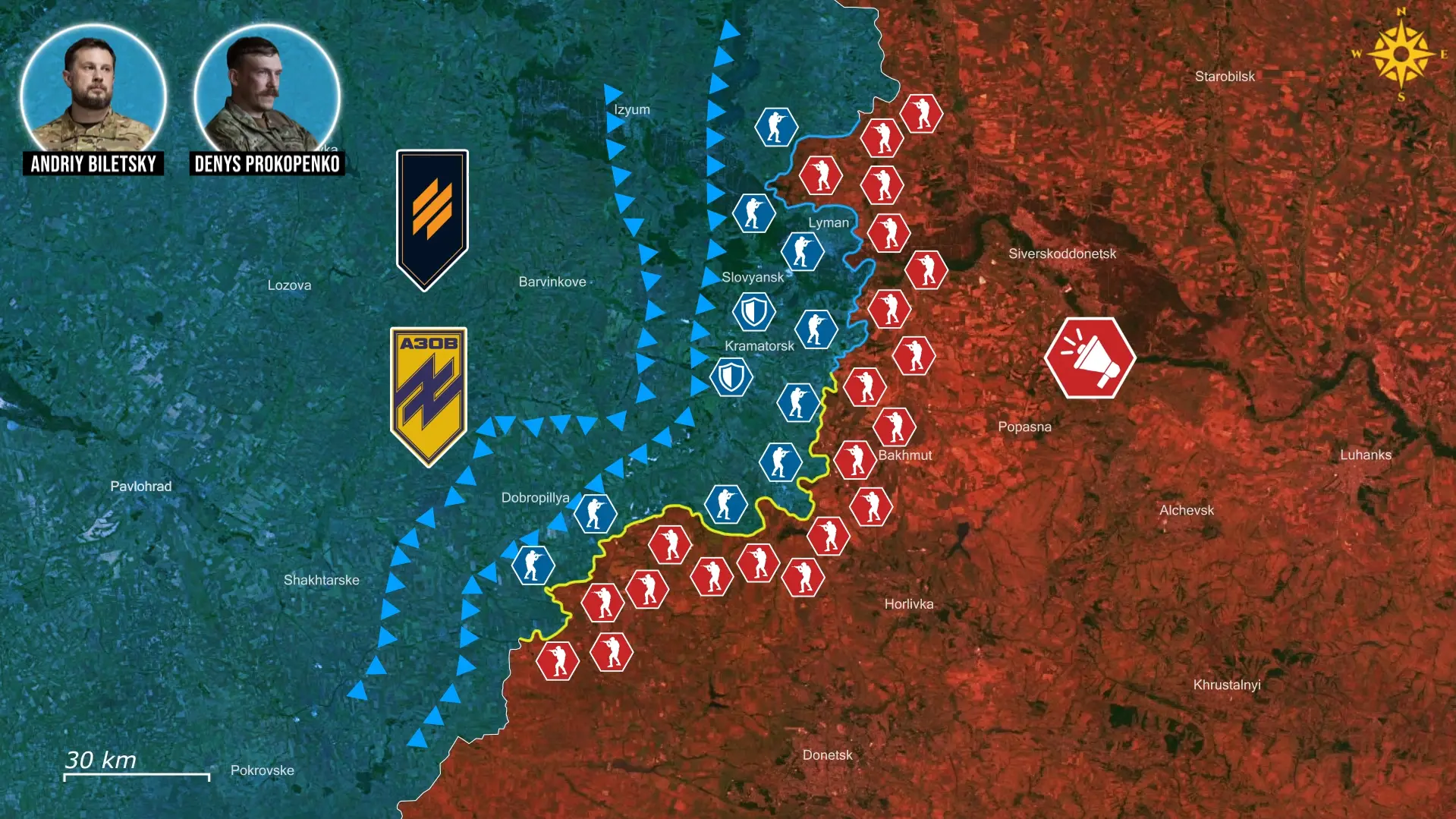
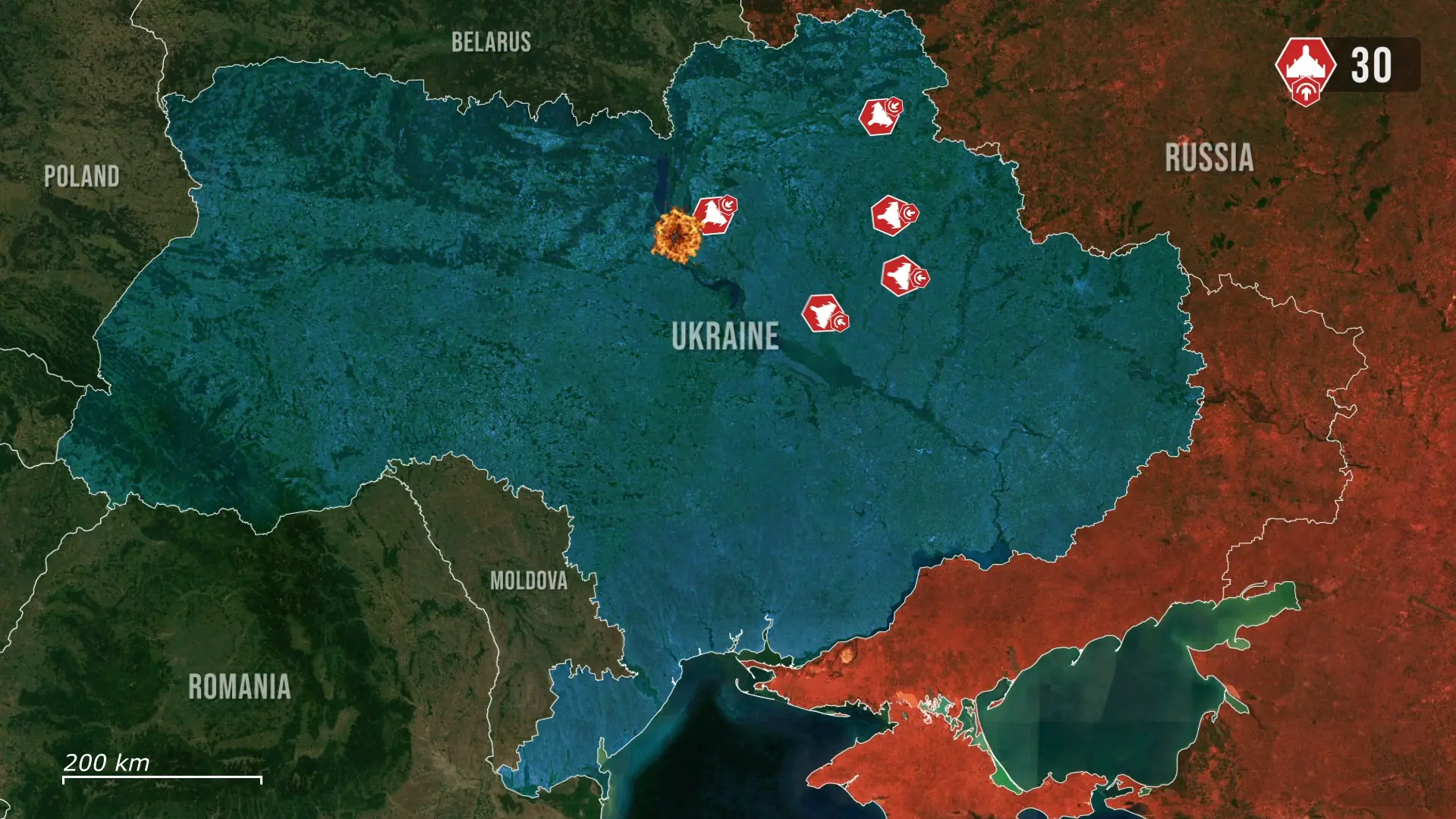
At the same time, the remaining Ukrainian-held front in the Donetsk region is being reorganized into two major operational groupings. The northern Donbas grouping, made up of several corps and supporting units, has been placed under the command of third Army Corps commander Andriy Biletsky. The southern Donbas grouping, also consisting of multiple corps and adjacent units, is now commanded by Azov National Guard Corps commander Denys Prokopenko. Biletsky and Prokopenko are among Ukraine’s most experienced commanders, both having built their careers through the Azov formations. They have progressed from commanding brigades of roughly four thousand troops to leading army corps of around twenty thousand personnel, and now command multi-corps groupings numbering approximately forty thousand to sixty thousand troops each.
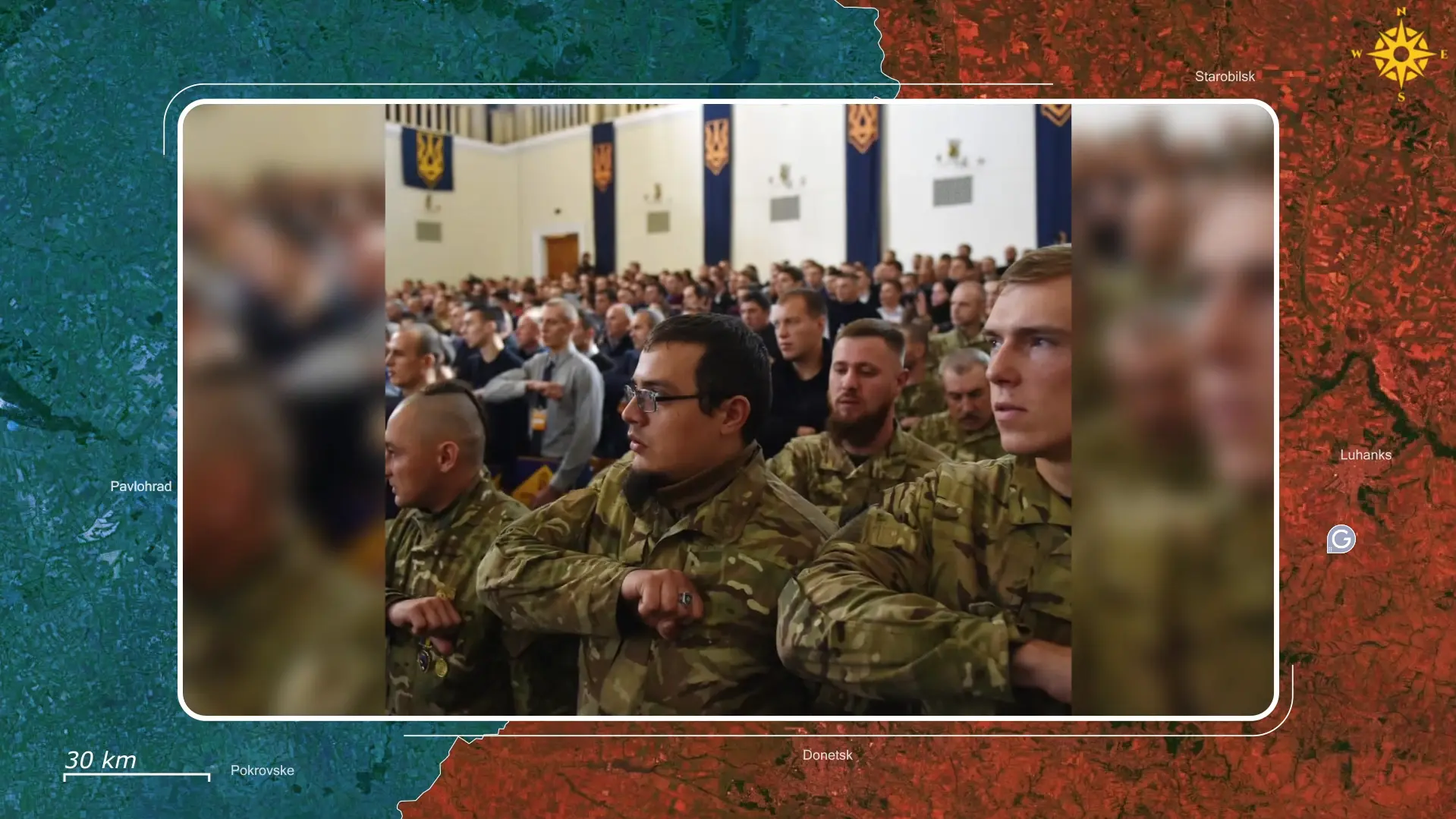
These formations have been deployed to what has become the most strategically important sector of the war, where Russia is expected to concentrate much of its remaining offensive power. Their task is to defend the heavily fortified cities of Sloviansk and Kramatorsk, as well as the newly established defensive lines across Donbas. The scale of this reorganization is already causing concern among Russian military analysts, who are arguing that Russia has little chance of achieving a breakthrough against these reinforced Ukrainian defenses. Instead, they fear that the newly formed Ukrainian groupings will absorb the Russian offensive, inflict heavy losses, and gradually wear down the attacking forces.
Overall, the deeper problem for Putin is that time is not on his side, as every additional offensive consumes soldiers and equipment without guaranteeing a decisive result. Ukraine does not necessarily need to defeat Russia outright, it only needs to prevent a breakthrough long enough for Russia’s enormous costs to become unsustainable. This turns Putin’s deadline into a dangerous trap, as their situation on the battlefield will only worsen, and Putin grows more worried for his life.

.jpg)

Comments