

.svg)
In this video, we will analyze the consequences of the US blockade on Iran.
When the war began, the closure of the Strait of Hormuz was supposed to be Iran’s wild card, to hold gigantic leverage over the entire world. However, with the US counter-blockade in place, the wild card proved to be a double-edged sword that is backfiring massively in the face of Iran.
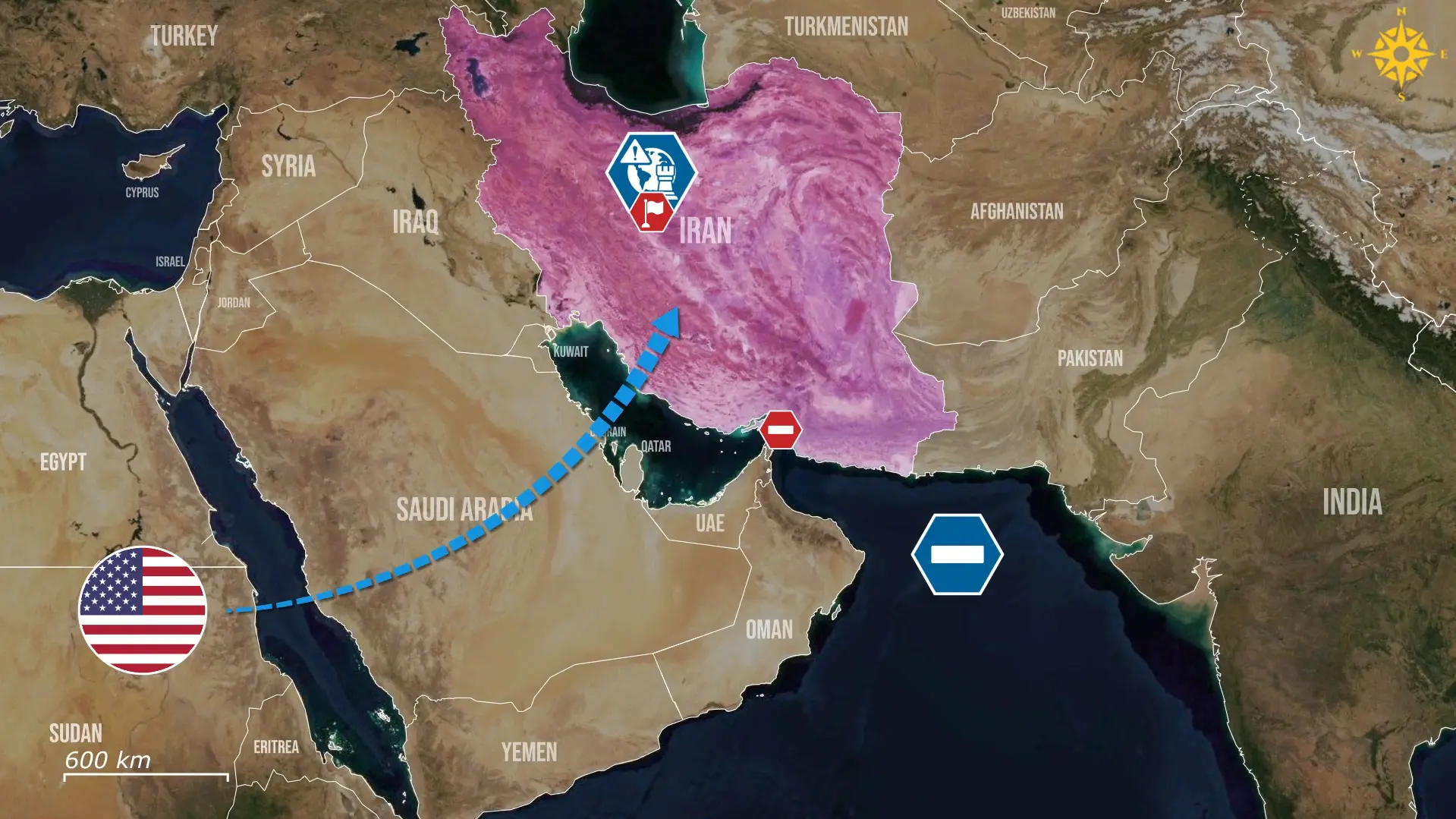
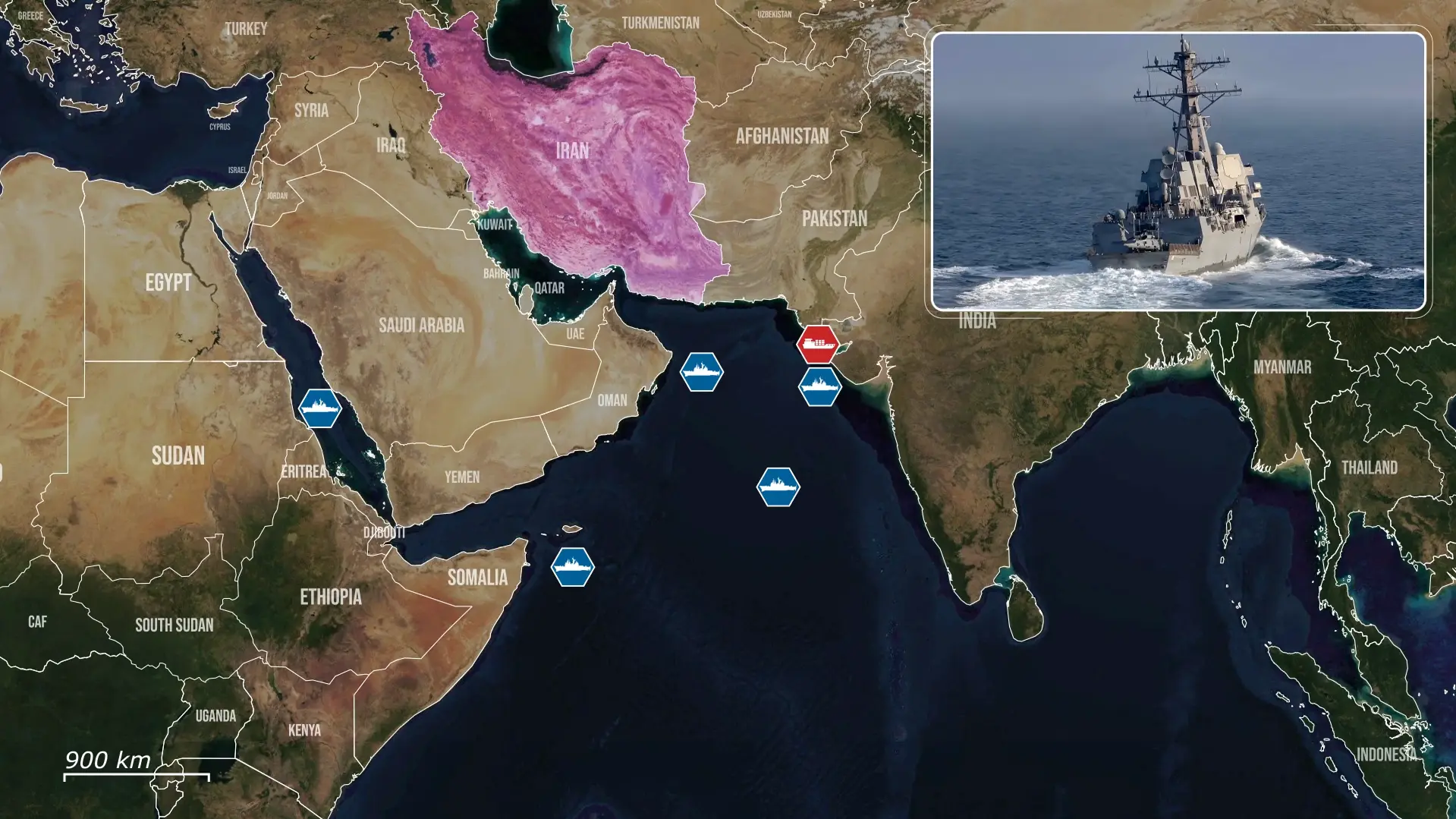
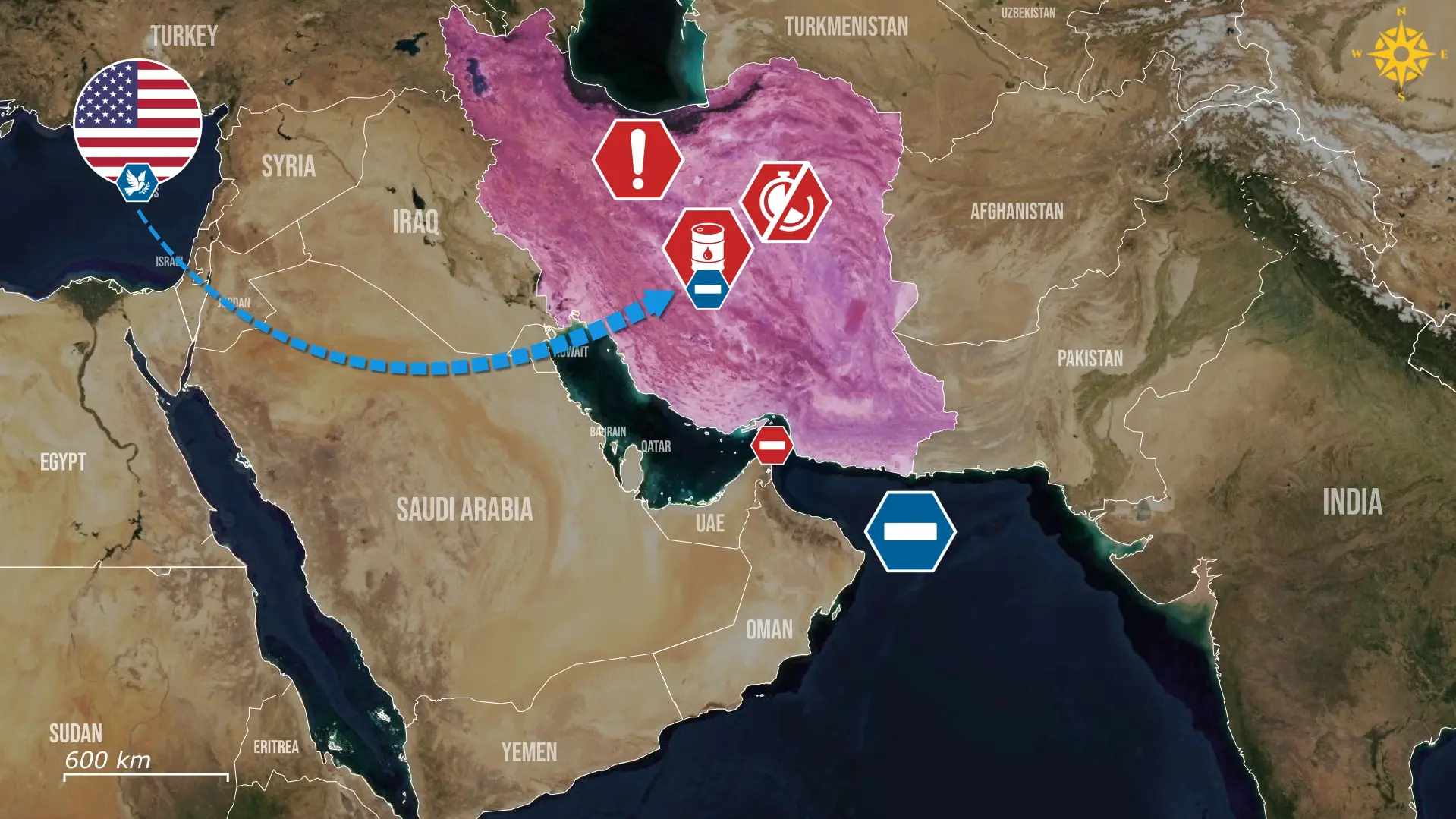
Since the ceasefire, the United States has responded to Iran’s continued closure of the Strait of Hormuz with its own counterblockade. Iran’s blockade of the strait was successful in restricting global oil flows and pushing up prices, which put significant pressure on the world’s economies and, by extension, on the US. However, as Iran sought to still allow passage for its own vessels and those of its allies, the blockade pushed the US to replicate the same move, with the aim of suffocating Iran’s economy in turn. Additionally, the United States has now expanded its interdictions worldwide, stopping Iranian‑linked vessels even in distant waters, like the interdiction of the tanker Davina near Sri Lanka. The United States final goal is to use the same leverage at the negotiating table to force Iran into accepting US conditions or face an impending economic catastrophe.
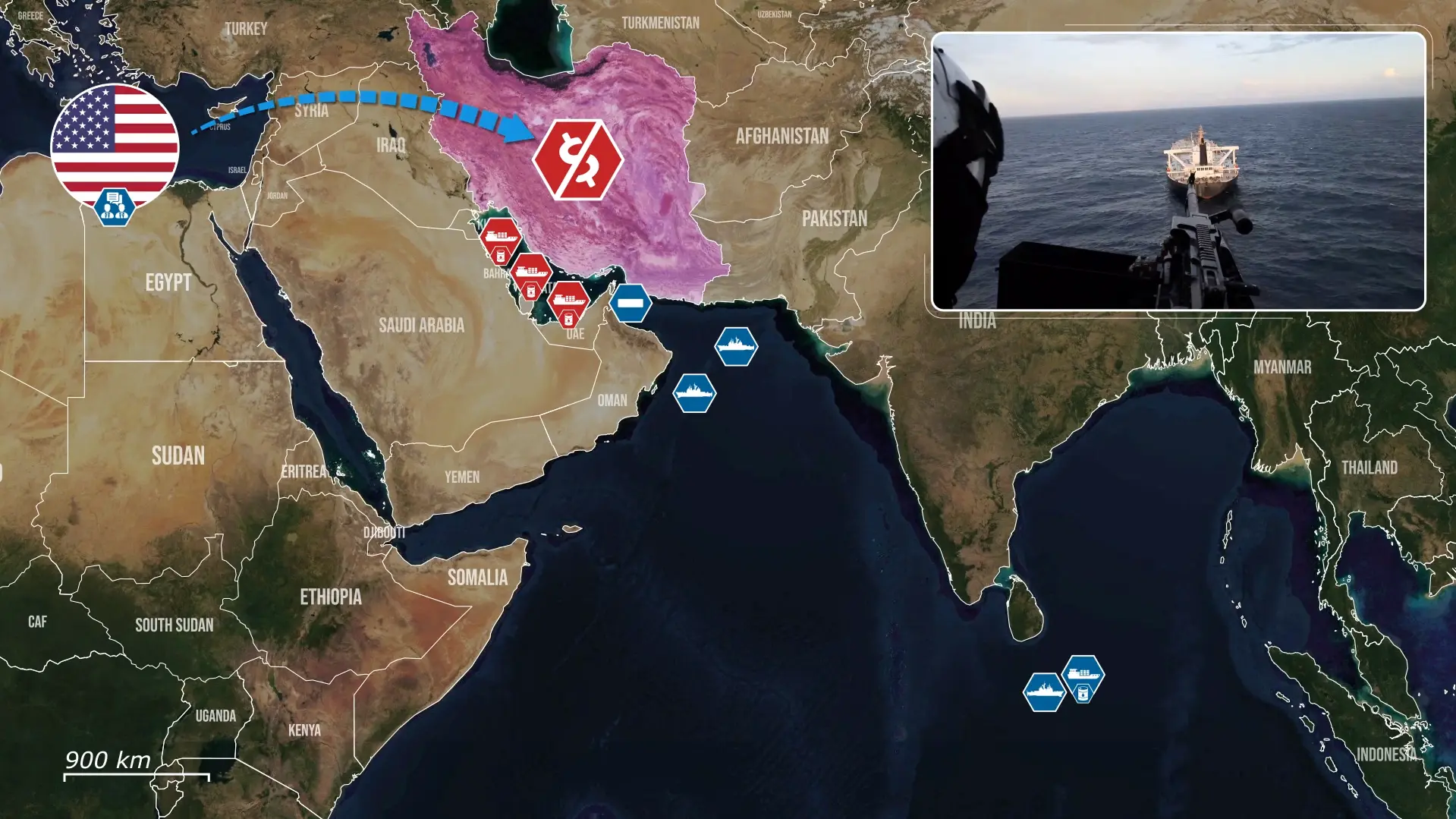
This strategy was adopted after months of costly airstrikes had failed to break Iran’s regime, resulting instead in a fragile ceasefire. At the same time, escalation into a ground war also remains politically and militarily unrealistic. Economic pressure, by contrast, offered a path that could fracture Iran’s leadership without escalating the war, as Iran’s economy remains heavily reliant on oil exports. The US assessment is that although Iran’s leadership can absorb military punishment, it cannot survive a collapsing economy and a population pushed to the brink.
The blockade is enforced through persistent US naval patrols near key chokepoints and long‑range interceptions that target Iranian cargo far from the Gulf, while diplomatic pressure has pushed foreign carriers to abandon Iranian routes altogether. This has turned the operation into a global effort rather than one limited to the Strait of Hormuz, since any ship linked to Iran can be stopped well before it approaches the Middle East. In fact, tankers suspected of carrying Iranian oil are being routinely diverted or ordered to turn back, and companies that once relied on the shadow fleet have withdrawn to avoid US blacklisting. The effect is a near‑total freeze of Iran’s maritime trade, and even the tankers that creep along the Iranian and Pakistani coastline only manage to delay the moment when they are intercepted.
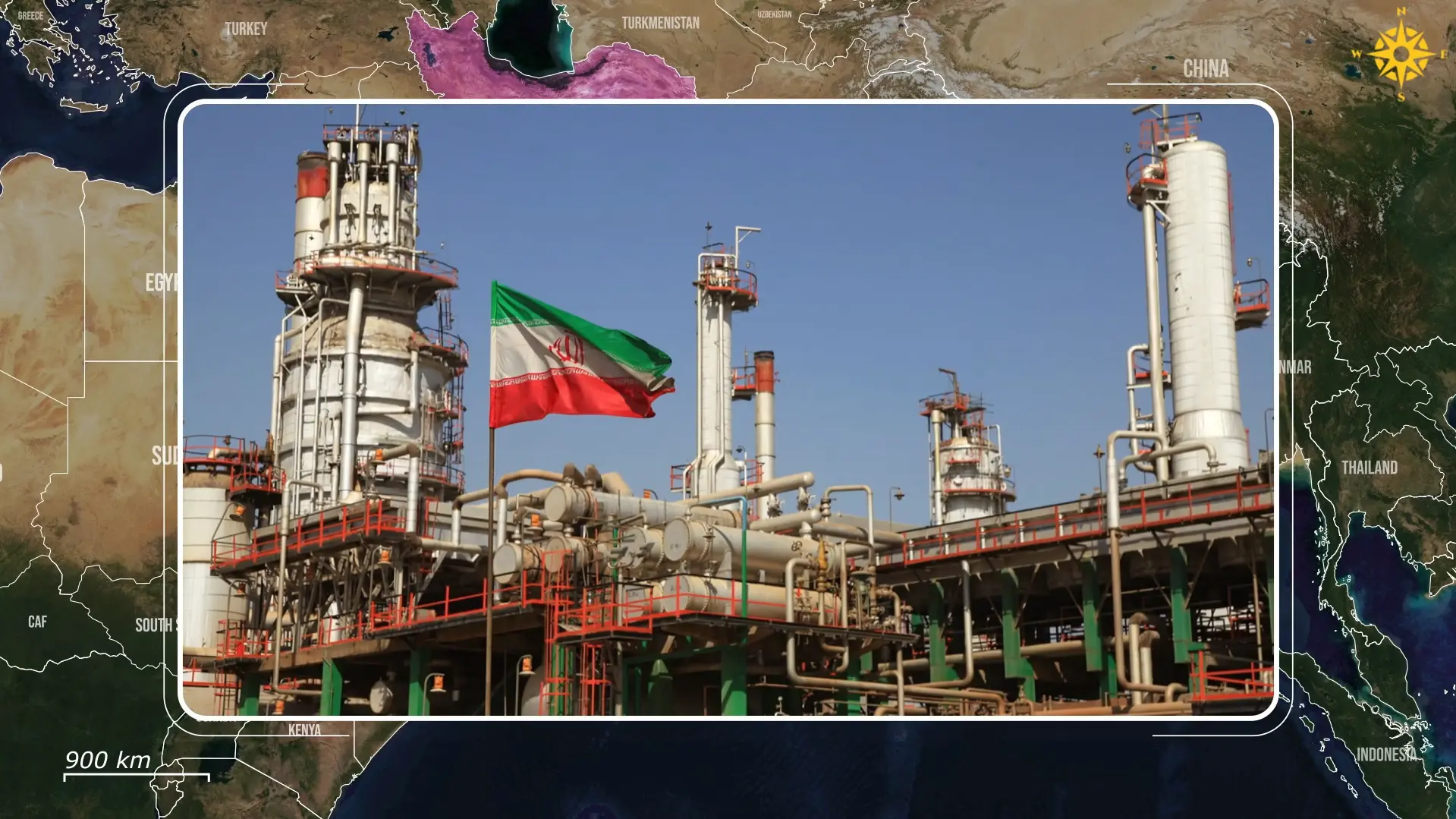
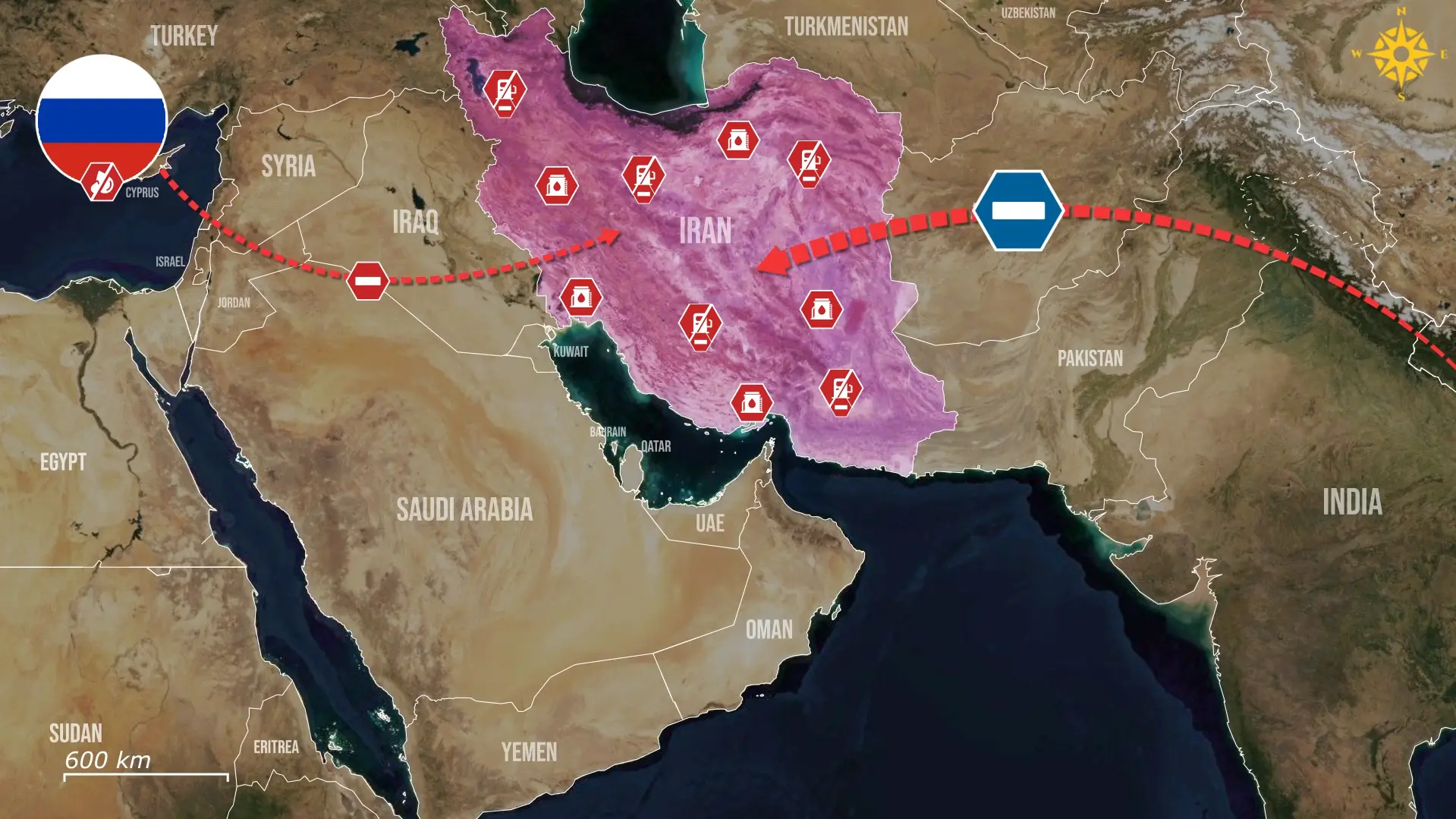
This large-scale US blockade prevents Iran from exporting meaningful quantities of oil to sustain its economy. Furthermore, the lack of exports is creating a logistical issue, as storage tanks on the Iranian Khark Island and others are nearing their capacity. Cutting oil production is not a simple adjustment either, as oil fields risk suffering permanent damage when output is reduced. This means that a temporary cut could reduce Iran’s long-term extraction capacity, making each decision more difficult, and has already forced Iran to use decommissioned tankers as emergency reservoirs.
In the meantime, the economic pressure is already becoming visible, as Iran is suffering with a general inflation rate of over fifty-three percent, with point-to-point inflation of prices for goods standing at a whopping one-hundred-thirteen percent. This insane rate has pushed Iran’s government to print ten-million-rial banknotes and even issue electronic vouchers for goods to keep basic commerce functioning. The fuel situation is ironically even more precarious. Although Iran produces large quantities of crude oil, it lacks sufficient refining capacity to transform it into fuel. As Iran relied on about fourteen million liters of imports per day to close the gap before the war, the US counter-blockade of Iran has almost completely shut this down. With wartime demand surging to nearly two hundred million liters per day, the government has issued fuel rationing and exponentially increasing price quotas. While it is interesting to note that they are unable to rely on imports from allies like Russia, as they are suffering a fuel shortage of their own, having banned gasoline exports from the start of April, right as the US blockade began.
Overall, Iran is now confronting the consequences of a strategy that overestimated its leverage and underestimated its vulnerabilities. The counterblockade has exposed how dependent the country is on steady exports and how little room it has to absorb prolonged disruption. The United States has finally found a pressure point that Iran cannot easily deflect, reinforcing their possible assessment that a cessation of strikes was more likely to result in regime change than the continuation of it. Although the Iranian leadership at the negotiating table maintains its leverage over global oil flows, the escalating internal crisis might mean that the time pressure is no longer on Iran’s side.

.jpg)

Comments