

.svg)
Today, the biggest news comes from Ukraine.
In wartime, night has historically been a soldier's ally for hiding or infiltrating an enemy position, and the war in Ukraine was no exception. However, the conflict has entered a phase in which darkness no longer guarantees significant safety, and the old rules of concealment are being dismantled by new technologies.
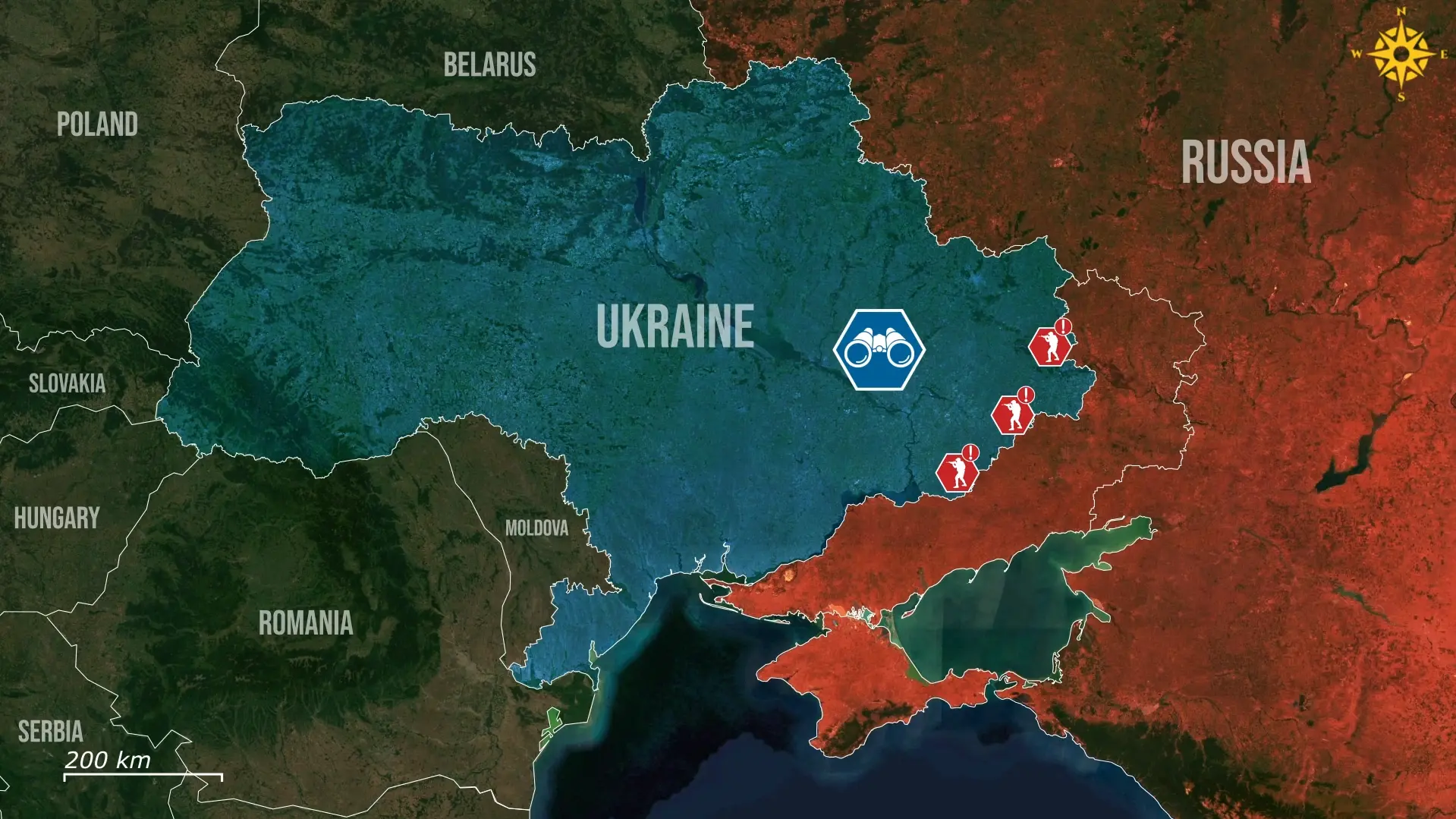
The effectiveness of former nighttime tactics was notable during the siege of Bakhmut in the second year of the war, where Russian infantry relied heavily on darkness to move. Small assault groups advanced by crawling, sometimes through open fields, using the absence of light to reduce the risk of detection.
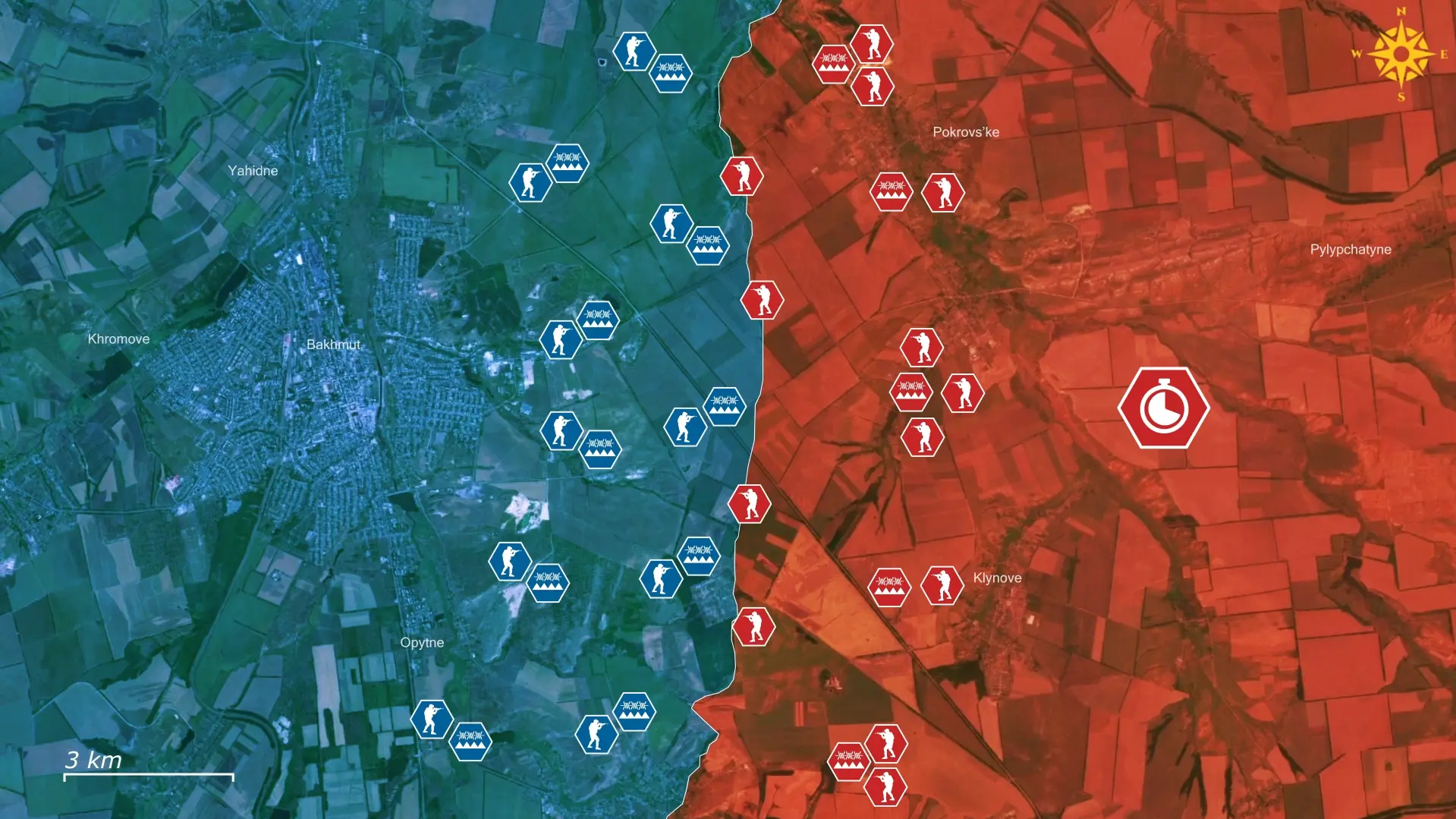
Although slow, they managed to move into the vicinity of Ukrainian positions without being spotted, aided by trenches and the surrounding terrain. Trenches did not hide soldiers on their own; together with ruined buildings and narrow strips of vegetation, they blended into a single, uneven surface at night, making it difficult to distinguish a crawling figure from the surrounding shapes. In practice, this created a loose network of shadowed routes that Russian infantry could move through with far less risk than in daylight.
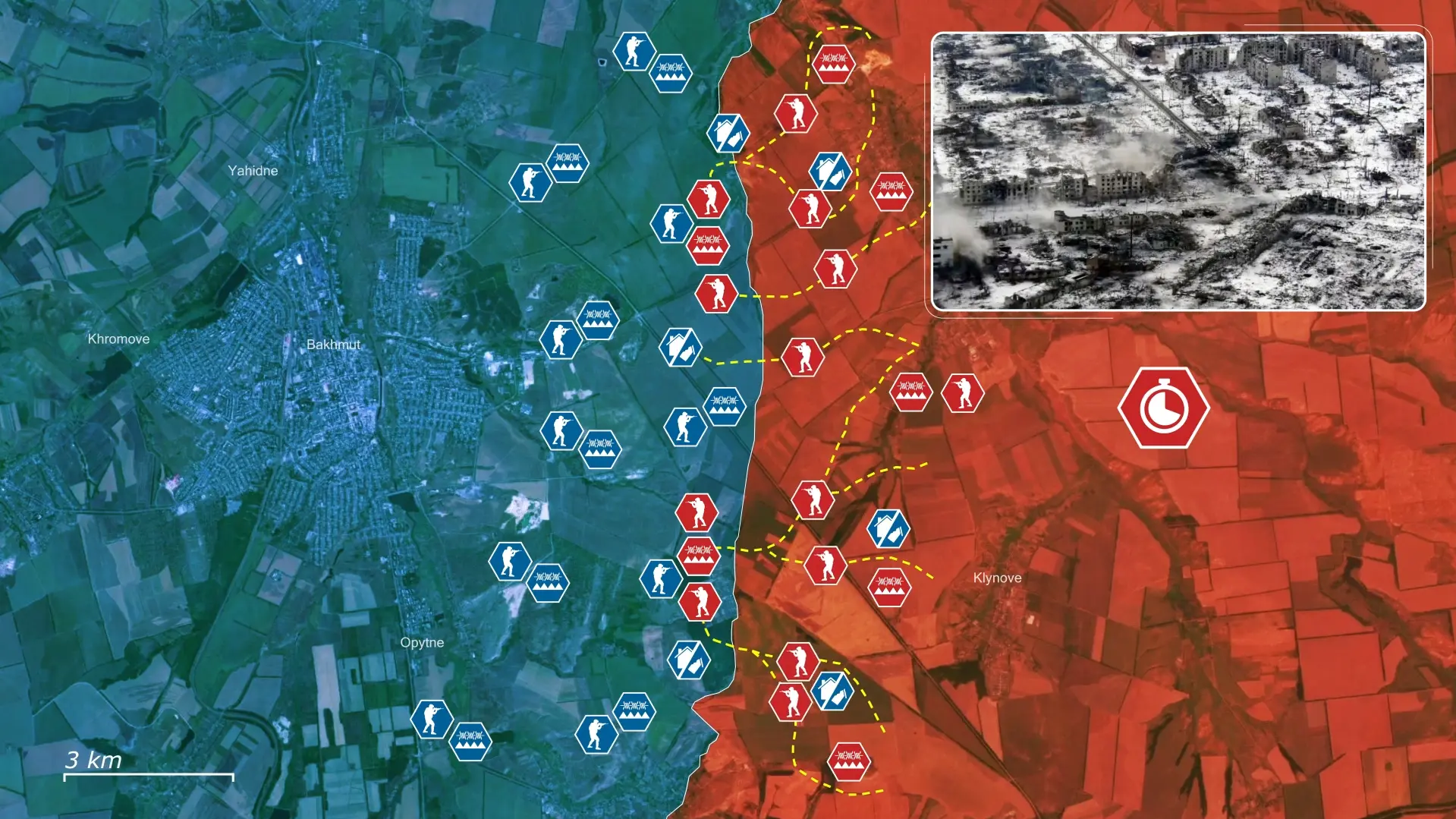
The effectiveness of these tactics was tied directly to the limitations of Ukrainian surveillance during that period. Although Ukraine had drones, its supply could not provide continuous coverage across the entire sector, and most lacked thermal imaging. Without thermals, drones operating at night relied on moonlight, artificial illumination, or guesswork through low visibility. This resulted in gaps in situational awareness, which Russian infantry exploited by moving slowly enough to avoid generating noise or visible traces, and by spreading out to reduce the chance of detection.
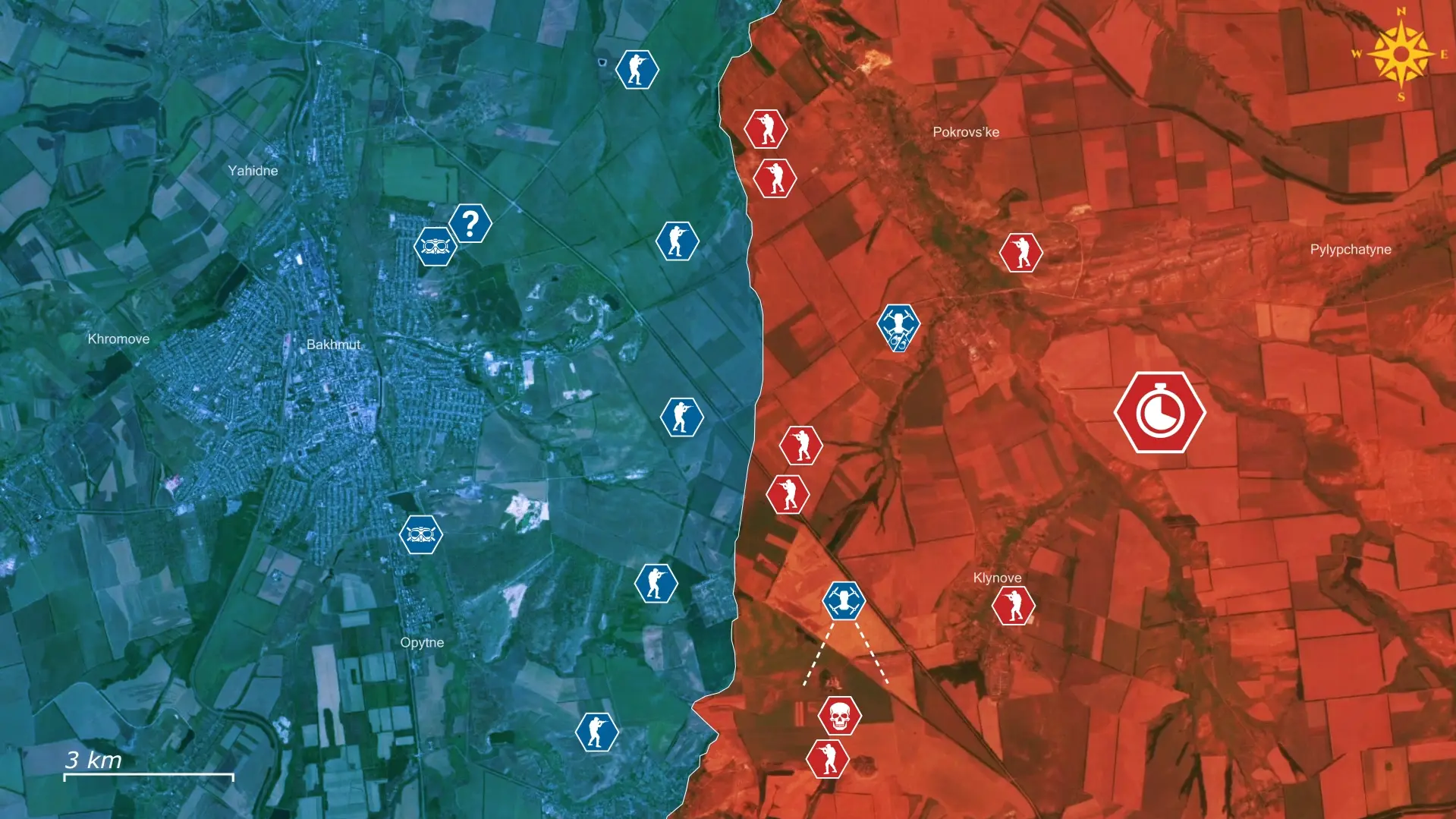
Gradually, the situation has changed. Ukraine now fields a significantly larger number of drones, with many equipped with thermal cameras. Thermal imaging detects differences in heat, not differences in light, which means that a soldier lying still in complete darkness still produces a clear, trackable signature against the cooler background.
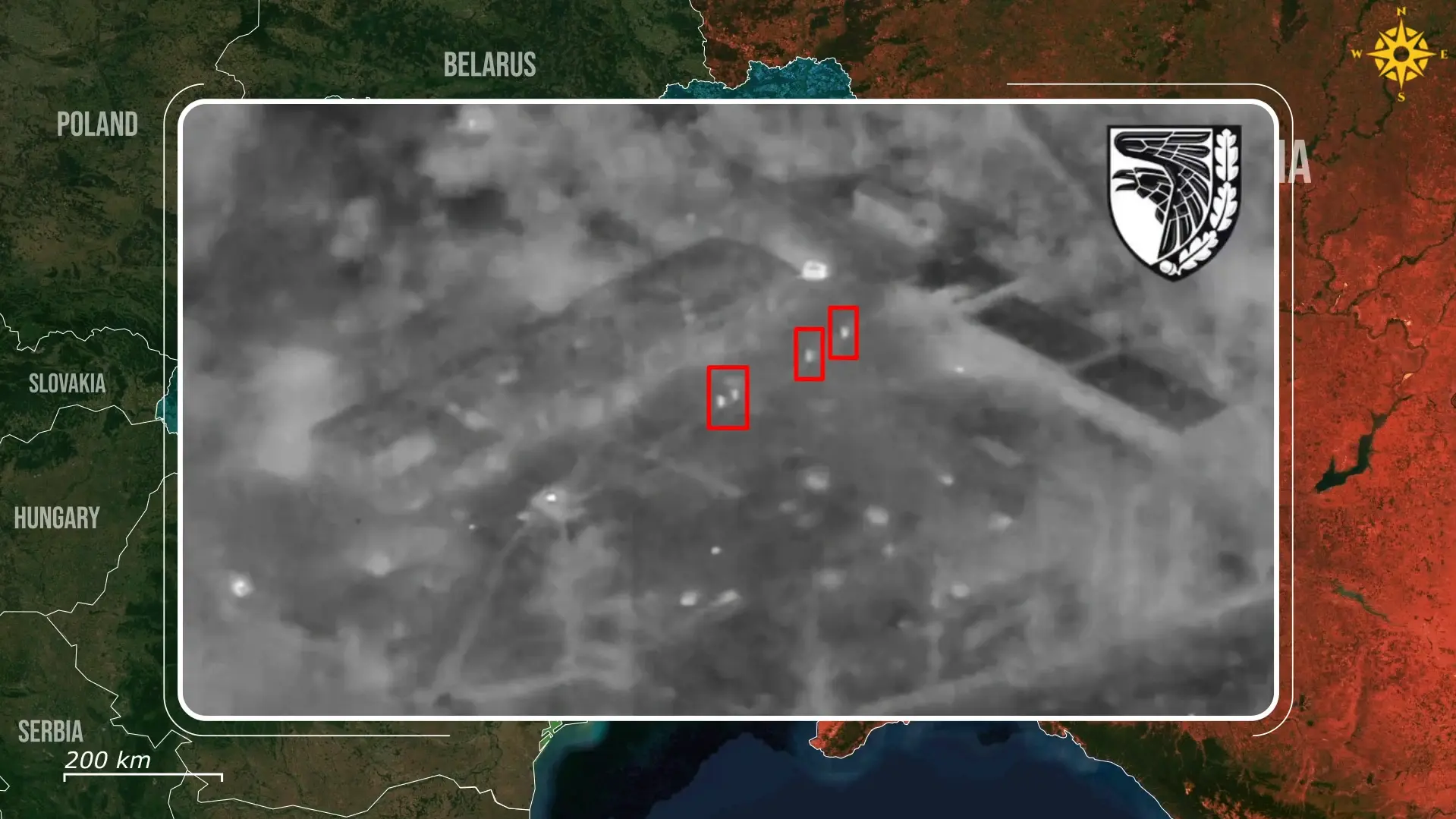
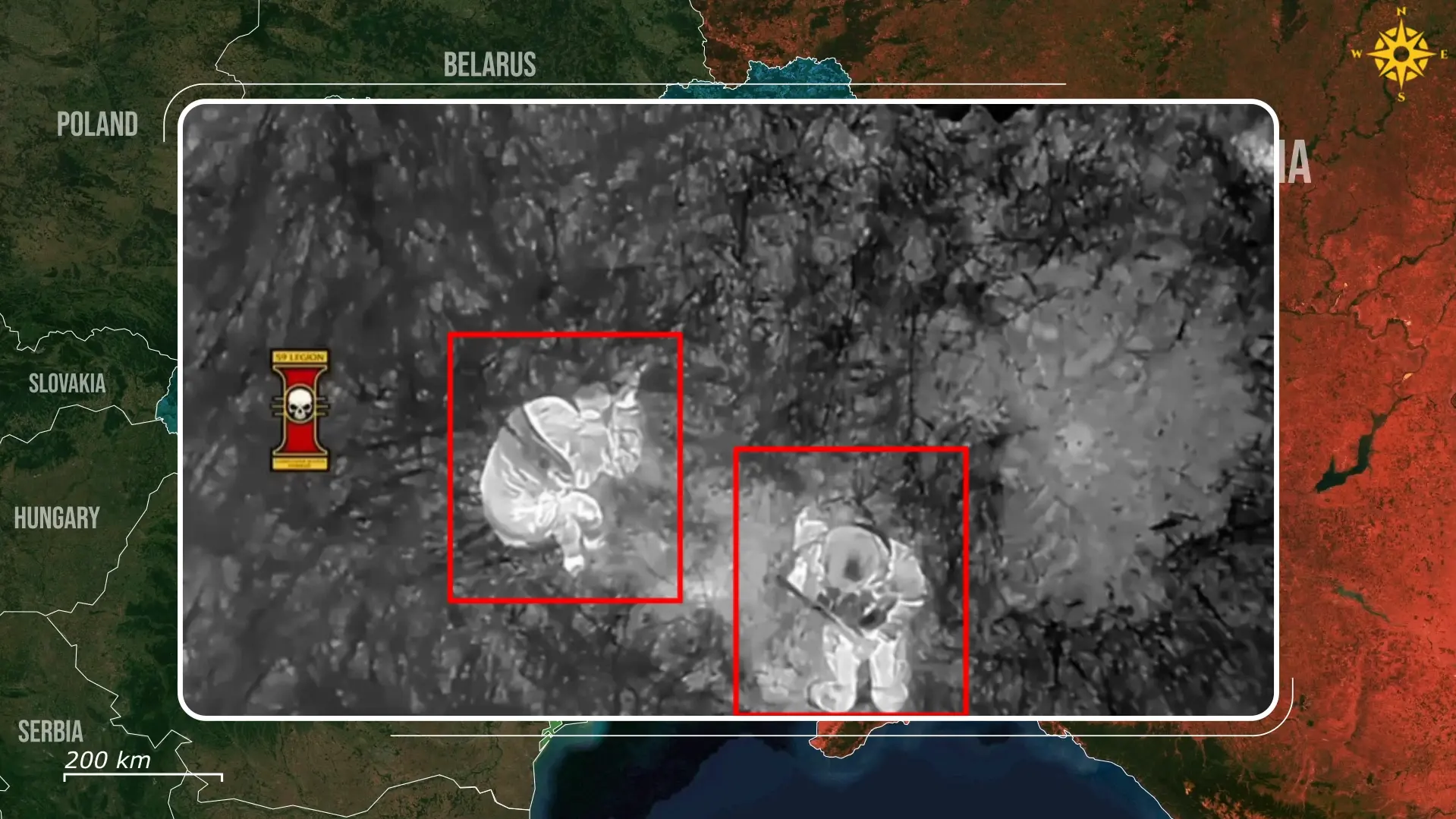
As these systems became more common, Ukrainian operators could maintain continuous coverage of the frontline without waiting for flares or moonlight, spotting heat signatures from infantry and vehicles. As a result, Russian units that once relied on darkness to mask their approach now face the same level of exposure at midnight as at midday.
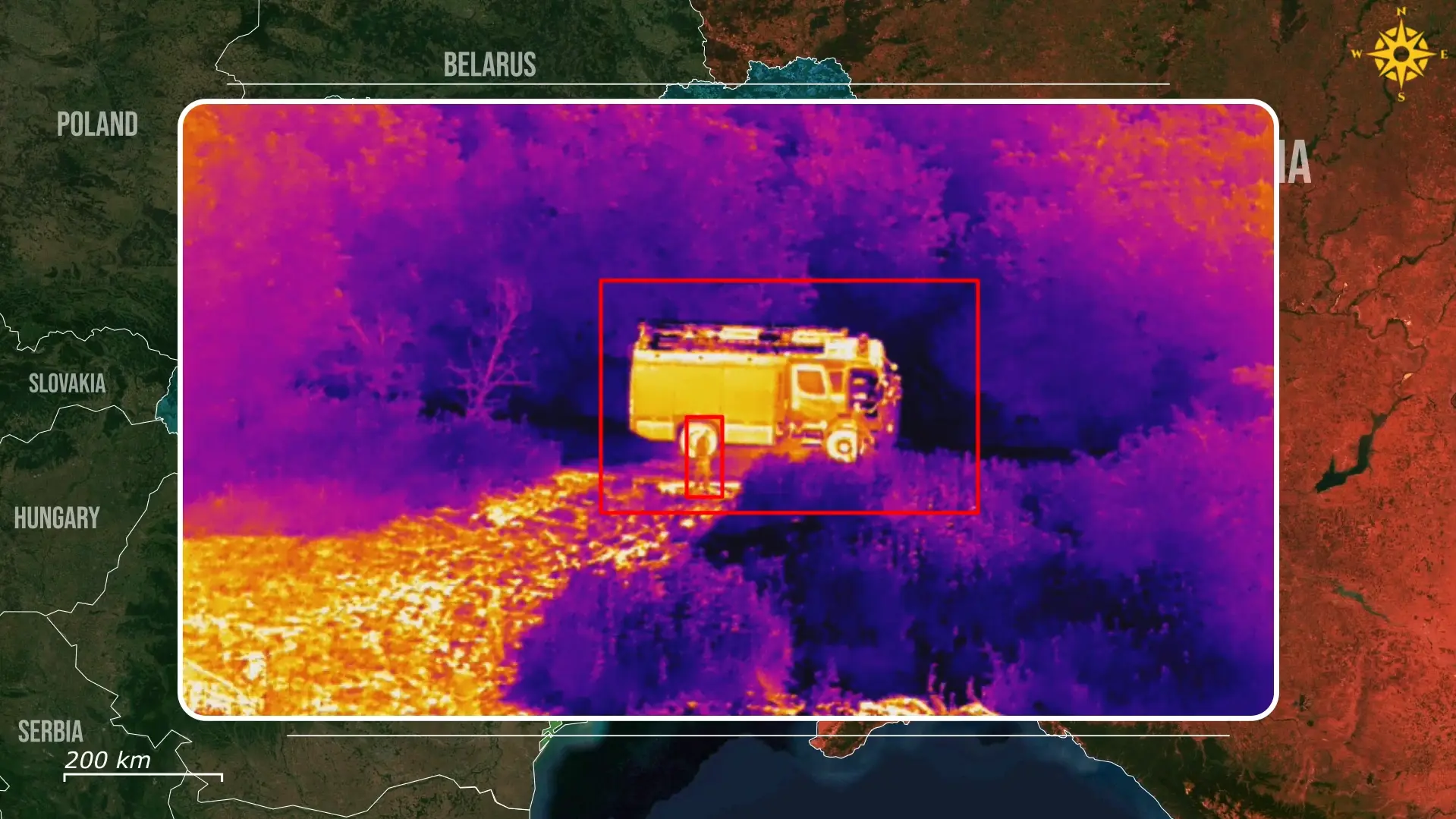
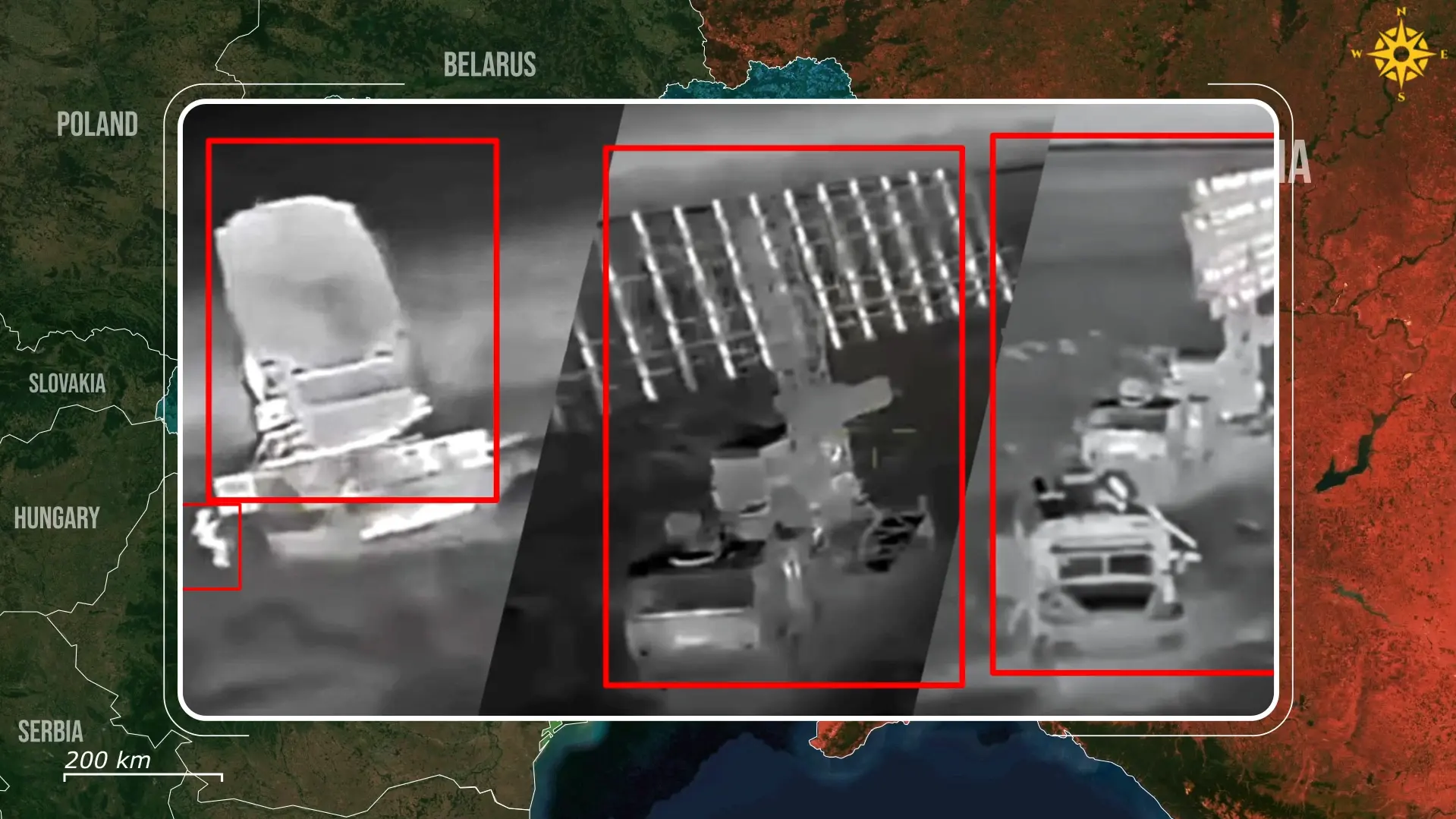
In response, Russian forces adapted by shifting from night based to weather based concealment.
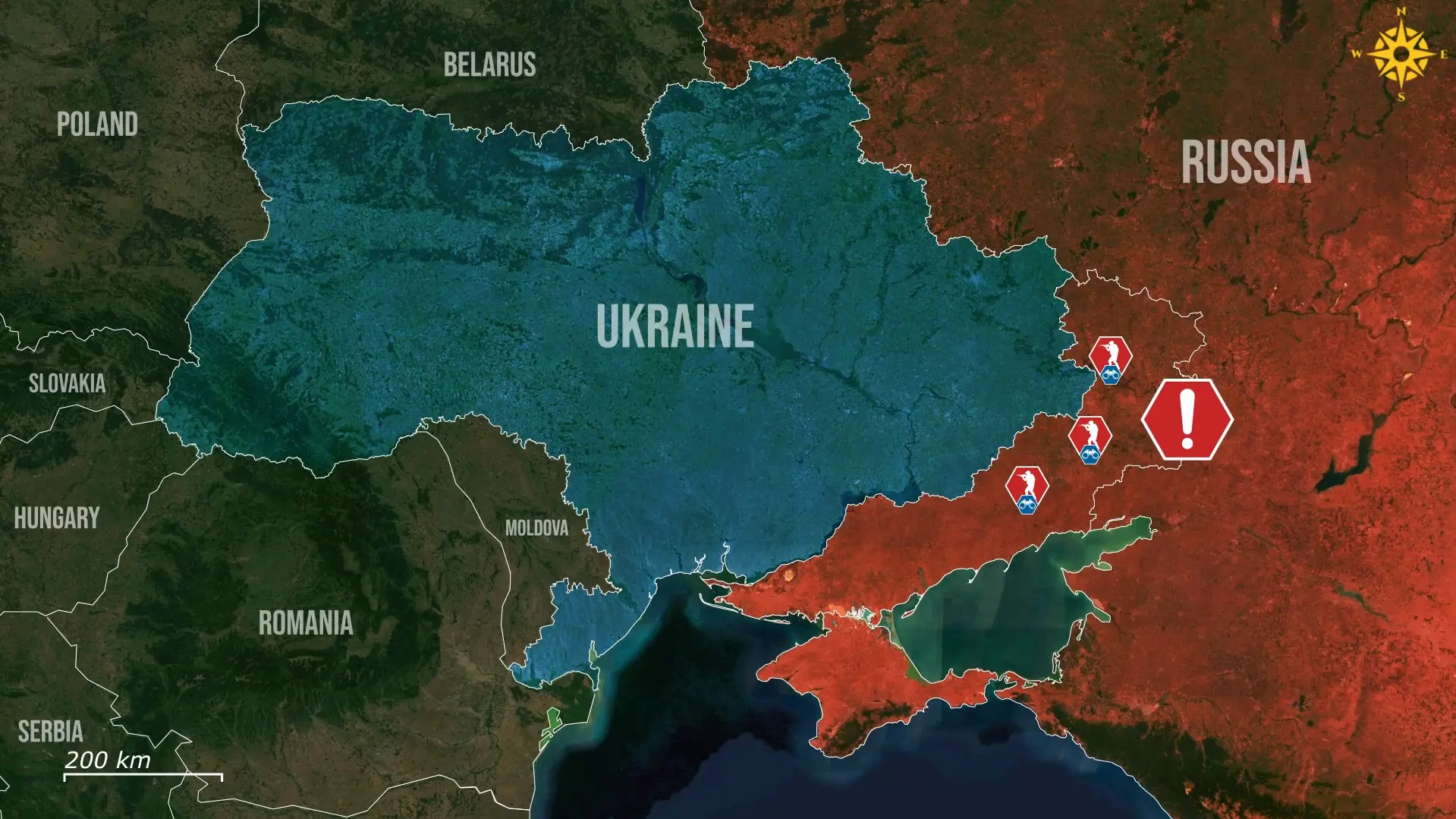
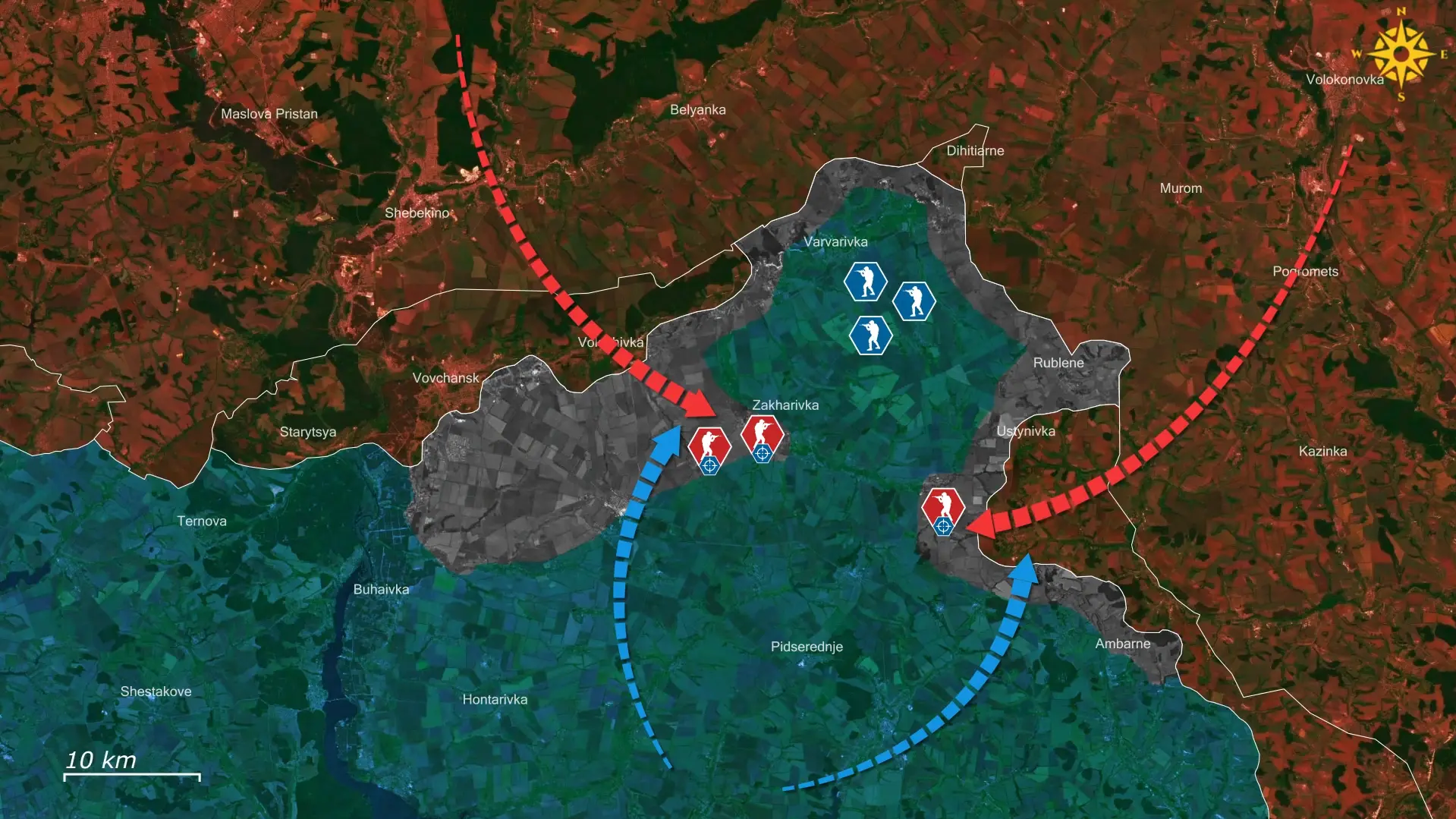
The fighting near Pokrovsk and Novopavlivka was exemplary of this transition. Russian troops have taken advantage of fog, low clouds, and rain to mask their movements, with some success. To this end, infantry groups have shrunk even further, sometimes to single soldiers advancing on their own to make their thermal signature harder to detect and to limit casualties when a drone strike follows detection. Improvised concealment is also being attempted, as reports describe how some Russian soldiers have covered themselves with trash bags to disrupt thermal outlines or used umbrellas to mask their silhouette from above. These adaptations show how avoiding detection has become the central challenge of infantry operations and how bad weather has become crucial to this end.
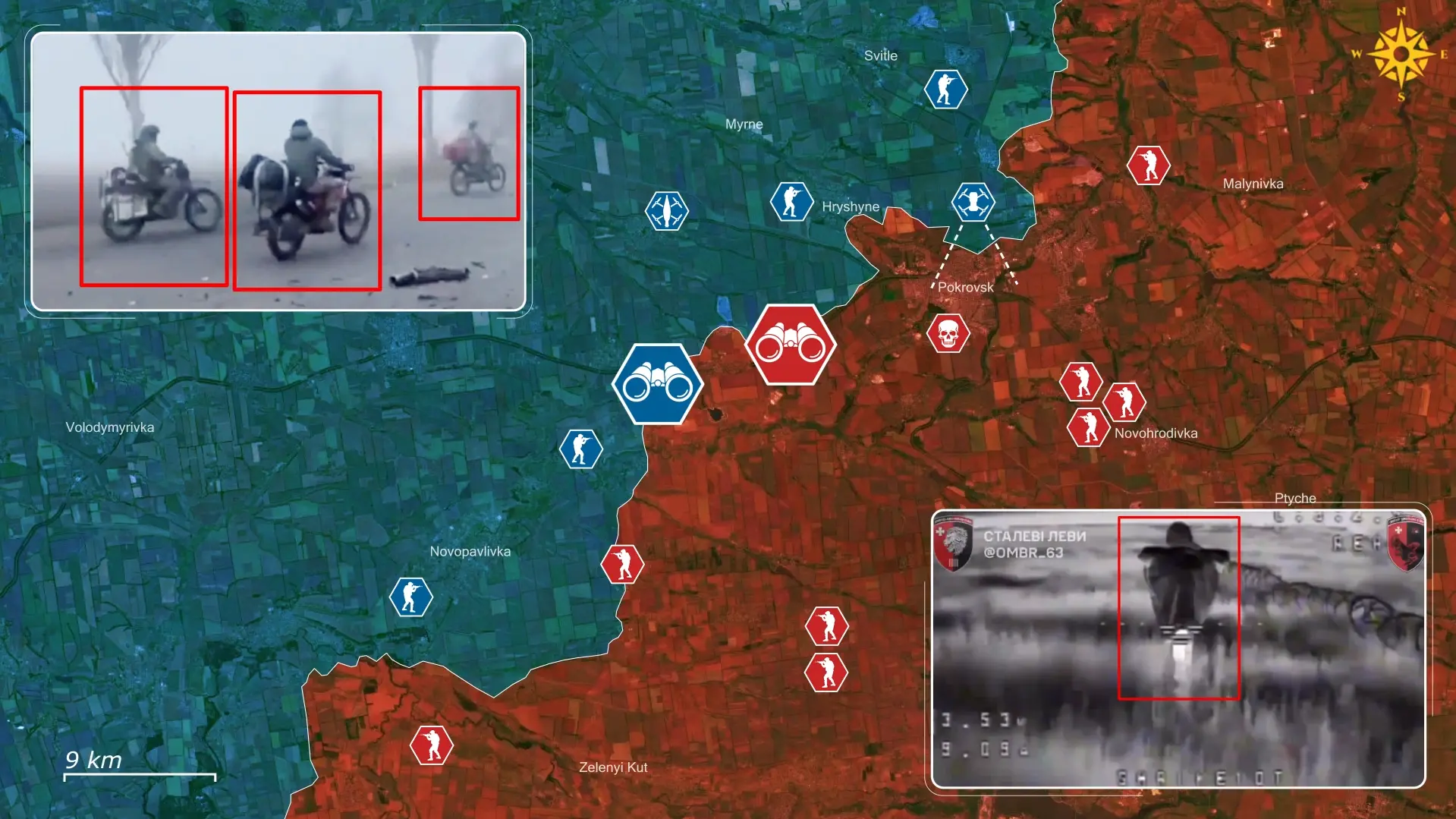
Weather has always complicated detection, and its role has become more prominent now that nighttime no longer provides predictable concealment. Fog, low clouds, and precipitation disrupt thermal contrast and reduce the effective range of drones, which is why Russian forces increasingly rely on these conditions to close the distance to Ukrainian positions. Ukrainian units are testing high resolution thermal sensors and short wave infrared cameras to improve performance in fog and moisture, but these efforts remain at an early stage. For now, weather remains one of the few variables that can still interrupt surveillance.
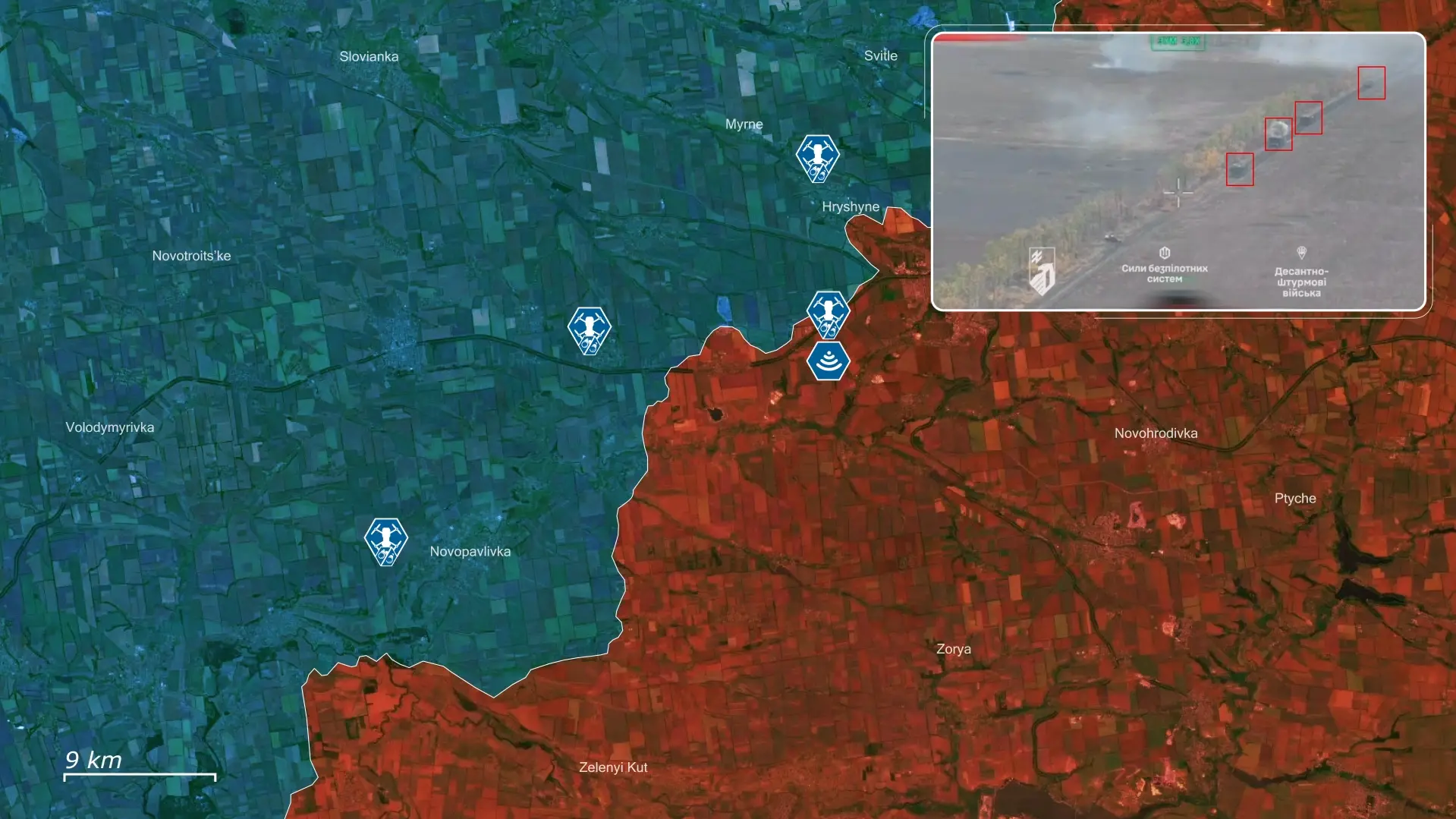
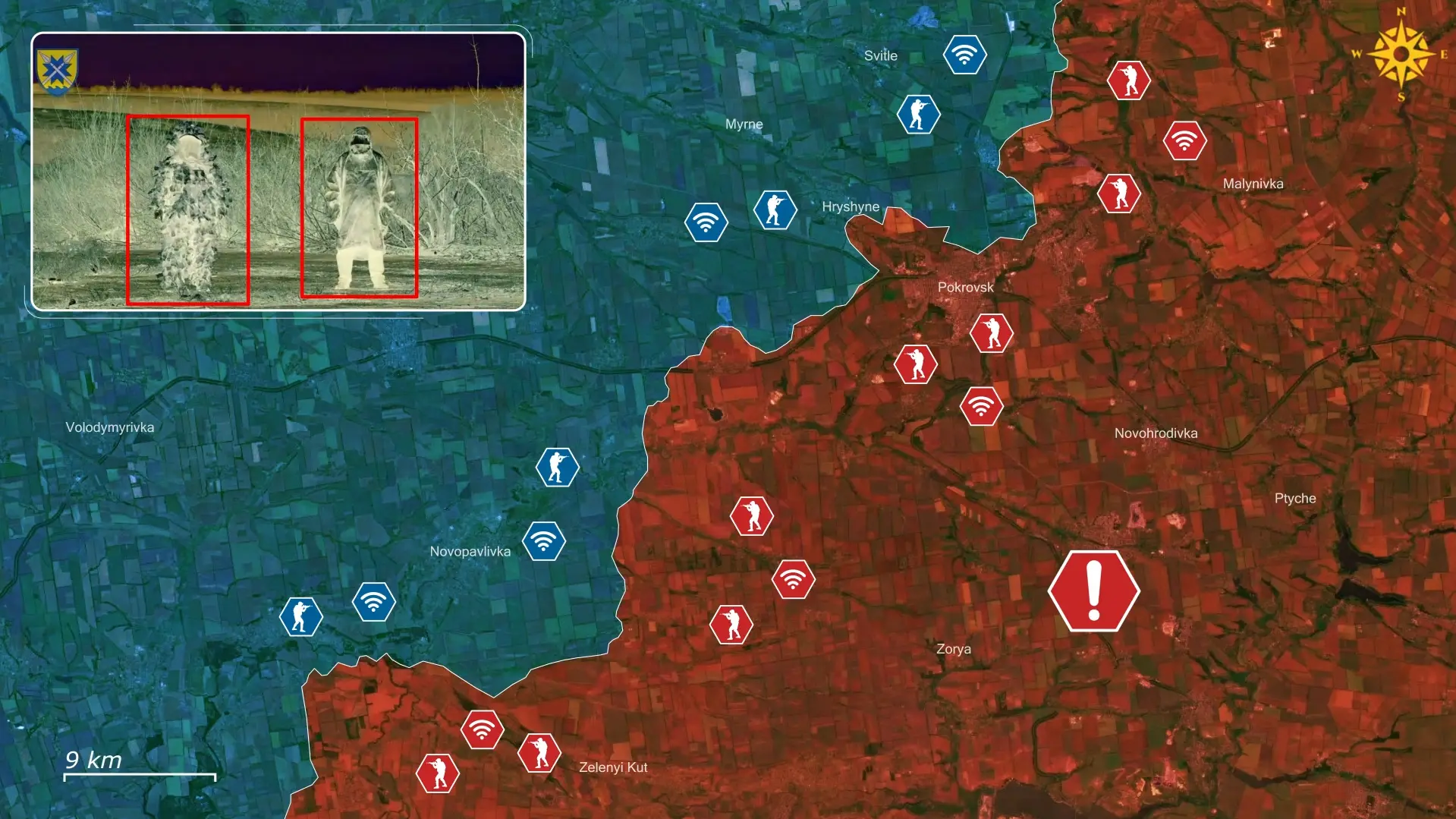
Overall, the erosion of nighttime concealment deprives Russian forces of a predictable asset for their infiltration tactics, forcing them to rely on less stable weather conditions. Weather still disrupts detection in ways that technology cannot fully resolve, yet Ukrainian efforts to stabilize thermal performance in fog and moisture indicate that even this remaining buffer is under pressure. This suggests that concealment will depend less on darkness or weather and more on which side can manage the electromagnetic and thermal landscape to its advantage.

.jpg)

Comments