

.svg)
Today, we look at new developments from the skies above Ukraine.
In the wake of ever-present videos of successful kamikaze strikes, drone combat has become a defining feature of the war. Contrary to what these videos suggest, both sides increasingly rely on reusable bomber drones for use on the frontlines, with some units even preferring them over their kamikaze variants.
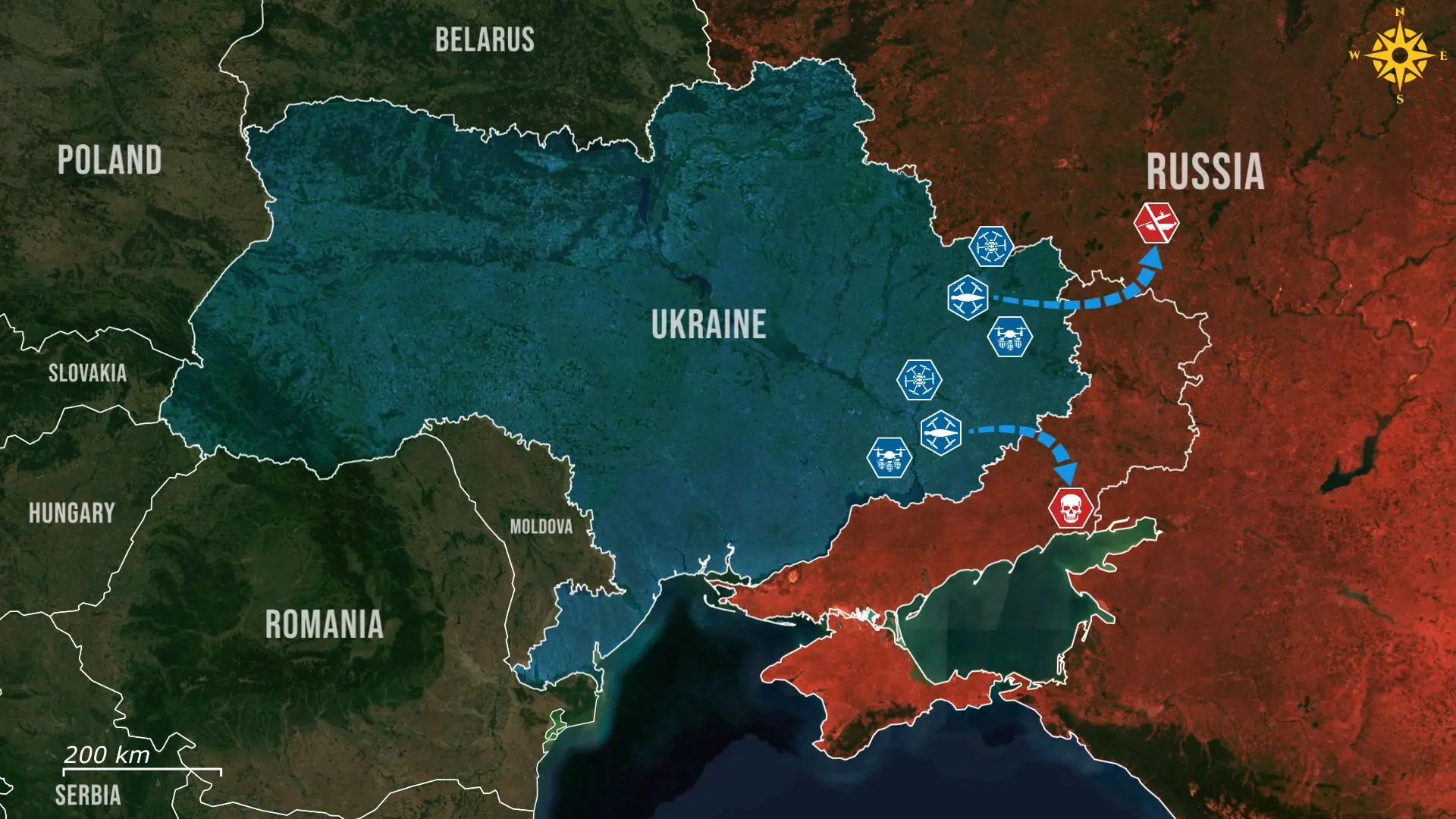
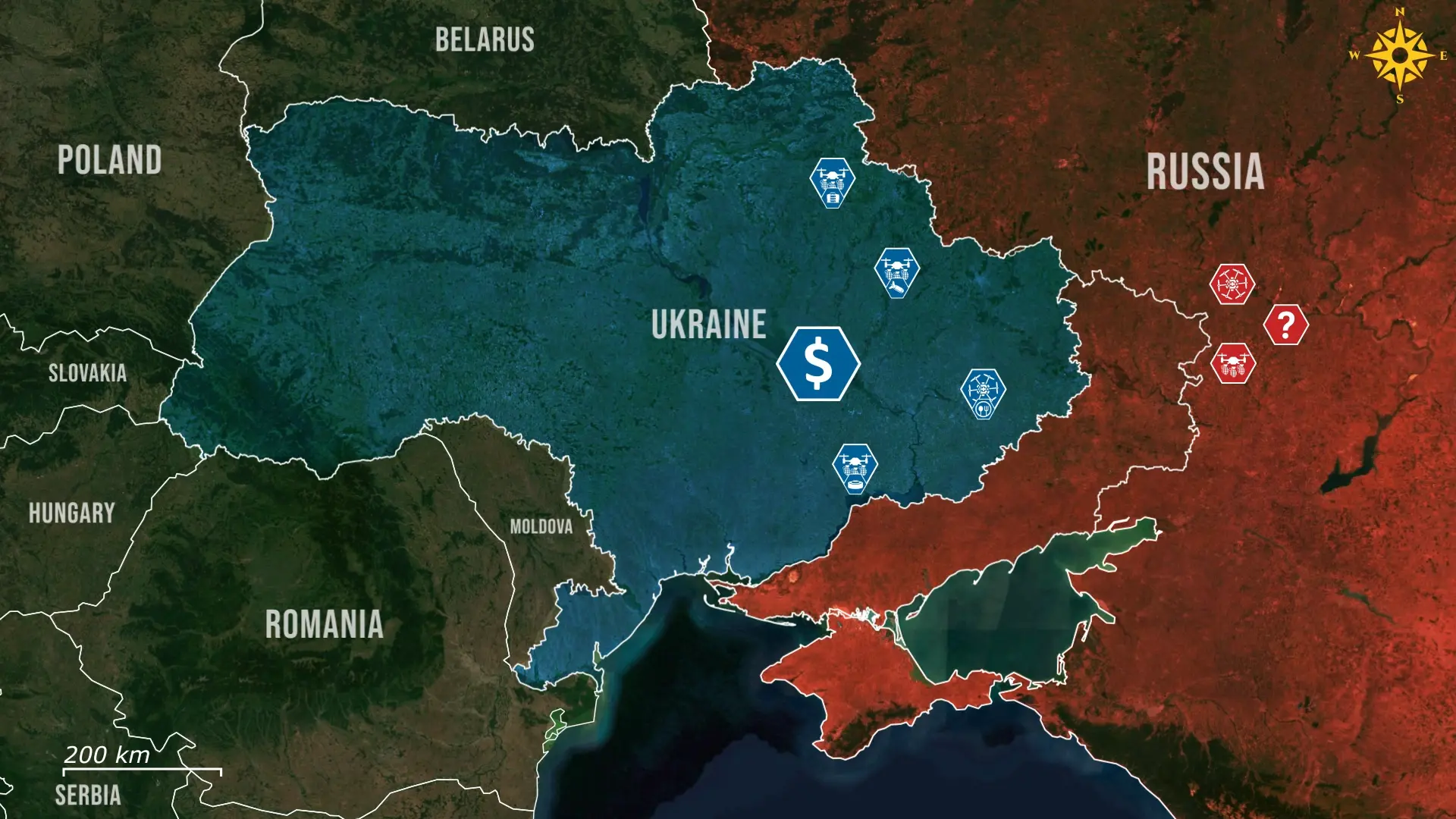
In the Ukrainian theatre, a broad variety of bomber drones like the Ukrainian Vampire and Baba Yaga, or the new Russian Night Witch, and Bulldog-13, but also a multitude of smaller quadcopters, are increasingly common on the battlefield. This proliferation of dedicated bomber drones shows remarkable similarities to the specialization of aircraft during World War one. While first used for reconnaissance, planes soon began to drop mortar bombs and hand grenades onto the enemy.
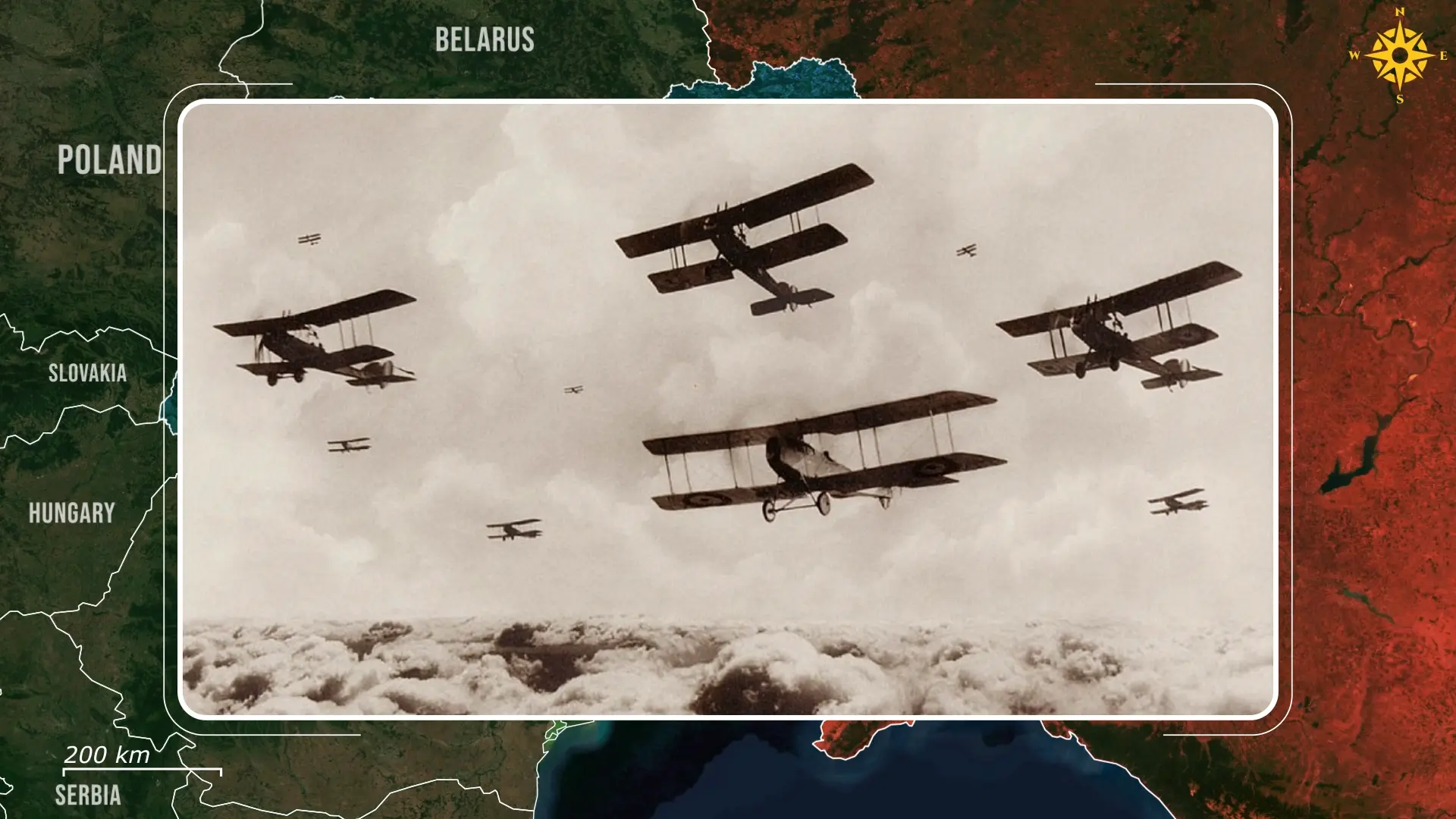
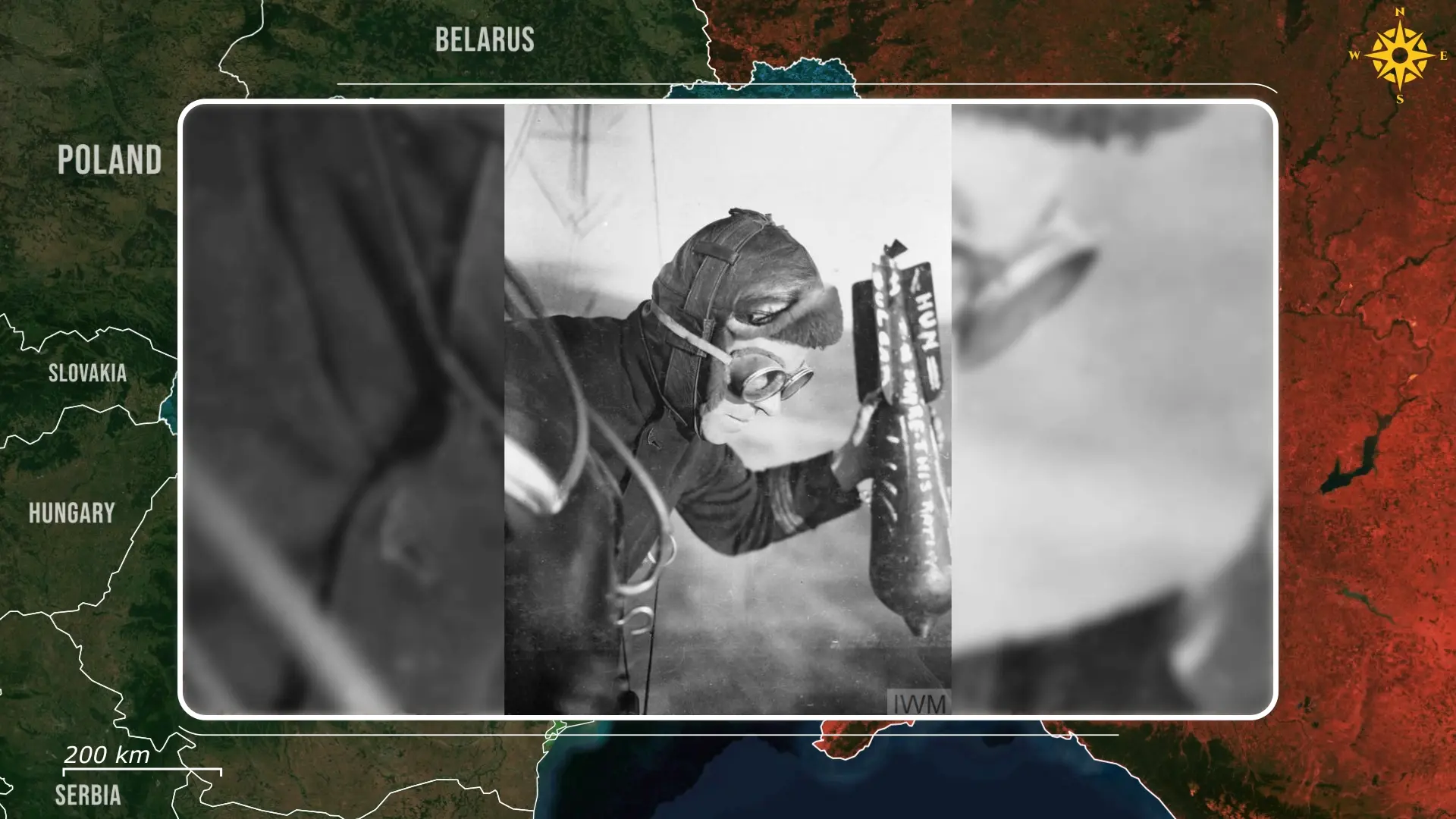
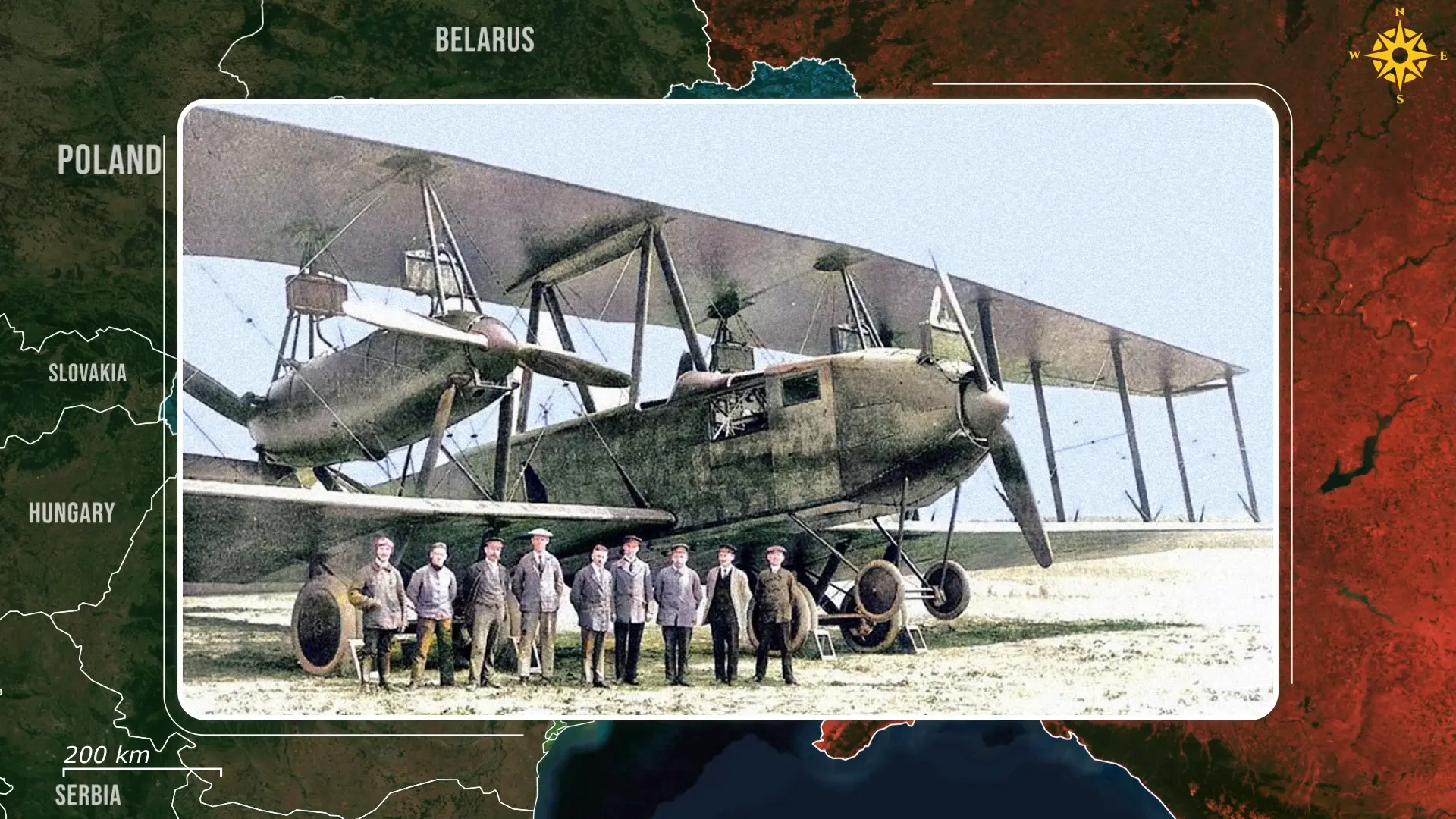
Over the course of the war, their success prompted the construction of specialized bomber aircraft that were able to carry increased payloads. Like bomber drones in Ukraine, bombers were then partially developed from transport aircraft, already designed to carry heavy weights.
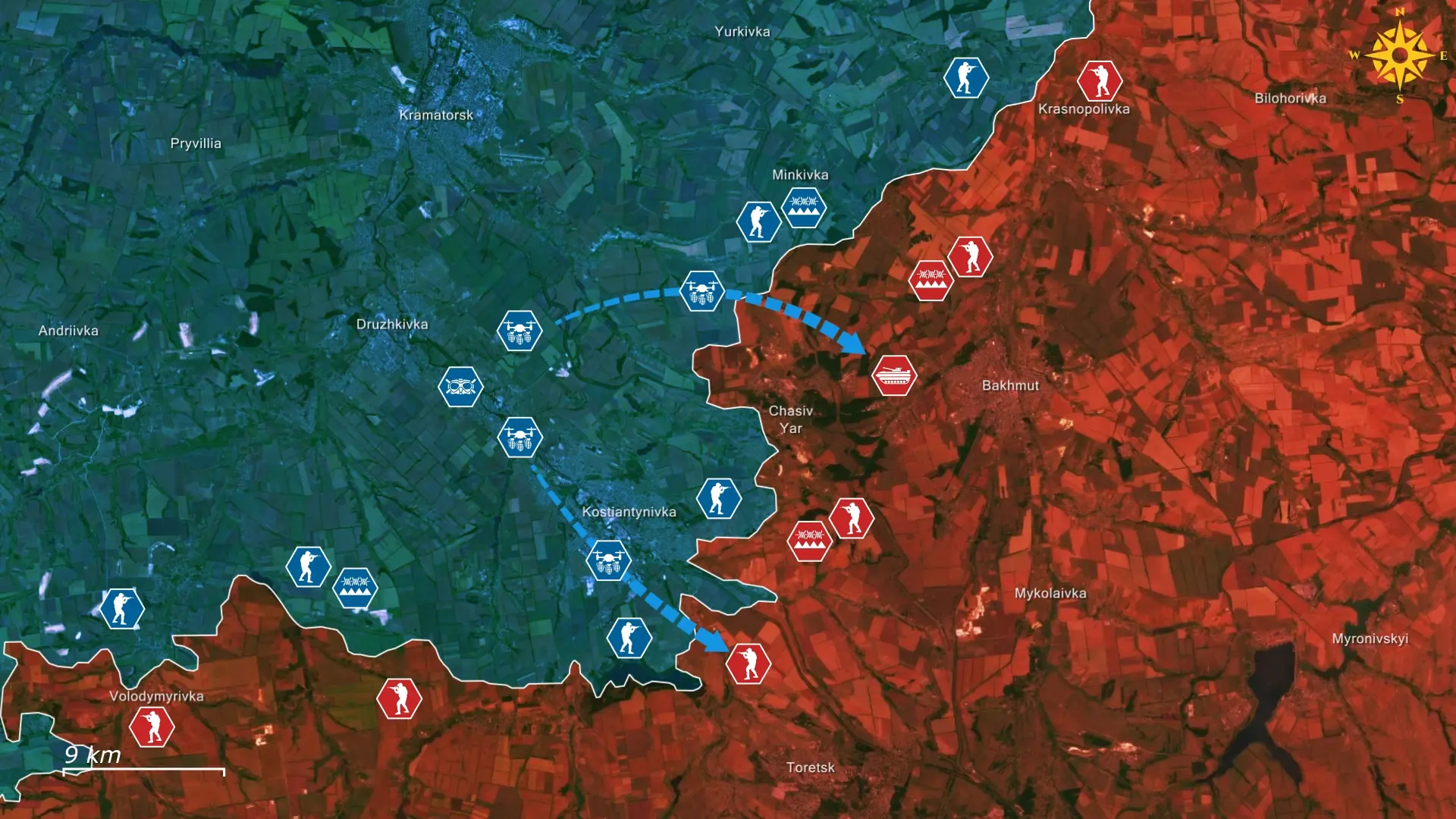
At today's frontline, small FPV quadcopter bombers provide support to units at the tactical level. They can carry up to two kilograms, which allows them to drop a variety of fragmentation or anti-tank shells.
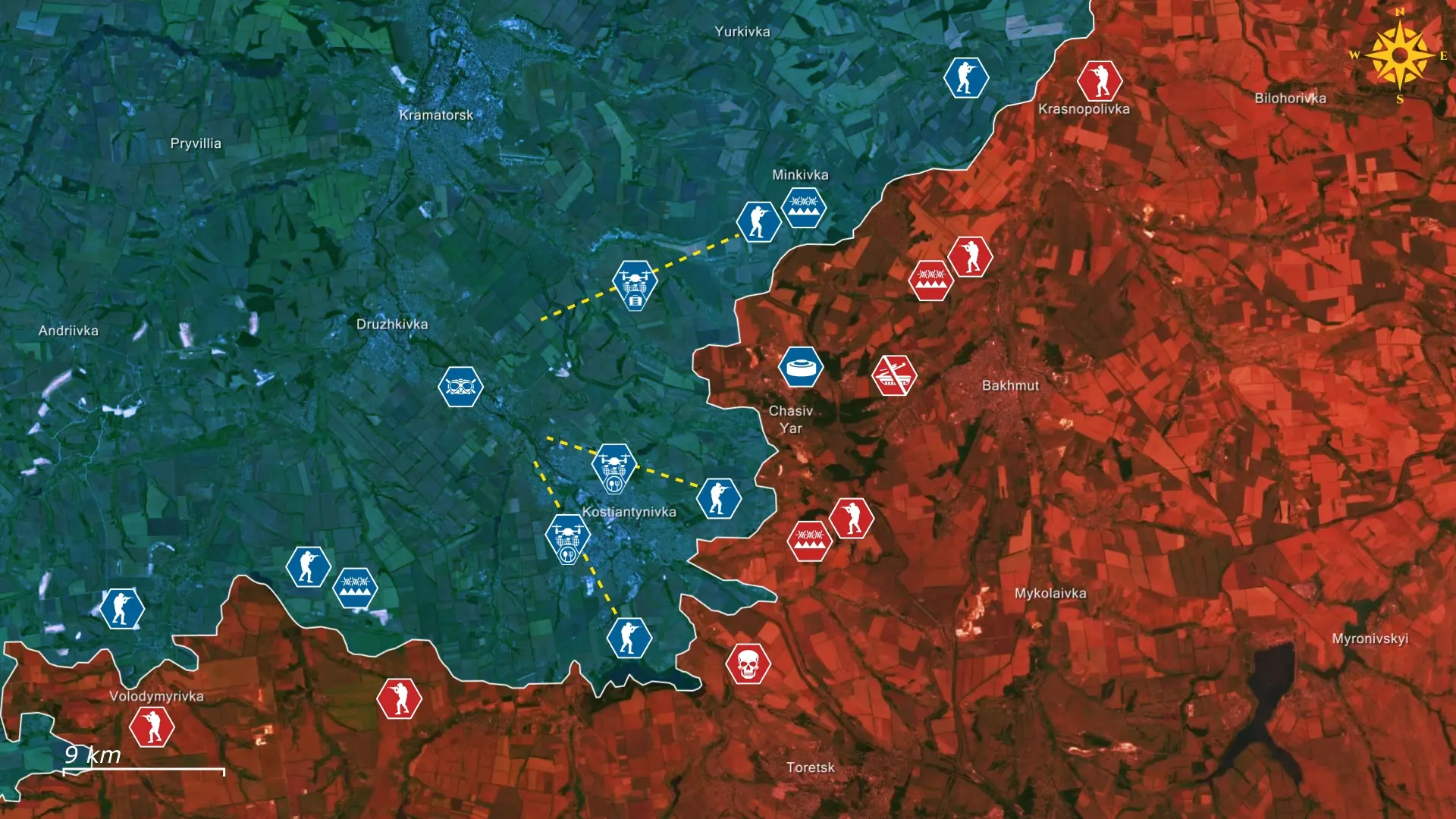
Alternatively, they can place anti-personnel mines where the enemy does not expect them. Importantly, they also make it possible to resupply isolated frontline positions with basic goods, like water, food, or ammunition.
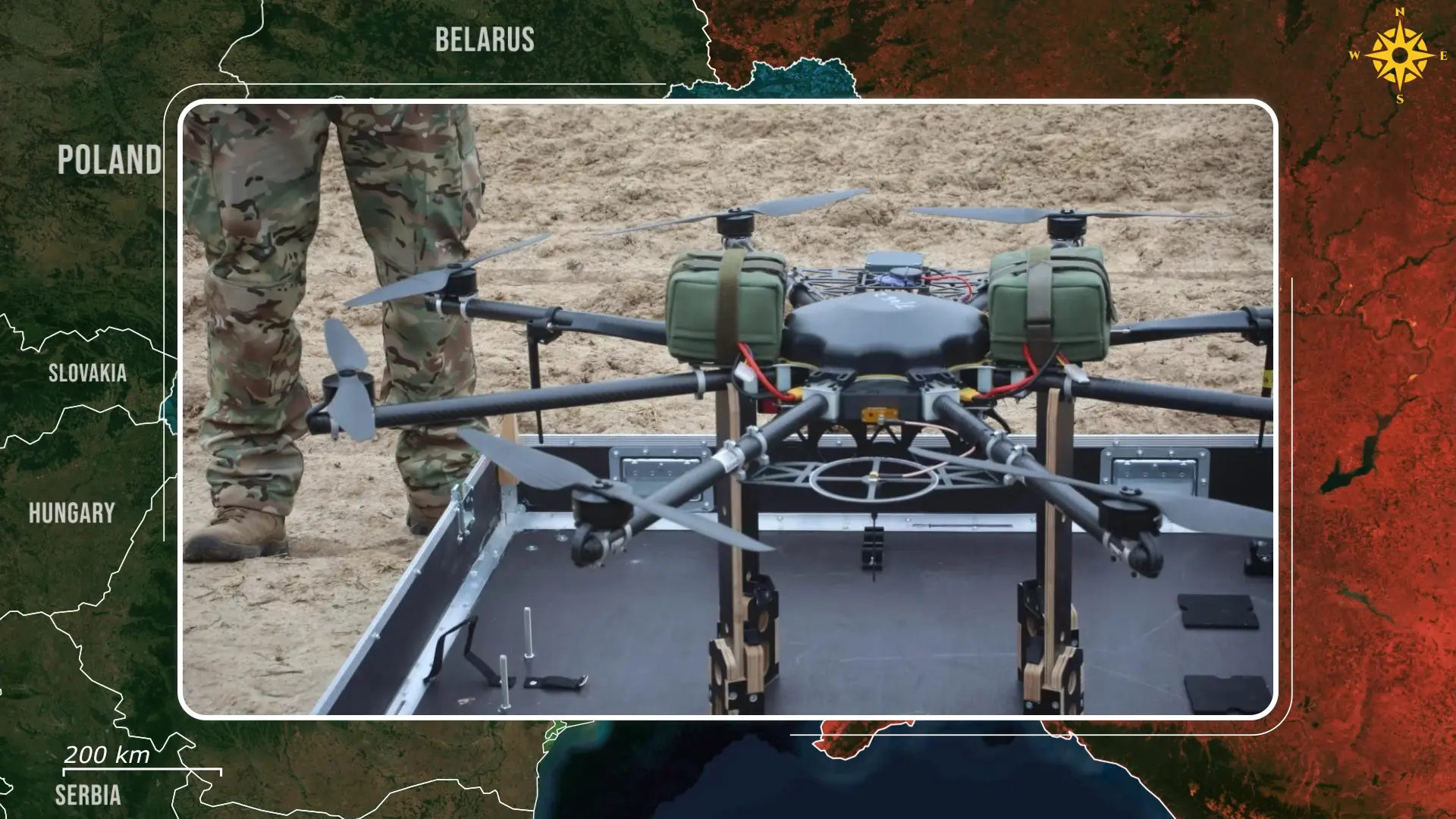
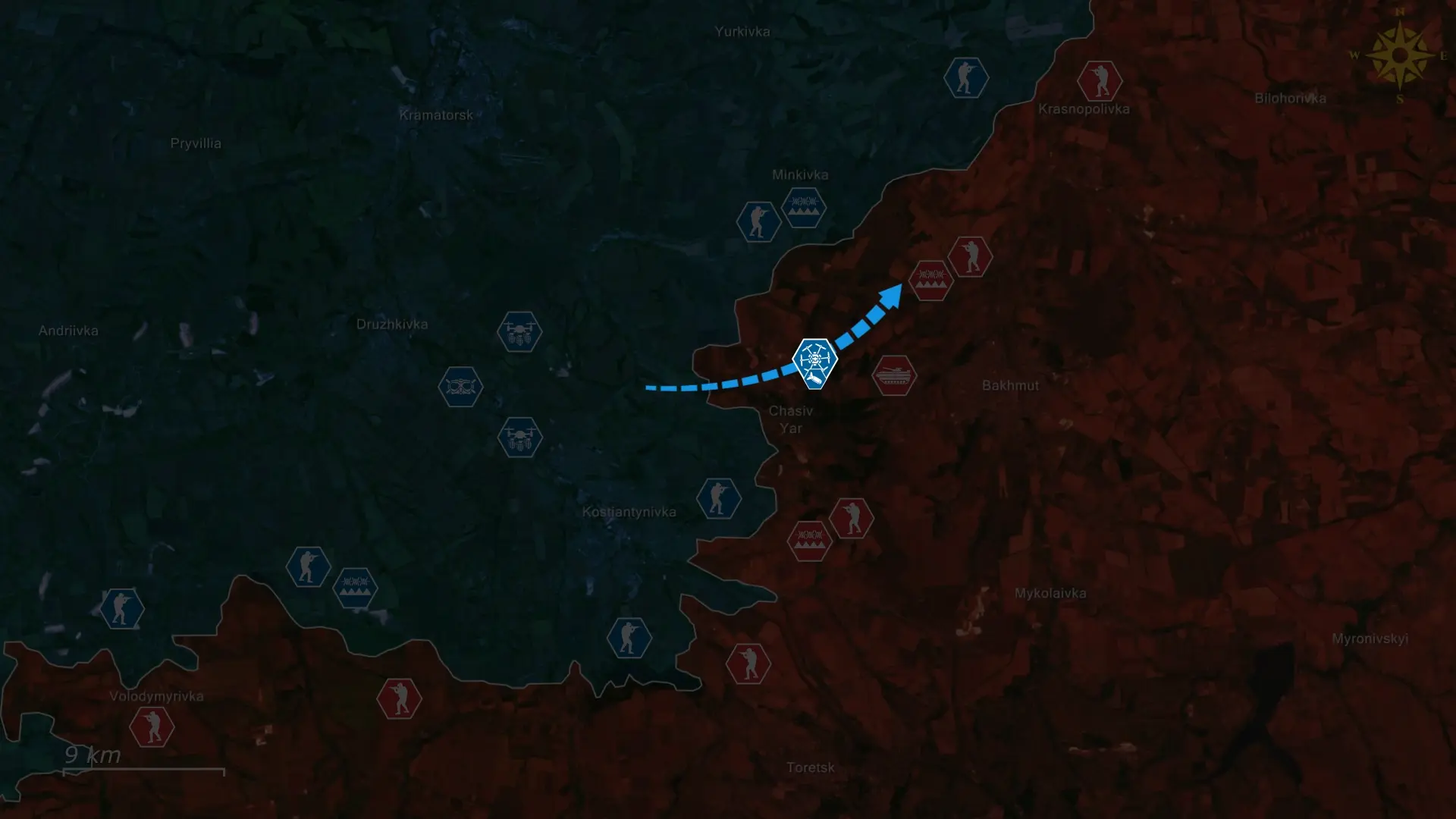
At the brigade level, Ukraine uses larger octocopters with payloads of up to 10 Kilograms developed from cargo or agricultural drones. They can attack fortified positions or tanks, but are often used as night bombers under the cover of darkness, because their size makes them easier targets.
While Ukraine has used bomber drones successfully since the early days of the war, Russia long followed a different approach by focusing on single-use drones, and only recently began fielding its own reusable bomber drones on a larger scale.
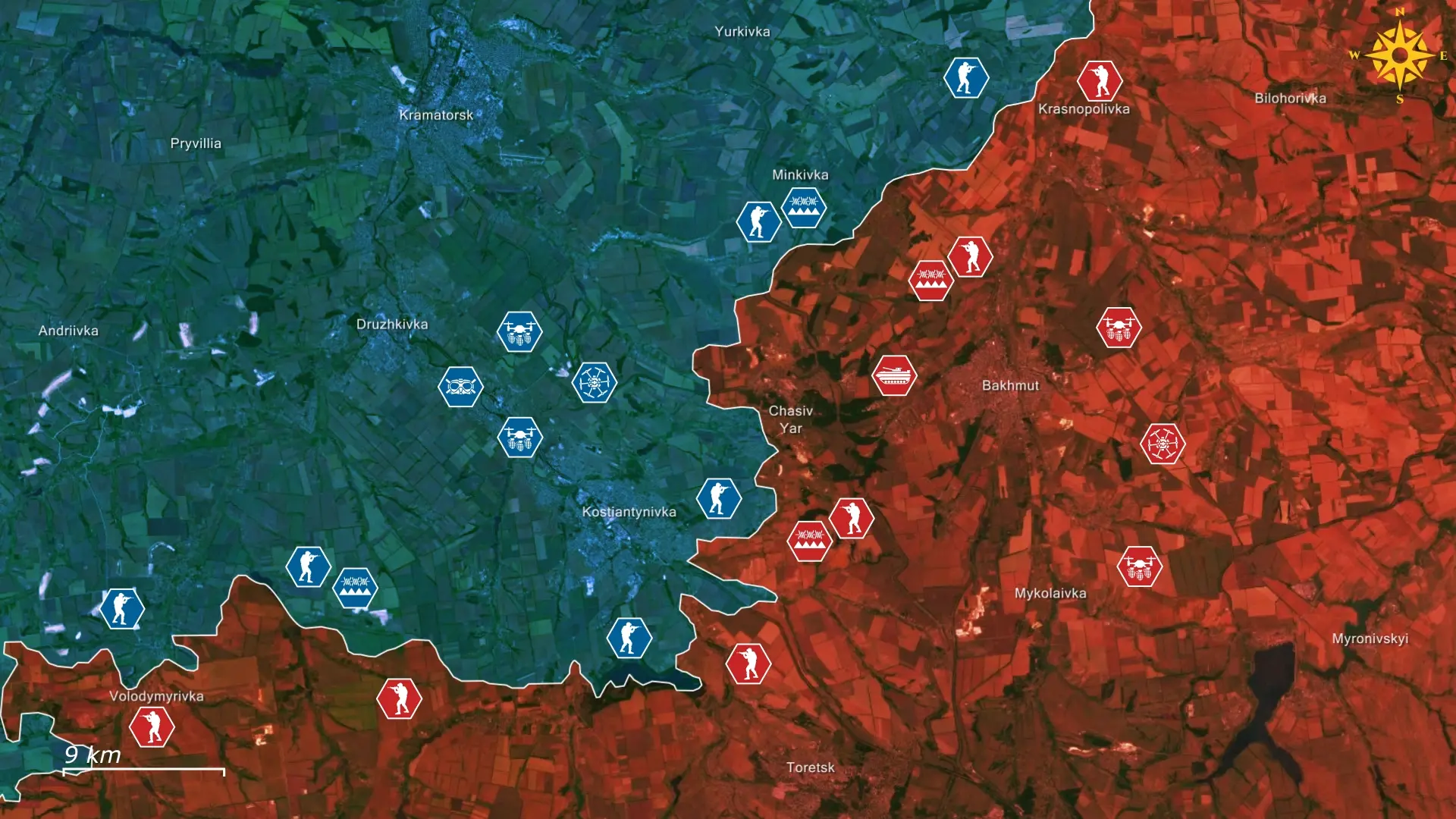
In general, Bomber drones have several advantages when compared to single-use kamikaze drones. They carry larger amounts of explosives and can strike multiple targets at once. Their biggest advantage, however, is their reusability, which allows consecutive bombing runs.
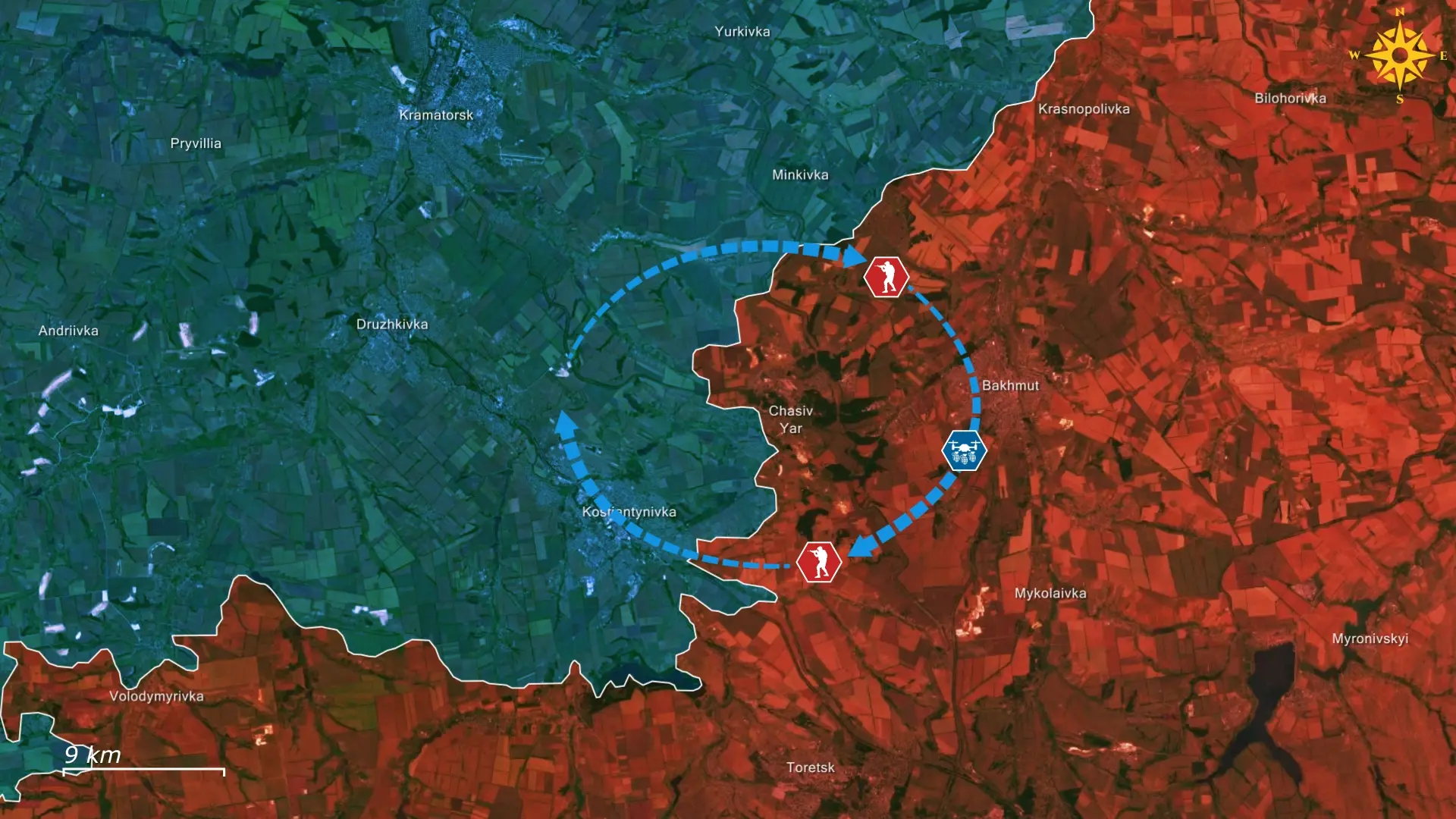
On the downside, reusability doesn’t necessarily guarantee survivability, and bomber drones have to survive both their approach and return flight. This affects larger bombers in particular, since these models are much more expensive than single-use FPV drones, and each Baba Yaga drone costs more than 20,000 dollars. Smaller models, however, only have a base cost of 500 dollars, which is just twice the price of a single-use drone. Compared to the latter, small bombers have much lower loss ratios, which makes them cost-efficient within a short time. In combination with their versatility, this gives bomber drones the edge over single-use drones in the eyes of many operators.
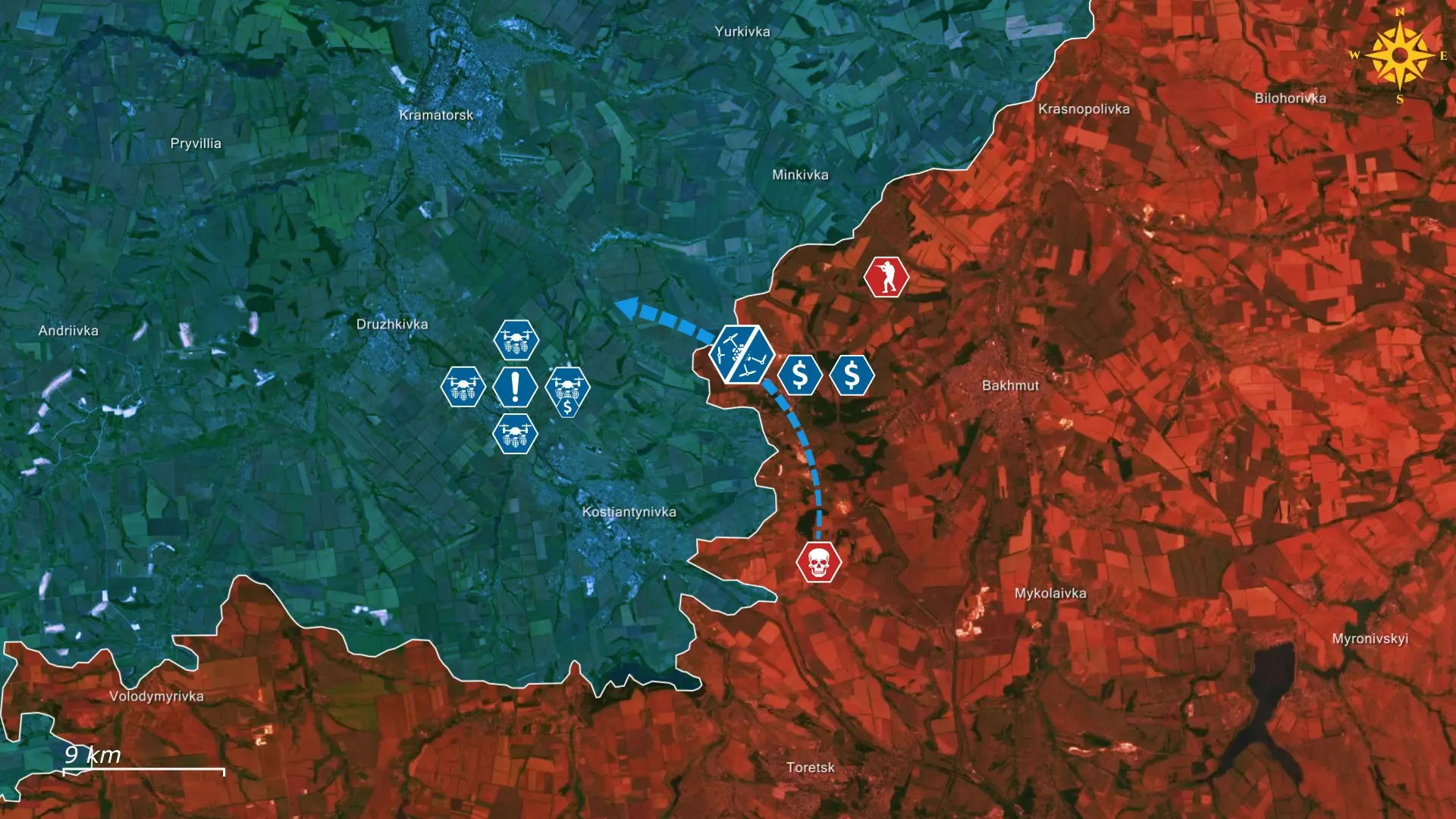
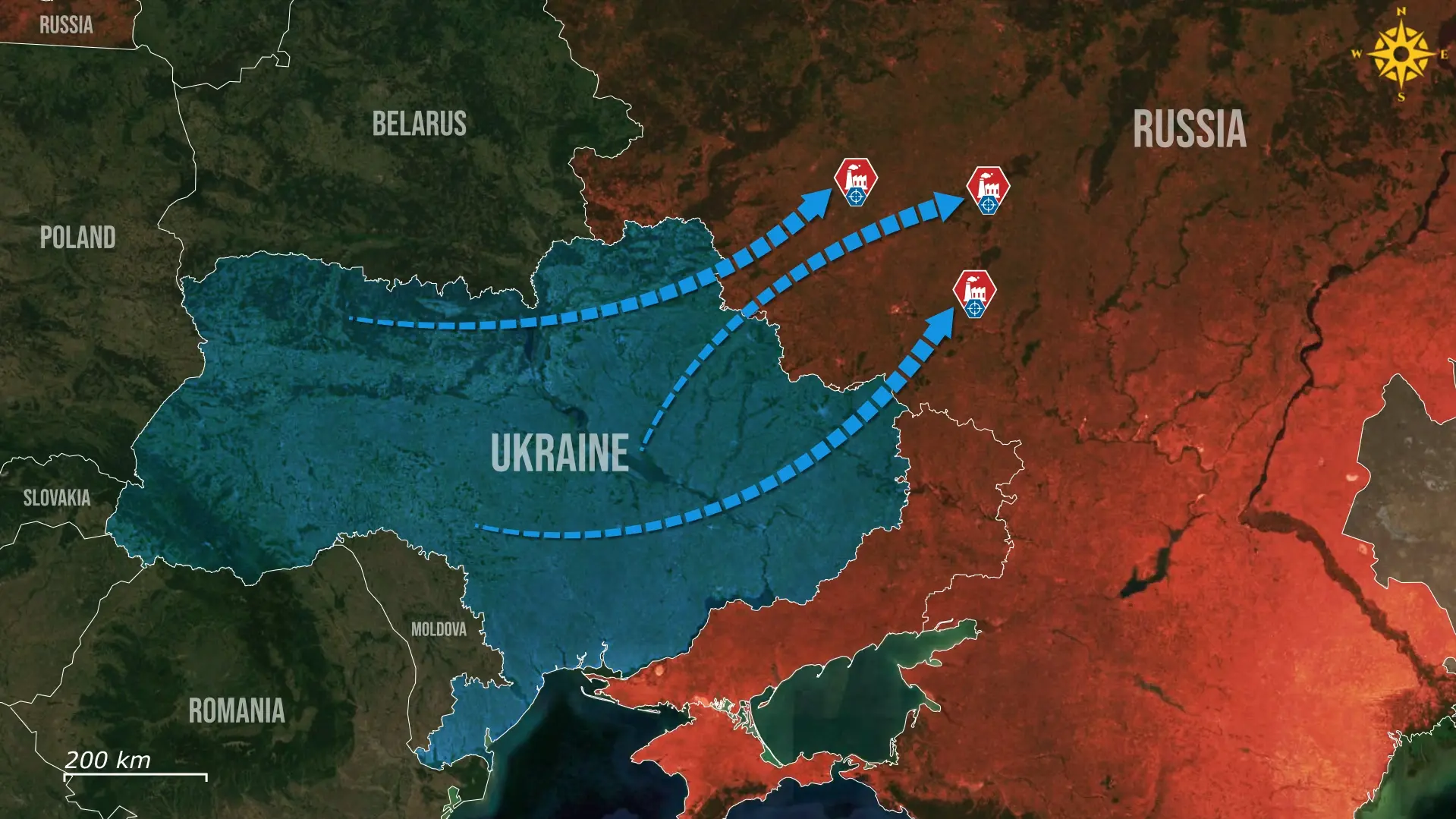
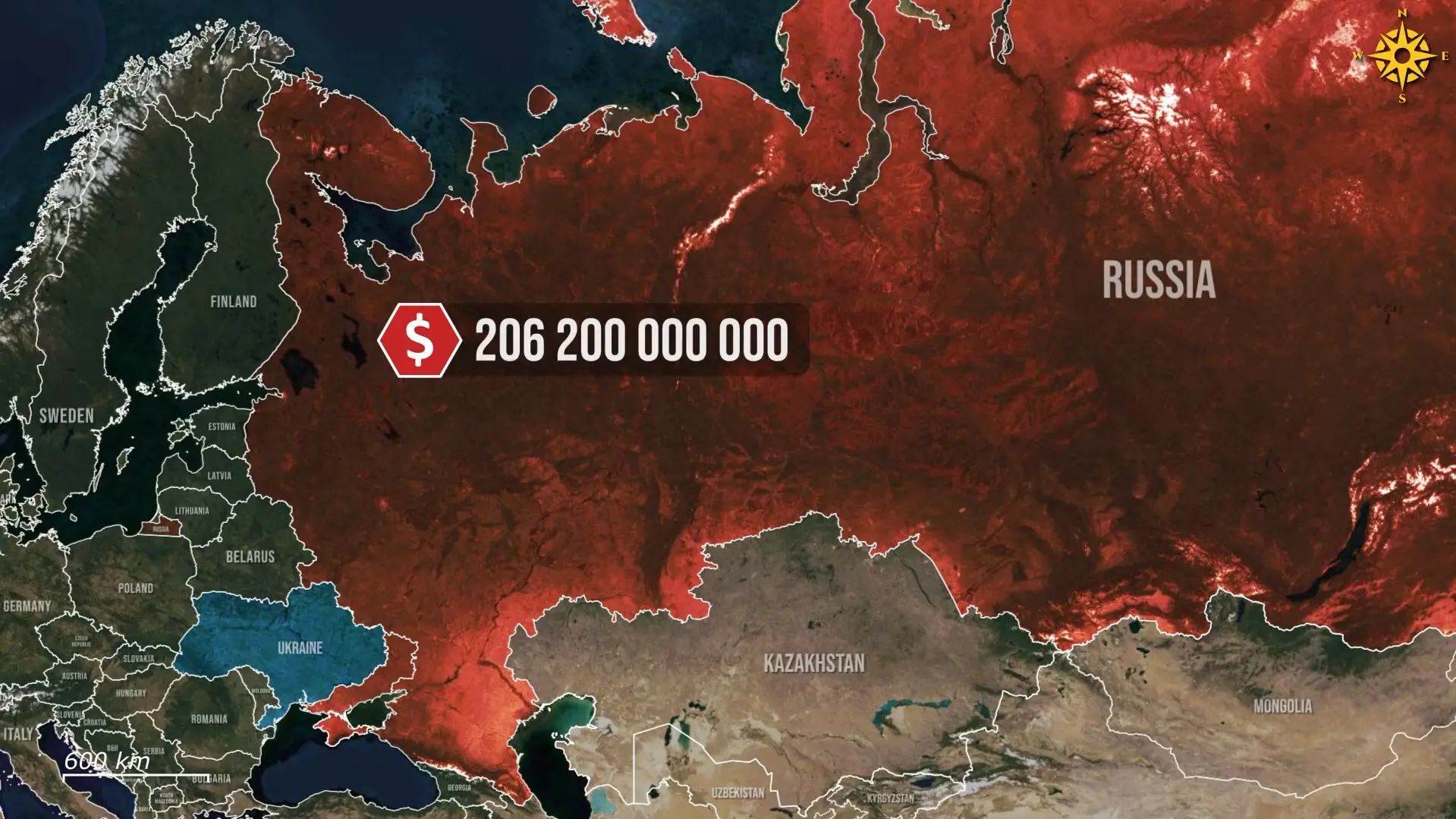
The increasing use of bomber drones on the battlefield is therefore also the result of the ongoing numbers game in a conflict that has turned into a war of attrition. Preserving resources and inflicting maximal damage has long been a key Ukrainian strategy, while Russia only recently began to experience shortages in material, funding, and manpower. As tank depots deplete and state budgets tighten, it is now also forced to establish more sustainable battlefield tactics. Hence, the use of bombers can be seen as an effort to limit the skyrocketing costs of drone production. As bomber drone production increases, there are, however, no signs that they will completely replace single-use kamikaze FPV drones. Instead, each type fulfills increasingly specific tactical purposes, such as night bombing, interception missions, or conducting attacks within buildings and fortifications. This is accompanied by advancements in drone production that enable the mass production of purpose-built models.
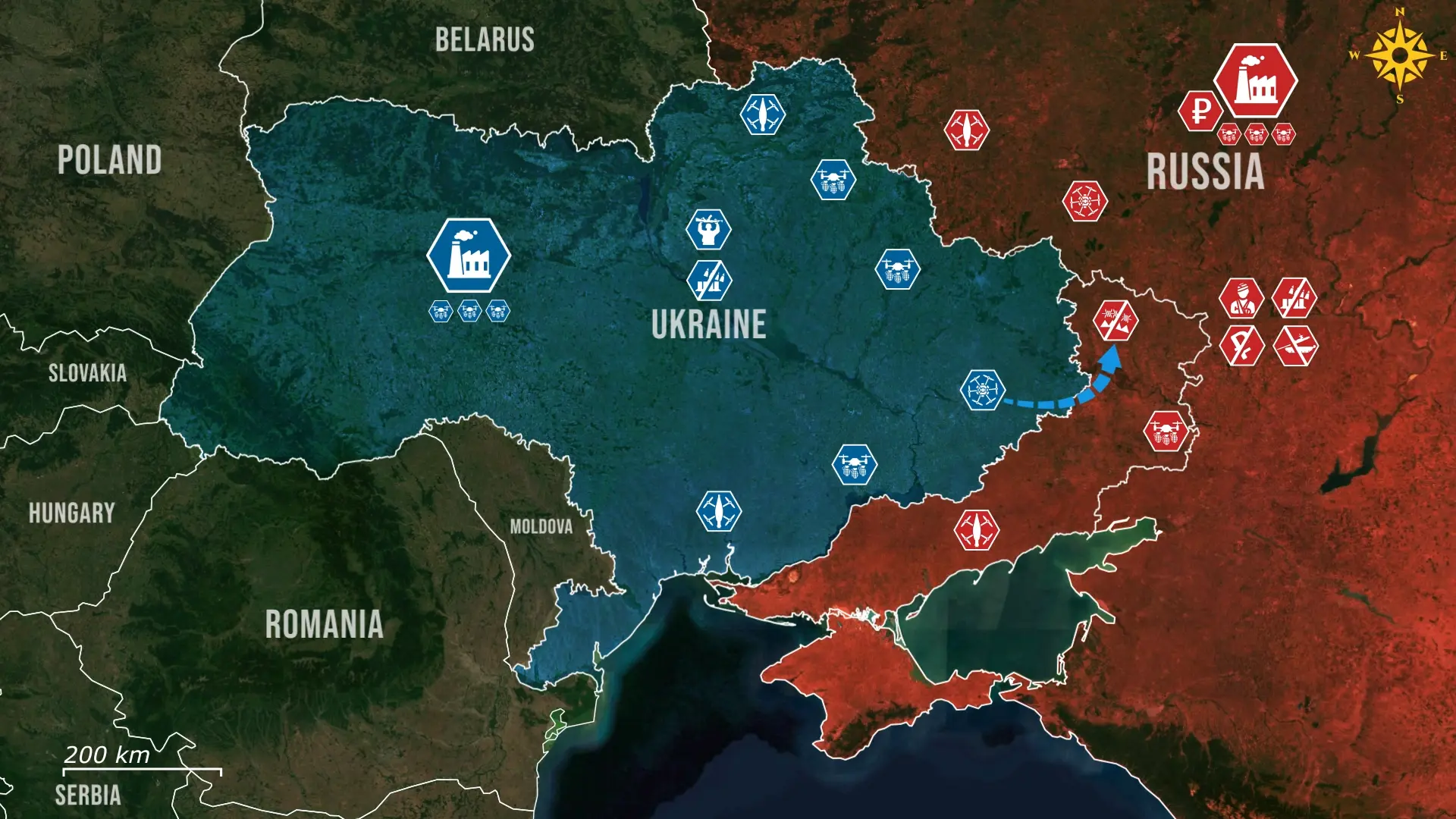
Overall, the increasing use of bomber drones in Ukraine is the consequence of the multiple advantages they provide. Their flexibility allows different uses for bombing or mining missions and the resupplying of frontline troops. At the same time, prospects of reusability and cutting costs amidst a war of attrition make bombers attractive to drone operators. It remains unclear, however, if the new Russian models, developed on the basis of experiences in less defended airspace, will be able to copy the current success of the Ukrainian side.
.jpg)

Comments