

.svg)
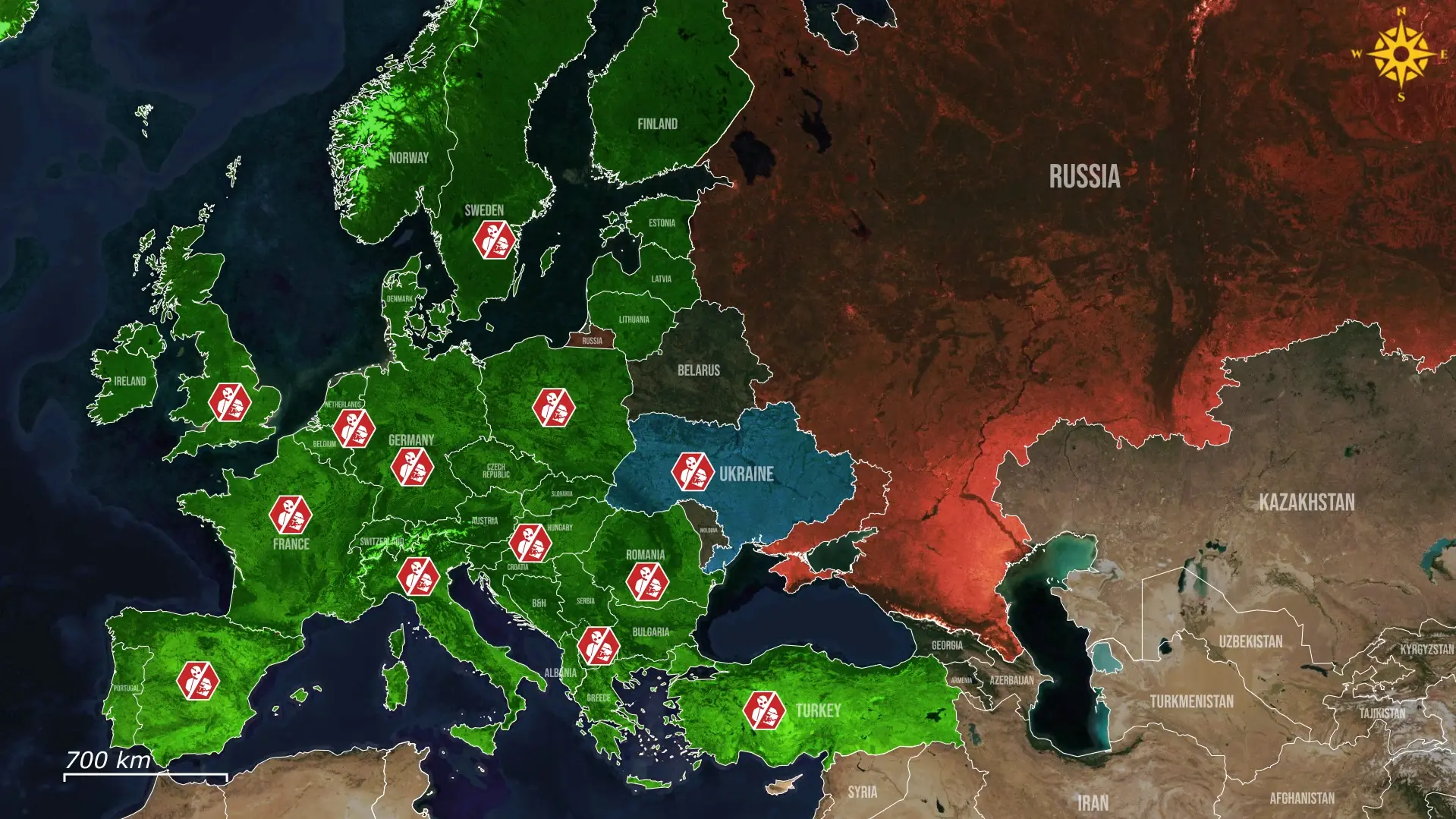
Putin reportedly told senior Russian military and intelligence officials in late two thousand and twenty five that one of Moscow’s goals for two thousand and twenty six was to collapse Nato and the European Union from within. During the secret briefing, Putin outlined plans to exploit political and social divisions across Western countries, directly contradicting his public denial of any Russian threat to Europe.
This came as Putin was publicly dismissing Western warnings about the Russian threat to Europe, including concerns over hybrid warfare, sabotage, and large scale provocations targeting critical infrastructure in Poland and the Baltic states. Yet behind the scenes, Russia was preparing operations to weaken Nato and the European Union from within, with Putin setting the security services the task of carrying them out.
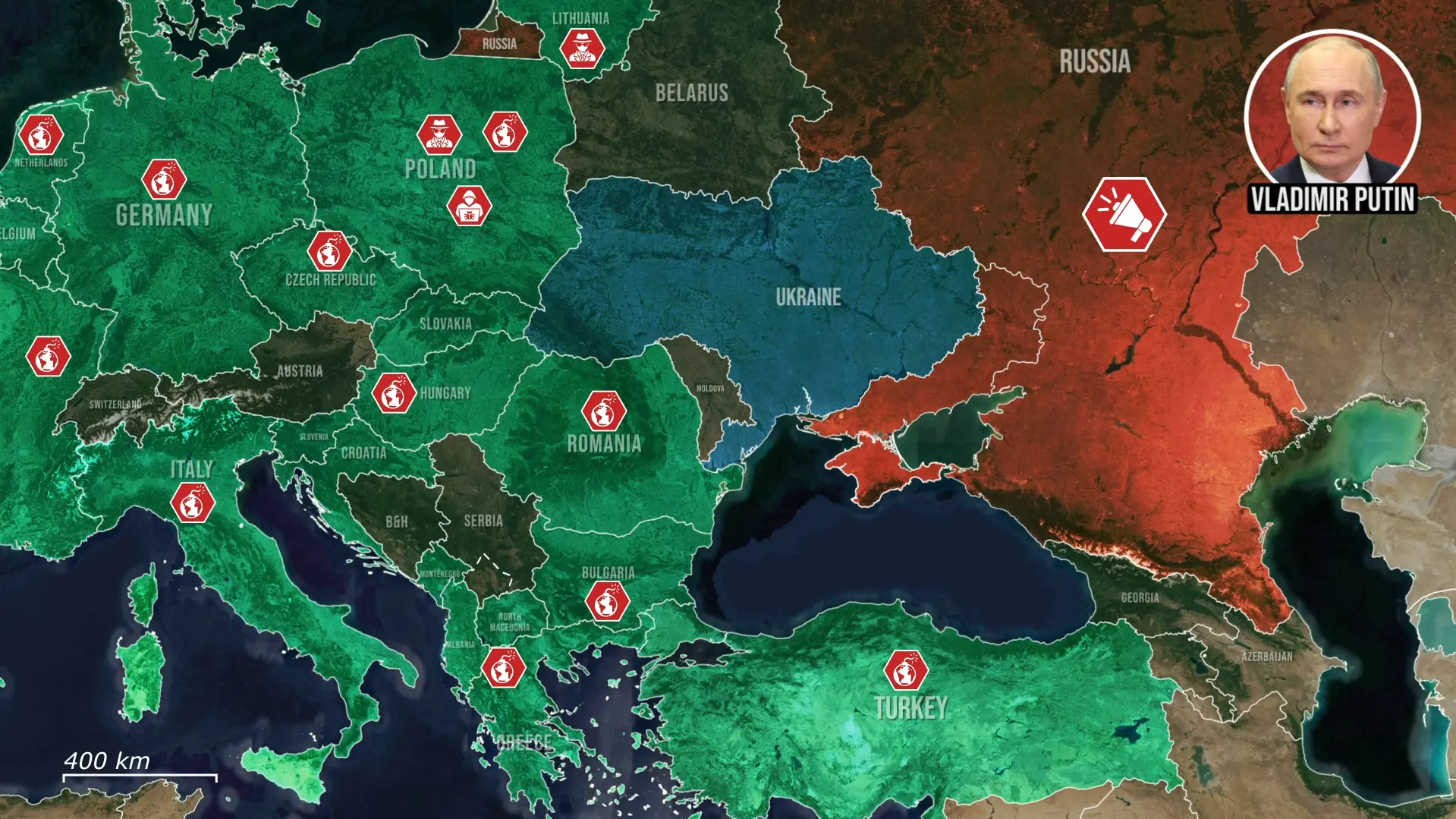
In order to successfully implement these plans across Europe, Russia needed to experiment with its tactics on a smaller scale, which is how Moldova became Russia’s testing ground. Western intelligence considers control over Moldova one of Russia’s main strategic priorities after Ukraine, largely because of the country’s position between Ukraine and Nato territory. Moldova therefore remains a key target as Putin continues to seek territory in southern Ukraine that could create a land corridor connecting Russia to Moldova. Currently, Russia lacks the military capability to achieve this, which has forced it to turn to political and hybrid warfare in Moldova.
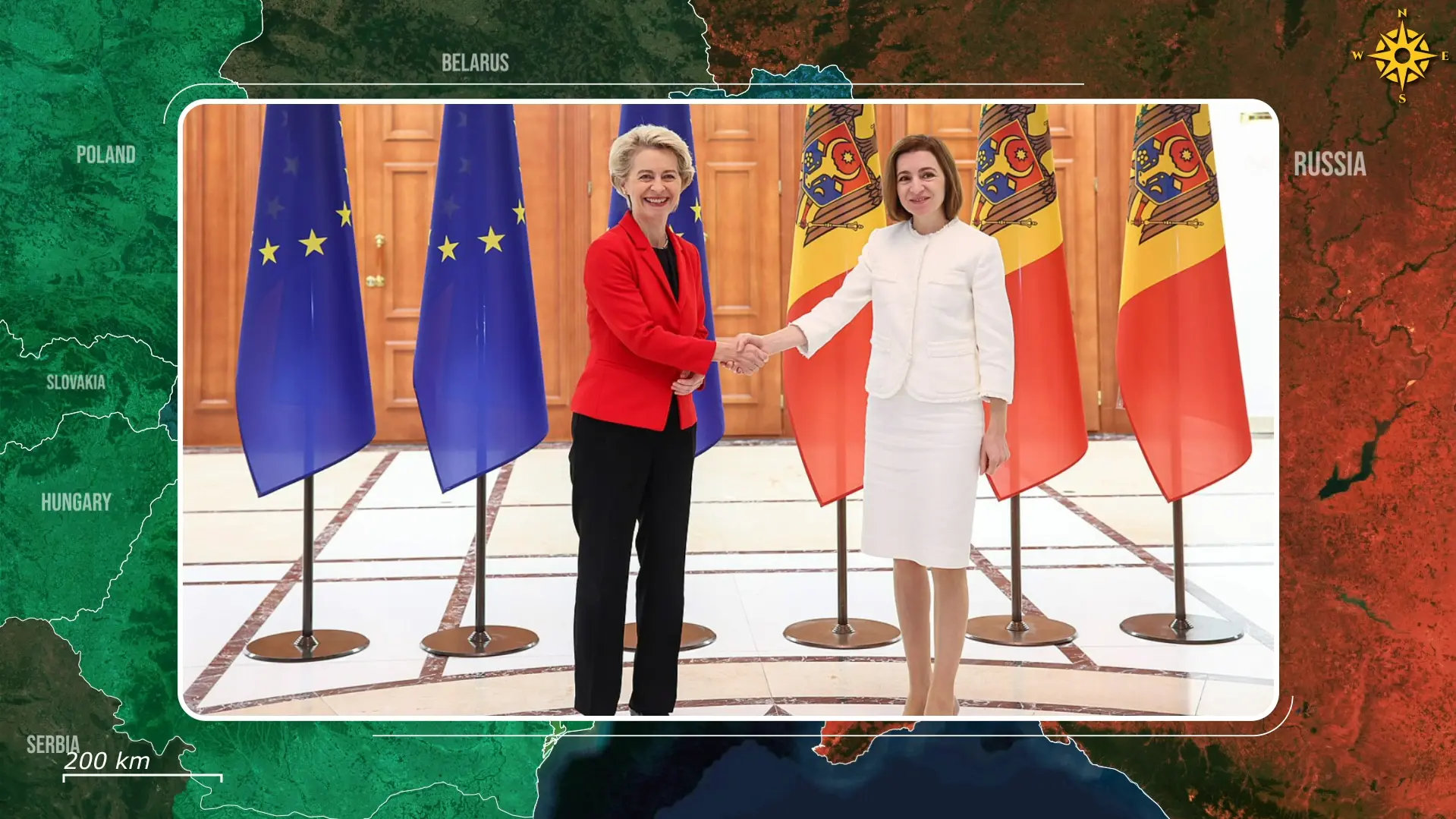
Now, Moscow is seeking to weaken the pro European government in Chisinau and create the conditions for a pro-Russian leadership to take power. The campaign to influence elections includes cyberattacks, disinformation to discredit pro European candidates, vote buying and political financing for pro Kremlin figures, and the recruitment of pro Russian activists.
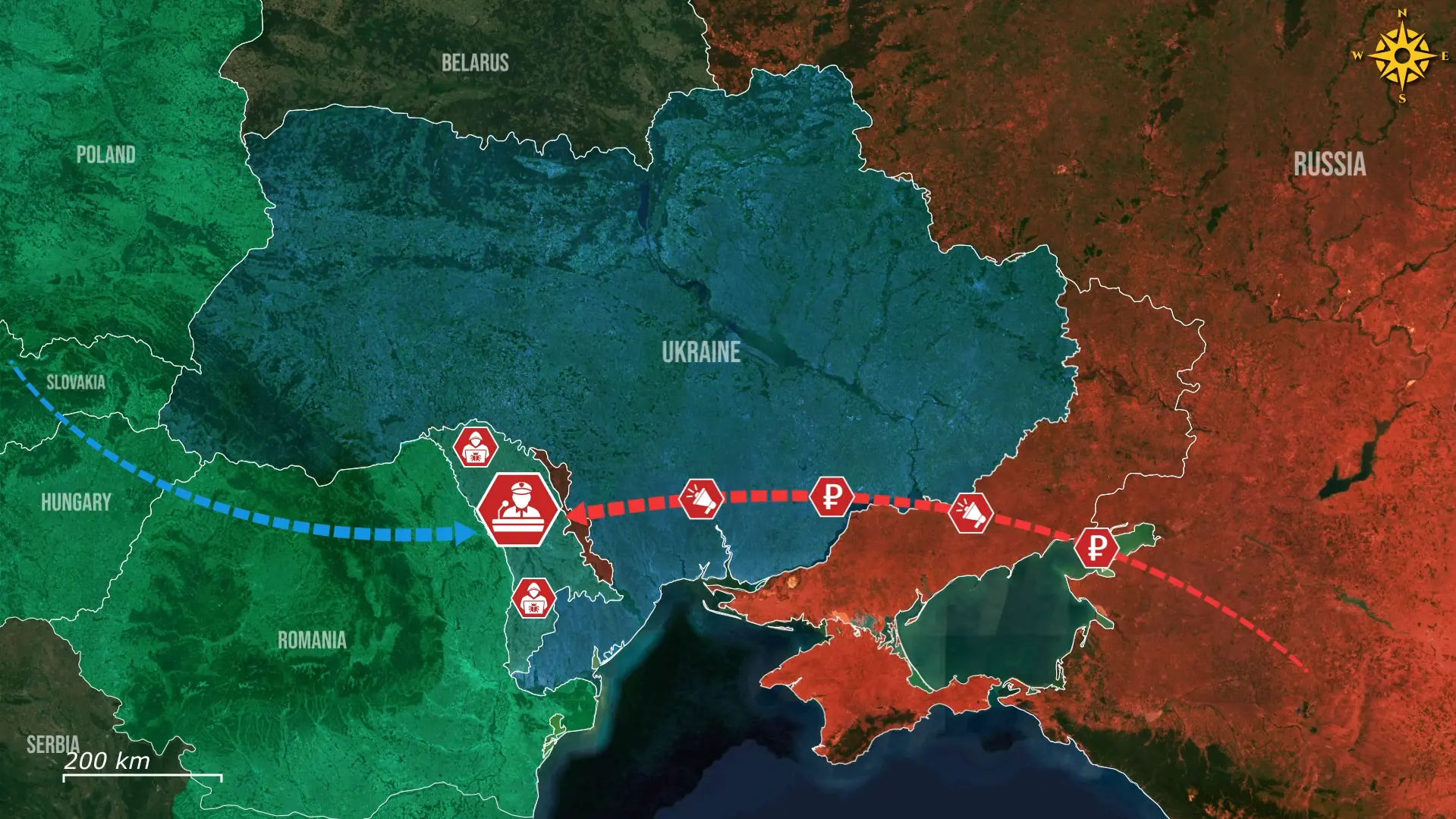
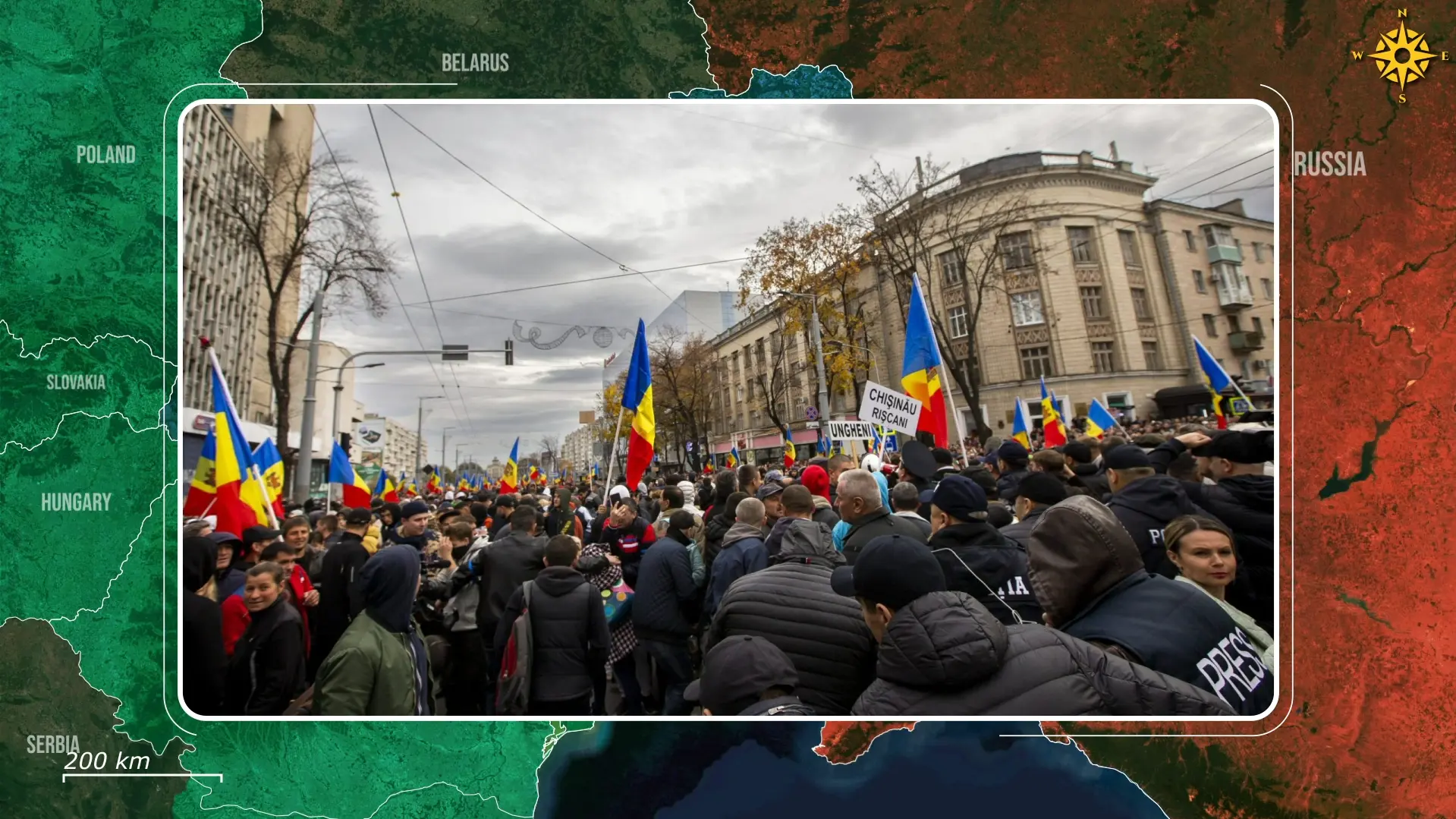
Moscow has also supported networks capable of organizing large scale protests and potentially violent unrest. According to Moldovan law enforcement officials and Western intelligence sources, instructors linked to Russian military intelligence organized training camps in Bosnia and Herzegovina, Serbia, and Russia. Participants were reportedly trained in weapons use, the production of incendiary devices, and drone operations, which could be used in Moldova to cause unrest and disrupt elections. The campaign also relies on a large network of paid supporters inside Moldova. Tens of thousands of activists were recruited and paid through Telegram to attend protests, campaign against President Maia Sandu, and oppose Moldova’s path toward EU membership. Much of this network is believed to be connected to Moldovan oligarch Ilan Shor, who operates from Russia and finances efforts against Moldova’s pro European government.
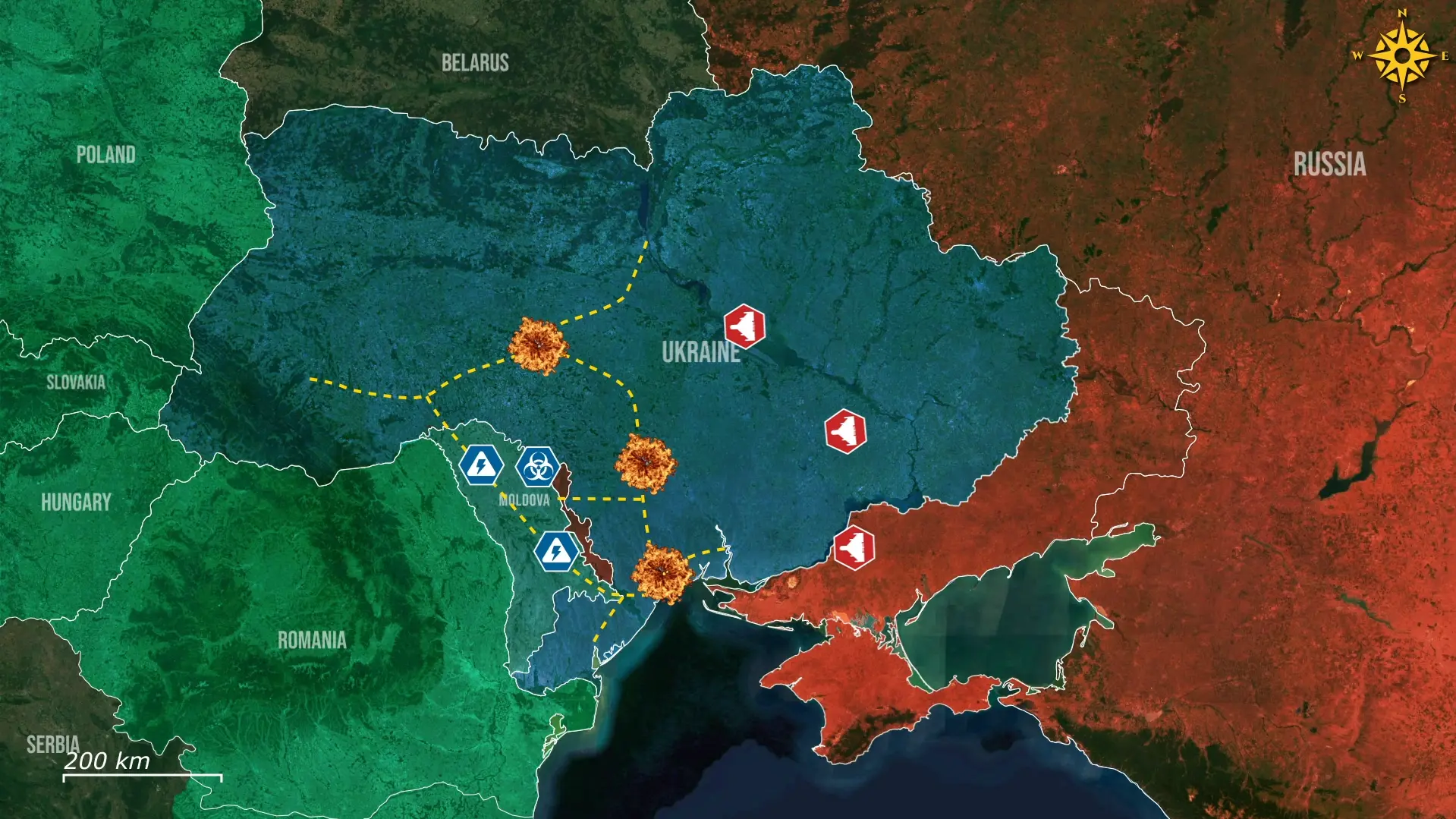
At the same time, Moscow can exert pressure on Moldova indirectly through the war in neighboring Ukraine. Russian drones also struck a Ukrainian power line supplying Moldova, while a separate strike near the border polluted the Dniester River and disrupted Moldovan water supplies. This gives Russia another way to create instability and pressure the Moldovan government without directly attacking Moldova. Taken together, rather than attempting to conquer Moldova militarily, Russia is trying to undermine its institutions, destabilize society, weaken the pro European government, and ultimately create the conditions for a pro Russian political takeover.
However, the Russian campaign failed to achieve its main political goal because in the two thousand and twenty five parliamentary elections, Maia Sandu’s party retained power. She kept Moldova on its path toward EU membership alongside Ukraine and proved that Russia’s influence can be countered, although Russia has continued its attempts to influence the country. Despite Moldova not being a member of Nato or the European Union, this Russian interference makes it a key example of how Moscow could try to weaken Europe and undermine their political leadership without attacking Nato directly, keeping the conflict below the threshold of direct military confrontation.
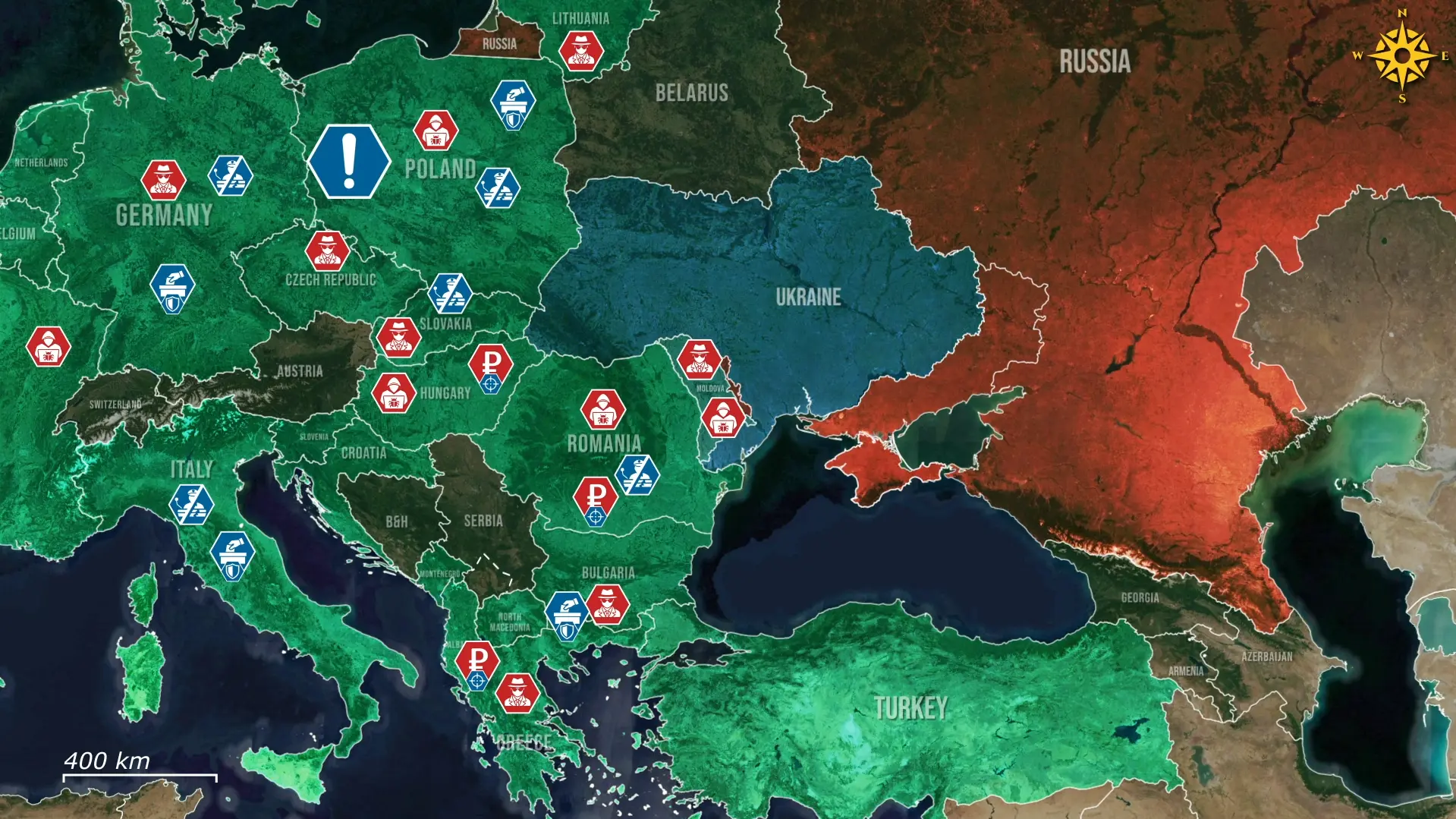
Overall, Moldova shows why hybrid warfare is strategically valuable for Russia as it allows Moscow to weaken a country’s political stability and decision making without triggering the risks of a direct military confrontation. By keeping its actions below the threshold of open war, Russia can gradually create conditions that make a government more vulnerable to external pressure and internal instability. Moldova therefore provides a warning of how the same methods could be adapted to exploit divisions inside Nato and European Union member states. For Europe, this means exposing foreign financing, protecting elections and cyber systems, and disrupting proxy networks before political destabilization becomes a wider security crisis.
.jpg)

Comments