

.svg)
Despite fighting on opposite sides of the war, Russia and Ukraine independently started to converge on the same battlefield solution to counter FPV kamikaze drones. Rather than relying solely on armor or electronic warfare, both sides are developing vehicle mounted weapons designed to physically destroy incoming drones before they can strike.

Russia is working on remotely operated machine-gun turrets specifically intended for counter drone missions, while also testing separate drone interception systems built to engage FPV drones at close range. Ukraine is reaching the same conclusion through its Brave one defense innovation program, which is developing its own hard-kill counter drone systems. That has unveiled a remotely operated turret that can intercept approaching FPV drones at the push of a button, reducing the operator's workload during an attack. Ukraine has also showcased a Polish-developed net-gun turret designed to disable incoming drones by entangling them before they reach their target. Together, these developments signal the emergence of a new layer of active vehicle protection, driven by the growing recognition that traditional defensive measures are no longer sufficient to reliably stop modern FPV drones.

This shift toward hard kill defenses is being driven by the declining effectiveness of signal based electronic warfare on the battlefield. Traditional jamming was once a reliable way to defeat FPV drones by disrupting the radio link between the aircraft and its operator. That advantage is steadily eroding as modern FPV drones adopt new control and navigation methods specifically designed to reduce their vulnerability to electronic warfare. Modern FPV drones can switch frequencies and hop between communication channels to avoid interference, making them significantly harder to suppress. Others are connected through fiber-optic cables, allowing them to receive control inputs without emitting radio signals that can be jammed. At the same time, advances in onboard computers and camera based navigation are allowing drones to find and engage targets with increasing autonomy, reducing their reliance on continuous operator control. As these capabilities become more widespread, electronic warfare alone can no longer provide dependable protection, increasing the need for systems that physically destroy incoming drones.
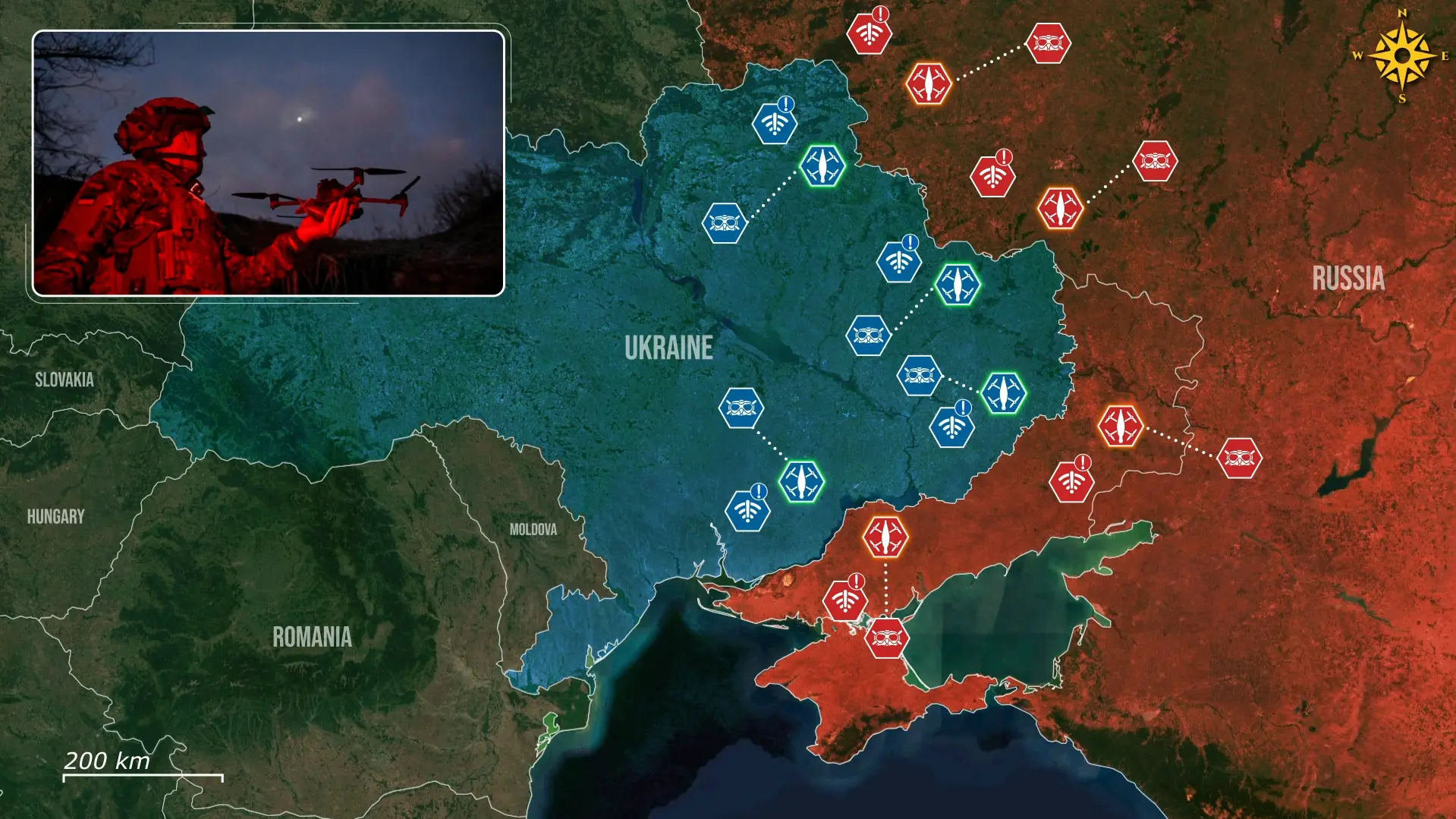
Passive defenses have also proven insufficient against the growing capabilities of FPV drones, as many armored vehicles are now equipped with cages, nets or protective curtains designed to reduce the effectiveness of drone strikes. These measures can prevent some attacks by prematurely detonating the warhead or obstructing the drone's approach. However, they do not eliminate the threat, as an FPV drone can continue maneuvering around these obstacles until it identifies an exposed section of the vehicle, such as the engine compartment or other vulnerable areas, like the tracks. Once it finds a suitable angle, it can still deliver a disabling strike, and potentially injure or liquidate the personnel inside. Even when passive protection reduces the damage from the initial impact, the vehicle often remains immobilized or exposed, making it vulnerable to follow-up attacks. As a result, passive defenses buy valuable time, but they cannot provide a reliable shield on their own.

The emergence of these systems also reflects a broader global shift toward close range air defense against small drones. Militaries around the world are increasingly developing point defense systems designed to protect armored vehicles and critical infrastructure from FPV drones and loitering munitions. While the technologies differ, they are all built around the same operational concept, where they detect an incoming drone at close range and neutralize it before it reaches its target. Some systems use remotely operated machine guns, while others rely on interceptor drones or net-based launchers. Rather than replacing electronic warfare or passive protection, these capabilities are intended to complement them by serving as the final defensive layer. The growing emphasis on point defense reflects the recognition that modern drones are becoming increasingly difficult to stop before they enter lethal range, making close-in active protection an essential battlefield capability.
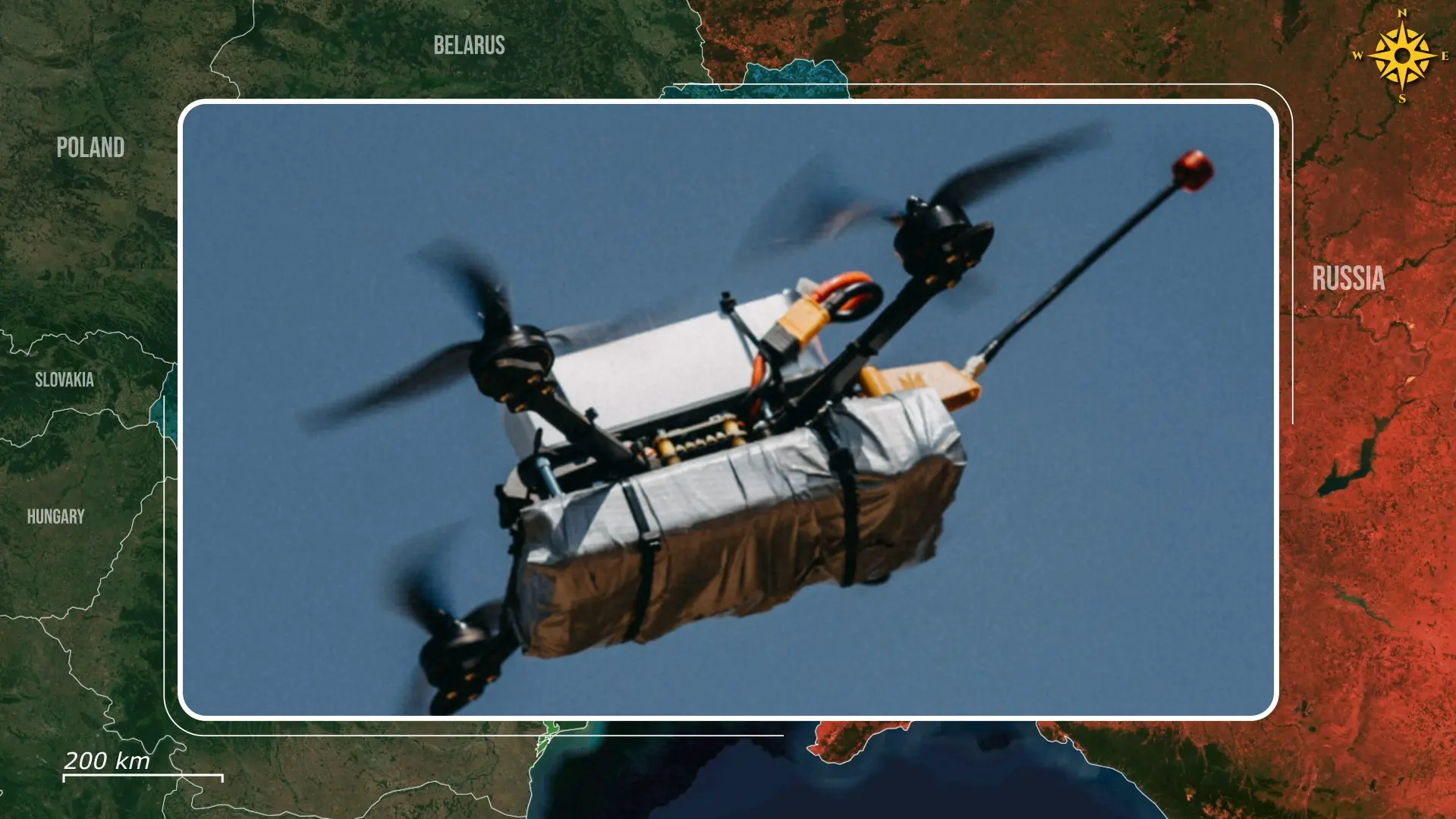
Overall, the development of hard-kill counter drone systems by both Russia and Ukraine suggests that active point defense is becoming an essential component of modern armored warfare rather than an experimental capability. As FPV drones continue to overcome traditional electronic warfare and passive protection, vehicles will increasingly require dedicated systems that can physically defeat threats in the final moments before impact. This evolution represents a fundamental shift from attempting to disrupt an attack to reliably intercepting it at close range. The growing investment in these technologies indicates that future battlefield survivability will depend not only on stronger armor, but also on the ability to actively defend against increasingly capable drones.


.jpg)





Comments