

.svg)
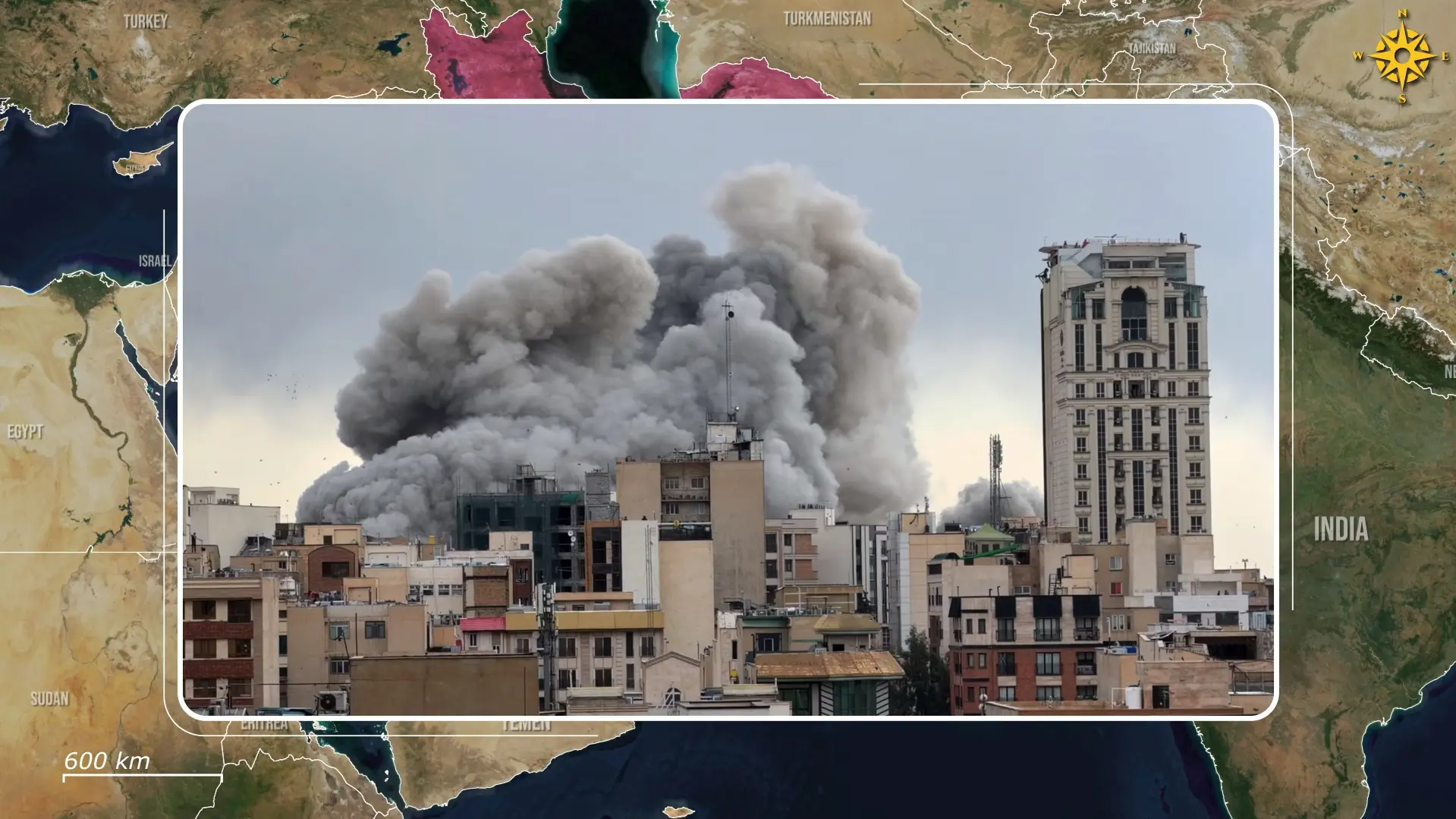
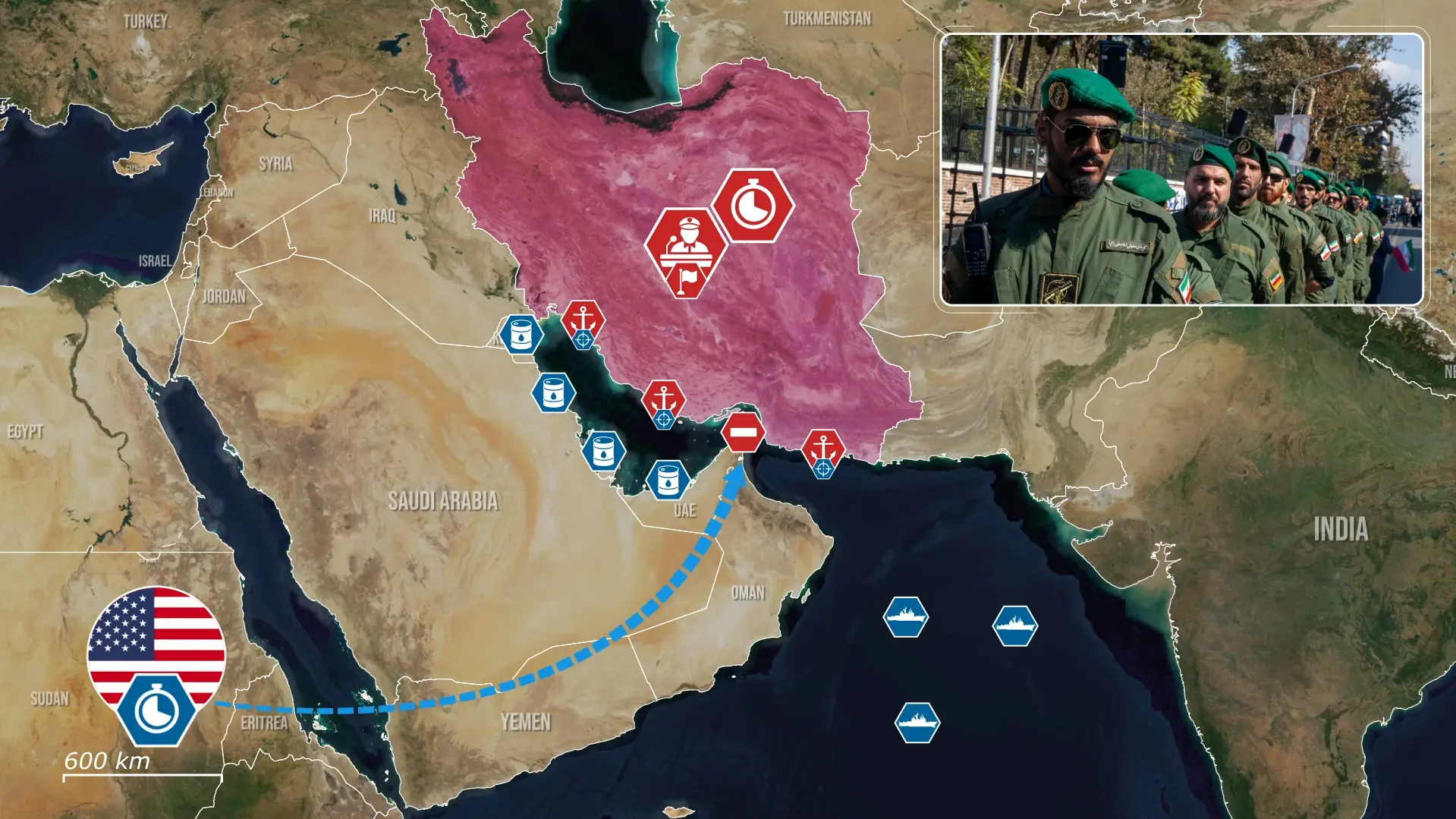
After months of airstrikes failed to break the Iranian regime’s resolve or produce a lasting ceasefire, the United States has pivoted back toward economic pressure and begun relying more heavily on measures designed to isolate Iran financially. This means that on top of existing economic sanctions, the United States is now going all in on enforcing a naval blockade that targets Iran’s ports and oil shipments. The US is now placing renewed emphasis on its Economic Fury campaign, using stronger naval enforcement to pressure Tehran into reopening the Strait of Hormuz as the closure continues disrupting global energy markets. This change also marks the first moment in the conflict when the US administration has reduced expectations and messaging that military pressure alone could compel Iran to make concessions.
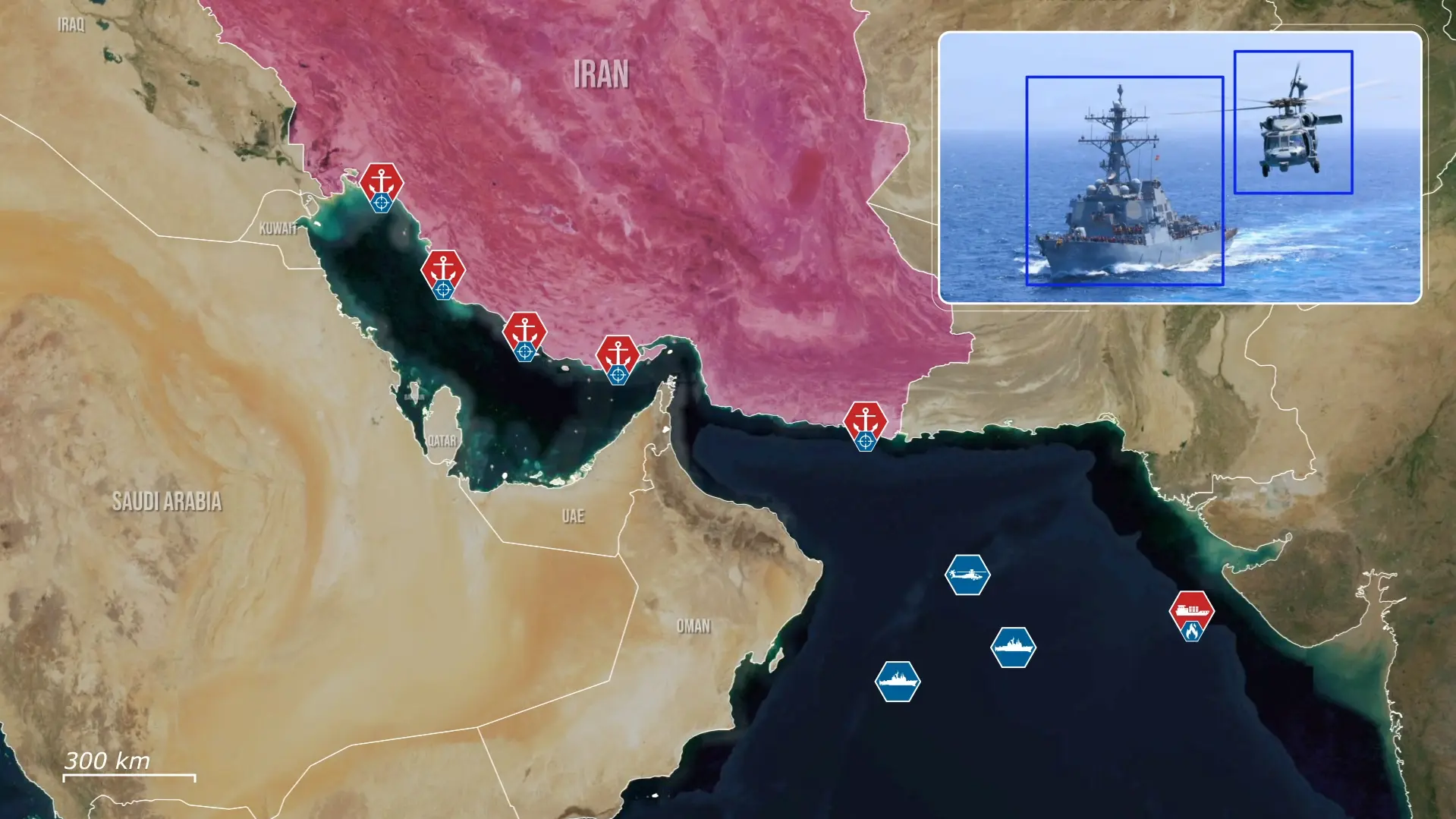
The scale of the economic offensive is significant, as according to Pentagon estimates, Iran has already lost close to five billion dollars in oil revenue because of the naval blockade. The enforcement of the blockade has also become more aggressive, moving beyond warnings and threats of sanctions. For instance, a United States Navy helicopter fired missiles at a Panamanian flagged cargo ship that ignored repeated warnings and attempted to break through the cordon. The strike disabled the vessel and prevented it from continuing toward an Iranian port. Notably, since the middle of July, the United States has intercepted and turned back around sixty commercial vessels.
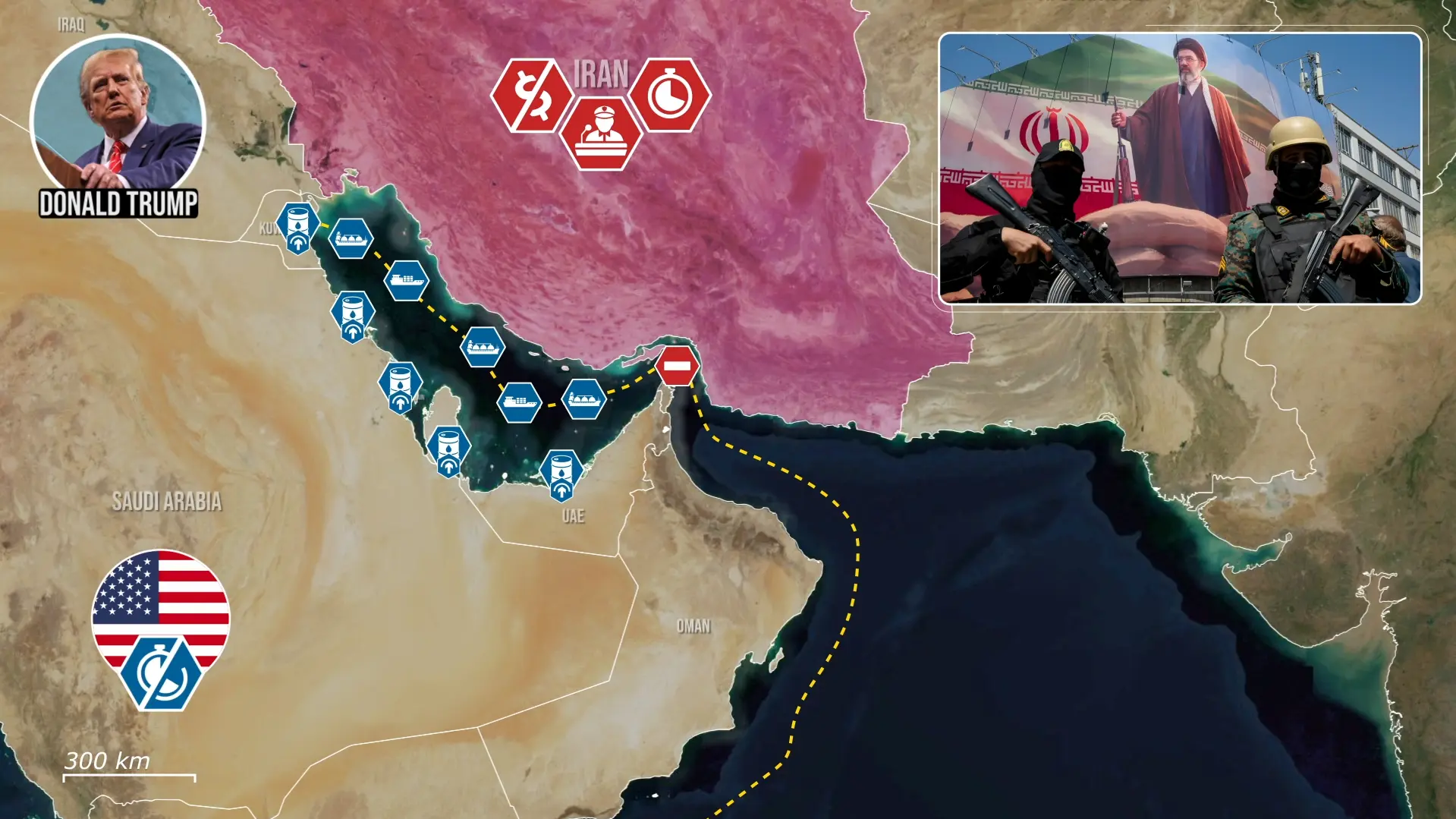
However, Iran is not backing down and continues to enforce strict limits on the Strait of Hormuz, keeping most commercial traffic halted and signaling that the waterway will remain closed until its political demands are addressed. By keeping the strait largely closed, Iran continues to support higher global oil prices and increase pressure on countries dependent on Gulf energy supplies. In this context, Iranian leaders appear confident that they can outlast the United States politically. This is because while Iran does face severe economic pressure at home, including inflation and widespread hardship, that pressure translates differently inside its political system. Unlike Trump, who must answer directly to voters and rising fuel costs, Iran’s leadership can use repression to prevent domestic anger from translating as quickly into political pressure for a change of course. This calculation is reinforced by Iran’s long experience surviving sanctions and severe economic pressure without abandoning its core strategic objectives.
Hence, the confrontation has now evolved into a long war of economic attrition and a test of endurance. The US hopes that Economic Fury will again create enough pressure, financial disruption and unrest inside Iran, to the point where the leadership will be forced to change its course. However, Iran still shows no sign of bending, and the blockade of the strait reinforces the idea that Tehran is prepared to grind through this confrontation rather than concede. Notably, Iran has already faced large protest movements in recent years, but the current leadership has repeatedly relied on systematic and deadly repression to contain them. This pattern has shown the Iranian leadership's willingness to silence unrest by every possible means rather than allow domestic pressure to force a change in course.
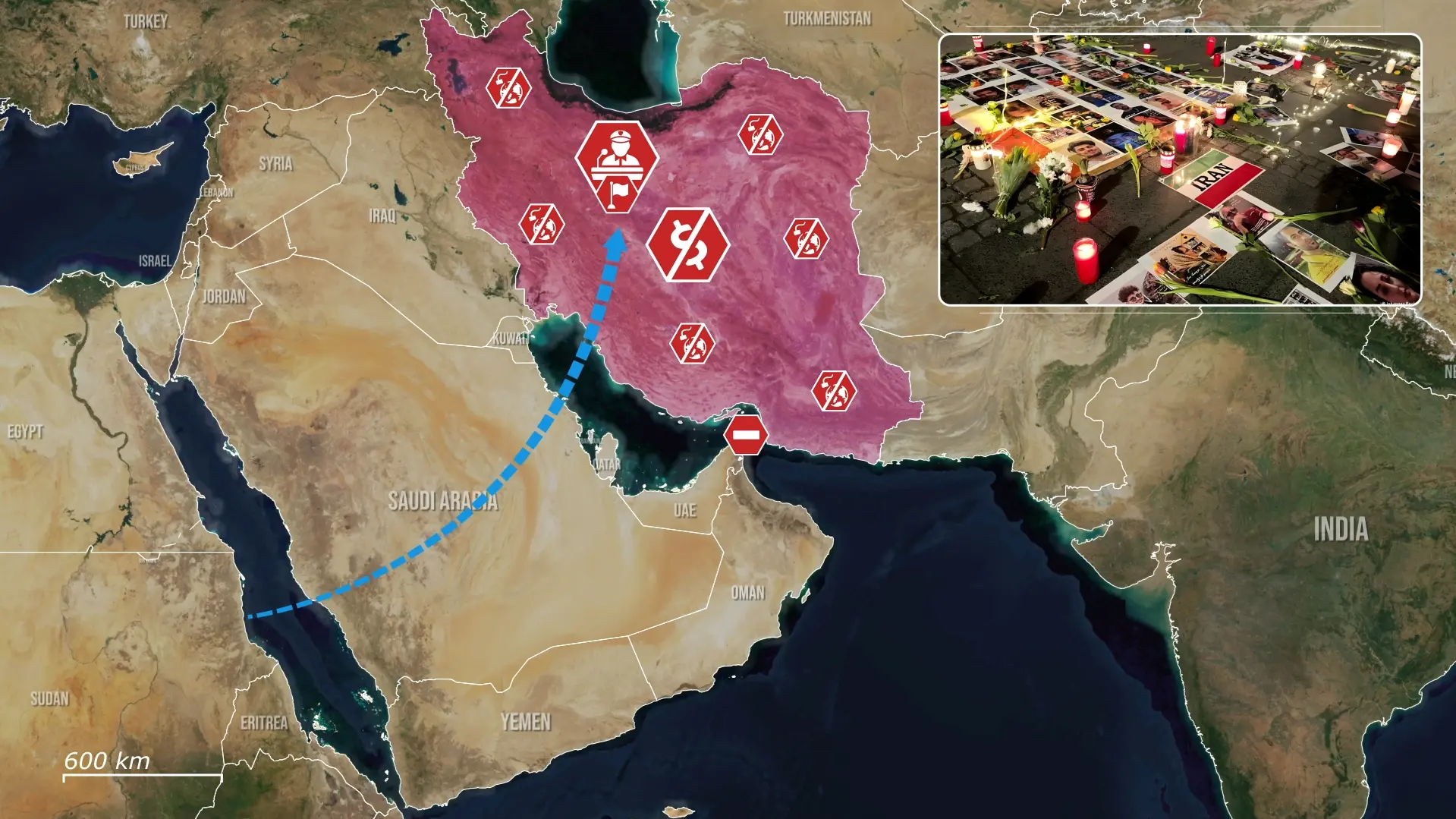
Overall, the United States’ Economic Fury campaign represents the latest move of the US administration to regain the initiative from the current stalemate and force Iran to fully reopen the Strait. Although the blockade is already inflicting real economic damage, Iran’s leaders appear willing to endure the strain while keeping Hormuz restricted and maintaining pressure on global oil markets. This dynamic suggests that both sides now treat time as a strategic asset, resulting in yet another stalemate that grows more costly every day for both countries and the world. The biggest risk for the United States is that Iran’s authoritarian system can absorb economic pain and repress unrest for longer than Washington expects, pushing Tehran’s breaking point beyond the period US leaders are politically willing to sustain.
.jpg)

Comments