

.svg)
Today, the biggest news comes from Ecuador.
While the world's attention is focused on Iran, another armed escalation is unfolding in the context of the declared US global war on drugs, framed as a decisive blow to the narcotics networks. However, the joint US-Ecuador military action reveals a deeper strategic experiment that goes beyond the formally stated goals.
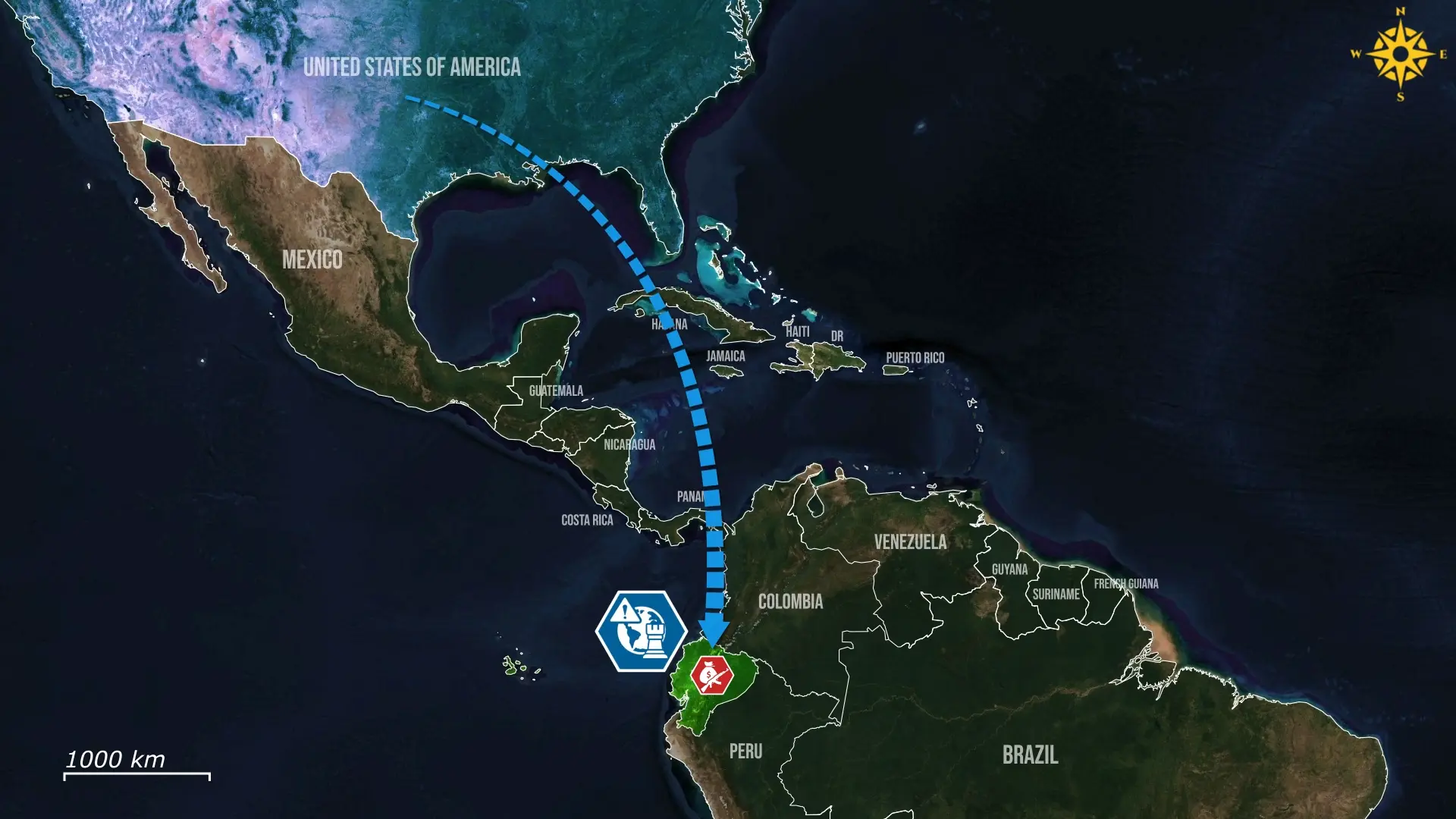
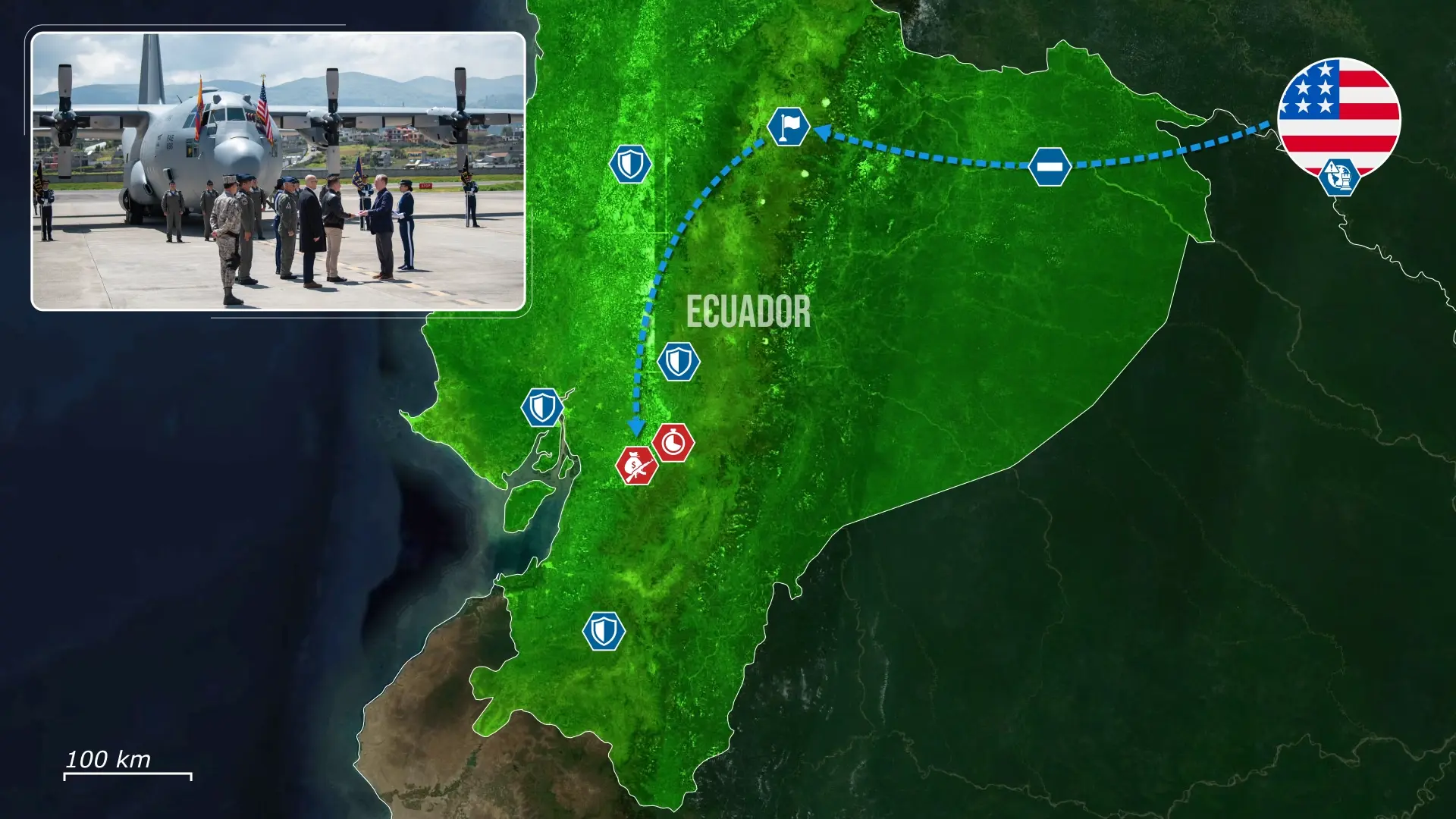
The United States and Ecuador have initiated a combined strike against Ecuadorian drug cartels. Formally, this is an expansion of the US Operation Southern Spear, which has now upgraded from surveillance and advisory roles into a coordinate miliary operation with Ecuador.
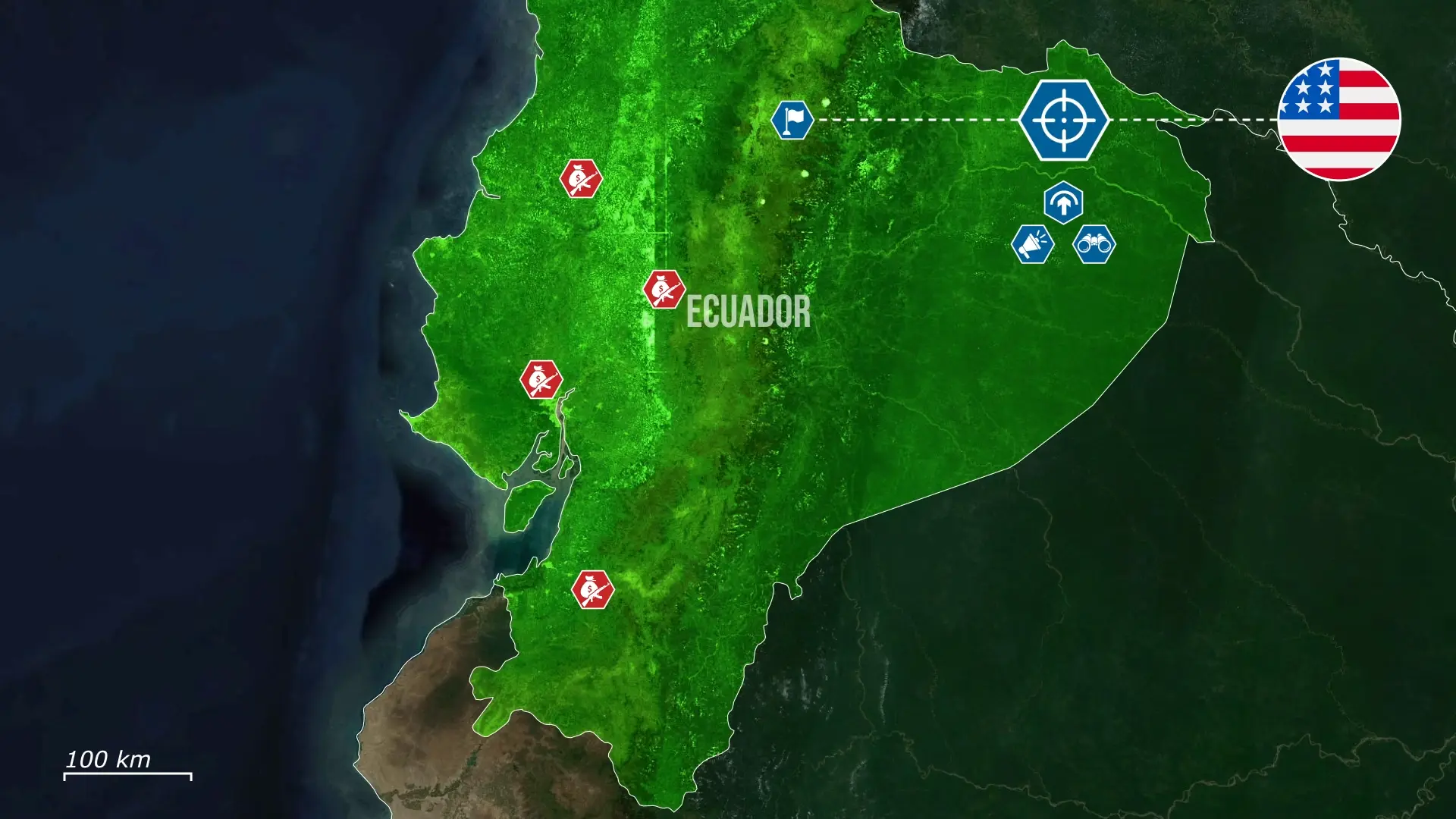
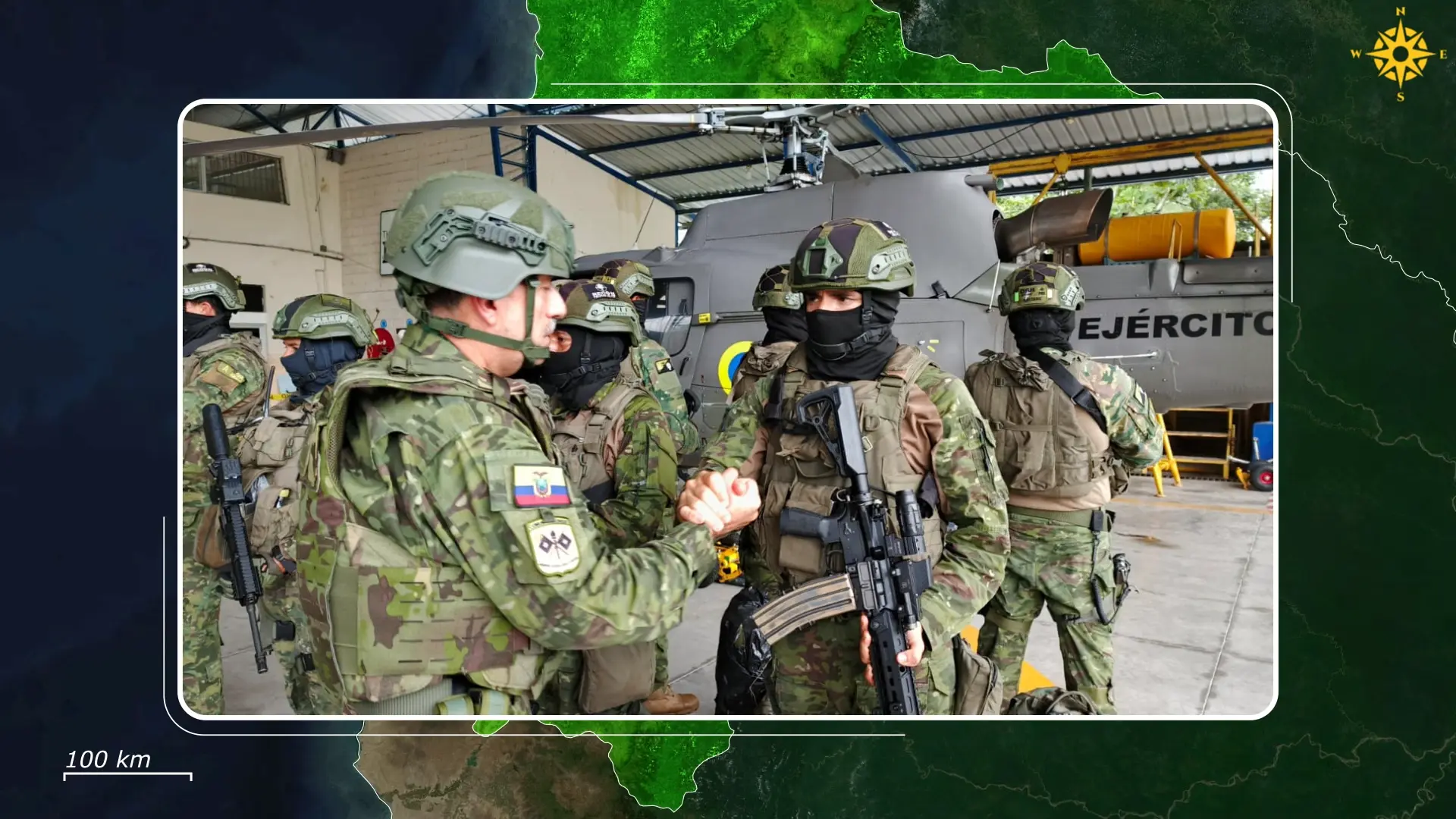
Ecuador has deployed around 10,000 troops, while the United States provides intelligence, electronic warfare, and aviation support. Although the US asserts that its personnel are not participating directly in combat, the scale of its involvement in this region is still unprecedented.
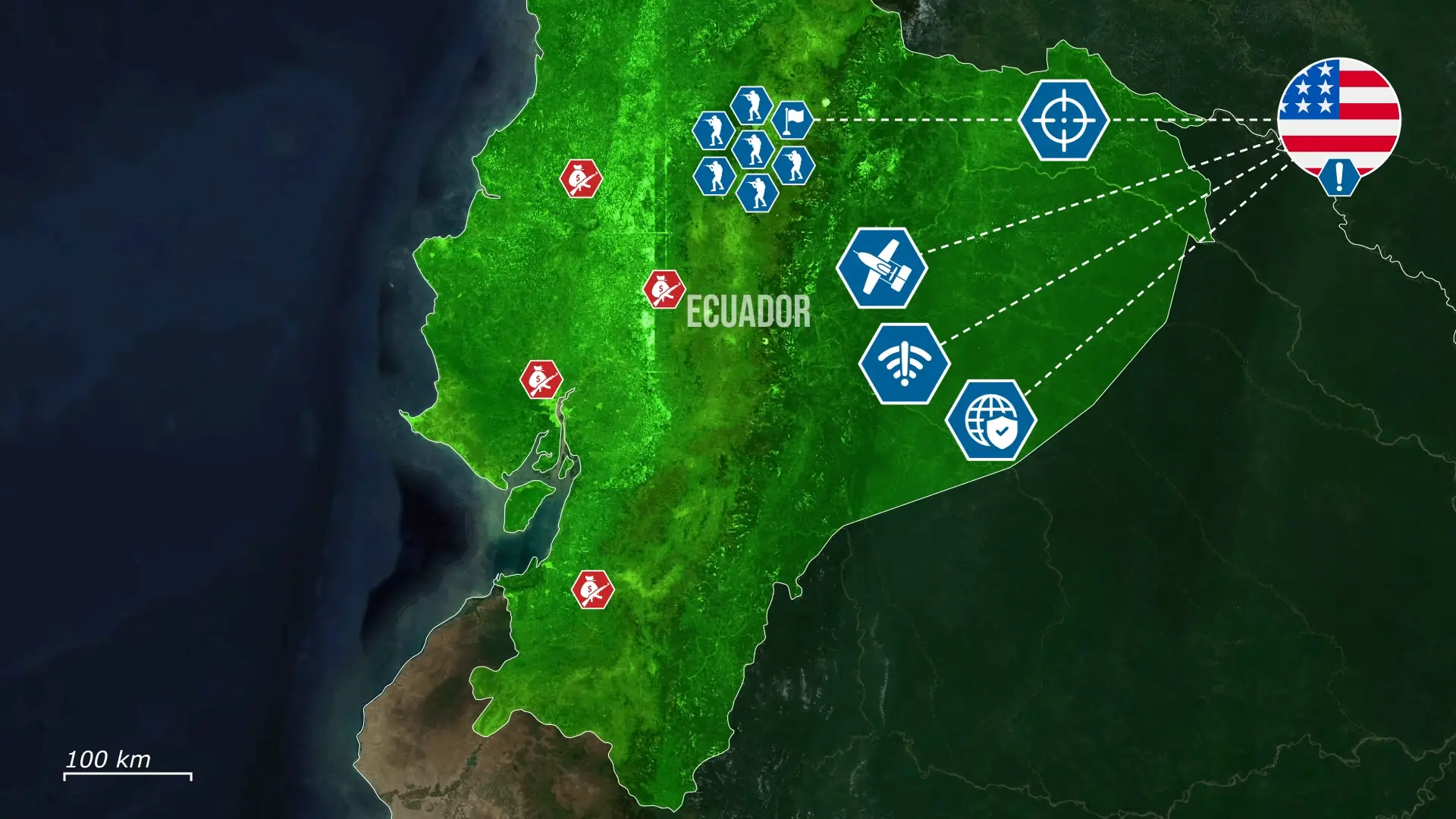
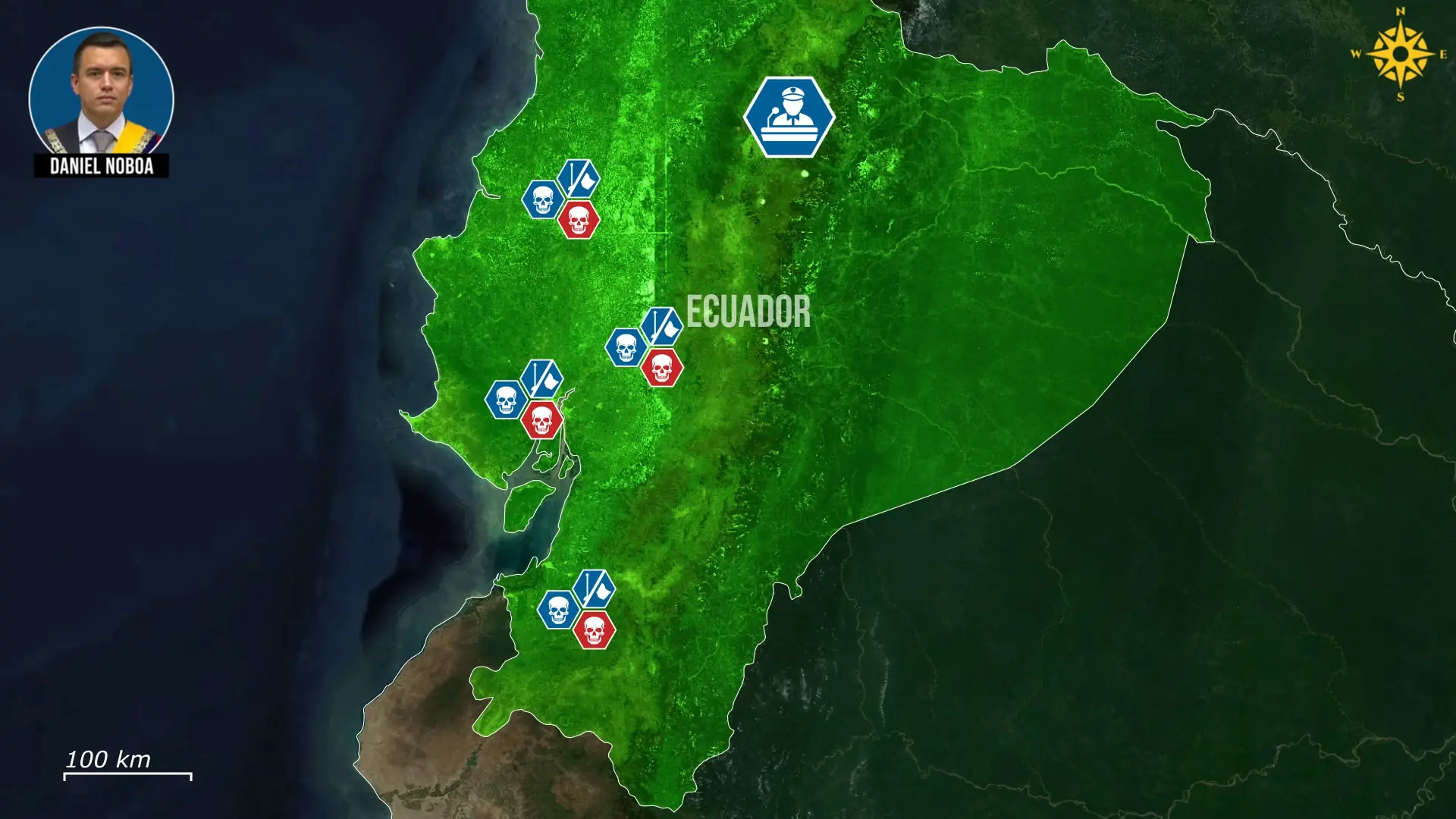
The stated objective was to degrade the cartel networks in the region, specifically targeting their logistics, weapons arsenal, and finished narcotics. Specifically, the focus of the operation is on the west coast drug corridors in Guayas, Los Rios, Manabi, and El Oro, which function as the primary exit routes for 80% of cocaine shipments moving toward international markets.
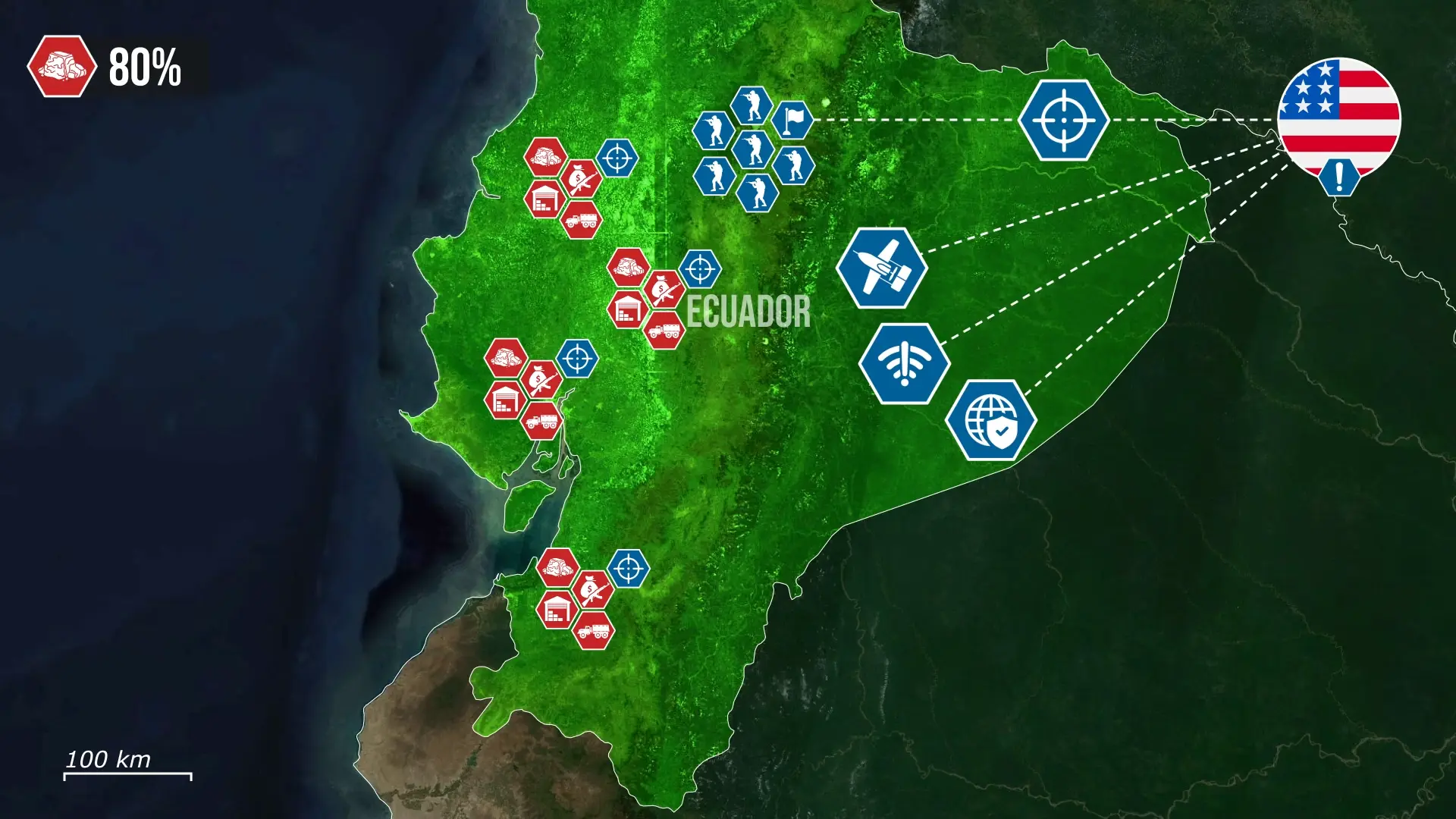
The strategic rationale for the countries working together is different, as for Ecuador, the operation is a response to the escalation of violence in the country and the increasing erosion of state authority in port cities. Ecuadorian President Daniel Noboa is under pressure to demonstrate tangible progress on security, and this joint campaign allows him to signal decisive action.
For the US, the operation aligns with its recently declared war on drugs, visible already with the escalatory actions against cartels in Mexico and Venezuela. The US now treats cartels as terrorist threats, which also allows deeper involvement of counterterrorism units and harsher actions without the US Congress’s approval. This approach allows the administration to test a new doctrine that merges counterterrorism and counternarcotics, using Ecuador as a proving ground.
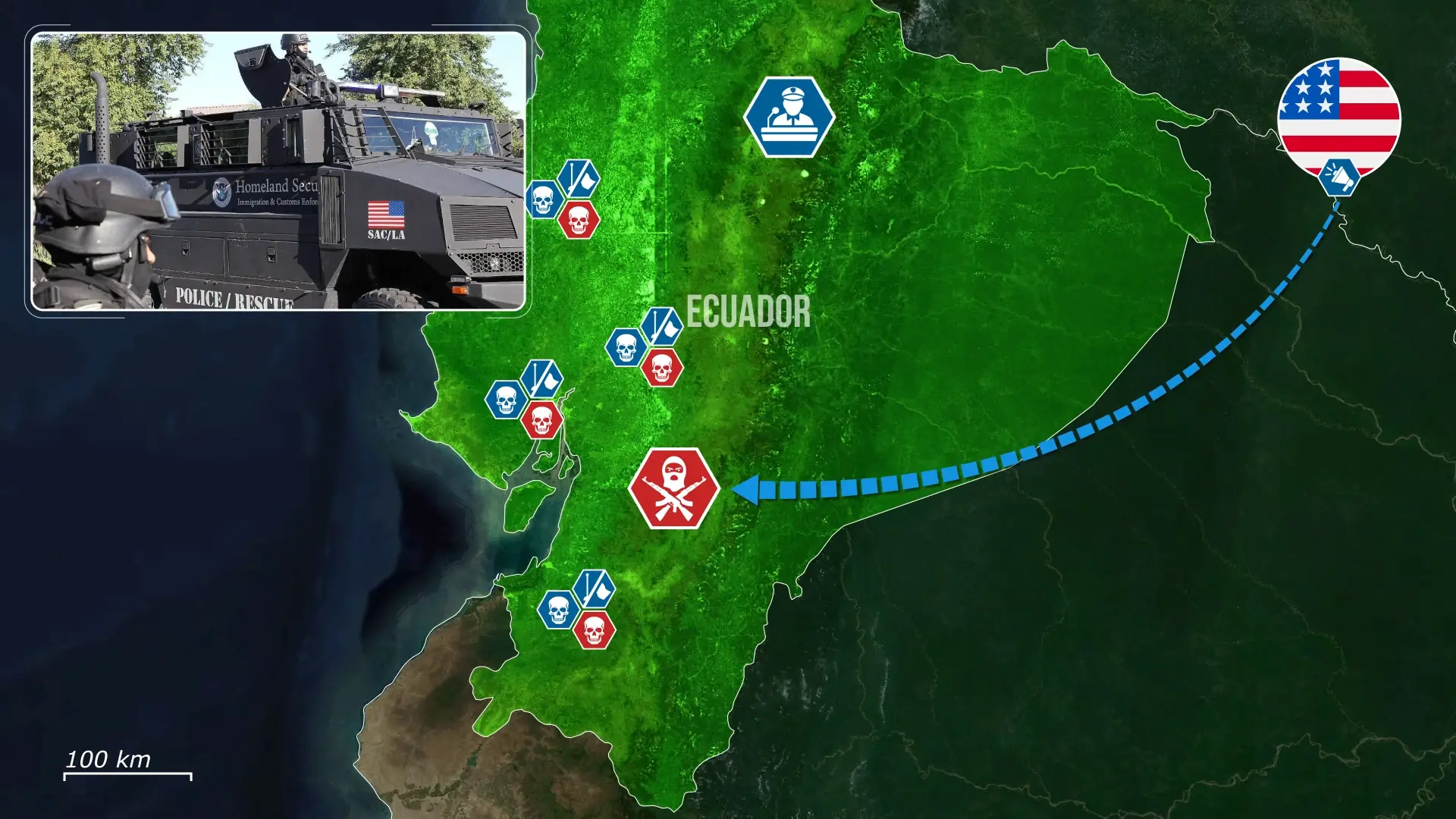
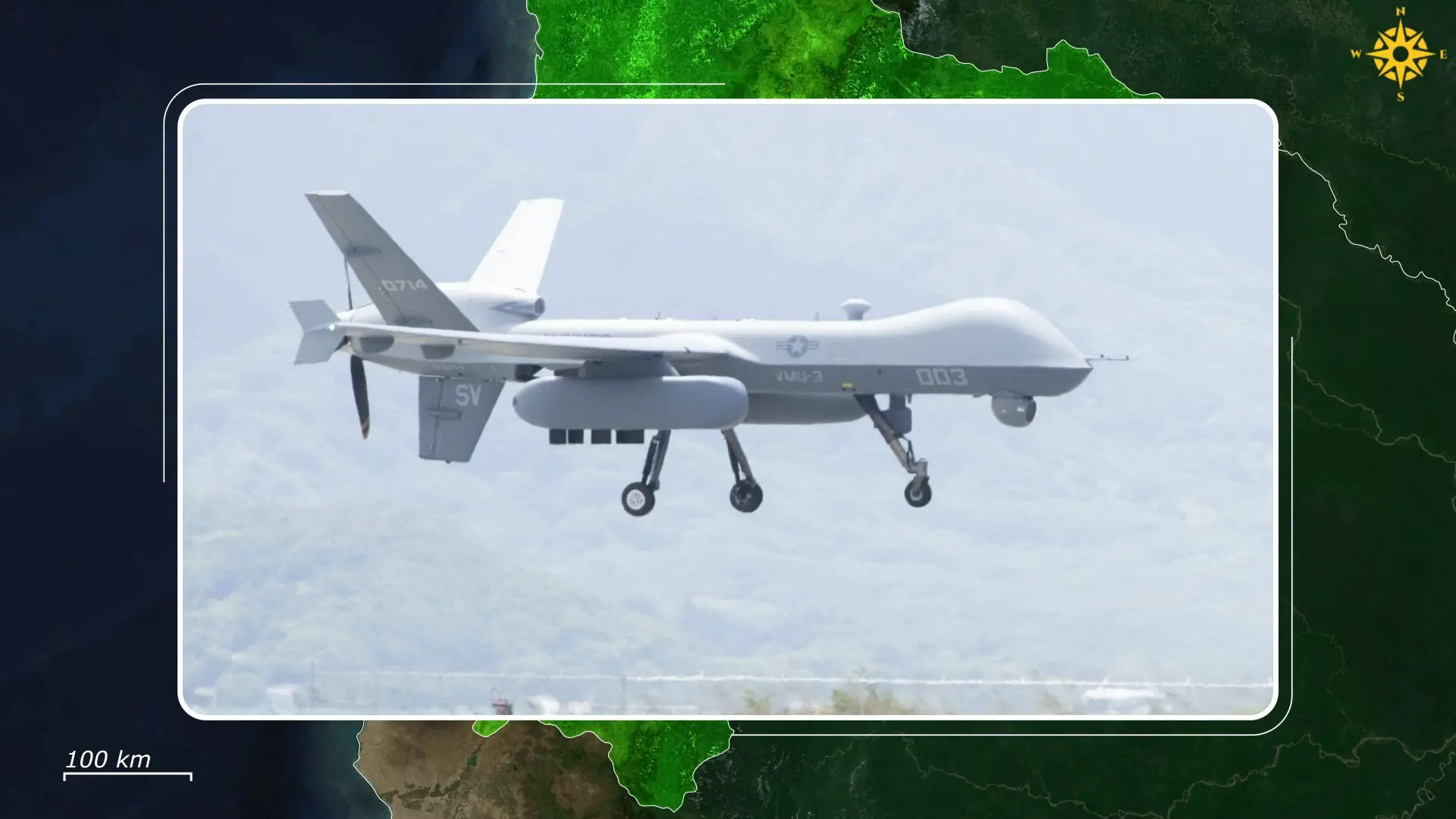
The joint operational plan relied on a clear division of responsibilities, with the Ecuadorian forces tasked to conduct raids while the US provided direct support. To this end, the US deployed MQ 9 Reaper drones that offer constant surveillance and allow them to conduct precision strikes, formally approved by Ecuador.
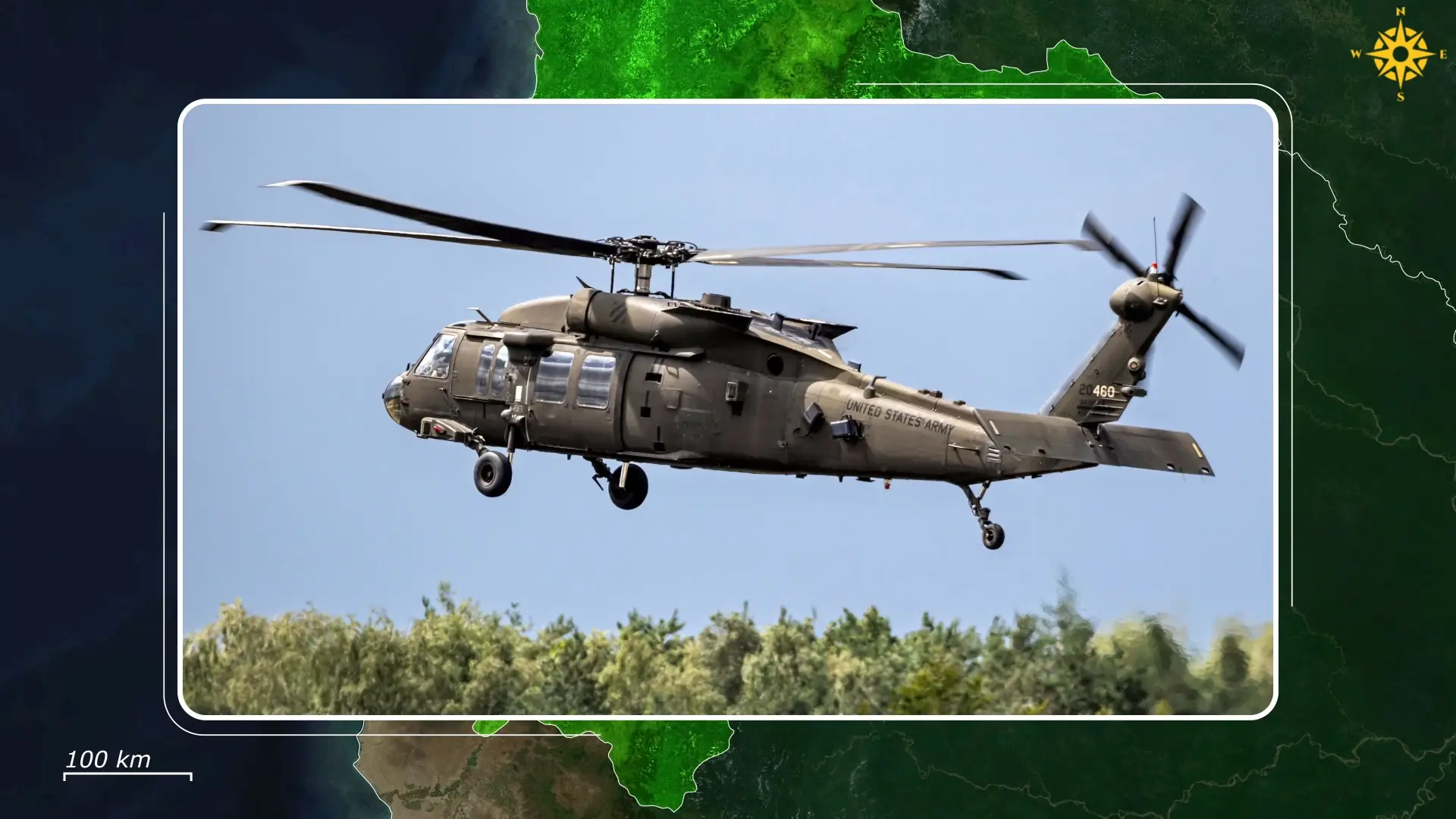
The US also deployed black Hawk helicopters, which support the rapid movement of Ecuadorian units across the challenging mountainous terrain.
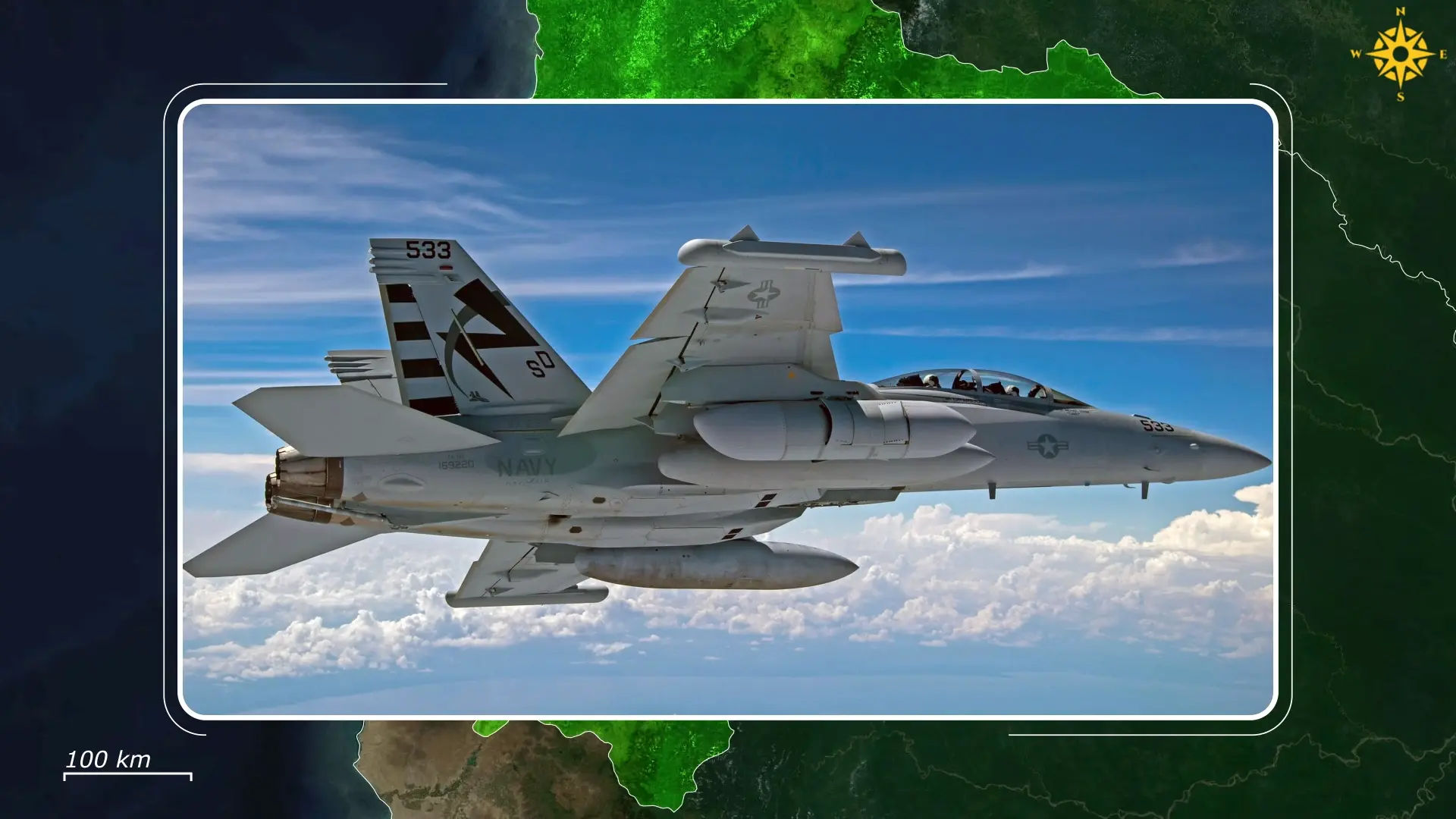
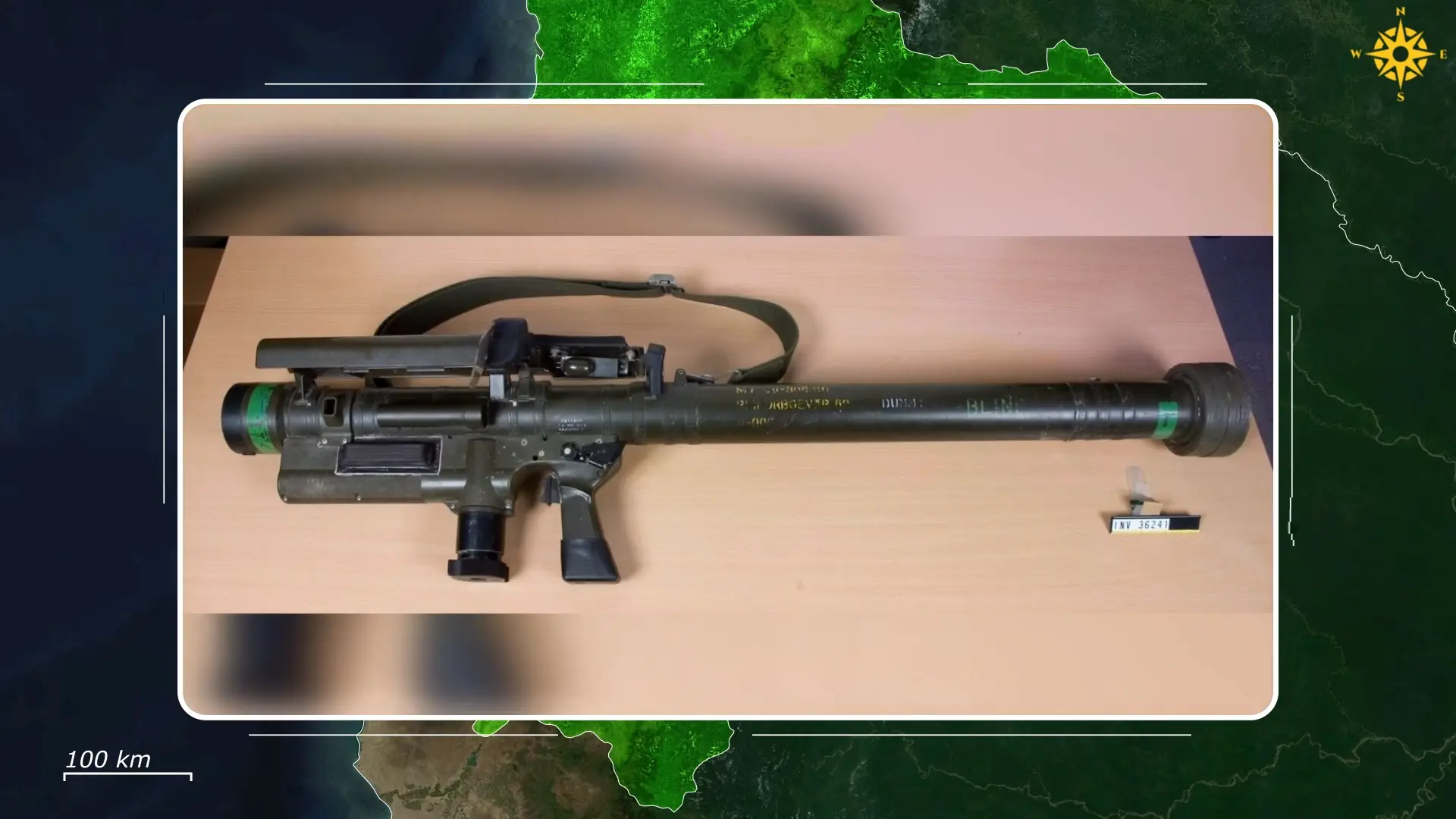
In the meantime, the US uses the EA 18G Growler electronic warfare aircraft operating from Puerto Rico to suppress cartel communications and protect its aviation from portable air defense systems increasingly seen in the hands of southern drug lords.
Finally, the US Special Operations Forces acted as field coordinators, ensuring that Ecuadorian units could integrate real time intelligence into their movements.
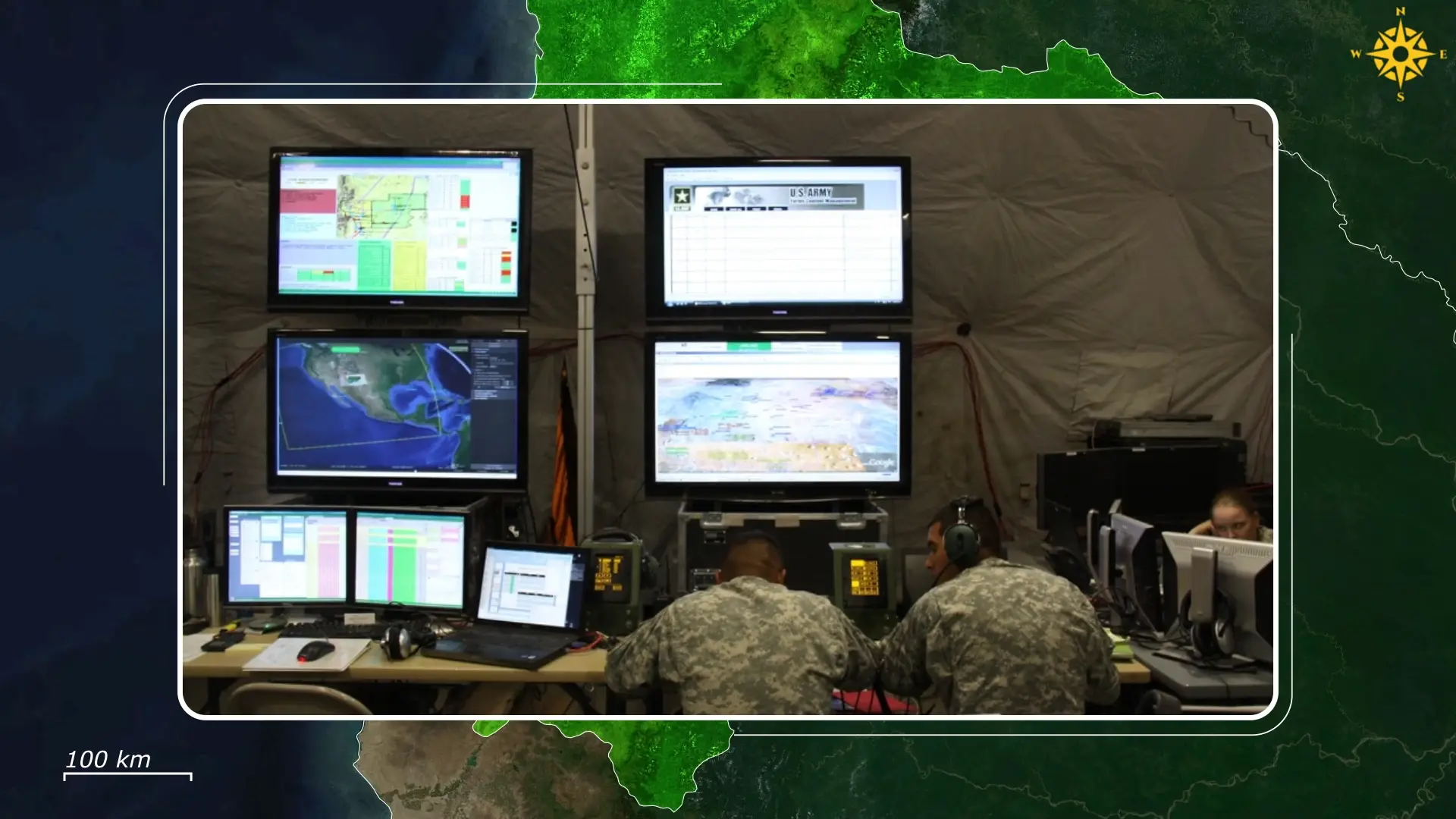
The operation unfolded in several sequences. The initial phase focused on restricting cartel movement through a 5-day curfew, complicating cartel operations. Combined with drone surveillance and intelligence, it helped to identify storage sites and large cartel force concentrations.
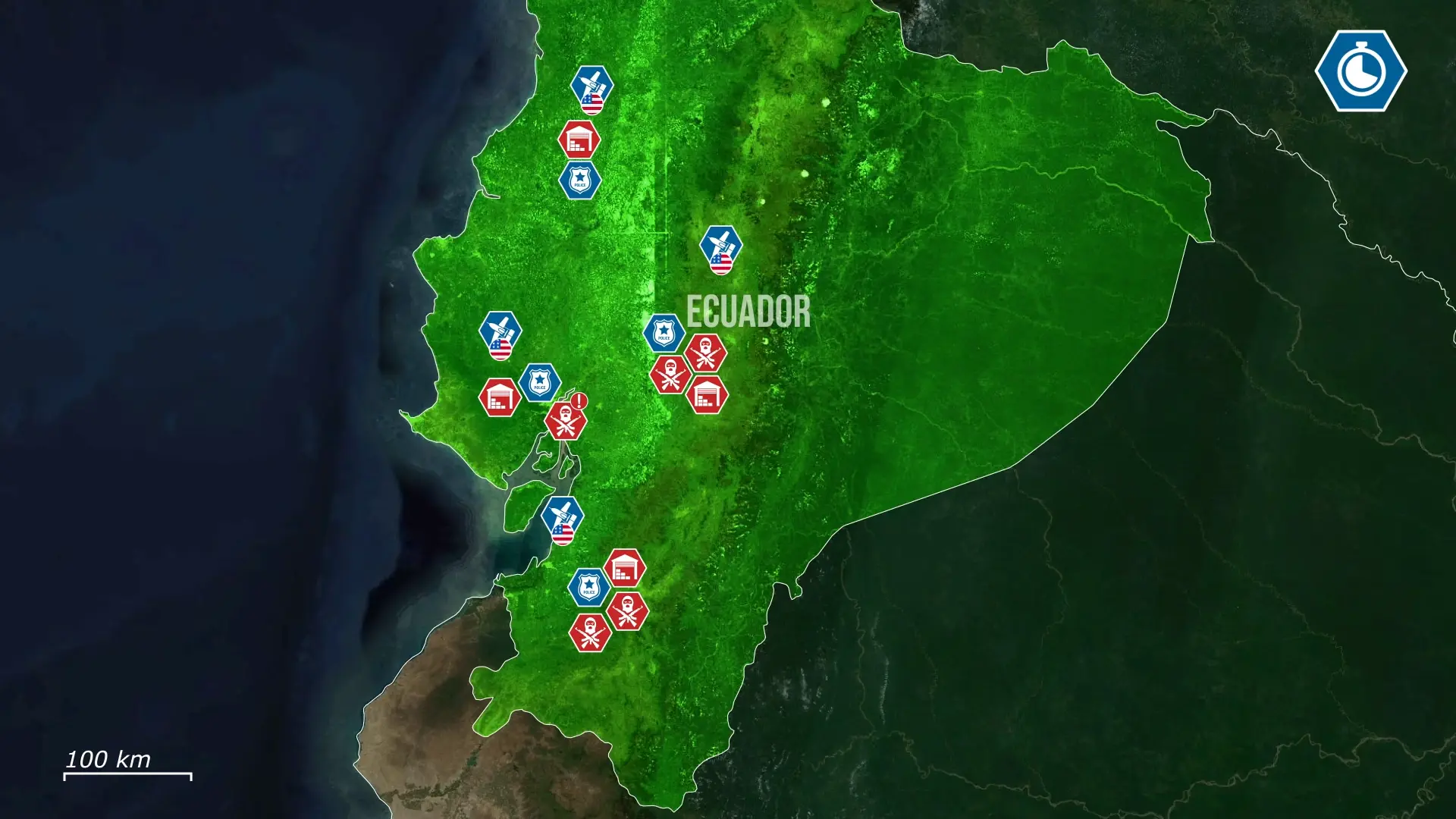
The following phase consisted of rapid raids by Ecuadorian units acting on the gathered information, supported by US helicopters and real time intelligence updates. The swiftness and combined scale of the operation took the cartel units by surprise, leaving them able to mount only sporadic resistance despite their significant arsenal. Ecuadorian strike units also pursued retreating cartel units, adjusting routes with US intelligence in real time, enabling them to strike secondary locations the cartel used to retreat and regroup.
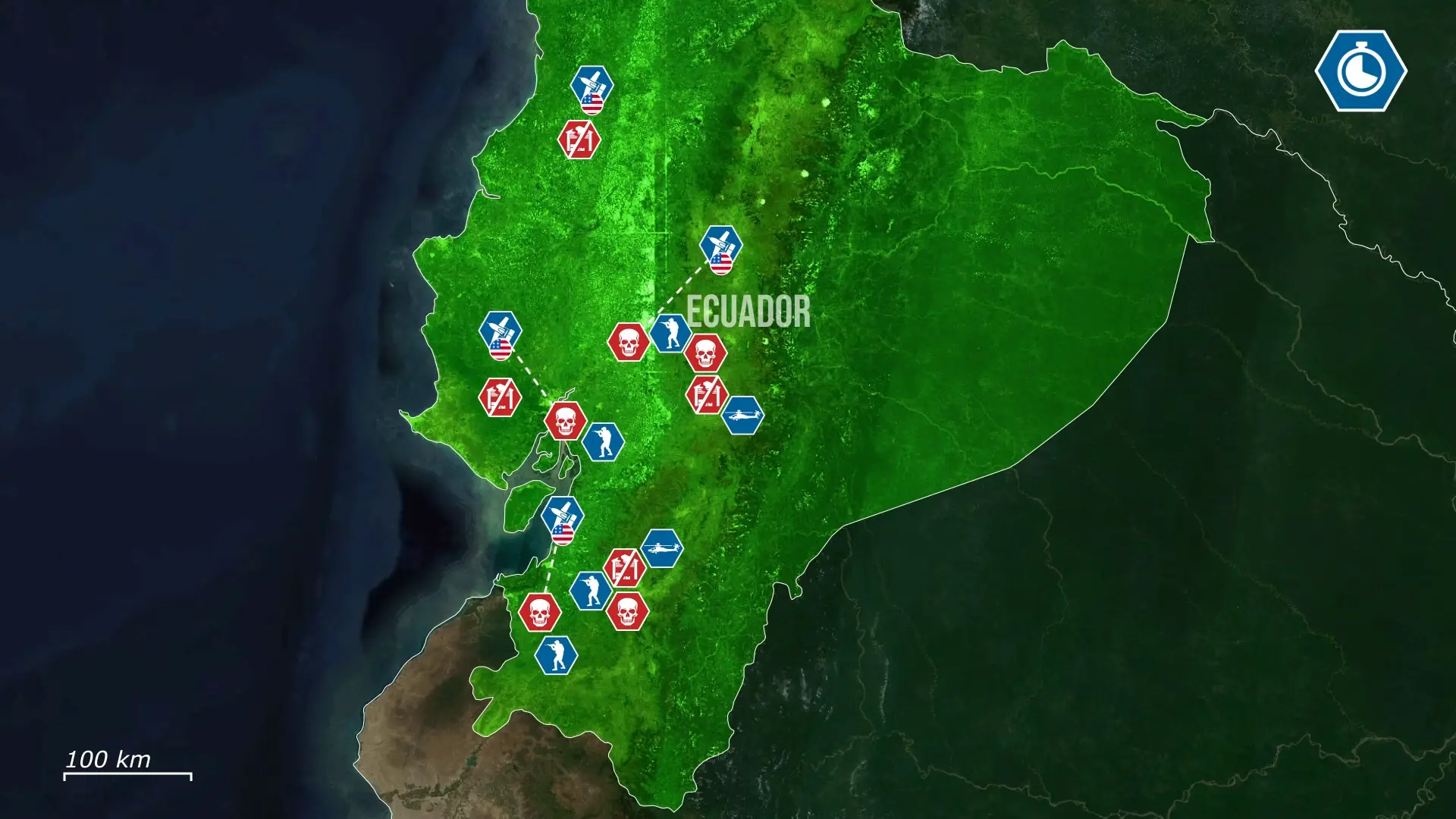
Finally, Ecuadorian forces began holding cleared areas to prevent dispersed cartel elements from retaking control after the operation ended.
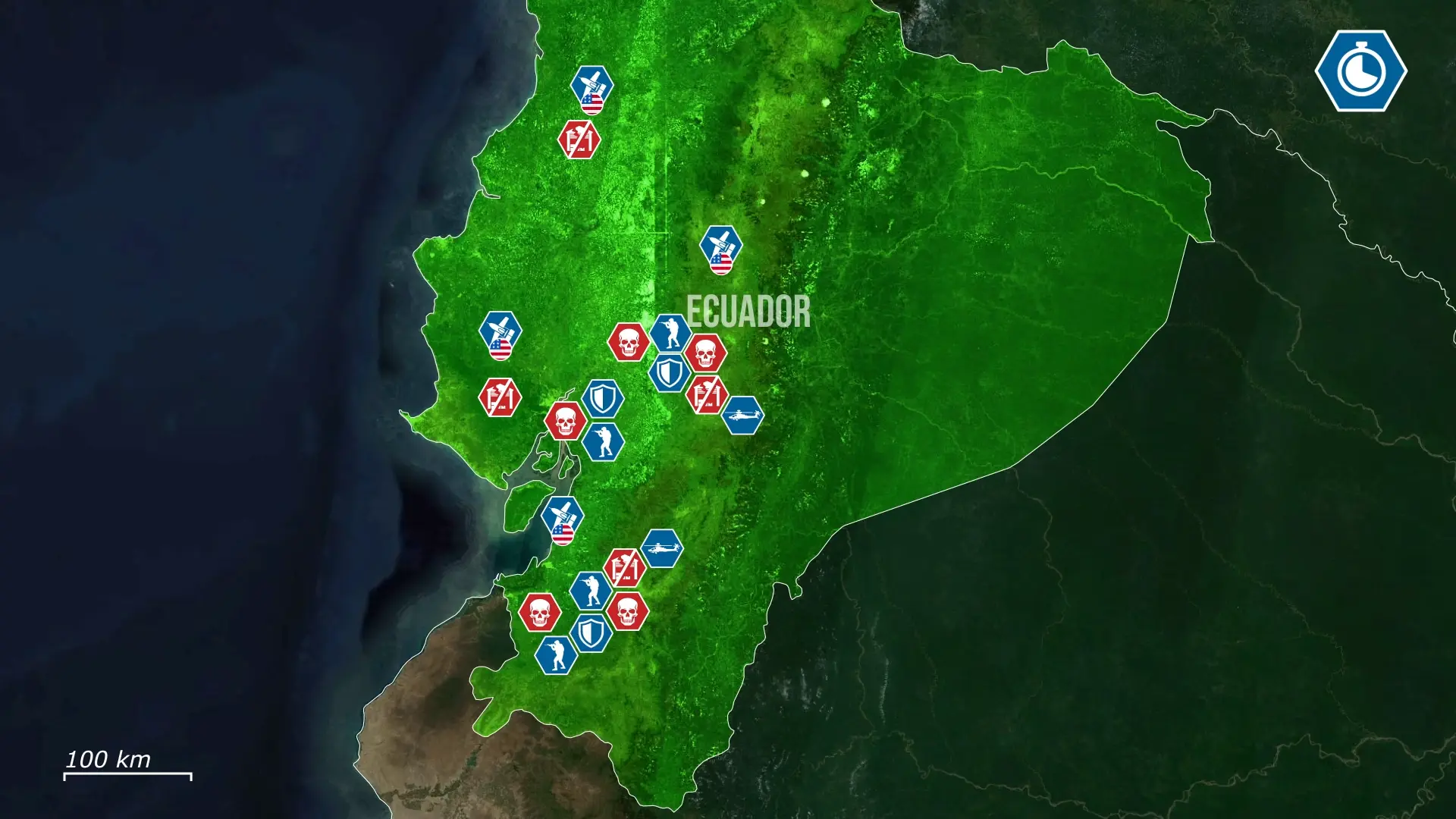
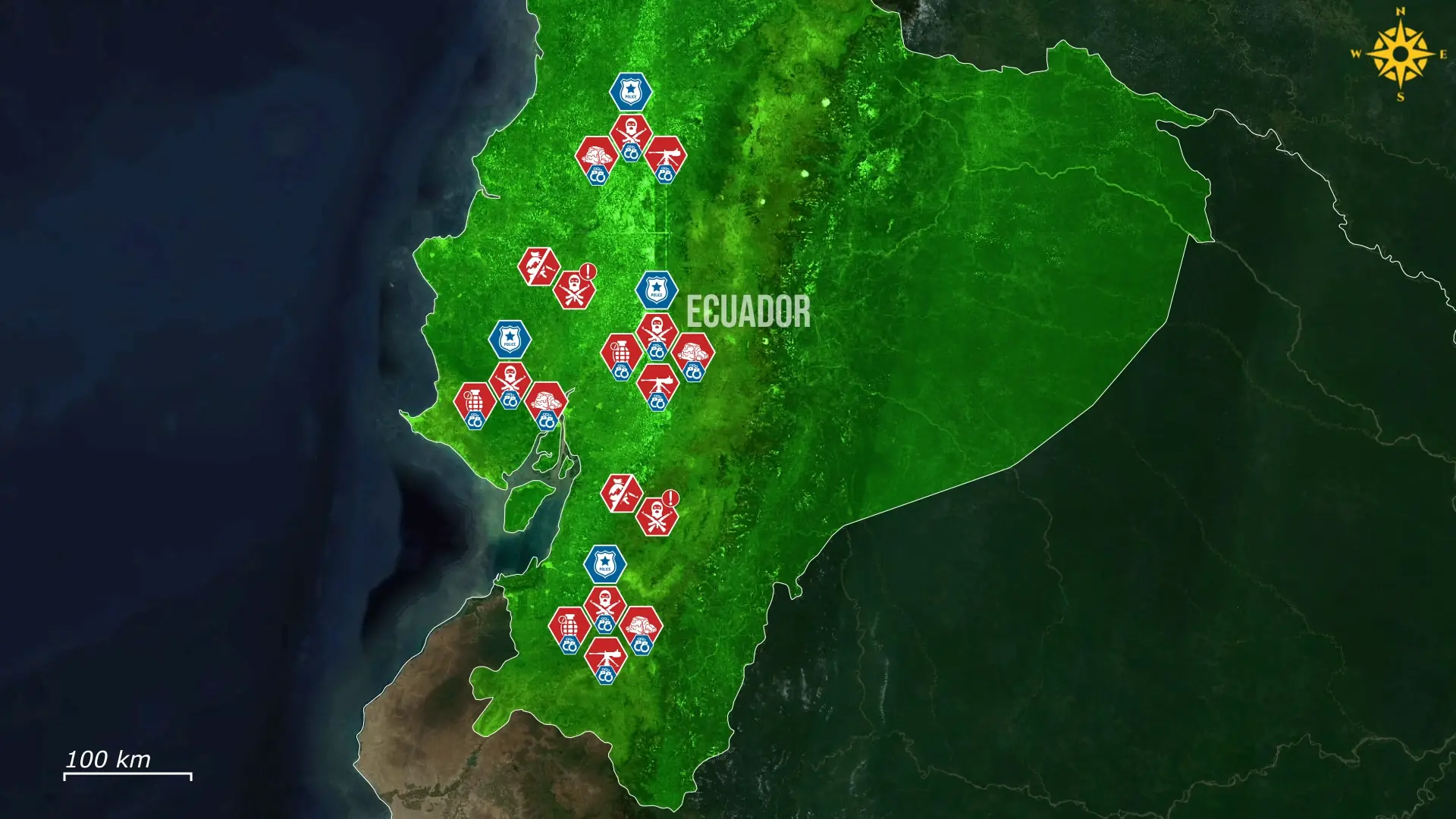
As a result, Ecuadorian authorities made more than 400 detentions and seized many weapons, including fragmentation grenades, long‑barrel rifles, and improvised explosive devices, along with 1.9 tons of narcotics. Although the authorities have not disclosed exact casualty figures, the operation has reportedly disrupted ongoing trafficking activity, denied the cartels access to certain facilities, and forced surviving members to disperse from previously established positions, all in great numbers.
Overall, the operation marks a significant escalation in how the United States approaches the war on drugs, reframing it as counterterrorism and increasing direct involvement in partner states. For Ecuador, the campaign offers short term gains in territorial control and political stability, but it also increases long term dependence on US military programs. The tactical successes achieved so far do not address the structural pillars of cartel power, and the durability of these gains will depend on Ecuador’s ability to maintain pressure without continuous foreign support. The evolution of this operation will indicate whether it becomes a replicable formula for future US action in its sphere of influence, or just a singular response to Ecuador’s current security crisis.

.jpg)

Comments