

.svg)
Today, the biggest news comes from Iran.
Here, the United States executed one of the most audacious rescue missions in recent history, a high-risk operation that showcased an insane level of coordination and reach. However, the surrounding incident also demonstrates how the US Air Force remains vulnerable in the Iranian airspace, with air defenses prohibiting operations with complete impunity.
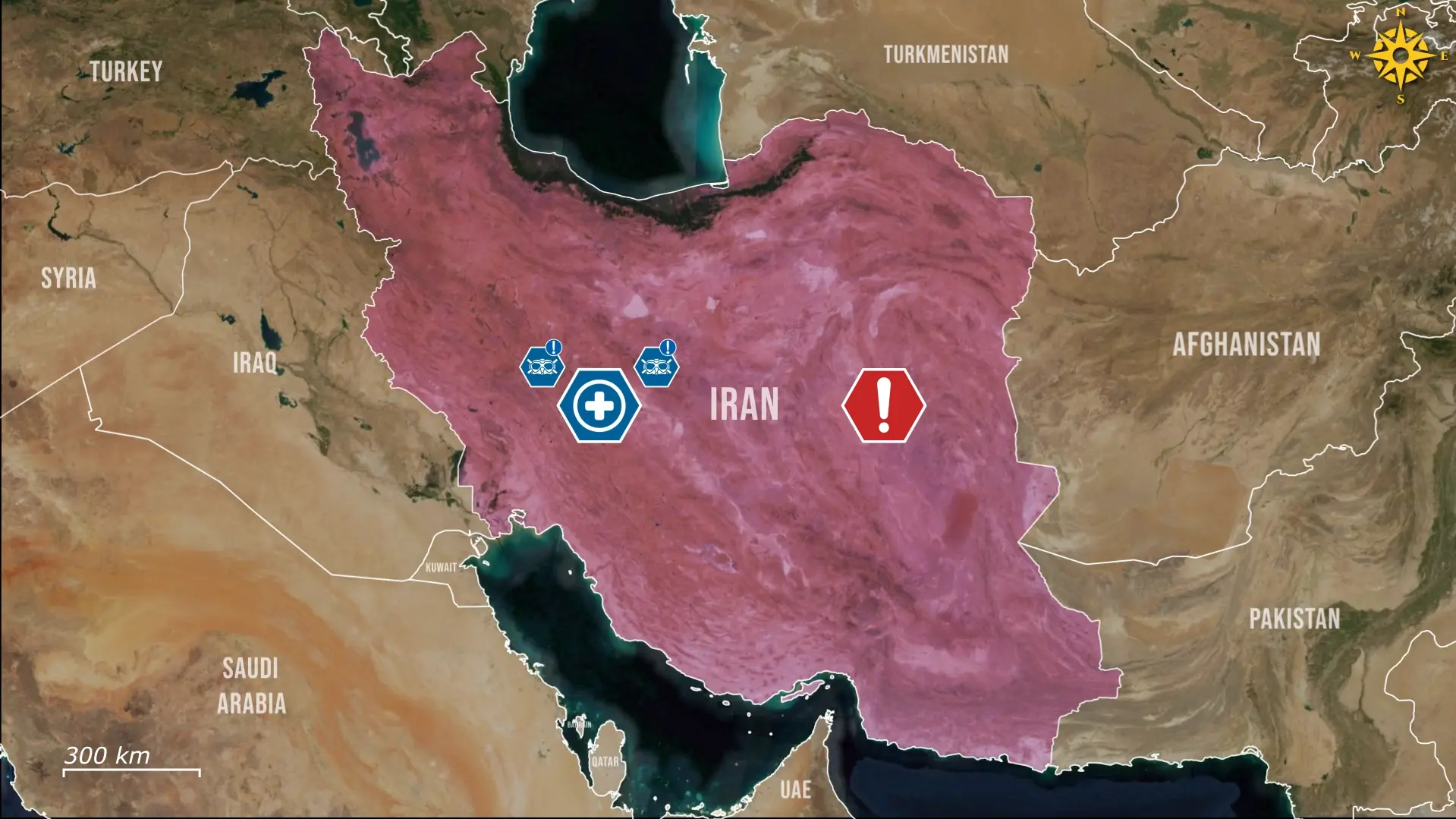
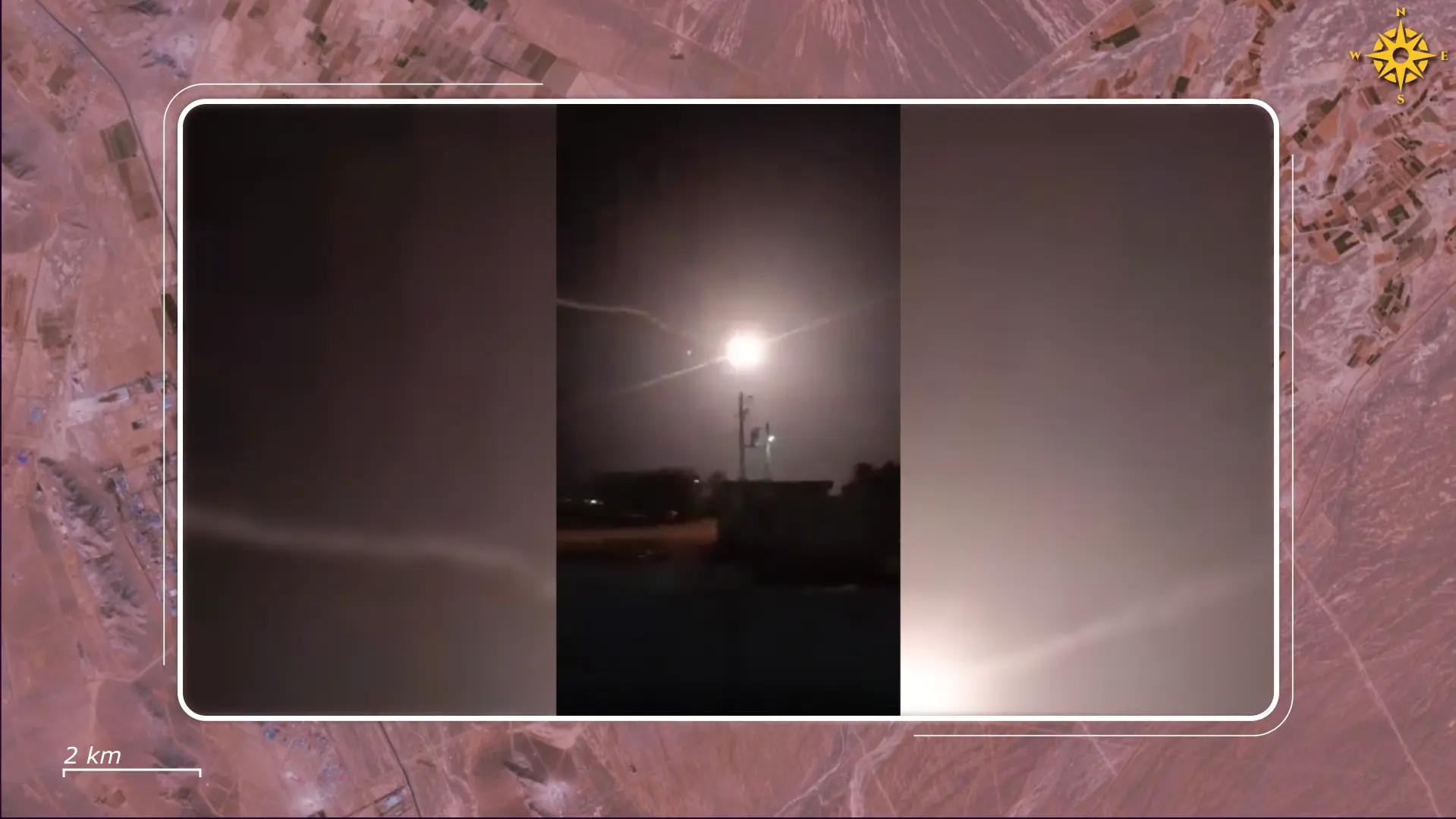
The operation began when an F-fifteen conducting missions over Iran was struck by a heat-seeking missile on the third of April. Despite prior degradation of Iranian air defenses, a missile hit the aircraft’s engine, forcing the pilot and the weapons systems officer to eject into hostile territory. The jet crashed in southwest Iran, coming down near the first ridges of the Zagros at roughly one thousand meters of elevation. This triggered an immediate alert within the US personnel recovery system and rapid confirmation that both airmen were alive and transmitting signals.
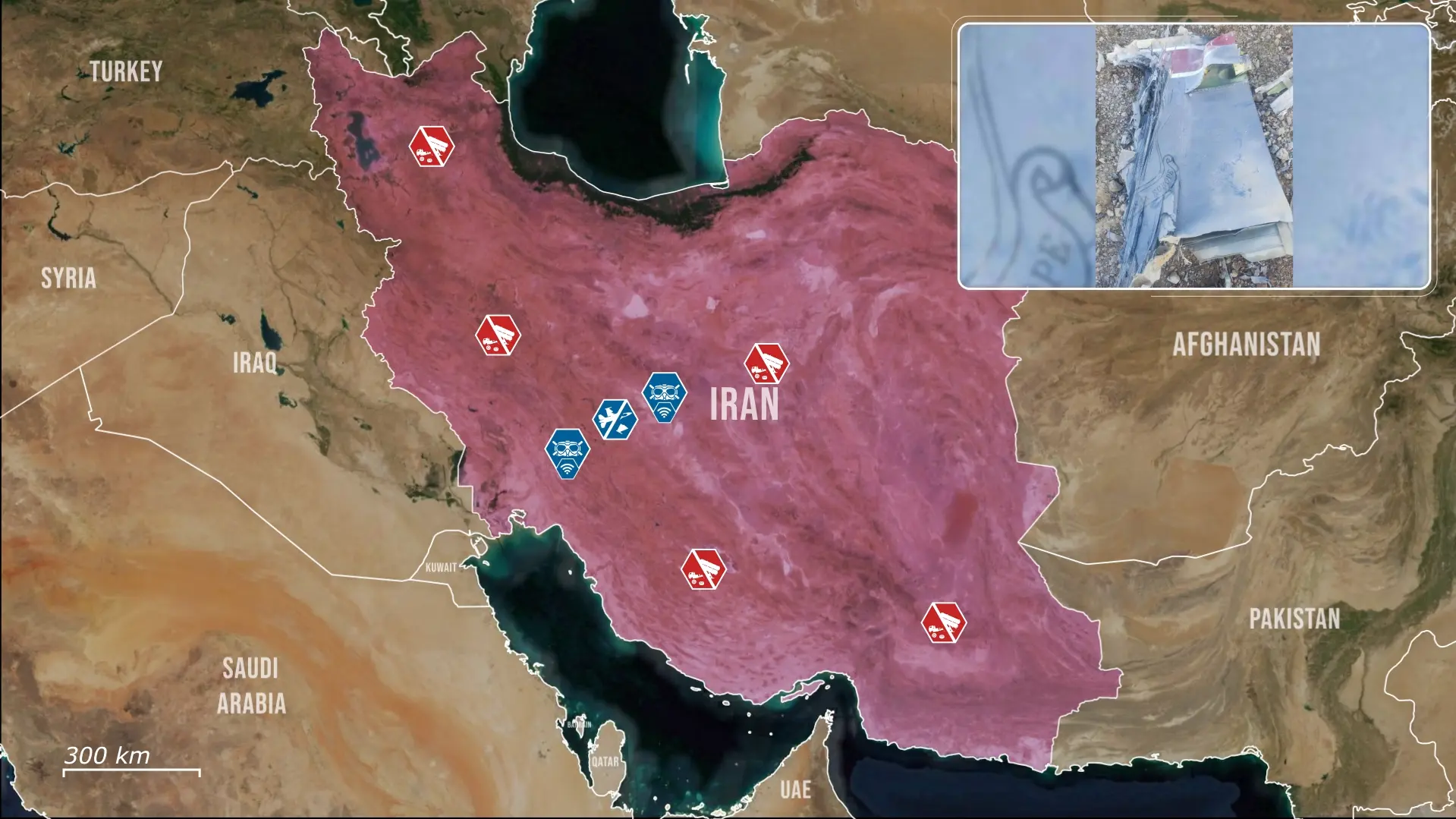
Once on the ground in enemy territory, the airmen focused on their survival in accordance with Sere principles. They dragged their parachutes into concealment, moved off the landing point, and sought natural cover for hiding. They also hid their electronic signature by powering down non-essential electronics, while using terrain features to orient themselves and identify potential pathways.
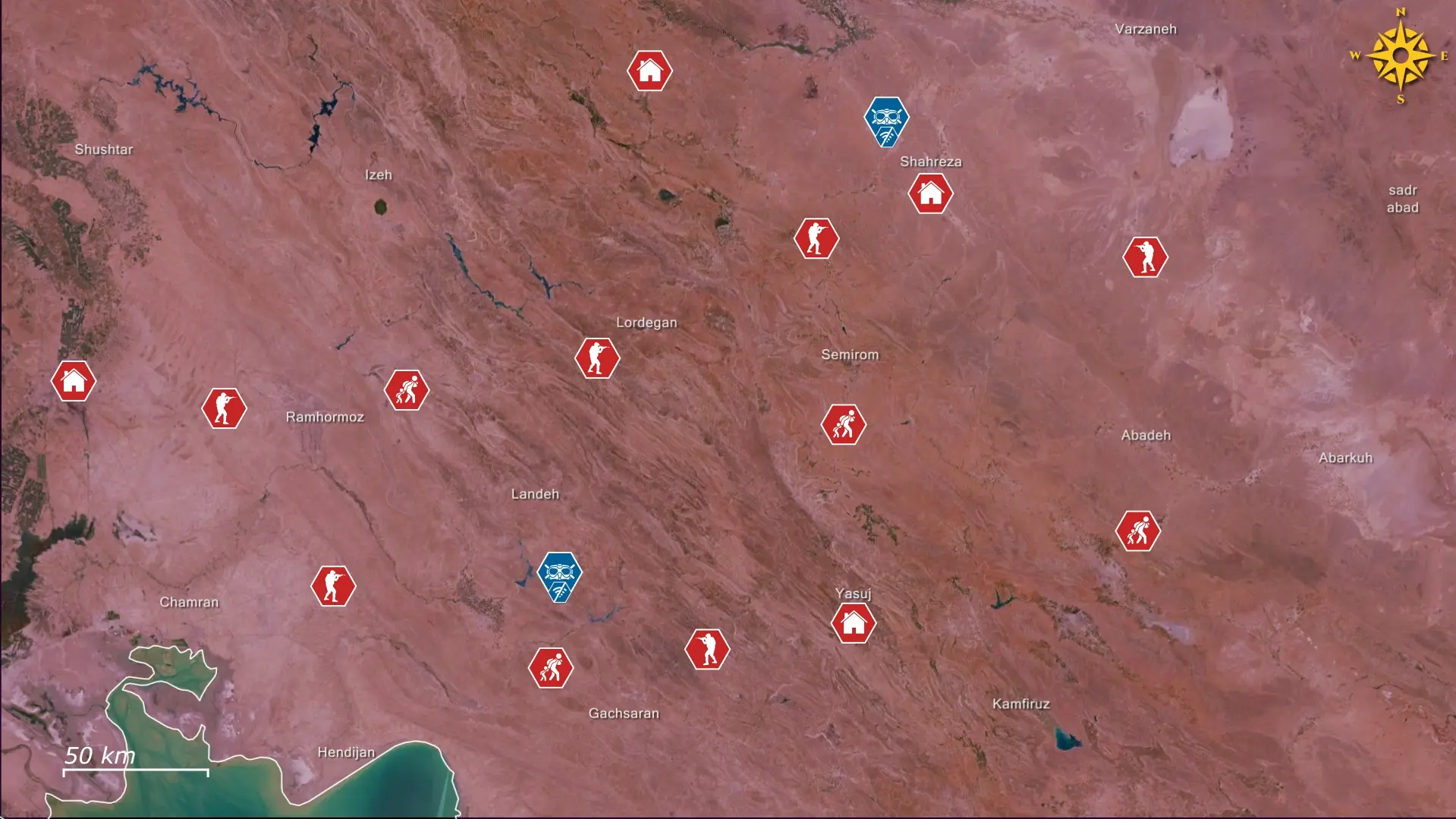
The pilot, who had come down in more open terrain, was able to establish his position quickly and prepare for recovery. The weapons systems officer, however, had landed deeper in the Zagros foothills, forcing him to navigate steeper ground, find concealment, and stabilize his situation before attempting any communication, which slowed early recovery efforts.
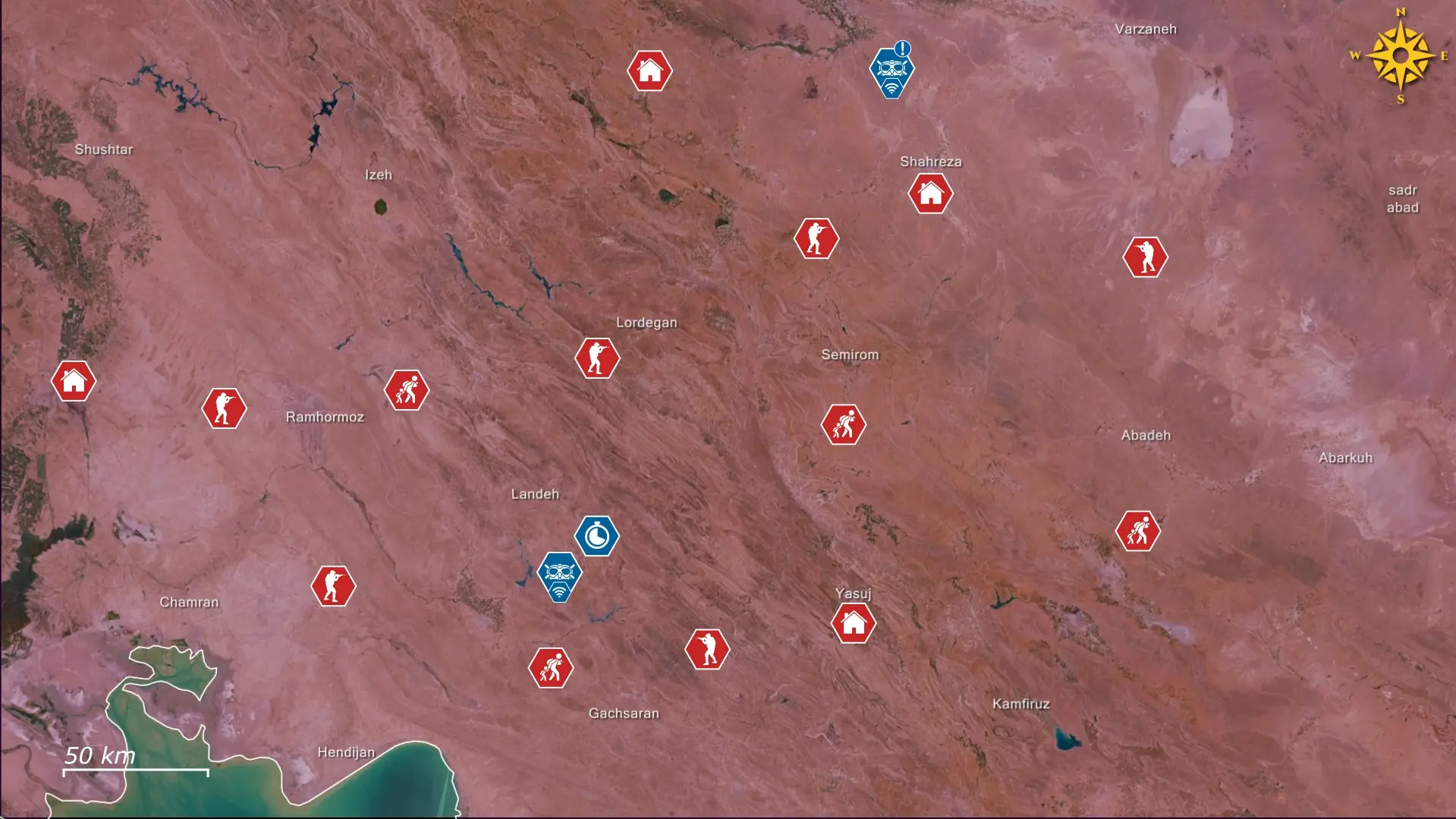
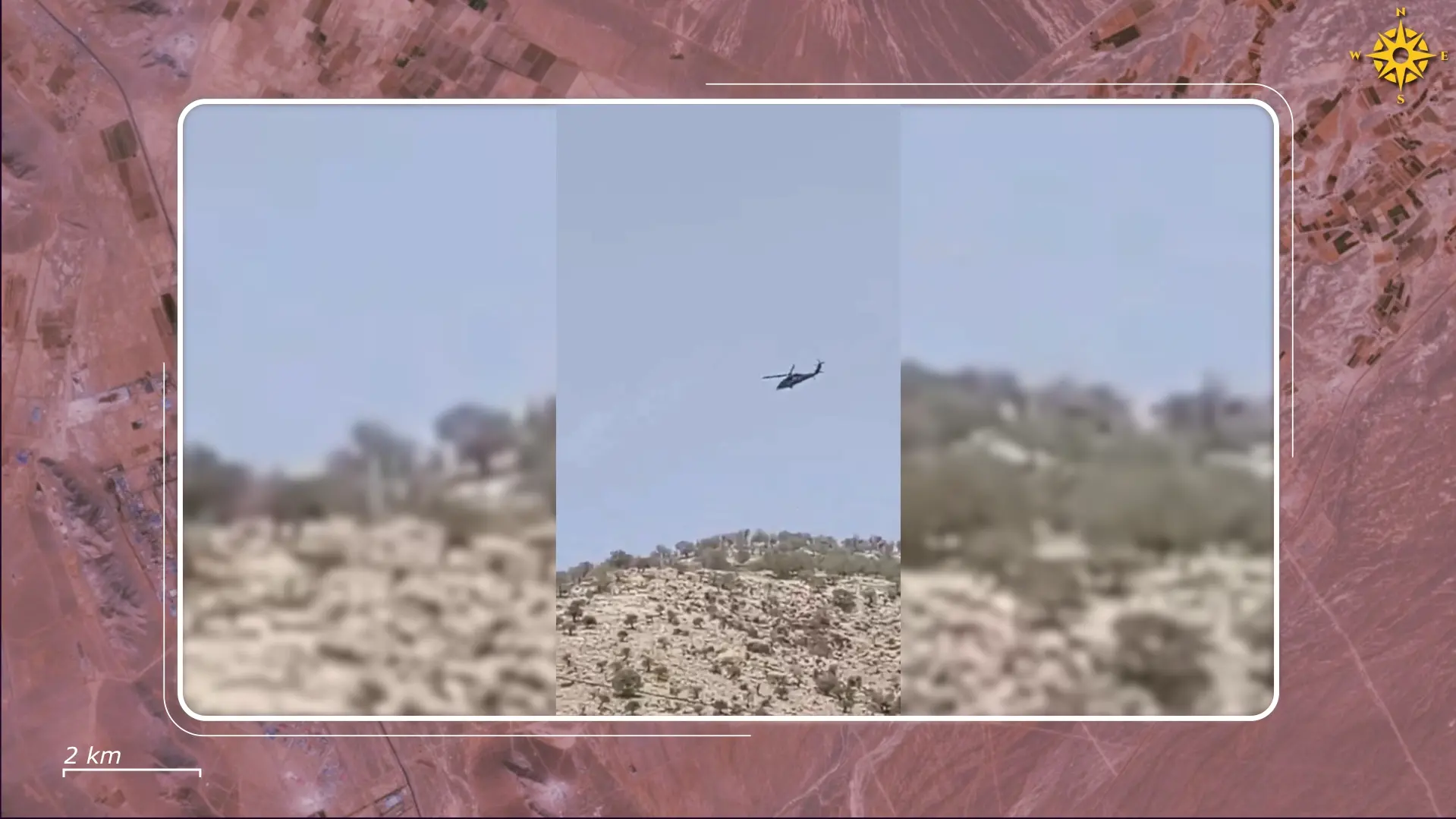
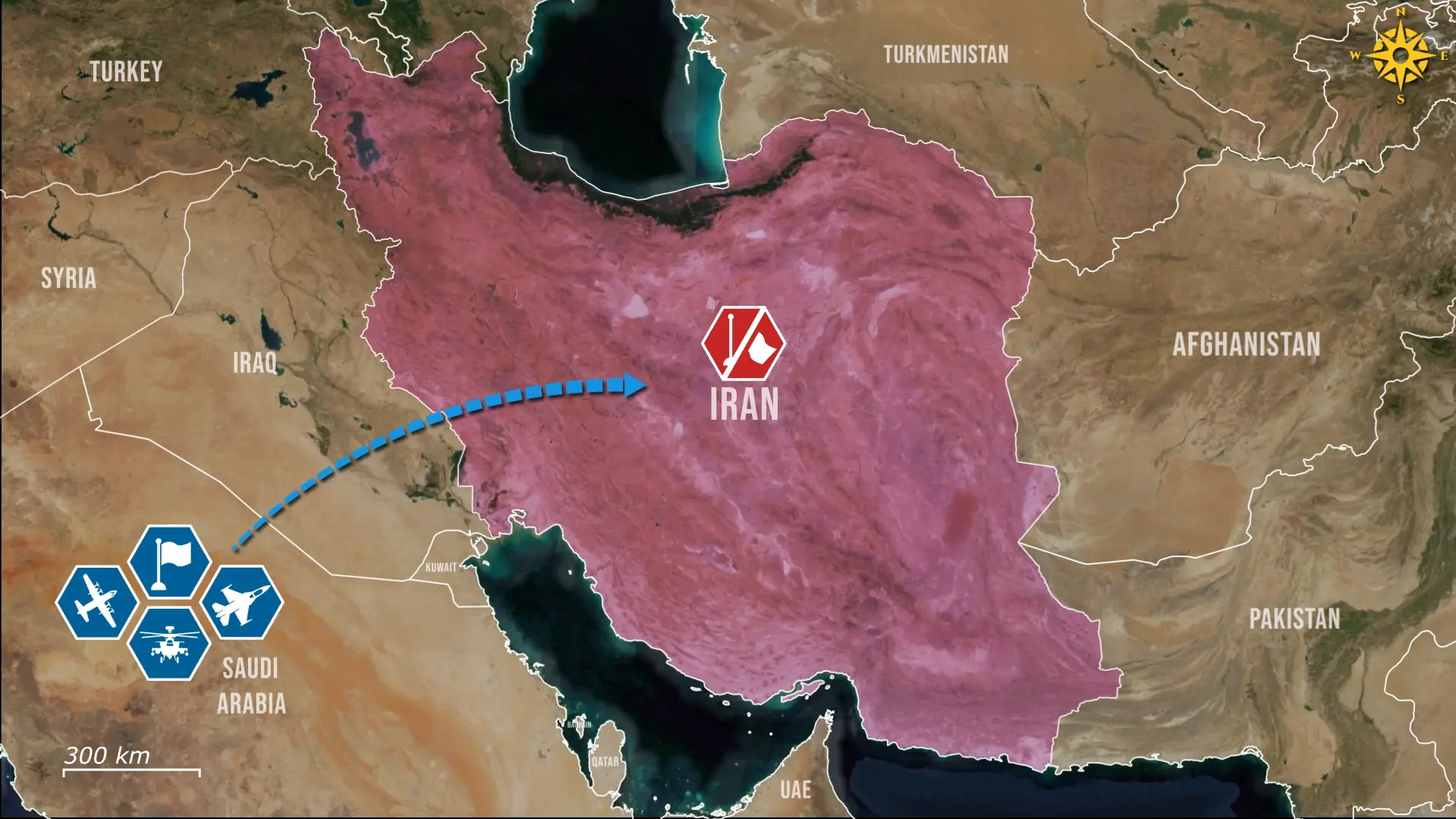
The rescue began with helicopters pushing toward the crash site under the cover of aerial refueling tankers. These helicopters crossed into Iranian airspace within hours, flying at low altitude to stay below remaining radar coverage. Despite these precautions and earlier strikes, scattered Iranian units on the ground engaged the helicopters with small arms fire, wounding several crew members.
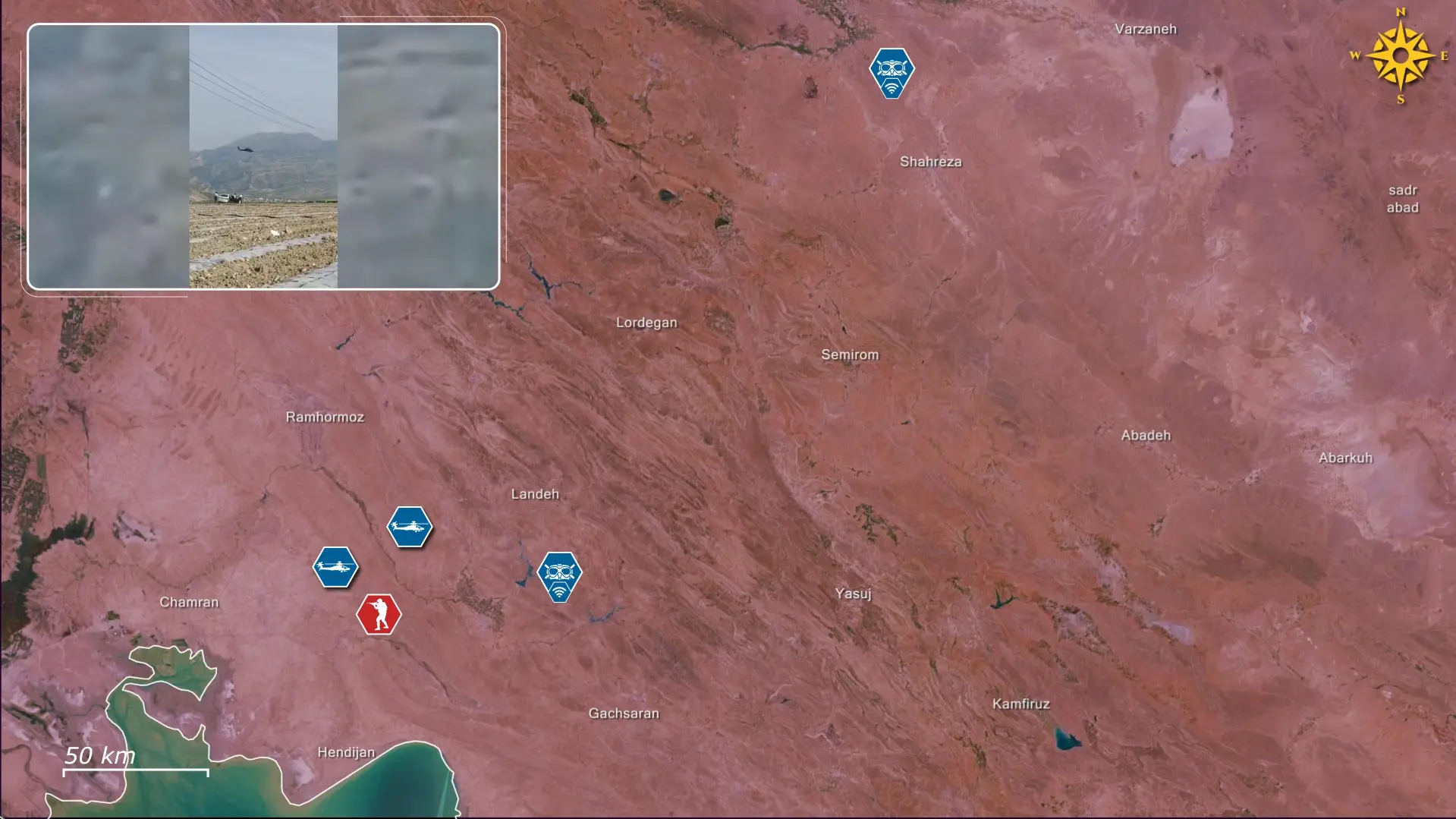
Once reached, the pilot was recovered relatively quickly, though the second airman remained missing. His intermittent beacon, combined with Iranian troop movements, would make the extraction operation riskier and contested.
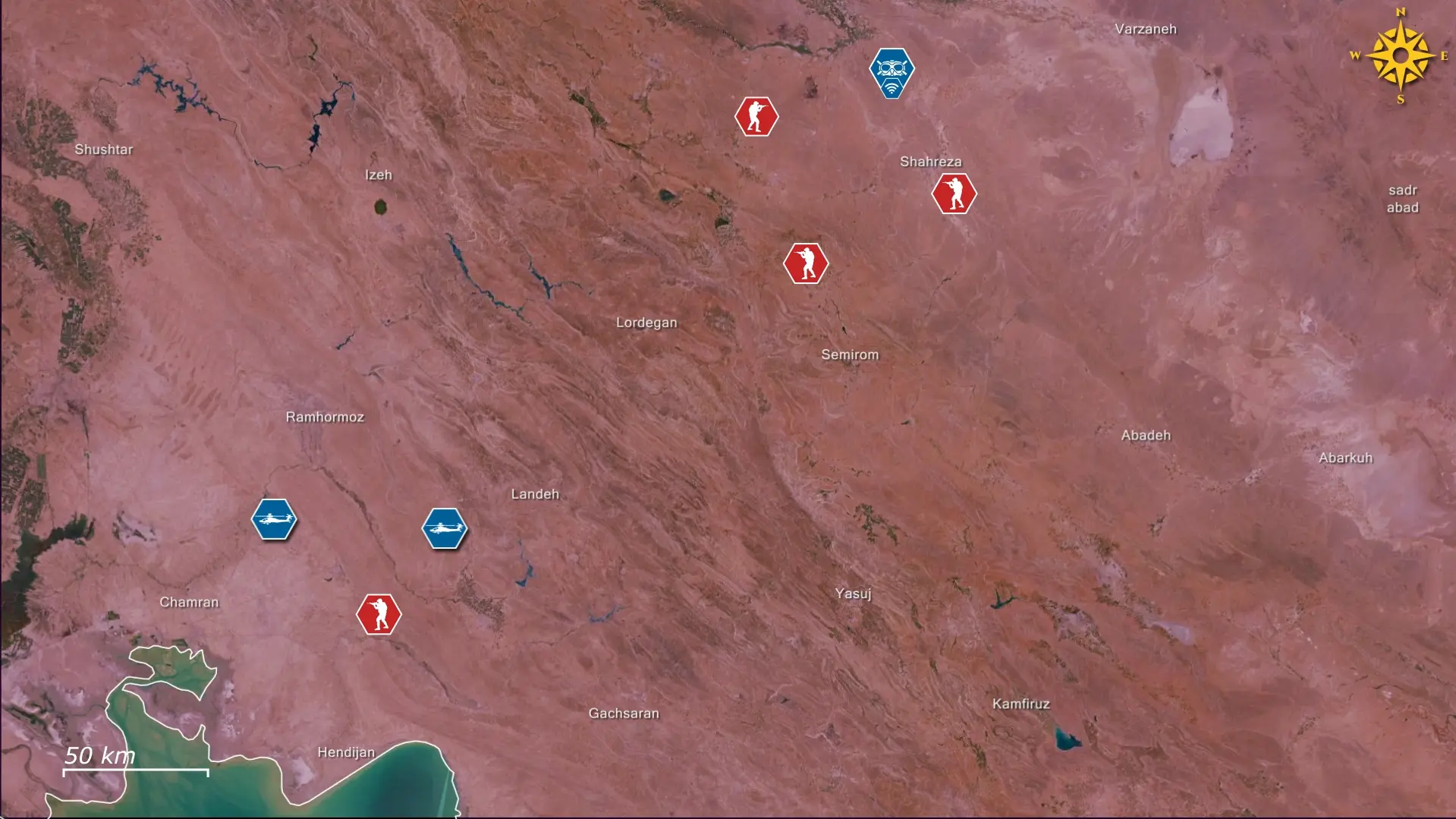
However, the US chose to continue the operation at full intensity. In addition to the moral dimensions, leaving an American airman in Iranian hands would have caused an even deeper political issue for the current US administration, carrying serious strategic costs, also in light of future possible negotiations. Furthermore, a captured pilot would give Iran an immediate and significant information warfare victory, as evidenced by Iranian authorities who encouraged civilians and militias to search for the missing American. US commanders concluded that finding him required special operations forces on the ground inside Iran, accepting the correlated risks to prevent that outcome.
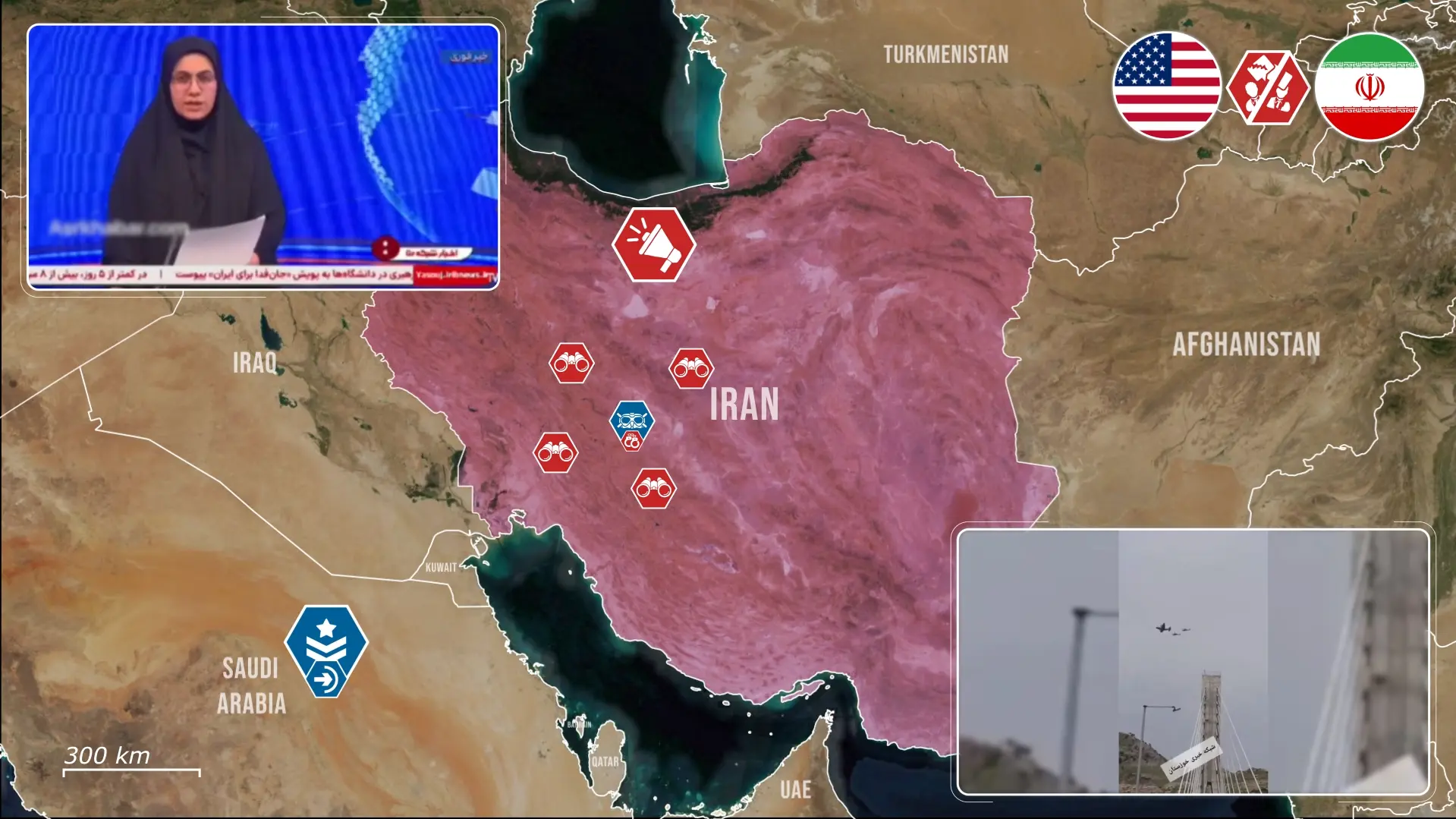
To sustain the search’s pace, the US established an improvised forward operating airstrip roughly four hundred kilometers deep inside Iranian territory. C-one hundred thirty Hercules aircraft landed on a flat and firm stretch of desert identified through satellite imagery and reconnaissance flights. Although the landing was not contested, safety was neither guaranteed, as the site’s viability depended on remaining unnoticed rather than being defended.
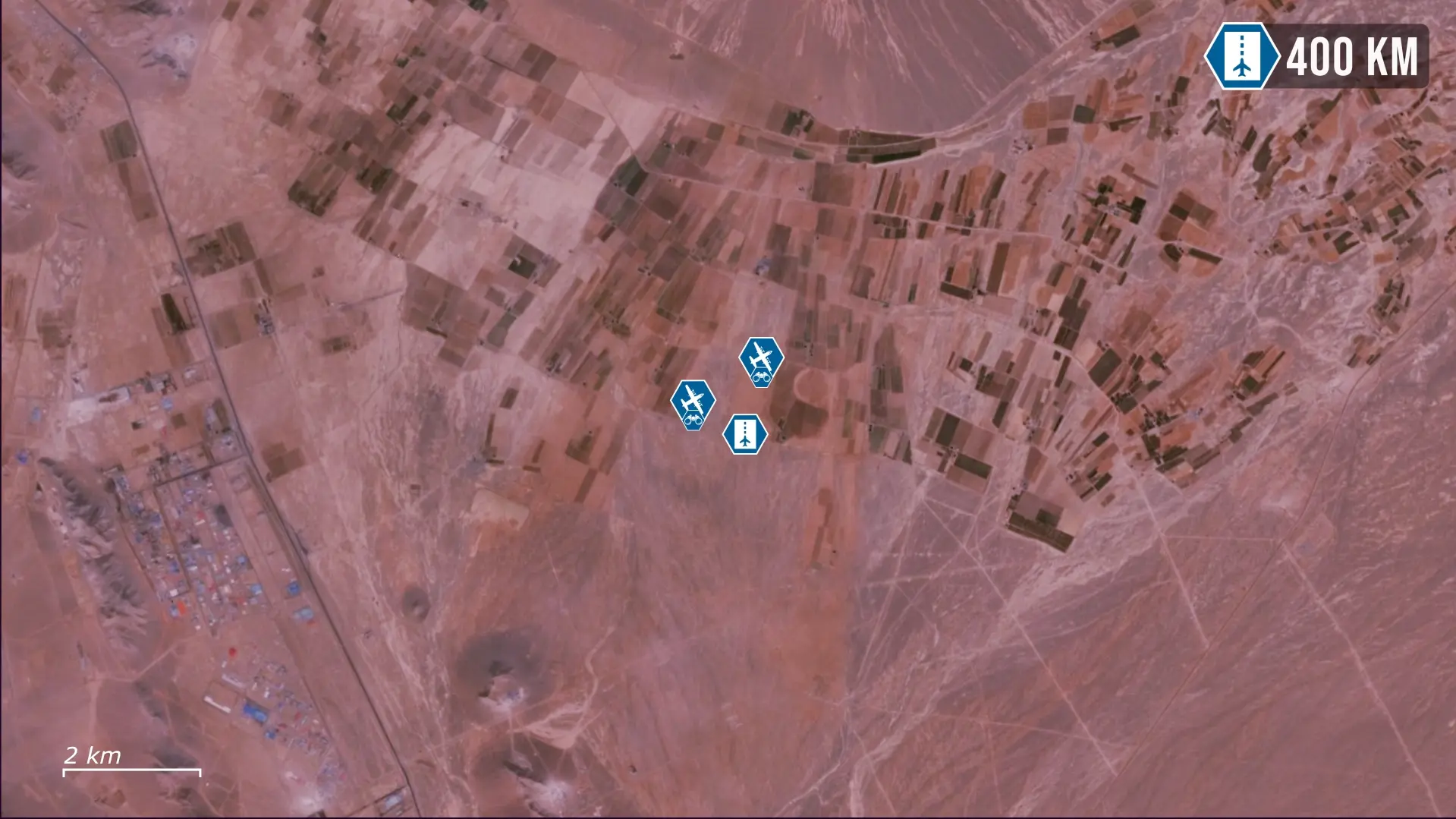
The airstrip sat sixty-five kilometers from a major IRGC base in Isfahan, and only tens of kilometers from the nearest IRGC installation in the south, close enough that teams operated under strict discipline to avoid detection, but far enough to avoid routine patrols. The site allowed helicopters to refuel much closer to the research area and gave special operations teams a functional hub, effectively creating a temporary forward improvised airbase inside Iran.
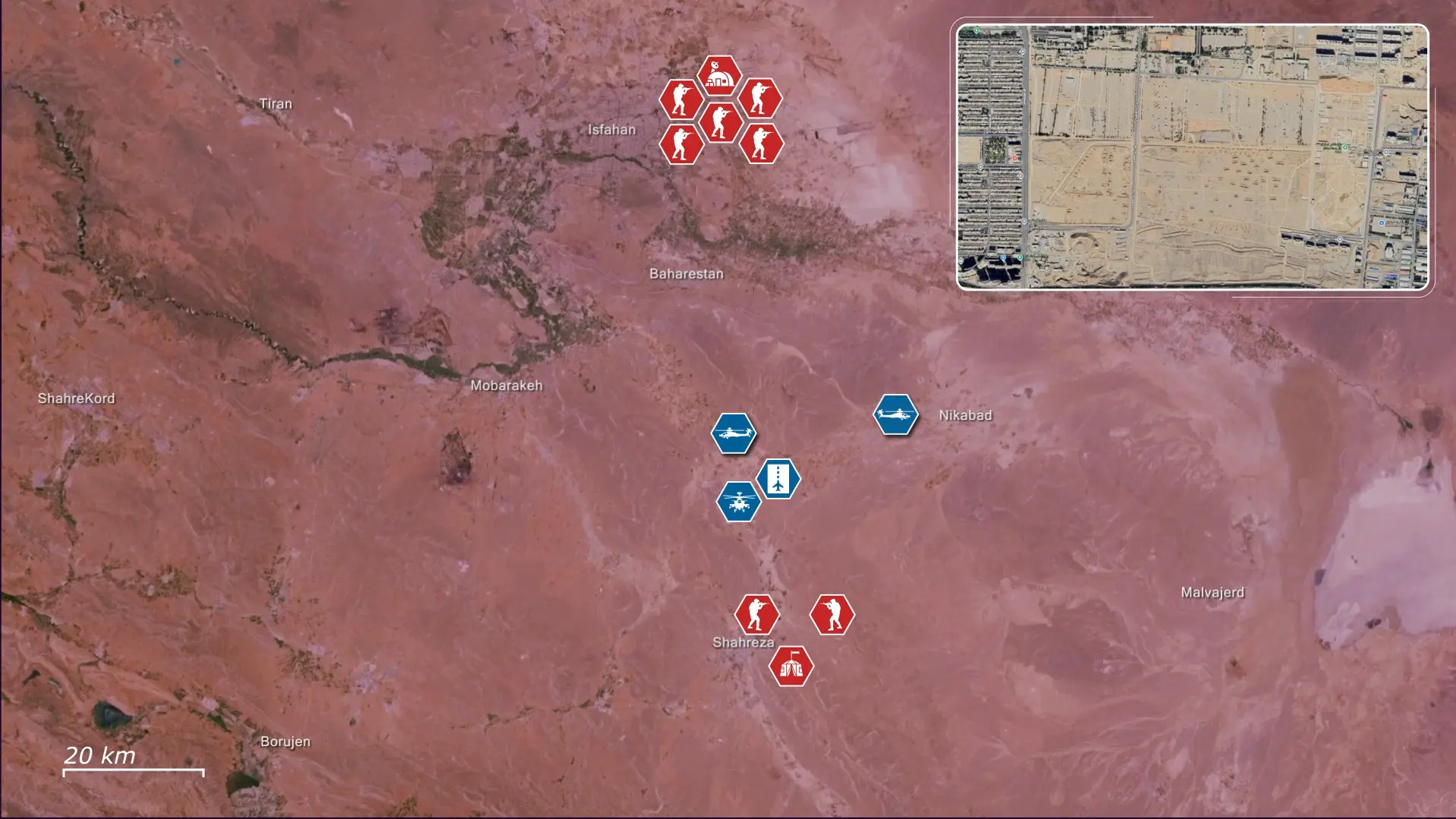
The improvised airbase’s proximity to a major IRGC facility meant Iranian forces reacted almost immediately. Iranian units pushed toward the site to lock the perimeter and opened coordinated fire, striking several US aircraft on the ground and driving American personnel into close‑range firefights. Meanwhile, Iranian air defense brought down an A ten providing close air support, as well as an MQ nine Reaper operating overhead. The escalation triggered an immediate broader US response, with additional aircraft and drones striking Iranian movements towards the site, and neutralizing the units attacking the airstrip. As a result, US forces were able to regain control of the situation, but only temporarily, as the window for extraction remained limited.
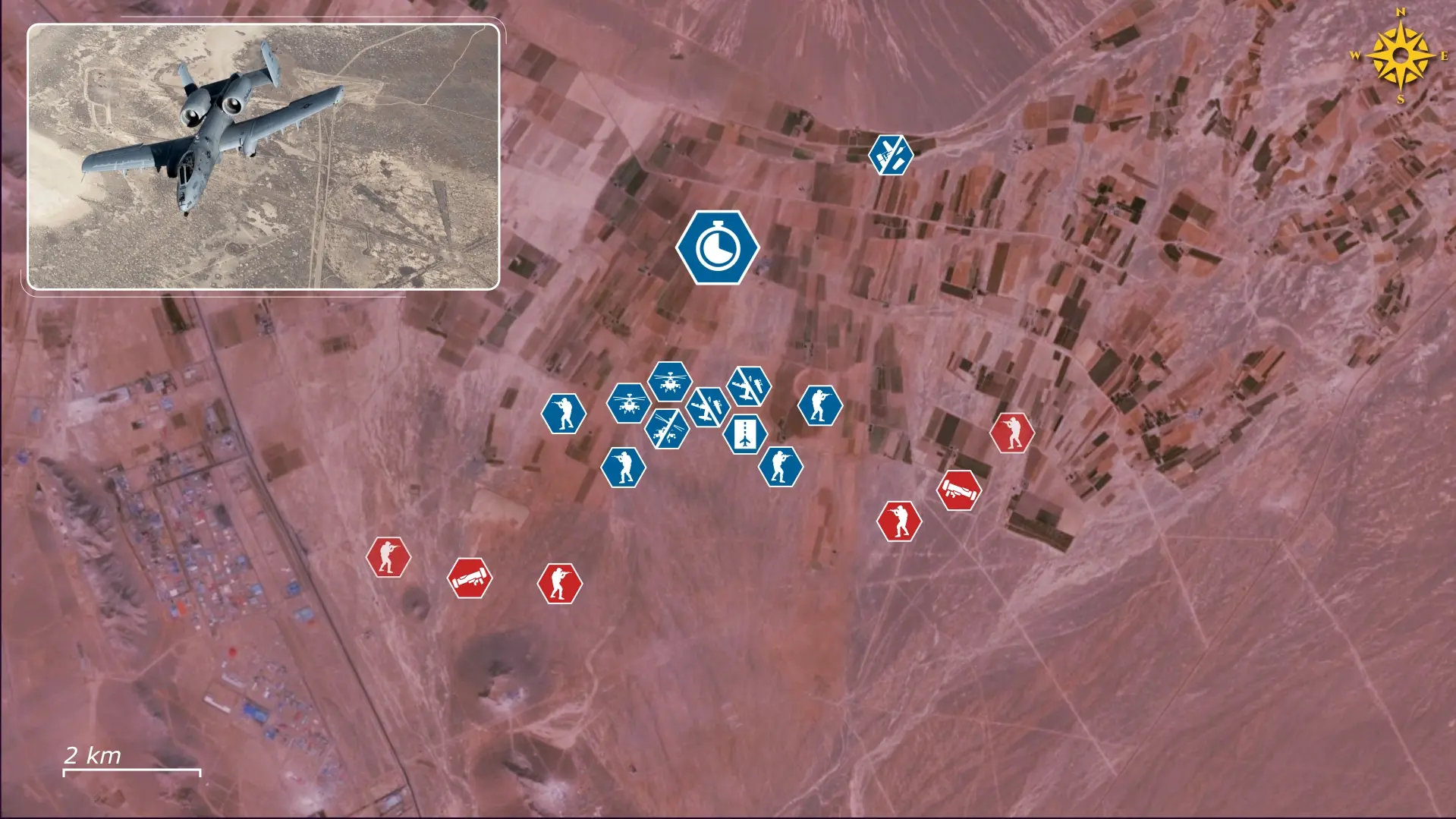
After nearly two days on his own, the missing airman finally linked up with US special operations forces, but the window for recovery was narrow. The team moved him quickly toward an extraction point while Iranian units continued searching the area, forcing them to limit movement and communication to avoid detection.
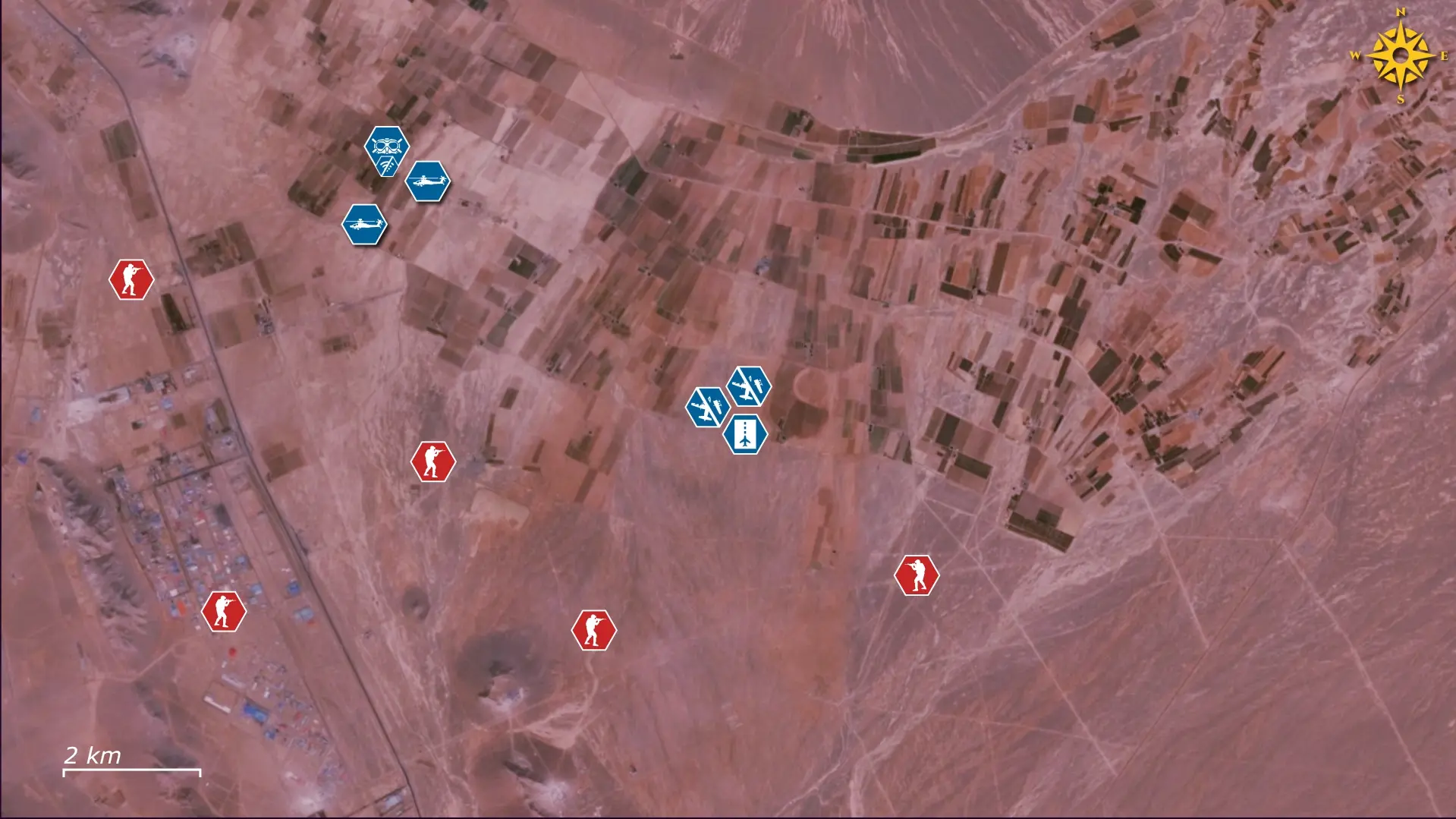
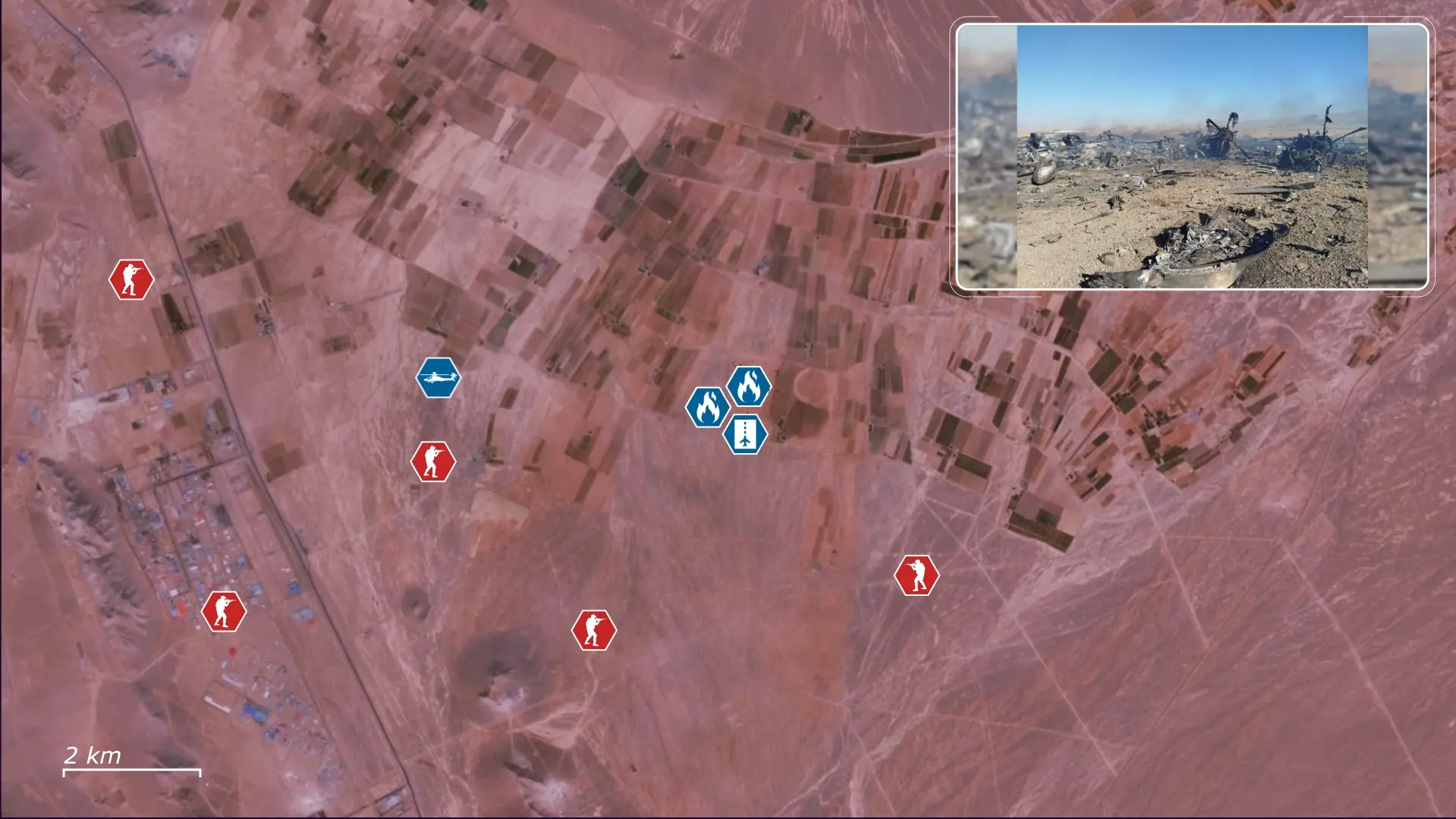
At the landing zone, helicopters could only remain on the ground for a short time to reduce the risk of exposure. Before withdrawing, US personnel destroyed the sensitive equipment left at the improvised airstrip, including two stuck transport aircraft.
One of the most striking parts of the airman’s survival was how he stayed ahead of both Iranian patrols and those mobilized to find him for two days. He hid in a mountain crevice, moved through steep terrain, and kept his signaling to brief windows so Iranian forces could not triangulate him.
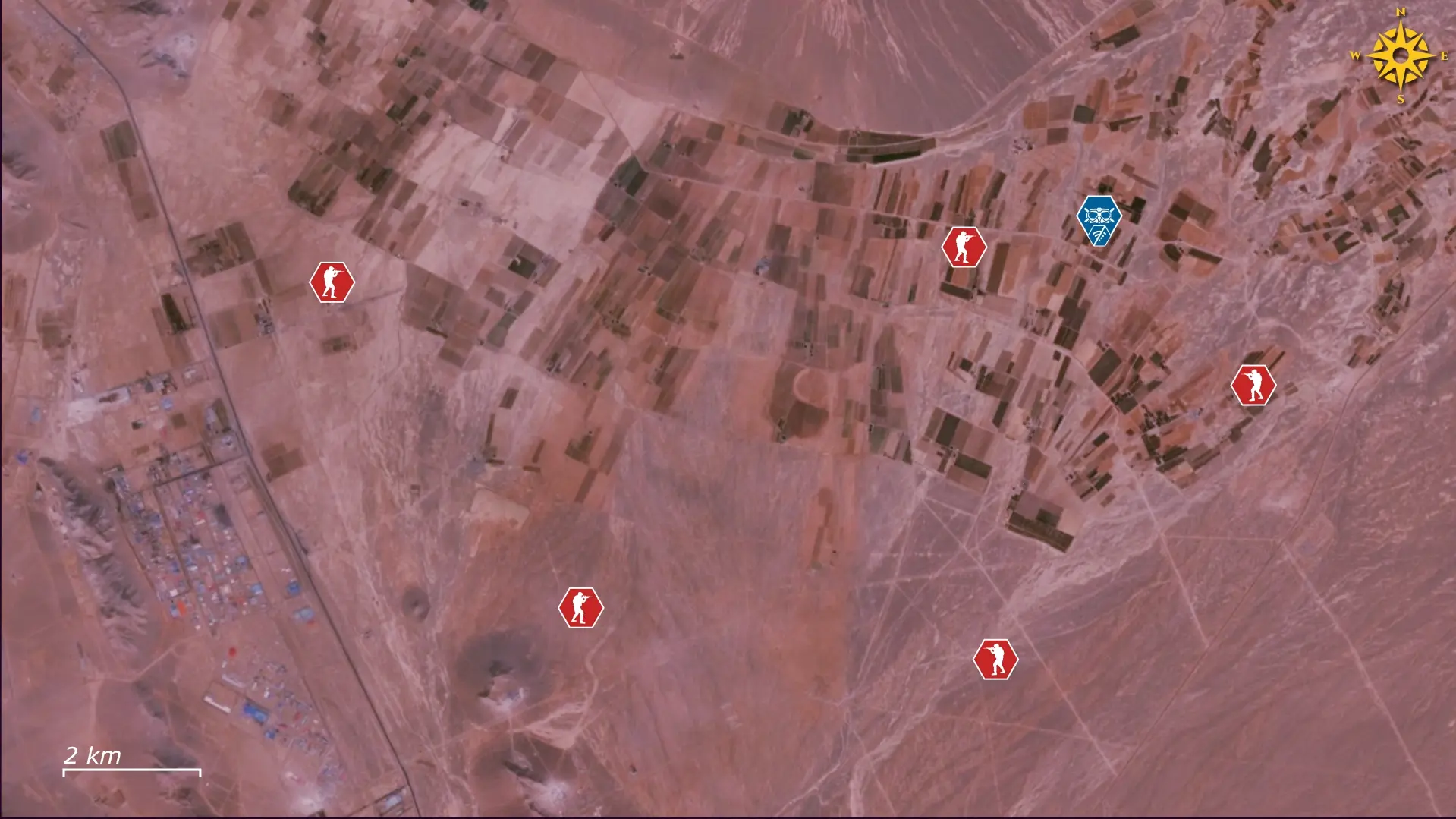
Meanwhile, Iran’s reaction to the improvised airstrip proved ultimately ineffective. Iranian forces attempted to encircle the site and pushed ground units toward the perimeter. However, units arrived in small, uncoordinated groups, without artillery, and could not mass enough combat power fast enough to disrupt the operation.
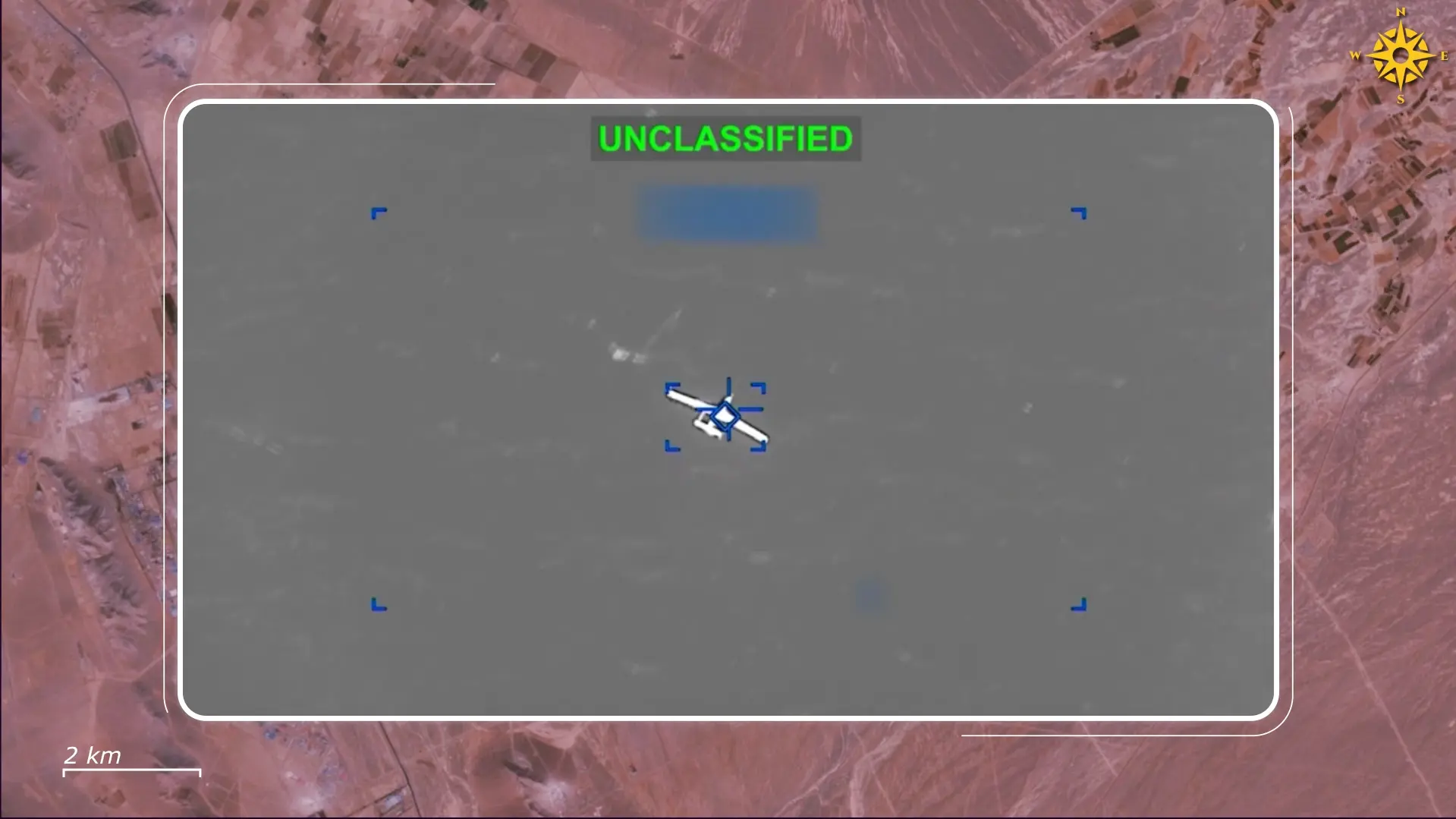
Their drone presence was also contested. A US MQ-nine Reaper shot down an Iranian Mohajer-six in the area, which confirmed that Iran still had functioning UAV infrastructure, which, however, was not used effectively. Organizational issues, such as disrupted communications and Iran's intentional shutdown of the internet, are the most likely causes of the failure to mount a decisive response amid persistent US airpower.
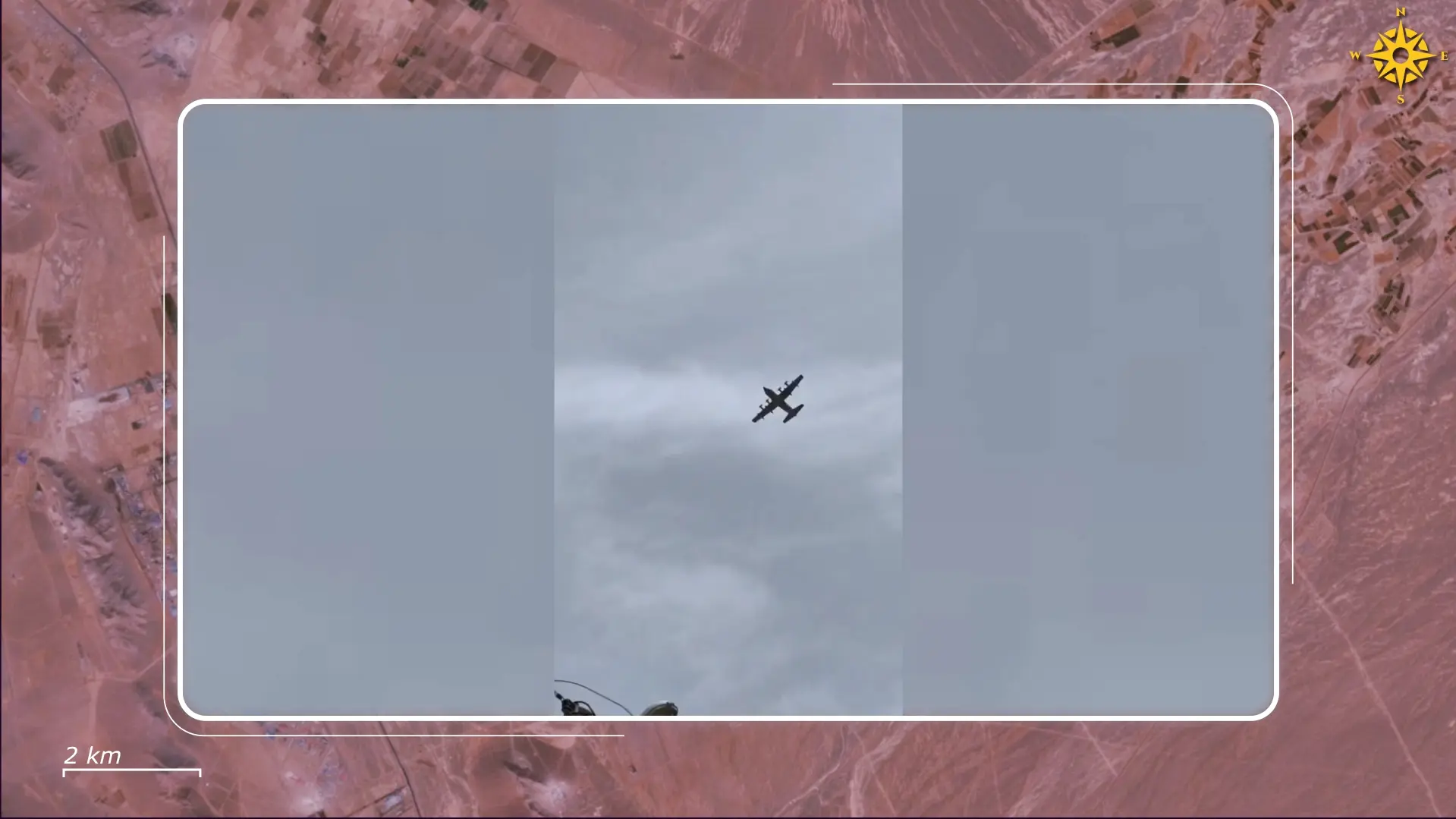
Overall, the rescue demonstrated that the US Air Force can project airpower and deploy special operations forces deep into enemy territory, keeping them supplied for as long as needed. The US force’s ability to suppress Iranian movements, link with the downed pilots, and withdraw on its own terms highlighted a level of operational capability that Iran could not match, even on its own terrain.

.jpg)

Comments