

.svg)
Today, the biggest news comes from Russia.
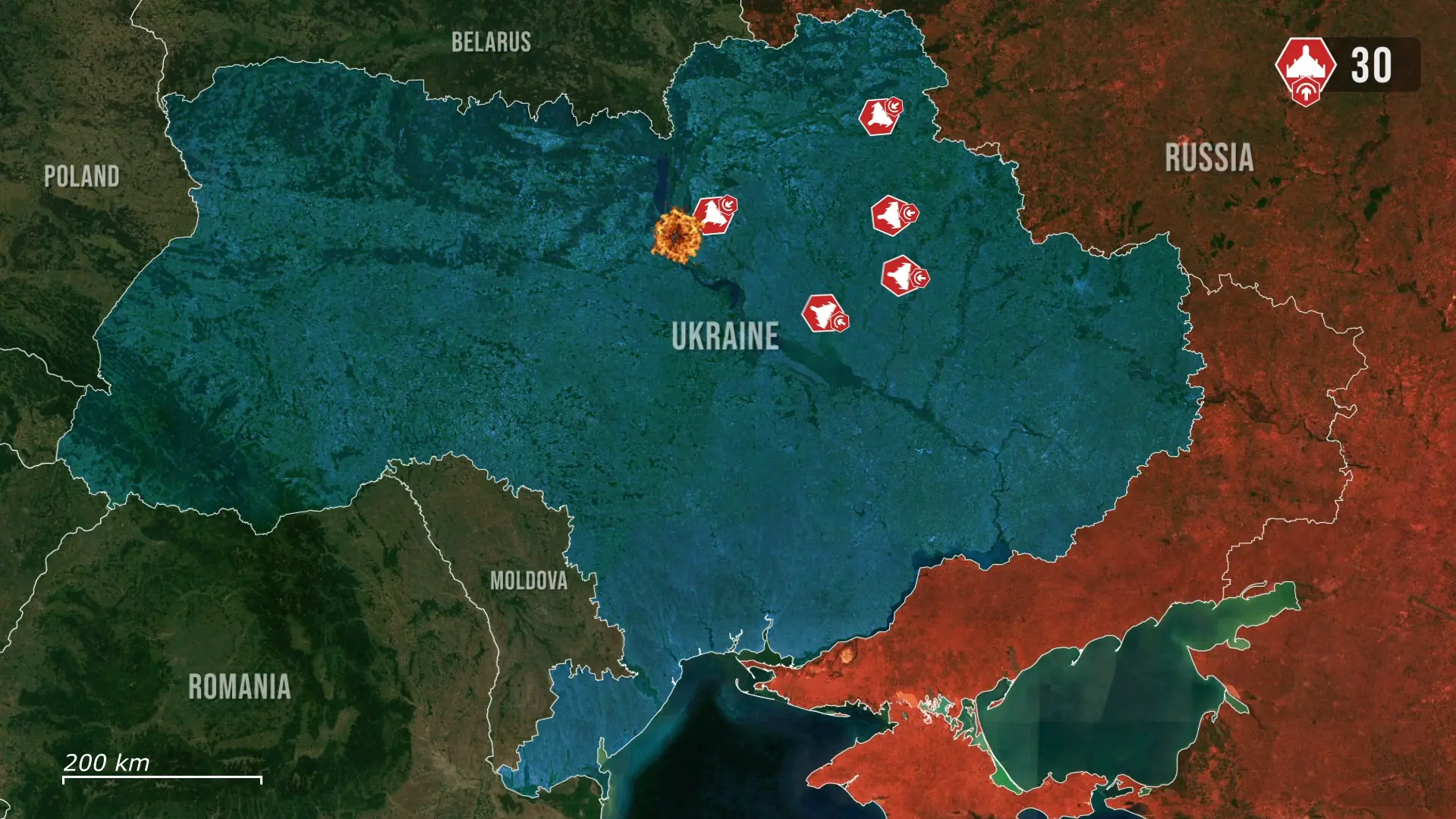
Here, Russia has been relentlessly trying to knock out Ukraine’s energy system to plunge it into darkness. However, now the tables have turned, and Ukraine executed its most successful strike against the Russian energy grid, leaving millions of Russians in the cold and dark.
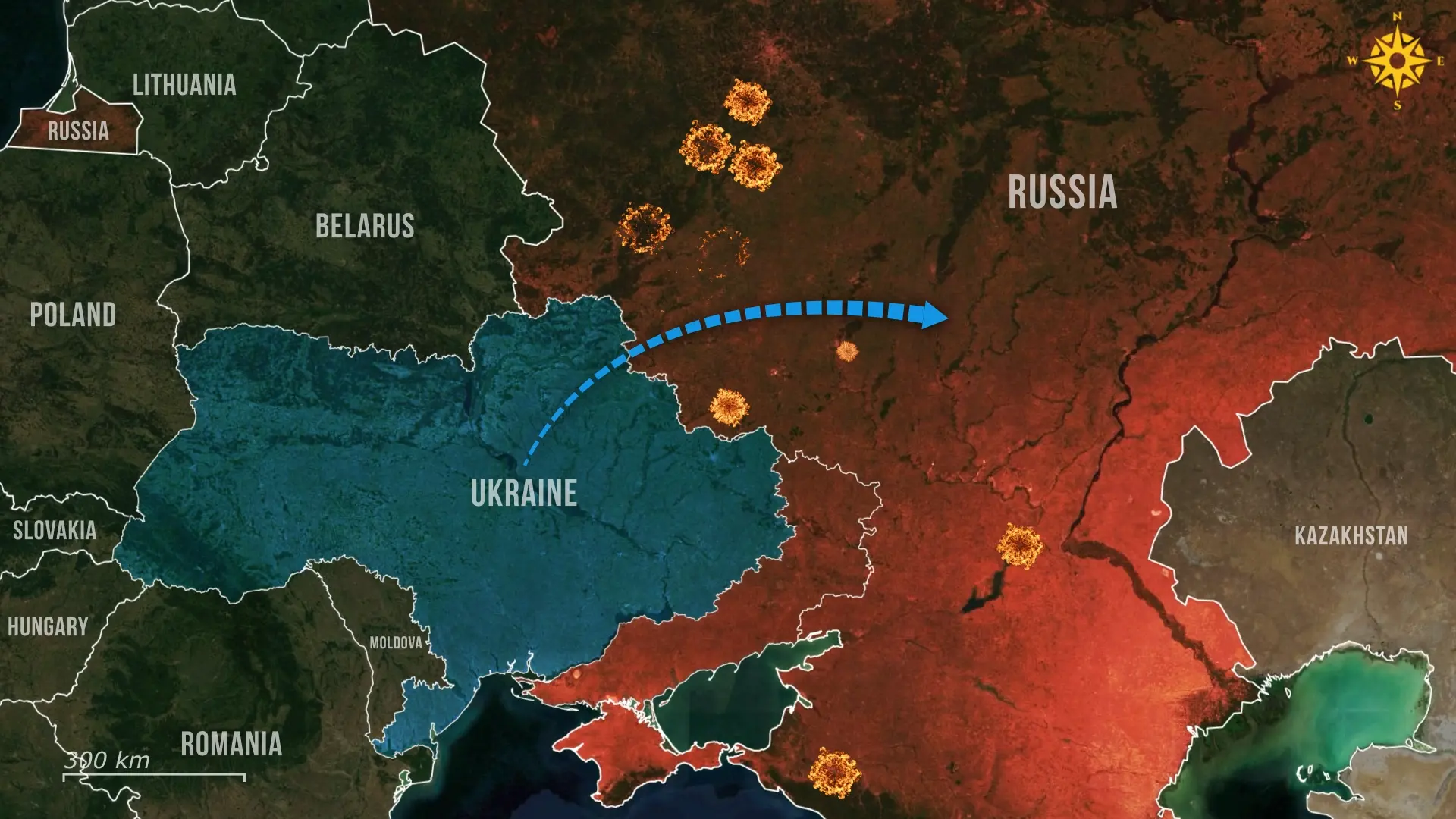
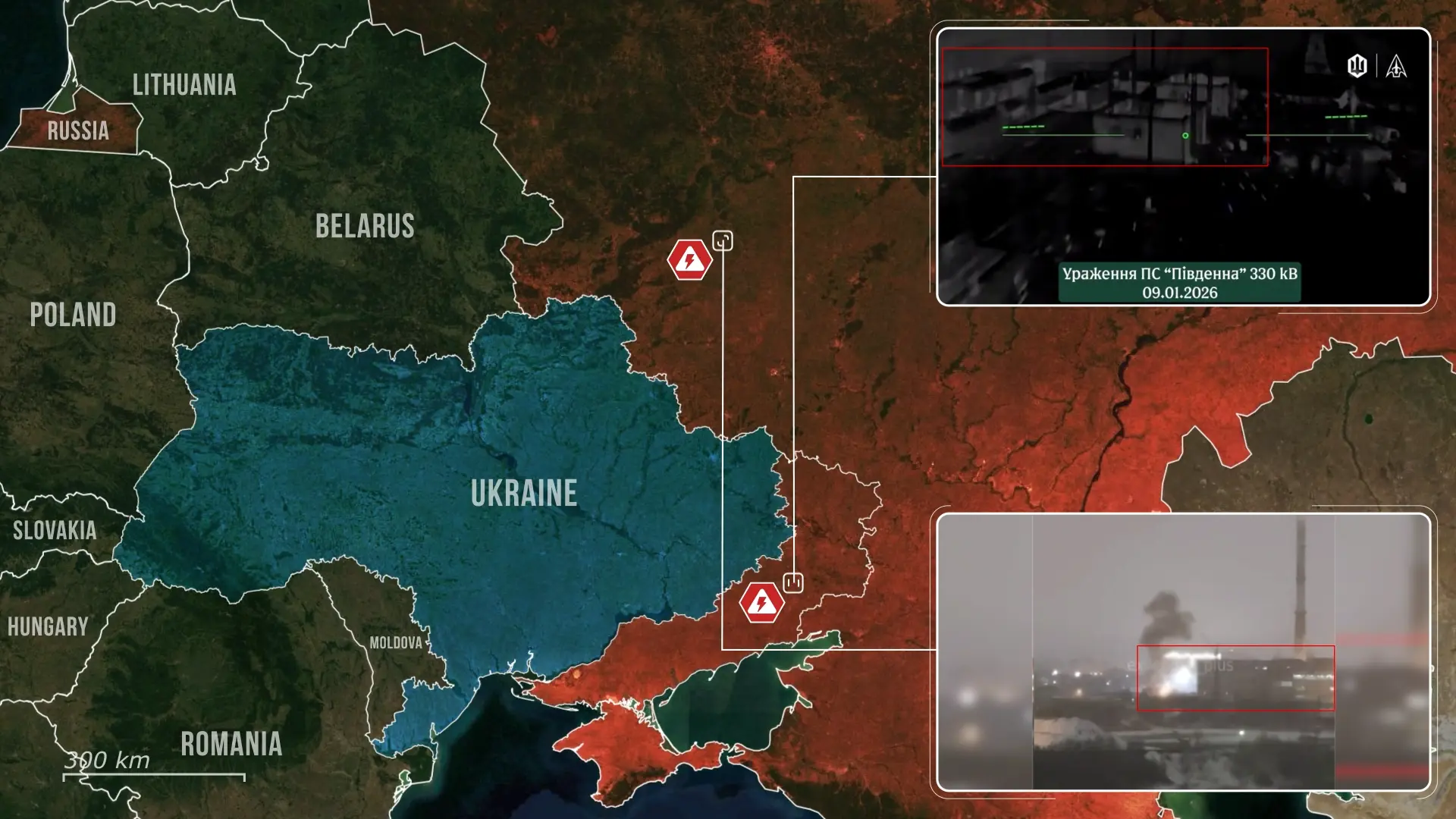
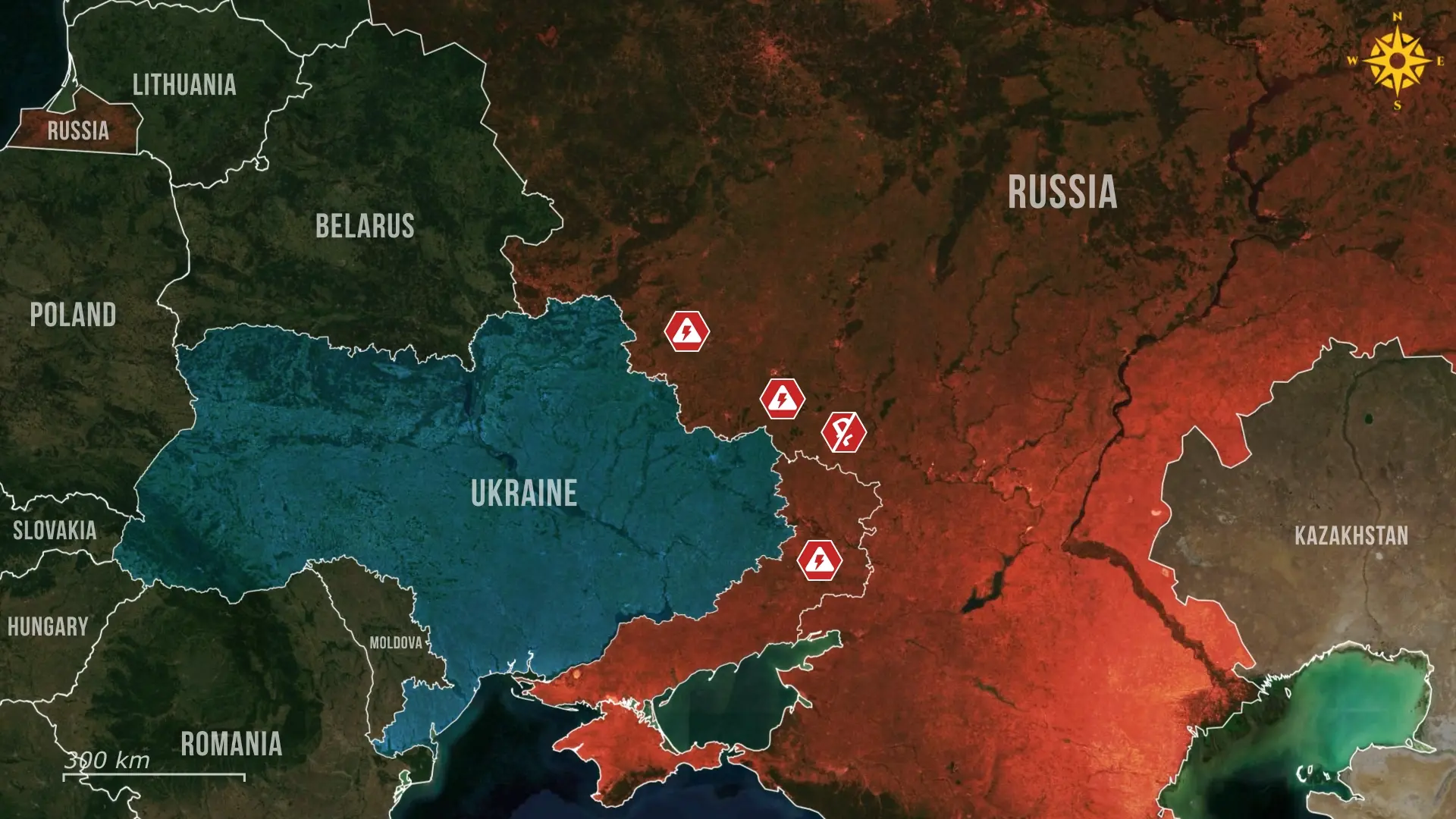
Firstly, Ukraine’s 1st Separate Center of Unmanned Systems conducted a long-range drone strike on military facilities, logistical hubs, and substations of the Russian-controlled Donetsk region. As a result, the Zorya 110 kilovolt substation, the Volnovakha traction substation, and the Pivdenna 330 kilovolt substation were hit in sequential waves, causing significant disruption to energy and railway logistics across the wider Donetsk area.
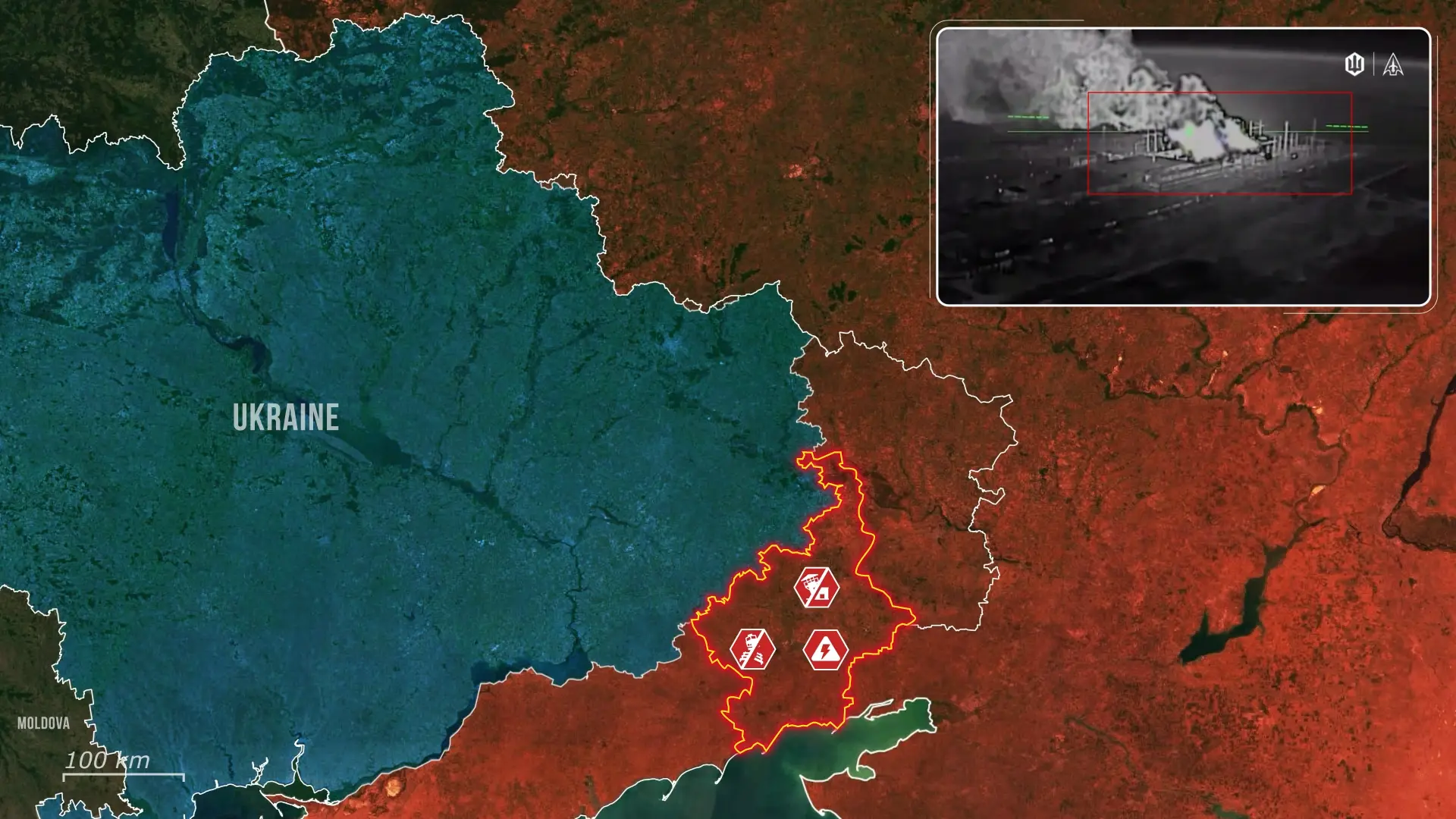
Secondly, Ukraine also struck the Belgorod region with 14 Hi-mars missiles, of which the Russians report 8 reached their targets. At the Luch CHP plant, a transformer was destroyed, while a pipeline and administrative buildings sustained damage.
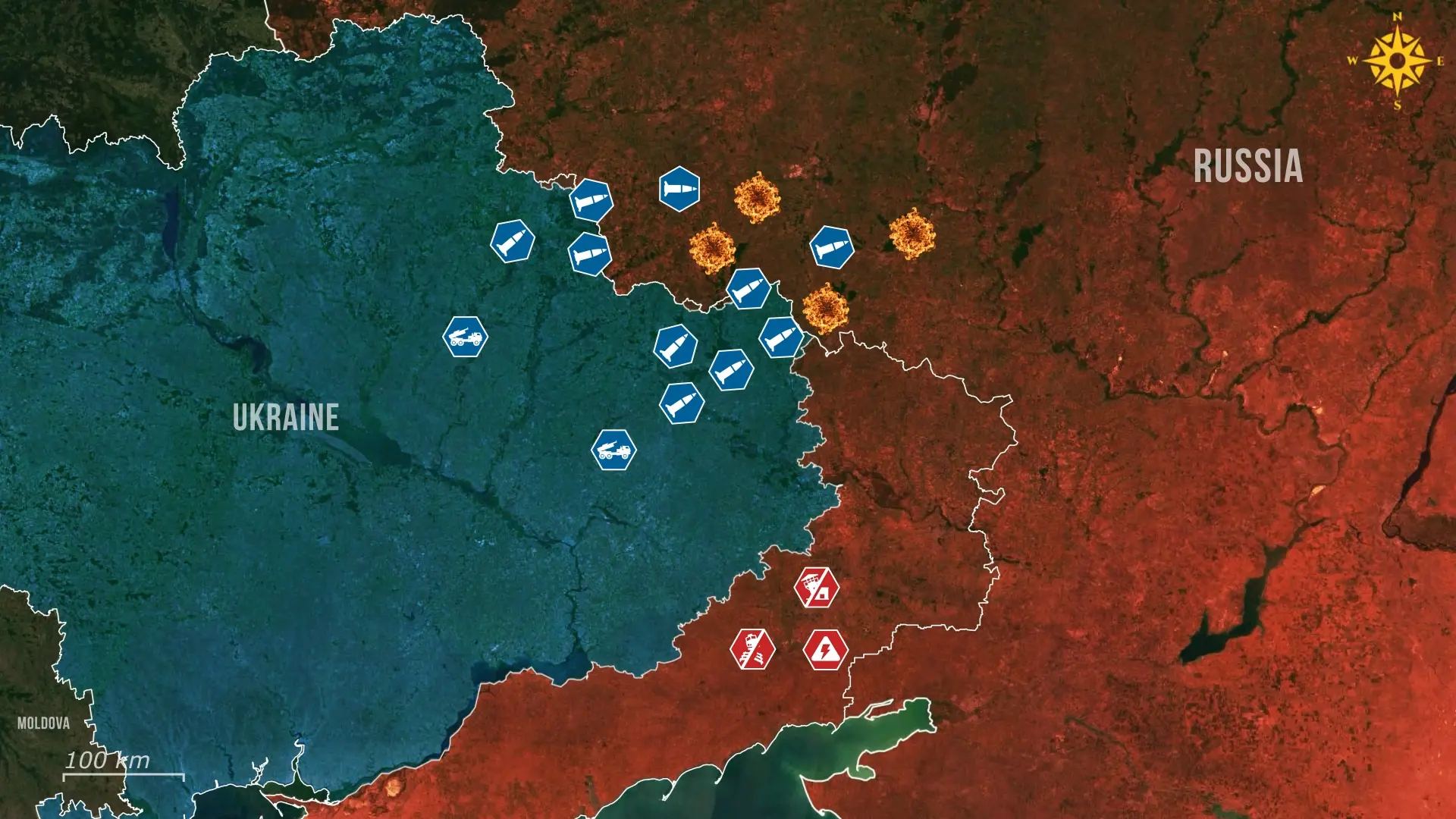
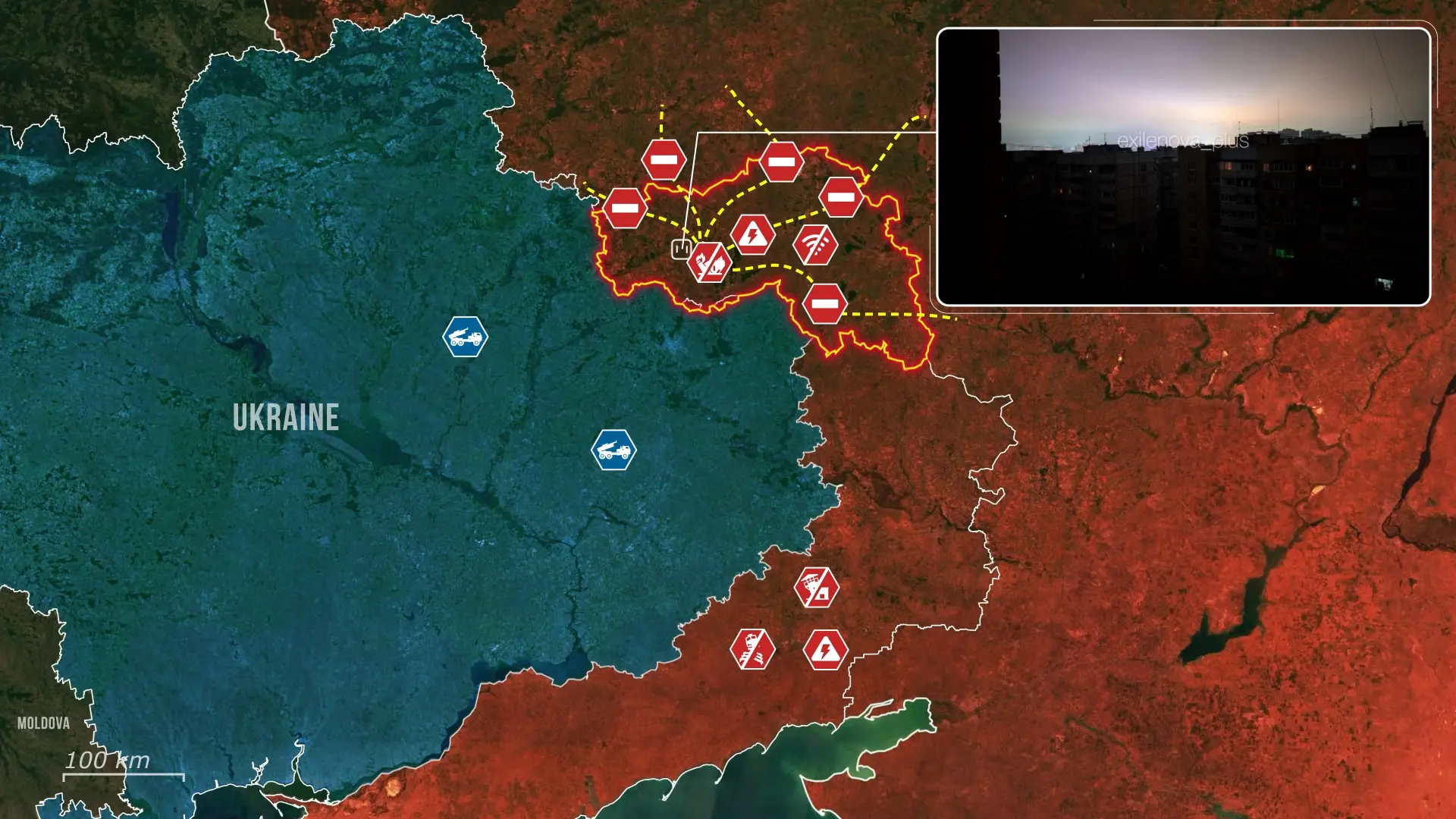
In addition, the 330 kilovolt Belgorod substation was set ablaze and taken offline, cutting power to 28 subsidiary substations. The Ukrainian missiles systematically targeted the power grid, including transmission networks capable of rerouting electricity from neighboring regions, leading to additional outages reported in surrounding localities as far as Kursk. Following nighttime strikes, approximately 556,000 residents were left without electricity and heating, while around 200,000 lost access to the water supply. Significant disruptions to internet connectivity were also recorded, with wide-scale outages occurring after the Ukrainian attacks in the Belgorod area.
These strikes are a direct response to Russia’s campaign targeting Ukraine’s energy infrastructure, which has already suffered extensive damage throughout this winter. In Ukraine, severe power outages are occurring nationwide, lasting from several hours to as long as a week following major attacks. At this moment, a lot of Ukrainians have been left without electricity, heating, or water.
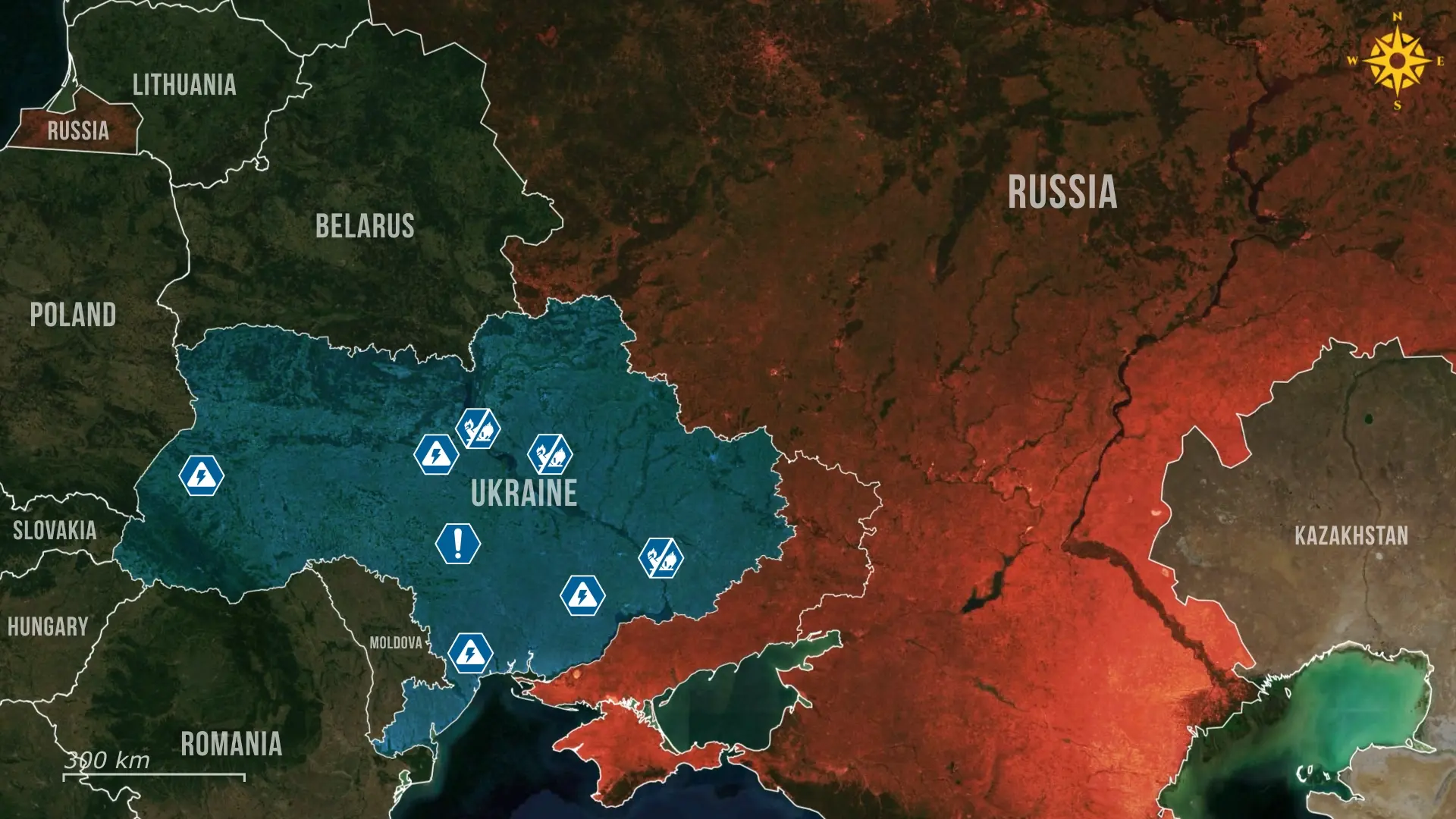
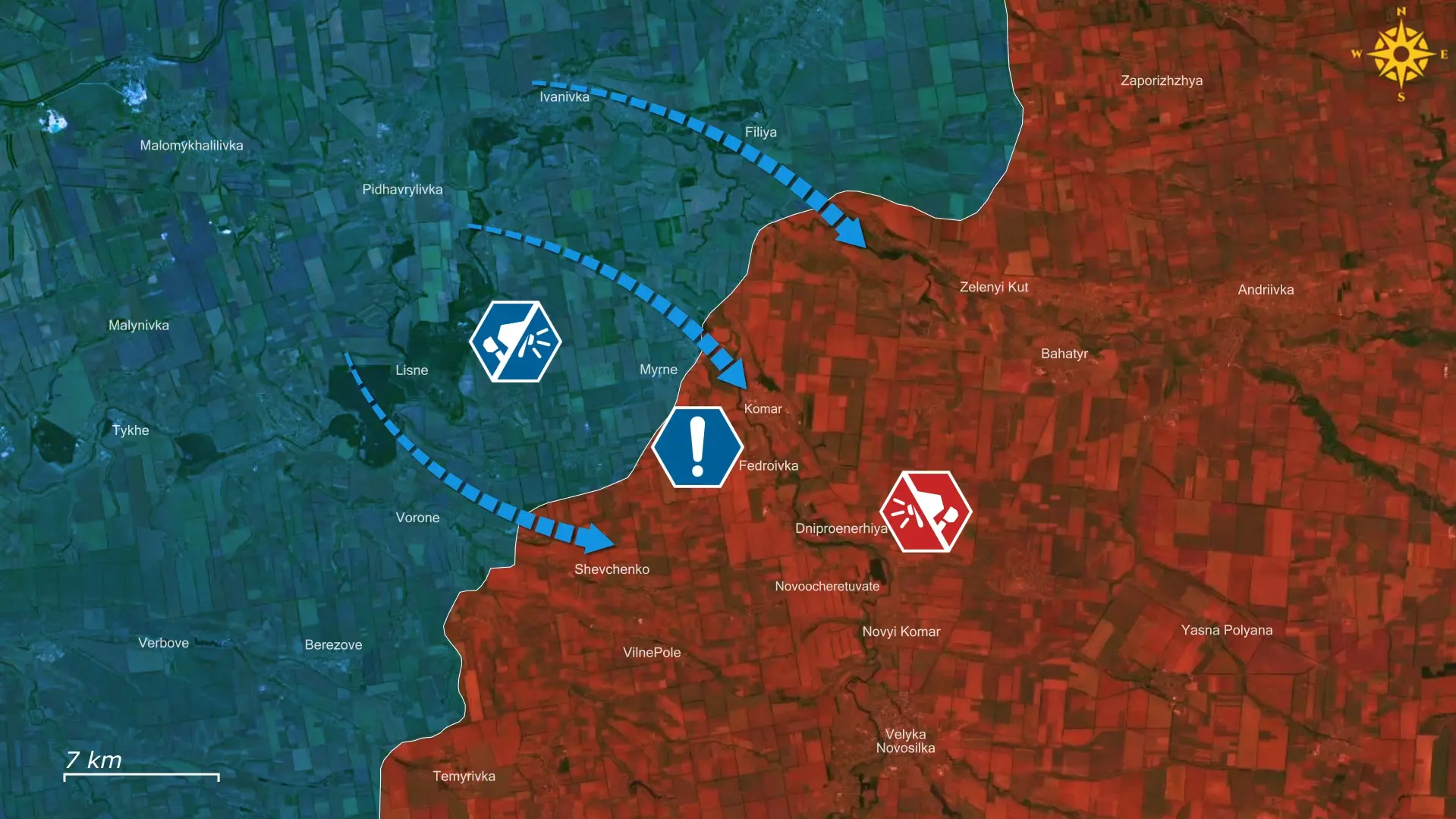
In response, Ukraine’s offensive campaign did not let up, as Ukrainians hit the 330 kilovolt Khartsyzka power substation in the Donetsk region, causing blackouts and voltage drops across the region. In coordination with the strikes on targets in the Belgorod region, Ukraine also hit the local thermal power plant in the city of Oryol. The blast reportedly caused major damage, knocking out power across parts of the city.
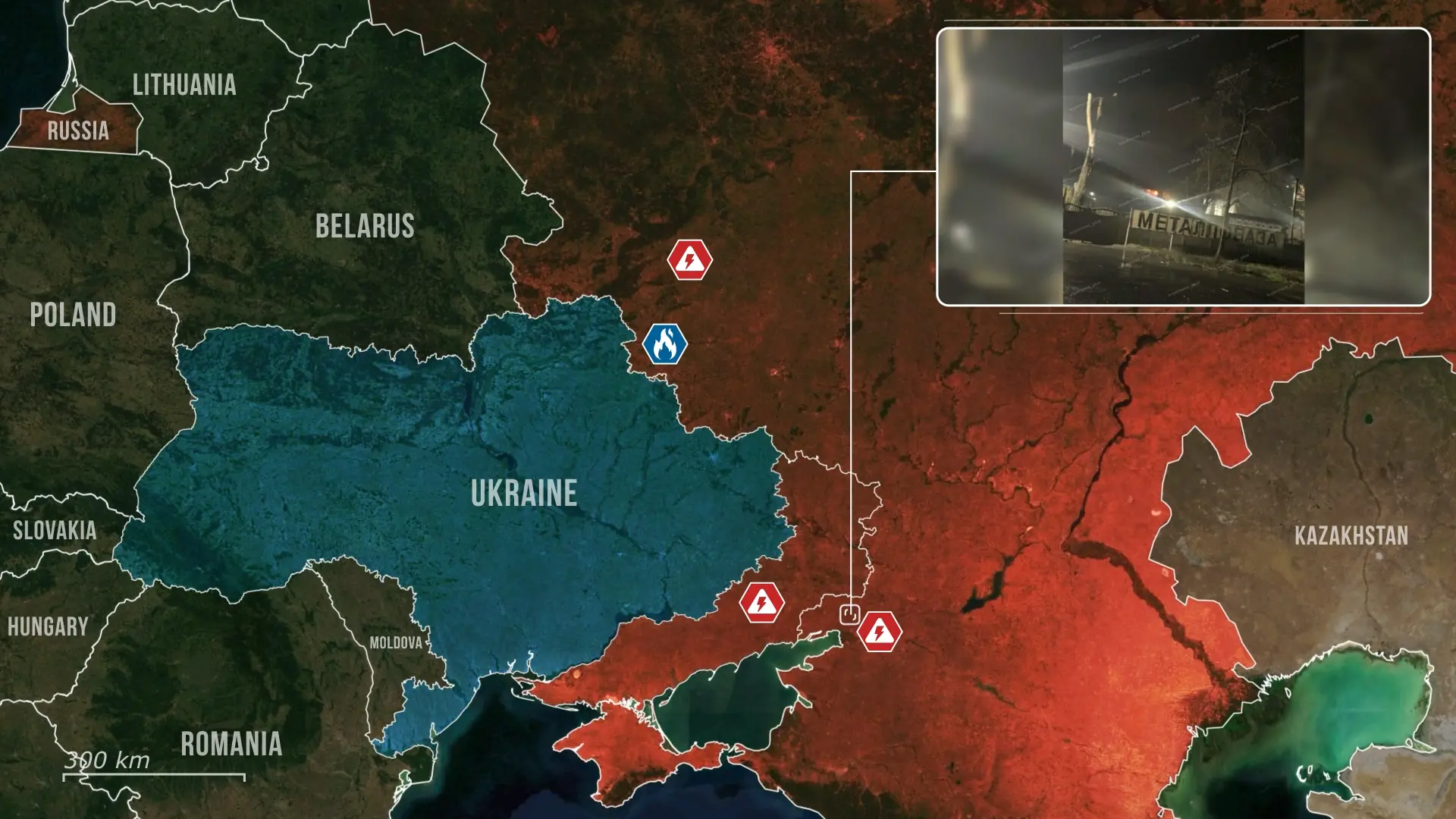
Explosions were also reported from Novocherkassk, where Ukrainian drones attacked the thermal power plant. As a result of the successive strikes, fires broke out and raged for hours, while damage is still being assessed. Ukrainian drones also set ablaze the energy facility in the village of Khomutovka, Kursk region. This attack caused a partial blackout in the region, leaving 115 settlements without electricity.
A further Ukrainian drone swarm, reportedly consisting of around 40 UAV’s, struck Domodedovo near Moscow, resulting in widespread power outages across much of the town. The attack disrupted a water pumping station, caused interruptions to heating services, and led to flight cancellations at Vnukovo Airport.
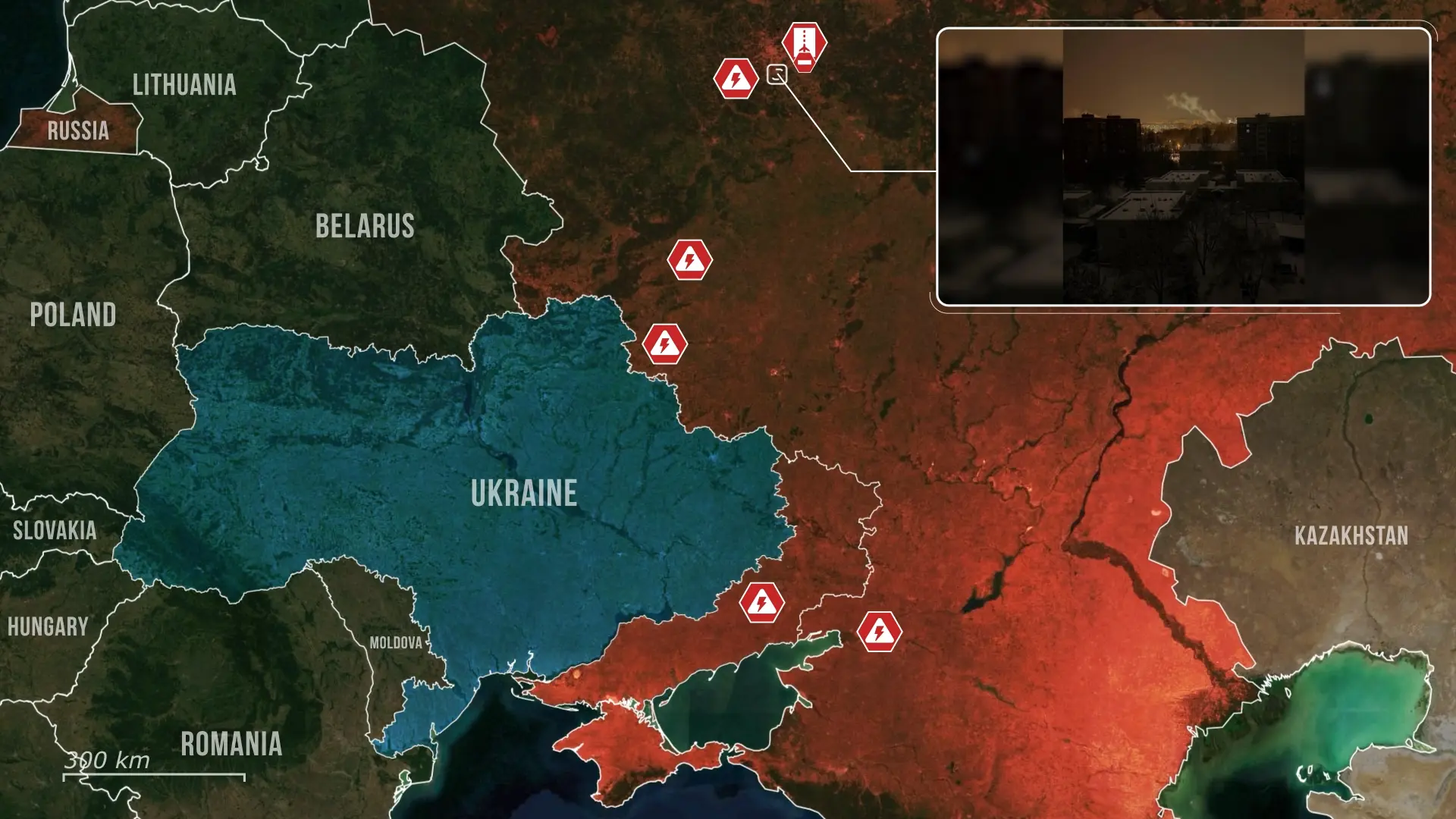
Before this strike, Ukrainian drones attacked the Moscow region, leaving over 600,000 Russians inside the capital without power. Russian authorities rapidly deployed dozens of mobile generators to apartment complexes in Ramenskoye to stabilize the power grid, but the message was clear.
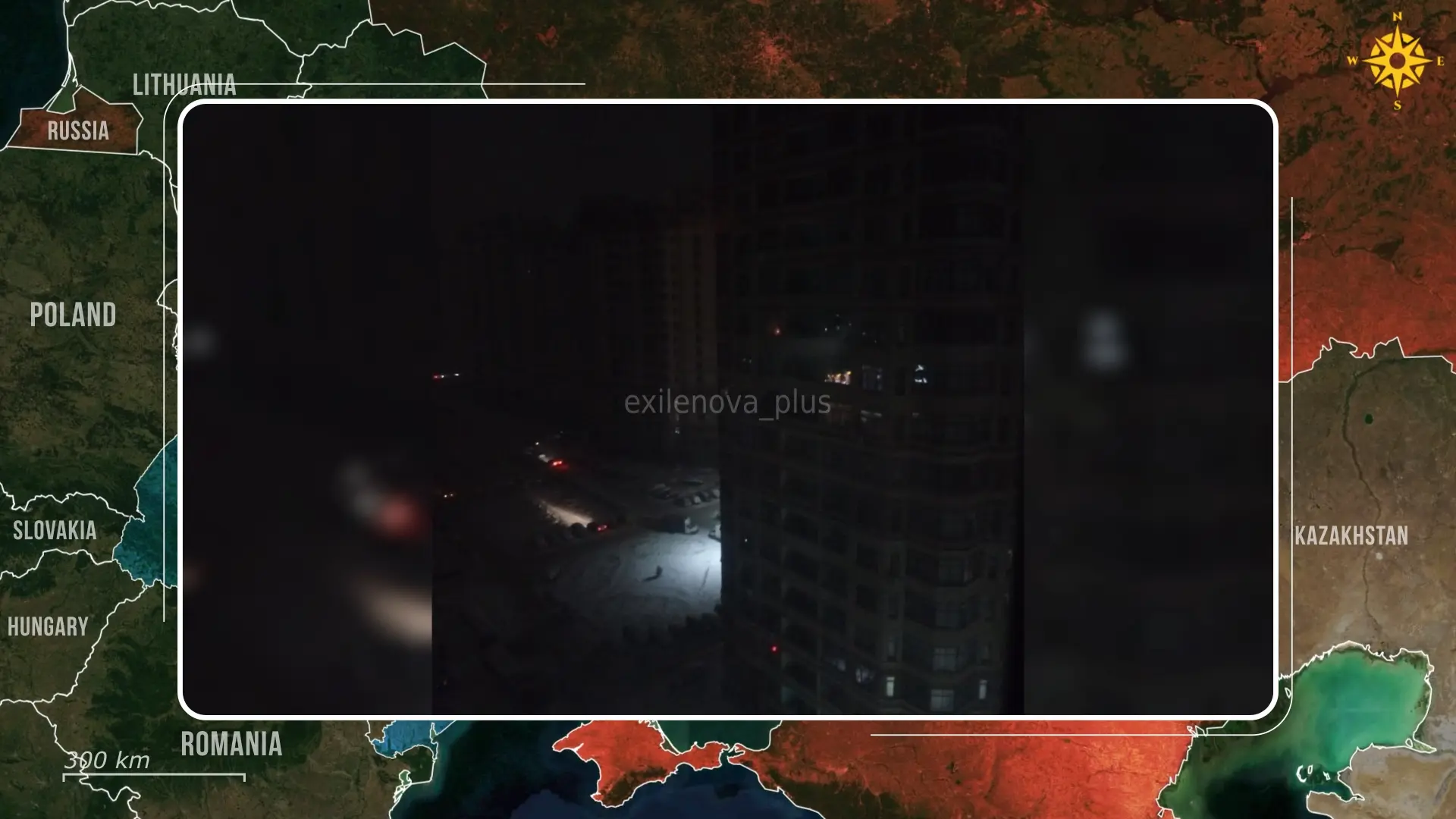
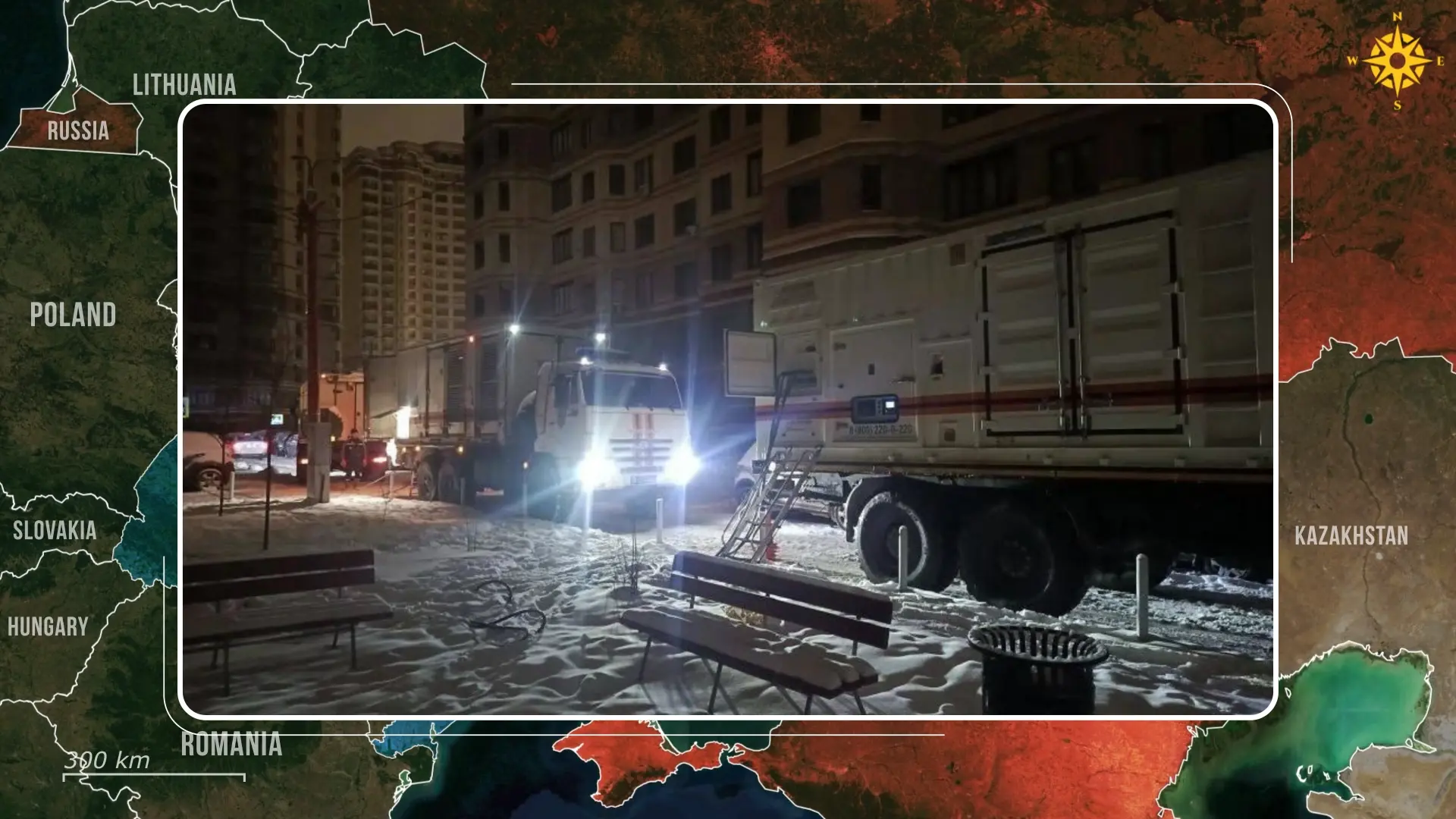
Ukrainian strikes are deliberately directed at Russian-controlled Ukrainian territories and adjacent regions within Russia. The primary objective of these attacks is twofold: first, to disrupt Russian military operations in these areas. By targeting energy and infrastructure assets, Ukraine seeks to degrade Russia’s ability to sustain command, logistics, and force deployment. In the absence of reliable electricity, Russian forces are compelled to rely on generators and battery-powered systems. These alternatives provide only short-term and vulnerable solutions, reducing operational endurance.
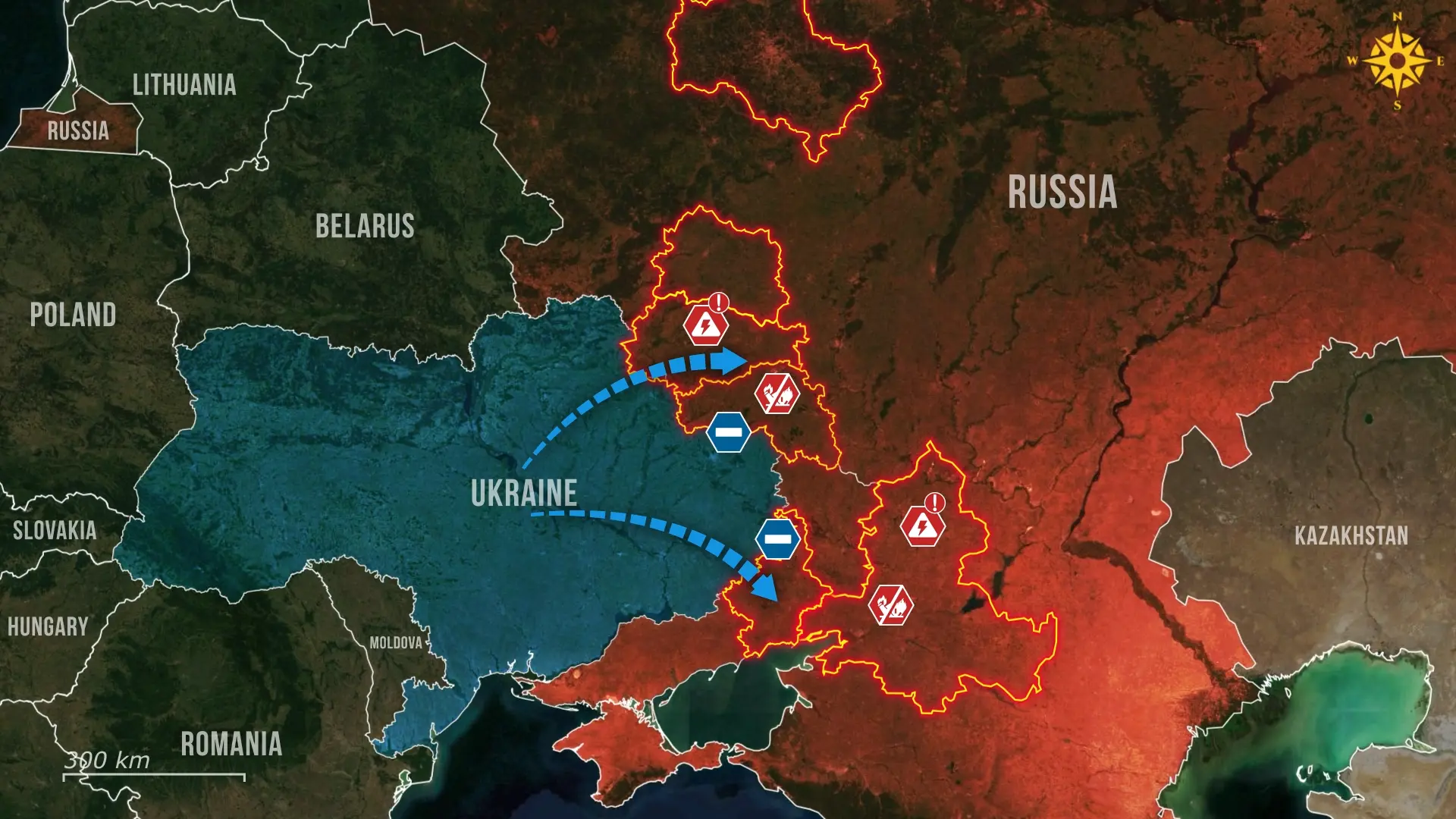
Secondly, Ukraine aims to shift the war’s consequences closer to the Russian civilian population. This strategy is intended to increase public awareness of the war’s domestic costs, even among those not directly involved in combat operations, as many still cheer for freezing Ukrainian civilians to death.
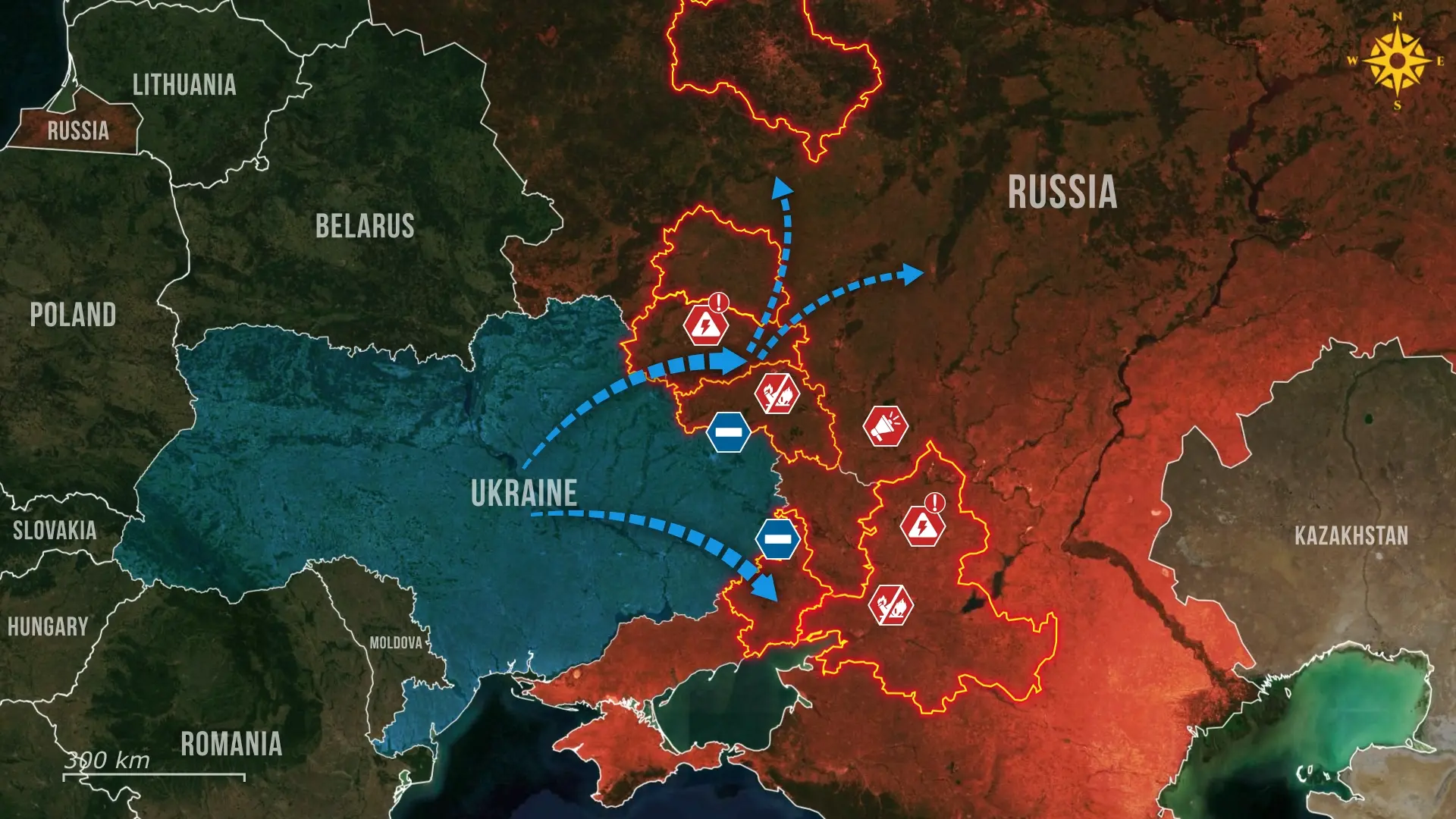
Overall, this month, Ukraine intensified its attacks on Russian energy infrastructure and caused the most damage to its infrastructure and the widest range of targets since the start of the war. These operations are hindering Russian military operations and causing economic losses as well, while pressuring millions of Russian civilians to change the course of their political elite.

.jpg)

Comments