

.svg)
In this video, we will analyze why Russia lost its chance to end the war quickly.
Here, the Ukrainian president offered the Russian president the last chance to end the war for good and save face before it's too late. However, Putin explicitly rejected the deal and chose to continue the war, pushing Russian beyond the point of no return.
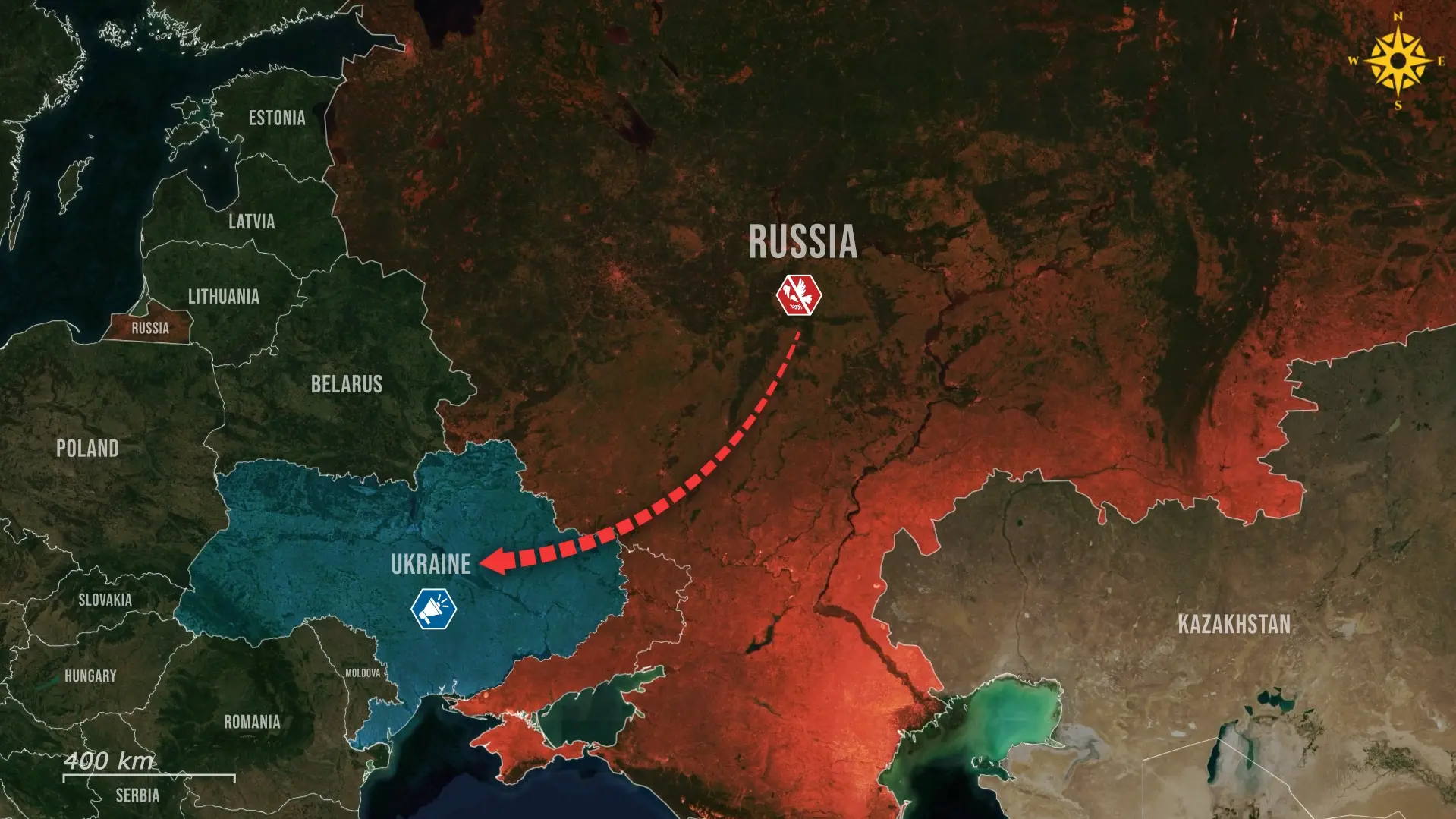
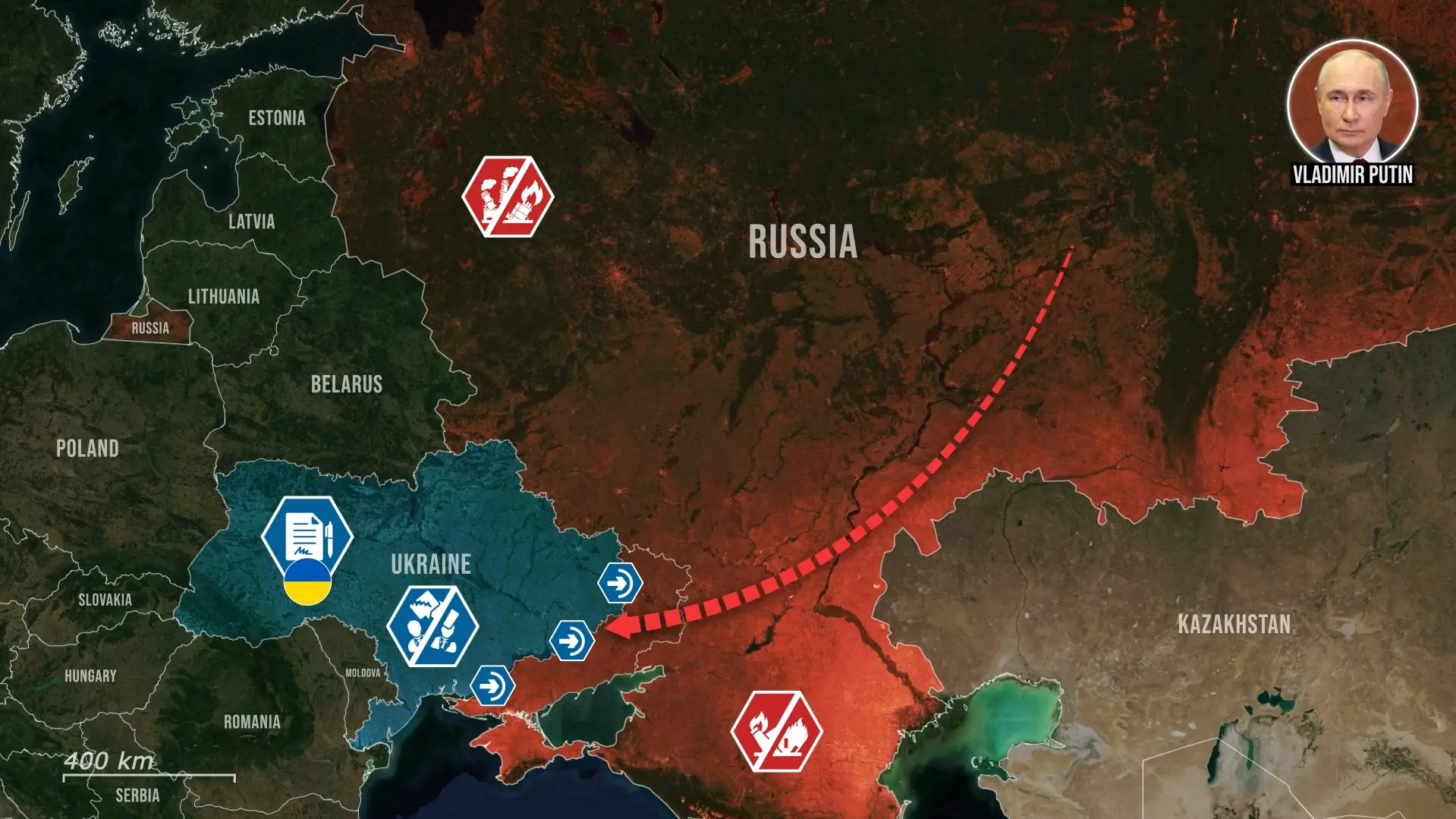
Recently, Putin faced an unexpected opportunity to exit the war and freeze the frontline where it now stands. Ukraine’s Foreign Minister Andrii Sybiha warned that conditions for Russia will only deteriorate as battlefield losses and logistical breakdowns will only increase. Now, Russia faces economic decline because of the attacks on its energy sector and sanctions, which created the opportunity for Ukraine to address Putin from a position of strength with an open letter.
In his open letter to Putin, Zelensky calls for an end to the war through direct, face-to-face negotiations in a neutral country. Simultaneously, he reiterates Ukraine’s willingness to pursue peace by proposing a ceasefire for the duration of negotiations and advocating an all-for-all prisoner exchange, in stark contrast to Russia’s determination to continue the war. Zelensky openly stated that Ukraine knows that the Kremlin intends to continue the war at least until two thousand and twenty-eight, which they hope will give their army enough time to capture the rest of Donbas.
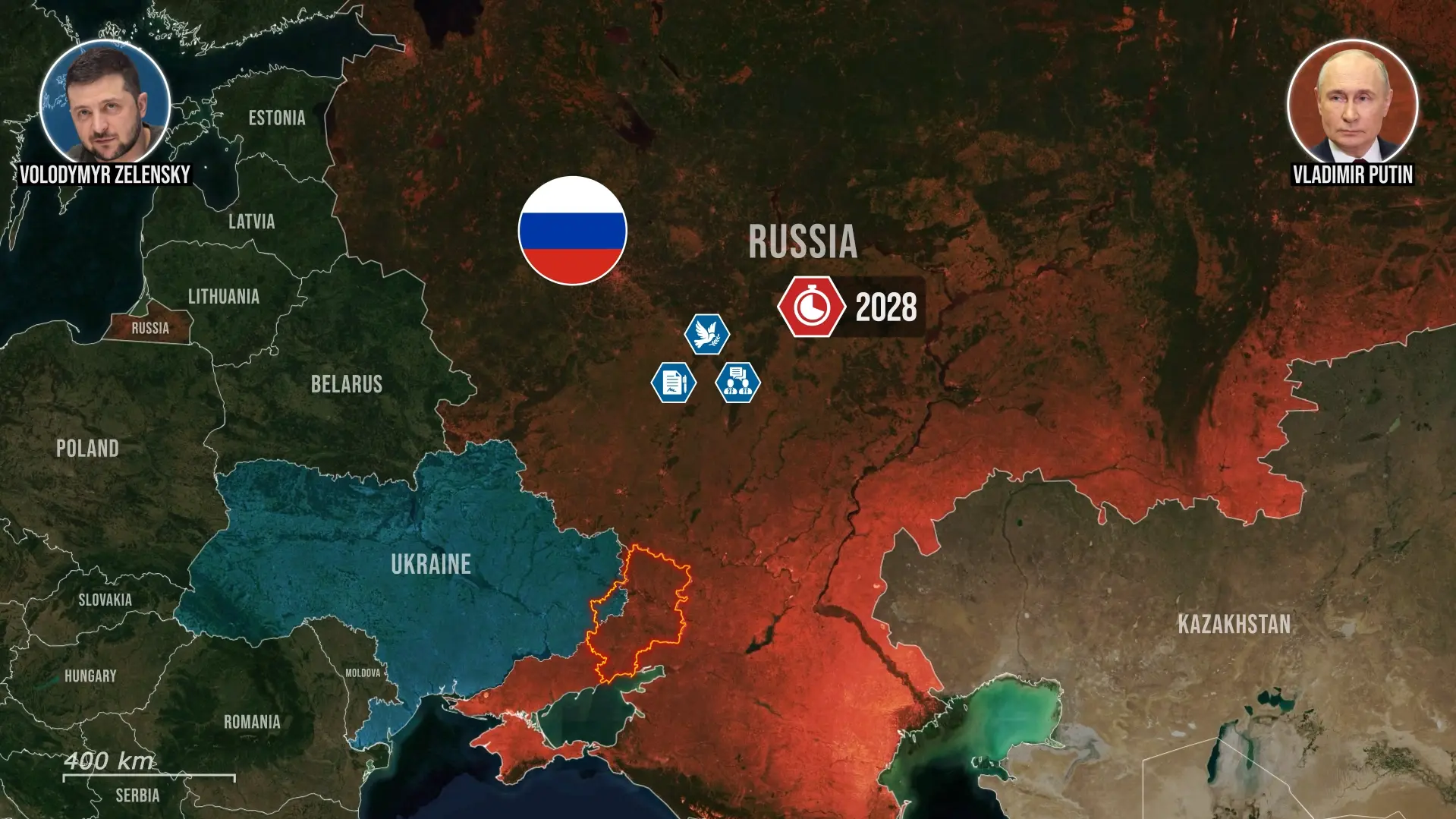
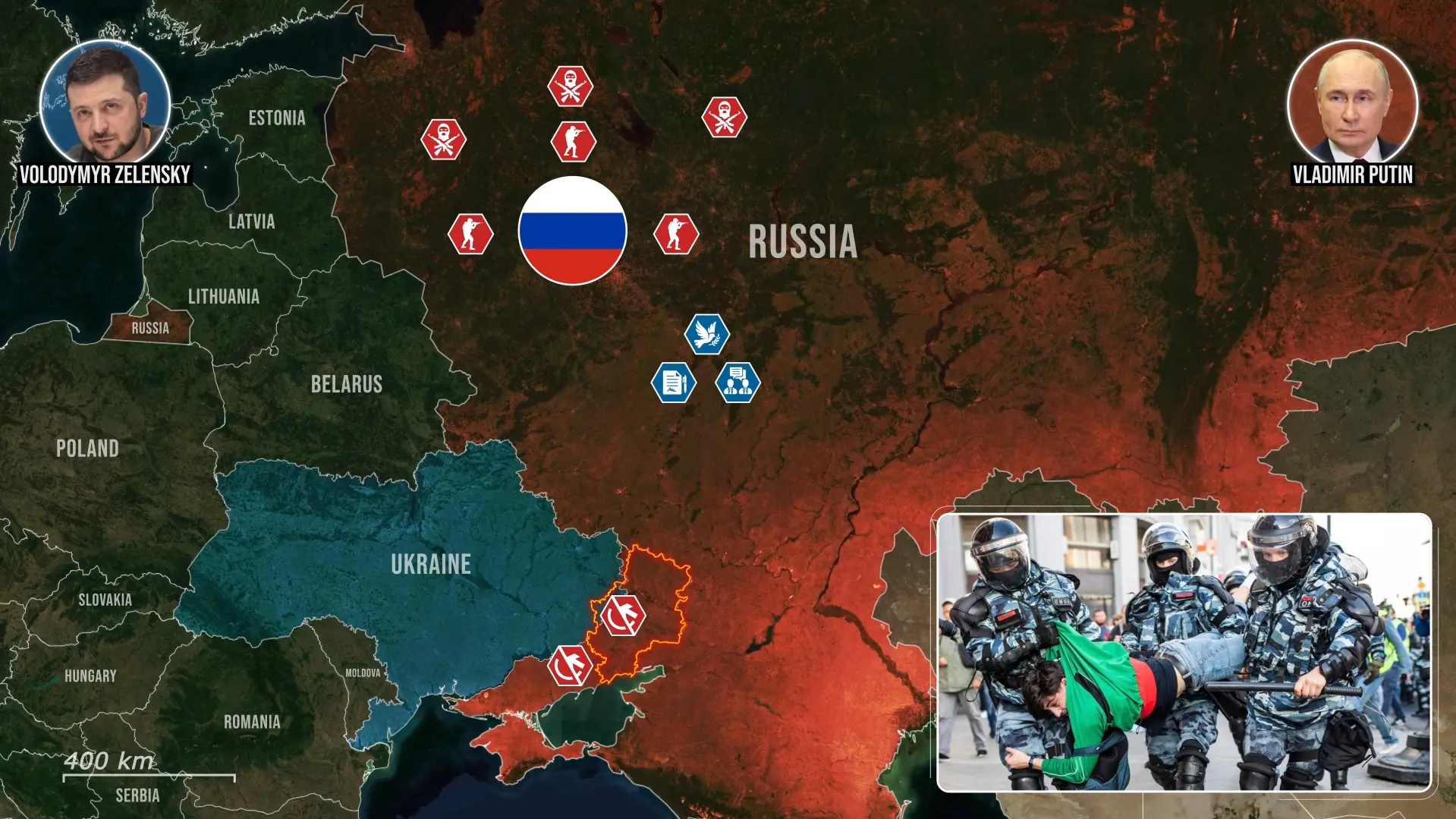
However, Zelensky underlined that Russia is suffering over thirty thousand casualties each month, with approximately two-thirds of these losses being fatalities. This also helps to explain why Russia is unable to maintain its offensive tempo in reality. Concluding his message, Zelensky addressed Putin personally, arguing that he will ultimately have to fight for his own survival rather than for Russia itself, because once the Russian population grows tired of the war, changes will occur one way or another, indicating that Ukraine sees the distress of Russian citizens as a serious destabilizing factor for Russia.
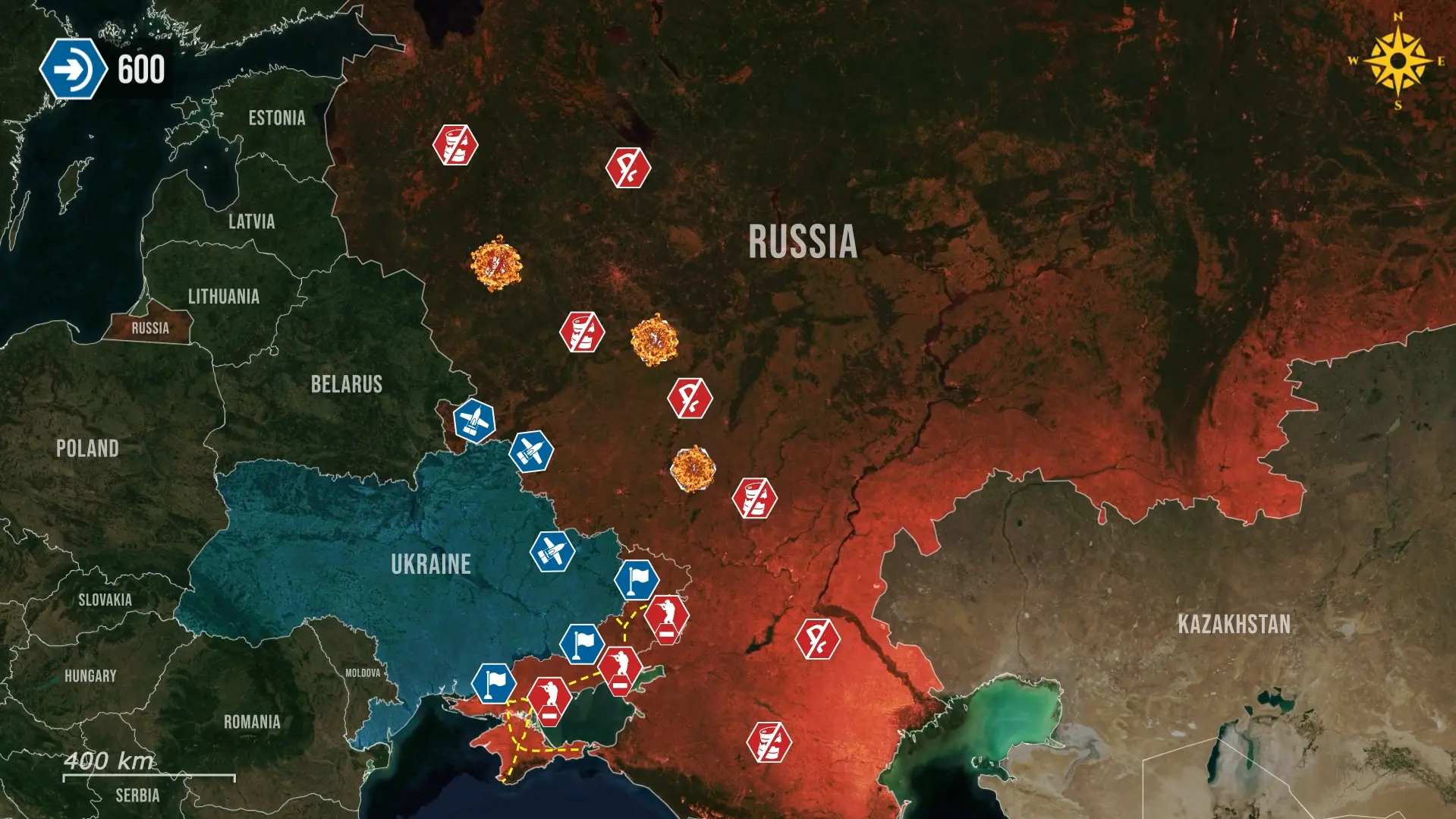
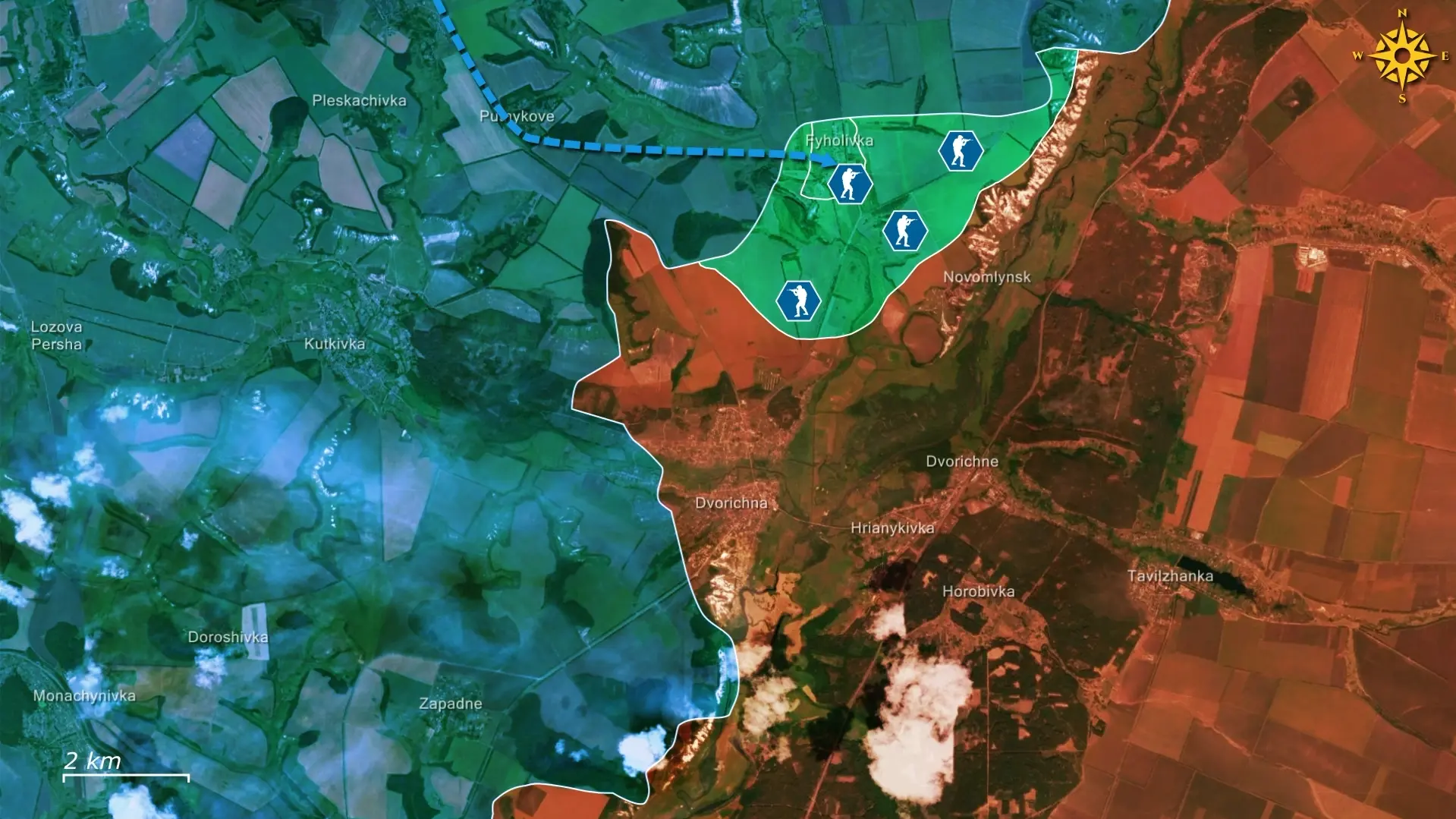
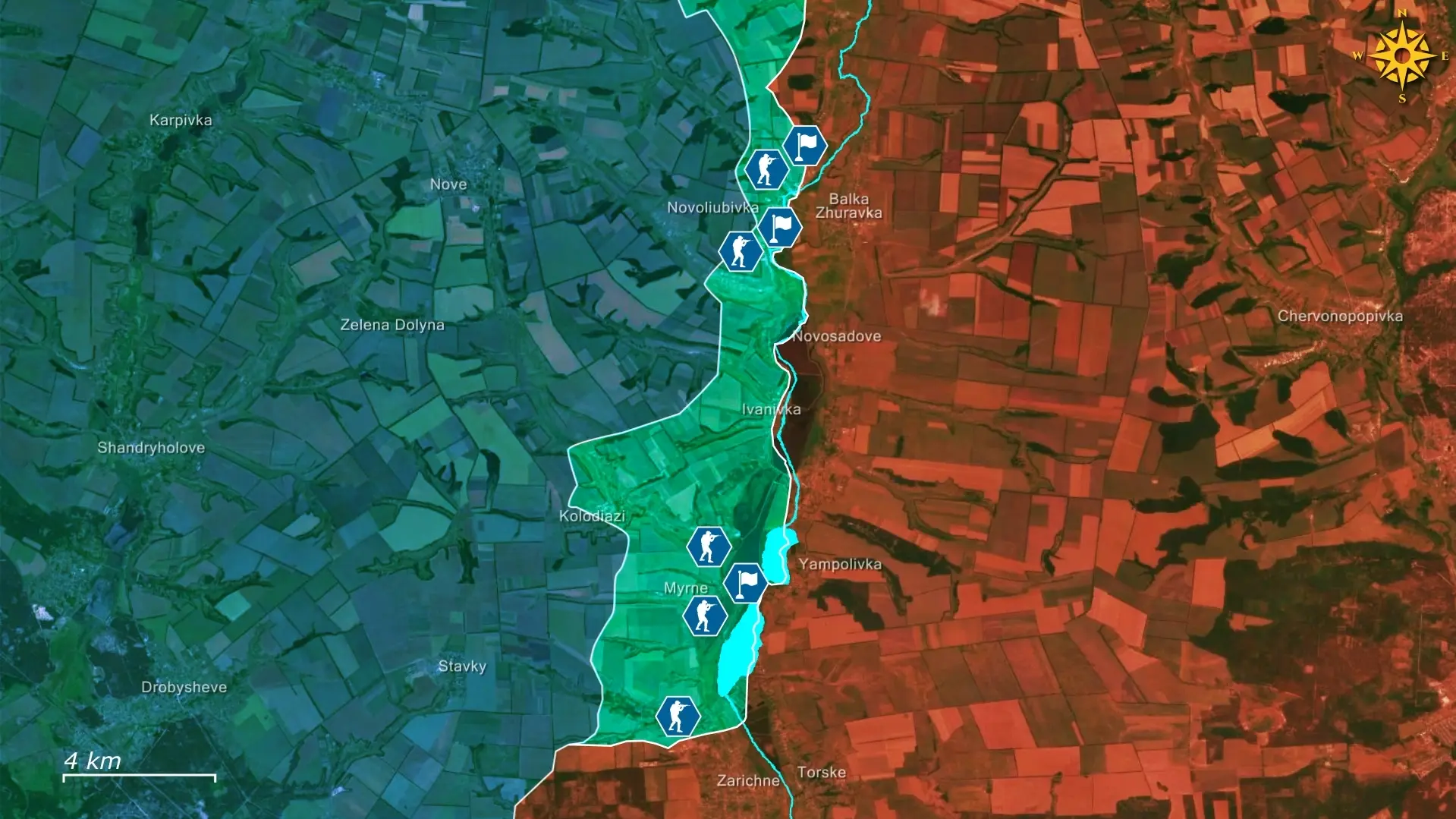
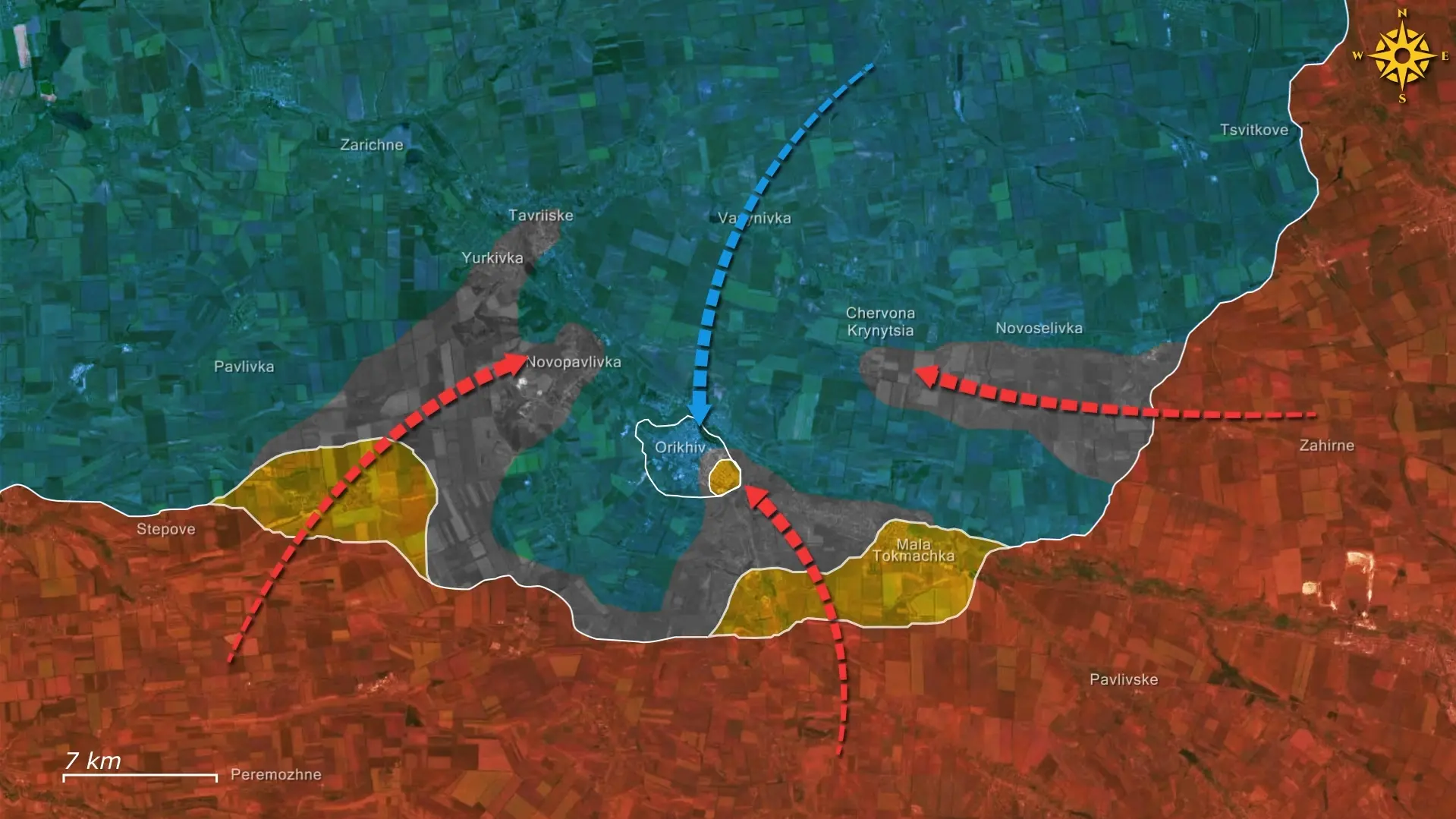
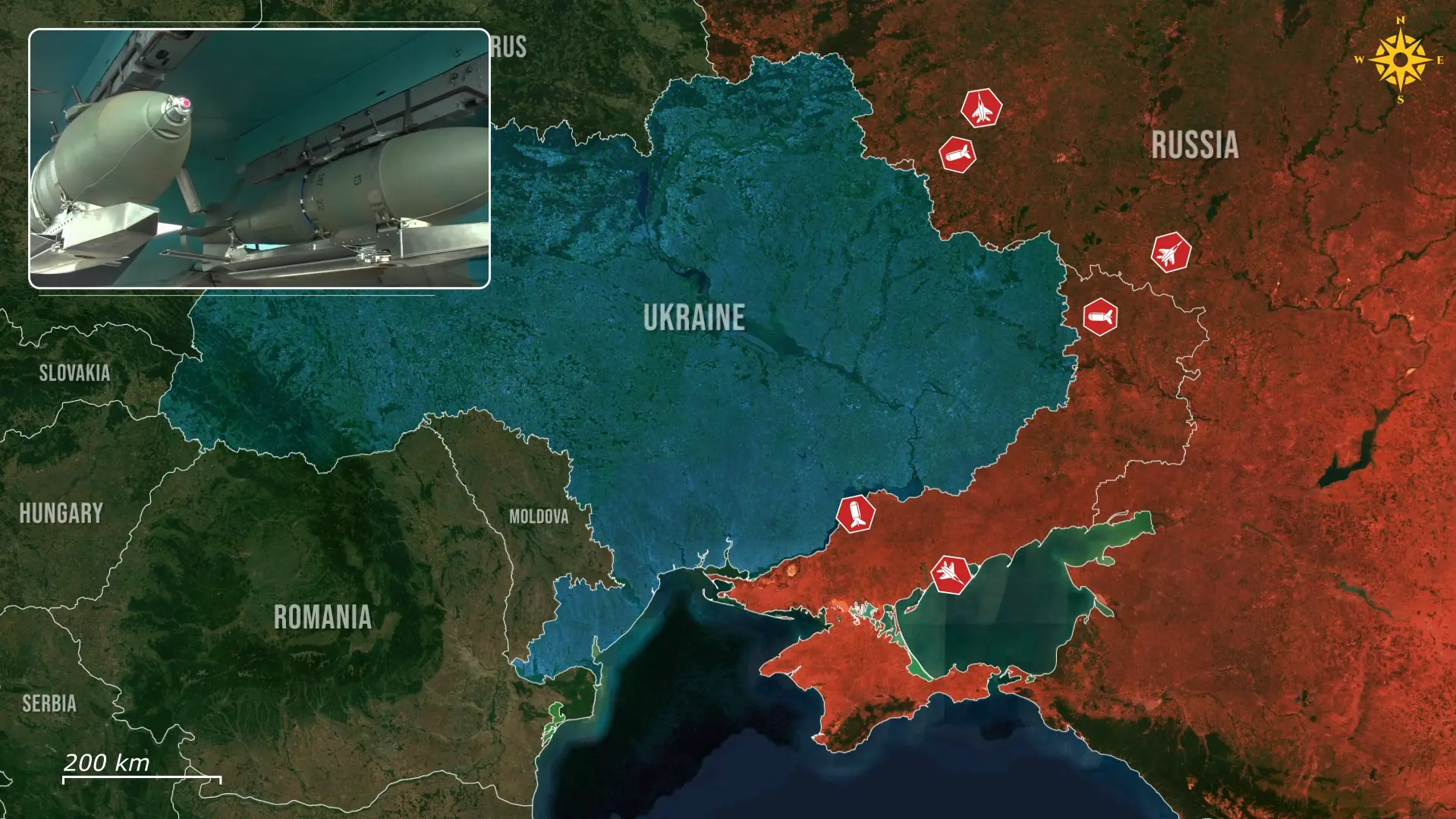
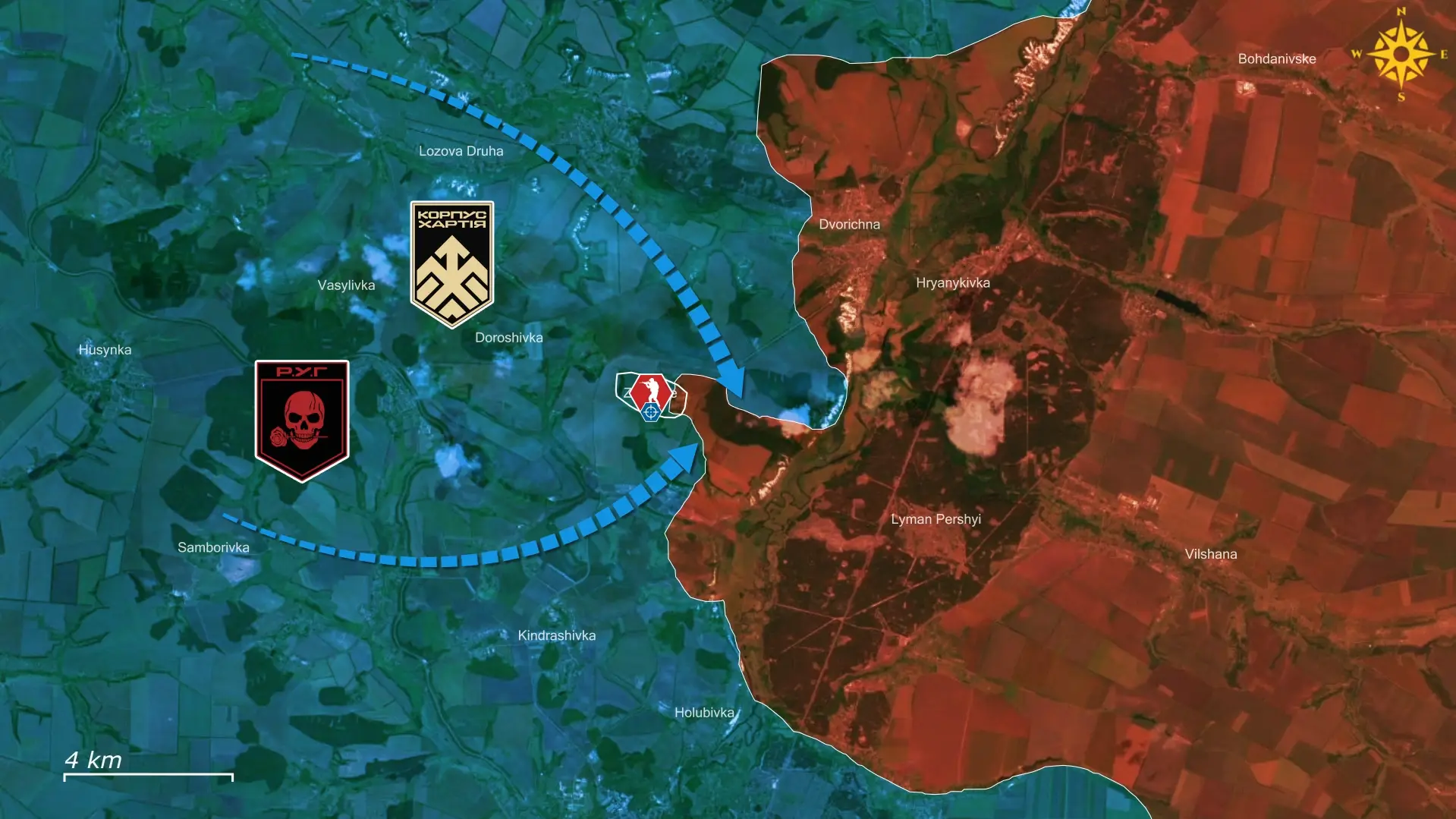
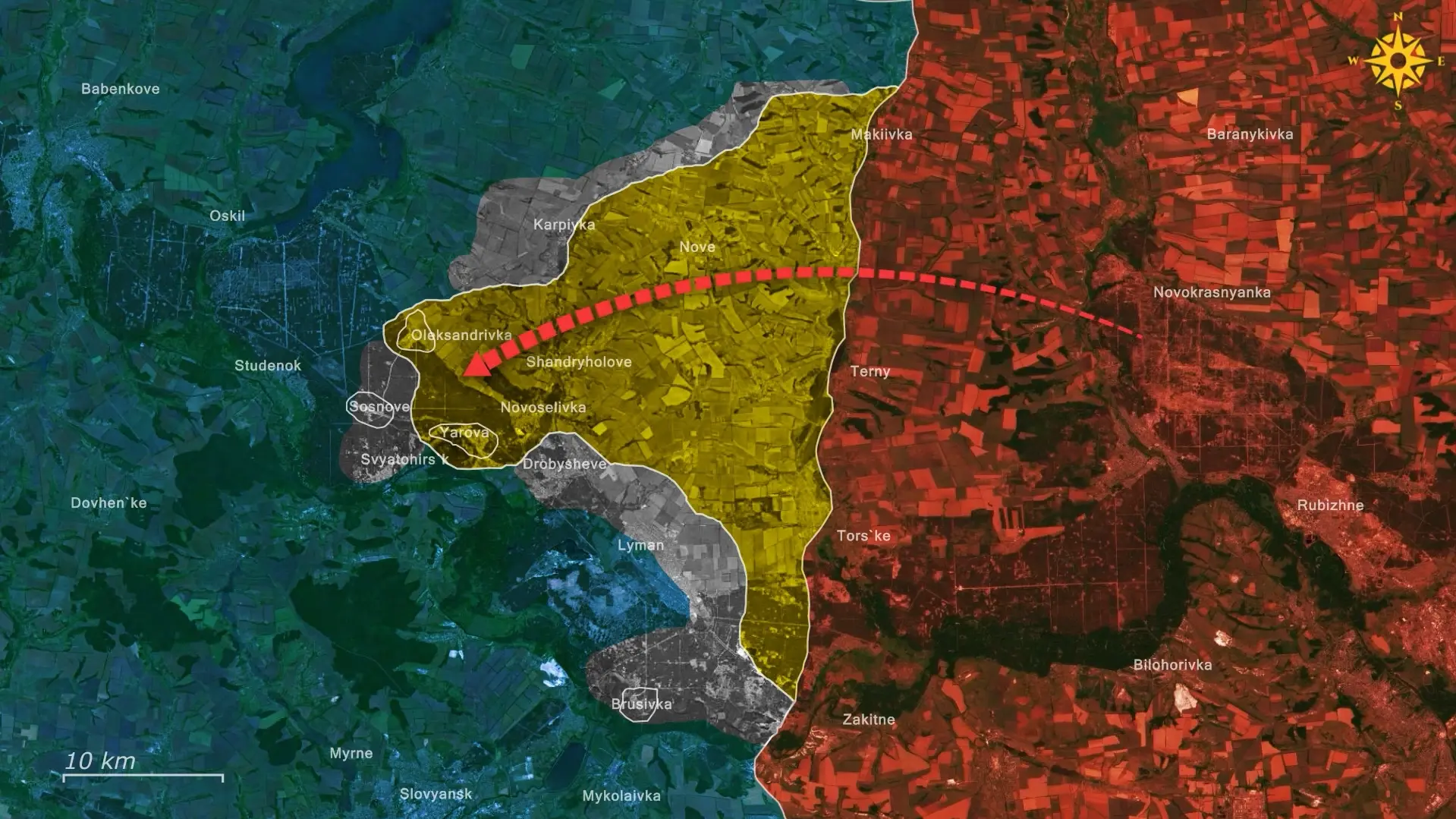
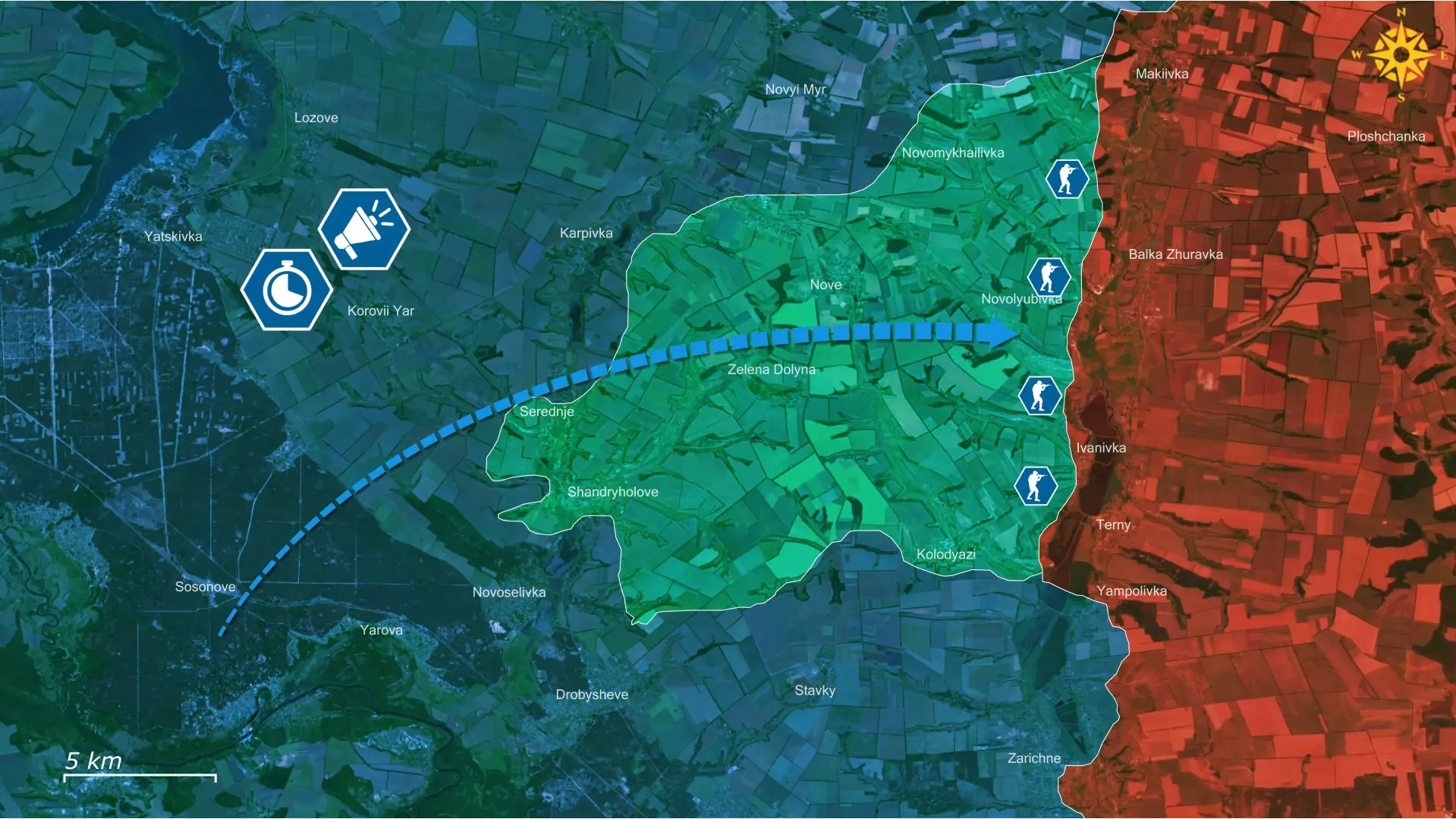
Despite Ukraine’s increasingly improving position on the battlefield, Kyiv continues to emphasize its desire for peace and negotiations. Ukrainian leaders argue that Ukraine is no longer merely preventing a Russian victory but is beginning to achieve tangible strategic results, such as territorial gains and the effective disruption of Russia’s logistics, fuel, and oil revenue. This shift is becoming increasingly visible on the ground because, for the first time in nearly three years, Ukraine has begun gaining territory monthly rather than losing it. Notably, Ukraine recaptured six hundred square kilometers this year, while Ukrainian medium-range strike campaigns are disrupting logistics along major highways throughout Russian-controlled areas in Ukraine. This significantly restricts Russia’s ability to supply frontline forces and reduces their offensive capabilities. Simultaneously, Ukraine’s long-range strike operations continue to attack oil refineries, fuel infrastructure, and defense-industrial facilities, putting pressure on Russia’s war-oriented economy and reducing its capacity to sustain military operations and even meet budget demands. The combination of these factors puts Ukraine in a position of increasing strength, as confirmed by Zelensky’s statement.
Although the letter was directed at Putin, in reality, it was an open statement intended for the Russian elite, which has become tired of the war. This is proved by the statements of heads of major corporations, who criticize the high interest rates and complain about falling demand. Zelenskyy sought to challenge the perception of Russia’s supposed superiority, which is hard to maintain as strategic targets inside Russia burn every day. As the war drags on, these strikes will continue, and Russia will find it increasingly difficult to finance the war. The letter will not spark an uprising in Russia, but it will force the elites to question whether continuing the war is beneficial for them and show the growing divide between war objectives and the cost required to achieve them, which is increasingly falling on the shoulders of Russia’s richest people.
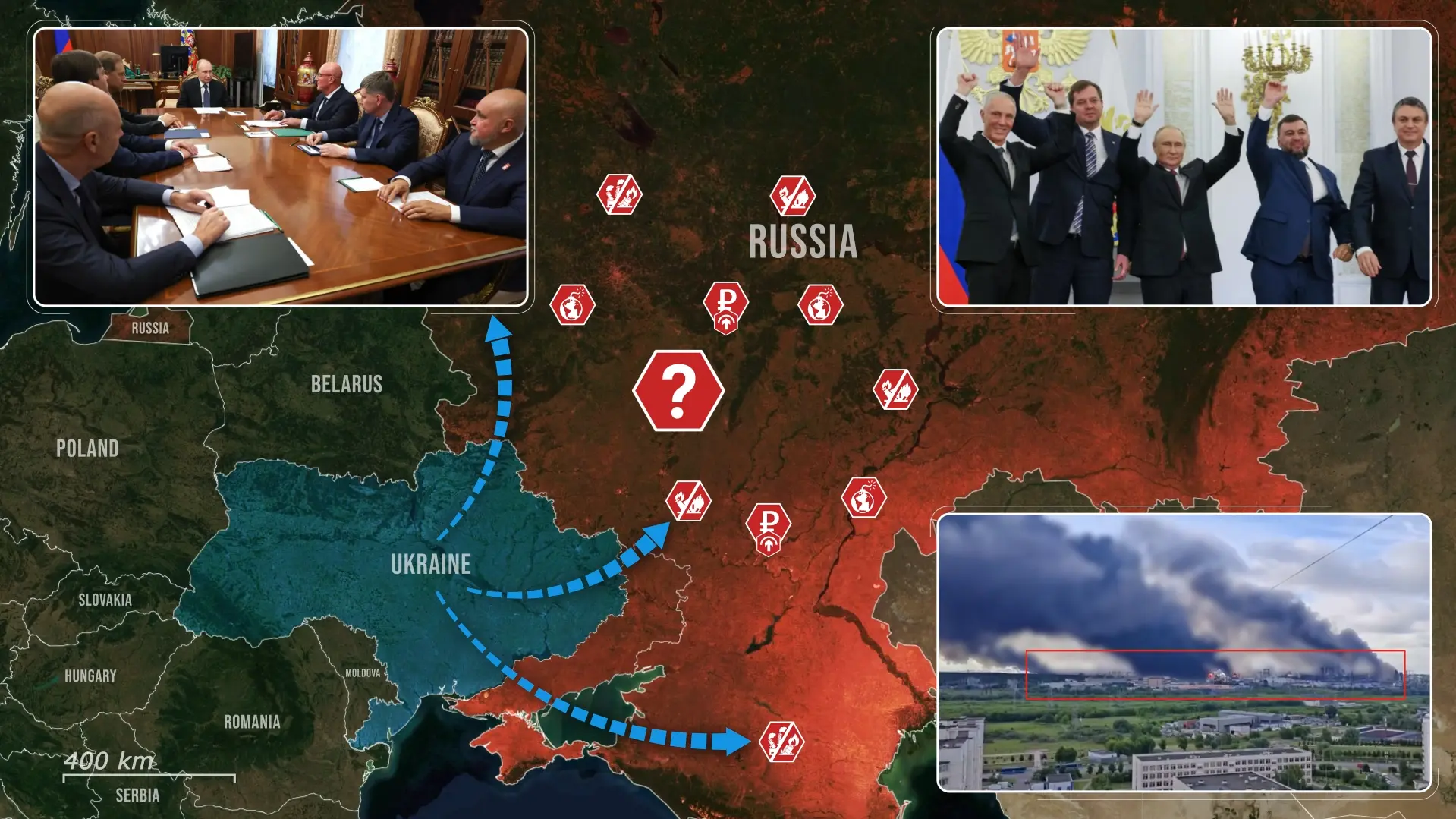
Overall, Putin rejected the Ukrainian’s proposal for negotiations, which means he missed his last chance to secure relatively favorable terms for a settlement of the war he started. While Ukraine continues to gain momentum on the battlefield and deepen strikes against Russia’s military and economic infrastructure, Moscow appears determined to continue fighting. Because of this, Moscow's position will only worsen, and any future negotiations are likely to take place on terms more favorable to Kyiv.

.jpg)

Comments