

.svg)
The Houthis have announced a blockade of Saudi Arabia’s ports. The move follows renewed hostilities between the US and Iran, which have once again placed navigation through the Strait of Hormuz at risk. The escalation has prompted the Houthis to expand the threat to Bab el Mandeb at the worst possible moment for Saudi Arabia.
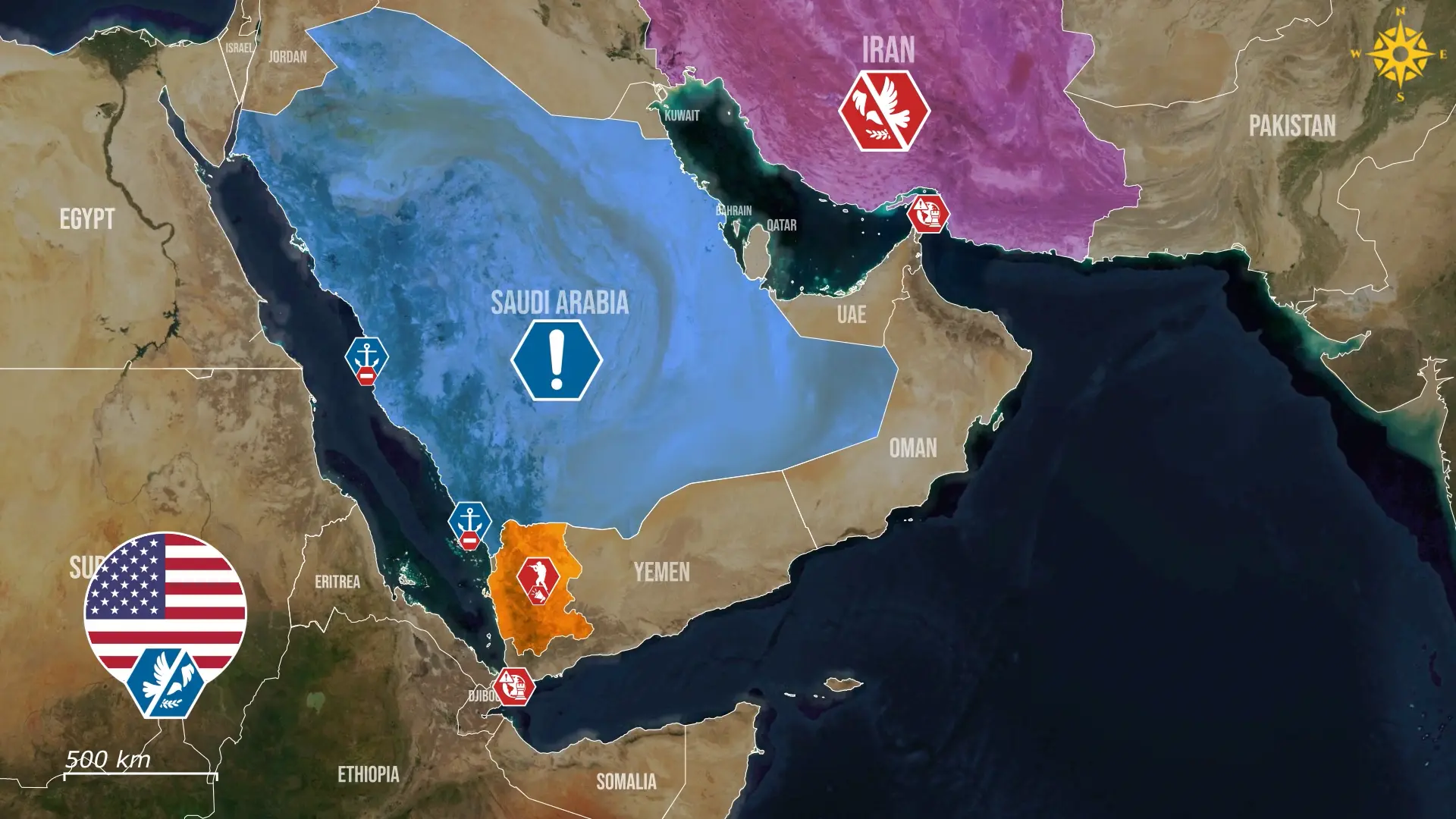
The announcement of the blockade was immediately enforced, with the Houthis targeting two Saudis oil tankers that had disregarded the declared blockade two days later. The Houthis claimed that ballistic missiles and drones were used in the attack, while Saudi Arabia confirmed that one of the tankers caught fire. Days later, the Houthis claimed another attack on the Saudi tanker NCC Ghazal after it reportedly ignored radio warnings and continued toward the strait. The vessel later turned around and changed course, although neither a successful hit nor any damage has been independently confirmed. Notably, two Chinese vessels carrying Saudi Arabian oil were initially turned away after receiving Houthi warnings as they approached the Bab el Mandeb Strait, which led both ships to alter their course. However, after reportedly receiving clearance from the Houthis, both vessels crossed the strait the following day. This mirrors the system Iran imposed in Hormuz, where ships considered friendly or non-hostile received safer passage while others remained exposed. This gives the Houthis the same kind of leverage as Iran, allowing them to influence which ships can cross safely and which remain exposed to attack.
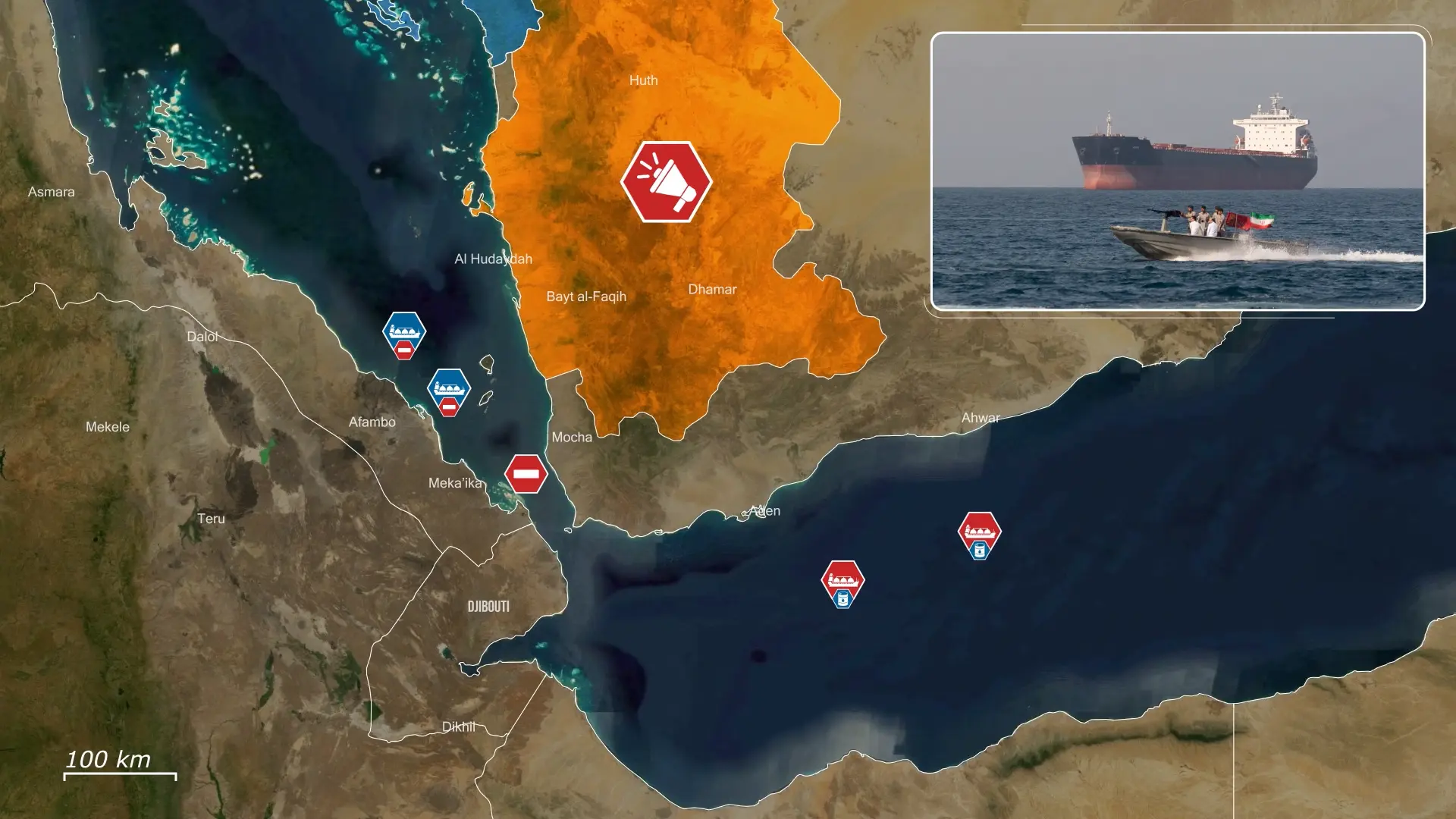
Iran has been aiding its proxy by providing drones and missiles, enabling the Houthis to become once again increasingly active. The campaign also benefits Iran by increasing pressure on Saudi Arabia and the US while allowing Tehran to distance itself from the attacks. To this end, the Houthis have also fired drones and missiles directly at Saudi territory, specifically against the port infrastructure of Jazan and Yanbu. Satellite imagery showed plumes of smoke near oil infrastructure in Jazan and the oil terminal in Yanbu, although the full extent of the damage remained unclear.

In particular, the terminal in Yanbu is critical for the export of Saudi oil as it serves as one of the two western terminals of the Saudi East West pipeline, which allows oil flow to bypass Hormuz. Saudi Arabia built the Yanbu route to escape Iranian pressure at Hormuz, but that same route now depends on passing another chokepoint threatened by an Iranian-aligned force. The Red Sea route cannot replace all normal exports, but it can compensate for part of the lost capacity.

This new blockade comes right after another round of escalations between the US and Iran, following Iran's violation of the preliminary agreement signed between the two countries. Signaling dissatisfaction with the terms, Iran began targeting ships on the Strait of Hormuz once again, leading to the mutual exchange of missiles covered in the previous report. Hence, the Houthi attacks have opened another front against Saudi Arabia, a close US ally, while allowing Iran to deny direct responsibility for the escalation. The US has nevertheless said it will hold Iran responsible for Houthi attacks. Washington has demanded an immediate end to the campaign and threatened retaliation if it continues.
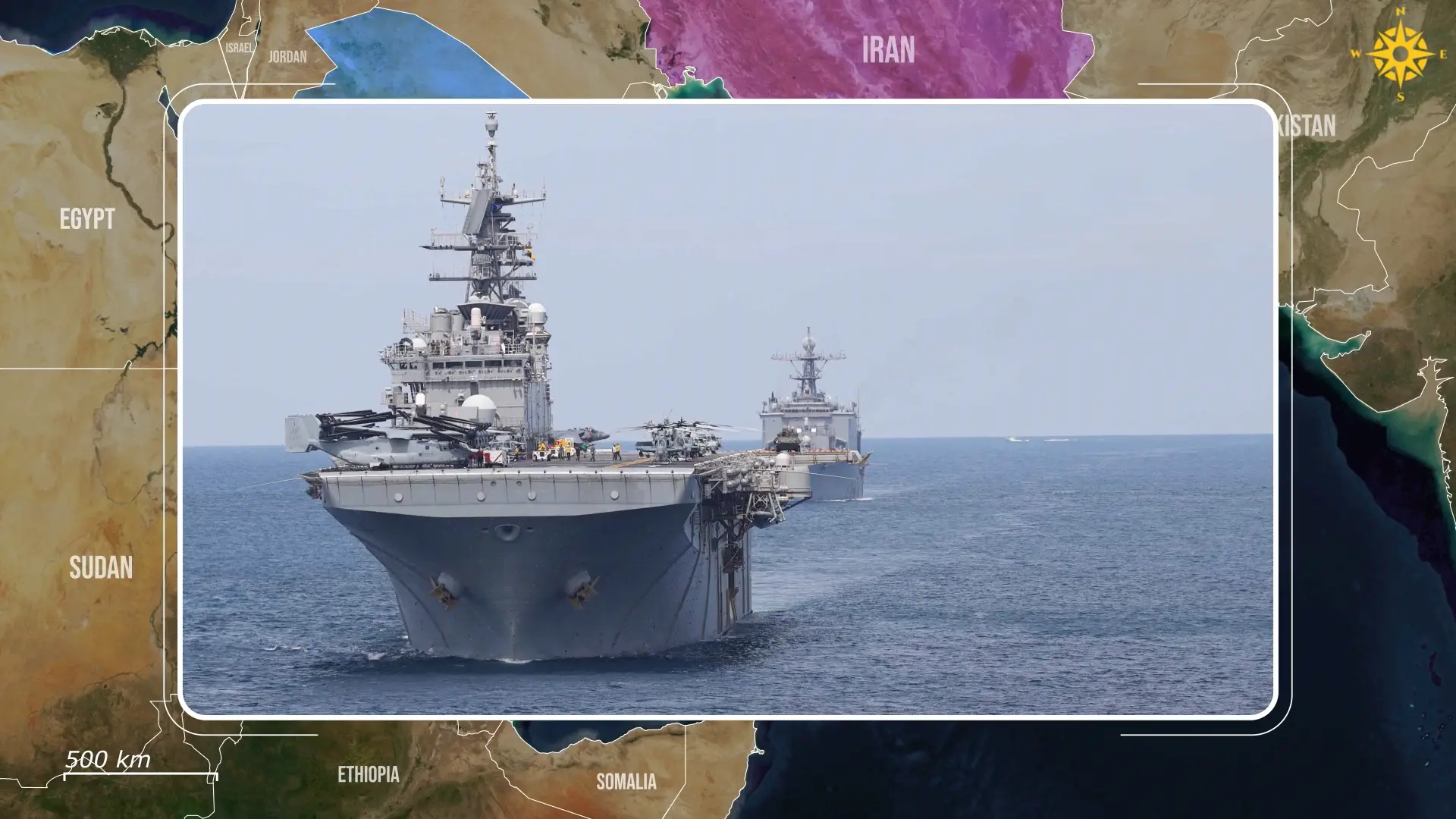
Overall, the Houthis' attacks and blockade against Saudi ships and ports are creating a second controlled chokepoint just as Saudi Arabia is trying to avoid Hormuz. While Saudi Arabia remains the most affected, the combination of the navigation risk levels between Hormuz and the Bal el Mandeb Strait is causing another spike in global oil prices, which the US had already tried to contain after the closure of Hormuz. Now the US and Saudi Arabia will have to make another difficult decision on how to respond to the renewed Houthi threat, as negotiations could lower immediate risk but hand the Houthis political leverage over a route that Gulf states cannot afford to lose, while escorted transits would stretch naval resources already under pressure. Renewed strikes may appear to be the strongest response, but they would place further pressure on US interceptor and precision missile stocks already depleted during the prolonged confrontation with Iran.

.jpg)

Comments