

.svg)
Today, the biggest updates come from Russia.
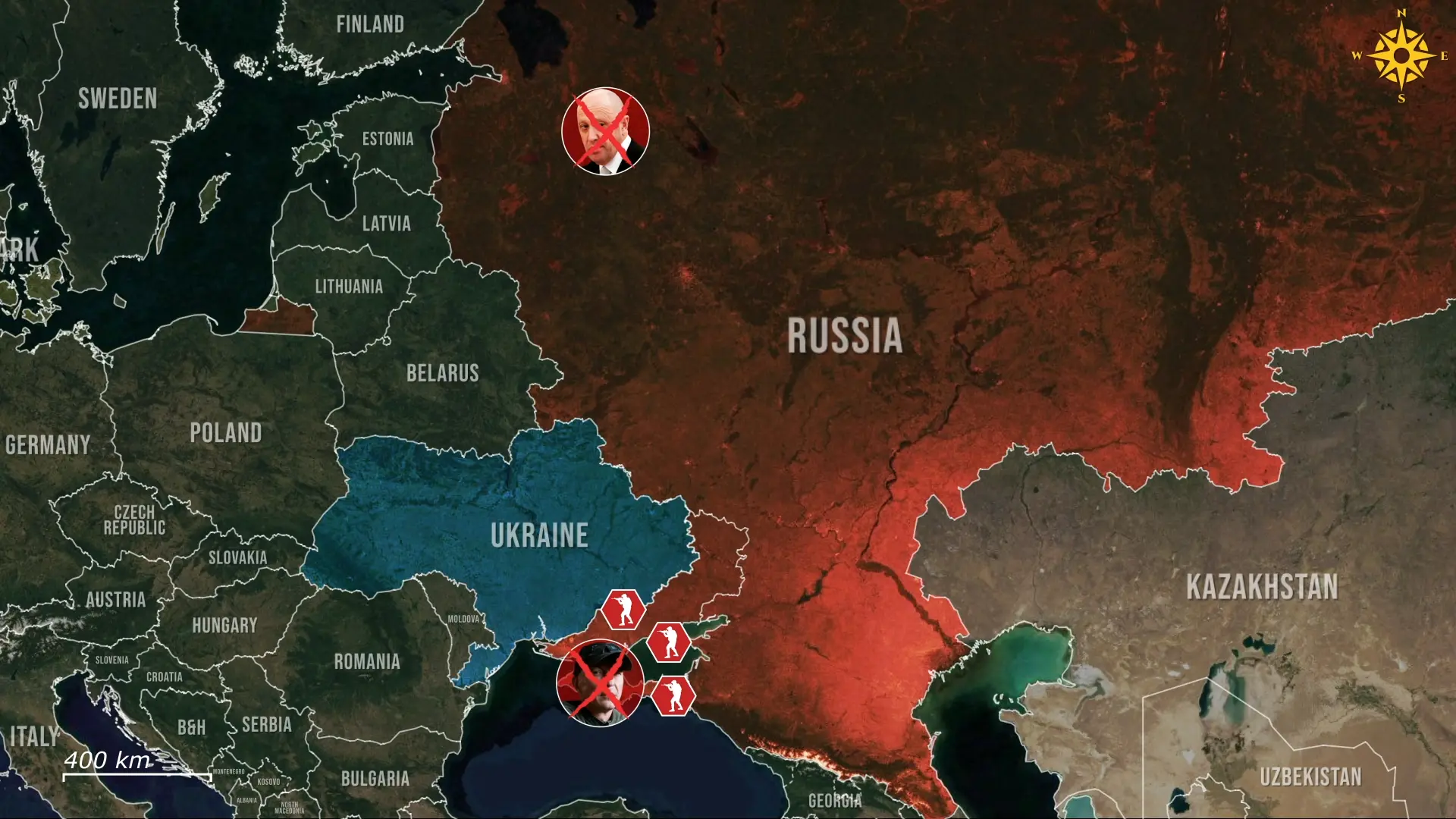
In Russia's prolonged war in Ukraine, paramilitary leaders have occasionally built powerful independent formations through grassroots recruitment and battlefield success, only to face severe consequences when their influence grew too prominent. Stanislav Orlov's rapid ascent and downfall within the Espanola volunteer brigade exemplify this dangerous dynamic, in which ambition meets unforgiving centralized control, as the Russian high command increasingly strangles any form of dissent within the volunteer ranks.
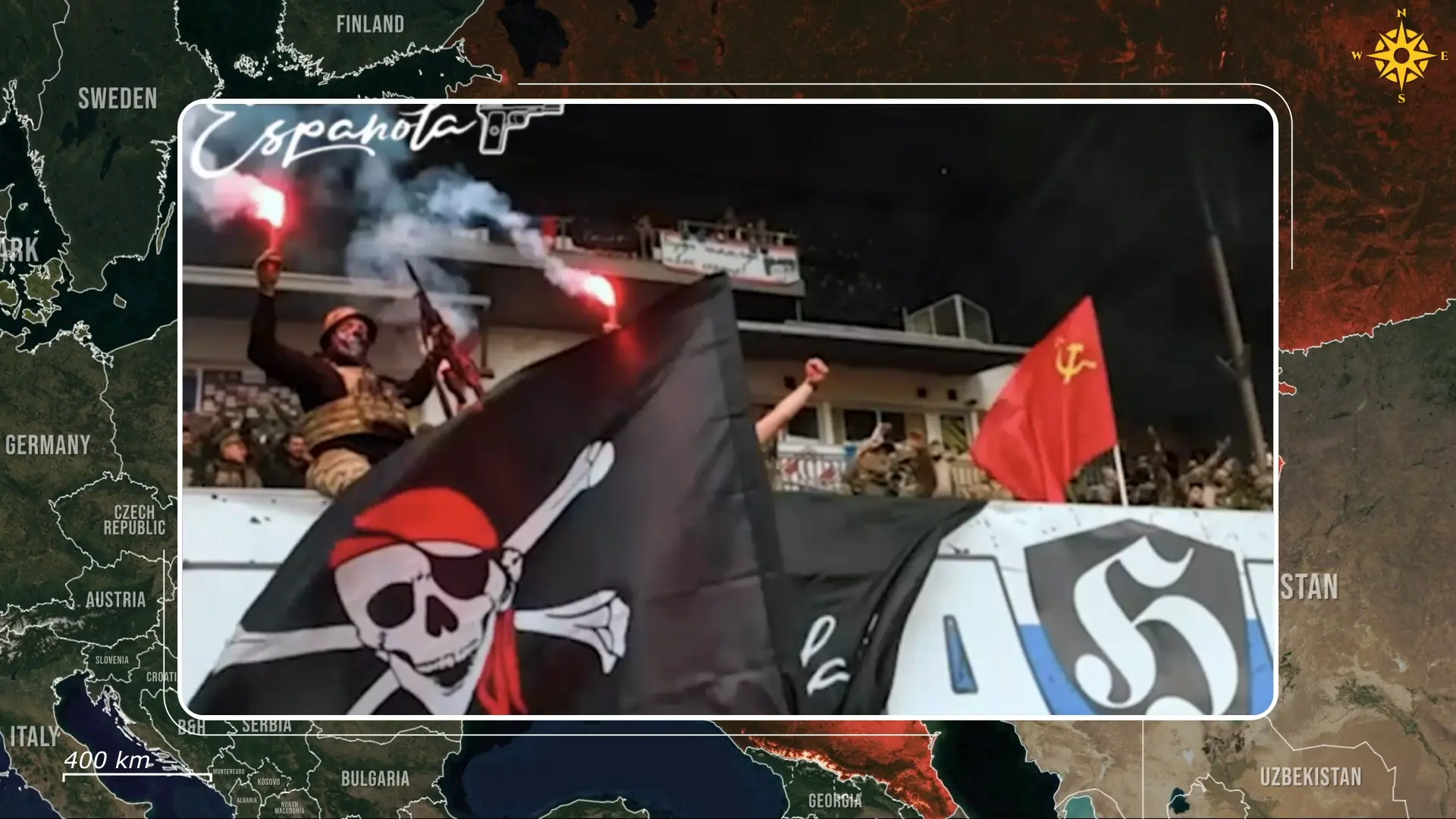
Stanislav Orlov was a veteran of the 2014 Donbas conflict, being a member of the self-proclaimed Donetsk People's Republic. He was also a member of CSKA Moscow's Red-Blue Warriors ultras group, one of the largest brigades in the stadium stands.
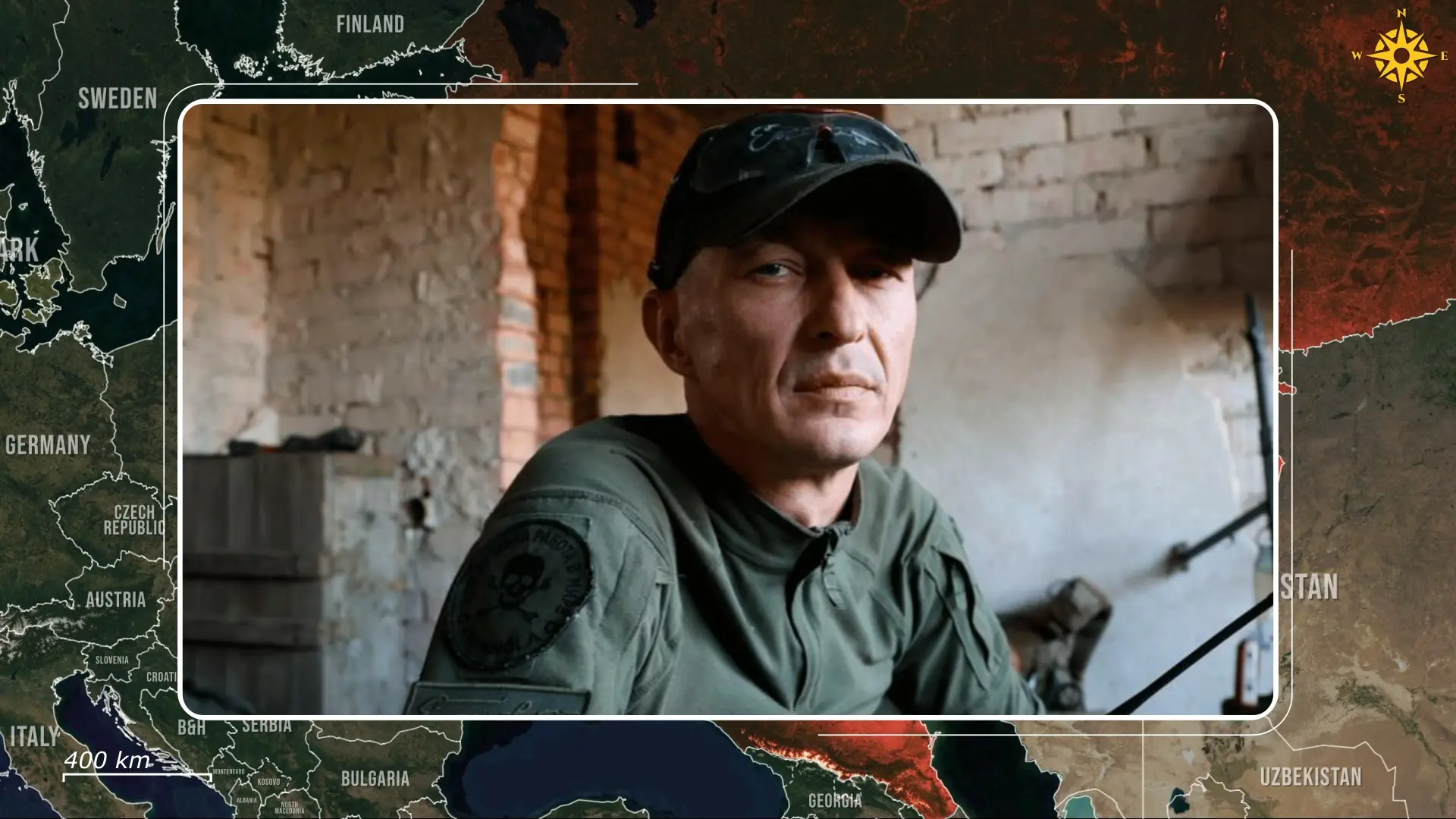
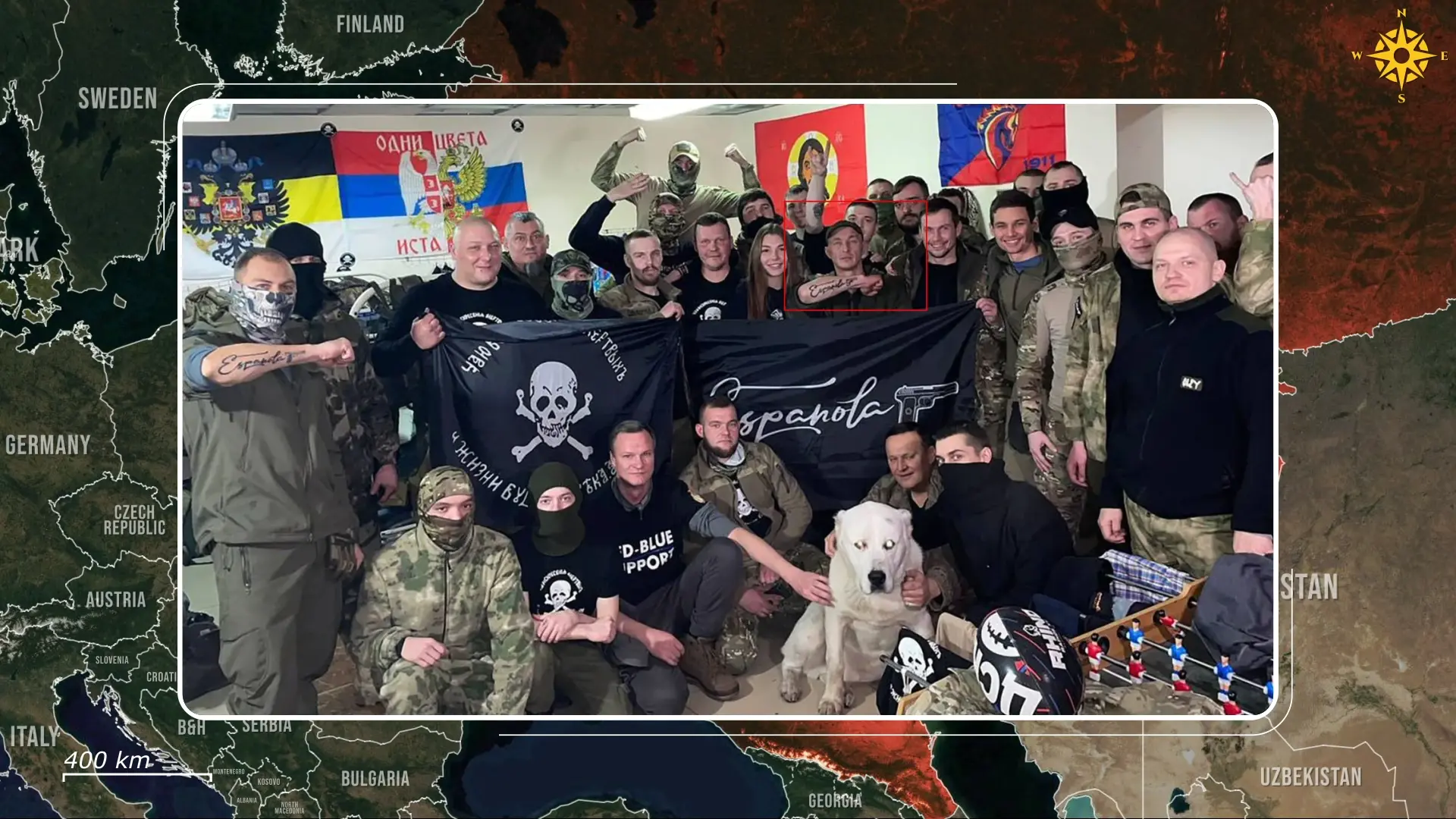
He drew inspiration from Yevgeny Prigozhin's semi-autonomous force model, and in spring 2022, following Russia's full-scale invasion, Orlov used football ultras connections to form the Espanola volunteer battalion under the Vostok battalion.
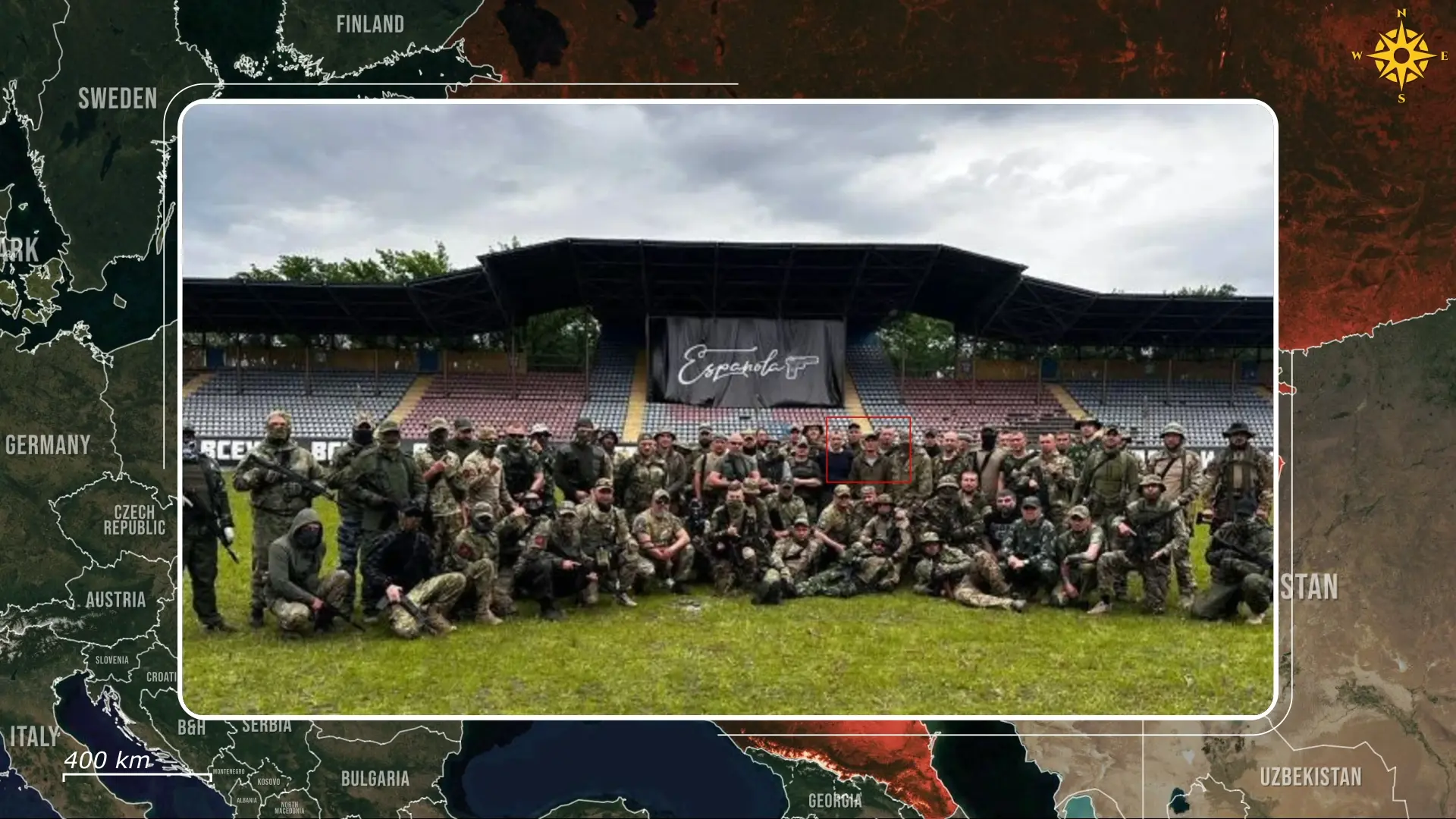
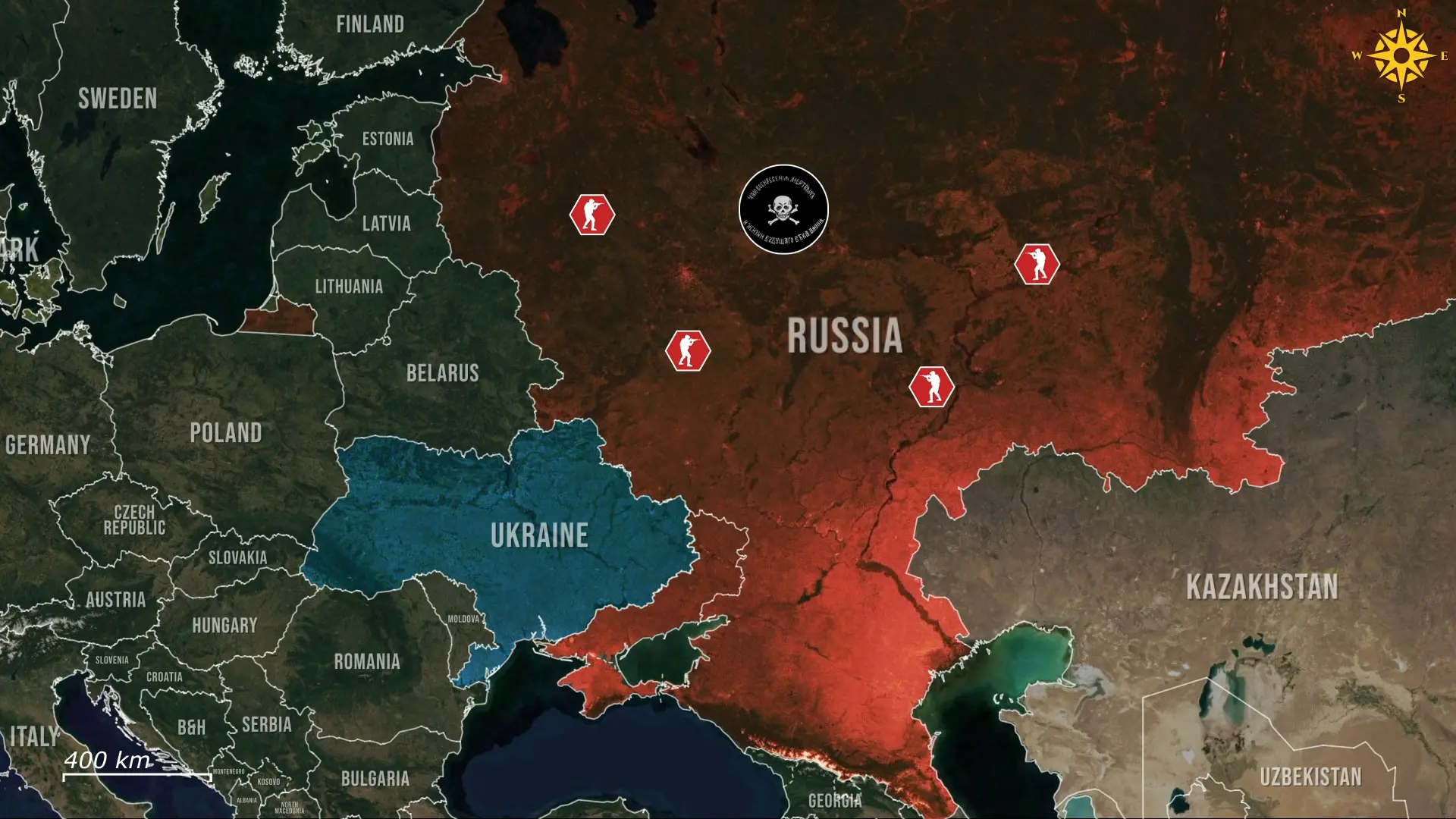
It attracted fighters from clubs such as Spartak, Zenit, Lokomotiv, Torpedo, and CSKA, thereby emphasizing patriotic volunteering within nationalist circles. Contracts routed through intermediaries like Redut enabled rapid growth to hundreds of members, including foreign volunteers.
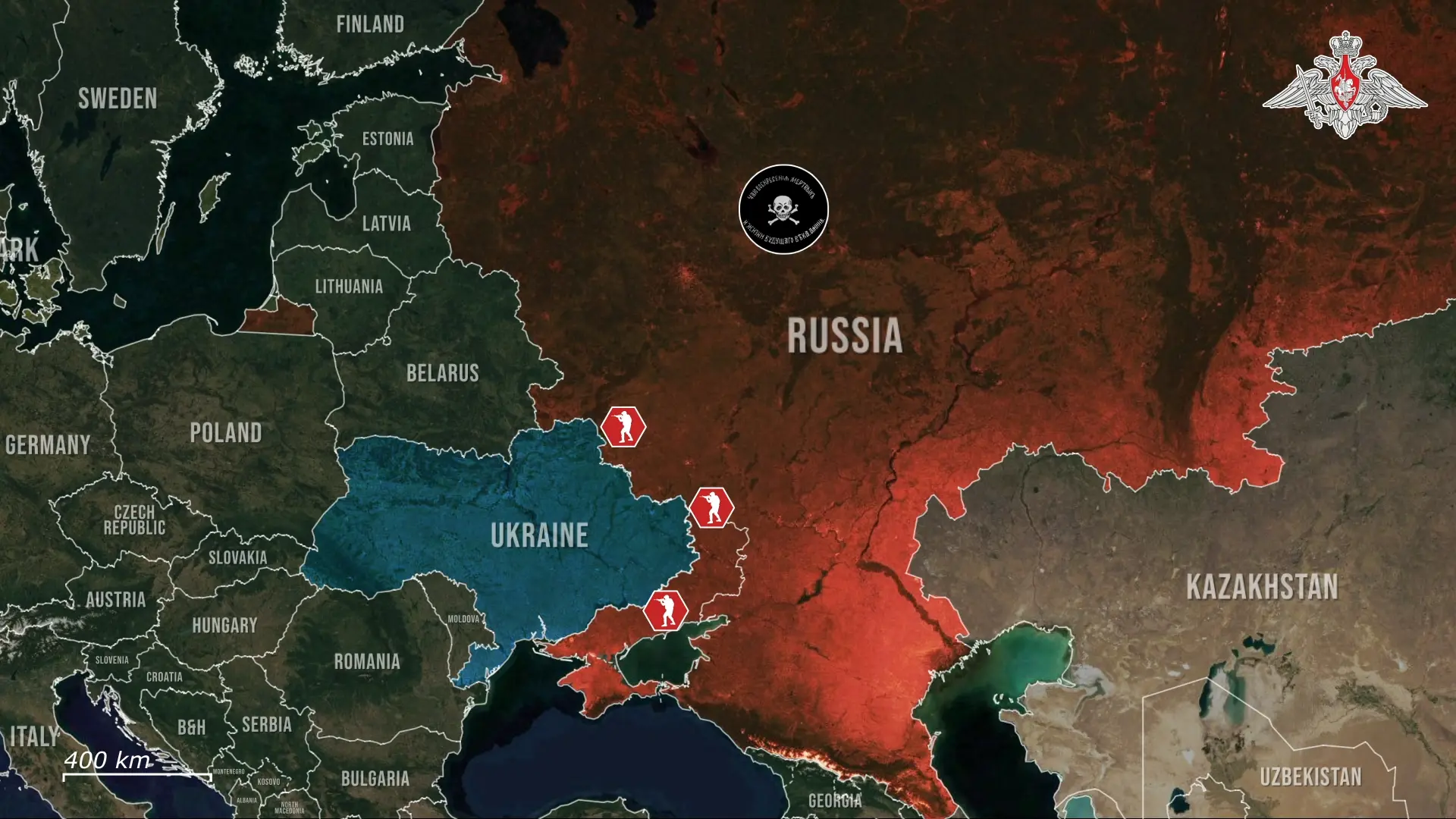
By 2023, it gained independence via state-linked private sponsorship. In 2024, Espanola integrated as the 88th Reconnaissance and Sabotage Brigade in the Defense Ministry's Volunteer Corps. Orlov's approach built a loyal force that bypassed rigid Soviet hierarchies, proving to be extremely effective in battles around Vuhledar, Bakhmut, Avdiivka, and Chasiv Yar.
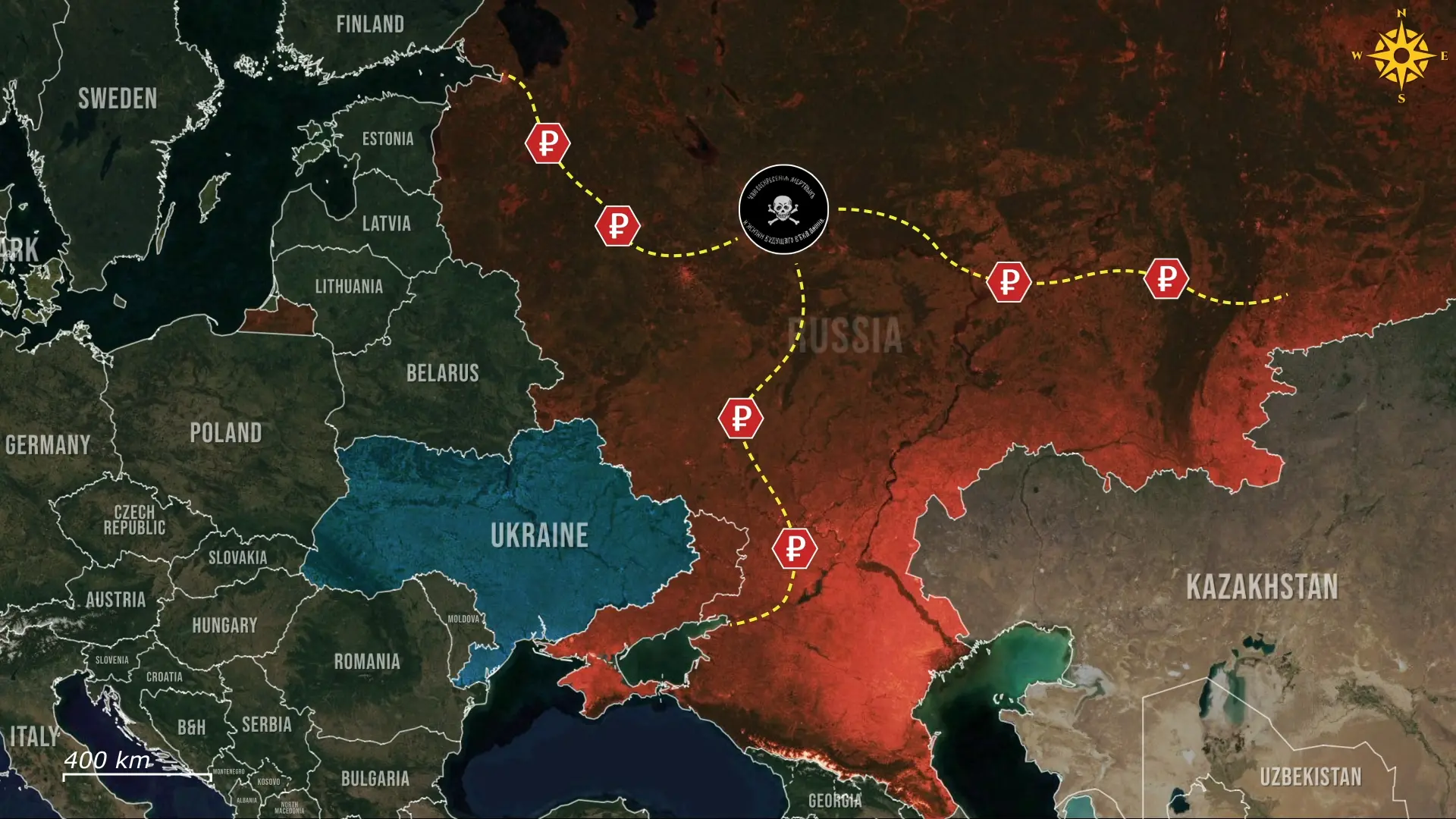
Espanola's expansion to brigade strength by 2024 provided Orlov with substantial resources and operational autonomy. The brigade was also supported by private funding in theory, although in practice it was merely sponsorship from state-linked entities.
This position led him to believe that he could voice public criticism of military command failures without repercussions, as he began to critique mistakes, lack of transparency, and the waste of lives through bad tactics in the war effort.
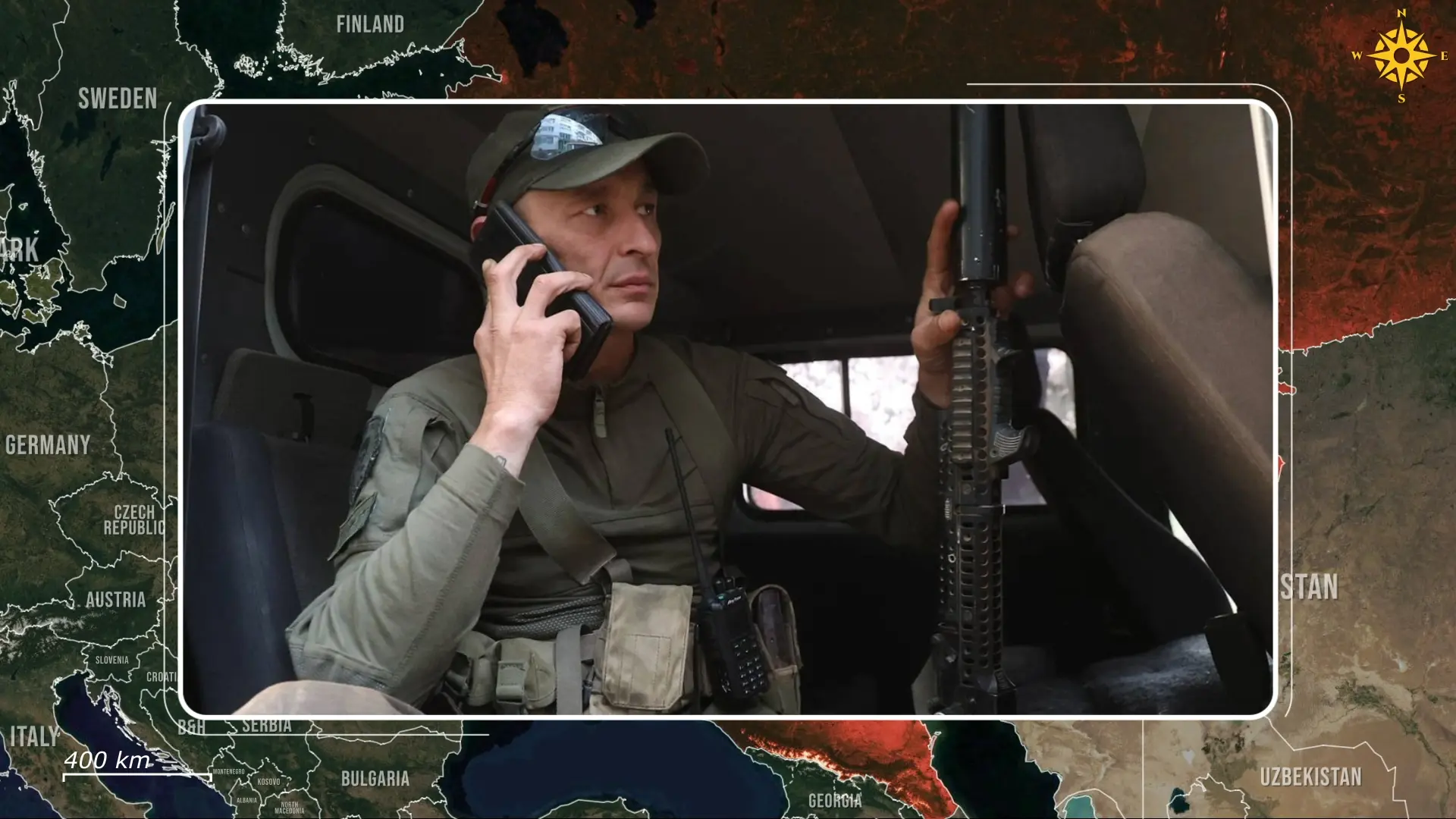
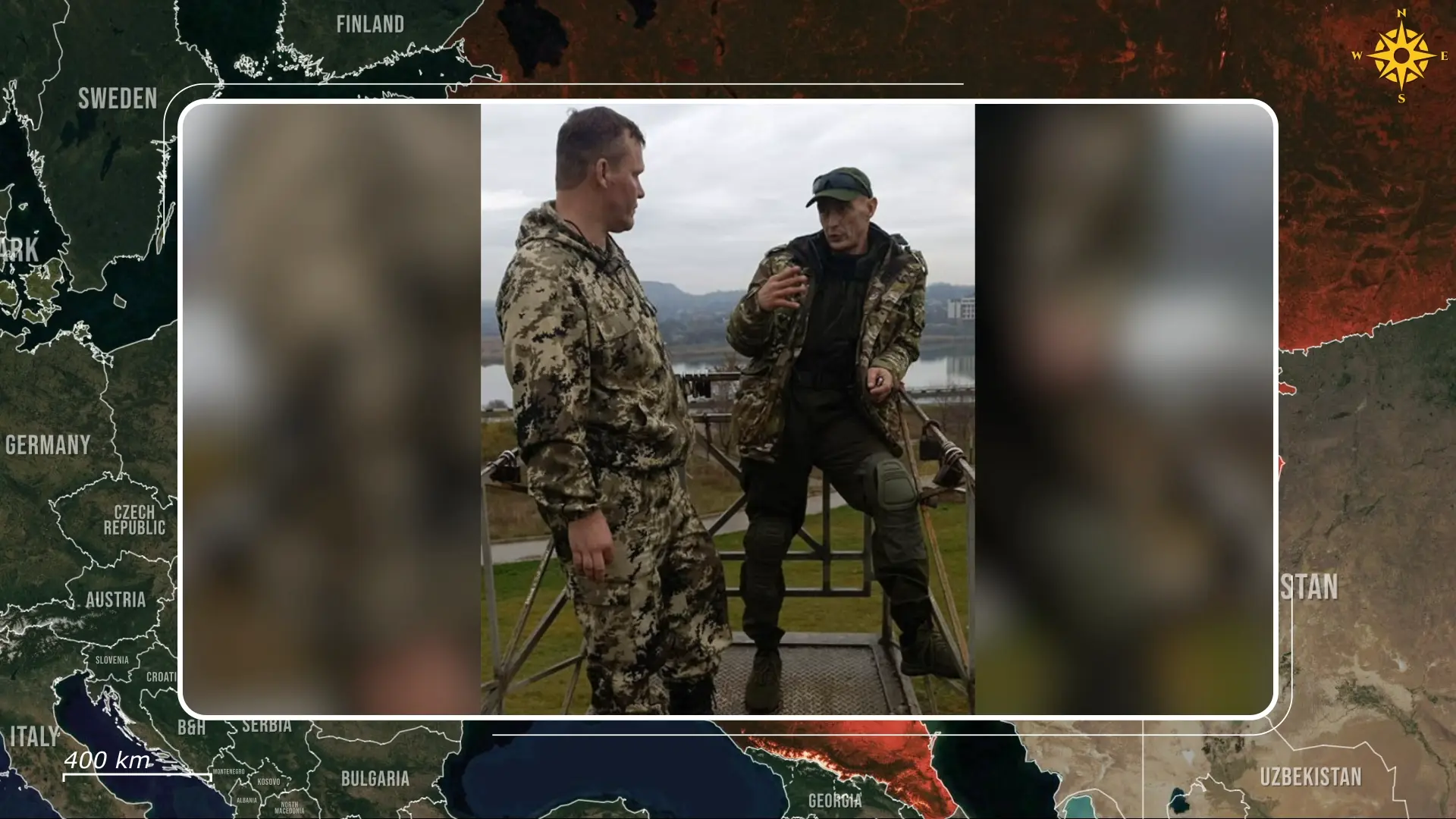
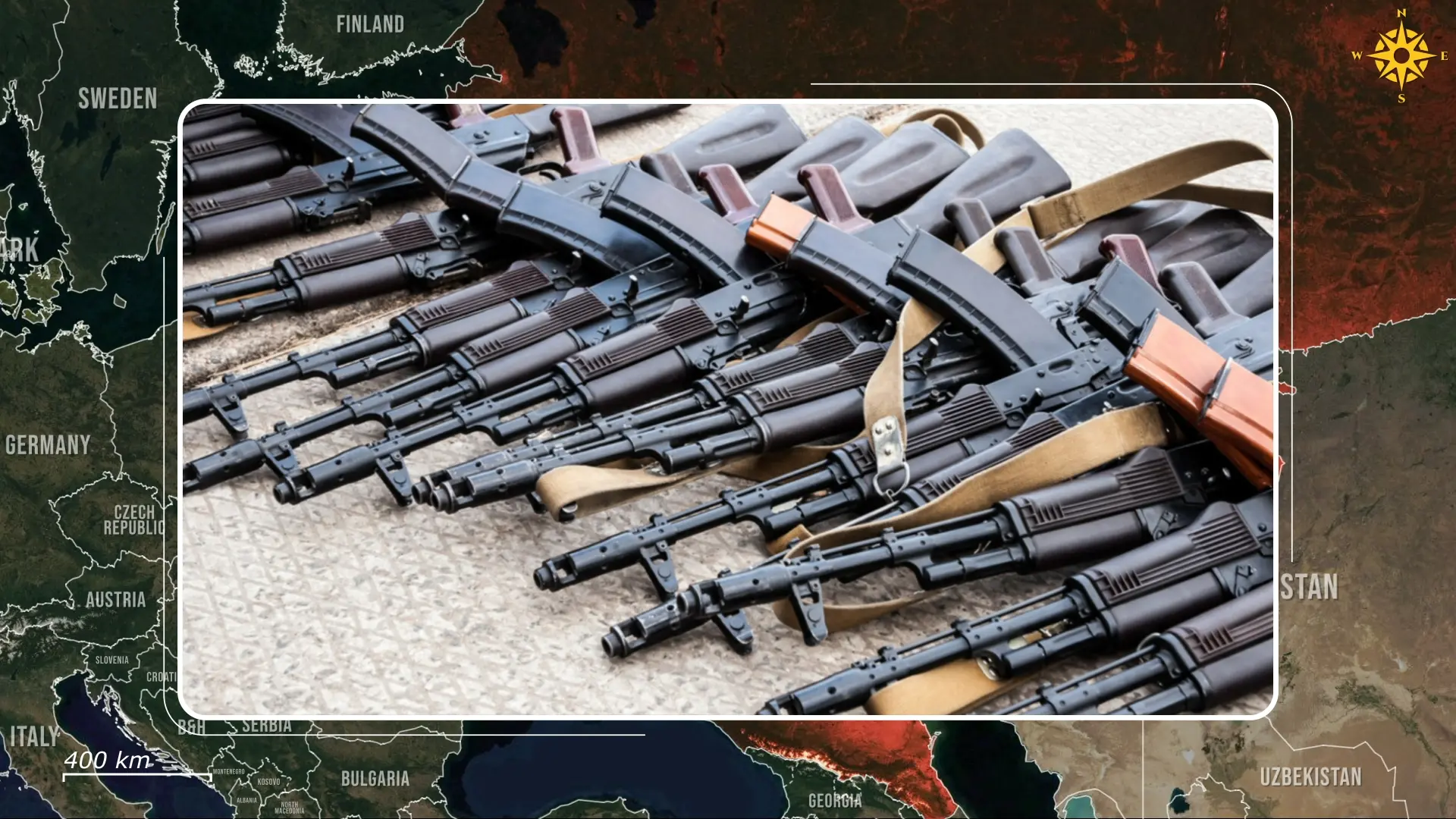
Tensions rose to a breaking point in 2025, resulting in investigations into alleged financial irregularities and illegal arms trafficking linked to brigade members. In October 2025, authorities ordered the brigade's disbandment, removing its unified structure and Orlov's formal authority, widely seen as a means for the Kremlin to target him for his open criticism of the military high command. Despite this setback, Orlov retained influence within nationalist networks and continued to operate informally, continuing his critiques despite the indirect threats.
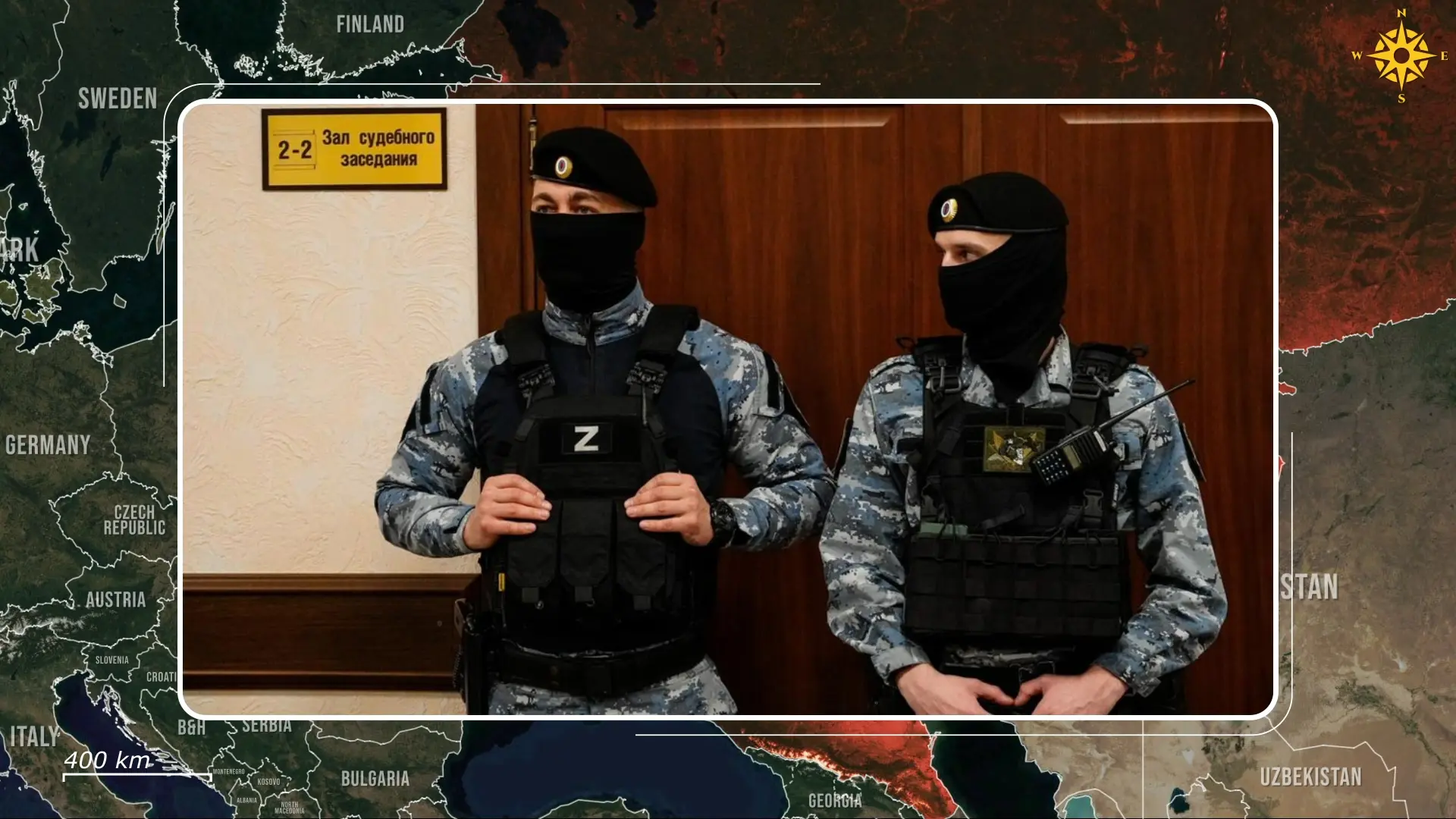
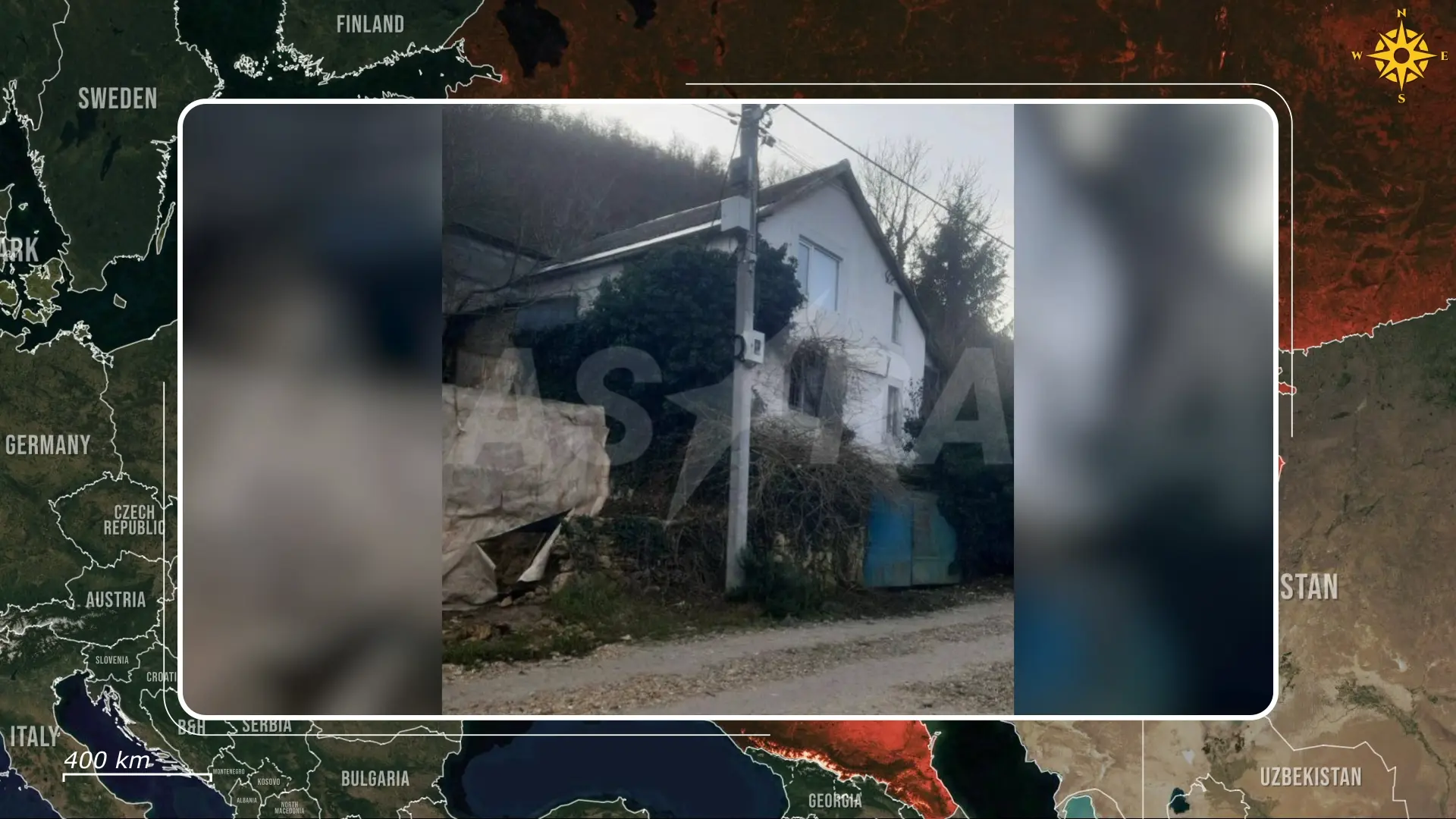
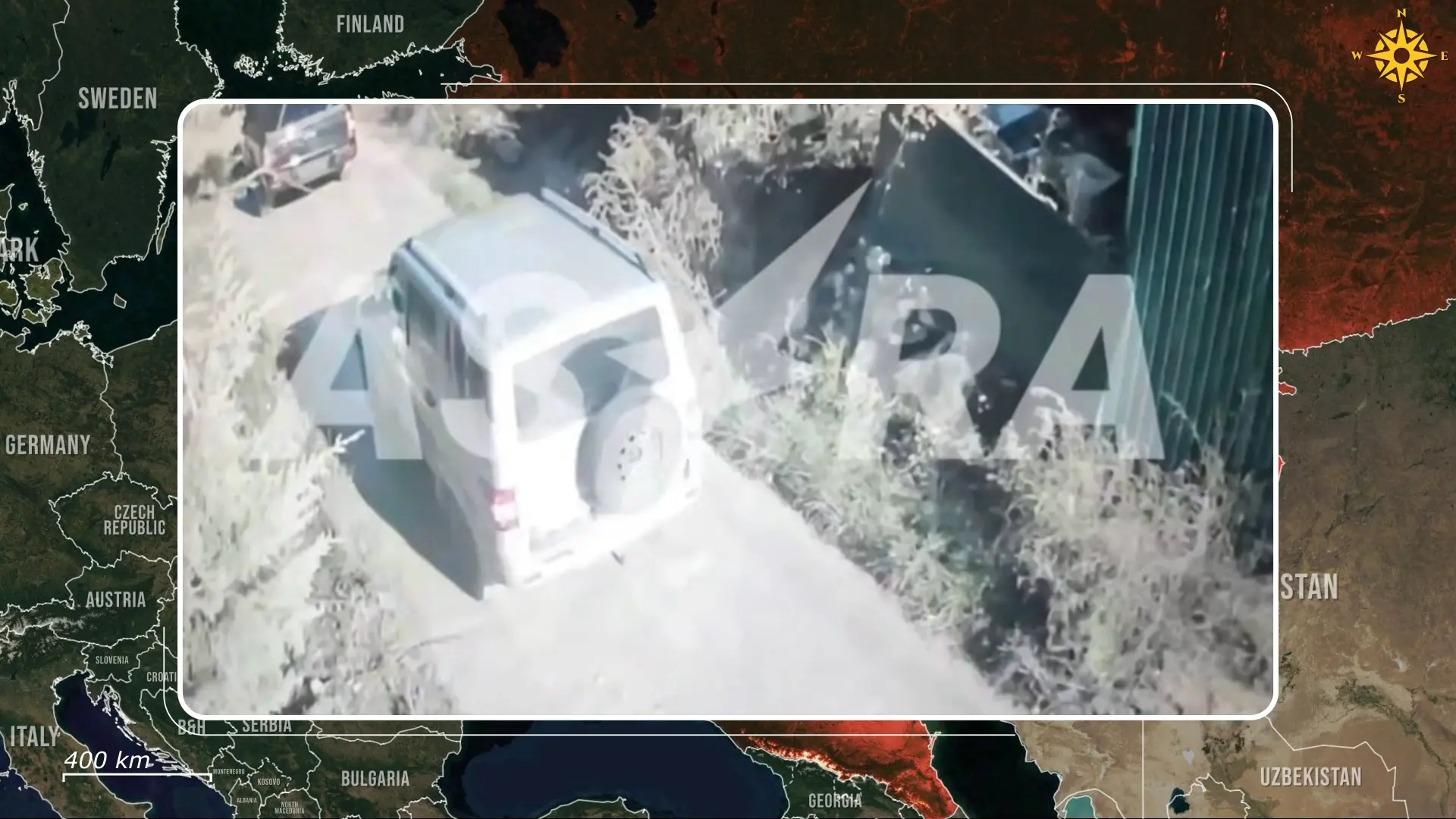
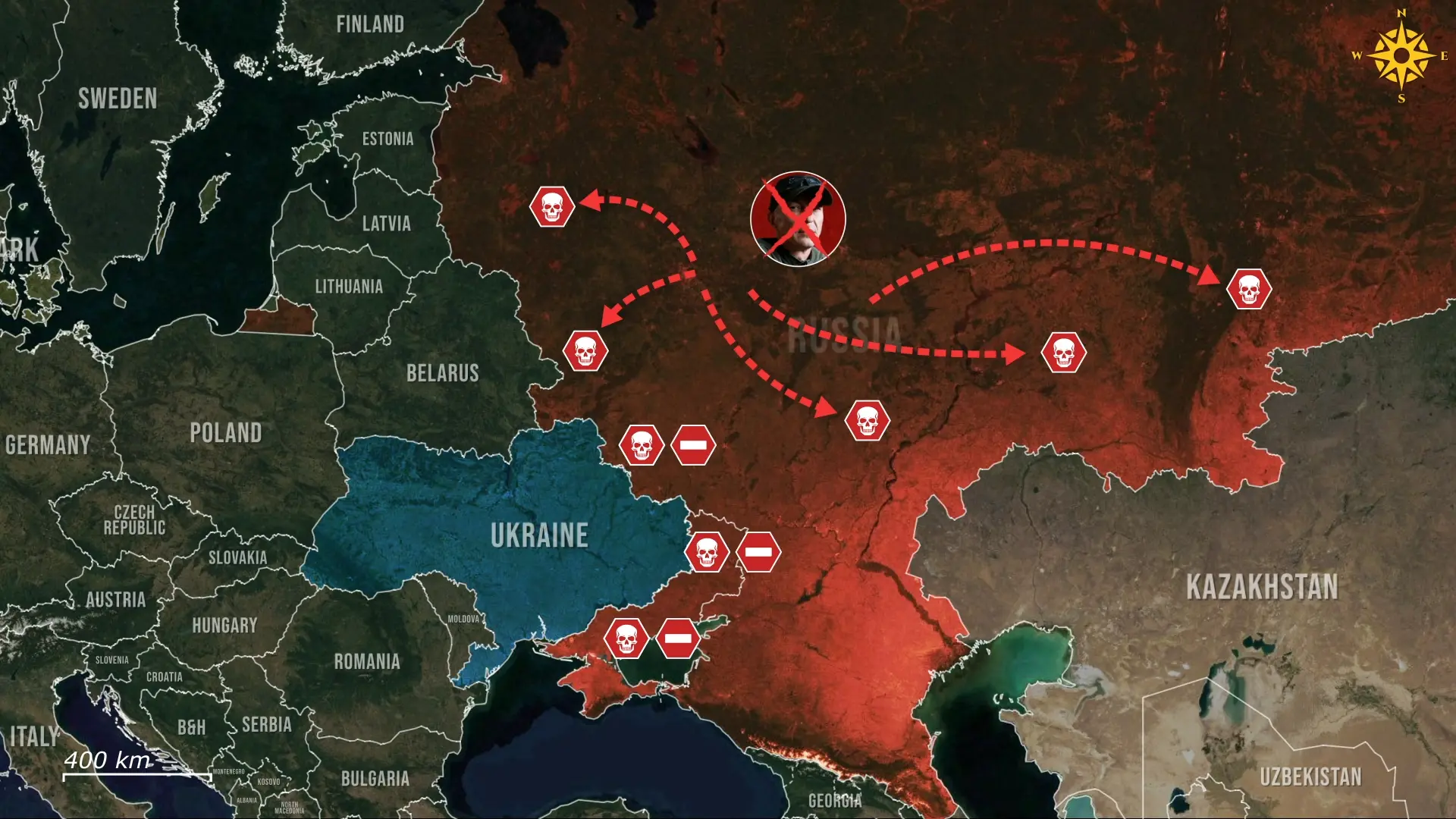
Because of that, on December 4, 2025, masked security forces arrived at his residence in Sevastopol. Surveillance video captured vehicles pulling up midday, armed personnel entering, and gunfire ensuing shortly after, even though eyewitnesses reported Orlov offered no resistance or return fire. An ambulance removed his body hours later, with associates later confirming his death amid ongoing probes into the incident.
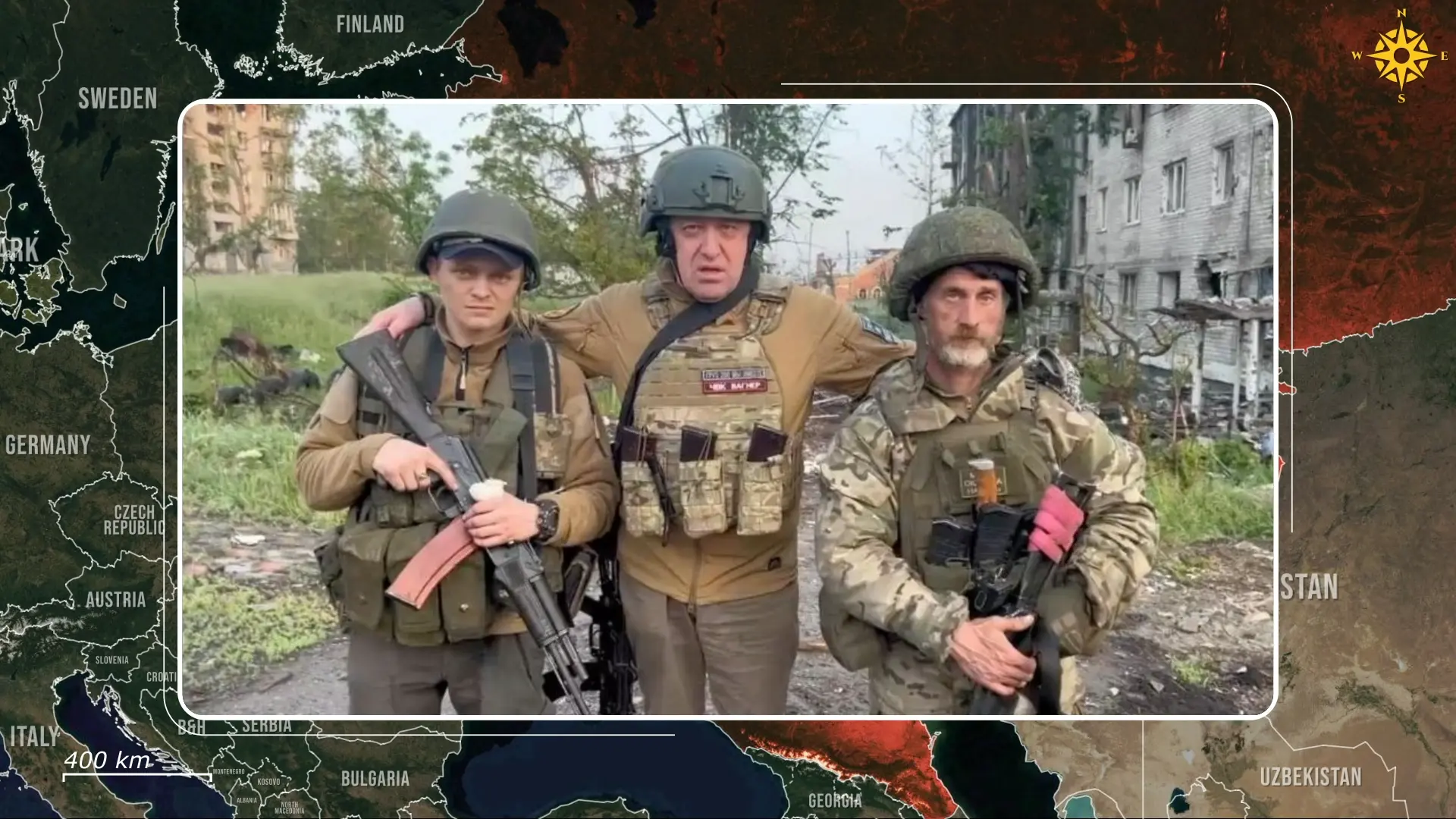
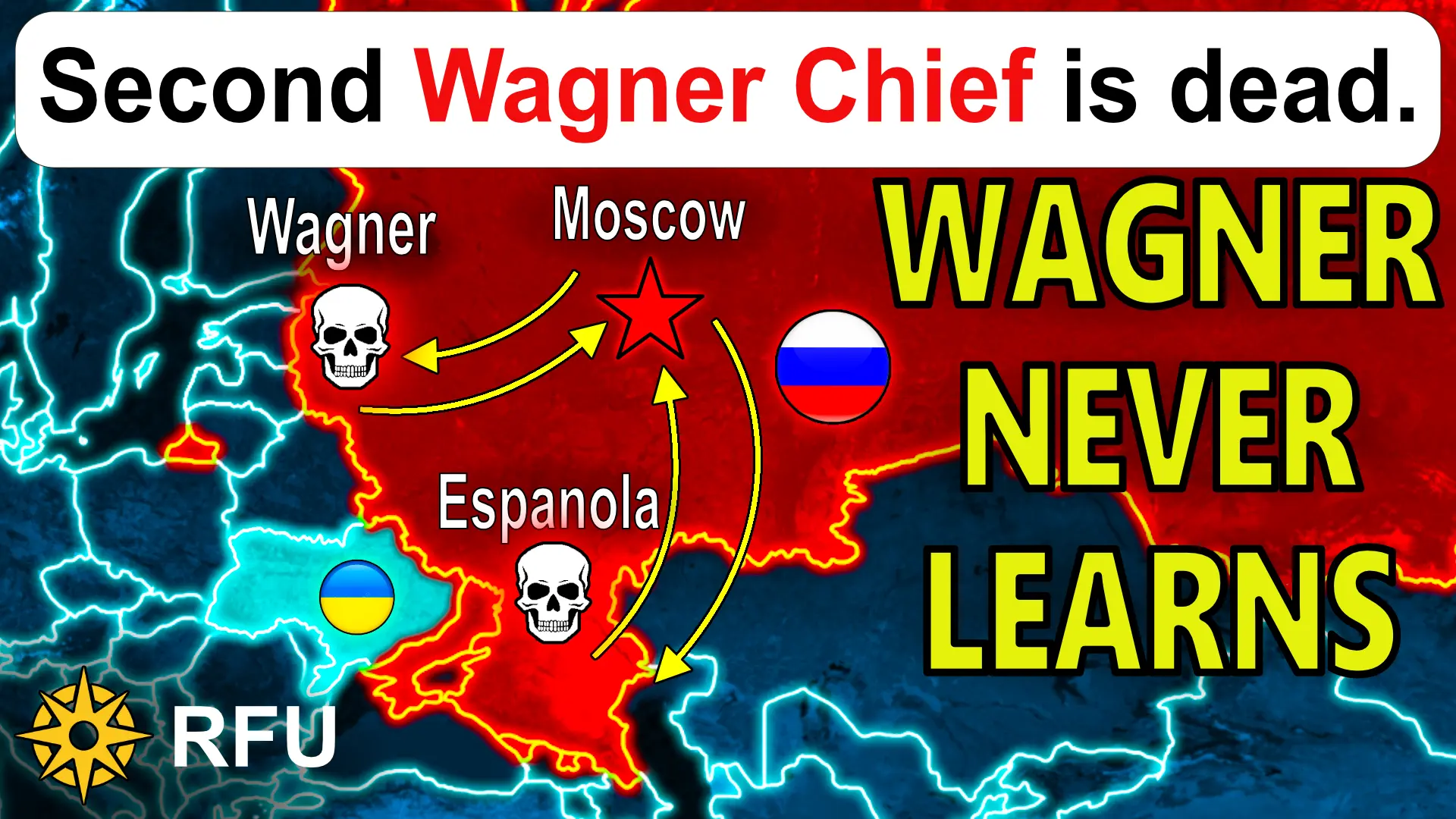
His downfall closely resembles that of Yevgeny Prigozhin, who established the Wagner Group as a private entity that recruited convicts and volunteers directly, operated with considerable independence, and secured extensive state resources and contracts.
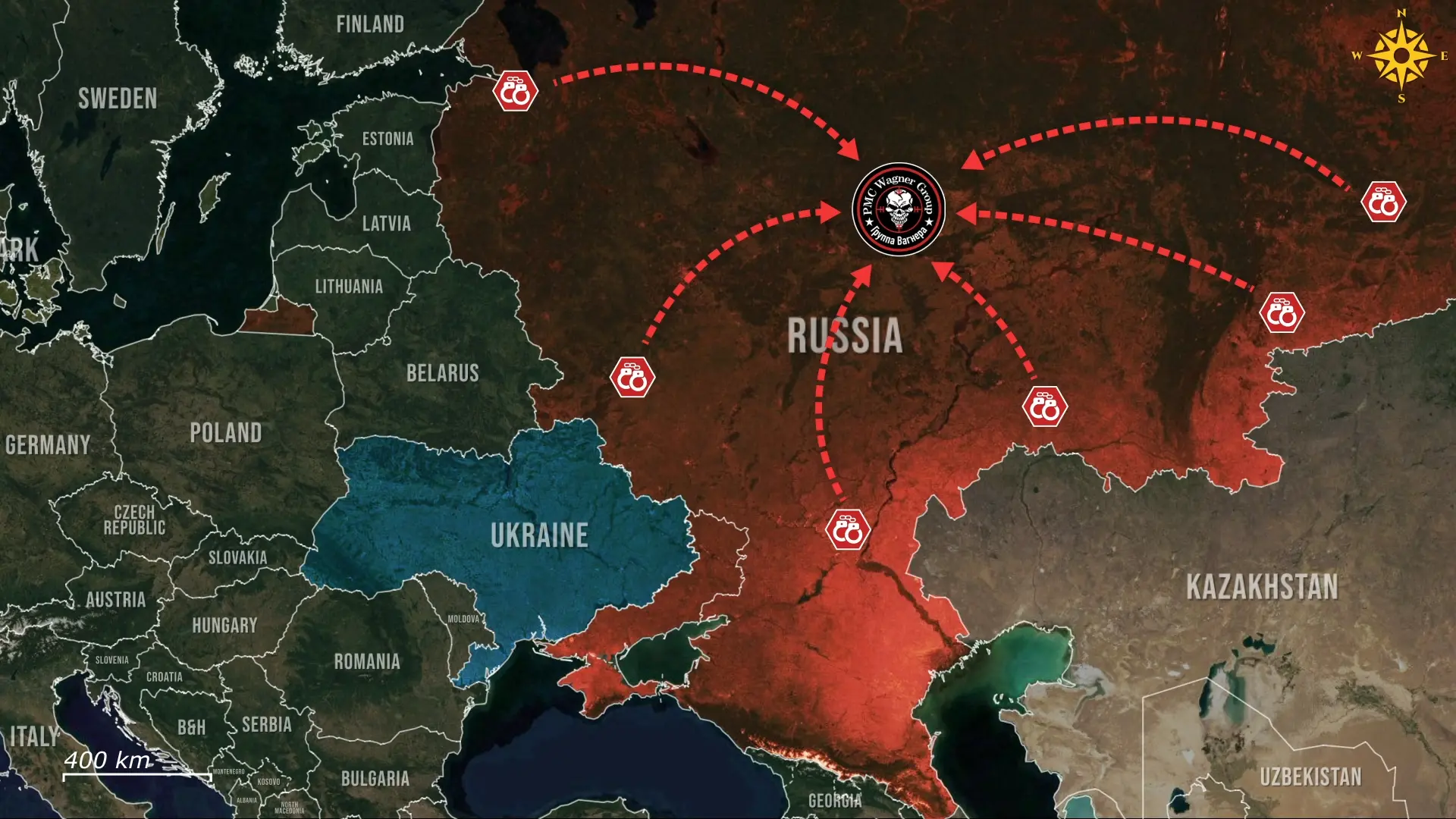
Both formations demonstrated combat effectiveness, albeit through different means, thereby gaining influence that enabled open criticism of Defense Ministry inefficiencies in logistics and leadership. Following the Wagner crisis and drive to Moscow, the Russian high command intensified oversight of irregular forces, treating independent commanders as potential liabilities. That marked a turning point for the Russian state, resulting in Orlov’s violent death, with the Kremlin taking no chances as another Prigozhin-like figure was starting to rise up.
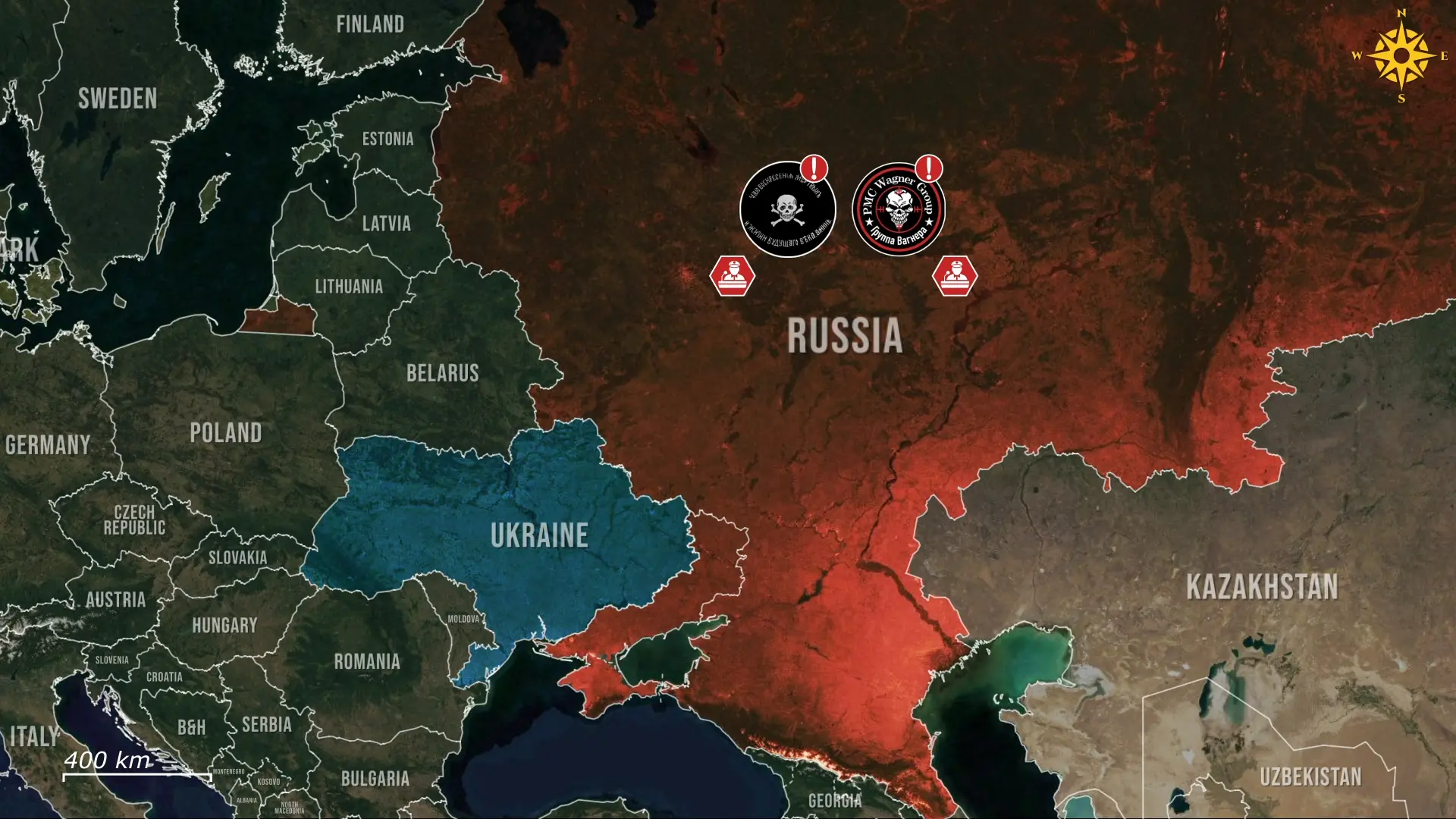
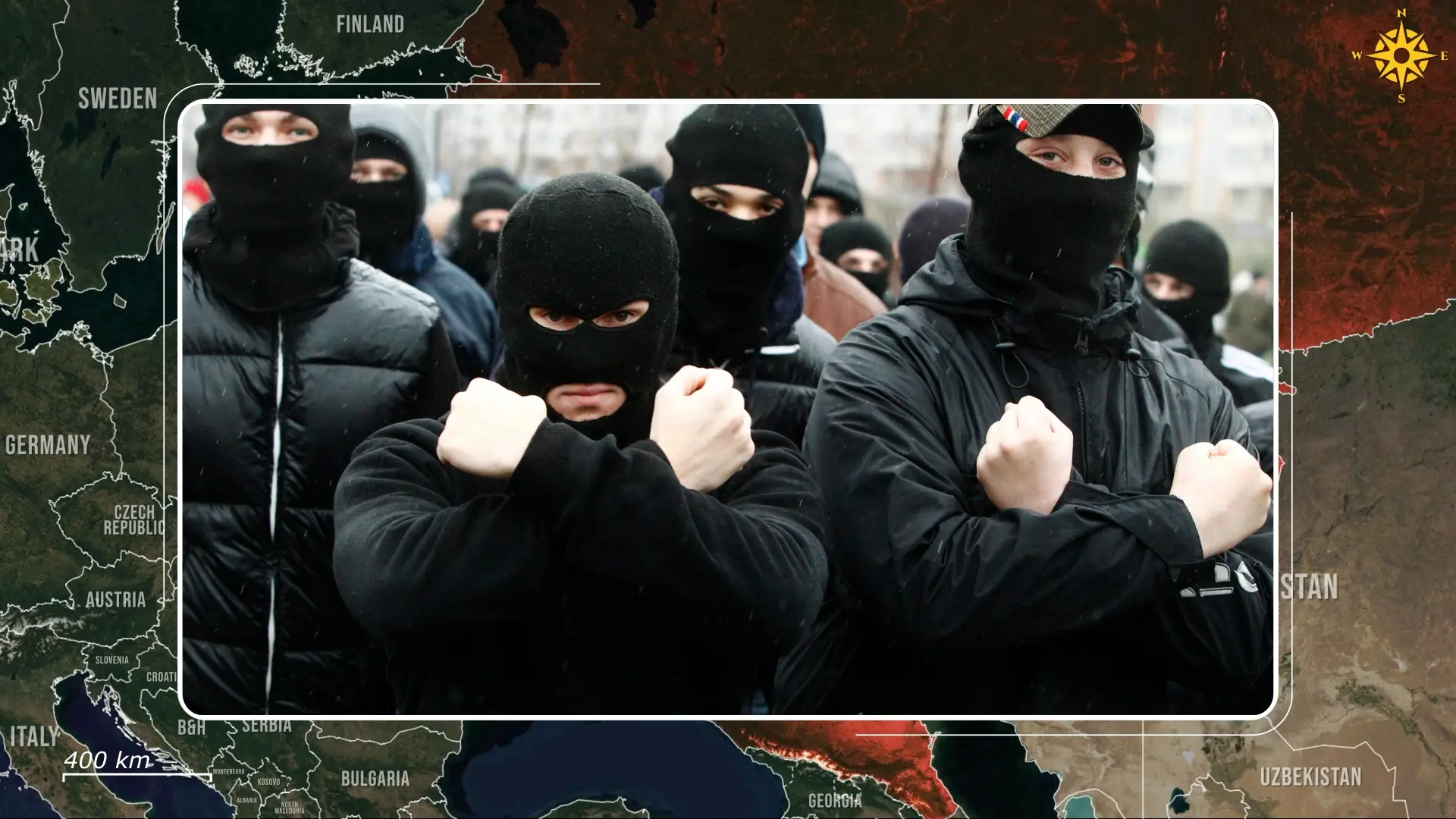
Mainly, the danger was in his influence with football ultra groups, who make up the majority of the fighters in Russia’s various volunteer brigades and battalions. The influence he could exert over them, even after dissolving his brigade directly, could not be overlooked; with ultra groups much more likely to take to the streets on the home front.
Overall, Stanislav Orlov's death represents the second major case of Moscow neutralizing a paramilitary figure whose independent armed structure posed a perceived threat to vertical control. This recurring sequence underscores the Kremlin's zero-tolerance policy toward any formation capable of independent political or military leverage, regardless of prior utility or absence of outright revolt. Attempts to emulate the Wagner blueprint via volunteer recruitment repeatedly collapse, as autonomy bred from battlefield gains and external ties inevitably conflict with demands for absolute subordination to Russian military leadership. Leaders who fly too close to the sun by accumulating personal power through criticism and parallel networks face not empowerment, but swift and terminal correction.
.jpg)

Comments