

.svg)
Today, there are interesting updates from South America.
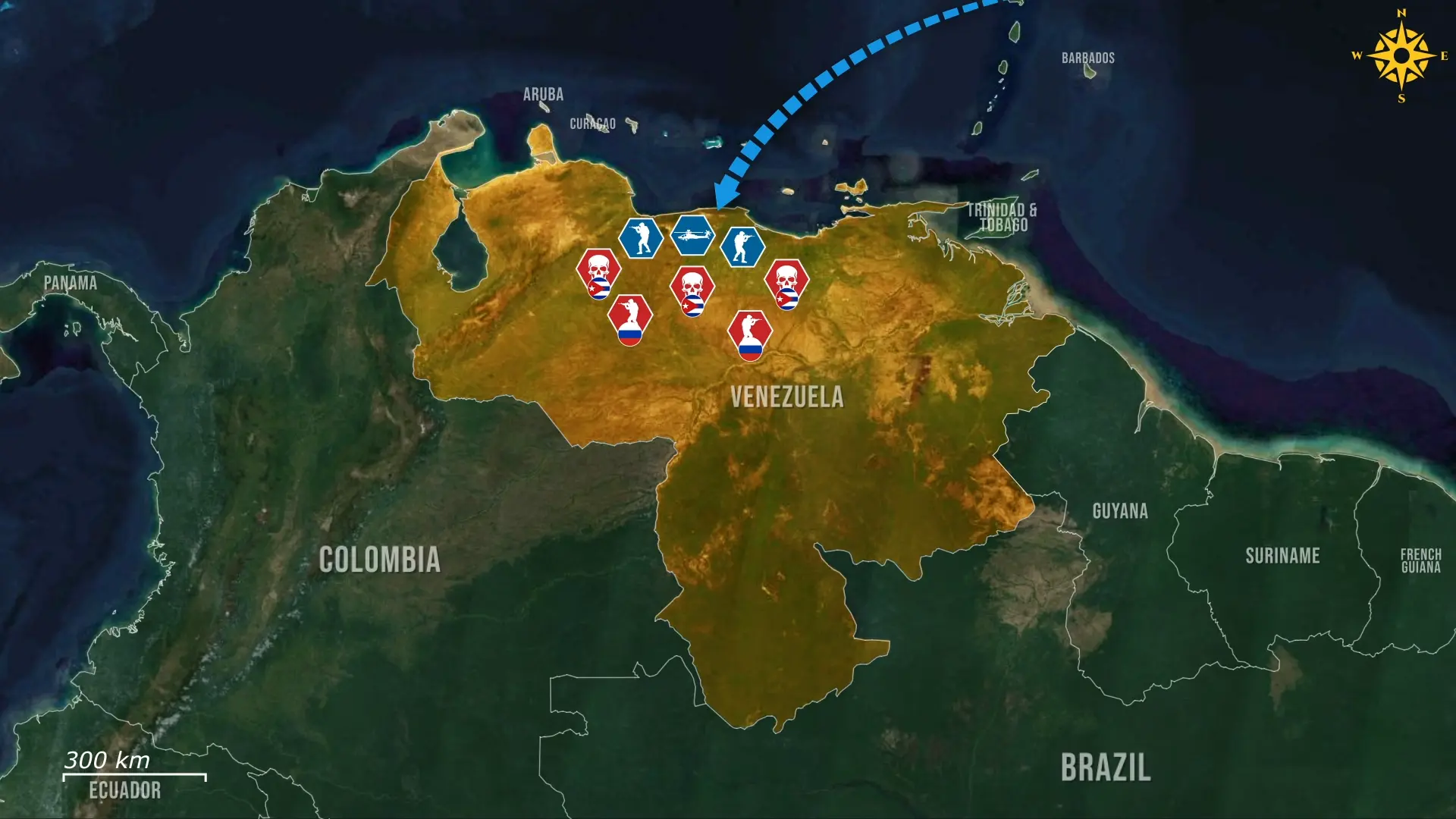
Here, Russia had sent a contingent of former Wagner soldiers to protect Maduro and keep the regime intact, leaving some to wonder what had become of the Russian forces in Venezuela. In the aftermath of the US special operation however, it became clear that while some had fought to protect Maduro to the bitter end, others had simply left him out to dry in a humiliatingly failed operation.
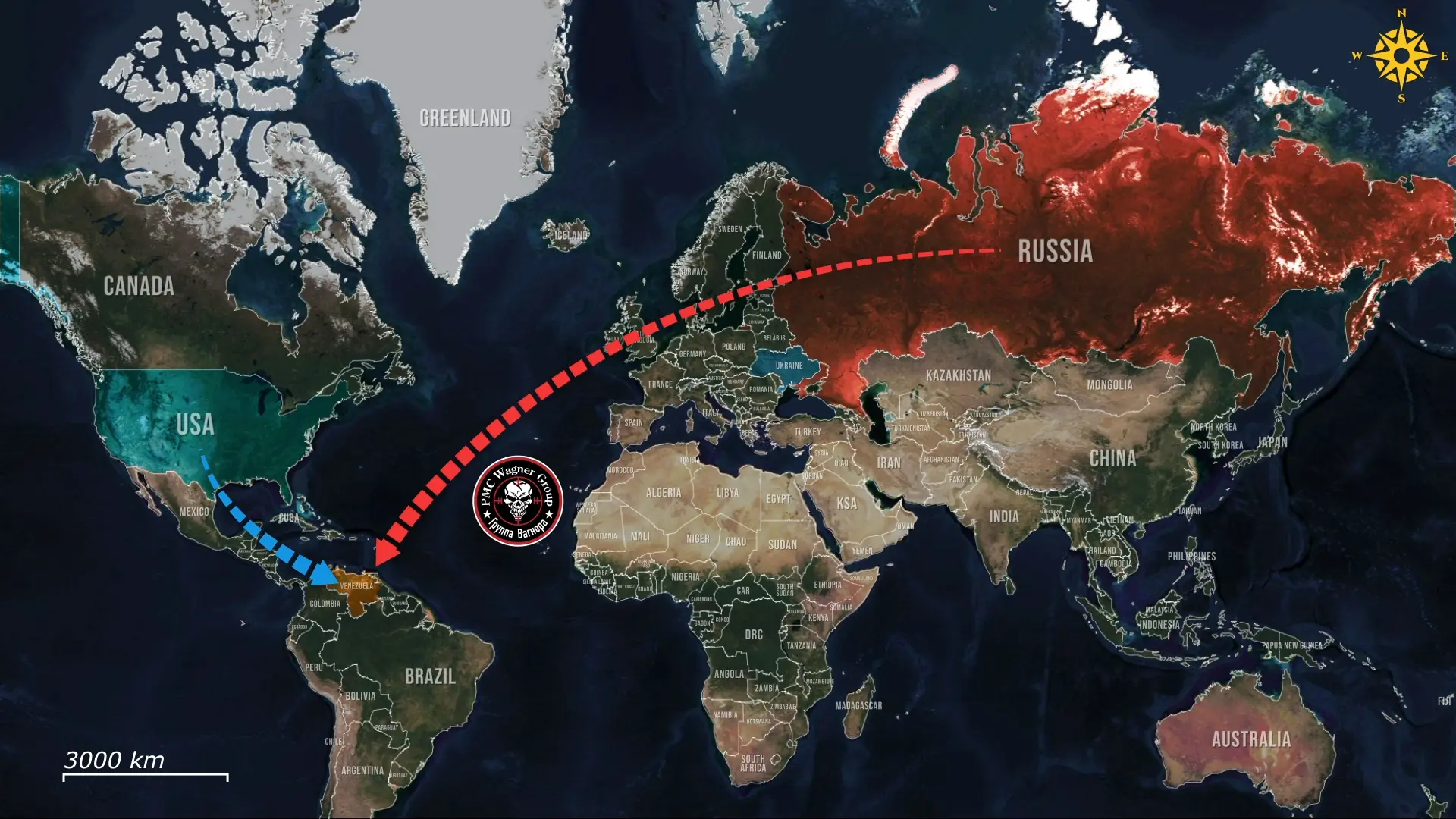
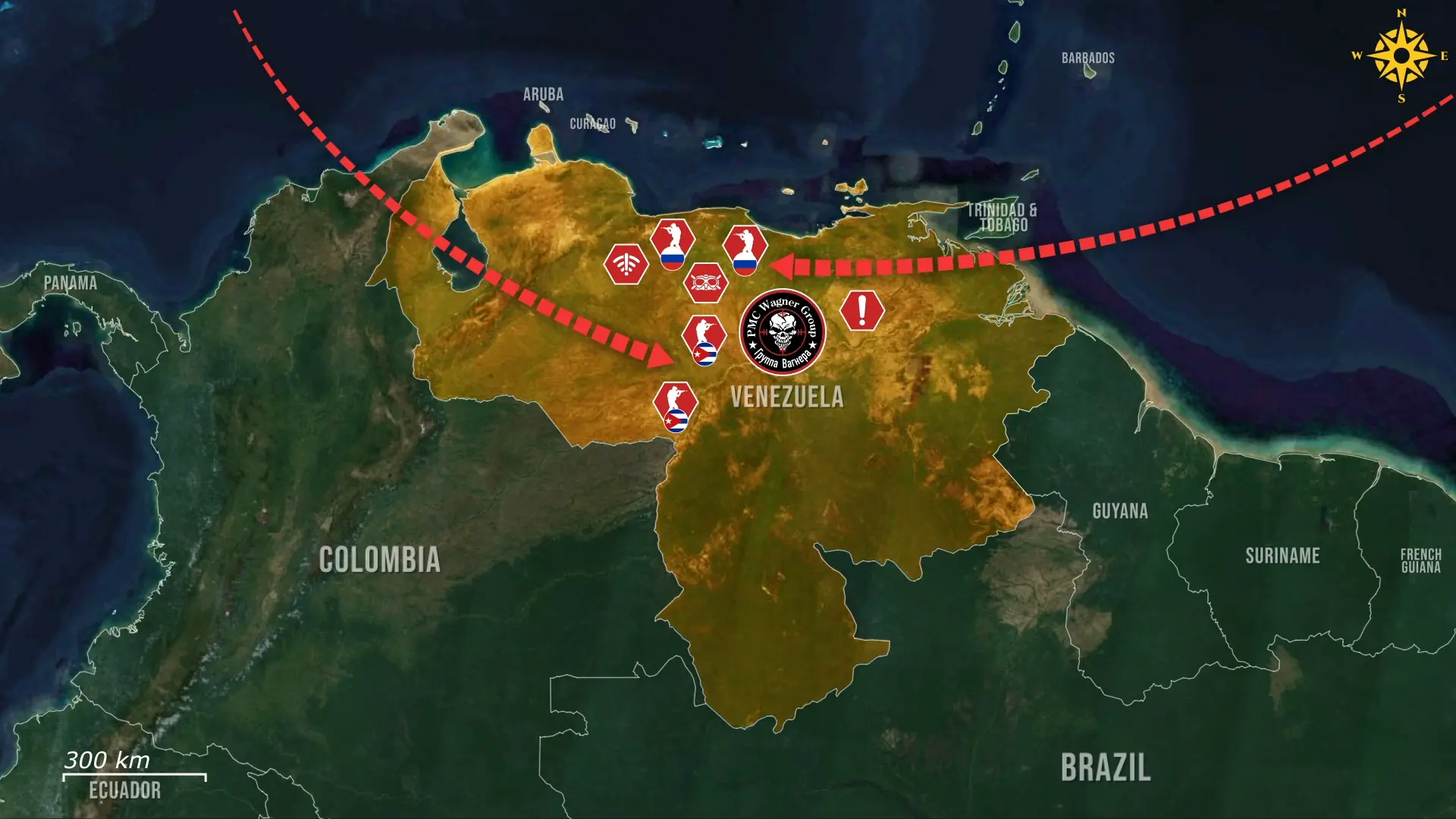
The Russian contingent stationed in Venezuela was larger and more deeply embedded than many assumed, with more than 120 Russian personnel tied to the elite Russian Main Intelligence Directorate. Notably, this contingent even outnumbered the Cuban forces directly involved in protecting Nicolás Maduro himself. While Cuba provided long-standing counterintelligence expertise and regime-survival know-how, Russia supplied the technological backbone: drone instructors, signals intelligence teams, electronic surveillance units, and their own regime-protection specialists. A significant number had prior combat experience in Ukraine, including veterans of the former Wagner group and other formations. In practice, Russian operatives formed the final defensive layer around Maduro, underscoring how dependent Caracas had become on Moscow and how humiliating the failure really was.
The leadership choice for the Russian contingent explains much of what followed, as it was commanded by General Oleg Makarevich, a disgraced officer who was quietly exiled from relevance after failures on the frontline in Ukraine.
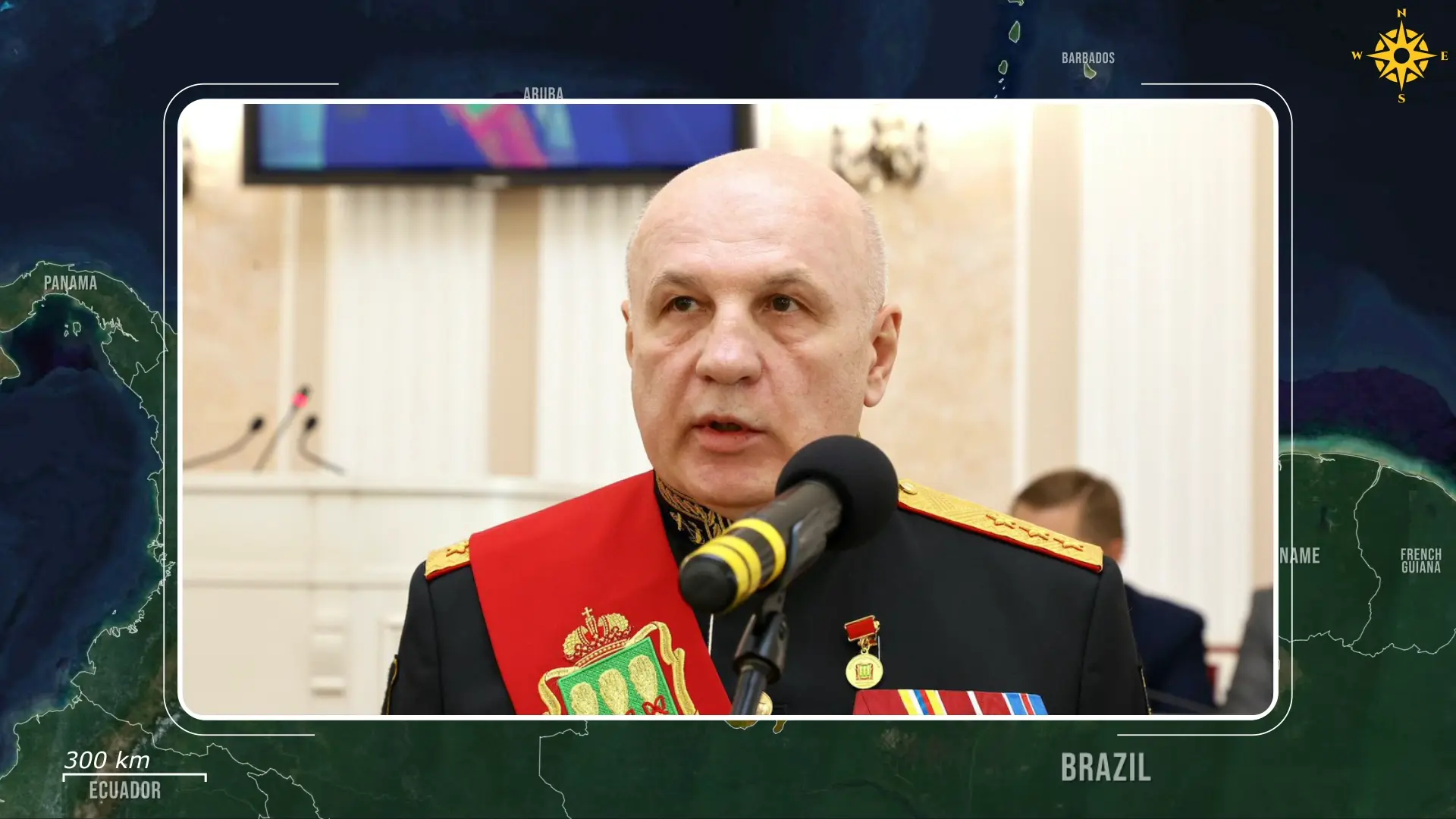
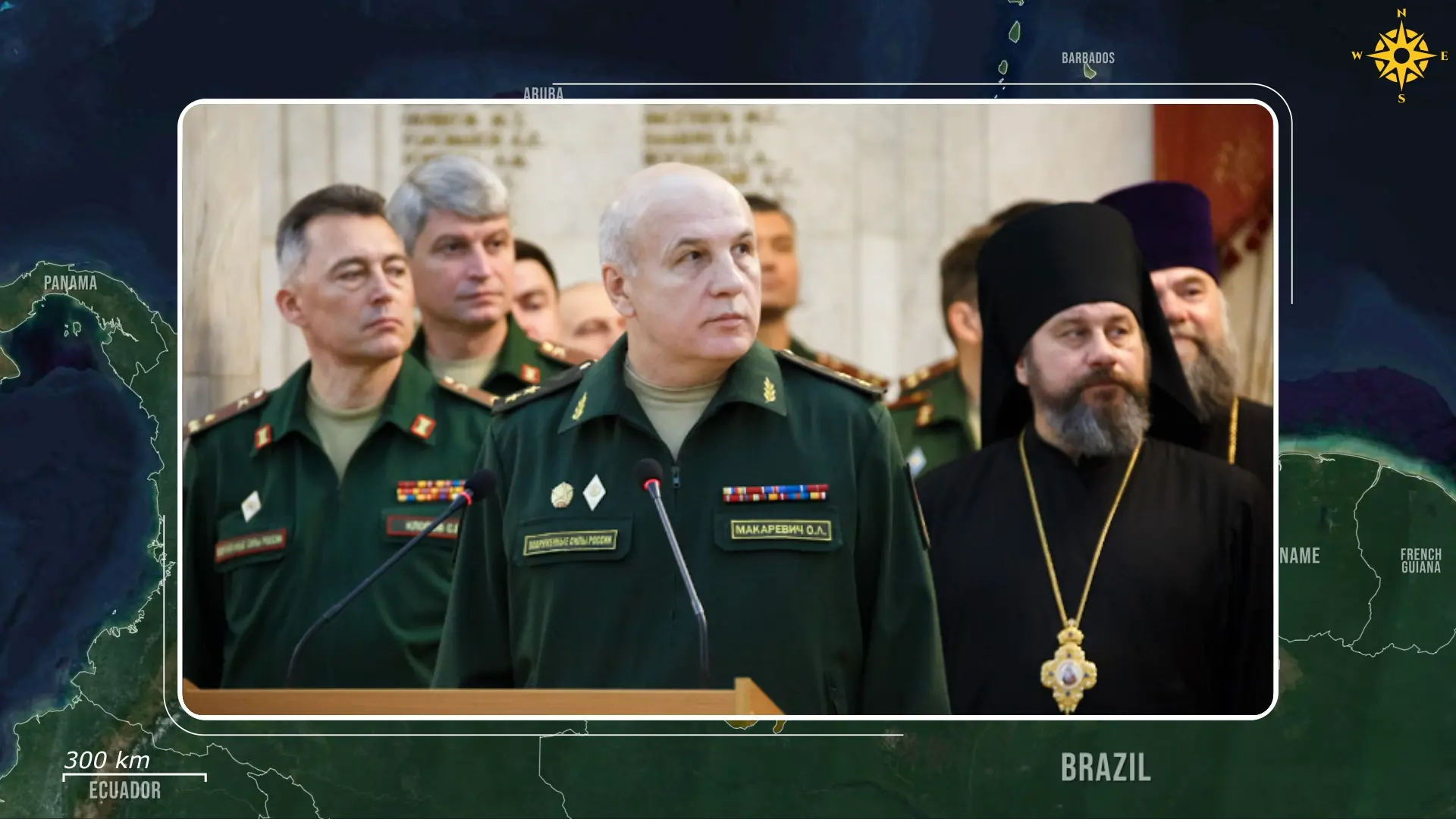
Formerly associated with the Dnipro grouping, which failed to achieve its objectives in the initial phase of the full-scale invasion, Makarevich was removed following consecutive Russian disasters, with the loss of Kherson being the most prominent, as it was the only region capital Russians managed to conquer.
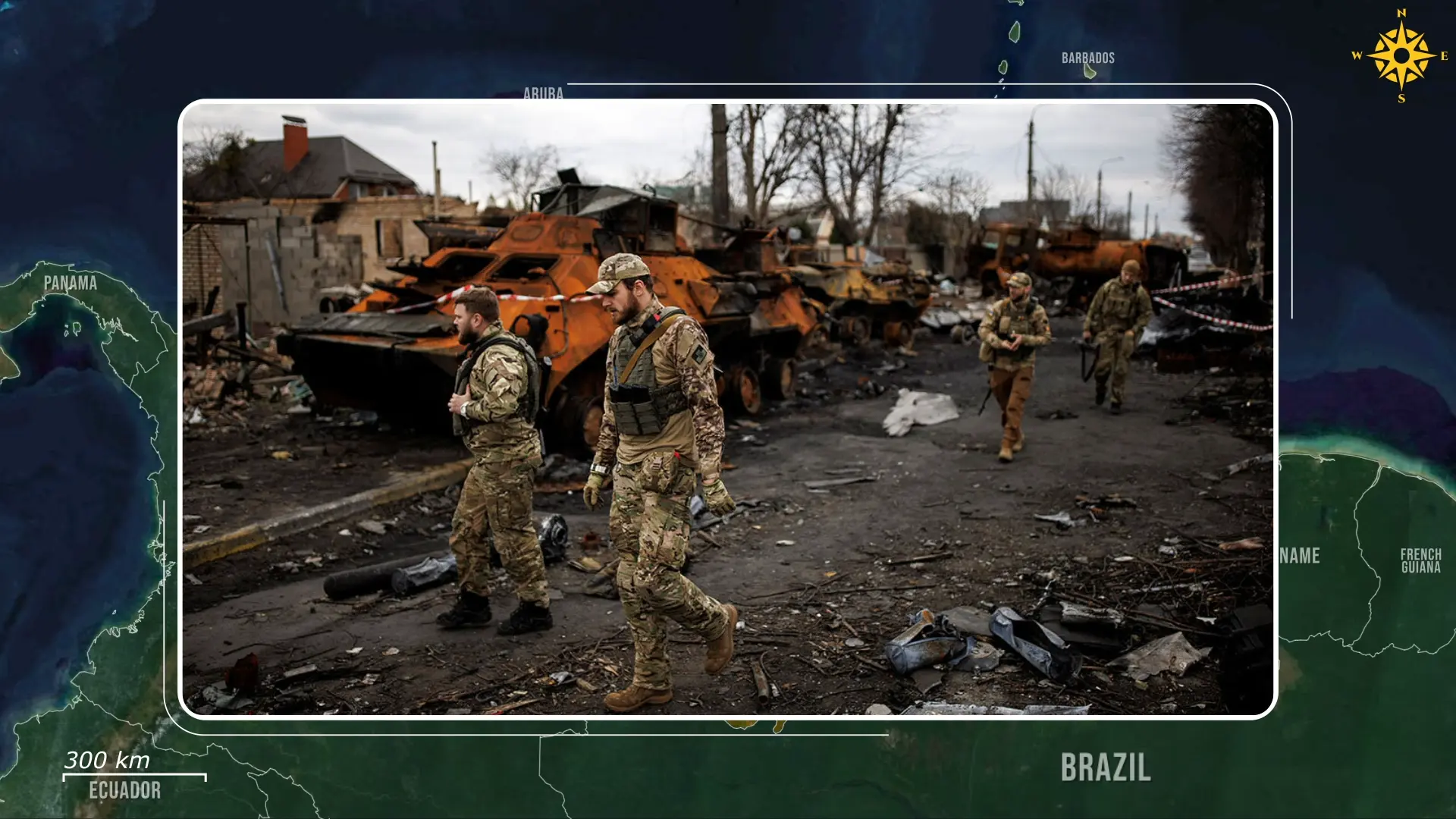
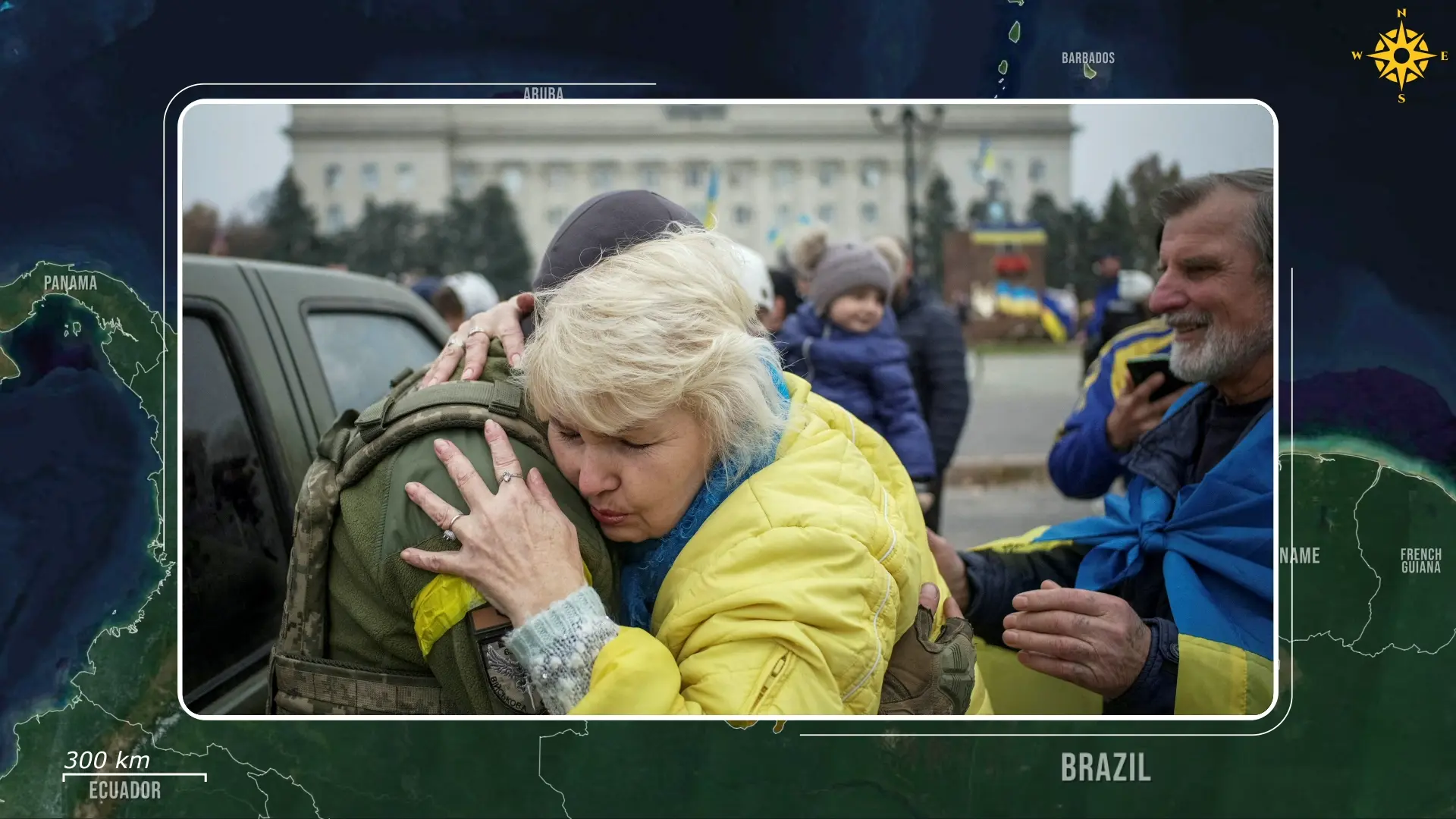
With accusations of false reporting forcing his reassignment to Caracas, this was not a promotion but instead a disposal. Venezuela was not treated as a priority theater and became a retirement ground for their sidelined commanders, and Russia’s message was clear: influence would be maintained cheaply, with minimal political risk and no commitment of top-tier talent.
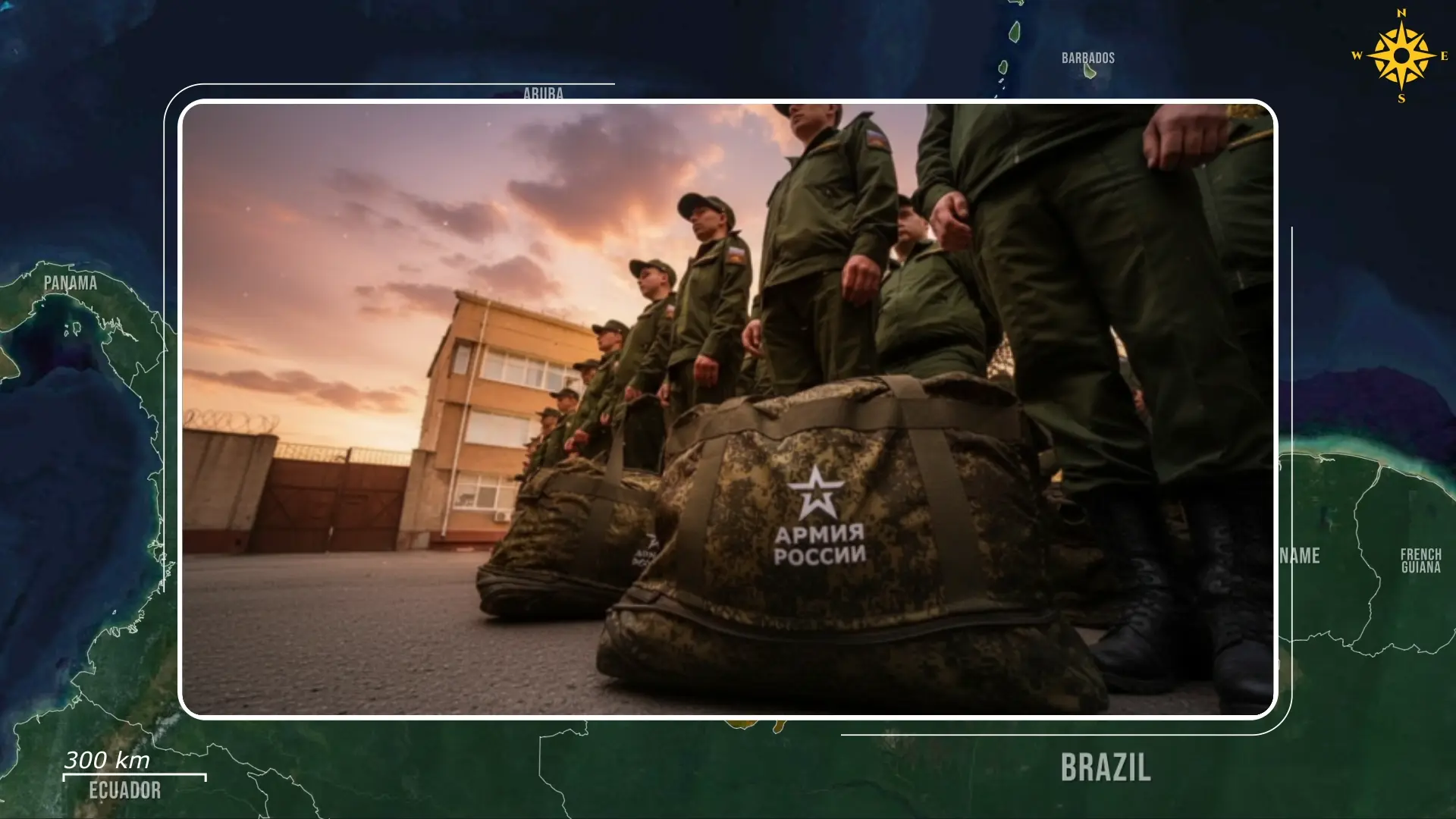
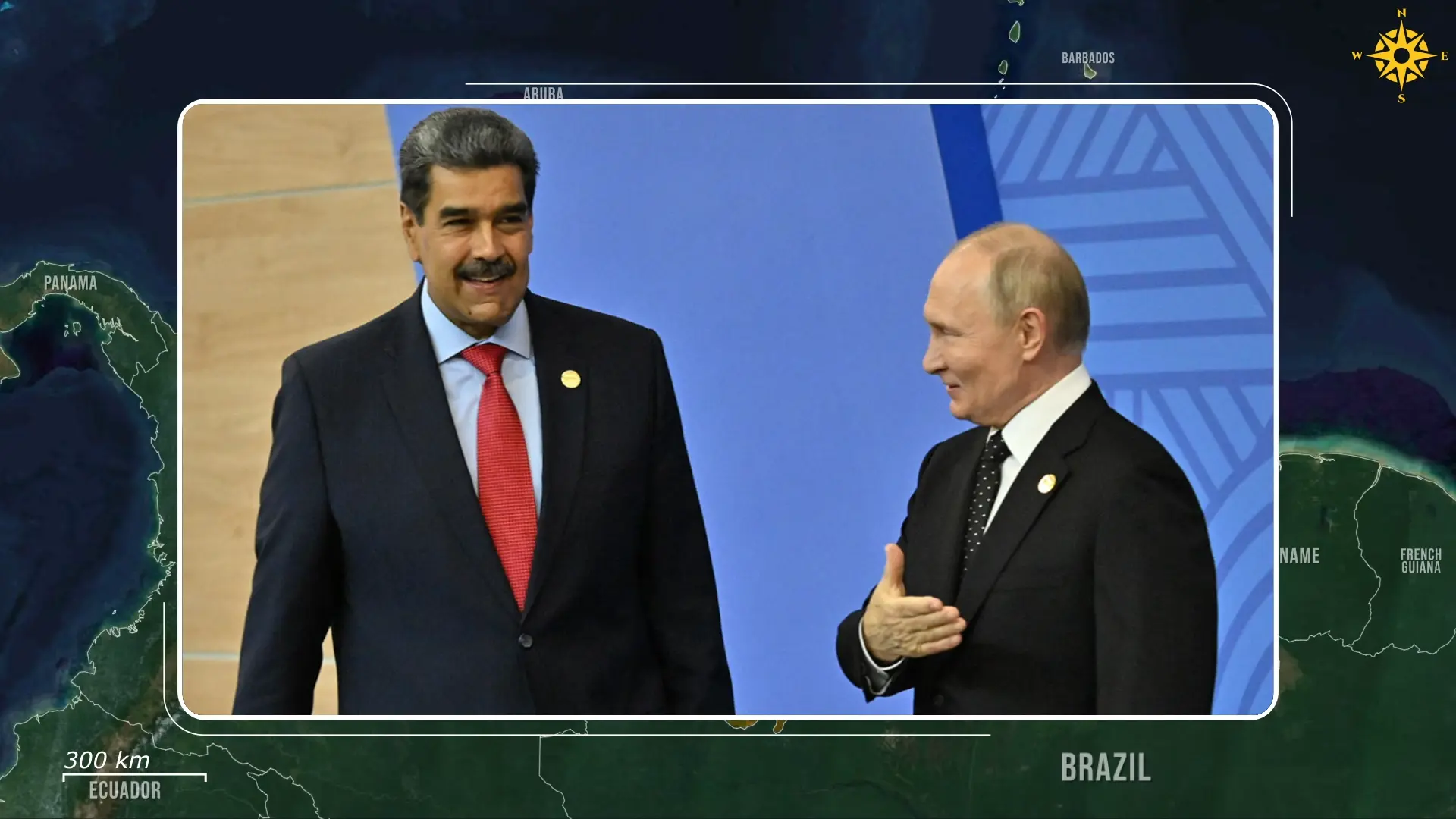
This Russian leadership manifested brutally during the US operation in Caracas, as when American forces struck, Russian personnel displayed no resistance at all. There was no coordinated defense, no attempt to secure key sites, and no effort to integrate with Venezuelan units once air defenses collapsed, with the US defense minister even joking that Russian air defense systems present did not work so well.
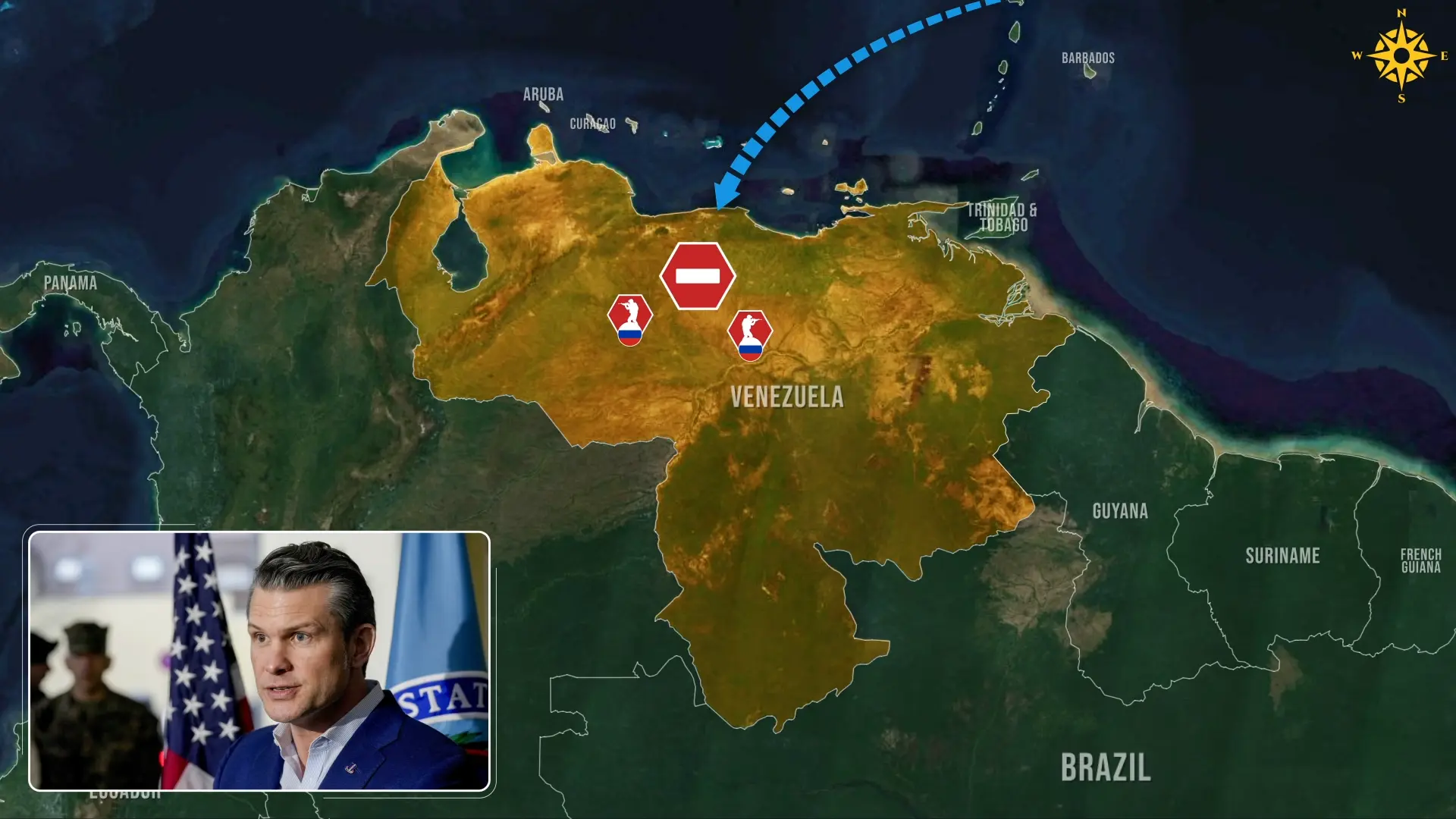
As US Delta special operations forces moved in, the Russian contingent disengaged almost immediately, abandoning its positions and going silent on the radio. As a result, while the Cuban contingent suffered high casualties defending Maduro to the death, none of the losses were Russian, not because of tactical brilliance, but rather because Moscow’s forces avoided confrontation entirely.
It is important to know that this refusal was not spontaneous or out of surprise, as political decisions had already sealed Maduro’s fate. In the final week of December, Russia already quietly evacuated the families of its diplomats from Venezuela. Witnesses reported convoys of diplomatic vehicles massing near the Russian embassy in Caracas, while intelligence sources described grim internal assessments by the Russian Foreign Ministry. These evacuations occurred more than a week before the US raid, demonstrating that Moscow anticipated escalation and chose withdrawal over resistance.
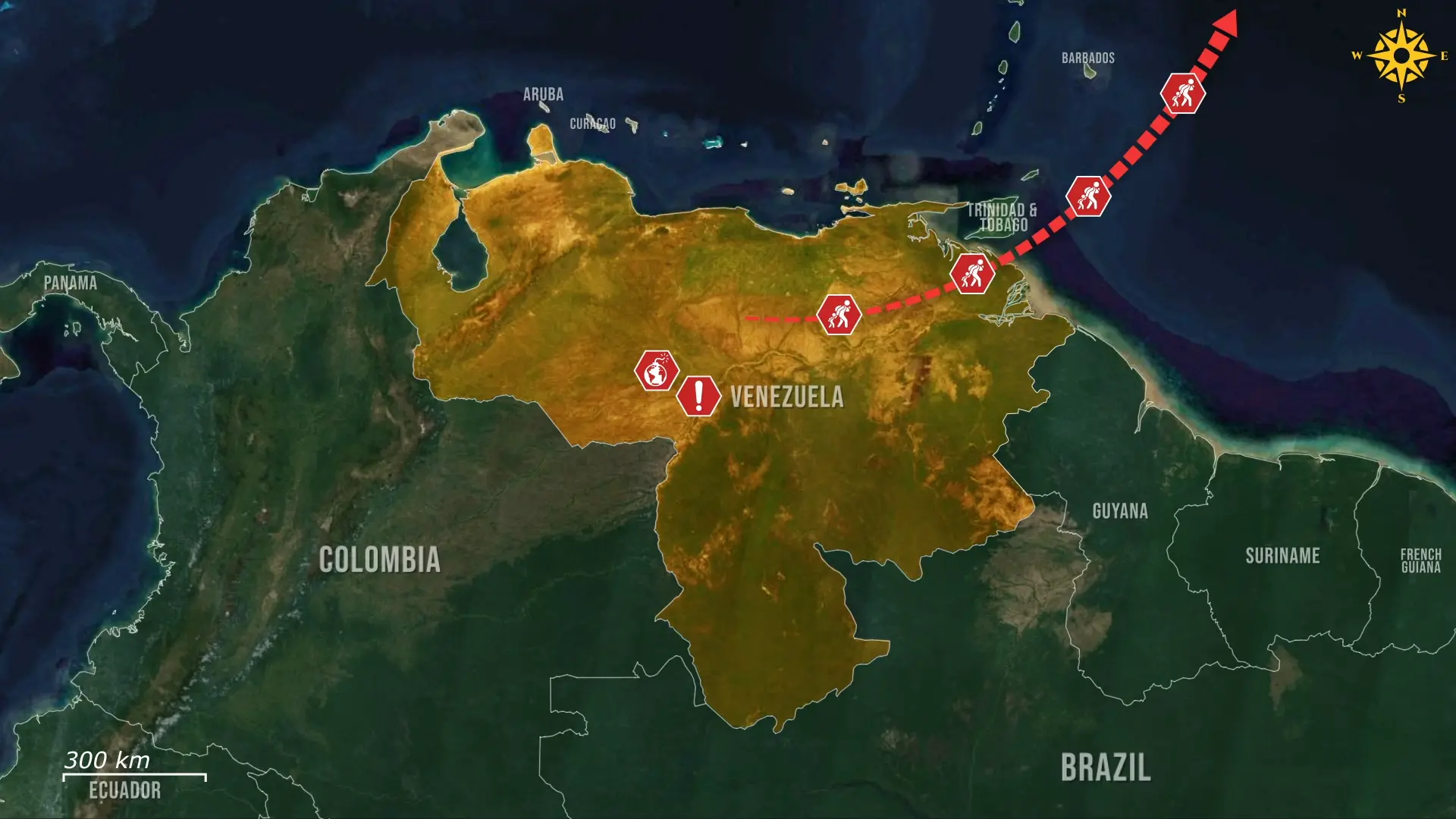
Some Russian military personnel were also rotated out during this period, but while advisers and families were pulled back, their commander was not permitted to leave. For months, General Makarevich requested reassignment, fearing detention or extradition once US pressure intensified, but the Russian leadership refused.
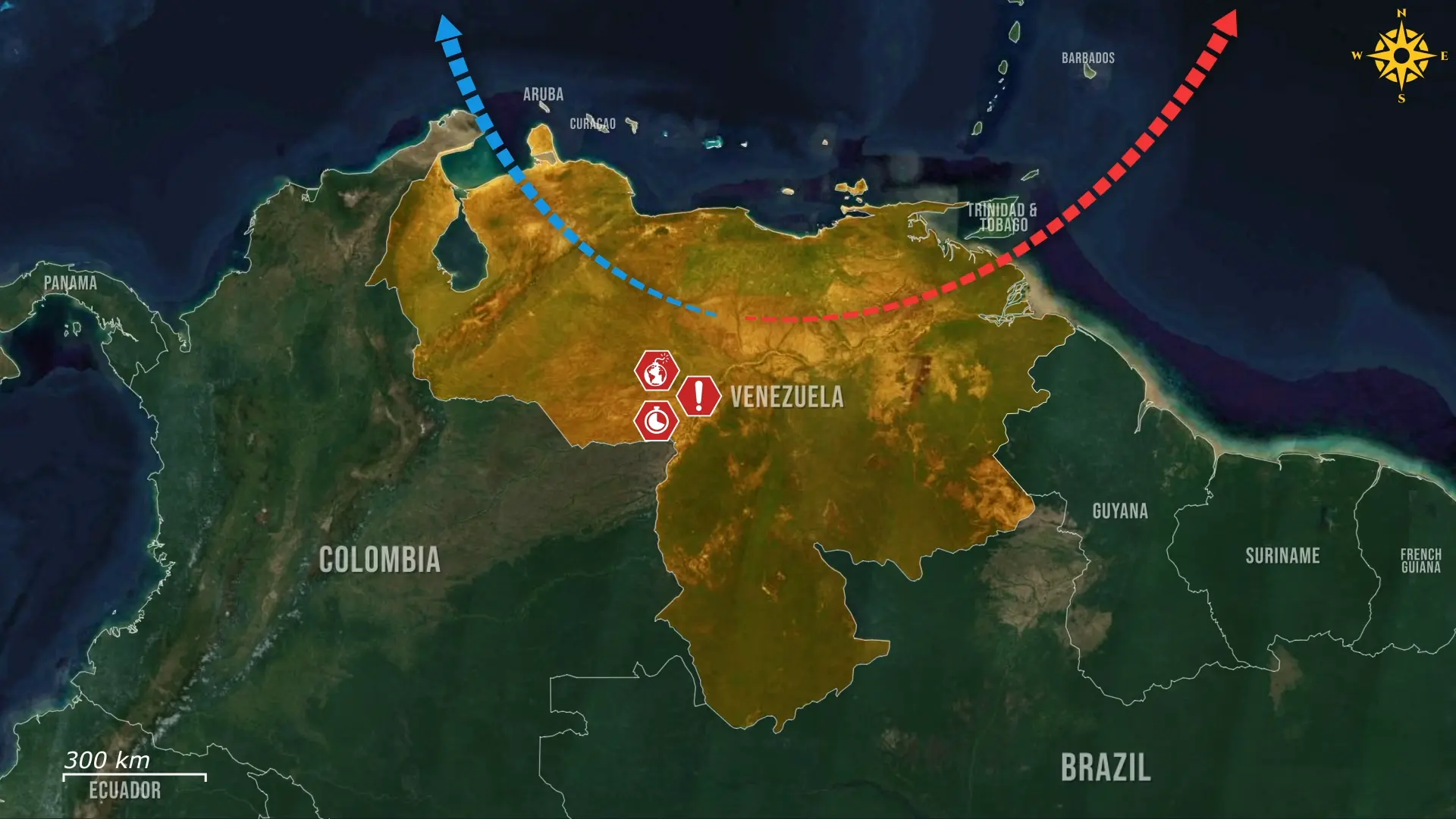
After Maduro’s capture, he urgently pleaded for evacuation but was ignored again. Ironically, the general who symbolized Russia’s neglect in Ukraine was left behind in Venezuela, a disposable figurehead for a mission already abandoned.
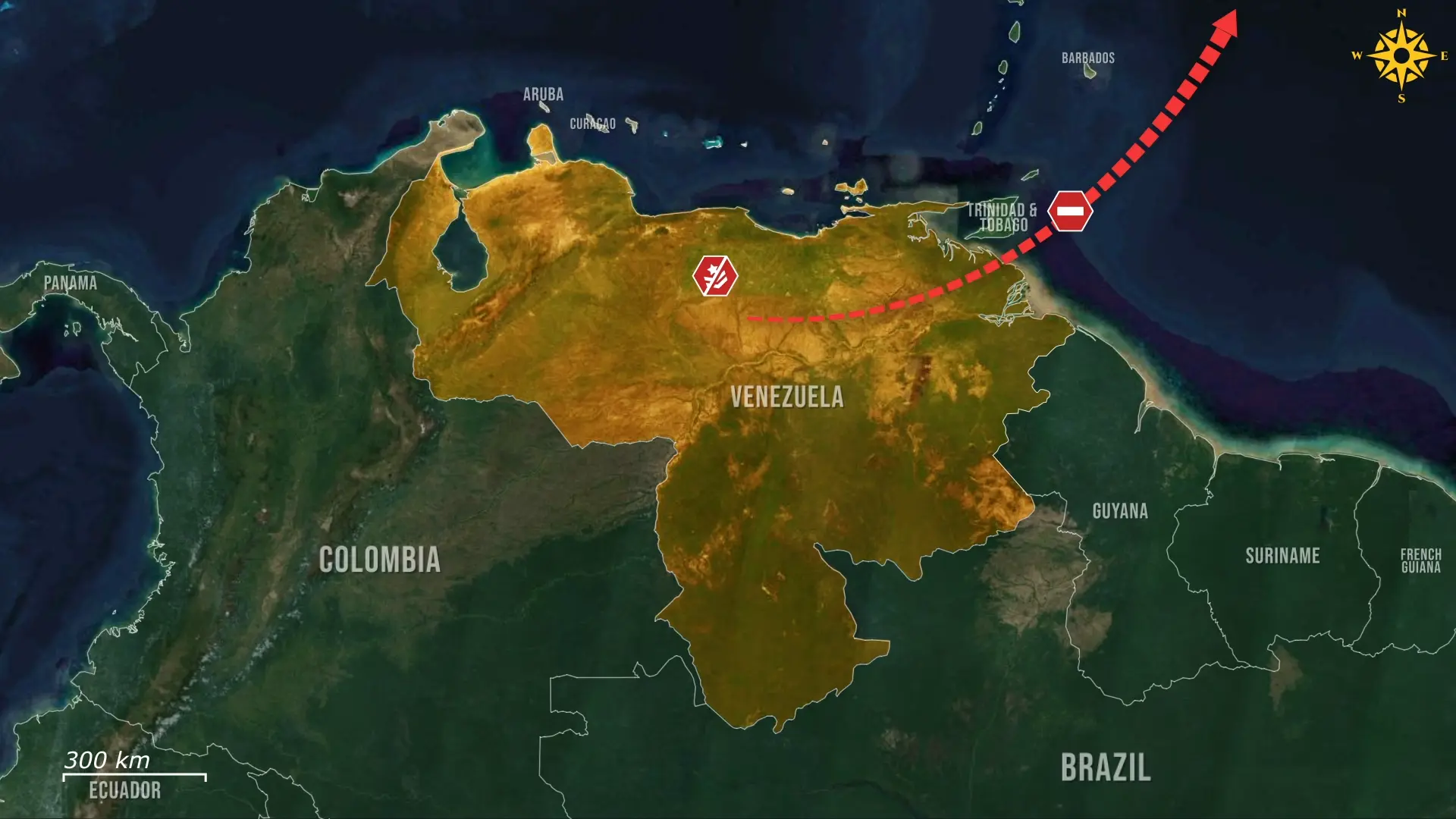
Overall, Russia did not lose Venezuela militarily, as it never really attempted to defend it. The betrayal of Maduro was deliberate and calculated, based on the Russian overstretch, economic strain, and war in Ukraine, so Moscow chose to cut loose a distant ally rather than confront the United States. Years of promises, arms deals, and strategic rhetoric collapsed into silence and evacuation orders, with Russia confirming what many of its partners already feared. When the moment of truth arrives, Moscow will not fight for them but will leave them, quietly, efficiently, and without shame.

.jpg)

Comments